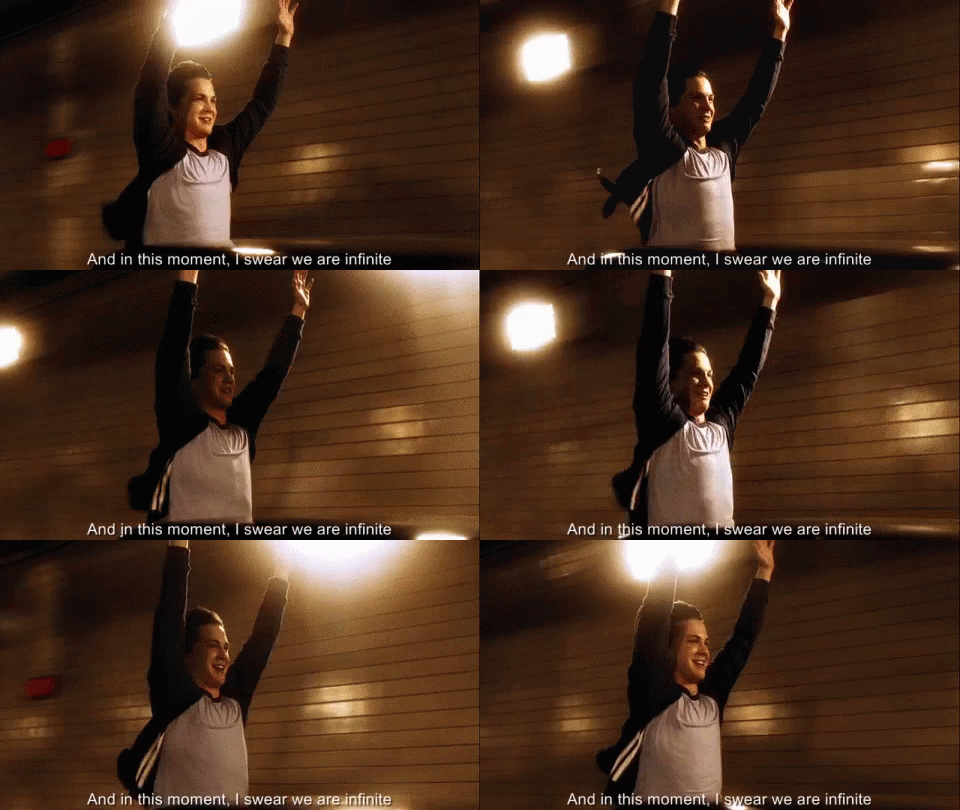
Flicker
When I was in primary school, I couldn’t wait to get to middle school. Then in middle school, I couldn’t wait for high school. Every year I kept telling myself the next one would finally be better. And now, in my final year, I realize I’ve spent my whole adolescence waiting for a rescue that never came.
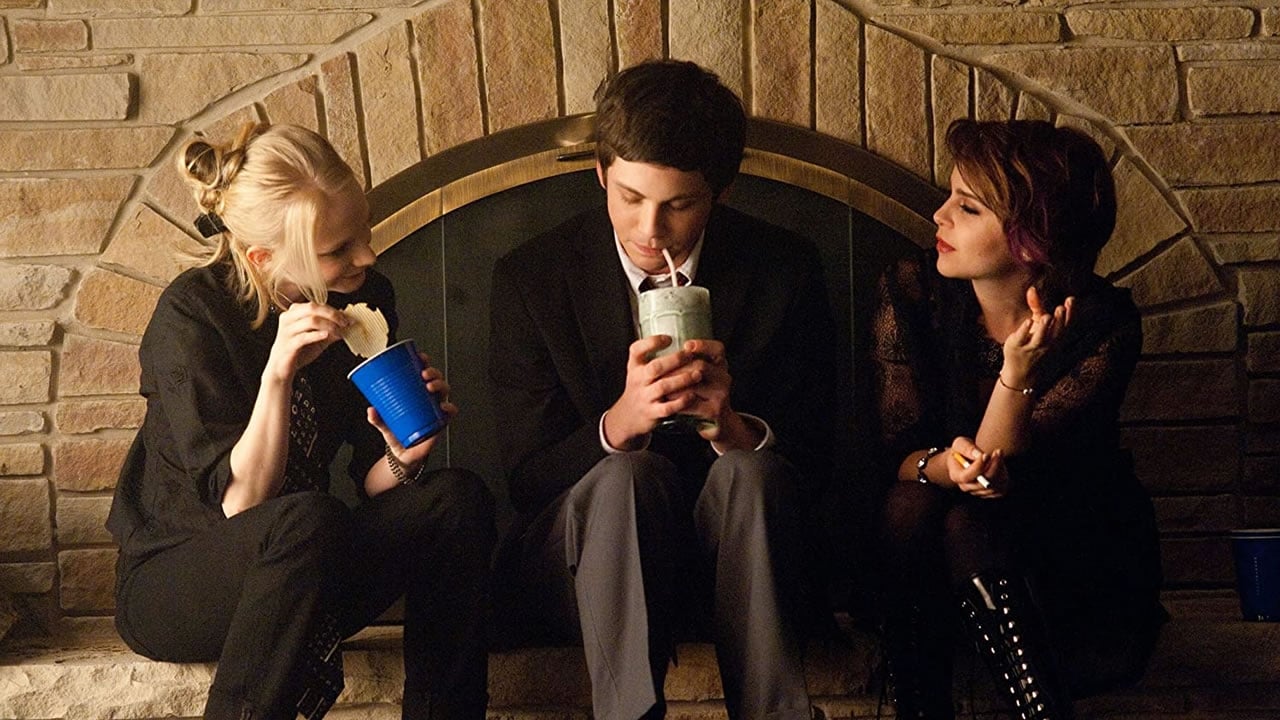
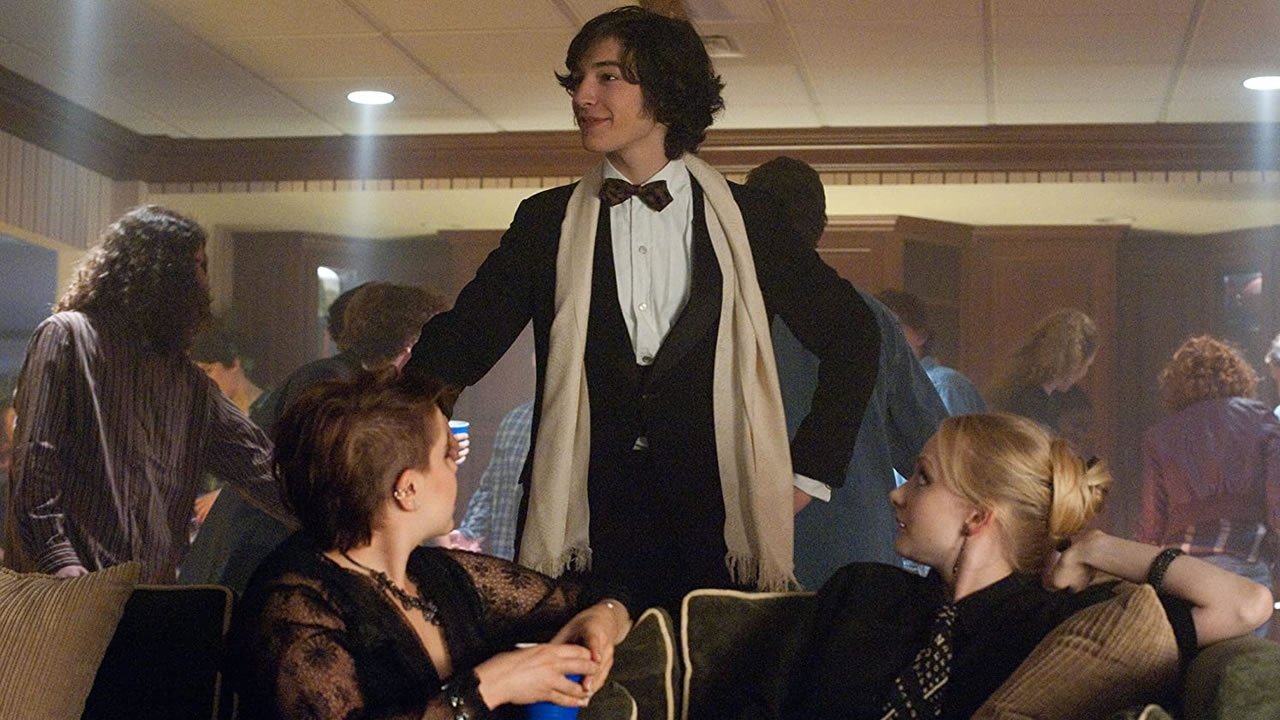
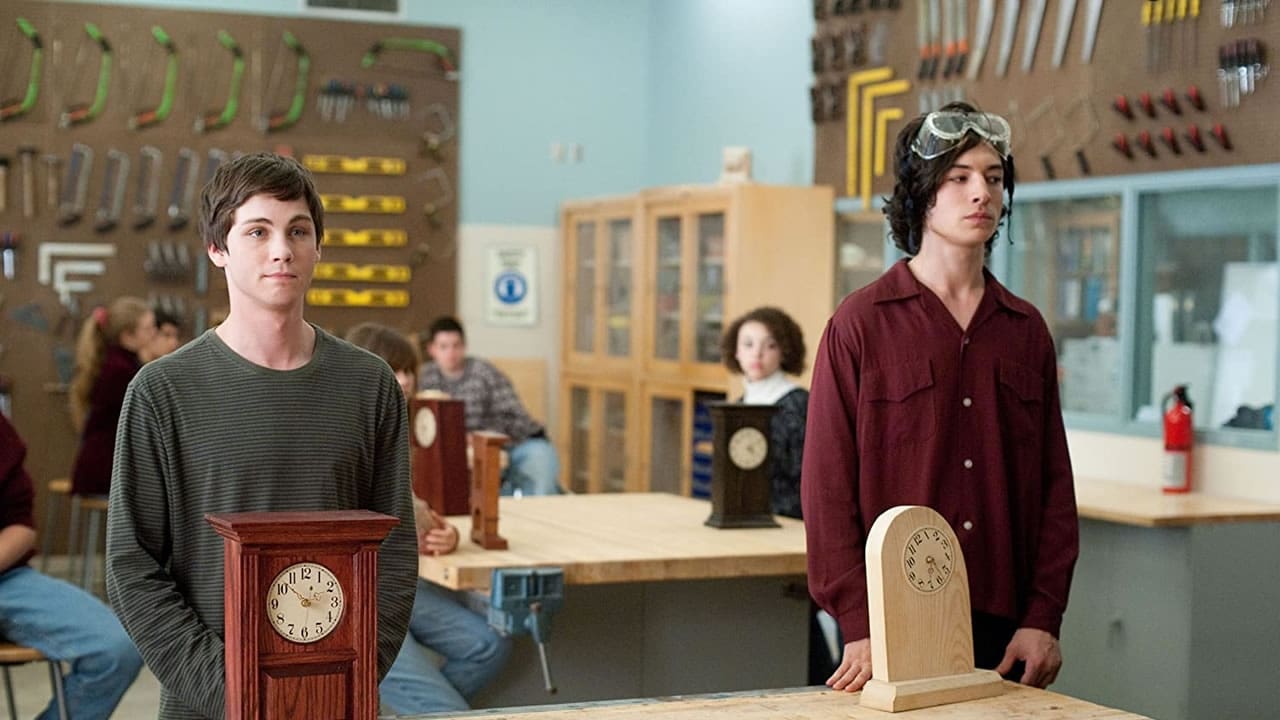
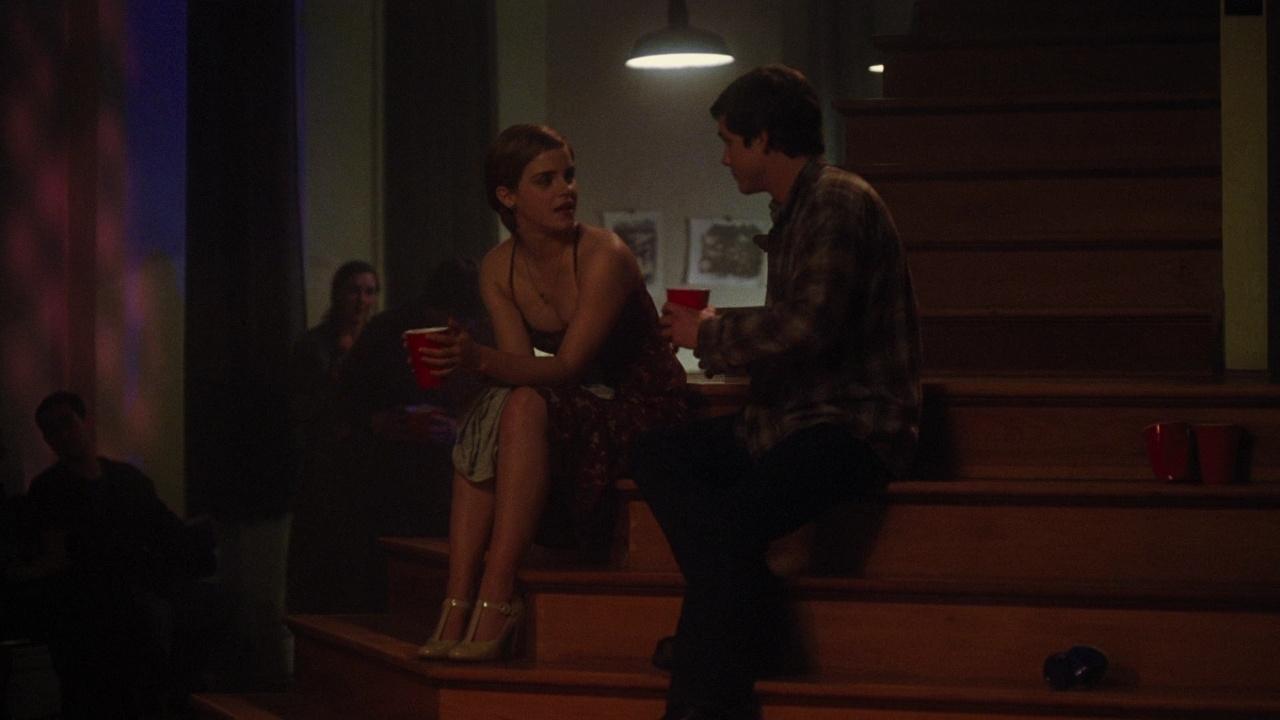
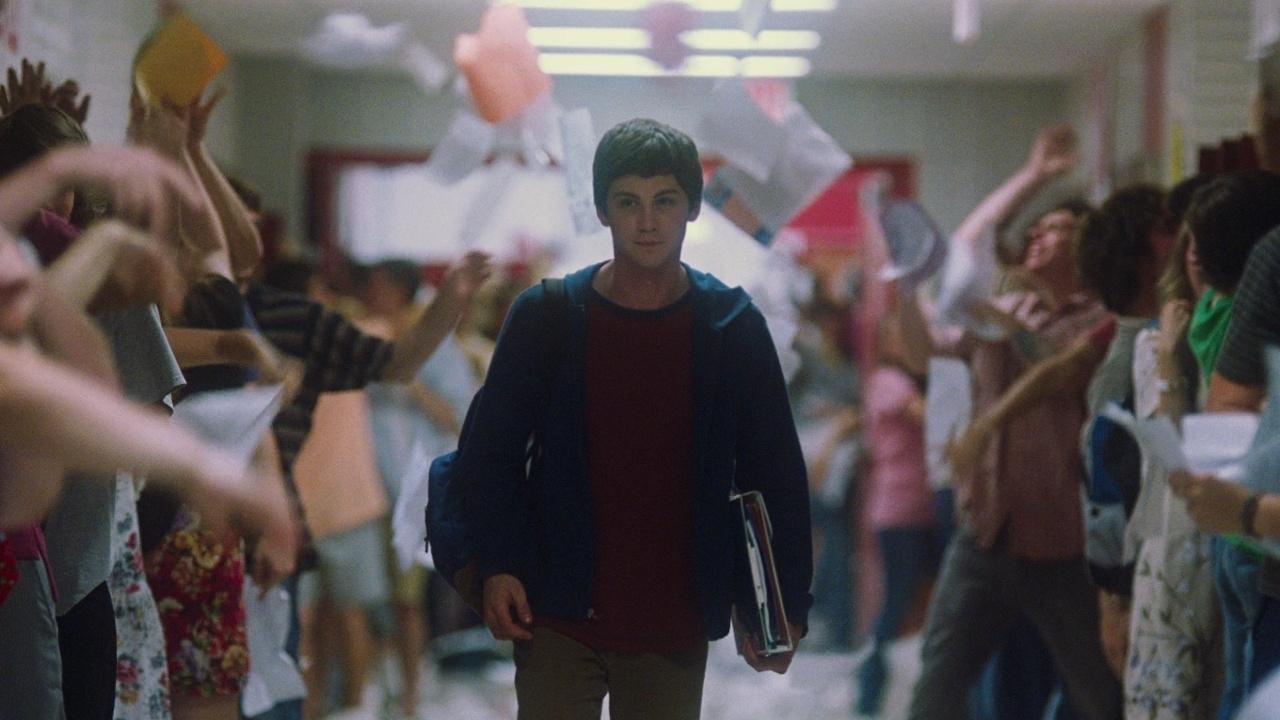
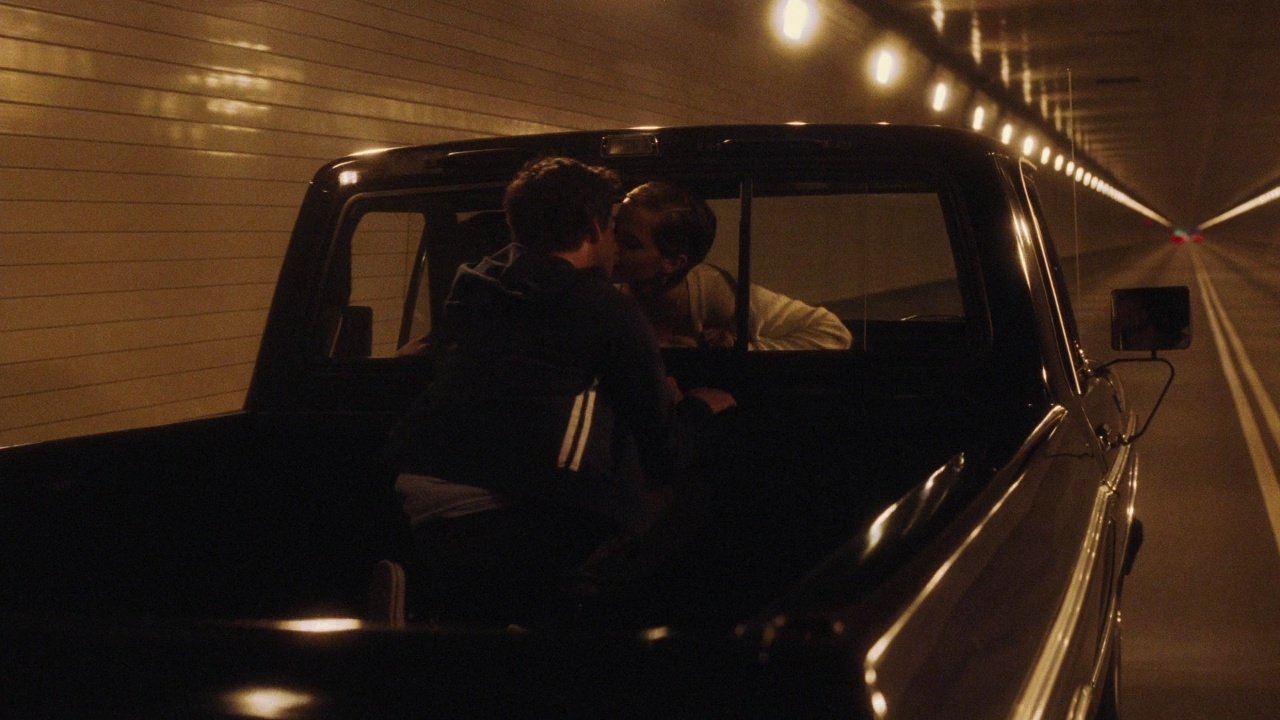
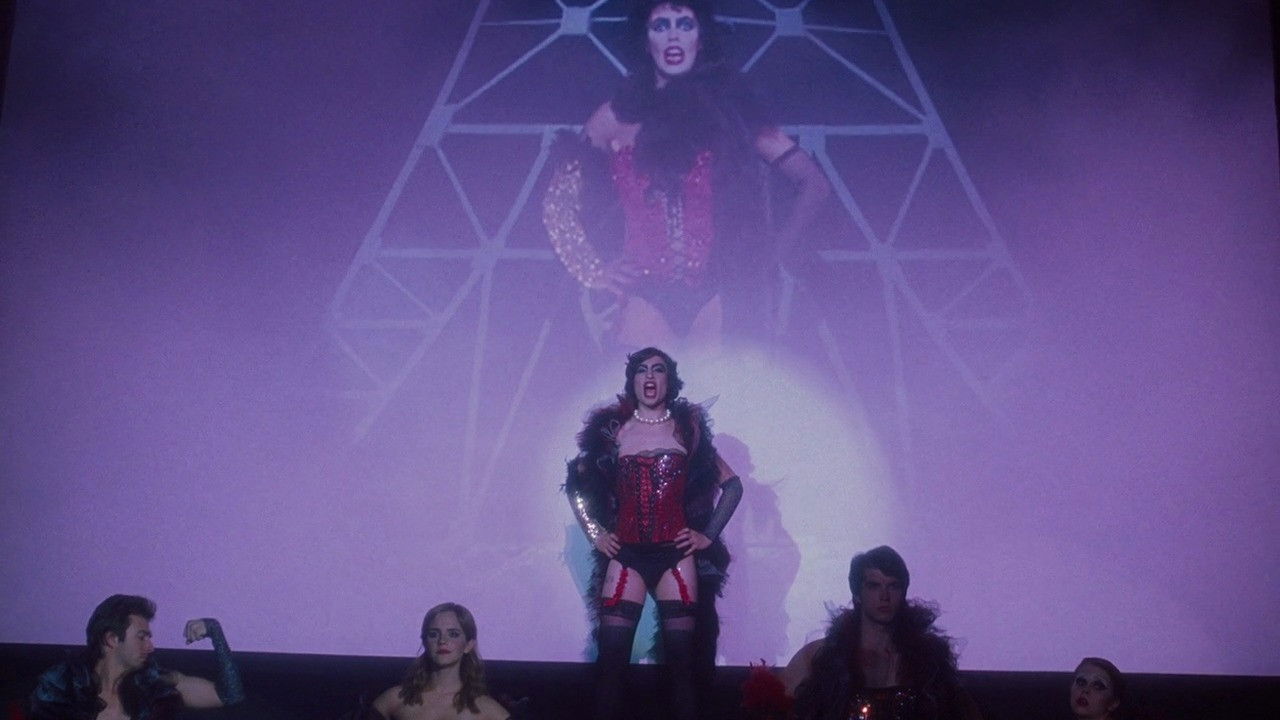
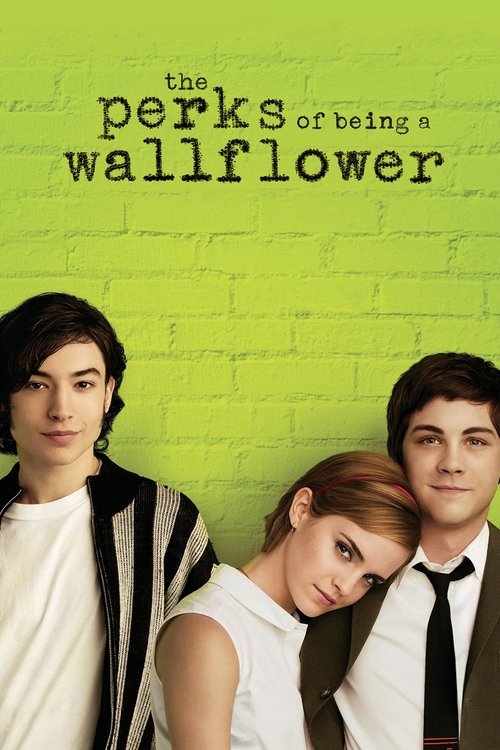
The Perks of Being a Wallflower gives shape to that emptiness. It’s not just a film about “lost teenagers.”
It’s a reminder that trauma doesn’t wait for adulthood to exist. At 16, at 17, you can already carry a weight so heavy the world would rather pretend it’s not there. And yet, maybe it’s at this age that you feel everything the loudest: love, pain, the urge to disappear and the desperate need to belong.
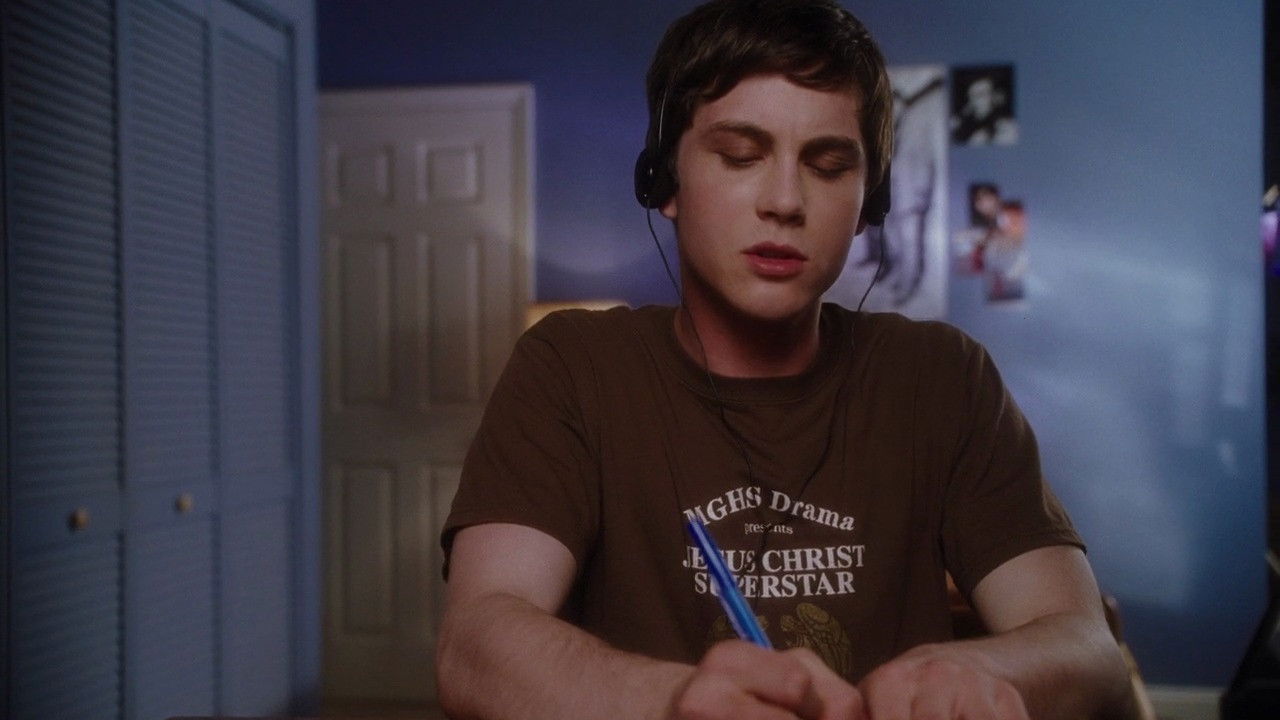
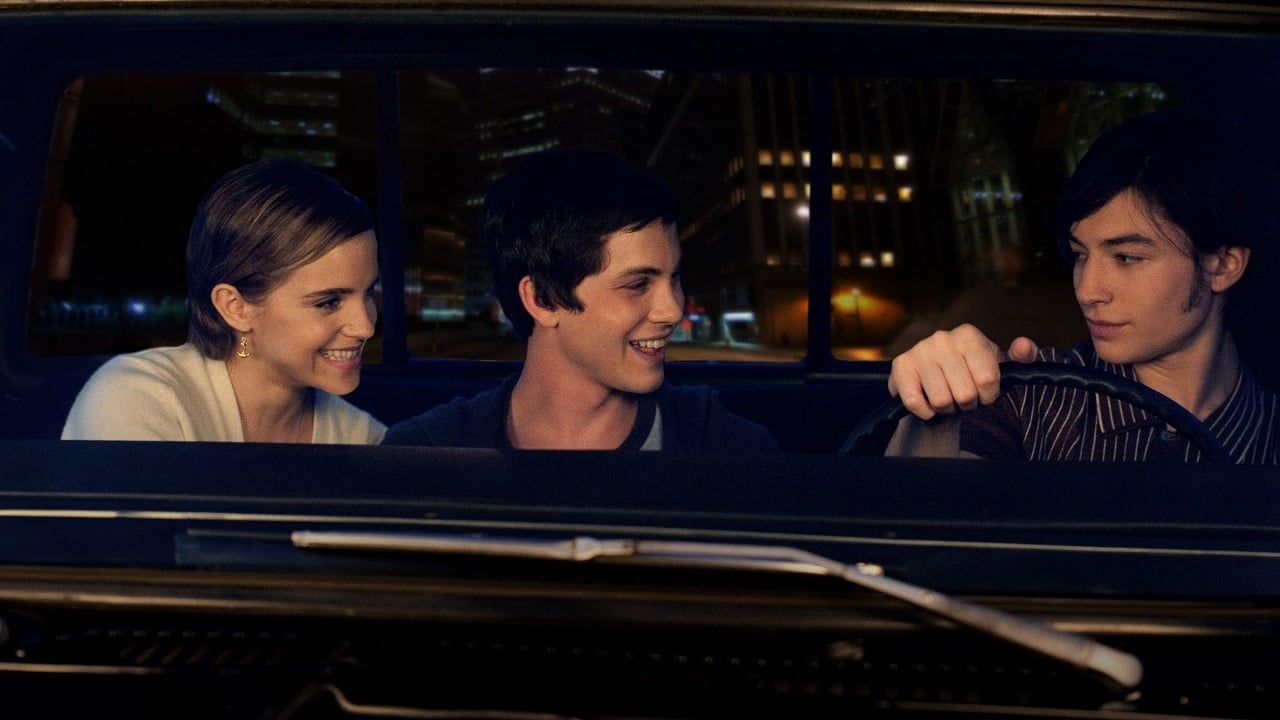
Charlie is the mirror of all that. His fear of being too much. His need for friends, for normalcy, for light. The way he hides so he won’t disturb anyone, even though all he wants is to step into the world. His tenderness, his awkwardness, his clarity—they cut through me as if they were my own.
And then there’s another truth this film captures so painfully well:
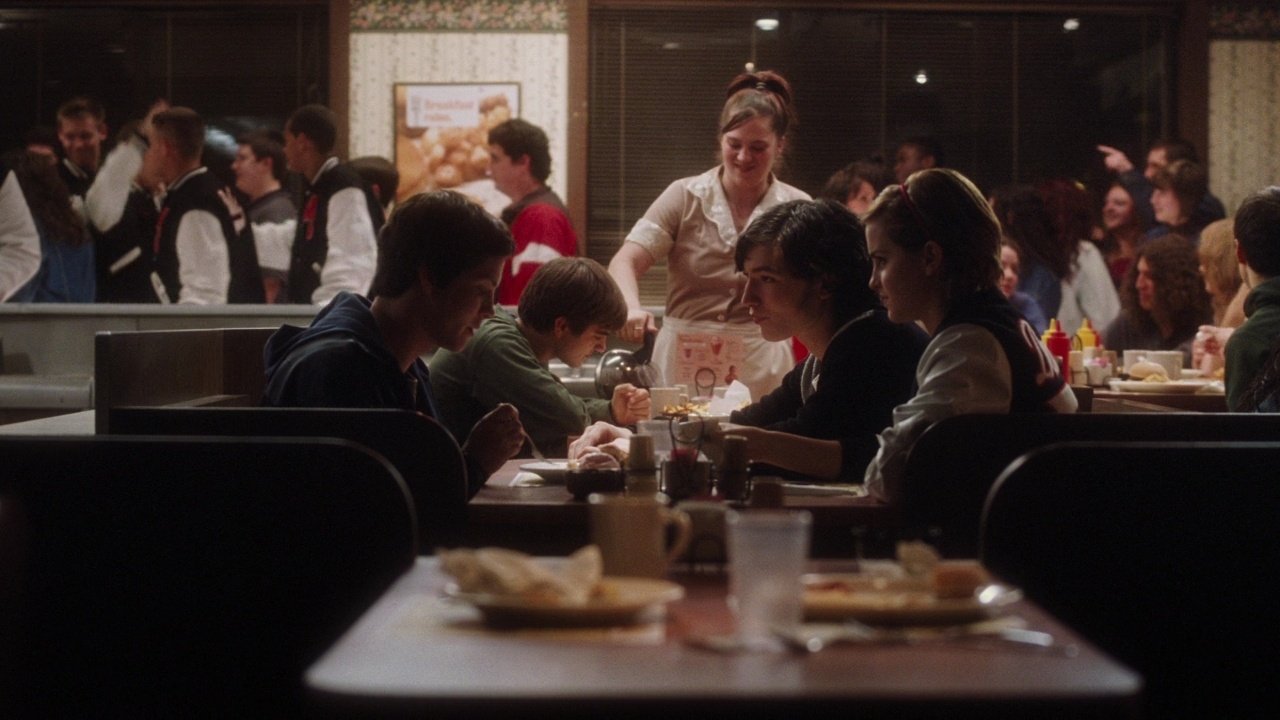
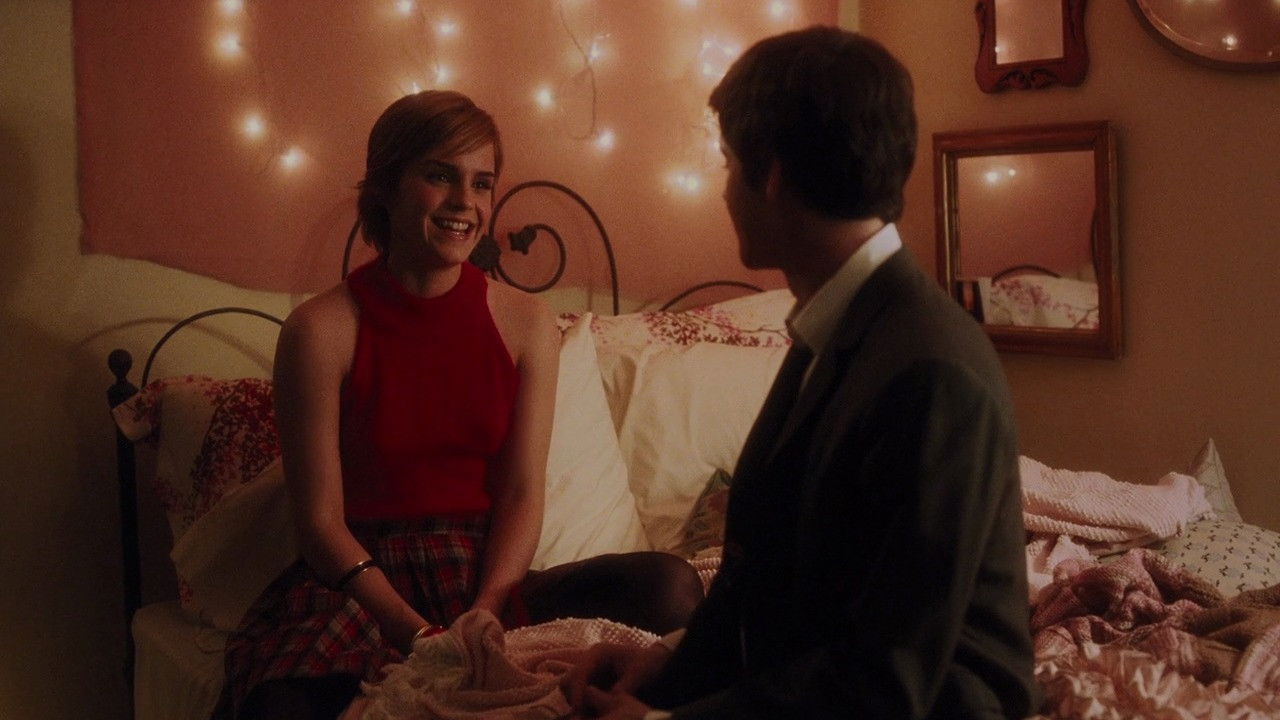
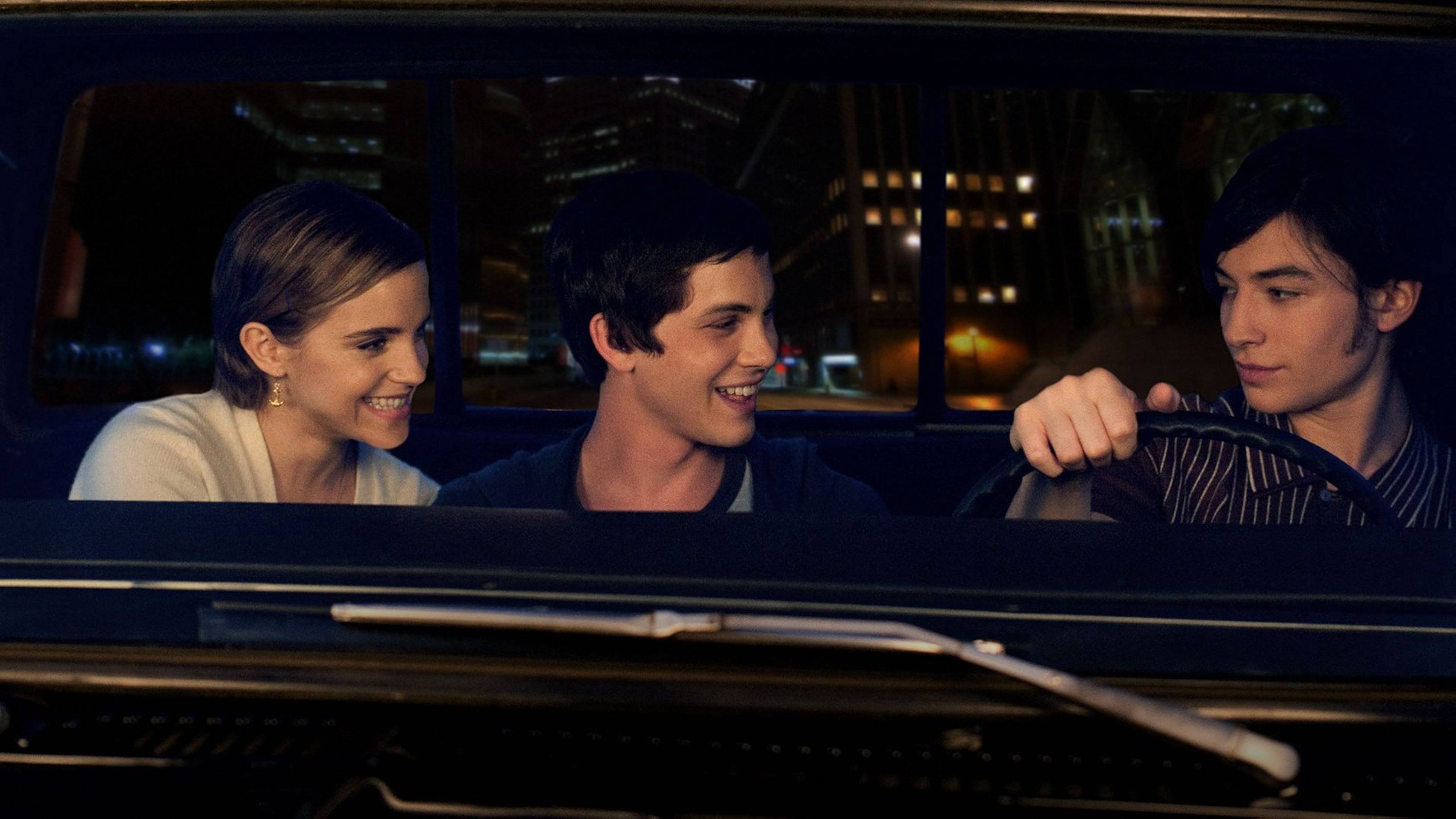
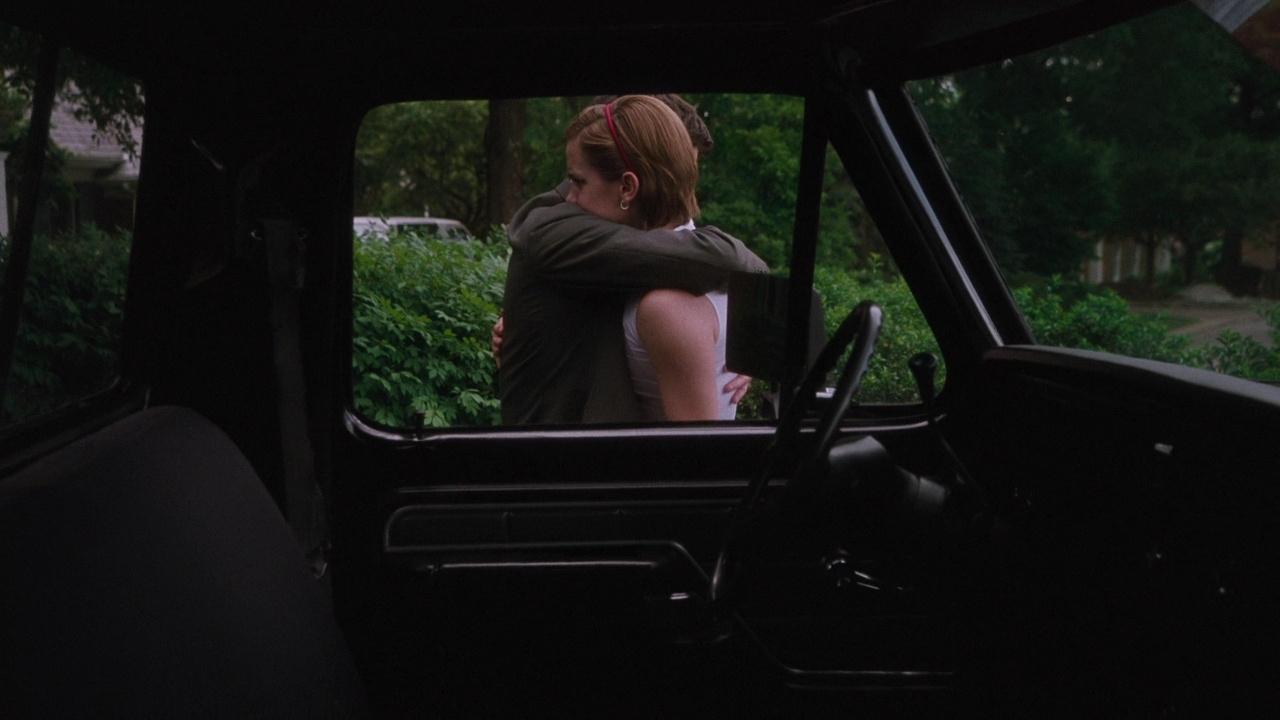
how hard it is to navigate relationships, to figure out who you belong to and for how long. Friendships, love—they’re never stable, never guaranteed. They can slip through your fingers even as you’re holding on with everything you have.
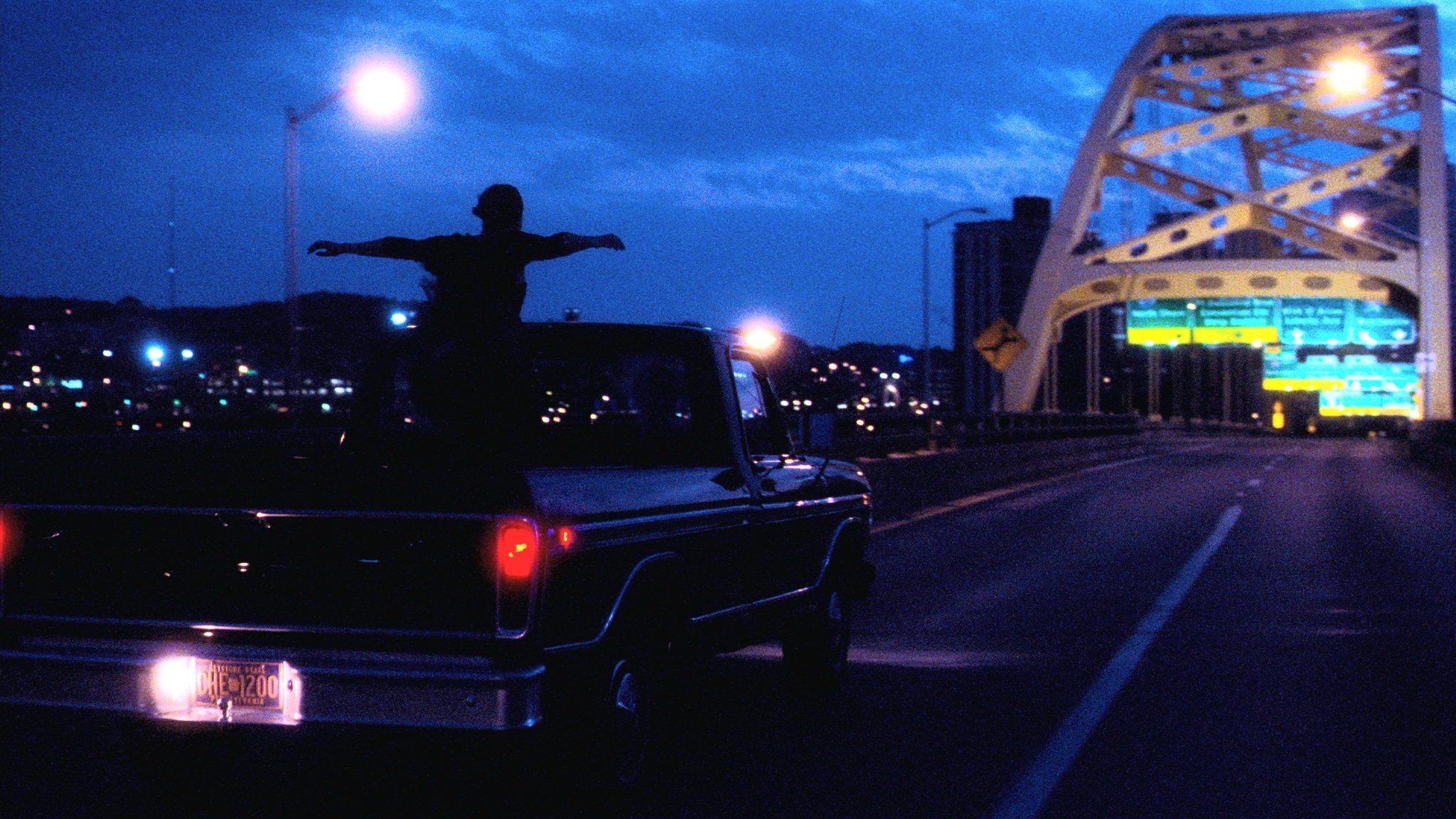
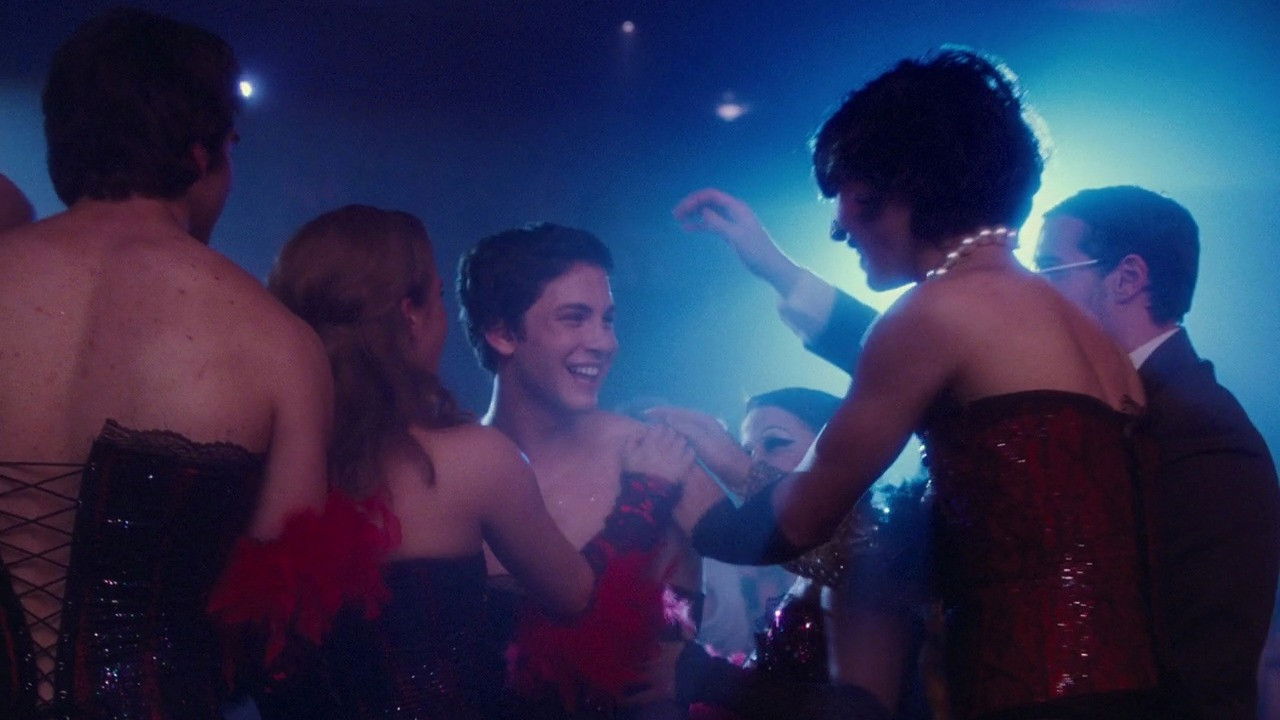
This film reminded me that being a teenager means being too much and not enough, invisible and incandescent all at once. It means learning to love without knowing how, to exist without knowing why, to keep standing even when the ground collapses beneath you.
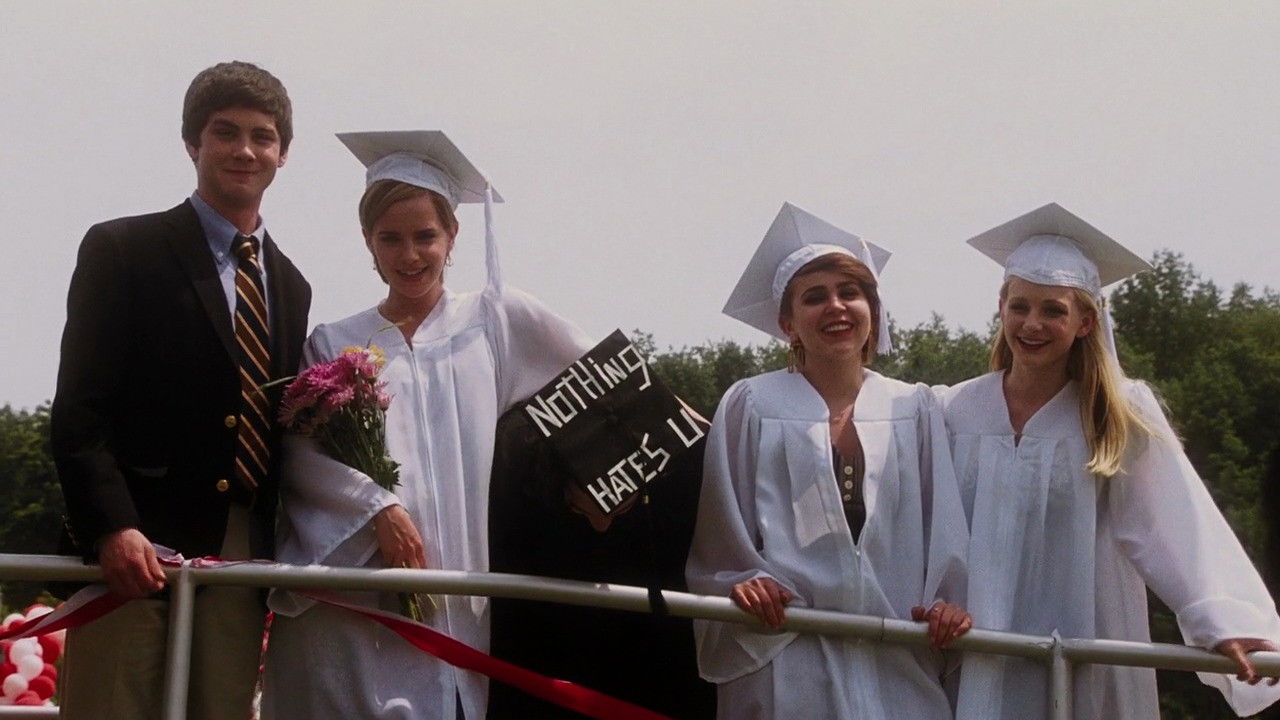
“Nothing hates you.”













































 1
1