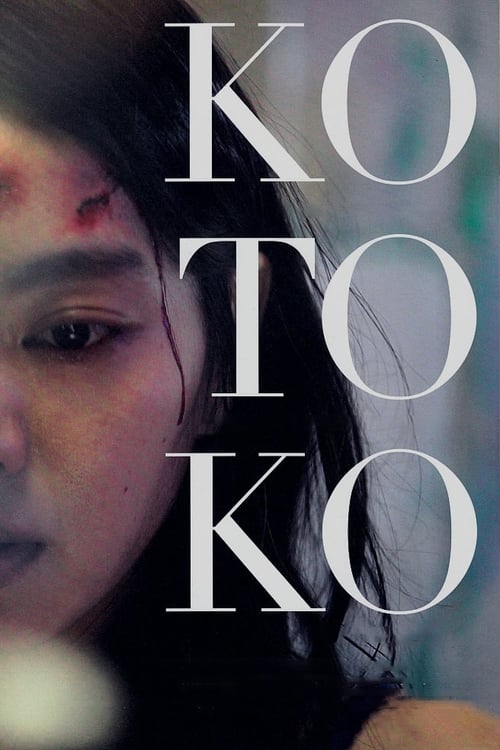
I watched this with a friend this time. I almost vomited this time!
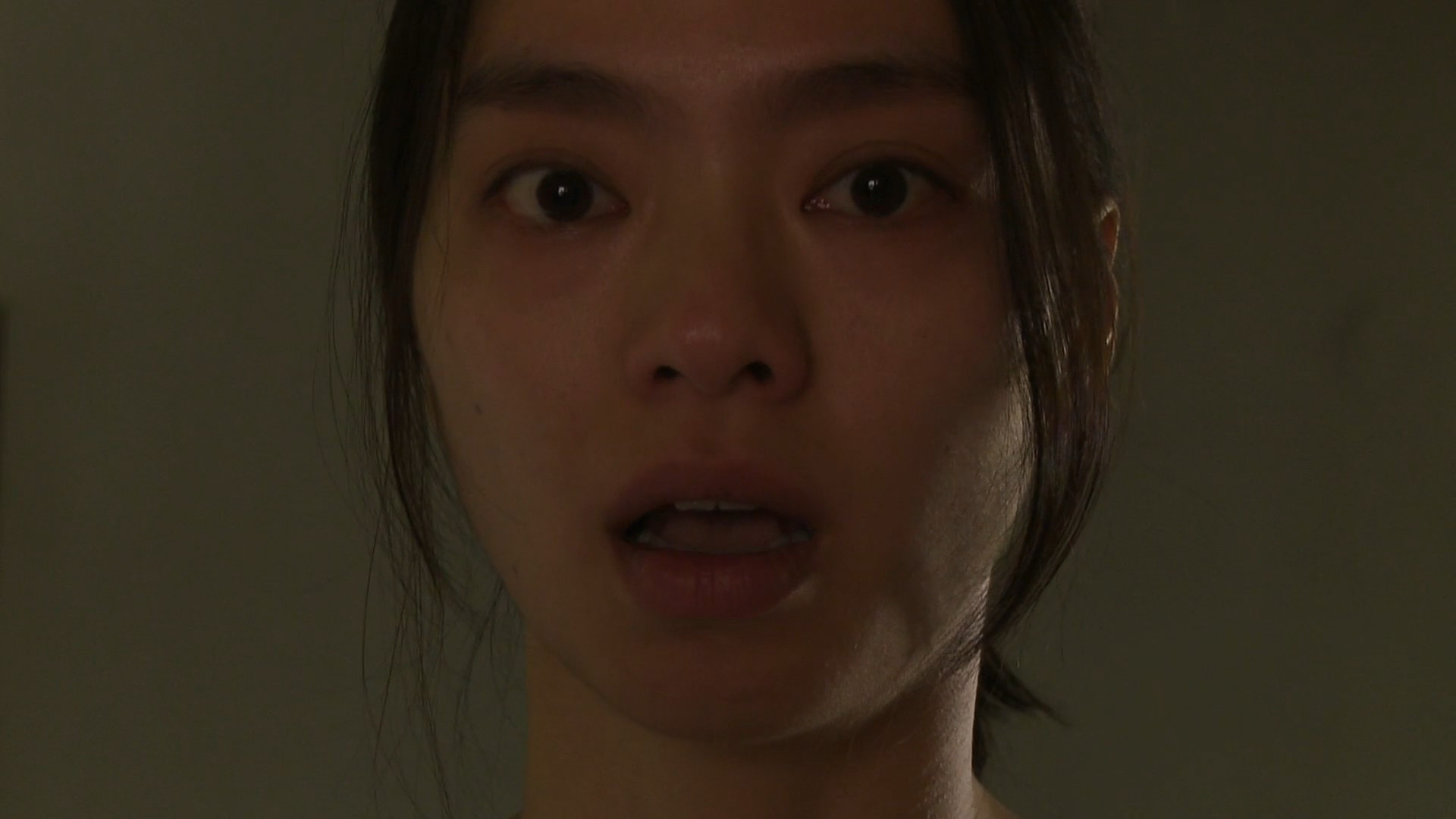
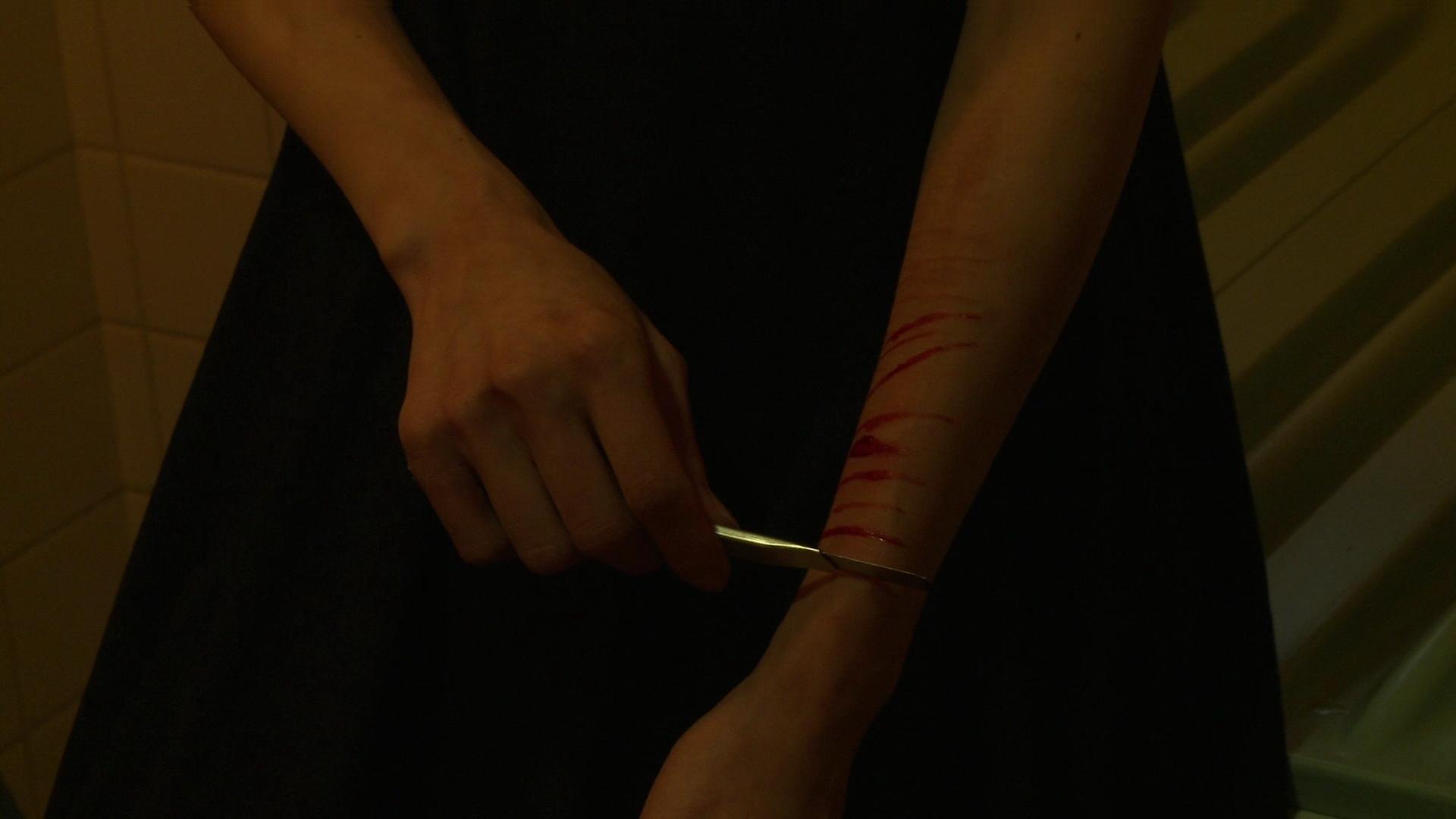
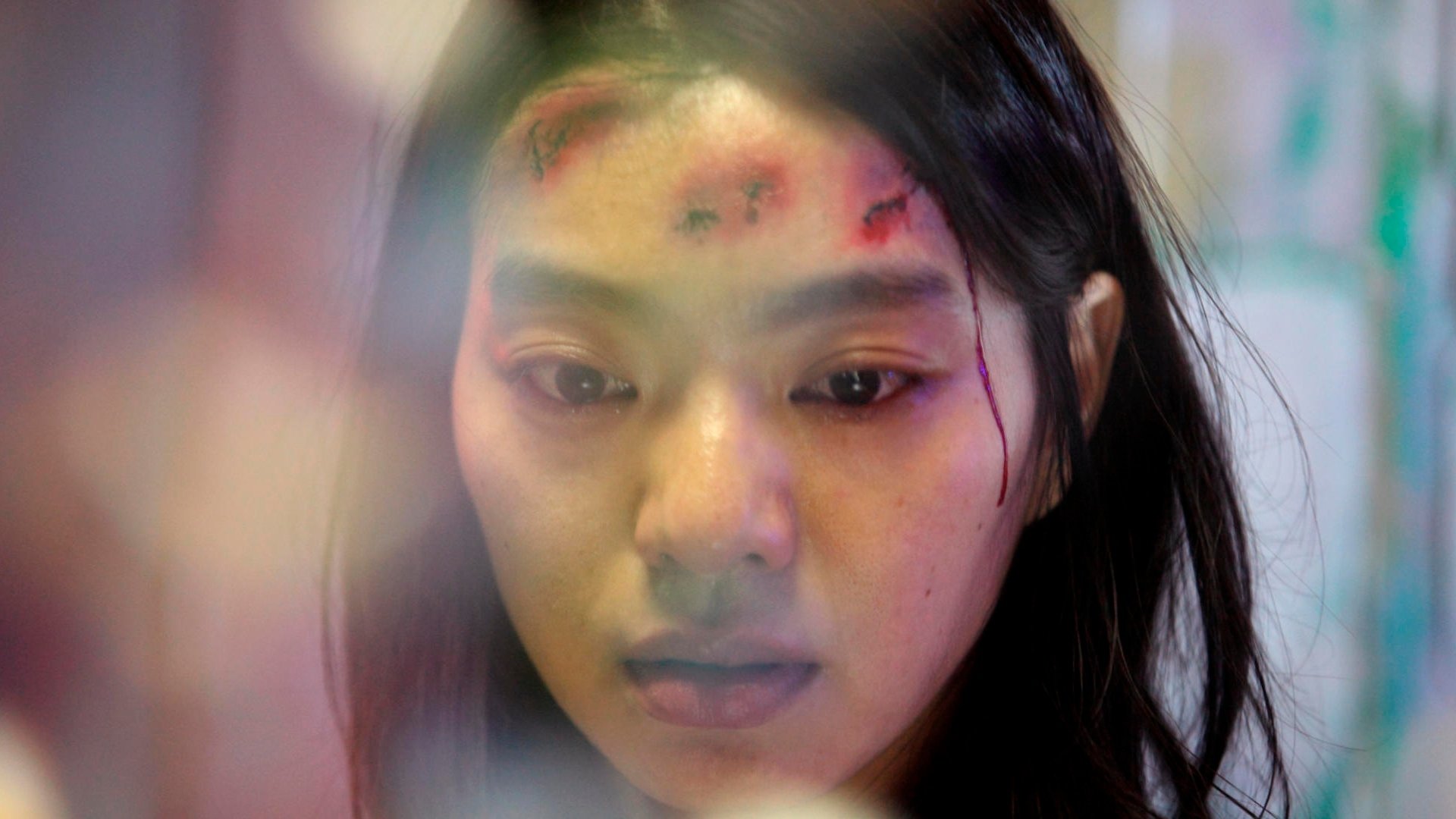
By refusing to adhere to any clear set of symptoms which are indisputably one thing, this movie has a sort of universal feeling. There's something universal in the depression, something universal in the negative patterns, something equally universal in the hallucinations and obsessive thoughts and psychotic episodes. The closest thing is probably some form of OCD, but, again, I don't think the idea is to depict some mental illness "accurately."
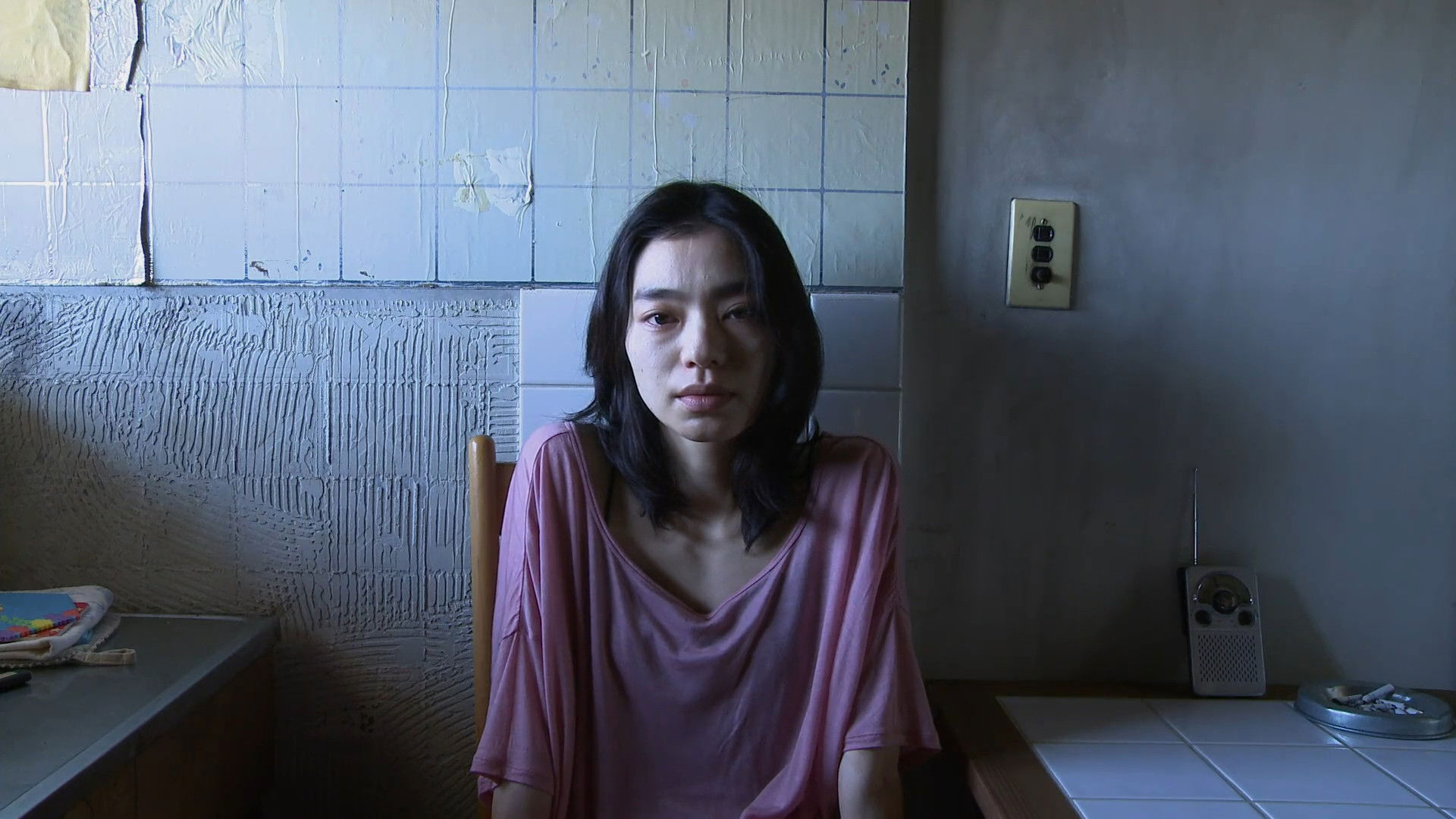
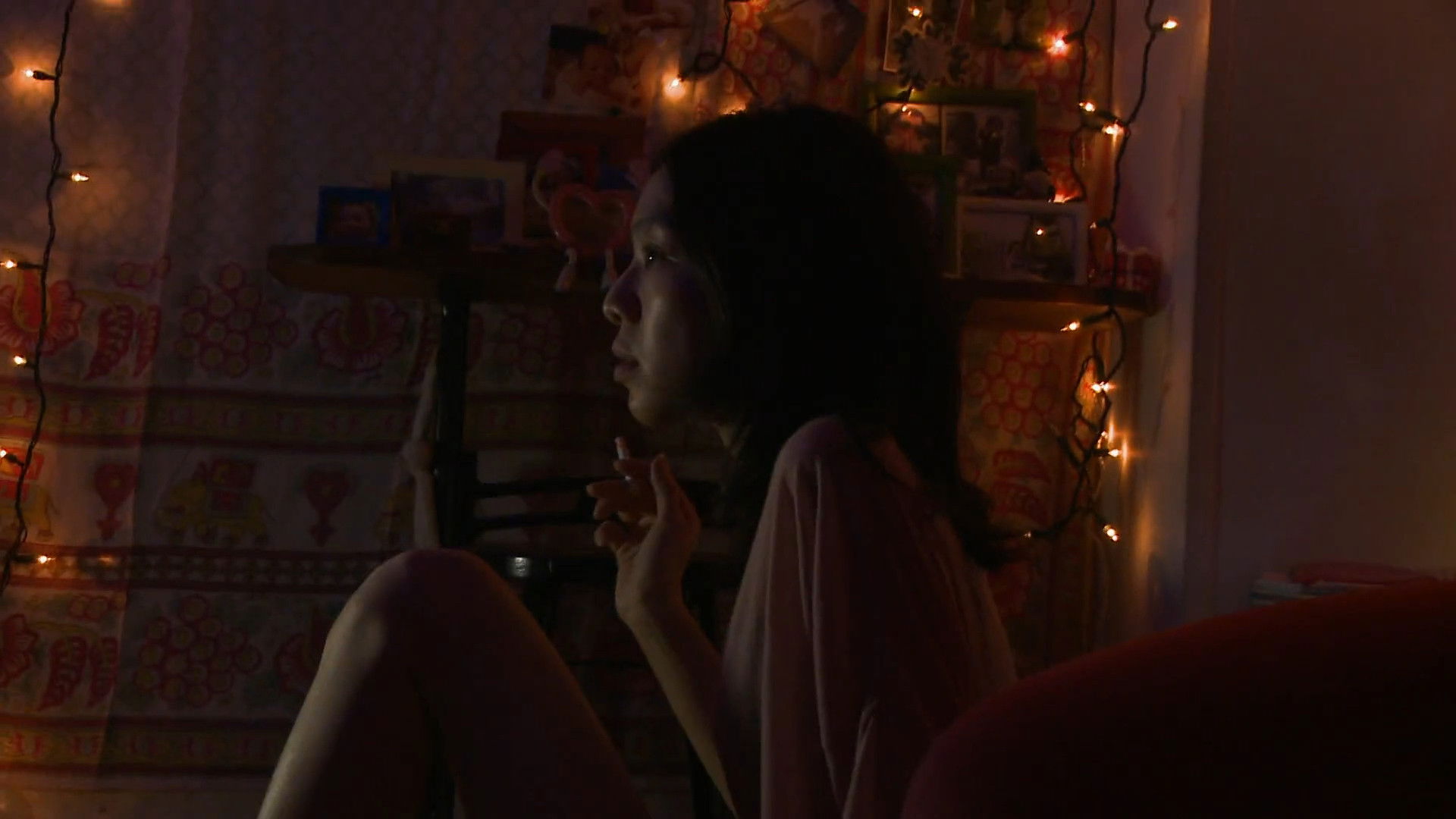
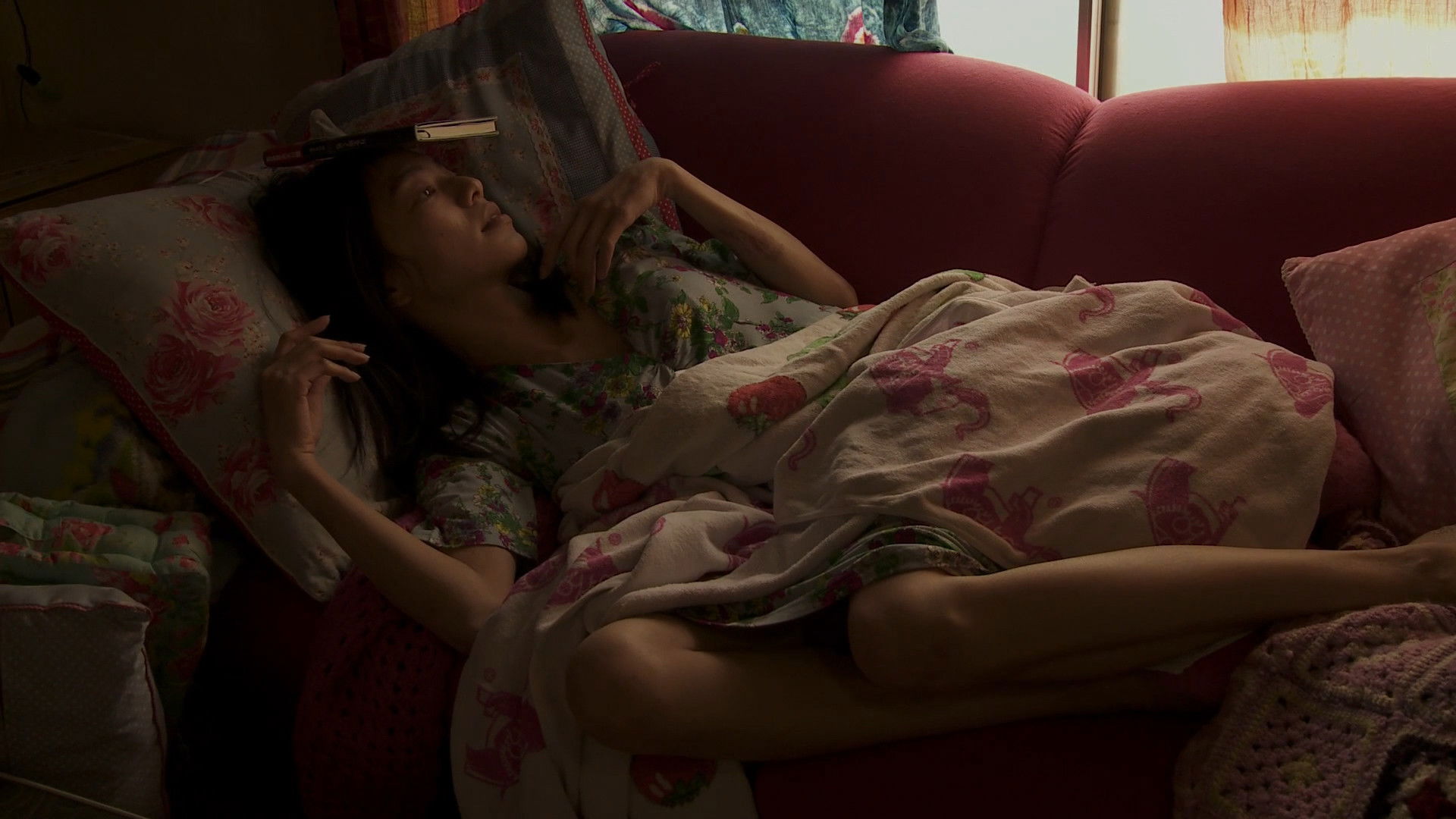
Something else that's universal about this movie, I think, is watching someone who deserves better in life fall apart over and over again, trying to be happy and never achieving it. I think most people have the experience of losing someone to their illness in this way. The sense of hope when they turn it around is always mixed with dread and grief, and a dim certainty that they won't do it. But you try and trust them and support them through it, no matter how bad it could get.
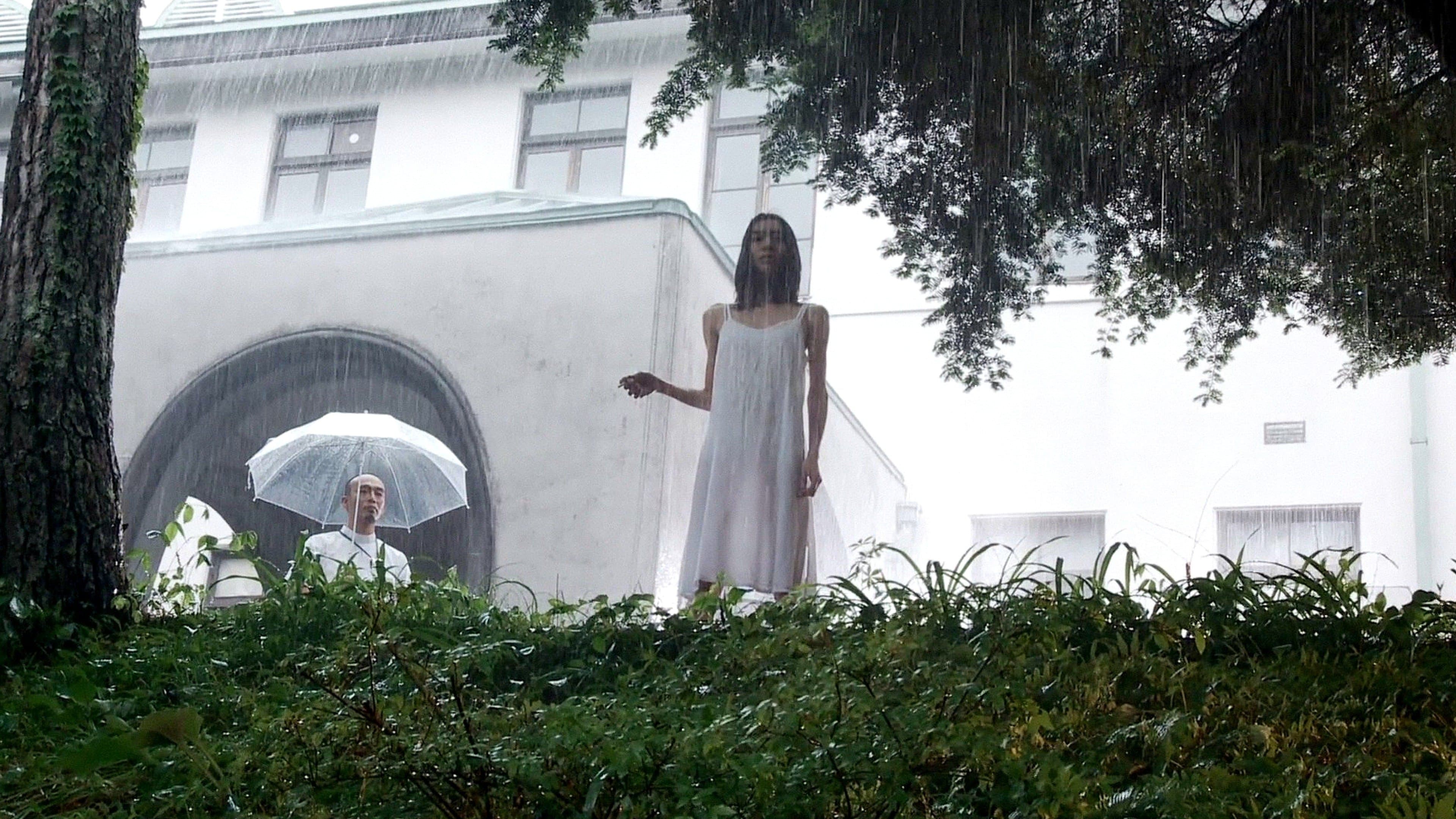
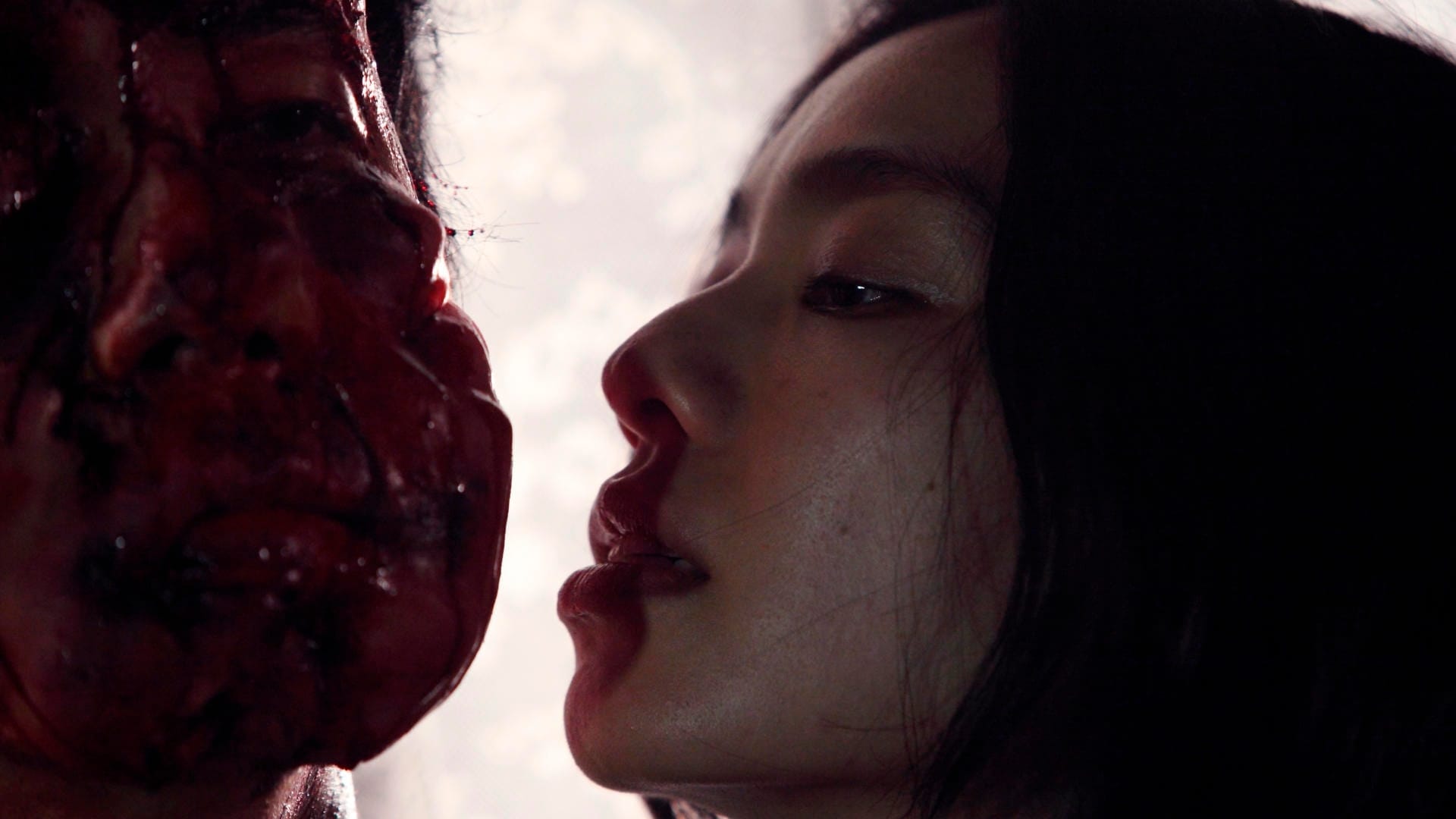
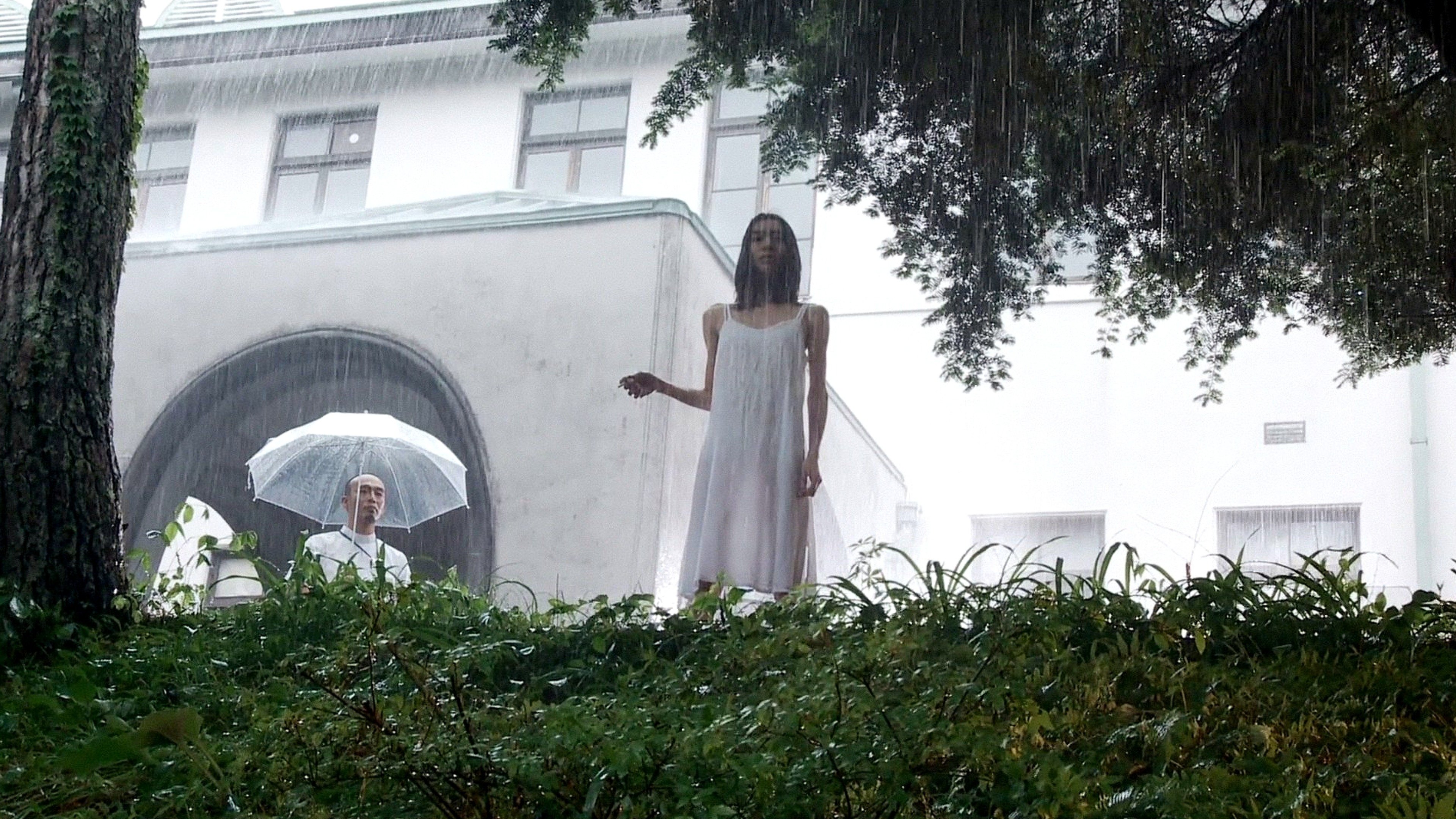
Shinya Tsukamoto is wonderful in this film as a profoundly evil and profoundly funny man with a solution for her self-harm that only encourages Kotoko to give into her obsessive thoughts more and more. You have to respect him for wanting to be viciously beat by Cocco.
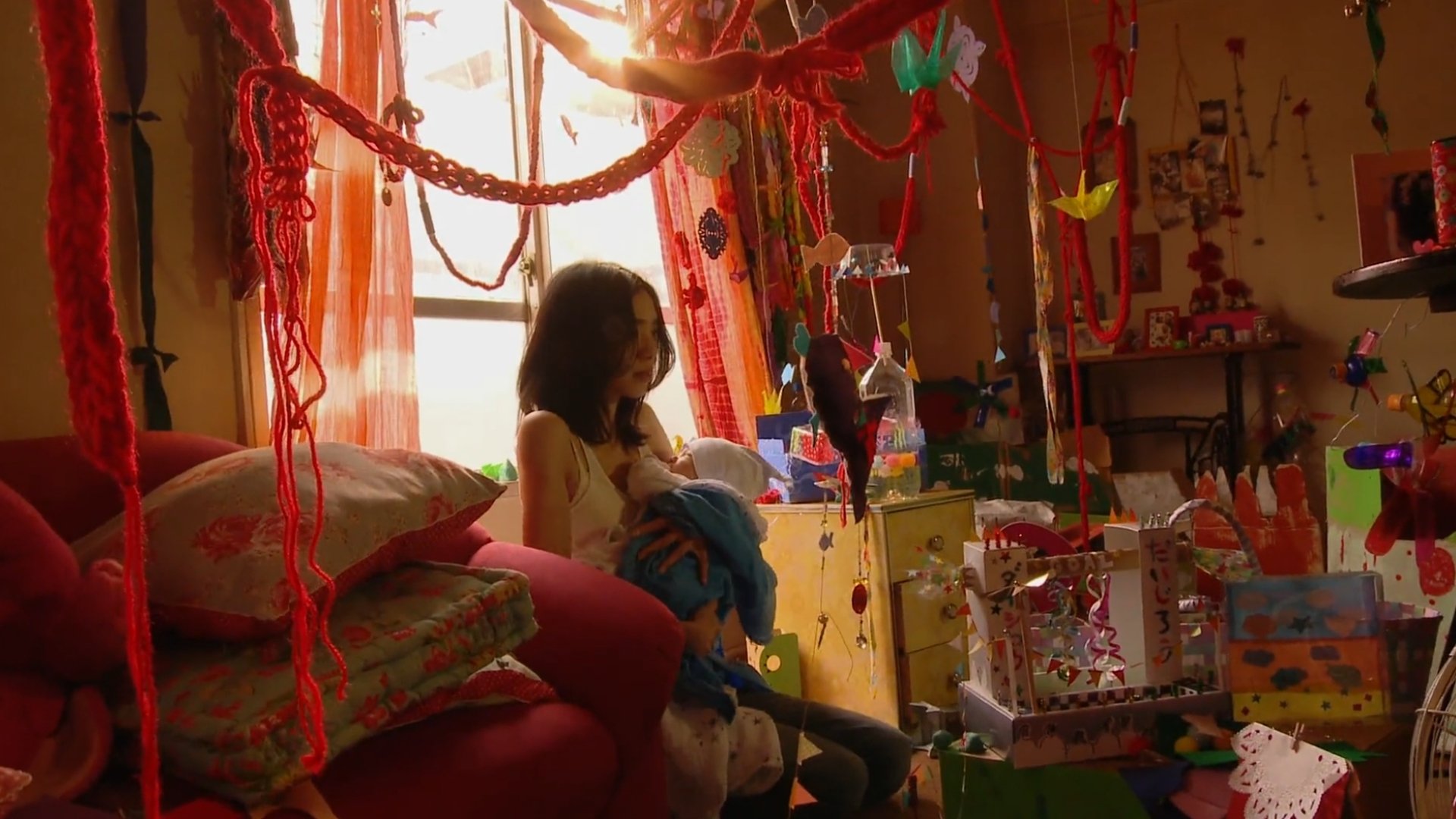
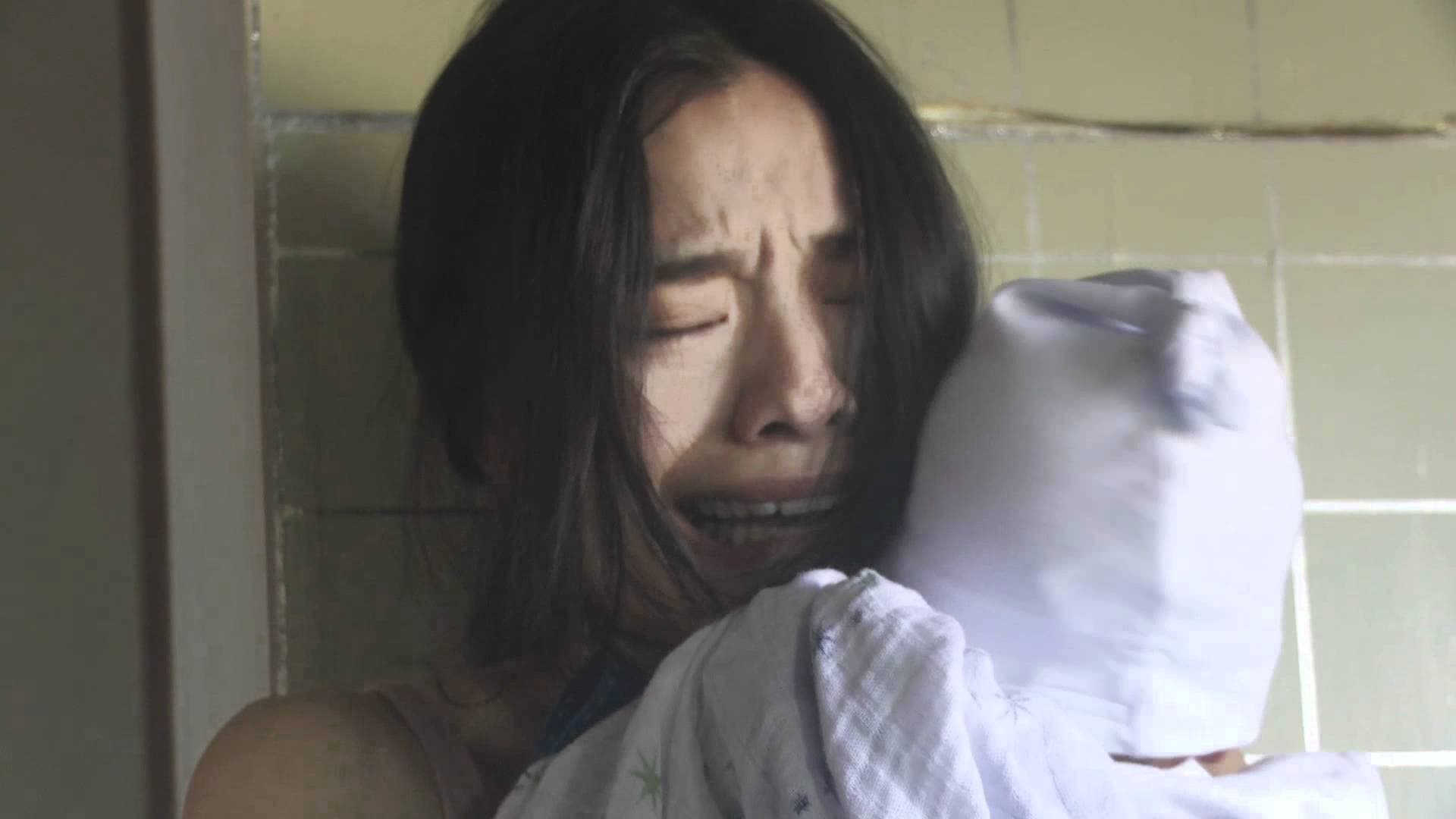
I can't describe the immensity of grief I feel as I see how her son interacts with her during their meeting and I understand that he remembered everything. The second wave of grief as I understand, in my second viewing, that the best some people can have is a half-life with moments of lucidity few and far between.
I told my friend that our friend group really couldn't watch this movie. All of them have various life experiences, tolerances, and psychiatric illnesses which would prevent any good outcome. So I don't know if I'll get to show any other friends, this movie is pretty rough.
"To them, we're aliens too."
I watched this with a friend this time. I almost vomited this time!
By refusing to adhere to any clear set of symptoms which are indisputably one thing, this movie has a sort of universal feeling. There's something universal in the depression, something universal in the negative patterns, something equally universal in the hallucinations and obsessive thoughts and psychotic episodes. The closest thing is probably some form of OCD, but, again, I don't think the idea is to depict some mental illness "accurately."
Something else that's universal about this movie, I think, is watching someone who deserves better in life fall apart over and over again, trying to be happy and never achieving it. I think most people have the experience of losing someone to their illness in this way. The sense of hope when they turn it around is always mixed with dread and grief, and a dim certainty that they won't do it. But you try and trust them and support them through it, no matter how bad it could get.
Shinya Tsukamoto is wonderful in this film as a profoundly evil and profoundly funny man with a solution for her self-harm that only encourages Kotoko to give into her obsessive thoughts more and more. You have to respect him for wanting to be viciously beat by Cocco.
I can't describe the immensity of grief I feel as I see how her son interacts with her during their meeting and I understand that he remembered everything. The second wave of grief as I understand, in my second viewing, that the best some people can have is a half-life with moments of lucidity few and far between.
I told my friend that our friend group really couldn't watch this movie. All of them have various life experiences, tolerances, and psychiatric illnesses which would prevent any good outcome. So I don't know if I'll get to show any other friends, this movie is pretty rough.
"To them, we're aliens too."