man, i love the premise of this film, alongside its teachings and raised questions. generally and in regard of his entire filmography, mizoguchi places family, love, virtue, and solemnity at the forefront where the backdrop is war, corrupt governments, the controversial samurai code, and prostitution.
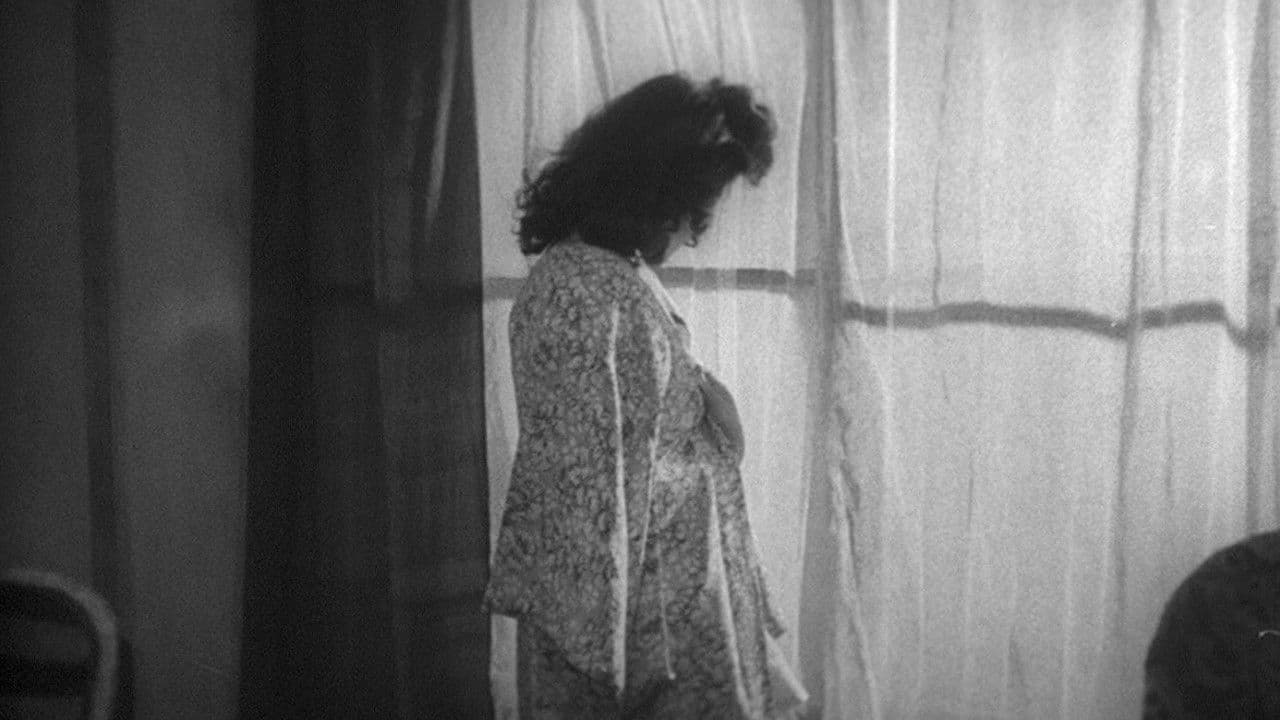
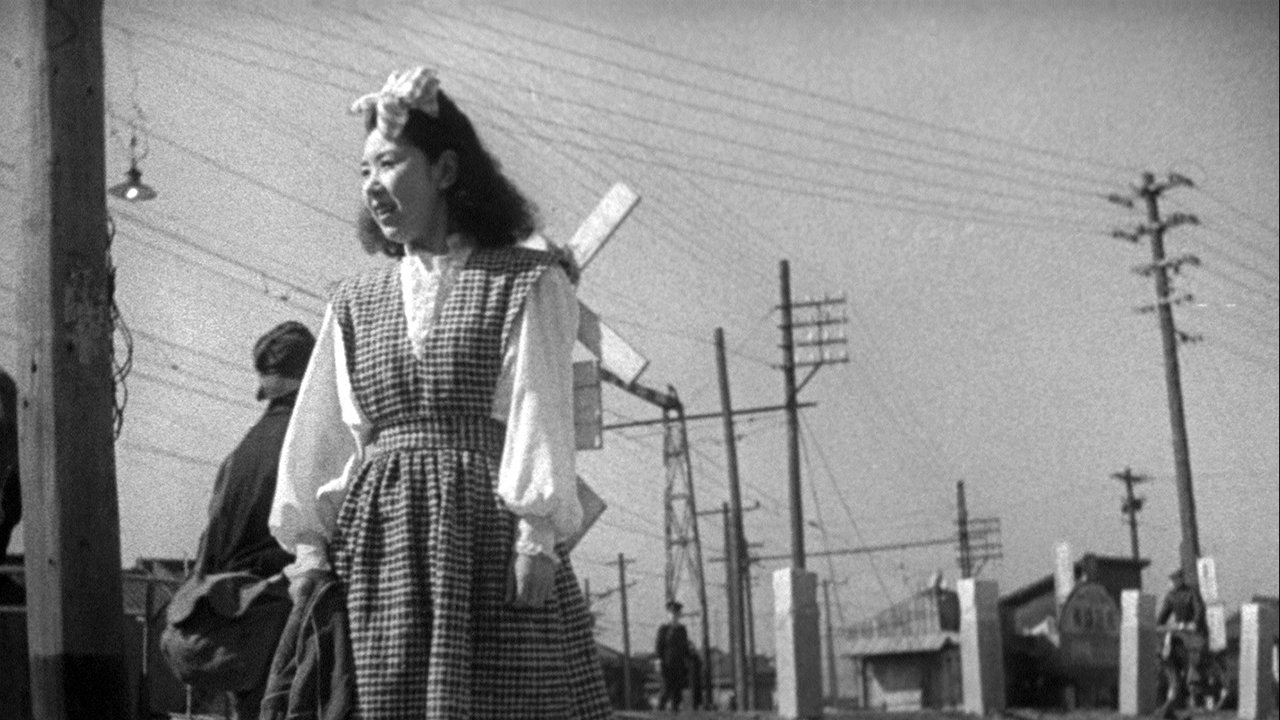
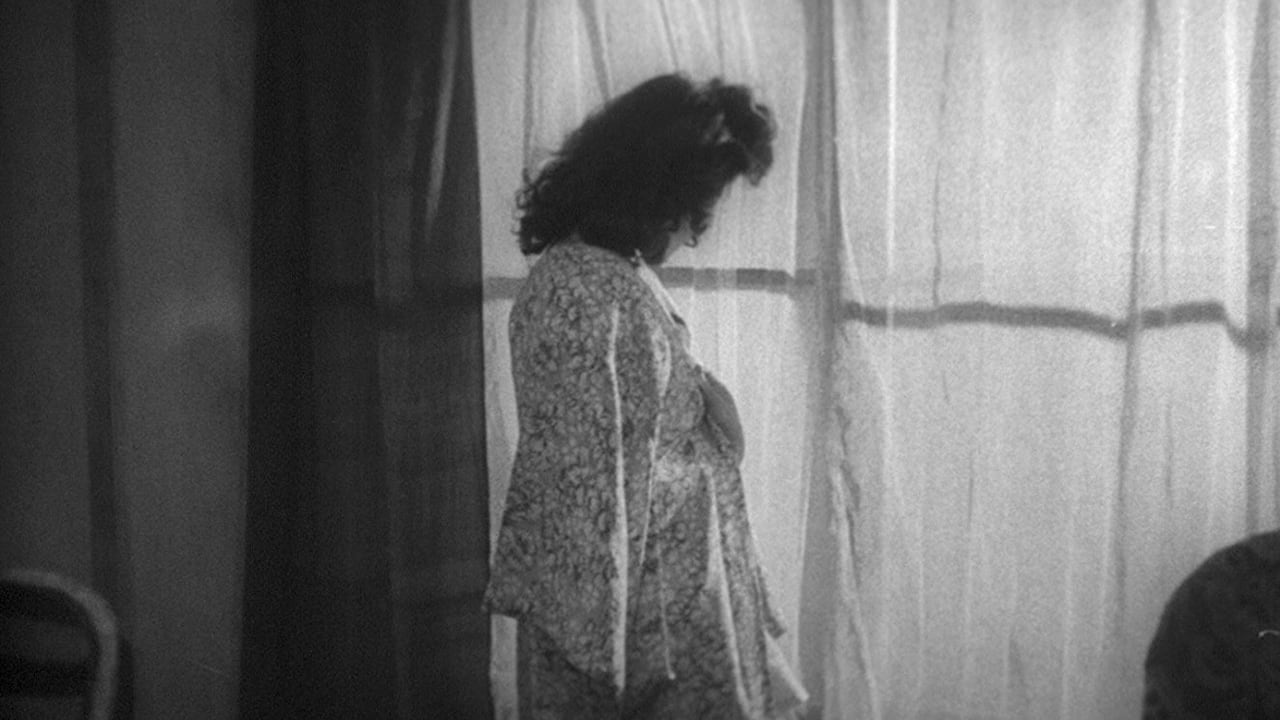
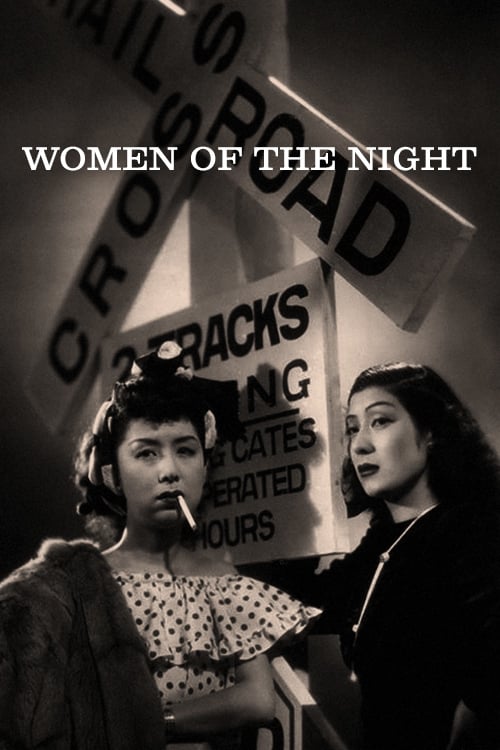
with how ww2 went down—industrialization demanded to be remolded and it was mostly men at the forefront of this specific event. in women of the night, we, as a rarity, see the female perspective of post-war issues; their integrity is slowly fading, children are dying, and they need to juggle between finding suitable work and housekeeping.
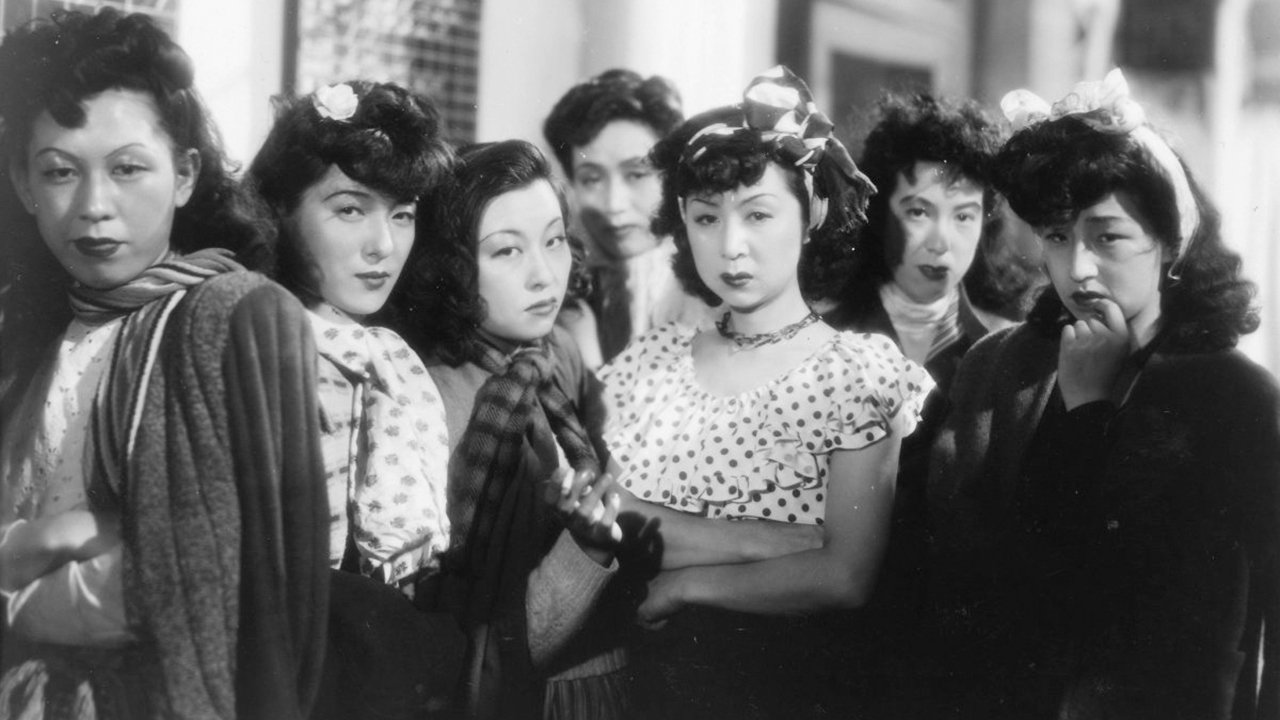
however, we also see the women confidently smoking, asserting dominance, and indulging in powerful, gang-like beatdowns; actions typically related to men and us as viewers subconsciously associate it with men, so seeing women partaking in this and prostitution for aid, allowed two self-constructed, long-and-loose grand questions i premeditated during my viewing:
1. are gender-centred problems really that disparate after big events (like war or flu pandemics) and do we, as society, construct excessively suffocating barriers and differences towards what men and women experience and suffer, or is there a greater sense of collectivism and universalism as we’re all part of the human race, but as an act of this universal implication and its unreachability, is there an underlying mode of embarrassment, stigmatization, and gender discrimination? why do we seemingly thrive on division?
2. is it ethical for people to earn money through socially-accepted means deemed unethical such as prostitution, robbing, or even violence to treat and aid others or themselves during a time of their personal suffering and depression? are they inherently responsible for this and are bad? and are we, in return, inherently responsible for this and are bad for pushing these suffering individuals to such extreme lengths? how do we approach sympathy and empathy, irresponsibility and responsibility, and nonessentialism and inherence when combining money and morality?
true respect is often disguised as superficial disrespect—transparency over blandishment. mizoguchi exploits these women to reveal their inner resilience.
man, i love the premise of this film, alongside its teachings and raised questions. generally and in regard of his entire filmography, mizoguchi places family, love, virtue, and solemnity at the forefront where the backdrop is war, corrupt governments, the controversial samurai code, and prostitution.
with how ww2 went down—industrialization demanded to be remolded and it was mostly men at the forefront of this specific event. in women of the night, we, as a rarity, see the female perspective of post-war issues; their integrity is slowly fading, children are dying, and they need to juggle between finding suitable work and housekeeping.
however, we also see the women confidently smoking, asserting dominance, and indulging in powerful, gang-like beatdowns; actions typically related to men and us as viewers subconsciously associate it with men, so seeing women partaking in this and prostitution for aid, allowed two self-constructed, long-and-loose grand questions i premeditated during my viewing:
1. are gender-centred problems really that disparate after big events (like war or flu pandemics) and do we, as society, construct excessively suffocating barriers and differences towards what men and women experience and suffer, or is there a greater sense of collectivism and universalism as we’re all part of the human race, but as an act of this universal implication and its unreachability, is there an underlying mode of embarrassment, stigmatization, and gender discrimination? why do we seemingly thrive on division?
2. is it ethical for people to earn money through socially-accepted means deemed unethical such as prostitution, robbing, or even violence to treat and aid others or themselves during a time of their personal suffering and depression? are they inherently responsible for this and are bad? and are we, in return, inherently responsible for this and are bad for pushing these suffering individuals to such extreme lengths? how do we approach sympathy and empathy, irresponsibility and responsibility, and nonessentialism and inherence when combining money and morality?
true respect is often disguised as superficial disrespect—transparency over blandishment. mizoguchi exploits these women to reveal their inner resilience.