

1956·Romance·1h 26m
7.1
★
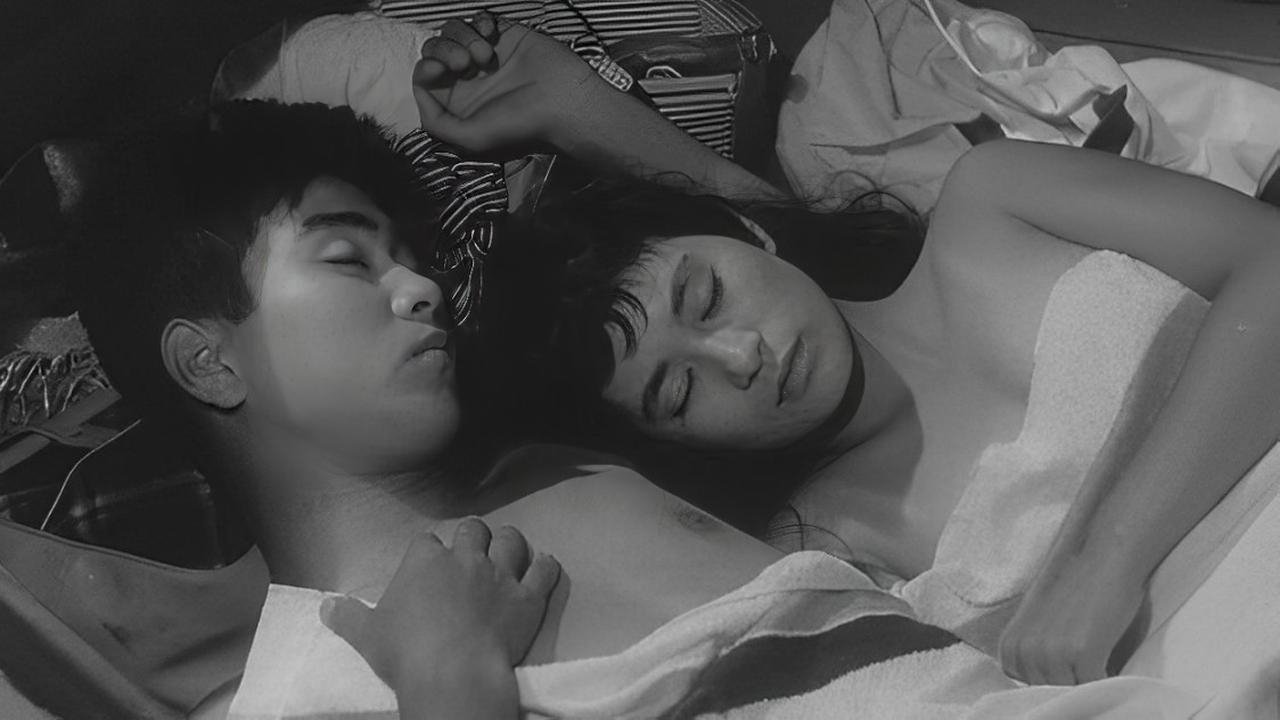
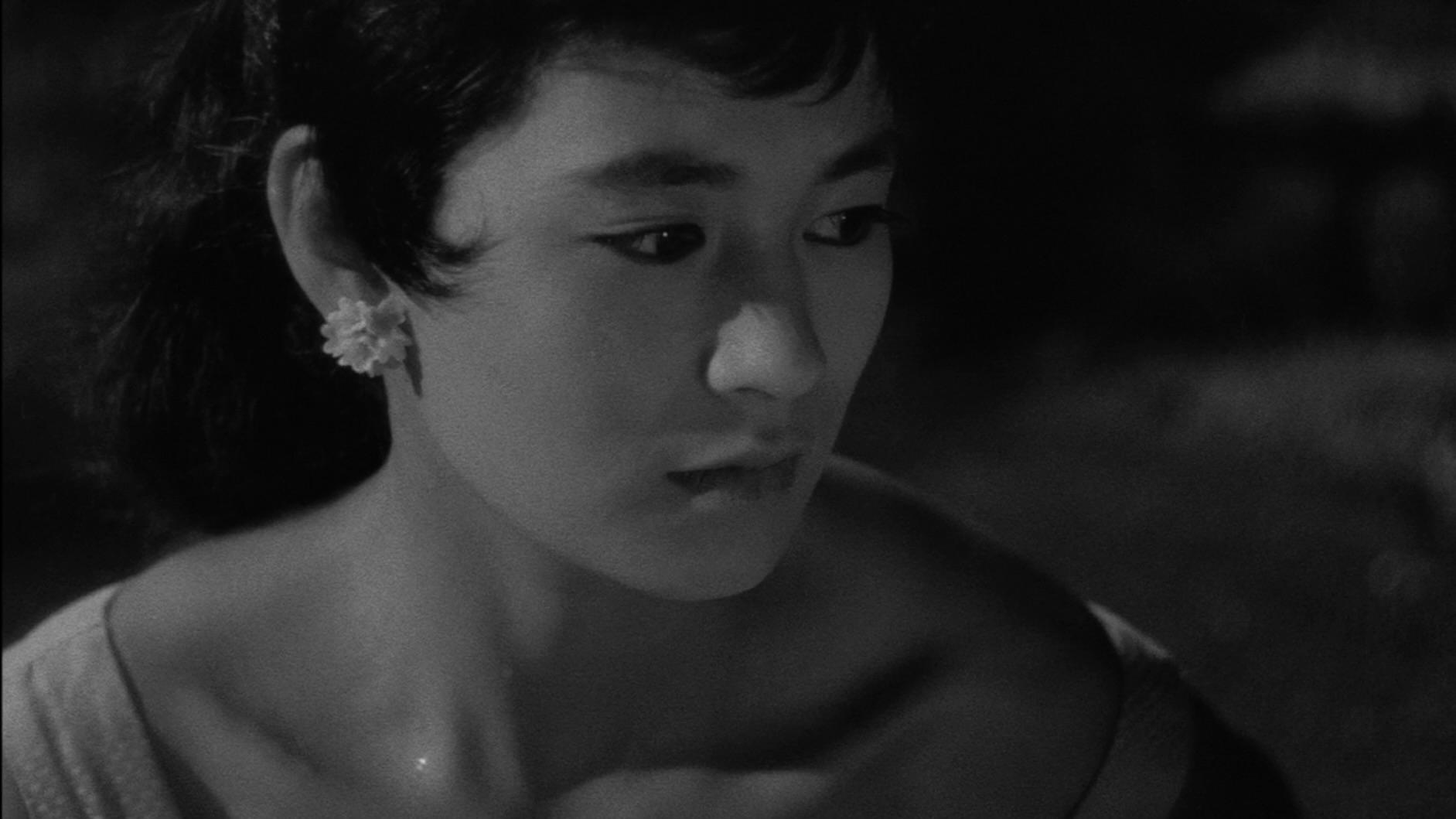
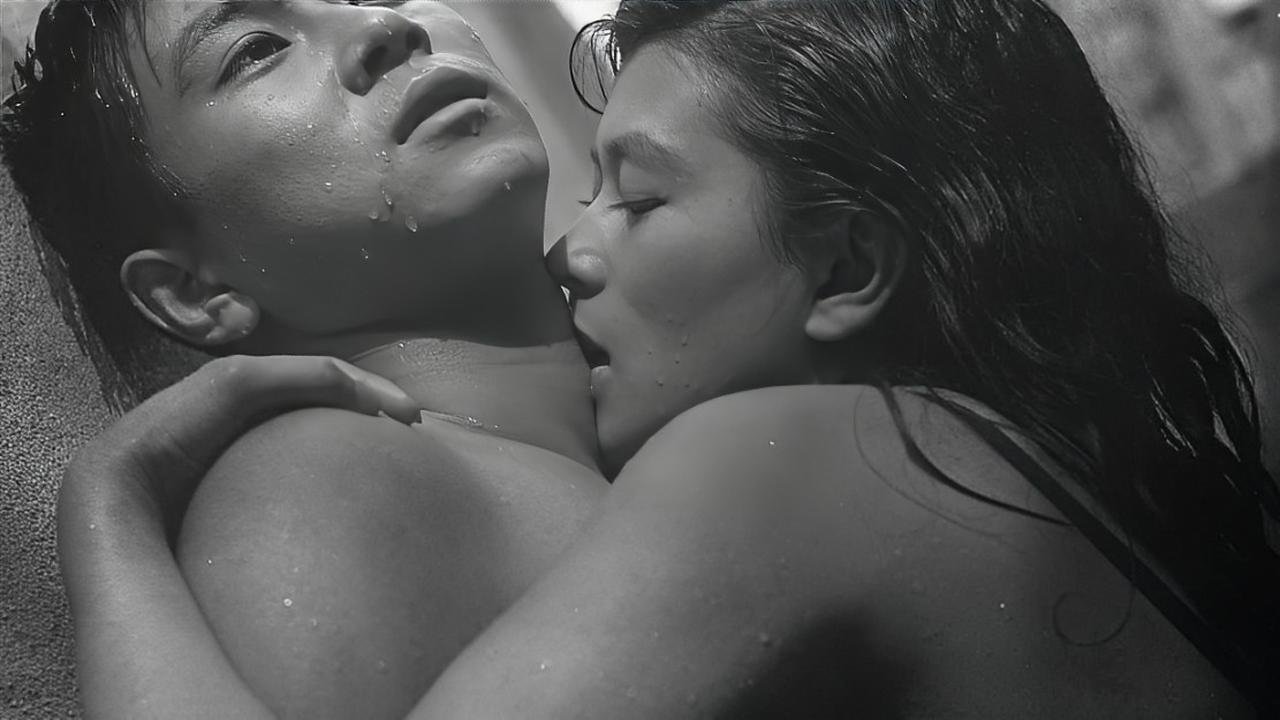
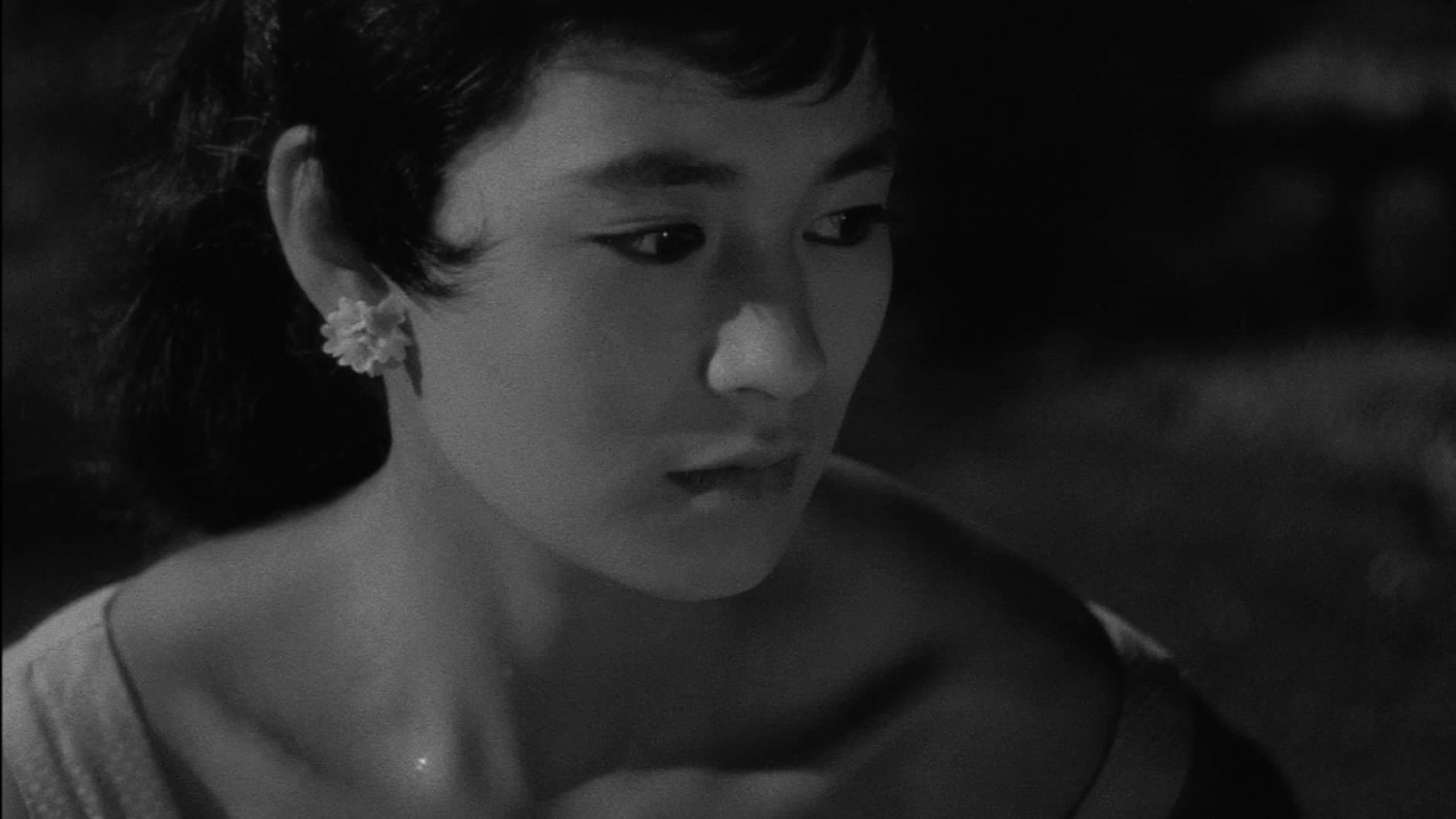
Two brothers compete for the amorous favors of a young woman during a seaside summer of gambling, boating, and drinking.
Directed by Kō Nakahira
beach
based on novel or book
love triangle
holiday
sibling rivalry
older woman younger man relationship
speedboat
japanese new wave

Trailer

IMDB
N/A
Cast
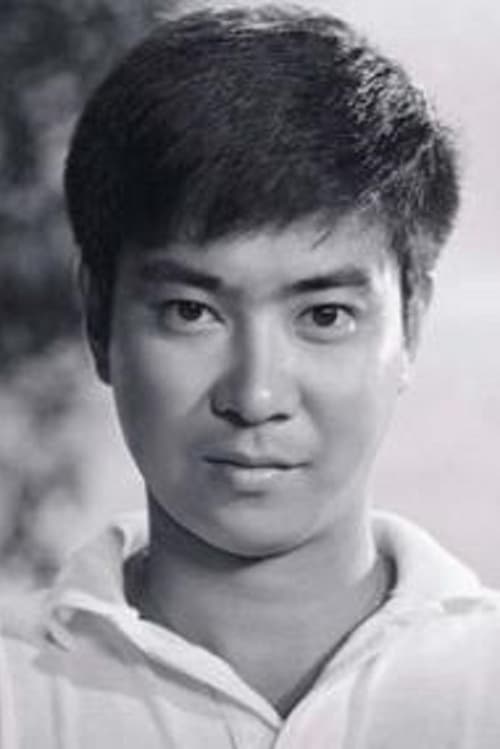
Yūjirō Ishihara
Takishima Natsuhisa
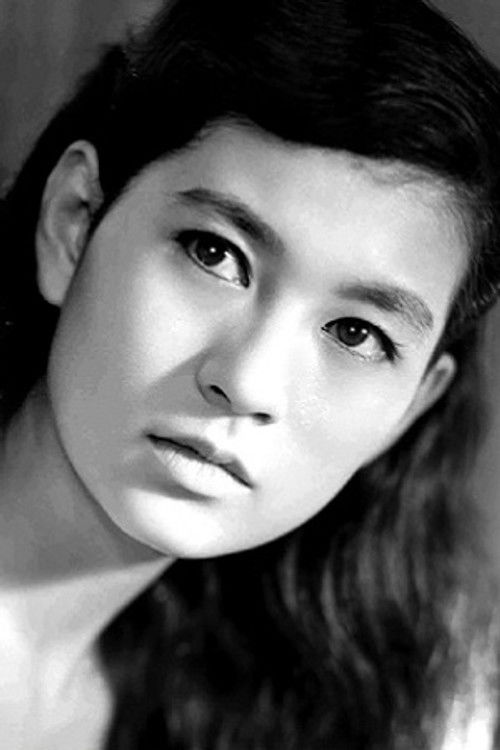
Mie Kitahara
Eri
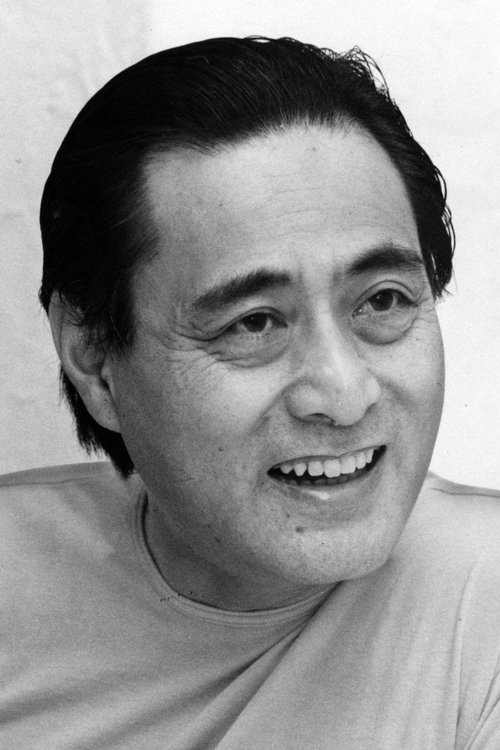
Masahiko Tsugawa
Takishima Haruji
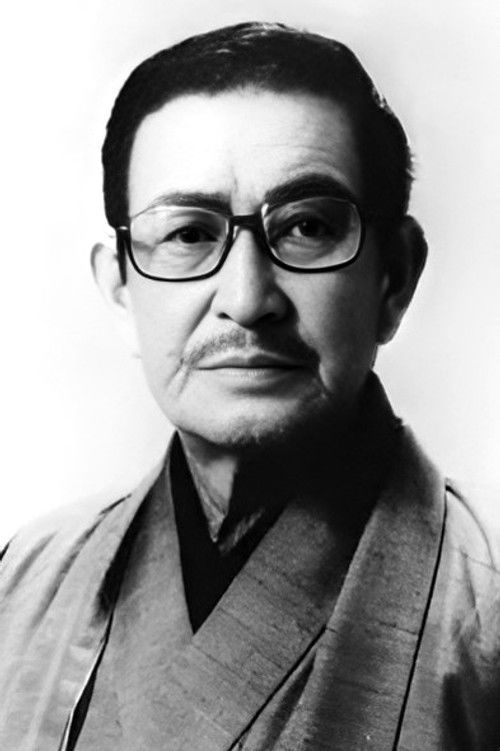
Shinsuke Ashida
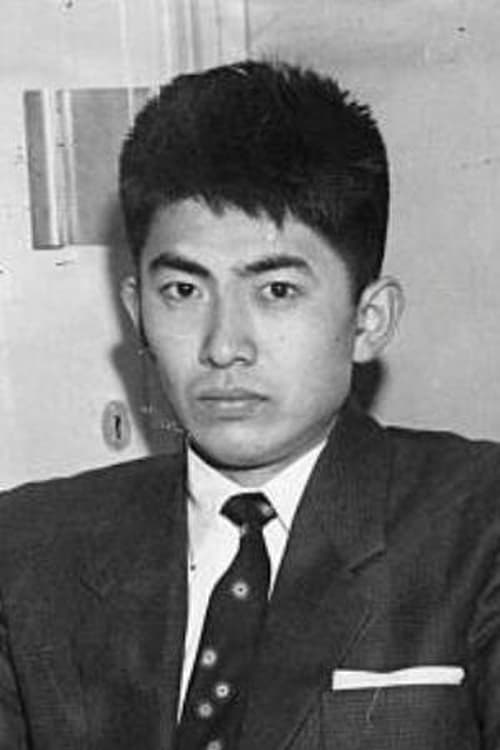
Shintarō Ishihara

Eiko Higashitani
Michiko
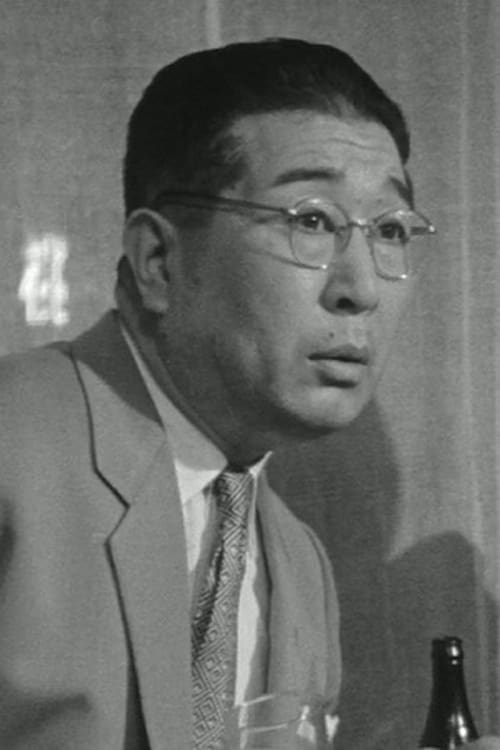
Taizō Fukami
Father
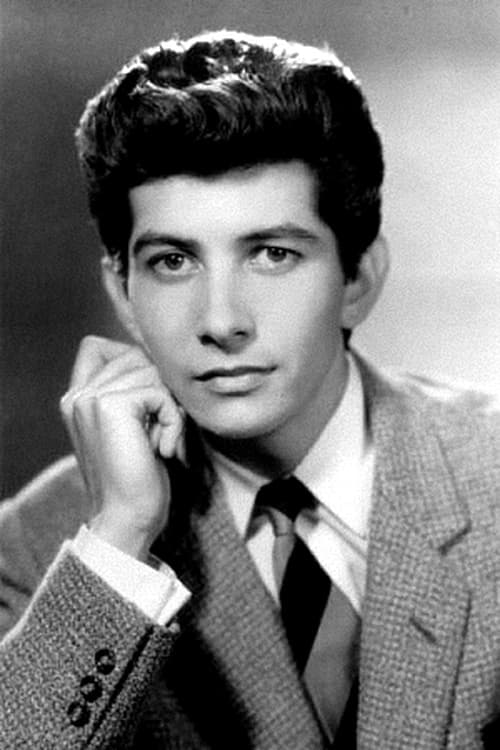
Masumi Okada
Frank
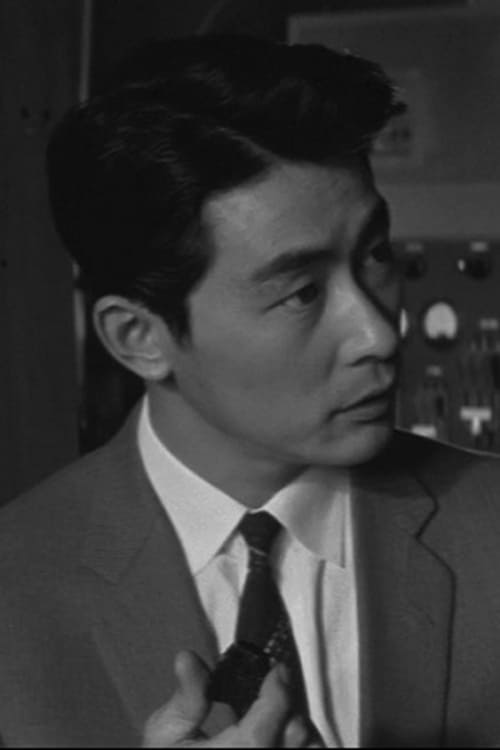
Hiroshi Kondō
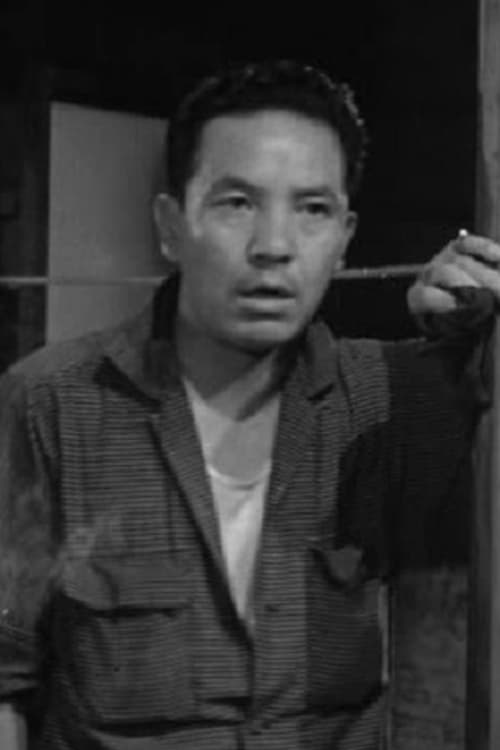
Zenji Yamada
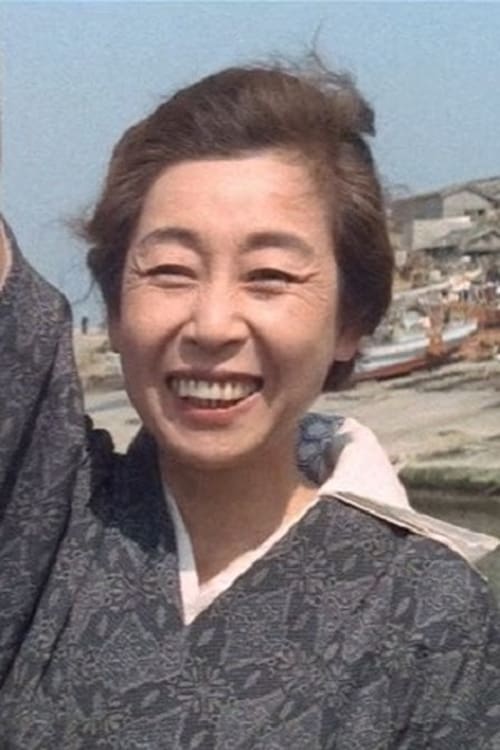
Keiko Hara
Crew
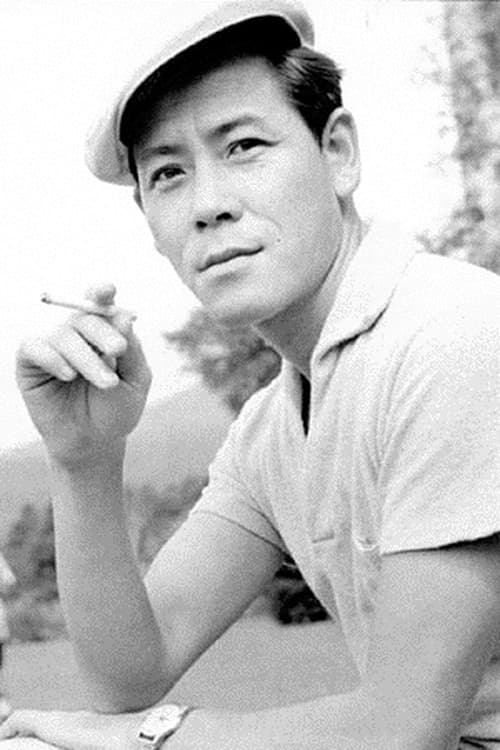
Kō Nakahira
Director
Shintarō Ishihara
Screenplay

Masaru Satō
Original Music Composer
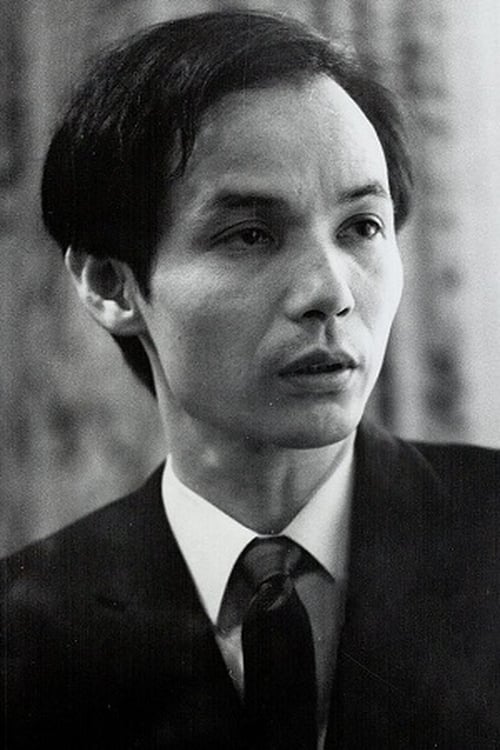
Toru Takemitsu
Original Music Composer
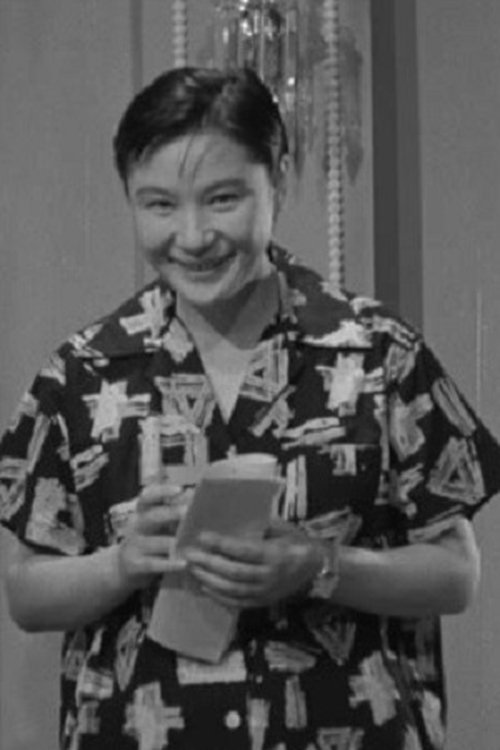
Takiko Mizunoe
Producer

Koreyoshi Kurahara
Assistant Director
Shintarō Ishihara
Novel
Popular Reviews
12 reviews
Brontë Neal
9.0★ · 03/23/26
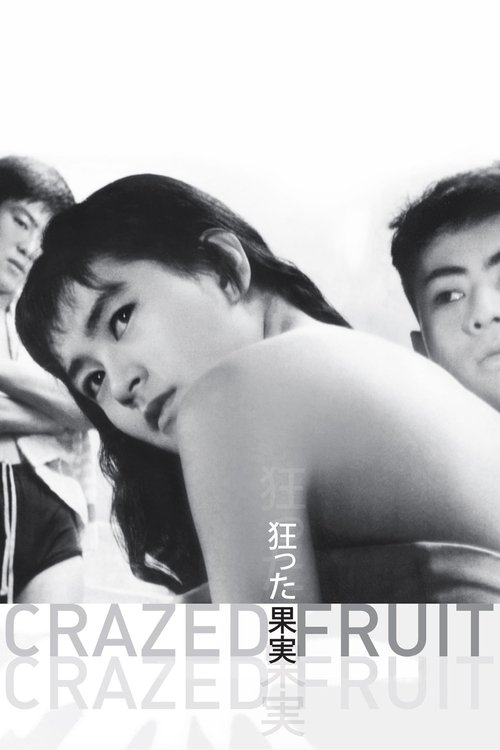
This film very easily became my favorite that I have watched in my class. I had to take a good 30 minutes to think about this film and digest all of the elements that I enjoyed before I could write this reflection. There were many scenes in this film that I thoroughly enjoyed and even took pictures of them for myself on my phone. My favorite scene in the whole film was when Eri and Haru first went to the beach together in which they are laying in the sand with Eri’s dress illuminating their surroundings. I thought it was really beautiful and I really enjoyed how it seemed that Eri’s dress was a light source– almost highlighting her importance and beauty that Haru may feel towards her. I also really enjoyed the wide-shot scene when Haru first brings Eri to meet his friends/brother, and everyone in the living room simultaneously turns their head to observe. Ultimately, the different uses of space in the film made it all the more interesting.
As I was watching this film, I couldn’t help but feel like it reminded me a little bit of Grease (1978). The male characters in this film carried a very nonchalant and “cool guy” attitude with them and it was easy to see them fill the “cocky guy” trope. When all the friends would pile up in their car, especially when they were headed to the Blue Sky Club, I felt like they could have easily been “T-Birds”, like in Grease. The “Season of Violence” writing by Shintaro Ishihara, alluded to the post-war youth of Japan possessing some of these traits I noticed. Ishihara discusses how the youth following the war took on a very “swagger” and violent stance on how they will behave in society, specifically in that they prioritized sex, violence, and doing whatever they want. The characters, especially Haru’s brother, exhibit these traits very strongly and it was interesting to see how Haru acted as the “voice of reason” and how that influenced the group's interactions.
Haru’s innocence felt like a focal point in this film. It was always highlighted by his brother or his friends that Haru is not only “picky” with his women, but he has little to no experience with them in general. While we aren't explicitly told his age, we can assume that he is much younger than the other male characters. Haru is much more soft-spoken and seemingly okay with his innocence, which is something his brother and his friends are so desperately trying to stray away from. With Eri, it is clear that she really enjoys that Haru is innocent and not strayed by violent or selfish temptations. However, Haru’s brother is the total opposite of Haru yet Eri still finds herself attracted to him and involved with him. This discrepancy in what she desires in a partner seems to distress her very much, as we see her scribble her lipstick over her face in her mirror along with showing hesitation in being physical with both Haru and his brother. I feel that this battle between harboring innocence and rebelling against it is prevalent in all of the main characters. We see moments of Haru’s brother (at least in the beginning of his and Eri’s fling) still showing care for his brother and how his relationship with Eri, specifically in that he was adamant about Eri telling Haru what she is hiding from him. The most interesting element of this “battle” is when Haru is presented with the dilemma in the final few scenes. I felt like the scene from overhead that shows Haru circling his brother and Eri in the boat is him contemplating whether to succumb to the violence or choose to stay innocent. He is physically circling the drain on his decision with what to do to them, with him finally deciding to run them both over and killing them. Another interpretation of this scene I had was from the perspective of Eri and Haru’s brother. They both choose the damaging and corrupt route of running away together, despite them both knowing it is somewhat wrong and hurtful to Haru. Haru is the perfect personification of innocence and he is taunting them emotionally and physically by circling them in the boat. Not only was this scene very visually beautiful, it was extremely powerful to the message of this film. Lastly, I really enjoyed how the film started with Haru driving his boat in from the water straight into the camera and then ended with him driving away from the camera into the ocean.
As I was watching this film, I couldn’t help but feel like it reminded me a little bit of Grease (1978). The male characters in this film carried a very nonchalant and “cool guy” attitude with them and it was easy to see them fill the “cocky guy” trope. When all the friends would pile up in their car, especially when they were headed to the Blue Sky Club, I felt like they could have easily been “T-Birds”, like in Grease. The “Season of Violence” writing by Shintaro Ishihara, alluded to the post-war youth of Japan possessing some of these traits I noticed. Ishihara discusses how the youth following the war took on a very “swagger” and violent stance on how they will behave in society, specifically in that they prioritized sex, violence, and doing whatever they want. The characters, especially Haru’s brother, exhibit these traits very strongly and it was interesting to see how Haru acted as the “voice of reason” and how that influenced the group's interactions.
Haru’s innocence felt like a focal point in this film. It was always highlighted by his brother or his friends that Haru is not only “picky” with his women, but he has little to no experience with them in general. While we aren't explicitly told his age, we can assume that he is much younger than the other male characters. Haru is much more soft-spoken and seemingly okay with his innocence, which is something his brother and his friends are so desperately trying to stray away from. With Eri, it is clear that she really enjoys that Haru is innocent and not strayed by violent or selfish temptations. However, Haru’s brother is the total opposite of Haru yet Eri still finds herself attracted to him and involved with him. This discrepancy in what she desires in a partner seems to distress her very much, as we see her scribble her lipstick over her face in her mirror along with showing hesitation in being physical with both Haru and his brother. I feel that this battle between harboring innocence and rebelling against it is prevalent in all of the main characters. We see moments of Haru’s brother (at least in the beginning of his and Eri’s fling) still showing care for his brother and how his relationship with Eri, specifically in that he was adamant about Eri telling Haru what she is hiding from him. The most interesting element of this “battle” is when Haru is presented with the dilemma in the final few scenes. I felt like the scene from overhead that shows Haru circling his brother and Eri in the boat is him contemplating whether to succumb to the violence or choose to stay innocent. He is physically circling the drain on his decision with what to do to them, with him finally deciding to run them both over and killing them. Another interpretation of this scene I had was from the perspective of Eri and Haru’s brother. They both choose the damaging and corrupt route of running away together, despite them both knowing it is somewhat wrong and hurtful to Haru. Haru is the perfect personification of innocence and he is taunting them emotionally and physically by circling them in the boat. Not only was this scene very visually beautiful, it was extremely powerful to the message of this film. Lastly, I really enjoyed how the film started with Haru driving his boat in from the water straight into the camera and then ended with him driving away from the camera into the ocean.
This film very easily became my favorite that I have watched in my class. I had to take a good 30 minutes to think about this film and digest all of the elements that I enjoyed before I could write this reflection. There were many scenes in this film that I thoroughly enjoyed and even took pictures of them for myself on my phone. My favorite scene in the whole film was when Eri and Haru first went to the beach together in which they are laying in the sand with Eri’s dress illuminating their surroundings. I thought it was really beautiful and I really enjoyed how it seemed that Eri’s dress was a light source– almost highlighting her importance and beauty that Haru may feel towards her. I also really enjoyed the wide-shot scene when Haru first brings Eri to meet his friends/brother, and everyone in the living room simultaneously turns their head to observe. Ultimately, the different uses of space in the film made it all the more interesting.
As I was watching this film, I couldn’t help but feel like it reminded me a little bit of Grease (1978). The male characters in this film carried a very nonchalant and “cool guy” attitude with them and it was easy to see them fill the “cocky guy” trope. When all the friends would pile up in their car, especially when they were headed to the Blue Sky Club, I felt like they could have easily been “T-Birds”, like in Grease. The “Season of Violence” writing by Shintaro Ishihara, alluded to the post-war youth of Japan possessing some of these traits I noticed. Ishihara discusses how the youth following the war took on a very “swagger” and violent stance on how they will behave in society, specifically in that they prioritized sex, violence, and doing whatever they want. The characters, especially Haru’s brother, exhibit these traits very strongly and it was interesting to see how Haru acted as the “voice of reason” and how that influenced the group's interactions.
Haru’s innocence felt like a focal point in this film. It was always highlighted by his brother or his friends that Haru is not only “picky” with his women, but he has little to no experience with them in general. While we aren't explicitly told his age, we can assume that he is much younger than the other male characters. Haru is much more soft-spoken and seemingly okay with his innocence, which is something his brother and his friends are so desperately trying to stray away from. With Eri, it is clear that she really enjoys that Haru is innocent and not strayed by violent or selfish temptations. However, Haru’s brother is the total opposite of Haru yet Eri still finds herself attracted to him and involved with him. This discrepancy in what she desires in a partner seems to distress her very much, as we see her scribble her lipstick over her face in her mirror along with showing hesitation in being physical with both Haru and his brother. I feel that this battle between harboring innocence and rebelling against it is prevalent in all of the main characters. We see moments of Haru’s brother (at least in the beginning of his and Eri’s fling) still showing care for his brother and how his relationship with Eri, specifically in that he was adamant about Eri telling Haru what she is hiding from him. The most interesting element of this “battle” is when Haru is presented with the dilemma in the final few scenes. I felt like the scene from overhead that shows Haru circling his brother and Eri in the boat is him contemplating whether to succumb to the violence or choose to stay innocent. He is physically circling the drain on his decision with what to do to them, with him finally deciding to run them both over and killing them. Another interpretation of this scene I had was from the perspective of Eri and Haru’s brother. They both choose the damaging and corrupt route of running away together, despite them both knowing it is somewhat wrong and hurtful to Haru. Haru is the perfect personification of innocence and he is taunting them emotionally and physically by circling them in the boat. Not only was this scene very visually beautiful, it was extremely powerful to the message of this film. Lastly, I really enjoyed how the film started with Haru driving his boat in from the water straight into the camera and then ended with him driving away from the camera into the ocean.
As I was watching this film, I couldn’t help but feel like it reminded me a little bit of Grease (1978). The male characters in this film carried a very nonchalant and “cool guy” attitude with them and it was easy to see them fill the “cocky guy” trope. When all the friends would pile up in their car, especially when they were headed to the Blue Sky Club, I felt like they could have easily been “T-Birds”, like in Grease. The “Season of Violence” writing by Shintaro Ishihara, alluded to the post-war youth of Japan possessing some of these traits I noticed. Ishihara discusses how the youth following the war took on a very “swagger” and violent stance on how they will behave in society, specifically in that they prioritized sex, violence, and doing whatever they want. The characters, especially Haru’s brother, exhibit these traits very strongly and it was interesting to see how Haru acted as the “voice of reason” and how that influenced the group's interactions.
Haru’s innocence felt like a focal point in this film. It was always highlighted by his brother or his friends that Haru is not only “picky” with his women, but he has little to no experience with them in general. While we aren't explicitly told his age, we can assume that he is much younger than the other male characters. Haru is much more soft-spoken and seemingly okay with his innocence, which is something his brother and his friends are so desperately trying to stray away from. With Eri, it is clear that she really enjoys that Haru is innocent and not strayed by violent or selfish temptations. However, Haru’s brother is the total opposite of Haru yet Eri still finds herself attracted to him and involved with him. This discrepancy in what she desires in a partner seems to distress her very much, as we see her scribble her lipstick over her face in her mirror along with showing hesitation in being physical with both Haru and his brother. I feel that this battle between harboring innocence and rebelling against it is prevalent in all of the main characters. We see moments of Haru’s brother (at least in the beginning of his and Eri’s fling) still showing care for his brother and how his relationship with Eri, specifically in that he was adamant about Eri telling Haru what she is hiding from him. The most interesting element of this “battle” is when Haru is presented with the dilemma in the final few scenes. I felt like the scene from overhead that shows Haru circling his brother and Eri in the boat is him contemplating whether to succumb to the violence or choose to stay innocent. He is physically circling the drain on his decision with what to do to them, with him finally deciding to run them both over and killing them. Another interpretation of this scene I had was from the perspective of Eri and Haru’s brother. They both choose the damaging and corrupt route of running away together, despite them both knowing it is somewhat wrong and hurtful to Haru. Haru is the perfect personification of innocence and he is taunting them emotionally and physically by circling them in the boat. Not only was this scene very visually beautiful, it was extremely powerful to the message of this film. Lastly, I really enjoyed how the film started with Haru driving his boat in from the water straight into the camera and then ended with him driving away from the camera into the ocean.


zeynep
9.0★ · 10/16/25
absolut sinema
absolut sinema
zeynep
8.0★ · 10/14/25
bu donem japanese cinema dersi aliyorum her hafta beni 10 kisinin izledigi bi film loglarken gorebilirsiniz bu baya guzeldi
bu donem japanese cinema dersi aliyorum her hafta beni 10 kisinin izledigi bi film loglarken gorebilirsiniz bu baya guzeldi
AiBets
7.0★ · 03/26/25
“We live in boring times”
Very high French new wave vibes. Lucky for this I love the French new wave
Very high French new wave vibes. Lucky for this I love the French new wave
“We live in boring times”
Very high French new wave vibes. Lucky for this I love the French new wave
Very high French new wave vibes. Lucky for this I love the French new wave
AiBets
7.0★ · 03/26/25
“We live in boring times”
Very high French new wave vibes. Lucky for this I love the French new wave
Very high French new wave vibes. Lucky for this I love the French new wave
“We live in boring times”
Very high French new wave vibes. Lucky for this I love the French new wave
Very high French new wave vibes. Lucky for this I love the French new wave