
Red Psalm
1972·Drama·1h 26m
7.1
★
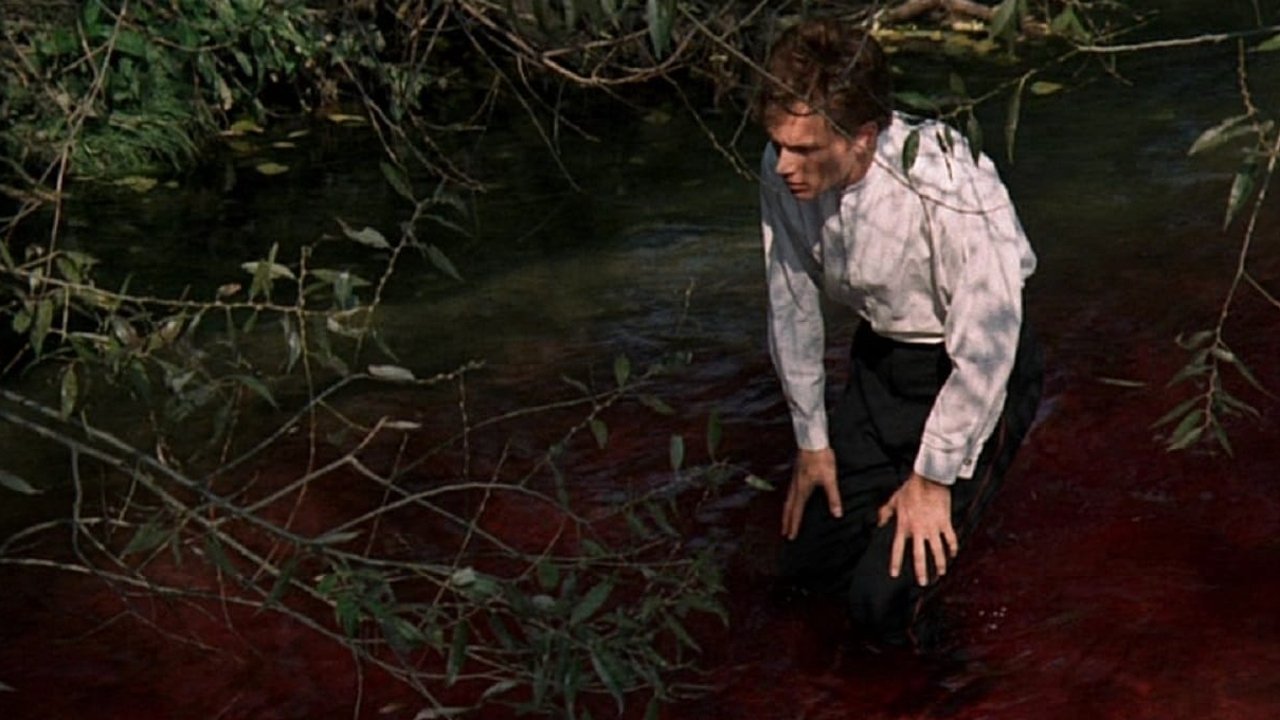
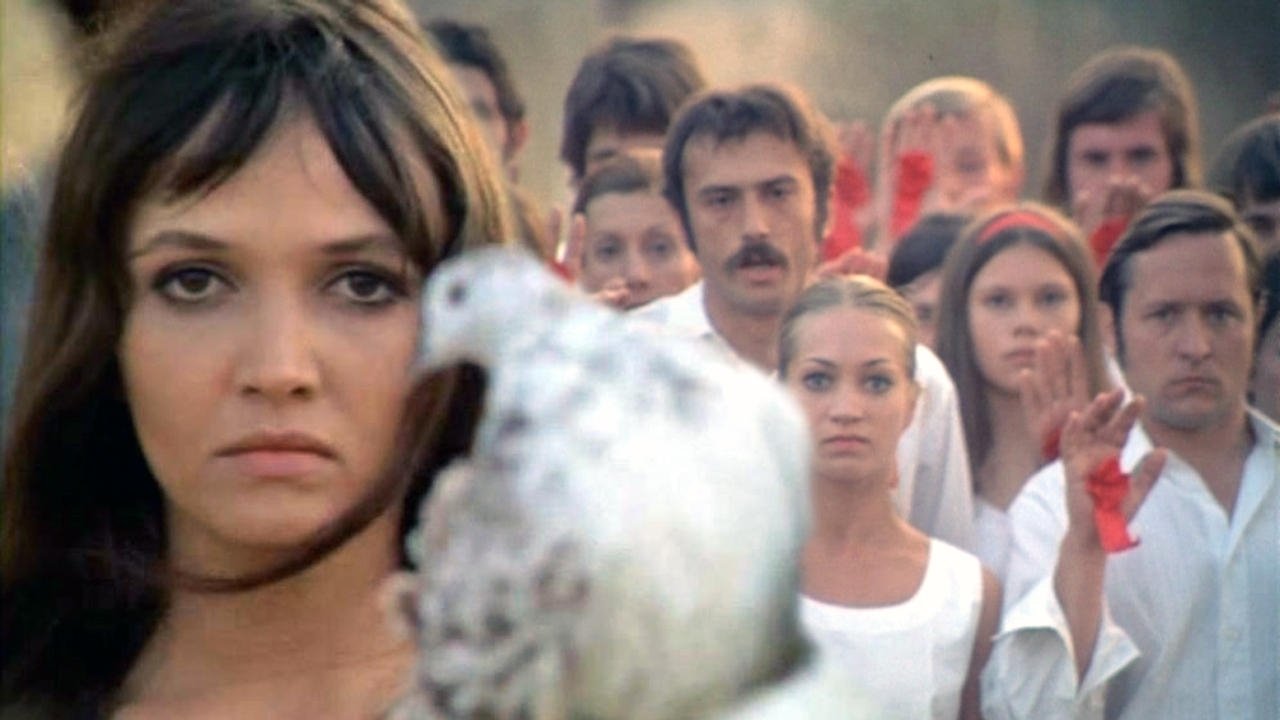
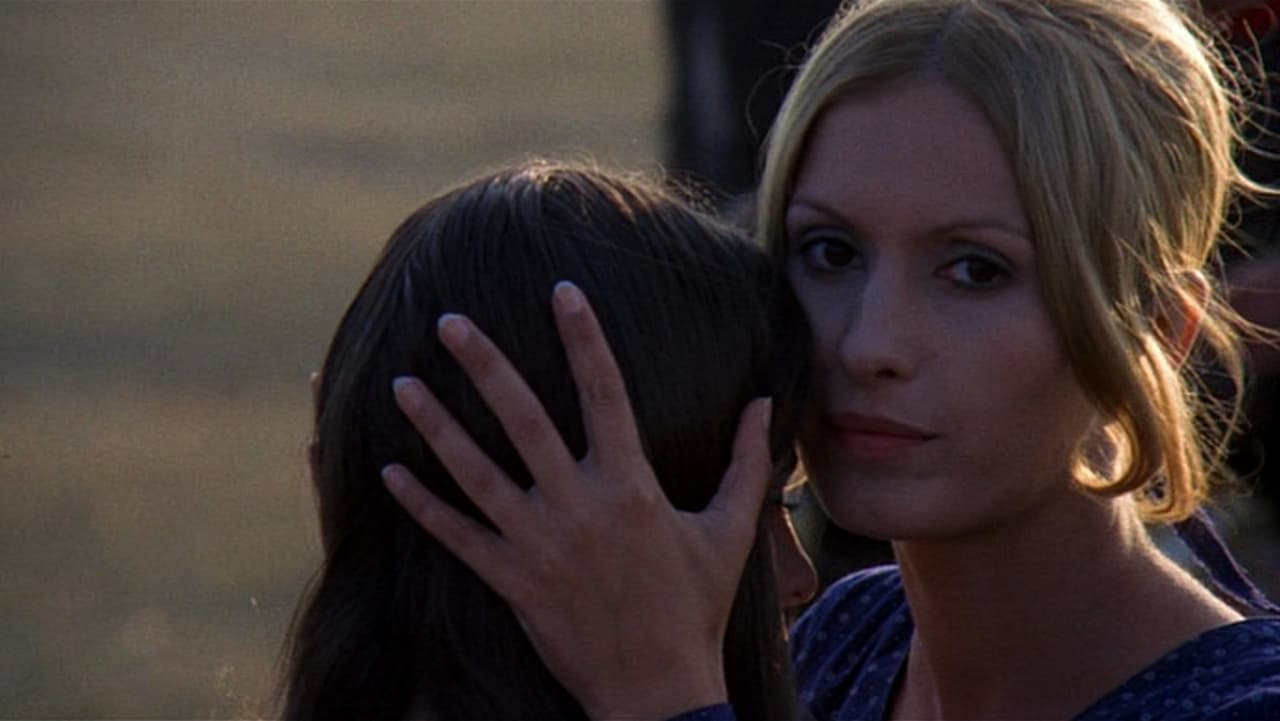
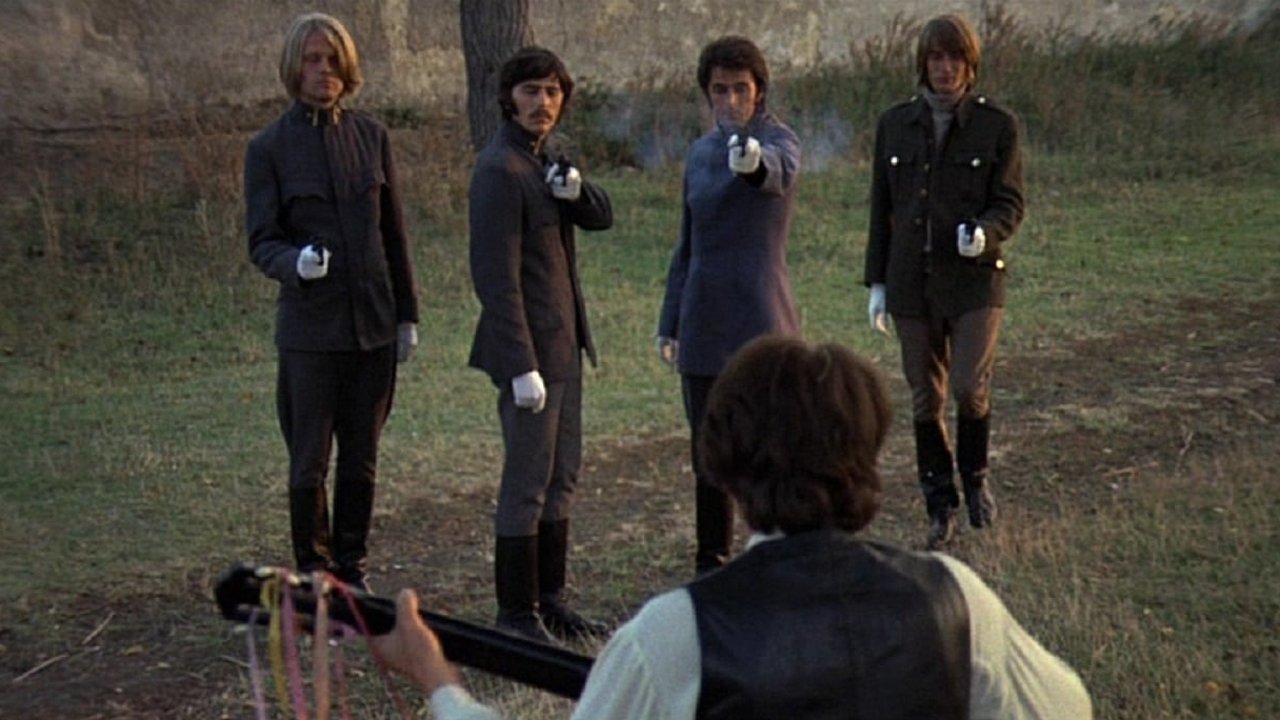
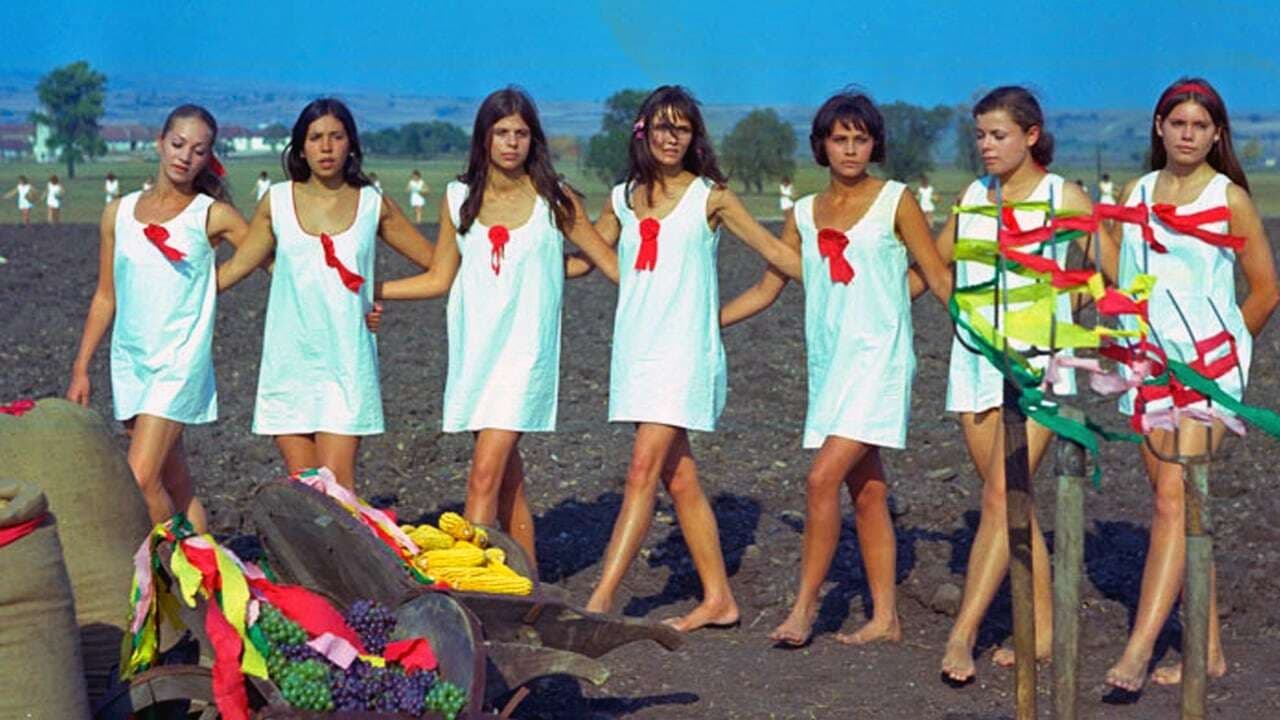
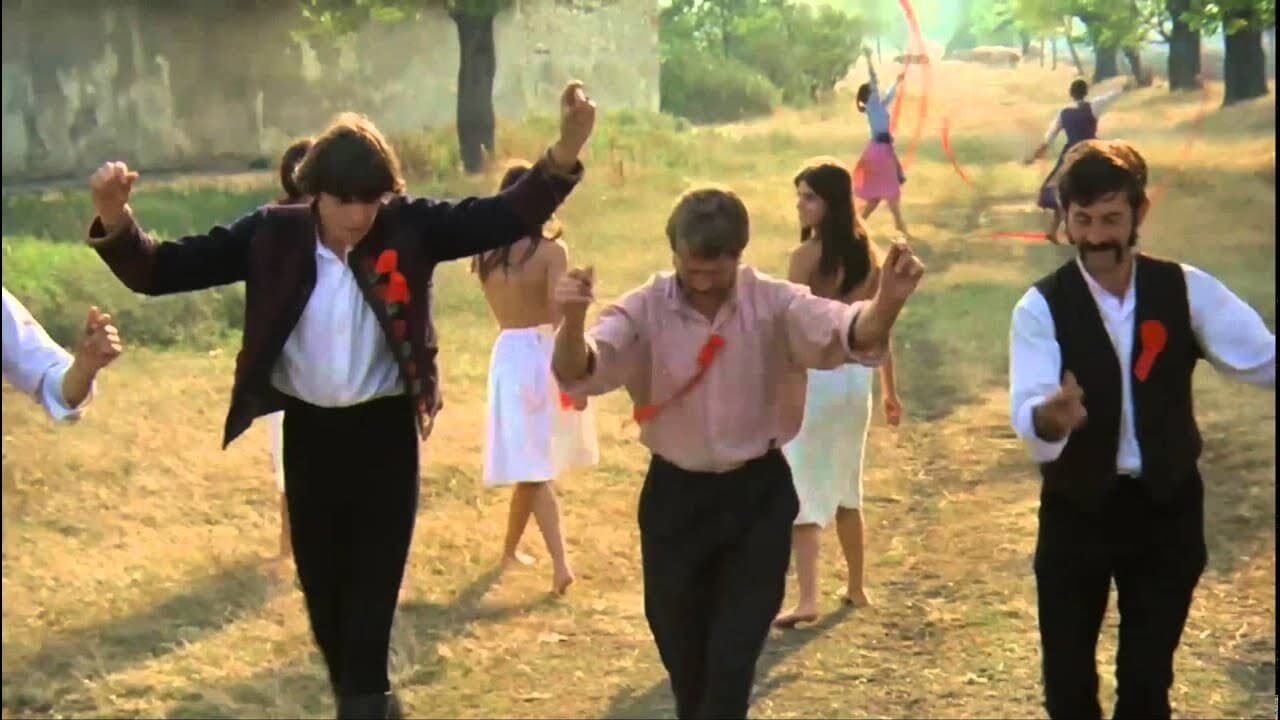
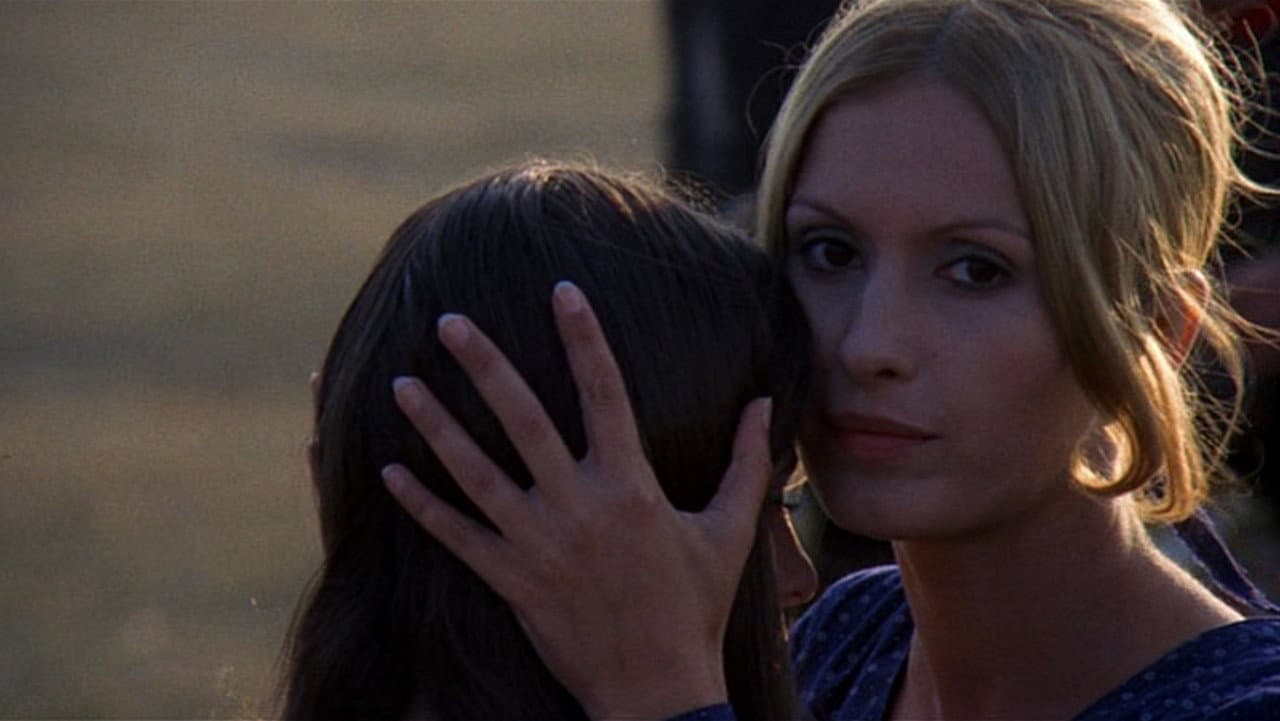
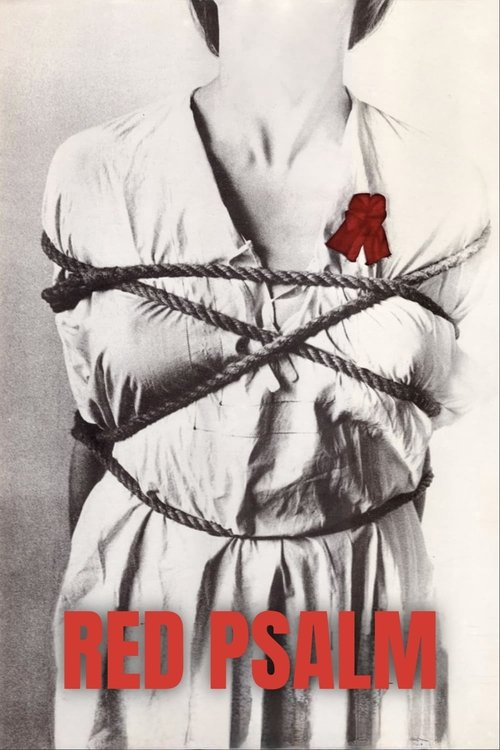
Set in the 1890s on the Hungarian plains, a group of farm workers go on strike in which they face harsh reprisals and the reality of revolt, oppression, morality and violence.
Directed by Miklós Jancsó
peasant
musical
revolt

Trailer

IMDB
N/A
Cast
István Bujtor
Petkó Szautner András
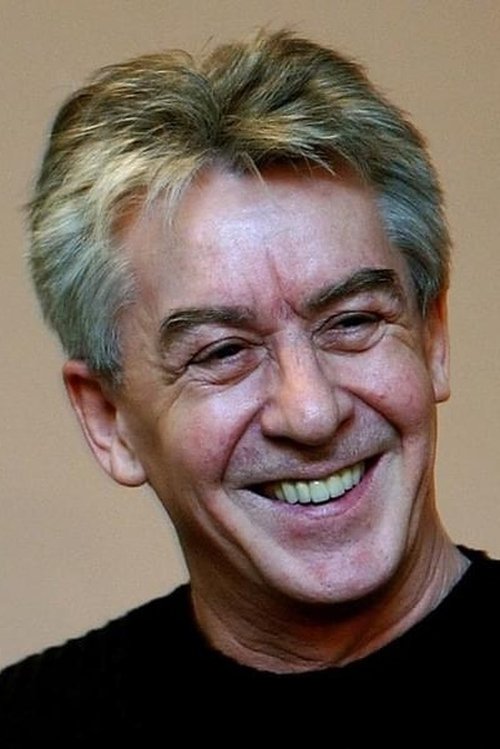
Tamás Cseh
Énekes
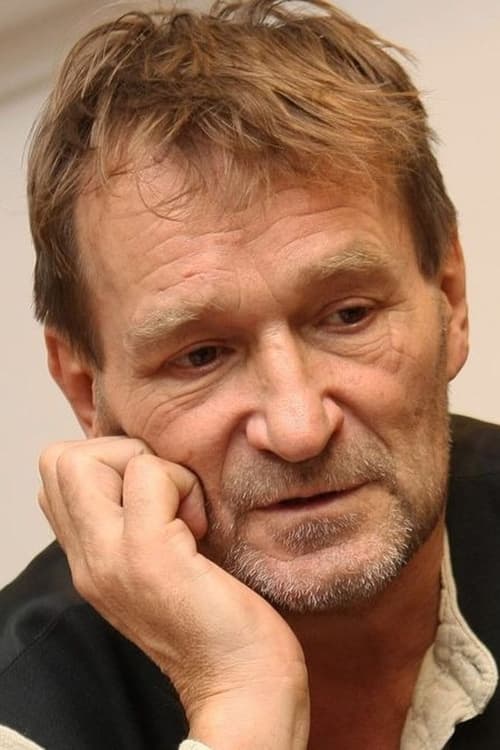
György Cserhalmi
Socialist
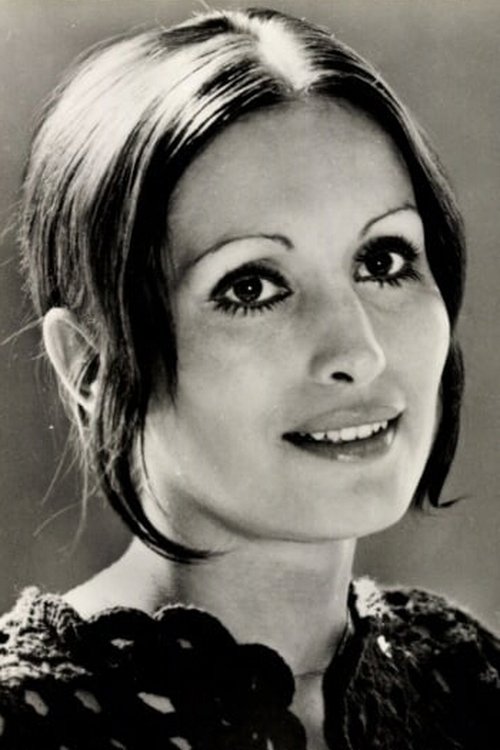
Andrea Drahota
Nagy Mária, socialist
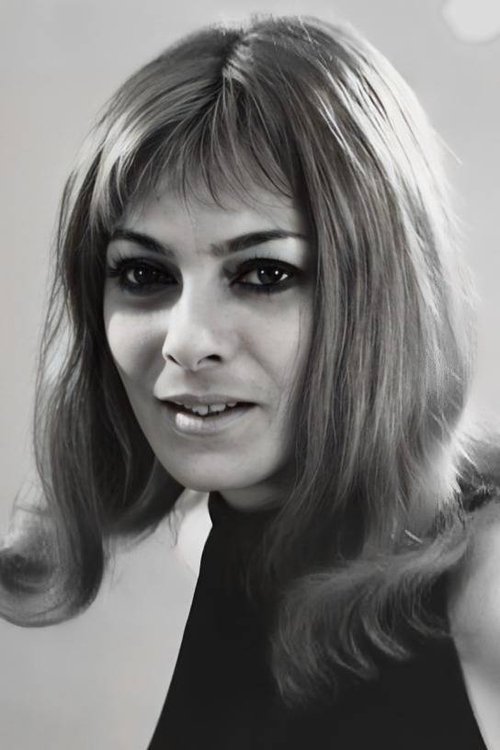
Gyöngyi Bürös
Ráczné, socialist

Mari Csomós
Maid
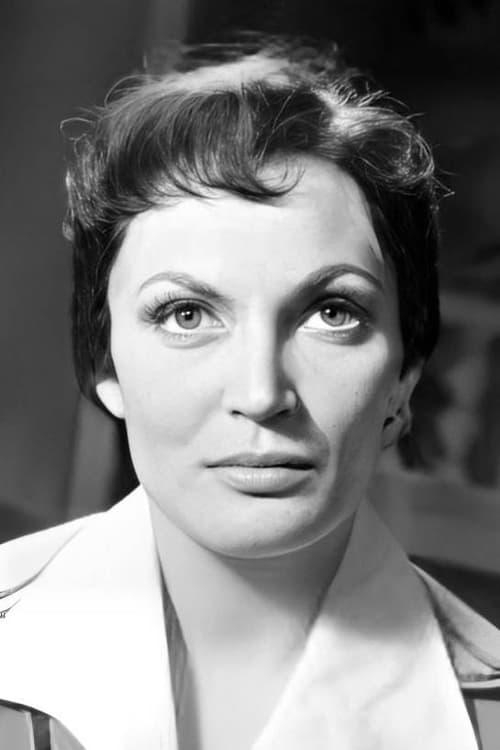
Ilona Gurnik
Peasant woman
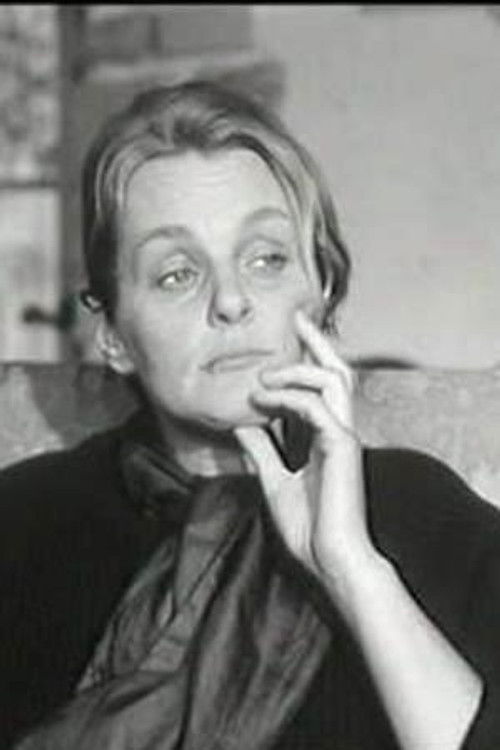
Éva Spányik
A mourning woman in a white shawl

József Madaras
Hegedüs Bálint, socialist
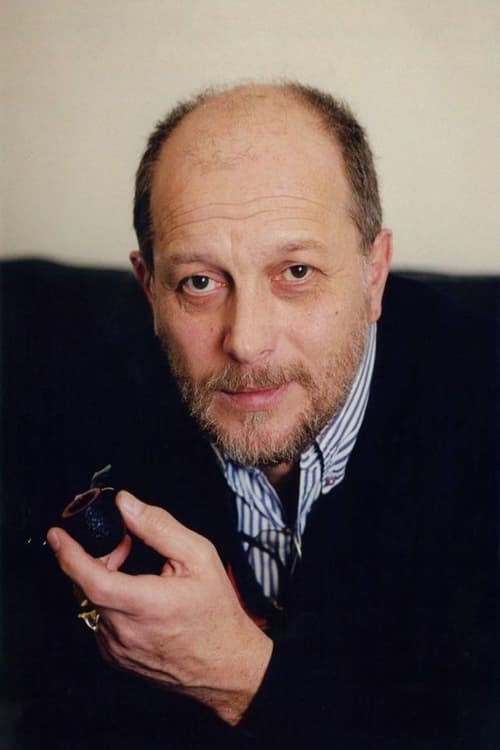
Lajos Balázsovits
Young officer
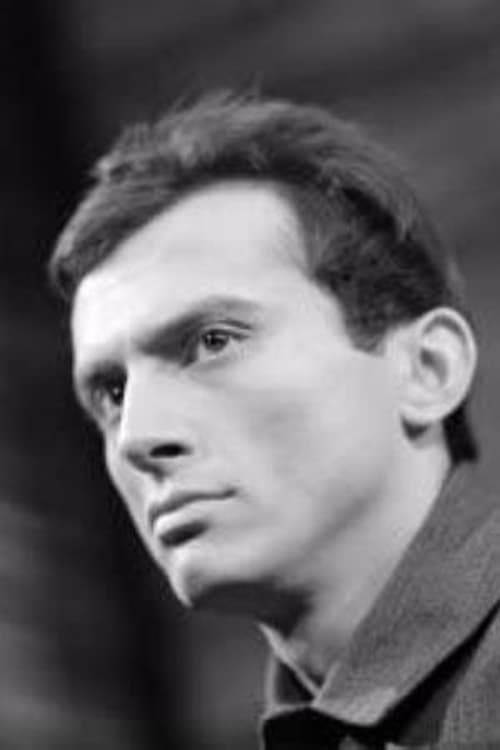
Tibor Orbán
Pongrácz András, socialist
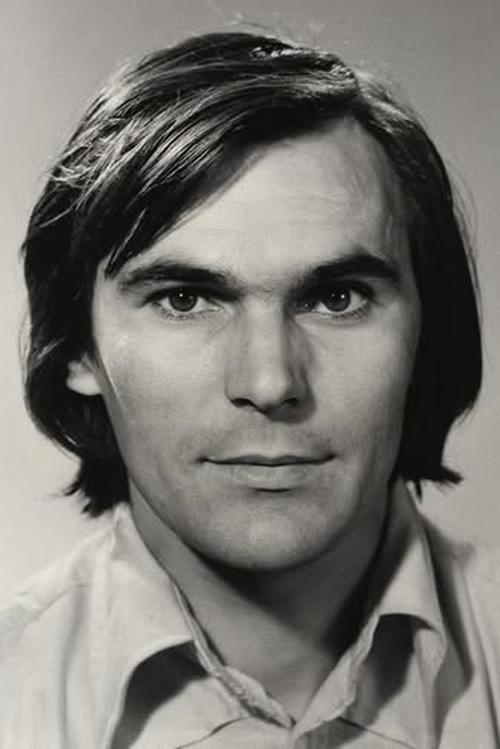
Juhász Jácint
Tóth Ferenc, socialist
Crew
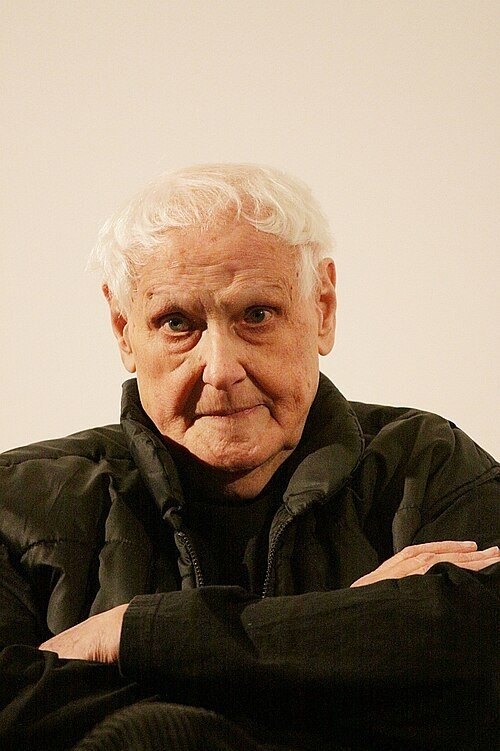
Miklós Jancsó
Director
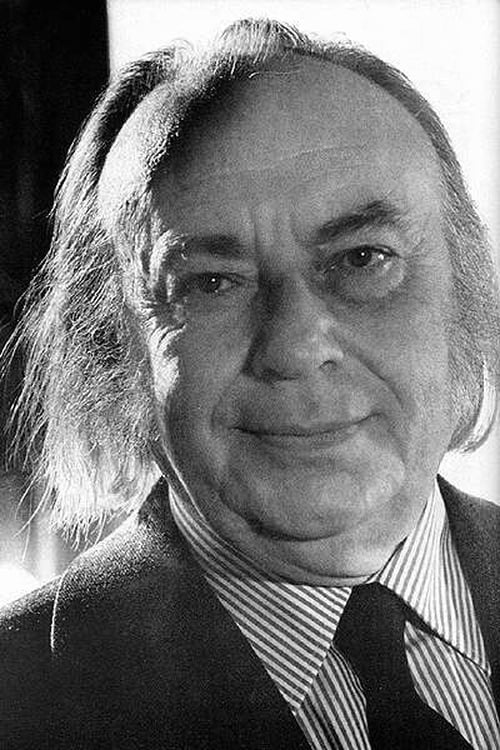
Gyula Hernádi
Writer
Tamás Cseh
Original Music Composer
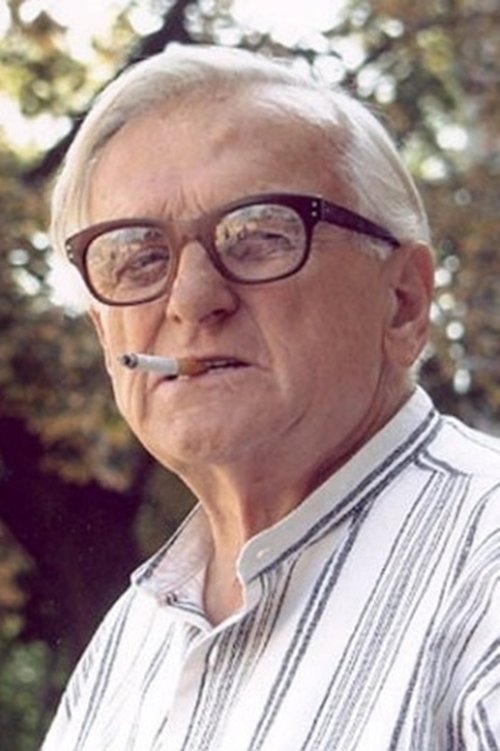
Tamás Banovich
Production Design
Popular Reviews
8 reviews
phil
8.0★ · 02/26/26
A movie that truly connected with the core of socialism. The anti-clerical element alongside the constant recognition of the monopoly the state and tyrants have on violence was incredibly powerful to me, and the messages and themes translated into workers chants and tunes made them accessible and realistic.
The religious imagery was incredibly successful at conveying the message and the socialist ideals. The beginning capitalists claiming man cannot live on the Word of God alone (instead of Bread as is traditionally the phrase) supports the later insistence on the barriers to education. Society wants the Worker to remain uneducated and subservient, to work for bread and means, and not for a spiritual and intellectual enlightenment. The transition to a religion within socialism, I think, was very interesting. The issue with organised religion to a left-wing ideology is the dogmatic hierarchy present. This is almost flipped on its head within the movie - the Godfathers are the same age as the person they are inducting, he does so of his own free will, and the 'baptism' is the work of the entire community. Furthermore, the socialist 'religious' doctrine claims you must not forgive tyrants their trespasses (in contrast with the Our Father), and when the Workers forgive the armed forces, their movement as a whole is crushed and brutalised (though resistance lived on). I think the final, incredible touch was the costuming. The priest at the end who wore a police helmet alongside his robes was an incredibly powerful figure. The Church and the State are not separate - the Church wields power over Justice.
The repetition of the symbol of blood was also really evocative. The Workers' blood and suffering becoming their ribbons, their mark as socialists and the epitome of their resistance was very cool. Furthermore, the fact the brutality was constantly perpetuated by the tyrants, the oppressors, and not the Workers, in line with the belief that the State has the monopoly on violence was exactly what I wish more people understood. The musical element, tying the socialist movement to the arts, expression, in a very accessible way, only added to this. Music feels like something that connects people no matter what. And the symbol tunes and chants not only boosted the mood of the movement within the movie, but for me, recalled the use of music in so many industries (sea shanties, factory songs, and obviously folklore tunes in rural areas etc.).
An unconventional layout for a movie. There wasn't a strict plot, a hero's journey, or anything typical of the Western Canon. It flowed more similarly to perhaps a Studio Ghibli movie, and the Eastern Storyline. This made it difficult to follow at times, or perhaps less engaging? But it wasn't boring, and I never felt a desire to turn it off or stop watching. I wanted to see the Workers recieve justice, and you were continuously brought back into the fold. Overall, it simply created the idea that the movie was truly an insight into a world, that a universe existed within the screen and you were witnessing only a fraction of it.
Overall, I enjoyed it. My first Miklós Jancsó film, and apparently very characteristic of his style, so hopefully I can look into more of his works!
The religious imagery was incredibly successful at conveying the message and the socialist ideals. The beginning capitalists claiming man cannot live on the Word of God alone (instead of Bread as is traditionally the phrase) supports the later insistence on the barriers to education. Society wants the Worker to remain uneducated and subservient, to work for bread and means, and not for a spiritual and intellectual enlightenment. The transition to a religion within socialism, I think, was very interesting. The issue with organised religion to a left-wing ideology is the dogmatic hierarchy present. This is almost flipped on its head within the movie - the Godfathers are the same age as the person they are inducting, he does so of his own free will, and the 'baptism' is the work of the entire community. Furthermore, the socialist 'religious' doctrine claims you must not forgive tyrants their trespasses (in contrast with the Our Father), and when the Workers forgive the armed forces, their movement as a whole is crushed and brutalised (though resistance lived on). I think the final, incredible touch was the costuming. The priest at the end who wore a police helmet alongside his robes was an incredibly powerful figure. The Church and the State are not separate - the Church wields power over Justice.
The repetition of the symbol of blood was also really evocative. The Workers' blood and suffering becoming their ribbons, their mark as socialists and the epitome of their resistance was very cool. Furthermore, the fact the brutality was constantly perpetuated by the tyrants, the oppressors, and not the Workers, in line with the belief that the State has the monopoly on violence was exactly what I wish more people understood. The musical element, tying the socialist movement to the arts, expression, in a very accessible way, only added to this. Music feels like something that connects people no matter what. And the symbol tunes and chants not only boosted the mood of the movement within the movie, but for me, recalled the use of music in so many industries (sea shanties, factory songs, and obviously folklore tunes in rural areas etc.).
An unconventional layout for a movie. There wasn't a strict plot, a hero's journey, or anything typical of the Western Canon. It flowed more similarly to perhaps a Studio Ghibli movie, and the Eastern Storyline. This made it difficult to follow at times, or perhaps less engaging? But it wasn't boring, and I never felt a desire to turn it off or stop watching. I wanted to see the Workers recieve justice, and you were continuously brought back into the fold. Overall, it simply created the idea that the movie was truly an insight into a world, that a universe existed within the screen and you were witnessing only a fraction of it.
Overall, I enjoyed it. My first Miklós Jancsó film, and apparently very characteristic of his style, so hopefully I can look into more of his works!
A movie that truly connected with the core of socialism. The anti-clerical element alongside the constant recognition of the monopoly the state and tyrants have on violence was incredibly powerful to me, and the messages and themes translated into workers chants and tunes made them accessible and realistic.
The religious imagery was incredibly successful at conveying the message and the socialist ideals. The beginning capitalists claiming man cannot live on the Word of God alone (instead of Bread as is traditionally the phrase) supports the later insistence on the barriers to education. Society wants the Worker to remain uneducated and subservient, to work for bread and means, and not for a spiritual and intellectual enlightenment. The transition to a religion within socialism, I think, was very interesting. The issue with organised religion to a left-wing ideology is the dogmatic hierarchy present. This is almost flipped on its head within the movie - the Godfathers are the same age as the person they are inducting, he does so of his own free will, and the 'baptism' is the work of the entire community. Furthermore, the socialist 'religious' doctrine claims you must not forgive tyrants their trespasses (in contrast with the Our Father), and when the Workers forgive the armed forces, their movement as a whole is crushed and brutalised (though resistance lived on). I think the final, incredible touch was the costuming. The priest at the end who wore a police helmet alongside his robes was an incredibly powerful figure. The Church and the State are not separate - the Church wields power over Justice.
The repetition of the symbol of blood was also really evocative. The Workers' blood and suffering becoming their ribbons, their mark as socialists and the epitome of their resistance was very cool. Furthermore, the fact the brutality was constantly perpetuated by the tyrants, the oppressors, and not the Workers, in line with the belief that the State has the monopoly on violence was exactly what I wish more people understood. The musical element, tying the socialist movement to the arts, expression, in a very accessible way, only added to this. Music feels like something that connects people no matter what. And the symbol tunes and chants not only boosted the mood of the movement within the movie, but for me, recalled the use of music in so many industries (sea shanties, factory songs, and obviously folklore tunes in rural areas etc.).
An unconventional layout for a movie. There wasn't a strict plot, a hero's journey, or anything typical of the Western Canon. It flowed more similarly to perhaps a Studio Ghibli movie, and the Eastern Storyline. This made it difficult to follow at times, or perhaps less engaging? But it wasn't boring, and I never felt a desire to turn it off or stop watching. I wanted to see the Workers recieve justice, and you were continuously brought back into the fold. Overall, it simply created the idea that the movie was truly an insight into a world, that a universe existed within the screen and you were witnessing only a fraction of it.
Overall, I enjoyed it. My first Miklós Jancsó film, and apparently very characteristic of his style, so hopefully I can look into more of his works!
The religious imagery was incredibly successful at conveying the message and the socialist ideals. The beginning capitalists claiming man cannot live on the Word of God alone (instead of Bread as is traditionally the phrase) supports the later insistence on the barriers to education. Society wants the Worker to remain uneducated and subservient, to work for bread and means, and not for a spiritual and intellectual enlightenment. The transition to a religion within socialism, I think, was very interesting. The issue with organised religion to a left-wing ideology is the dogmatic hierarchy present. This is almost flipped on its head within the movie - the Godfathers are the same age as the person they are inducting, he does so of his own free will, and the 'baptism' is the work of the entire community. Furthermore, the socialist 'religious' doctrine claims you must not forgive tyrants their trespasses (in contrast with the Our Father), and when the Workers forgive the armed forces, their movement as a whole is crushed and brutalised (though resistance lived on). I think the final, incredible touch was the costuming. The priest at the end who wore a police helmet alongside his robes was an incredibly powerful figure. The Church and the State are not separate - the Church wields power over Justice.
The repetition of the symbol of blood was also really evocative. The Workers' blood and suffering becoming their ribbons, their mark as socialists and the epitome of their resistance was very cool. Furthermore, the fact the brutality was constantly perpetuated by the tyrants, the oppressors, and not the Workers, in line with the belief that the State has the monopoly on violence was exactly what I wish more people understood. The musical element, tying the socialist movement to the arts, expression, in a very accessible way, only added to this. Music feels like something that connects people no matter what. And the symbol tunes and chants not only boosted the mood of the movement within the movie, but for me, recalled the use of music in so many industries (sea shanties, factory songs, and obviously folklore tunes in rural areas etc.).
An unconventional layout for a movie. There wasn't a strict plot, a hero's journey, or anything typical of the Western Canon. It flowed more similarly to perhaps a Studio Ghibli movie, and the Eastern Storyline. This made it difficult to follow at times, or perhaps less engaging? But it wasn't boring, and I never felt a desire to turn it off or stop watching. I wanted to see the Workers recieve justice, and you were continuously brought back into the fold. Overall, it simply created the idea that the movie was truly an insight into a world, that a universe existed within the screen and you were witnessing only a fraction of it.
Overall, I enjoyed it. My first Miklós Jancsó film, and apparently very characteristic of his style, so hopefully I can look into more of his works!

1

Plum Ruin
10.0★ · 01/05/26
Jancso qui rentre petit à petit dans le cercle fermé des meilleurs réalisateurs de tout les temps
Pour moi, Jancso est, comme Hegel était un philosophe du tout, un artiste du tout
Je m’explique car c’est pas vraiment clair mais Jancso représente jamais un seul personnage principale, une seule idée, mais représente toujours les choses dans leur globalité
Par sa caméra, on voit l’harmonie des corps, le réveil des consciences, la séparation sociale, la morale religieuse et intellectuelle qui s’opposent, la mort, la vie, l’innocence et la pureté et tellement d’autre choses
Tout est magnifique, l’esthétisme est juste parfait, grand grand real et grand film
Pour moi, Jancso est, comme Hegel était un philosophe du tout, un artiste du tout
Je m’explique car c’est pas vraiment clair mais Jancso représente jamais un seul personnage principale, une seule idée, mais représente toujours les choses dans leur globalité
Par sa caméra, on voit l’harmonie des corps, le réveil des consciences, la séparation sociale, la morale religieuse et intellectuelle qui s’opposent, la mort, la vie, l’innocence et la pureté et tellement d’autre choses
Tout est magnifique, l’esthétisme est juste parfait, grand grand real et grand film
Jancso qui rentre petit à petit dans le cercle fermé des meilleurs réalisateurs de tout les temps
Pour moi, Jancso est, comme Hegel était un philosophe du tout, un artiste du tout
Je m’explique car c’est pas vraiment clair mais Jancso représente jamais un seul personnage principale, une seule idée, mais représente toujours les choses dans leur globalité
Par sa caméra, on voit l’harmonie des corps, le réveil des consciences, la séparation sociale, la morale religieuse et intellectuelle qui s’opposent, la mort, la vie, l’innocence et la pureté et tellement d’autre choses
Tout est magnifique, l’esthétisme est juste parfait, grand grand real et grand film
Pour moi, Jancso est, comme Hegel était un philosophe du tout, un artiste du tout
Je m’explique car c’est pas vraiment clair mais Jancso représente jamais un seul personnage principale, une seule idée, mais représente toujours les choses dans leur globalité
Par sa caméra, on voit l’harmonie des corps, le réveil des consciences, la séparation sociale, la morale religieuse et intellectuelle qui s’opposent, la mort, la vie, l’innocence et la pureté et tellement d’autre choses
Tout est magnifique, l’esthétisme est juste parfait, grand grand real et grand film
Dani
6.0★ · 11/28/24
El capitalismo mata, la propaganda socialista esta genial y cómo diría eddi circa: eso va en contra del amor!!!!
El capitalismo mata, la propaganda socialista esta genial y cómo diría eddi circa: eso va en contra del amor!!!!
Jacob Dickens
8.7★ · 07/07/22
How pretentious is it for me to say I felt this film more than I understood it? This is my first Miklós Jancsó, a filmmaker I only knew a few titles of in passing before buying a boxset of his works on sale. Something that immediately struck me about the film is its direction which balances a bustling frame with a free moving camera. Much of the film is comprised of long tracking shots with numerous layers of movements through groups of people merging and separating, encircling and dividing. It's mesmerizing to watch especially against the field landscape that the entire film is set in. The other most notable thing about the film is its musicality. Most of the film is told not through dialogue but through the aforementioned choreography and an array of Hungarian working songs. Their lyricism reflects the Socialist underpinnings of the film's characters better than dry dialogue would have. There is a lot about this film that frankly passed over my head, though I don't think that's a bad thing as I've been chewing on certain moments from this film since finishing it. There's a light surrealism to this, most obvious in the condensing of an entire society into one field where religion and government battle proletariat farmworkers. Other moments in the film have a dreamlike sense to them with characters representing ideals more than people and their deaths and rebirths reflecting the Hungarian history Jancsó wishes to represent. I'll need to do more research on the film before feeling confident in any direction about its political messaging but purely as a watching experience it's an intoxicating statement with a dreamlike fuzziness over the proceedings.
How pretentious is it for me to say I felt this film more than I understood it? This is my first Miklós Jancsó, a filmmaker I only knew a few titles of in passing before buying a boxset of his works on sale. Something that immediately struck me about the film is its direction which balances a bustling frame with a free moving camera. Much of the film is comprised of long tracking shots with numerous layers of movements through groups of people merging and separating, encircling and dividing. It's mesmerizing to watch especially against the field landscape that the entire film is set in. The other most notable thing about the film is its musicality. Most of the film is told not through dialogue but through the aforementioned choreography and an array of Hungarian working songs. Their lyricism reflects the Socialist underpinnings of the film's characters better than dry dialogue would have. There is a lot about this film that frankly passed over my head, though I don't think that's a bad thing as I've been chewing on certain moments from this film since finishing it. There's a light surrealism to this, most obvious in the condensing of an entire society into one field where religion and government battle proletariat farmworkers. Other moments in the film have a dreamlike sense to them with characters representing ideals more than people and their deaths and rebirths reflecting the Hungarian history Jancsó wishes to represent. I'll need to do more research on the film before feeling confident in any direction about its political messaging but purely as a watching experience it's an intoxicating statement with a dreamlike fuzziness over the proceedings.
Ayeshoo
*“in the dark times / will there also be singing? / yes, there will also be singing / about the dark times”
– bertolt brecht*
– bertolt brecht*
*“in the dark times / will there also be singing? / yes, there will also be singing / about the dark times”
– bertolt brecht*
– bertolt brecht*