
Body and Soul
1925·Drama·1h 34m
7.0
★
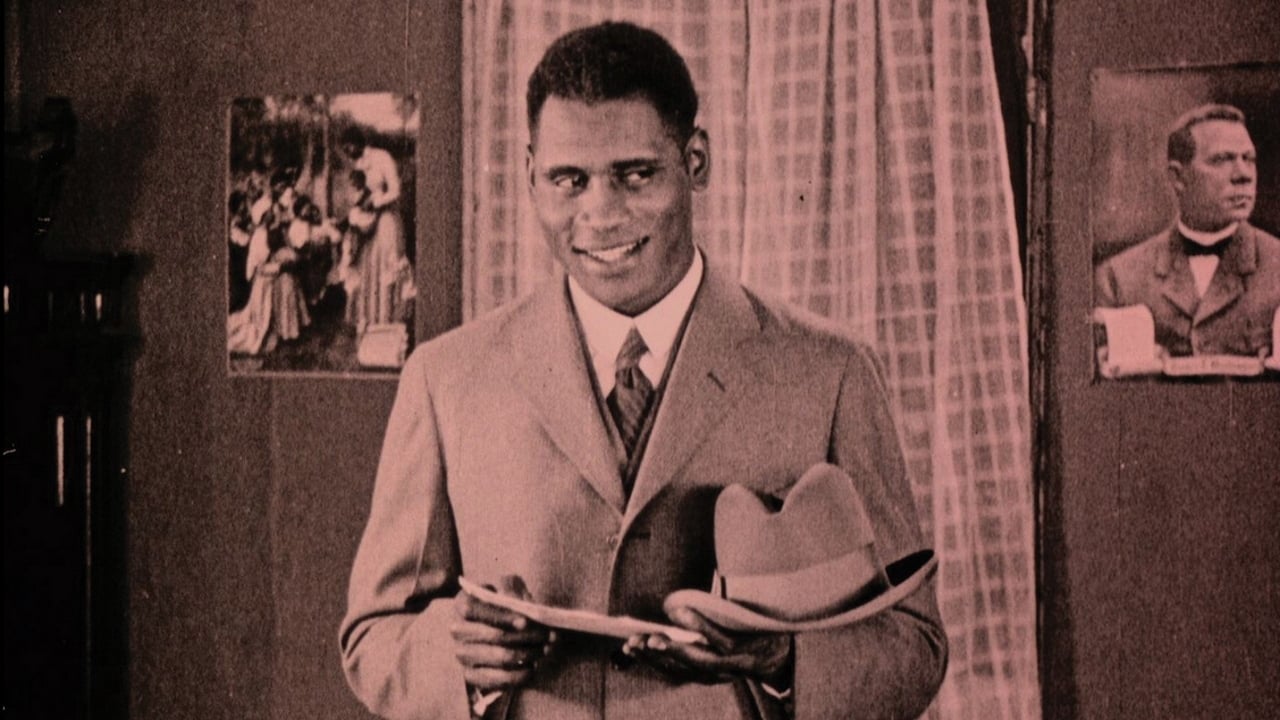
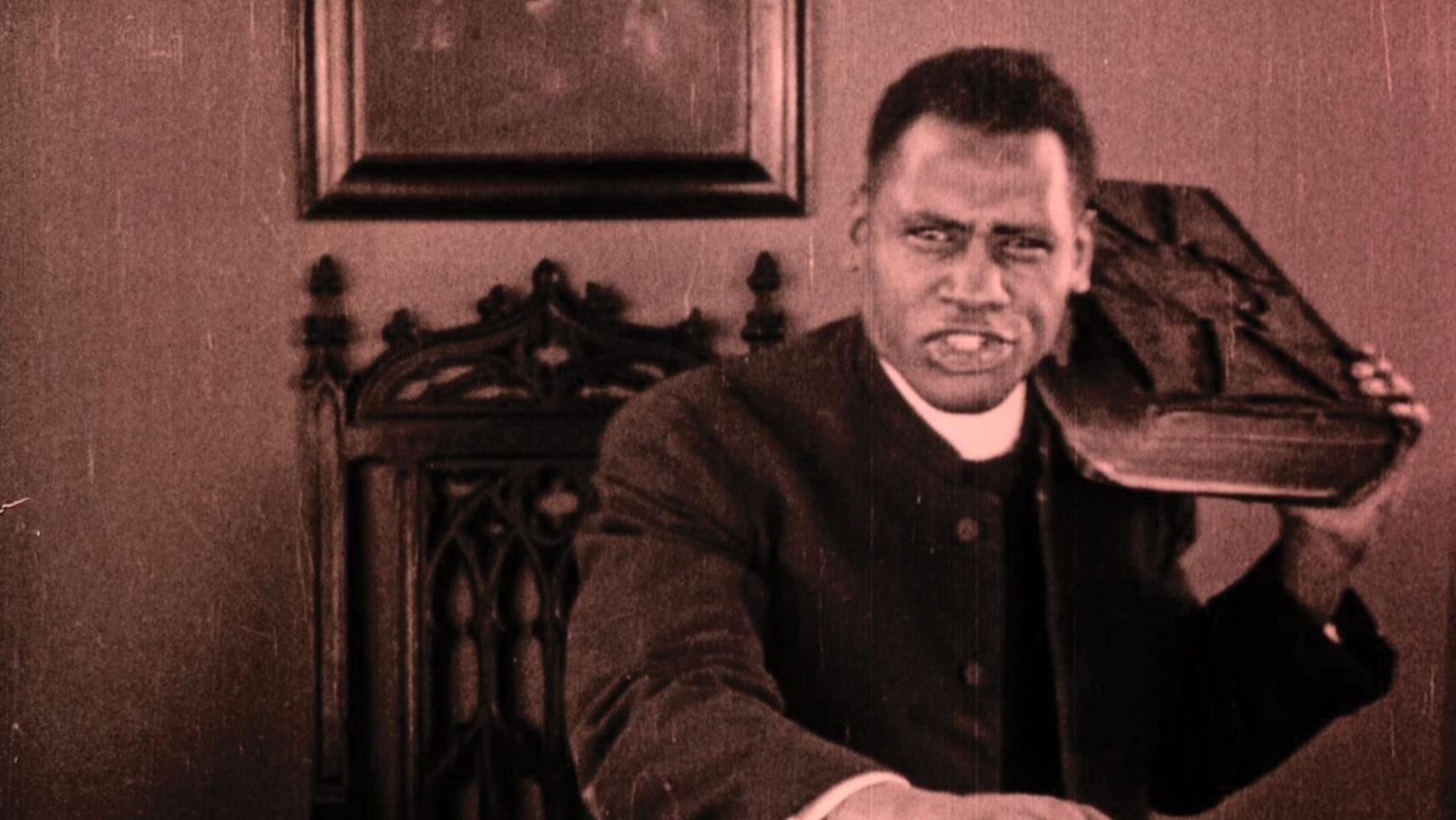
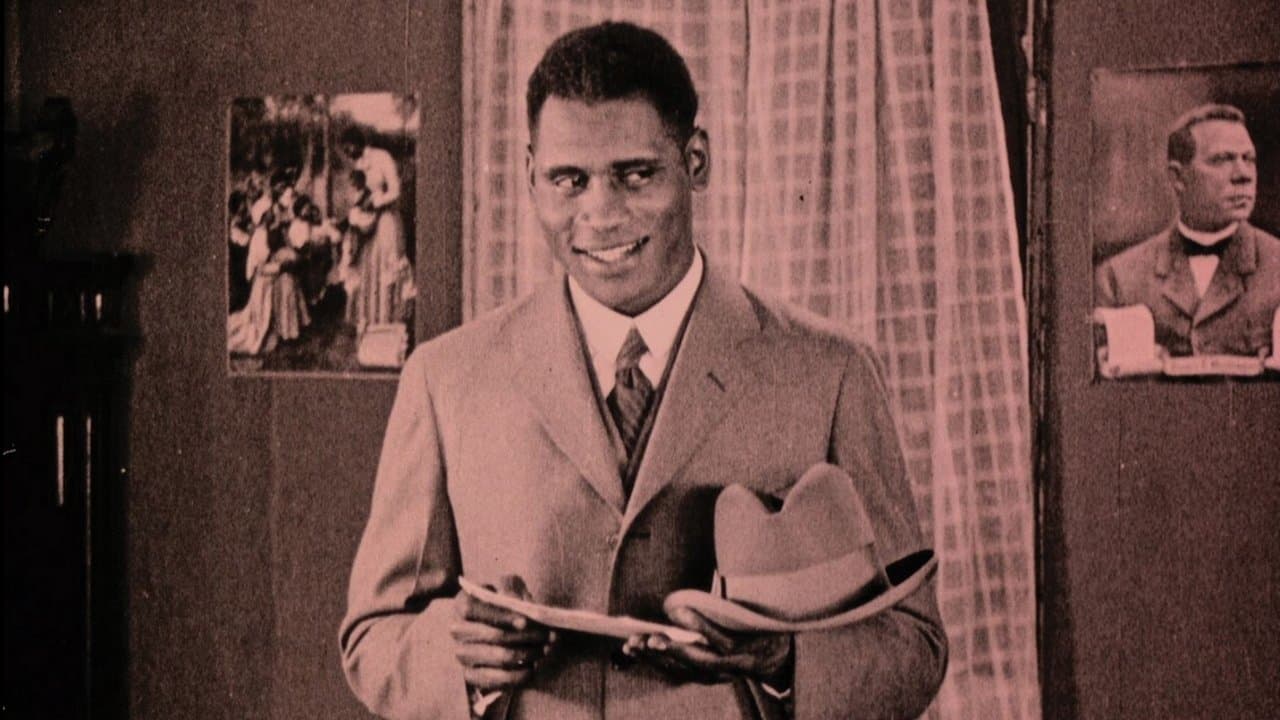
A convict escapes to a Southern town and passes himself off as a reverend, giving him the perfect cover to swindle the townspeople and corrupt an innocent young woman.
Directed by Oscar Micheaux
silent film

IMDB
N/A
Cast
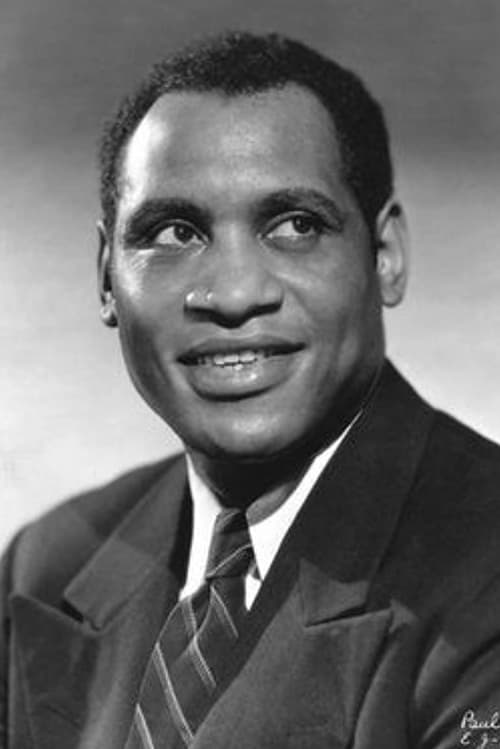
Paul Robeson
Reverend Isaiah T. Jenkins / His brother Sylvester

Mercedes Gilbert
Sister Martha Jane

Julia Theresa Russell
Isabelle

Marshall Rogers
Speakeasy Proprietor
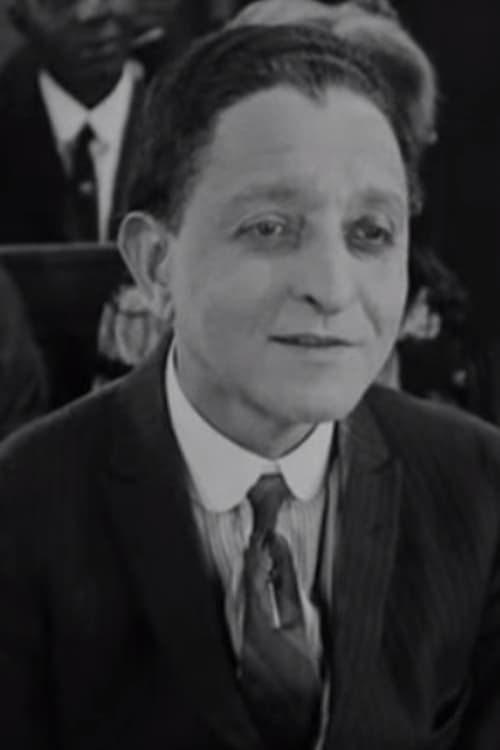
Lawrence Chenault
Yello-Curley' Hinds - the Phony Reverend's Former Jailmate

Chester A. Alexander
Deacon Simpkins - a Church Elder

Walter Henry Cornick
Brother Amos - a Church Elder

Lillian Johnson
"Sis" Ca'line

Madame Robinson
"Sis" Lucy
Crew
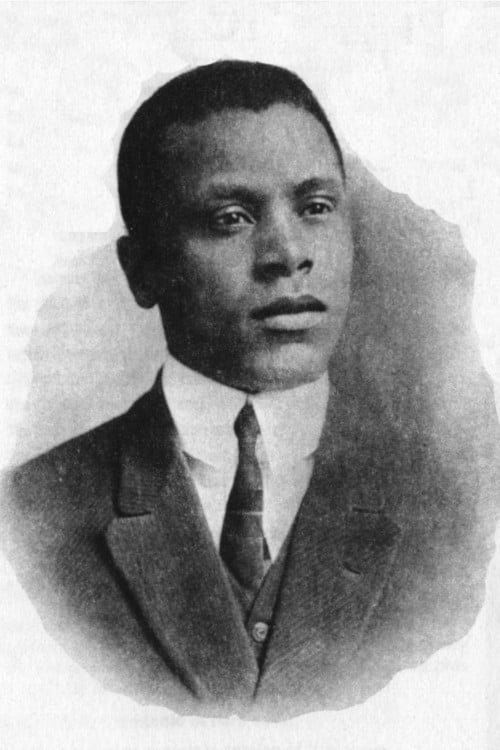
Oscar Micheaux
Director
Oscar Micheaux
Screenplay
Oscar Micheaux
Producer
Popular Reviews
27 reviews
Sam Stevens
6.0★ · 04/17/26

Historically this film is really interesting, directed by the first notable black director in Hollywood and featuring many underlying messages of racial tension and religious devotion. The director, Oscar Micheaux, had to deal with a racial discrimination due to the laws of Jim-Crow era America and a lack financial support for his project, because of this heavy suppression Micheaux had to keep his film very basic and simple technology-wise, this explains the very low-budget feel of the film. These factors however did not manage to depress Micheaux’s enthusiastic spark within his craft and he still managed to create a relatively entertaining film with a great performance from Paul Robeson. This film is Robeson’s first appearance on the silver screen, something he later ignored as a part of his career, his performance was terrific for the time, being able to seem charismatic without dialogue is quite impressive. Overall this was a pretty good film, I will admit the historical context of it is much more interesting than the actual picture. If Micheaux had access to a larger budget and wasn’t held down by prejudice then he’d have the potential to be a phenomenal auteur.
There’s a really good piece of writing on this film here.
There’s a really good piece of writing on this film here.
Historically this film is really interesting, directed by the first notable black director in Hollywood and featuring many underlying messages of racial tension and religious devotion. The director, Oscar Micheaux, had to deal with a racial discrimination due to the laws of Jim-Crow era America and a lack financial support for his project, because of this heavy suppression Micheaux had to keep his film very basic and simple technology-wise, this explains the very low-budget feel of the film. These factors however did not manage to depress Micheaux’s enthusiastic spark within his craft and he still managed to create a relatively entertaining film with a great performance from Paul Robeson. This film is Robeson’s first appearance on the silver screen, something he later ignored as a part of his career, his performance was terrific for the time, being able to seem charismatic without dialogue is quite impressive. Overall this was a pretty good film, I will admit the historical context of it is much more interesting than the actual picture. If Micheaux had access to a larger budget and wasn’t held down by prejudice then he’d have the potential to be a phenomenal auteur.
There’s a really good piece of writing on this film here.
There’s a really good piece of writing on this film here.


Polo
8.0★ · 02/04/26
Ok shame on me for not seeing it sooner and not really knowing about Oscar Michaux and Paul Robeson, a banger
Ok shame on me for not seeing it sooner and not really knowing about Oscar Michaux and Paul Robeson, a banger
axeIV
Religión, la iglesia y su gente; la serpiente encuentra la forma de alcanzar la manzana
Religión, la iglesia y su gente; la serpiente encuentra la forma de alcanzar la manzana
Sleaze BeresPRO
6.0★ · 01/02/26
Criterion Challenge #51: 1920s (2/52 - I think I’m gonna finish this pretty fast because my unemployed ass loves arbitrary homework)
I remember reading a bunch about Oscar Micheaux and Paul Robeson when I was like 18 but never engaged with their work past seeing clips of it in History of Film documentaries. Hell of a place to start. An evergreen topic of religious exploitation with a not unfamiliar implementation of twins where one is evil and one is nice. Paul Robeson is a commanding presence both as the malicious fake priest and his twin brother. Some evocative filmmaking even for the time such as the shots of them caught in the rainstorm or the closeup “blood money” montage cutting between a wad of cash, a dress being ironed, and the cotton being picked for the dress.
There’s implementation of a dialect used in the text for certain characters and I guess I understand that discomfort others have, but also like this is the first prominent black filmmaker making films for black audiences of the time. It might be used specifically with the more impoverished/deceived black characters as some form of satire or it could be something forced on Oscar Micheaux by whatever the like, forces of white mainstream filmmaking put towards it. Much to consider
I remember reading a bunch about Oscar Micheaux and Paul Robeson when I was like 18 but never engaged with their work past seeing clips of it in History of Film documentaries. Hell of a place to start. An evergreen topic of religious exploitation with a not unfamiliar implementation of twins where one is evil and one is nice. Paul Robeson is a commanding presence both as the malicious fake priest and his twin brother. Some evocative filmmaking even for the time such as the shots of them caught in the rainstorm or the closeup “blood money” montage cutting between a wad of cash, a dress being ironed, and the cotton being picked for the dress.
There’s implementation of a dialect used in the text for certain characters and I guess I understand that discomfort others have, but also like this is the first prominent black filmmaker making films for black audiences of the time. It might be used specifically with the more impoverished/deceived black characters as some form of satire or it could be something forced on Oscar Micheaux by whatever the like, forces of white mainstream filmmaking put towards it. Much to consider
Criterion Challenge #51: 1920s (2/52 - I think I’m gonna finish this pretty fast because my unemployed ass loves arbitrary homework)
I remember reading a bunch about Oscar Micheaux and Paul Robeson when I was like 18 but never engaged with their work past seeing clips of it in History of Film documentaries. Hell of a place to start. An evergreen topic of religious exploitation with a not unfamiliar implementation of twins where one is evil and one is nice. Paul Robeson is a commanding presence both as the malicious fake priest and his twin brother. Some evocative filmmaking even for the time such as the shots of them caught in the rainstorm or the closeup “blood money” montage cutting between a wad of cash, a dress being ironed, and the cotton being picked for the dress.
There’s implementation of a dialect used in the text for certain characters and I guess I understand that discomfort others have, but also like this is the first prominent black filmmaker making films for black audiences of the time. It might be used specifically with the more impoverished/deceived black characters as some form of satire or it could be something forced on Oscar Micheaux by whatever the like, forces of white mainstream filmmaking put towards it. Much to consider
I remember reading a bunch about Oscar Micheaux and Paul Robeson when I was like 18 but never engaged with their work past seeing clips of it in History of Film documentaries. Hell of a place to start. An evergreen topic of religious exploitation with a not unfamiliar implementation of twins where one is evil and one is nice. Paul Robeson is a commanding presence both as the malicious fake priest and his twin brother. Some evocative filmmaking even for the time such as the shots of them caught in the rainstorm or the closeup “blood money” montage cutting between a wad of cash, a dress being ironed, and the cotton being picked for the dress.
There’s implementation of a dialect used in the text for certain characters and I guess I understand that discomfort others have, but also like this is the first prominent black filmmaker making films for black audiences of the time. It might be used specifically with the more impoverished/deceived black characters as some form of satire or it could be something forced on Oscar Micheaux by whatever the like, forces of white mainstream filmmaking put towards it. Much to consider
steven senegal
7.0★ · 12/04/25
paul robeson has such an unbelievable presence in this. will definitely be delving more into micheaux’s filmography.
paul robeson has such an unbelievable presence in this. will definitely be delving more into micheaux’s filmography.