
Alambrista!
1977·Drama·1h 36m
7.1
★
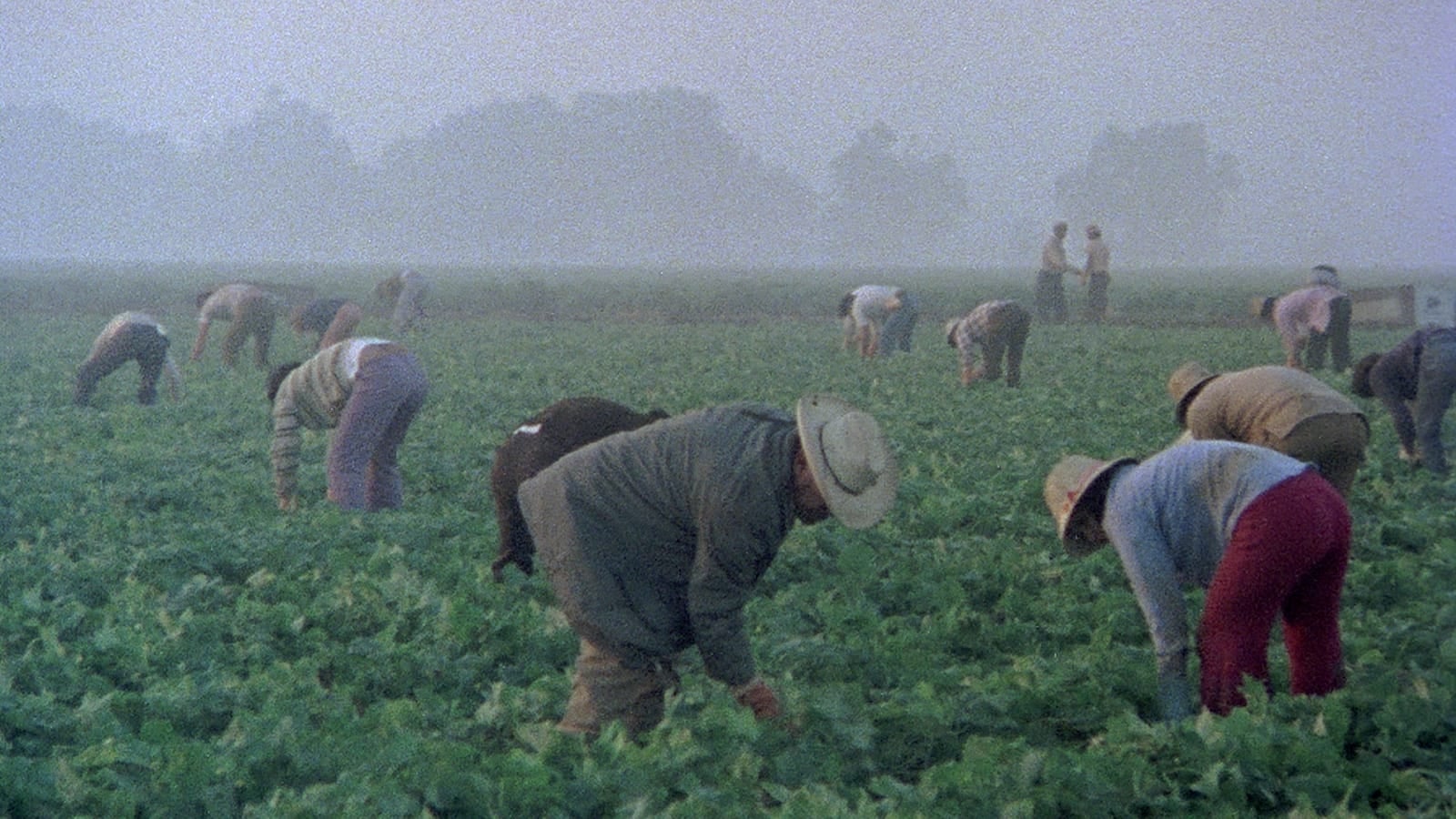
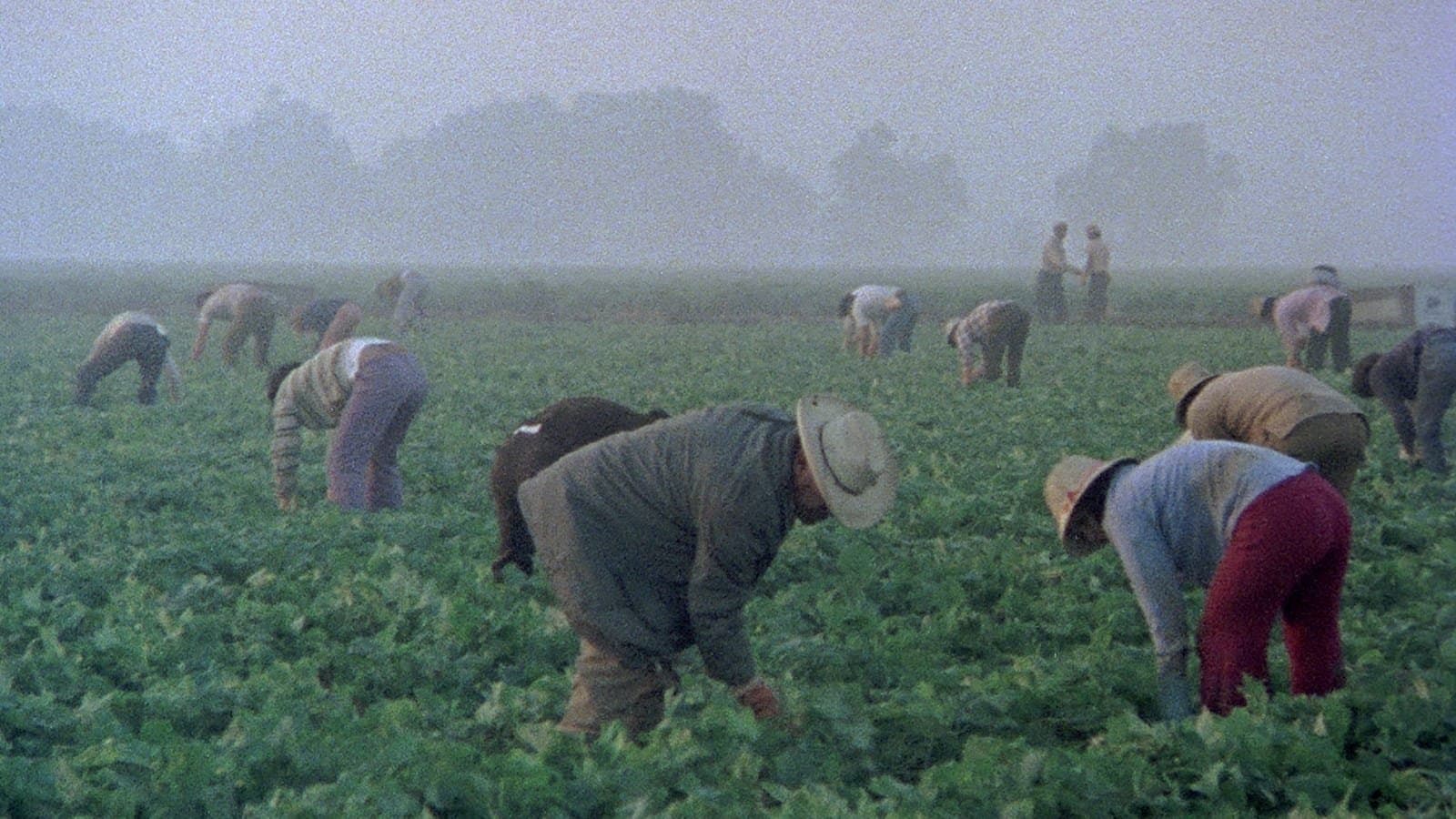
After the birth of his first child, Roberto, a young Mexican man, slips across the border into the United States. Seeking work to support his family back home, he finds that working hard is not enough.
Directed by Robert M. Young

Trailer

IMDB
N/A
Cast
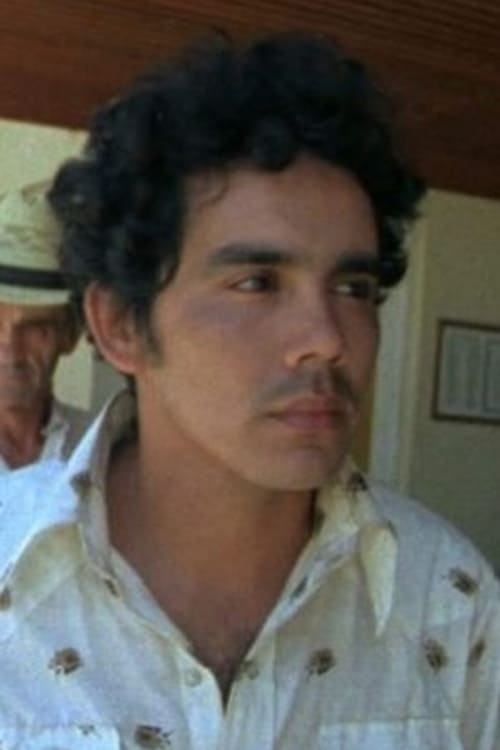
Domingo Ambriz
Roberto

Trinidad Silva
Joe

Linda Gillen
Sharon
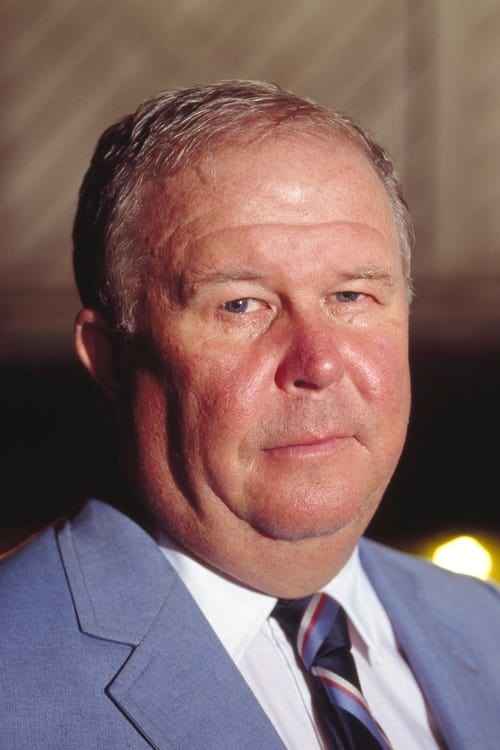
Ned Beatty
Anglo Coyote

Jerry Hardin
Man in cafe
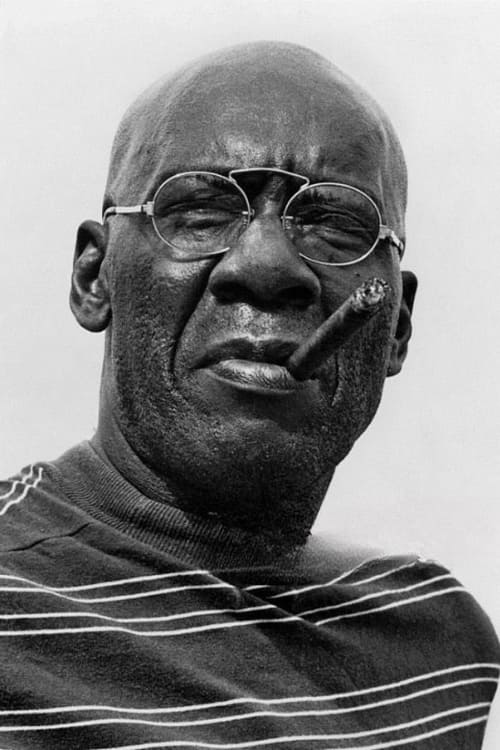
Julius Harris
2nd Drunk

Edward James Olmos
1st Drunk
Crew

Robert M. Young
Director
Robert M. Young
Writer
Robert M. Young
Director of Photography

Sandra Schulberg
Associate Producer
Popular Reviews
14 reviews
Bayley Pickett
7.0★ · 03/19/26
Having perspectives is so important
Having perspectives is so important


Joshua Timpko
9.0★ · 06/12/25
Okay, before I say anything further, the main takeaway should be that I'm urging anyone reading this post (especially if you live in the US) to find 90 minutes in the coming days/weeks and watch this film from 1977.
And then I have to address a couple of elephants in the room. The first one is that i have to marvel at the fact that sometimes the universe just knows things and steers you in certain directions (your milage may vary on this). I'm not a huge believer in the universe's guiding hand but in this instance, my journey to this film was a bit too spooky to ignore. Back in the beginning of the year, I decided to participate in the Criterion Challenge (52 criterion films, once per week, a bunch of different categories.) One of the categories of the criterion challenge was to use a random number generator and watch the film with that spine number. Well, my number landed on #609--a Spanish-language film I'd never heard of from 1977 called "Alambrista".
Cut to six months later and... well, the state of our country is in disarray (that's the other elephant in the room), especially as it pertains to immigration and human rights. Over the last few weeks (months? what even is time anymore?), this issue in America has been gnawing at me--as it has been for many others. I won't get too in the weeds with the state of the US right now, because i want to focus on the film, but for this film to come to my attention at this moment in American history and for me to feel as though it could have been made last year, when in fact it was made nearly a half a cetury ago says a lot about how little America has changed.
Okay, now with that out of the way, what a goddamn film. I had no clue what to expect from this mighty $200,000 movie about the lives of undocumented Mexican immigrants from their point of view. Specifically, the experience of Roberto, as he sneaks into the US in search of work so that he can send the money back to his wife to care for their newborn child. What follows is a road movie that depicts the harrowing journeys of the men and women who come to this country in search of a better life.
Now, I don't know Robert M. Young, but the way he films this movie is truly like watching someone who has a looking glass into the future. The way this film shares DNA with so many filmmakers who would come after him--most notably, I detect a lot of Sean Baker--is staggering. The film has the grit of a film made in 1977 but truly looks like it could have been made in the last 10 years by a filmmaker with a skilled enough hand. The biggest comparison i can offer (since i saw it so recently, it's in my mind) is Baker's "Take Out". Both films act as fish-out-of-water road movies about characters stuck behind a language barrier, trying to make money to send to their loved ones. In the same way Sean Baker has been able to make us quake when we see his characters thriving, so too does Young here in this film. This verité style of filmmaking (which i believe is taken from Young's time as a documentarian) really erases all distance we might have from Roberto and his story.
The handheld camera runs the risk of being erratic and jarring (which is the case sometimes in Take Out) but Young always finds the right place to aim the camera. His use of framing is so thought out and smart, even when it feels like it's on the fly. for instance (without spoiling it) a simple shot of the underside of a train car had the ability to cause me to clutch my chest and say, "oh fuck" out loud. I haven't had a moment like that since Haneke's "Cache".
And while we're at it, can we talk about the editing and the score? Both are unexpected but both move this film along with so much gusto that you catch yourself forgetting how to breathe. The score felt like i was watching Birdman (or Apple TV's The Studio) and the editing never lets your mind wander with its zippy pacing, until it really wants you to sit in what it's showing you.
Very quickly you start to fear for Roberto at every turn. Every character he meets could be friend or foe. When he meets Sharon, it's breath of fresh air before that air is stripped from our lungs. The same goes for Joe and the men he meets when he first crosses the border.
Speaking of Sharon, there was a shot in the movie that nearly made me cry (though it probably want the intention, and it wasnt the only time). Sharon, the waitress, meets Roberto a few days after he's entered the country. He hasn't slept in who knows how long. His body is so tired, he passed out right in her cafe. She can't leave him on the street or he'll get robbed. So she and the chef pick up Roberto and walk his limp body someplace safe. As they walked away from the camera--a white woman and a black man helping a broken-down, and exhausted man from Mexico--I nearly wept at the simple beauty of humans being so kind and gentle to another human being, regardless of whether they can speak the same language. The only language needed is love and empathy.
Also, can we give a round of applause to Domingo Ambriz for his incredible performance. Just beautiful the whole way through up to the very end, which i won’t spoil here, but he has a brilliant moment to shine. Without spoiling it, I’ll just say that a man like Roberto, after leaping over so many hurdles, can only bottle up his stress for so long.
And the ENDING ending, that’s when i knew. That’s when i said, “yup, they stuck the landing.” Again, if you’ve read this far, i don’t want to spoil it for you, but i nearly cried once more and as my computer screen dipped to black after the credits i was left staring myself in the black mirror, wondering if i felt any kinship with this nation anymore (or if i ever did to begin with).
I don’t have a nice bow to wrap this review up in other than that this film is as revevant today as it was almost 50 years ago and we’ve got a long way to go, it seems.
8.5/10
And then I have to address a couple of elephants in the room. The first one is that i have to marvel at the fact that sometimes the universe just knows things and steers you in certain directions (your milage may vary on this). I'm not a huge believer in the universe's guiding hand but in this instance, my journey to this film was a bit too spooky to ignore. Back in the beginning of the year, I decided to participate in the Criterion Challenge (52 criterion films, once per week, a bunch of different categories.) One of the categories of the criterion challenge was to use a random number generator and watch the film with that spine number. Well, my number landed on #609--a Spanish-language film I'd never heard of from 1977 called "Alambrista".
Cut to six months later and... well, the state of our country is in disarray (that's the other elephant in the room), especially as it pertains to immigration and human rights. Over the last few weeks (months? what even is time anymore?), this issue in America has been gnawing at me--as it has been for many others. I won't get too in the weeds with the state of the US right now, because i want to focus on the film, but for this film to come to my attention at this moment in American history and for me to feel as though it could have been made last year, when in fact it was made nearly a half a cetury ago says a lot about how little America has changed.
Okay, now with that out of the way, what a goddamn film. I had no clue what to expect from this mighty $200,000 movie about the lives of undocumented Mexican immigrants from their point of view. Specifically, the experience of Roberto, as he sneaks into the US in search of work so that he can send the money back to his wife to care for their newborn child. What follows is a road movie that depicts the harrowing journeys of the men and women who come to this country in search of a better life.
Now, I don't know Robert M. Young, but the way he films this movie is truly like watching someone who has a looking glass into the future. The way this film shares DNA with so many filmmakers who would come after him--most notably, I detect a lot of Sean Baker--is staggering. The film has the grit of a film made in 1977 but truly looks like it could have been made in the last 10 years by a filmmaker with a skilled enough hand. The biggest comparison i can offer (since i saw it so recently, it's in my mind) is Baker's "Take Out". Both films act as fish-out-of-water road movies about characters stuck behind a language barrier, trying to make money to send to their loved ones. In the same way Sean Baker has been able to make us quake when we see his characters thriving, so too does Young here in this film. This verité style of filmmaking (which i believe is taken from Young's time as a documentarian) really erases all distance we might have from Roberto and his story.
The handheld camera runs the risk of being erratic and jarring (which is the case sometimes in Take Out) but Young always finds the right place to aim the camera. His use of framing is so thought out and smart, even when it feels like it's on the fly. for instance (without spoiling it) a simple shot of the underside of a train car had the ability to cause me to clutch my chest and say, "oh fuck" out loud. I haven't had a moment like that since Haneke's "Cache".
And while we're at it, can we talk about the editing and the score? Both are unexpected but both move this film along with so much gusto that you catch yourself forgetting how to breathe. The score felt like i was watching Birdman (or Apple TV's The Studio) and the editing never lets your mind wander with its zippy pacing, until it really wants you to sit in what it's showing you.
Very quickly you start to fear for Roberto at every turn. Every character he meets could be friend or foe. When he meets Sharon, it's breath of fresh air before that air is stripped from our lungs. The same goes for Joe and the men he meets when he first crosses the border.
Speaking of Sharon, there was a shot in the movie that nearly made me cry (though it probably want the intention, and it wasnt the only time). Sharon, the waitress, meets Roberto a few days after he's entered the country. He hasn't slept in who knows how long. His body is so tired, he passed out right in her cafe. She can't leave him on the street or he'll get robbed. So she and the chef pick up Roberto and walk his limp body someplace safe. As they walked away from the camera--a white woman and a black man helping a broken-down, and exhausted man from Mexico--I nearly wept at the simple beauty of humans being so kind and gentle to another human being, regardless of whether they can speak the same language. The only language needed is love and empathy.
Also, can we give a round of applause to Domingo Ambriz for his incredible performance. Just beautiful the whole way through up to the very end, which i won’t spoil here, but he has a brilliant moment to shine. Without spoiling it, I’ll just say that a man like Roberto, after leaping over so many hurdles, can only bottle up his stress for so long.
And the ENDING ending, that’s when i knew. That’s when i said, “yup, they stuck the landing.” Again, if you’ve read this far, i don’t want to spoil it for you, but i nearly cried once more and as my computer screen dipped to black after the credits i was left staring myself in the black mirror, wondering if i felt any kinship with this nation anymore (or if i ever did to begin with).
I don’t have a nice bow to wrap this review up in other than that this film is as revevant today as it was almost 50 years ago and we’ve got a long way to go, it seems.
8.5/10
Okay, before I say anything further, the main takeaway should be that I'm urging anyone reading this post (especially if you live in the US) to find 90 minutes in the coming days/weeks and watch this film from 1977.
And then I have to address a couple of elephants in the room. The first one is that i have to marvel at the fact that sometimes the universe just knows things and steers you in certain directions (your milage may vary on this). I'm not a huge believer in the universe's guiding hand but in this instance, my journey to this film was a bit too spooky to ignore. Back in the beginning of the year, I decided to participate in the Criterion Challenge (52 criterion films, once per week, a bunch of different categories.) One of the categories of the criterion challenge was to use a random number generator and watch the film with that spine number. Well, my number landed on #609--a Spanish-language film I'd never heard of from 1977 called "Alambrista".
Cut to six months later and... well, the state of our country is in disarray (that's the other elephant in the room), especially as it pertains to immigration and human rights. Over the last few weeks (months? what even is time anymore?), this issue in America has been gnawing at me--as it has been for many others. I won't get too in the weeds with the state of the US right now, because i want to focus on the film, but for this film to come to my attention at this moment in American history and for me to feel as though it could have been made last year, when in fact it was made nearly a half a cetury ago says a lot about how little America has changed.
Okay, now with that out of the way, what a goddamn film. I had no clue what to expect from this mighty $200,000 movie about the lives of undocumented Mexican immigrants from their point of view. Specifically, the experience of Roberto, as he sneaks into the US in search of work so that he can send the money back to his wife to care for their newborn child. What follows is a road movie that depicts the harrowing journeys of the men and women who come to this country in search of a better life.
Now, I don't know Robert M. Young, but the way he films this movie is truly like watching someone who has a looking glass into the future. The way this film shares DNA with so many filmmakers who would come after him--most notably, I detect a lot of Sean Baker--is staggering. The film has the grit of a film made in 1977 but truly looks like it could have been made in the last 10 years by a filmmaker with a skilled enough hand. The biggest comparison i can offer (since i saw it so recently, it's in my mind) is Baker's "Take Out". Both films act as fish-out-of-water road movies about characters stuck behind a language barrier, trying to make money to send to their loved ones. In the same way Sean Baker has been able to make us quake when we see his characters thriving, so too does Young here in this film. This verité style of filmmaking (which i believe is taken from Young's time as a documentarian) really erases all distance we might have from Roberto and his story.
The handheld camera runs the risk of being erratic and jarring (which is the case sometimes in Take Out) but Young always finds the right place to aim the camera. His use of framing is so thought out and smart, even when it feels like it's on the fly. for instance (without spoiling it) a simple shot of the underside of a train car had the ability to cause me to clutch my chest and say, "oh fuck" out loud. I haven't had a moment like that since Haneke's "Cache".
And while we're at it, can we talk about the editing and the score? Both are unexpected but both move this film along with so much gusto that you catch yourself forgetting how to breathe. The score felt like i was watching Birdman (or Apple TV's The Studio) and the editing never lets your mind wander with its zippy pacing, until it really wants you to sit in what it's showing you.
Very quickly you start to fear for Roberto at every turn. Every character he meets could be friend or foe. When he meets Sharon, it's breath of fresh air before that air is stripped from our lungs. The same goes for Joe and the men he meets when he first crosses the border.
Speaking of Sharon, there was a shot in the movie that nearly made me cry (though it probably want the intention, and it wasnt the only time). Sharon, the waitress, meets Roberto a few days after he's entered the country. He hasn't slept in who knows how long. His body is so tired, he passed out right in her cafe. She can't leave him on the street or he'll get robbed. So she and the chef pick up Roberto and walk his limp body someplace safe. As they walked away from the camera--a white woman and a black man helping a broken-down, and exhausted man from Mexico--I nearly wept at the simple beauty of humans being so kind and gentle to another human being, regardless of whether they can speak the same language. The only language needed is love and empathy.
Also, can we give a round of applause to Domingo Ambriz for his incredible performance. Just beautiful the whole way through up to the very end, which i won’t spoil here, but he has a brilliant moment to shine. Without spoiling it, I’ll just say that a man like Roberto, after leaping over so many hurdles, can only bottle up his stress for so long.
And the ENDING ending, that’s when i knew. That’s when i said, “yup, they stuck the landing.” Again, if you’ve read this far, i don’t want to spoil it for you, but i nearly cried once more and as my computer screen dipped to black after the credits i was left staring myself in the black mirror, wondering if i felt any kinship with this nation anymore (or if i ever did to begin with).
I don’t have a nice bow to wrap this review up in other than that this film is as revevant today as it was almost 50 years ago and we’ve got a long way to go, it seems.
8.5/10
And then I have to address a couple of elephants in the room. The first one is that i have to marvel at the fact that sometimes the universe just knows things and steers you in certain directions (your milage may vary on this). I'm not a huge believer in the universe's guiding hand but in this instance, my journey to this film was a bit too spooky to ignore. Back in the beginning of the year, I decided to participate in the Criterion Challenge (52 criterion films, once per week, a bunch of different categories.) One of the categories of the criterion challenge was to use a random number generator and watch the film with that spine number. Well, my number landed on #609--a Spanish-language film I'd never heard of from 1977 called "Alambrista".
Cut to six months later and... well, the state of our country is in disarray (that's the other elephant in the room), especially as it pertains to immigration and human rights. Over the last few weeks (months? what even is time anymore?), this issue in America has been gnawing at me--as it has been for many others. I won't get too in the weeds with the state of the US right now, because i want to focus on the film, but for this film to come to my attention at this moment in American history and for me to feel as though it could have been made last year, when in fact it was made nearly a half a cetury ago says a lot about how little America has changed.
Okay, now with that out of the way, what a goddamn film. I had no clue what to expect from this mighty $200,000 movie about the lives of undocumented Mexican immigrants from their point of view. Specifically, the experience of Roberto, as he sneaks into the US in search of work so that he can send the money back to his wife to care for their newborn child. What follows is a road movie that depicts the harrowing journeys of the men and women who come to this country in search of a better life.
Now, I don't know Robert M. Young, but the way he films this movie is truly like watching someone who has a looking glass into the future. The way this film shares DNA with so many filmmakers who would come after him--most notably, I detect a lot of Sean Baker--is staggering. The film has the grit of a film made in 1977 but truly looks like it could have been made in the last 10 years by a filmmaker with a skilled enough hand. The biggest comparison i can offer (since i saw it so recently, it's in my mind) is Baker's "Take Out". Both films act as fish-out-of-water road movies about characters stuck behind a language barrier, trying to make money to send to their loved ones. In the same way Sean Baker has been able to make us quake when we see his characters thriving, so too does Young here in this film. This verité style of filmmaking (which i believe is taken from Young's time as a documentarian) really erases all distance we might have from Roberto and his story.
The handheld camera runs the risk of being erratic and jarring (which is the case sometimes in Take Out) but Young always finds the right place to aim the camera. His use of framing is so thought out and smart, even when it feels like it's on the fly. for instance (without spoiling it) a simple shot of the underside of a train car had the ability to cause me to clutch my chest and say, "oh fuck" out loud. I haven't had a moment like that since Haneke's "Cache".
And while we're at it, can we talk about the editing and the score? Both are unexpected but both move this film along with so much gusto that you catch yourself forgetting how to breathe. The score felt like i was watching Birdman (or Apple TV's The Studio) and the editing never lets your mind wander with its zippy pacing, until it really wants you to sit in what it's showing you.
Very quickly you start to fear for Roberto at every turn. Every character he meets could be friend or foe. When he meets Sharon, it's breath of fresh air before that air is stripped from our lungs. The same goes for Joe and the men he meets when he first crosses the border.
Speaking of Sharon, there was a shot in the movie that nearly made me cry (though it probably want the intention, and it wasnt the only time). Sharon, the waitress, meets Roberto a few days after he's entered the country. He hasn't slept in who knows how long. His body is so tired, he passed out right in her cafe. She can't leave him on the street or he'll get robbed. So she and the chef pick up Roberto and walk his limp body someplace safe. As they walked away from the camera--a white woman and a black man helping a broken-down, and exhausted man from Mexico--I nearly wept at the simple beauty of humans being so kind and gentle to another human being, regardless of whether they can speak the same language. The only language needed is love and empathy.
Also, can we give a round of applause to Domingo Ambriz for his incredible performance. Just beautiful the whole way through up to the very end, which i won’t spoil here, but he has a brilliant moment to shine. Without spoiling it, I’ll just say that a man like Roberto, after leaping over so many hurdles, can only bottle up his stress for so long.
And the ENDING ending, that’s when i knew. That’s when i said, “yup, they stuck the landing.” Again, if you’ve read this far, i don’t want to spoil it for you, but i nearly cried once more and as my computer screen dipped to black after the credits i was left staring myself in the black mirror, wondering if i felt any kinship with this nation anymore (or if i ever did to begin with).
I don’t have a nice bow to wrap this review up in other than that this film is as revevant today as it was almost 50 years ago and we’ve got a long way to go, it seems.
8.5/10
goodjudgement
10.0★ · 01/22/25
i like that the way this was shot makes it feel like youre physically with roberto like especially the train scene and when hes hiding in the corn it feels like it really connects you with the story. and the extreme instability that he feels. like how we make connections with characters and locations so rapidly before everything is completely uprooted
i like that the way this was shot makes it feel like youre physically with roberto like especially the train scene and when hes hiding in the corn it feels like it really connects you with the story. and the extreme instability that he feels. like how we make connections with characters and locations so rapidly before everything is completely uprooted
bruno
9.8★ · 03/29/24
JOE 😭😭😭
JOE 😭😭😭
Corey
6.0★ · 07/23/23
Had me hooked but fell off a bit in the third act. Unfortunately just as relevant today as it was 50 years ago.
Had me hooked but fell off a bit in the third act. Unfortunately just as relevant today as it was 50 years ago.