Bad weeds never die, only the innocent do.
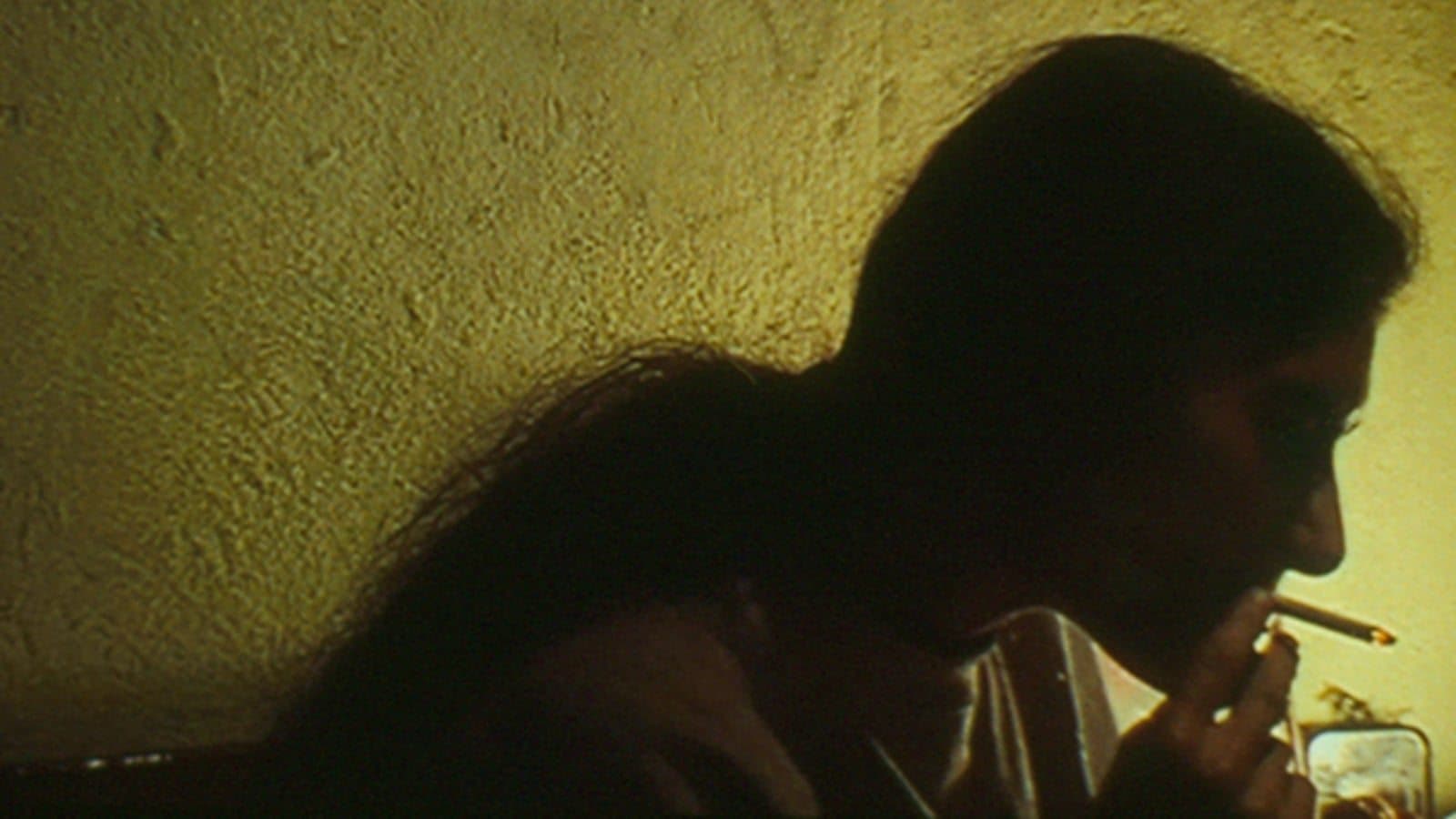
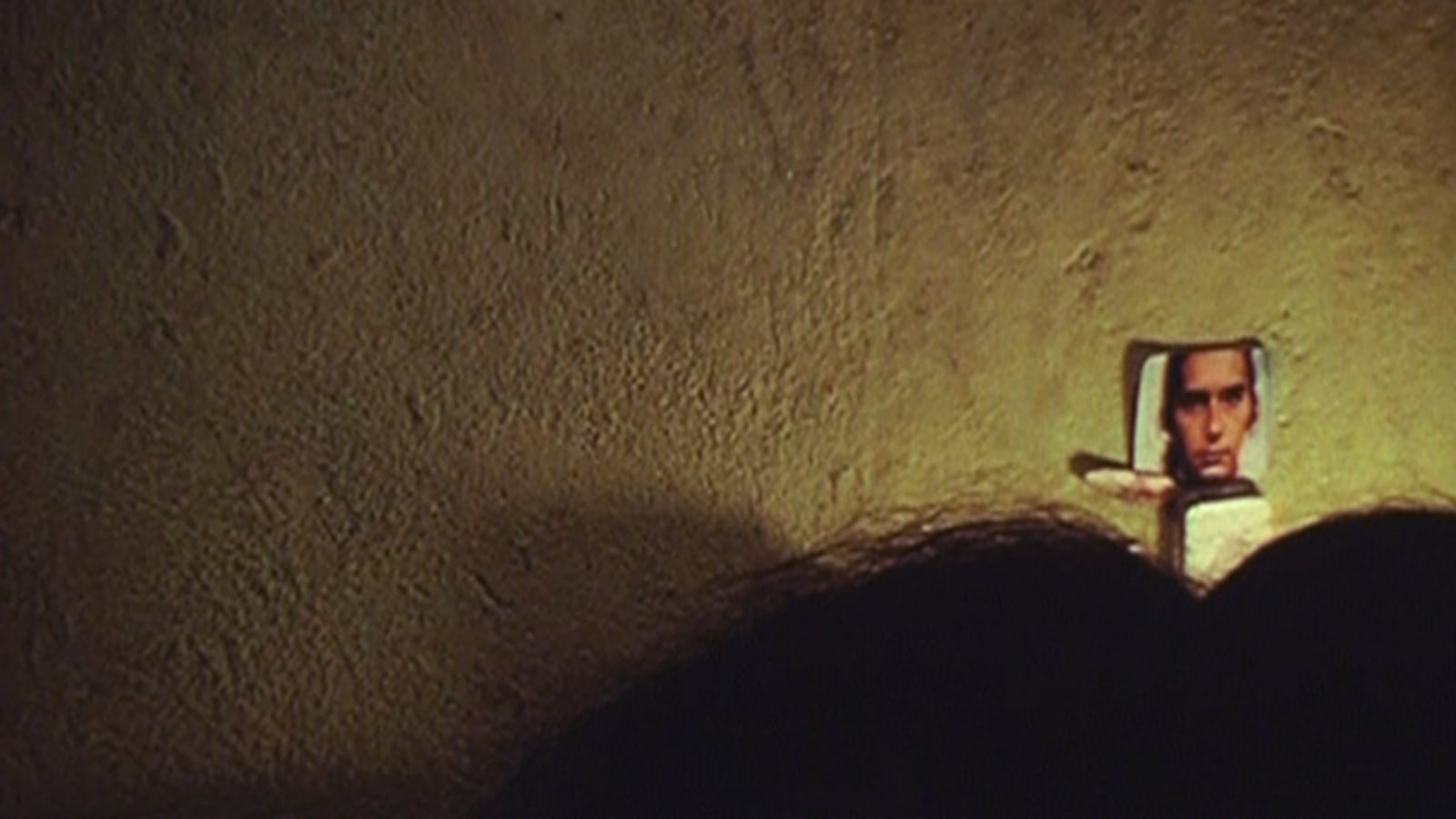
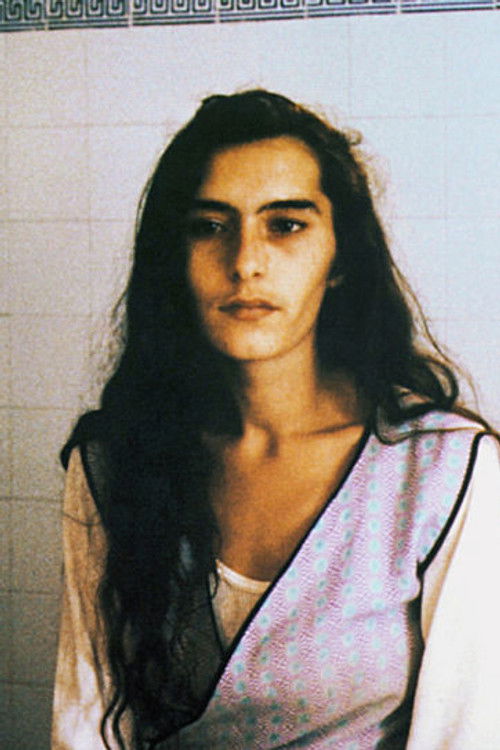
What's interesting about In Vanda's Room is seeing the authentic disguised as fiction, and fiction blended with reality. Costa prepares all the scenes, films them; Vanda is Vanda, not a character born from Pedro Costa's imagination. That's why everything she says has a special meaning, because in addition to creating realities, she refers to existing realities.
Pedro Costa draws inspiration from Godard and his documentary style, from Ozu—it was necessary to capture certain everyday details in film—from Akerman and her portrayal of women's routines, and above all from Kiarostami and his destruction and reconstruction of cinema and reality. Sometimes cinema tends to become closed off, within its genres, narratives, and the entertainment industry. In a way, it brings the purity of Dogma 95, because In Vanda's Room has no filter, but it's important to remember that despite being acted, it's all real. These aren't characters; they're people, people that cinema denies, embellishes, and romanticizes—an encounter that confronts us.
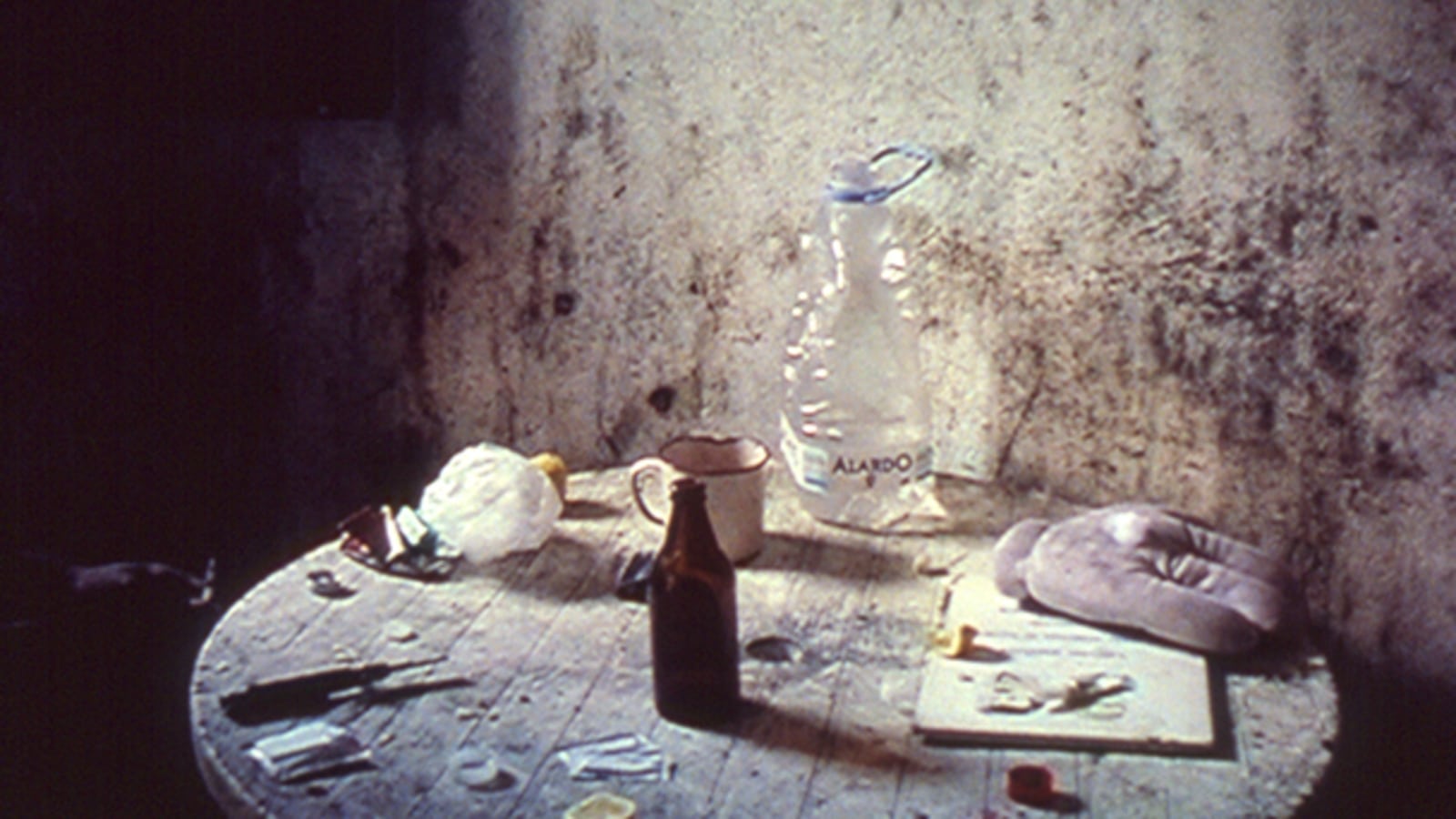
Some might consider this film an aberration. A director enters the room of a drug addict, making her act, along with those close to her? That's only part of it. Even so, it's a necessary exercise. She, the drugs, the disappearance from life exist, but it's not a pure documentary. It's pure immersion in reality. An avoided reality. Those with far more economic power cover their eyes as if they could hide the sun with a finger, and those who live such realities escape them thanks to drugs. In Vanda's Room is jarring because it's too real, even unethical.
In part, who knows if reality is even more painful than what we see? There is no plot here, and the action frequently jumps around in time, but it's unclear what has happened in the meantime. Although this isn't important, in Costa's mind, the main function of cinema is to make the viewer feel that something is completely out of place.