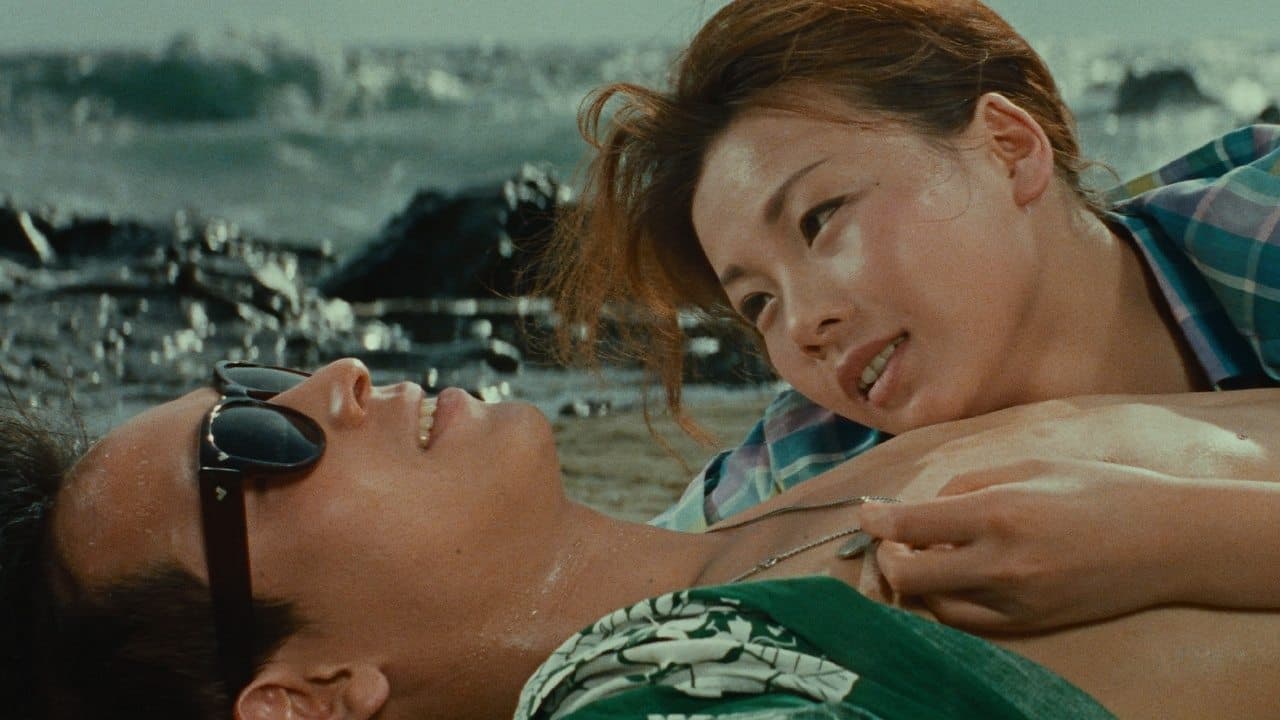
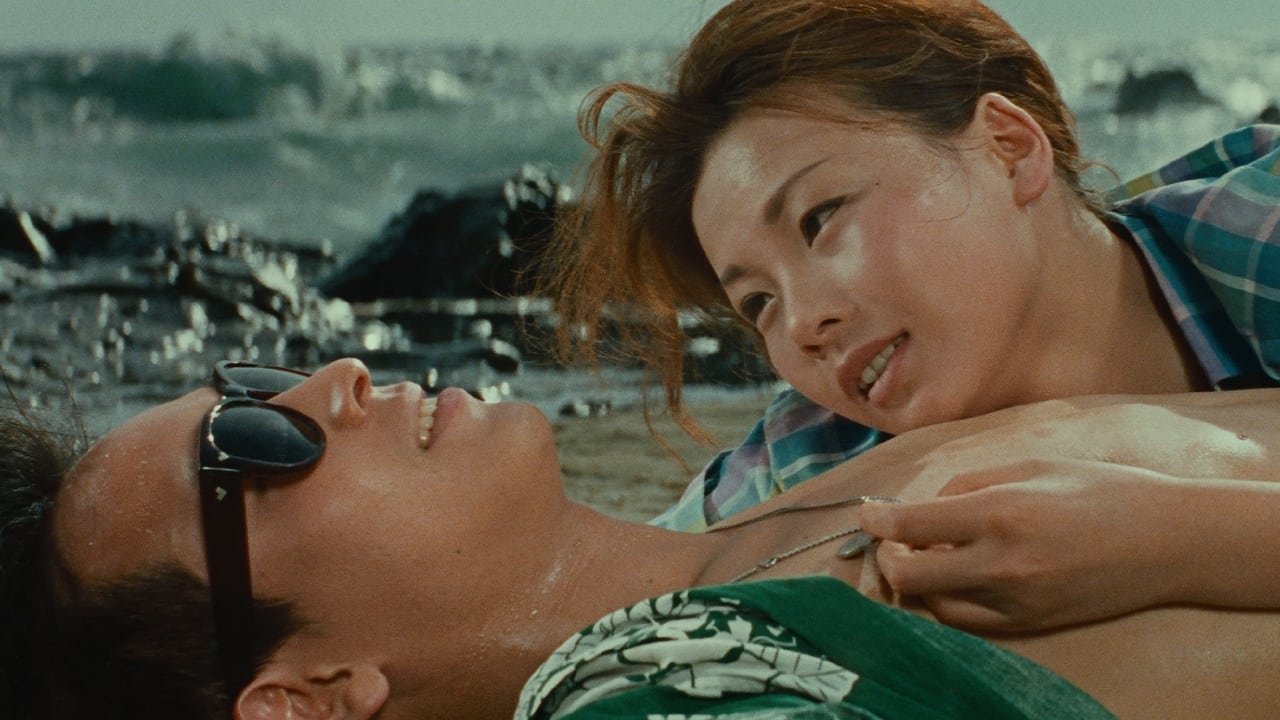
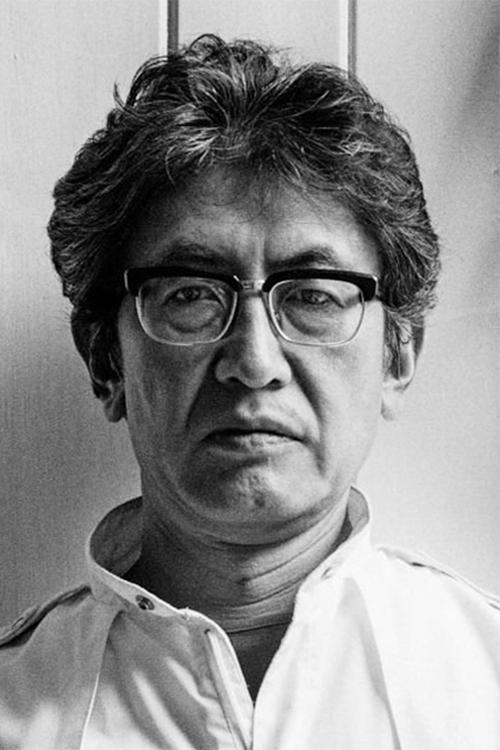
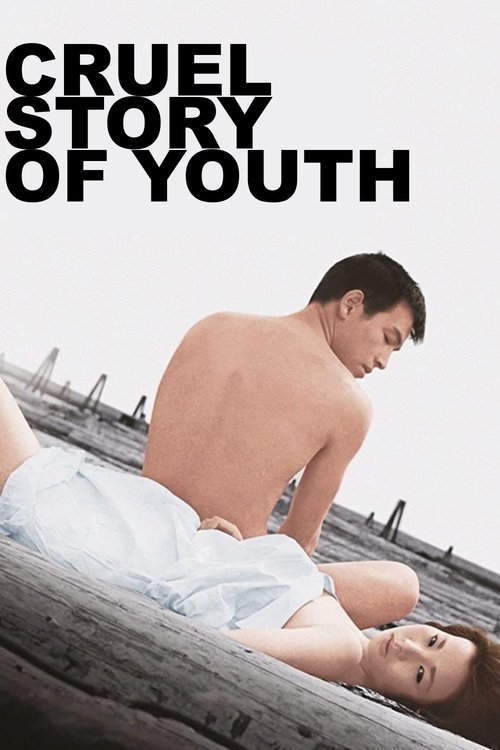
Director- Oshima Nagisa.This is the seventh film I have seen of his. I consider this film to be a spinoff or prequel to Night and Fog in Japan as both films feature the Ampo demonstrations as a major plot point.The film at its core is a Romeo and Juliet story where Romeo is a serial manipulator and gaslighter with how he treats others. The film doesn't shy away from showing us that the protagonist isn't a grey character but instead an all-black villainous character in his own right. The film expands on the idea of people having hidden ulterior motives which are more often than not influenced either by lust or monetary gains as well as paedophilia.The protagonist uses the inherent paedophilia of the older people to exploit them for monetary gains. The love interest doesn't want to partake in it after a point but he forces her to still carry her part in the whole endeavour.The film's utilization of the theme of Stockholm syndrome is great as it allows us viewers to compare what he did to the people he is exploiting and find no difference between the two.The film does tease a kind-hearted well mannered gentleman but again it shows us how it is all a facade just to get the love interest in a bed. Oshima uses this to again show us the double standards of the protagonist with how he hits her for doing it once whereas he cheats on her all the time.Unlike his previous film, the side characters are more well-developed this time around. The love interest's sister's character is well-written and is used to draw parallels with the love interest as both had fallen in love but the relationship is turning sour. The intergenerational conflict between them is intriguing and at the same time shows the most integral theme of the Japanese New Wave, conflict between two eras.The angle of the yakuza or gangsters is used just enough to maintain a sense of dread while keeping the intrigue.Towards the end, the protagonist does get a change of heart but it was too late till then. The inclusion of the police felt a bit random as they were nonexistent till then.The ending of the film makes the title true as the story is indeed cruel. The unflinching way Oshima shot the death of the duo borders of voyeurism. One can only feel sorry for the love interest in the whole endeavour but it was her choice to jump out of the moving car.Overall it is a good film that could have been great. The ending elevates it a bit but it leaves more to be wanted.
The reason for the focus on the youth in this film can be interlinked to the real-life changes in the perception of them in society in the then-Japanese society.The theme of alienated youth is seen in this work of Oshima as well. But unlike in the Angry Young Man films of Britain and America, the youth in this film are neither rebels nor victims of there society.The cruel aspect of their story is how they are forced to react to their society through delinquency. They have no control over the economic, social, political, etc. aspects and can be nothing but bystanders to the whole thing. Thus their story is shown to be running parallel to the demonstrations which played a larger role in the Night and Fog in Japan.Unlike Night and Fog in Japan, Oshima is much more nuanced this time around and hides its political undertones through scenes of news headlines and a newsreel of students fighting against the police as its backdrop.The sister's love interest of the past, Dr Akimoto is shown to be an ex-student activist of the 50s who has lost all ideals and resorted to pessimism as well as became an abortionist as a byproduct.The love interest, Mako's father is shown to be of the World War 2 generation and not a subscriber of the Post World War democracy they are currently living in. Thus the film shows three generations of different eras with different viewpoints.The protagonist, Kiyoshi's response to Dr. Akimoto about how they failed in the 50s and how the 60s are doomed to fail as well, shows the pessimism of the youth of the 60s. They are shown to have no dreams and no aspirations for their future. Instead, they are shown to be driven by lust.The shot of the sky in the air during the scene at the riverside can be considered as Oshima showing us the presence of the American Air Force through the flying planes further contextualising the political reality.The intimidation scam on the crux of paedophilia just for monetary gains and thrills can be considered as another byproduct of their nihilism.The older Japanese woman's dissatisfaction with her rich husband and having to resort to bedding the protagonist shows us how everyone can suffer from disillusionment.The fight scene between the gangsters and the protagonist takes place at a junkyard away from the watchful eyes of the society showing us how the society is allowing them to express themselves physically through violence but only away from the society.The film shows us that the essence of the Japanese New Wave is the interlinked nature of sex, violence and politics. This can be seen in how several scenes of one sort result in another occurring in succession. For example, the fight in the junkyard is followed by a sensual scene.The shot style with the use of hand-held cameras rejects the graceful takes of Mizoguchi Kenji and its jittery nature rejects the subjective camera of Kurosawa Akira.One can see how this film just like its predecessor, was born out of the frustration, pessimism, etc. of Oshima and it can be considered as a plea for a better time while also showing the society a mirror of what it is becoming.
Director- Oshima Nagisa.This is the seventh film I have seen of his. I consider this film to be a spinoff or prequel to Night and Fog in Japan as both films feature the Ampo demonstrations as a major plot point.The film at its core is a Romeo and Juliet story where Romeo is a serial manipulator and gaslighter with how he treats others. The film doesn't shy away from showing us that the protagonist isn't a grey character but instead an all-black villainous character in his own right. The film expands on the idea of people having hidden ulterior motives which are more often than not influenced either by lust or monetary gains as well as paedophilia.The protagonist uses the inherent paedophilia of the older people to exploit them for monetary gains. The love interest doesn't want to partake in it after a point but he forces her to still carry her part in the whole endeavour.The film's utilization of the theme of Stockholm syndrome is great as it allows us viewers to compare what he did to the people he is exploiting and find no difference between the two.The film does tease a kind-hearted well mannered gentleman but again it shows us how it is all a facade just to get the love interest in a bed. Oshima uses this to again show us the double standards of the protagonist with how he hits her for doing it once whereas he cheats on her all the time.Unlike his previous film, the side characters are more well-developed this time around. The love interest's sister's character is well-written and is used to draw parallels with the love interest as both had fallen in love but the relationship is turning sour. The intergenerational conflict between them is intriguing and at the same time shows the most integral theme of the Japanese New Wave, conflict between two eras.The angle of the yakuza or gangsters is used just enough to maintain a sense of dread while keeping the intrigue.Towards the end, the protagonist does get a change of heart but it was too late till then. The inclusion of the police felt a bit random as they were nonexistent till then.The ending of the film makes the title true as the story is indeed cruel. The unflinching way Oshima shot the death of the duo borders of voyeurism. One can only feel sorry for the love interest in the whole endeavour but it was her choice to jump out of the moving car.Overall it is a good film that could have been great. The ending elevates it a bit but it leaves more to be wanted.
The reason for the focus on the youth in this film can be interlinked to the real-life changes in the perception of them in society in the then-Japanese society.The theme of alienated youth is seen in this work of Oshima as well. But unlike in the Angry Young Man films of Britain and America, the youth in this film are neither rebels nor victims of there society.The cruel aspect of their story is how they are forced to react to their society through delinquency. They have no control over the economic, social, political, etc. aspects and can be nothing but bystanders to the whole thing. Thus their story is shown to be running parallel to the demonstrations which played a larger role in the Night and Fog in Japan.Unlike Night and Fog in Japan, Oshima is much more nuanced this time around and hides its political undertones through scenes of news headlines and a newsreel of students fighting against the police as its backdrop.The sister's love interest of the past, Dr Akimoto is shown to be an ex-student activist of the 50s who has lost all ideals and resorted to pessimism as well as became an abortionist as a byproduct.The love interest, Mako's father is shown to be of the World War 2 generation and not a subscriber of the Post World War democracy they are currently living in. Thus the film shows three generations of different eras with different viewpoints.The protagonist, Kiyoshi's response to Dr. Akimoto about how they failed in the 50s and how the 60s are doomed to fail as well, shows the pessimism of the youth of the 60s. They are shown to have no dreams and no aspirations for their future. Instead, they are shown to be driven by lust.The shot of the sky in the air during the scene at the riverside can be considered as Oshima showing us the presence of the American Air Force through the flying planes further contextualising the political reality.The intimidation scam on the crux of paedophilia just for monetary gains and thrills can be considered as another byproduct of their nihilism.The older Japanese woman's dissatisfaction with her rich husband and having to resort to bedding the protagonist shows us how everyone can suffer from disillusionment.The fight scene between the gangsters and the protagonist takes place at a junkyard away from the watchful eyes of the society showing us how the society is allowing them to express themselves physically through violence but only away from the society.The film shows us that the essence of the Japanese New Wave is the interlinked nature of sex, violence and politics. This can be seen in how several scenes of one sort result in another occurring in succession. For example, the fight in the junkyard is followed by a sensual scene.The shot style with the use of hand-held cameras rejects the graceful takes of Mizoguchi Kenji and its jittery nature rejects the subjective camera of Kurosawa Akira.One can see how this film just like its predecessor, was born out of the frustration, pessimism, etc. of Oshima and it can be considered as a plea for a better time while also showing the society a mirror of what it is becoming.