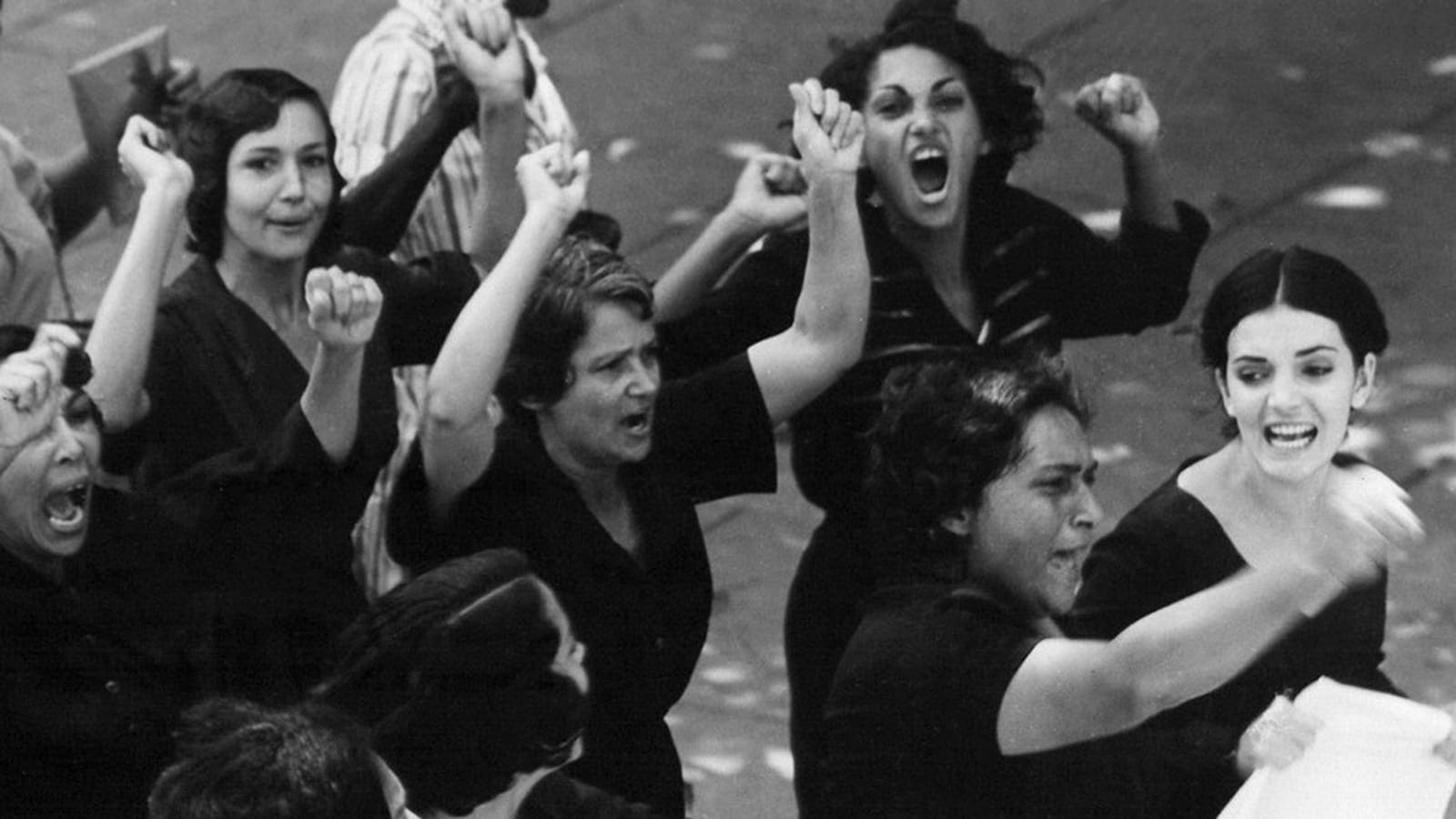
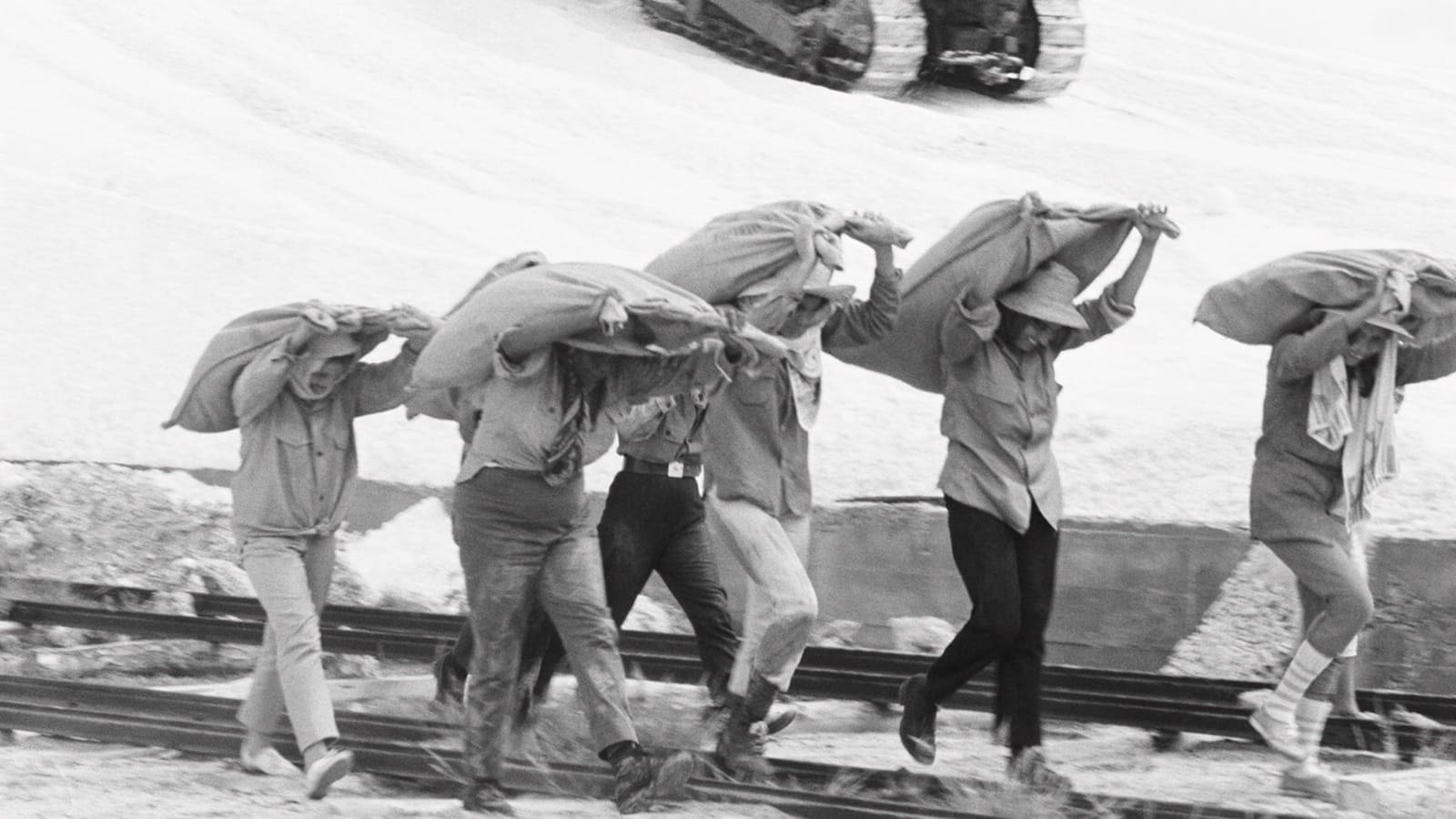
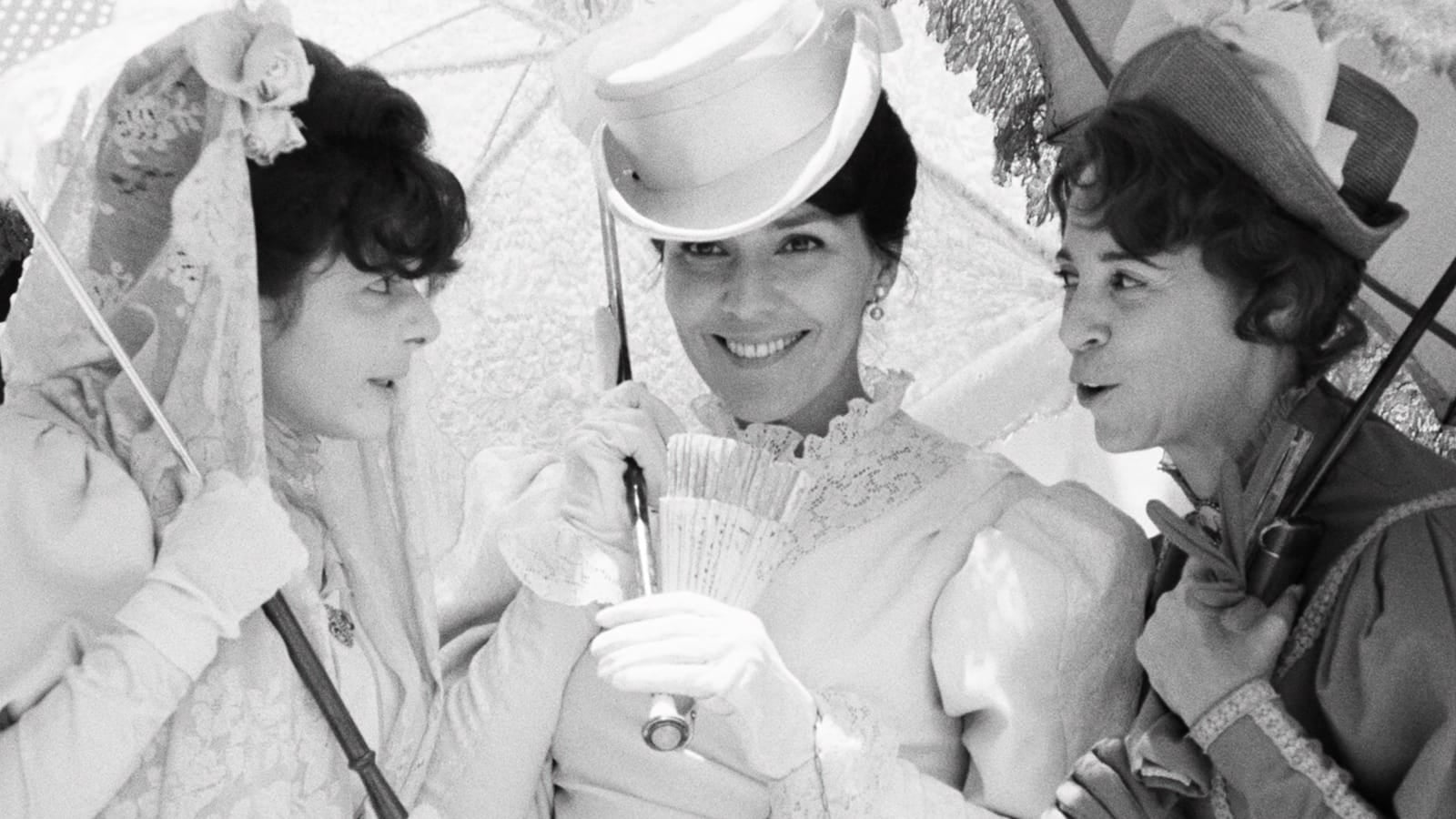
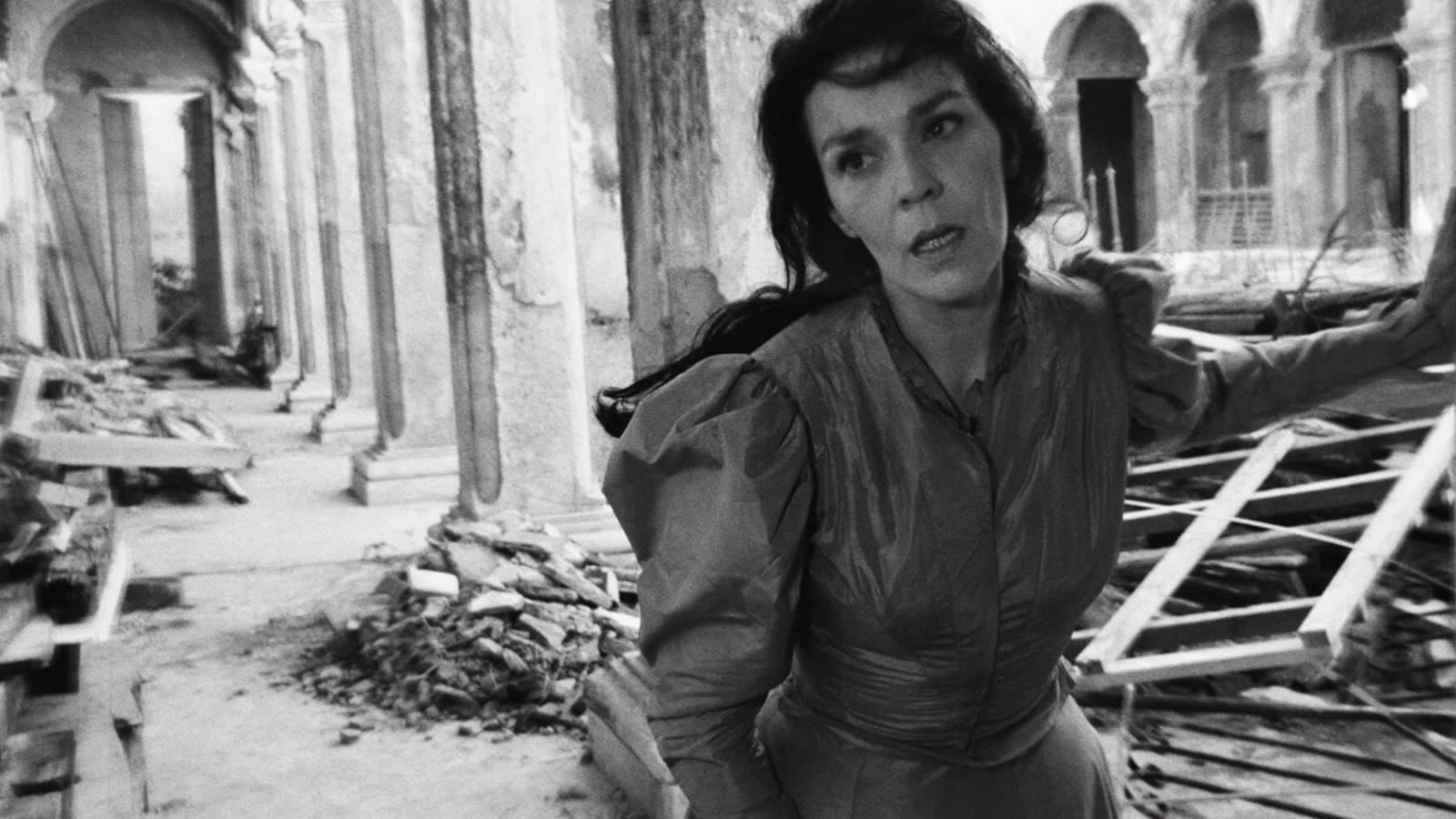
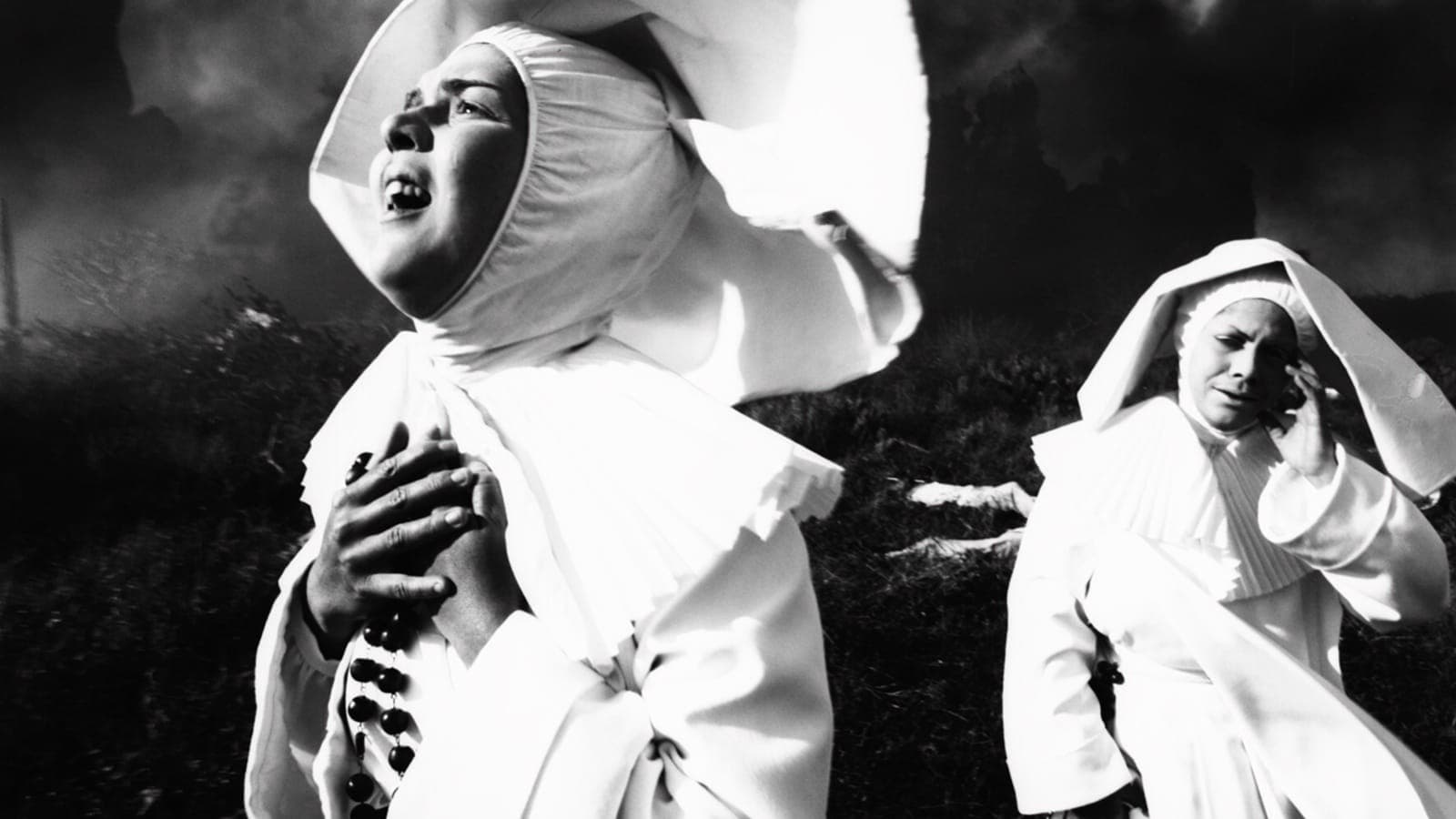
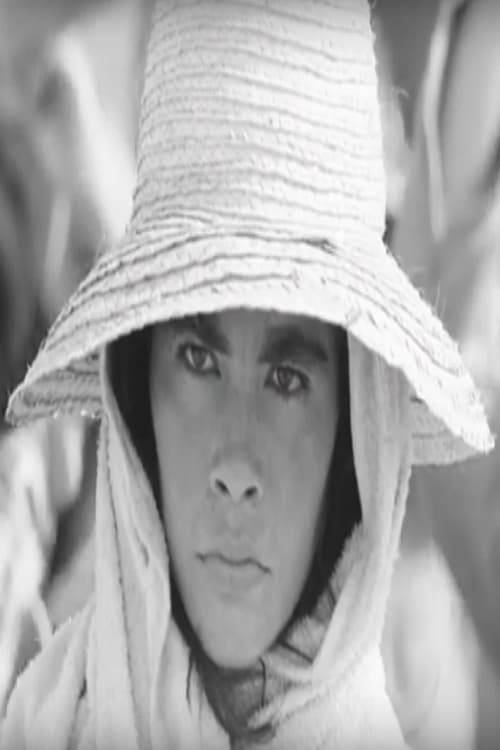
I didn't realize until after I finished Lucia that it was my first Cuban film, a reminder that there is still so much of the global landscape I have yet to cover. For my first foray, it's fitting that this ended up being so expansive in scope, covering seven decades of Cuban history through the eyes of three women named Lucia. Each finds the titular character enamored with a man who represents an image of liberation though each are disappointed in some form by either the man himself or the larger social forces he participates in. The first section is, for me, by far the strongest with its expressionist imagery covering an aristocrat's betrayal by the man she loves who turns out to be a Spanish agent. That last fifteen or so minutes is among the most visceral sequences I've seen all year, adopting the freedom of a handheld camera to capture the chaos of battle and the madness that follows suit. The middle chapter, about a middle-class woman fighting for revolution amidst the reign of Machado, is more politically minded and adopts a less theatrical styling in favor of something more like classic Hollywood. Solas ends the film in an indeterminate present, charting the abusive relationship between a truck driver and an impoverished Lucia who wishes for escape after learning to read. These last two chapters have moments where they lose a bit of steam for me but Solas is such a strong directorial force that even in its less forceful moments there are performances that I found especially gripping or sequences I found dynamic in their presentation. For a nearly three hour film, it's notable just how little it feels like its length. My concern with plunging into films like this that are so tied to the culture and history of their country is that I might be unable to pick up on subtleties or references but even with a light amount of context there's plenty here for Lucia to stand on its own with. Absolutely beautiful and with a whole dissertation's worth to consider about how the titular Lucias navigate machismo, Marxist revolution, class struggles, and more against the backdrop of an ever-present revolution.
I didn't realize until after I finished Lucia that it was my first Cuban film, a reminder that there is still so much of the global landscape I have yet to cover. For my first foray, it's fitting that this ended up being so expansive in scope, covering seven decades of Cuban history through the eyes of three women named Lucia. Each finds the titular character enamored with a man who represents an image of liberation though each are disappointed in some form by either the man himself or the larger social forces he participates in. The first section is, for me, by far the strongest with its expressionist imagery covering an aristocrat's betrayal by the man she loves who turns out to be a Spanish agent. That last fifteen or so minutes is among the most visceral sequences I've seen all year, adopting the freedom of a handheld camera to capture the chaos of battle and the madness that follows suit. The middle chapter, about a middle-class woman fighting for revolution amidst the reign of Machado, is more politically minded and adopts a less theatrical styling in favor of something more like classic Hollywood. Solas ends the film in an indeterminate present, charting the abusive relationship between a truck driver and an impoverished Lucia who wishes for escape after learning to read. These last two chapters have moments where they lose a bit of steam for me but Solas is such a strong directorial force that even in its less forceful moments there are performances that I found especially gripping or sequences I found dynamic in their presentation. For a nearly three hour film, it's notable just how little it feels like its length. My concern with plunging into films like this that are so tied to the culture and history of their country is that I might be unable to pick up on subtleties or references but even with a light amount of context there's plenty here for Lucia to stand on its own with. Absolutely beautiful and with a whole dissertation's worth to consider about how the titular Lucias navigate machismo, Marxist revolution, class struggles, and more against the backdrop of an ever-present revolution.