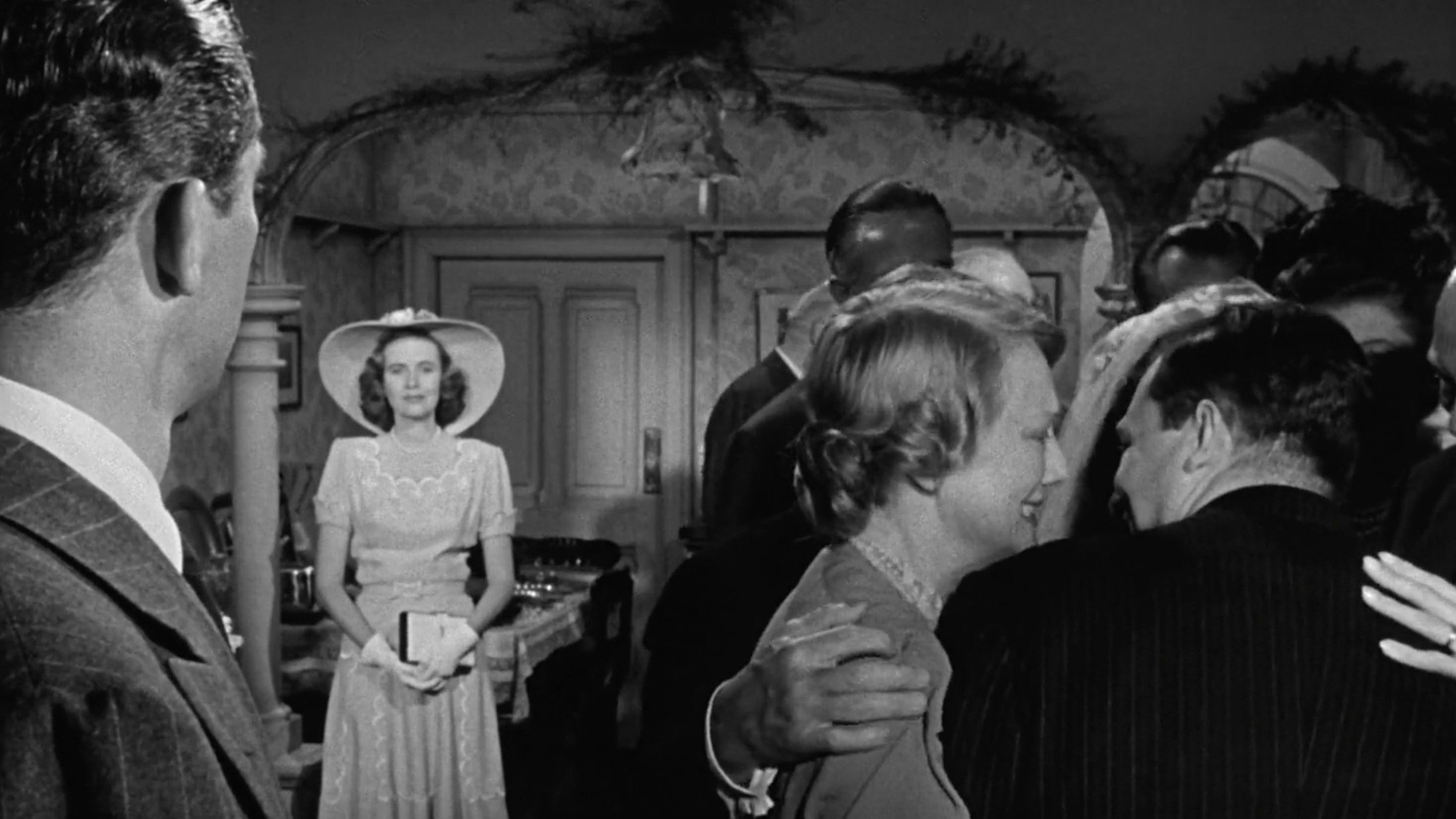
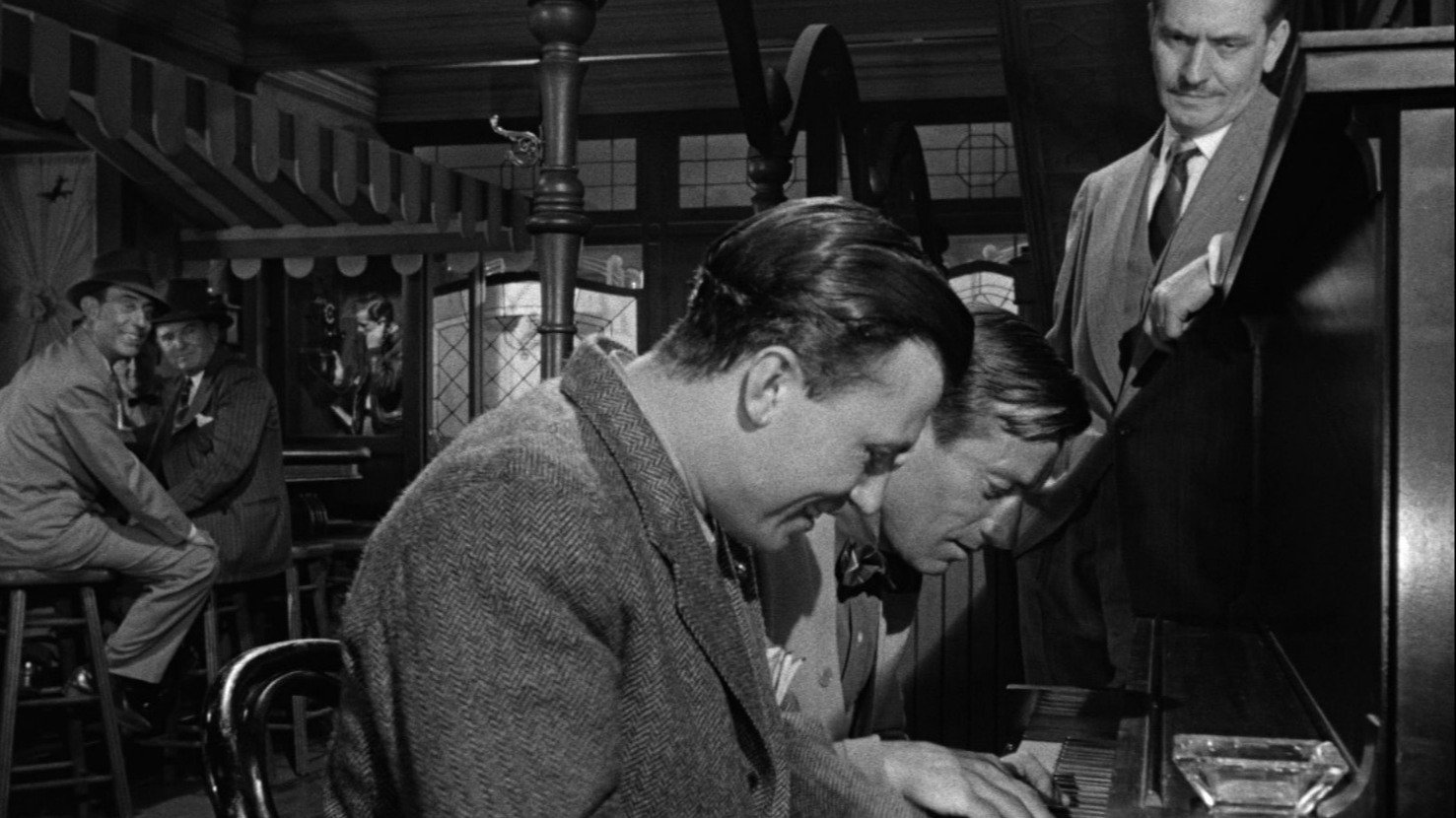
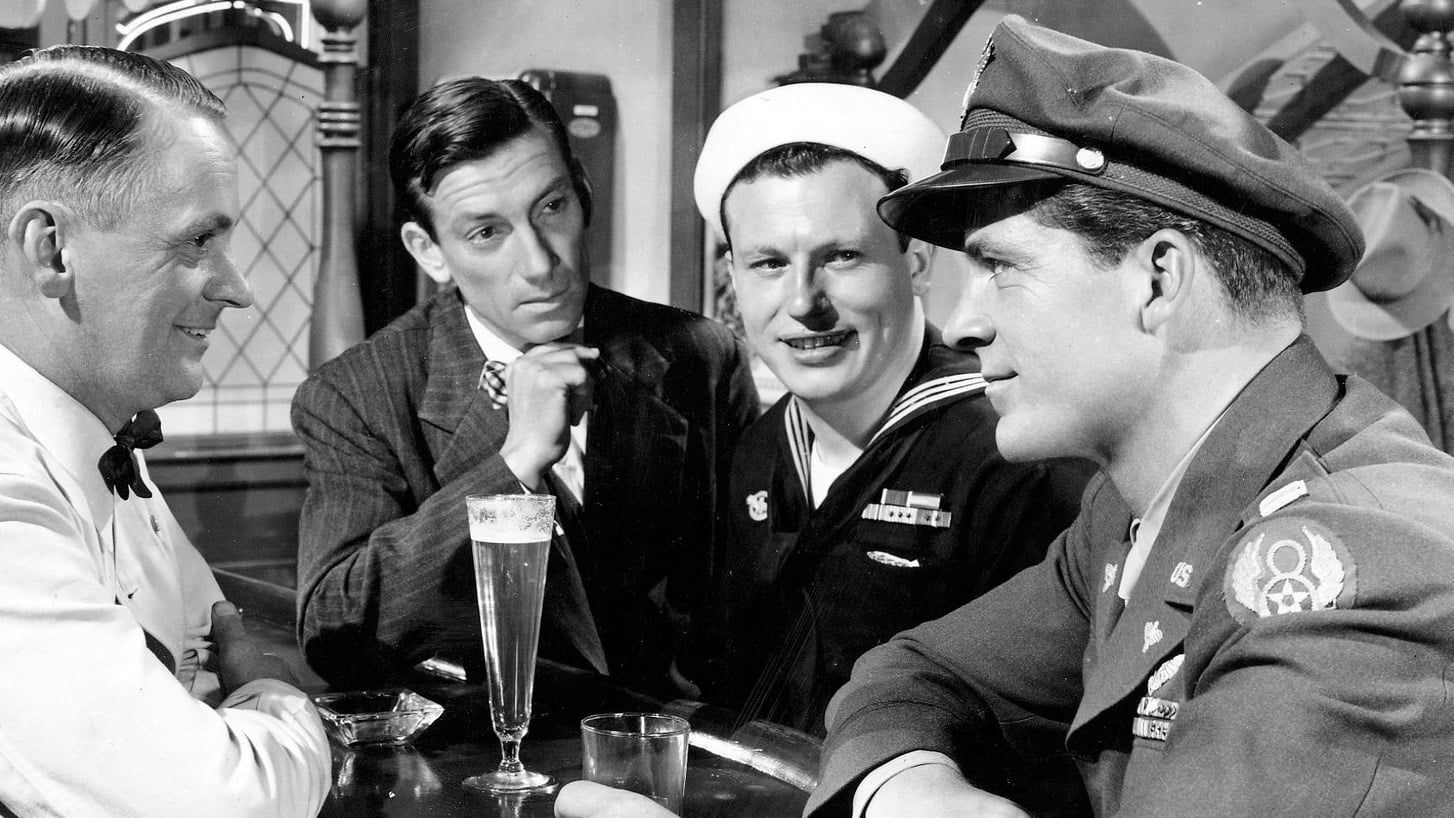
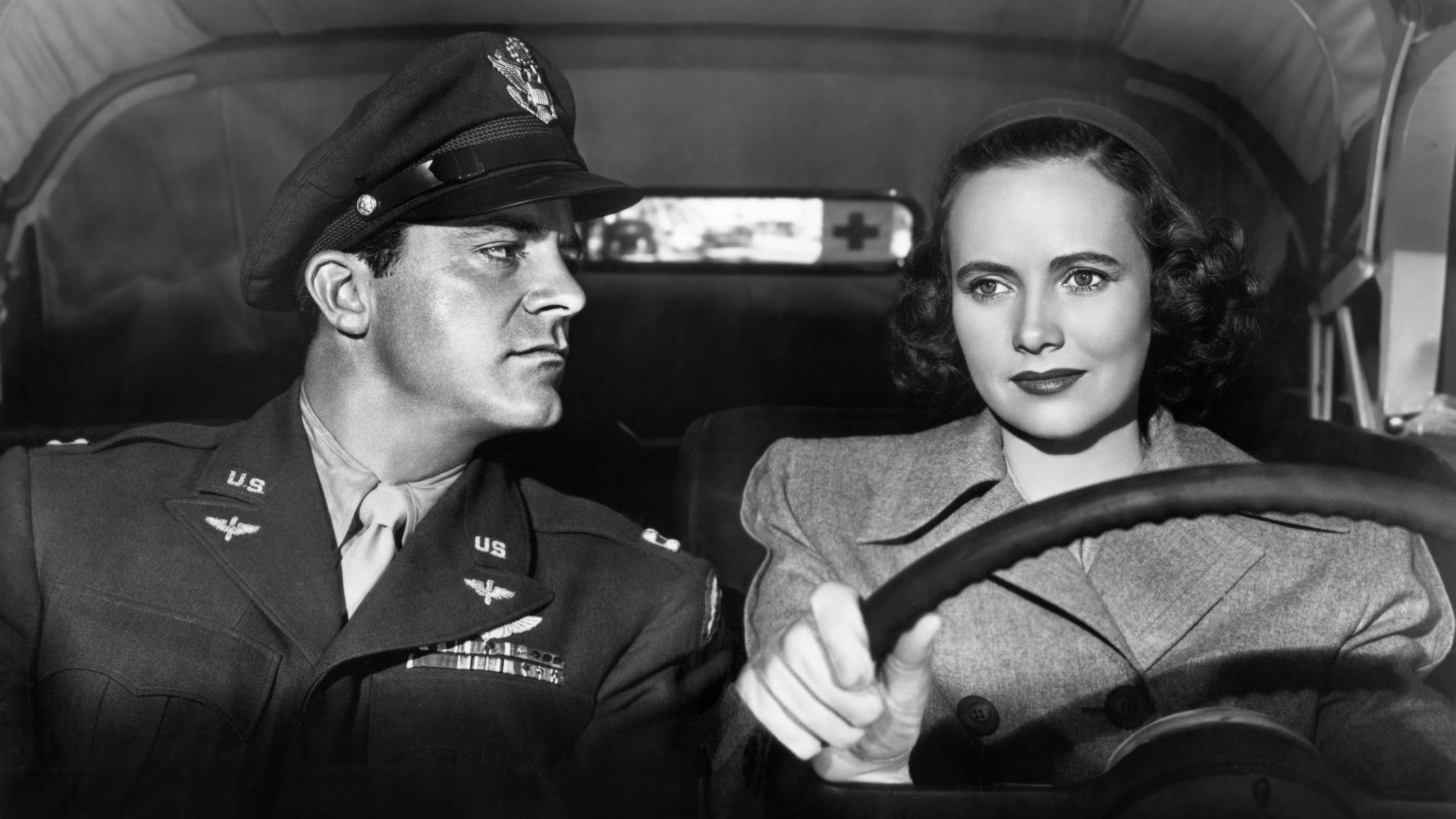
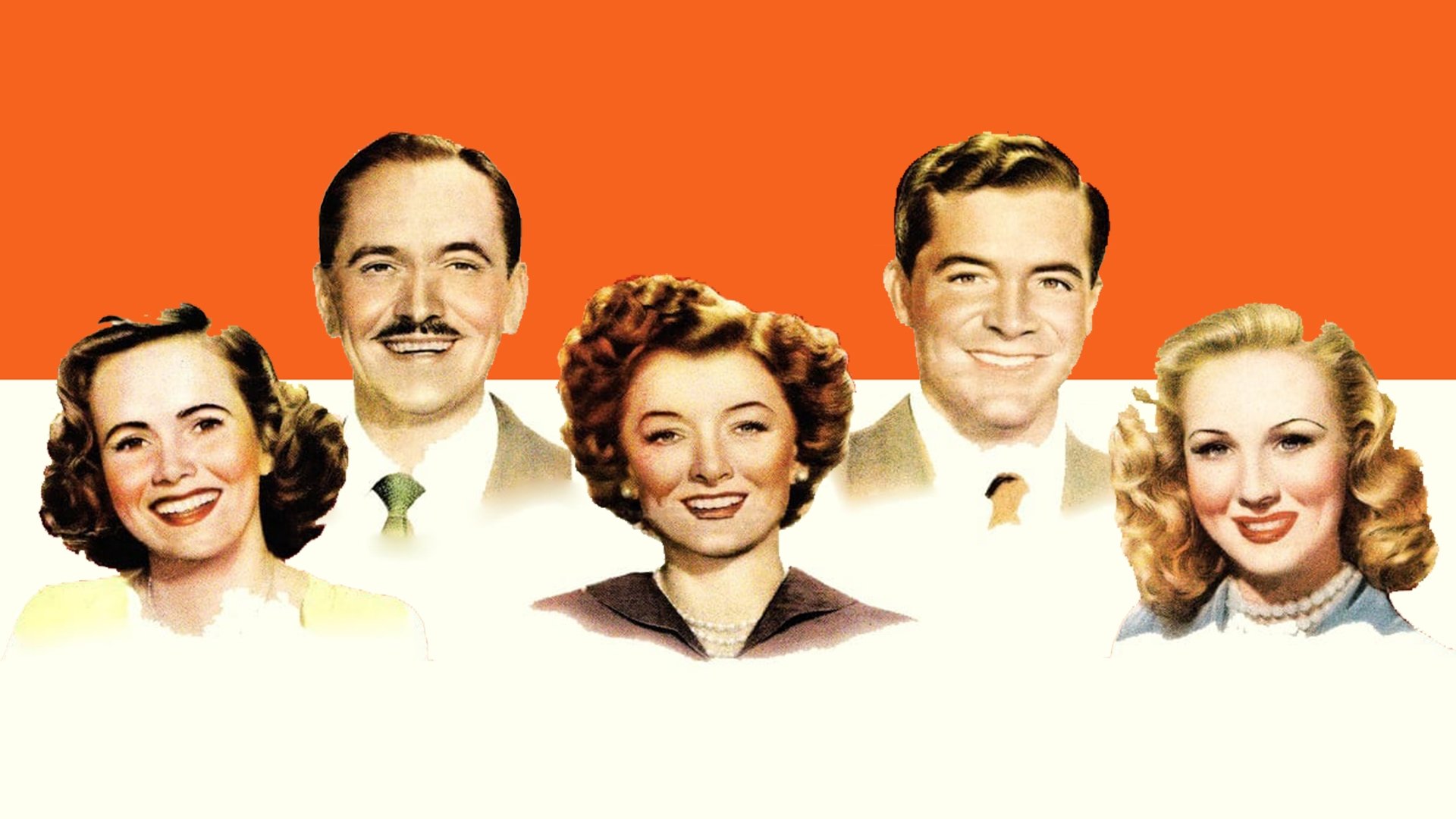
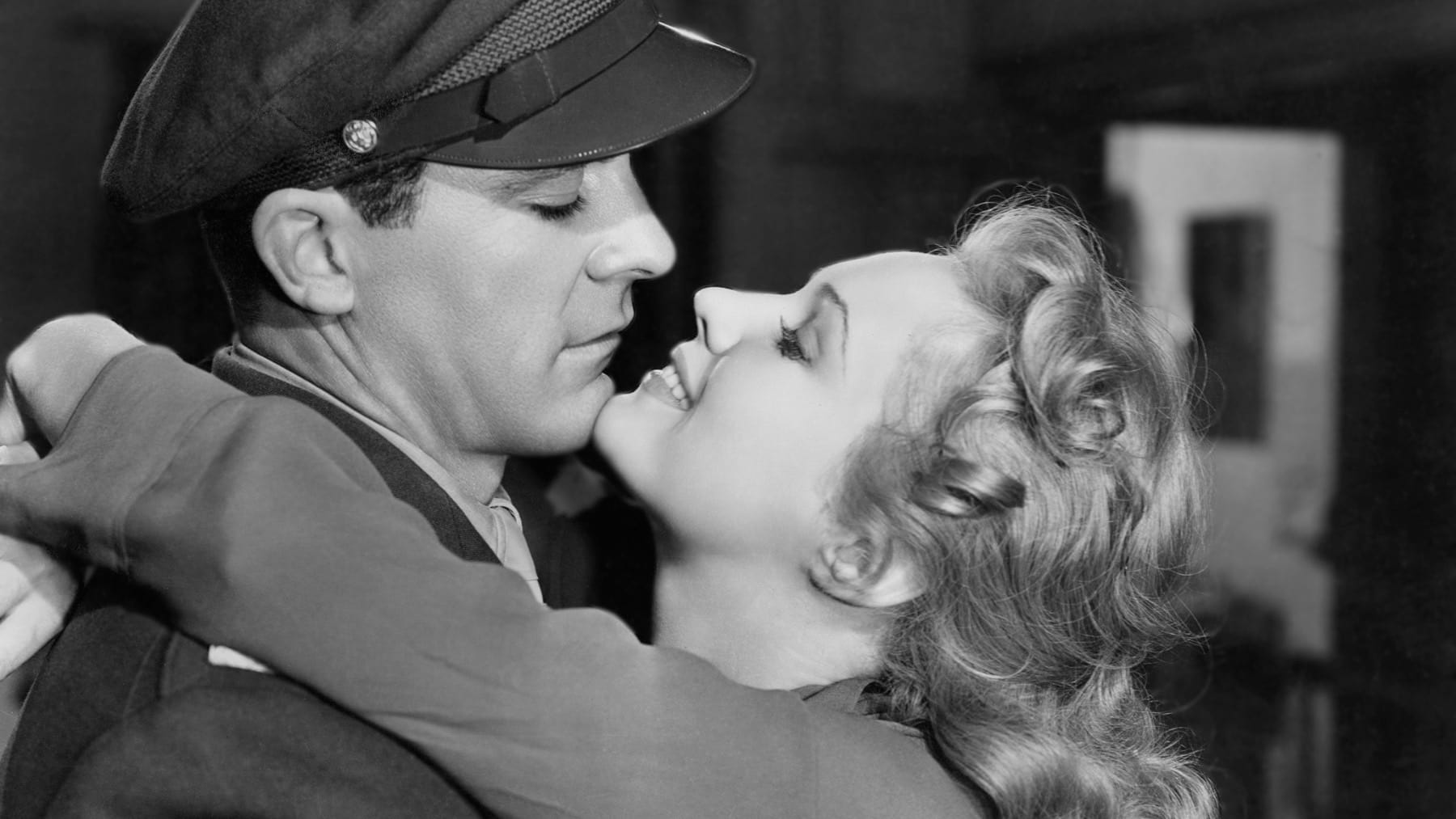
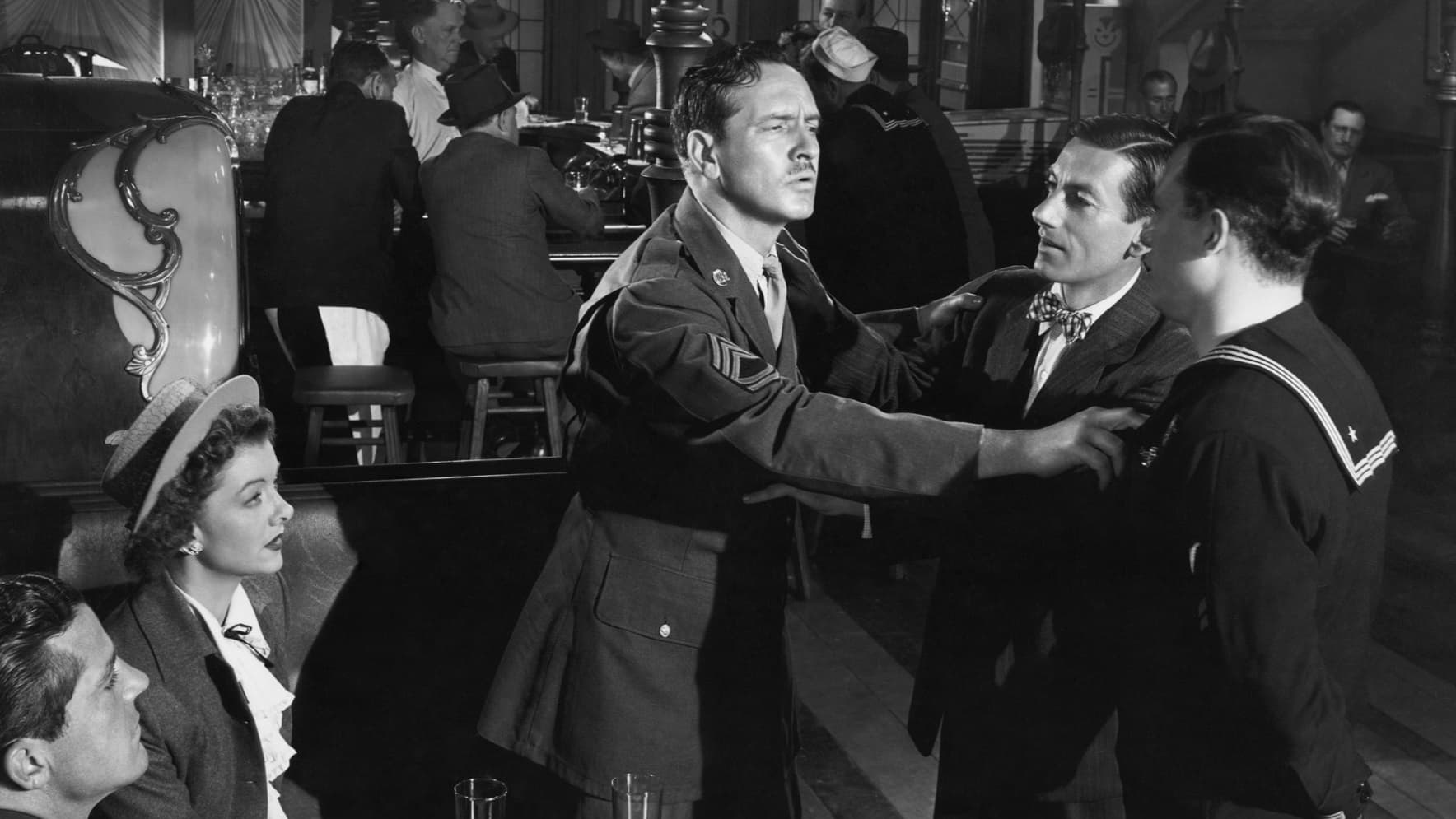
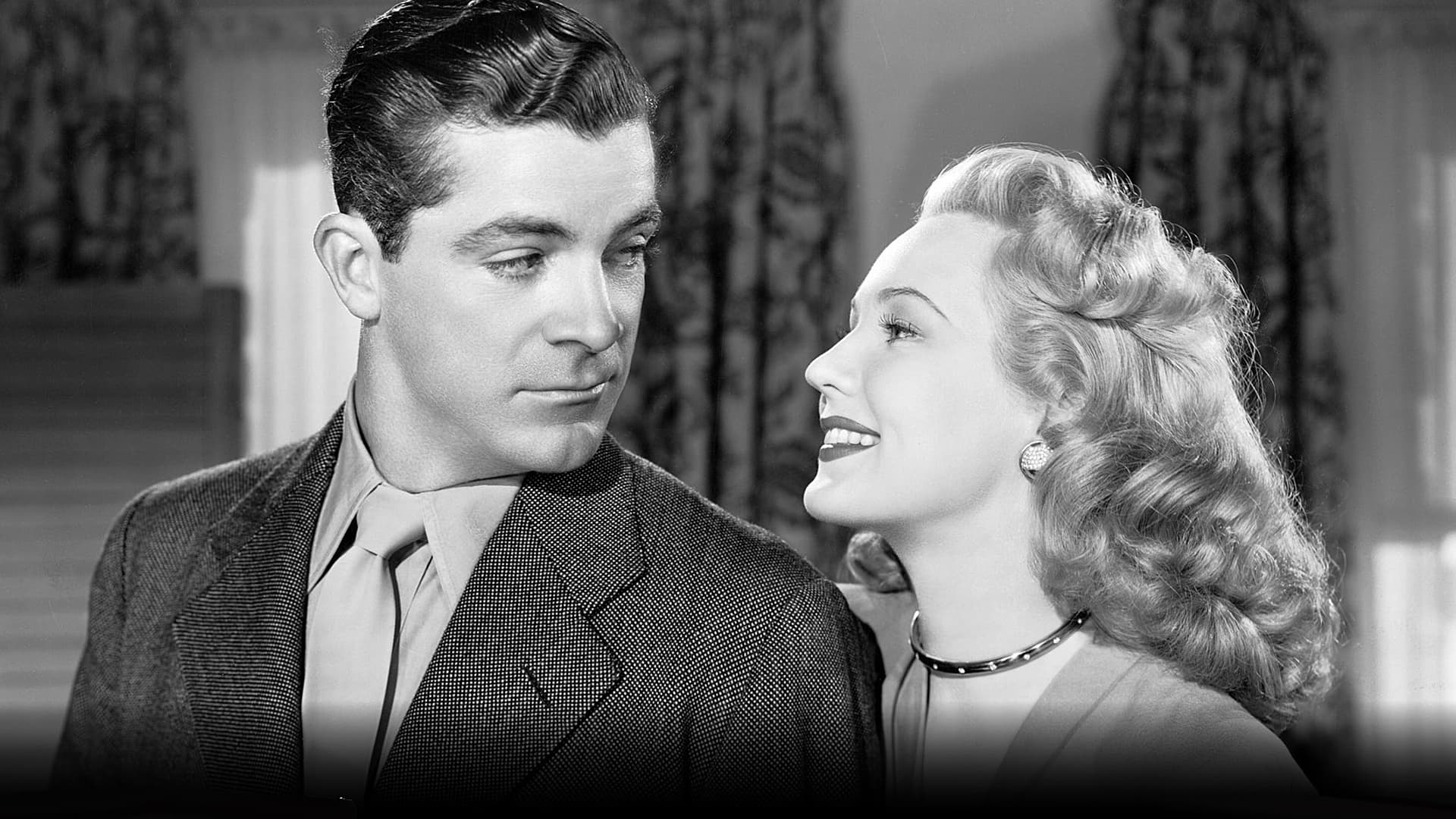
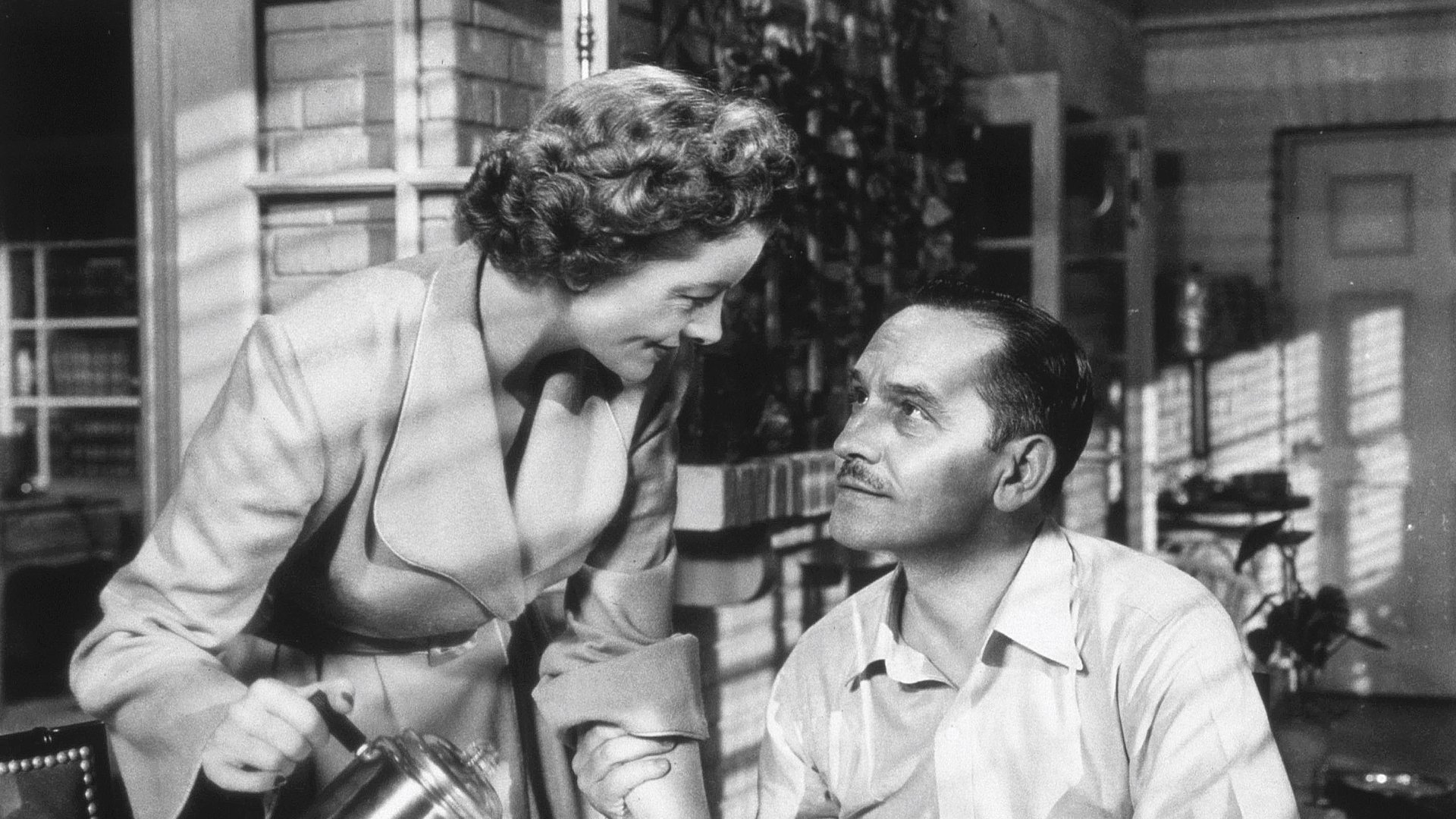
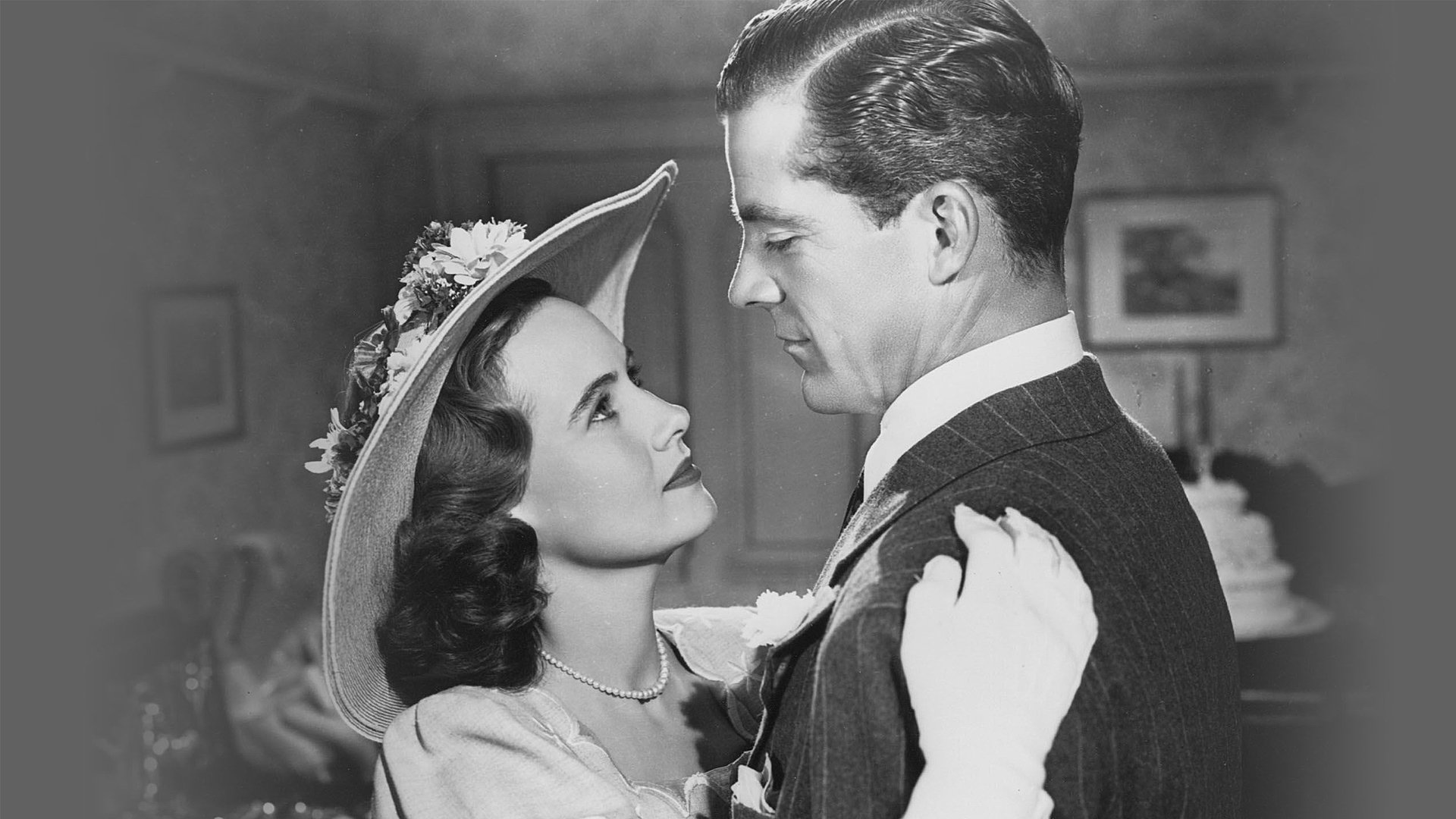
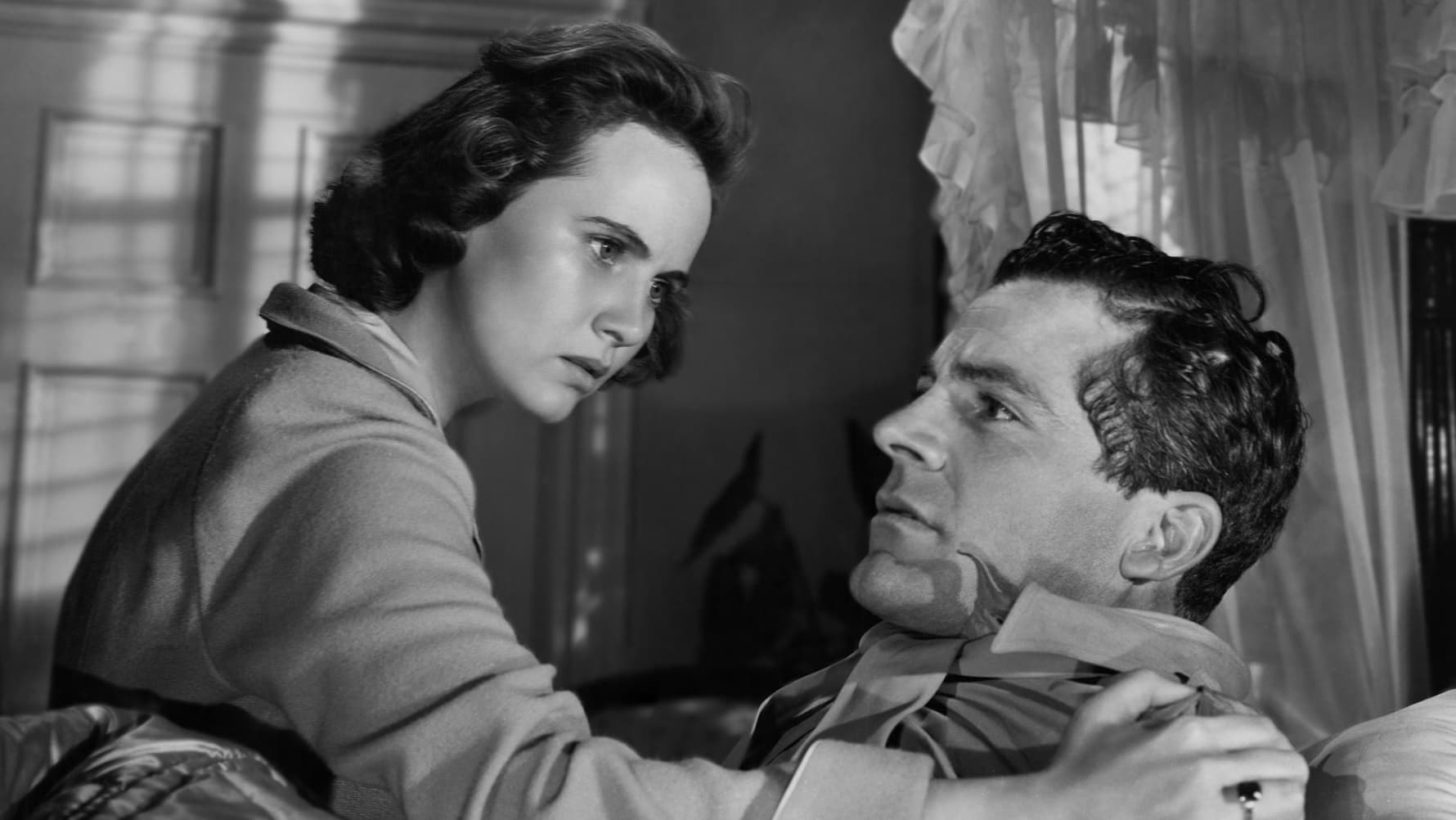
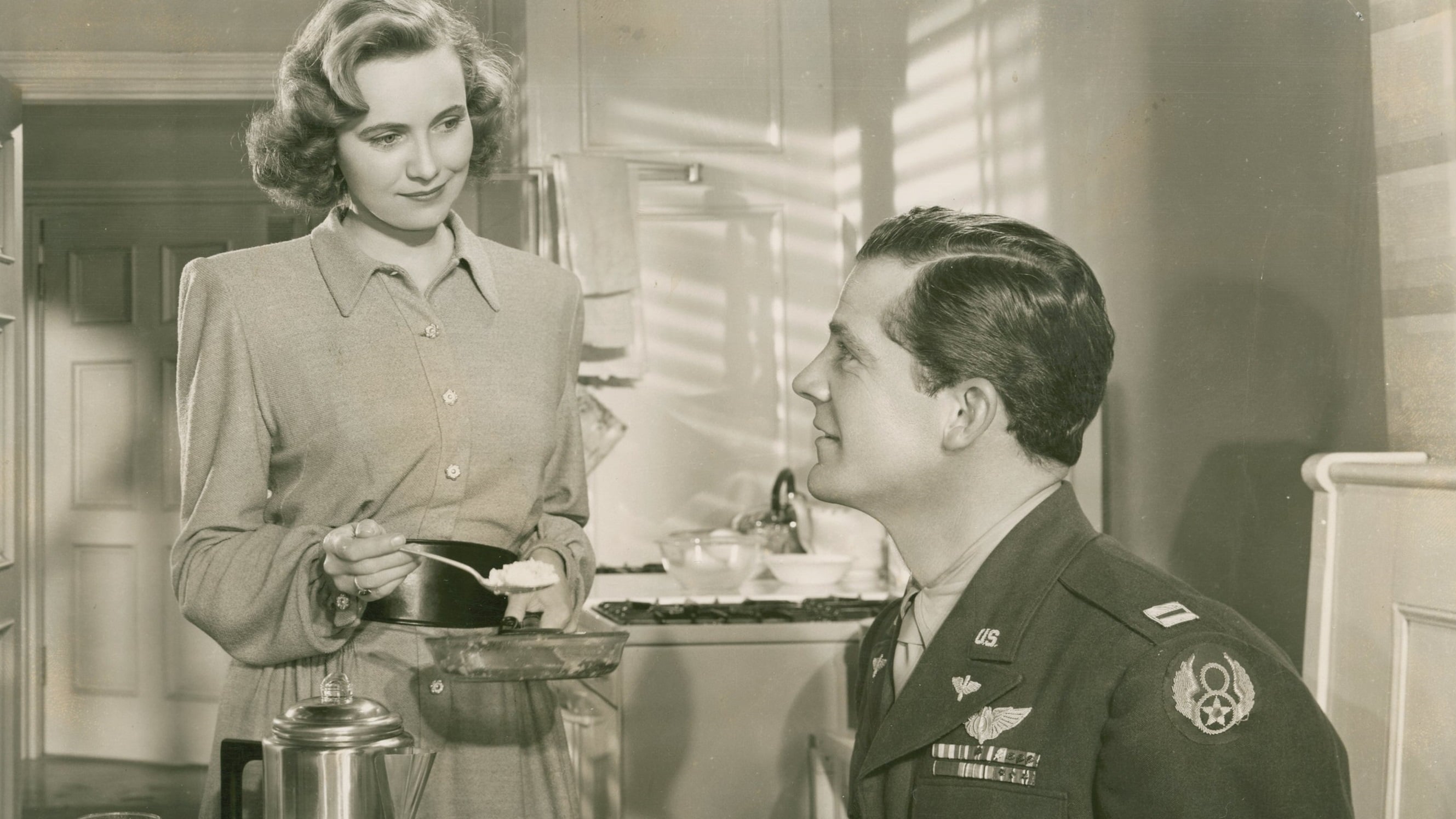
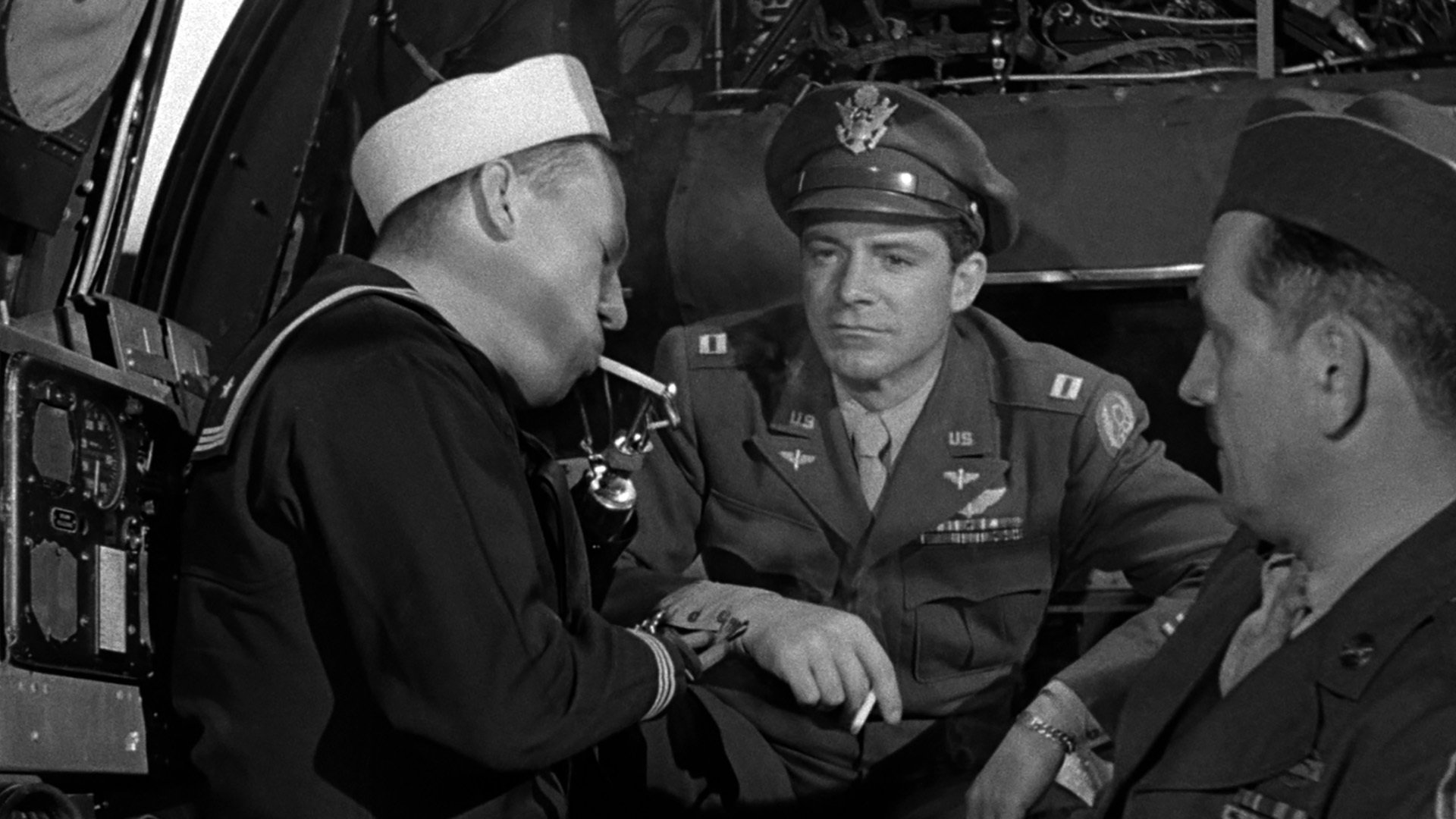
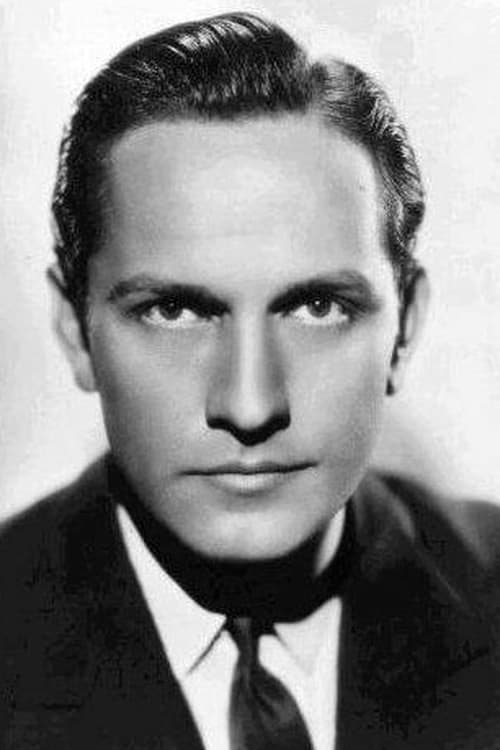
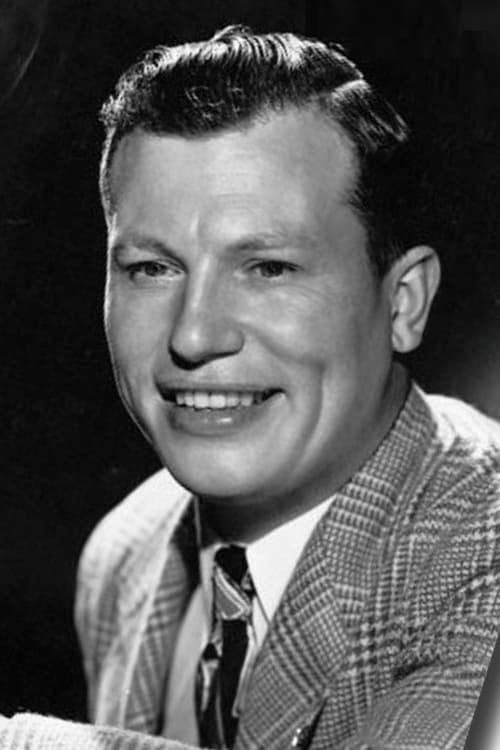
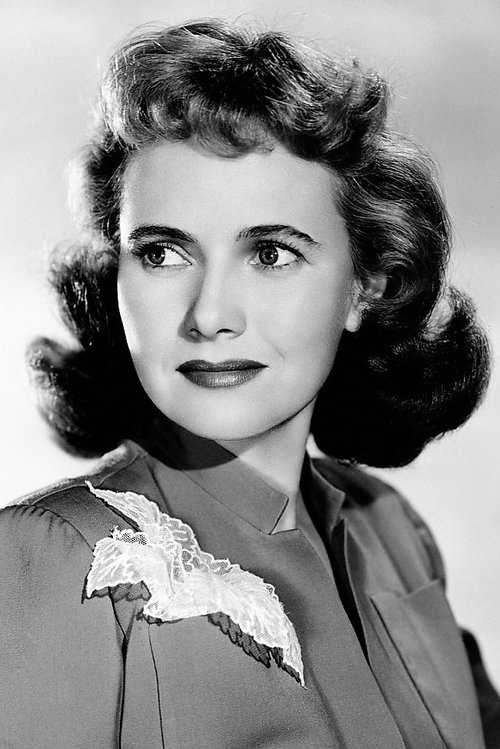
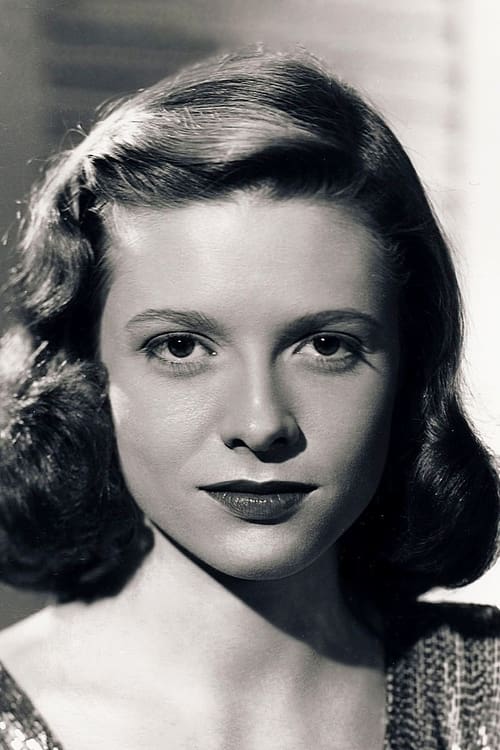
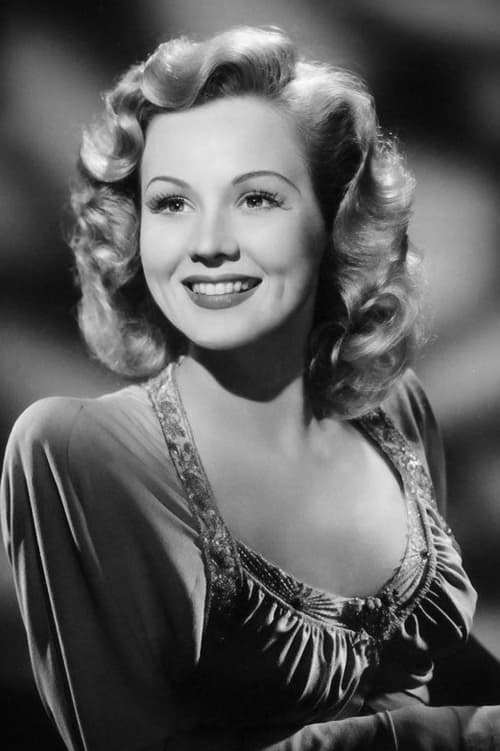
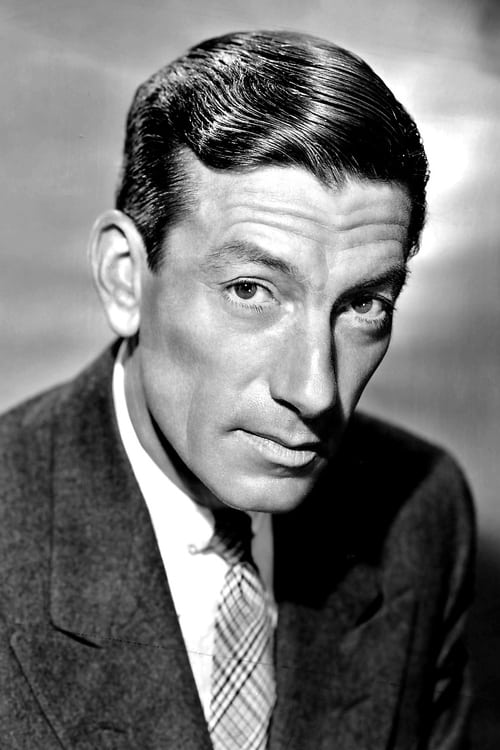
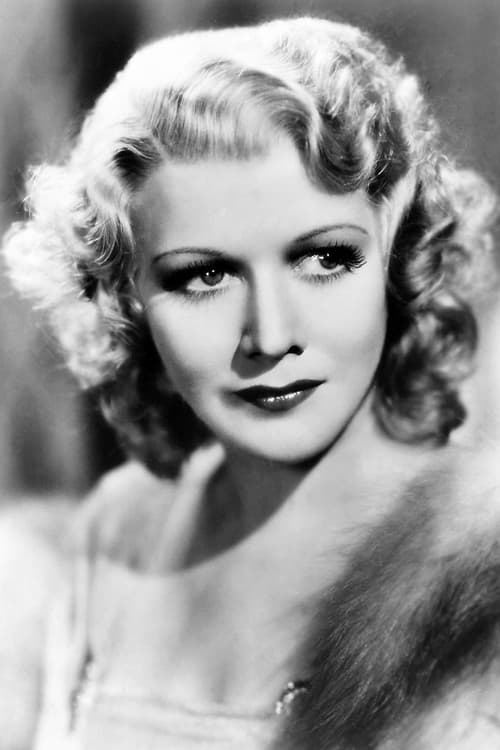
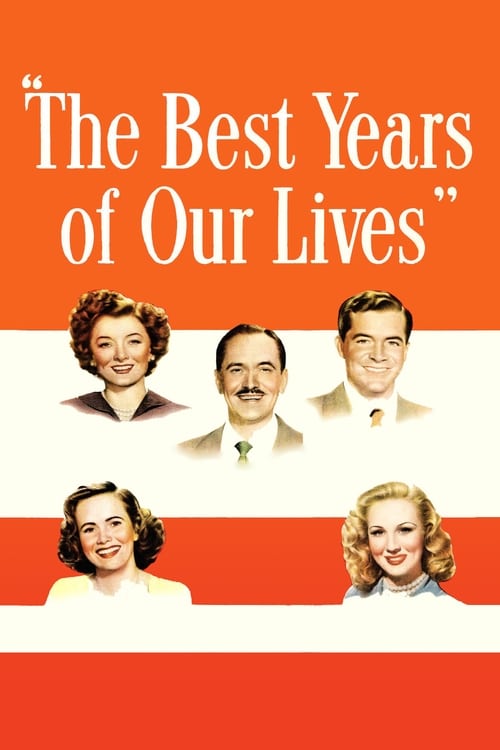
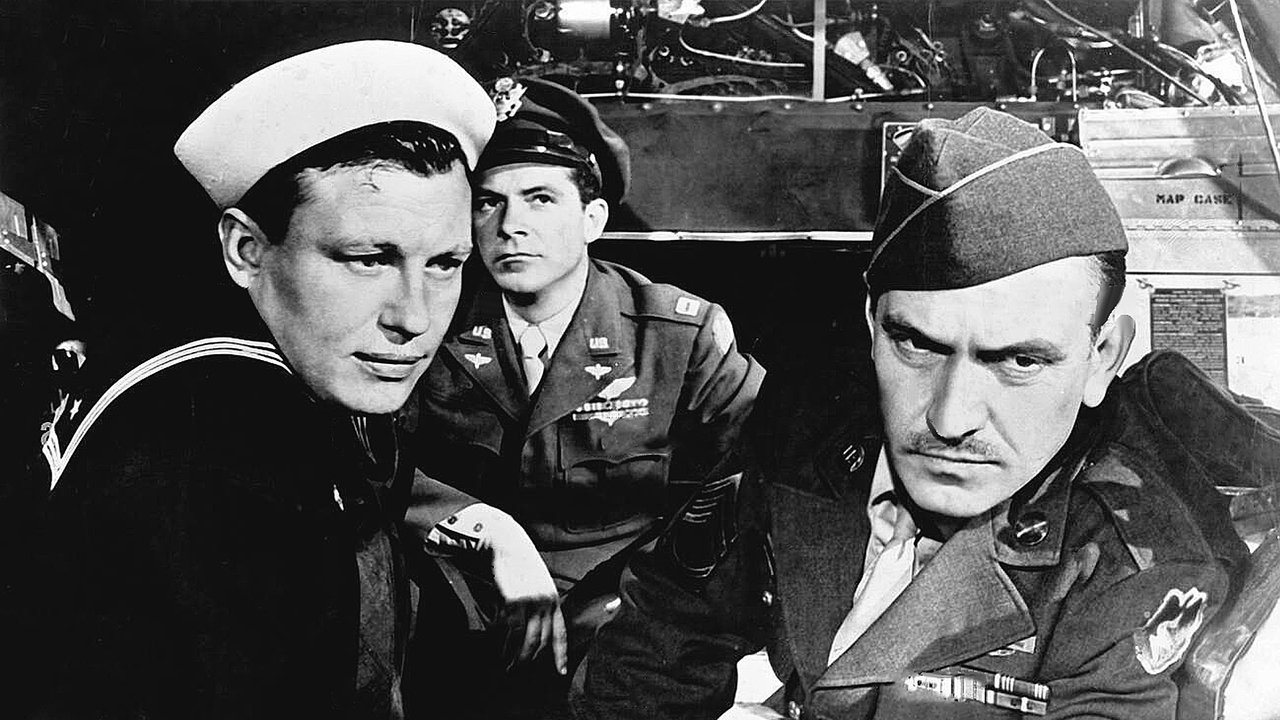
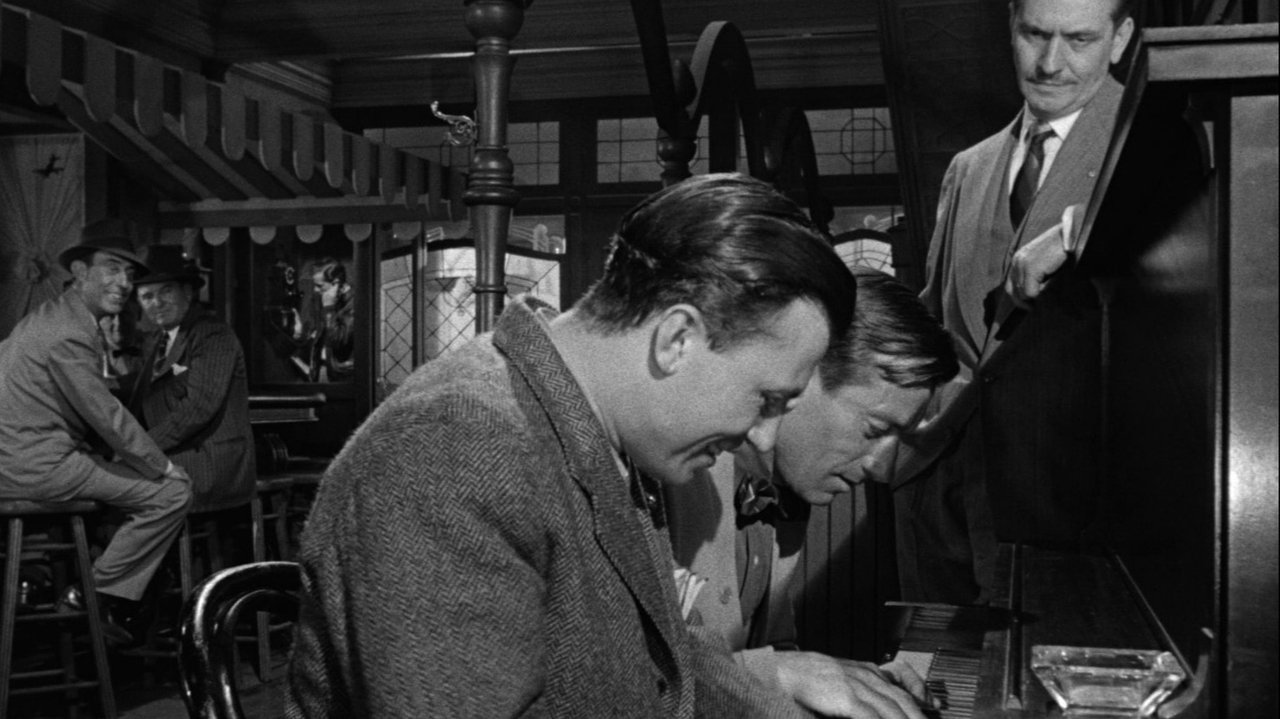
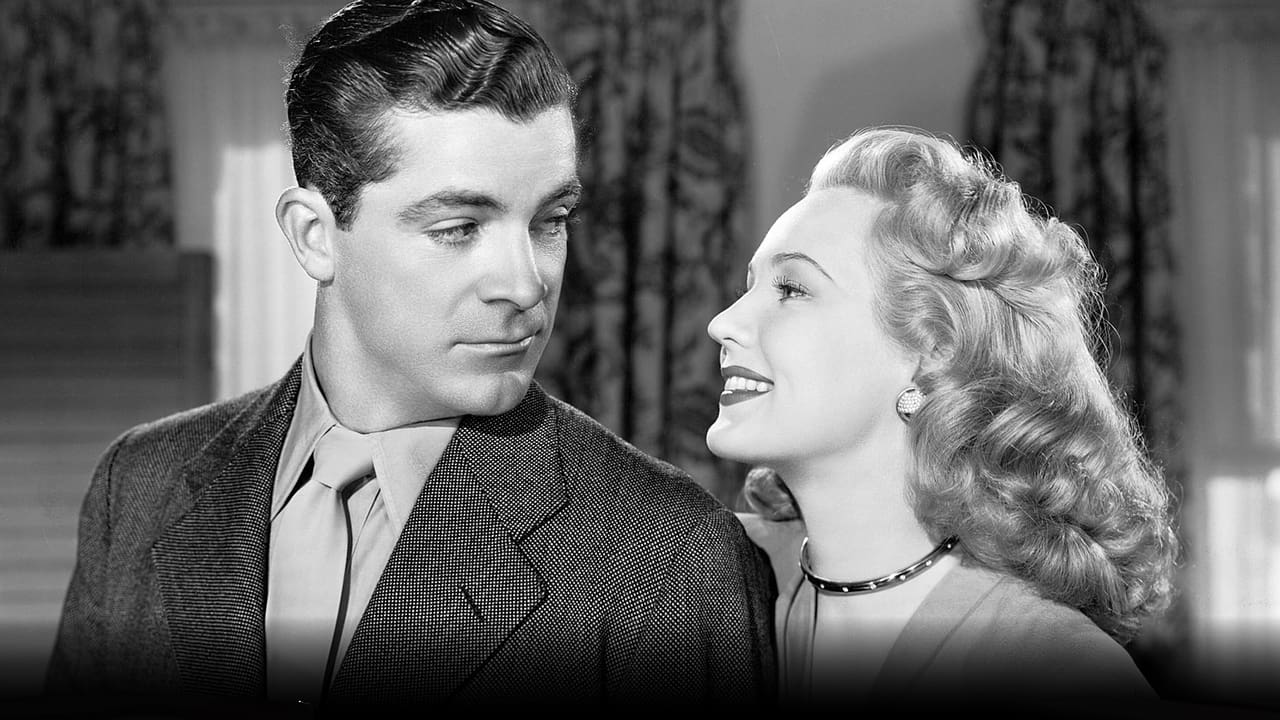
The film tells the story of three soldiers who return from war but cannot return to life.. Al Stephenson, whose psychology has been damaged, cannot help but recall what he experienced during the war, so he is afraid of being alone (when he is alone — he remembers who he is) and constantly consumes alcohol, goes out.. After becoming a hero in the war, Fred Derry returns to civilian society as an ordinary citizen, but he experiences social alienation.. After everything he has lived through and done, he finds it unfair to continue his old ordinary life, cannot accept it, and goes through emotional fluctuations.. And lastly, Homer… his wound was the most obvious because it was physical, but even though he has accepted not having arms, the fact that people around him cannot accept it — that they cannot treat him like a normal person — hurt him deeply and pushed him away from his loved ones, from the woman he loves, and even from himself.. In fact, toward the end, the scene where Homer and Wilma talk — where Homer again behaves avoidantly — felt so genuine to me that I felt like I understood what Homer was feeling even if I haven’t lived it, but while at the beginning I questioned why he distanced himself from the person he loved, toward the end I thought that I would do the same..
.. “Looking at your hands is not enough for me to touch you — the reality that I don’t have hands to stroke the hair the wind blows, that I don’t have fingers to stop the drops falling from your eyes ties my throat into knots.. The value I give you goes beyond me as well.. Because I know that you will need a hand to hold yours, arms to embrace you.. And I cannot do any of these.” These were, I think, the sentences Homer wanted to say but could not put into words.. I paused the film in the middle and wrote this, because I don’t know, I just felt it.. And I just learned that the actor who played Homer, Harold Russell, was actually a real war veteran and had truly lost his arms in the war — maybe that’s why it felt so genuine to me, I know those tears were real:)
Savaştan dönüp hayata dönemeyen 3 askerin farklı yaşamlarını konu ediniyor film.. Psikolojisi hasarlanan Al Stephenson, savaşta yaşadıklarını aklına getirmeden edemiyor, bu yüzden yalnız kalmaktan korkuyor (yalnız kalınca kim olduğunu hatırlıyor) ve sürekli alkol tüketiyor, dışarı çıkıyordu.. Savaşta kahraman olduktan sonra da sivil topluma karışıp sıradan bir vatandaş olarak eski hayatına dönünce toplumsal yabancılaşma yaşayan Fred Derry, o kadar şey yaşadıktan ve yaptıktan sonra eski sıradan hayatına devam etmeyi haksızlık olarak bulup kabullenemiyor ve duygusal dalgalanmalar yaşıyordu.. Son olarak da Homer... onun yarası en bariziydi çünkü fizikseldi ama kolları olmamasını kendisi kabullenmiş olsa da etrafındaki insanların kabullenmemesi, ona normal biriymiş gibi davranamamaları onu içten yaraladı ve sevdiklerinden, aşık olduğu kadından hatta kendinden de uzaklaştırdı.. Hatta sonlara doğru Homer'la Wilma'nın konuştuğu, Homer'ın yine kaçıngan davrandığı sahne bana o kadar içten geldi ki Homer'ın hissettiklerini anlamış gibi hissettim yaşayamasam da, ama başlarda sevdiği insandan uzaklaşmasını sorgularken sonlara doğru benim de öyle yapacağımı düşündüm..
.. "Ellerine bakışlarımla dokunmak bana yetmiyor, rüzgârın savurduğu saçlarını okşayacak ellerimin olmaması, gözlerinden akan damlalara mani olacak parmaklarımın olmaması gerçeği boğazımı düğümlüyor.. Sana verdiğim değer beni de geçer. Çünkü biliyorum ki senin, elini tutacak bir ele, seni saracak kollara ihtiyacın olacak.. Ve ben, bunların hiçbirini yapamam." Homer'ın söylemek istediği ama kelimelere bir türlü dökemediği cümlelerdi bence bunlardı.. Filmin ortasında filmi durdurup yazdım bunu, çünkü bilmiyorum, hissettim sadece.. Ve demin öğrendim ki aslında Homer'ı oynayan oyuncu (Harold Russel) gerçek bir savaş gazisiydi ve kollarını cidden savaşta kaybetmişti, belki de o yüzden bana çok içten geldi, biliyorum ki o gözyaşları gerçekti:)
The film tells the story of three soldiers who return from war but cannot return to life.. Al Stephenson, whose psychology has been damaged, cannot help but recall what he experienced during the war, so he is afraid of being alone (when he is alone — he remembers who he is) and constantly consumes alcohol, goes out.. After becoming a hero in the war, Fred Derry returns to civilian society as an ordinary citizen, but he experiences social alienation.. After everything he has lived through and done, he finds it unfair to continue his old ordinary life, cannot accept it, and goes through emotional fluctuations.. And lastly, Homer… his wound was the most obvious because it was physical, but even though he has accepted not having arms, the fact that people around him cannot accept it — that they cannot treat him like a normal person — hurt him deeply and pushed him away from his loved ones, from the woman he loves, and even from himself.. In fact, toward the end, the scene where Homer and Wilma talk — where Homer again behaves avoidantly — felt so genuine to me that I felt like I understood what Homer was feeling even if I haven’t lived it, but while at the beginning I questioned why he distanced himself from the person he loved, toward the end I thought that I would do the same..
.. “Looking at your hands is not enough for me to touch you — the reality that I don’t have hands to stroke the hair the wind blows, that I don’t have fingers to stop the drops falling from your eyes ties my throat into knots.. The value I give you goes beyond me as well.. Because I know that you will need a hand to hold yours, arms to embrace you.. And I cannot do any of these.” These were, I think, the sentences Homer wanted to say but could not put into words.. I paused the film in the middle and wrote this, because I don’t know, I just felt it.. And I just learned that the actor who played Homer, Harold Russell, was actually a real war veteran and had truly lost his arms in the war — maybe that’s why it felt so genuine to me, I know those tears were real:)
Savaştan dönüp hayata dönemeyen 3 askerin farklı yaşamlarını konu ediniyor film.. Psikolojisi hasarlanan Al Stephenson, savaşta yaşadıklarını aklına getirmeden edemiyor, bu yüzden yalnız kalmaktan korkuyor (yalnız kalınca kim olduğunu hatırlıyor) ve sürekli alkol tüketiyor, dışarı çıkıyordu.. Savaşta kahraman olduktan sonra da sivil topluma karışıp sıradan bir vatandaş olarak eski hayatına dönünce toplumsal yabancılaşma yaşayan Fred Derry, o kadar şey yaşadıktan ve yaptıktan sonra eski sıradan hayatına devam etmeyi haksızlık olarak bulup kabullenemiyor ve duygusal dalgalanmalar yaşıyordu.. Son olarak da Homer... onun yarası en bariziydi çünkü fizikseldi ama kolları olmamasını kendisi kabullenmiş olsa da etrafındaki insanların kabullenmemesi, ona normal biriymiş gibi davranamamaları onu içten yaraladı ve sevdiklerinden, aşık olduğu kadından hatta kendinden de uzaklaştırdı.. Hatta sonlara doğru Homer'la Wilma'nın konuştuğu, Homer'ın yine kaçıngan davrandığı sahne bana o kadar içten geldi ki Homer'ın hissettiklerini anlamış gibi hissettim yaşayamasam da, ama başlarda sevdiği insandan uzaklaşmasını sorgularken sonlara doğru benim de öyle yapacağımı düşündüm..
.. "Ellerine bakışlarımla dokunmak bana yetmiyor, rüzgârın savurduğu saçlarını okşayacak ellerimin olmaması, gözlerinden akan damlalara mani olacak parmaklarımın olmaması gerçeği boğazımı düğümlüyor.. Sana verdiğim değer beni de geçer. Çünkü biliyorum ki senin, elini tutacak bir ele, seni saracak kollara ihtiyacın olacak.. Ve ben, bunların hiçbirini yapamam." Homer'ın söylemek istediği ama kelimelere bir türlü dökemediği cümlelerdi bence bunlardı.. Filmin ortasında filmi durdurup yazdım bunu, çünkü bilmiyorum, hissettim sadece.. Ve demin öğrendim ki aslında Homer'ı oynayan oyuncu (Harold Russel) gerçek bir savaş gazisiydi ve kollarını cidden savaşta kaybetmişti, belki de o yüzden bana çok içten geldi, biliyorum ki o gözyaşları gerçekti:)