

1935·Drama·1h 20m
7.1
★
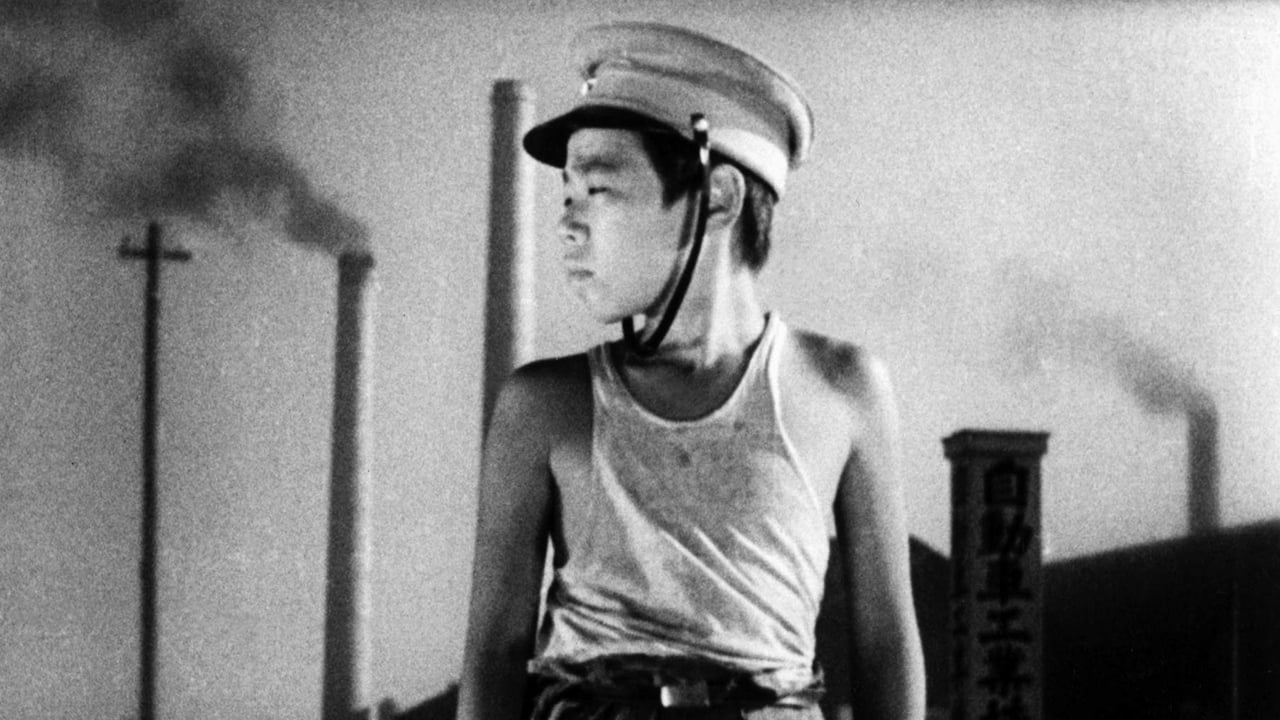
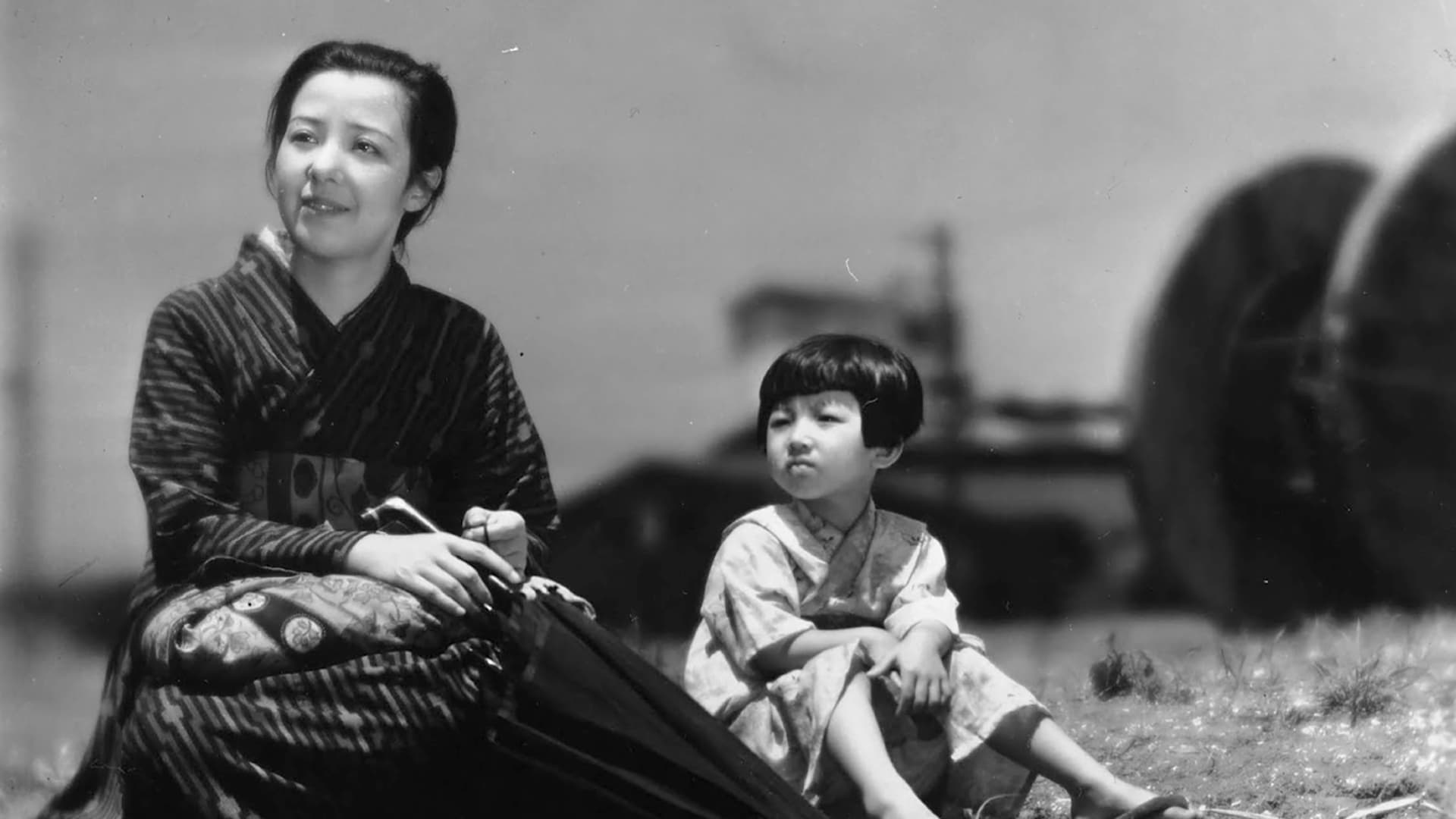
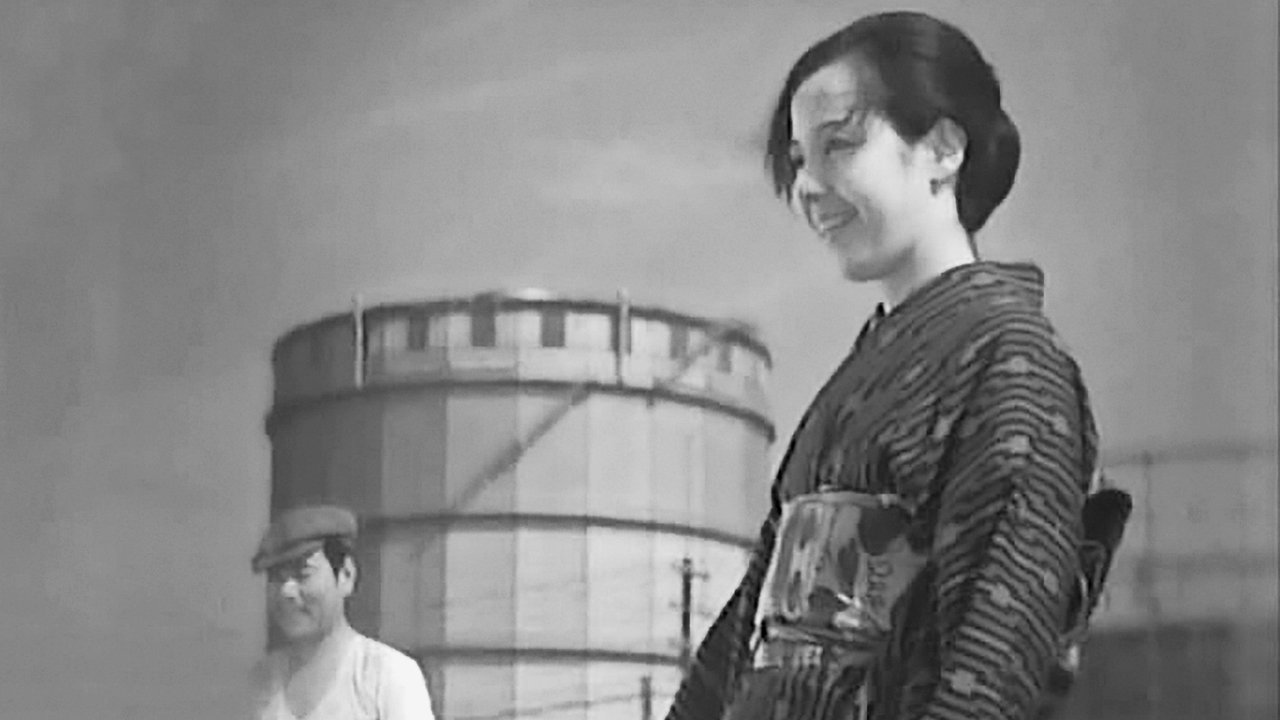
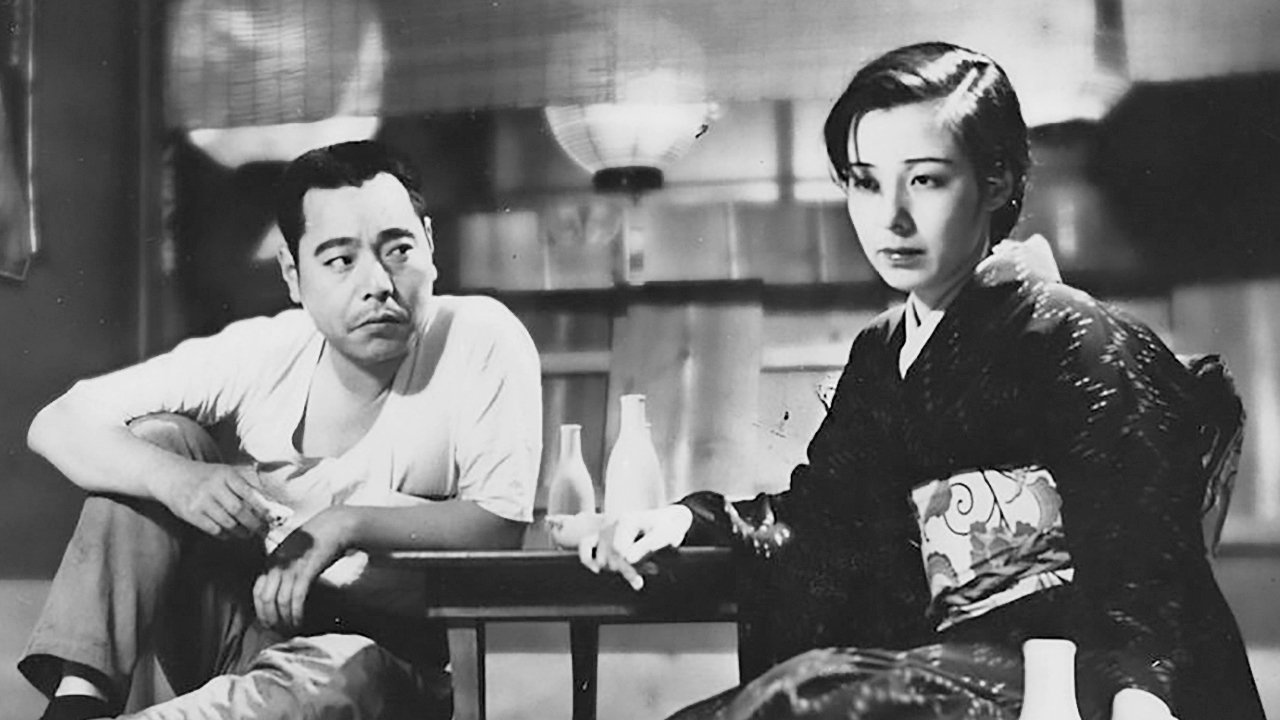
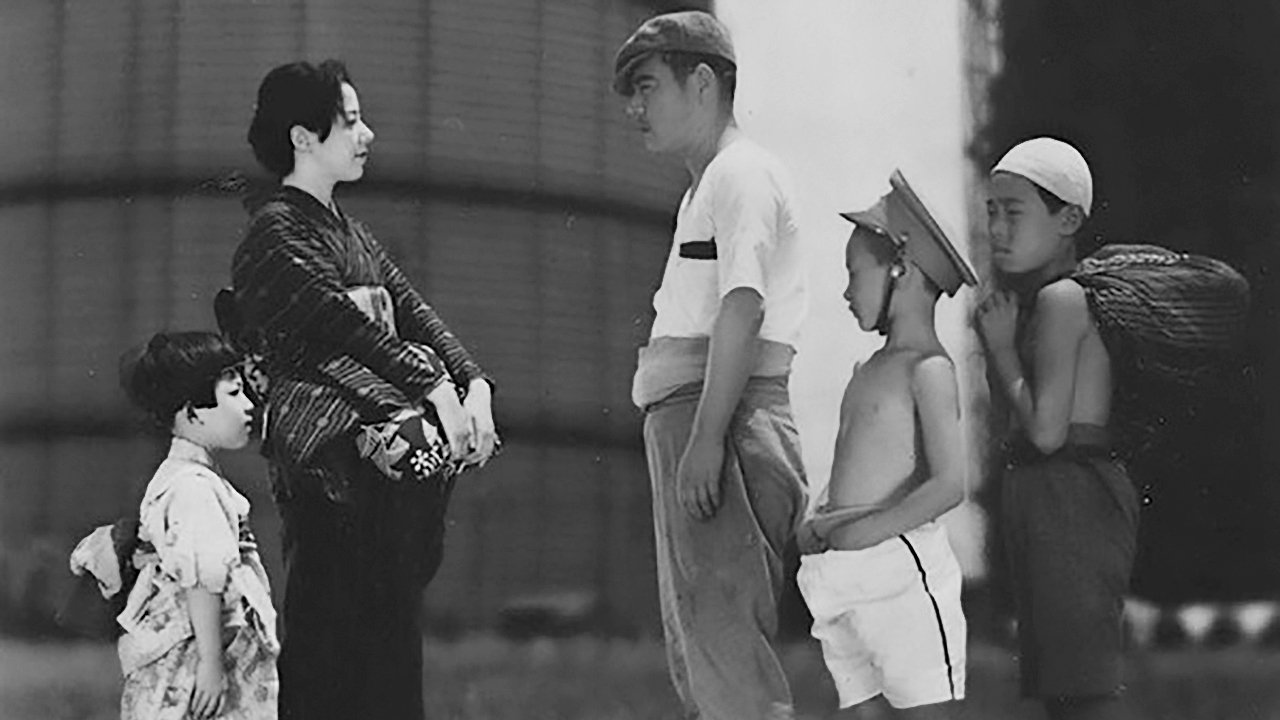
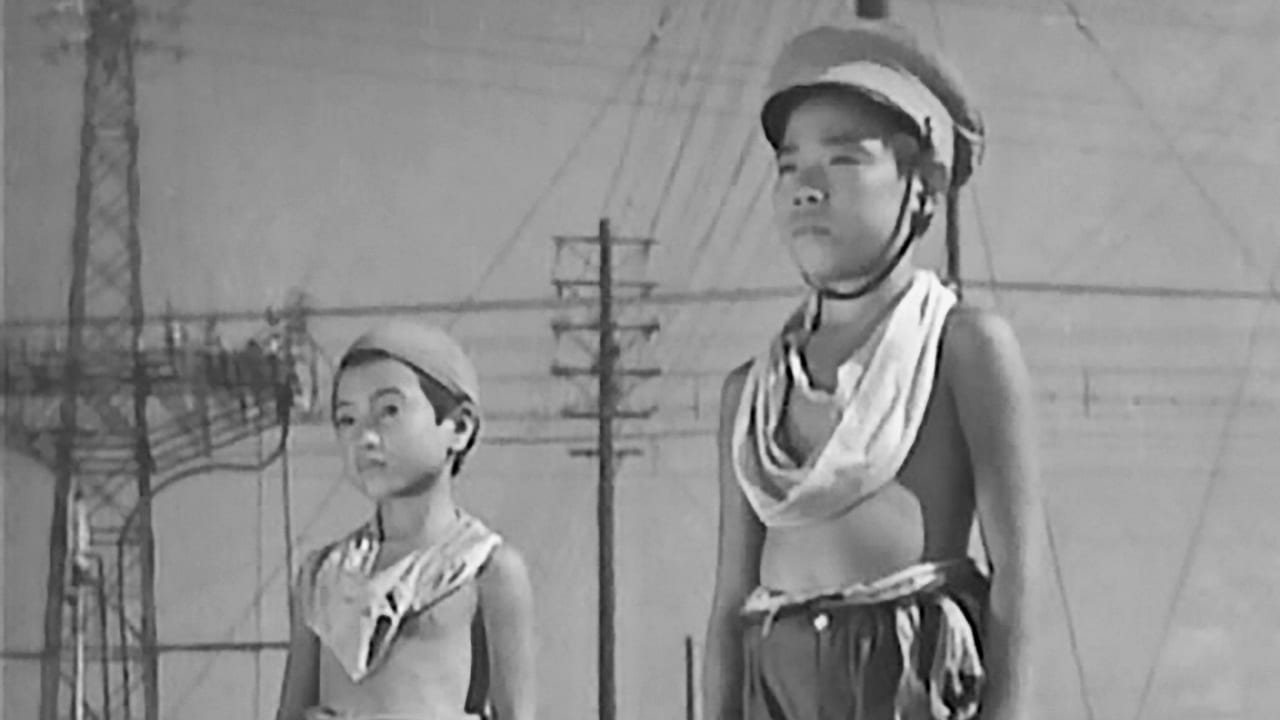
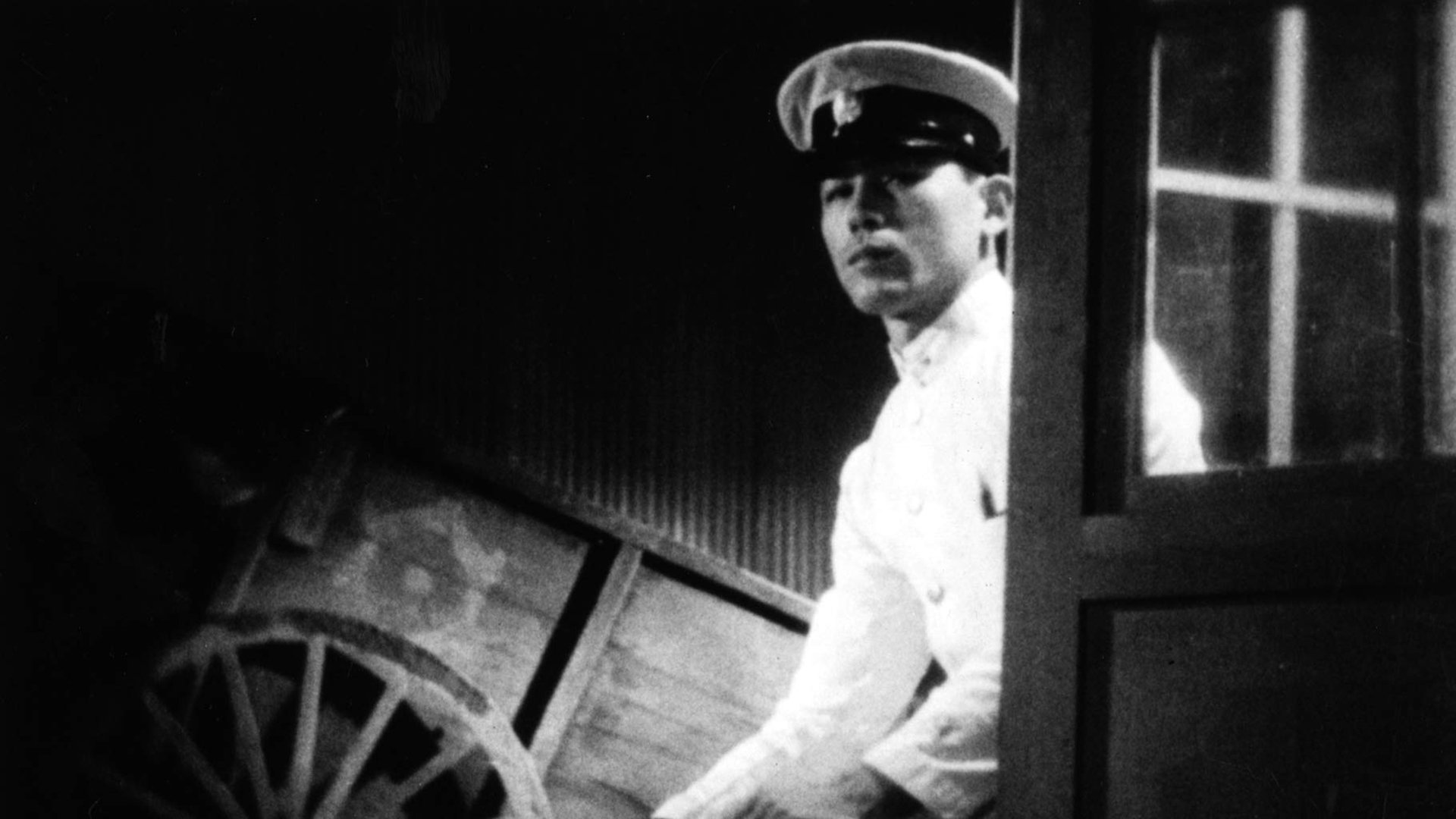
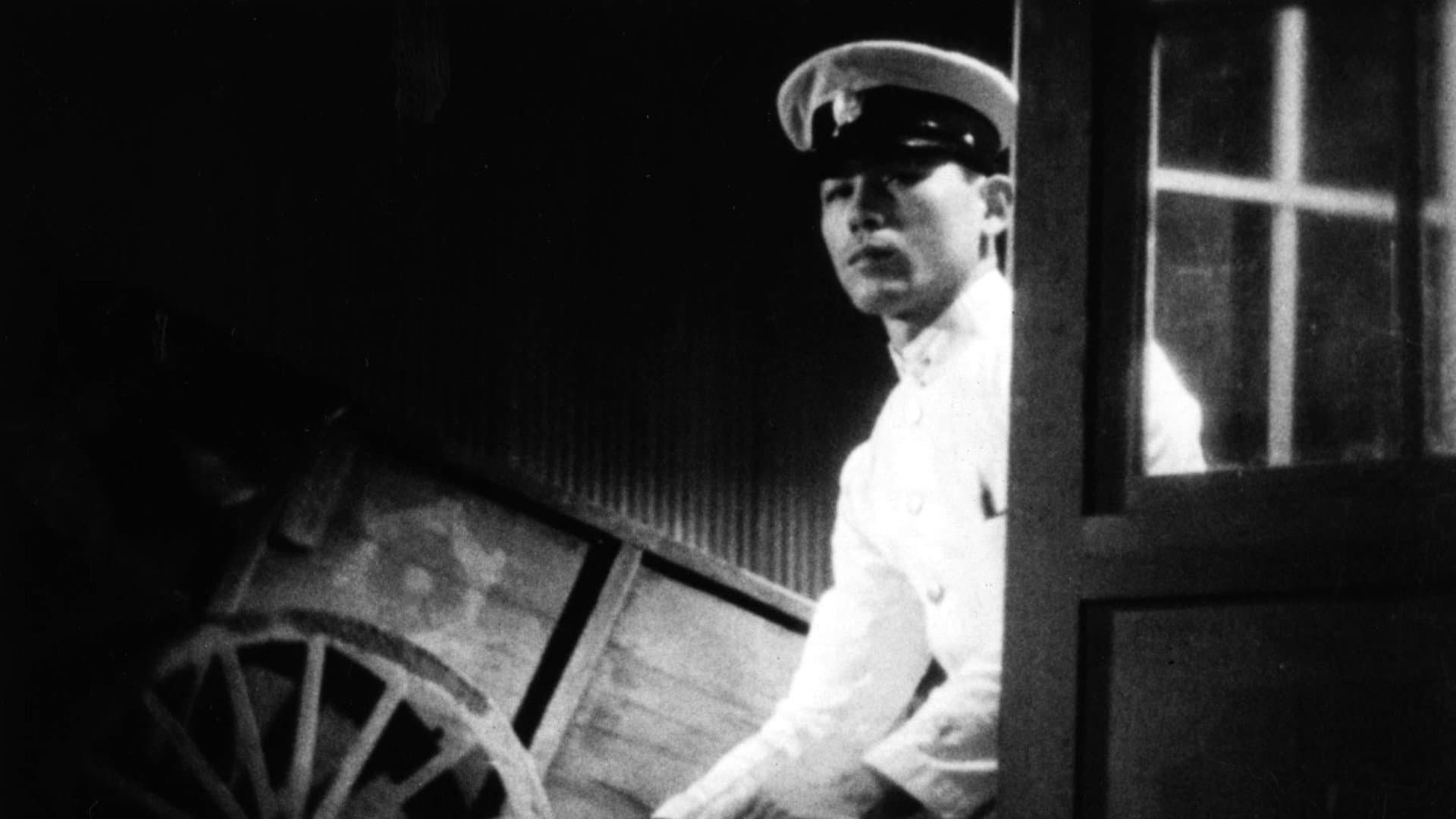
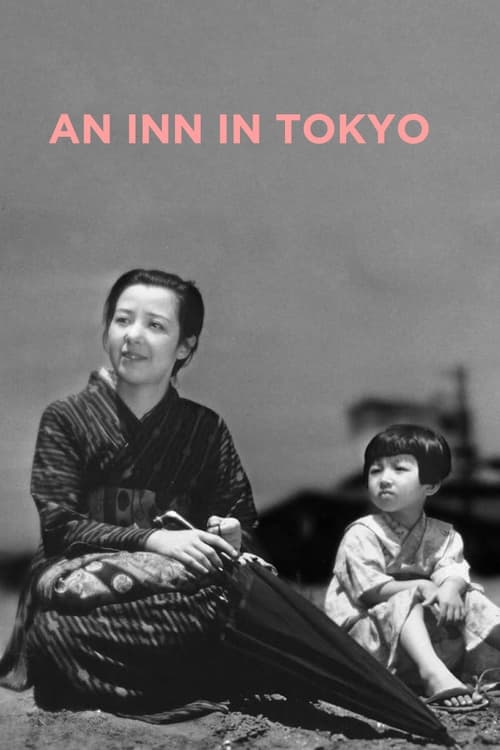
An unemployed Japanese man and his two sons wander the industrial flatlands of Depression-era Tokyo, until he chances upon an old friend and befriends a woman and her daughter, who are in a similar predicament.
Directed by Yasujirō Ozu
tokyo, japan
inn

Trailer

IMDB
N/A
Cast

Takeshi Sakamoto
Kihachi

Yoshiko Okada
Otaka

Chōko Iida
Otsune
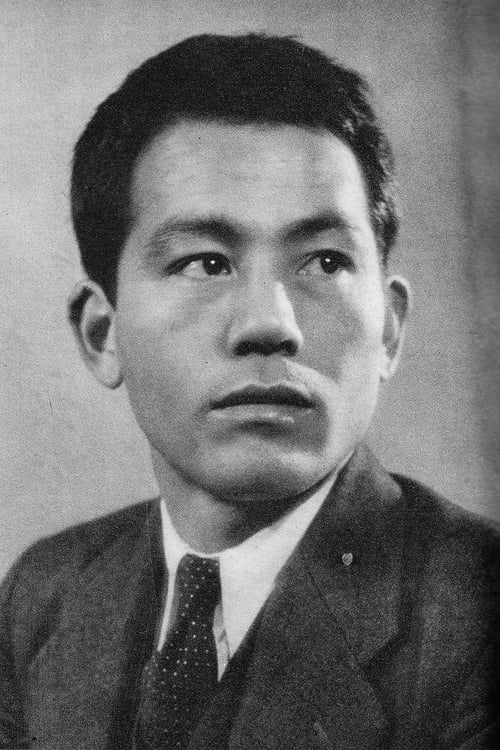
Chishū Ryū
Policeman
Tomio Aoki
Zenko
Crew
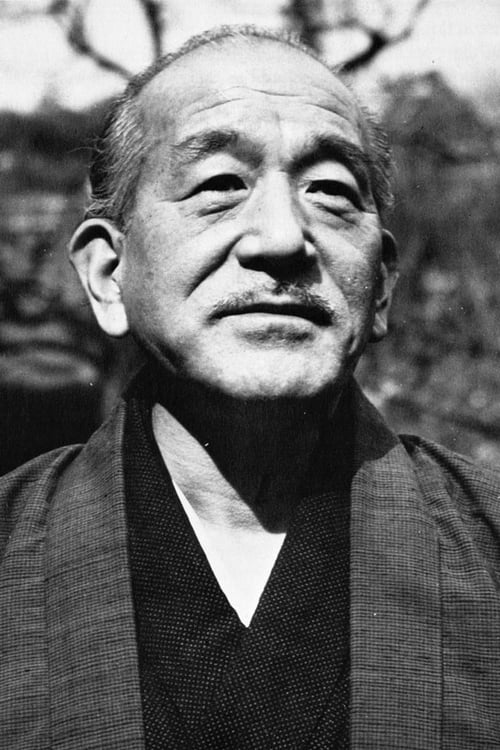
Yasujirō Ozu
Director
Yasujirō Ozu
Story
Popular Reviews
7 reviews
Nick
7.0★ · 02/01/26
Once again I find myself floored by the unflinching realism Ozu captures as far back as 1935. His realism feels intermittently poetic here. A squirming fly in a bowl of water, an overpoured glass of sake, a striking cut sequence of close-ups and fireworks: these are just a few favourite examples.
One small visual queue I loved happened when the father got a job and the two kids went to school. Prior to this, they were always introduced in exterior shots sitting or standing on the ground, an empty giant wire spool not uncommon. After this change, they are shown sitting atop a giant empty spool, figuratively elevated in life.
It’s interesting to note Ozu’s cinematic perspective on the criminal element and its relation to 1930’s Japanese society. This isn’t the first time crime has played a pivotal role in saving a dying child (That Night’s Wife). The heroic necessity of crime captured by Ozu reflects the inescapable destitution under which a good chunk of Japanese society is suffocating.
With respect to modern lessons we may glean, we may ponder how the manipulation of the larger population is possible. Moving towards something awful: imperialism and war because everyone is just so desperate. My selfishly extrapolatable take says a litmus test of atrocious susceptibility lies in the current state of the bottom rungs. Woe unto us; we never seem to learn.
One small visual queue I loved happened when the father got a job and the two kids went to school. Prior to this, they were always introduced in exterior shots sitting or standing on the ground, an empty giant wire spool not uncommon. After this change, they are shown sitting atop a giant empty spool, figuratively elevated in life.
It’s interesting to note Ozu’s cinematic perspective on the criminal element and its relation to 1930’s Japanese society. This isn’t the first time crime has played a pivotal role in saving a dying child (That Night’s Wife). The heroic necessity of crime captured by Ozu reflects the inescapable destitution under which a good chunk of Japanese society is suffocating.
With respect to modern lessons we may glean, we may ponder how the manipulation of the larger population is possible. Moving towards something awful: imperialism and war because everyone is just so desperate. My selfishly extrapolatable take says a litmus test of atrocious susceptibility lies in the current state of the bottom rungs. Woe unto us; we never seem to learn.
Once again I find myself floored by the unflinching realism Ozu captures as far back as 1935. His realism feels intermittently poetic here. A squirming fly in a bowl of water, an overpoured glass of sake, a striking cut sequence of close-ups and fireworks: these are just a few favourite examples.
One small visual queue I loved happened when the father got a job and the two kids went to school. Prior to this, they were always introduced in exterior shots sitting or standing on the ground, an empty giant wire spool not uncommon. After this change, they are shown sitting atop a giant empty spool, figuratively elevated in life.
It’s interesting to note Ozu’s cinematic perspective on the criminal element and its relation to 1930’s Japanese society. This isn’t the first time crime has played a pivotal role in saving a dying child (That Night’s Wife). The heroic necessity of crime captured by Ozu reflects the inescapable destitution under which a good chunk of Japanese society is suffocating.
With respect to modern lessons we may glean, we may ponder how the manipulation of the larger population is possible. Moving towards something awful: imperialism and war because everyone is just so desperate. My selfishly extrapolatable take says a litmus test of atrocious susceptibility lies in the current state of the bottom rungs. Woe unto us; we never seem to learn.
One small visual queue I loved happened when the father got a job and the two kids went to school. Prior to this, they were always introduced in exterior shots sitting or standing on the ground, an empty giant wire spool not uncommon. After this change, they are shown sitting atop a giant empty spool, figuratively elevated in life.
It’s interesting to note Ozu’s cinematic perspective on the criminal element and its relation to 1930’s Japanese society. This isn’t the first time crime has played a pivotal role in saving a dying child (That Night’s Wife). The heroic necessity of crime captured by Ozu reflects the inescapable destitution under which a good chunk of Japanese society is suffocating.
With respect to modern lessons we may glean, we may ponder how the manipulation of the larger population is possible. Moving towards something awful: imperialism and war because everyone is just so desperate. My selfishly extrapolatable take says a litmus test of atrocious susceptibility lies in the current state of the bottom rungs. Woe unto us; we never seem to learn.


umbrElla
6.0★ · 07/21/25
jadilah orang baik
jadilah orang baik
Mathias
8.0★ · 11/20/23
“Everything will be fine tomorrow.”Damn, this almost got me.
As distraught as any Italian neorealist masterpiece and as silky smooth as any other film Yasujirō Ozu has directed. It’s a film about the destitute working class of pre-war Japan and it’s devastating. The plot is surprisingly hard hitting and it reminded me in some ways of Chaplins contemporary work.. but without the slapstick obviously. The ending is probably one of my favourites by Ozu as well. Overall,
Another banger from Ozu, highly recommend checking this out. First silent film that almost broke me (with exception of Chaplin of course). A movie about desperation and poverty.
“Everything will be fine tomorrow.”Damn, this almost got me.
As distraught as any Italian neorealist masterpiece and as silky smooth as any other film Yasujirō Ozu has directed. It’s a film about the destitute working class of pre-war Japan and it’s devastating. The plot is surprisingly hard hitting and it reminded me in some ways of Chaplins contemporary work.. but without the slapstick obviously. The ending is probably one of my favourites by Ozu as well. Overall,
Another banger from Ozu, highly recommend checking this out. First silent film that almost broke me (with exception of Chaplin of course). A movie about desperation and poverty.
Avraz
7.0★ · 06/22/25
Mapou
7.0★ · 12/08/24