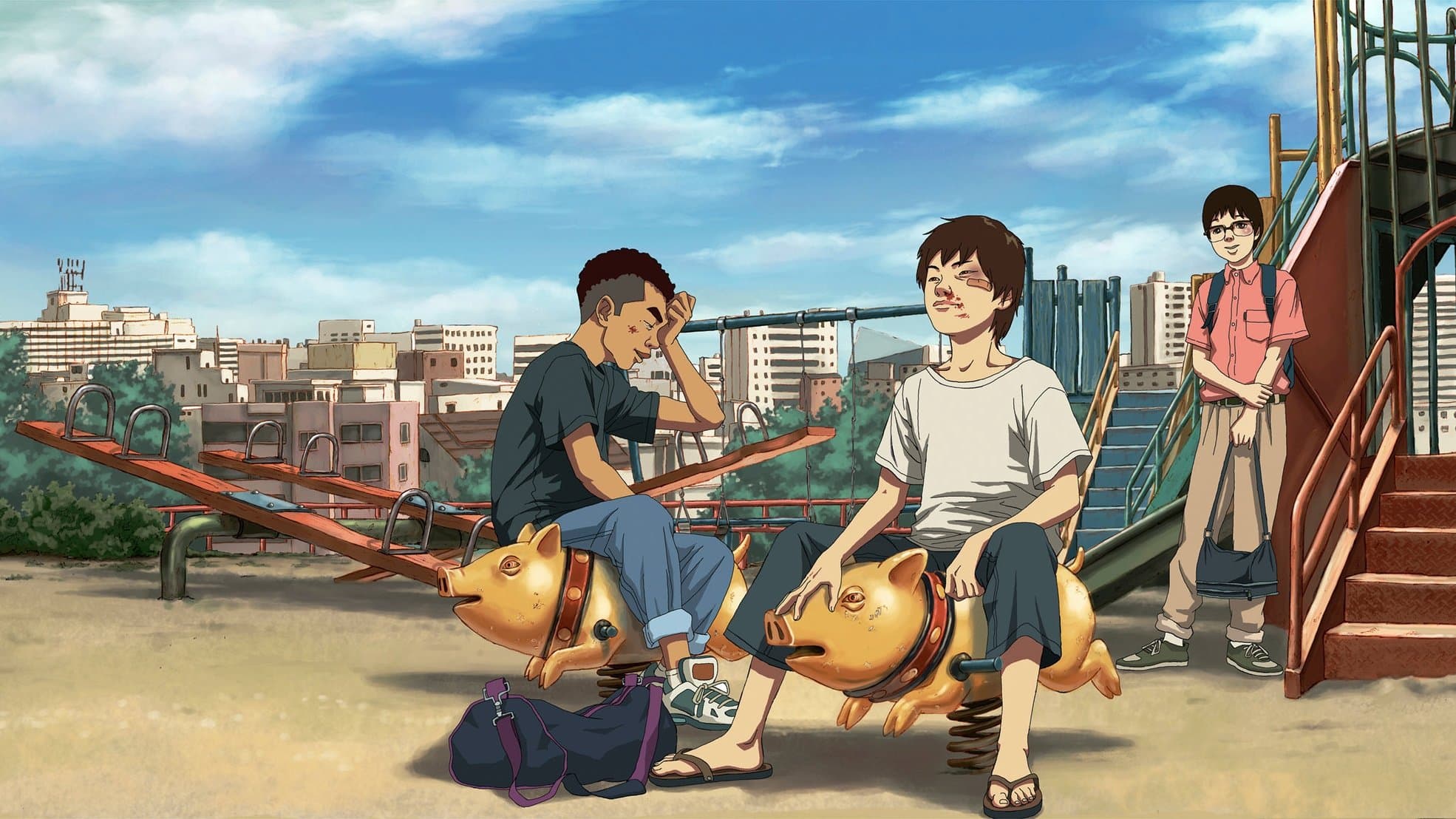
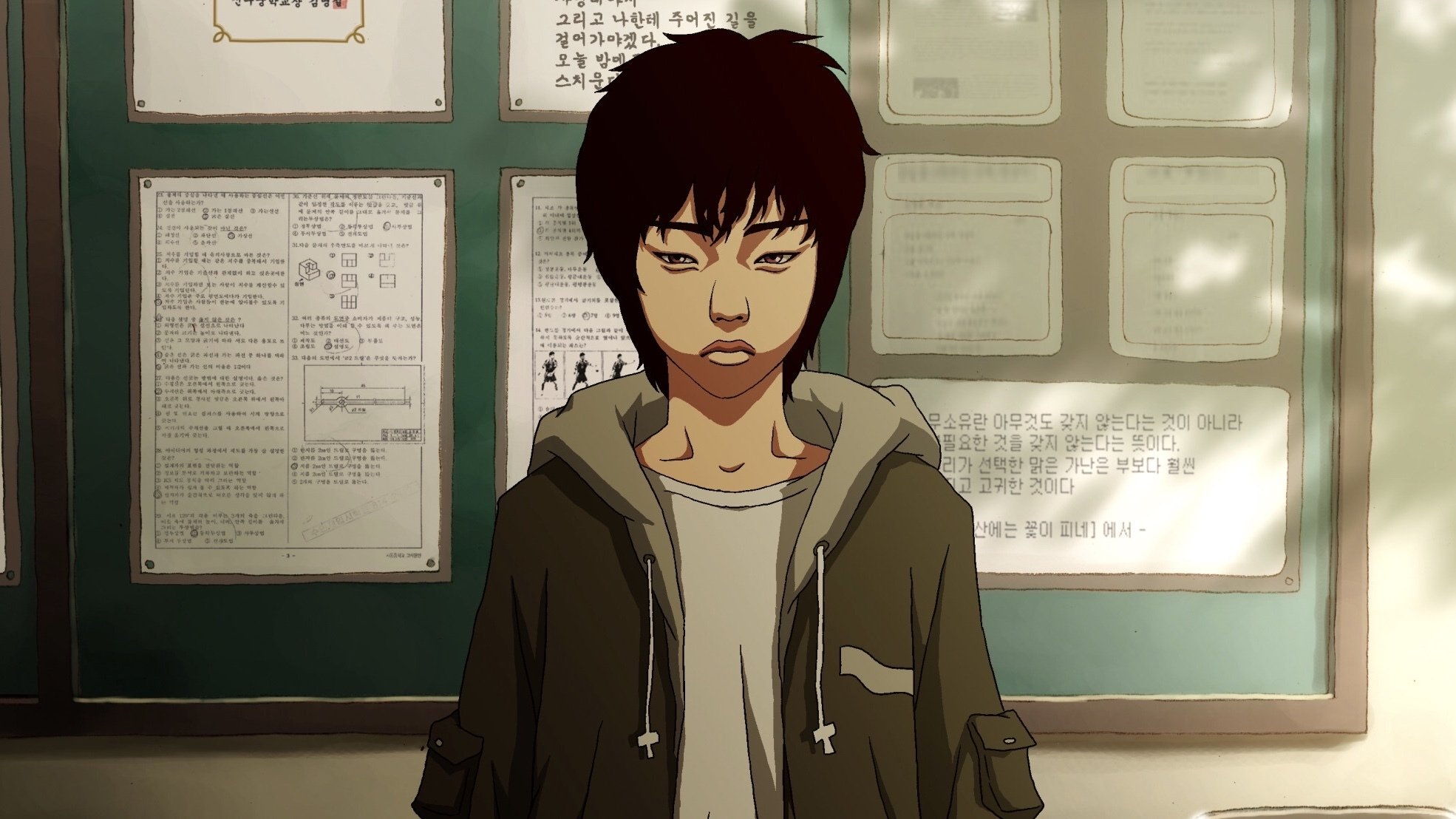
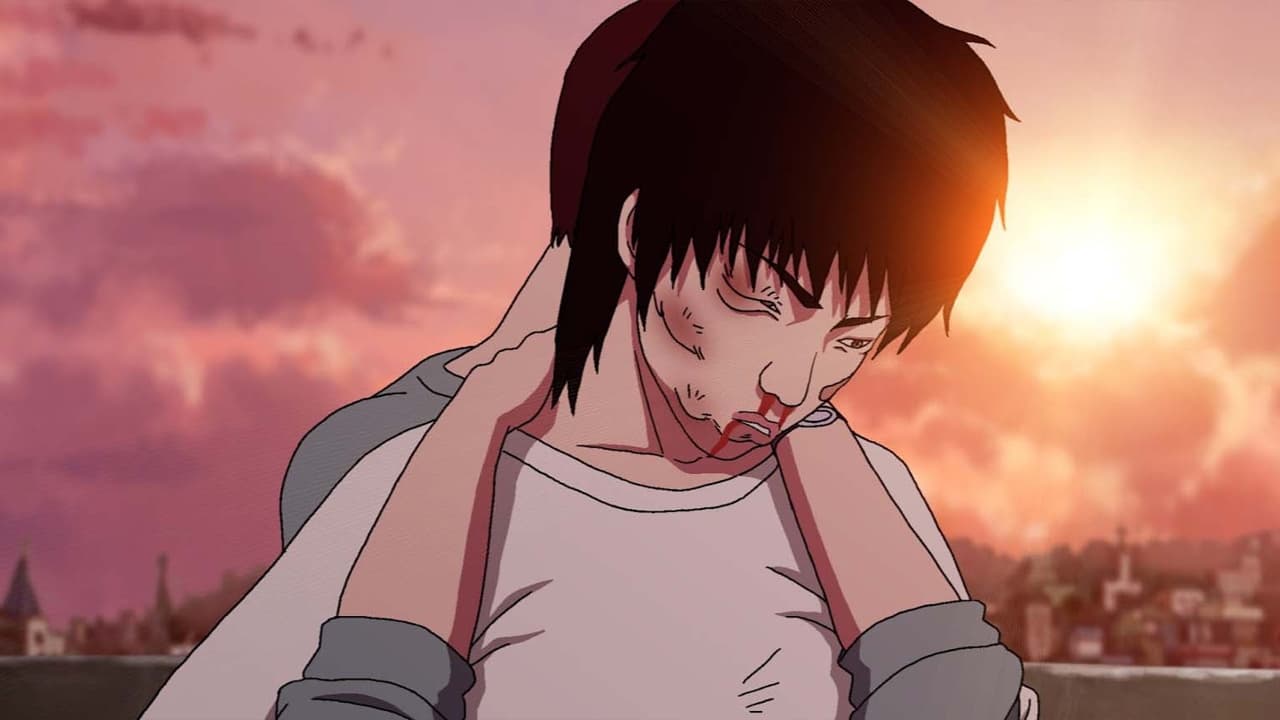
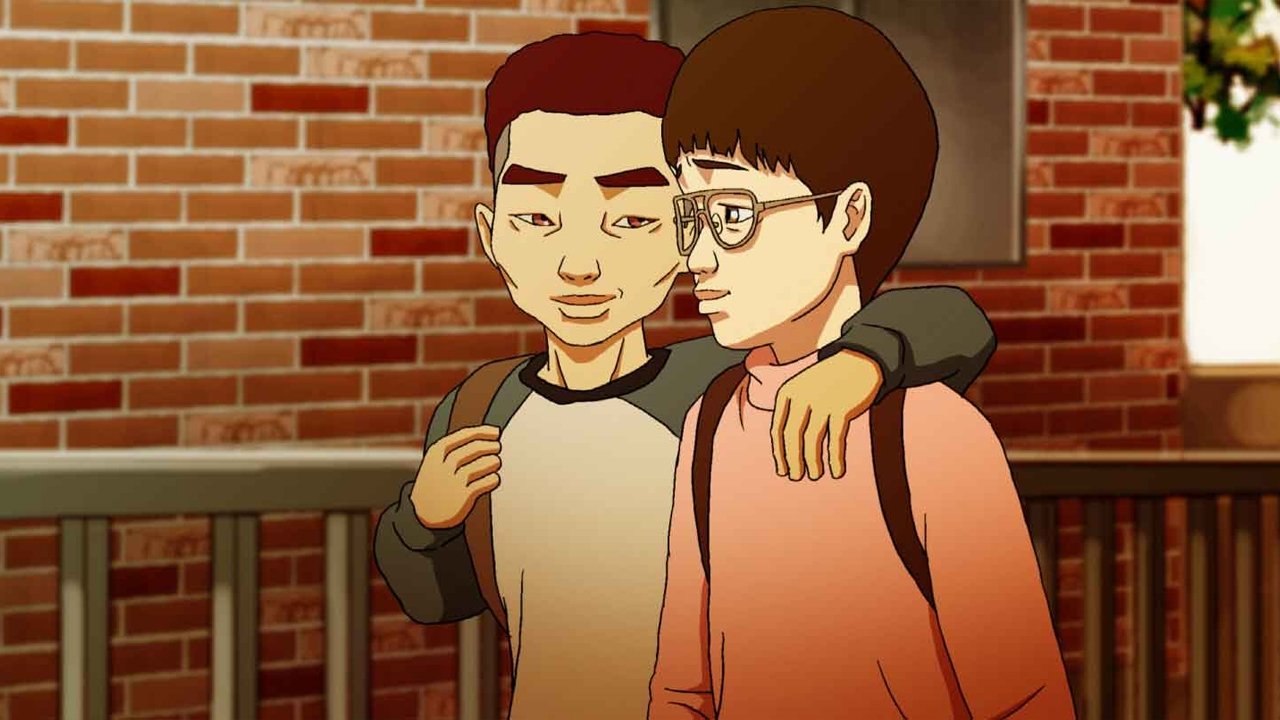
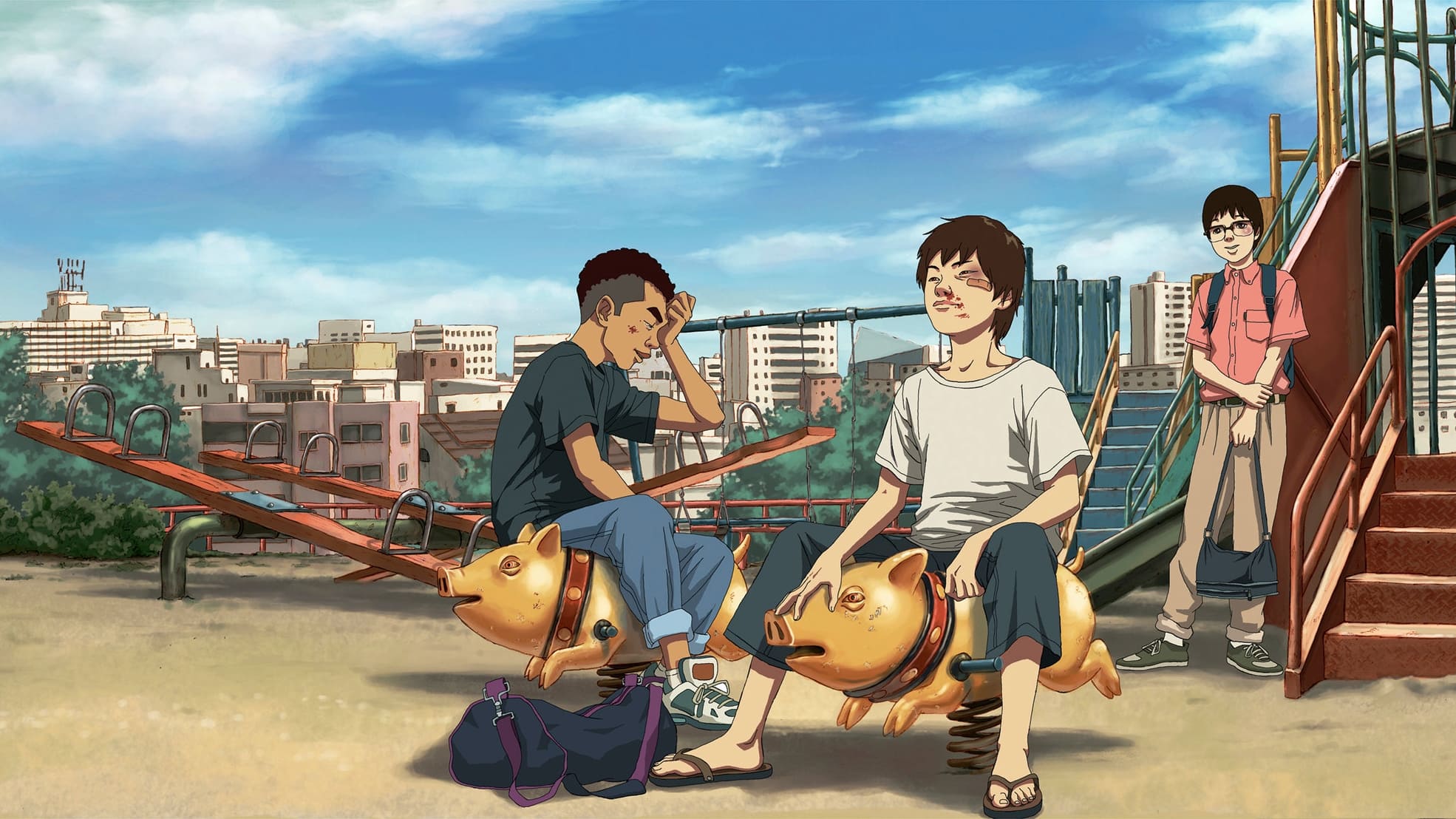
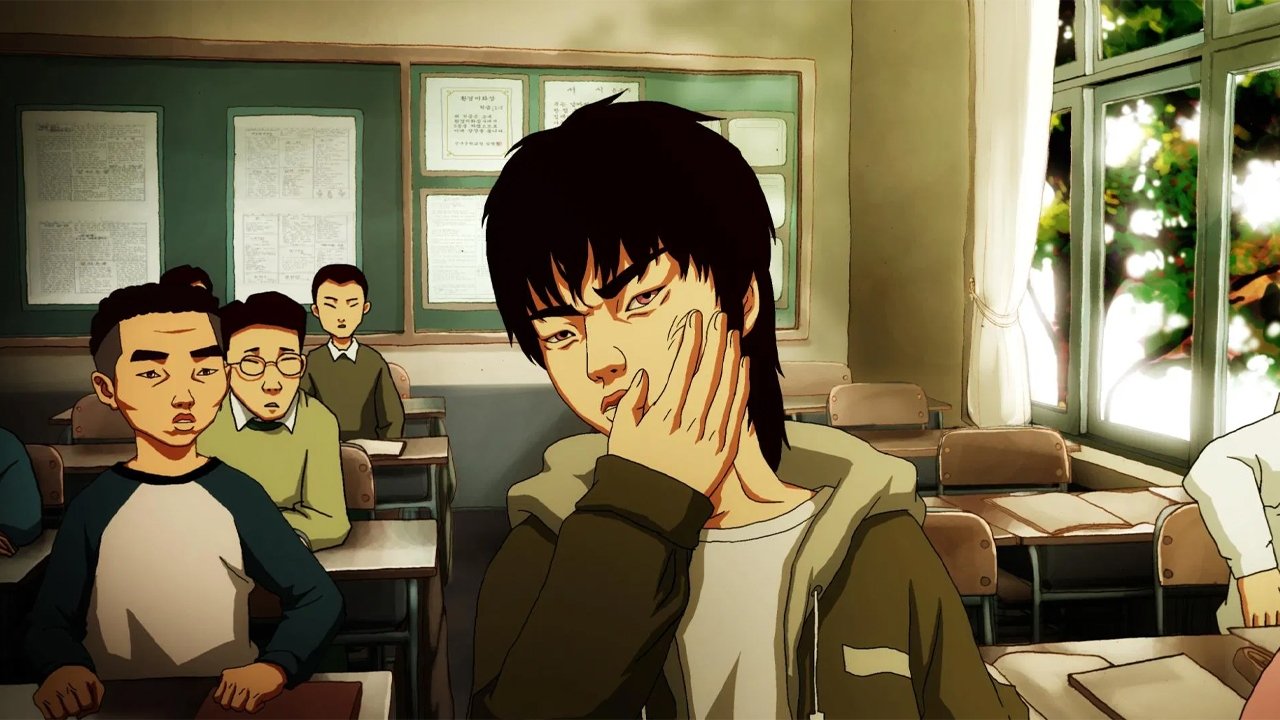
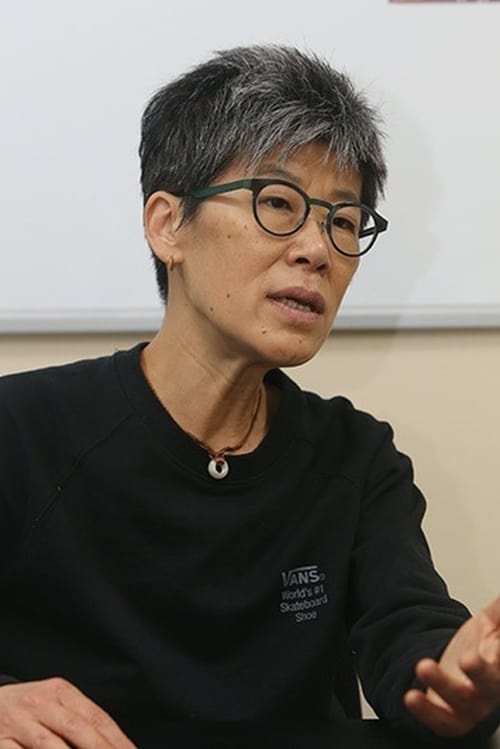
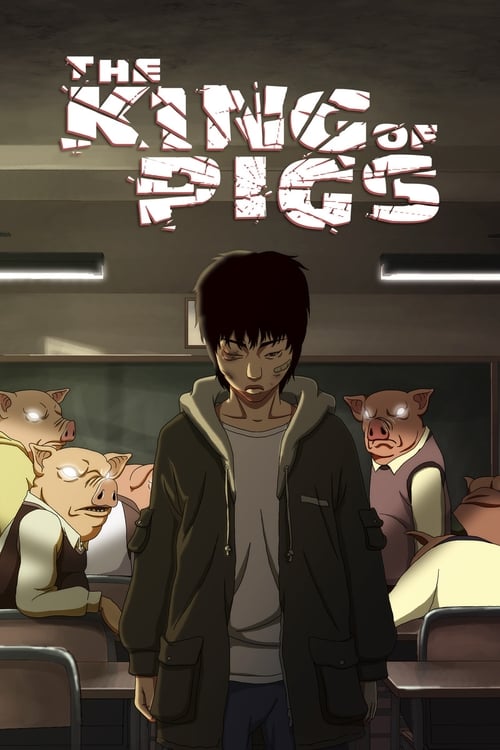
Even with the wonky back and forth between hand drawn cg-assisted animation and full on 3D models and the clear animation errors that remain in the final edit of the film, The King of Pigs still manages to be engaging through the sheer force of drama within it. Yeon Sang-ho’s animation work may not be as well known as his beloved zombie film Train to Busan, but it’s clear that even though he treats live action and animation like completely different beasts, the bones of his storytelling remains the same. His focus on character is what really helps to propel any story he wants to tell, limitations of whatever medium he has his hand in at the moment be damned. The slowly unfolding mystery around Chul and the sole reason why old friends Kyung-min and Jong-suk reuinite reveals itself, the more we are treated to flashbacks of their childhood. These flashbacks reveal a lot about the characters as they are fully grown, and give us insight as to how class has affected them even at a young age. The classroom they were studying in was delineated by wealth, with the wealthier kids being “dogs” that oversaw the poorer “pigs”, the realities of capital and caste already rearing their ugly head in these classrooms where the poorer were ridiculed and tormented. Compared to his live action work, The King of Pigs and The Fake are incredibly bleak dramas that grapple with more mature themes than Yeon Sang-ho’s punchier live-action film.