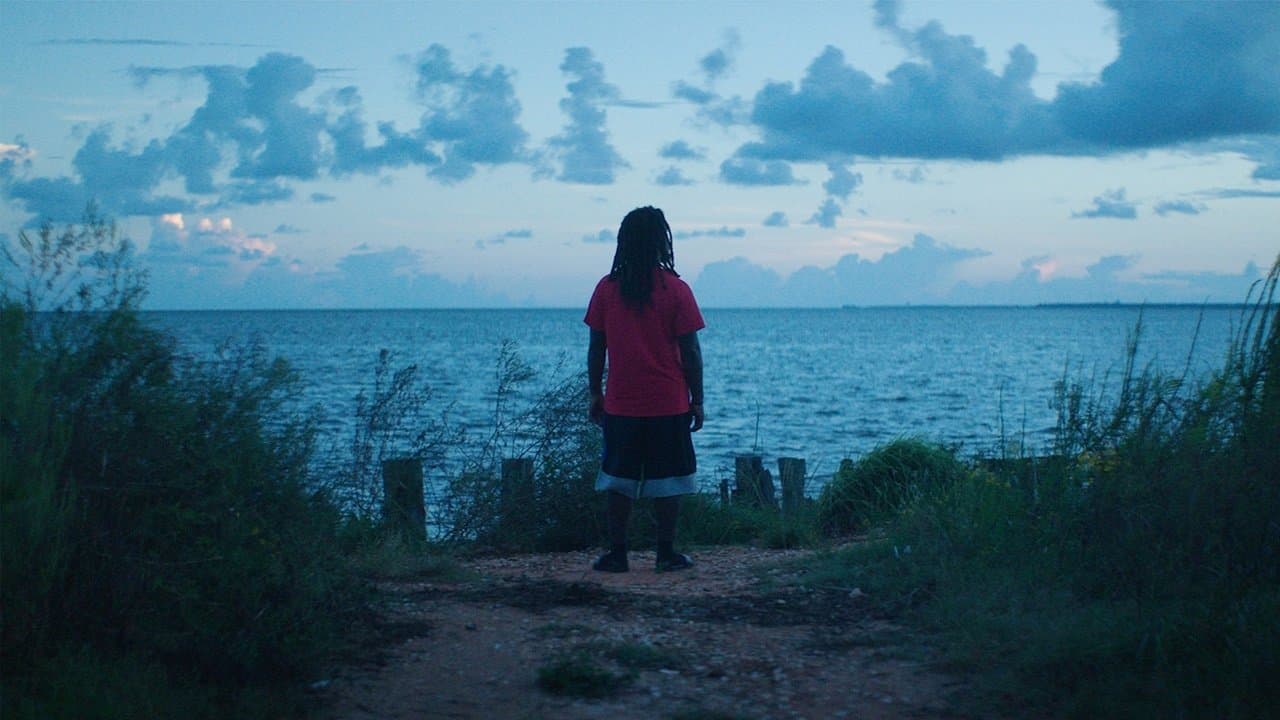
What must be done with the crimes of the past? How do the descendants of slaves and slaveowners reckon with their history and the injustice of their connection? Descendant is a documentary that asks a lot of these questions but cannot answer them because for the residents of Africatown there is no clean cut answer. Descendant takes the framing story of the excavation of the Clotilda, the last ship carrying African slaves to America, as an opportunity to both detail the community of those slaves' descendants and to interrogate the legacy of that action by a man who forcibly removed hundreds of humans from their home on a bet. That man's descendants don't appear very much throughout the film, presumably as they don't desire being associated with their slaveowning past, but much of the film focuses on a shared communal history passed down from generation to generation as the last connection to an event that much of America would prefer not to discuss. Margaret Brown structures her film in a way that provides a compelling portrait of the various men and women in Africatown who fight every day to keep their story alive and fight for an environmental justice that decades of zoning and industrial work has relegated them to. It's a truly effective documentary that both probes tough questions about reparations and the legacy of slavery while also providing its subjects a dignity in deciding their own future and their own story.
What must be done with the crimes of the past? How do the descendants of slaves and slaveowners reckon with their history and the injustice of their connection? Descendant is a documentary that asks a lot of these questions but cannot answer them because for the residents of Africatown there is no clean cut answer. Descendant takes the framing story of the excavation of the Clotilda, the last ship carrying African slaves to America, as an opportunity to both detail the community of those slaves' descendants and to interrogate the legacy of that action by a man who forcibly removed hundreds of humans from their home on a bet. That man's descendants don't appear very much throughout the film, presumably as they don't desire being associated with their slaveowning past, but much of the film focuses on a shared communal history passed down from generation to generation as the last connection to an event that much of America would prefer not to discuss. Margaret Brown structures her film in a way that provides a compelling portrait of the various men and women in Africatown who fight every day to keep their story alive and fight for an environmental justice that decades of zoning and industrial work has relegated them to. It's a truly effective documentary that both probes tough questions about reparations and the legacy of slavery while also providing its subjects a dignity in deciding their own future and their own story.