
1972·Thriller·2h 2m
7.1
★
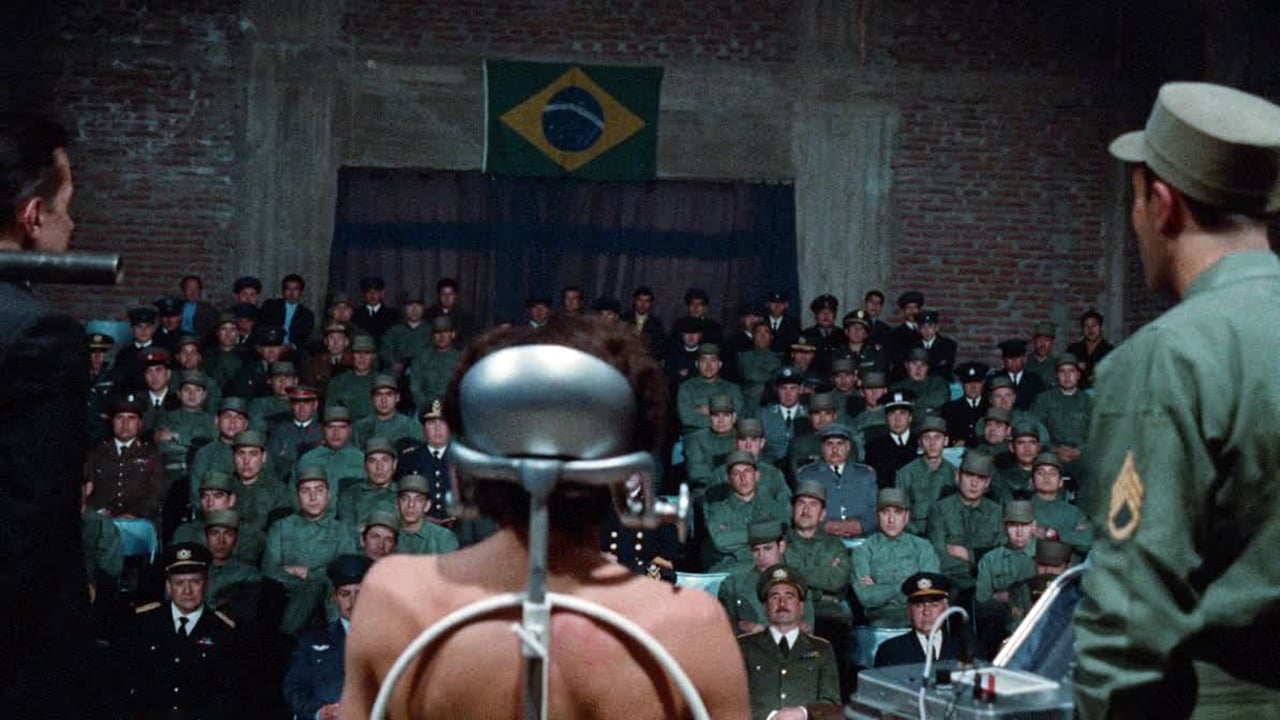
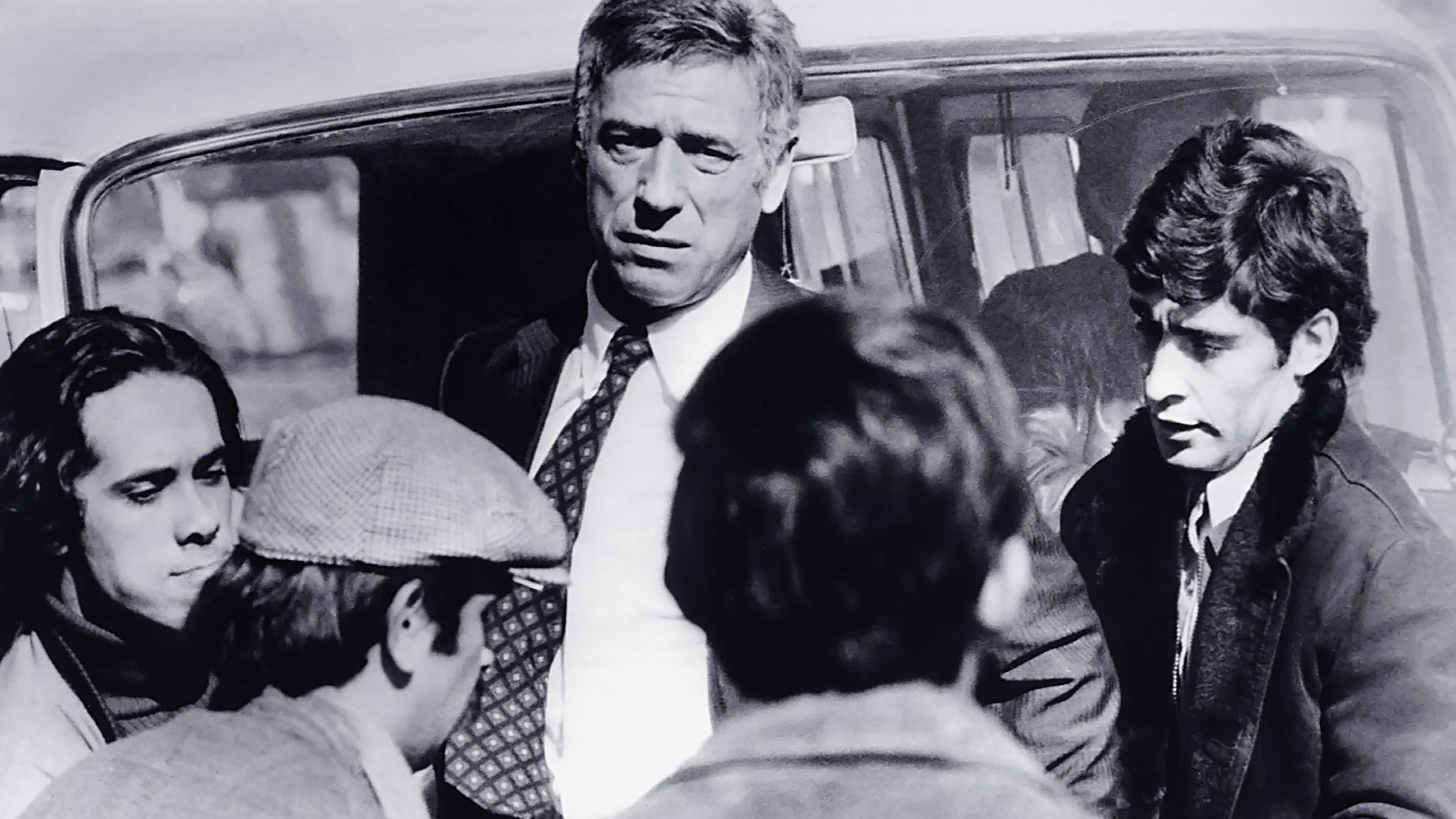
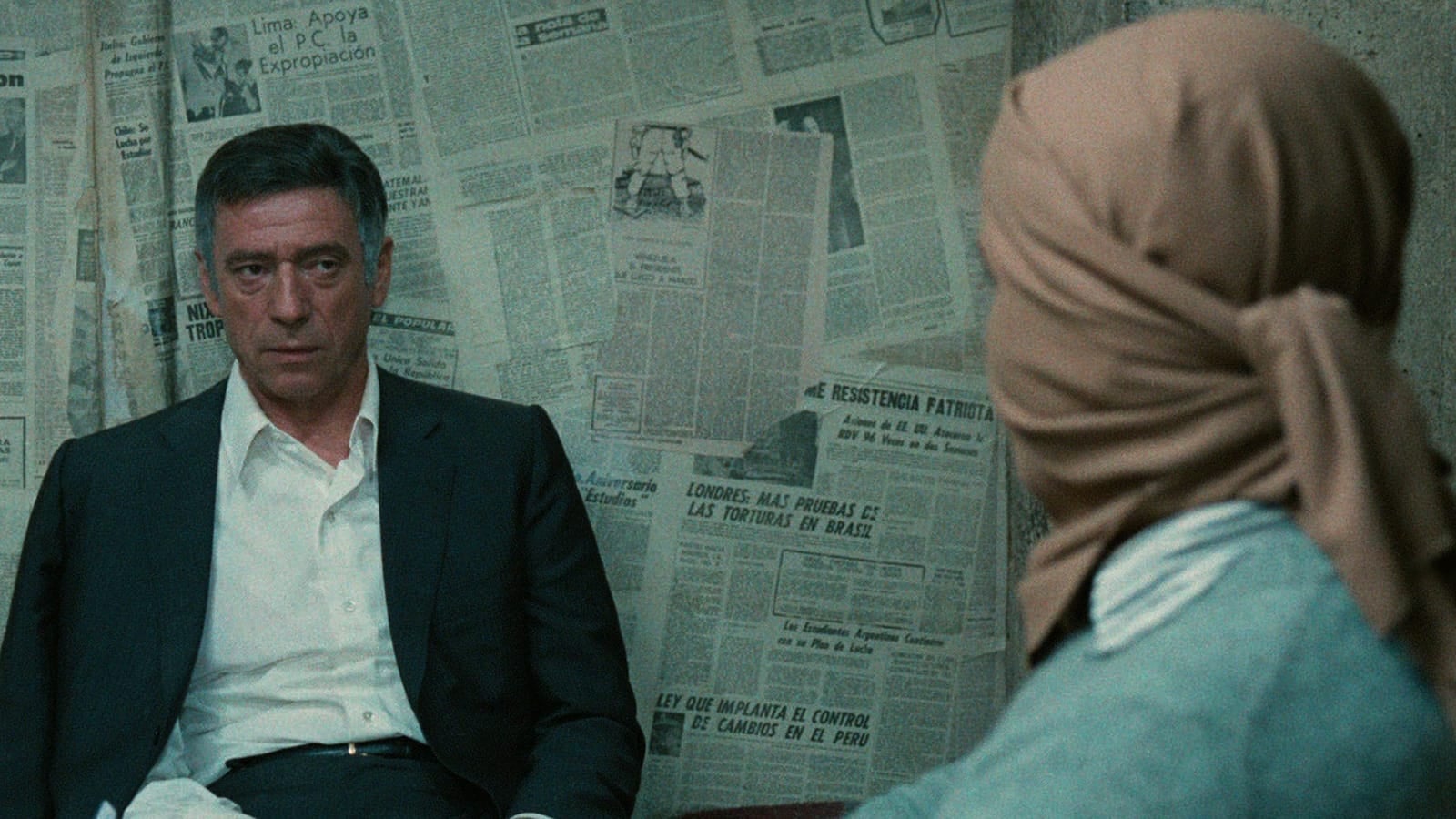
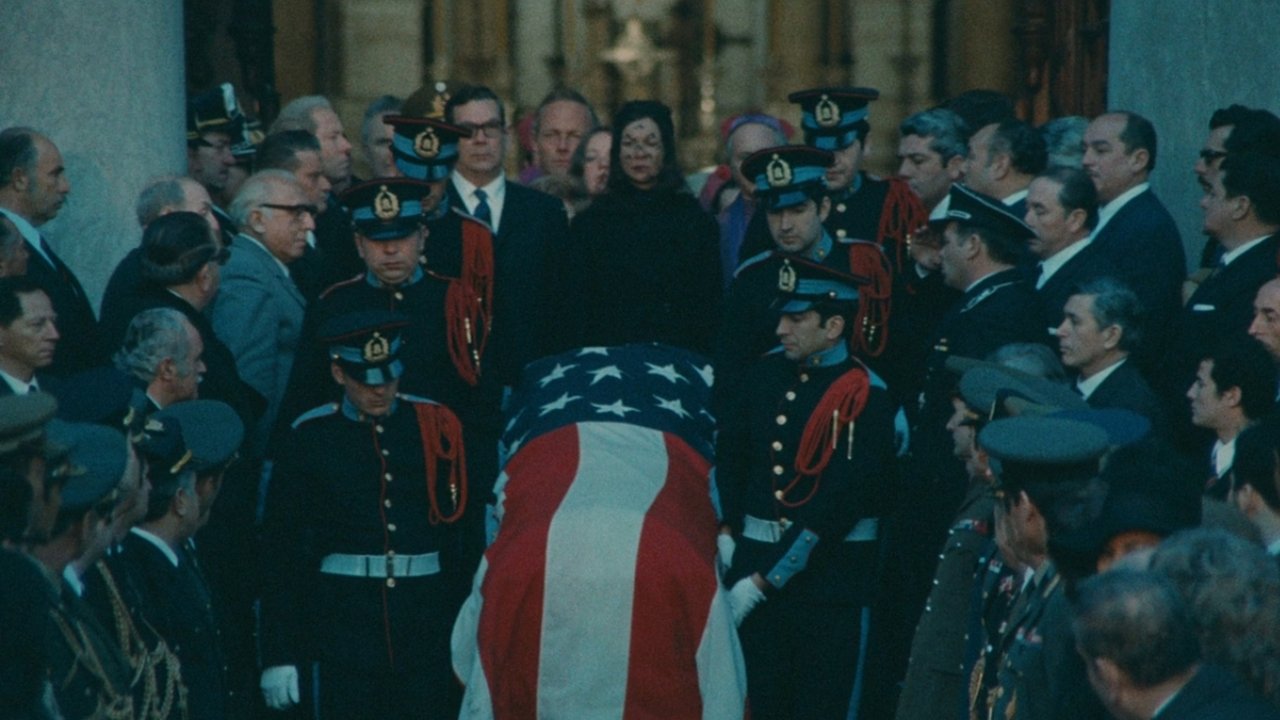
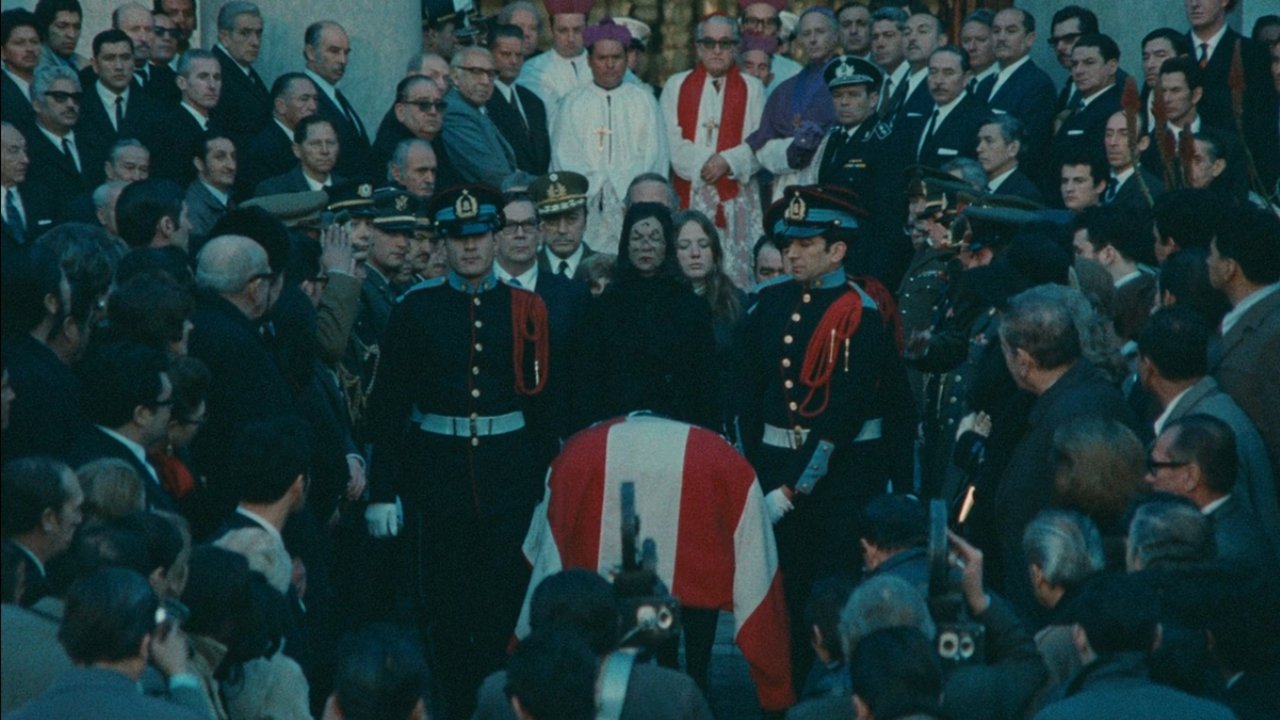
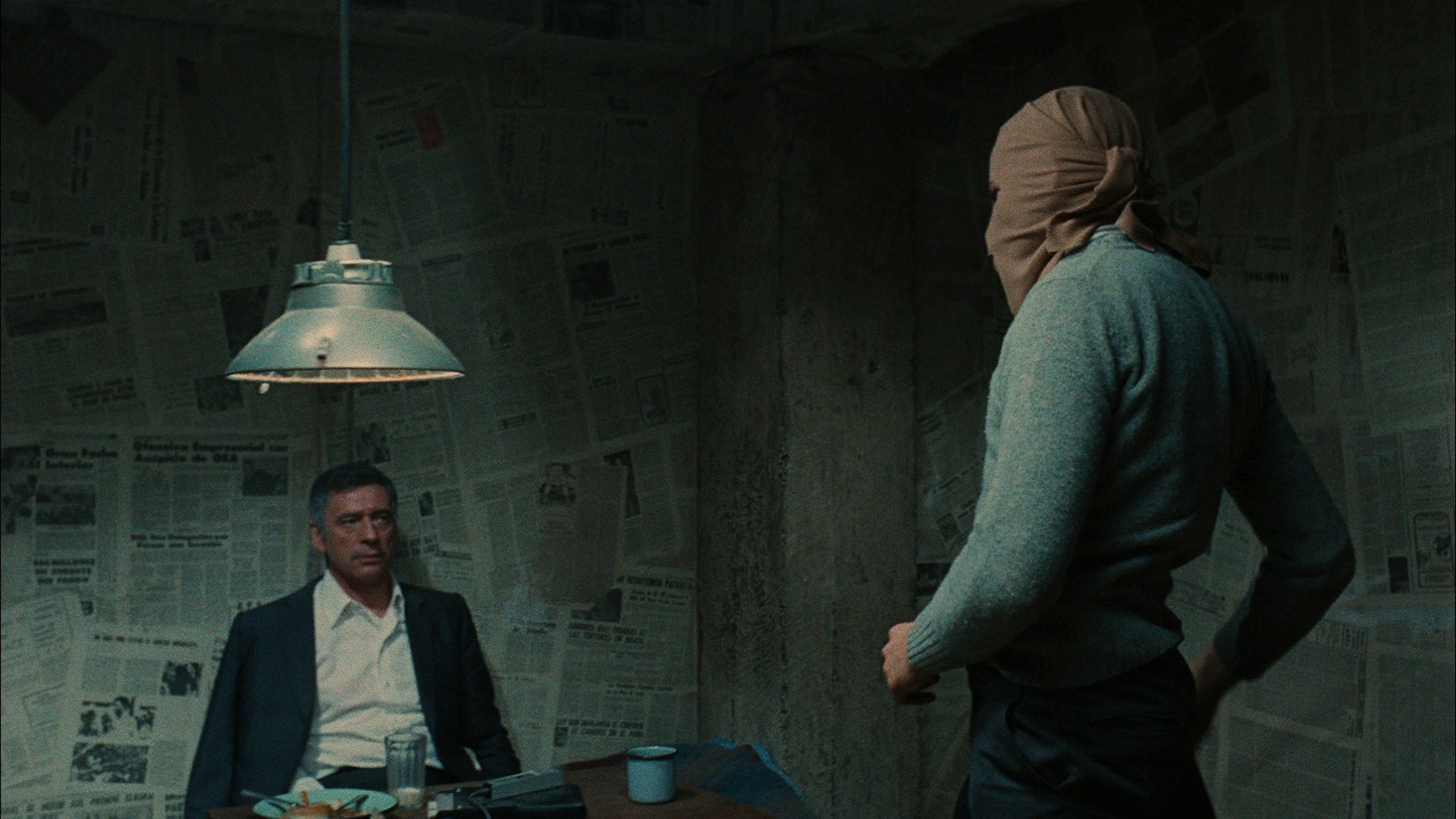
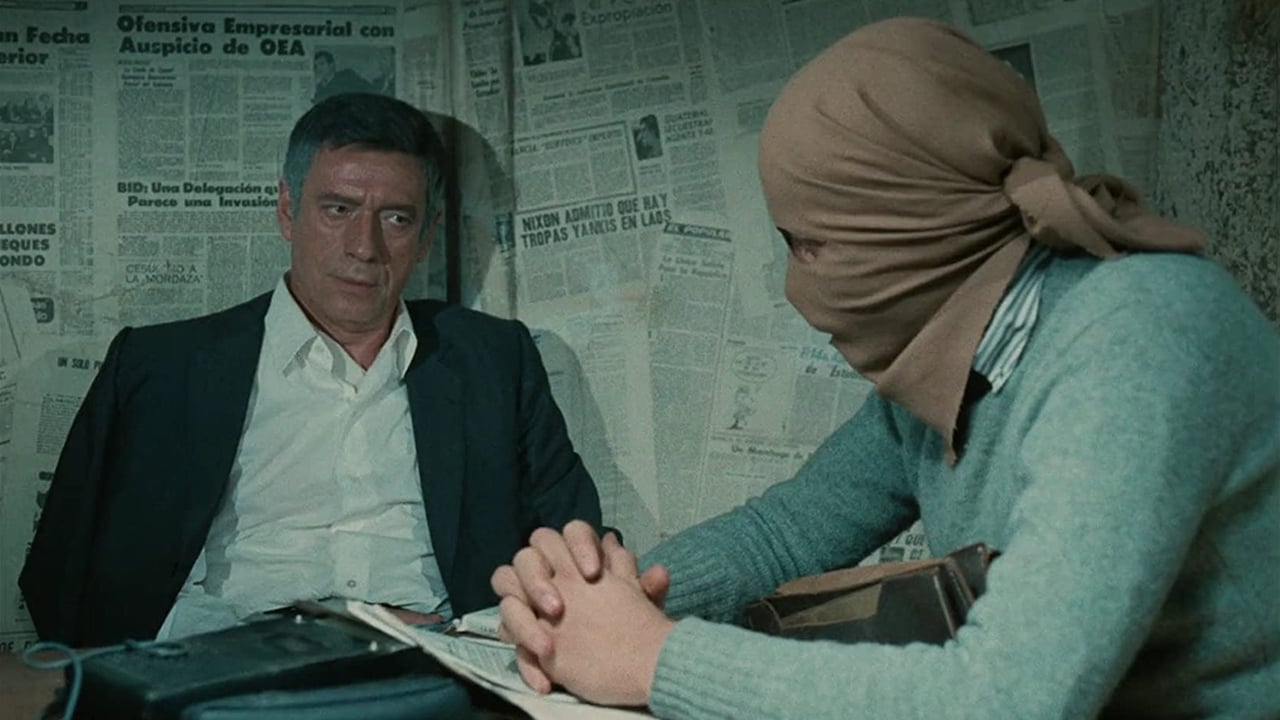
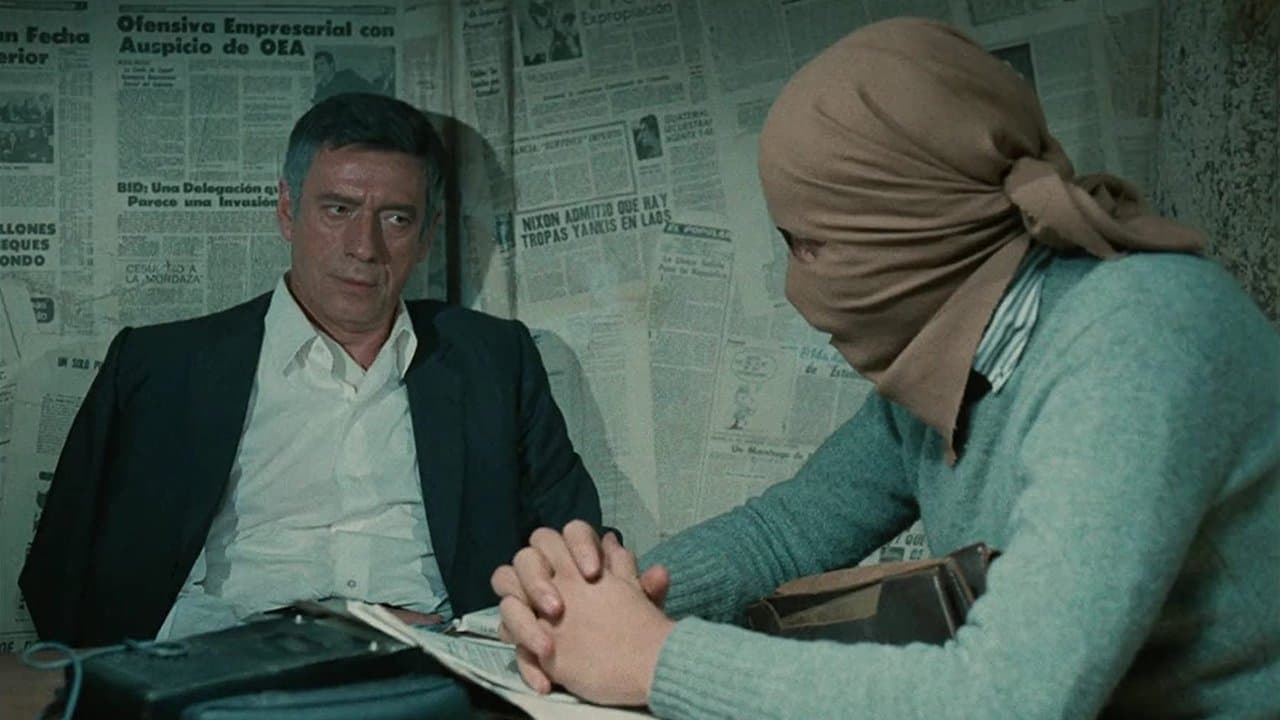
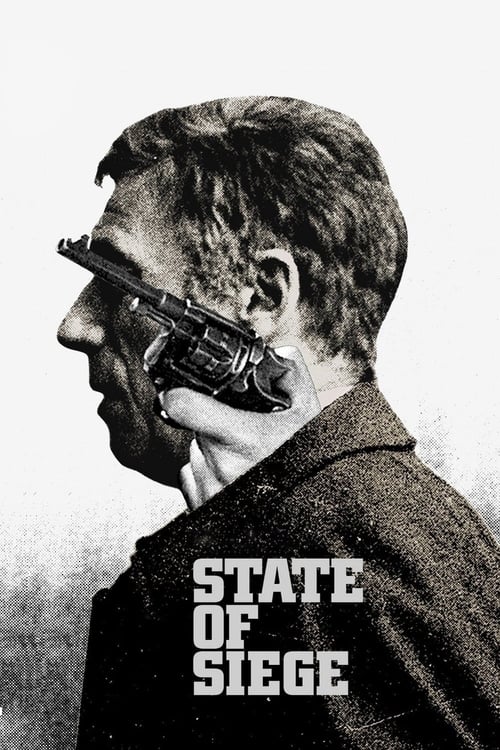
Assigned to South America, US official Philip Michael Santore is employed by a counterinsurgency agency. His position makes him a target for a local band of guerrillas, and, before long, Santore is kidnapped. As a prisoner, he undergoes interrogation, shedding light on the violent situation in the country. Once the insurgents are done with their questioning, they must decide whether Santore lives or dies.
Directed by Costa-Gavras
guerrilla warfare
curfew
martial law
torture

Trailer

IMDB
N/A
Where to Watch



Cast
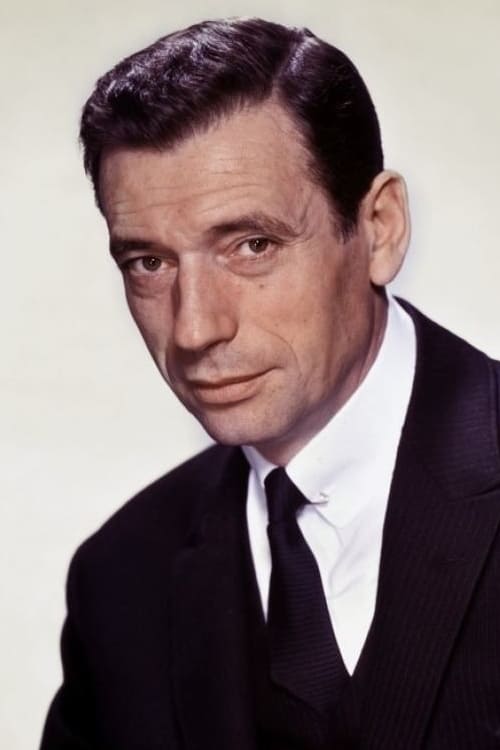
Yves Montand
Philip Michael Santore
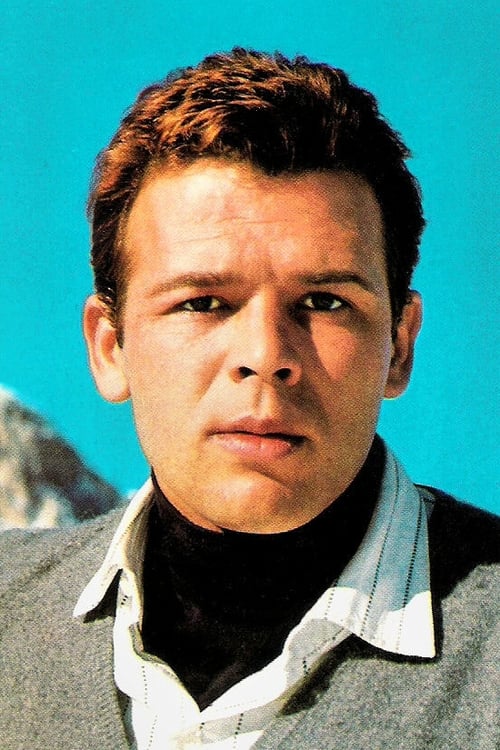
Renato Salvatori
Captain Lopez
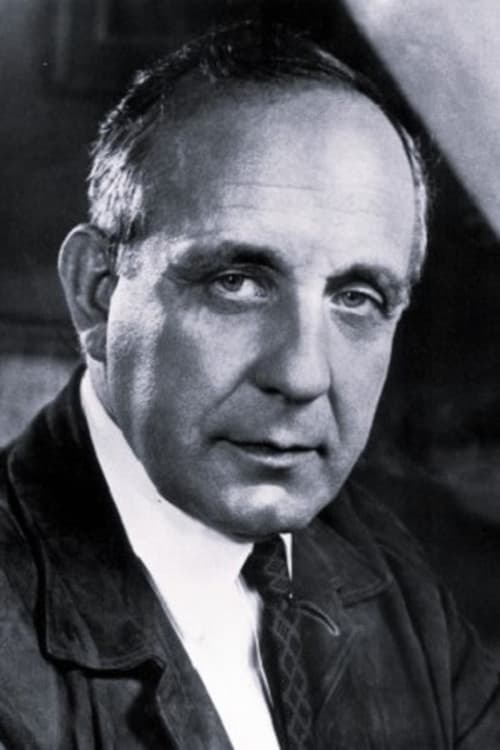
O.E. Hasse
Carlos Ducas
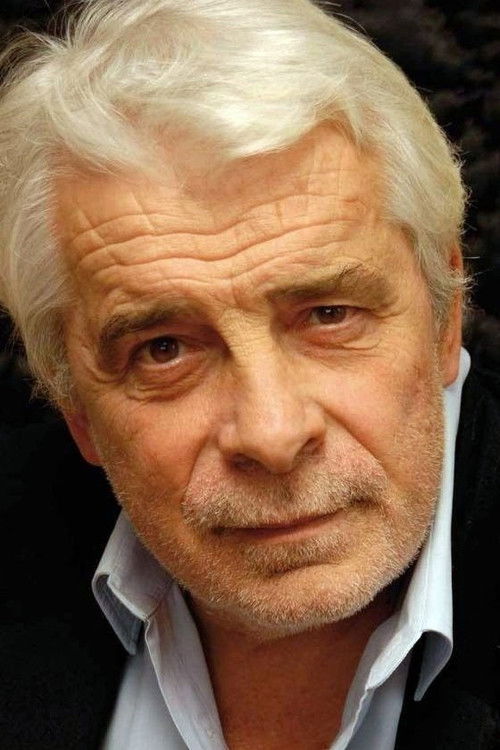
Jacques Weber
Hugo
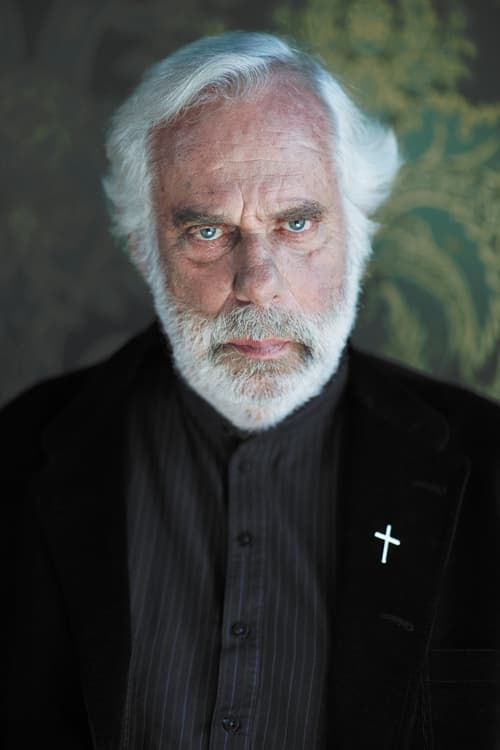
Jean-Luc Bideau
Este

Maurice Teynac
Minister of Internal Security

Yvette Etiévant
Woman Senator

Gloria Laso
Rafaela

Harald Wolff
Minister of Foreign Affairs
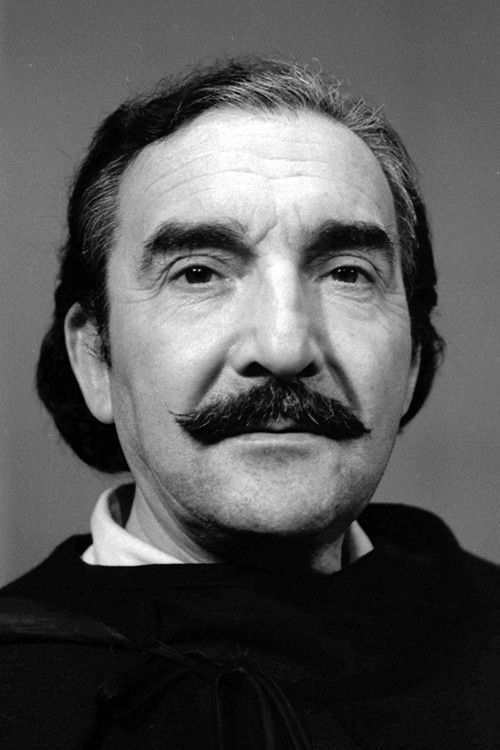
Mario Montilles
Assistant Commissioner Fontant
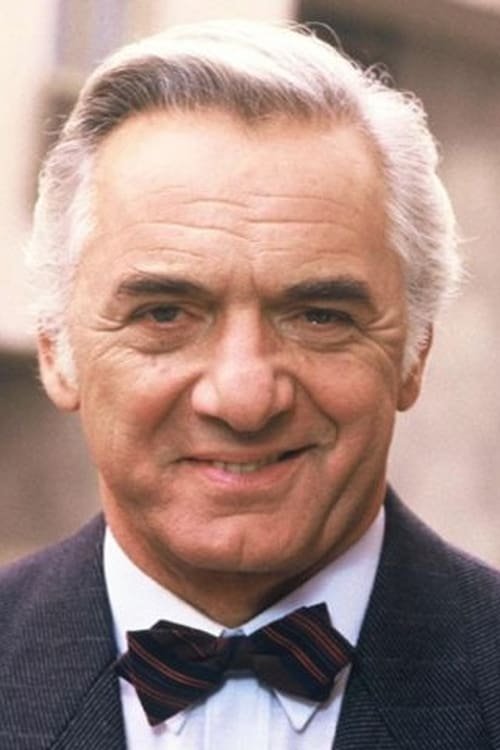
André Falcon
Deputy Fabbri
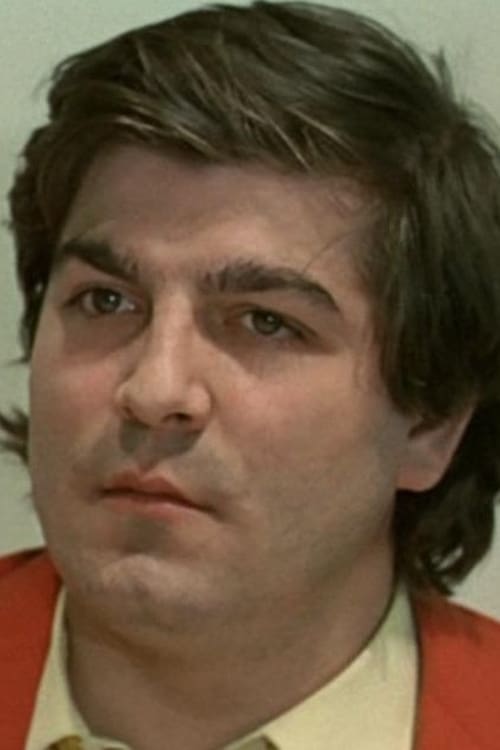
Jean-François Gobbi
Journalist
Crew
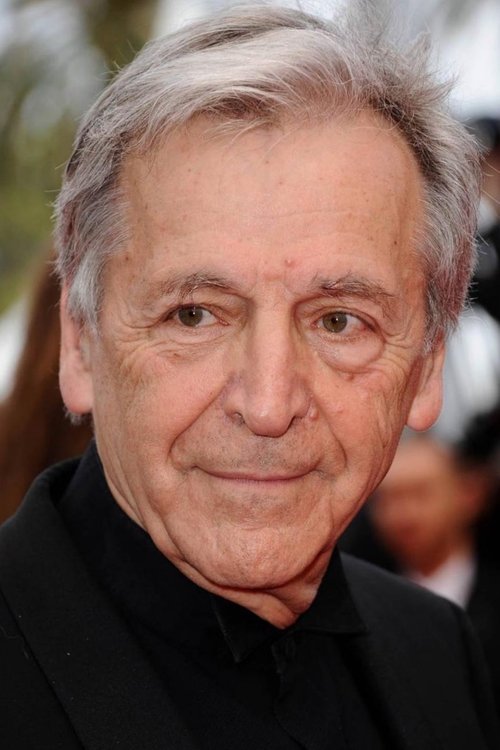
Costa-Gavras
Director

Franco Solinas
Writer
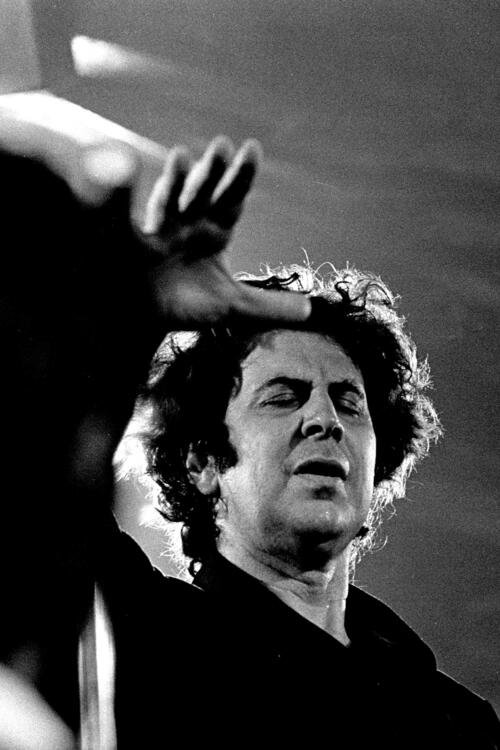
Míkis Theodorakis
Original Music Composer

Françoise Bonnot
Editor
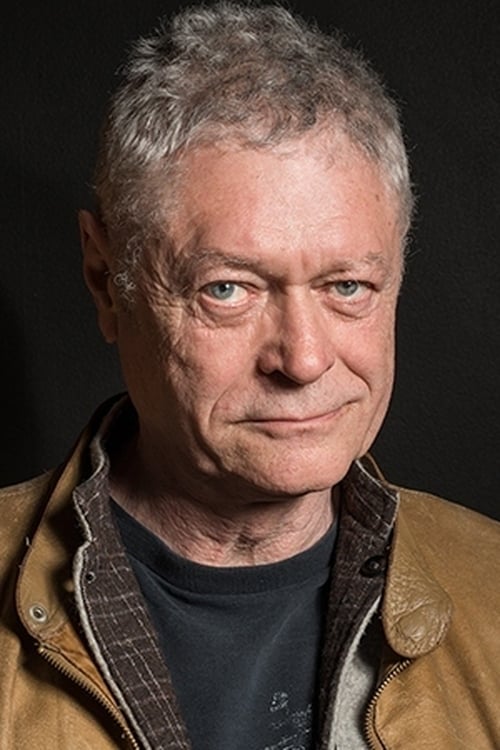
Pierre-William Glenn
Director of Photography
Franco Solinas
Scenario Writer
Costa-Gavras
Scenario Writer

Pablo de la Barra
Assistant Director
Popular Reviews
35 reviews
Sam Stevens
9.0★ · 04/28/26
After watching Z 1969 yesterday I’ve been waiting to watch this following feature from Costa-Gravas. Based on a true story, State of Siege is another very poignant political film that follows the kidnapping and ultimate execution of a US official, called Phillip Michael Santore (played by the terrific Yves Montand) who turns out to be much more important than anyone imagined. Santore is sent to Uruguay to be part of USAID (apparently) but is eventually kidnapped by the Tapamanos, a far-left urban guerrilla group who fight against the inherent corruption of the government. None of the public really know why Santore was kidnapped and what his actual role in the government is, this is where the Tapamanos’ interrogations begin to unravel a mosaic of government secrets and lies; such as the torture and assassination of many activists.
The way Gravas gradually reveals this information is fantastic, he keeps the film extremely engaged while also making many compelling and memorable points. Gravas also structures the film in a very intelligent way, he opens the film with the search for a kidnapped American official (Santore) and within 15 minutes of the opening credits Santore is discovered dead and his funeral is planned. This blunt introduction to the film really makes sure none of the tension or focus of the viewer is set on whether Santore lives or dies, leaving all the focus to the steady and analytical investigation of the government and Santore’s part in it all. This fragmented viewpoint also helps the viewer develop their ‘own’ understanding (with a pretty biased slant) which keeps the film interesting and enjoyable.
The way Gravas gradually reveals this information is fantastic, he keeps the film extremely engaged while also making many compelling and memorable points. Gravas also structures the film in a very intelligent way, he opens the film with the search for a kidnapped American official (Santore) and within 15 minutes of the opening credits Santore is discovered dead and his funeral is planned. This blunt introduction to the film really makes sure none of the tension or focus of the viewer is set on whether Santore lives or dies, leaving all the focus to the steady and analytical investigation of the government and Santore’s part in it all. This fragmented viewpoint also helps the viewer develop their ‘own’ understanding (with a pretty biased slant) which keeps the film interesting and enjoyable.
After watching Z 1969 yesterday I’ve been waiting to watch this following feature from Costa-Gravas. Based on a true story, State of Siege is another very poignant political film that follows the kidnapping and ultimate execution of a US official, called Phillip Michael Santore (played by the terrific Yves Montand) who turns out to be much more important than anyone imagined. Santore is sent to Uruguay to be part of USAID (apparently) but is eventually kidnapped by the Tapamanos, a far-left urban guerrilla group who fight against the inherent corruption of the government. None of the public really know why Santore was kidnapped and what his actual role in the government is, this is where the Tapamanos’ interrogations begin to unravel a mosaic of government secrets and lies; such as the torture and assassination of many activists.
The way Gravas gradually reveals this information is fantastic, he keeps the film extremely engaged while also making many compelling and memorable points. Gravas also structures the film in a very intelligent way, he opens the film with the search for a kidnapped American official (Santore) and within 15 minutes of the opening credits Santore is discovered dead and his funeral is planned. This blunt introduction to the film really makes sure none of the tension or focus of the viewer is set on whether Santore lives or dies, leaving all the focus to the steady and analytical investigation of the government and Santore’s part in it all. This fragmented viewpoint also helps the viewer develop their ‘own’ understanding (with a pretty biased slant) which keeps the film interesting and enjoyable.
The way Gravas gradually reveals this information is fantastic, he keeps the film extremely engaged while also making many compelling and memorable points. Gravas also structures the film in a very intelligent way, he opens the film with the search for a kidnapped American official (Santore) and within 15 minutes of the opening credits Santore is discovered dead and his funeral is planned. This blunt introduction to the film really makes sure none of the tension or focus of the viewer is set on whether Santore lives or dies, leaving all the focus to the steady and analytical investigation of the government and Santore’s part in it all. This fragmented viewpoint also helps the viewer develop their ‘own’ understanding (with a pretty biased slant) which keeps the film interesting and enjoyable.


va24mar
8.0★ · 03/29/26
1972 | French
While not as incredible as ‘Z’, this was a pretty fantastic film about US foreign policy in south america.
It’s wonderfully shot and directed, tightly written with an eye for contradictions, but always in solidarity with the cause and the people. It does a great job at revealing the disgusting nature of US foreign politics and the lengths they (used to) go to in order to hide their involvements and interests through things like USAID and other non-profit things.
I really enjoyed the way the film is directed and how it shows the practices of the revolutionaries in contrast to the governments. The interrogations and kidnappings are fantastic too.
‘État de siège’ is a fantastic piece of left-wing cinema.
While not as incredible as ‘Z’, this was a pretty fantastic film about US foreign policy in south america.
It’s wonderfully shot and directed, tightly written with an eye for contradictions, but always in solidarity with the cause and the people. It does a great job at revealing the disgusting nature of US foreign politics and the lengths they (used to) go to in order to hide their involvements and interests through things like USAID and other non-profit things.
I really enjoyed the way the film is directed and how it shows the practices of the revolutionaries in contrast to the governments. The interrogations and kidnappings are fantastic too.
‘État de siège’ is a fantastic piece of left-wing cinema.
1972 | French
While not as incredible as ‘Z’, this was a pretty fantastic film about US foreign policy in south america.
It’s wonderfully shot and directed, tightly written with an eye for contradictions, but always in solidarity with the cause and the people. It does a great job at revealing the disgusting nature of US foreign politics and the lengths they (used to) go to in order to hide their involvements and interests through things like USAID and other non-profit things.
I really enjoyed the way the film is directed and how it shows the practices of the revolutionaries in contrast to the governments. The interrogations and kidnappings are fantastic too.
‘État de siège’ is a fantastic piece of left-wing cinema.
While not as incredible as ‘Z’, this was a pretty fantastic film about US foreign policy in south america.
It’s wonderfully shot and directed, tightly written with an eye for contradictions, but always in solidarity with the cause and the people. It does a great job at revealing the disgusting nature of US foreign politics and the lengths they (used to) go to in order to hide their involvements and interests through things like USAID and other non-profit things.
I really enjoyed the way the film is directed and how it shows the practices of the revolutionaries in contrast to the governments. The interrogations and kidnappings are fantastic too.
‘État de siège’ is a fantastic piece of left-wing cinema.
Welldunn
9.0★ · 02/12/26
Freedom cannot expand when ownership is rewarded
I can only dream of making something this informing while also being as cool and exciting as it is, go watch this
I can only dream of making something this informing while also being as cool and exciting as it is, go watch this
Freedom cannot expand when ownership is rewarded
I can only dream of making something this informing while also being as cool and exciting as it is, go watch this
I can only dream of making something this informing while also being as cool and exciting as it is, go watch this
Sisyphos
9.0★ · 12/30/25
"Either we all dance, or no one dances"
- Tupamaros
It's a pity that they didn't film this in spanish. Either way, amazing depiction of revolutionary praxis against yankee imperialism: it is the action from which both the theory and the revolutionary subject emerge.
- Tupamaros
It's a pity that they didn't film this in spanish. Either way, amazing depiction of revolutionary praxis against yankee imperialism: it is the action from which both the theory and the revolutionary subject emerge.
"Either we all dance, or no one dances"
- Tupamaros
It's a pity that they didn't film this in spanish. Either way, amazing depiction of revolutionary praxis against yankee imperialism: it is the action from which both the theory and the revolutionary subject emerge.
- Tupamaros
It's a pity that they didn't film this in spanish. Either way, amazing depiction of revolutionary praxis against yankee imperialism: it is the action from which both the theory and the revolutionary subject emerge.
Davis Carroll
8.0★ · 11/12/25
Absolutely enthralling. Costas-Gavras really great at that gut punch ending.
Absolutely enthralling. Costas-Gavras really great at that gut punch ending.