❝There is truth, and there is untruth. To be in a minority of one doesn't make you mad.❞
· · ─────── ·𖥸· ─────── · ·
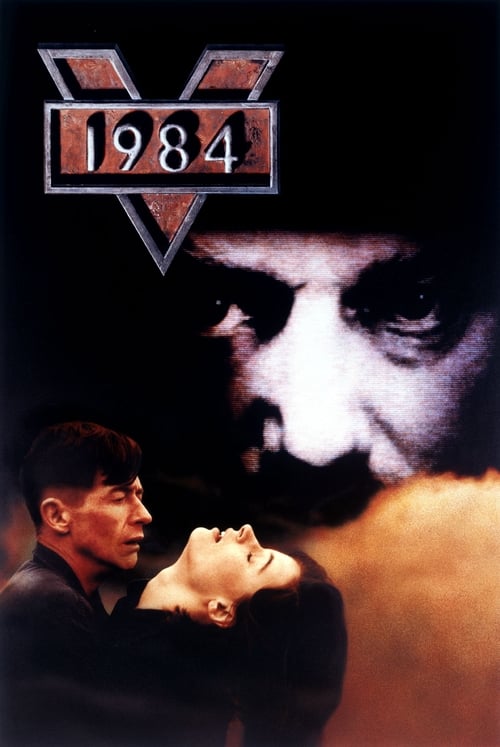
Nineteen Eighty-Four is one of my favourite books, and it would certainly be difficult to translate that horrifying dystopia onto the screen. This film did its best, but unfortunately fell slightly short.
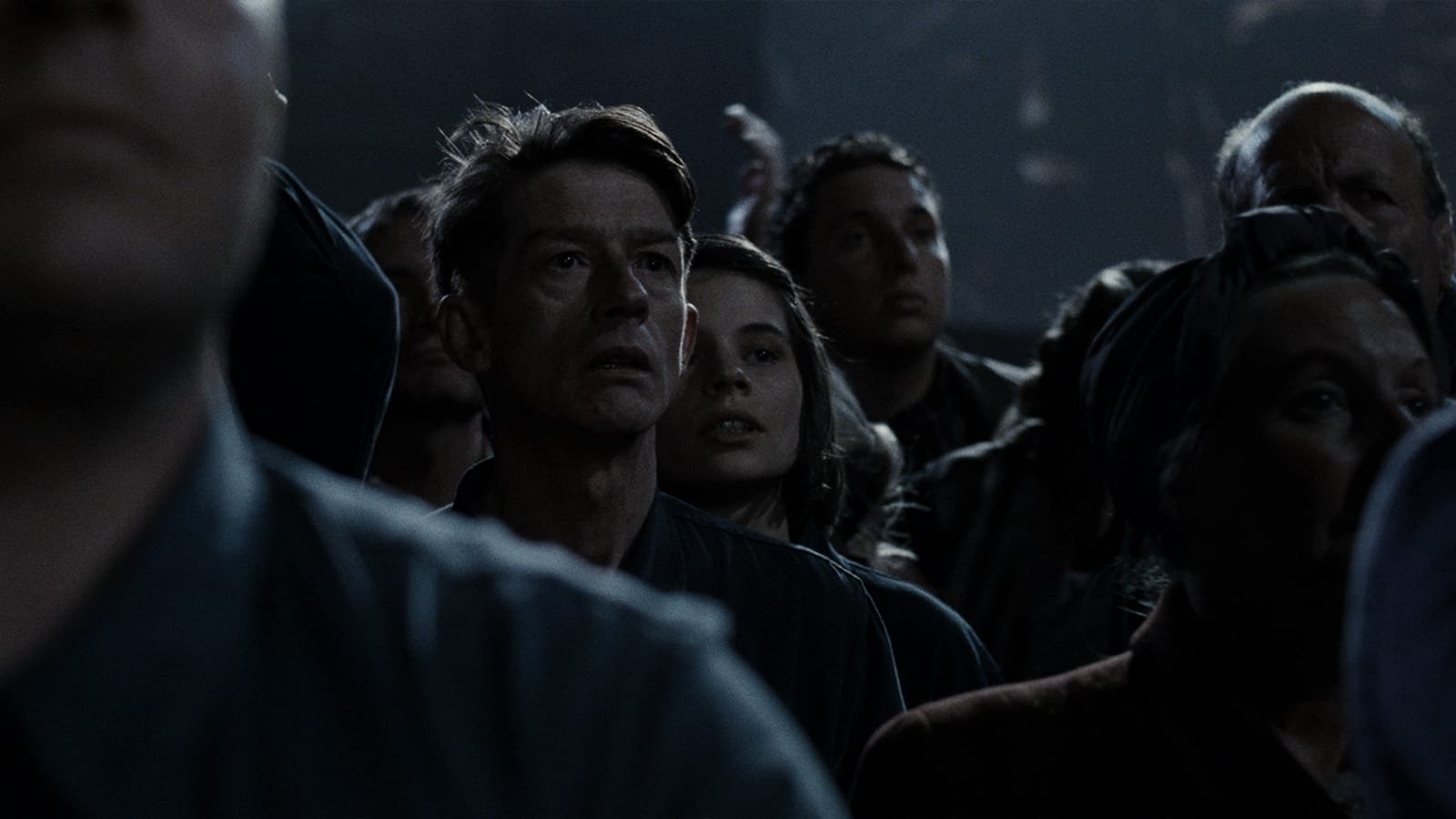
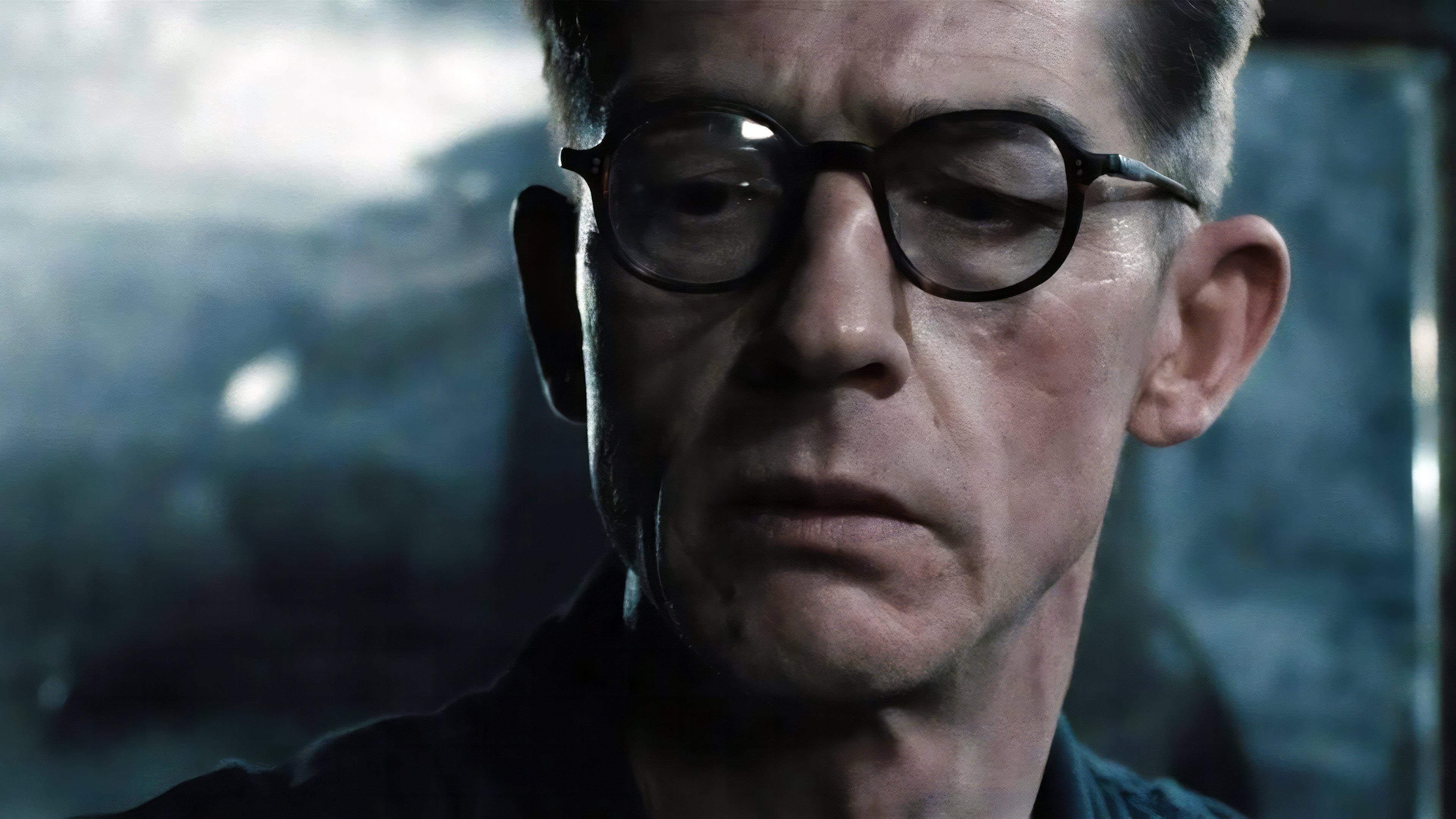
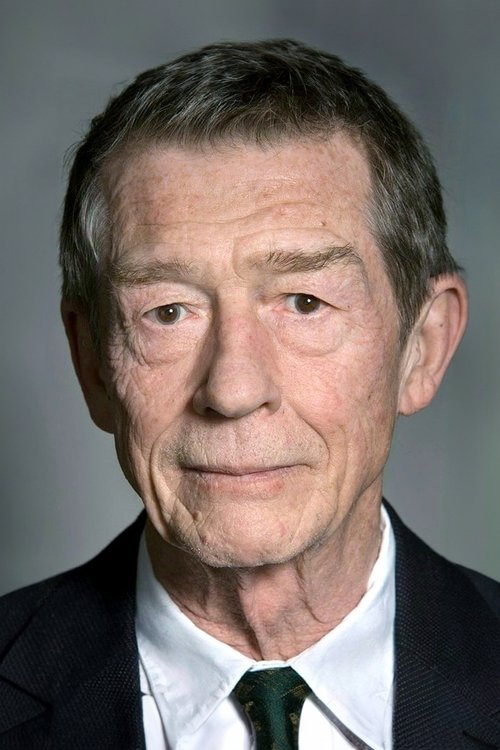
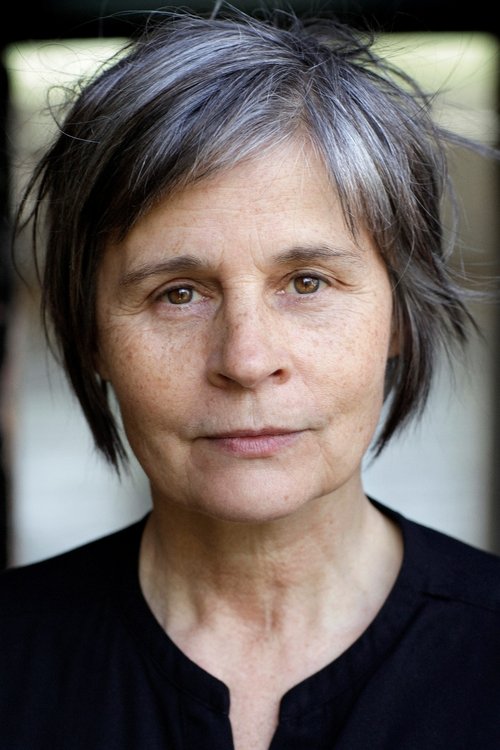
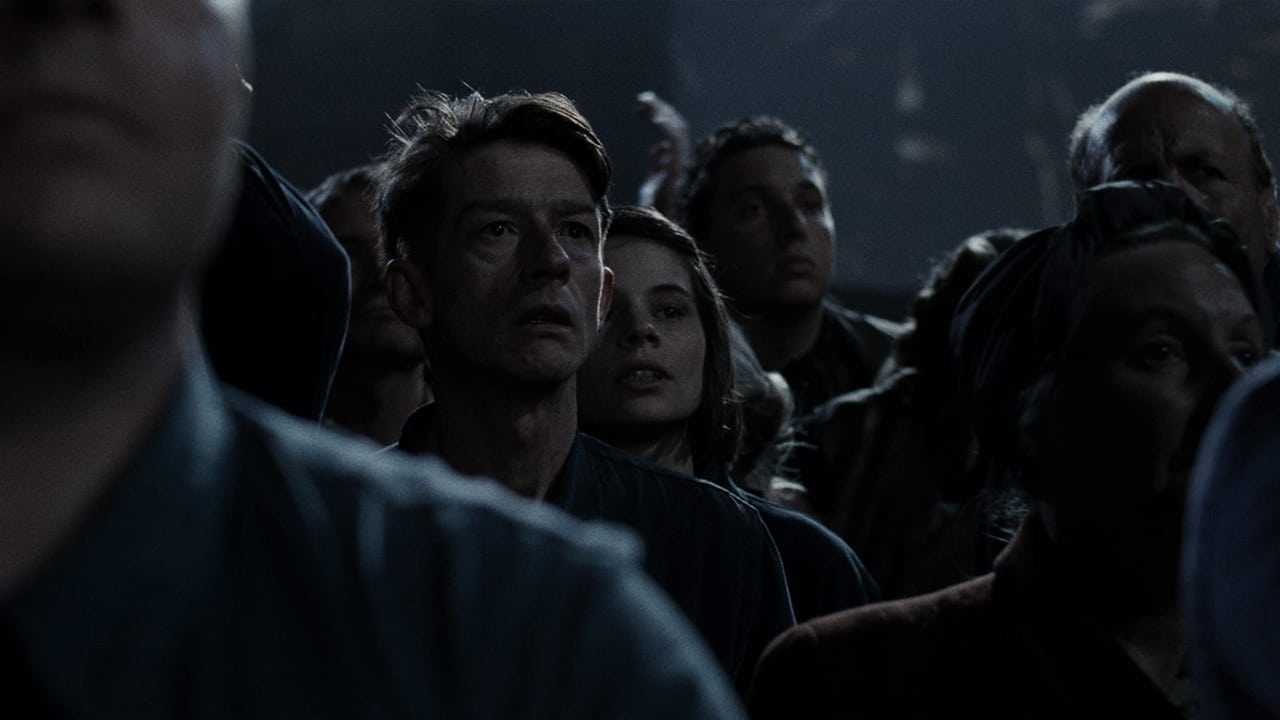
Undoubtedly the best part of the film is John Hurt: there isn't anyone else who could've played Winston so well, capturing the quiet rebelliousness of his character and the changes he undergoes throughout the book. I think Suzanna Hamilton also did great as Julia, and the rest of the cast were decent, although no-one's performance stood out to me.
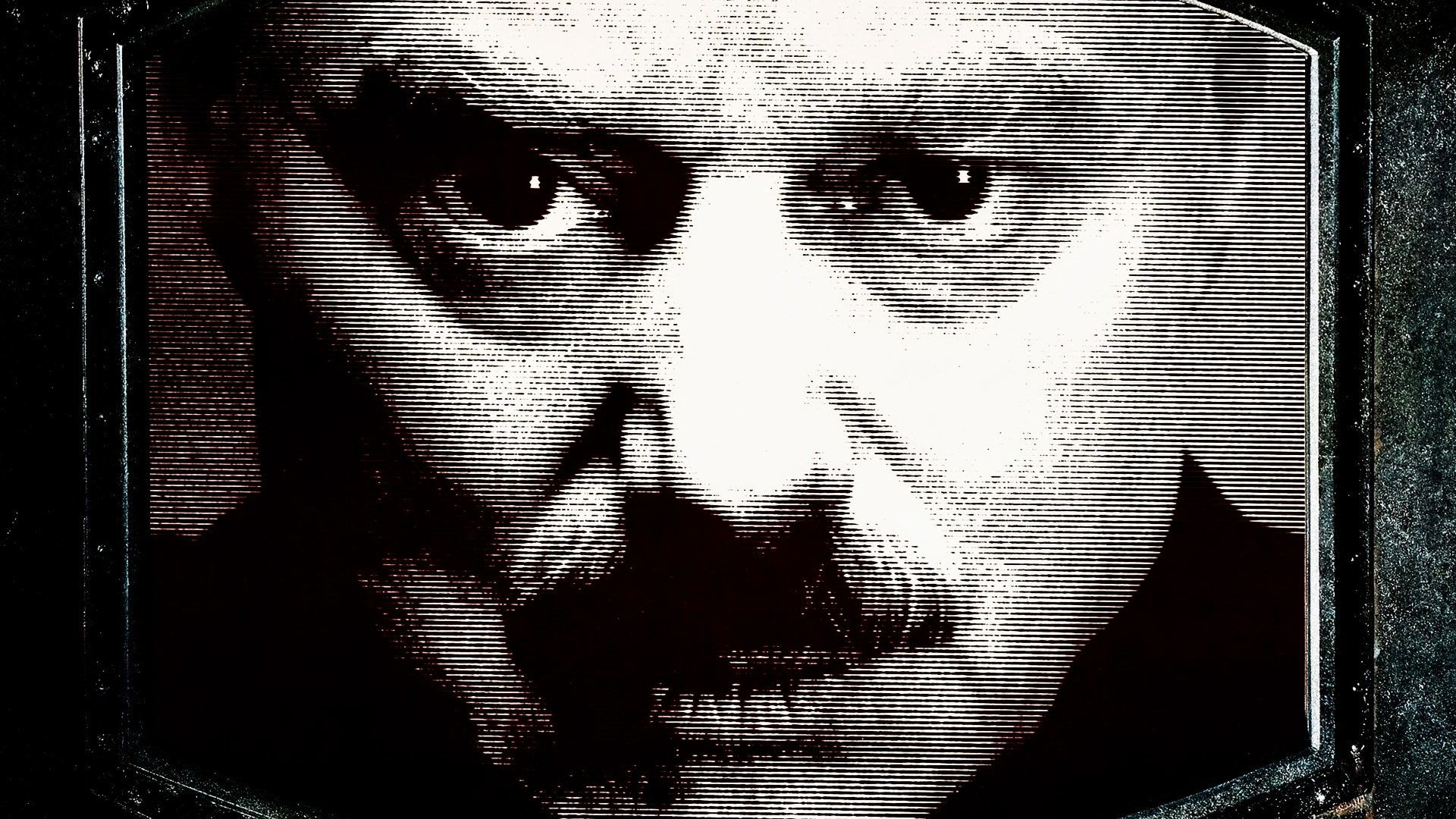
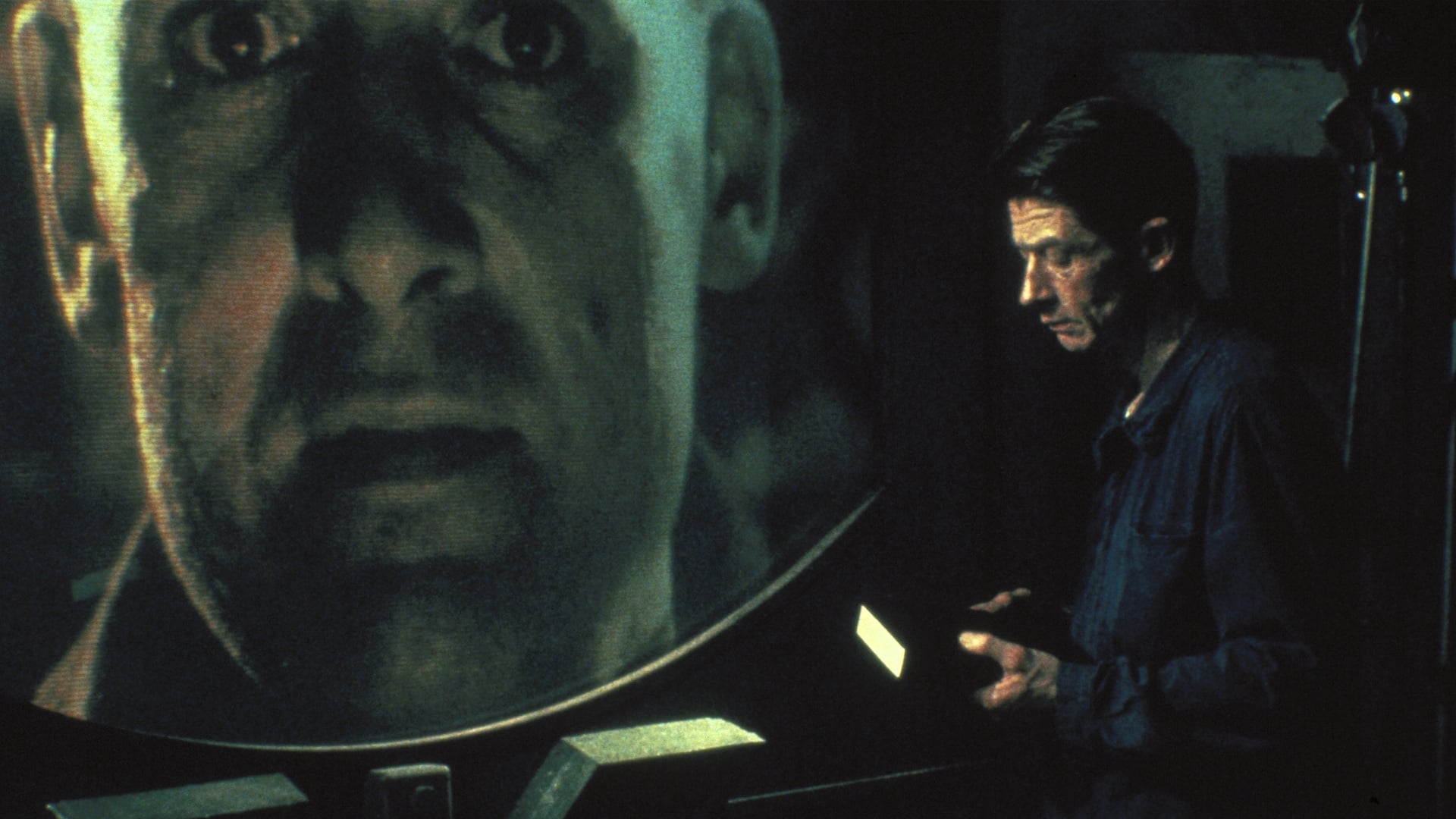
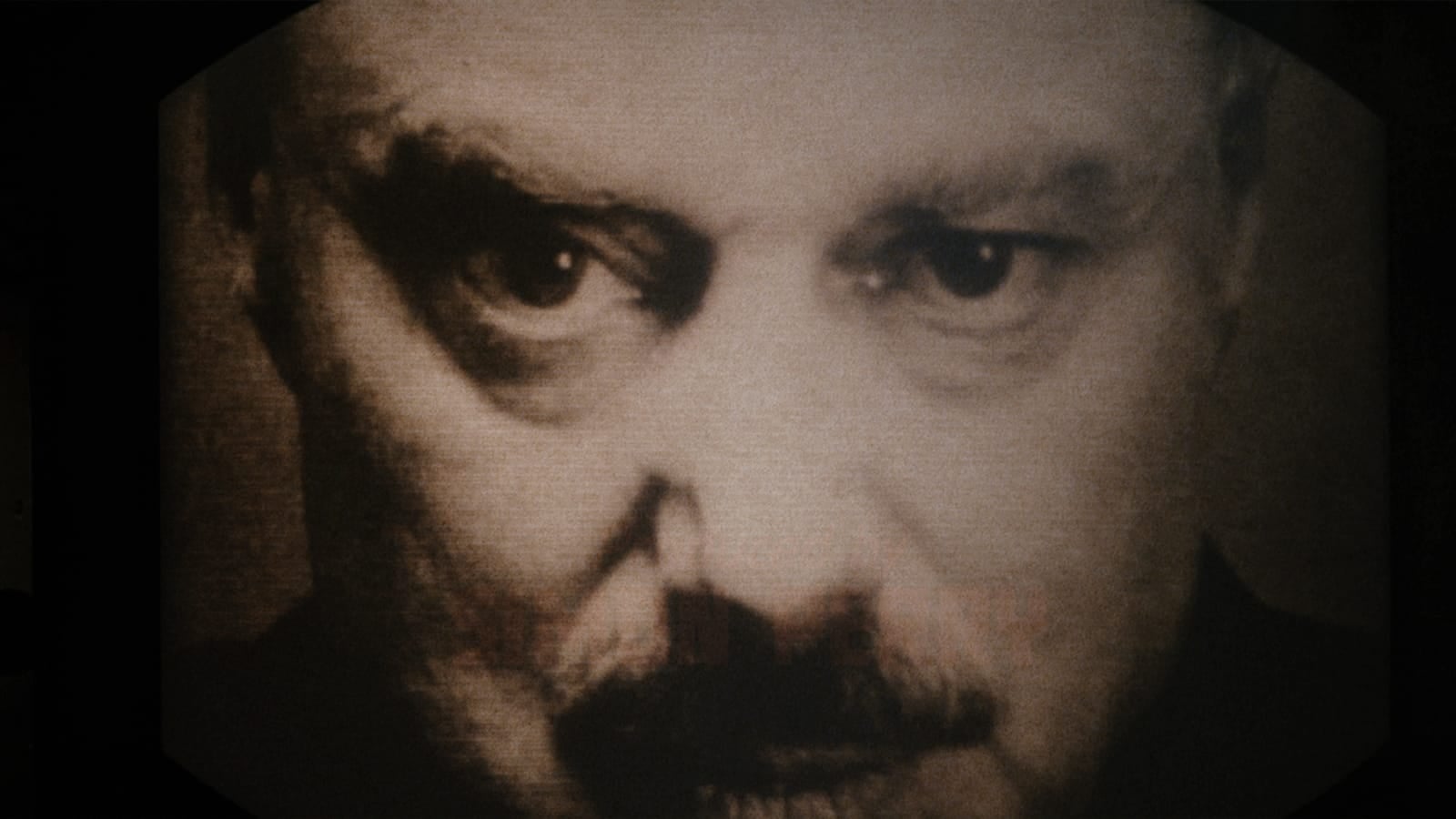
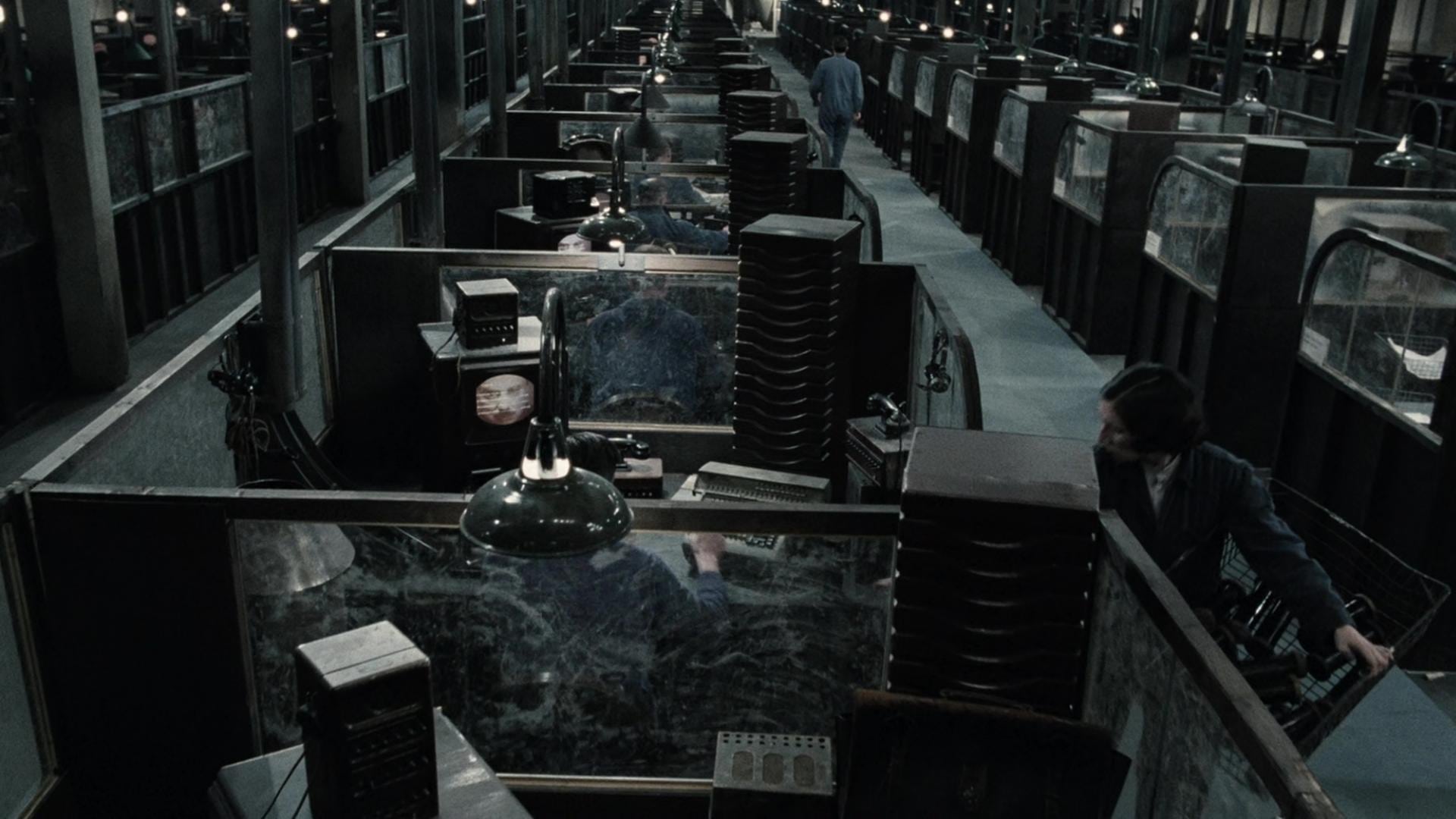
In my opinion, the film missed the mark in establishing the power the government had over the people. The two main elements are constant surveillance and mass manipulation of all information, and though these issues were touched on, I felt that they were undermined, so the true force of oppression enforced by government wasn't clear. The scene sequences were choppy and confusing to follow, and I think having more narration (like the book had) would smooth this out as well as show more of Winston's thoughts, like his initial feelings towards Julia and why they change, more about O'Brien (since his character introduction and usage in the film seems very random, while in the book there are a lot of observations of O'Brien by Winston building up to his arrest).
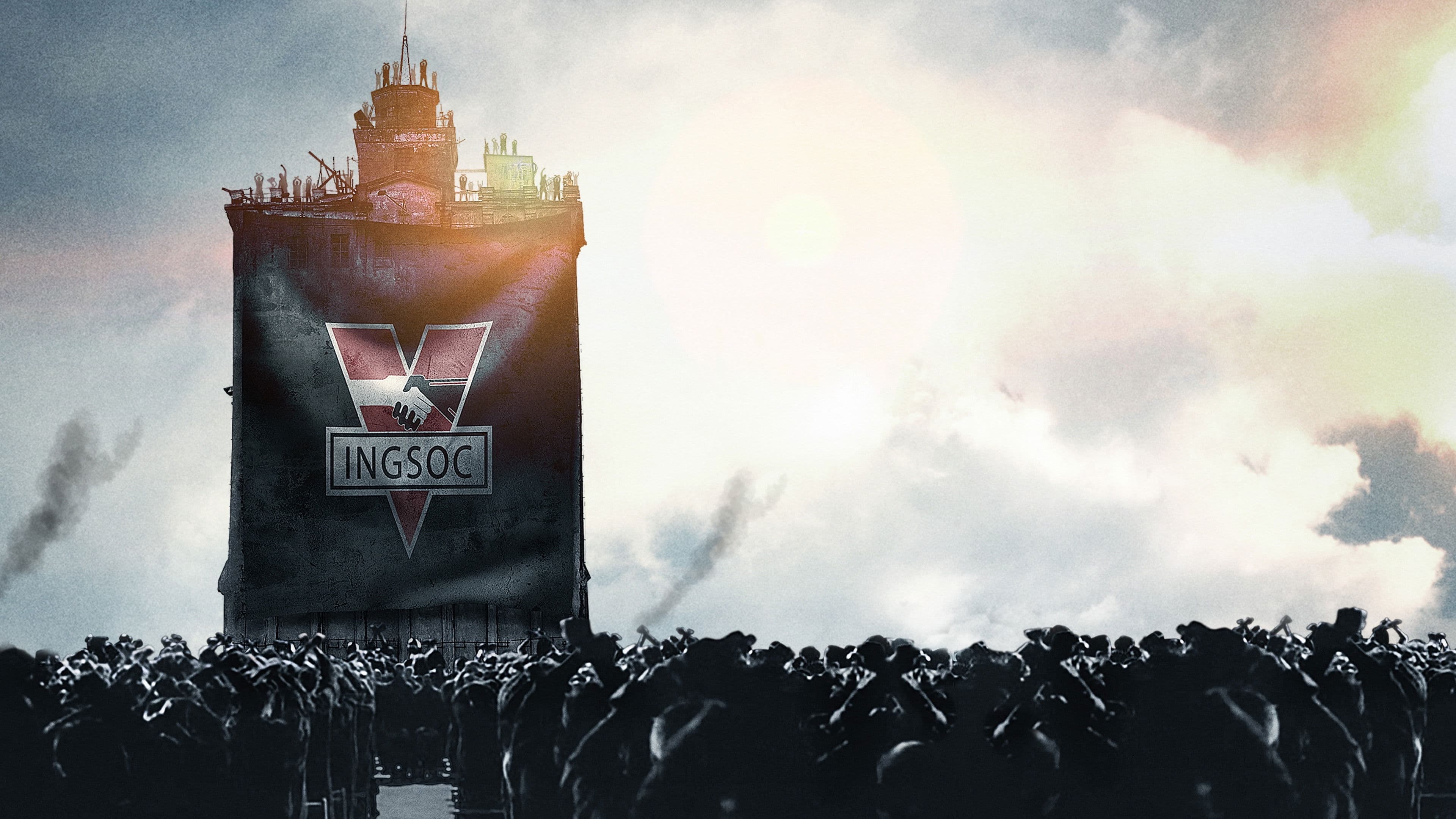
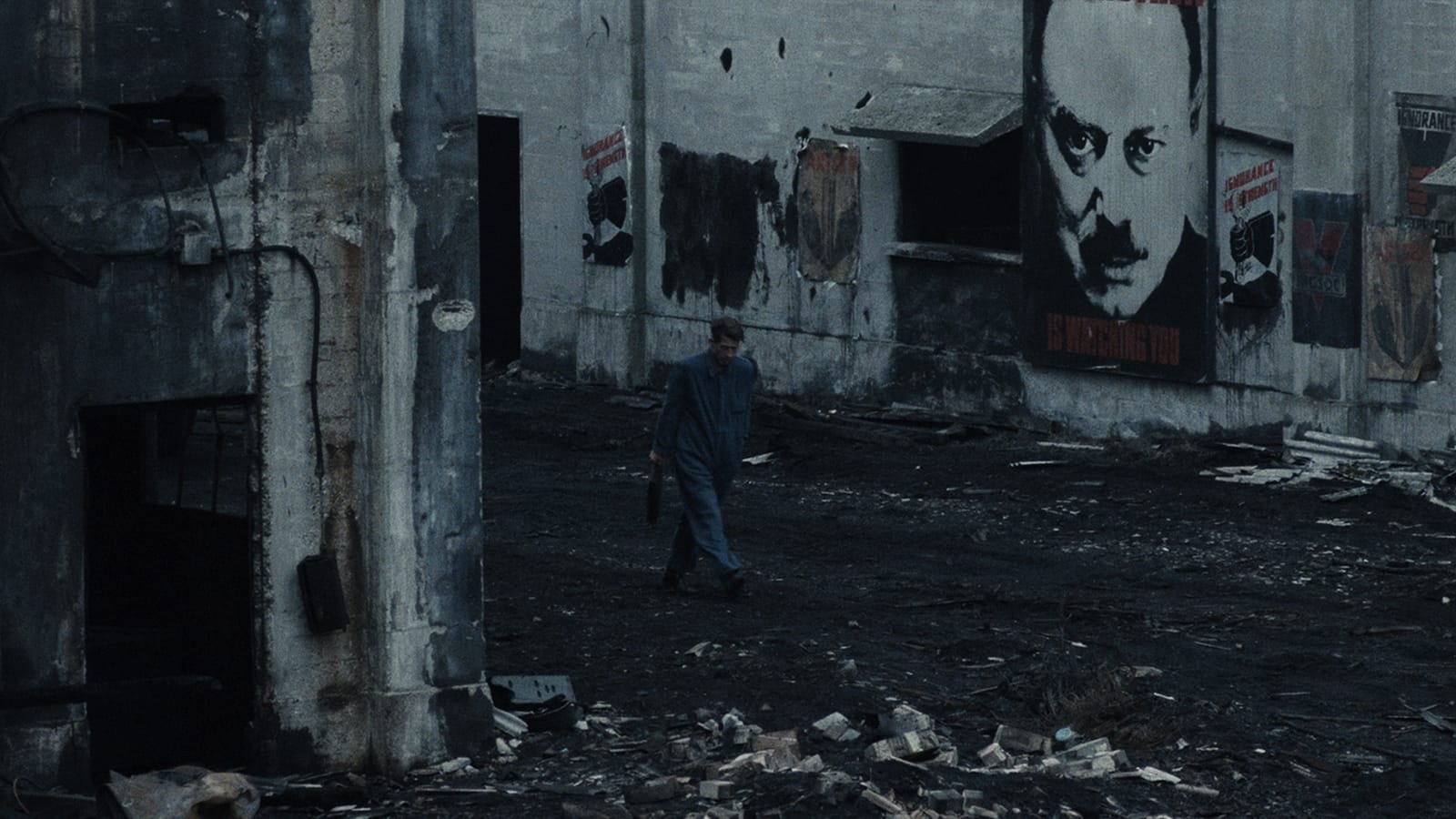
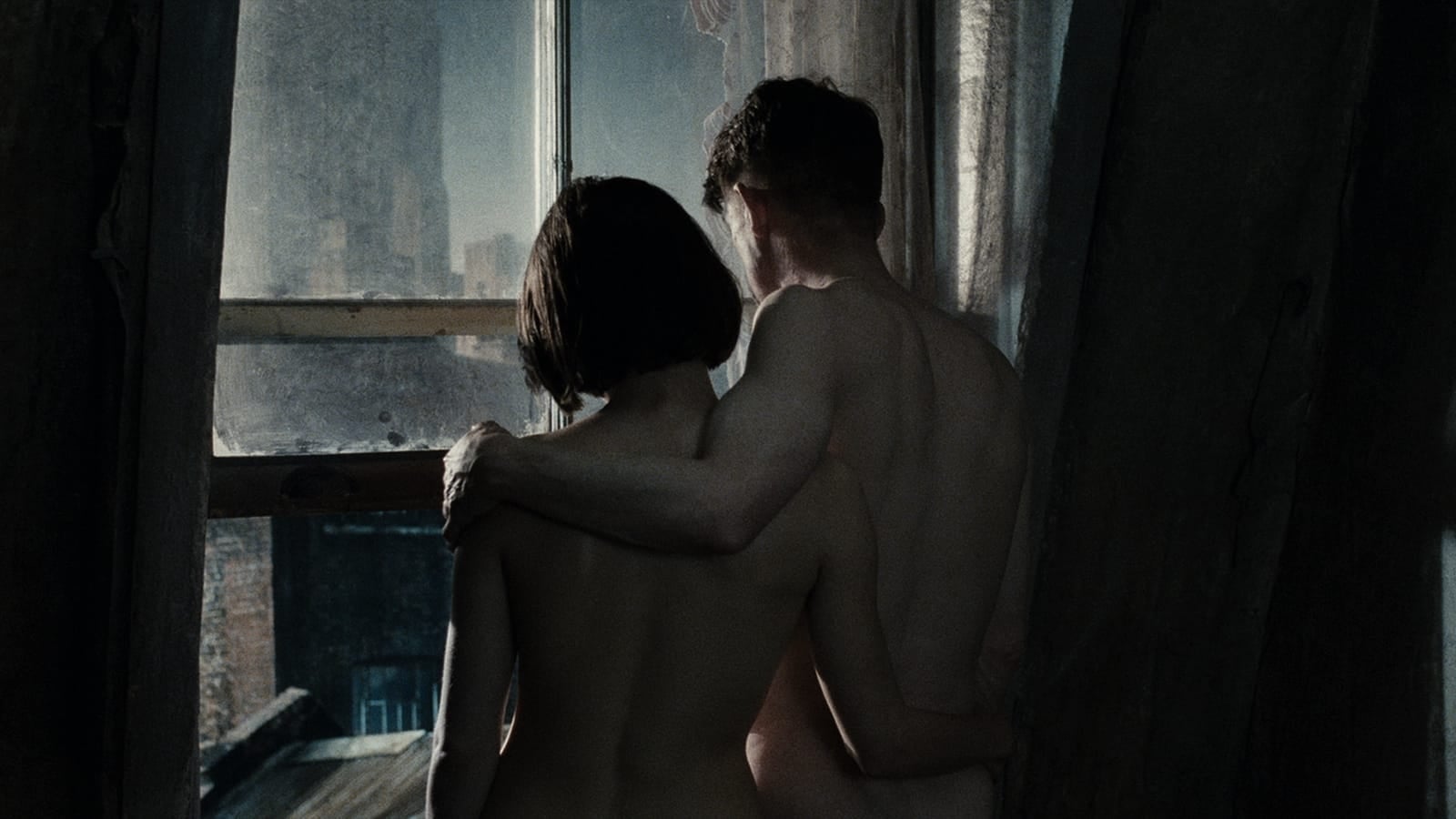
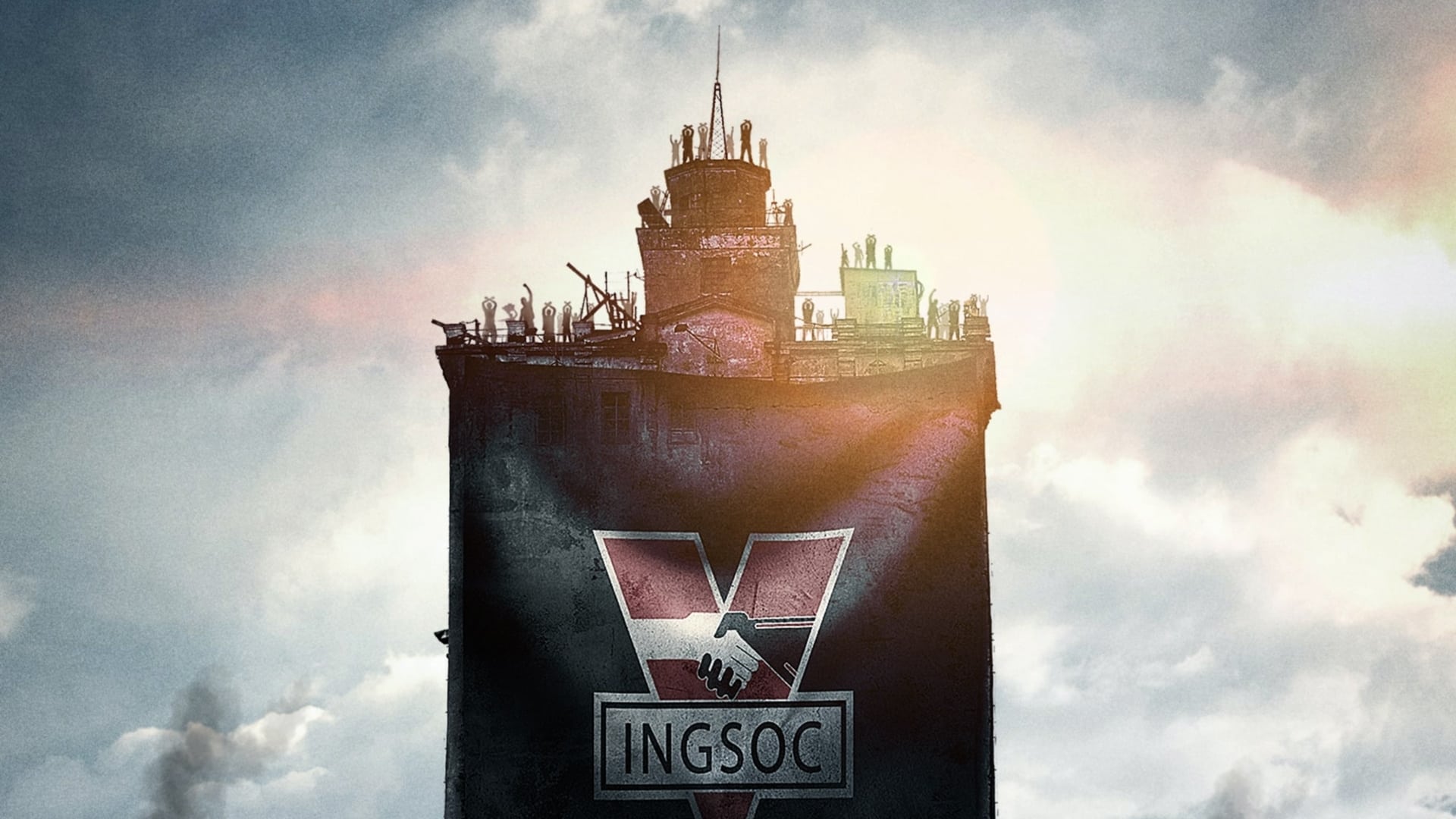
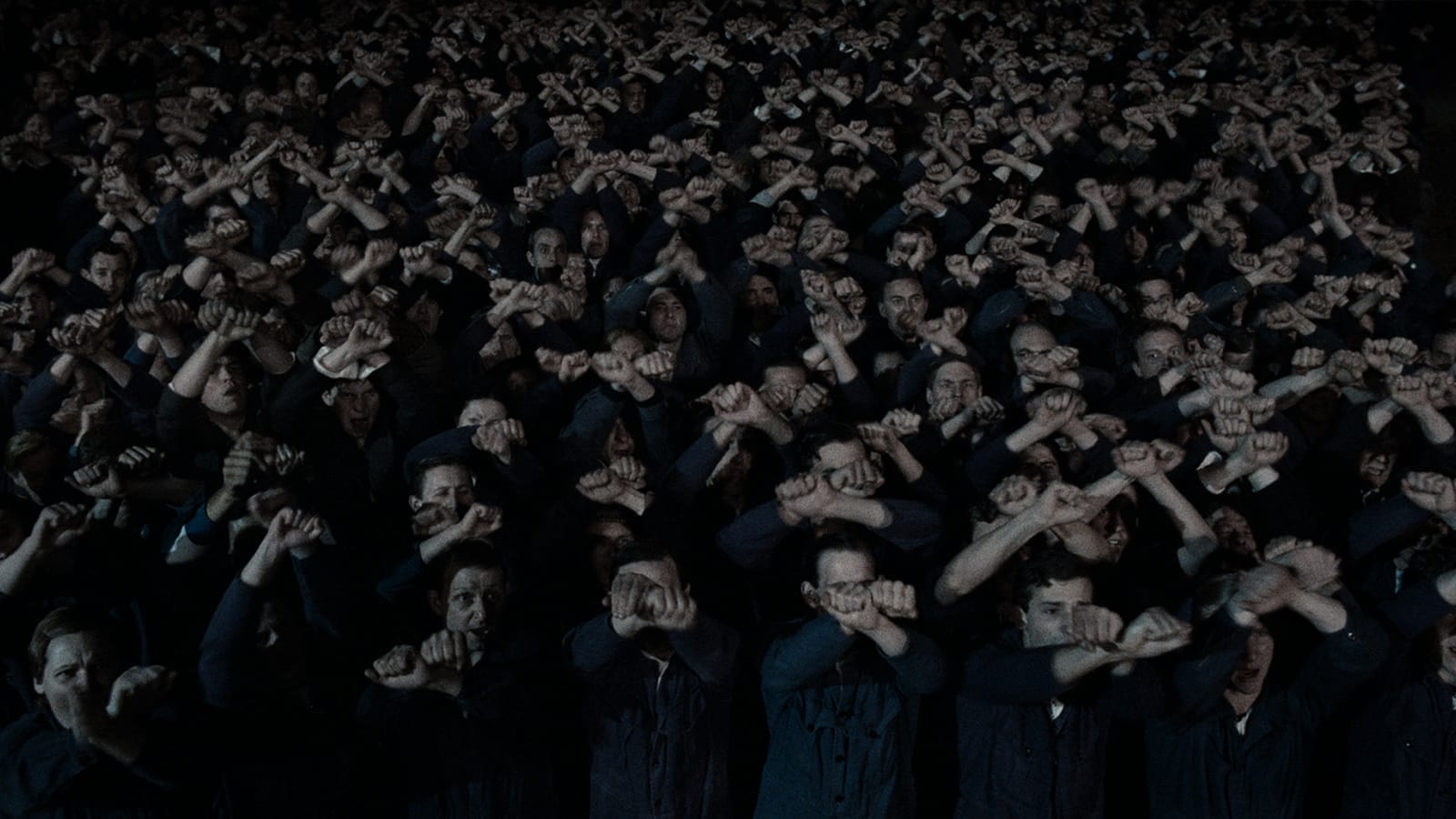
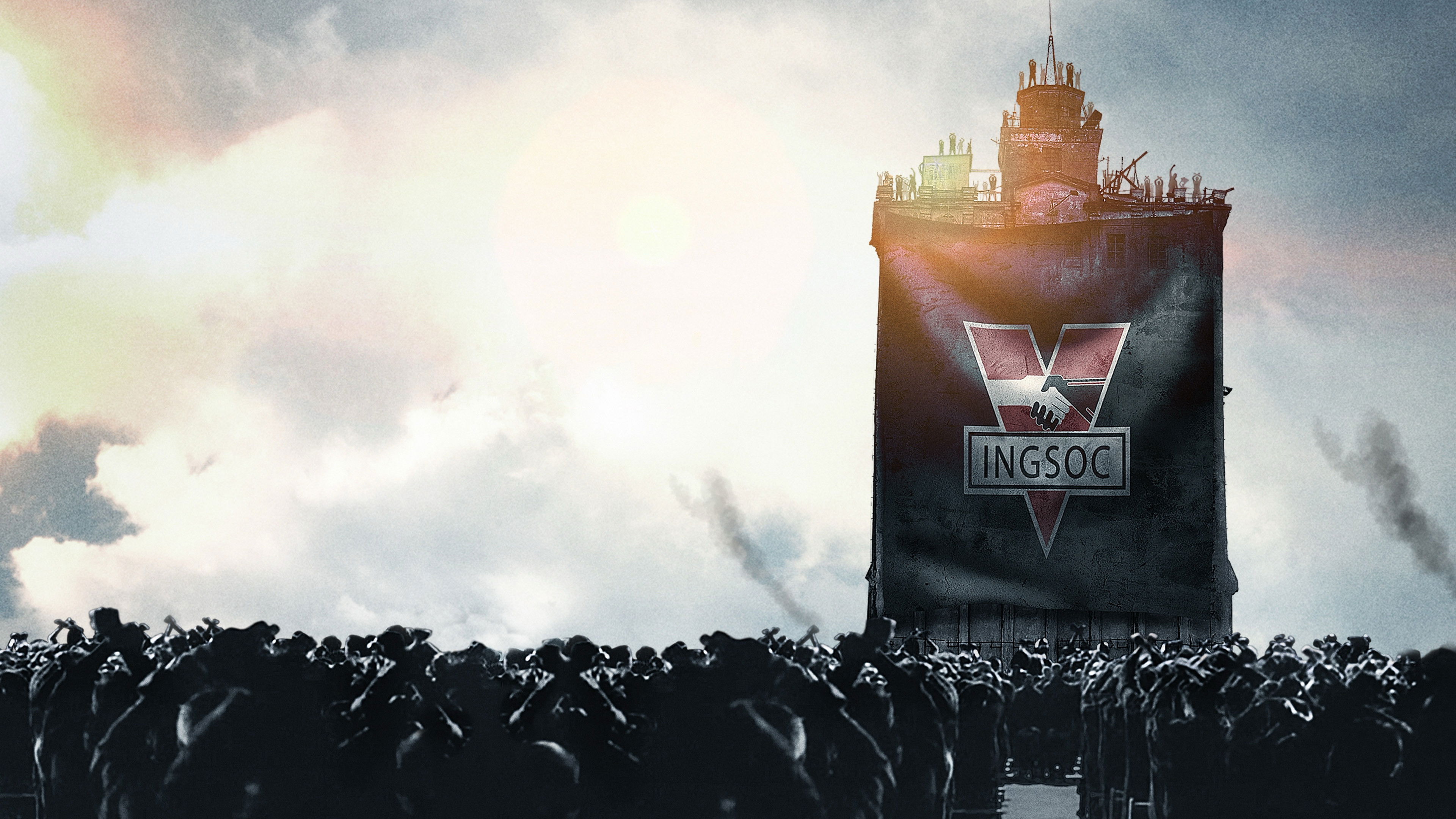
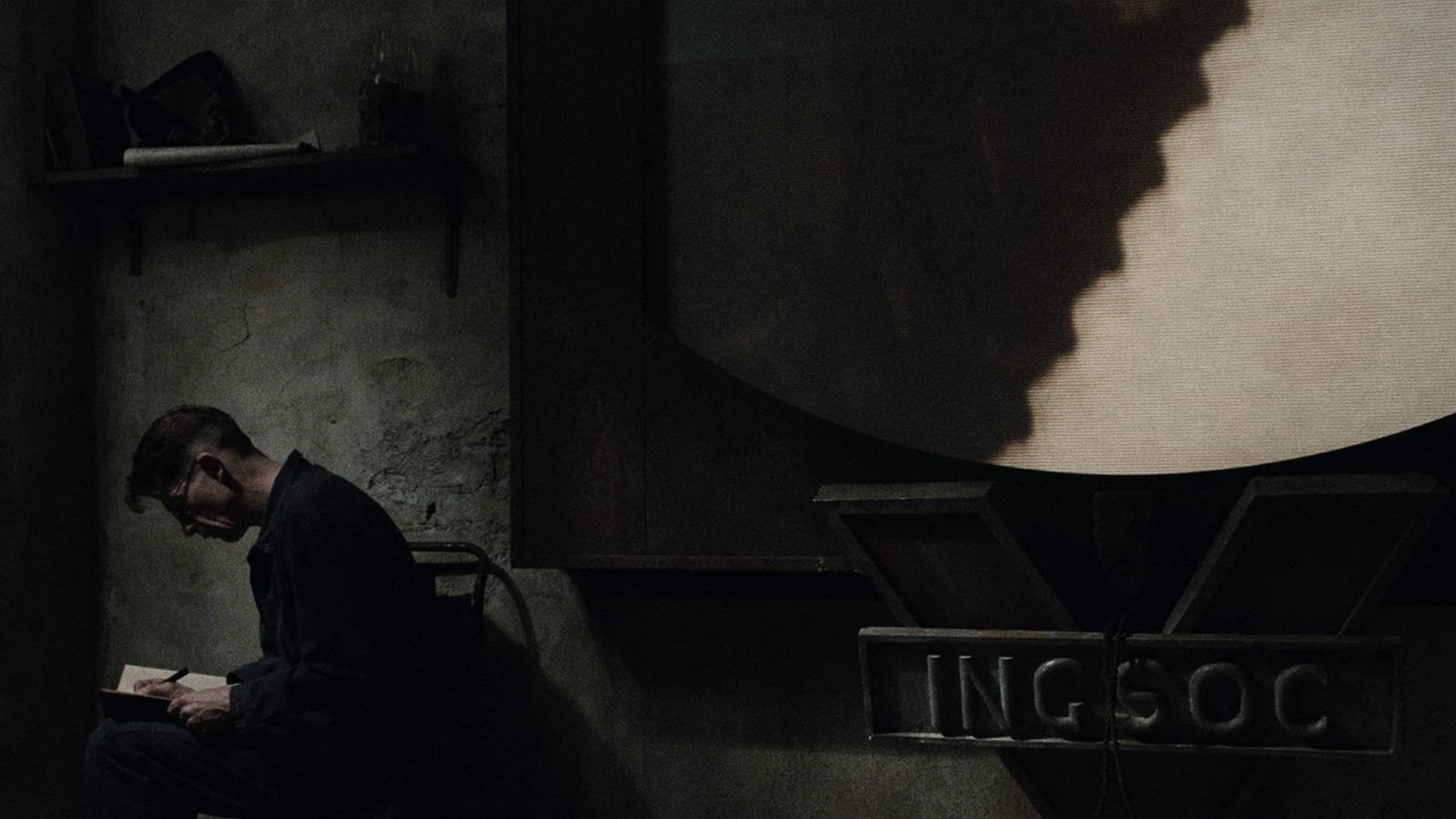
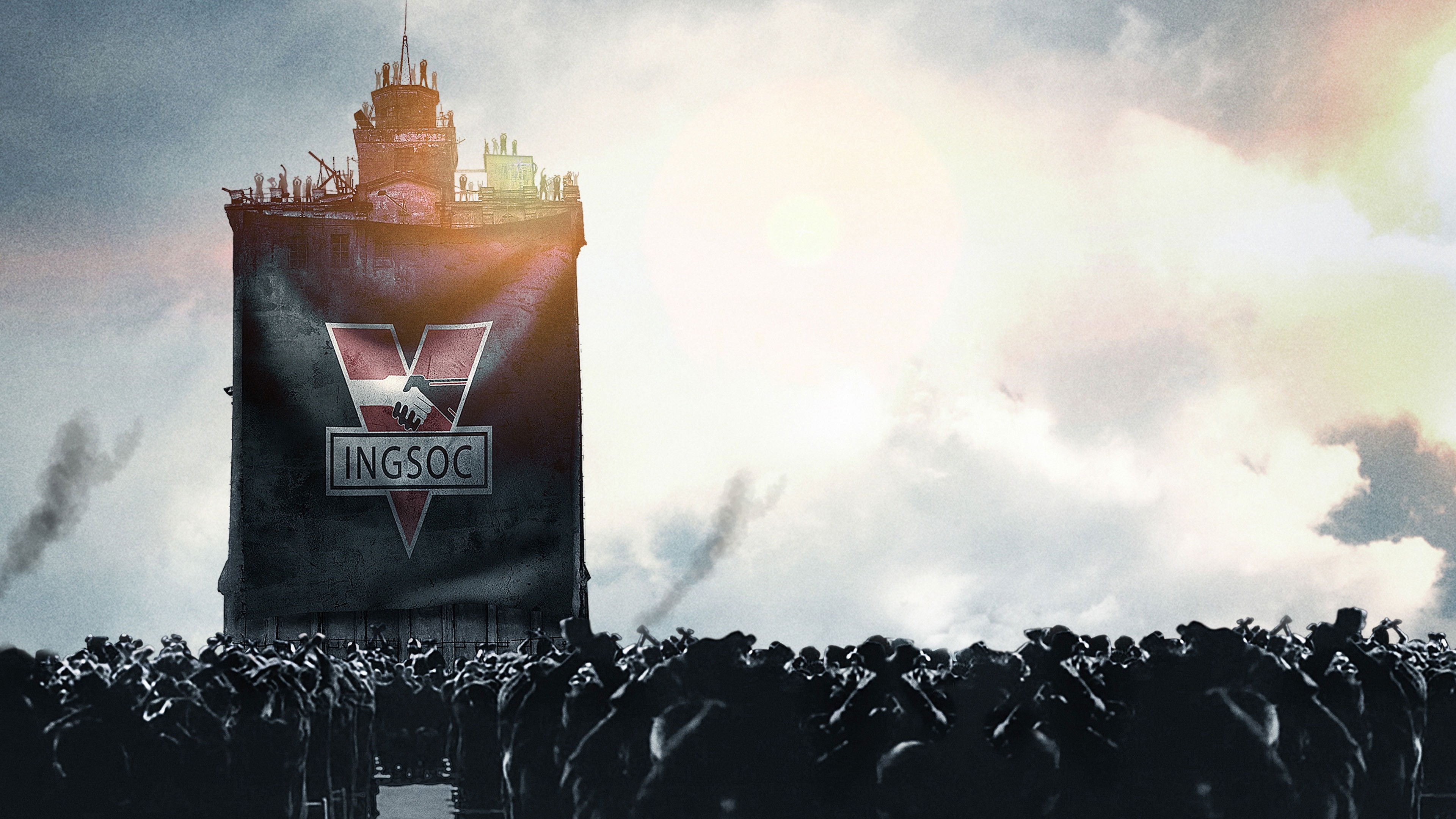
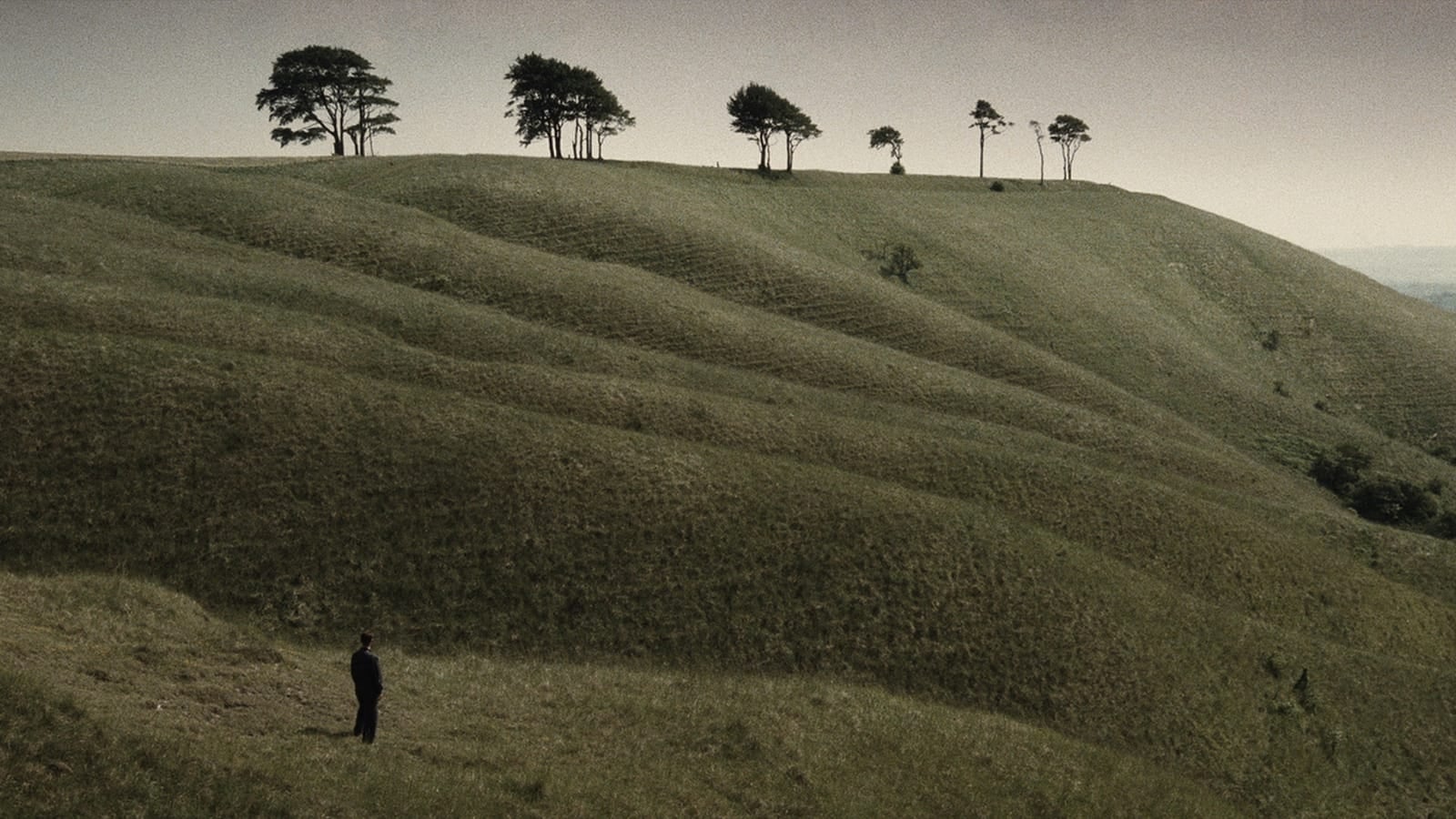
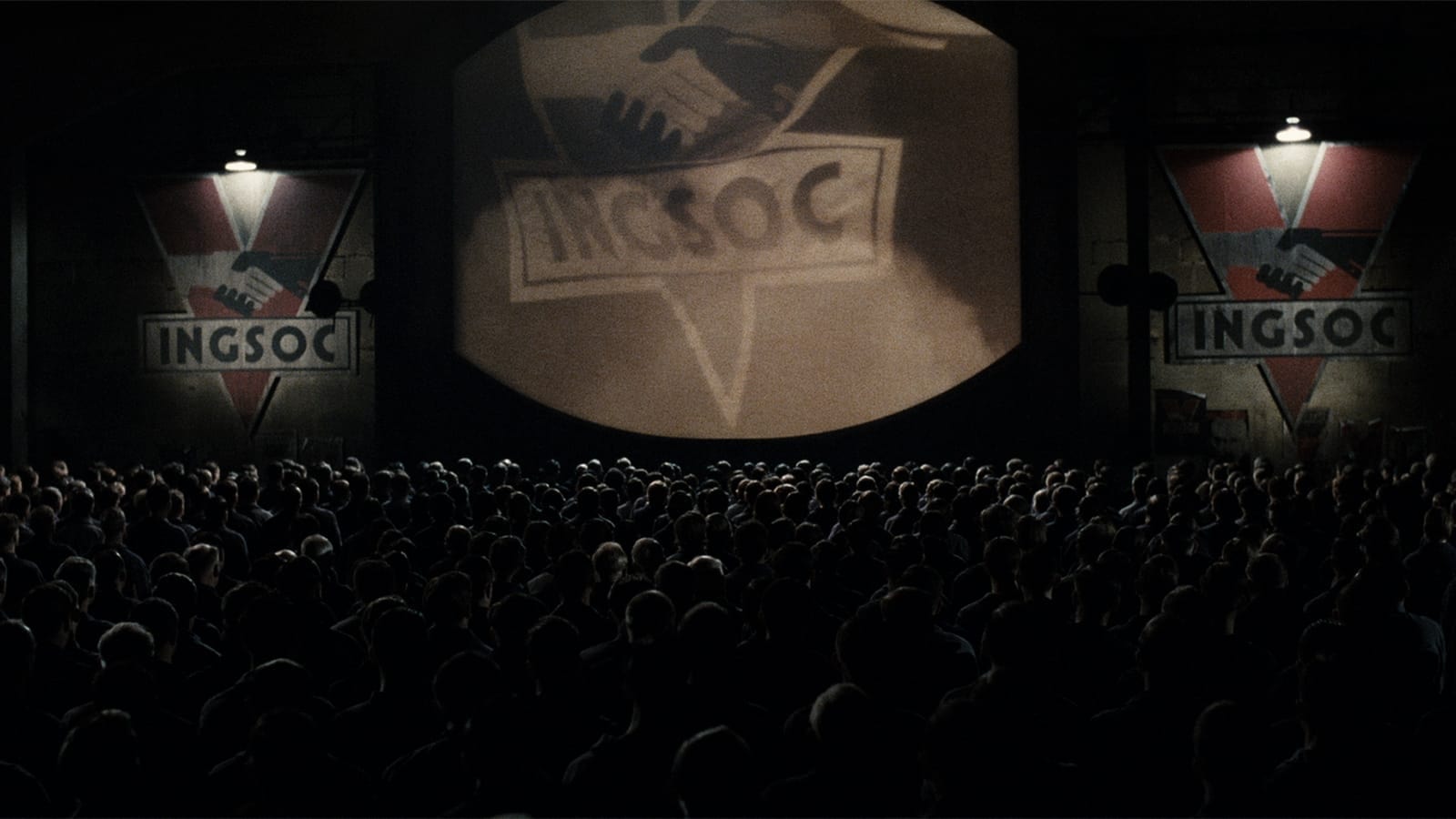
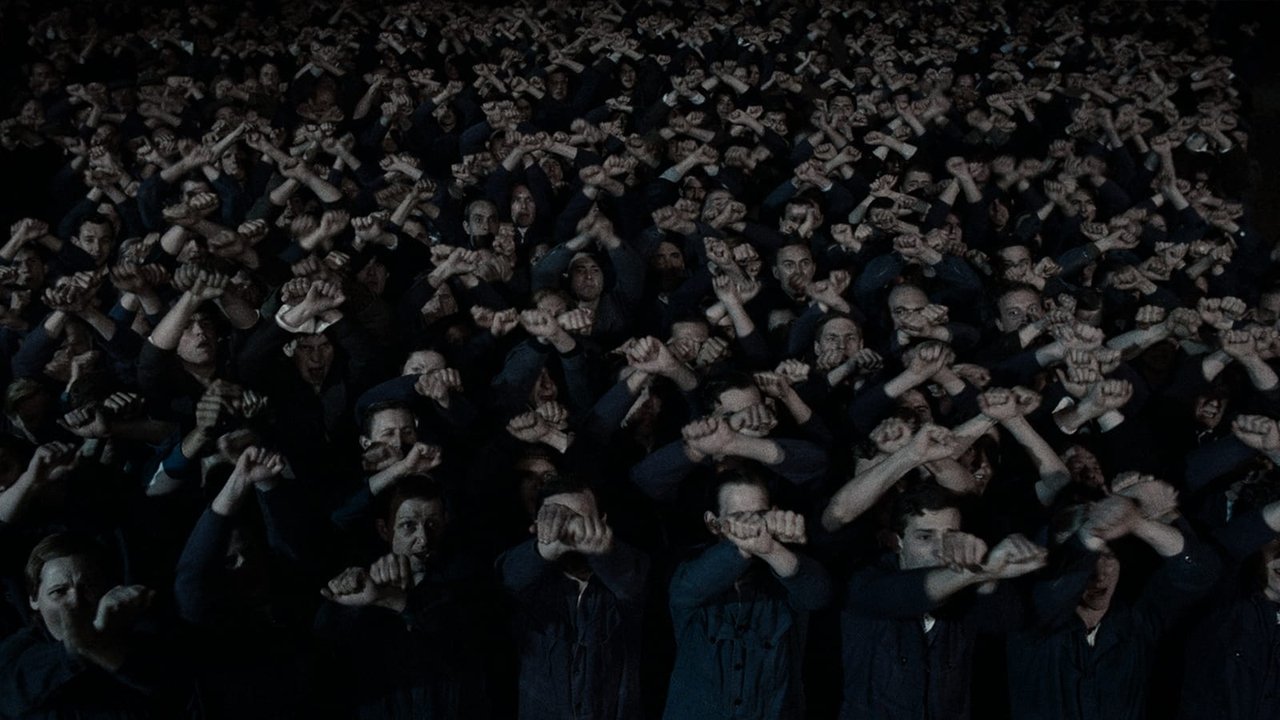
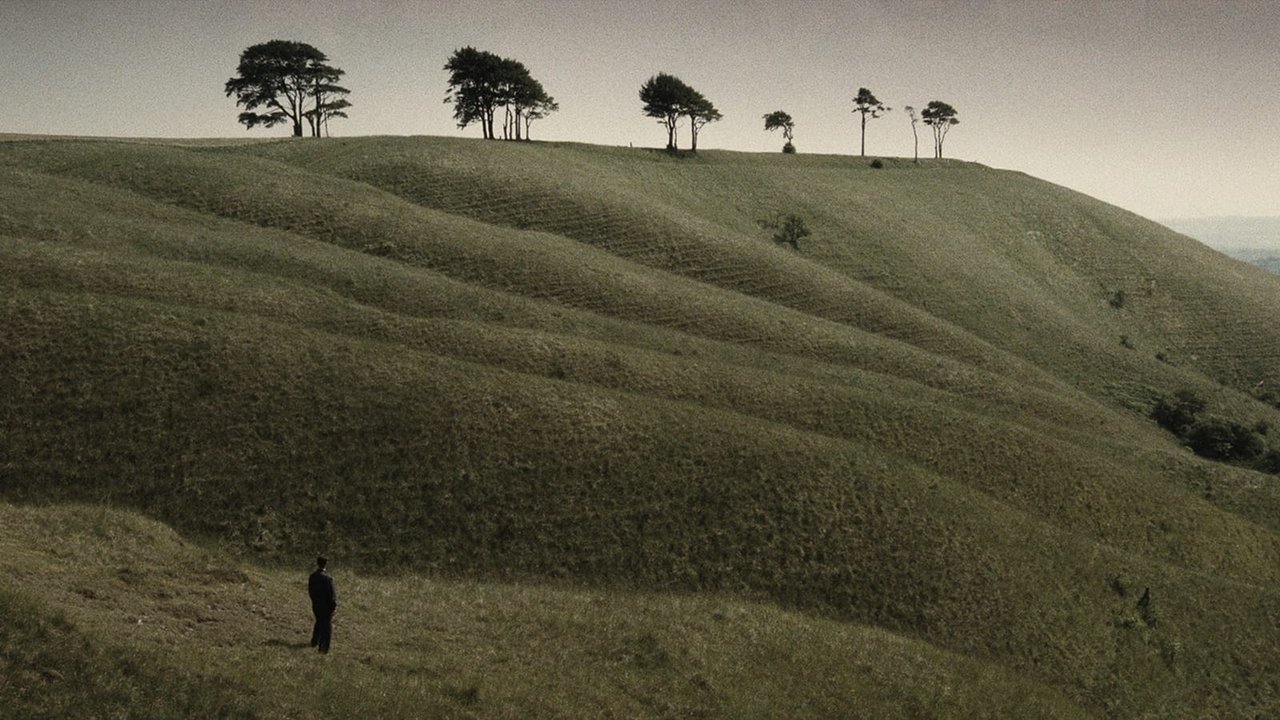
I did like the cinematography, and there were some great visuals. The sets and costumes were perfect in conveying the grim city, juxtaposing the image of a utopia pushed by the Party, and the score was subtle but melancholy; very fitting for the atmosphere of the film.
All in all, I'm glad I gave Nineteen Eighty-Four a go, but I wouldn't rewatch it unless I really wanted to see John Hurt's performance again.
❝There is truth, and there is untruth. To be in a minority of one doesn't make you mad.❞
· · ─────── ·𖥸· ─────── · ·
Nineteen Eighty-Four is one of my favourite books, and it would certainly be difficult to translate that horrifying dystopia onto the screen. This film did its best, but unfortunately fell slightly short.
Undoubtedly the best part of the film is John Hurt: there isn't anyone else who could've played Winston so well, capturing the quiet rebelliousness of his character and the changes he undergoes throughout the book. I think Suzanna Hamilton also did great as Julia, and the rest of the cast were decent, although no-one's performance stood out to me.
In my opinion, the film missed the mark in establishing the power the government had over the people. The two main elements are constant surveillance and mass manipulation of all information, and though these issues were touched on, I felt that they were undermined, so the true force of oppression enforced by government wasn't clear. The scene sequences were choppy and confusing to follow, and I think having more narration (like the book had) would smooth this out as well as show more of Winston's thoughts, like his initial feelings towards Julia and why they change, more about O'Brien (since his character introduction and usage in the film seems very random, while in the book there are a lot of observations of O'Brien by Winston building up to his arrest).
I did like the cinematography, and there were some great visuals. The sets and costumes were perfect in conveying the grim city, juxtaposing the image of a utopia pushed by the Party, and the score was subtle but melancholy; very fitting for the atmosphere of the film.
All in all, I'm glad I gave Nineteen Eighty-Four a go, but I wouldn't rewatch it unless I really wanted to see John Hurt's performance again.