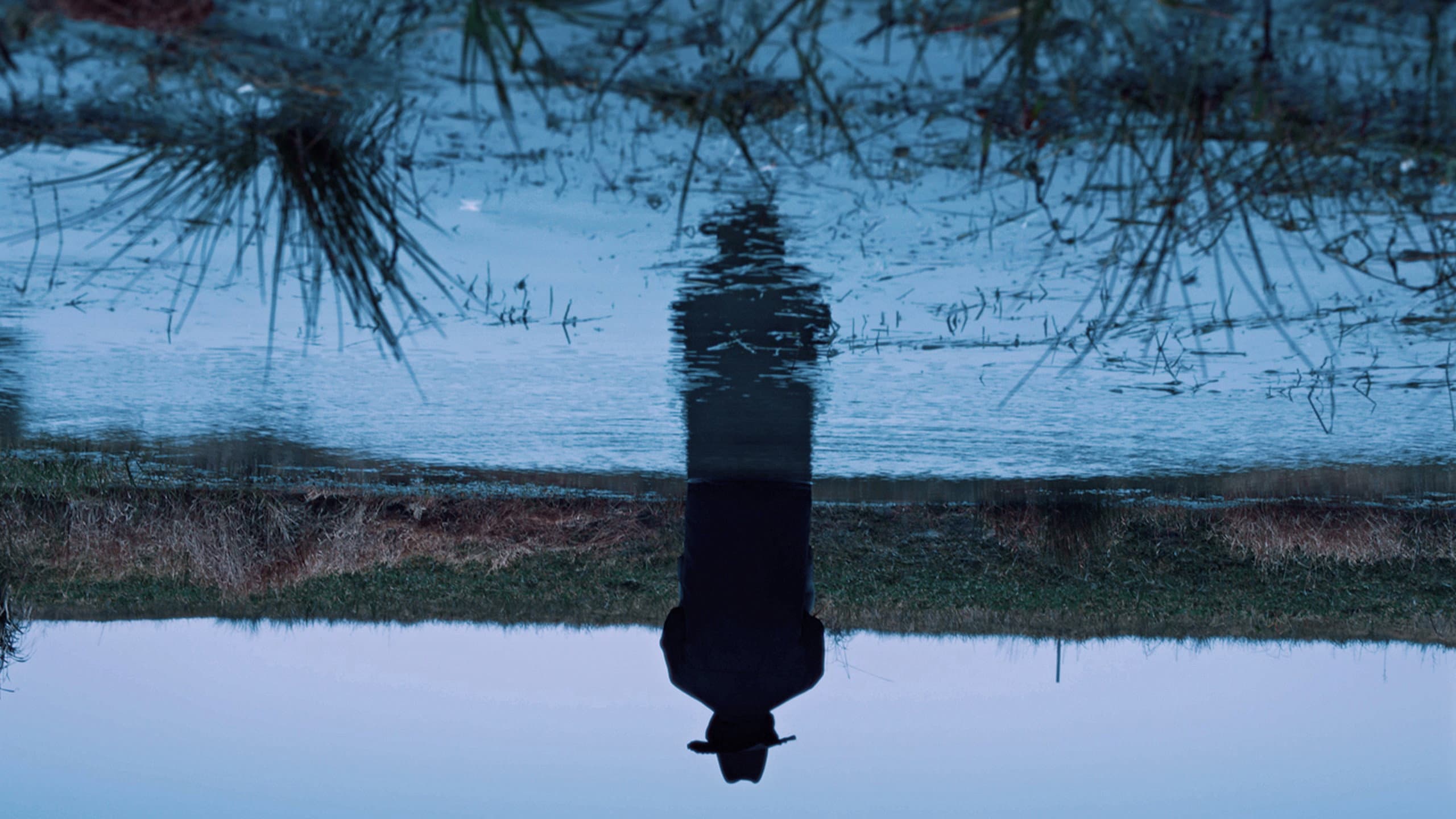
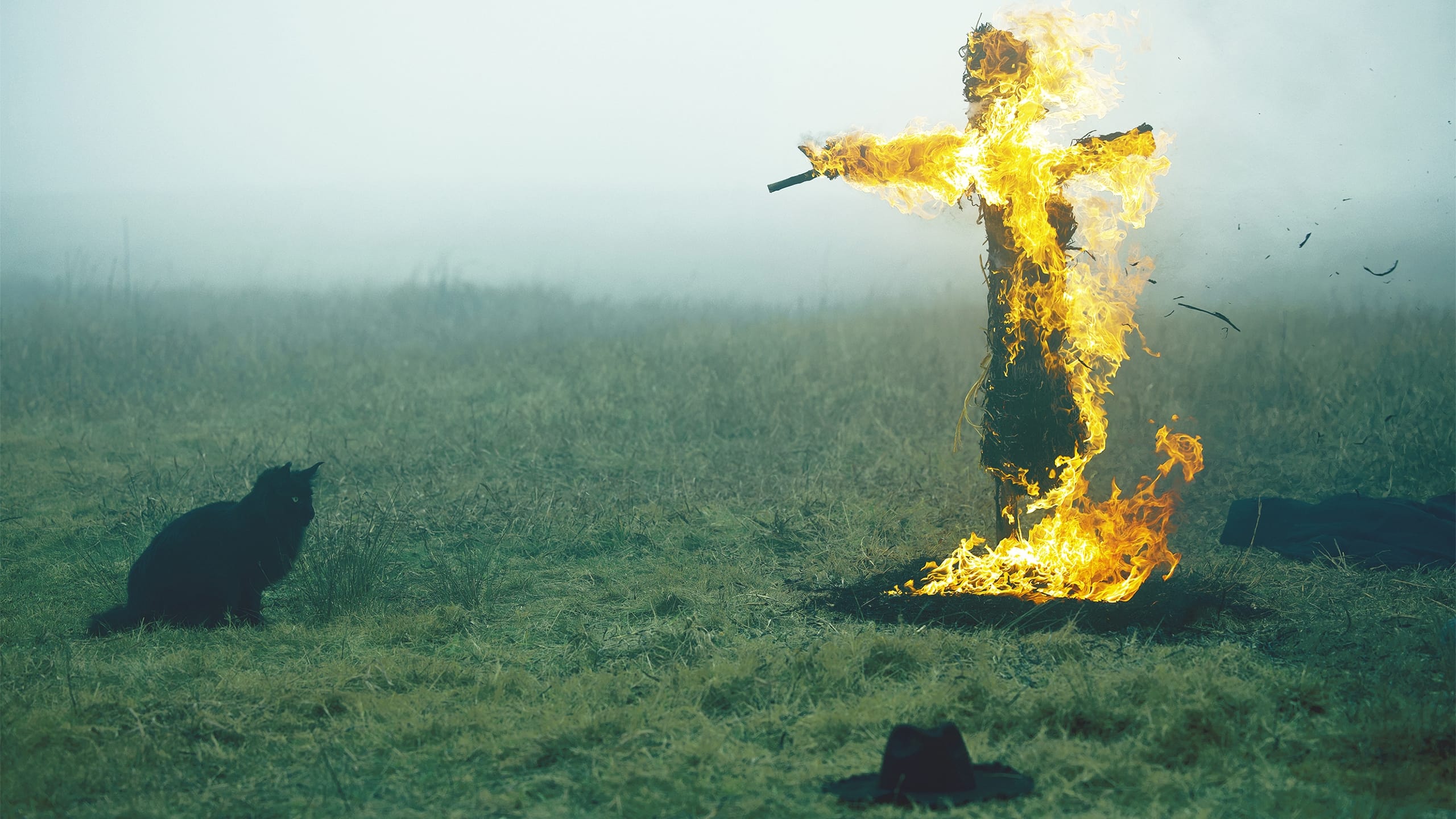
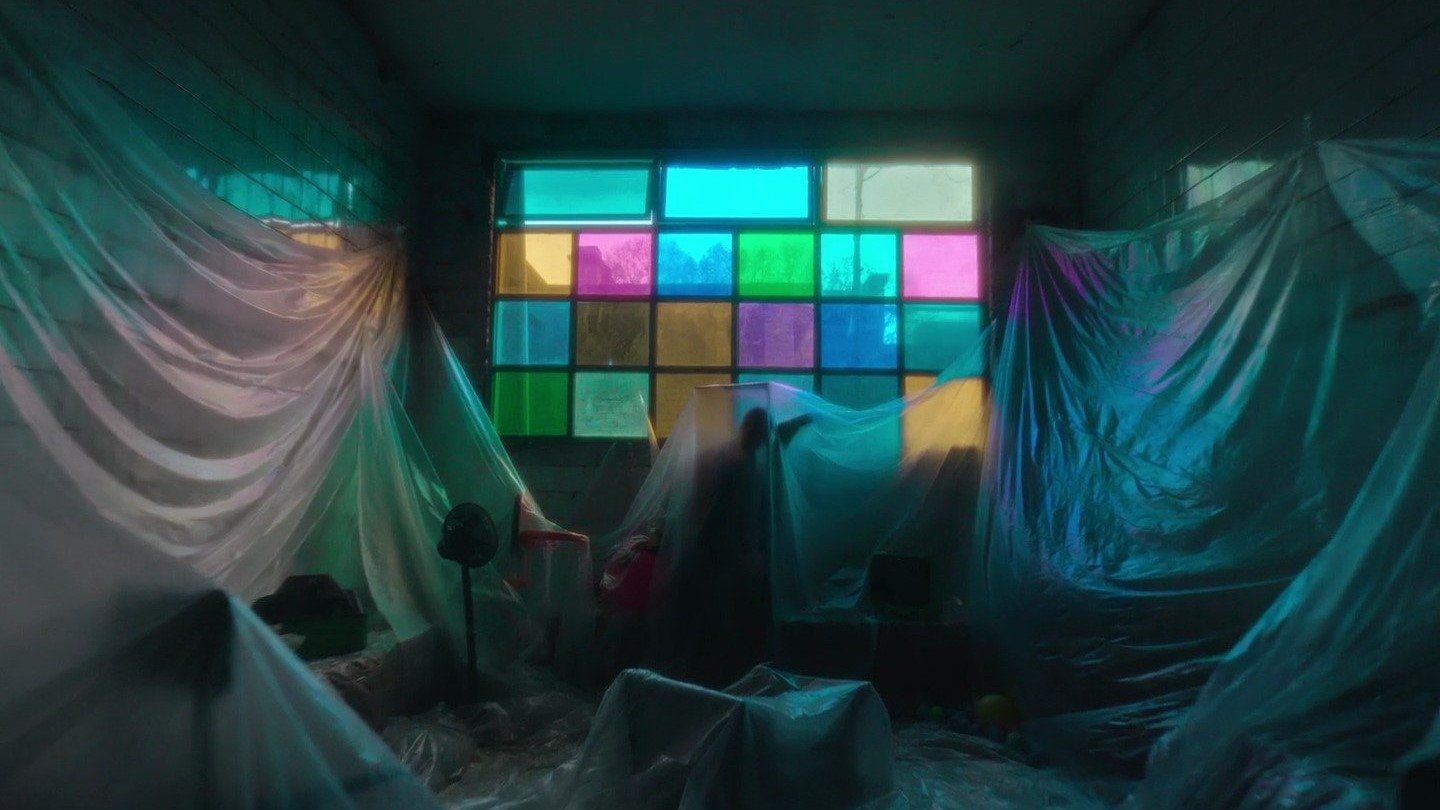
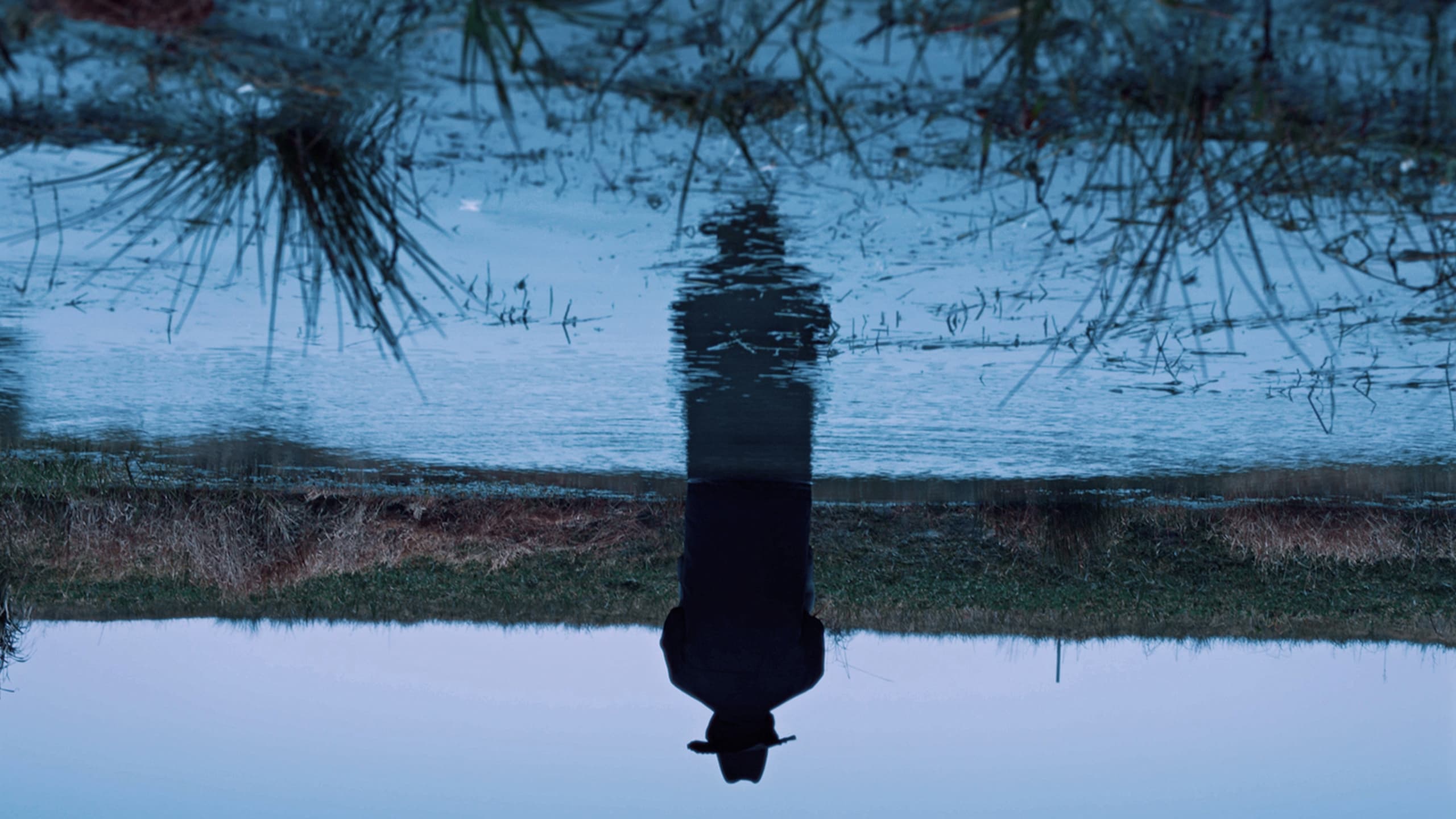
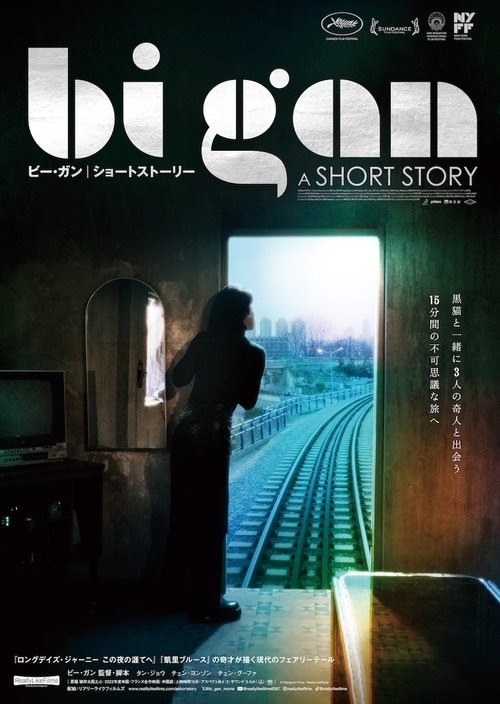
A Short Story begins like a fairy tale drifting through a dream. A homeless black cat meets a lonely scarecrow who asks a question so simple that nobody can answer it: What is the most precious thing in the world? The scarecrow sends the cat on a journey through a blue-grey world where it meets a robot who only knows “hello” and “goodbye,” a woman who eats memory-losing noodles to ease her grief, and a magician who sells pieces of his own soul as dirt.
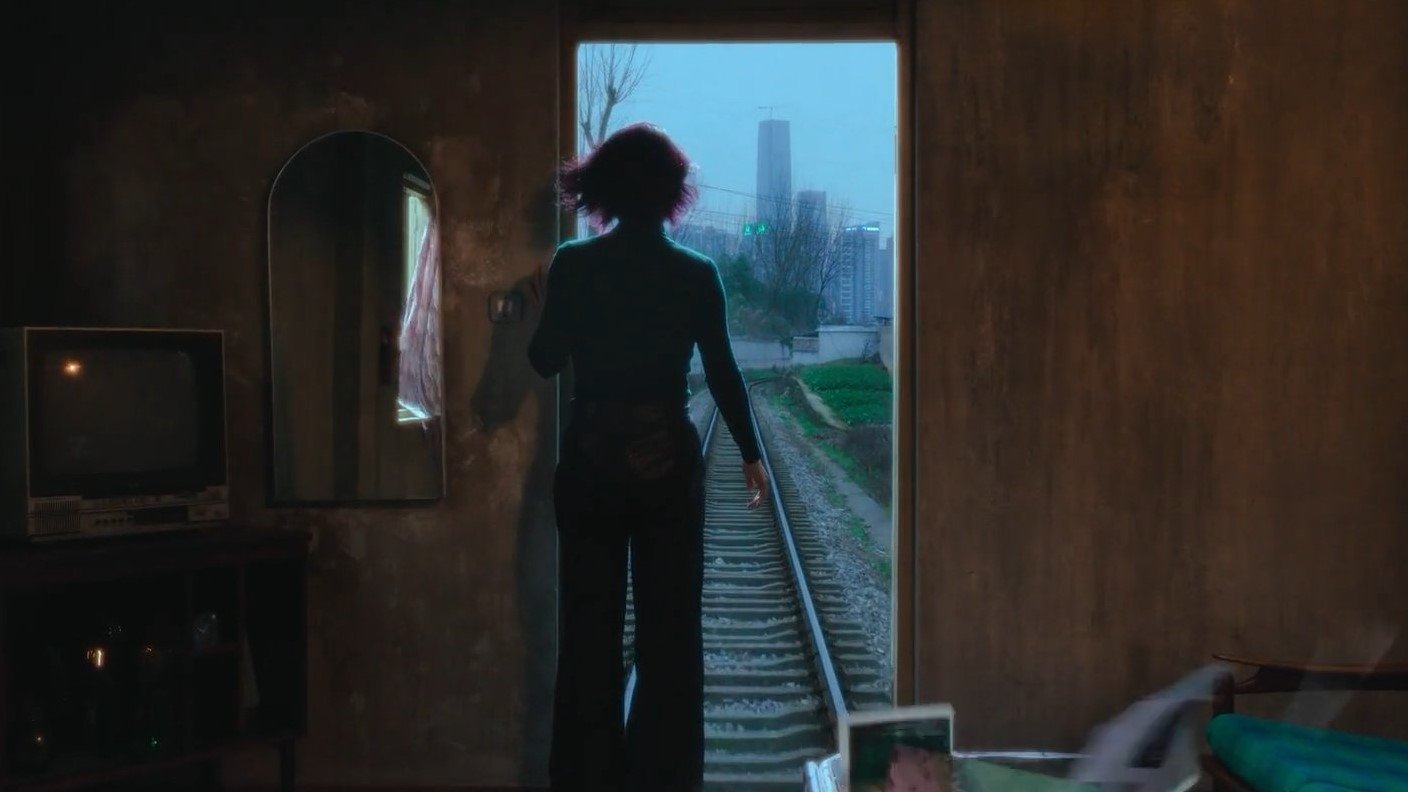
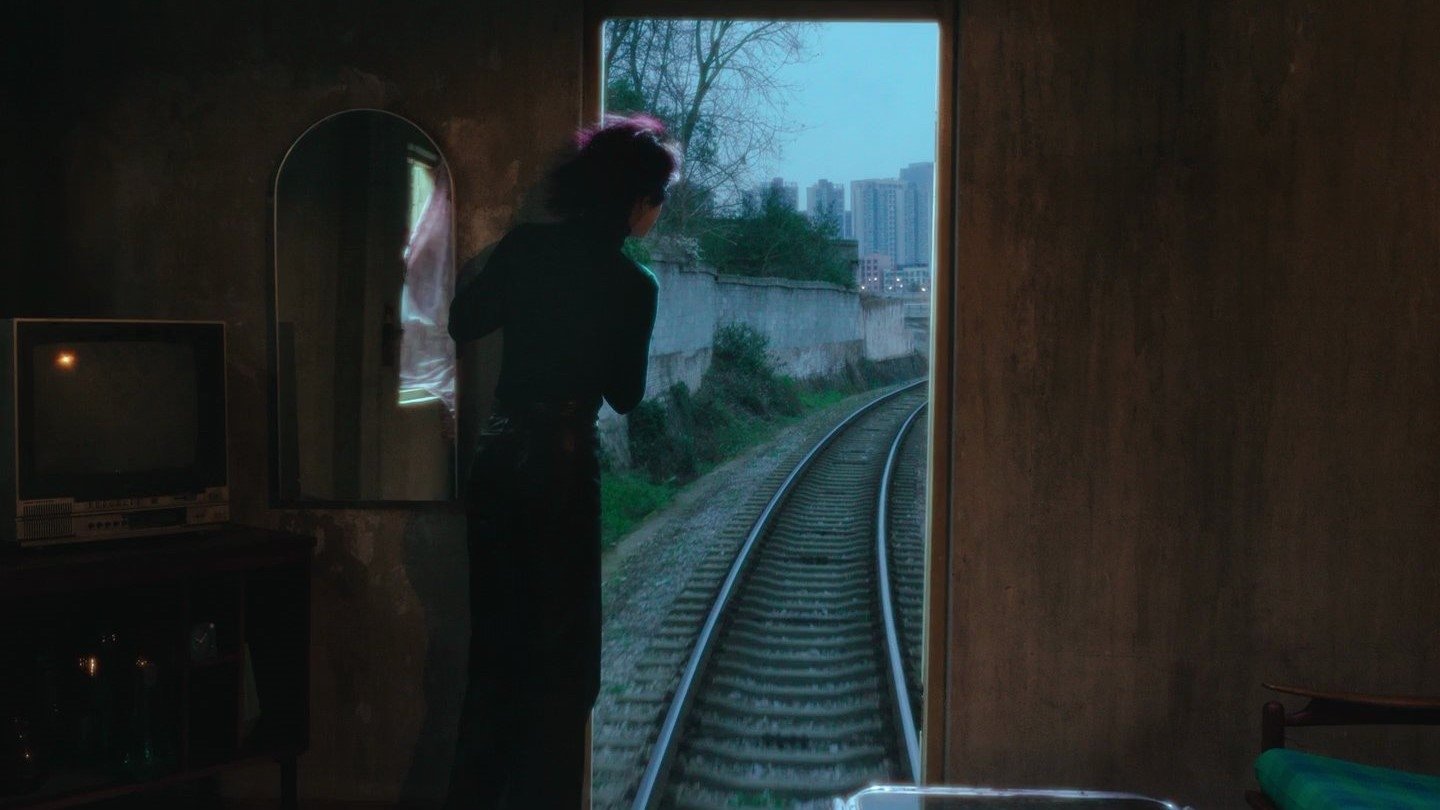
Each encounter feels whimsical at first, but slowly reveals itself to be about the same thing: people trying to hold on to love while learning to live with loss. My favorite moment is the woman opening a door only to reveal a moving train, as if memories never truly stay still no matter how much we try to leave them behind.
As the cat continues wandering, fragments of its own past return, a little girl it once loved but accidentally pushed away. That’s when the film quietly shifts from a surreal fable into something deeply human. Maybe the most precious thing in the world isn’t an object or an answer, but the ability to remember, to forgive, and to return with something as small as a flower and an apology.
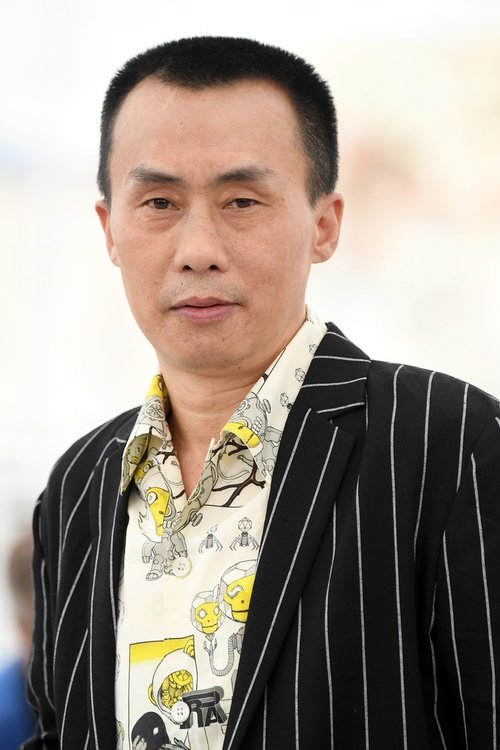
Bi Gan proves that cinema can feel like dreaming. Every impossible transition and every strange image serves an emotion rather than an explanation, leaving behind a film that is less interested in answers than in the quiet beauty of searching.
A Short Story begins like a fairy tale drifting through a dream. A homeless black cat meets a lonely scarecrow who asks a question so simple that nobody can answer it: What is the most precious thing in the world? The scarecrow sends the cat on a journey through a blue-grey world where it meets a robot who only knows “hello” and “goodbye,” a woman who eats memory-losing noodles to ease her grief, and a magician who sells pieces of his own soul as dirt.
Each encounter feels whimsical at first, but slowly reveals itself to be about the same thing: people trying to hold on to love while learning to live with loss. My favorite moment is the woman opening a door only to reveal a moving train, as if memories never truly stay still no matter how much we try to leave them behind.
As the cat continues wandering, fragments of its own past return, a little girl it once loved but accidentally pushed away. That’s when the film quietly shifts from a surreal fable into something deeply human. Maybe the most precious thing in the world isn’t an object or an answer, but the ability to remember, to forgive, and to return with something as small as a flower and an apology.
Bi Gan proves that cinema can feel like dreaming. Every impossible transition and every strange image serves an emotion rather than an explanation, leaving behind a film that is less interested in answers than in the quiet beauty of searching.