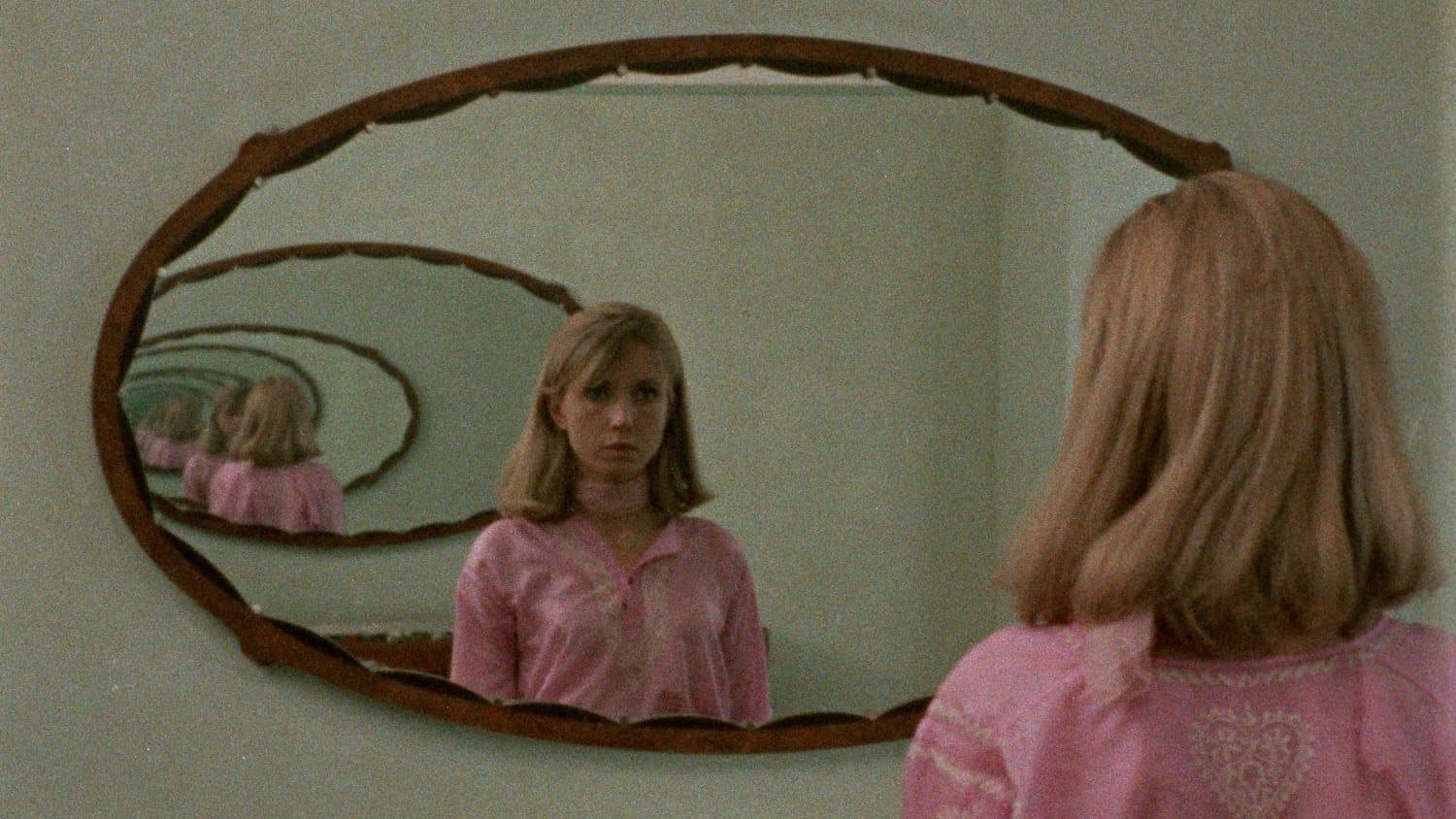
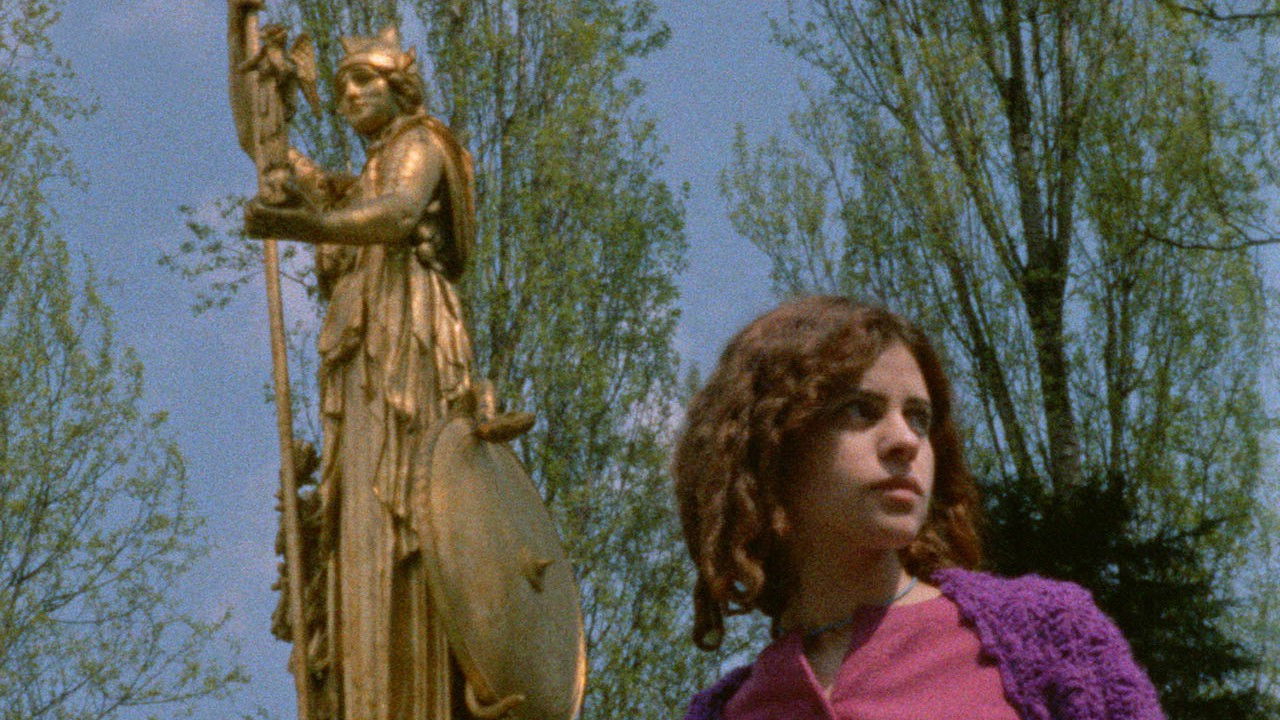
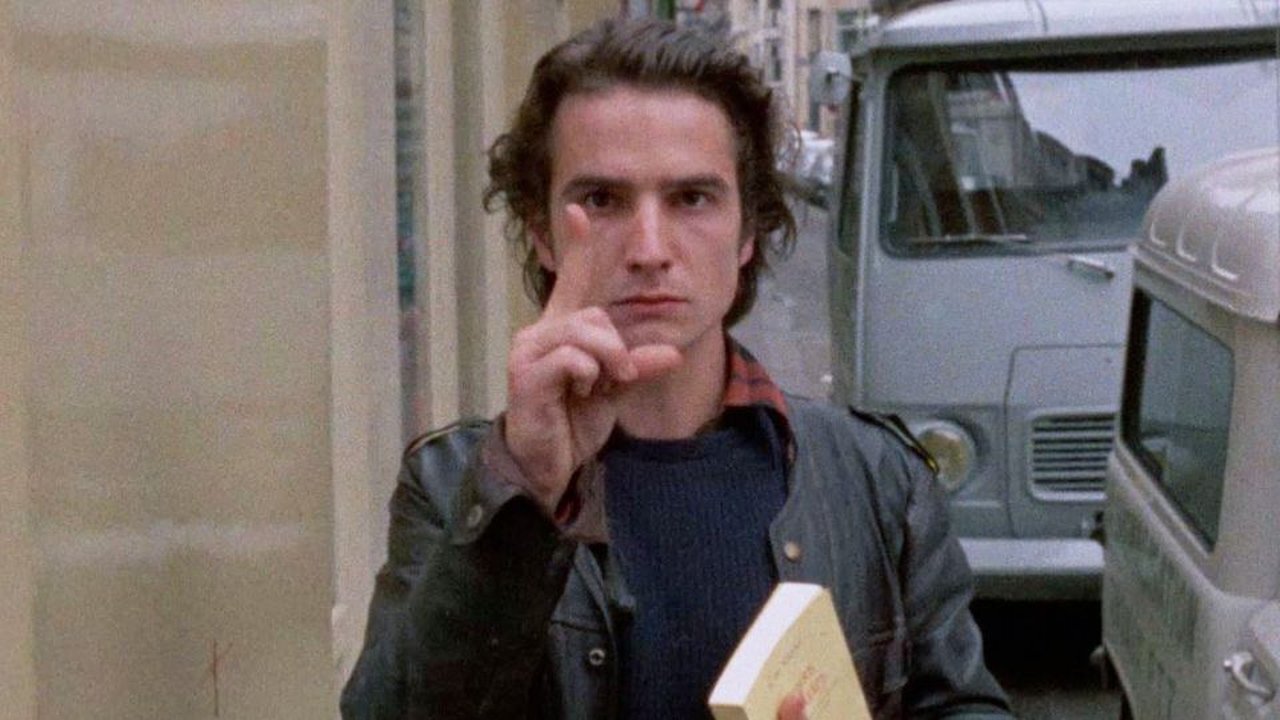
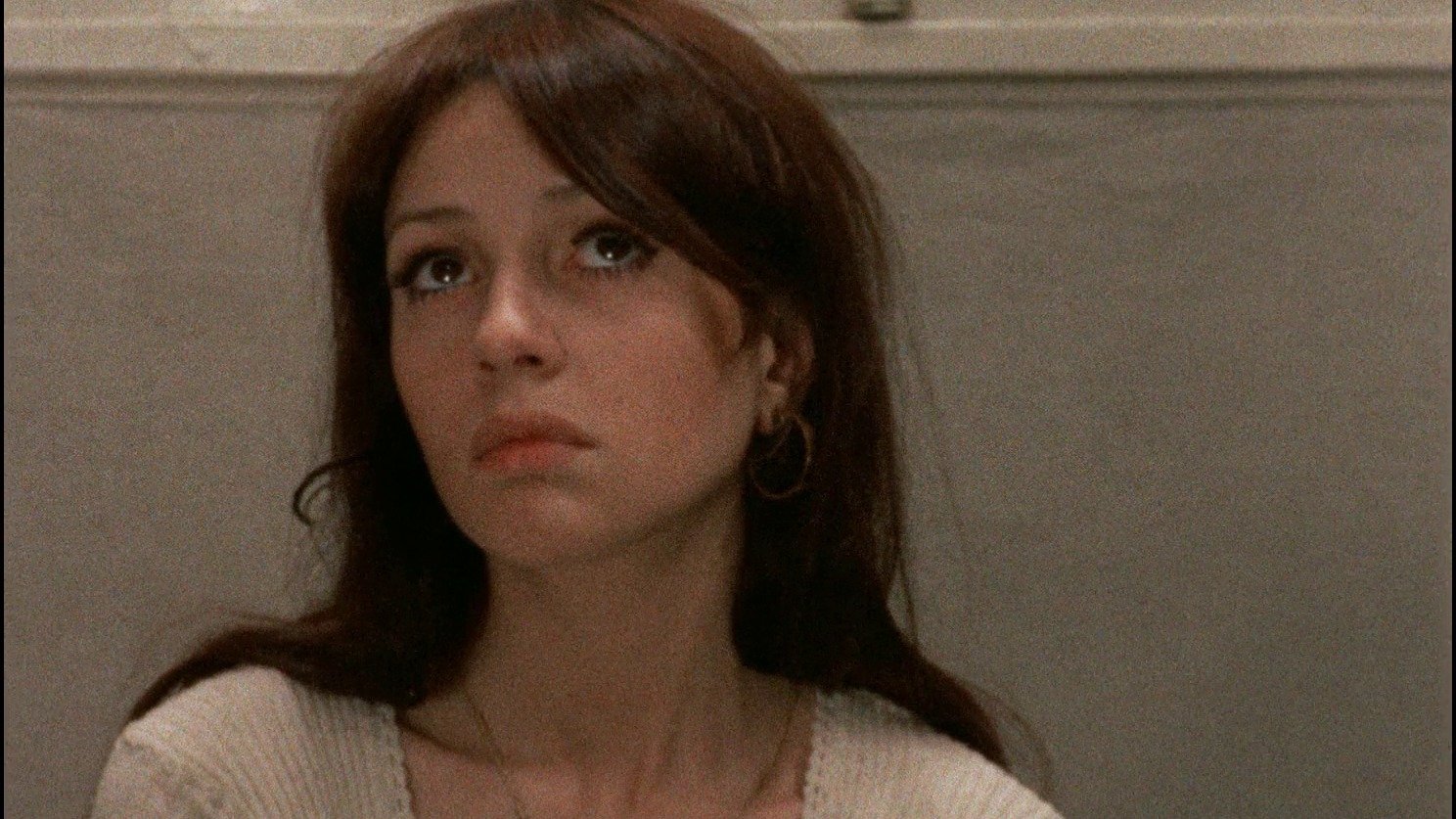
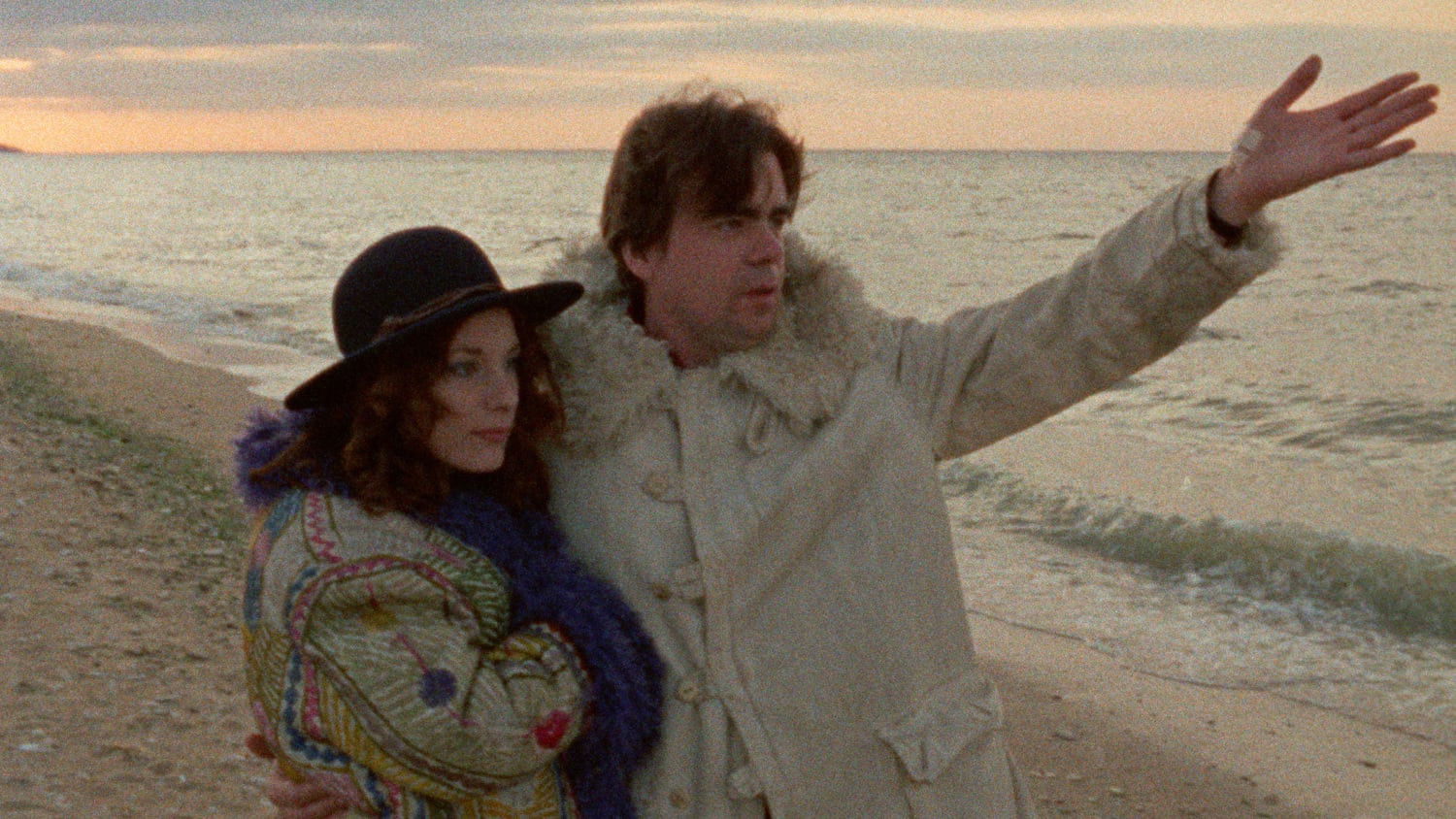
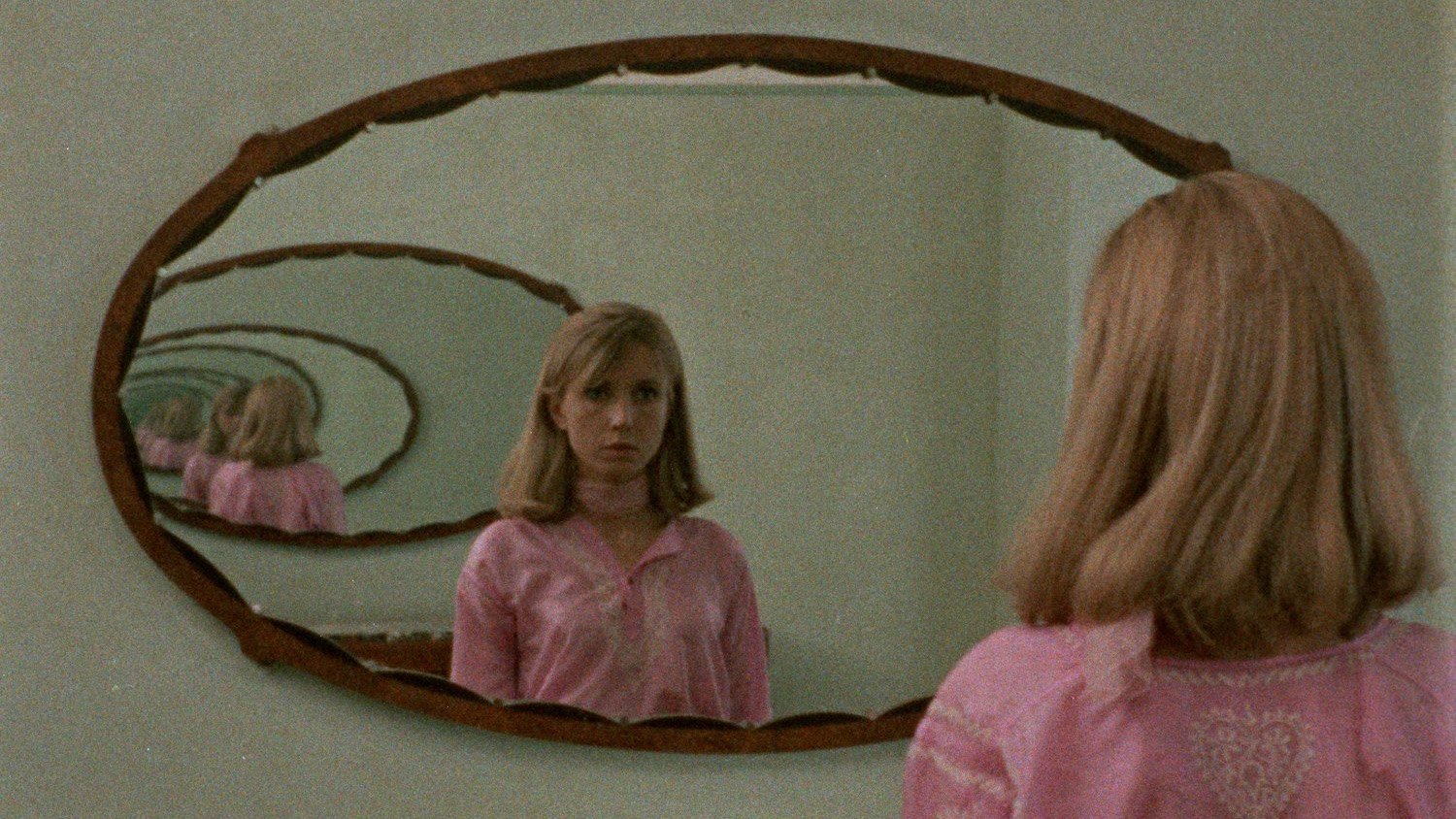
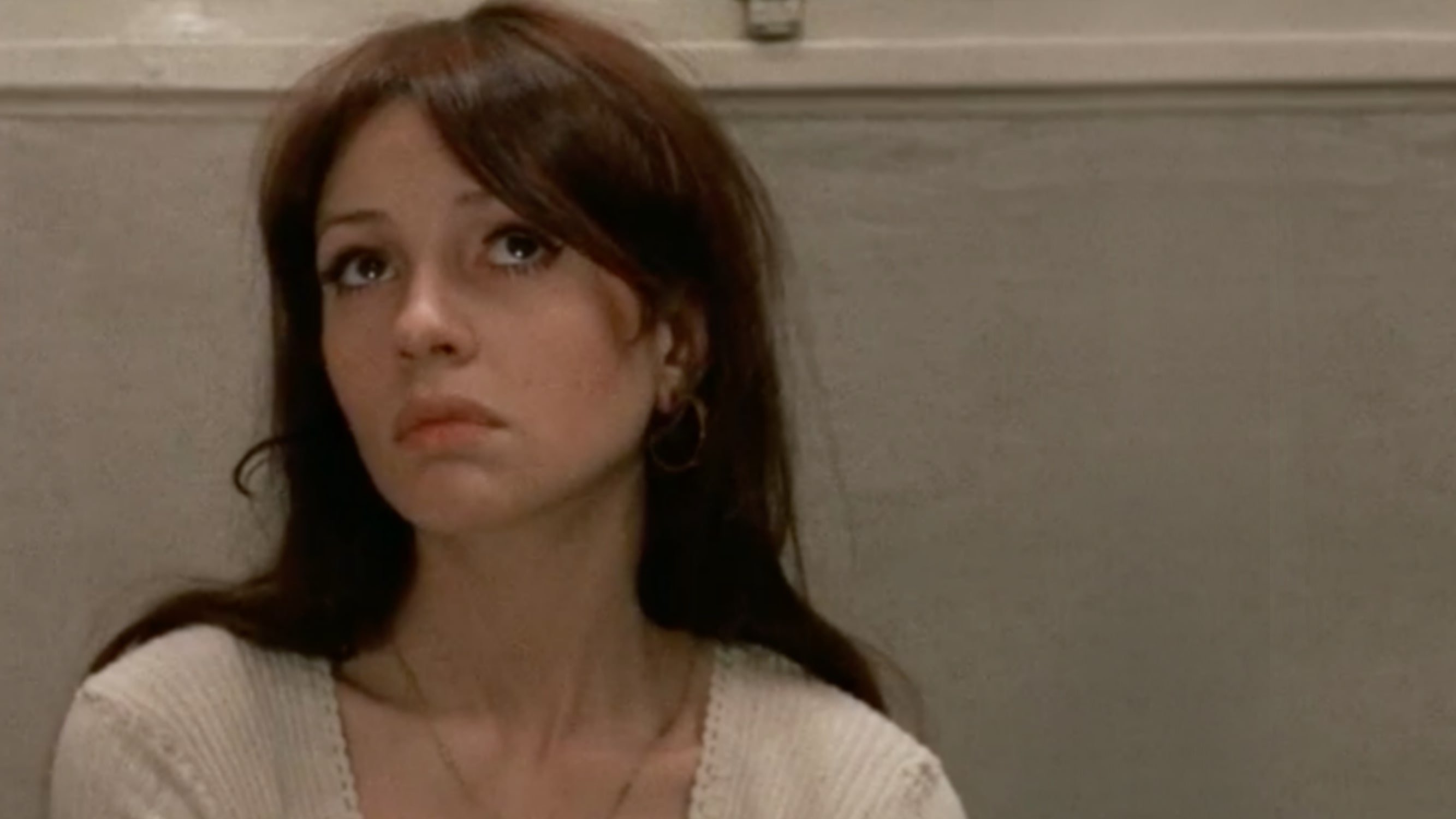
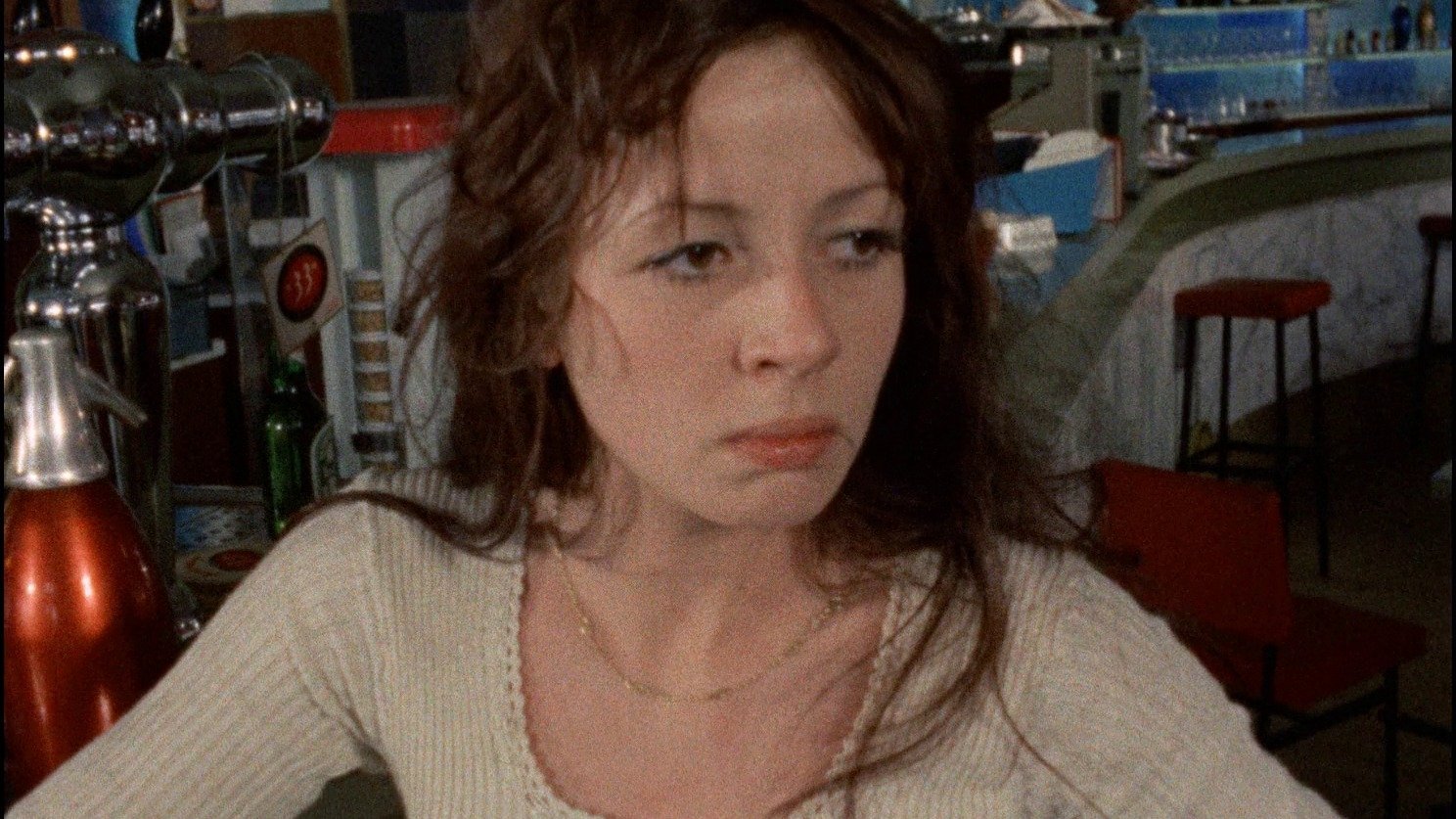
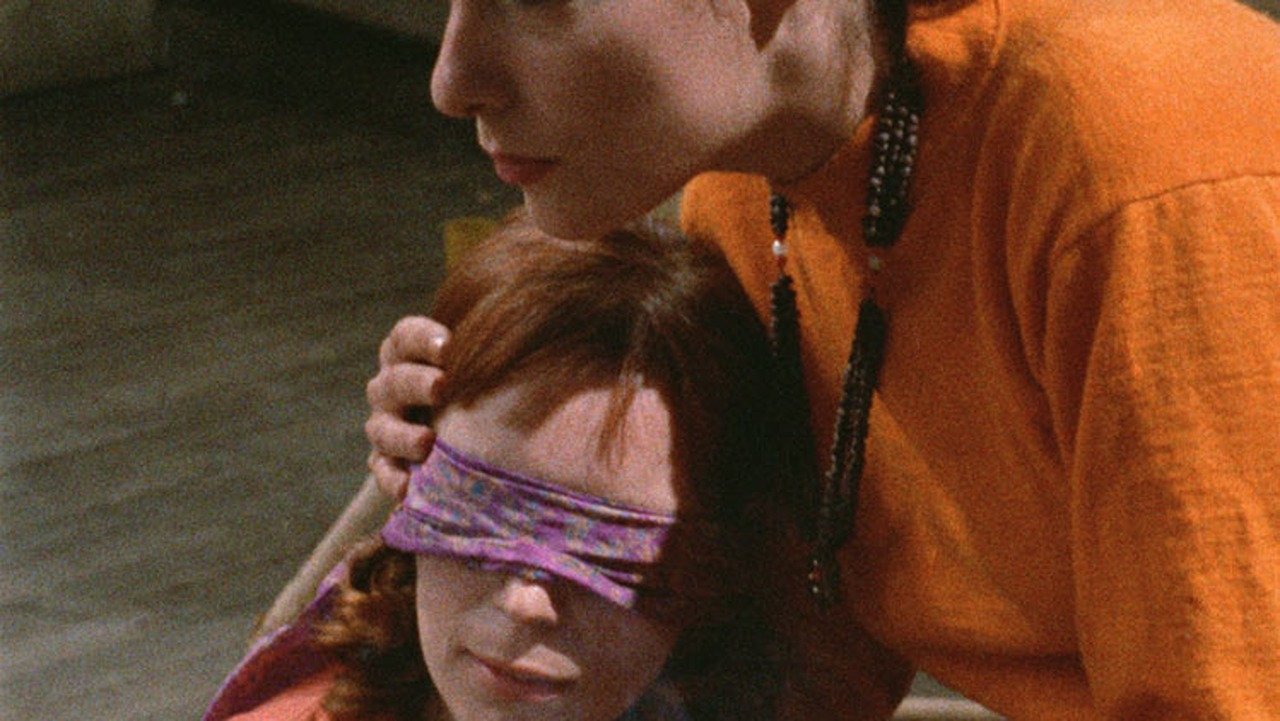
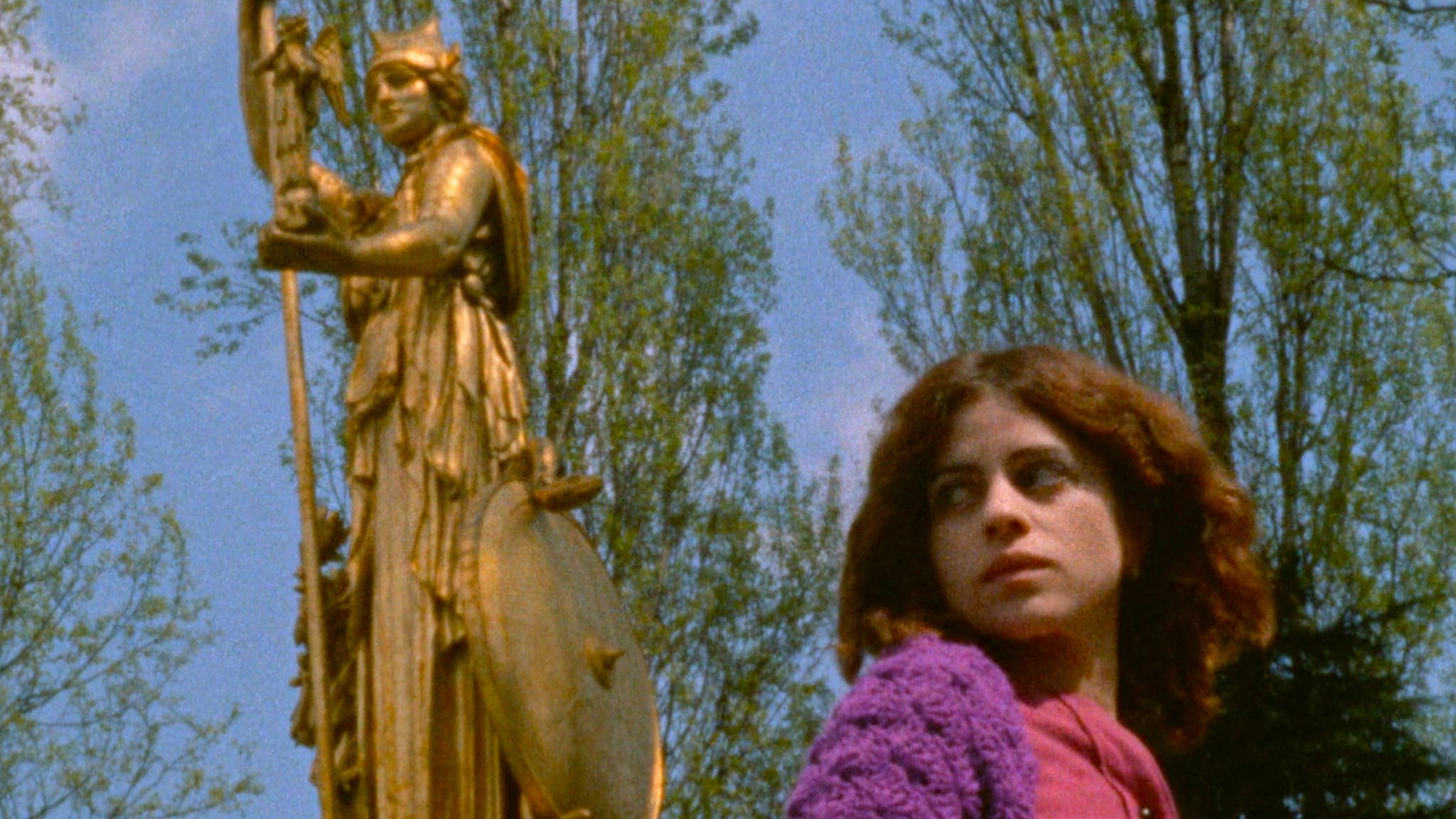
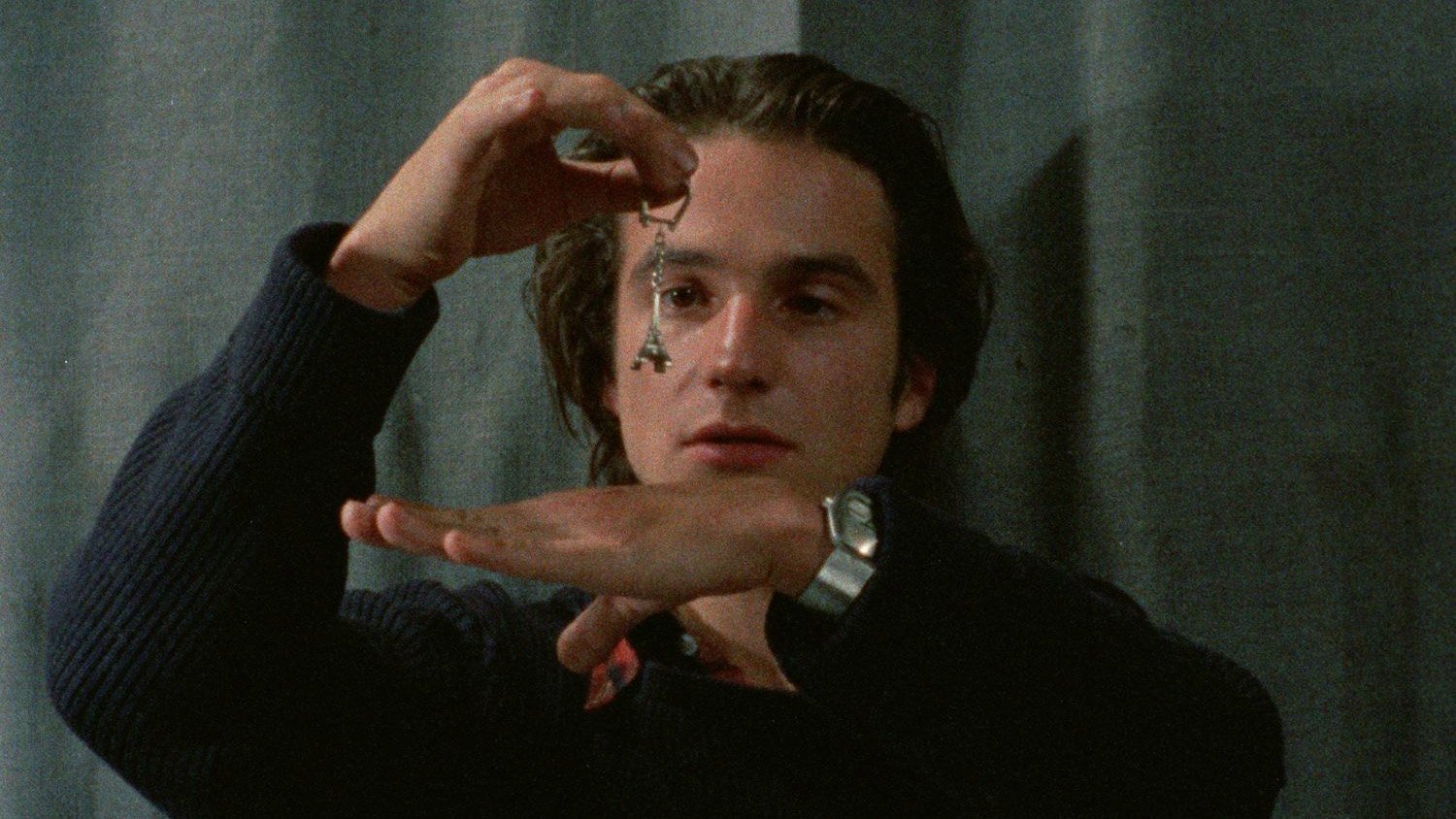
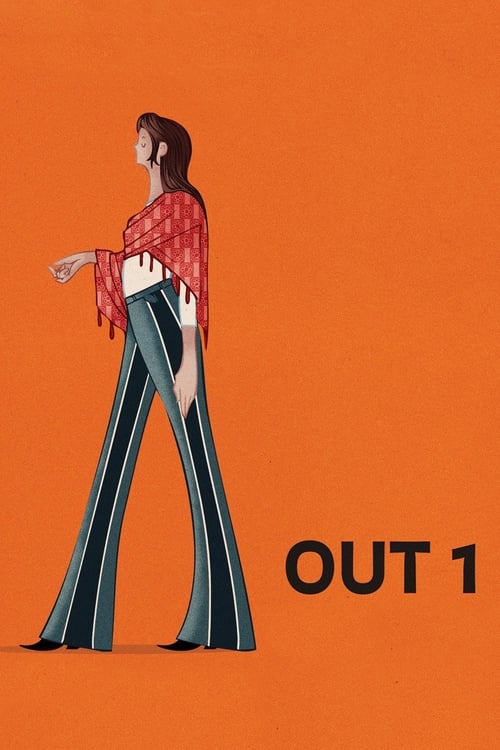
In 1971, the French new wave was slowly surviving its final years, being dismissed even by Godard. the later period of the new wave's existence coincided with the time of post-structuralism in cinema. directors such as Jacques Riviette and Jean Eustache were committed to breaking its boundaries. and this 12-hour film is a very big experiment with film form. the script aspect is completely absent in it, and the director's aspect is not so significant, since all the content of the scenes, lines and images of the characters were given at the discretion of the actors. It can be compared to an Improvisational theatre.‘Out’ used here as an antonym of the word ‘in’, which was then widespread in France in the English-speaking form. It was used by the French in the sense of "in the know", "in the topic" and annoying the director. Colin doesn't want to be "in" the framework of social trends, but only "out" of them, according to the title of the film. It corresponds not only to him, but also to the viewer's perception of the film. the way he sometimes feels "out" of what is happening and gets lost in its big and vague structure.
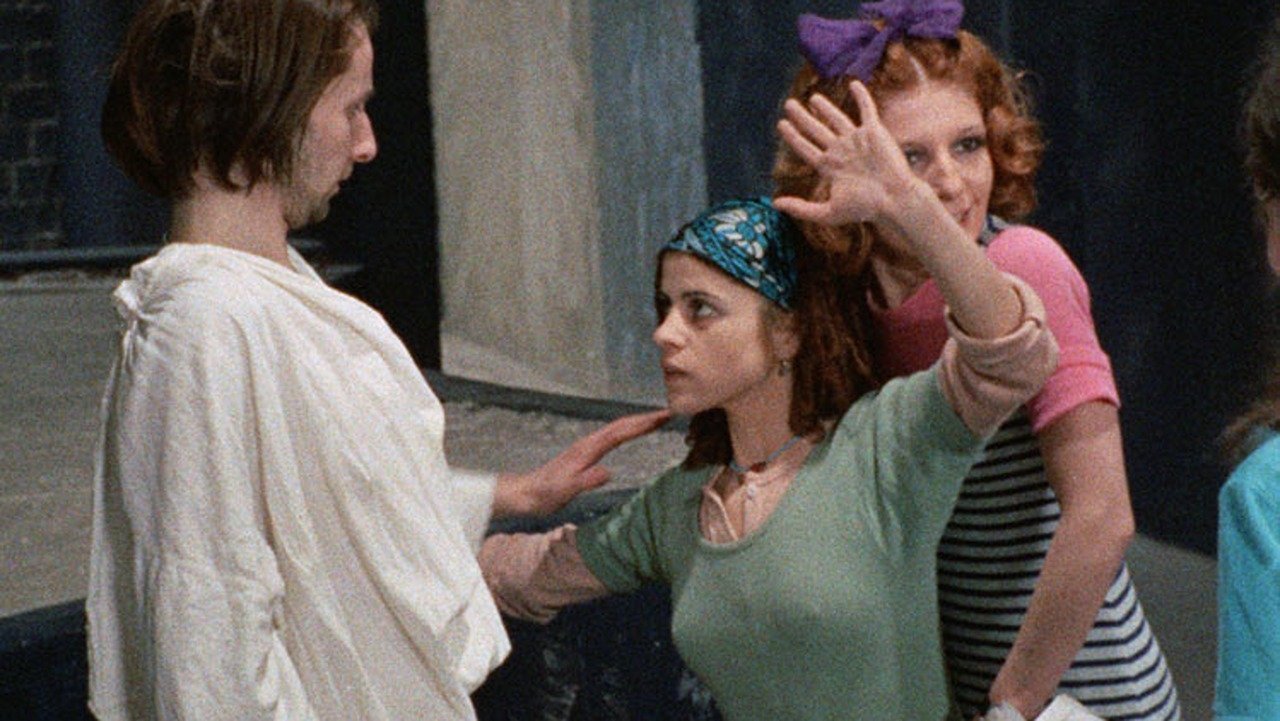
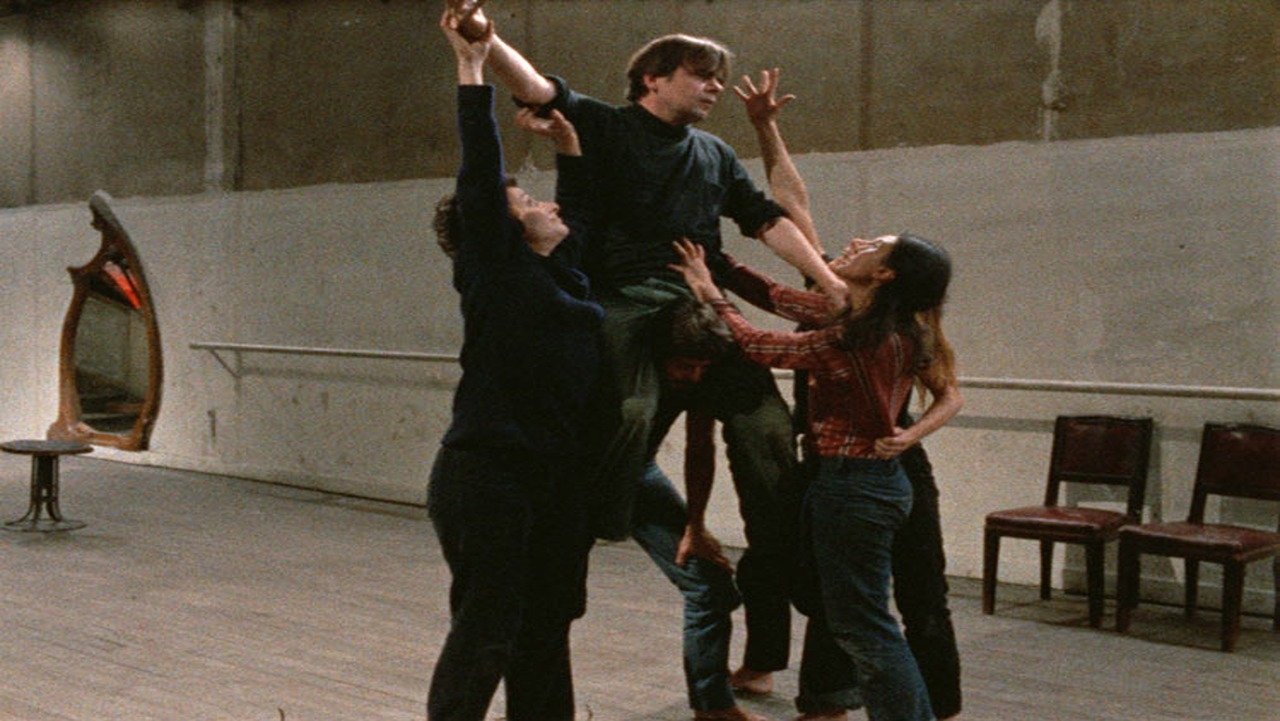
> the creative process is what it is about. we are immediately apprised of the intricacies of the ‘Thirteen’ group, and in addition, we are privy to the process of their rehearsals, which bears a striking resemblance to Marina Abramovic’s performances in terms of their ferocious energy. many of them utilize the techniques of the concept of theater of cruelty, developed by the French playwright Antonin Artaud. the theater of cruelty was also a departure from traditional Western theater, as it deviated from the norm and was characterized as ‘a primitive ceremonial experience aimed at liberating the human subconscious and revealing man to himself’. *the theme of finding oneself through cruel theatrical practices and the social confusion of the characters, akin to the majority of French films of the early 1970s, and its prevalence is associated with the events of Red May. the heroes of the Revolution that didn't happen, are trying to find a place for themselves in the social crisis.
*
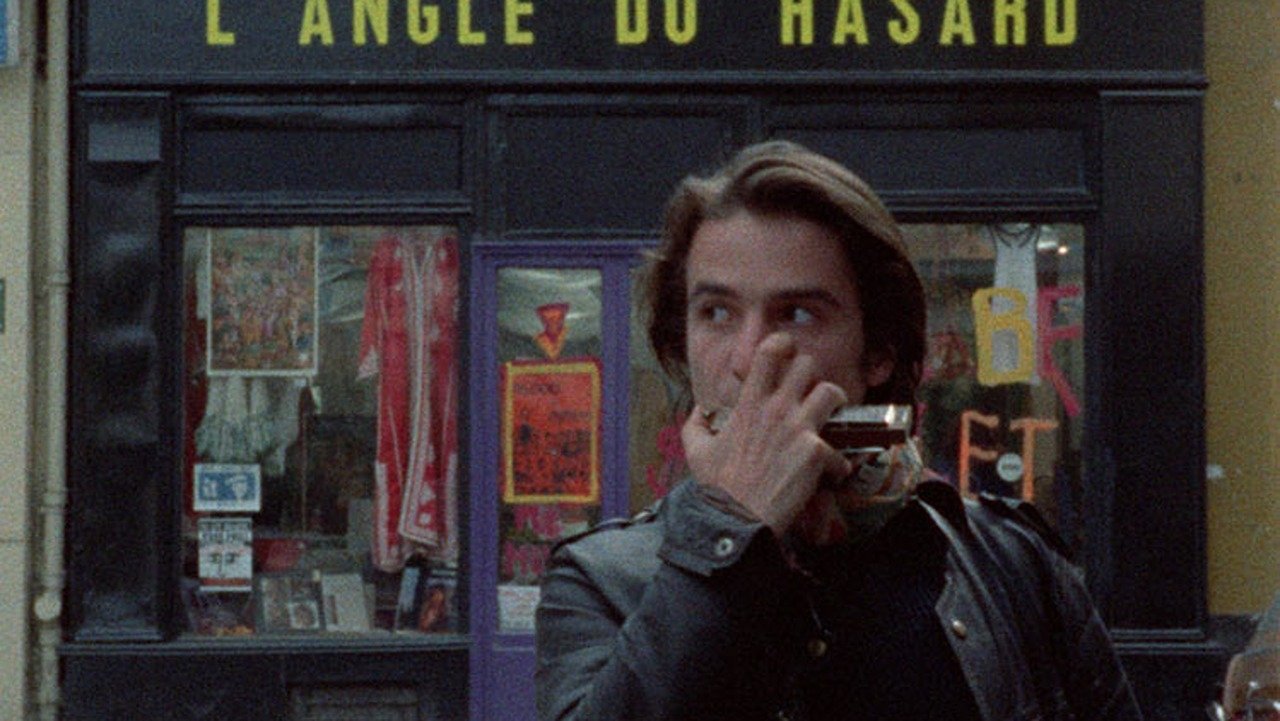
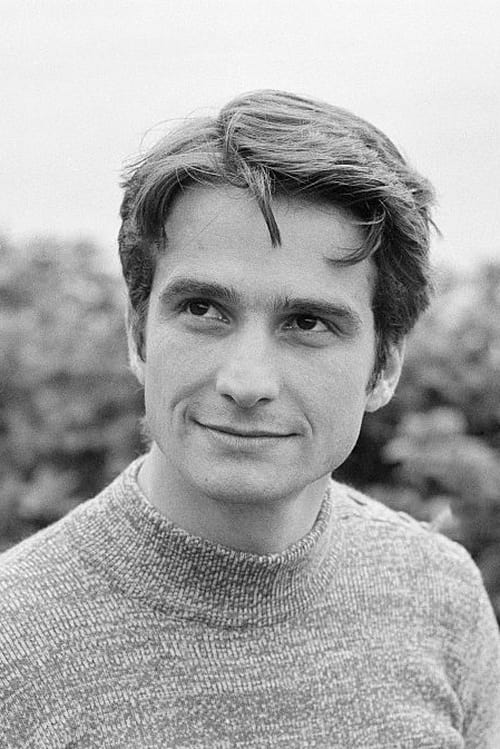
using the example of this film and my beloved ‘The mother and the whore’ it is interesting to consider how the cinematic role of Jean-Pierre Léaud changed. In the 60s, he was the ruler of rebellious characters personifying nonconformity. a decade later, he replaced them with those who were desperate and had lost their place in life. I think that like most of his roles, it was very consistent with his worldview in this period.again, nothing in this has a clear result, which indicates that this is about the process, and not its outcome. the theater group is constantly practicing and never performing. suddenly, mute Colin starts talking. and we won't find out if they started a romance with Pauline, even though we witnessed his attempts to establish a connection with her throughout the film. you're just watching the characters make choices that don't lead to anything. that is what makes it unique and unlike anything else.
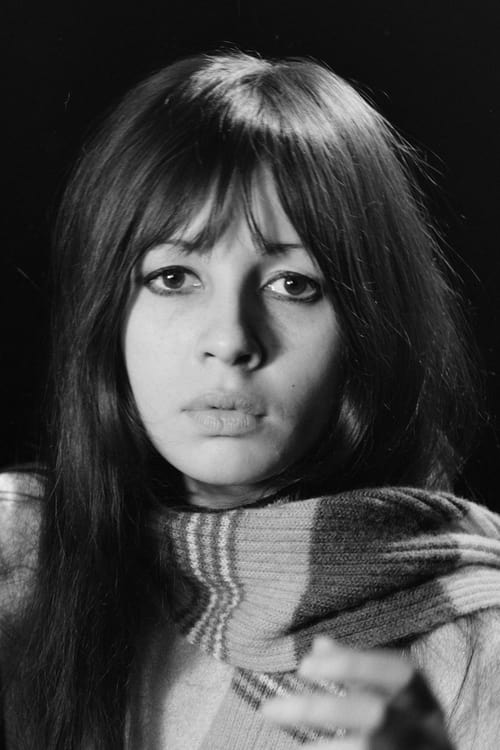
It is an extremely punk film. the fact is that the visual blur of many frames and the additional background noise are not even eliminated during editing… I like the constant breaks of the 4th wall, especially when we see how people in a cafe, sincerely aware that they are being filmed, look at the camera in surprise, or their perplexed glances on the street. I regard this as a significant source of inspiration for Lars Von Trier's ‘Dogme 95’. and need to watch more from Juliet Berto filmography!