
1941·Drama·1h 45m
7.1
★
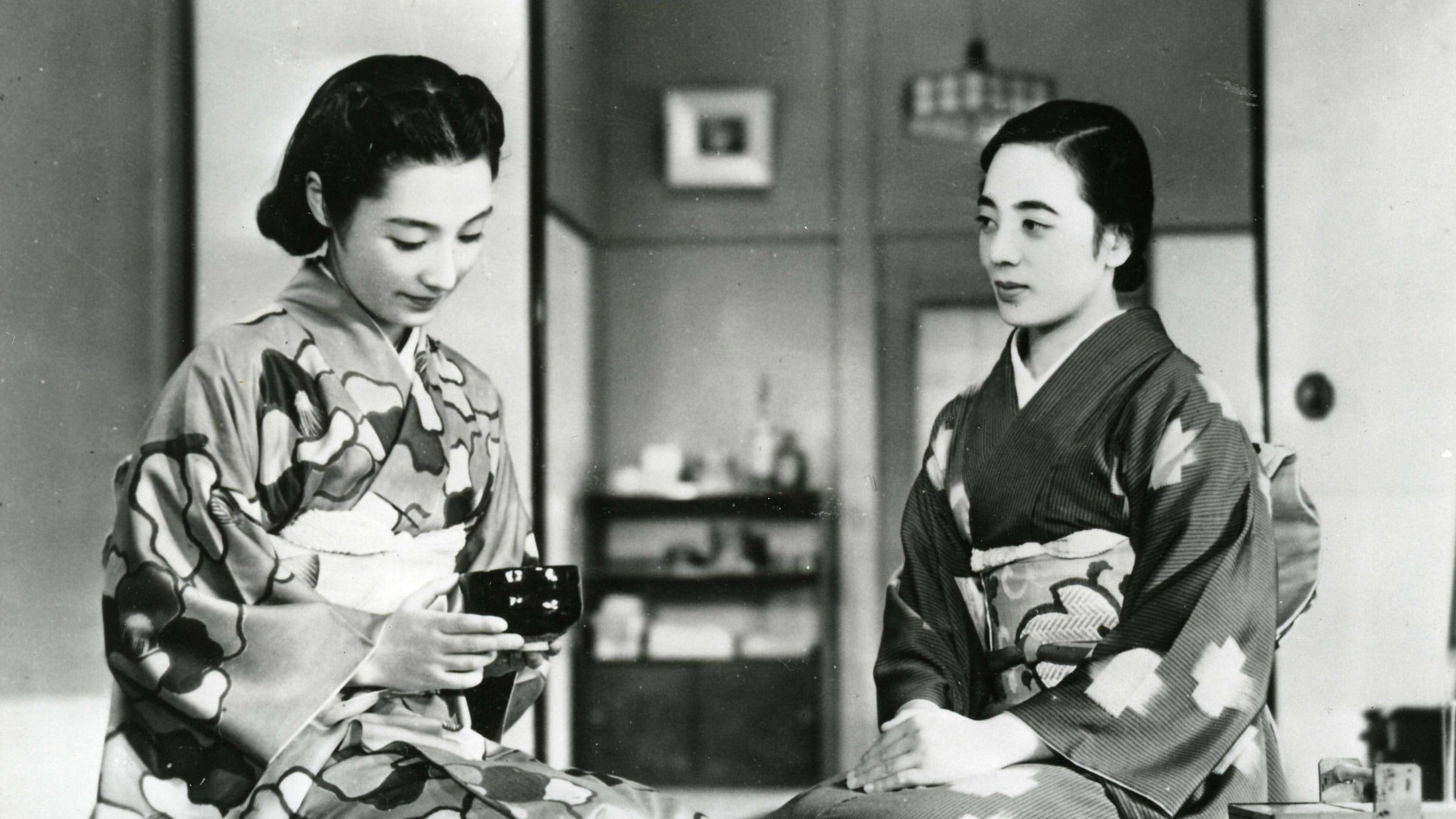
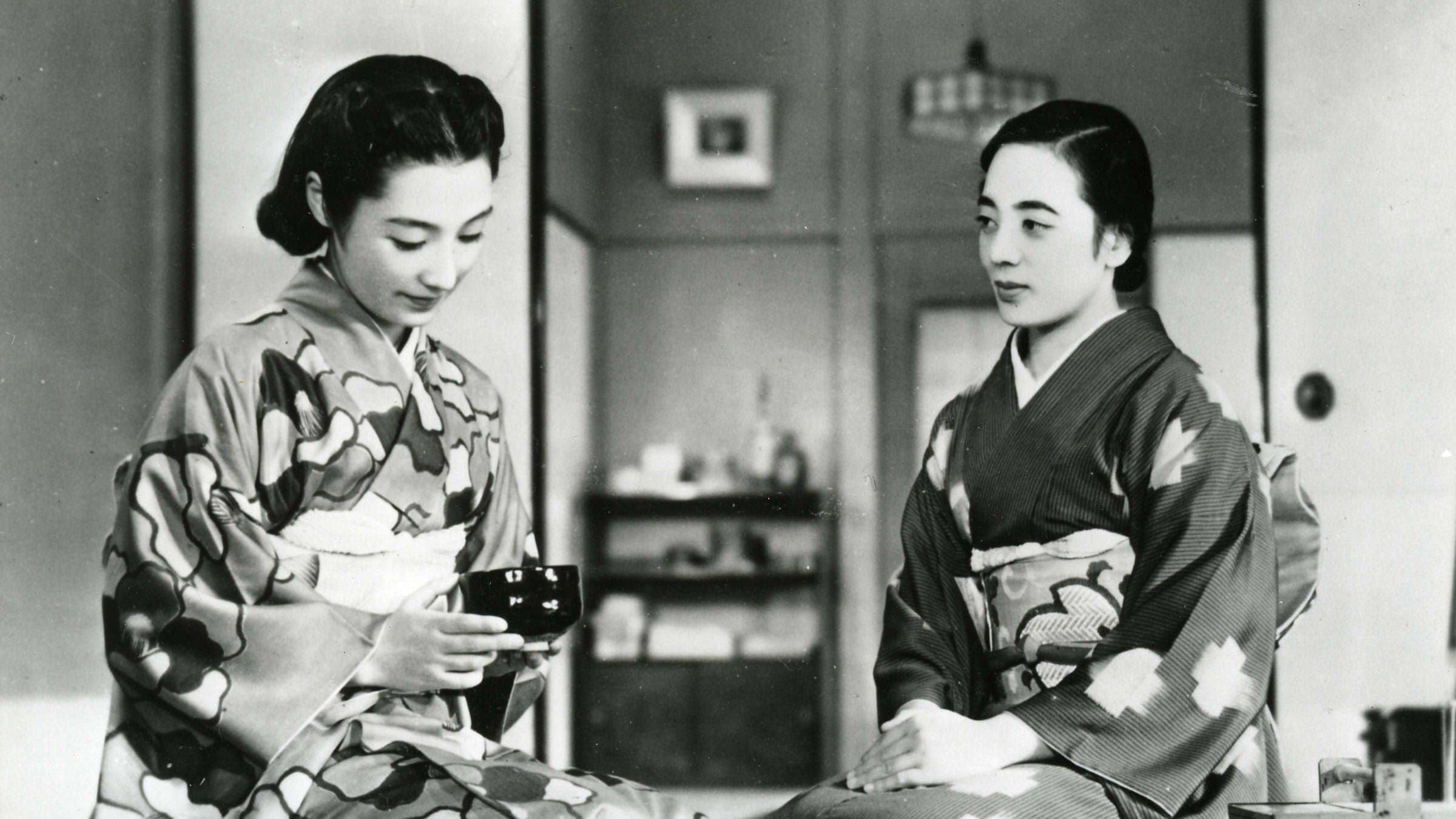
After the death of her husband, an elderly woman and her youngest, unmarried daughter are forced to sell their house to cover his debts and decide to move in with one of the former's children, each of whom is scarcely happy to accommodate.
Directed by Yasujirō Ozu
sibling relationship
post war japan
yoshikawa

IMDB
N/A
Cast
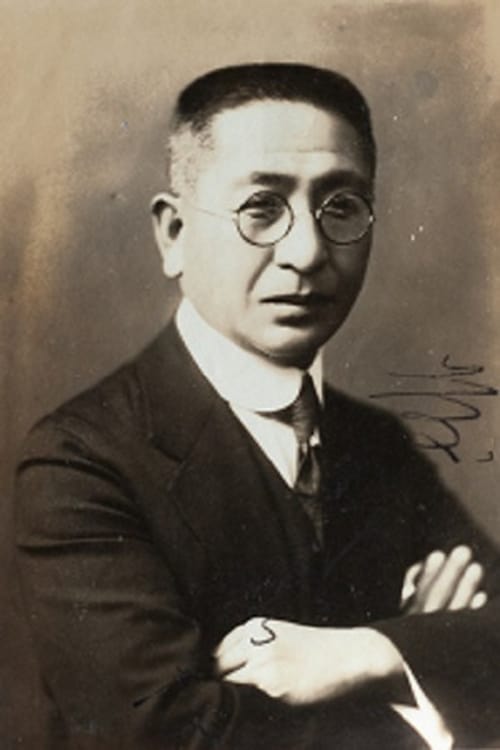
Hideo Fujino
Shintaro Toda
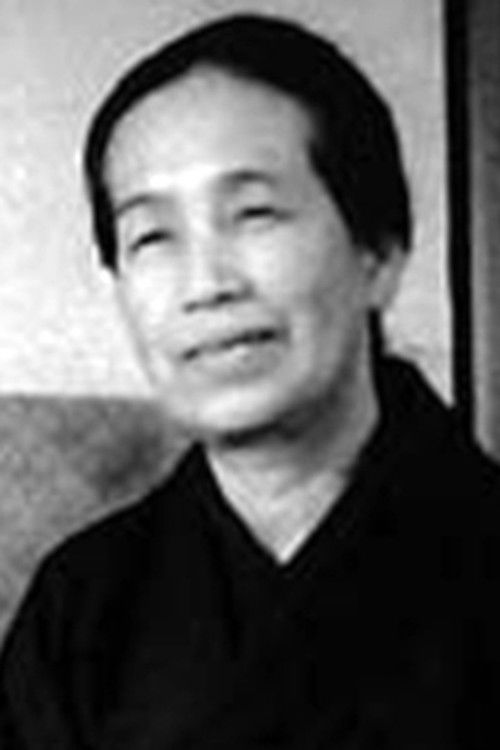
Fumiko Katsuragi
Mrs. Toda
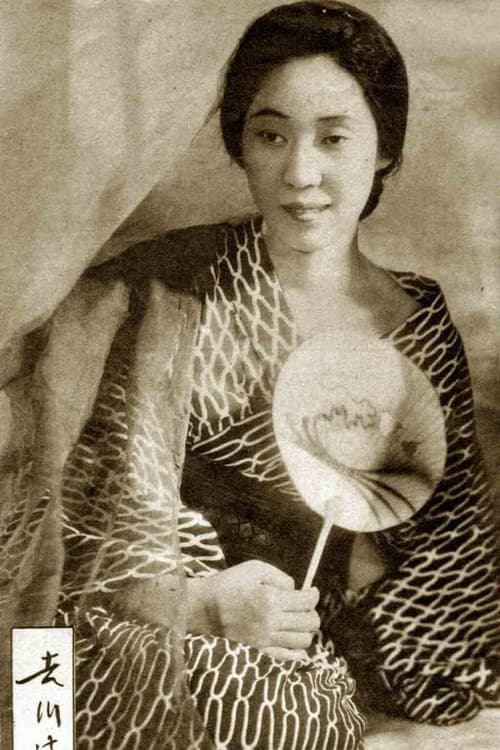
Mitsuko Yoshikawa
Chizuru
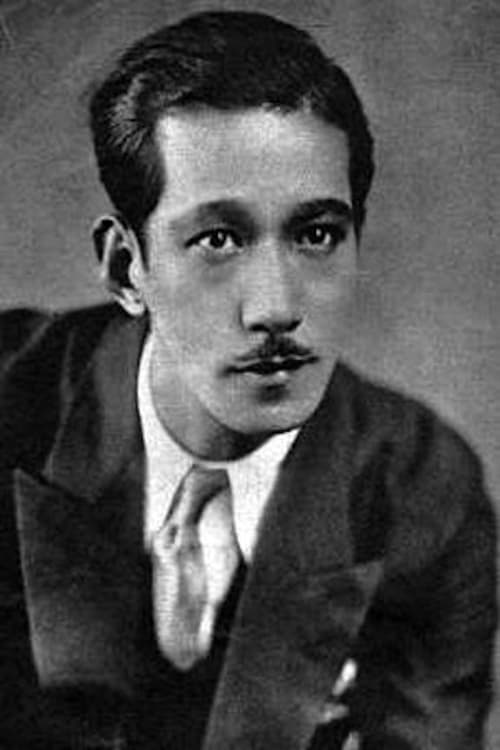
Tatsuo Saitō
Shinichiro
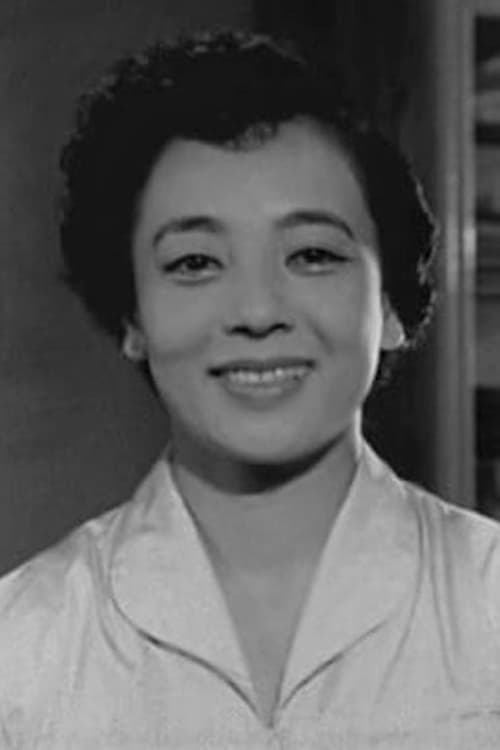
Kuniko Miyake
Kazuko

Shin Saburi
Shojiro Toda

Yoshiko Tsubouchi
Ayako
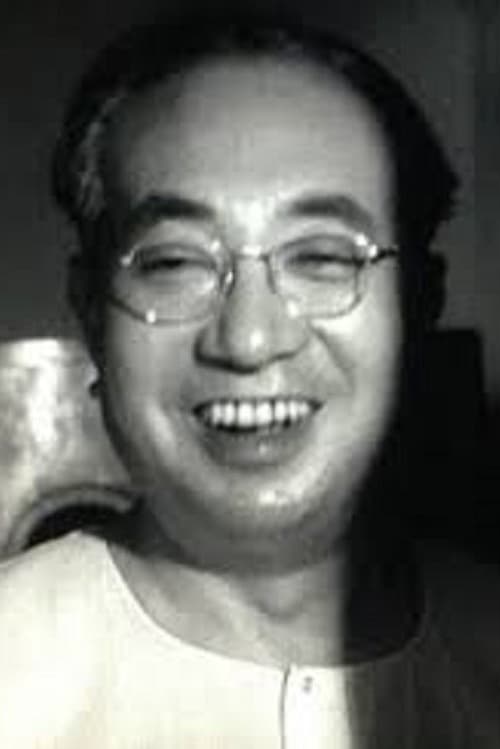
Toshiaki Konoe
Ayako's Husband
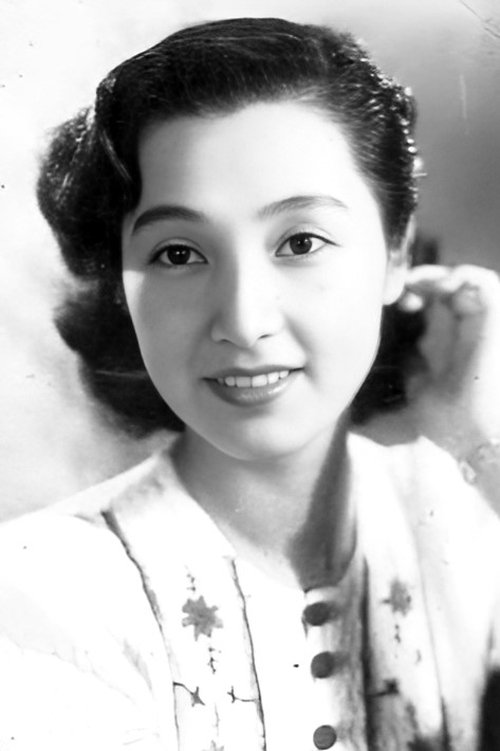
Mieko Takamine
Setsuko Toda
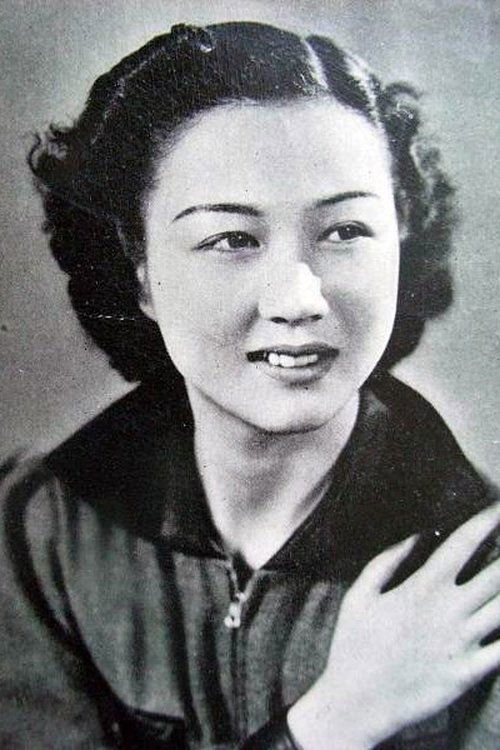
Michiko Kuwano
Tokiko
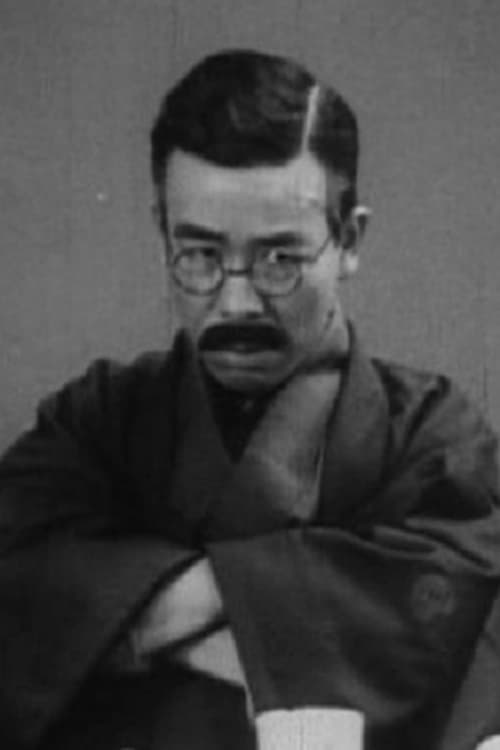
Reikichi Kawamura
Suzuki
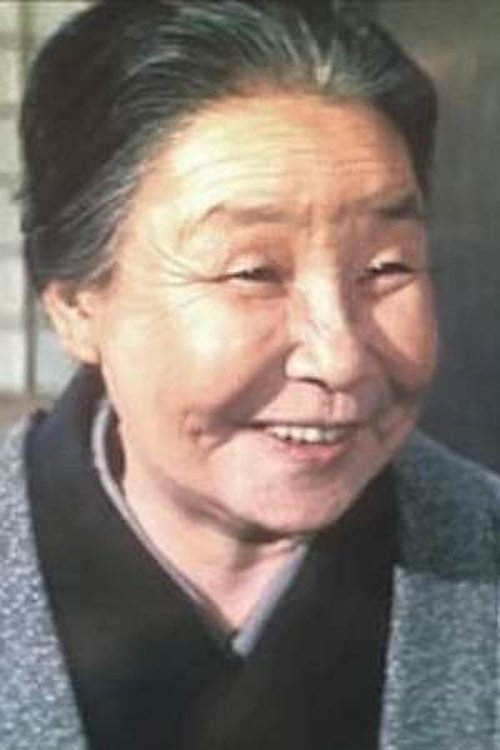
Chōko Iida
Kiyo
Crew
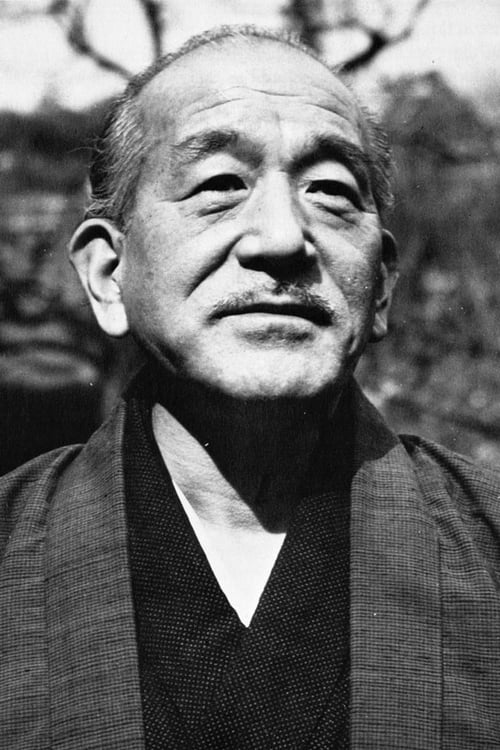
Yasujirō Ozu
Director
Yasujirō Ozu
Writer
Popular Reviews
4 reviews
Nick
8.0★ · 02/04/26

One of Ozu’s most scathing critiques of gender and power dynamics within Japanese society. It’s easily a new favourite and one I’m suspicious belongs in the upper echelons of his work. There is an abundance of intentionality behind the camera and narrative. Normal Ozu tropes are elevated toward borderline satirical commentary. If it weren’t for the impenetrable austerity of Ozu’s control, this would spiral into something farcical or tonally overbearing.
The progressive revelation of adherence to the unspoken hierarchy feels so divinely decreed it would be absurd if it weren’t so sincere. An early scene starts with a sympathetic Shojiro urging his sister to get some rest after a long night. Without blinking or a hint of irony, Shojiro seamlessly concludes his caring charade with an unrefusable command to make him food. There’s a razor thin layer, just enough to proclaim its existence, of reflective self-aware criticism surrounding the featured family.
The most restrained moment of silent outcry is so subtle, it could be missed. When the mother and Setsuko stay with the first family, Kazuko is revealed to liberally use her buzzer to servants. A later scene, another daughter meets her husband for dinner. The husband unnoticeably grabs a small buzzer to his left; the ring is diagetically silent. But the kicker? An entire shot focuses on the barmaid who silently comes down the corridor, opens their room’s door, and listens (to take their order). It is a breathtaking moment of servitude, poetically linked to a preceeding motif.
Ozu doesn’t seem to shy away from indulgence, relative to his standards. If this kind of comedic mistreatment wasn’t getting old already, another sequential scene triples down on the layer of servitude. The first scene of Setsuko and mother in the rural house features Setsuko give their servant an order to make snacks, with an emphasized ”Hurry!” The cylindrical entwinement of master and servant never disappears.
Ozu’s web of characters is balanced diversely. Consideration of Shojiro, a radical in his own right, anchors and propels the conclusion in a more pointed and sympathetic way. I’m unsure of Ozu’s politics, especially around this time, 1941, but his concluding attitude toward China and its opportunities feel contextually rebellious. There’s a great anger captured here. Everyone is under the thumb of someone else. The only escape seems to be exodus.
The progressive revelation of adherence to the unspoken hierarchy feels so divinely decreed it would be absurd if it weren’t so sincere. An early scene starts with a sympathetic Shojiro urging his sister to get some rest after a long night. Without blinking or a hint of irony, Shojiro seamlessly concludes his caring charade with an unrefusable command to make him food. There’s a razor thin layer, just enough to proclaim its existence, of reflective self-aware criticism surrounding the featured family.
The most restrained moment of silent outcry is so subtle, it could be missed. When the mother and Setsuko stay with the first family, Kazuko is revealed to liberally use her buzzer to servants. A later scene, another daughter meets her husband for dinner. The husband unnoticeably grabs a small buzzer to his left; the ring is diagetically silent. But the kicker? An entire shot focuses on the barmaid who silently comes down the corridor, opens their room’s door, and listens (to take their order). It is a breathtaking moment of servitude, poetically linked to a preceeding motif.
Ozu doesn’t seem to shy away from indulgence, relative to his standards. If this kind of comedic mistreatment wasn’t getting old already, another sequential scene triples down on the layer of servitude. The first scene of Setsuko and mother in the rural house features Setsuko give their servant an order to make snacks, with an emphasized ”Hurry!” The cylindrical entwinement of master and servant never disappears.
Ozu’s web of characters is balanced diversely. Consideration of Shojiro, a radical in his own right, anchors and propels the conclusion in a more pointed and sympathetic way. I’m unsure of Ozu’s politics, especially around this time, 1941, but his concluding attitude toward China and its opportunities feel contextually rebellious. There’s a great anger captured here. Everyone is under the thumb of someone else. The only escape seems to be exodus.
One of Ozu’s most scathing critiques of gender and power dynamics within Japanese society. It’s easily a new favourite and one I’m suspicious belongs in the upper echelons of his work. There is an abundance of intentionality behind the camera and narrative. Normal Ozu tropes are elevated toward borderline satirical commentary. If it weren’t for the impenetrable austerity of Ozu’s control, this would spiral into something farcical or tonally overbearing.
The progressive revelation of adherence to the unspoken hierarchy feels so divinely decreed it would be absurd if it weren’t so sincere. An early scene starts with a sympathetic Shojiro urging his sister to get some rest after a long night. Without blinking or a hint of irony, Shojiro seamlessly concludes his caring charade with an unrefusable command to make him food. There’s a razor thin layer, just enough to proclaim its existence, of reflective self-aware criticism surrounding the featured family.
The most restrained moment of silent outcry is so subtle, it could be missed. When the mother and Setsuko stay with the first family, Kazuko is revealed to liberally use her buzzer to servants. A later scene, another daughter meets her husband for dinner. The husband unnoticeably grabs a small buzzer to his left; the ring is diagetically silent. But the kicker? An entire shot focuses on the barmaid who silently comes down the corridor, opens their room’s door, and listens (to take their order). It is a breathtaking moment of servitude, poetically linked to a preceeding motif.
Ozu doesn’t seem to shy away from indulgence, relative to his standards. If this kind of comedic mistreatment wasn’t getting old already, another sequential scene triples down on the layer of servitude. The first scene of Setsuko and mother in the rural house features Setsuko give their servant an order to make snacks, with an emphasized ”Hurry!” The cylindrical entwinement of master and servant never disappears.
Ozu’s web of characters is balanced diversely. Consideration of Shojiro, a radical in his own right, anchors and propels the conclusion in a more pointed and sympathetic way. I’m unsure of Ozu’s politics, especially around this time, 1941, but his concluding attitude toward China and its opportunities feel contextually rebellious. There’s a great anger captured here. Everyone is under the thumb of someone else. The only escape seems to be exodus.
The progressive revelation of adherence to the unspoken hierarchy feels so divinely decreed it would be absurd if it weren’t so sincere. An early scene starts with a sympathetic Shojiro urging his sister to get some rest after a long night. Without blinking or a hint of irony, Shojiro seamlessly concludes his caring charade with an unrefusable command to make him food. There’s a razor thin layer, just enough to proclaim its existence, of reflective self-aware criticism surrounding the featured family.
The most restrained moment of silent outcry is so subtle, it could be missed. When the mother and Setsuko stay with the first family, Kazuko is revealed to liberally use her buzzer to servants. A later scene, another daughter meets her husband for dinner. The husband unnoticeably grabs a small buzzer to his left; the ring is diagetically silent. But the kicker? An entire shot focuses on the barmaid who silently comes down the corridor, opens their room’s door, and listens (to take their order). It is a breathtaking moment of servitude, poetically linked to a preceeding motif.
Ozu doesn’t seem to shy away from indulgence, relative to his standards. If this kind of comedic mistreatment wasn’t getting old already, another sequential scene triples down on the layer of servitude. The first scene of Setsuko and mother in the rural house features Setsuko give their servant an order to make snacks, with an emphasized ”Hurry!” The cylindrical entwinement of master and servant never disappears.
Ozu’s web of characters is balanced diversely. Consideration of Shojiro, a radical in his own right, anchors and propels the conclusion in a more pointed and sympathetic way. I’m unsure of Ozu’s politics, especially around this time, 1941, but his concluding attitude toward China and its opportunities feel contextually rebellious. There’s a great anger captured here. Everyone is under the thumb of someone else. The only escape seems to be exodus.


Dante
5.8★ · 07/02/24
David Brook
8.0★ · 06/02/20
Ehzer Cordova
6.0★ · 05/11/20