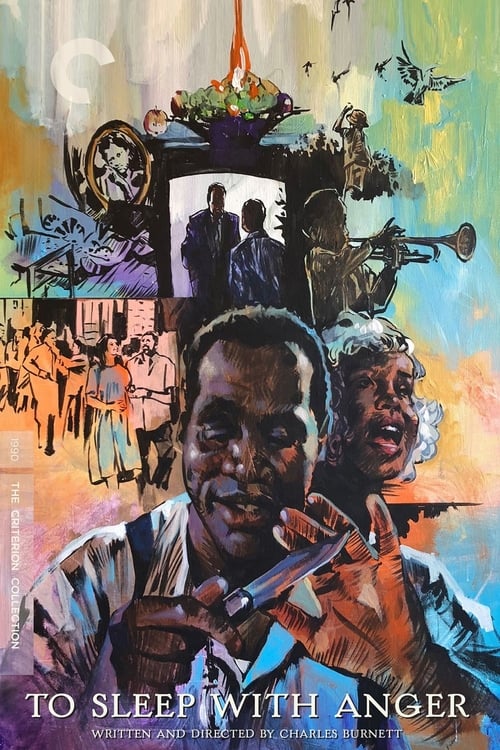
i usually tend to value form over content so when i'm writing a review i don't try to focus too much on the plot. but this film has such a literary quality to it that i can't help it.
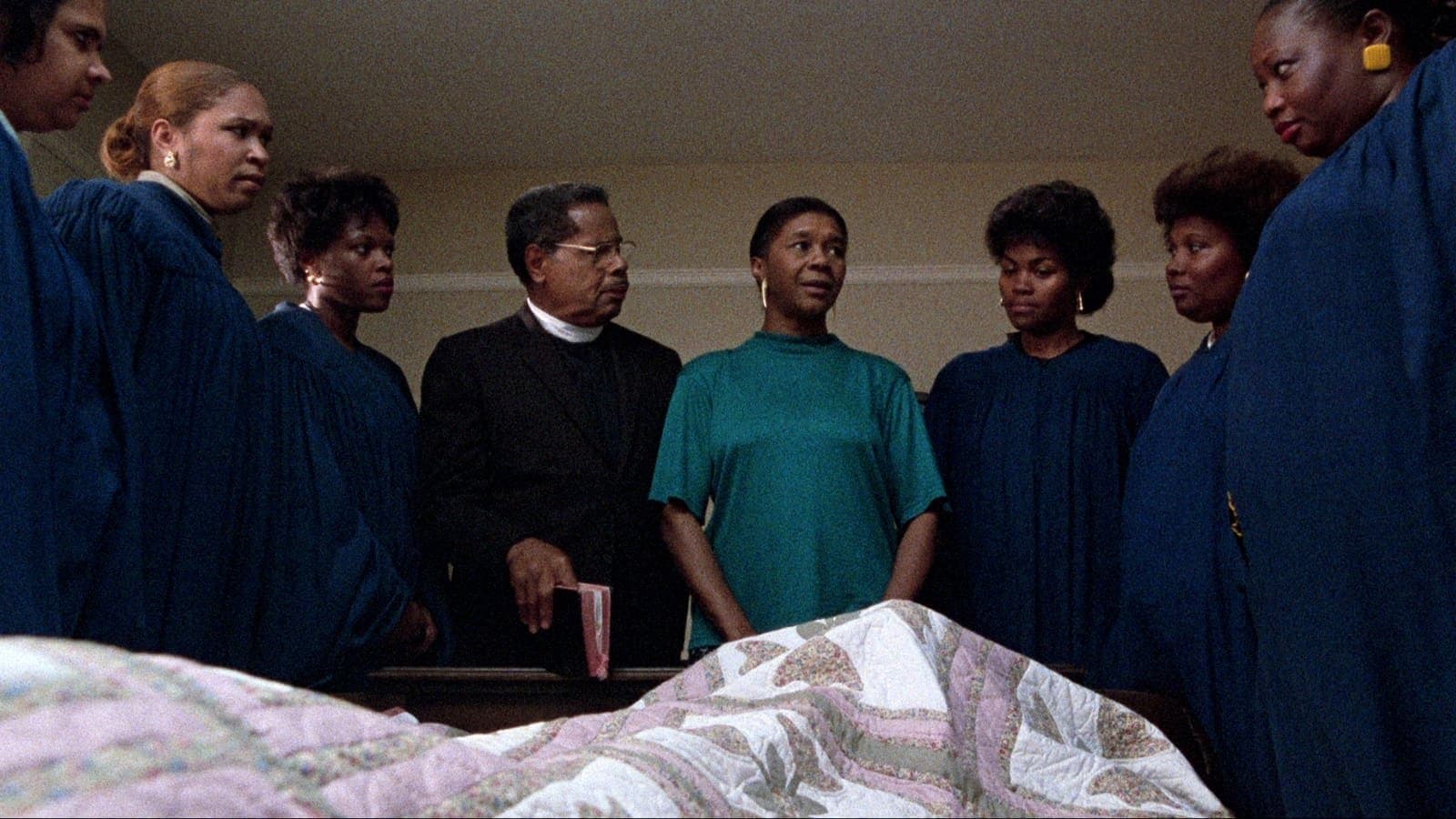
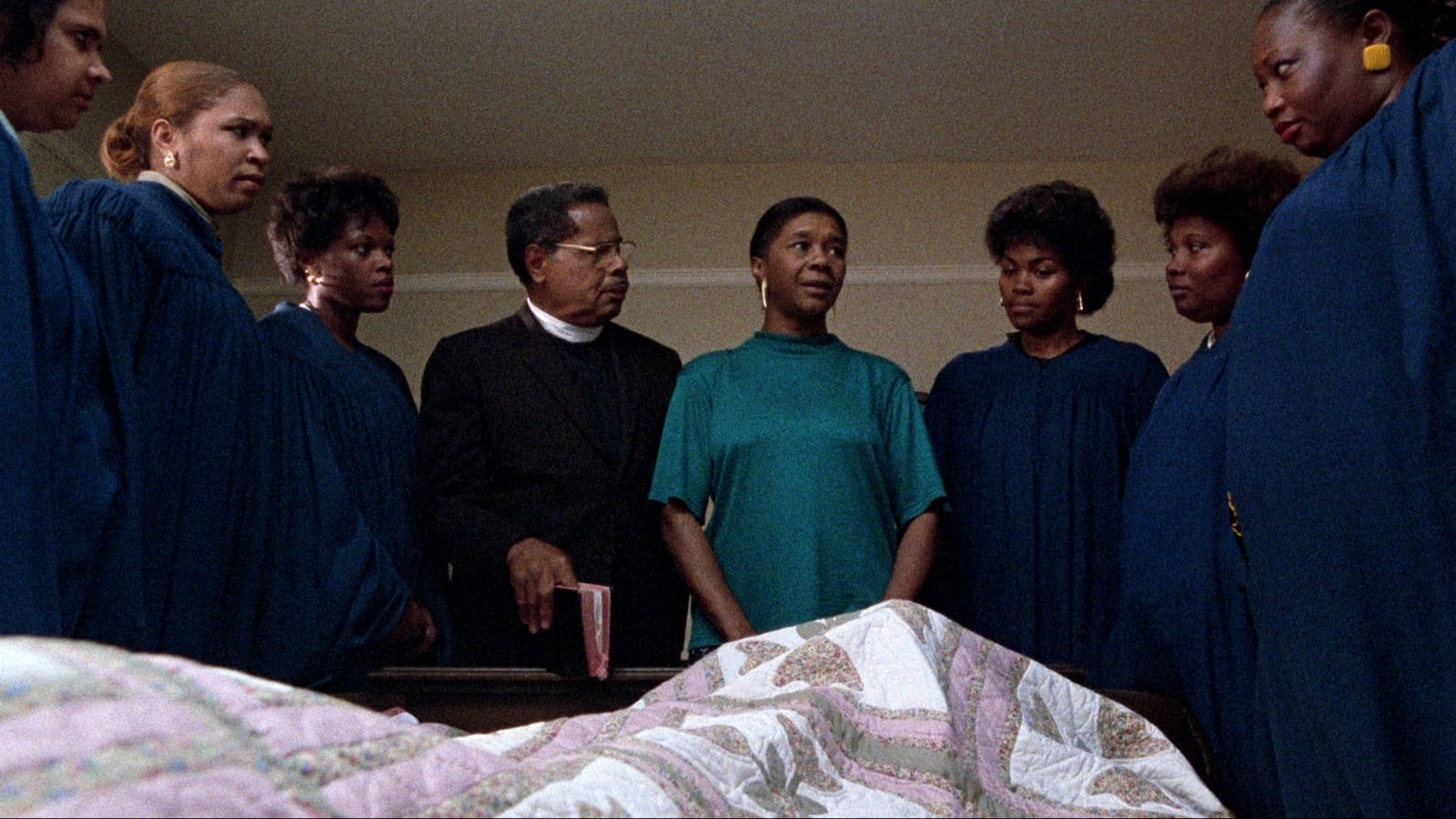
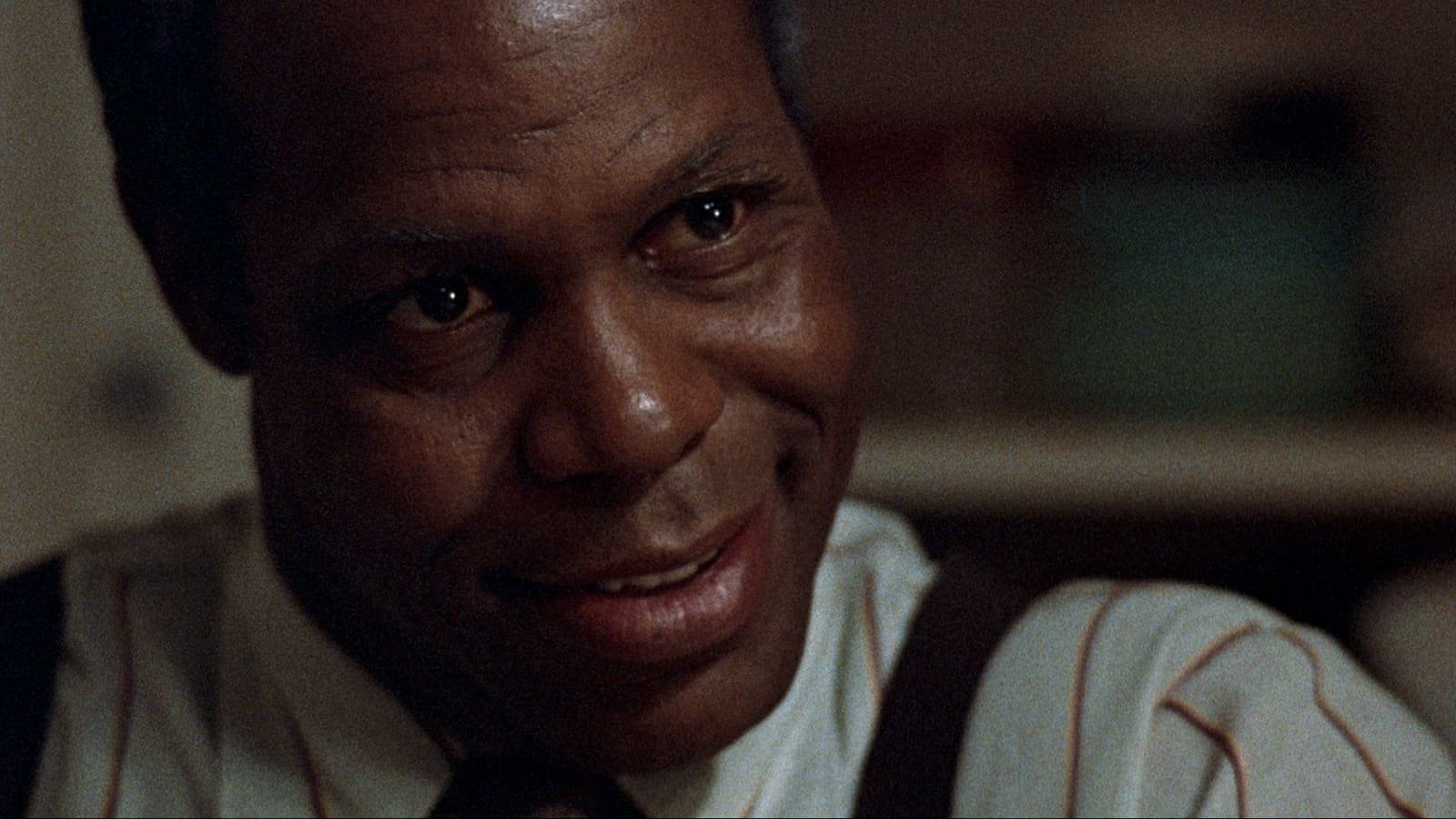
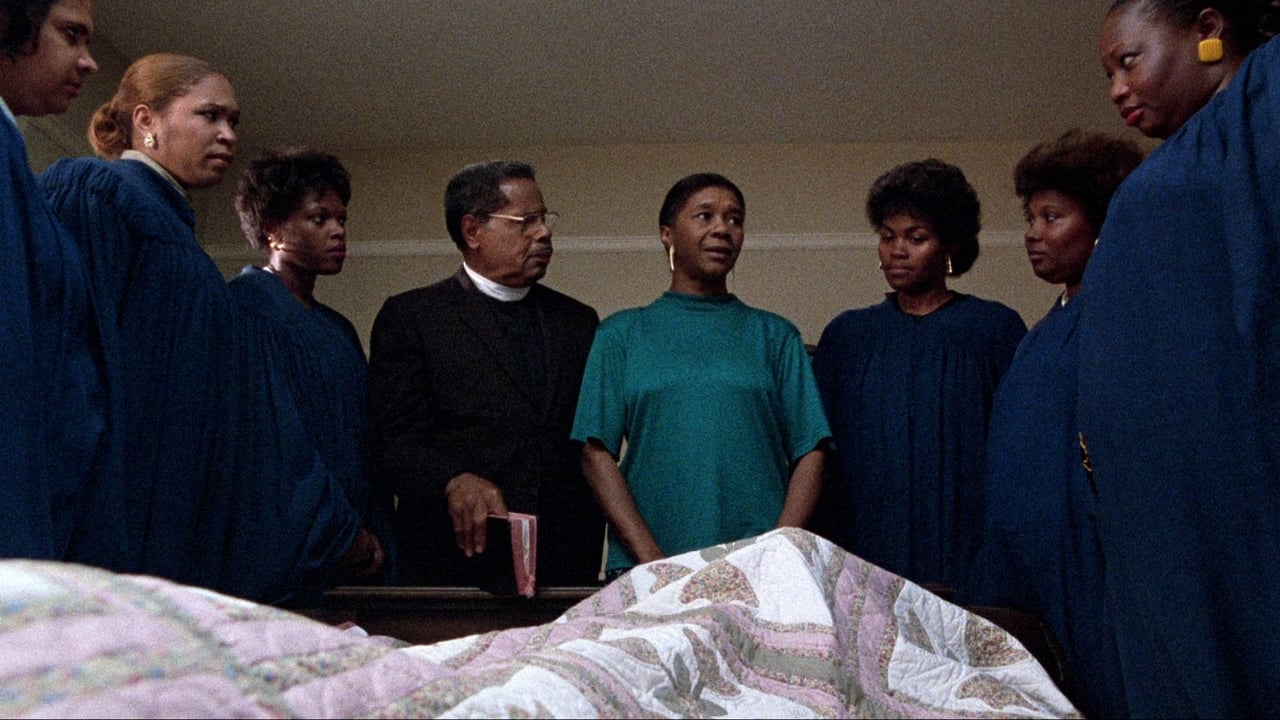
you know a film is good when it makes you pause and start reading the bible. there's a crucial scene early in the film that serves as foreshadowing. it's not particularly subtle but it's not exactly straightforward either. we see Danny Glover's character snooping around the house and there's a cut to a sermon. the preacher says, "Think not that I am come to send peace on earth: I came not to send peace, but a sword. For I am come to set a man at variance against his father, and the daughter against her mother, and the daughter in law against her mother in law. And a man's foes shall be they of his own household."
this is the first moment that the film starts to show its hand. until that point, you don't know where the story is going or what the film is really about. so it definitely caught my attention.
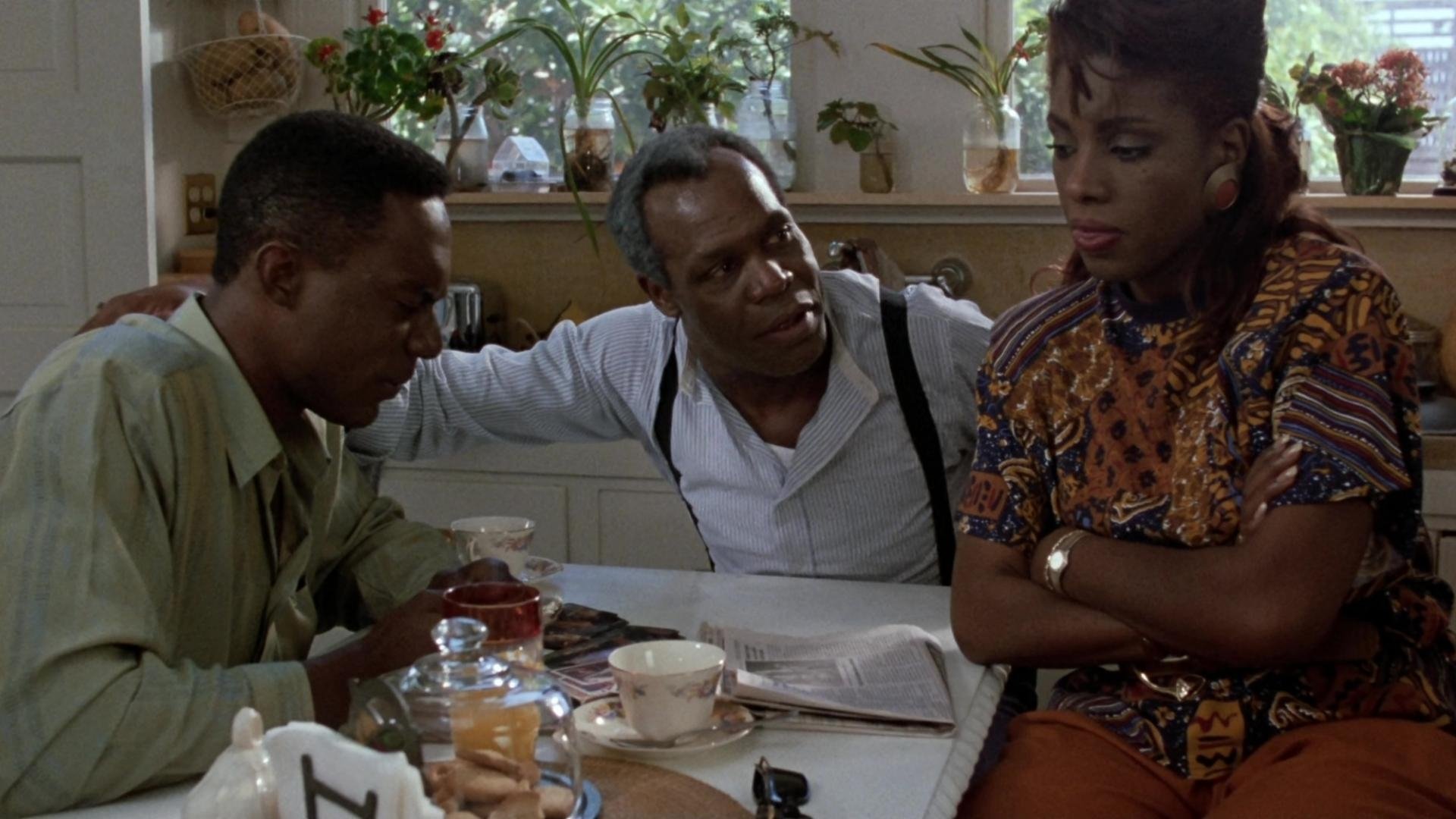
at first i thought, "okay well obviously Danny Glover is the devil." his interactions with those around him definitely don't make him seem like a positive influence. but i wasn't fully convinced. so i looked up the verse and sure enough, it's actually a quote from Jesus. okay... so i've read enough literature to know that just because there's allusions to Christ doesn't necessarily mean that the character is a Christ figure, and even if he (or she) is, that could still be interpreted in many different ways. maybe he is some kind of antichrist figure who is going to serve as a test of faith. but as the film went on, i became more and more convinced that Danny Glover is, indeed, the devil, and maybe i was just overthinking it.
there are a few more bible quotes in the film and instead of shedding light, each one only adds more layers to the symbolism. again, it's hard to look past the bible and one of the first things that came to mind was the story of Cain and Abel which still, while it may have some parallels, doesn't really fit the picture. at that point i also had to confront the fact that i was probably missing a lot of cultural context. what do the marbles mean? what the hell is a "toby"? i also thought this film was an adaptation, but it's not. i know Charles Burnett is a fan of Faulkner and i can maybe see a bit of Toni Morrison influence here as well. and even the title of the film can be dissected further.
the first time i heard the nickname "baby brother," i laughed at how silly it was that literally everyone refers to him like that. but then in the third act he demands to be called by his real name, his christian name, if you will, "Sam." which obviously lead me into another bible deep dive.
and now i know a lot more about the bible than i did a few hours ago but still don't feel like i've scratched the surface of everything there is to unpack in this film. time to read a bunch of reviews i guess.
the film has a bit of dark humor which caught me off guard (in a good way). the story is pretty straightforward at its core but still feels very enigmatic. maybe i was expecting the ending to be a little more "explosive," but it was still better than anything i could've hoped for.
and i would be doing a disservice if i didn't mention the racial themes. i like when films deal with race without necessarily inserting white characters in the story. it's something i particularly appreciated when i was getting into African cinema. it just tends to lead to more complex narratives while still retaining the potency of the subject.
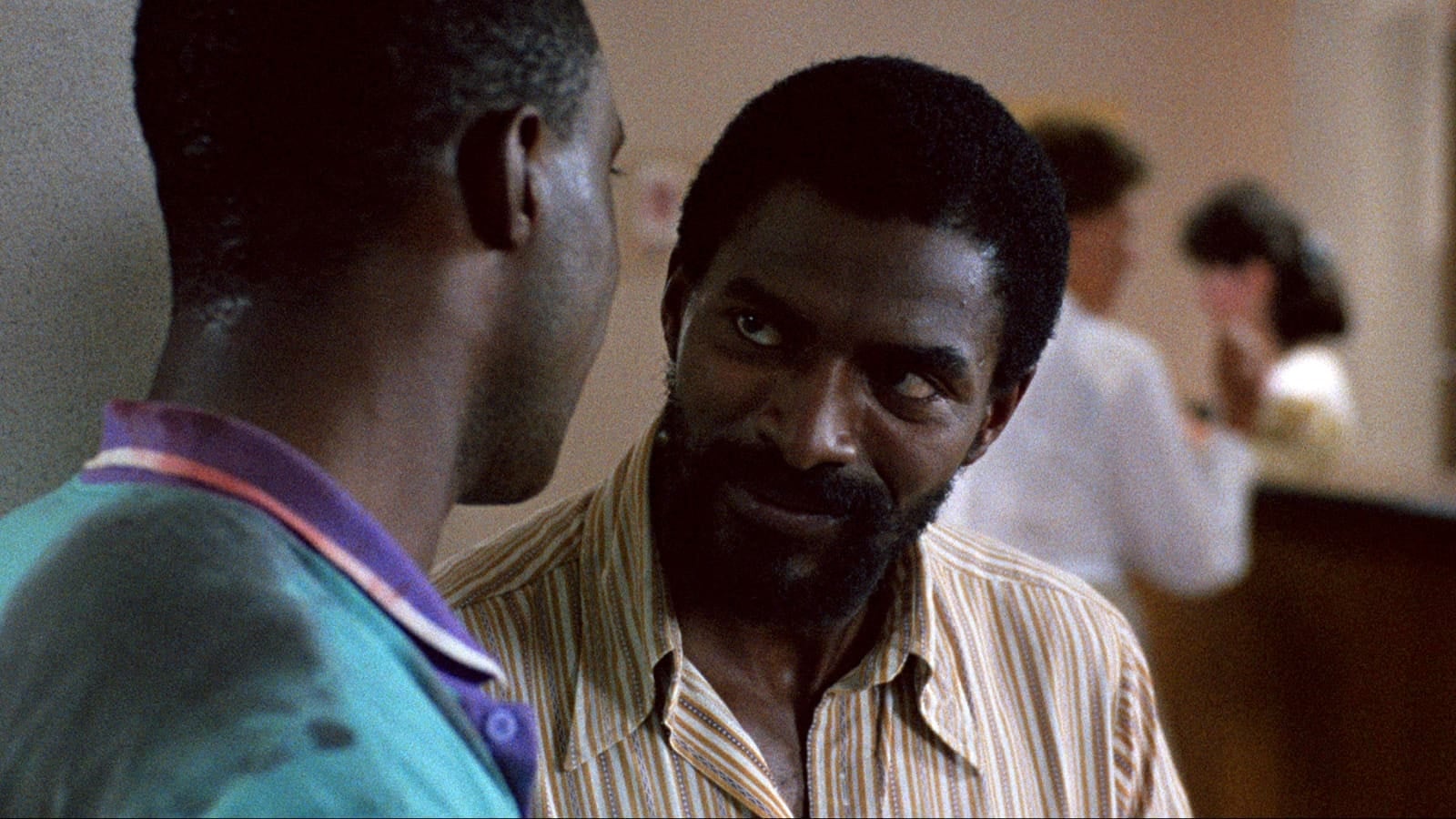
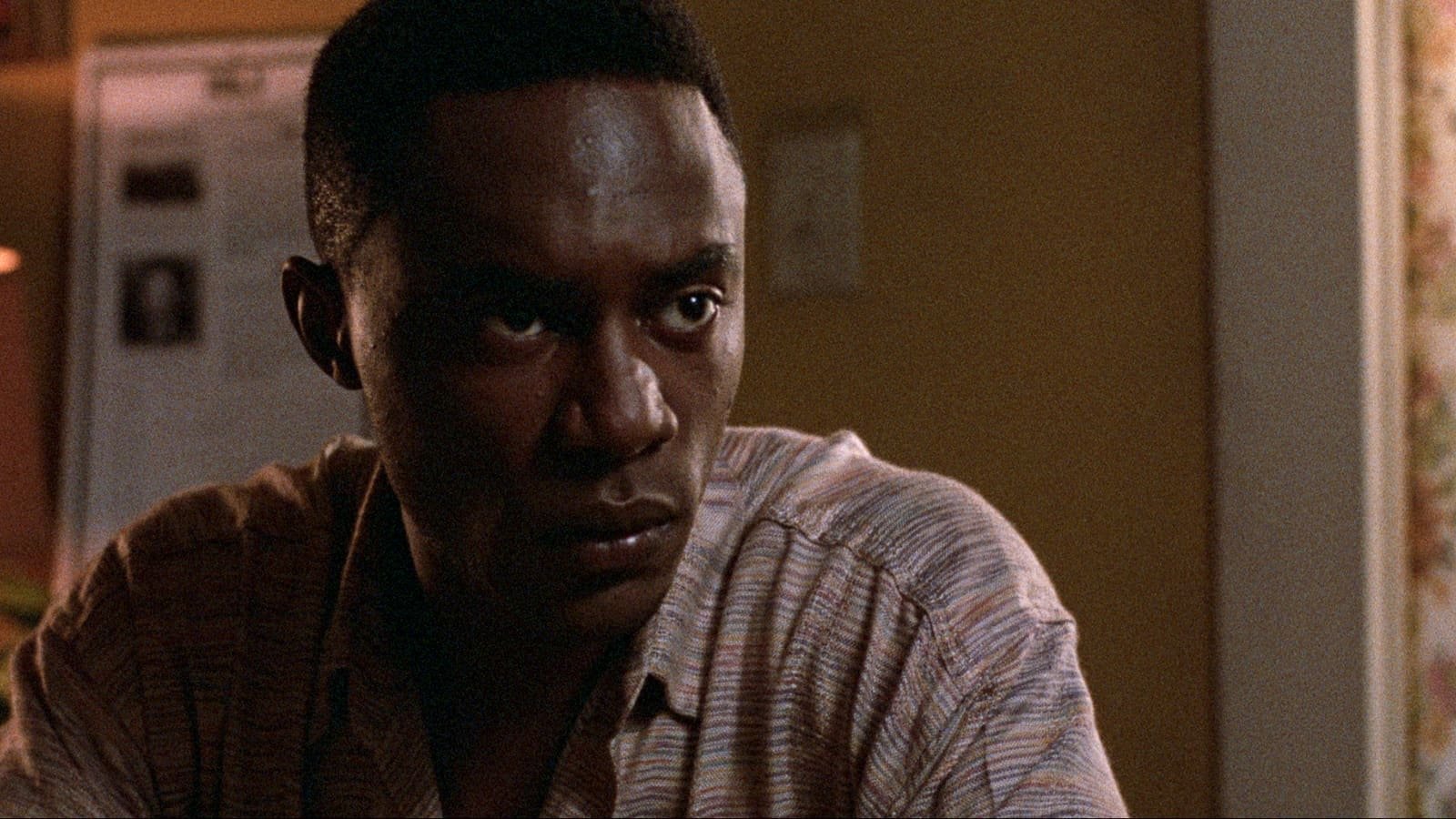
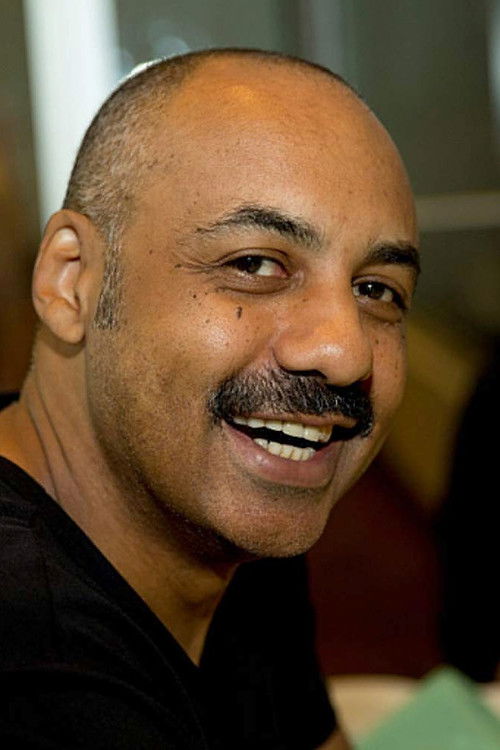
unrelated but the actor who plays Junior lowkey looks like he might break my ankles and then tell me the earth is flat. do you guys see the resemblance or is it just me?
i usually tend to value form over content so when i'm writing a review i don't try to focus too much on the plot. but this film has such a literary quality to it that i can't help it.
you know a film is good when it makes you pause and start reading the bible. there's a crucial scene early in the film that serves as foreshadowing. it's not particularly subtle but it's not exactly straightforward either. we see Danny Glover's character snooping around the house and there's a cut to a sermon. the preacher says, "Think not that I am come to send peace on earth: I came not to send peace, but a sword. For I am come to set a man at variance against his father, and the daughter against her mother, and the daughter in law against her mother in law. And a man's foes shall be they of his own household."
this is the first moment that the film starts to show its hand. until that point, you don't know where the story is going or what the film is really about. so it definitely caught my attention.
at first i thought, "okay well obviously Danny Glover is the devil." his interactions with those around him definitely don't make him seem like a positive influence. but i wasn't fully convinced. so i looked up the verse and sure enough, it's actually a quote from Jesus. okay... so i've read enough literature to know that just because there's allusions to Christ doesn't necessarily mean that the character is a Christ figure, and even if he (or she) is, that could still be interpreted in many different ways. maybe he is some kind of antichrist figure who is going to serve as a test of faith. but as the film went on, i became more and more convinced that Danny Glover is, indeed, the devil, and maybe i was just overthinking it.

there are a few more bible quotes in the film and instead of shedding light, each one only adds more layers to the symbolism. again, it's hard to look past the bible and one of the first things that came to mind was the story of Cain and Abel which still, while it may have some parallels, doesn't really fit the picture. at that point i also had to confront the fact that i was probably missing a lot of cultural context. what do the marbles mean? what the hell is a "toby"? i also thought this film was an adaptation, but it's not. i know Charles Burnett is a fan of Faulkner and i can maybe see a bit of Toni Morrison influence here as well. and even the title of the film can be dissected further.
the first time i heard the nickname "baby brother," i laughed at how silly it was that literally everyone refers to him like that. but then in the third act he demands to be called by his real name, his christian name, if you will, "Sam." which obviously lead me into another bible deep dive.
and now i know a lot more about the bible than i did a few hours ago but still don't feel like i've scratched the surface of everything there is to unpack in this film. time to read a bunch of reviews i guess.
the film has a bit of dark humor which caught me off guard (in a good way). the story is pretty straightforward at its core but still feels very enigmatic. maybe i was expecting the ending to be a little more "explosive," but it was still better than anything i could've hoped for.
and i would be doing a disservice if i didn't mention the racial themes. i like when films deal with race without necessarily inserting white characters in the story. it's something i particularly appreciated when i was getting into African cinema. it just tends to lead to more complex narratives while still retaining the potency of the subject.
unrelated but the actor who plays Junior lowkey looks like he might break my ankles and then tell me the earth is flat. do you guys see the resemblance or is it just me?