“We belong to two opposite sides. If we meet again, one of us will have to die.”
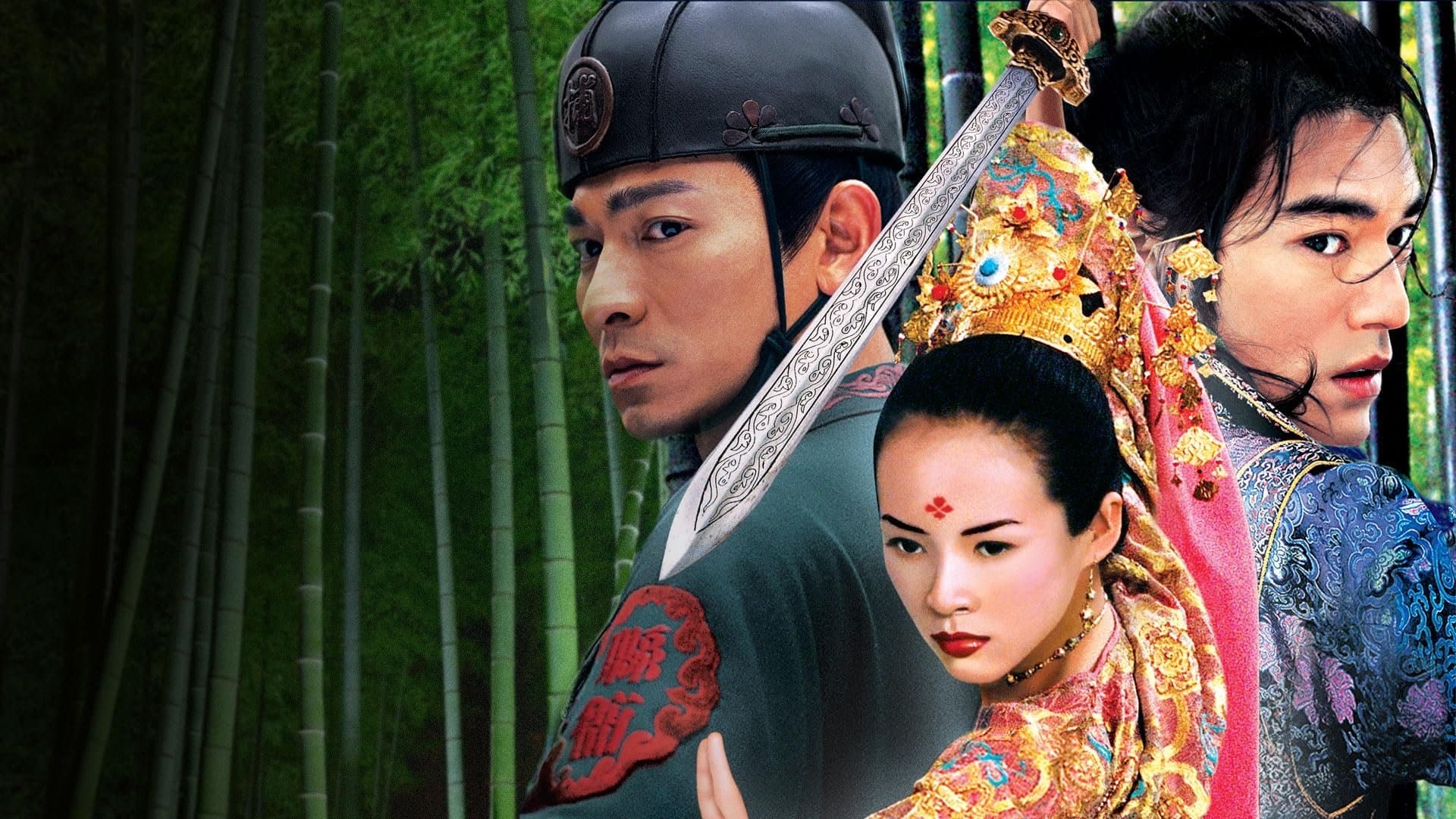
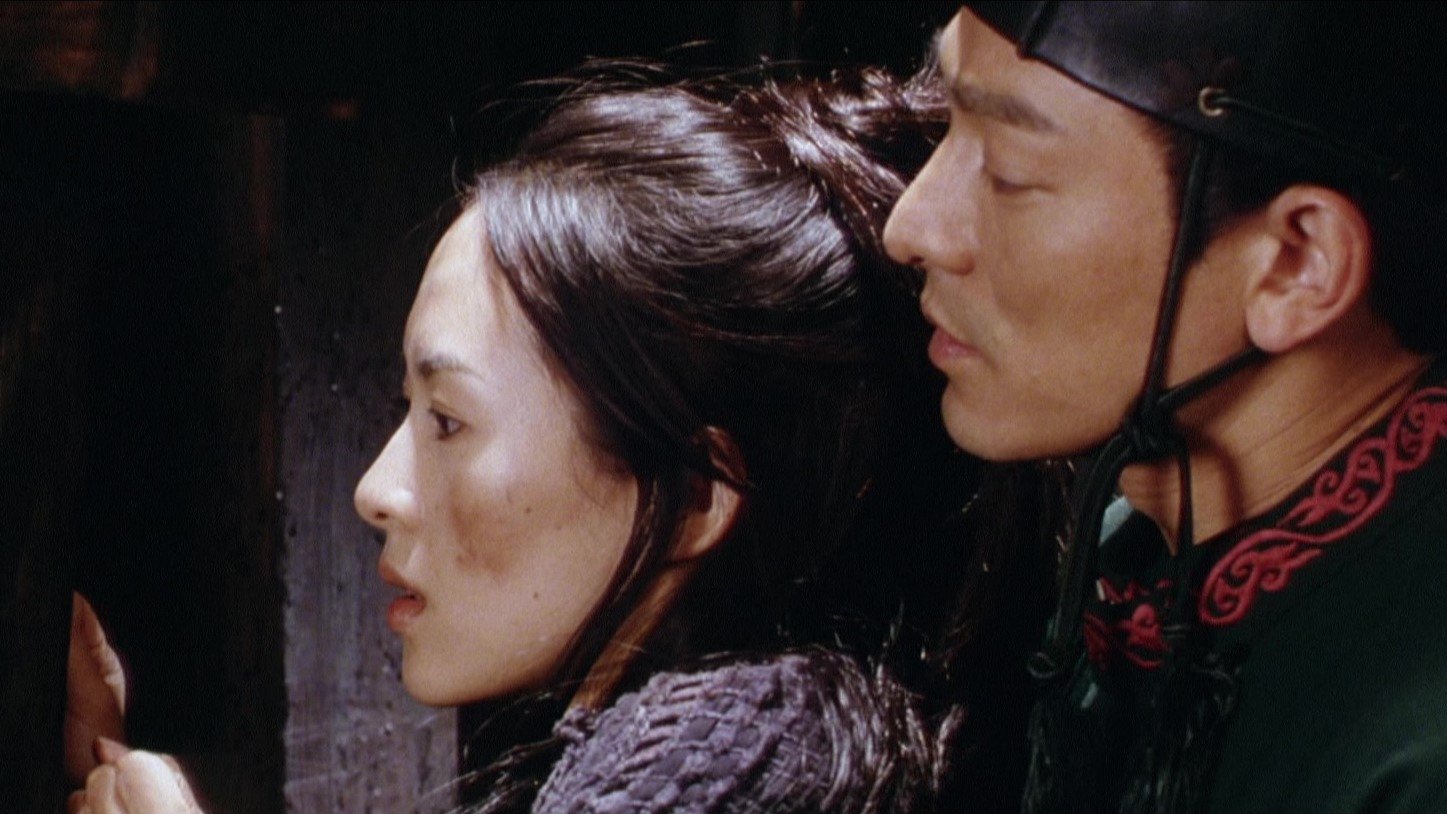
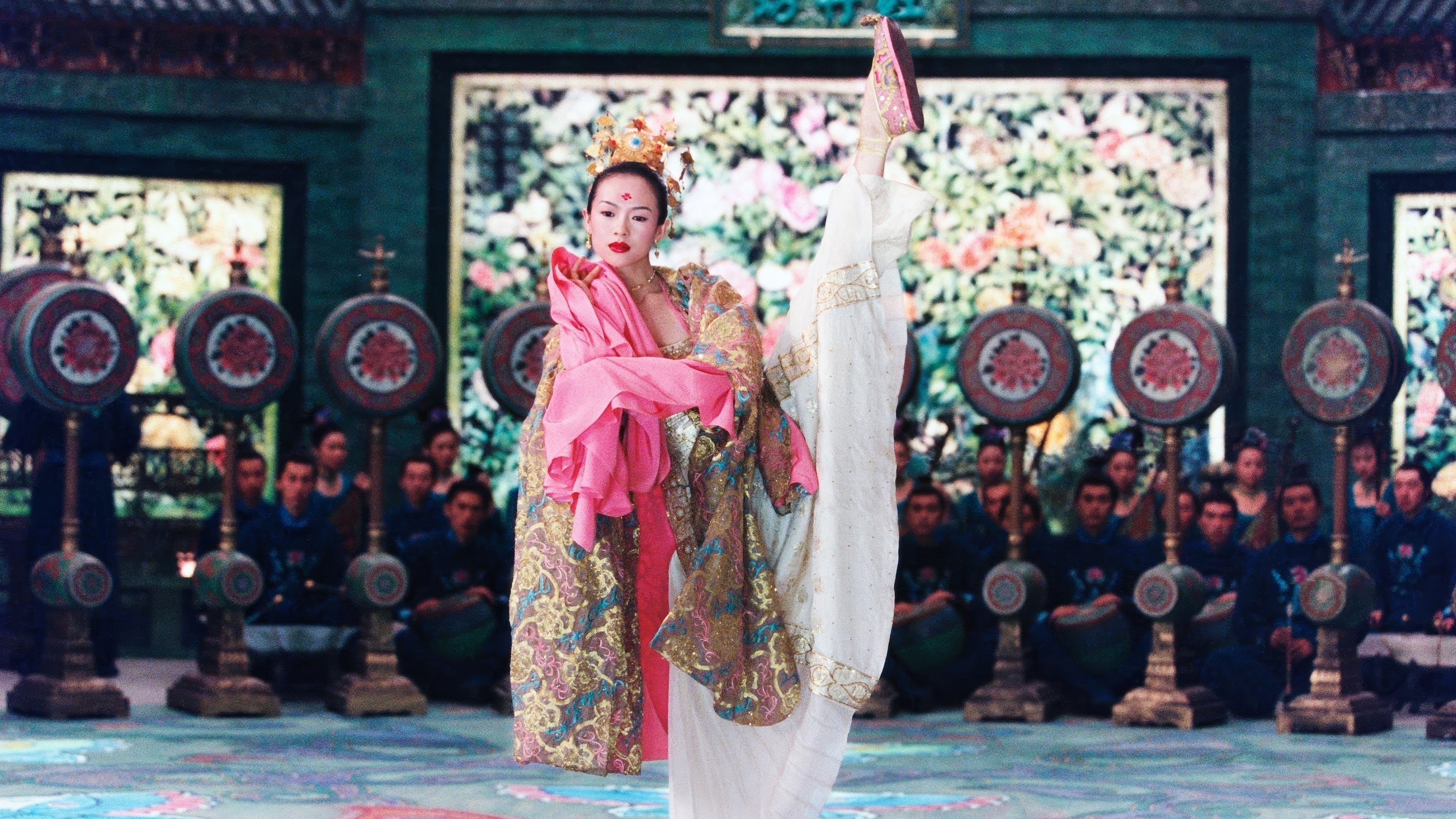
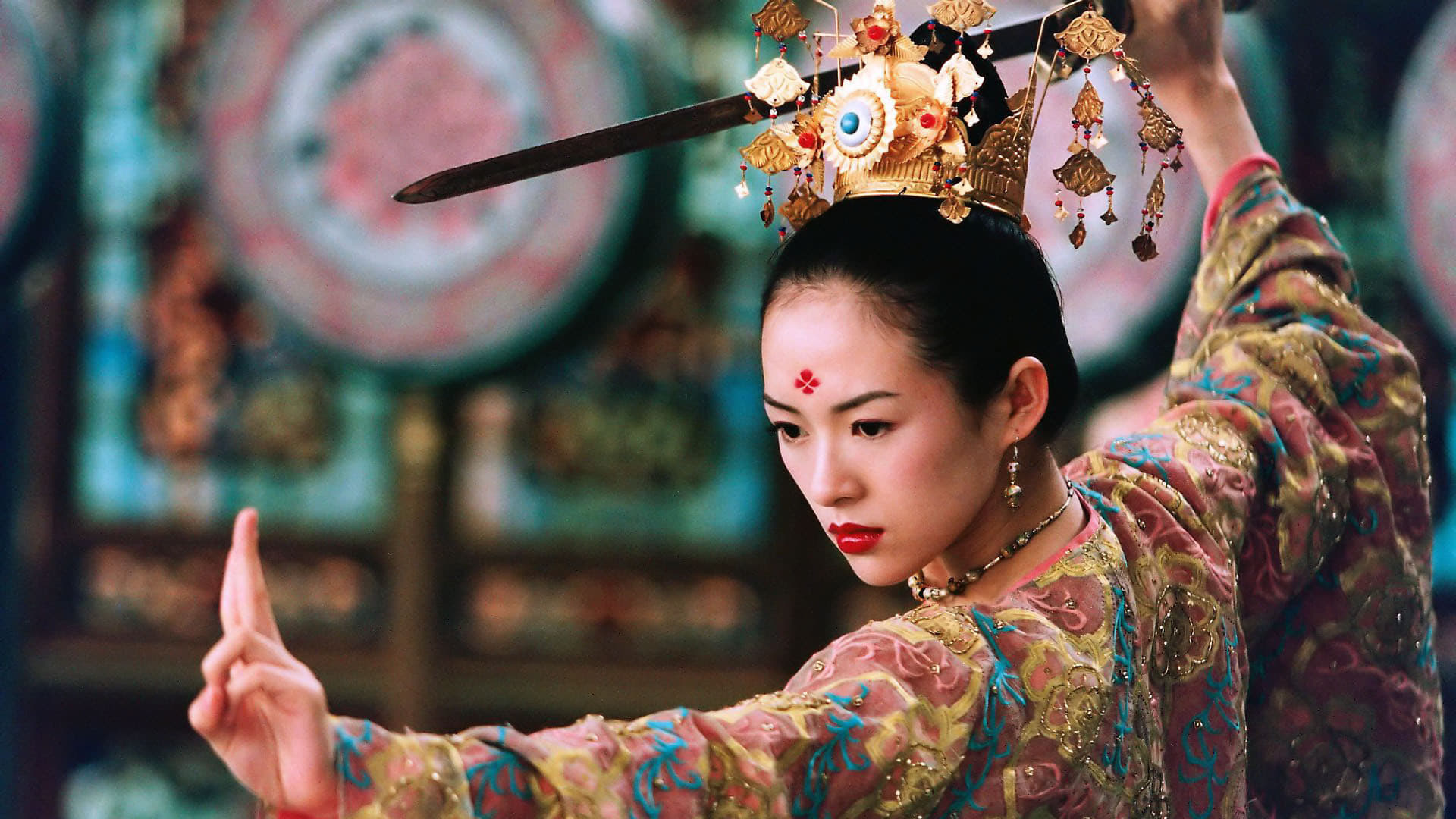
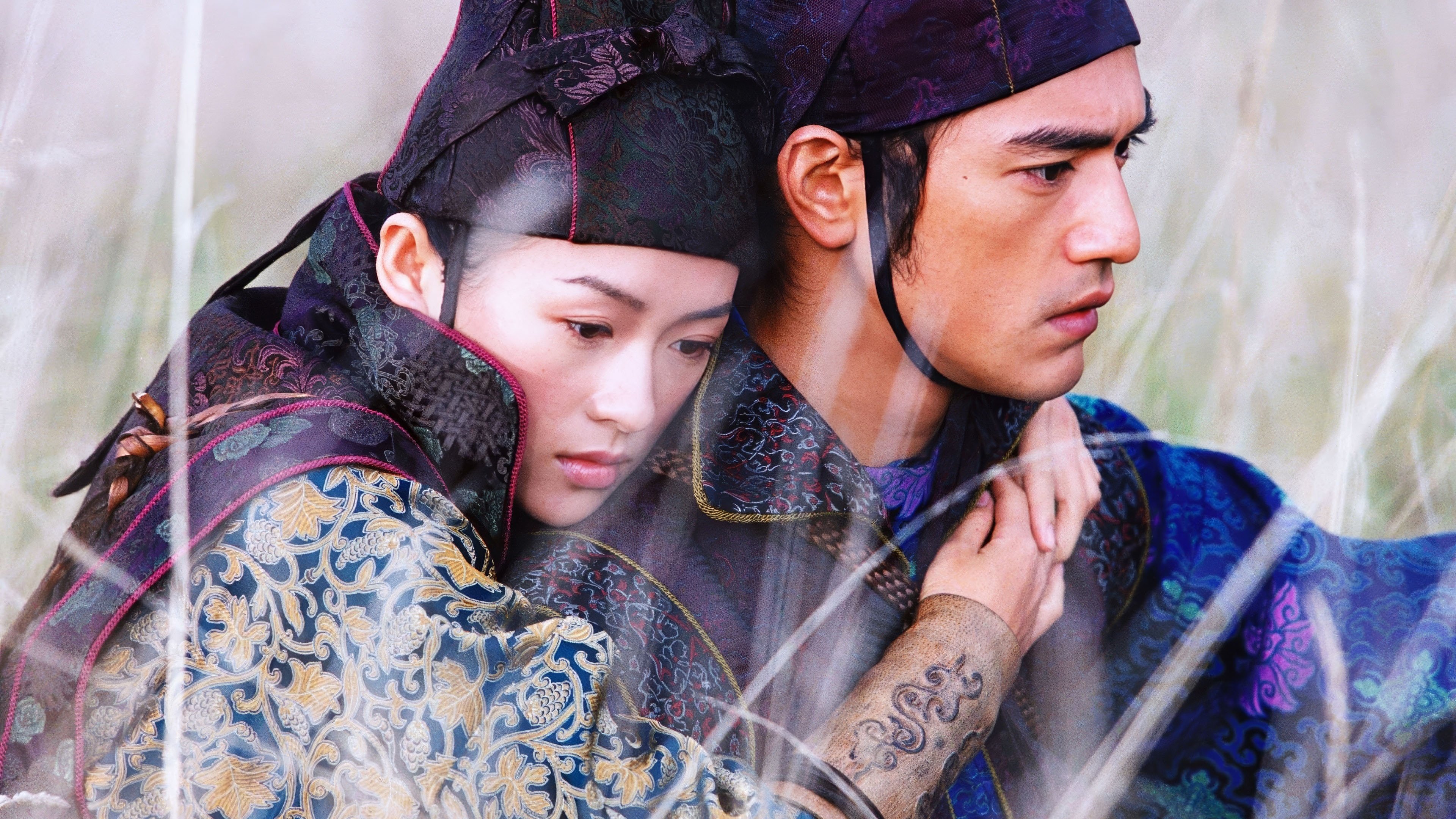
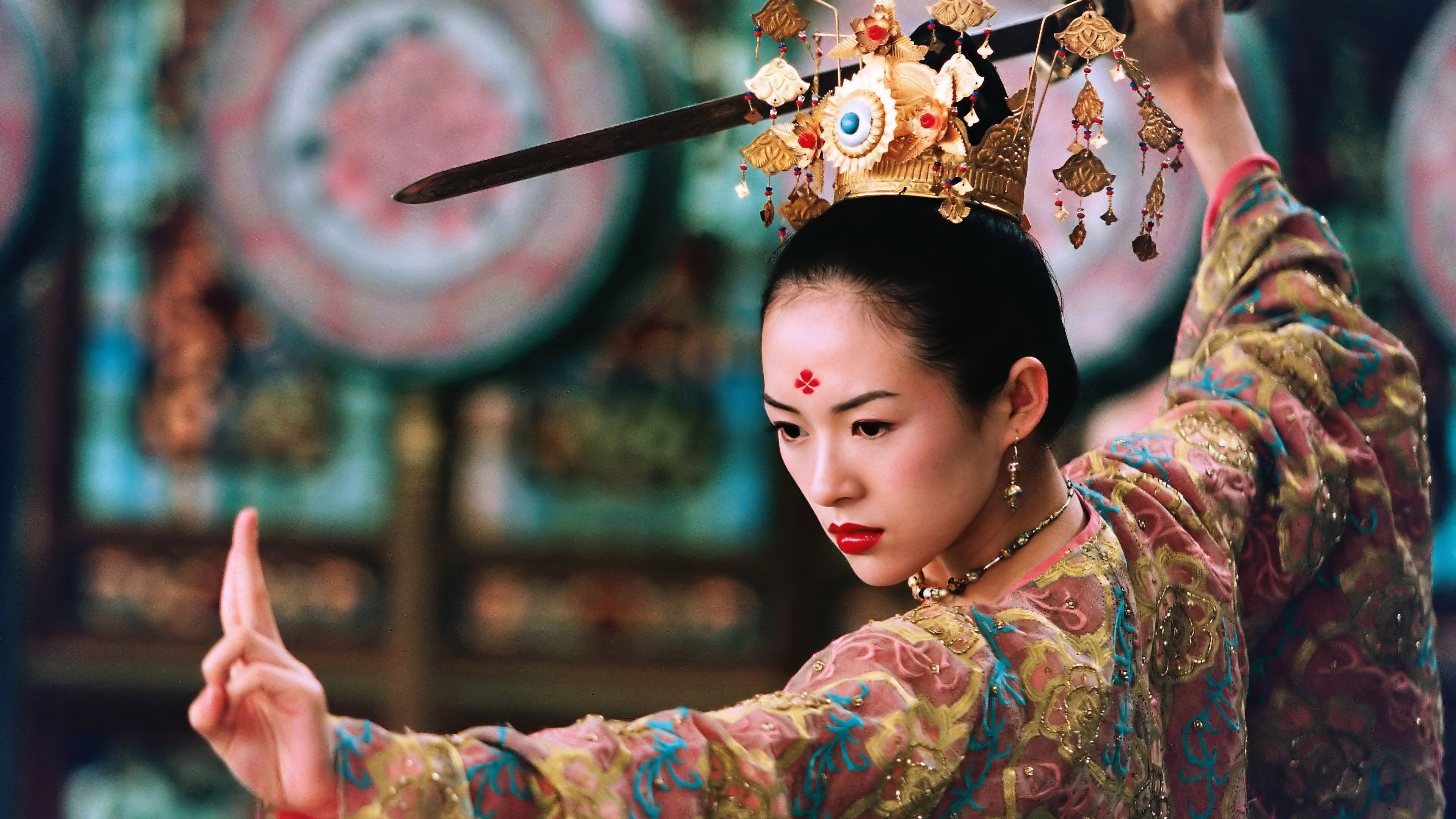
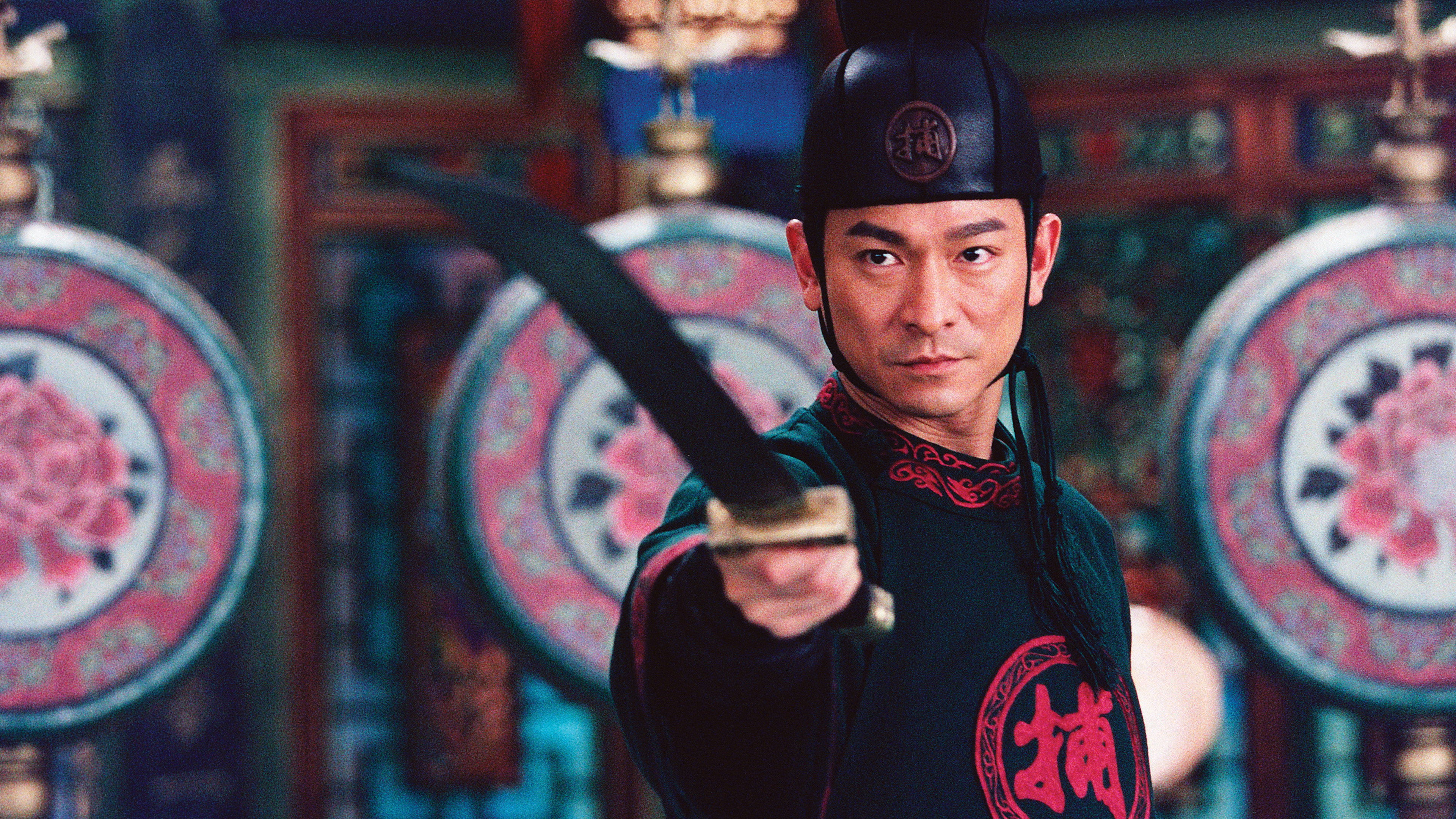
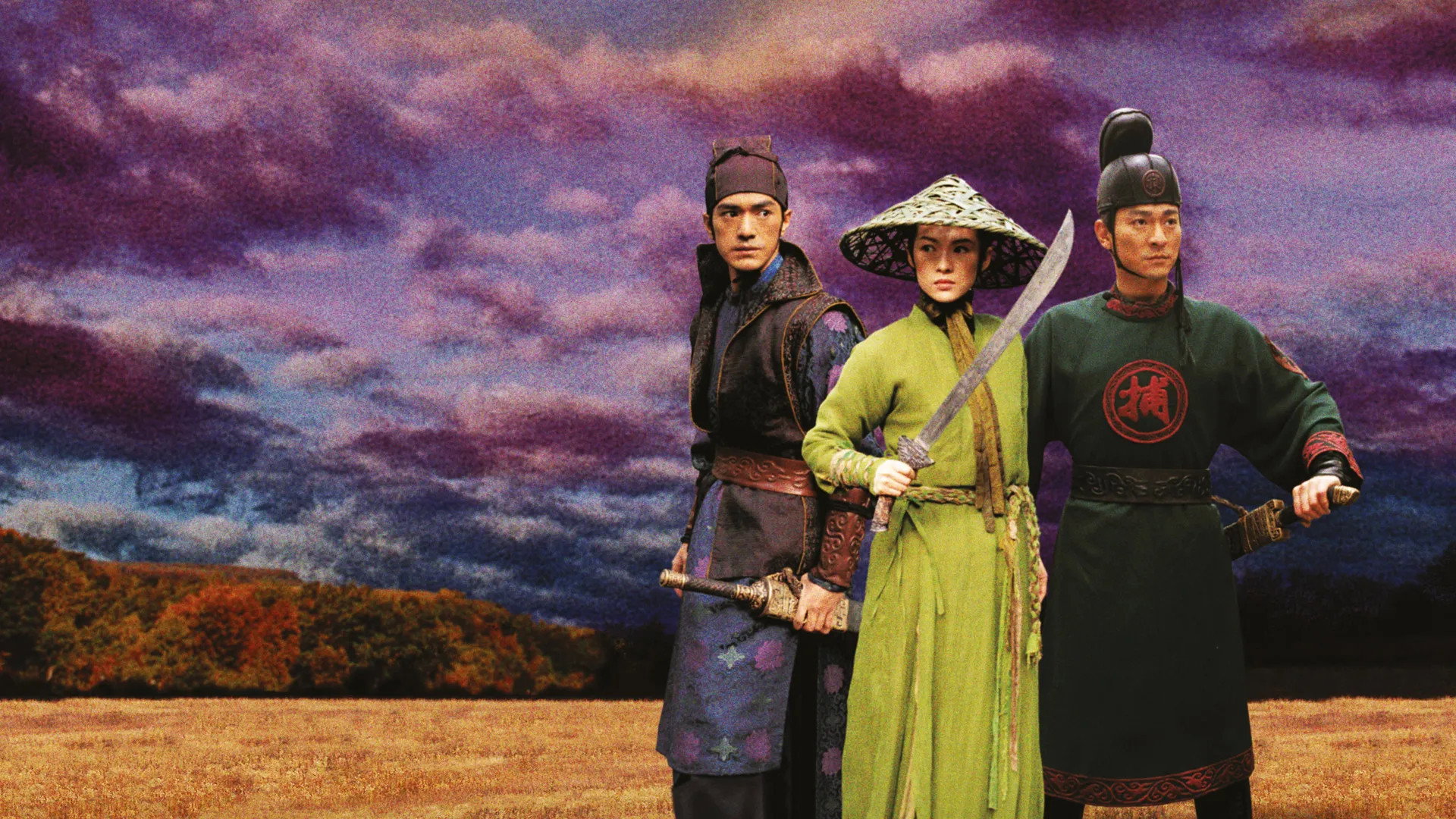
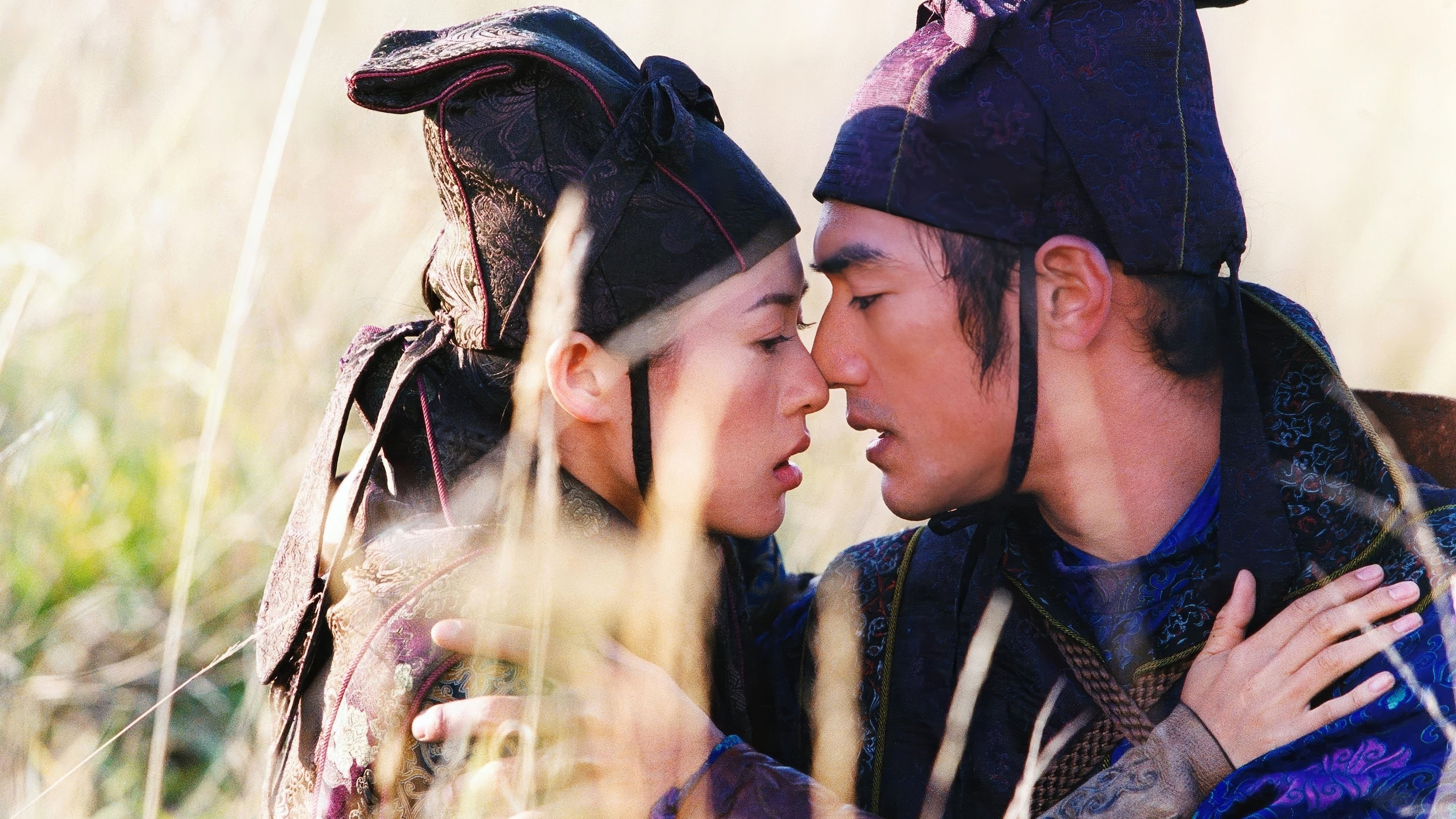
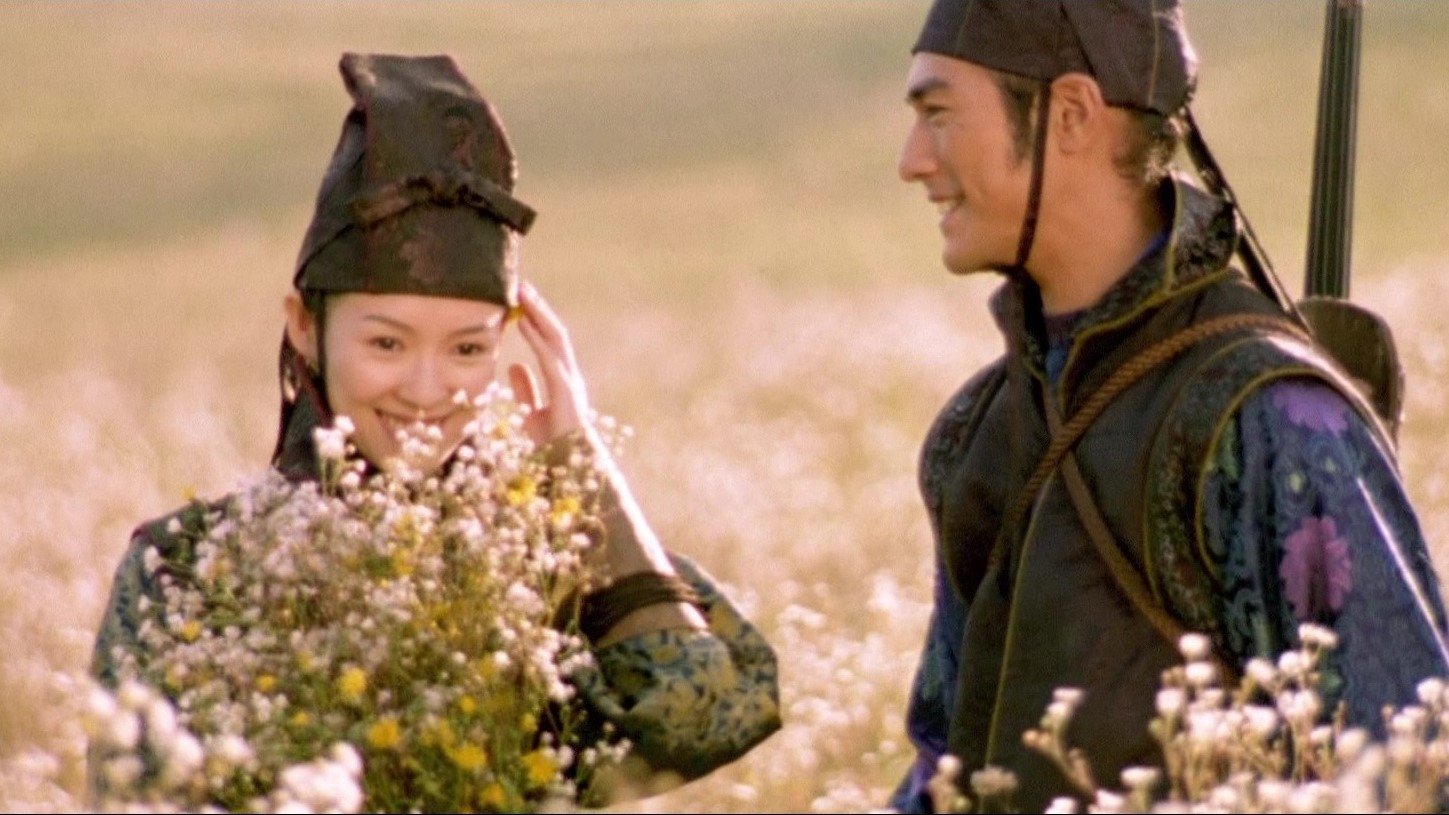
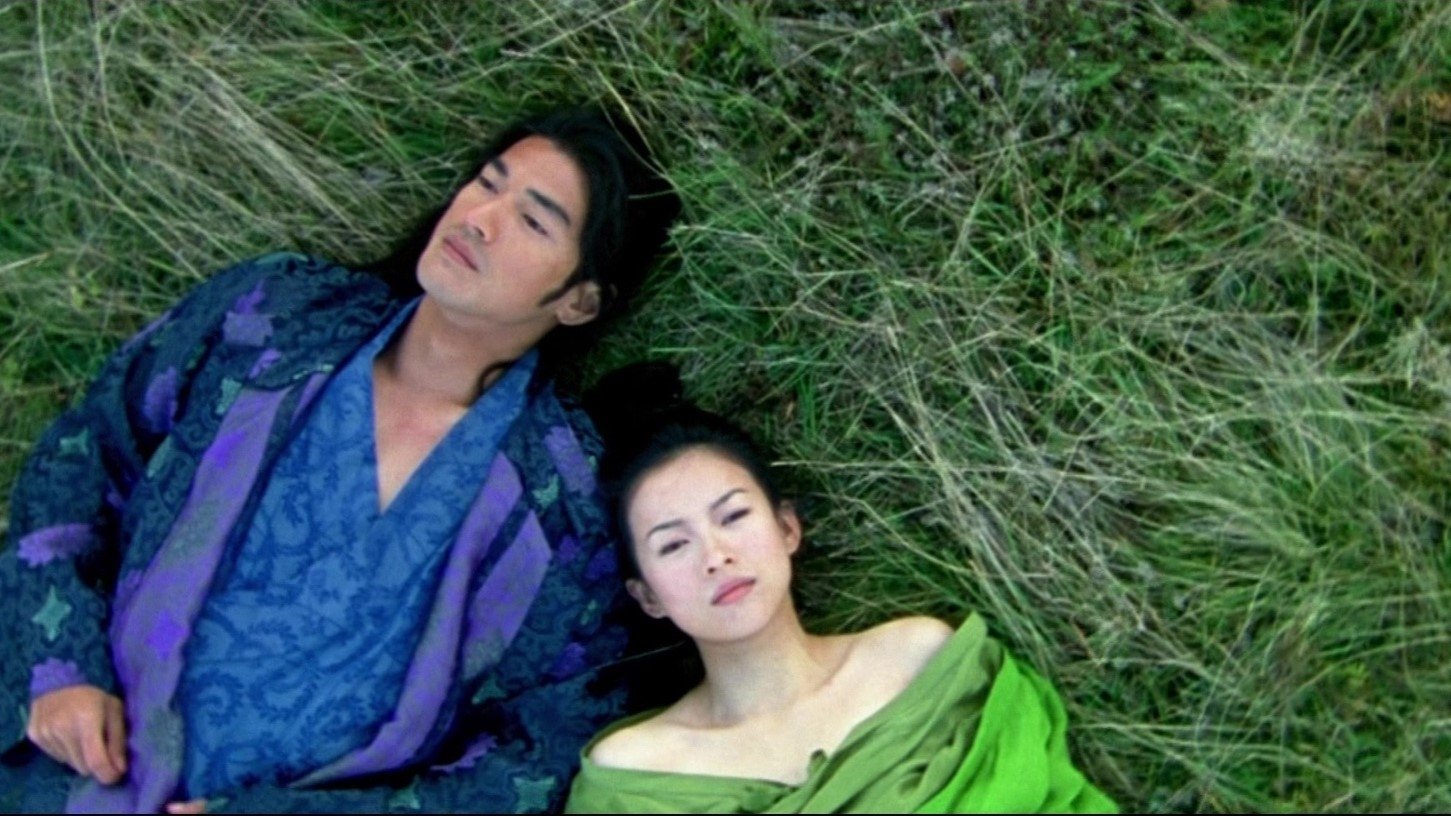
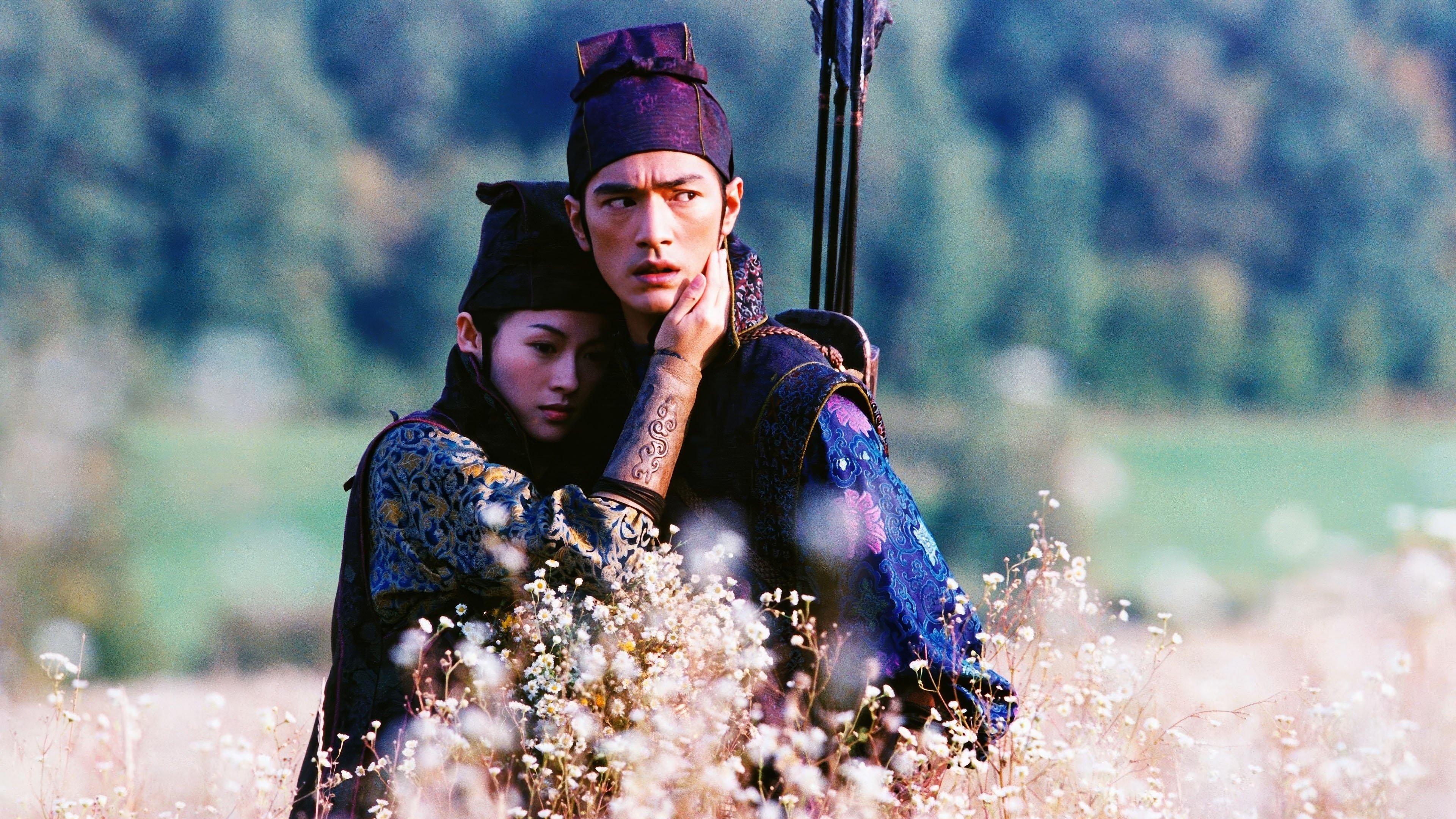
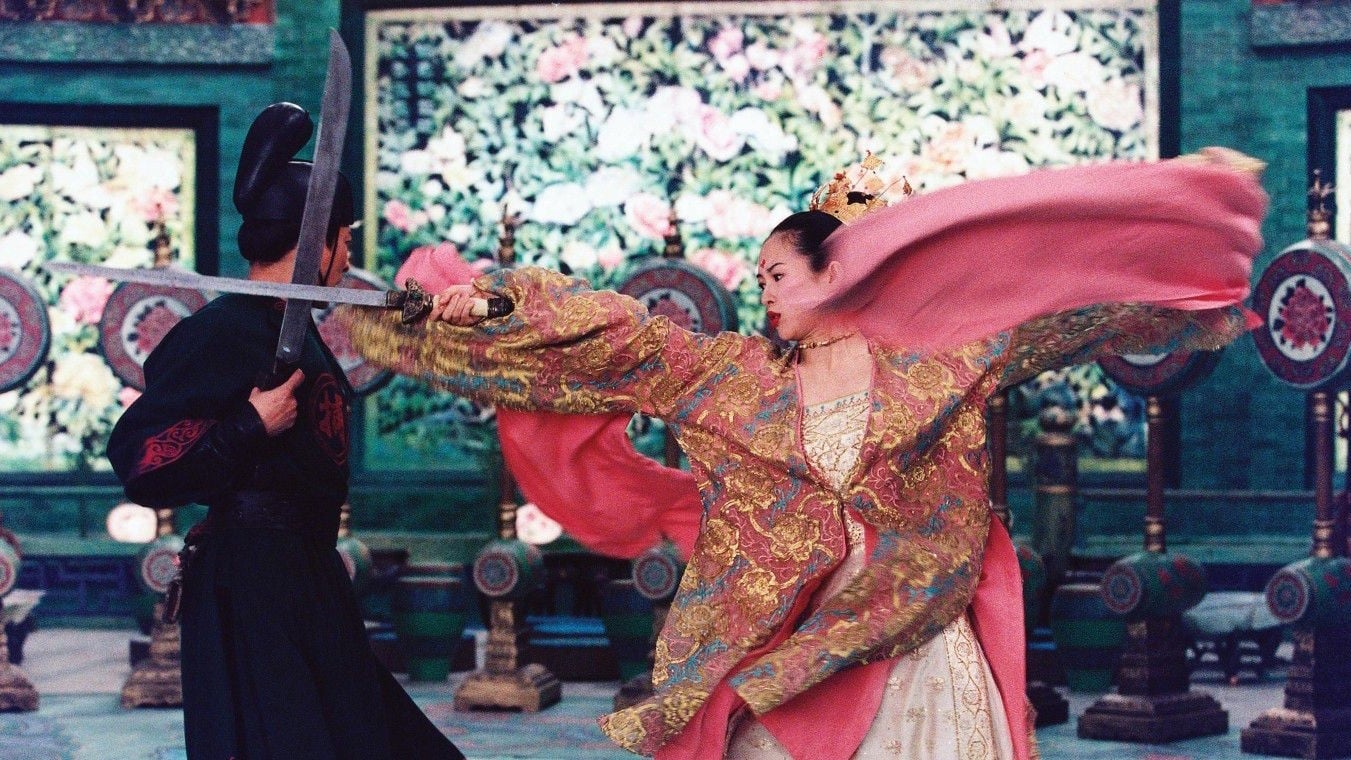
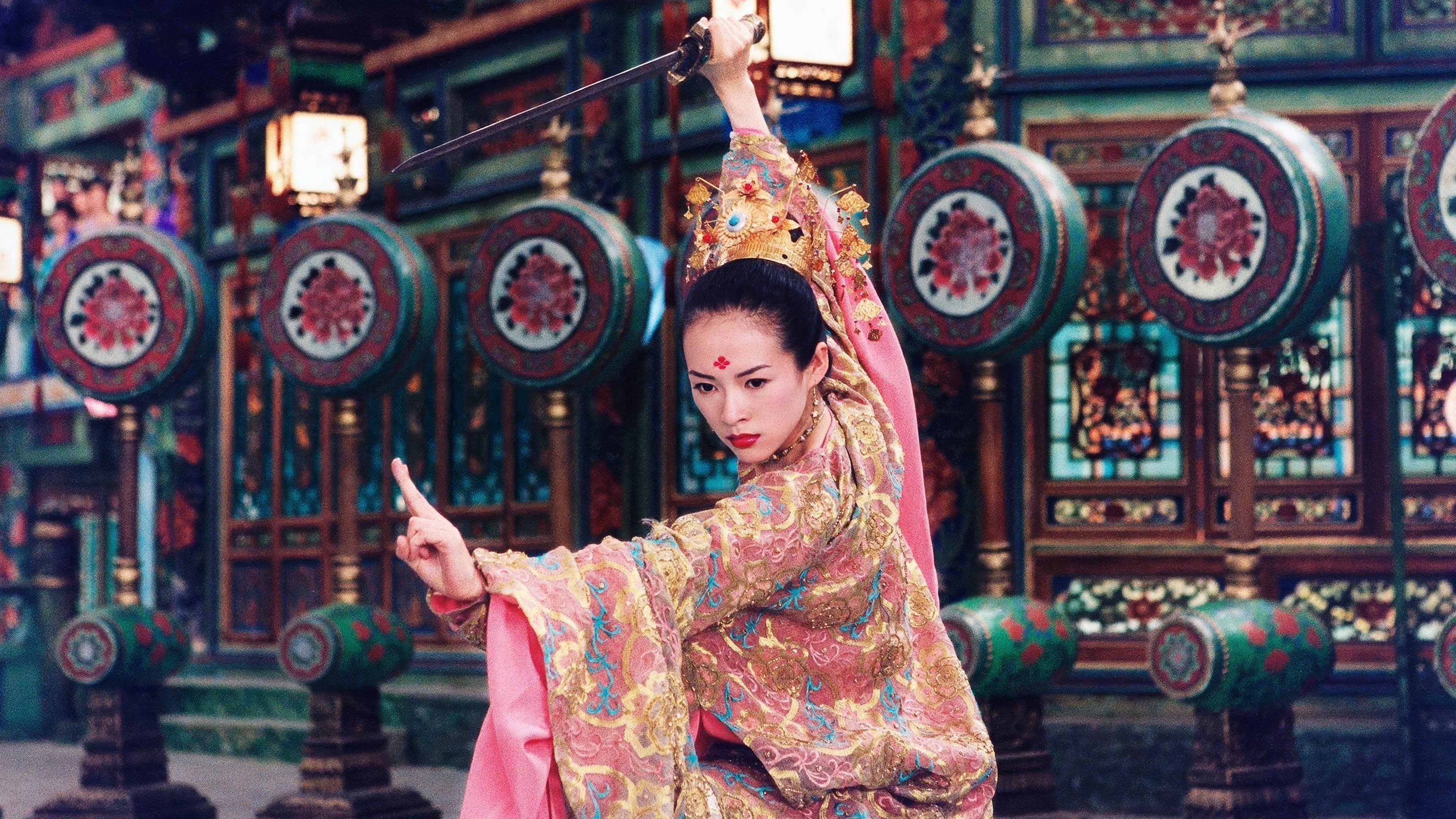
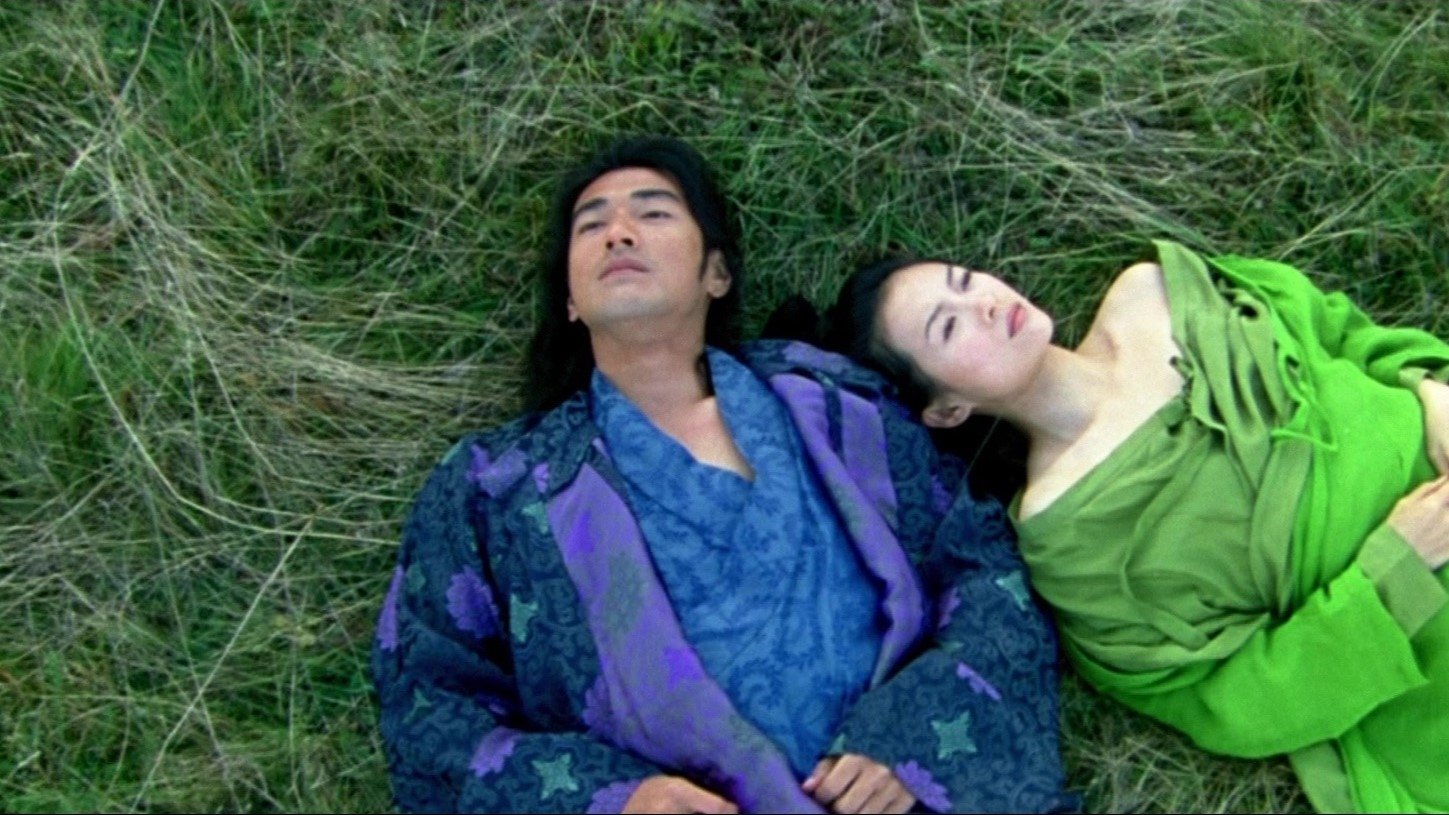
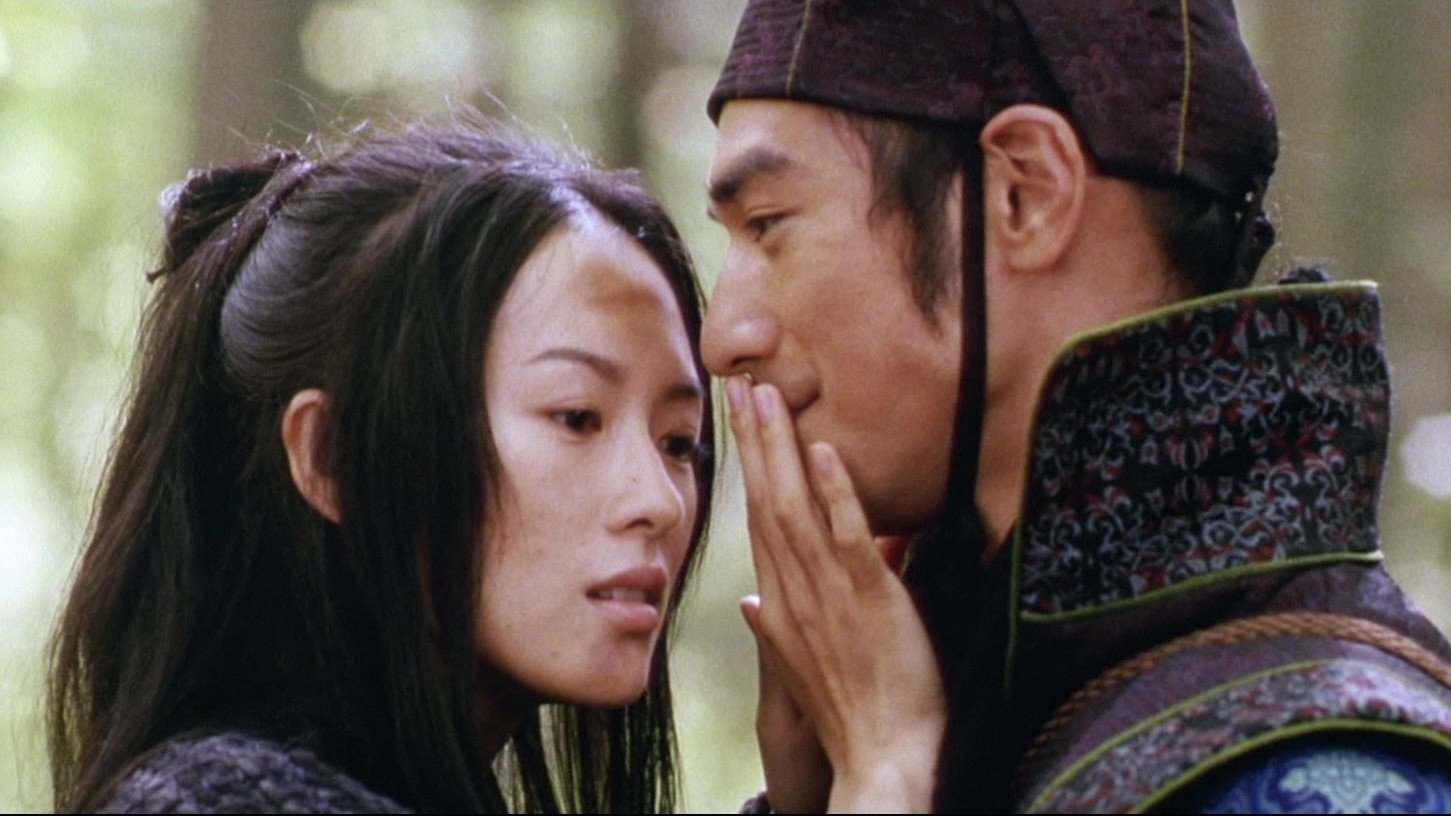
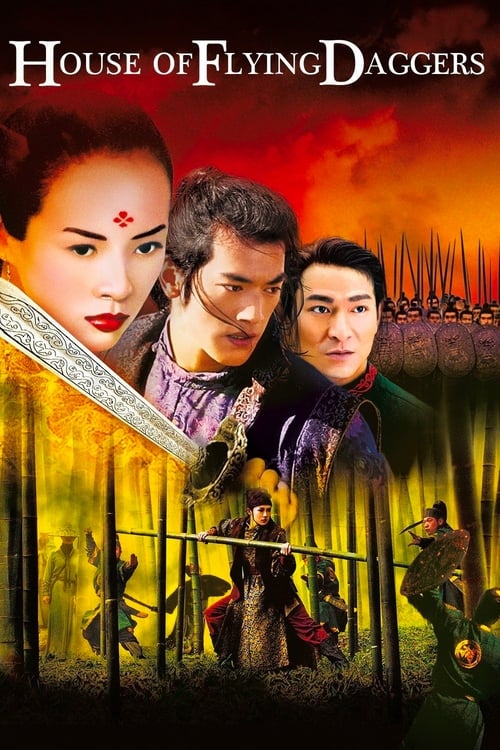
If Hero is a visual poem about honor, then House of Flying Daggers is a visual poem about love. Zhang Yimou takes the wuxia genre and transforms it into one of the most beautiful romances I’ve ever seen, where every sword fight feels less like combat and more like a dance between two souls destined to lose each other.
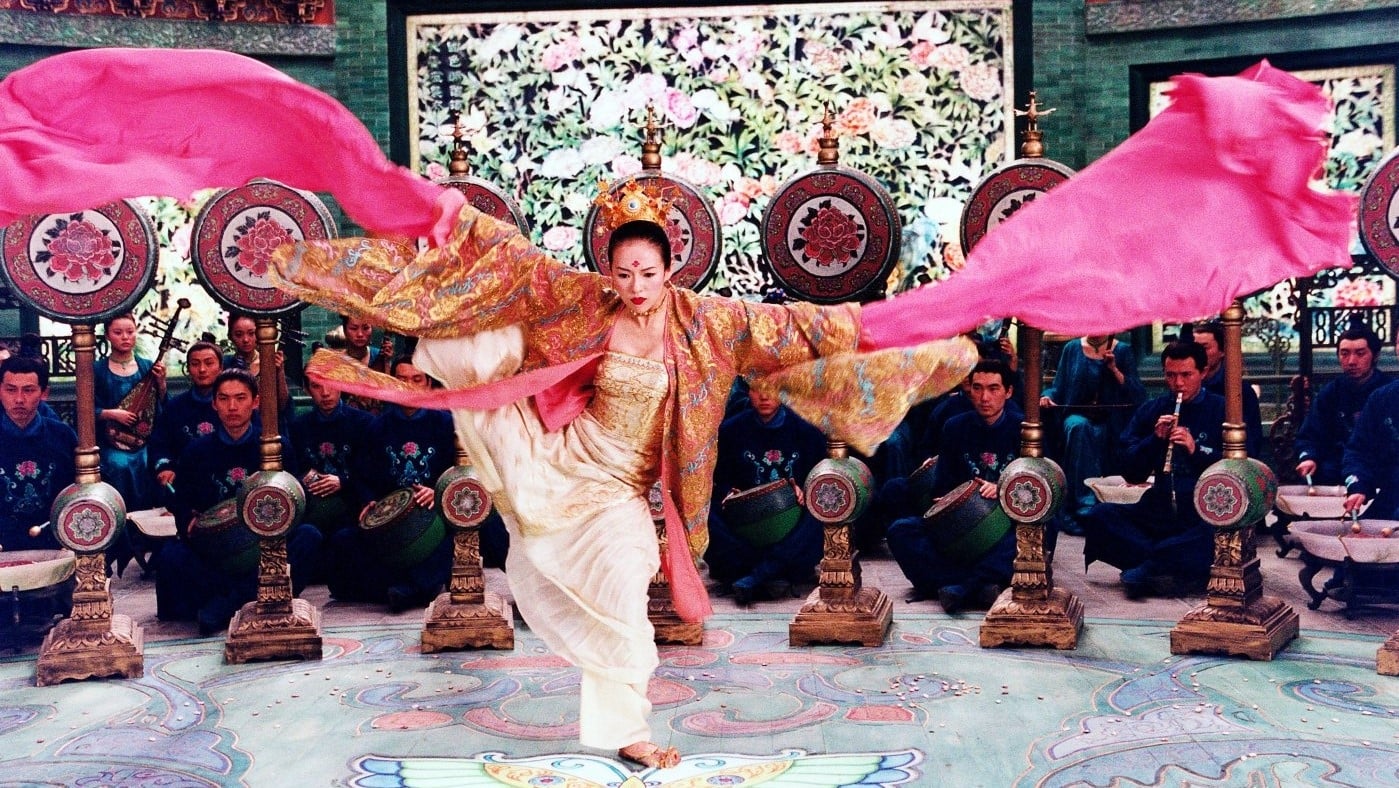
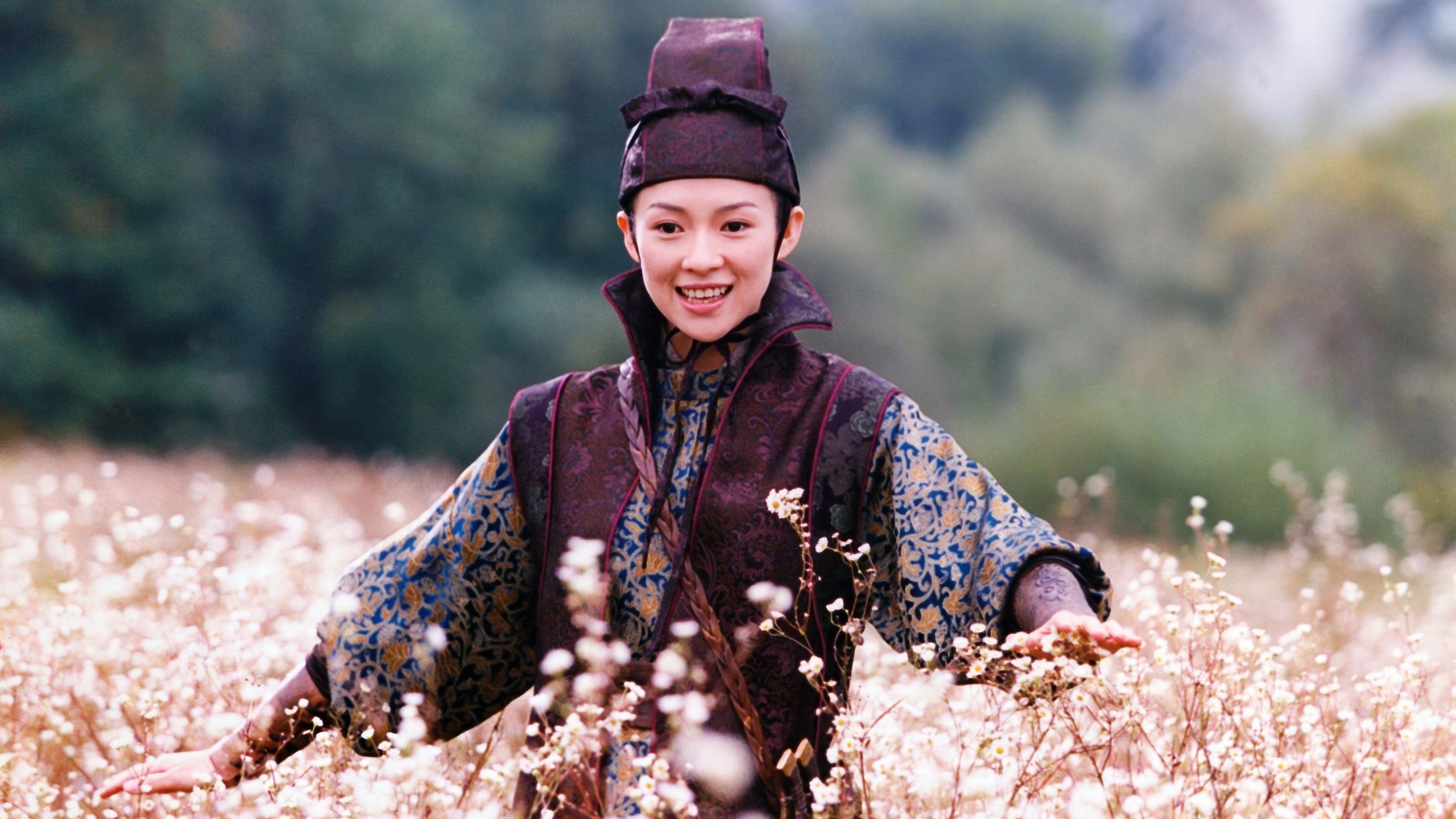
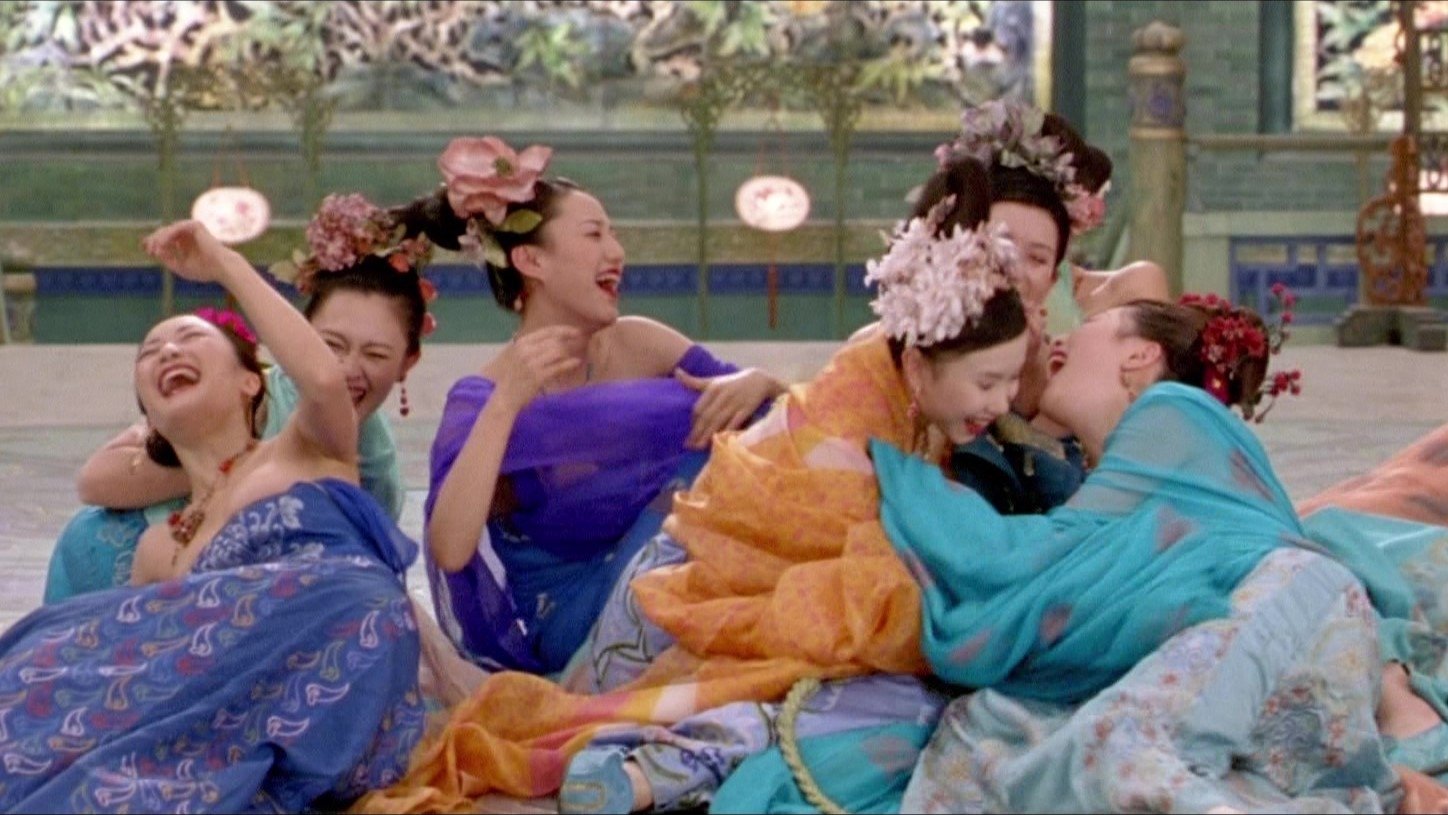
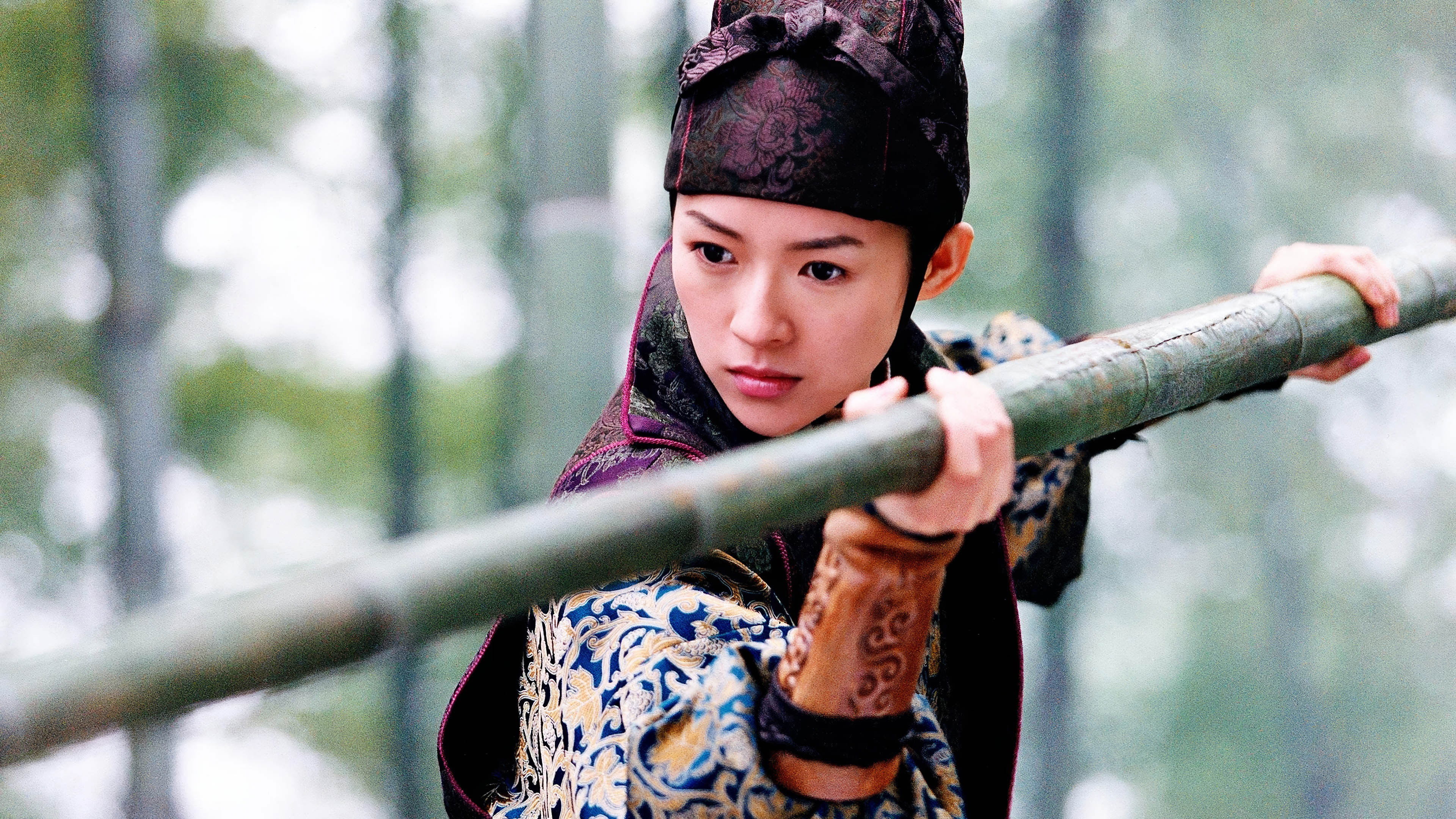
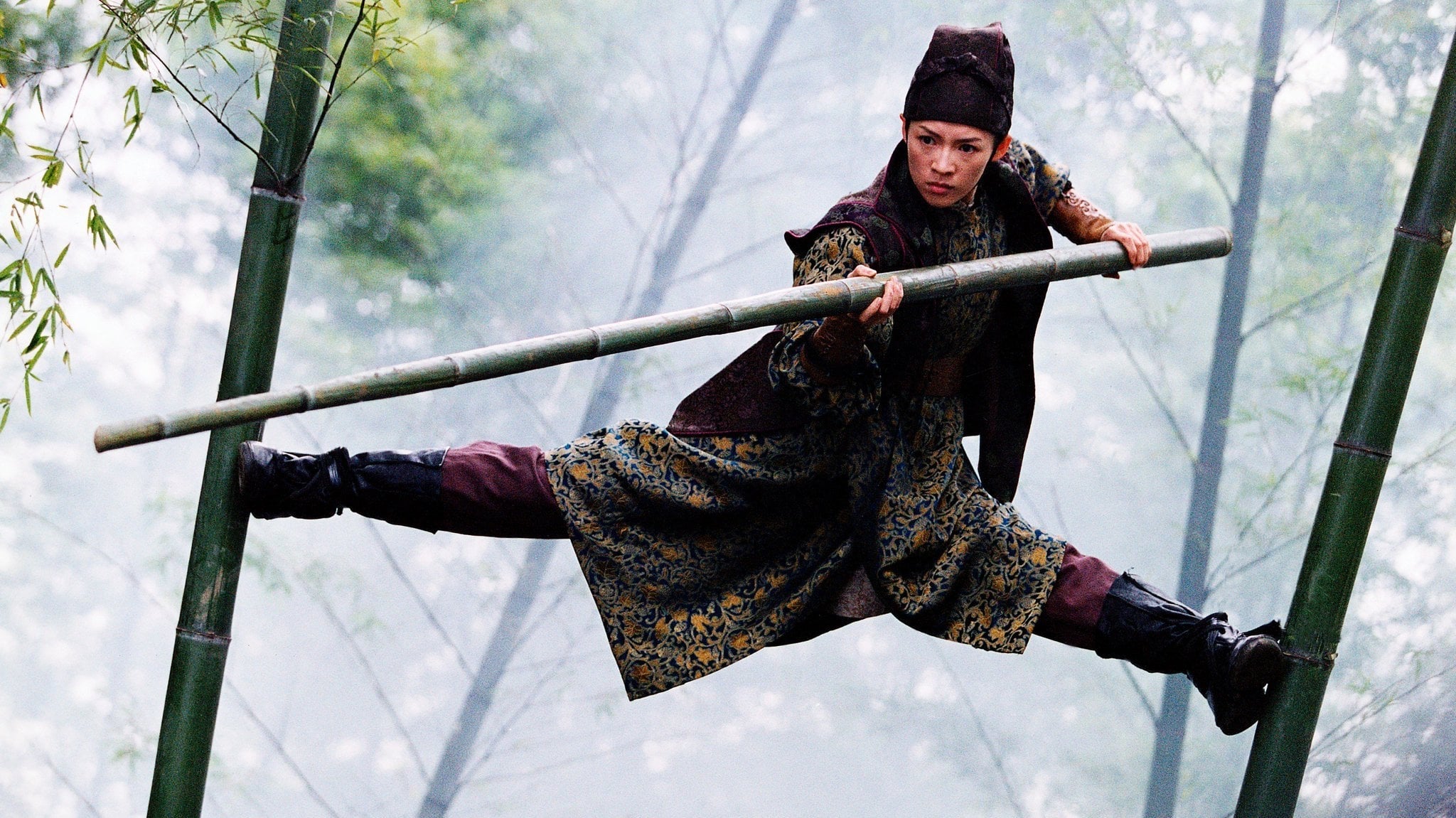
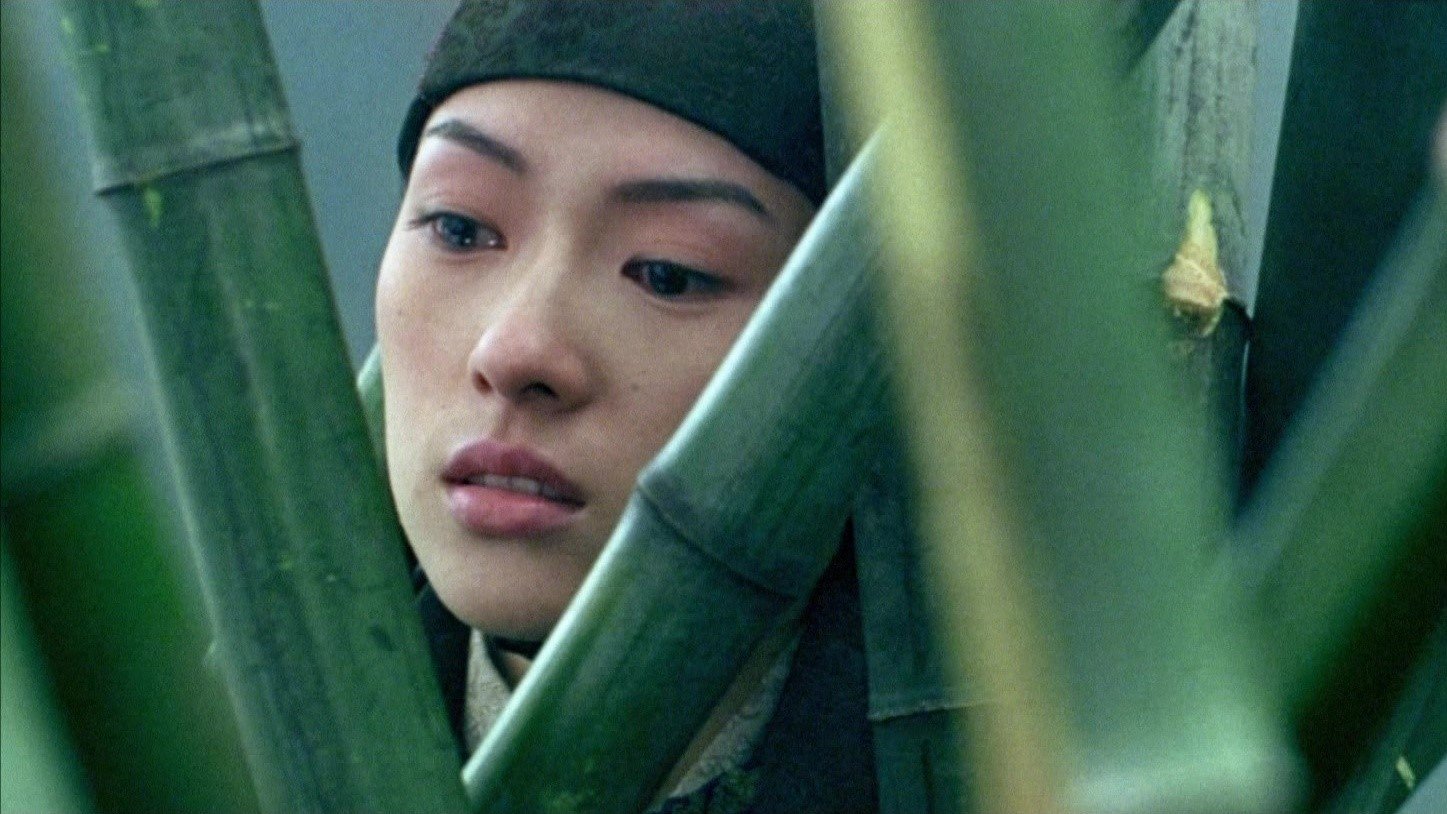
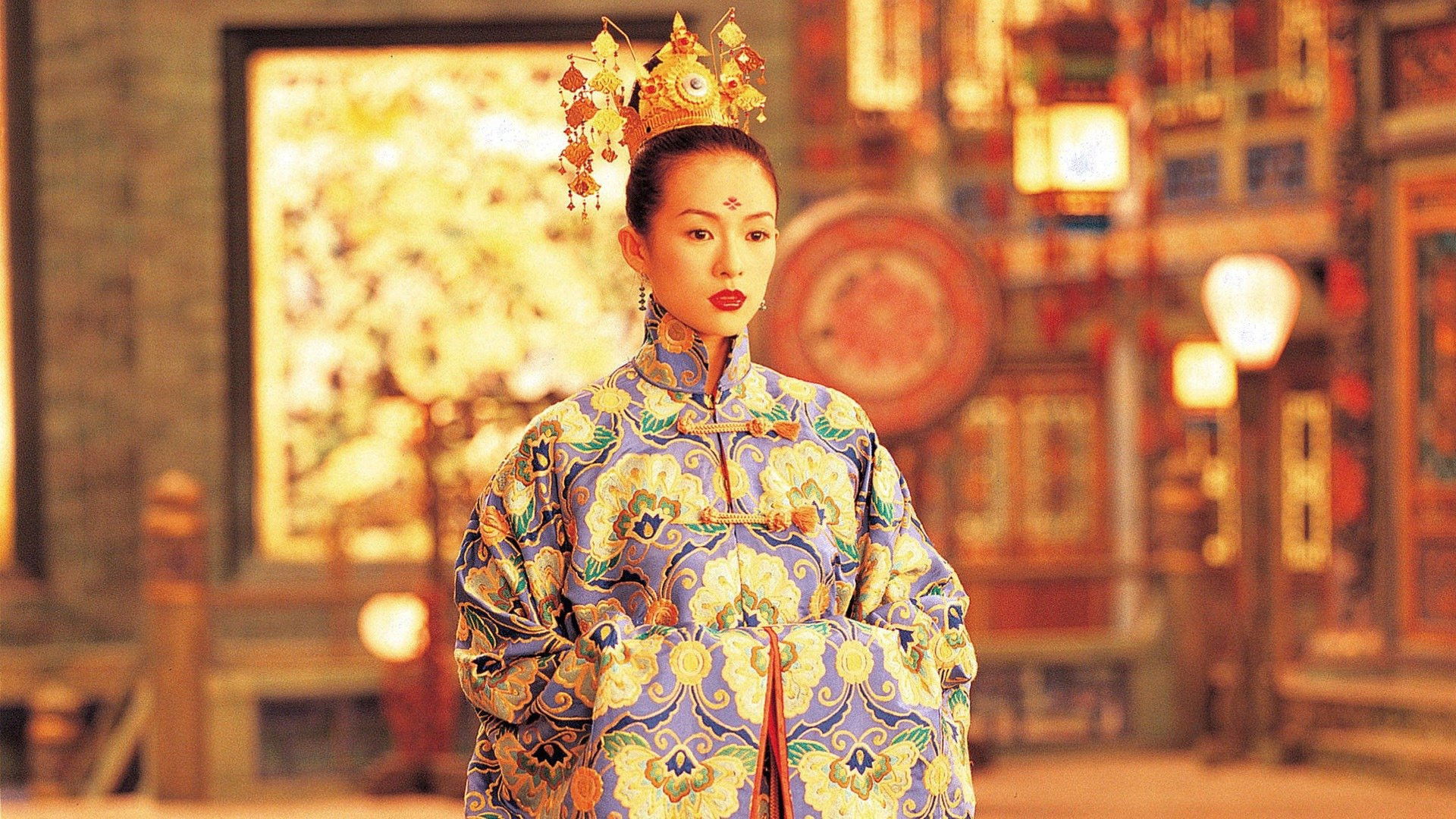
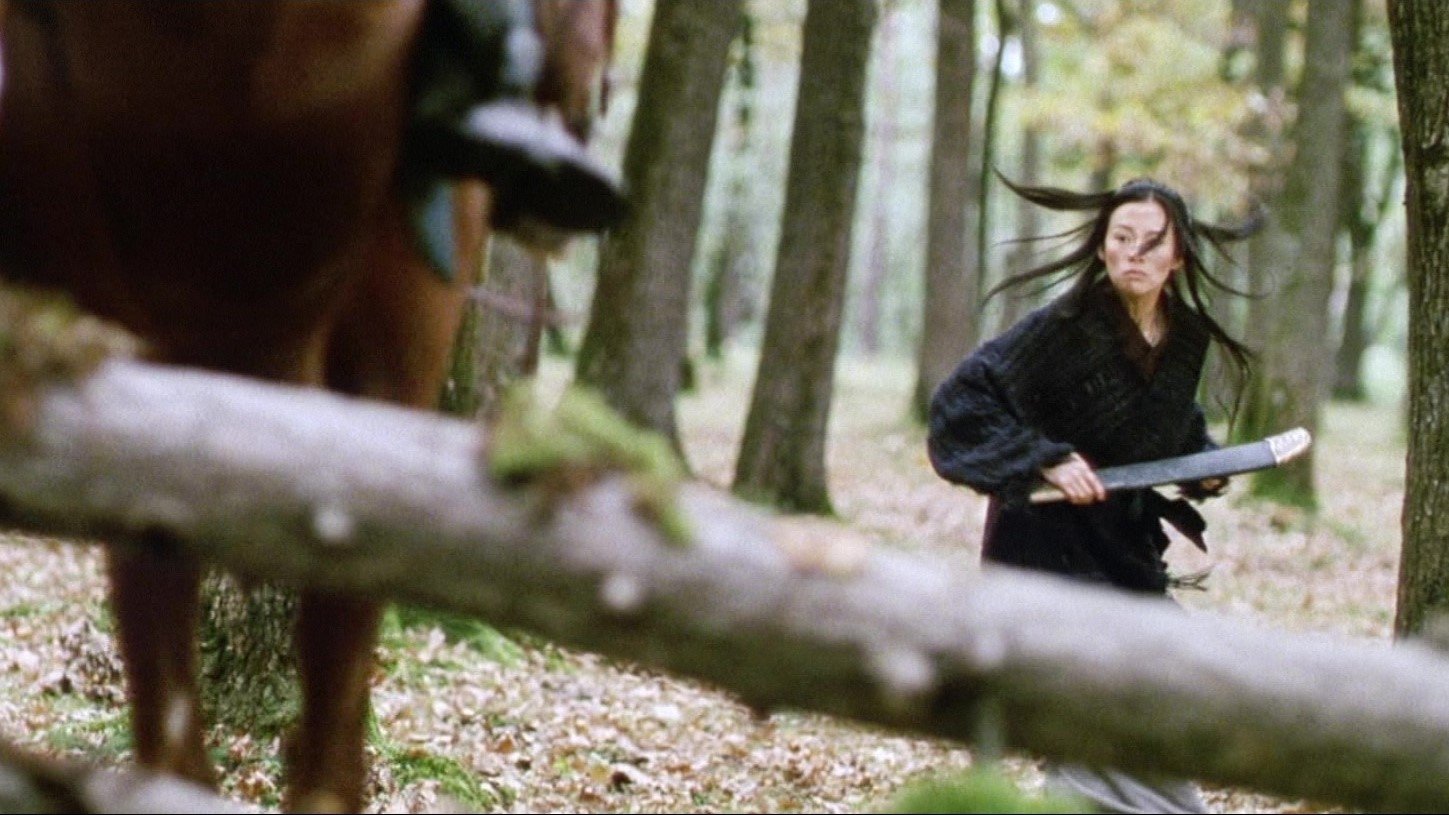
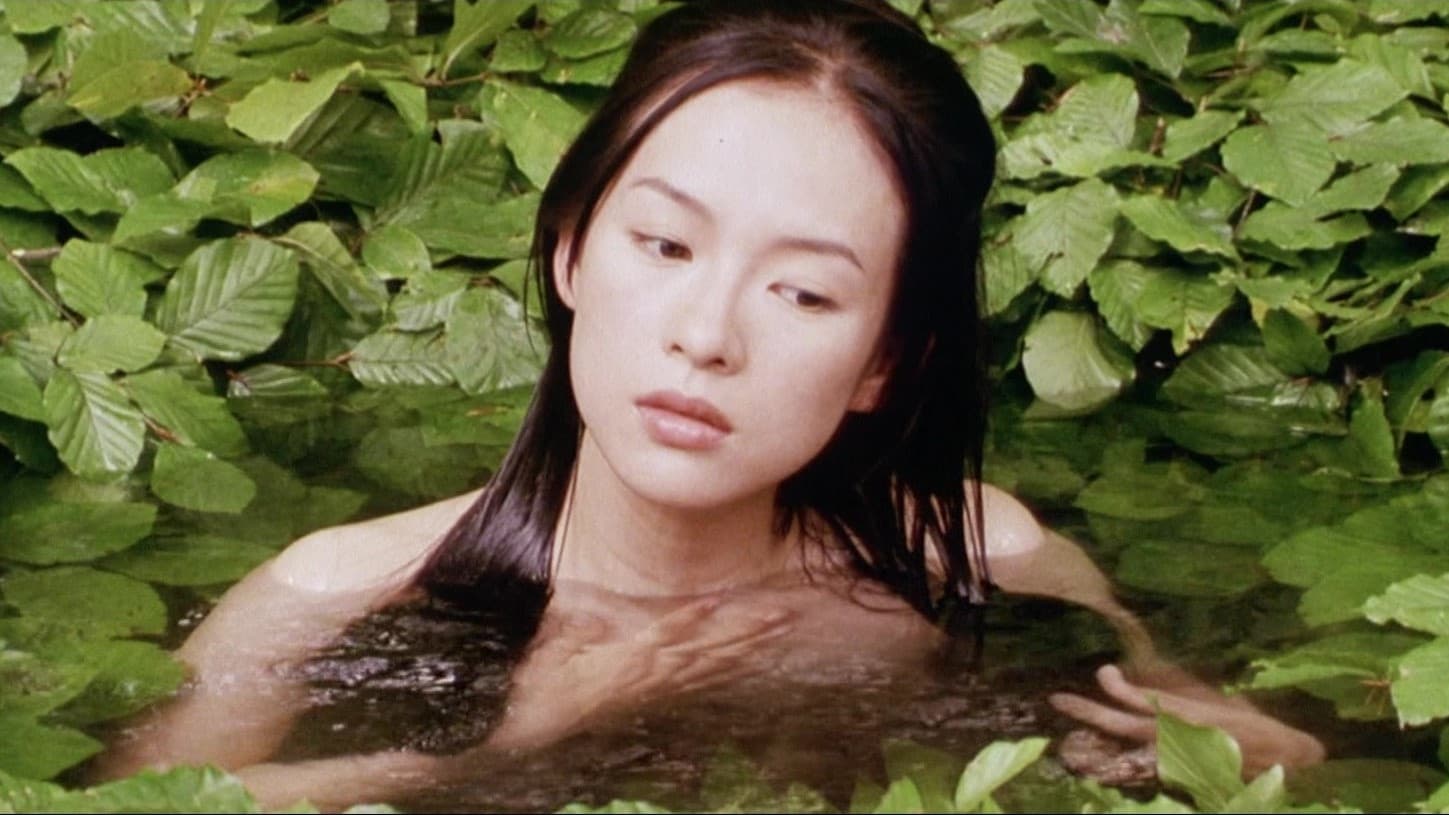
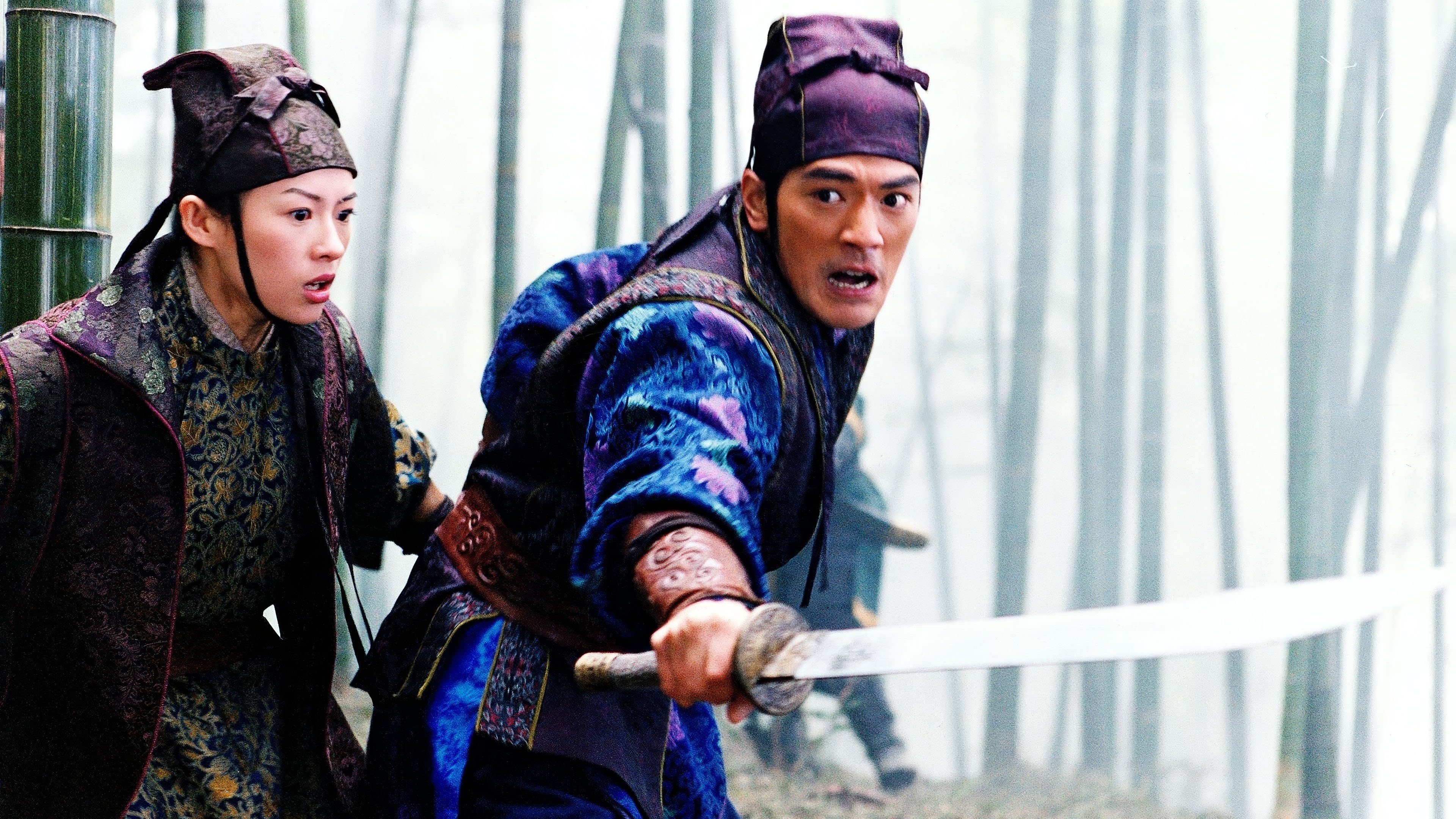
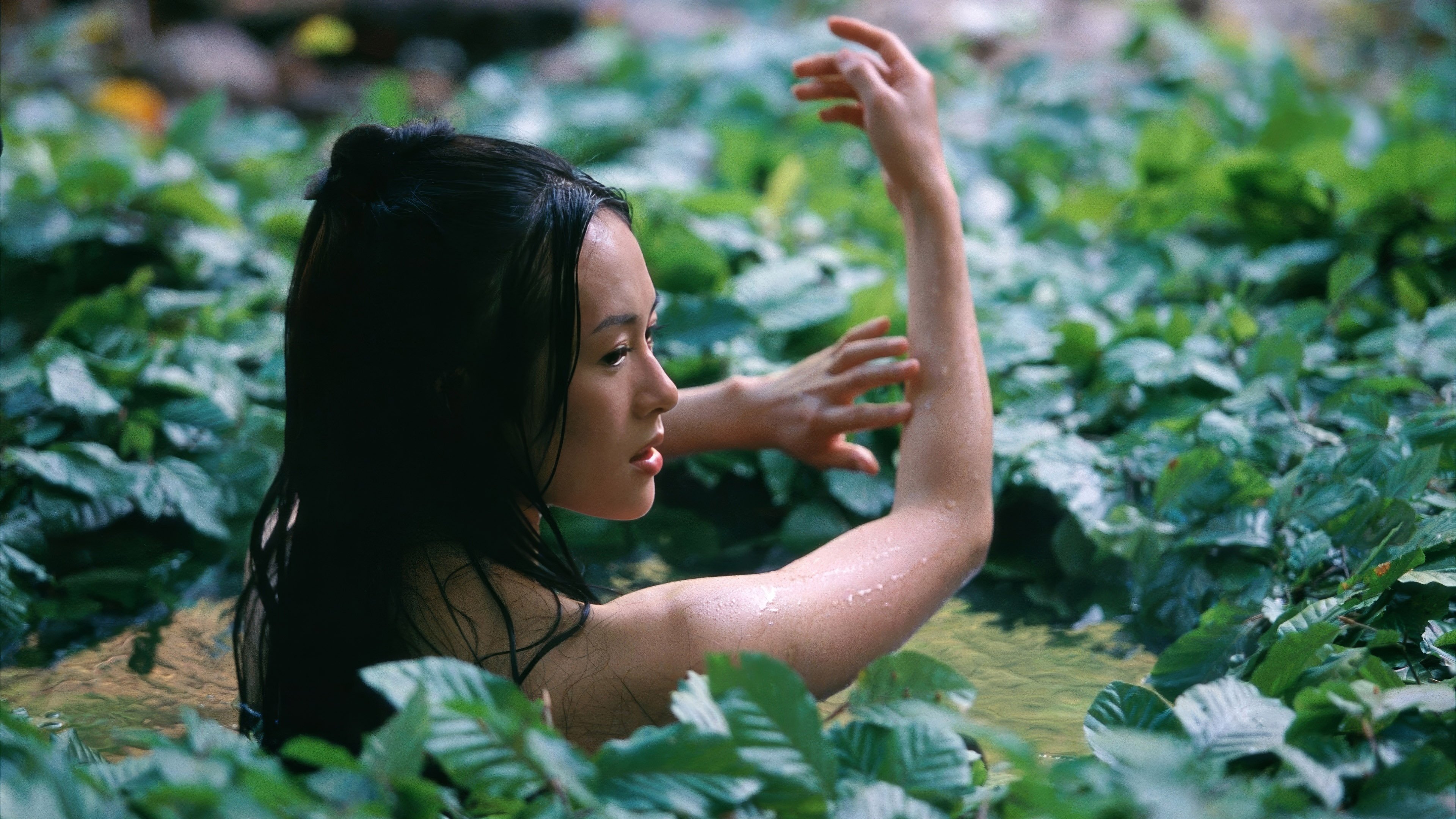
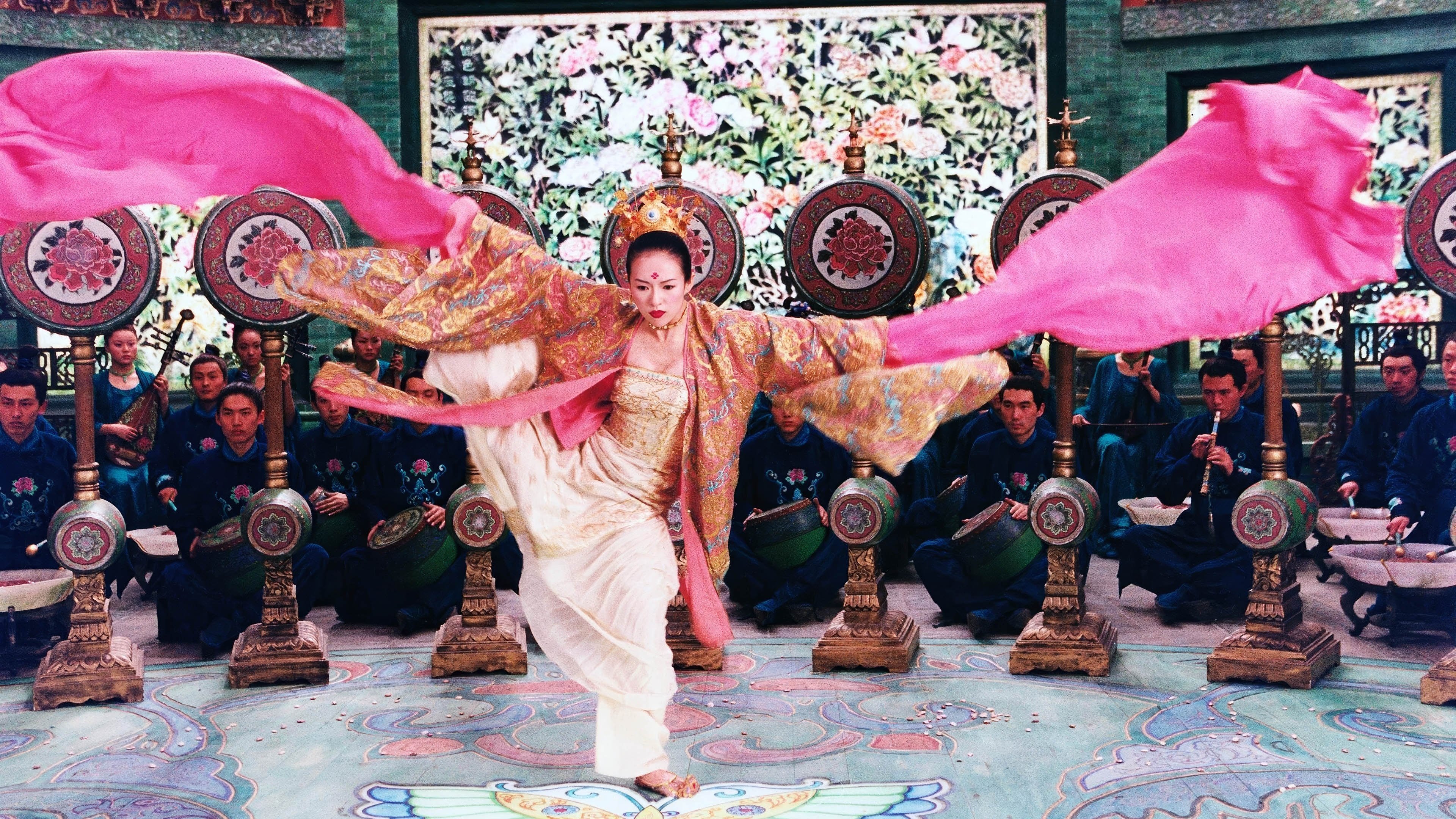
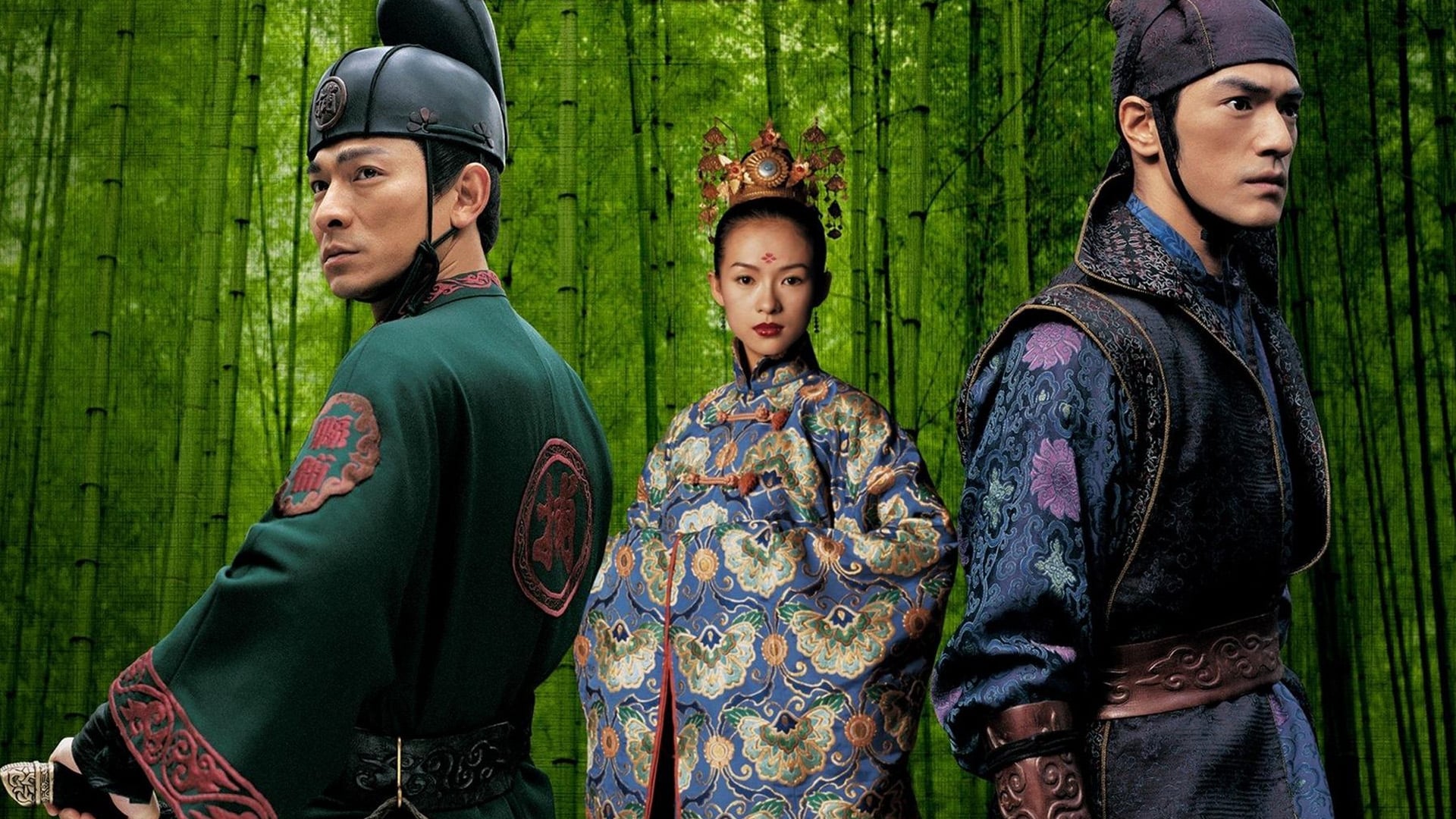
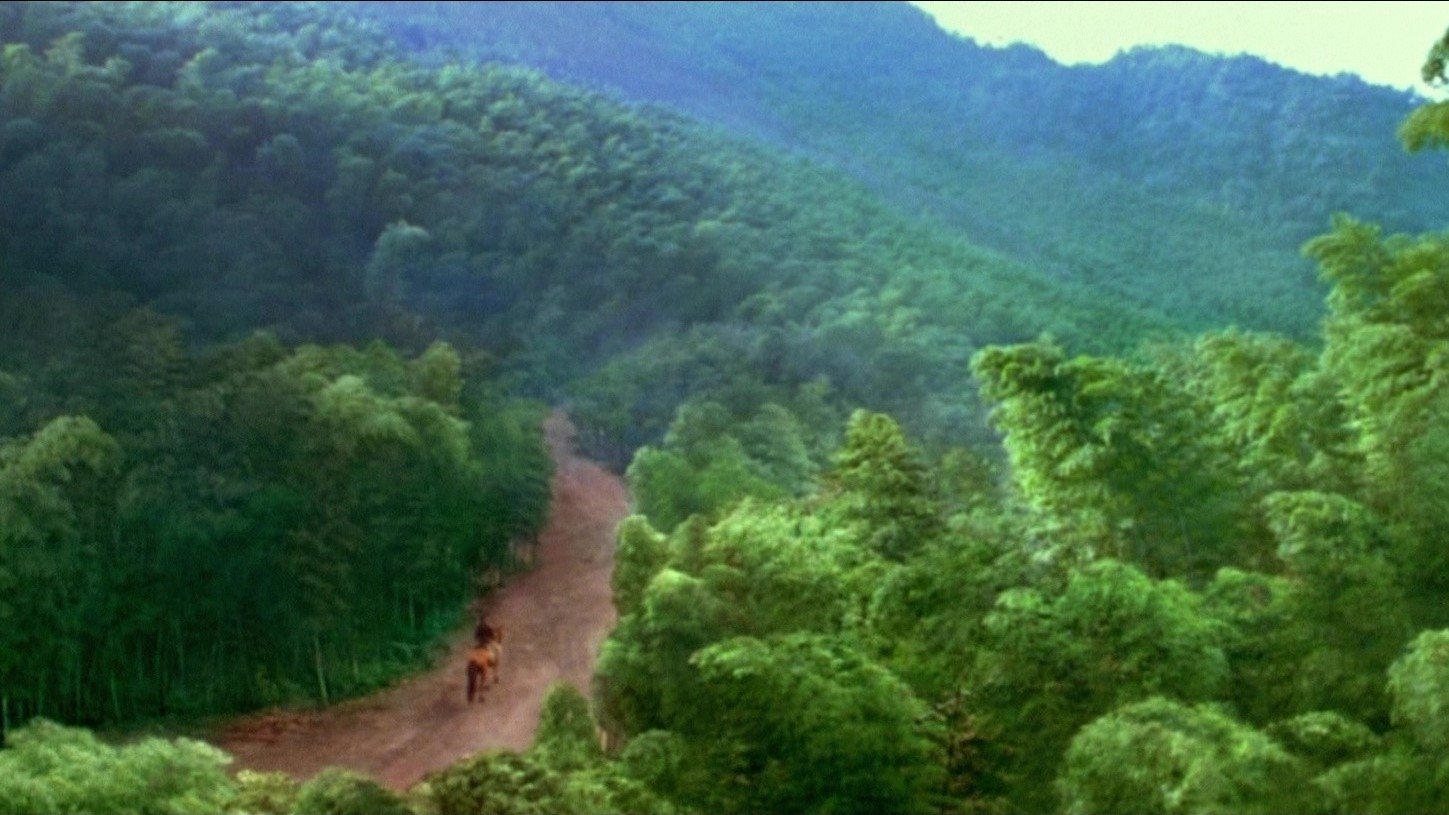
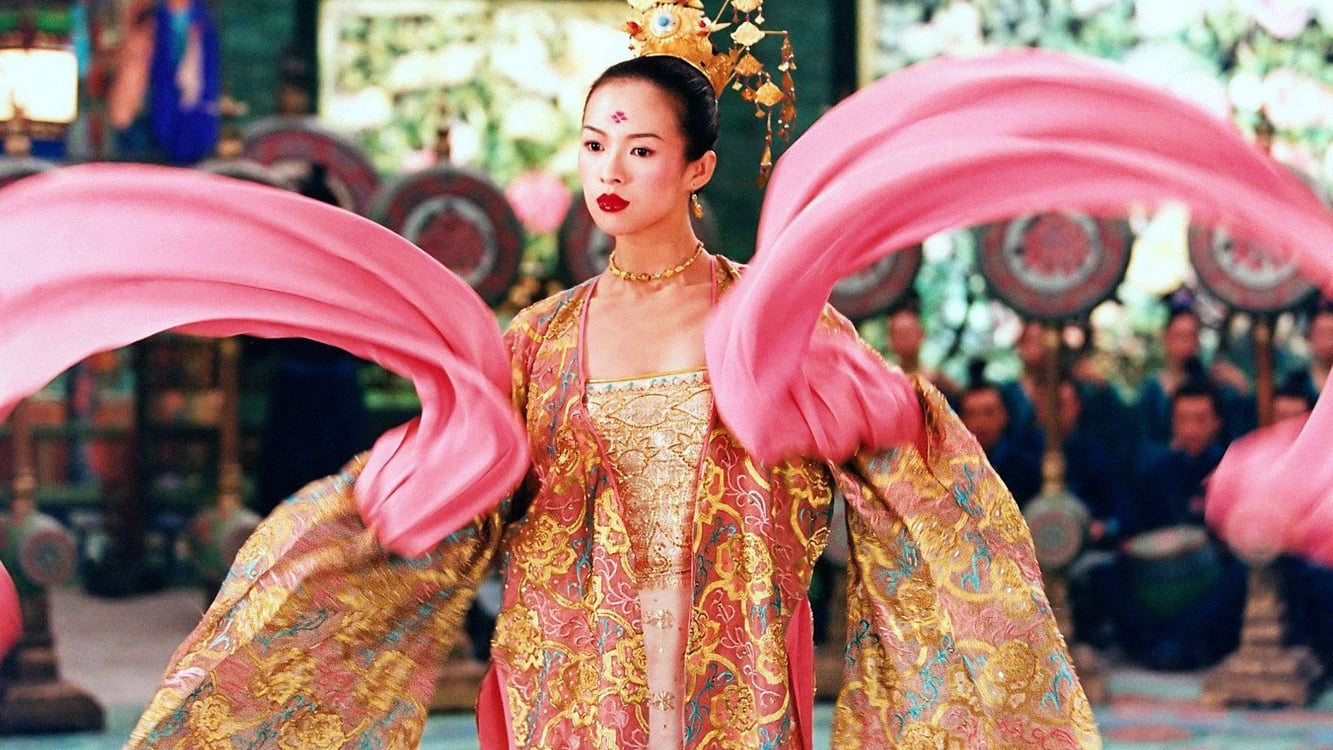
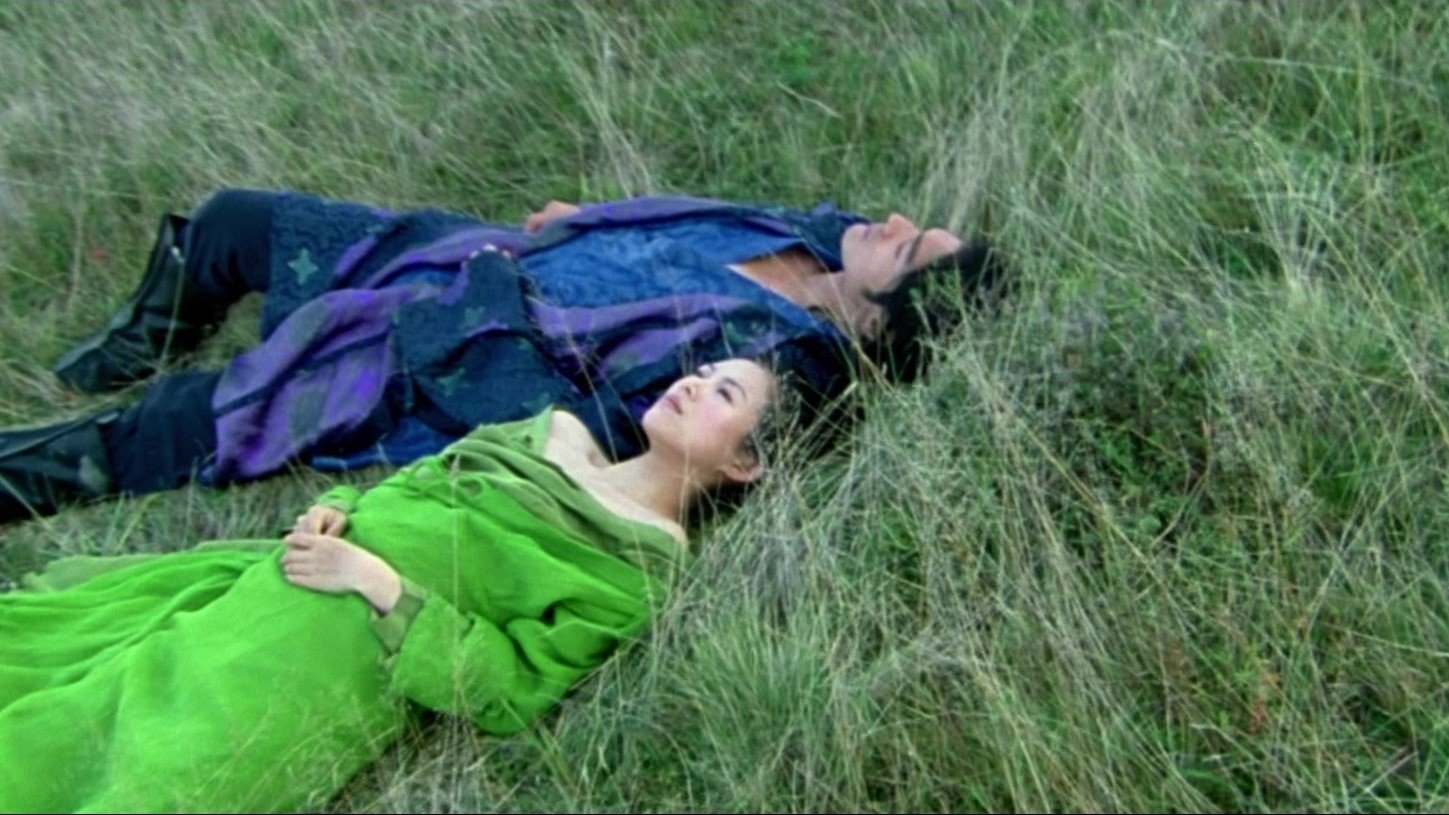
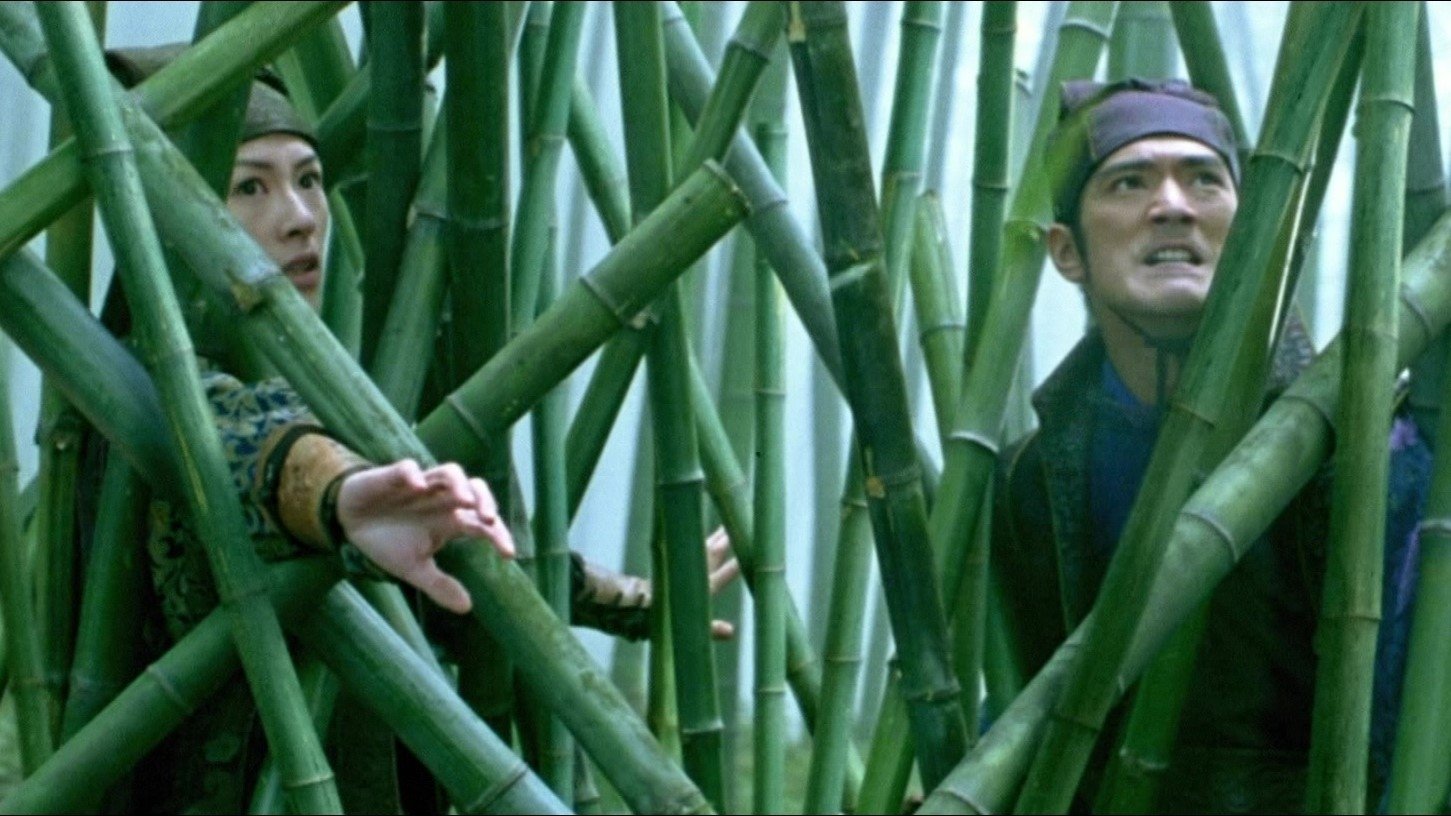
This has to be one of the most visually stunning films ever made. Every frame looks like a painting, dominated by lush greens, vibrant colors, and breathtaking landscapes. The bamboo forest sequence alone is enough to justify watching the film, with choreography so elegant and imaginative that it feels almost unreal. Zhang Yimou doesn’t just direct action, he choreographs beauty.
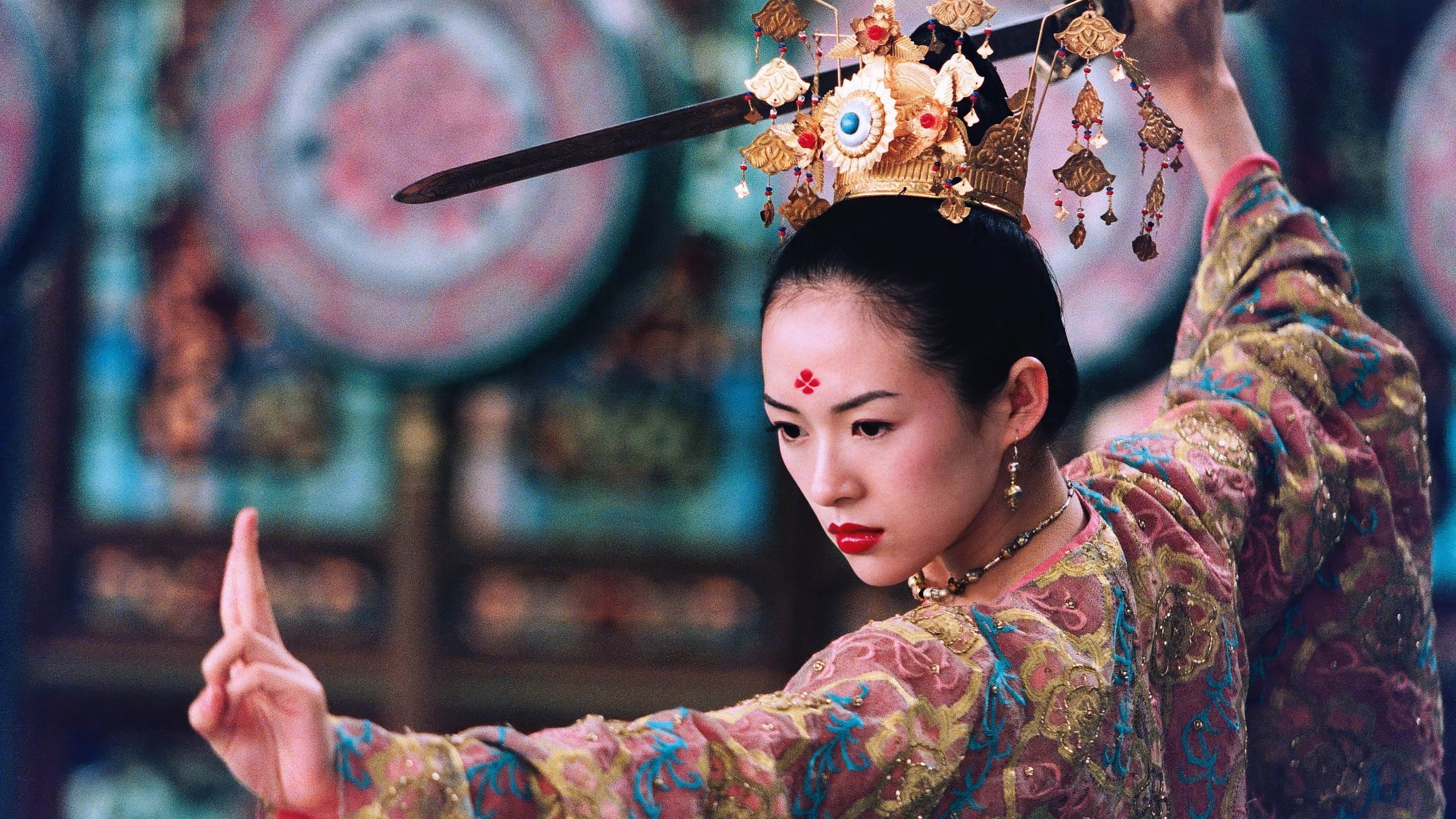
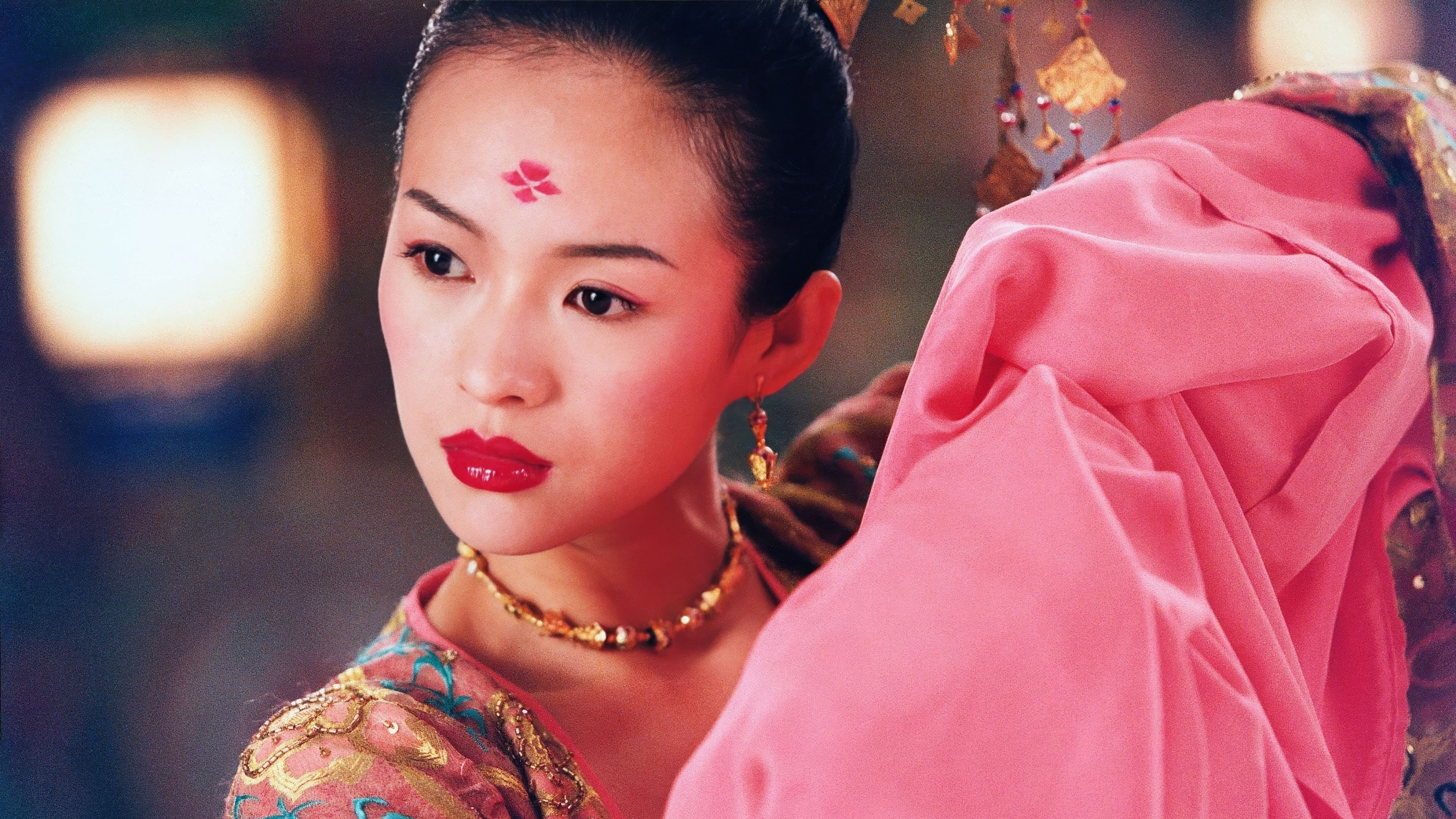
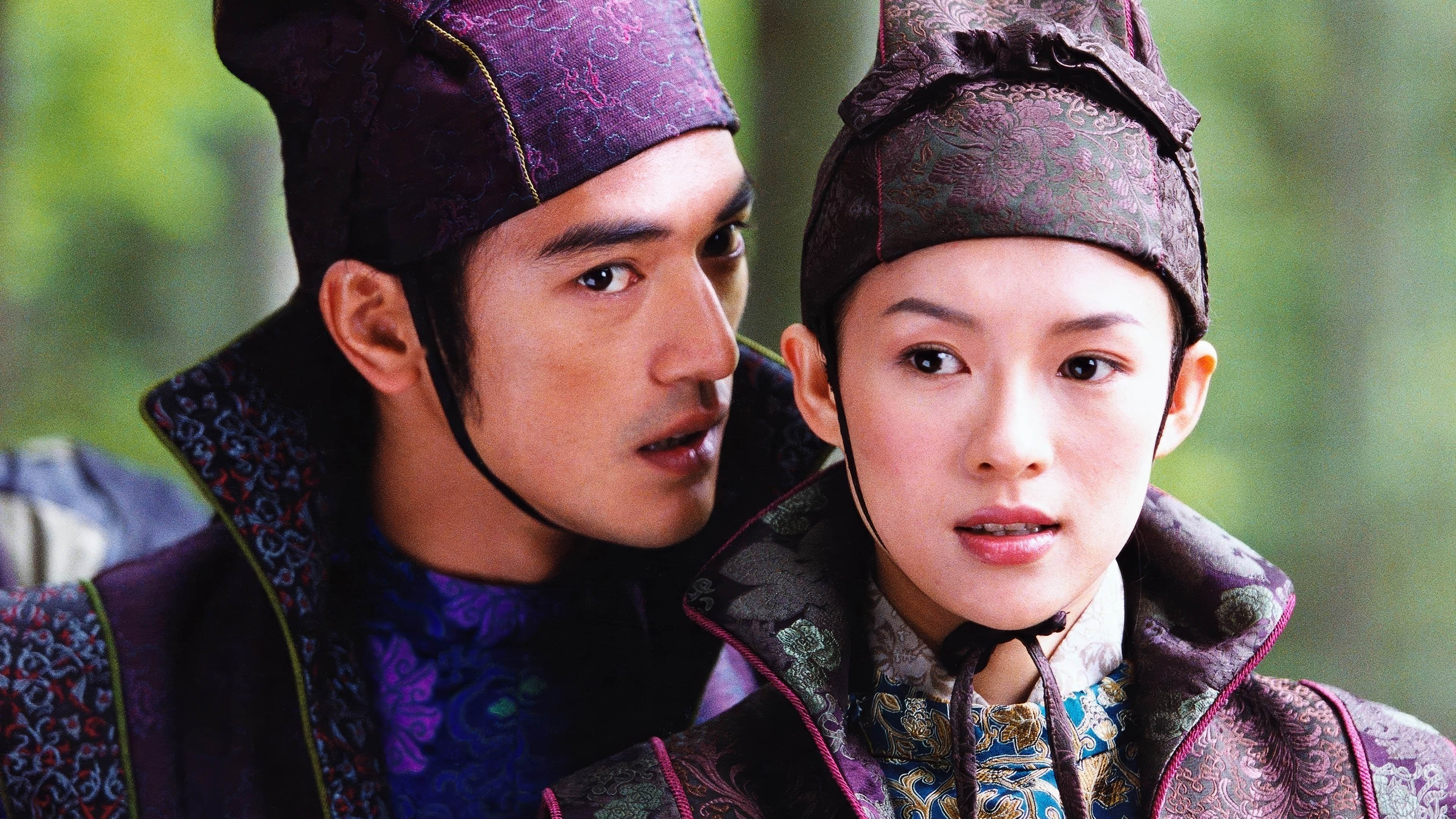
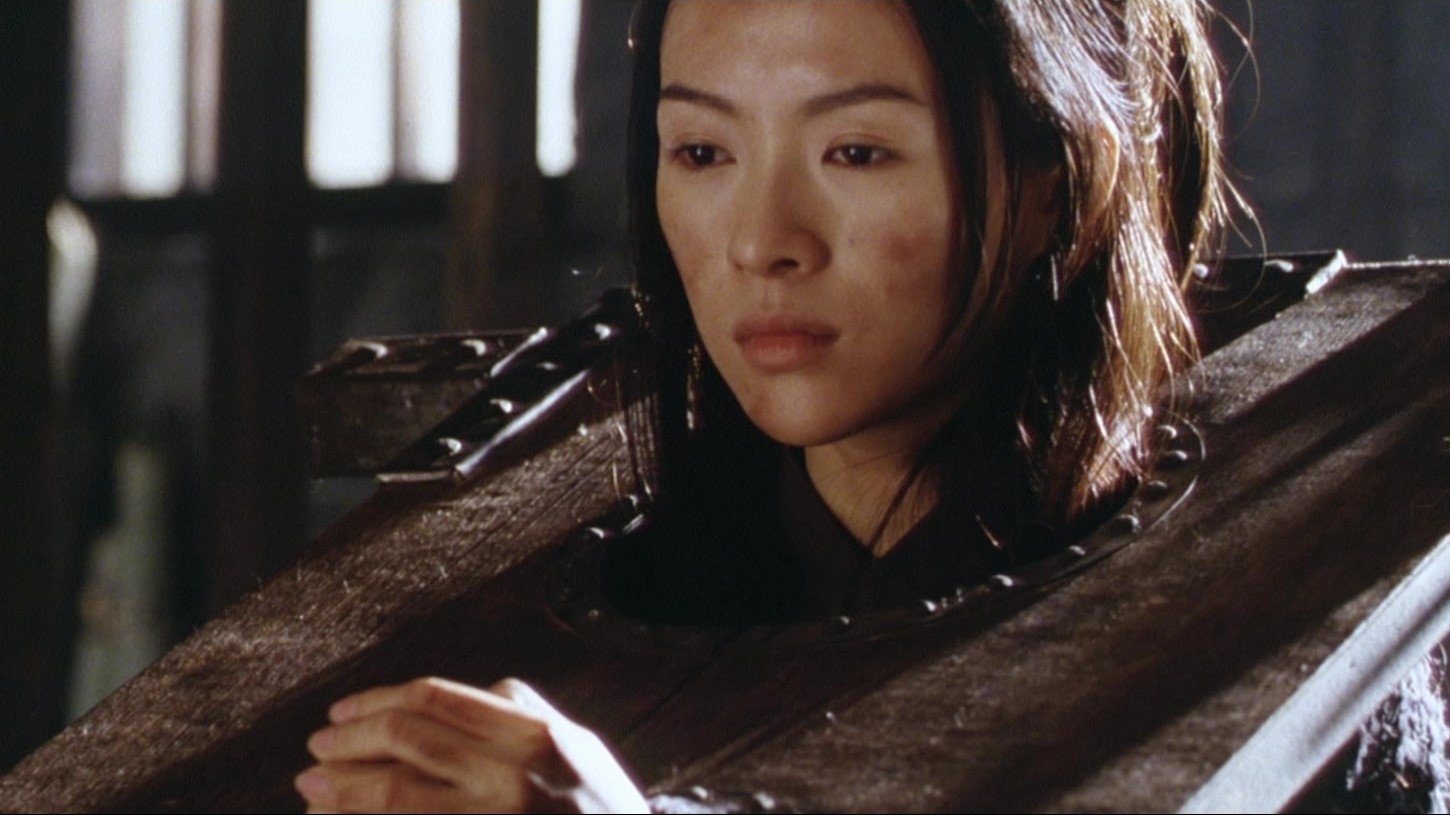
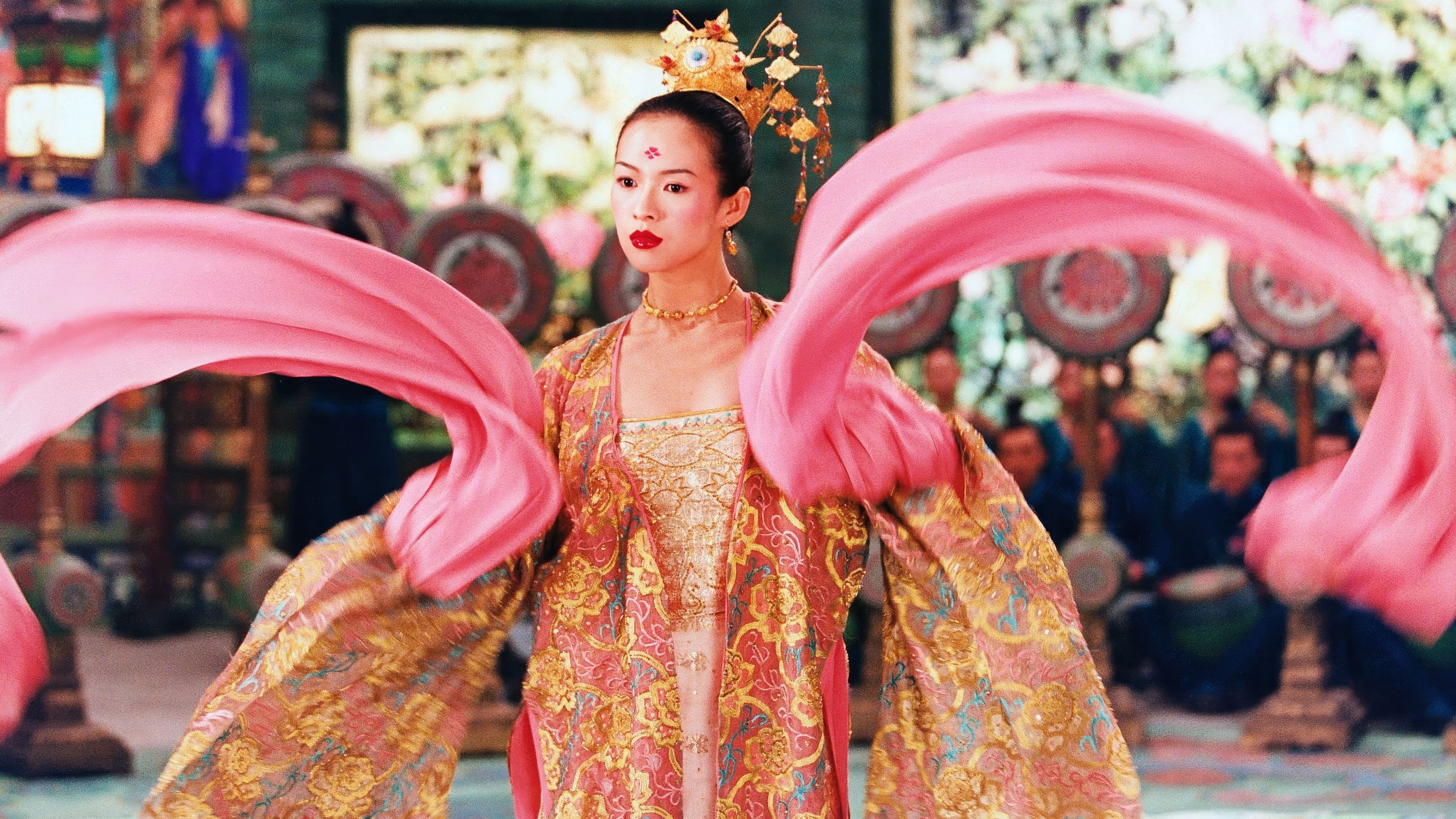
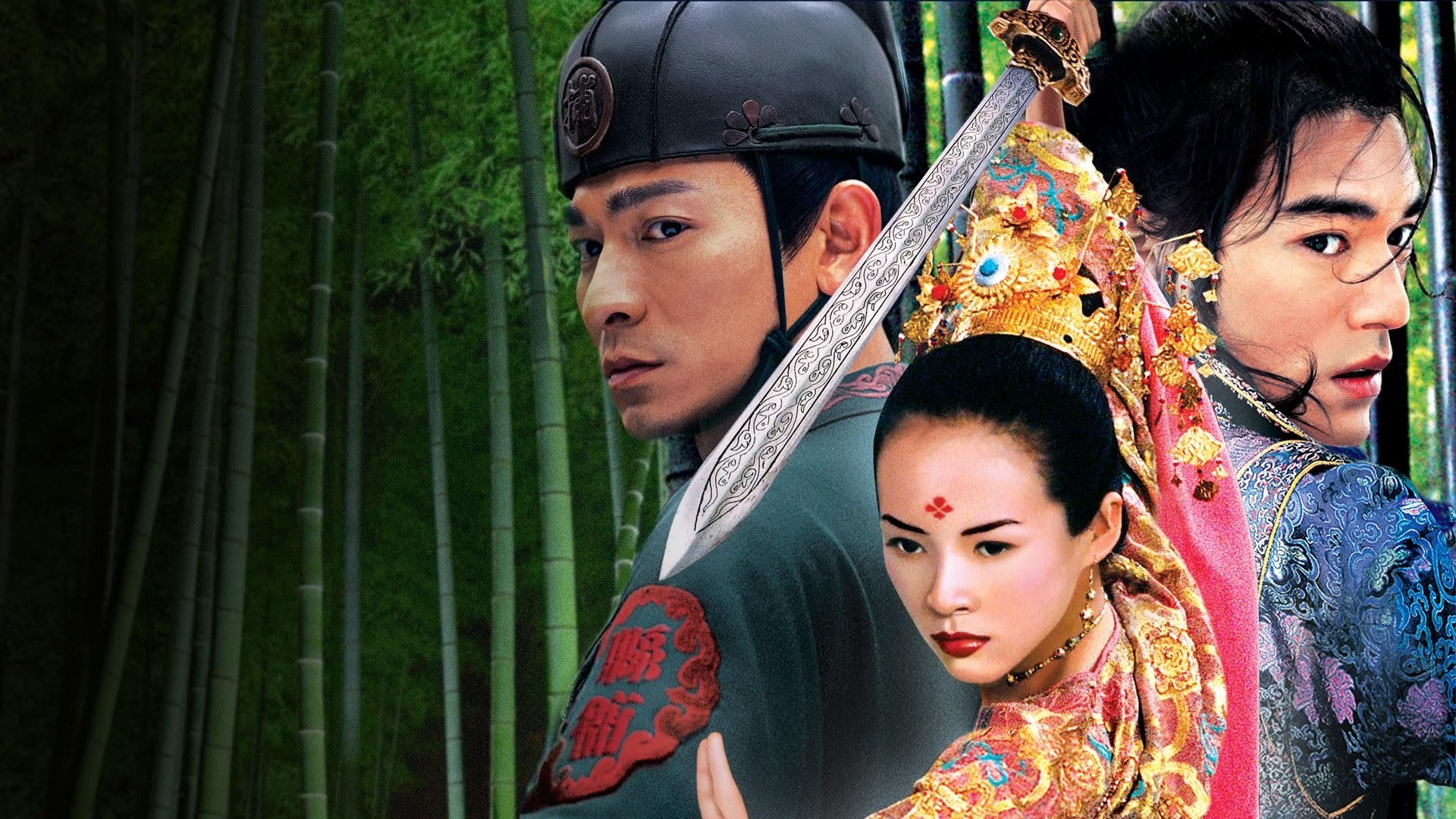
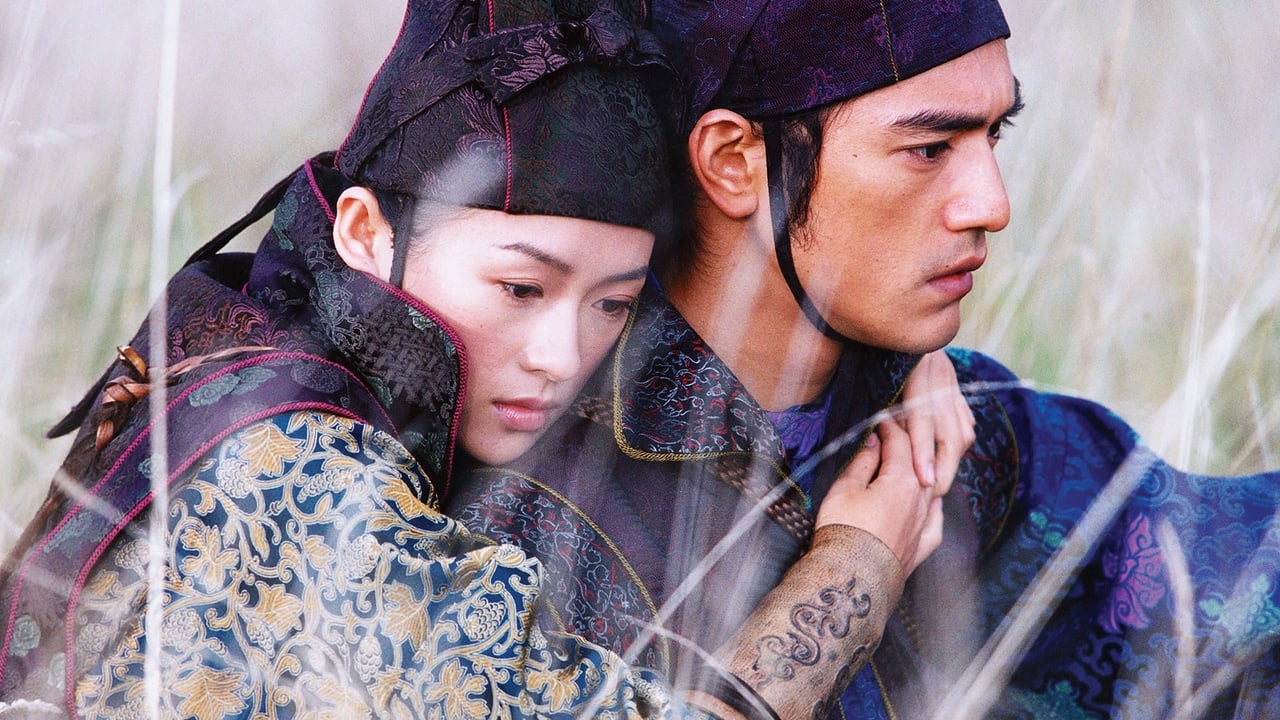
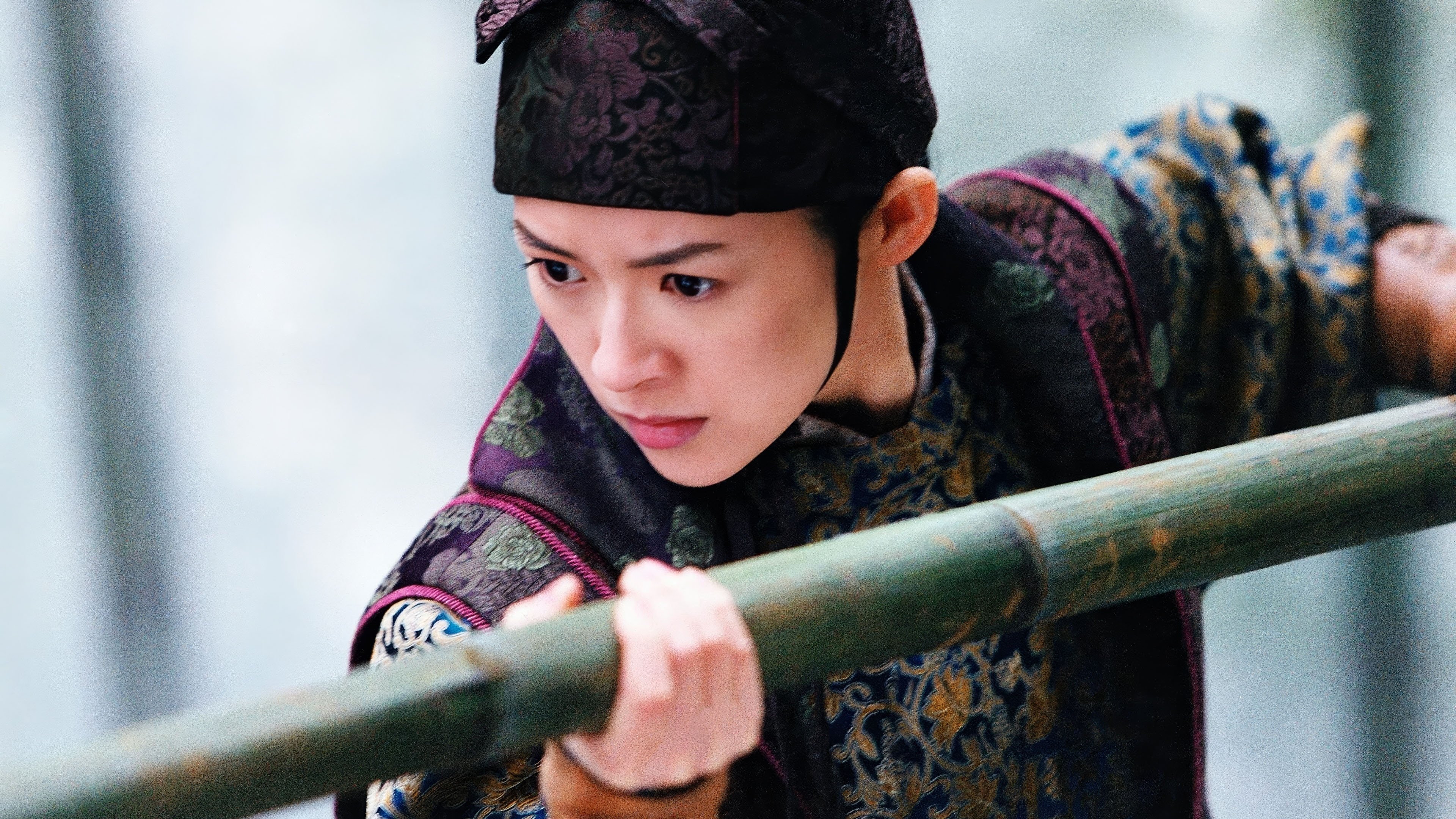
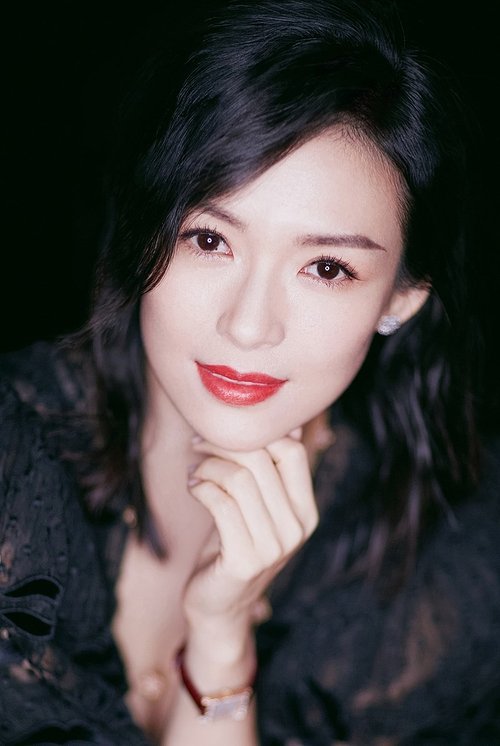
At the heart of it all is Zhang Ziyi, who is simply mesmerizing. She carries the film with grace, vulnerability, and quiet strength, making Mei one of the most unforgettable heroines in wuxia cinema. What begins as a story of deception slowly transforms into a heartbreaking romance where duty, loyalty, and love become impossible to separate.
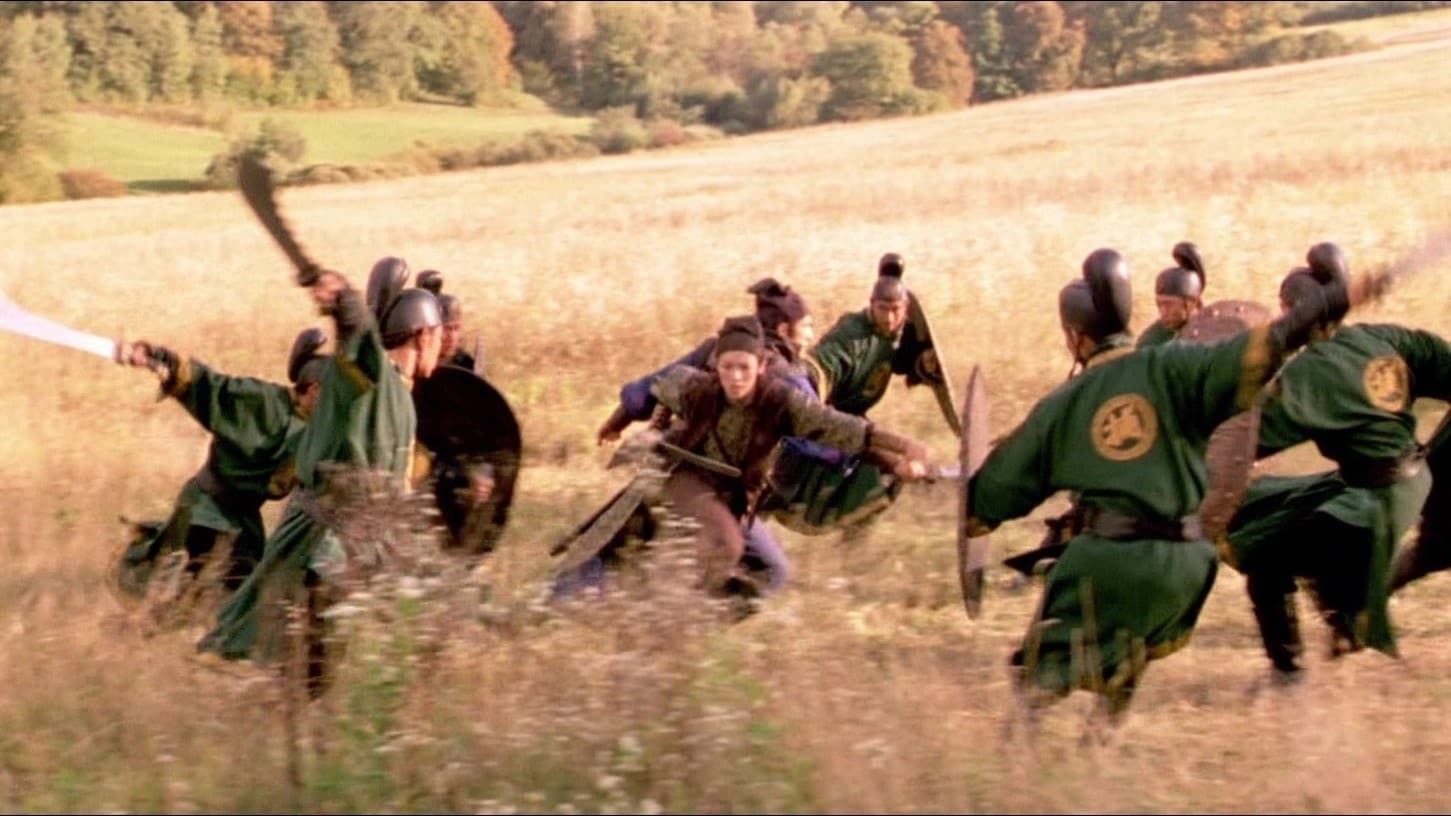
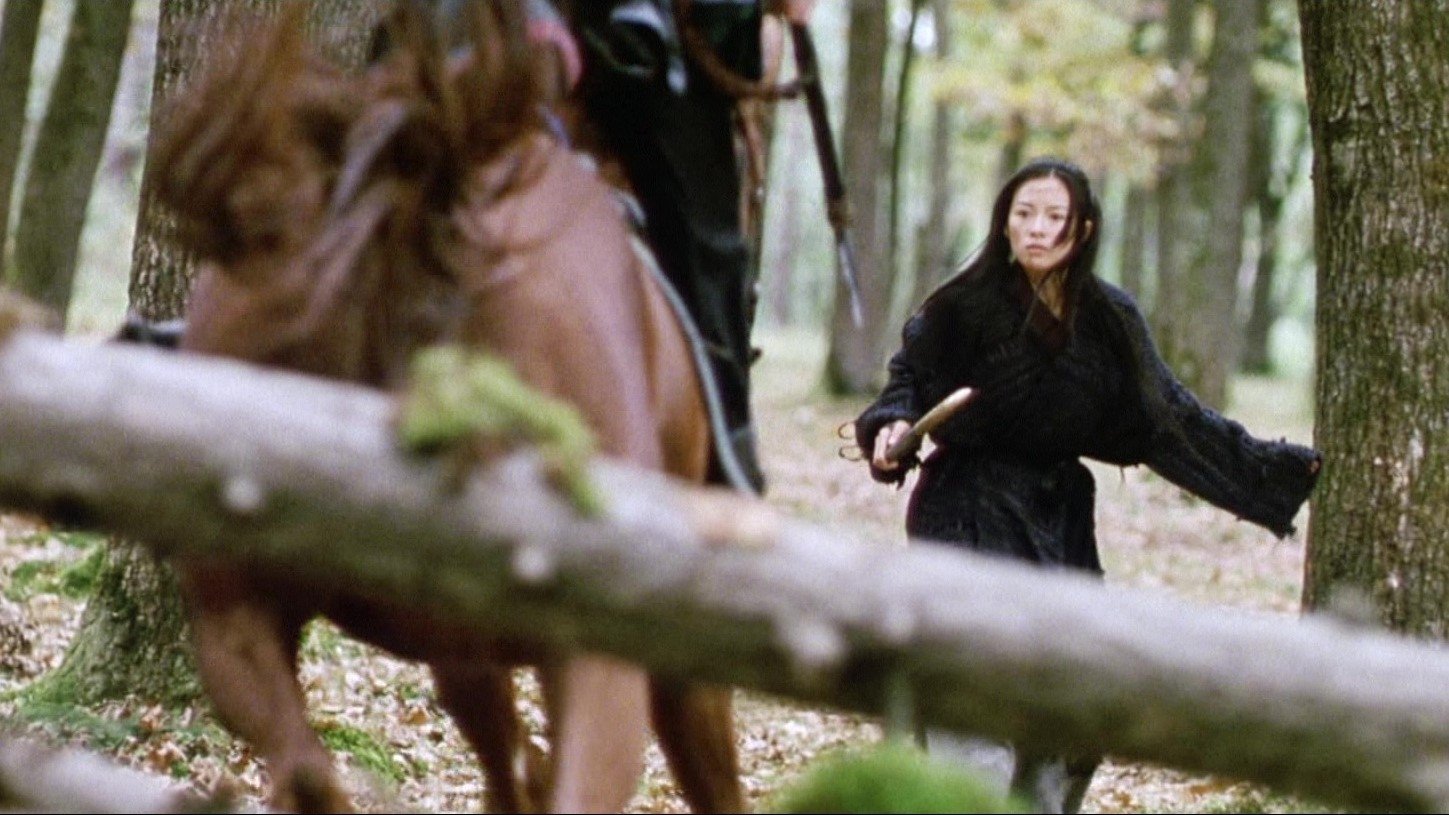
The final act completely shattered me. As the seasons change around the characters, autumn gives way to snow, turning the battlefield into a frozen grave where love ultimately loses to fate. It’s melodramatic in the best possible way, and the final image stayed with me long after the credits rolled.
House of Flying Daggers isn’t just an action film, it’s a tragic love story wrapped in breathtaking cinematography, unforgettable music, and some of the greatest fight choreography ever put on screen. Beautiful, poetic, and emotionally devastating, it’s another masterpiece from Zhang Yimou.