“If only they would understand what we are trying to do for them”
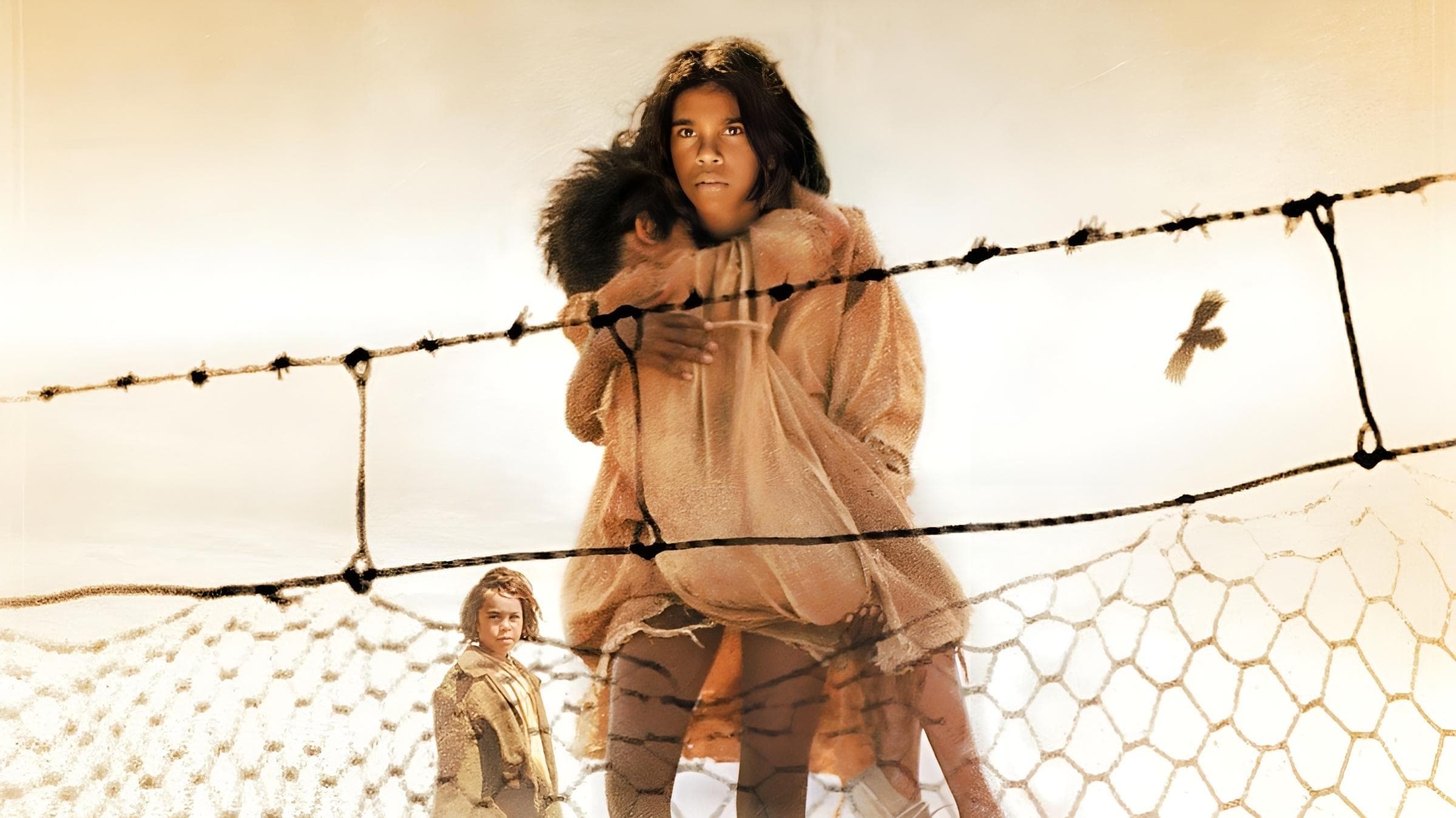
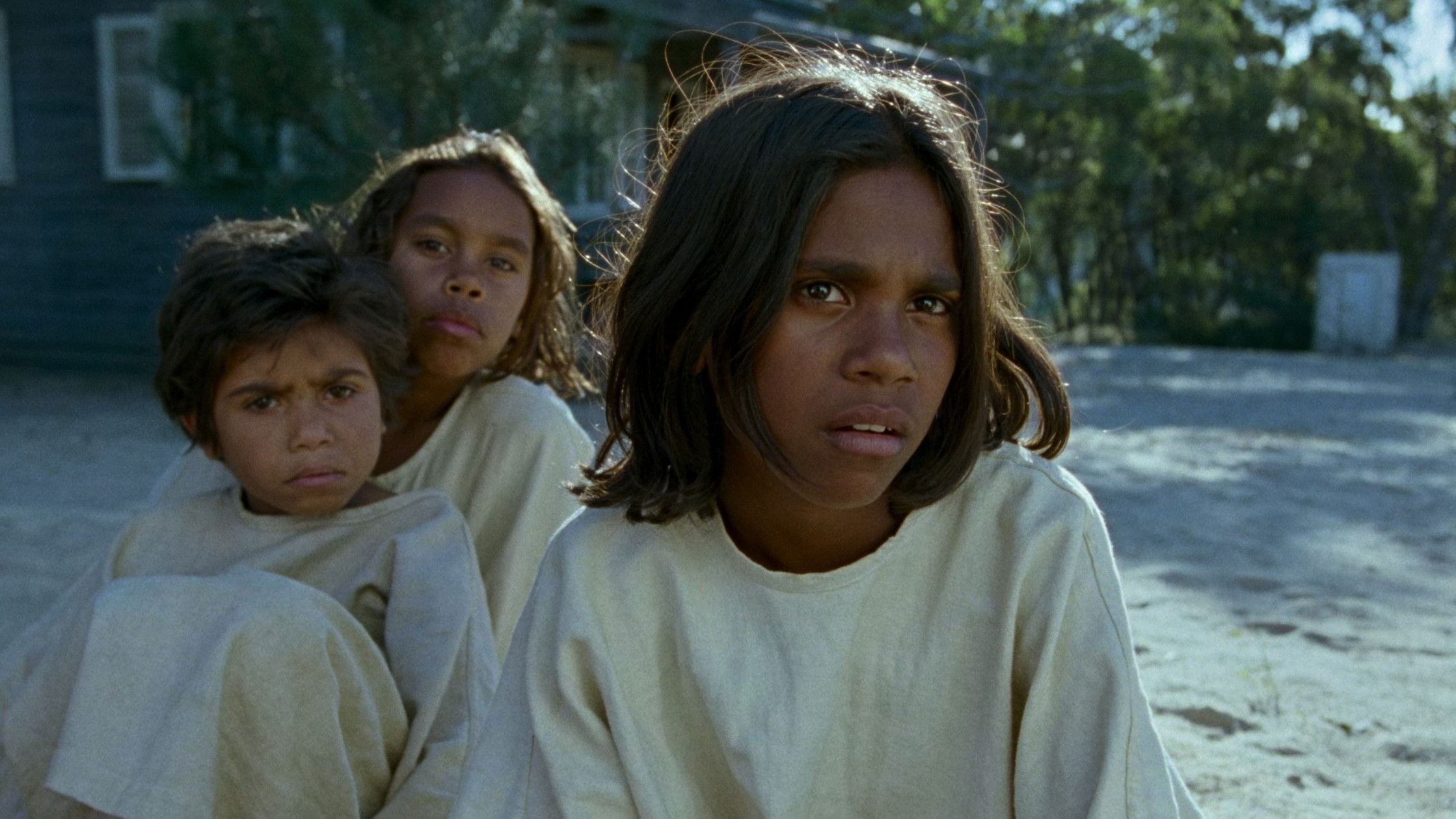
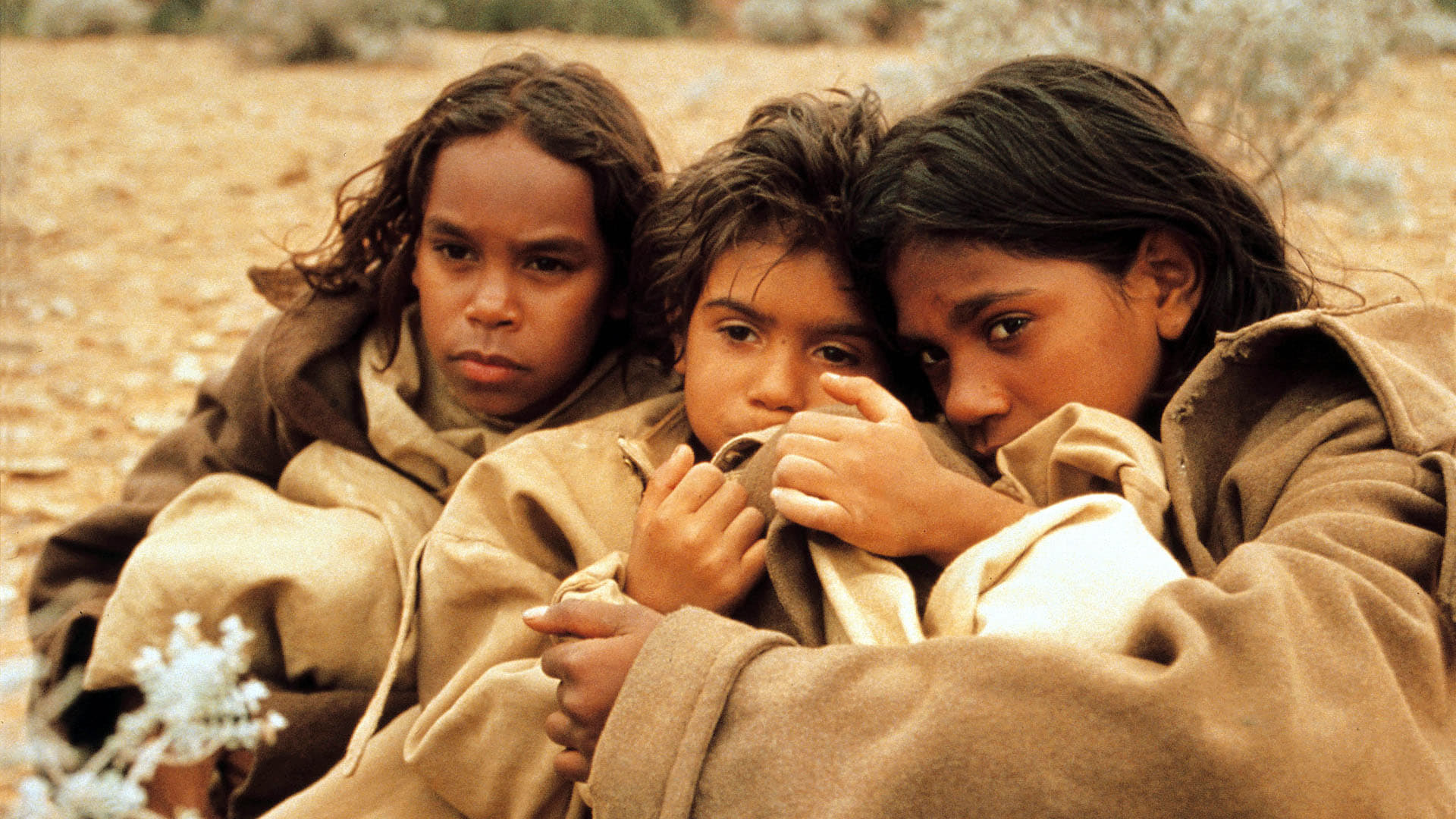
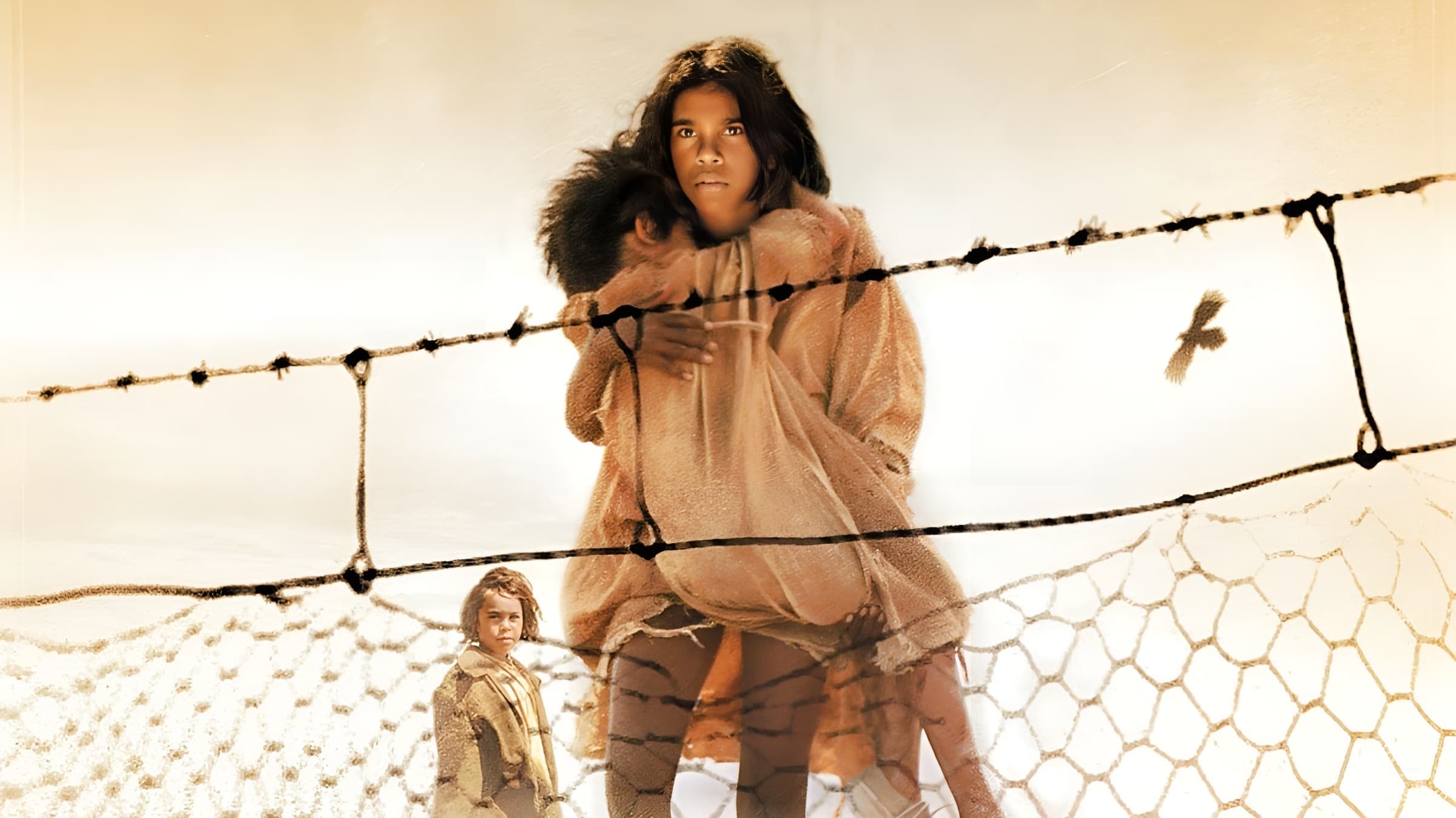
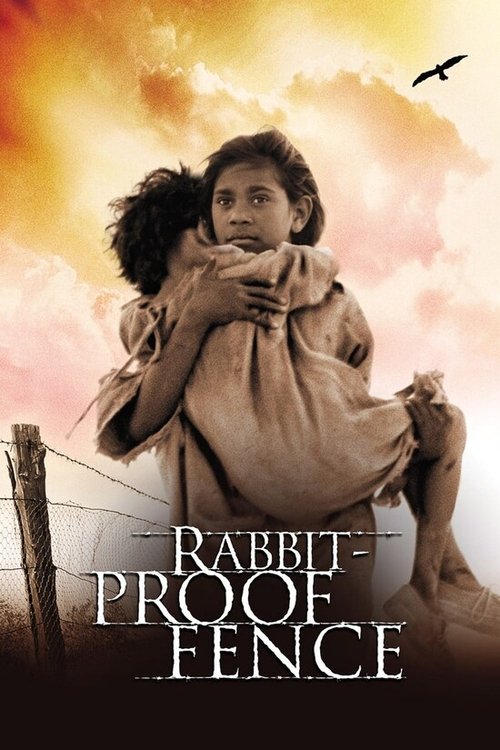
Rabbit-Proof Fence (2002), directed by Philip Noyce, tells the powerful true story of three young girls who are taken from their families and attempt to find their way back home. The film portrays a dark part of history and highlights how Indigenous people in Australia were treated by those in power.
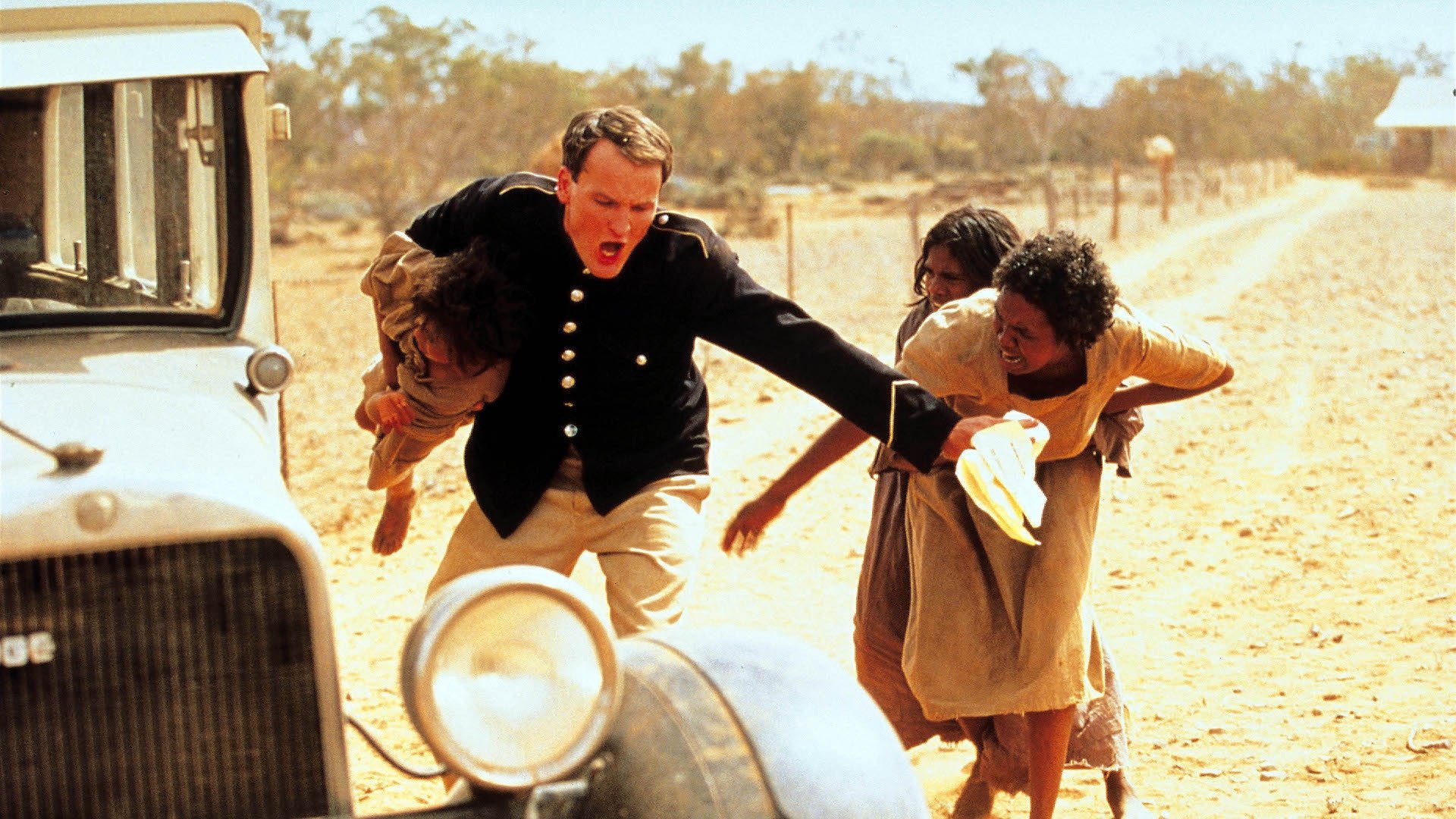
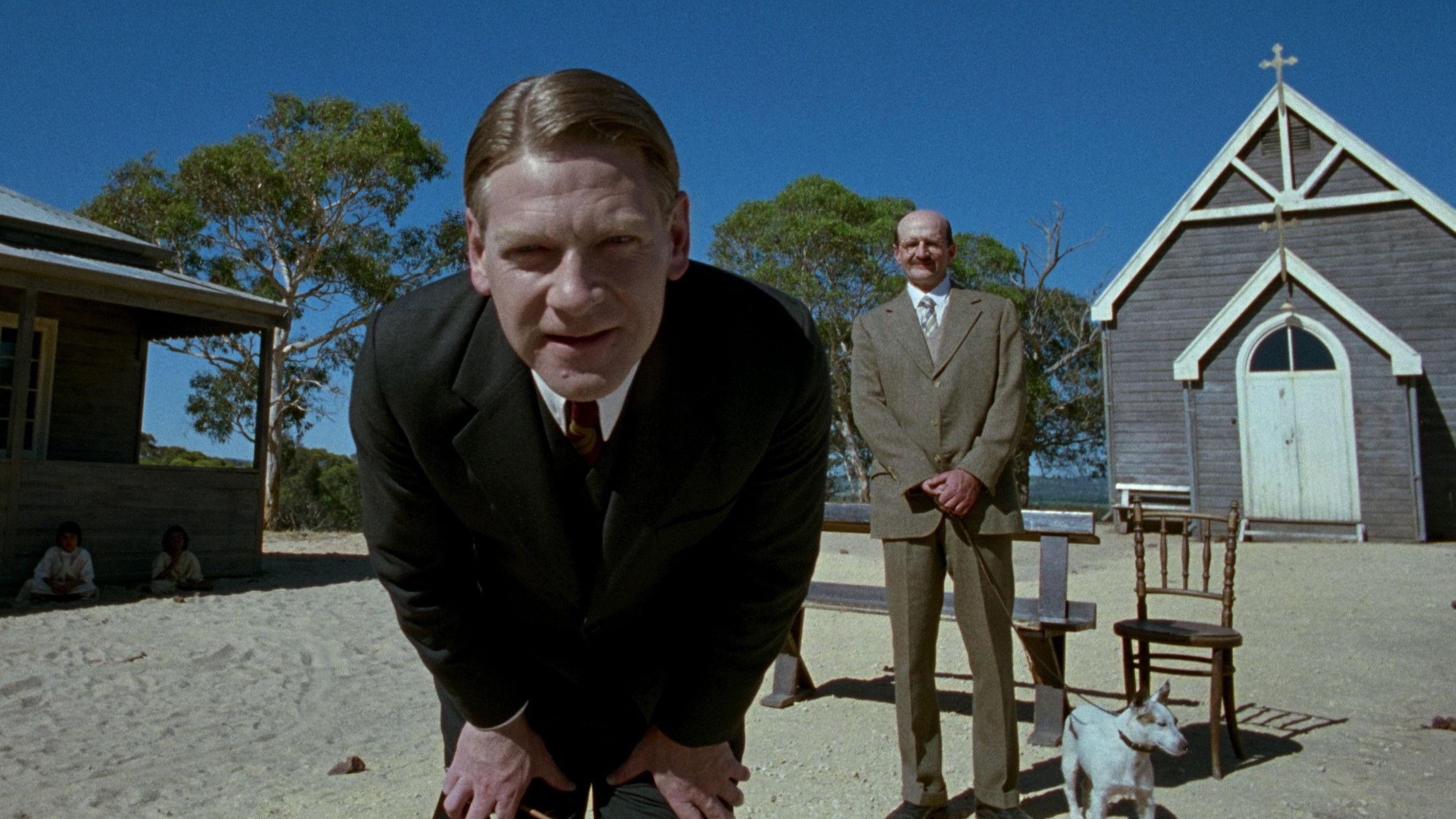
A central theme of the film is the Stolen Generation, during which Aboriginal children were forcibly removed from their families in order to be assimilated into white society. The film clearly illustrates how racist ideologies and colonial beliefs were justified by authorities. This is especially evident when Mr. Neville states, “If only they would understand what we are trying to do for them.” This quote reveals how those in power believed their actions were justified and even benevolent, despite the fact that they were causing immense harm by destroying families, identities, and cultures. It reflects a dangerous mindset in which one group assumes superiority over another.
The film also gave me a new perspective and made me think about how the Sami people have been treated in Sweden. Similar to Australia, Indigenous groups have faced discrimination and forced assimilation. This comparison shows that such injustices are not isolated, but part of a broader historical pattern in which minority groups have been oppressed by dominant societies.
At the same time, the message of the film remains highly relevant today. In modern society, we can still see examples of “us versus them” thinking, where people are judged based on religion, culture, or appearance. Instead of trying to understand one another, divisions are created and reinforced. This can lead to prejudice and discrimination, echoing the attitudes shown in the film.
In conclusion, Rabbit-Proof Fence is a powerful and important film that not only depicts a historical injustice but also highlights issues that continue to exist today. It demonstrates how harmful ideas of superiority can lead to serious consequences, and why it is essential to learn from history.
“If only they would understand what we are trying to do for them”
Rabbit-Proof Fence (2002), directed by Philip Noyce, tells the powerful true story of three young girls who are taken from their families and attempt to find their way back home. The film portrays a dark part of history and highlights how Indigenous people in Australia were treated by those in power.
A central theme of the film is the Stolen Generation, during which Aboriginal children were forcibly removed from their families in order to be assimilated into white society. The film clearly illustrates how racist ideologies and colonial beliefs were justified by authorities. This is especially evident when Mr. Neville states, “If only they would understand what we are trying to do for them.” This quote reveals how those in power believed their actions were justified and even benevolent, despite the fact that they were causing immense harm by destroying families, identities, and cultures. It reflects a dangerous mindset in which one group assumes superiority over another.
The film also gave me a new perspective and made me think about how the Sami people have been treated in Sweden. Similar to Australia, Indigenous groups have faced discrimination and forced assimilation. This comparison shows that such injustices are not isolated, but part of a broader historical pattern in which minority groups have been oppressed by dominant societies.
At the same time, the message of the film remains highly relevant today. In modern society, we can still see examples of “us versus them” thinking, where people are judged based on religion, culture, or appearance. Instead of trying to understand one another, divisions are created and reinforced. This can lead to prejudice and discrimination, echoing the attitudes shown in the film.
In conclusion, Rabbit-Proof Fence is a powerful and important film that not only depicts a historical injustice but also highlights issues that continue to exist today. It demonstrates how harmful ideas of superiority can lead to serious consequences, and why it is essential to learn from history.