
1968·Drama·1h 27m
7.1
★
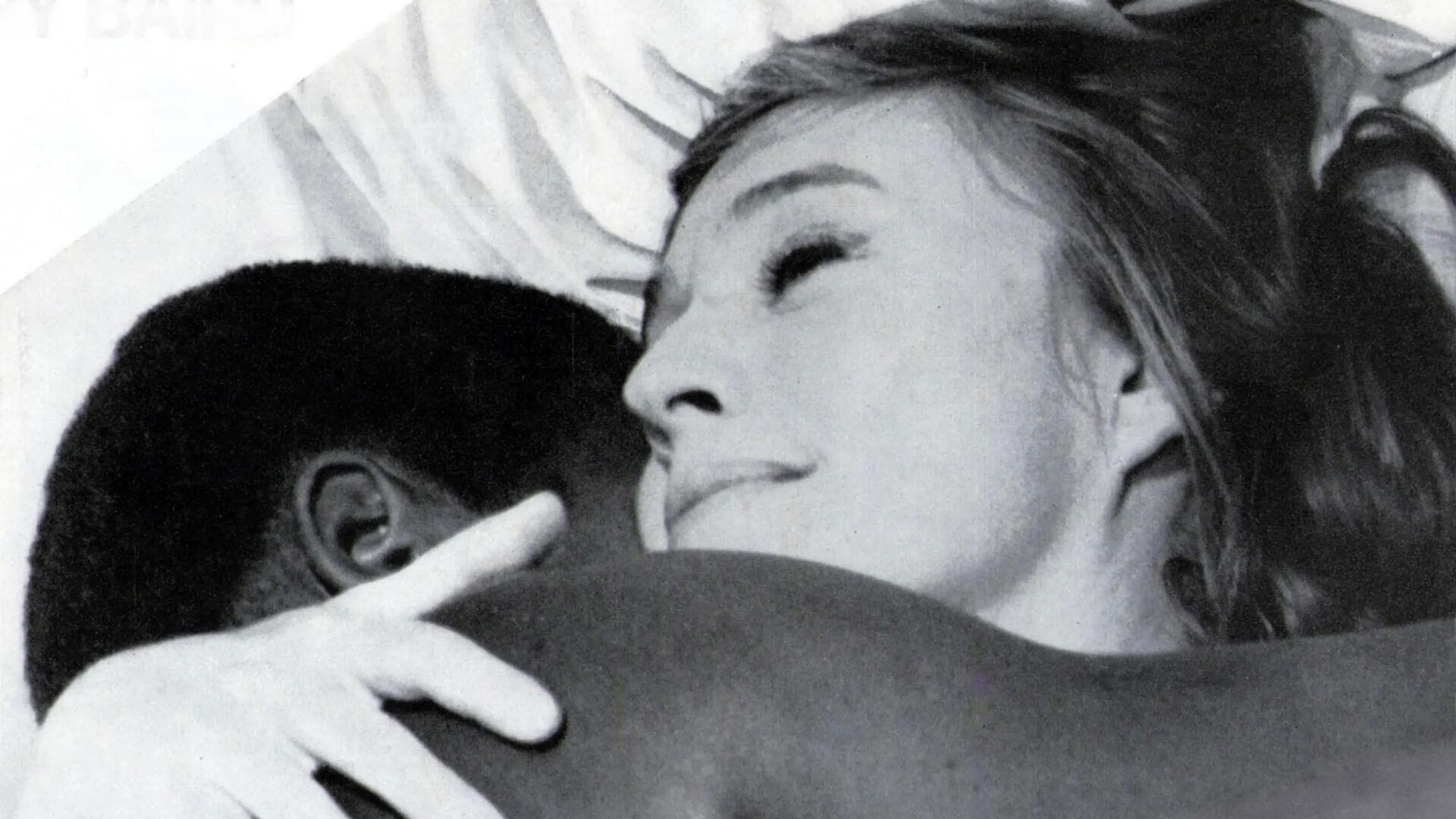
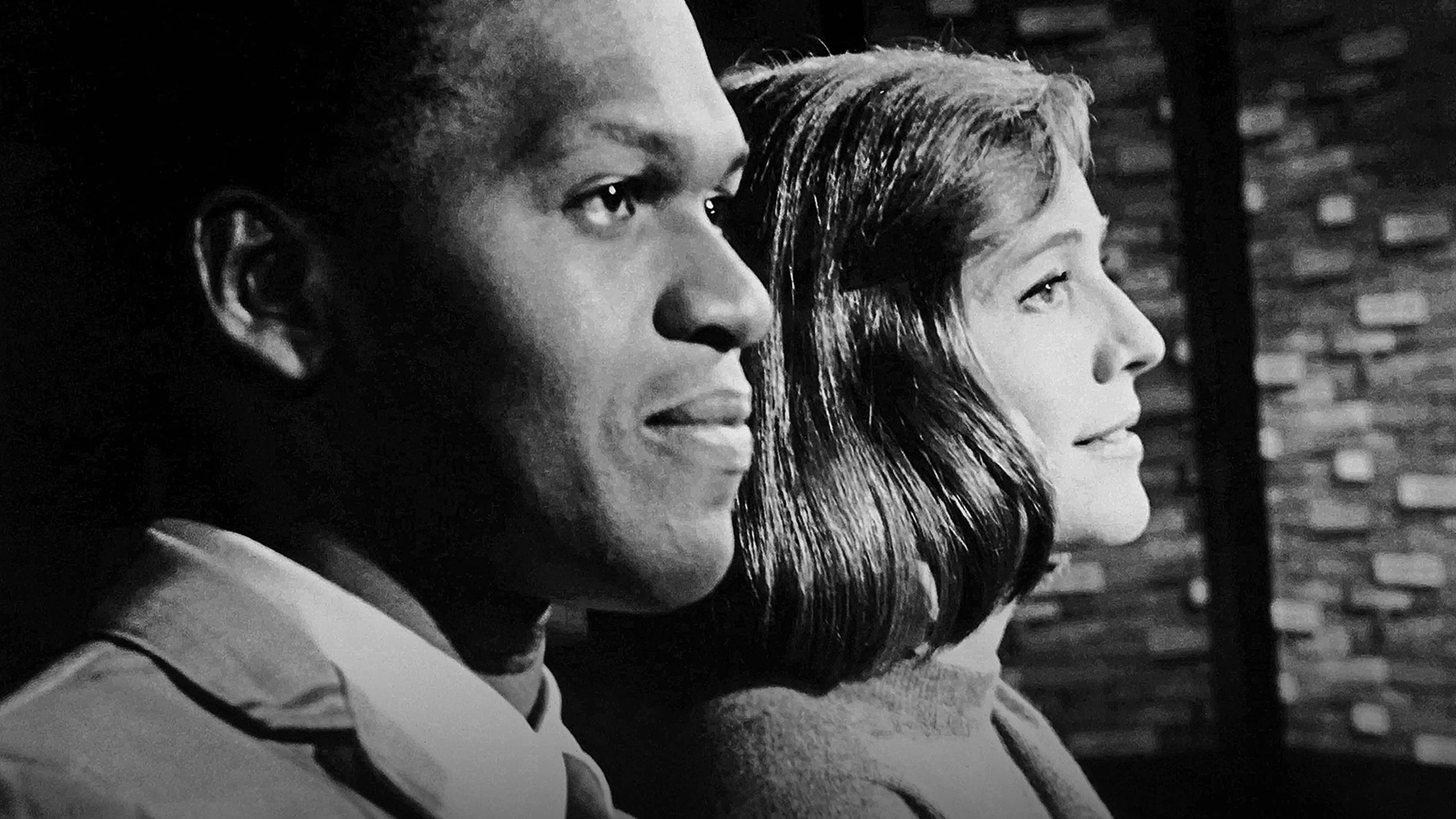
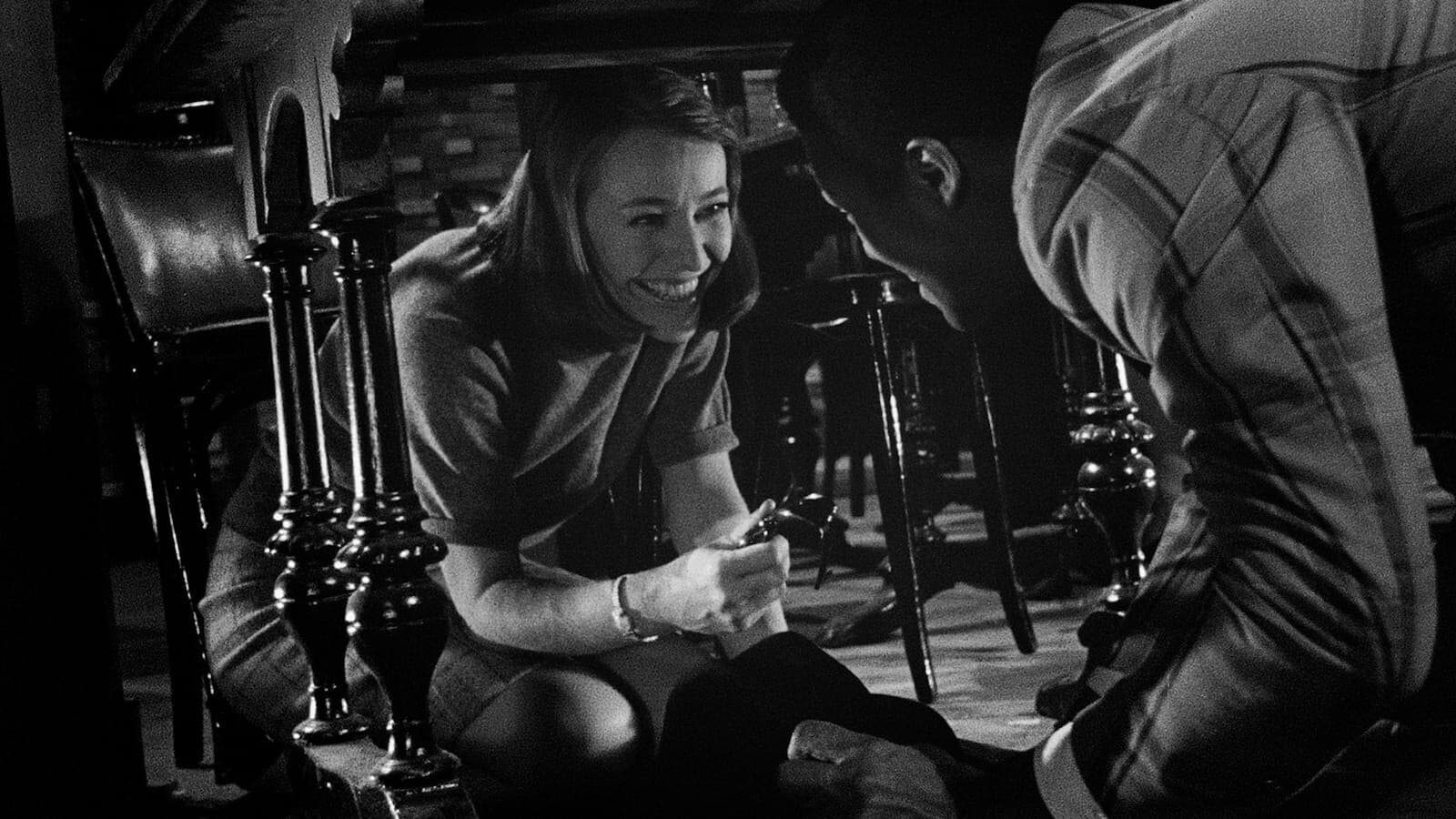
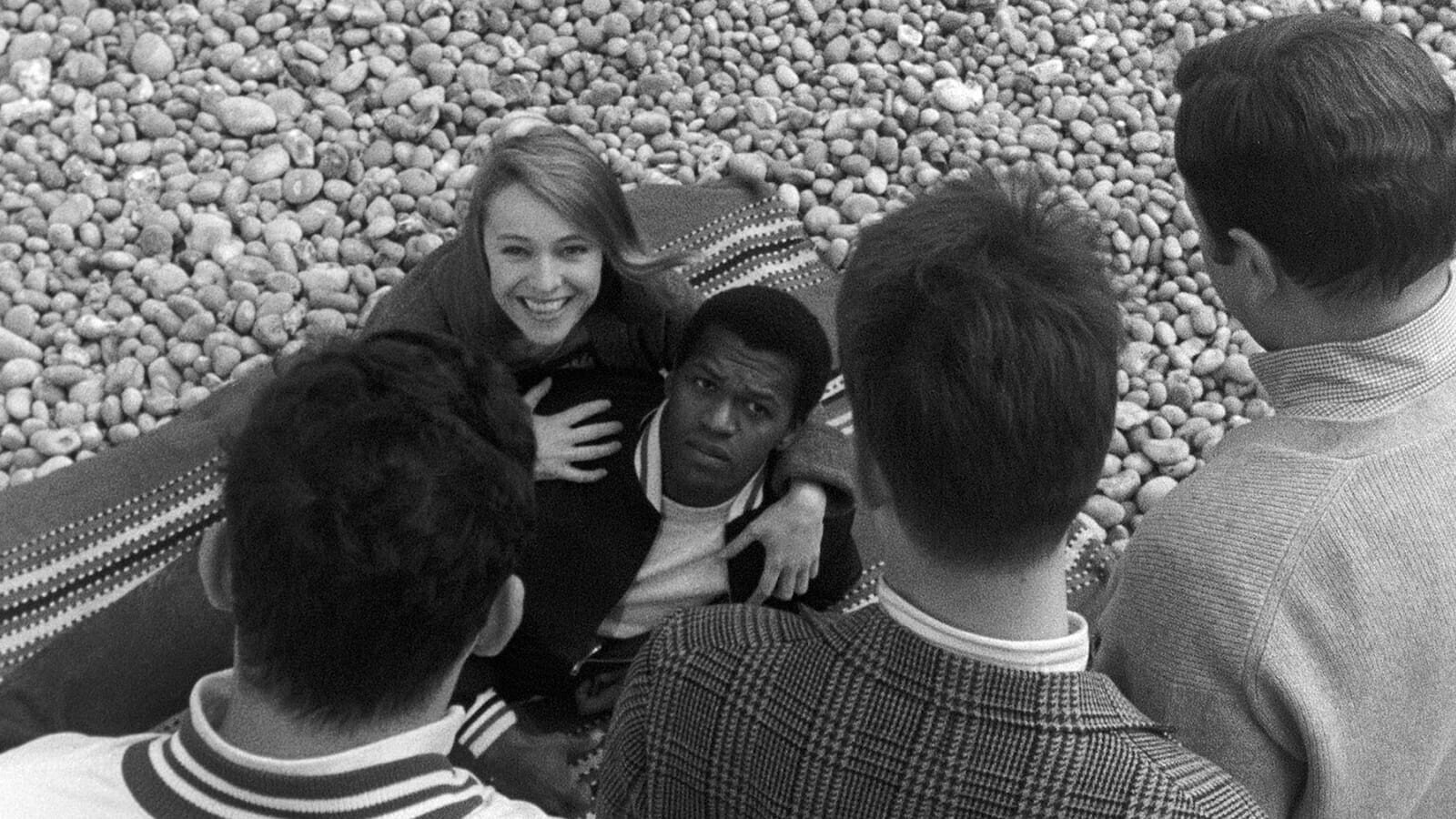
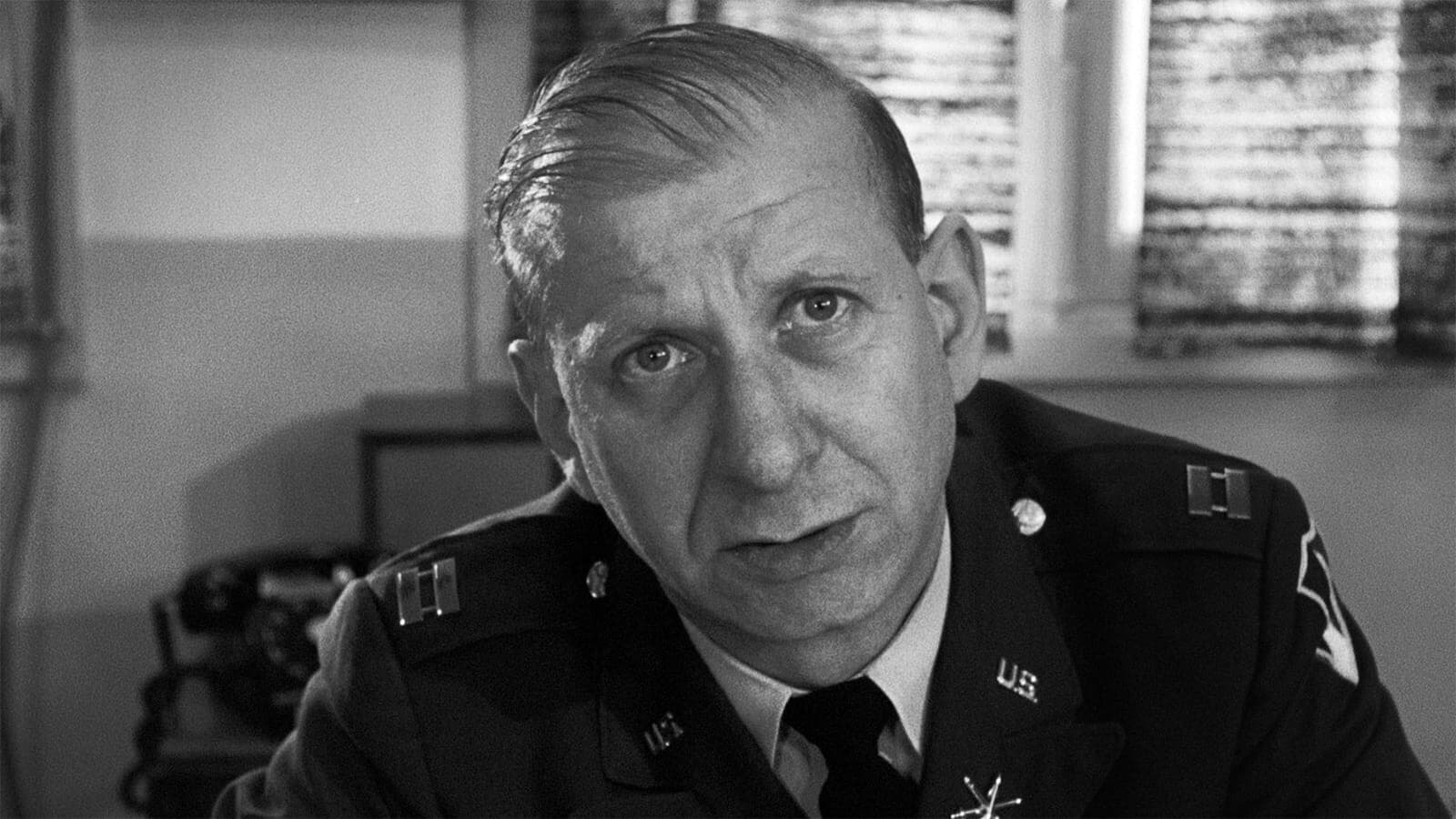
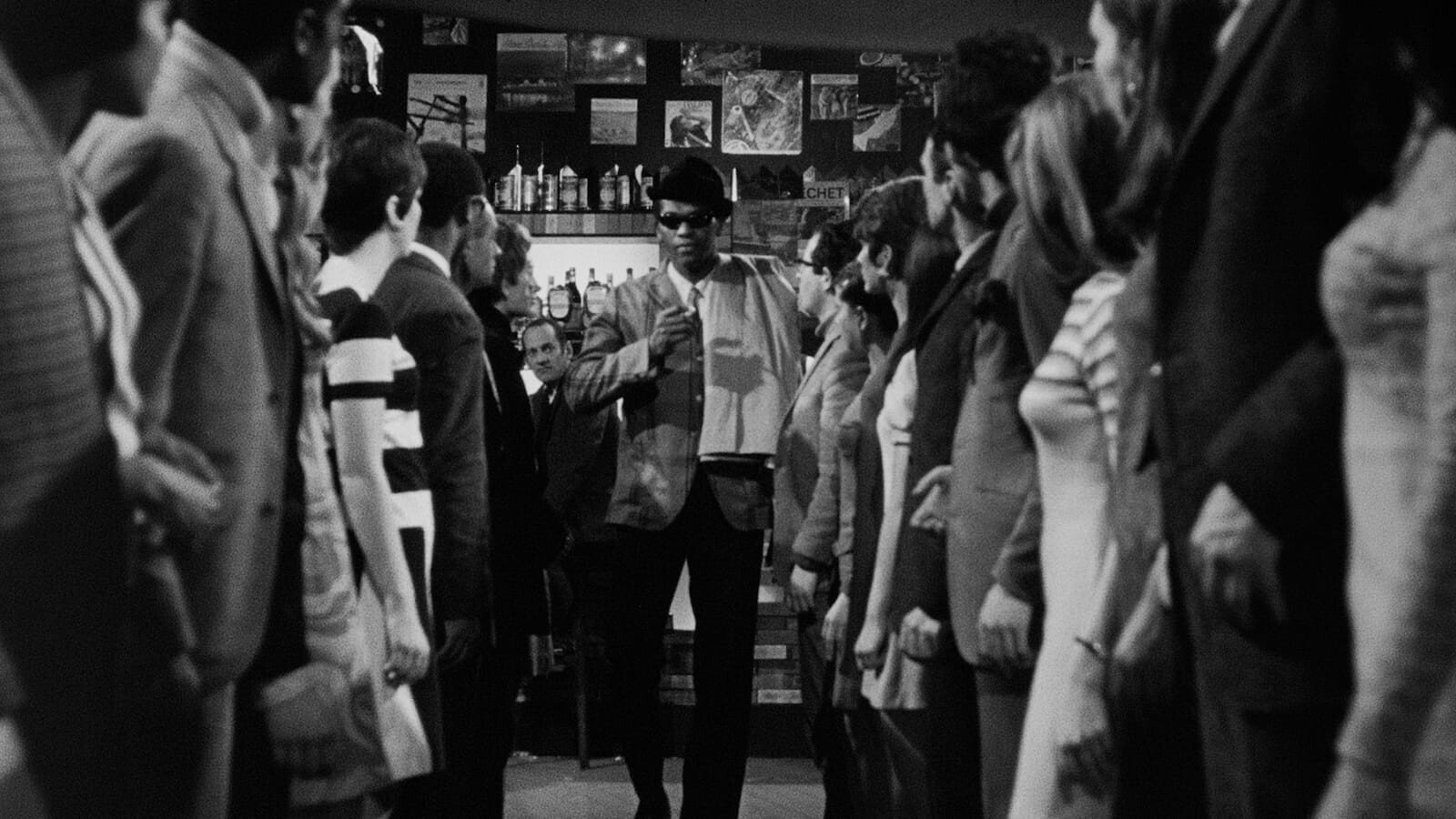
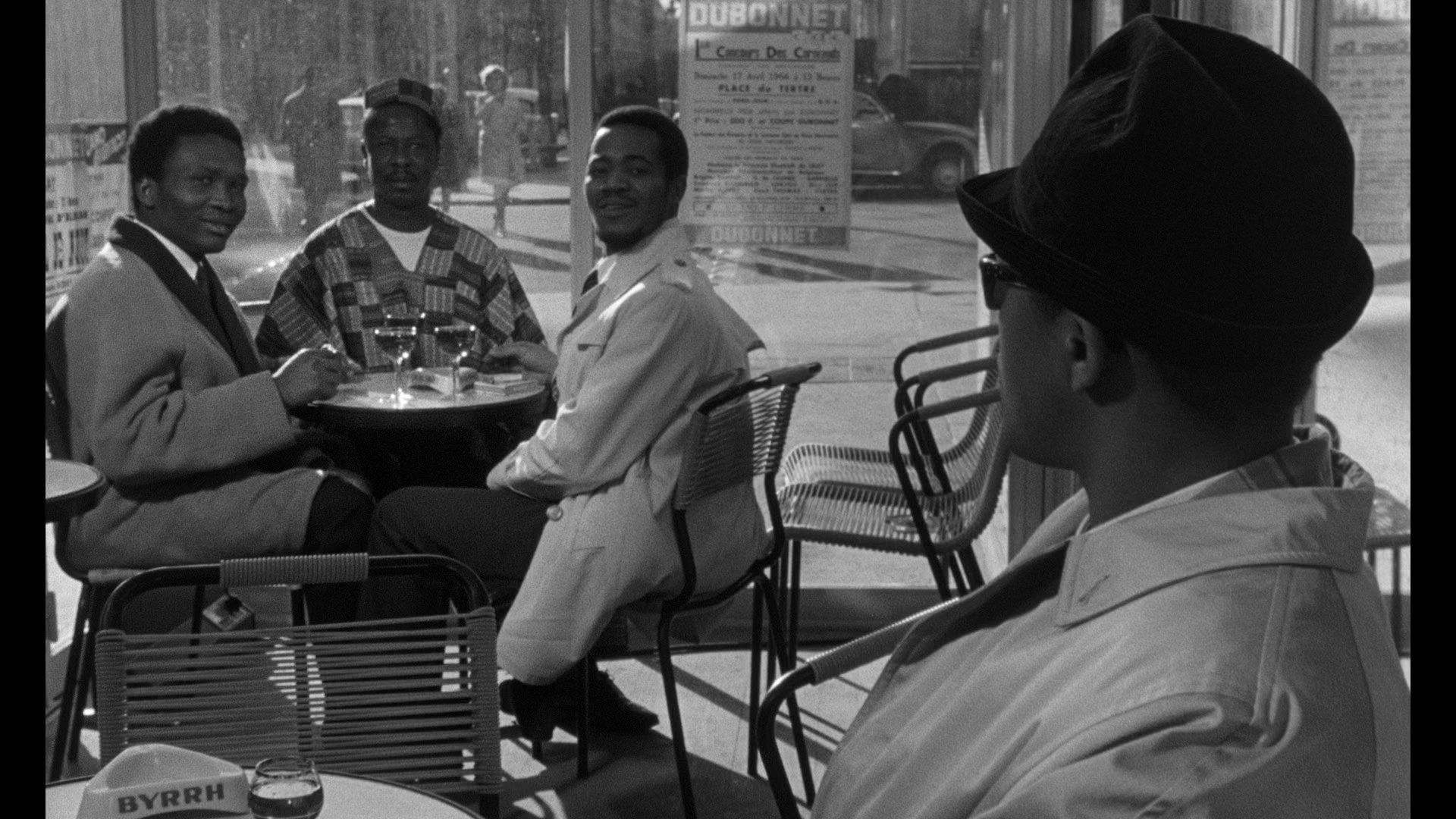
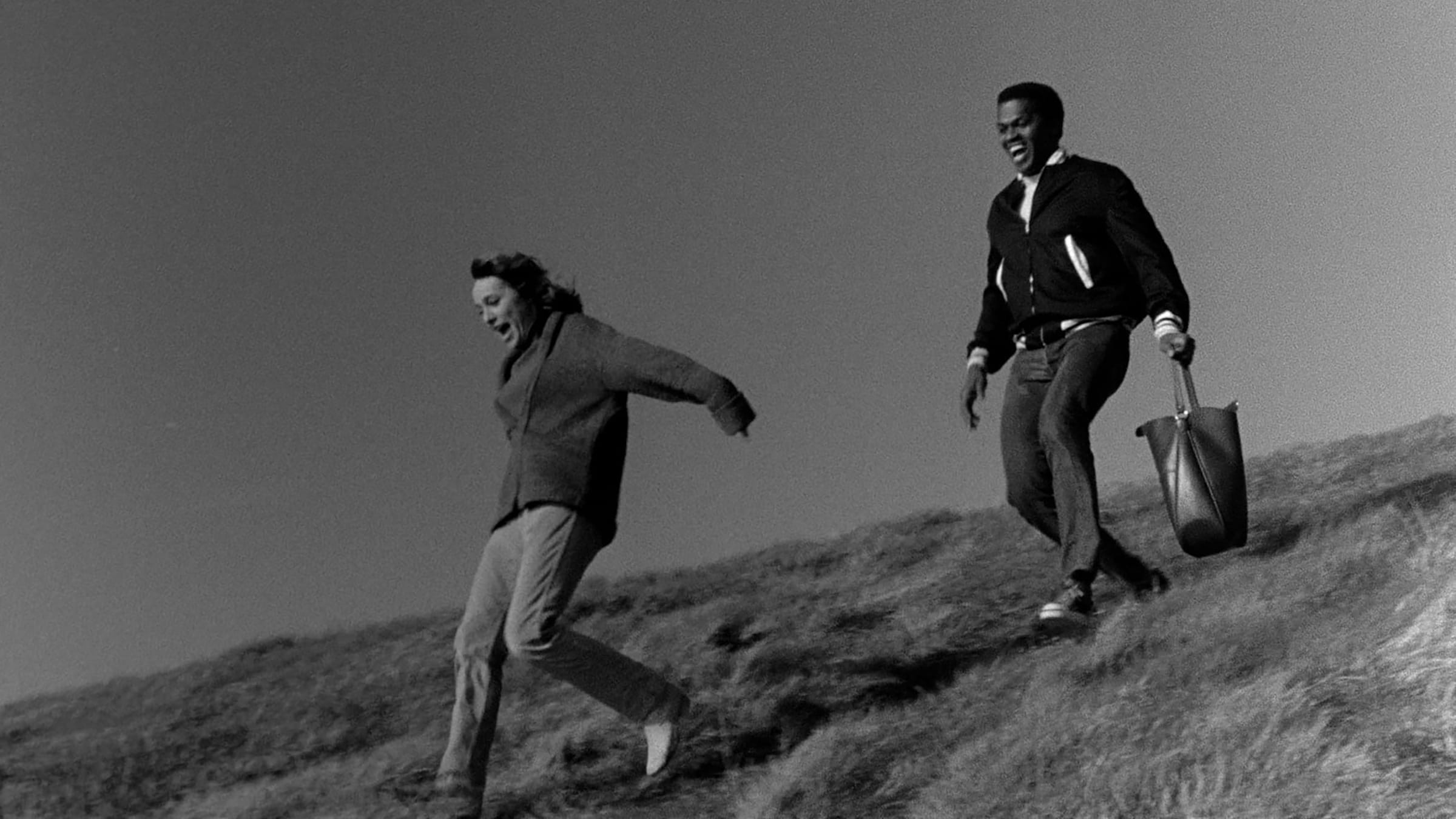
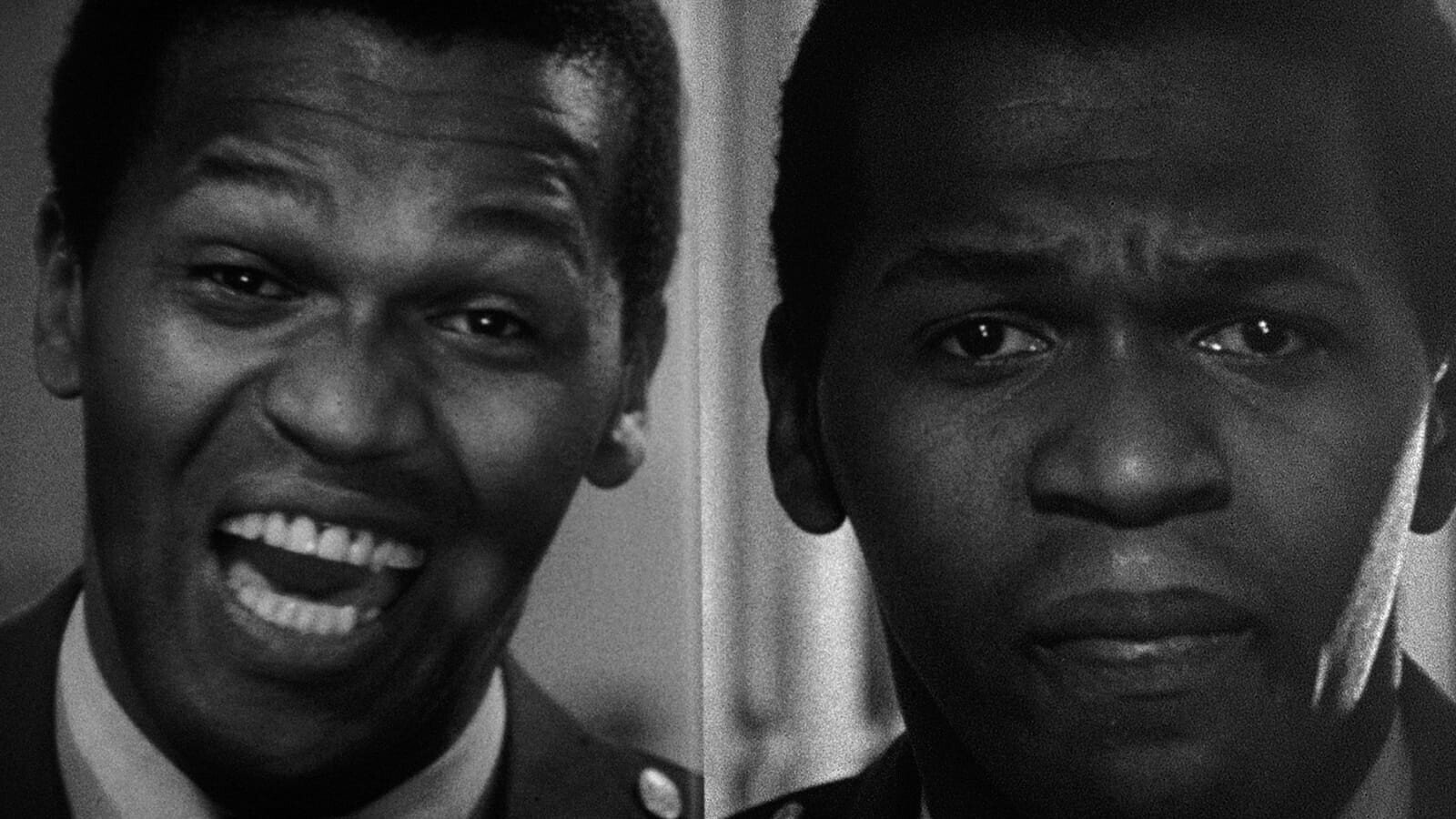
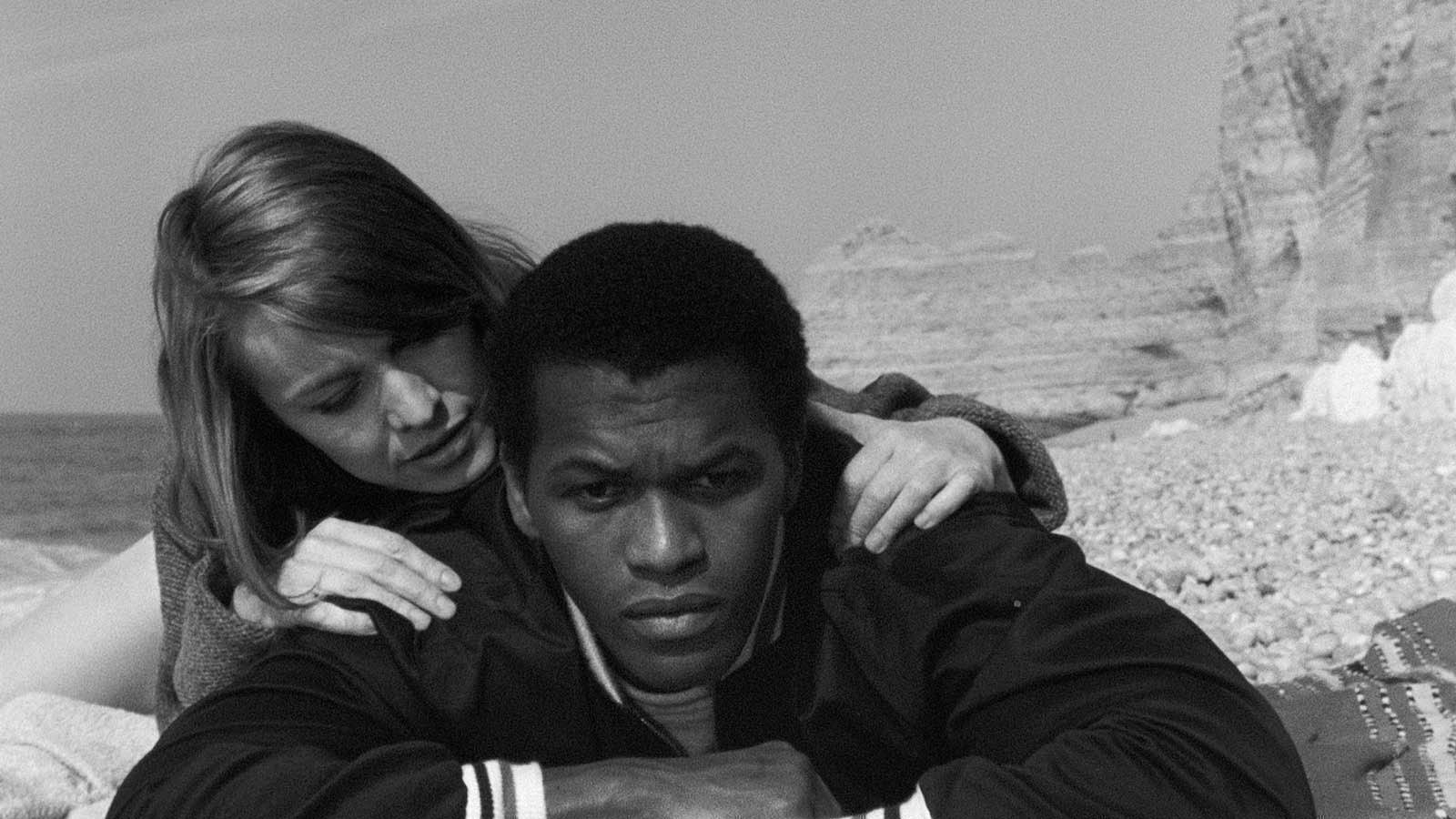
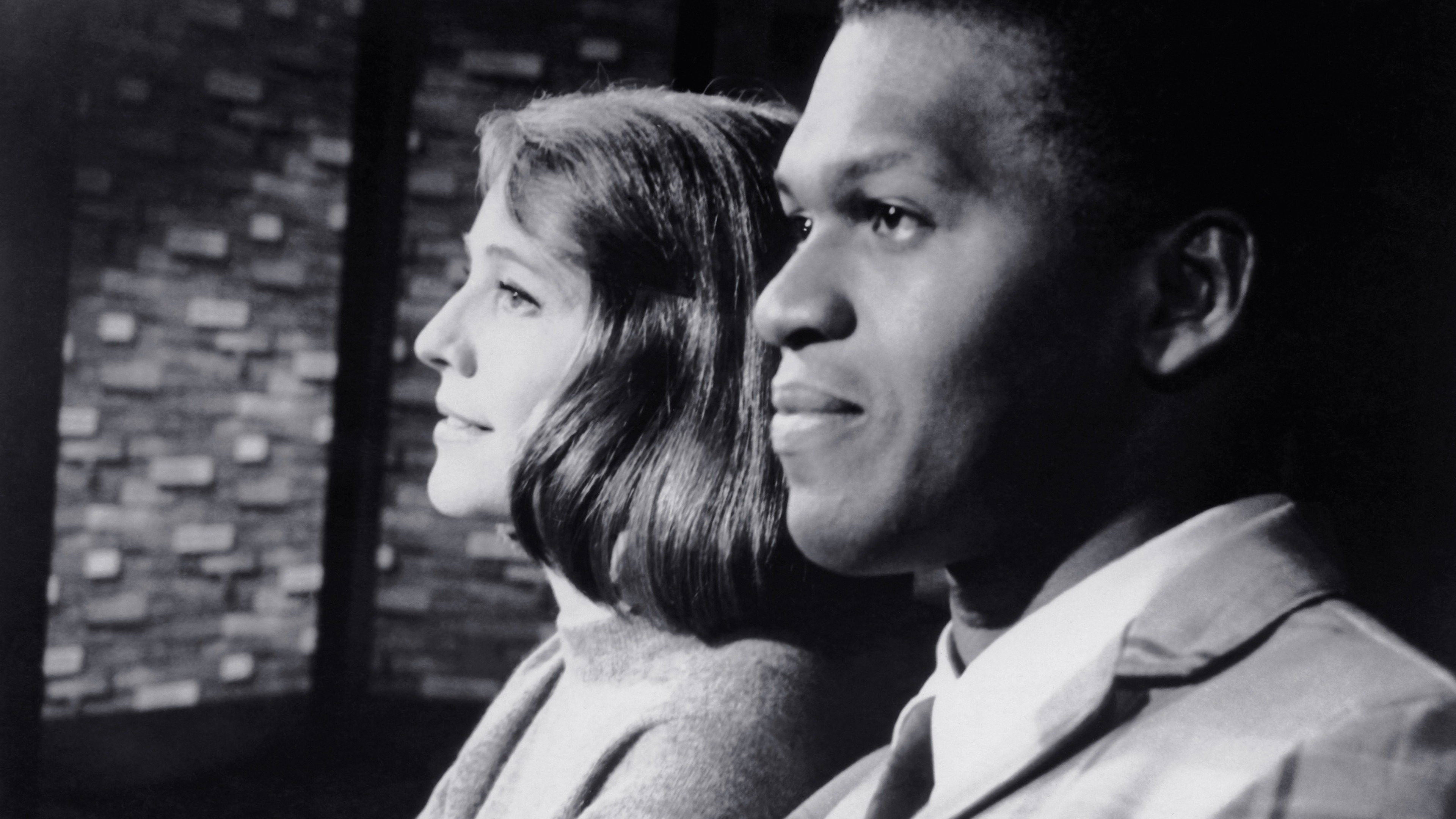
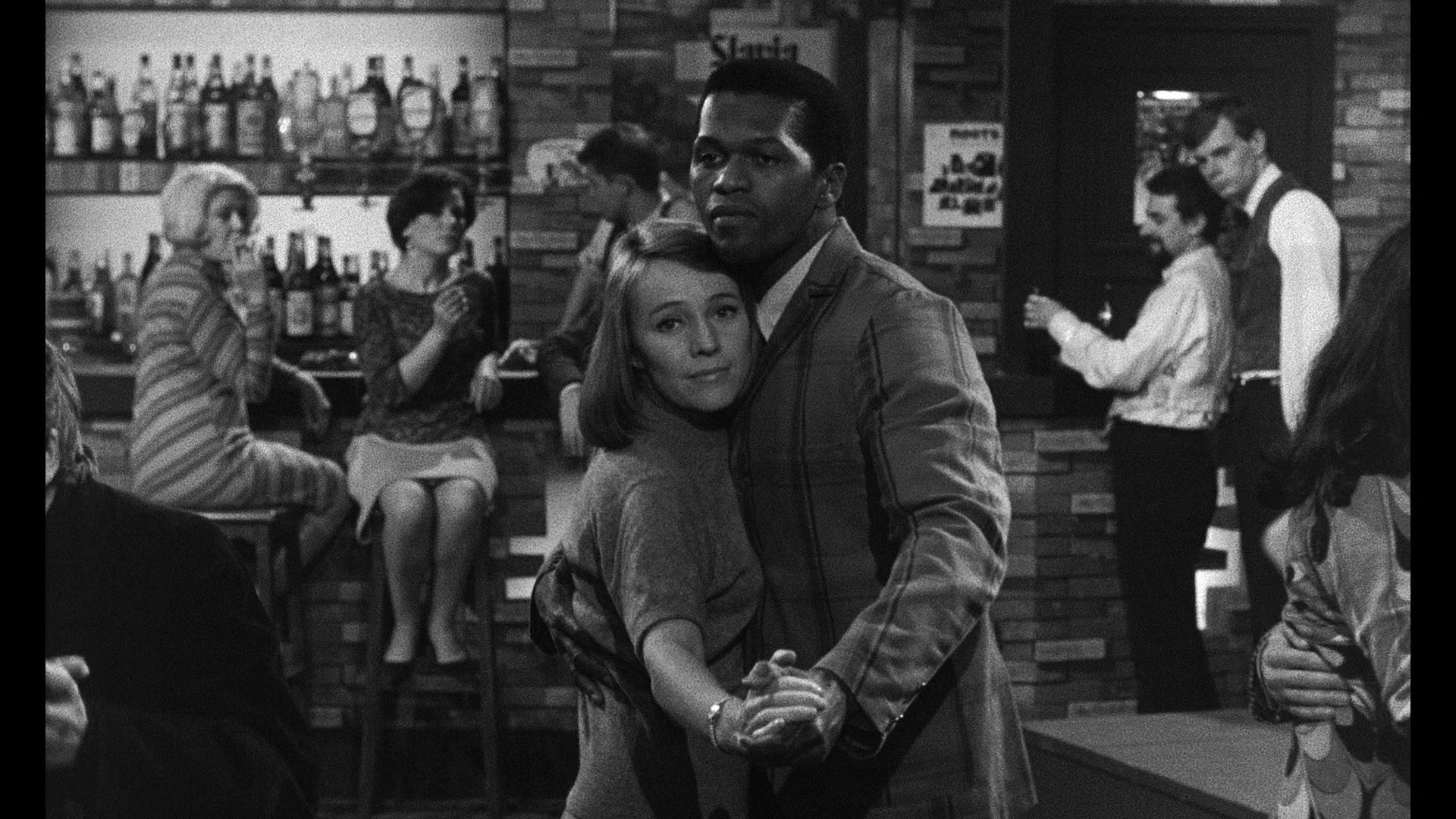
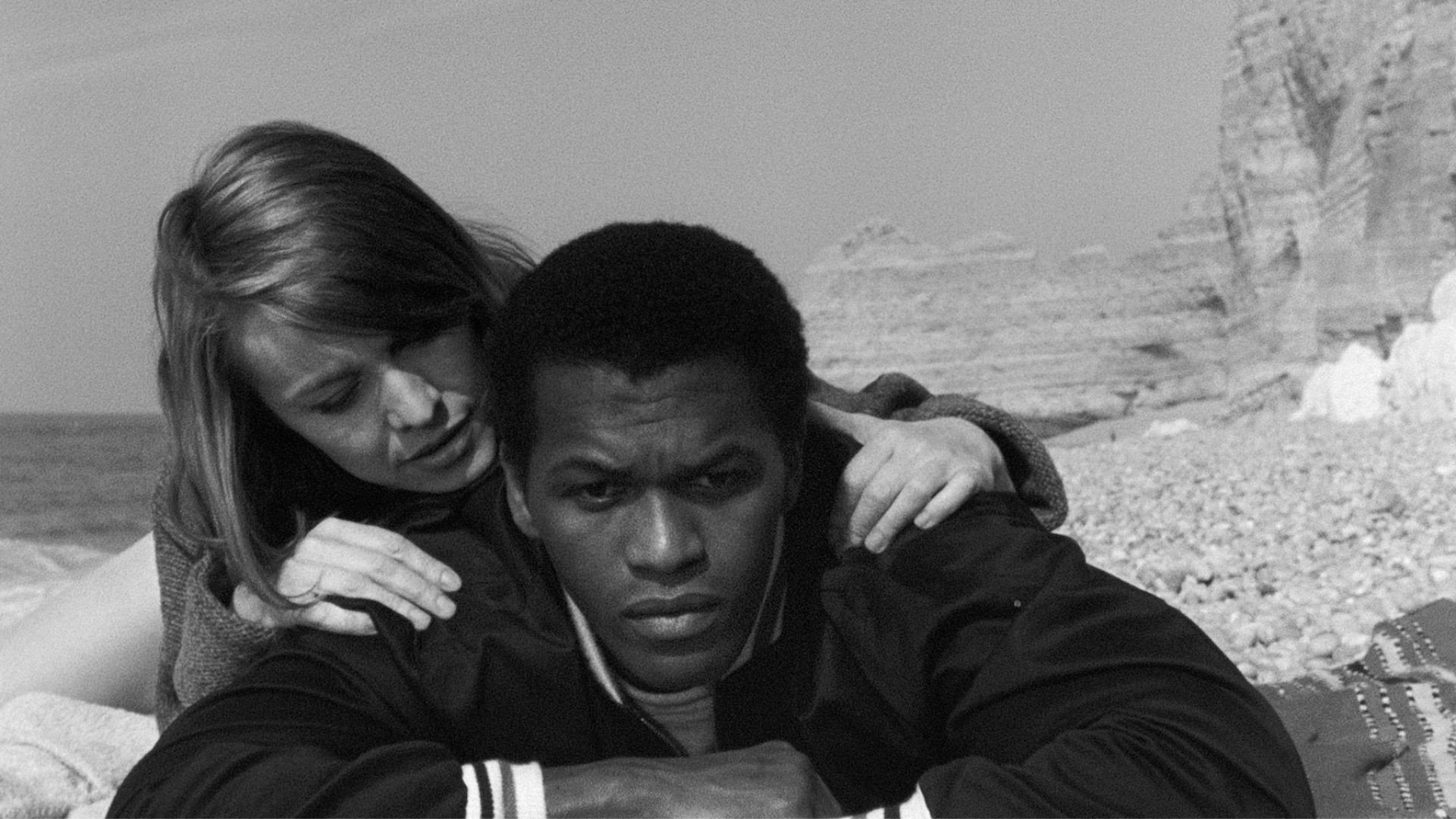
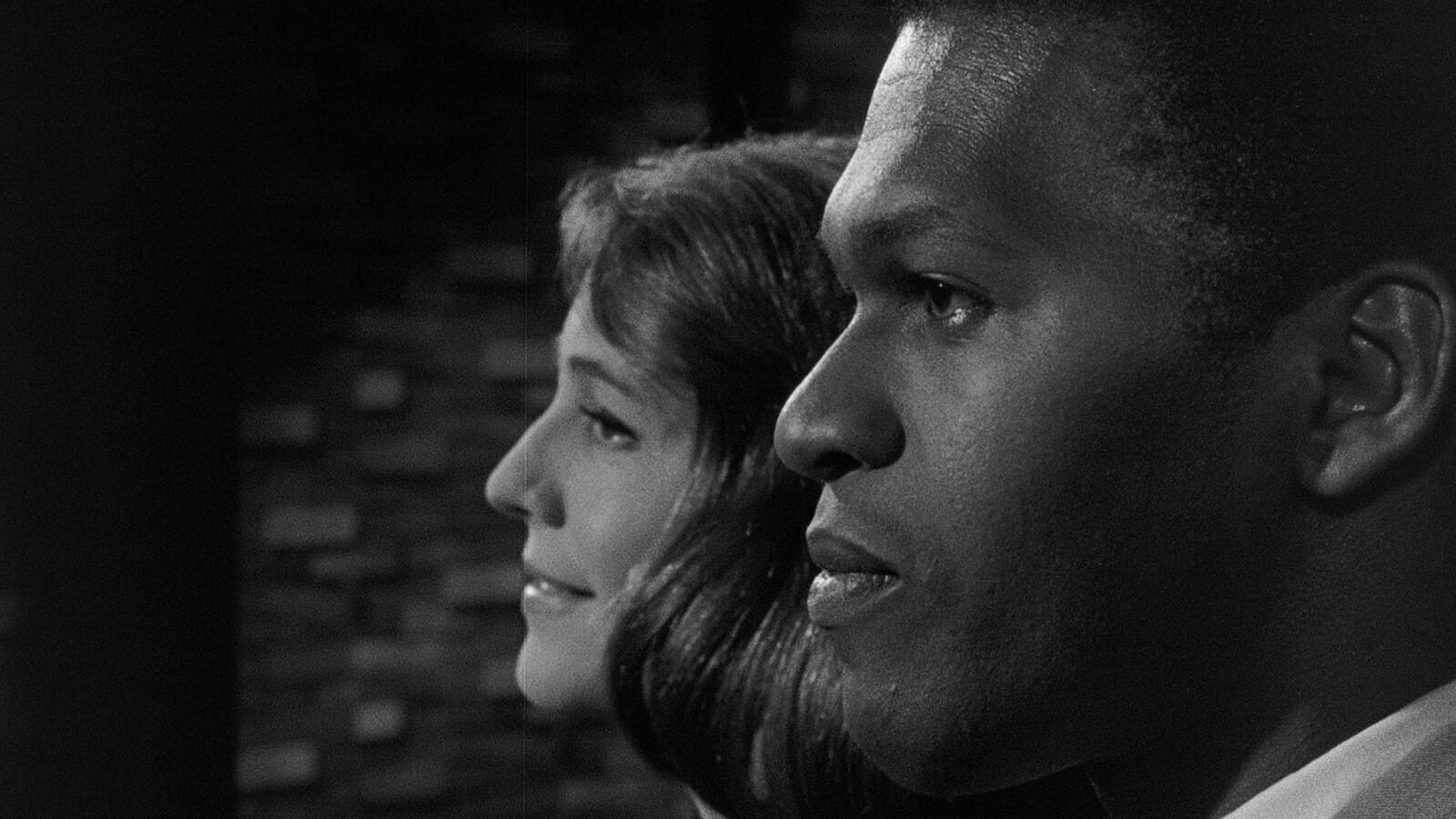
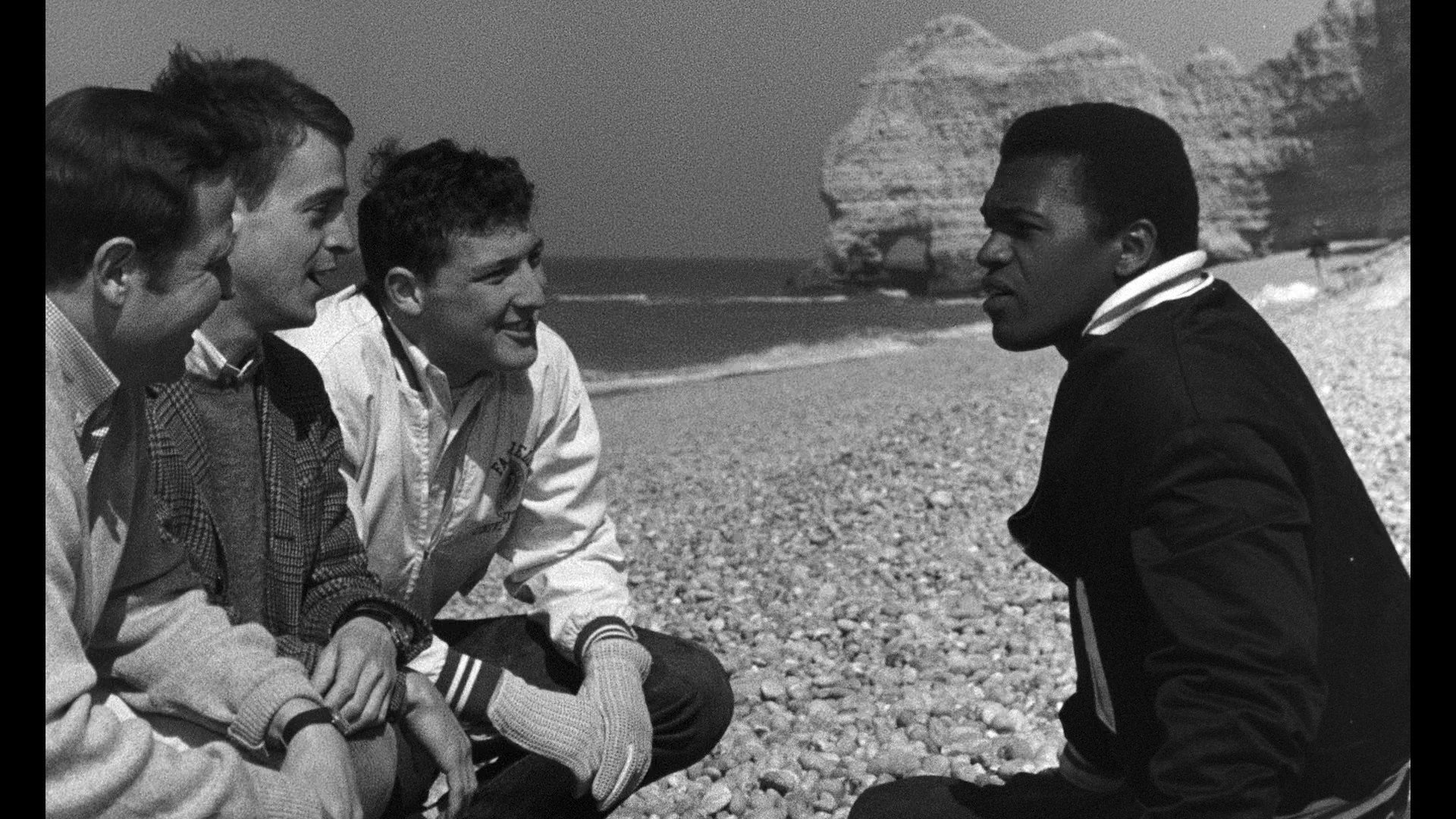
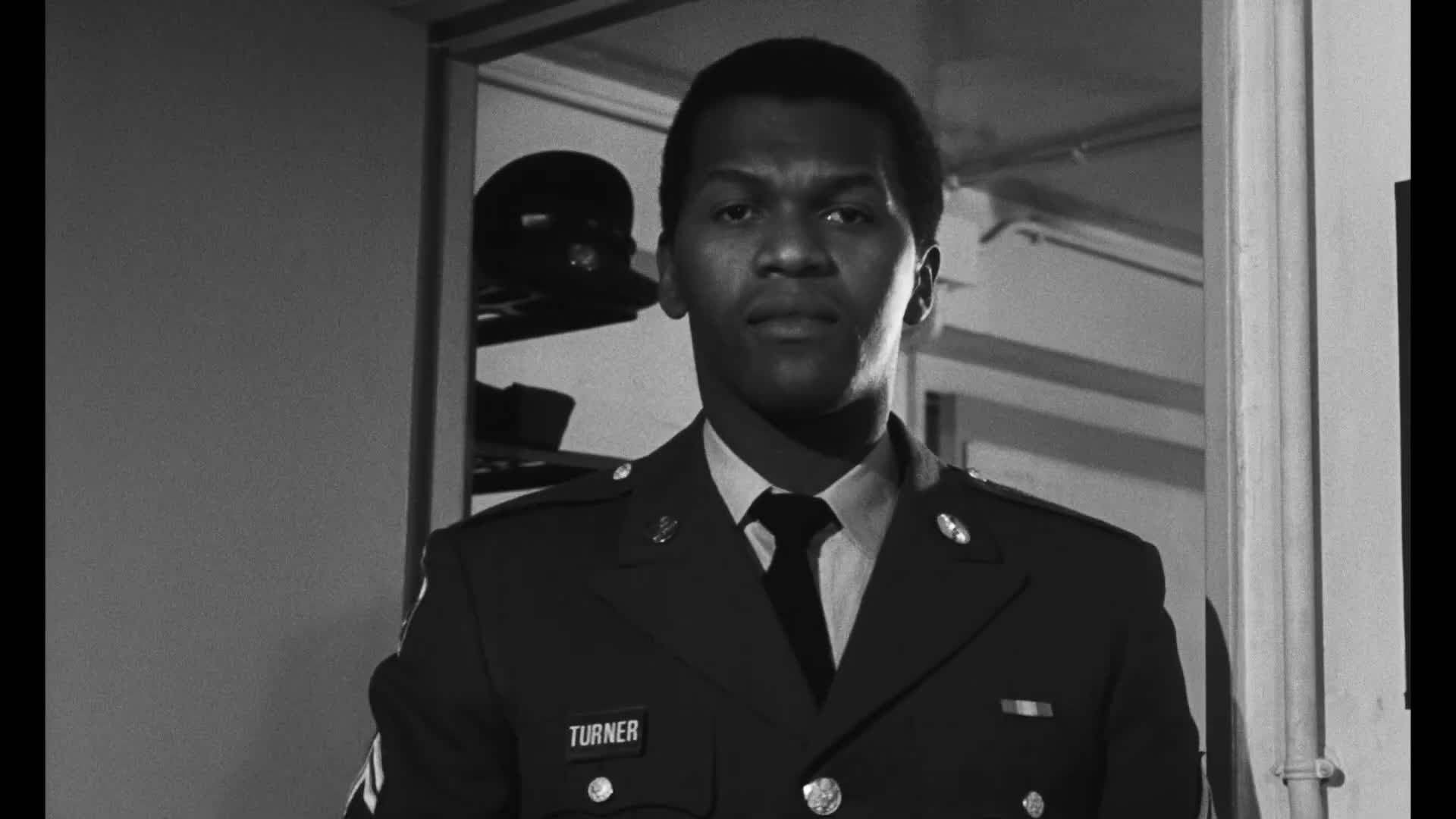
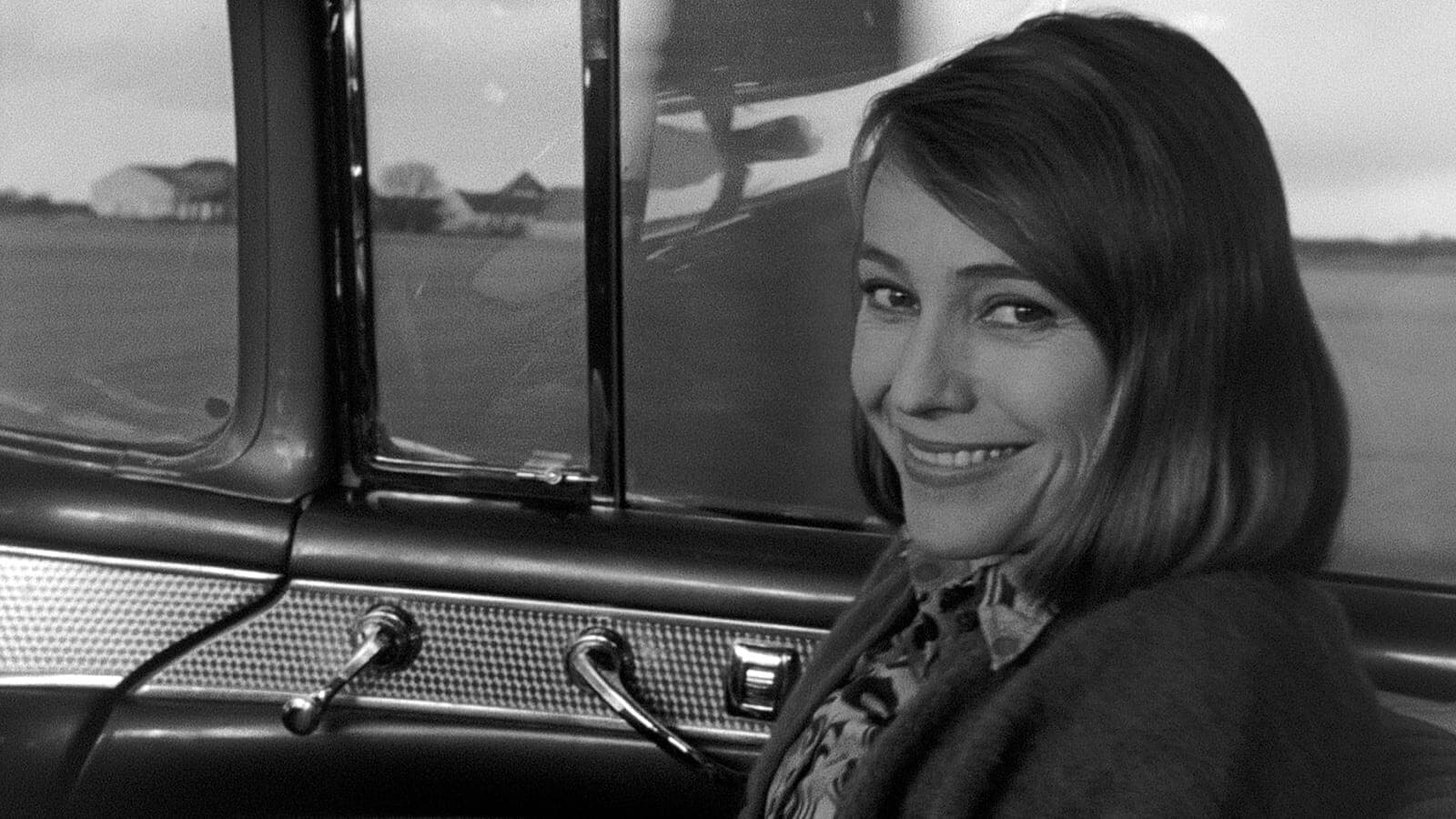
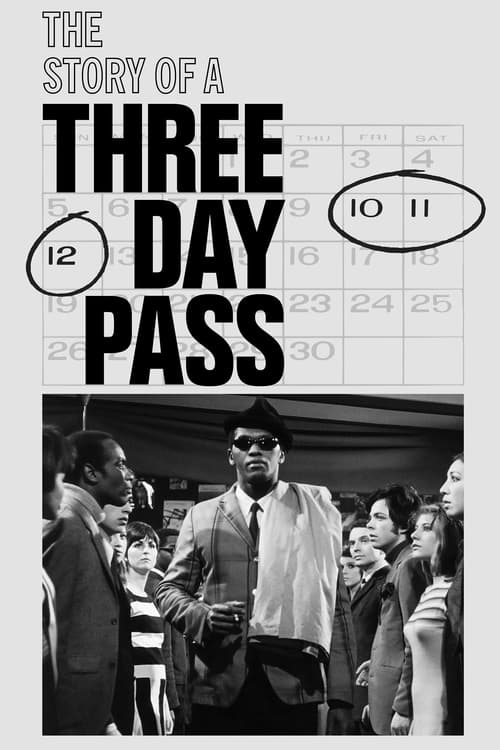
Turner, a black American soldier, is given three days leave in Paris. Not knowing what to do with himself, he goes to a nightclub where he meets a French girl named Miriam. Their romance blossoms, but their love affair is darkened by Turner's impending departure and the specter of racial prejudice.
Directed by Melvin Van Peebles

Trailer

IMDB
N/A
Where to Watch



Cast
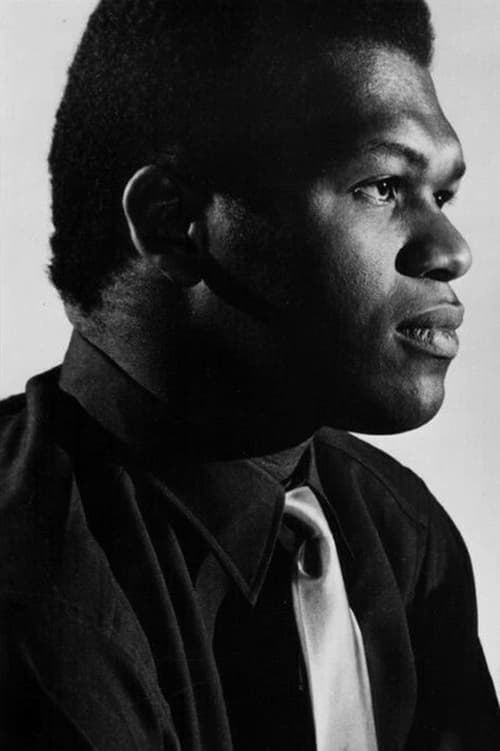
Harry Baird
Turner
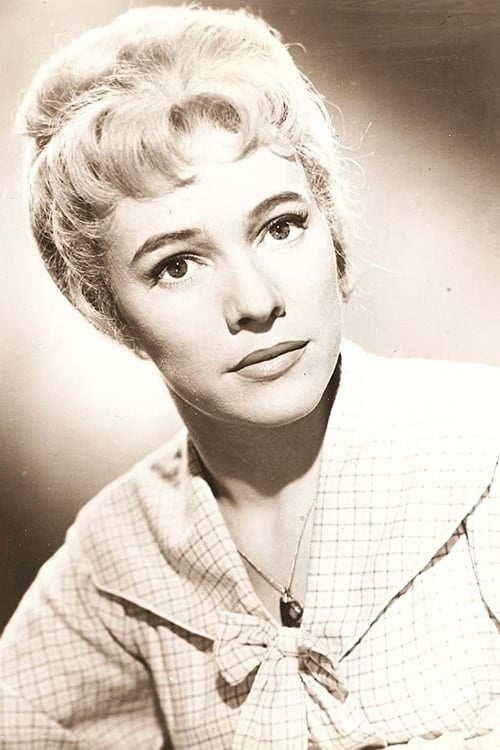
Nicole Berger
Miriam Gervase
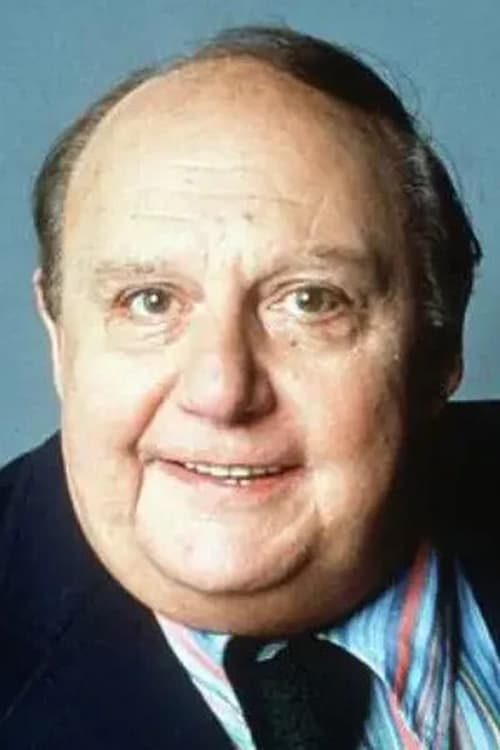
Pierre Doris
Peasant
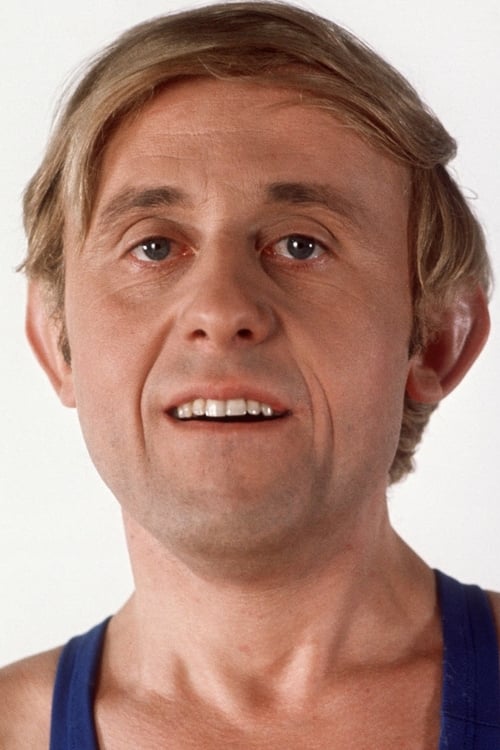
Christian Marin
hotelman

Dany Jacquet
Crew
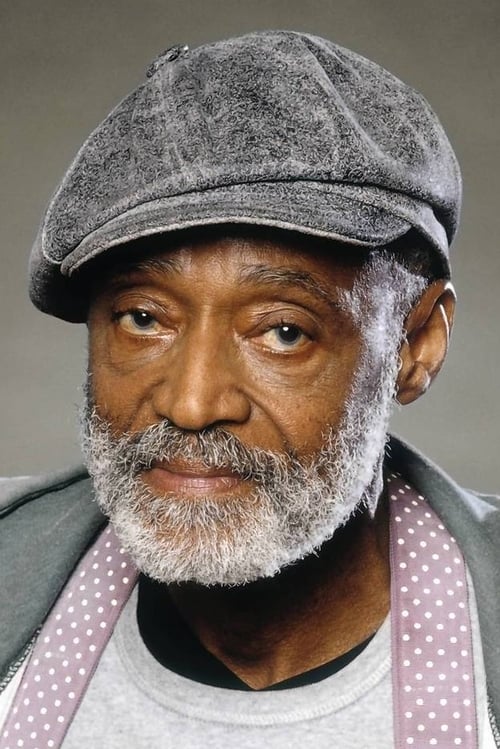
Melvin Van Peebles
Director
Melvin Van Peebles
Writer
Melvin Van Peebles
Music
Popular Reviews
19 reviews
FidlgbPRO
8.0★ · 02/06/26
“How can anyone think that black is a compliment?”
On the surface, this is a cute love story that also manages to speak to the complications of interracial relationships and the Black male experience of the 60s. But if you research the road that director Melvin Van Peebles took to get to filmmaking, and then the amount of effort he put into making it happen for himself, this first feature film becomes so much more. I am fascinated by this man. I’ve now watched three Van Peebles films, and it’s impossible to pick a favorite. This is probably the most approachable though, compared to Sweetback and Don’t Play Us Cheap.
If you’re experiencing the same Van Peebles hyperfixation that I am rn, I HIGHLY recommend the Behind the Slate podcast series on his life. Informative and interesting.
On the surface, this is a cute love story that also manages to speak to the complications of interracial relationships and the Black male experience of the 60s. But if you research the road that director Melvin Van Peebles took to get to filmmaking, and then the amount of effort he put into making it happen for himself, this first feature film becomes so much more. I am fascinated by this man. I’ve now watched three Van Peebles films, and it’s impossible to pick a favorite. This is probably the most approachable though, compared to Sweetback and Don’t Play Us Cheap.
If you’re experiencing the same Van Peebles hyperfixation that I am rn, I HIGHLY recommend the Behind the Slate podcast series on his life. Informative and interesting.
“How can anyone think that black is a compliment?”
On the surface, this is a cute love story that also manages to speak to the complications of interracial relationships and the Black male experience of the 60s. But if you research the road that director Melvin Van Peebles took to get to filmmaking, and then the amount of effort he put into making it happen for himself, this first feature film becomes so much more. I am fascinated by this man. I’ve now watched three Van Peebles films, and it’s impossible to pick a favorite. This is probably the most approachable though, compared to Sweetback and Don’t Play Us Cheap.
If you’re experiencing the same Van Peebles hyperfixation that I am rn, I HIGHLY recommend the Behind the Slate podcast series on his life. Informative and interesting.
On the surface, this is a cute love story that also manages to speak to the complications of interracial relationships and the Black male experience of the 60s. But if you research the road that director Melvin Van Peebles took to get to filmmaking, and then the amount of effort he put into making it happen for himself, this first feature film becomes so much more. I am fascinated by this man. I’ve now watched three Van Peebles films, and it’s impossible to pick a favorite. This is probably the most approachable though, compared to Sweetback and Don’t Play Us Cheap.
If you’re experiencing the same Van Peebles hyperfixation that I am rn, I HIGHLY recommend the Behind the Slate podcast series on his life. Informative and interesting.


Matteo Carradore
7.0★ · 12/29/25
Grosse timpe va
Grosse timpe va
mel
7.0★ · 09/18/25
need whatever the editor was on
need whatever the editor was on
Ale
we need more narrative films that just fuck around with editing, especially american ones. so much of this film's charm comes from the way it plays with the medium. it is clearly a product of the french new wave but without the pretention. i do enjoy french new wave films but i think my familiarity with the central issue of interracial relationships helped me connect much more to this than almost all of the FNW films i've seen.
it's insanely impressive how van peebles went from this to the watermelon man and then sweet sweetback's in a span of 4 years. he had such a command of the medium that he could shapeshift the style depending on what was needed. i can't really think of any other american filmmakers off the top of my head who were as experimental as van peebles while also having widespread influence like he did. although it's depressing how the industry ostracized him for so long, in many ways i think his filmmaking benefited from immersing himself in another country's film language (check out this article that explains how van peebles also had to immerse himself in the spoken and written language and wrote novels in French so that he could exploit a French directors guild policy that gave funding to filmmakers adapting their own novels).
the film industry in the US has always been so standardized that even films made outside of the studio system almost never dare to break the conventions of continuity editing. i did not always love the results of the experiments in this film, but others like the direct address to the camera and the "double dolly" shot (which apparently was invented by van peebles and DOP michel kelber for this film) in the dream sequence that has the effect of making turner look like he's moving forward while floating were breathtaking and it seems like spike lee also thought so because he would apply these techniques almost to the point of abuse in his own films.
there needs to be more films that are unafraid to call attention to the fact that they are a film. if not the medium stagnates and sometimes it takes watching an almost-70-year-old movie to remind you of that.
it's insanely impressive how van peebles went from this to the watermelon man and then sweet sweetback's in a span of 4 years. he had such a command of the medium that he could shapeshift the style depending on what was needed. i can't really think of any other american filmmakers off the top of my head who were as experimental as van peebles while also having widespread influence like he did. although it's depressing how the industry ostracized him for so long, in many ways i think his filmmaking benefited from immersing himself in another country's film language (check out this article that explains how van peebles also had to immerse himself in the spoken and written language and wrote novels in French so that he could exploit a French directors guild policy that gave funding to filmmakers adapting their own novels).
the film industry in the US has always been so standardized that even films made outside of the studio system almost never dare to break the conventions of continuity editing. i did not always love the results of the experiments in this film, but others like the direct address to the camera and the "double dolly" shot (which apparently was invented by van peebles and DOP michel kelber for this film) in the dream sequence that has the effect of making turner look like he's moving forward while floating were breathtaking and it seems like spike lee also thought so because he would apply these techniques almost to the point of abuse in his own films.
there needs to be more films that are unafraid to call attention to the fact that they are a film. if not the medium stagnates and sometimes it takes watching an almost-70-year-old movie to remind you of that.
we need more narrative films that just fuck around with editing, especially american ones. so much of this film's charm comes from the way it plays with the medium. it is clearly a product of the french new wave but without the pretention. i do enjoy french new wave films but i think my familiarity with the central issue of interracial relationships helped me connect much more to this than almost all of the FNW films i've seen.
it's insanely impressive how van peebles went from this to the watermelon man and then sweet sweetback's in a span of 4 years. he had such a command of the medium that he could shapeshift the style depending on what was needed. i can't really think of any other american filmmakers off the top of my head who were as experimental as van peebles while also having widespread influence like he did. although it's depressing how the industry ostracized him for so long, in many ways i think his filmmaking benefited from immersing himself in another country's film language (check out this article that explains how van peebles also had to immerse himself in the spoken and written language and wrote novels in French so that he could exploit a French directors guild policy that gave funding to filmmakers adapting their own novels).
the film industry in the US has always been so standardized that even films made outside of the studio system almost never dare to break the conventions of continuity editing. i did not always love the results of the experiments in this film, but others like the direct address to the camera and the "double dolly" shot (which apparently was invented by van peebles and DOP michel kelber for this film) in the dream sequence that has the effect of making turner look like he's moving forward while floating were breathtaking and it seems like spike lee also thought so because he would apply these techniques almost to the point of abuse in his own films.
there needs to be more films that are unafraid to call attention to the fact that they are a film. if not the medium stagnates and sometimes it takes watching an almost-70-year-old movie to remind you of that.
it's insanely impressive how van peebles went from this to the watermelon man and then sweet sweetback's in a span of 4 years. he had such a command of the medium that he could shapeshift the style depending on what was needed. i can't really think of any other american filmmakers off the top of my head who were as experimental as van peebles while also having widespread influence like he did. although it's depressing how the industry ostracized him for so long, in many ways i think his filmmaking benefited from immersing himself in another country's film language (check out this article that explains how van peebles also had to immerse himself in the spoken and written language and wrote novels in French so that he could exploit a French directors guild policy that gave funding to filmmakers adapting their own novels).
the film industry in the US has always been so standardized that even films made outside of the studio system almost never dare to break the conventions of continuity editing. i did not always love the results of the experiments in this film, but others like the direct address to the camera and the "double dolly" shot (which apparently was invented by van peebles and DOP michel kelber for this film) in the dream sequence that has the effect of making turner look like he's moving forward while floating were breathtaking and it seems like spike lee also thought so because he would apply these techniques almost to the point of abuse in his own films.
there needs to be more films that are unafraid to call attention to the fact that they are a film. if not the medium stagnates and sometimes it takes watching an almost-70-year-old movie to remind you of that.
Noah
6.4★ · 05/31/24
This was all over the place for me. I thought the beginning was great but then I lost interest right afterwards, the rest of the film was in that pattern as well.
This was all over the place for me. I thought the beginning was great but then I lost interest right afterwards, the rest of the film was in that pattern as well.