

1974·Action·1h 35m
7.1
★
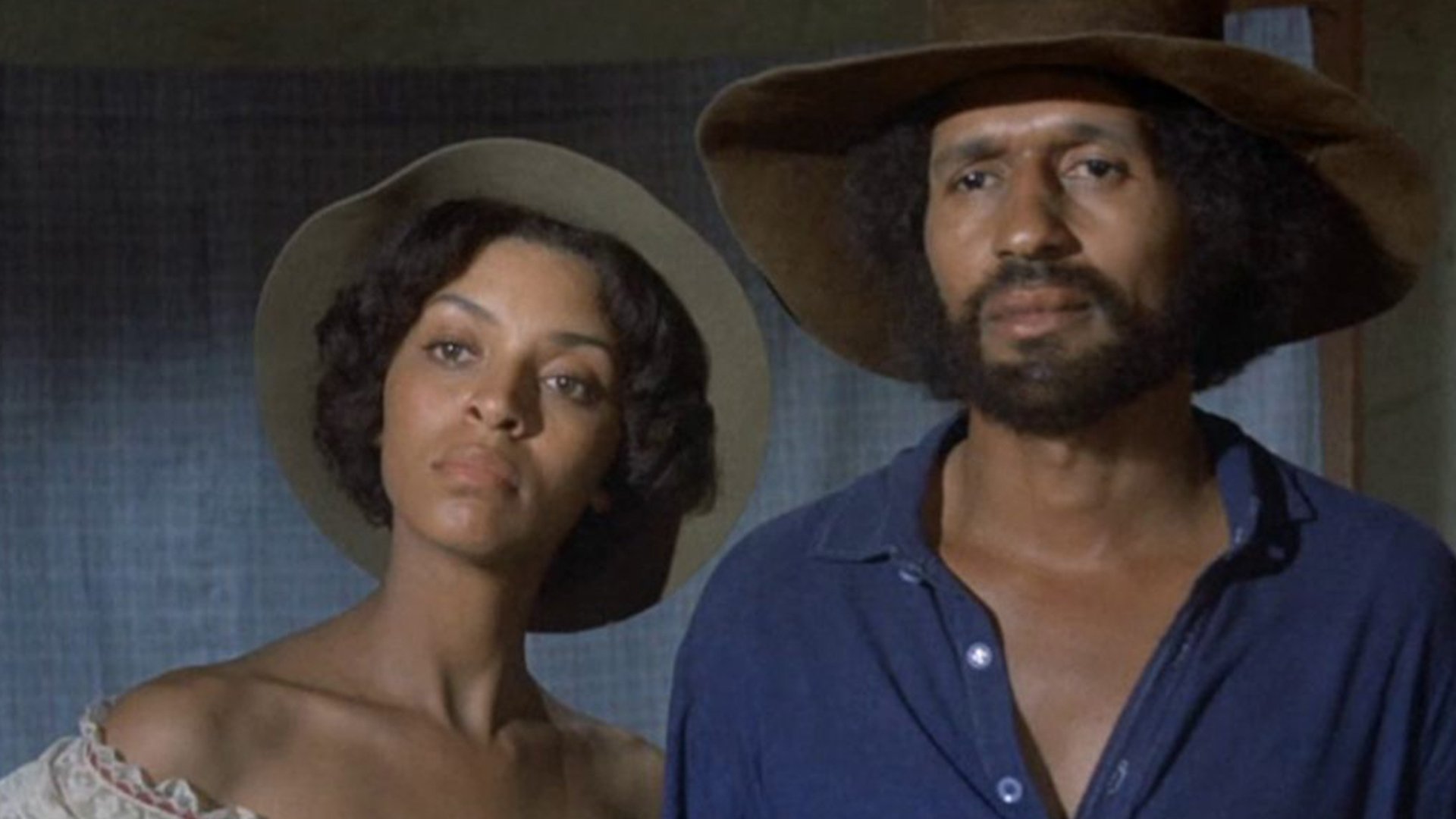
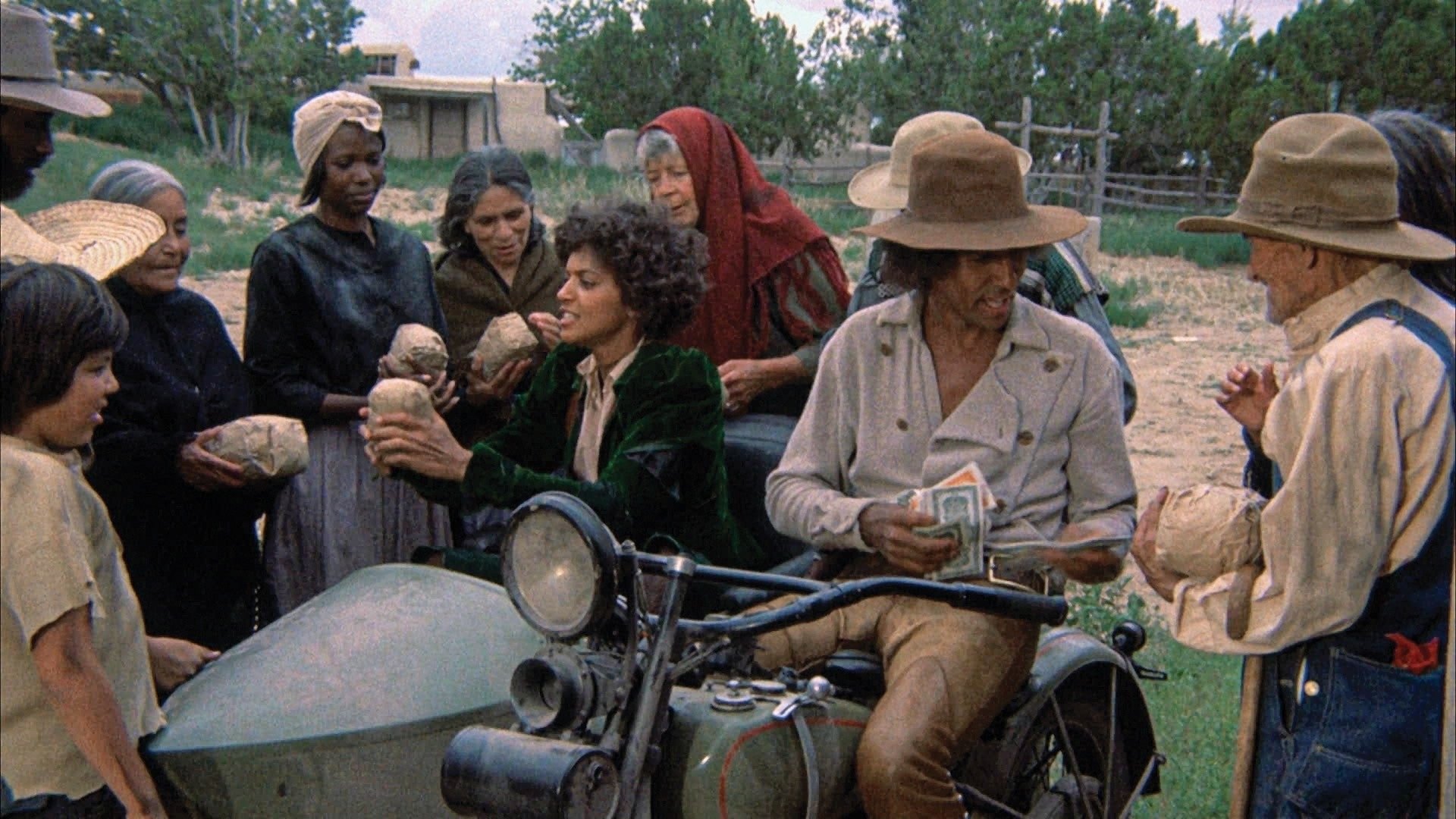
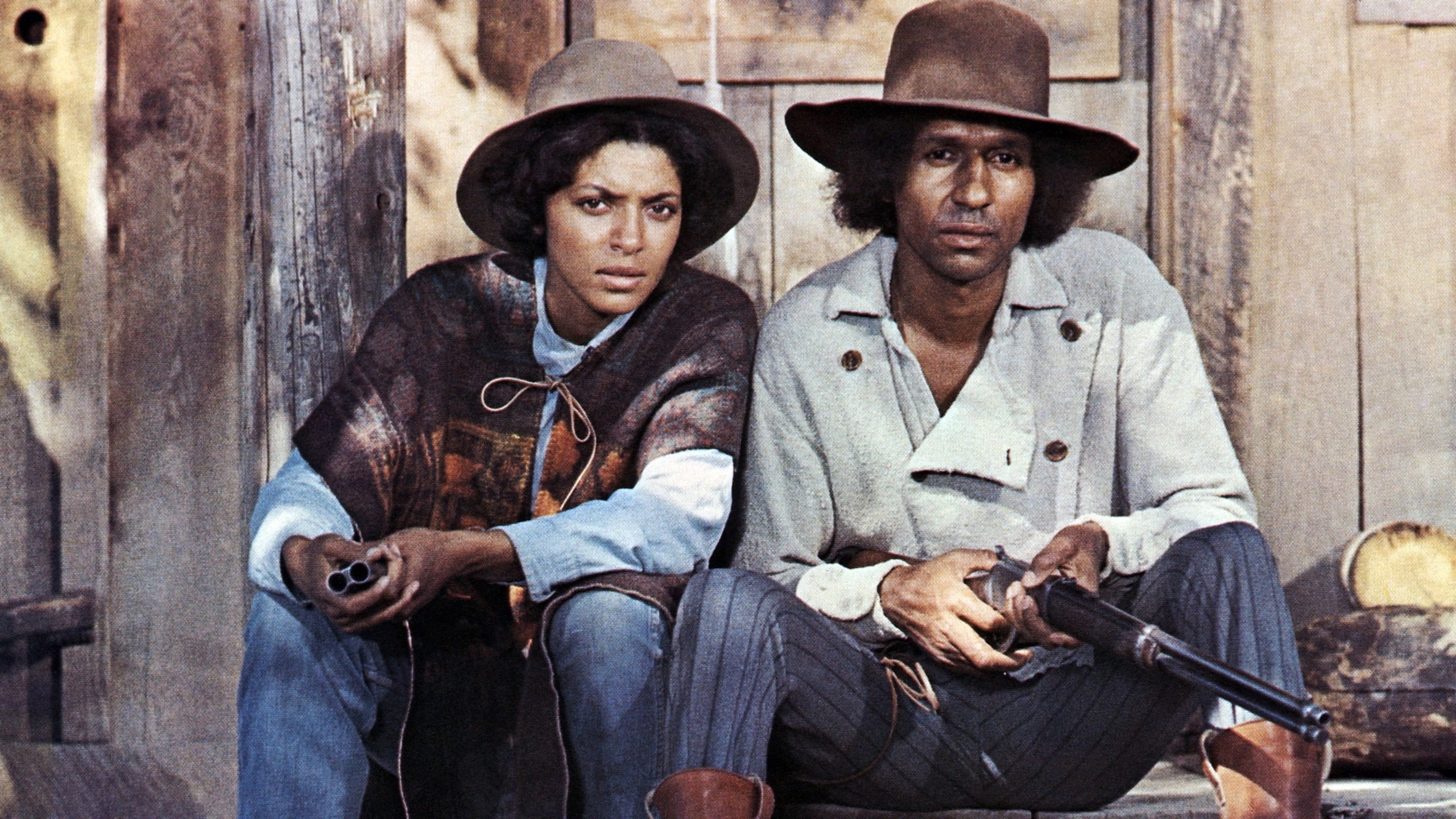
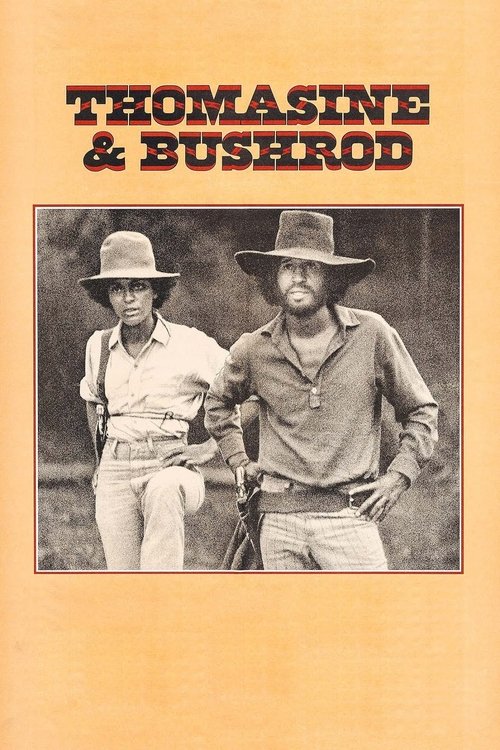
A pair of thieves operate in the American South between 1911 and 1915, stealing from rich, white capitalists, and giving to Mexicans, Native Americans and poor whites.
Directed by Gordon Parks Jr.
blaxploitation cinema

IMDB
N/A
Where to Watch



Cast

Max Julien
J.P. Bushrod
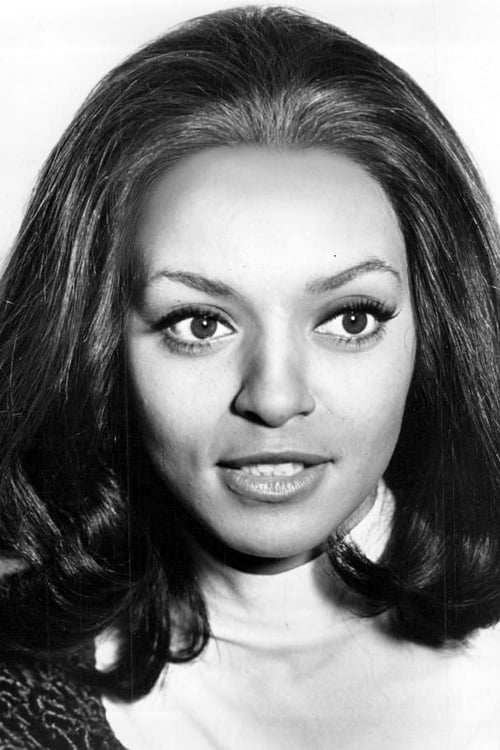
Vonetta McGee
Thomasine
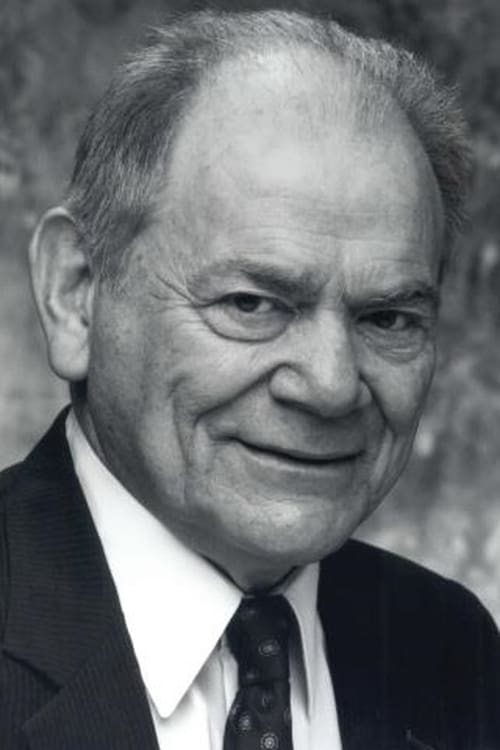
George Murdock
U.S. Marshal Bogardie
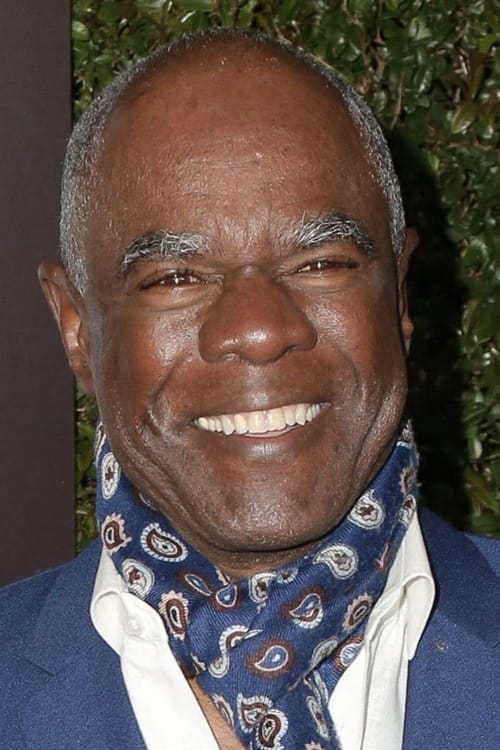
Glynn Turman
Jomo J. Anderson
Juanita Moore
Pecolia
Joel Fluellen
Nathaniel
Jason Bernard
Seldon
Geno Silva
Taffy
Crew

Gordon Parks Jr.
Director
Max Julien
Writer
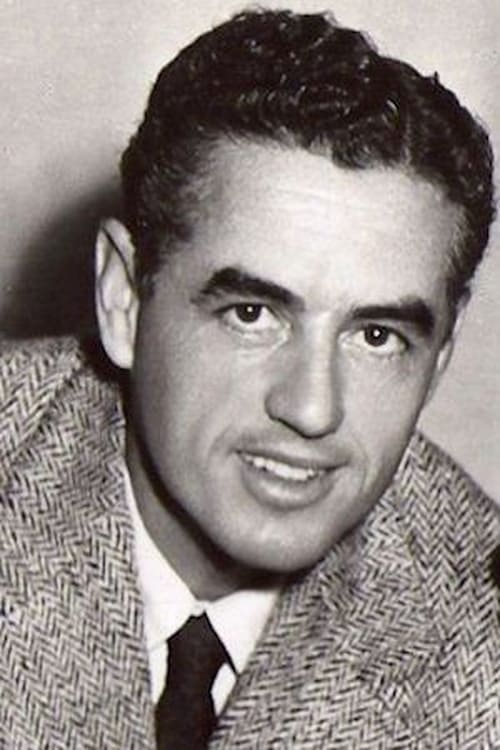
Lucien Ballard
Director of Photography
Max Julien
Producer
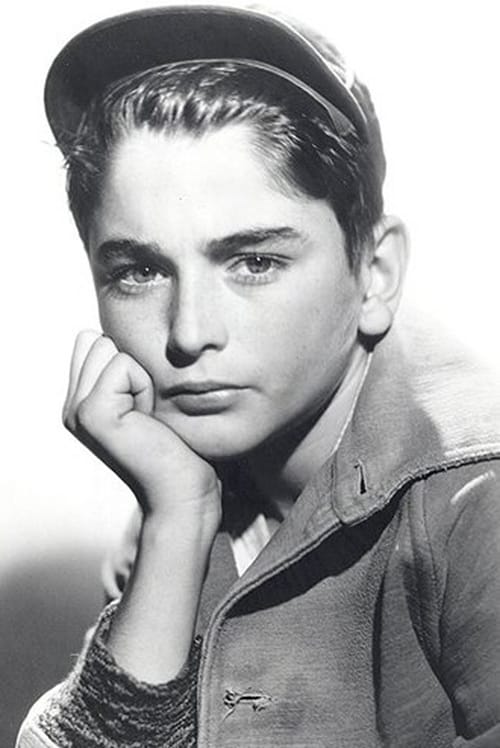
Robert J. Anderson
Assistant Director
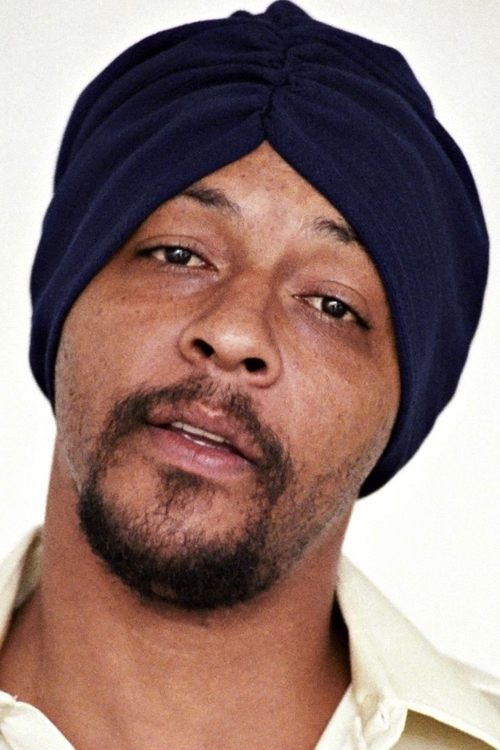
Arthur Lee
Theme Song Performance
Popular Reviews
4 reviews
Connor McCreesh
8.0★ · 09/22/25
I had never heard of this film before it was screened in my westerns class, and unfortunately this film has often gone overlooked even when discussing black westerns. It's too often labeled as a blaxploitation imitation of Bonnie and Clyde, but in this case the titular outlaws are more overtly fighting against the bigoted small-town establishment that hunts them down, and have a clearer Robin Hood, give-to-the-poor motivation that makes them immediately easy to sympathize with; not to mention the thin ice anyone who tries to compare a lesser-known black film to a popular white-led film is treading, and the fact that this comparison is simply surface-level and beyond reductive to what the film aims for. I'd hesitate to even call it blaxploitation, as it leans less into the stereotypes of that genre and serves a much more tender, often romantic narrative for its title characters. As a 70s western, it incorporates some anachronisms into the western imaginary--the very 70s soul soundtrack is a giveaway--but in a way that works wonderfully instead of becoming distracting. Every aspect of this film is rooted in the New Hollywood movement, as the violence is now full of brutal, bright-red blood squibs, and it serves to undo the whitewashing of the default western imaginary by centering two black leading characters with all the agency over the narrative, without a doubt a welcome change for the western. Right from the moment they meet, we feel an immediate emotional connection to Thomasine and Bushrod that is felt for the rest of the narrative, making the finale all the more devastating to watch unfold, and Vonetta McGee and Max Julien both give great performances. Definitely an underrated gem of its era and genres that I wish more people get a chance to see.
Not everything has aged perfectly, however: while Bushrod's chauvinism is called out in moments, and I've seen far worse from films from this time, it does conform at points to that questionable 70s masculinity and still chooses to make this a romance through and through.
Not everything has aged perfectly, however: while Bushrod's chauvinism is called out in moments, and I've seen far worse from films from this time, it does conform at points to that questionable 70s masculinity and still chooses to make this a romance through and through.
I had never heard of this film before it was screened in my westerns class, and unfortunately this film has often gone overlooked even when discussing black westerns. It's too often labeled as a blaxploitation imitation of Bonnie and Clyde, but in this case the titular outlaws are more overtly fighting against the bigoted small-town establishment that hunts them down, and have a clearer Robin Hood, give-to-the-poor motivation that makes them immediately easy to sympathize with; not to mention the thin ice anyone who tries to compare a lesser-known black film to a popular white-led film is treading, and the fact that this comparison is simply surface-level and beyond reductive to what the film aims for. I'd hesitate to even call it blaxploitation, as it leans less into the stereotypes of that genre and serves a much more tender, often romantic narrative for its title characters. As a 70s western, it incorporates some anachronisms into the western imaginary--the very 70s soul soundtrack is a giveaway--but in a way that works wonderfully instead of becoming distracting. Every aspect of this film is rooted in the New Hollywood movement, as the violence is now full of brutal, bright-red blood squibs, and it serves to undo the whitewashing of the default western imaginary by centering two black leading characters with all the agency over the narrative, without a doubt a welcome change for the western. Right from the moment they meet, we feel an immediate emotional connection to Thomasine and Bushrod that is felt for the rest of the narrative, making the finale all the more devastating to watch unfold, and Vonetta McGee and Max Julien both give great performances. Definitely an underrated gem of its era and genres that I wish more people get a chance to see.
Not everything has aged perfectly, however: while Bushrod's chauvinism is called out in moments, and I've seen far worse from films from this time, it does conform at points to that questionable 70s masculinity and still chooses to make this a romance through and through.
Not everything has aged perfectly, however: while Bushrod's chauvinism is called out in moments, and I've seen far worse from films from this time, it does conform at points to that questionable 70s masculinity and still chooses to make this a romance through and through.


Max Kowalski
6.0★ · 05/26/19
I want to rate this higher because the concept is great, the performances are great, its stylish and magnetic but the editing is fucking atrocious. It jumps from what seems like the middle of a scene into the middle of the next scene and really does the whole thing a disservice.
At least they got their own theme song.
At least they got their own theme song.
I want to rate this higher because the concept is great, the performances are great, its stylish and magnetic but the editing is fucking atrocious. It jumps from what seems like the middle of a scene into the middle of the next scene and really does the whole thing a disservice.
At least they got their own theme song.
At least they got their own theme song.
emma
6.8★ · 08/04/25
Patrick Michael
8.8★ · 06/30/22