
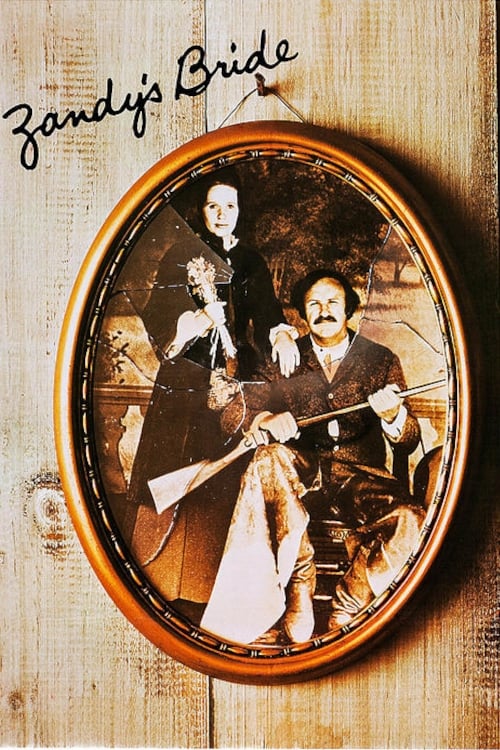
Zandy's Bride
1974·Western·1h 37m
7.1
★
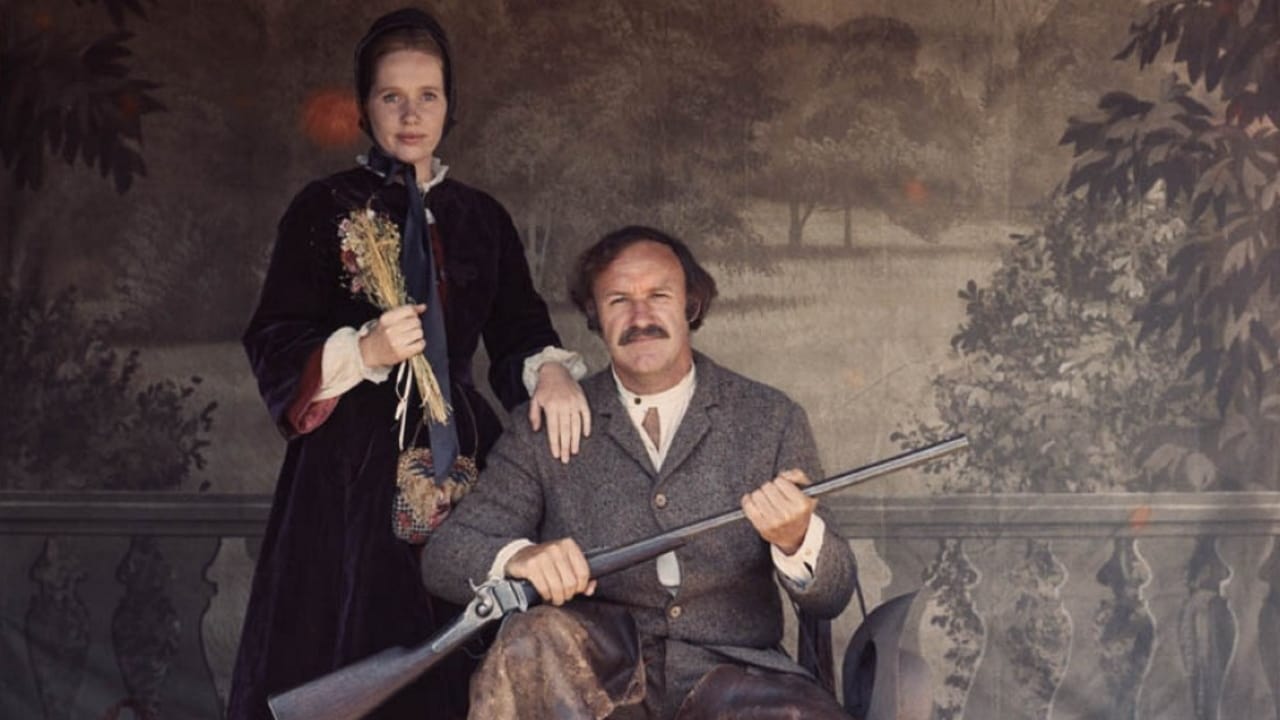
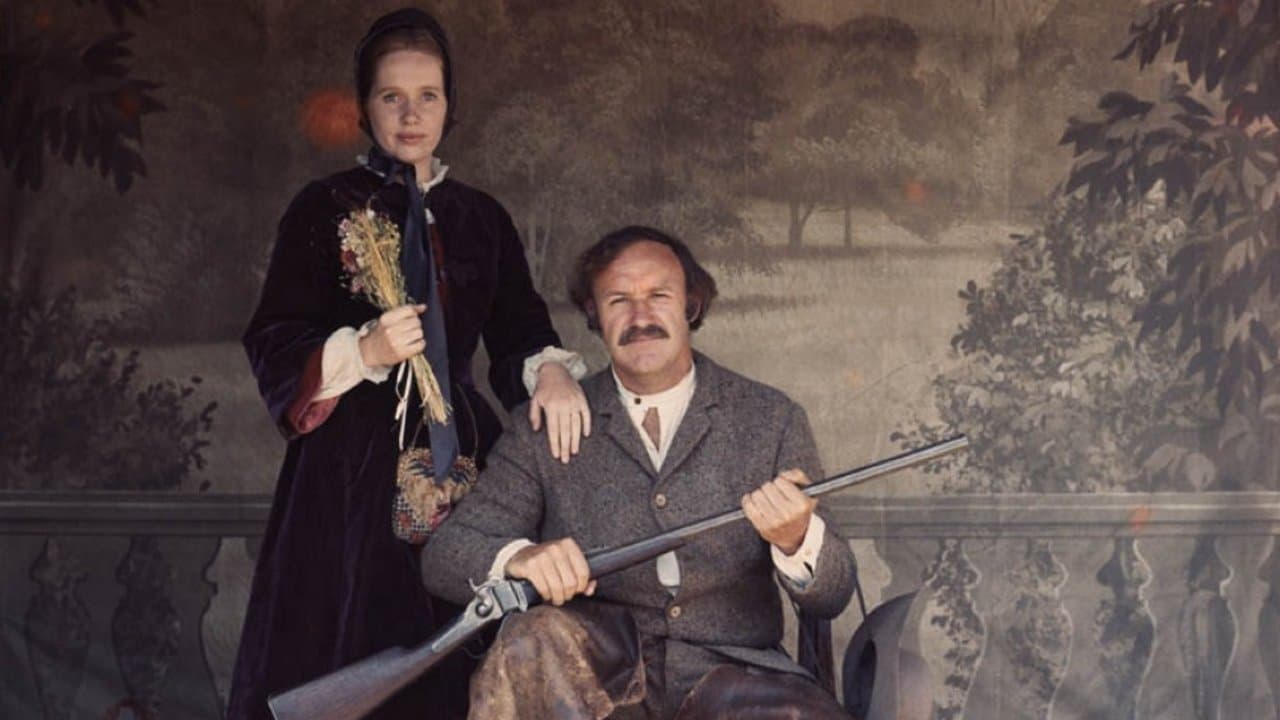
Zandy Allan purchases a mail-order bride, Hannah Lund. He treats her as a possession, without respect or humanity, until their shared ordeal as they struggle to survive develops in him a growing love.
Directed by Jan Troell
rape
wrestling
bear
mail order bride
19th century

Trailer

IMDB
N/A
Where to Watch


Cast
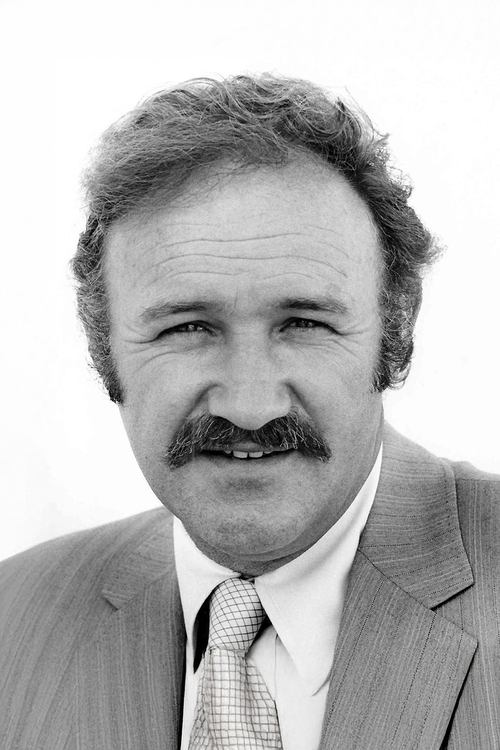
Gene Hackman
Zandy Allen
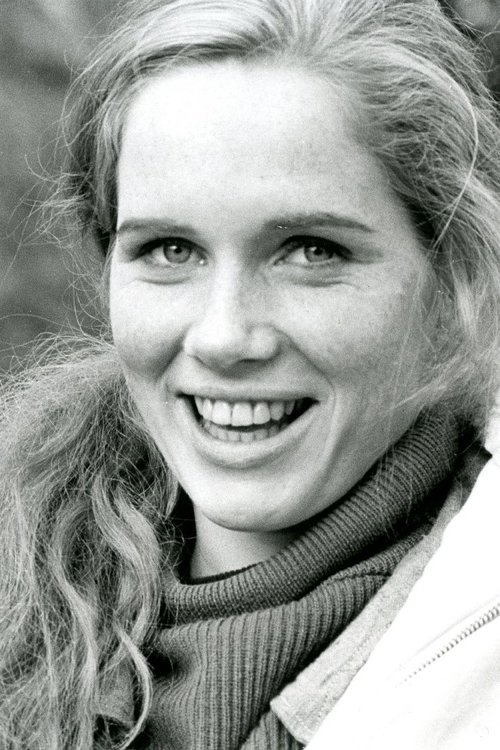
Liv Ullmann
Hanna Lund
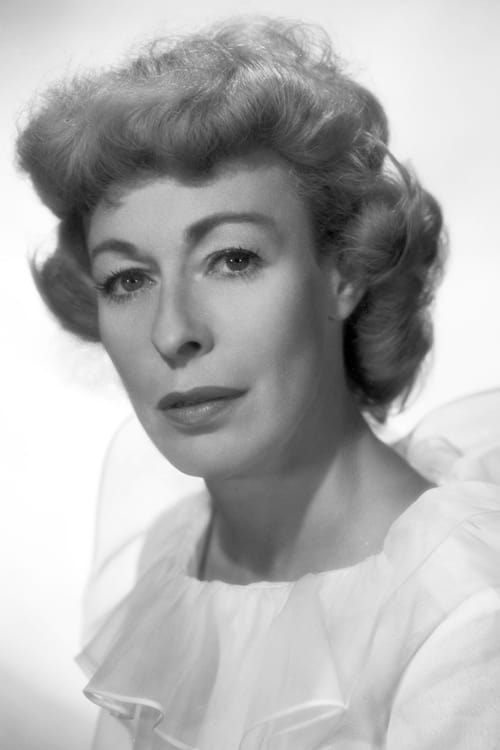
Eileen Heckart
Ma Allan

Susan Tyrrell
Marai Cordova

Harry Dean Stanton
Songer
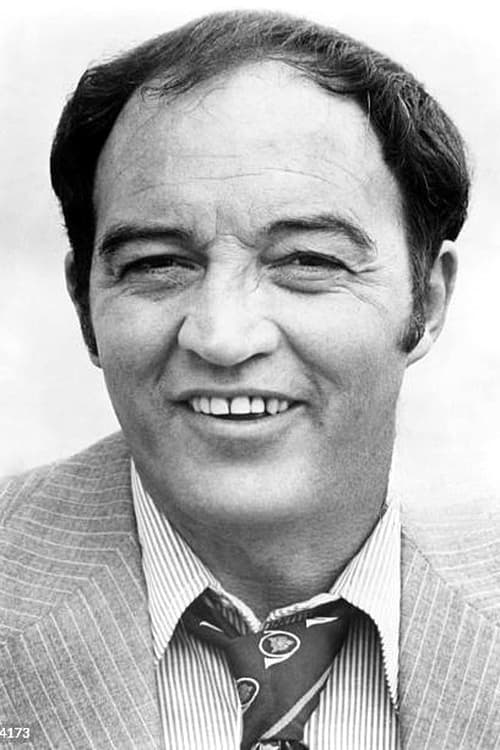
Joe Santos
Frank Gallo
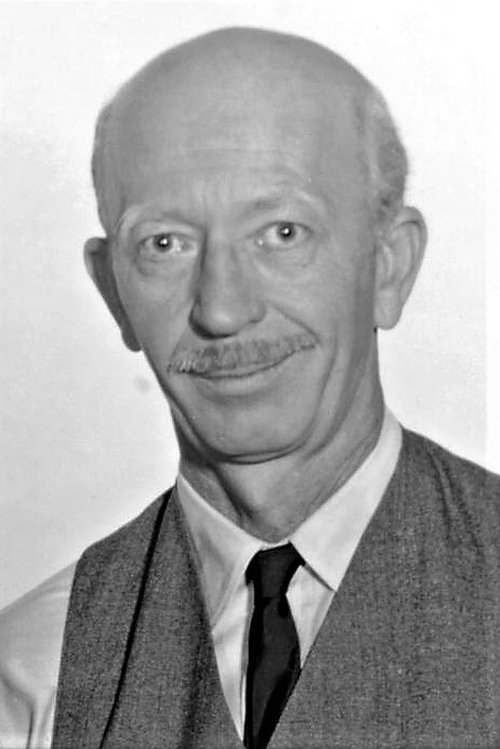
Frank Cady
Pa Allan
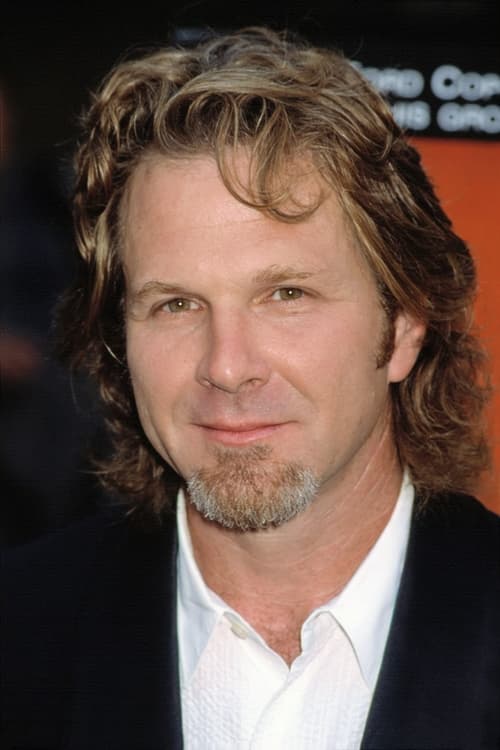
Sam Bottoms
Mel Allan
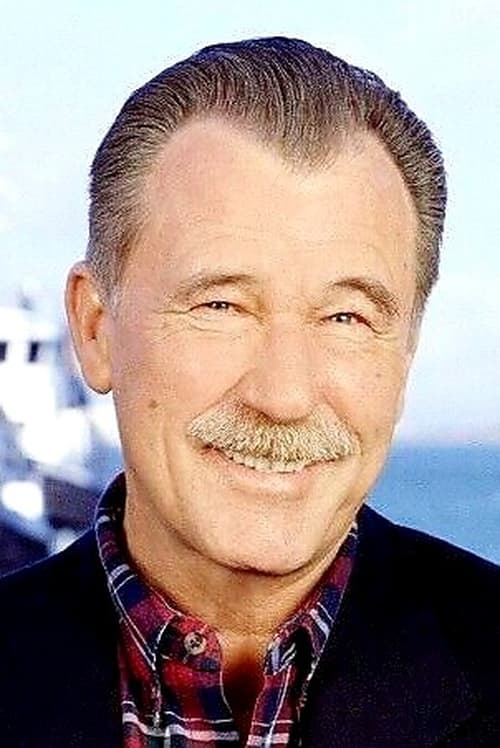
James Gammon
Man in Gunfight (uncredited)
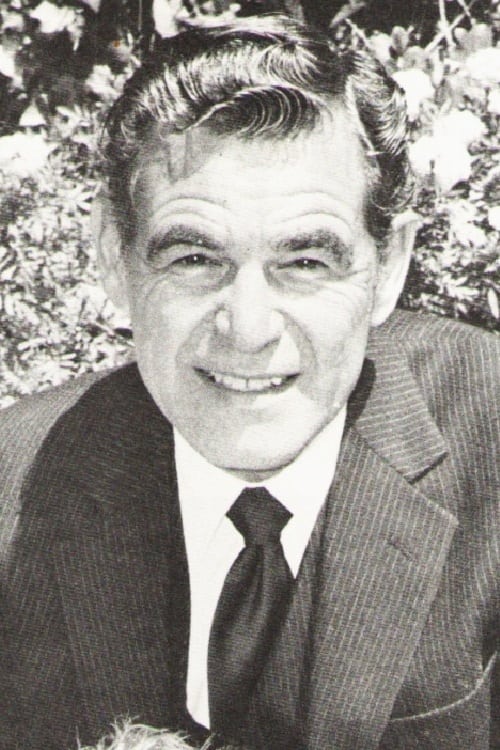
Bob Harks
Sailor (uncredited)
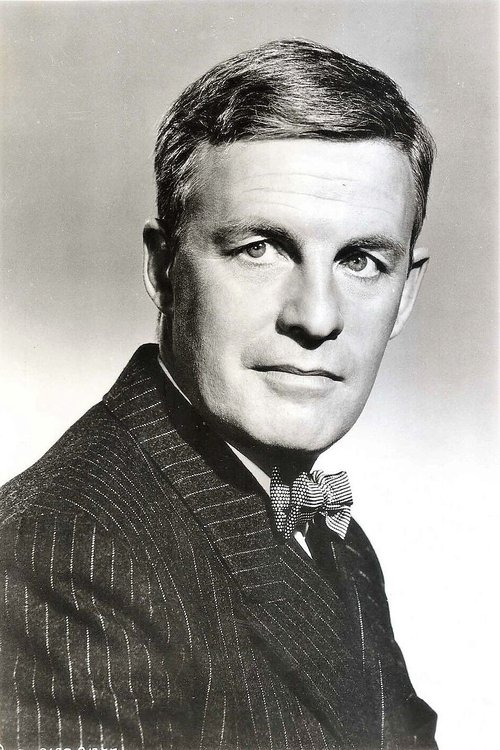
Alf Kjellin
Avery (uncredited)
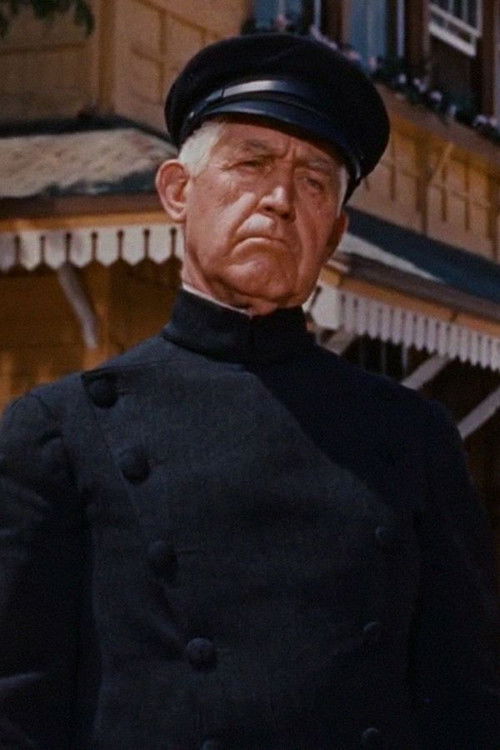
Nolan Leary
Clerk (uncredited)
Crew

Jan Troell
Director

Jordan Cronenweth
Director of Photography
Max Kleven
Stunts
Henry Wills
Stunts
Popular Reviews
1 review
jamblo
7.0★ · 12/09/22
I think that there’s two different conversations to have about ‘Zandy’s Bride.’ One involves the film as a version of (or representation, if you will) of “frontier” life (California in the late 1800s), and the other involves how that version may have been influenced by the time and place in which it was made (first half of the 1970s in the US) verses how it can be perceived 50 odd years later.
As for the first, I don’t know exactly how ‘true-to-life’ the setting and attitudes of the characters are, not having made a particular study of that period of American history, however most of it appears consistent with what I do know about it. This includes things like the rampant misogyny, isolation in ‘unspoiled’ landscapes, and the immigrant experience. This means that Gene Hackman plays an absolute asshole; there is one depicted rape (and likely more off-camera) and there is lots of appalling language about what a women (well, more specifically, a wife) should be, who ‘runs’ a household, that sort of thing. There are incredible vistas (the cinematography of these landscapes is gorgeous) highlighting the smallness of humans compared to nature. And there are the struggles of an Swedish immigrant (Liv Ullman), who has come from the relative ‘civilization’ of Minnesota to the literal edge of America, in Big Sur, to try an make a go of it. To that end, she places an ad in a paper, which Hackman’s title character answers because he’s decided he needs kids and needs a wife for that (also, the messed up dynamic of his own parent’s relationship has apparently tweaked his gears rather wrongly). They meet, neither like the other really at all, but what follows is an oddly paced (great chunks of time transpire, seemingly at random intervals, between scenes—suddenly, it’s three months later, for example) character study where Hackman tries to bend Ullman to his (fucked up) will, while she attempts to put up with him at least to the degree that he washes his hands and takes his hat off before meals, and, you know, acknowledges her human existence.
Regarding the second point, that’s rather harder to discuss. The 70s themselves were rife with misogyny (which, of course, hasn’t entirely gone away) so trying to separate the historical accuracy from the filming attitudes is tricky, but my reason for mentioning it is that this is a difficult film to watch in that Hackman’s character (as well as that of his father’s) is a monstrous prick and, as a ‘modern’ viewer, one needs to be prepared for some nasty stuff, regardless of where it came (1880s or 1970s).
That all said, what you are left with is a character study where almost none of the ‘normal’ things happened—there’s no plot to speak of, at least beyond the passage of time, and there aren’t really any character arcs, other than the slow grinding down of the two main’s preconceptions of what the other is, or brings. Unlike most films, that I’ve seen anyway, which bear some similarities, this doesn’t end with one character ‘changing’ the other (for better or worse) nor do either relent and allow themselves to be subsumed into the other, rather it ends with an understanding that a detente is sometimes all your going to get. And, weirdly, for these two, that might be enough.
It’s a beautiful looking, but tough film.
As for the first, I don’t know exactly how ‘true-to-life’ the setting and attitudes of the characters are, not having made a particular study of that period of American history, however most of it appears consistent with what I do know about it. This includes things like the rampant misogyny, isolation in ‘unspoiled’ landscapes, and the immigrant experience. This means that Gene Hackman plays an absolute asshole; there is one depicted rape (and likely more off-camera) and there is lots of appalling language about what a women (well, more specifically, a wife) should be, who ‘runs’ a household, that sort of thing. There are incredible vistas (the cinematography of these landscapes is gorgeous) highlighting the smallness of humans compared to nature. And there are the struggles of an Swedish immigrant (Liv Ullman), who has come from the relative ‘civilization’ of Minnesota to the literal edge of America, in Big Sur, to try an make a go of it. To that end, she places an ad in a paper, which Hackman’s title character answers because he’s decided he needs kids and needs a wife for that (also, the messed up dynamic of his own parent’s relationship has apparently tweaked his gears rather wrongly). They meet, neither like the other really at all, but what follows is an oddly paced (great chunks of time transpire, seemingly at random intervals, between scenes—suddenly, it’s three months later, for example) character study where Hackman tries to bend Ullman to his (fucked up) will, while she attempts to put up with him at least to the degree that he washes his hands and takes his hat off before meals, and, you know, acknowledges her human existence.
Regarding the second point, that’s rather harder to discuss. The 70s themselves were rife with misogyny (which, of course, hasn’t entirely gone away) so trying to separate the historical accuracy from the filming attitudes is tricky, but my reason for mentioning it is that this is a difficult film to watch in that Hackman’s character (as well as that of his father’s) is a monstrous prick and, as a ‘modern’ viewer, one needs to be prepared for some nasty stuff, regardless of where it came (1880s or 1970s).
That all said, what you are left with is a character study where almost none of the ‘normal’ things happened—there’s no plot to speak of, at least beyond the passage of time, and there aren’t really any character arcs, other than the slow grinding down of the two main’s preconceptions of what the other is, or brings. Unlike most films, that I’ve seen anyway, which bear some similarities, this doesn’t end with one character ‘changing’ the other (for better or worse) nor do either relent and allow themselves to be subsumed into the other, rather it ends with an understanding that a detente is sometimes all your going to get. And, weirdly, for these two, that might be enough.
It’s a beautiful looking, but tough film.
I think that there’s two different conversations to have about ‘Zandy’s Bride.’ One involves the film as a version of (or representation, if you will) of “frontier” life (California in the late 1800s), and the other involves how that version may have been influenced by the time and place in which it was made (first half of the 1970s in the US) verses how it can be perceived 50 odd years later.
As for the first, I don’t know exactly how ‘true-to-life’ the setting and attitudes of the characters are, not having made a particular study of that period of American history, however most of it appears consistent with what I do know about it. This includes things like the rampant misogyny, isolation in ‘unspoiled’ landscapes, and the immigrant experience. This means that Gene Hackman plays an absolute asshole; there is one depicted rape (and likely more off-camera) and there is lots of appalling language about what a women (well, more specifically, a wife) should be, who ‘runs’ a household, that sort of thing. There are incredible vistas (the cinematography of these landscapes is gorgeous) highlighting the smallness of humans compared to nature. And there are the struggles of an Swedish immigrant (Liv Ullman), who has come from the relative ‘civilization’ of Minnesota to the literal edge of America, in Big Sur, to try an make a go of it. To that end, she places an ad in a paper, which Hackman’s title character answers because he’s decided he needs kids and needs a wife for that (also, the messed up dynamic of his own parent’s relationship has apparently tweaked his gears rather wrongly). They meet, neither like the other really at all, but what follows is an oddly paced (great chunks of time transpire, seemingly at random intervals, between scenes—suddenly, it’s three months later, for example) character study where Hackman tries to bend Ullman to his (fucked up) will, while she attempts to put up with him at least to the degree that he washes his hands and takes his hat off before meals, and, you know, acknowledges her human existence.
Regarding the second point, that’s rather harder to discuss. The 70s themselves were rife with misogyny (which, of course, hasn’t entirely gone away) so trying to separate the historical accuracy from the filming attitudes is tricky, but my reason for mentioning it is that this is a difficult film to watch in that Hackman’s character (as well as that of his father’s) is a monstrous prick and, as a ‘modern’ viewer, one needs to be prepared for some nasty stuff, regardless of where it came (1880s or 1970s).
That all said, what you are left with is a character study where almost none of the ‘normal’ things happened—there’s no plot to speak of, at least beyond the passage of time, and there aren’t really any character arcs, other than the slow grinding down of the two main’s preconceptions of what the other is, or brings. Unlike most films, that I’ve seen anyway, which bear some similarities, this doesn’t end with one character ‘changing’ the other (for better or worse) nor do either relent and allow themselves to be subsumed into the other, rather it ends with an understanding that a detente is sometimes all your going to get. And, weirdly, for these two, that might be enough.
It’s a beautiful looking, but tough film.
As for the first, I don’t know exactly how ‘true-to-life’ the setting and attitudes of the characters are, not having made a particular study of that period of American history, however most of it appears consistent with what I do know about it. This includes things like the rampant misogyny, isolation in ‘unspoiled’ landscapes, and the immigrant experience. This means that Gene Hackman plays an absolute asshole; there is one depicted rape (and likely more off-camera) and there is lots of appalling language about what a women (well, more specifically, a wife) should be, who ‘runs’ a household, that sort of thing. There are incredible vistas (the cinematography of these landscapes is gorgeous) highlighting the smallness of humans compared to nature. And there are the struggles of an Swedish immigrant (Liv Ullman), who has come from the relative ‘civilization’ of Minnesota to the literal edge of America, in Big Sur, to try an make a go of it. To that end, she places an ad in a paper, which Hackman’s title character answers because he’s decided he needs kids and needs a wife for that (also, the messed up dynamic of his own parent’s relationship has apparently tweaked his gears rather wrongly). They meet, neither like the other really at all, but what follows is an oddly paced (great chunks of time transpire, seemingly at random intervals, between scenes—suddenly, it’s three months later, for example) character study where Hackman tries to bend Ullman to his (fucked up) will, while she attempts to put up with him at least to the degree that he washes his hands and takes his hat off before meals, and, you know, acknowledges her human existence.
Regarding the second point, that’s rather harder to discuss. The 70s themselves were rife with misogyny (which, of course, hasn’t entirely gone away) so trying to separate the historical accuracy from the filming attitudes is tricky, but my reason for mentioning it is that this is a difficult film to watch in that Hackman’s character (as well as that of his father’s) is a monstrous prick and, as a ‘modern’ viewer, one needs to be prepared for some nasty stuff, regardless of where it came (1880s or 1970s).
That all said, what you are left with is a character study where almost none of the ‘normal’ things happened—there’s no plot to speak of, at least beyond the passage of time, and there aren’t really any character arcs, other than the slow grinding down of the two main’s preconceptions of what the other is, or brings. Unlike most films, that I’ve seen anyway, which bear some similarities, this doesn’t end with one character ‘changing’ the other (for better or worse) nor do either relent and allow themselves to be subsumed into the other, rather it ends with an understanding that a detente is sometimes all your going to get. And, weirdly, for these two, that might be enough.
It’s a beautiful looking, but tough film.

