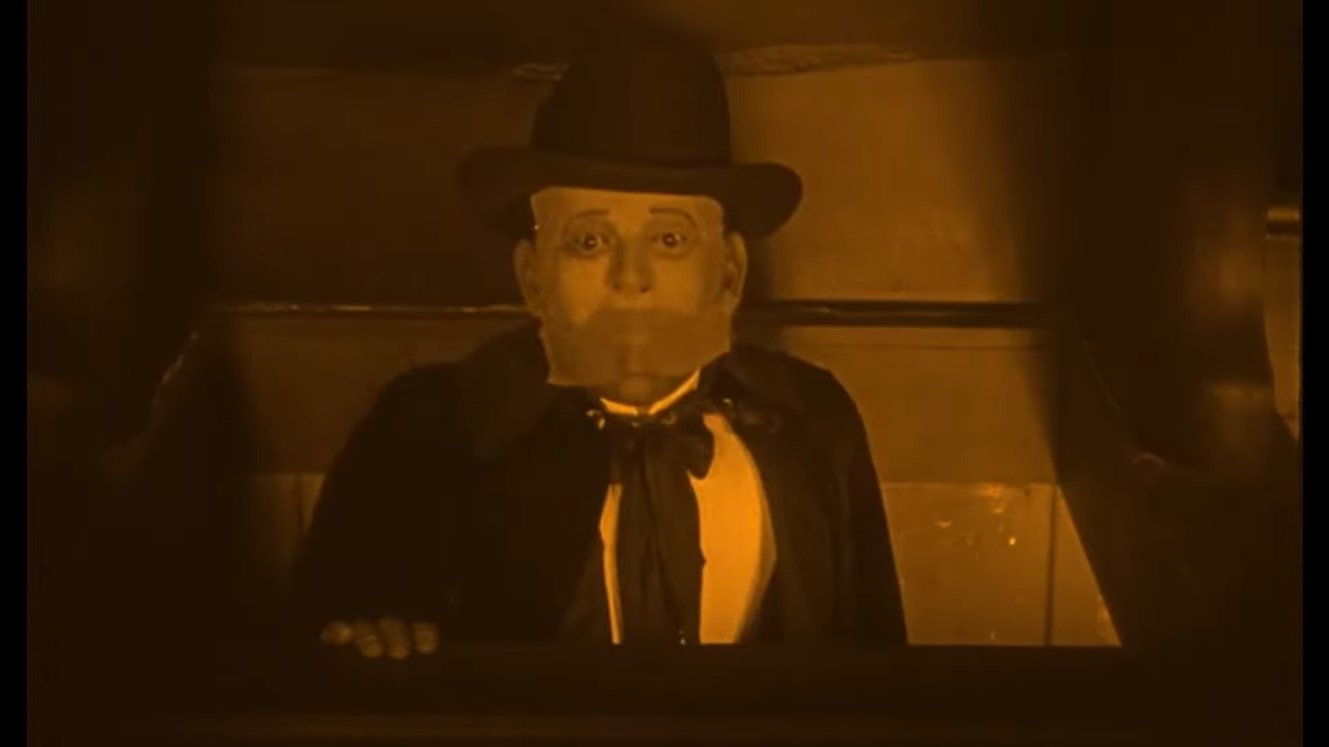
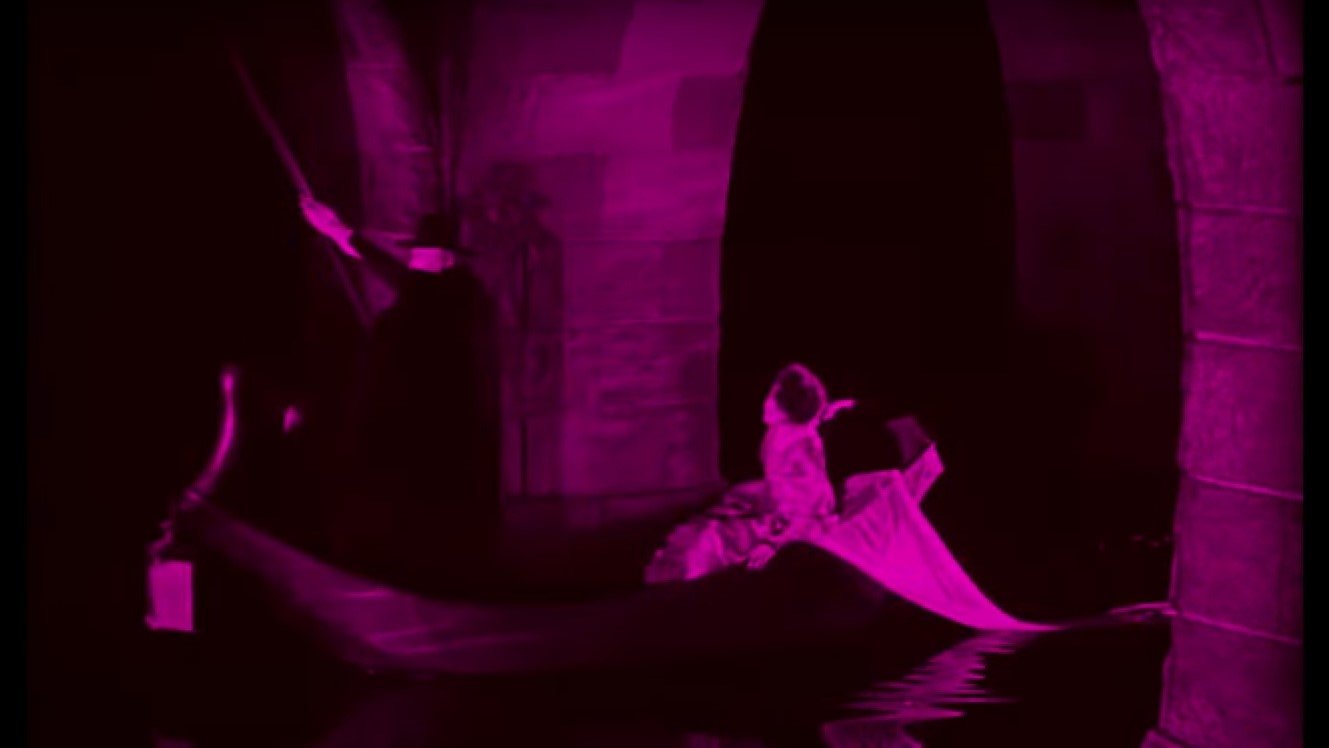
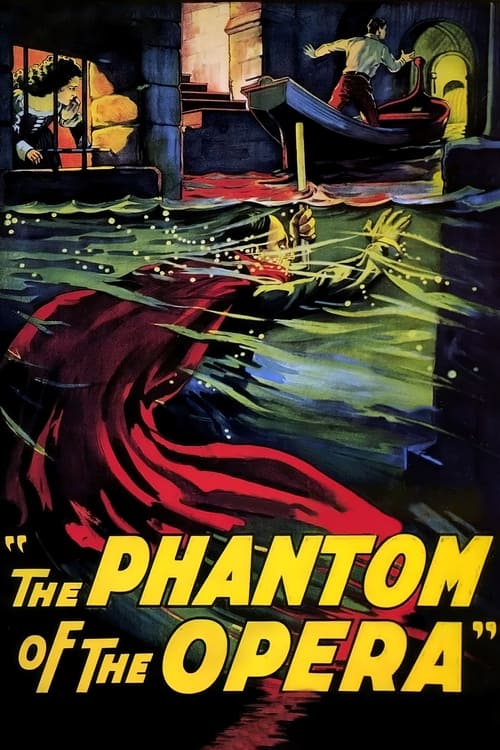
The Phantom uses a snorkel??? It’s on the poster, how did I miss this???
“You will be free as long as your love for this spirit of Erik overcomes your fear.”
- The Phantom of the Opera
I’m sorry if this makes me sound like someone who can’t enjoy art but I am genuinely surprised I enjoyed this movie to the extent I did. I am not the most high brow critic and it pains me however I also refuse to be performative; so when it came to something like the original Nosferatu I was open that I did not really care for it as anything more than a novelty. And I was worried that that meant for me that I'd be indifferent to a lot of the hallmark works of cinema just because I couldn’t appreciate a silent picture. This movie proves all of that wrong and the plethora of kind words I have to say about this movie back that up.
Now I will say I watched a scored version of this movie with minimal sound effects and while I acknowledge that means my viewing experience might be different from others given that the sound of it the original has since been lost to history. However that being said I will stand by my decision because going without a score would be a disservice to the original work. The copy I watched, put out by Delta in their History of Cinema line, had a fabulous score that added so much to the viewing experience. I rather enjoy the abstractness of the fact that much like the dialogue (which often isn’t subtitled at all) the music isn’t trying to be synced exactly to what is going on on screen. Instead the music simply alludes to what is going on. This occurs most interestingly during vocal performances which have an instrument reminiscent of those vocals playing in the background. While a very creative work around in its own right it has the unintended effect of reminding you how separated you are from the world of this movie. You see human faces vocalizing but the sounds coming out are just human adjacent, like they’re trying to call out from the distance that is a century’s time.
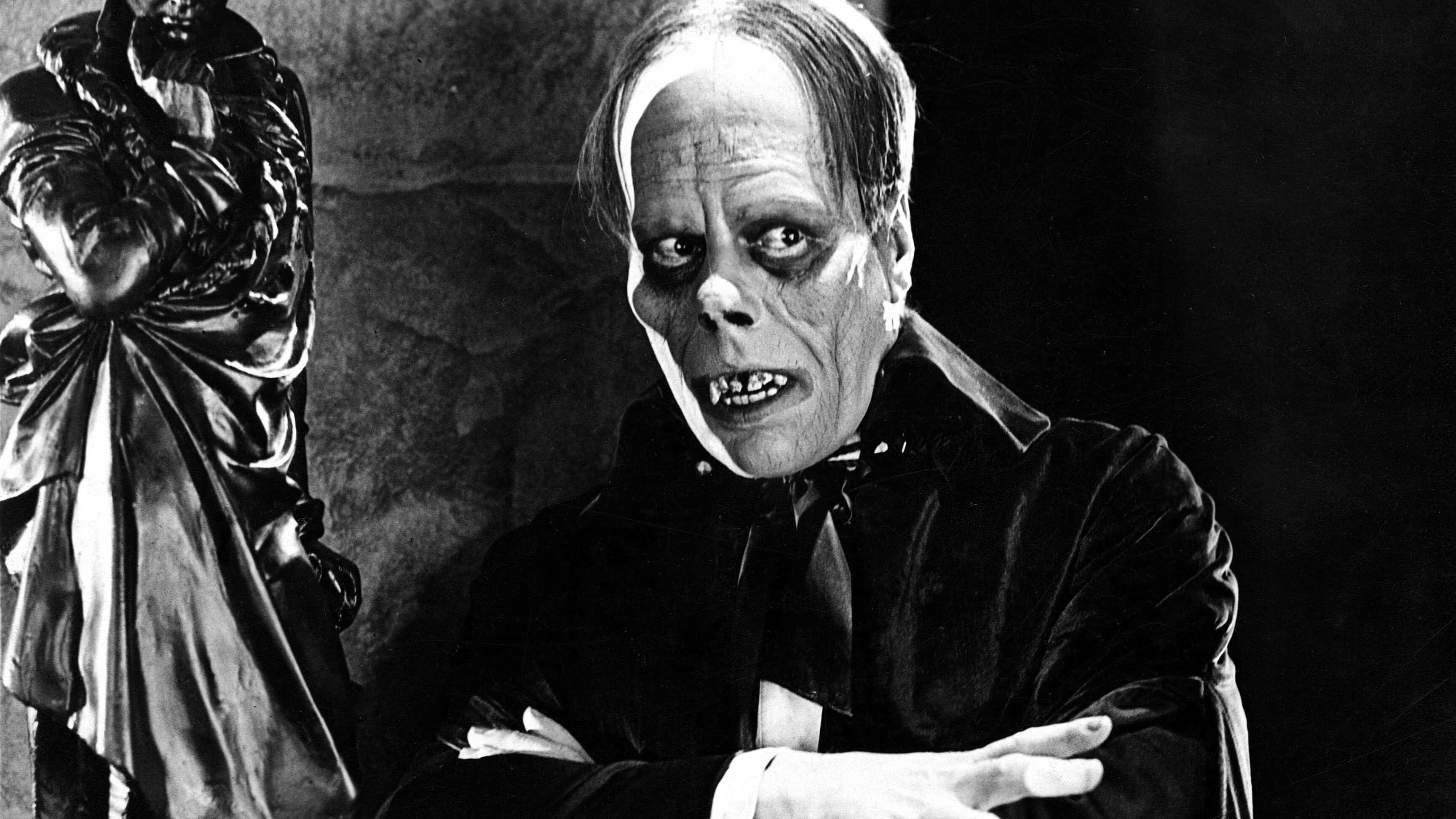
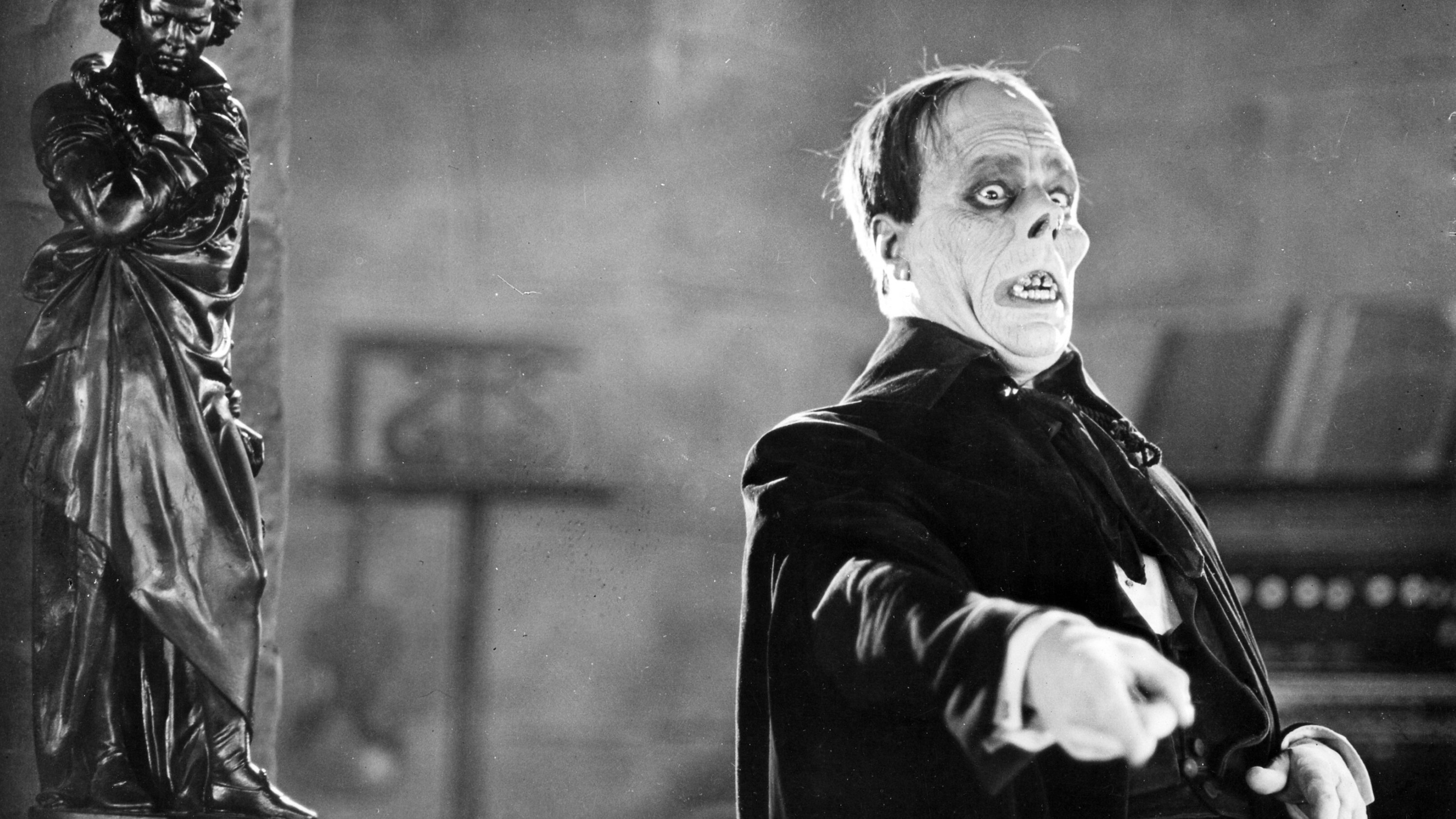
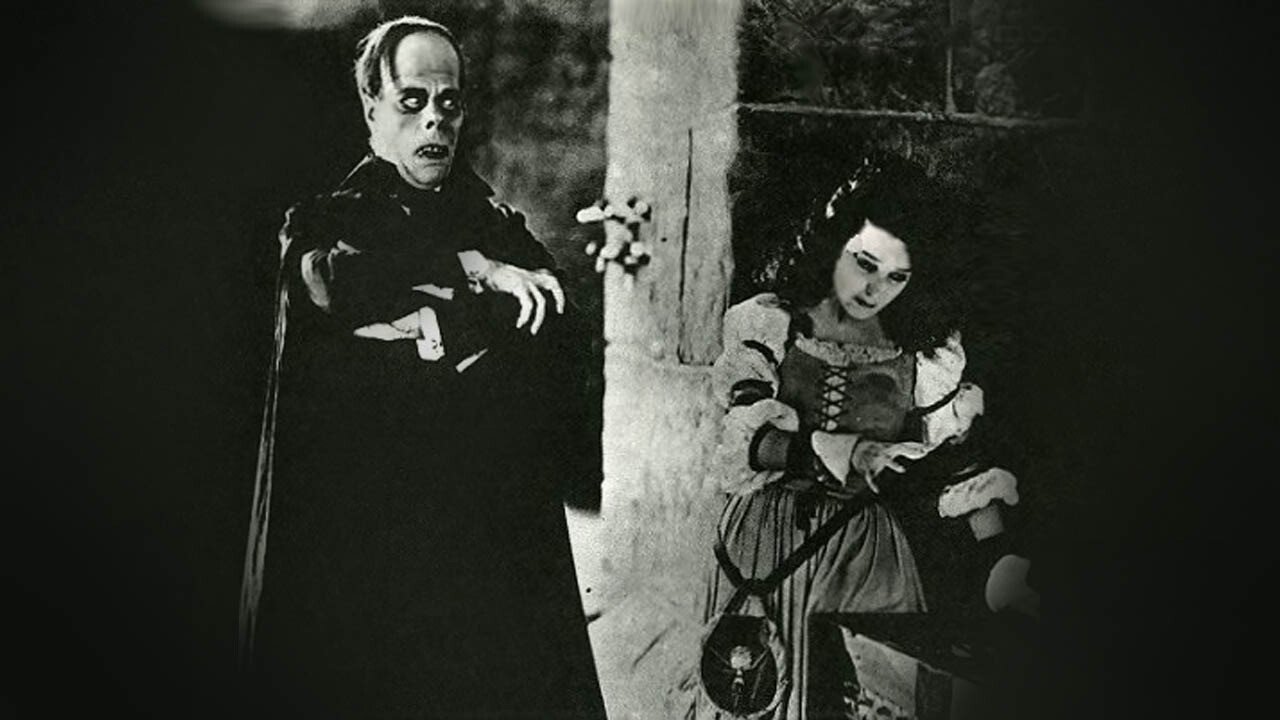
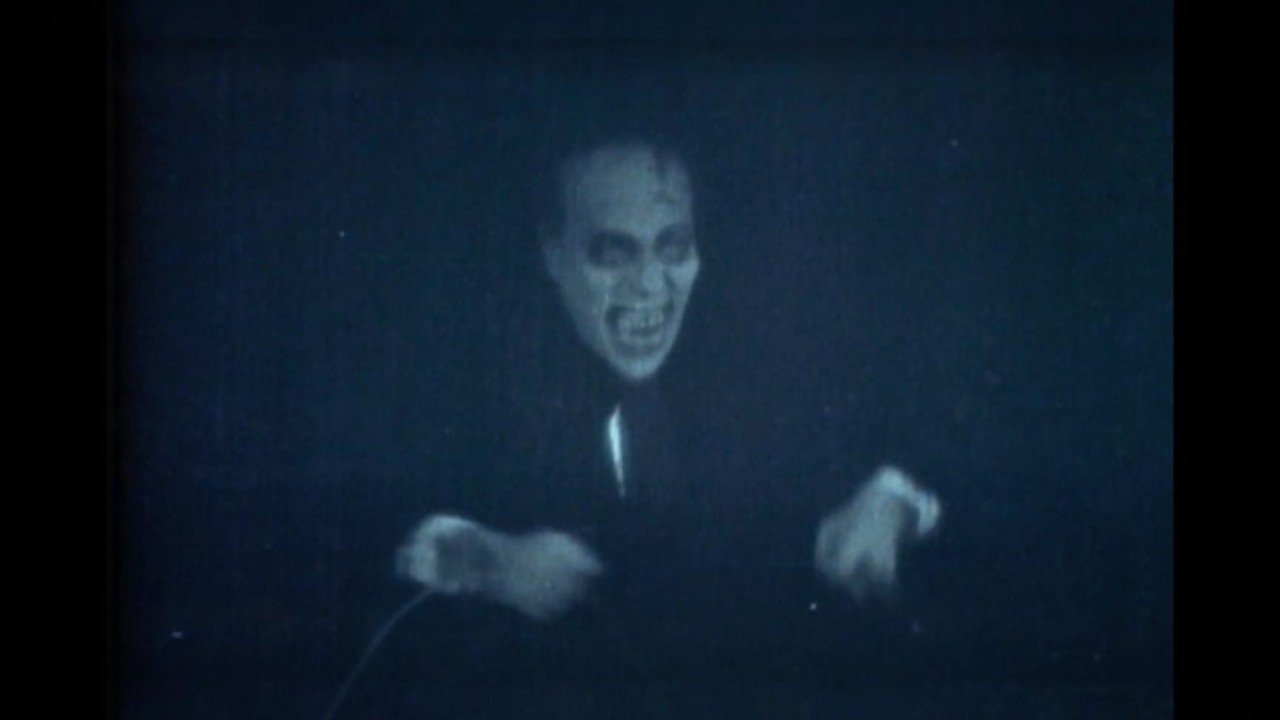
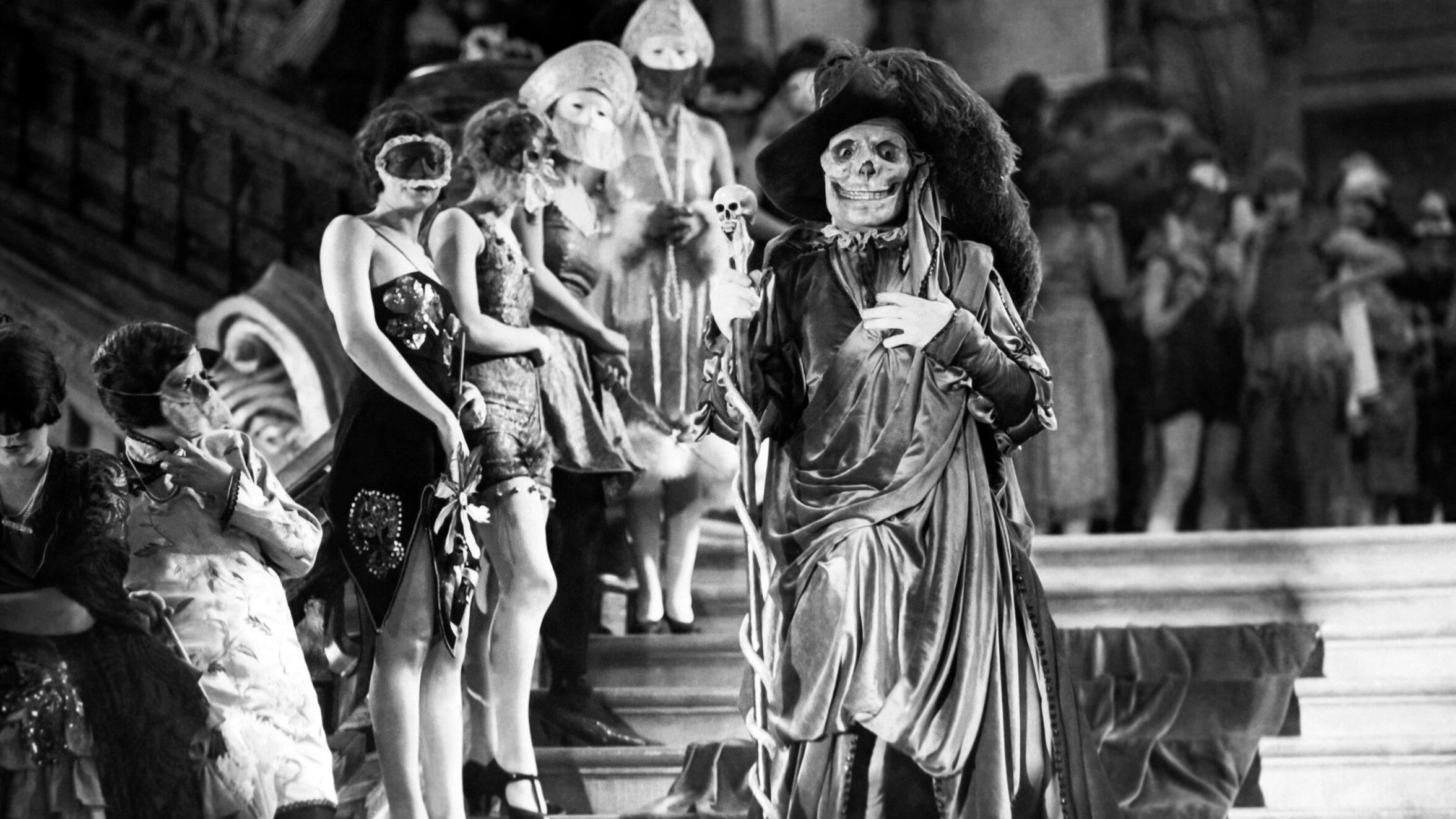
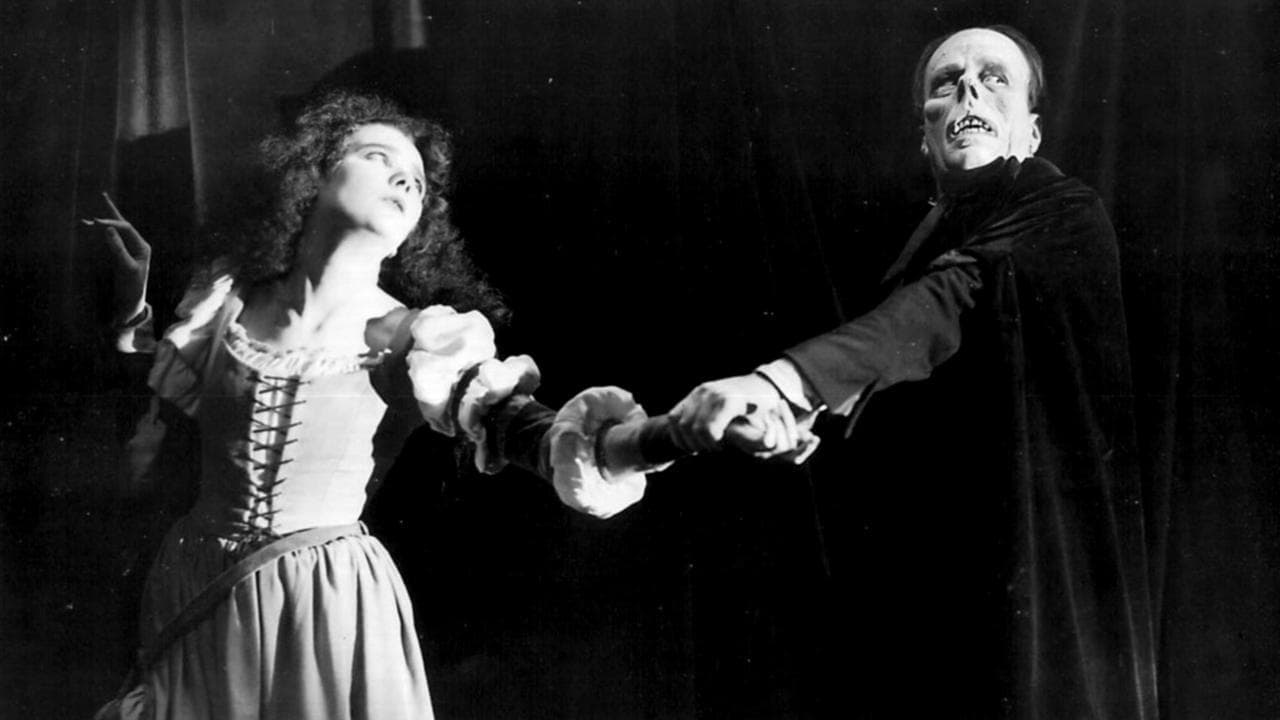
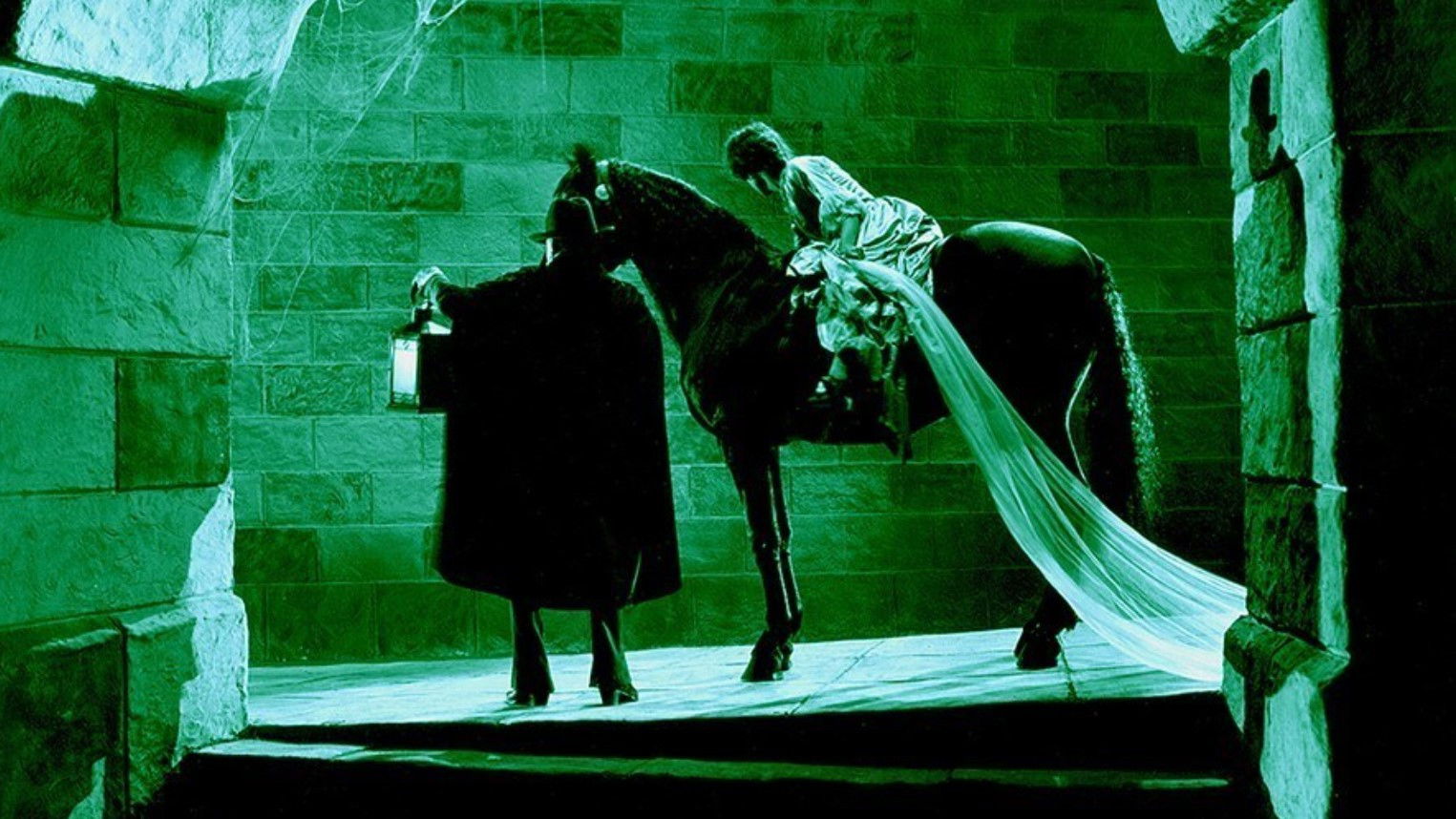
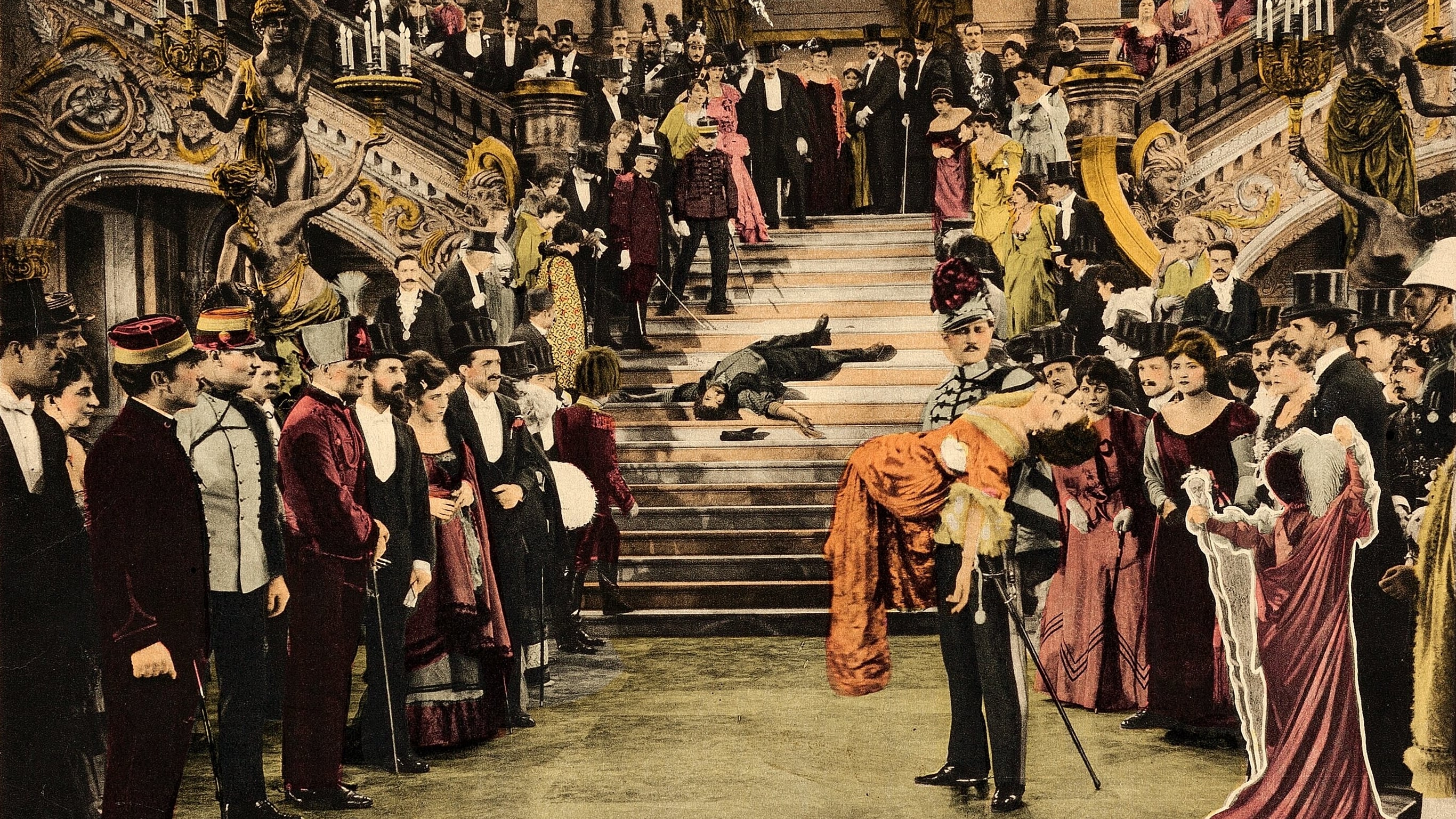
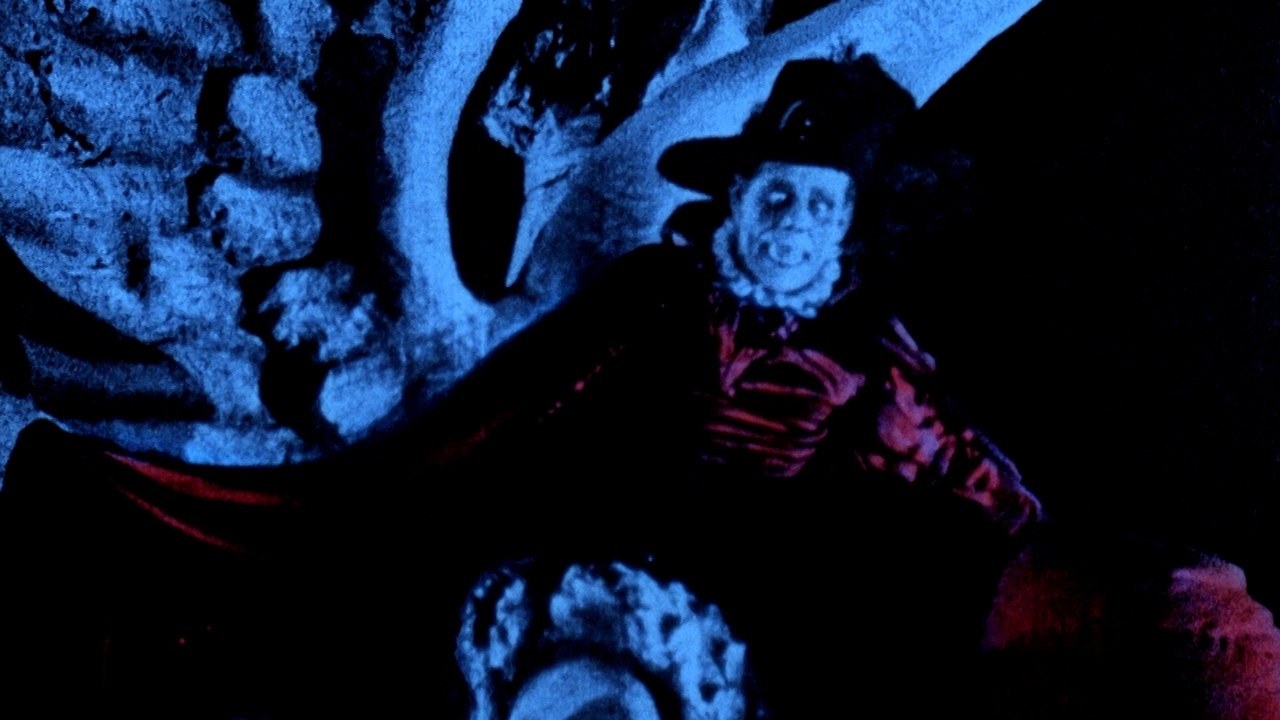
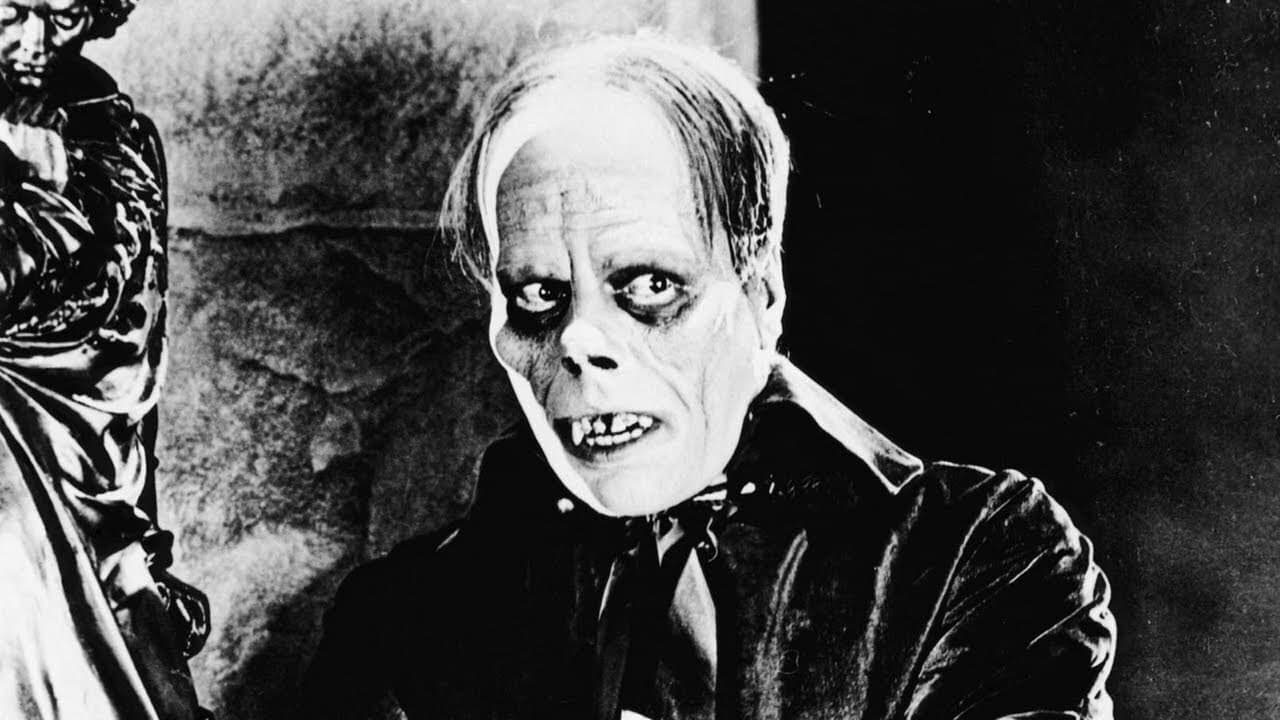
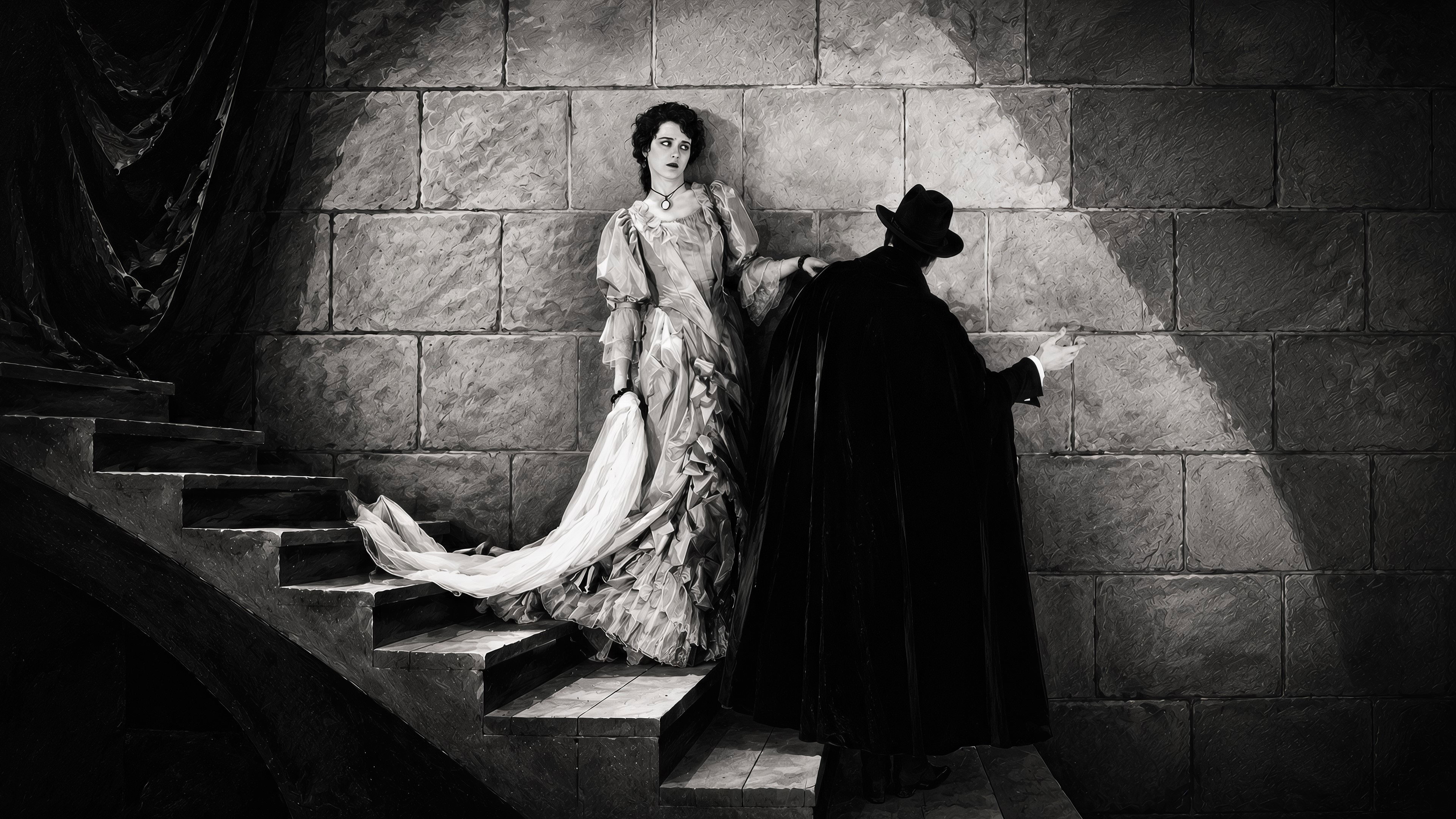
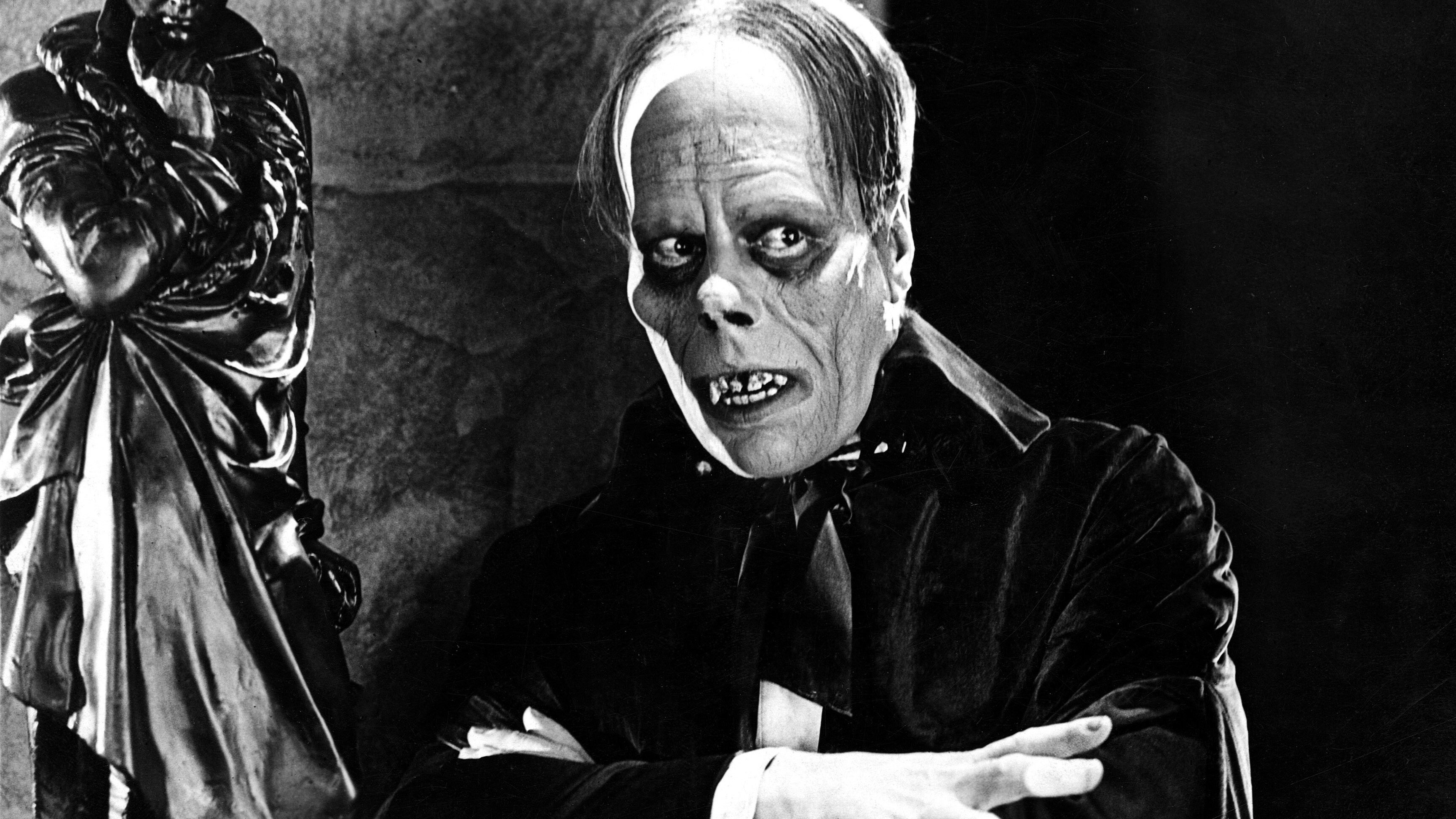
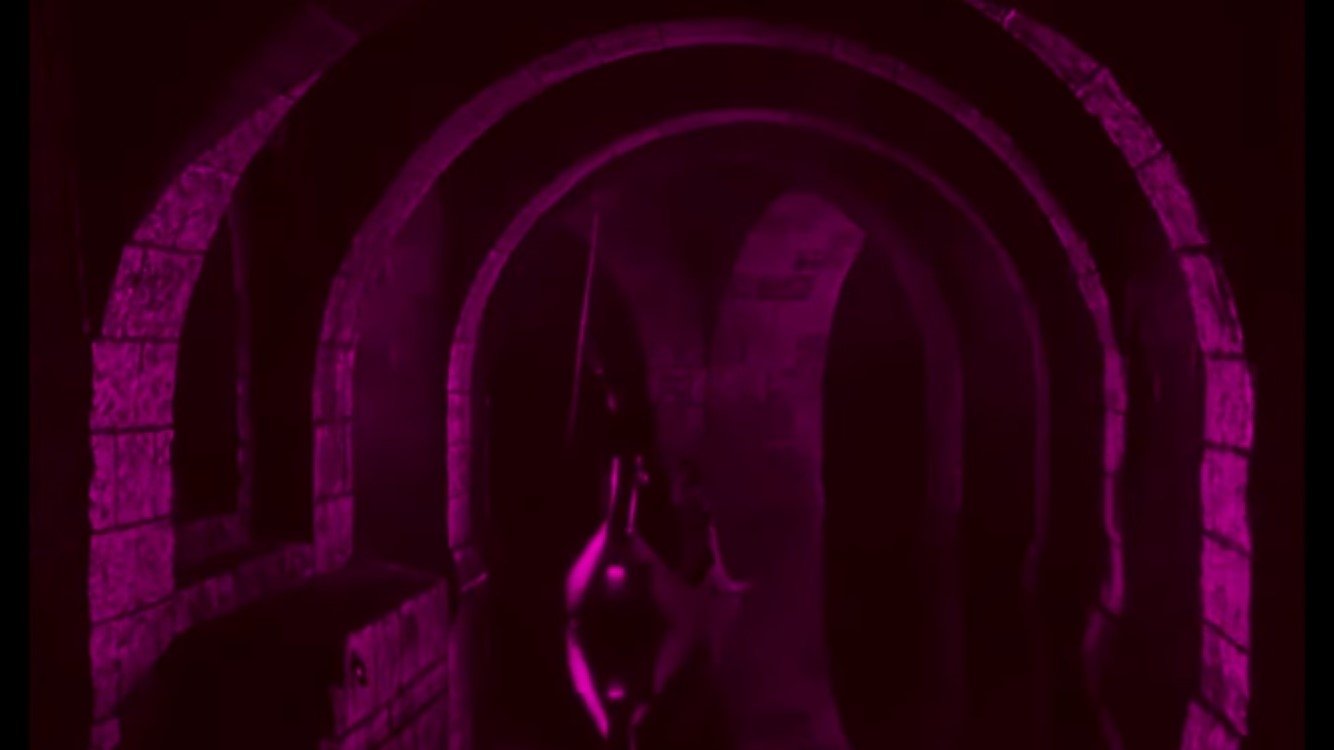
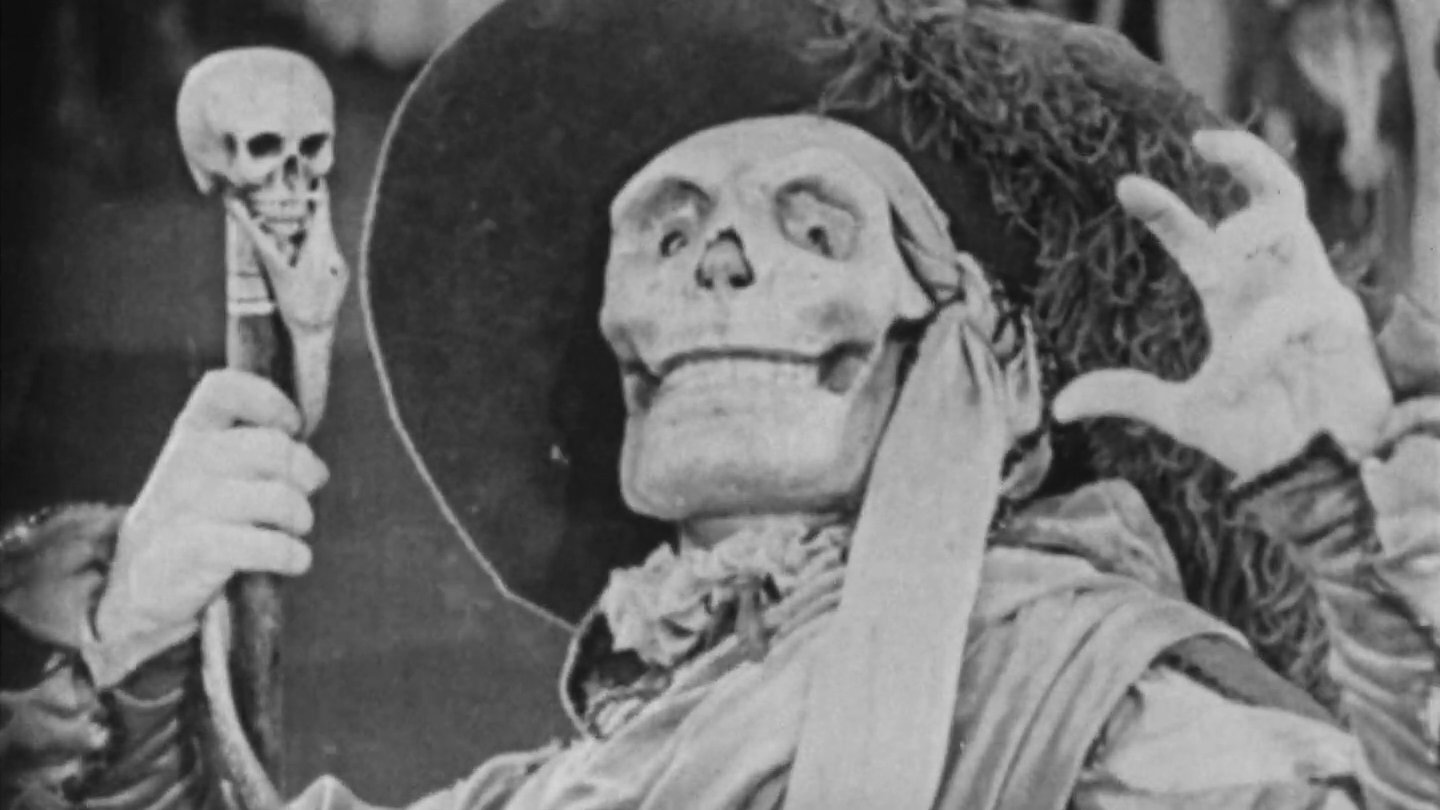
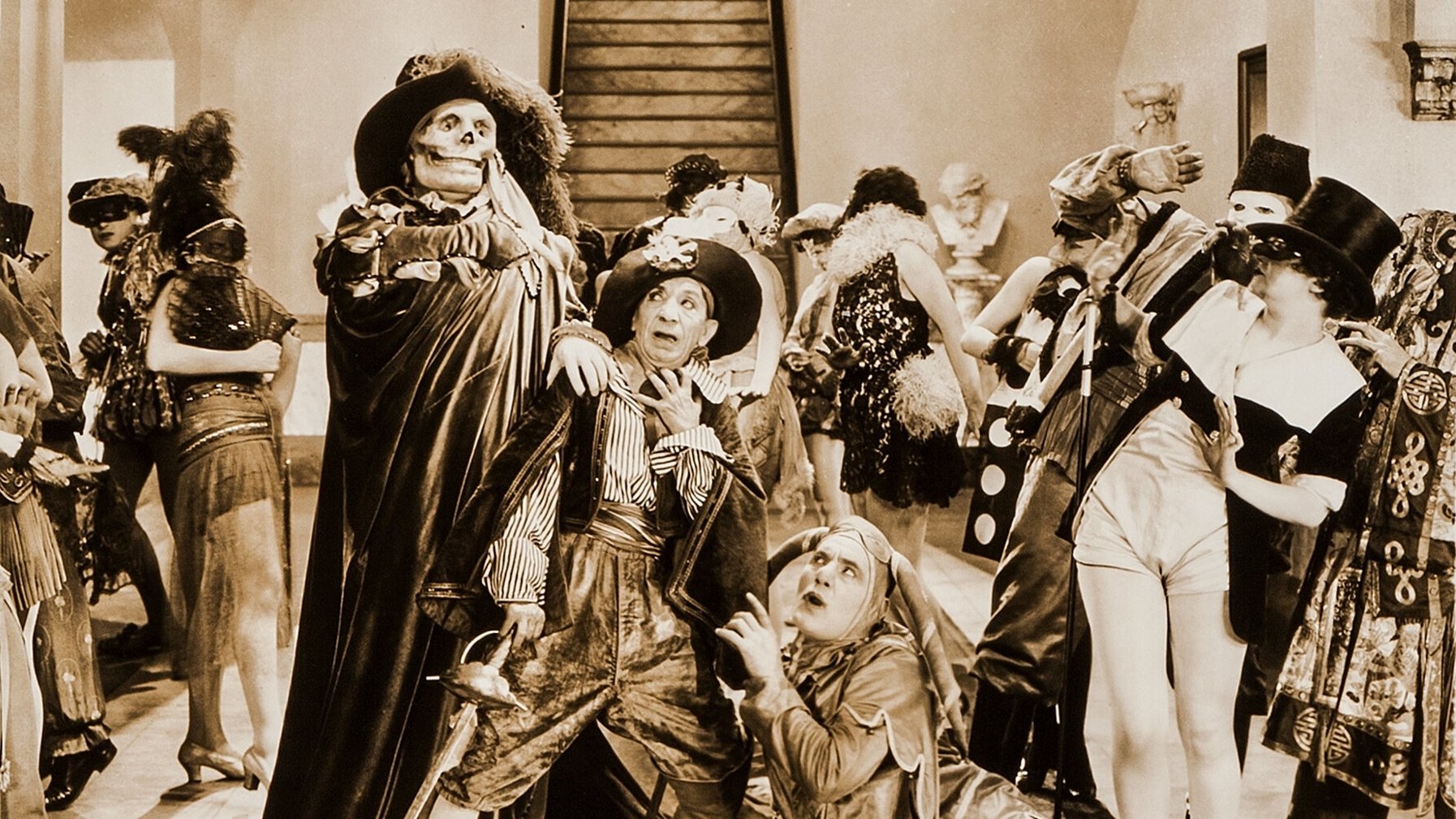
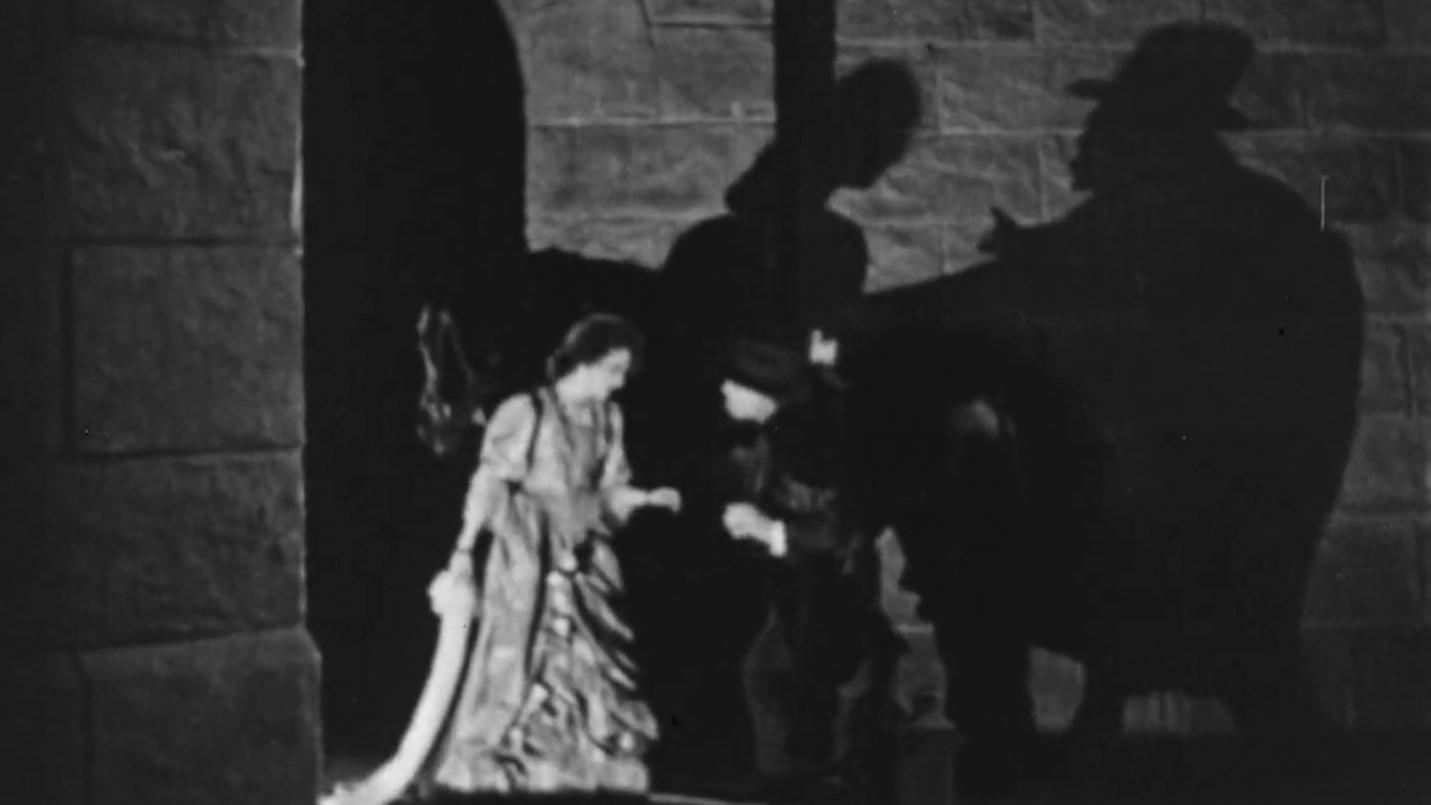
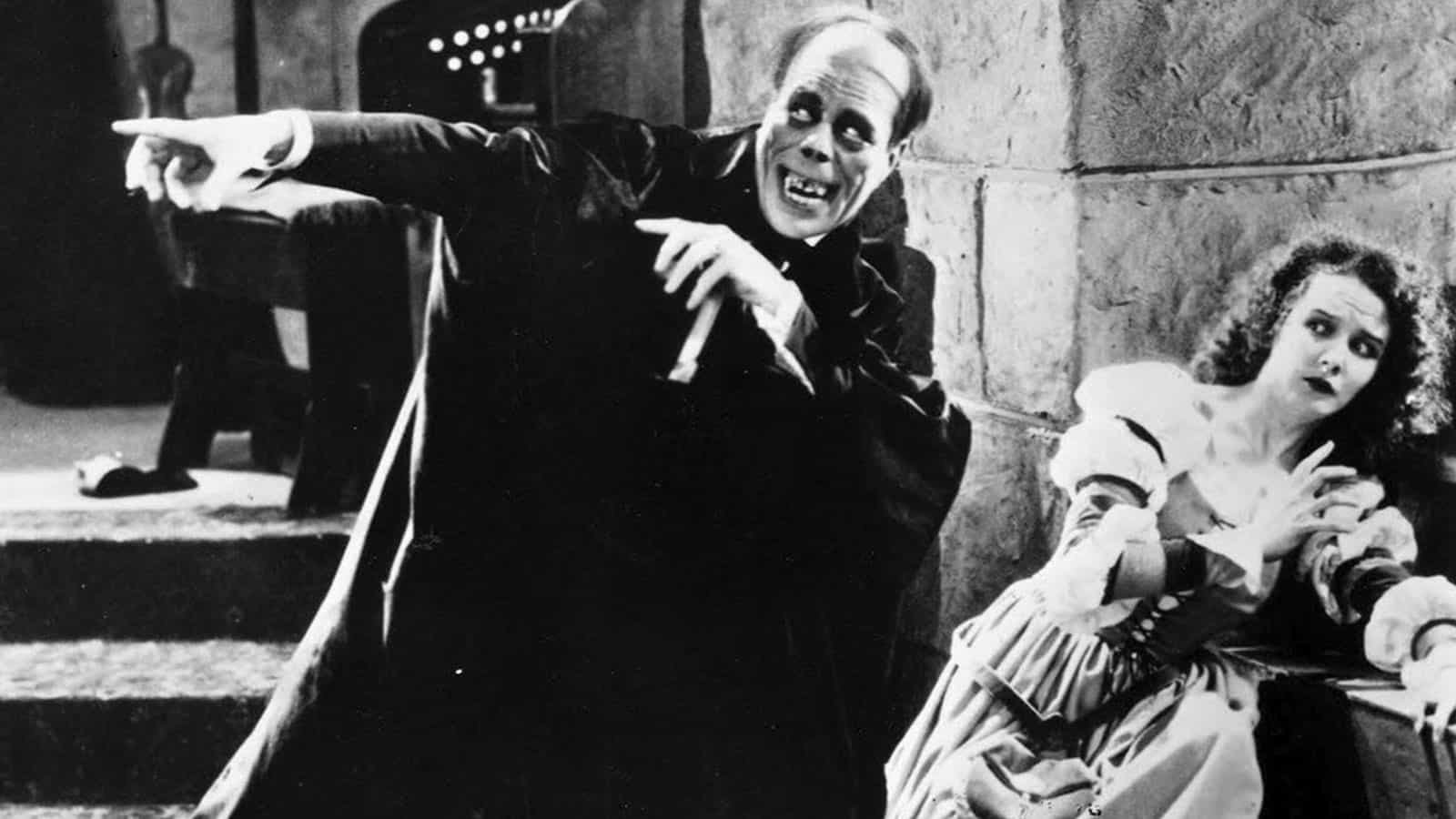
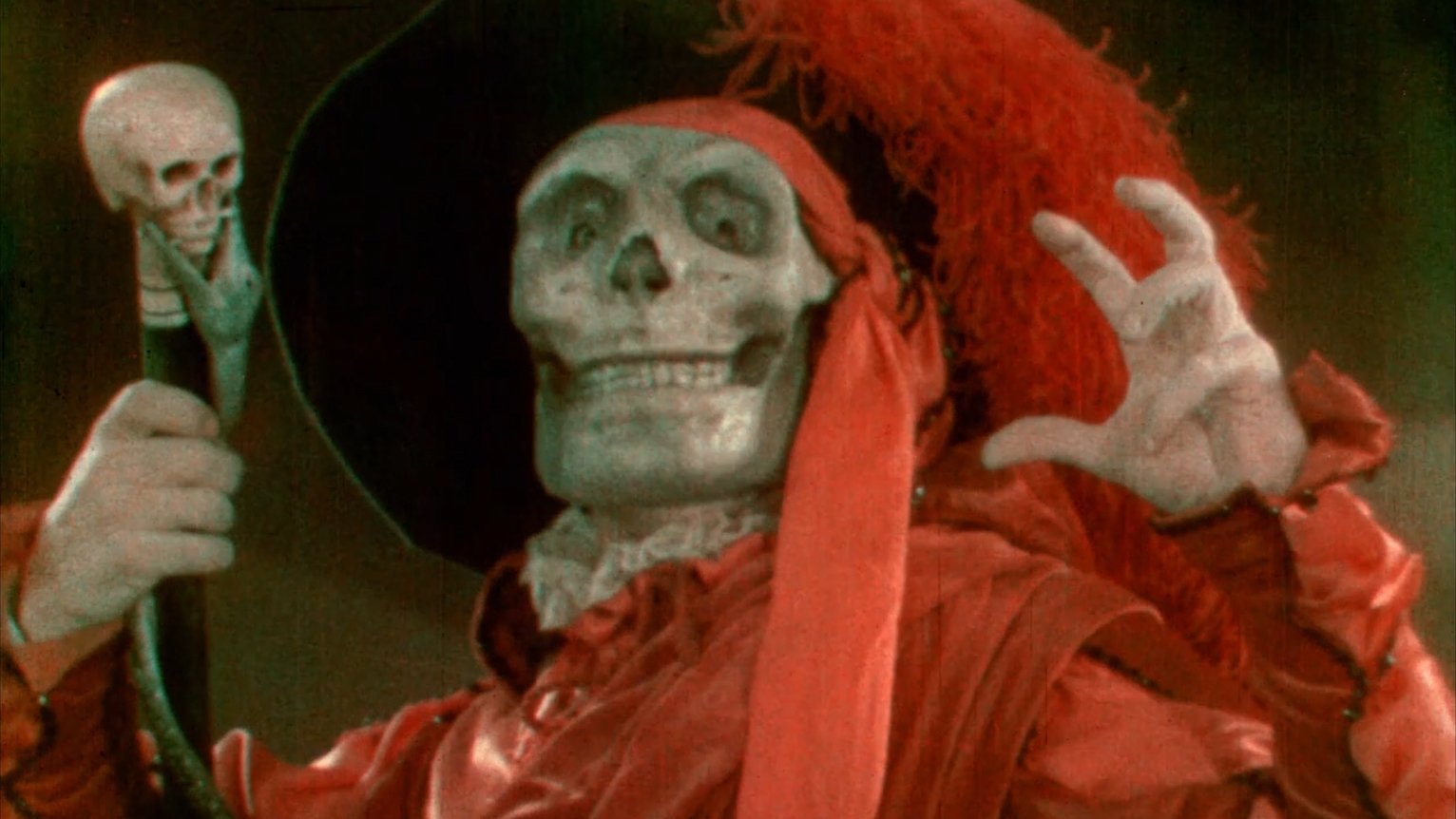
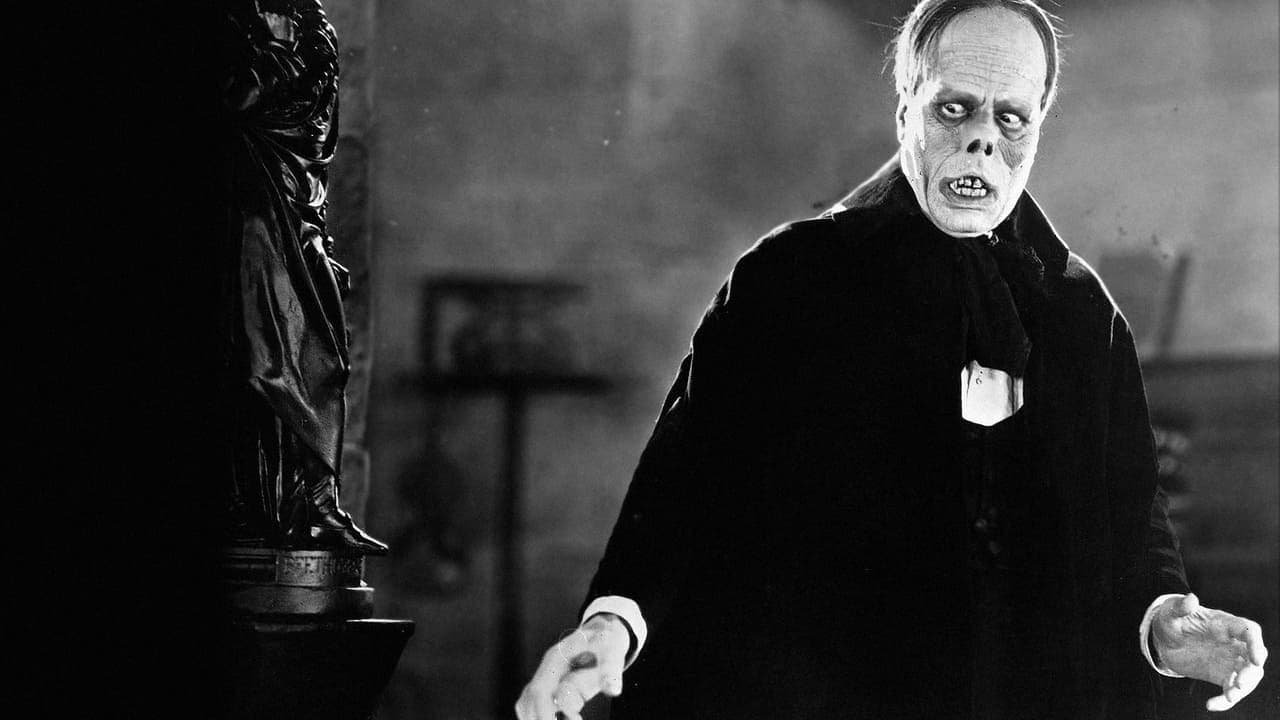
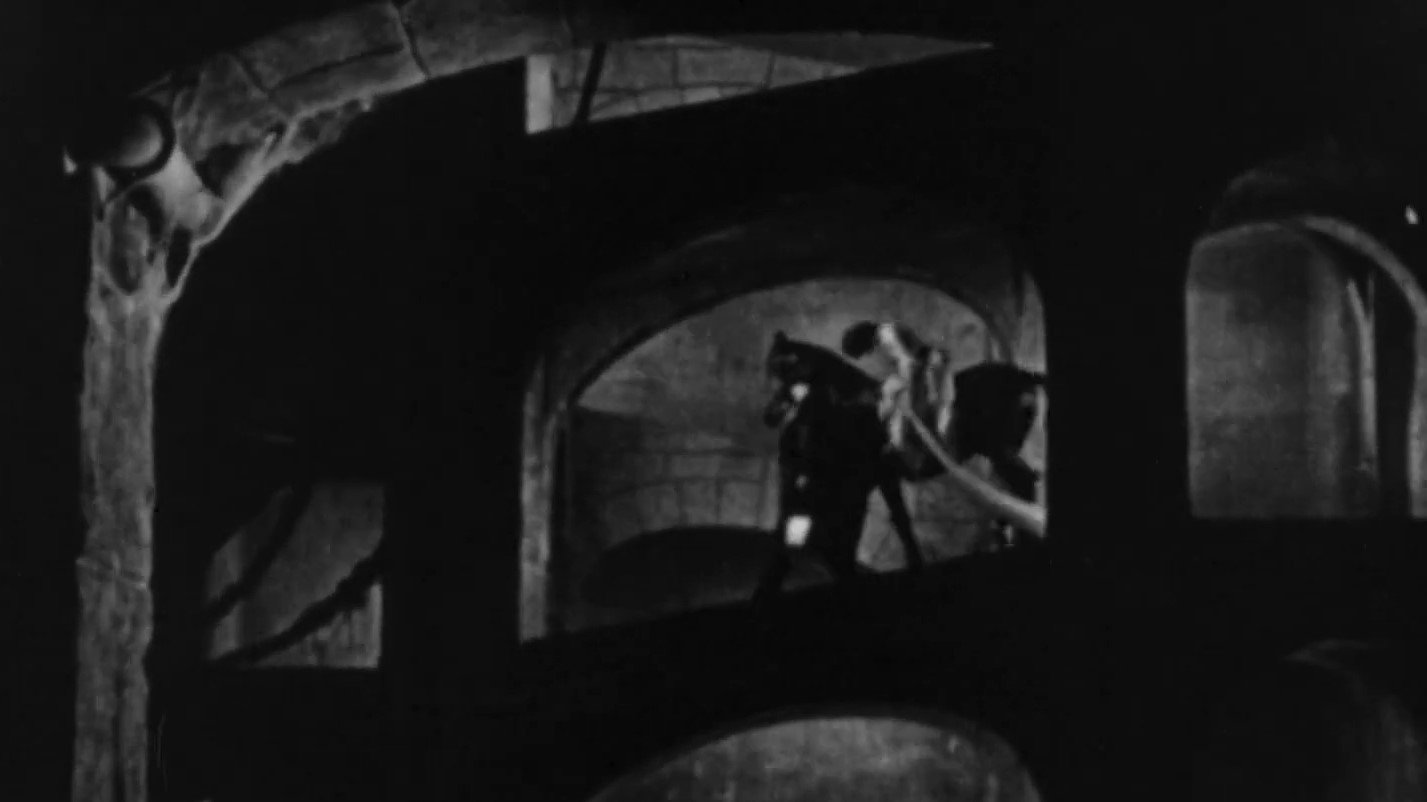
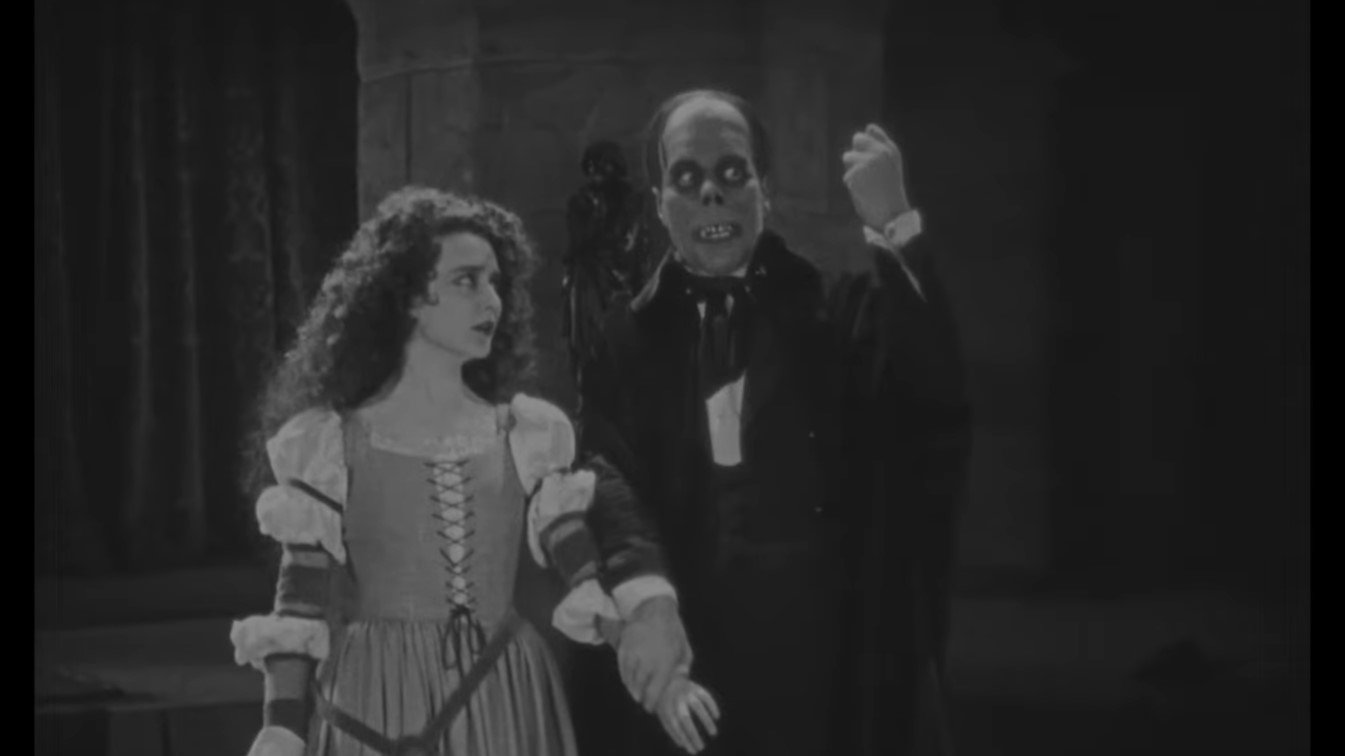
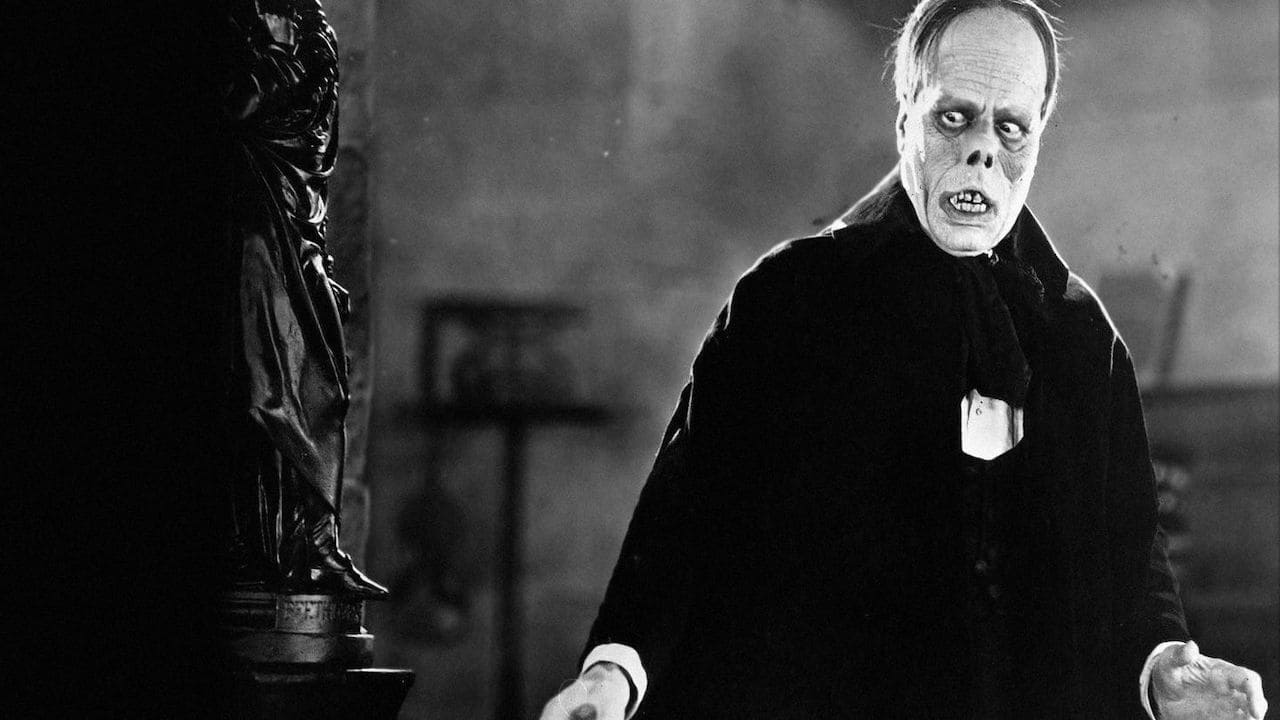
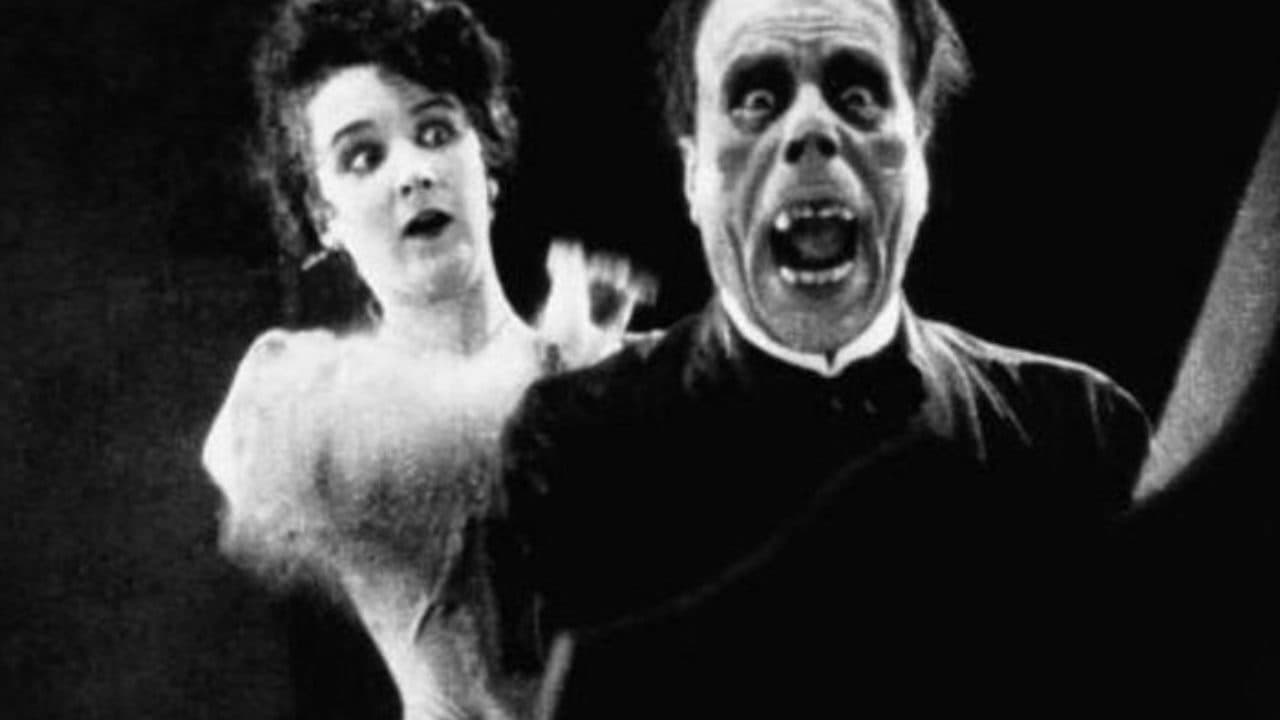
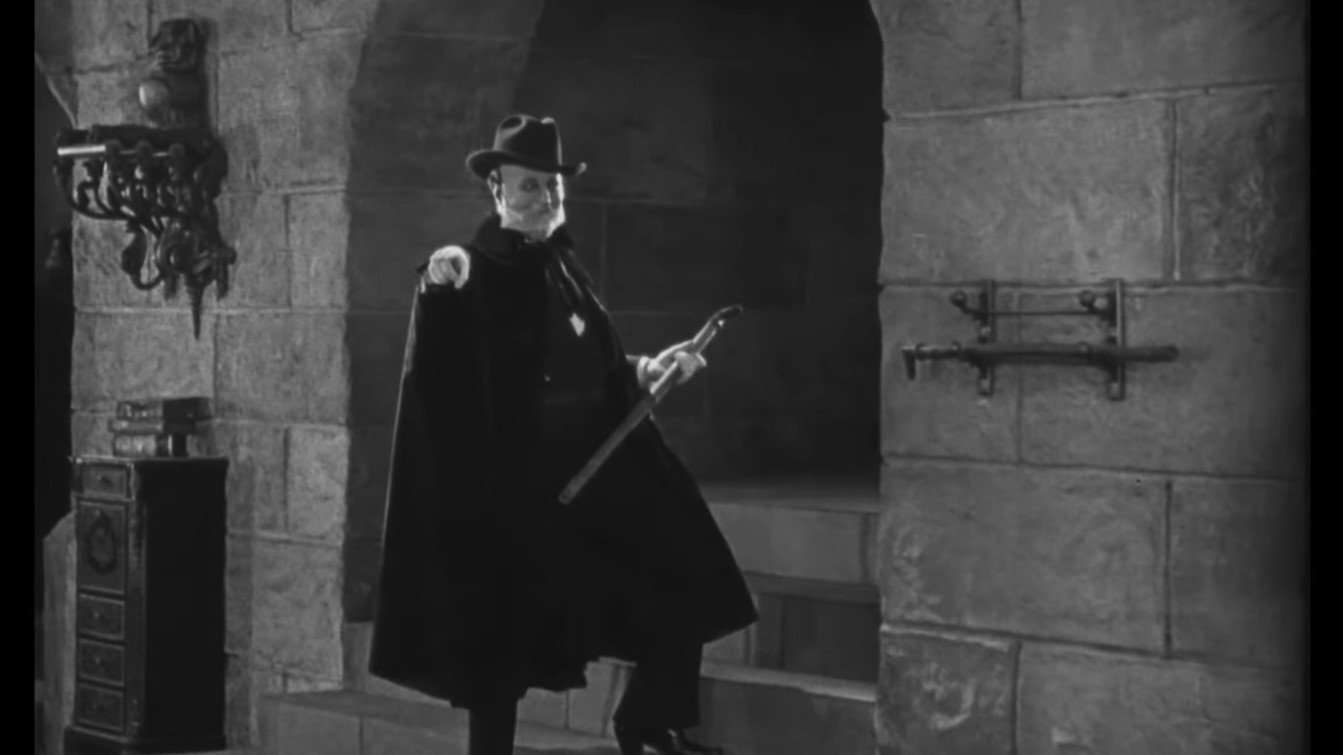
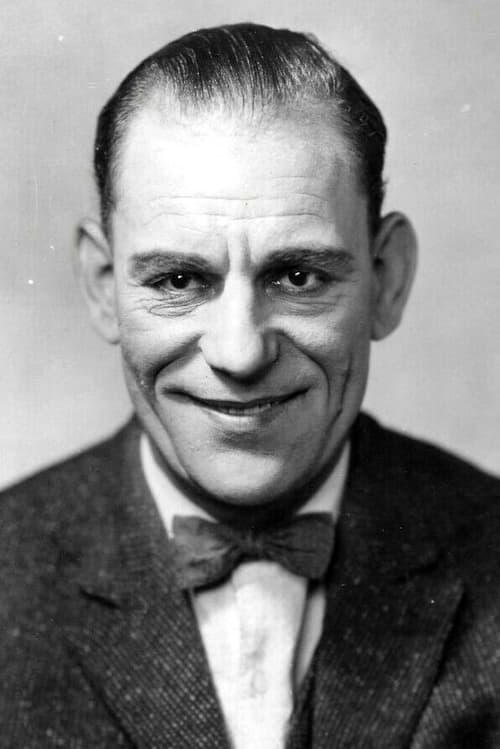
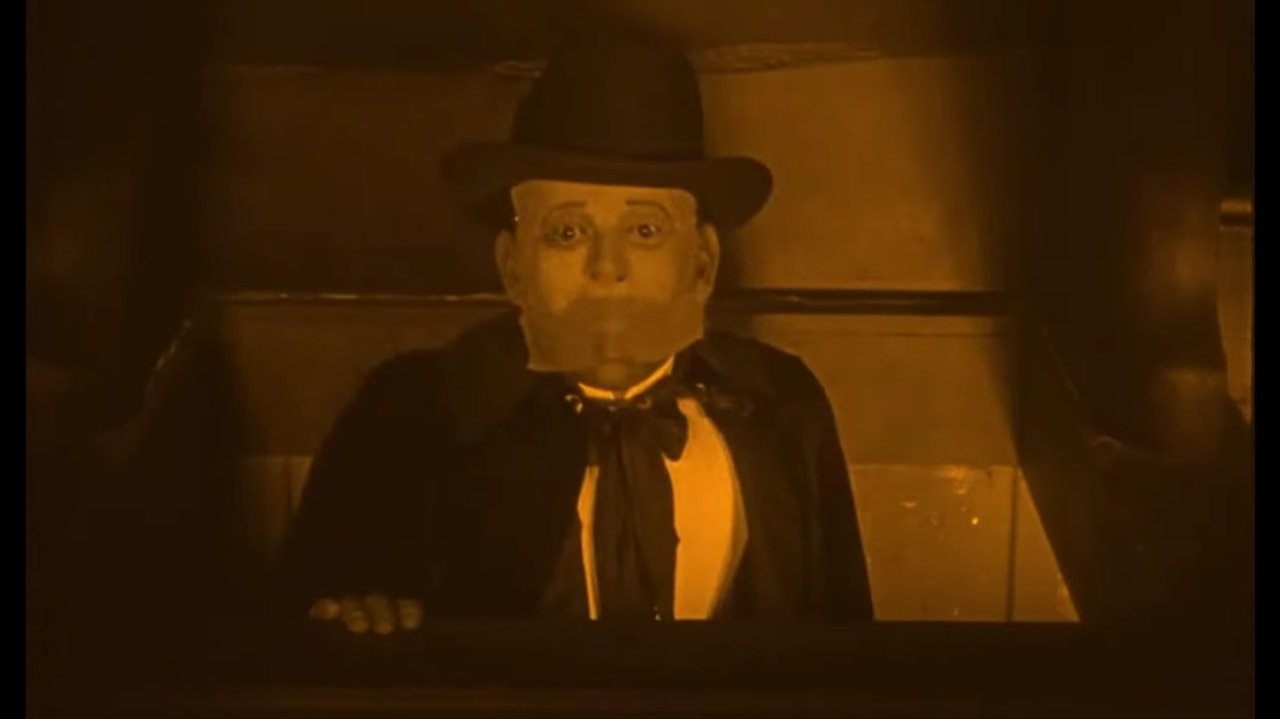
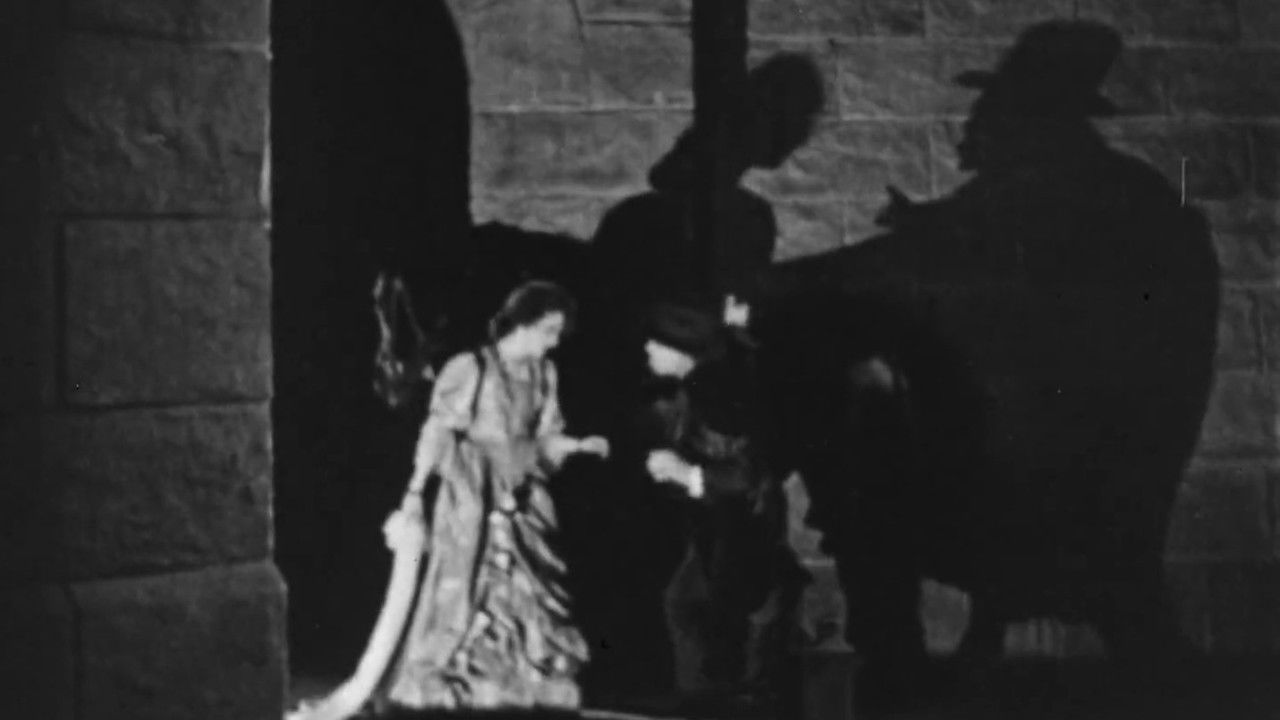
This movie is also very much stunning visually and while yes part of that is due to the grain of the film a lot of it does seem to be intentional. So many of the shots are seared into my mind whether that be the Phantom clinging to the statue atop the Paris Opera’s roof or the way the light splits the Phantom’s face in half after Christine removes his mask. I wonder how much of my adoration comes down to the foreignness of these types of visuals when compared to modern movie making, however at the same time I don’t recall seeing Nosferatu – which admittedly is my only other frame of reference for this era of cinema – as being particularly visually interesting. And I of course have to mention the man of a thousand faces excellent make up work. It genuinely baffles me that someone so talented could exist this early into film’s history because not only is his performance here great but the make up would be impressive even by today’s standards, feeling equal parts realistic while also as fantastical as the productions of the Paris Opera themselves.
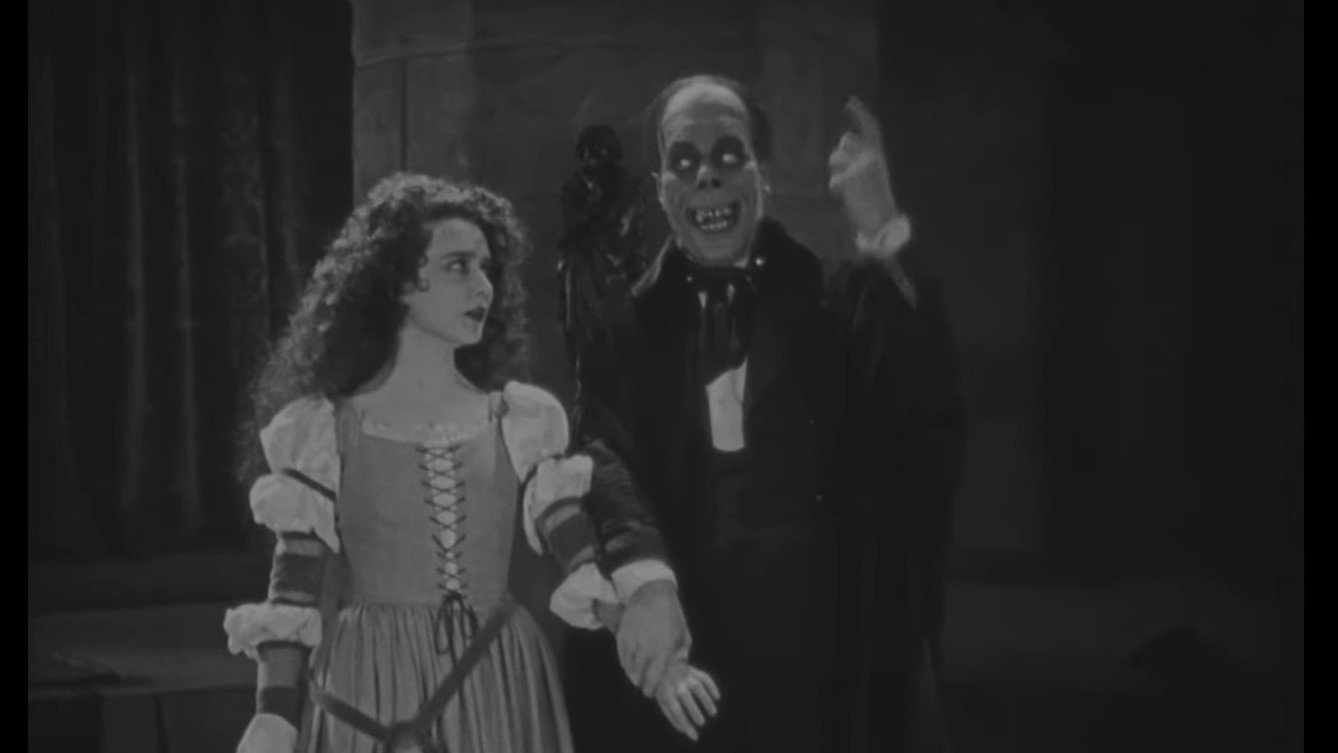
Speaking of the man of the hour, one of the most surprising aspects of this movie is simply how well I believe that not just Chaney, but the entirety of the cast’s acting has held up. This is something I attribute – with my limited knowledge on the period – to this movie coming at the tail end of the silent era, with the talent of the era at the peak of understanding the medium before having to relearn the craft when sound rolls around in the 30s. The moment that solidified my thoughts on their acting ability came with something as simple as Raoul and Christine’s embrace, which felt like the most tender of its kind ever put to screen. It’s amazing just how well these actors are working within their limitations given I imagine many of the cast comes from a theatre background. I feel most indicative of overcoming these challenges are how both the writers and actors approach dialogue. Instead of every interaction requiring a dialogue card which would easily slow down the pace of the movie so much of the dialogue goes un-transcripted however the cast wrings out so much context through their physicality alone. For this reason when they do throw you some dialogue you get wonderful lines such as,
"So that which is good within me, aroused by your purity, might plead for your love."
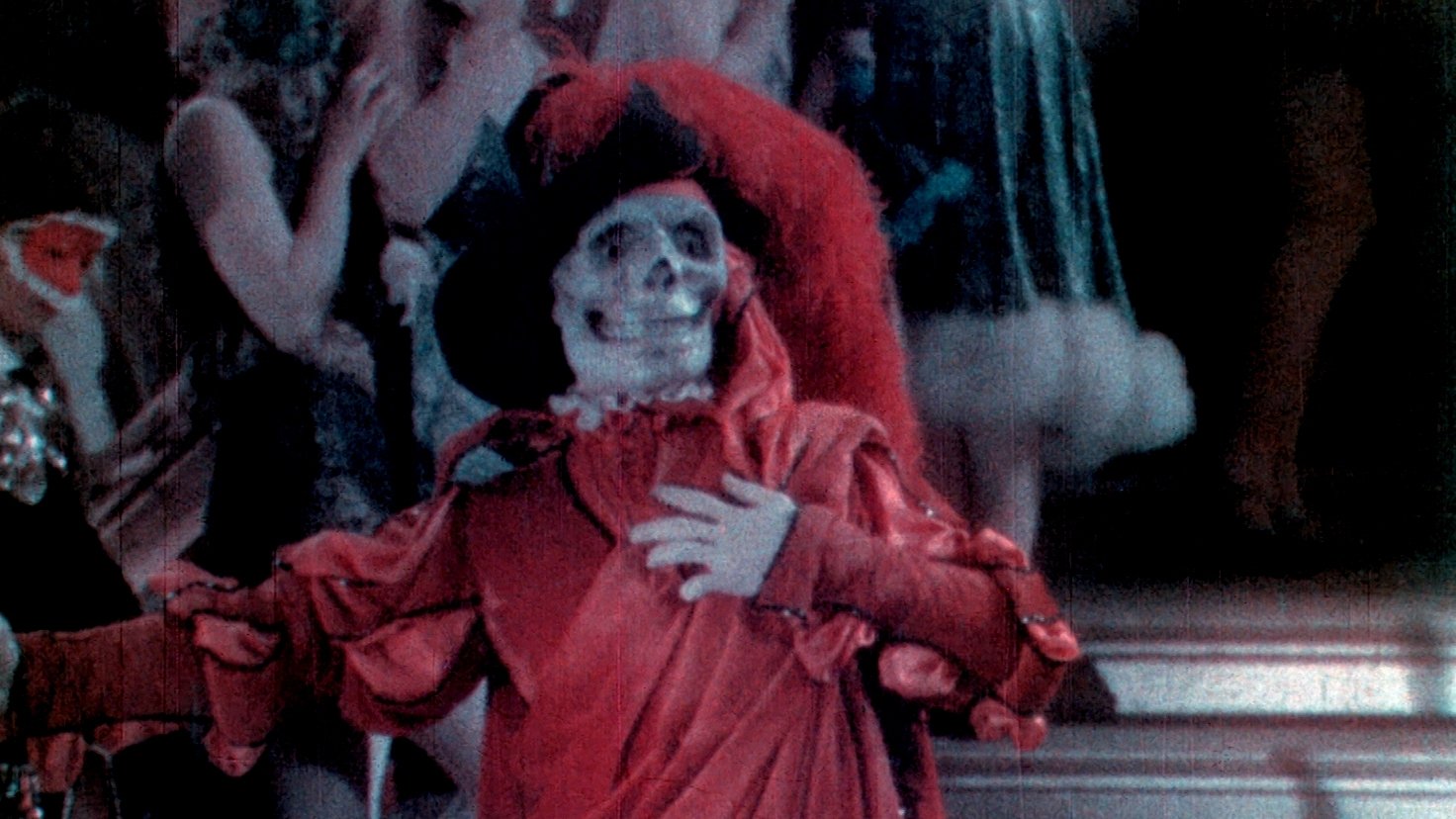
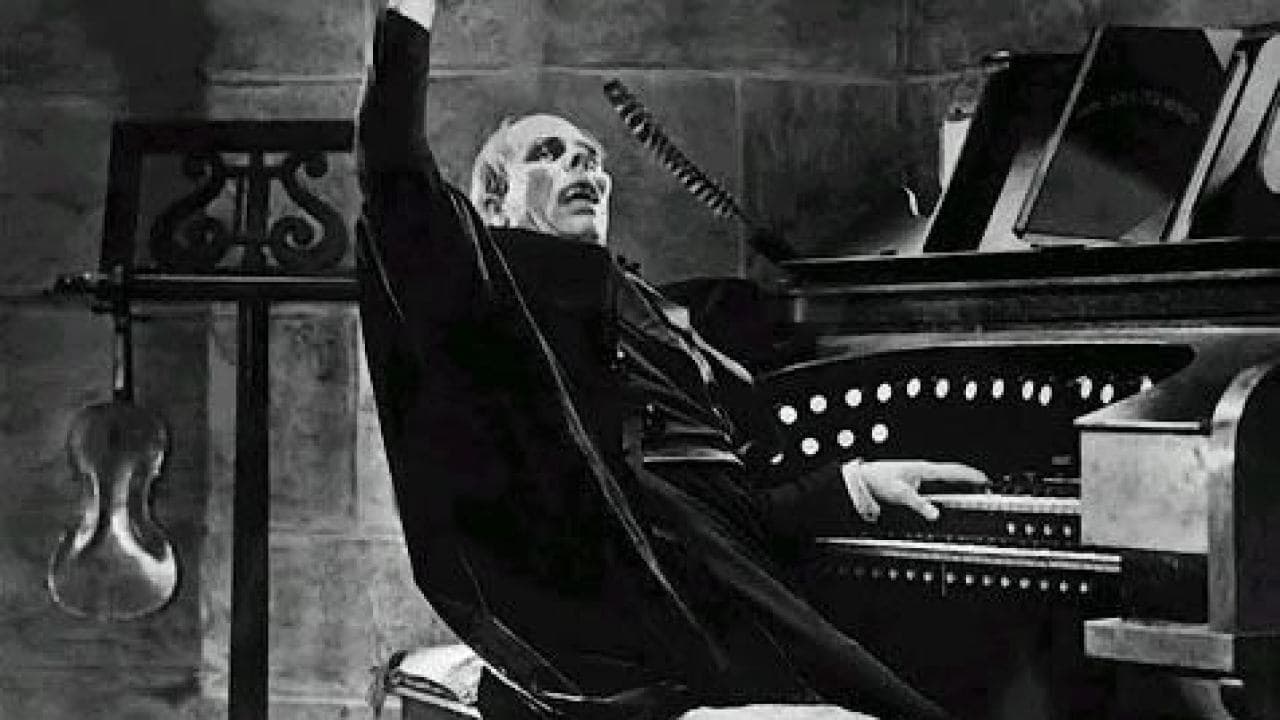
And while Erik is a violent incel without the benefit of looking like Gerard Butler or being given a chance at redemption by the end, even I'm still swept up in his romanticism; may that be the flamboyance of his movements as he rushes to a fainted Christine, his poetic words, his beautifully crafted costumes or his passion when before the organ leave me wanting more of him.
If I had to give some critiques of this movie that fall outside of the realm of the fact I don’t feel I could truly ever appreciate a movie of this age due to a century of artistic and technical advancement I will say this movie really sidelines Christine as a character. Now I can understand not starting off with her, give us some context first, that's what the 2004 movie does. However Christine is afforded so little actual dialogue in this movie to the point when she’s introduced she barely gets a word out, beat out by Raoul immediately proposing marriage. And while in the 04 film Charlotta’s rivalry with Christine is rather one-sided it still allows both Charlotta and Christine to be characters outside of their male costars. I think in this film we see Charlotta once and her whole rivalry with Christine is carried out very briefly through a game of telephone in which her mother argues with the opera proprietors. Is it silly to expect a 101 year old movie to pass the Bechdel test? Maybe. But I suppose having the 04 version be my intro to the Phantom mythos I kind of expect that someone as crucial to the plot as Mlle. Daaé to have SOME agency.
This movie is chalk full of surprises. While I feel the legacy of the Universal Monster movies has aged better than the movies themselves for the most part I am shocked to say the oldest ones of the bunch of the ones that show the most merit. While I respect films like Frankenstein and Dracula I think they pale in comparison to the likes of this. Even their attempt at remaking this movie two decades later with the benefit of sound, color, years more of experience and one of their strongest actors, Claude Raines at the helm, the earlier predecessor far surpasses the former. I think even if you aren’t interested in the history of movie making I'd still recommend this. Clocking in at under an hour and a half, I feel there isn’t too much of an excuse to give such an important piece of culture its due.
The Phantom uses a snorkel??? It’s on the poster, how did I miss this???
“You will be free as long as your love for this spirit of Erik overcomes your fear.”
- The Phantom of the Opera
I’m sorry if this makes me sound like someone who can’t enjoy art but I am genuinely surprised I enjoyed this movie to the extent I did. I am not the most high brow critic and it pains me however I also refuse to be performative; so when it came to something like the original Nosferatu I was open that I did not really care for it as anything more than a novelty. And I was worried that that meant for me that I'd be indifferent to a lot of the hallmark works of cinema just because I couldn’t appreciate a silent picture. This movie proves all of that wrong and the plethora of kind words I have to say about this movie back that up.
Now I will say I watched a scored version of this movie with minimal sound effects and while I acknowledge that means my viewing experience might be different from others given that the sound of it the original has since been lost to history. However that being said I will stand by my decision because going without a score would be a disservice to the original work. The copy I watched, put out by Delta in their History of Cinema line, had a fabulous score that added so much to the viewing experience. I rather enjoy the abstractness of the fact that much like the dialogue (which often isn’t subtitled at all) the music isn’t trying to be synced exactly to what is going on on screen. Instead the music simply alludes to what is going on. This occurs most interestingly during vocal performances which have an instrument reminiscent of those vocals playing in the background. While a very creative work around in its own right it has the unintended effect of reminding you how separated you are from the world of this movie. You see human faces vocalizing but the sounds coming out are just human adjacent, like they’re trying to call out from the distance that is a century’s time.
This movie is also very much stunning visually and while yes part of that is due to the grain of the film a lot of it does seem to be intentional. So many of the shots are seared into my mind whether that be the Phantom clinging to the statue atop the Paris Opera’s roof or the way the light splits the Phantom’s face in half after Christine removes his mask. I wonder how much of my adoration comes down to the foreignness of these types of visuals when compared to modern movie making, however at the same time I don’t recall seeing Nosferatu – which admittedly is my only other frame of reference for this era of cinema – as being particularly visually interesting. And I of course have to mention the man of a thousand faces excellent make up work. It genuinely baffles me that someone so talented could exist this early into film’s history because not only is his performance here great but the make up would be impressive even by today’s standards, feeling equal parts realistic while also as fantastical as the productions of the Paris Opera themselves.
Speaking of the man of the hour, one of the most surprising aspects of this movie is simply how well I believe that not just Chaney, but the entirety of the cast’s acting has held up. This is something I attribute – with my limited knowledge on the period – to this movie coming at the tail end of the silent era, with the talent of the era at the peak of understanding the medium before having to relearn the craft when sound rolls around in the 30s. The moment that solidified my thoughts on their acting ability came with something as simple as Raoul and Christine’s embrace, which felt like the most tender of its kind ever put to screen. It’s amazing just how well these actors are working within their limitations given I imagine many of the cast comes from a theatre background. I feel most indicative of overcoming these challenges are how both the writers and actors approach dialogue. Instead of every interaction requiring a dialogue card which would easily slow down the pace of the movie so much of the dialogue goes un-transcripted however the cast wrings out so much context through their physicality alone. For this reason when they do throw you some dialogue you get wonderful lines such as,
"So that which is good within me, aroused by your purity, might plead for your love."
And while Erik is a violent incel without the benefit of looking like Gerard Butler or being given a chance at redemption by the end, even I'm still swept up in his romanticism; may that be the flamboyance of his movements as he rushes to a fainted Christine, his poetic words, his beautifully crafted costumes or his passion when before the organ leave me wanting more of him.
If I had to give some critiques of this movie that fall outside of the realm of the fact I don’t feel I could truly ever appreciate a movie of this age due to a century of artistic and technical advancement I will say this movie really sidelines Christine as a character. Now I can understand not starting off with her, give us some context first, that's what the 2004 movie does. However Christine is afforded so little actual dialogue in this movie to the point when she’s introduced she barely gets a word out, beat out by Raoul immediately proposing marriage. And while in the 04 film Charlotta’s rivalry with Christine is rather one-sided it still allows both Charlotta and Christine to be characters outside of their male costars. I think in this film we see Charlotta once and her whole rivalry with Christine is carried out very briefly through a game of telephone in which her mother argues with the opera proprietors. Is it silly to expect a 101 year old movie to pass the Bechdel test? Maybe. But I suppose having the 04 version be my intro to the Phantom mythos I kind of expect that someone as crucial to the plot as Mlle. Daaé to have SOME agency.
This movie is chalk full of surprises. While I feel the legacy of the Universal Monster movies has aged better than the movies themselves for the most part I am shocked to say the oldest ones of the bunch of the ones that show the most merit. While I respect films like Frankenstein and Dracula I think they pale in comparison to the likes of this. Even their attempt at remaking this movie two decades later with the benefit of sound, color, years more of experience and one of their strongest actors, Claude Raines at the helm, the earlier predecessor far surpasses the former. I think even if you aren’t interested in the history of movie making I'd still recommend this. Clocking in at under an hour and a half, I feel there isn’t too much of an excuse to give such an important piece of culture its due.