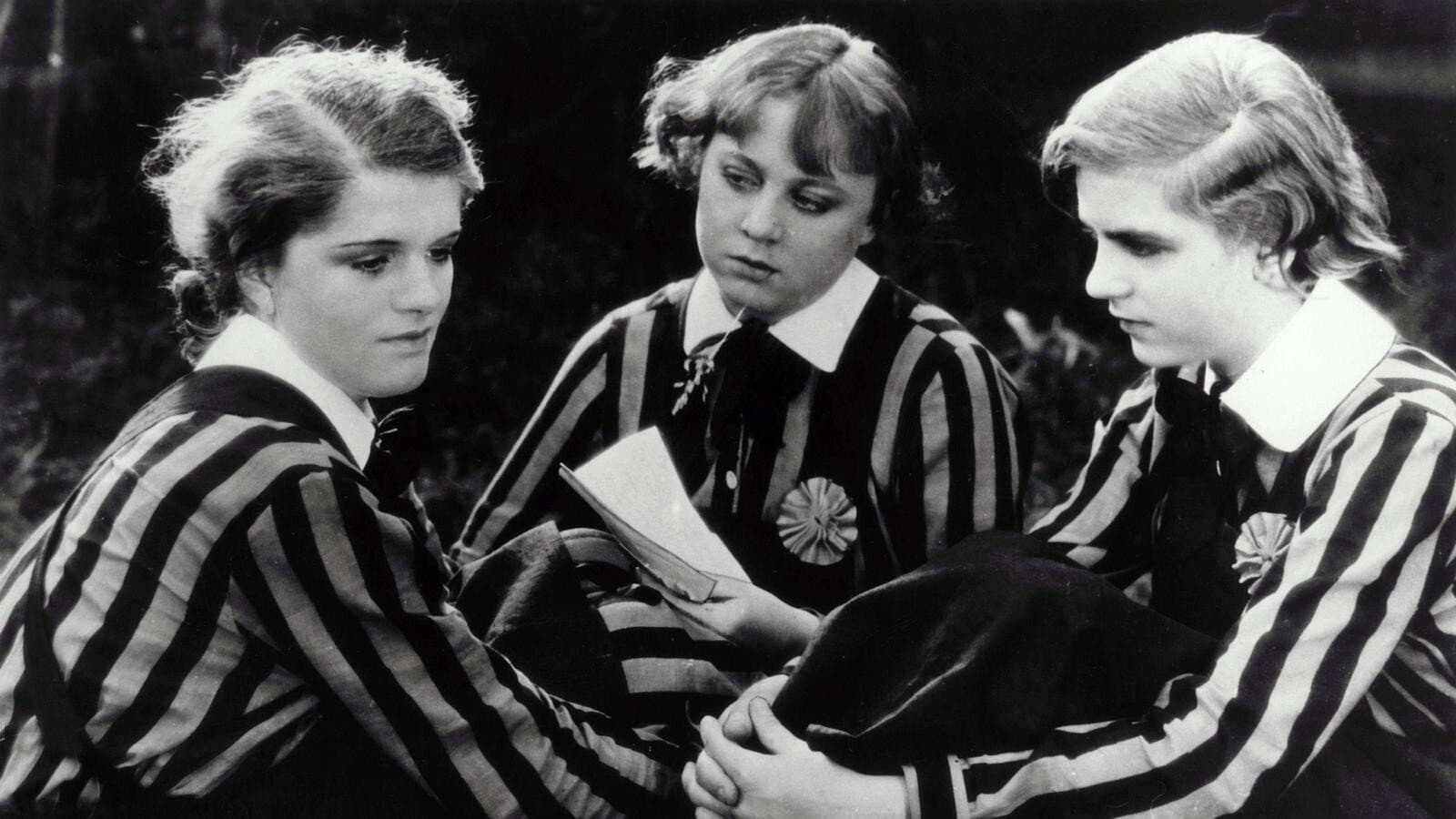
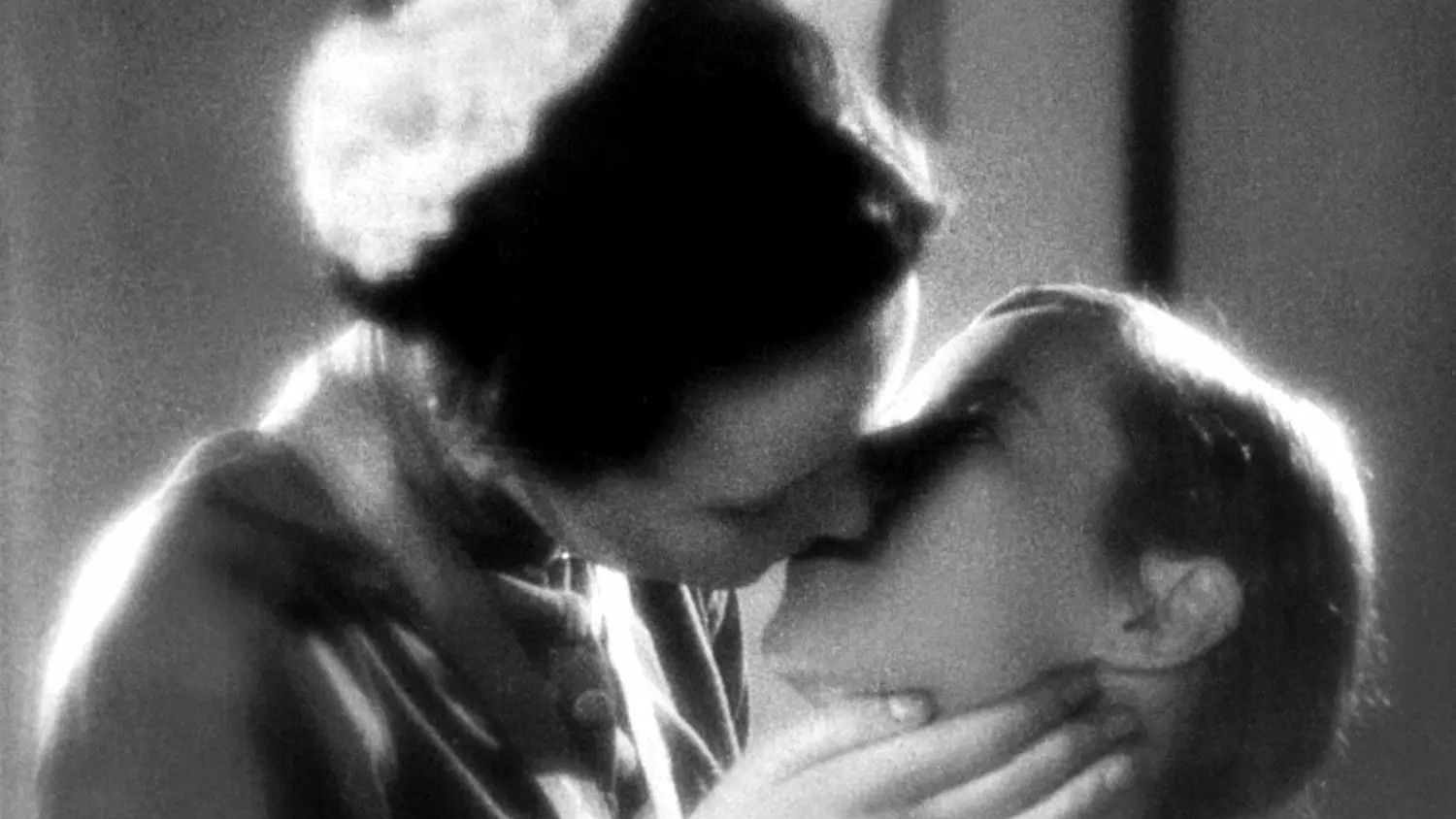
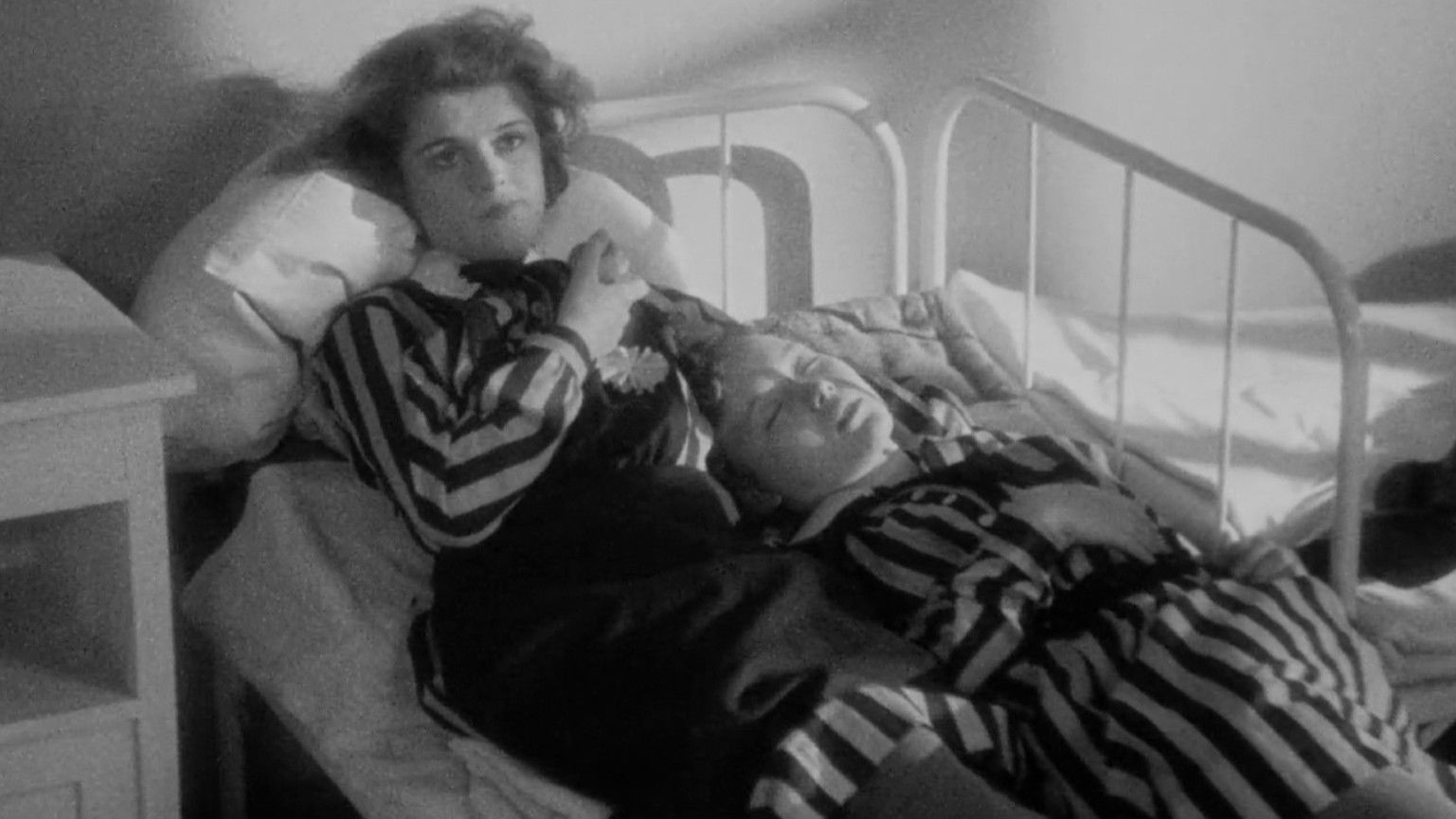
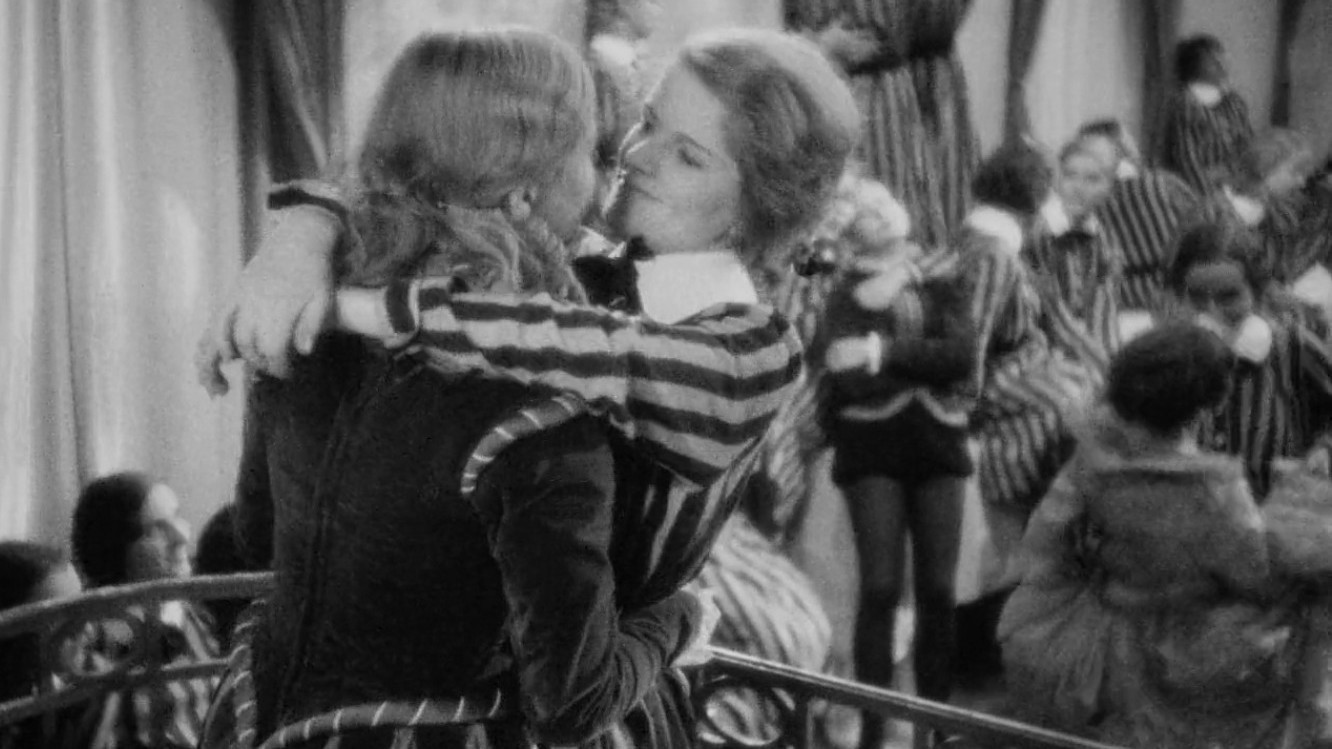
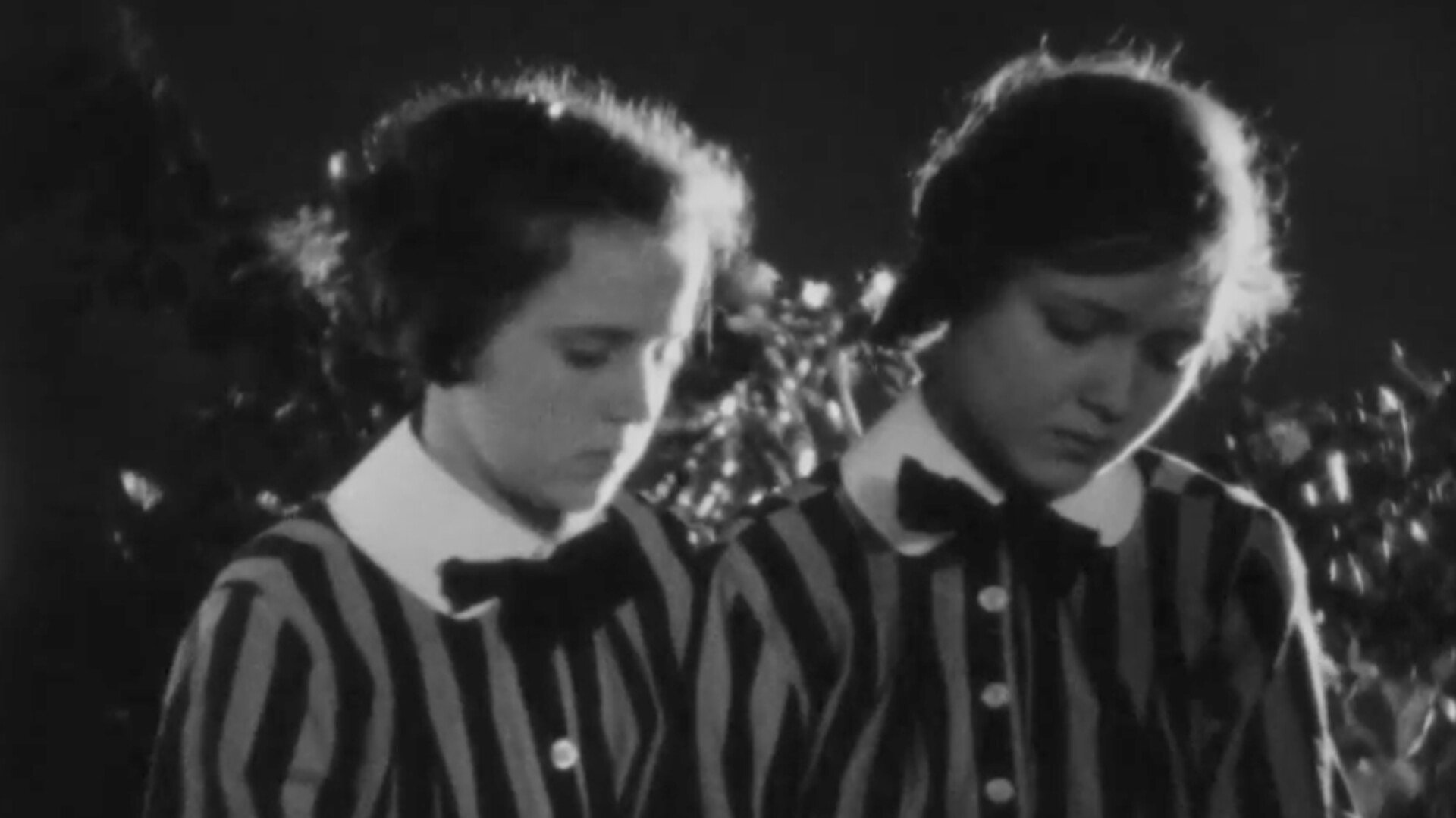
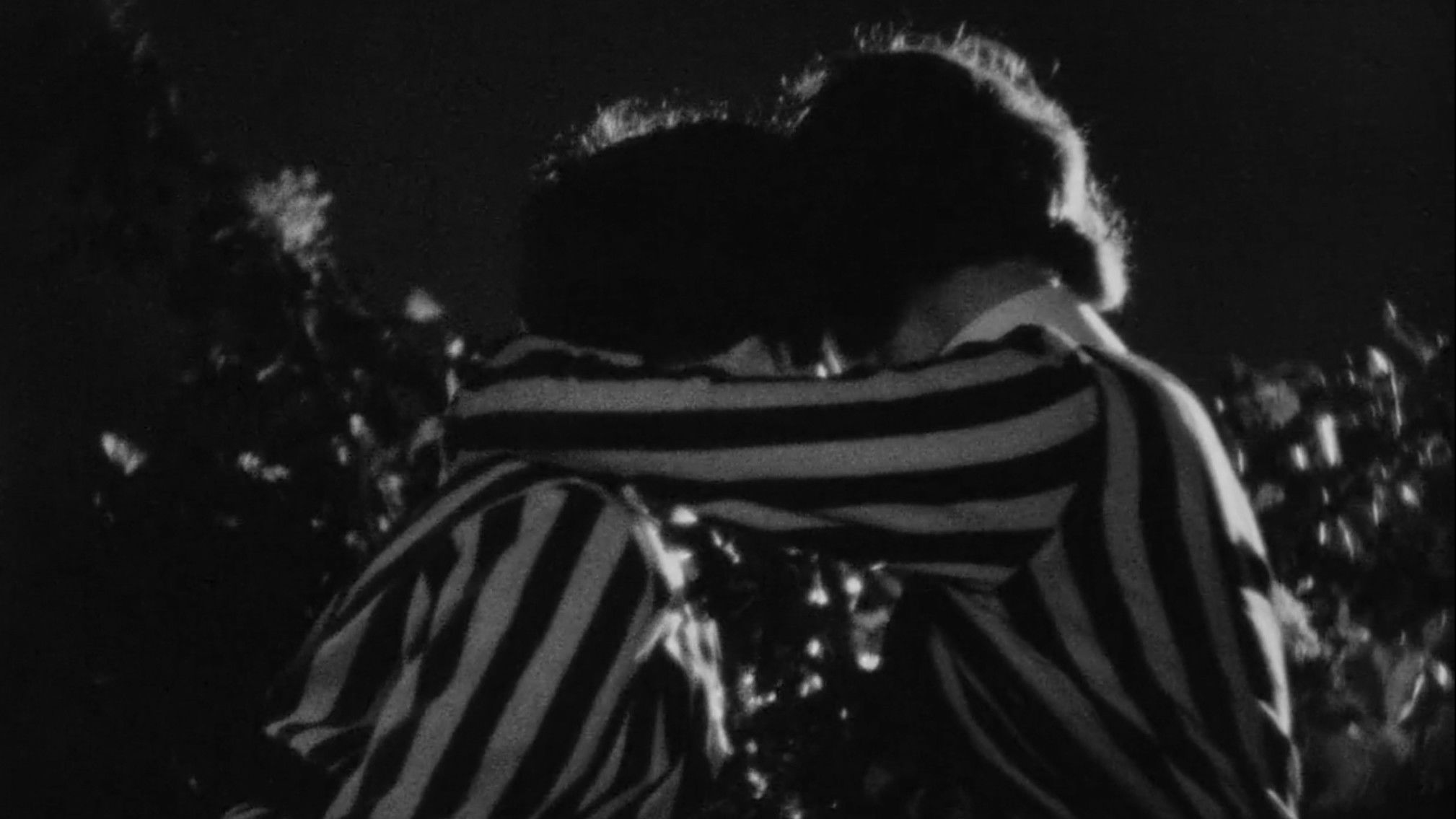
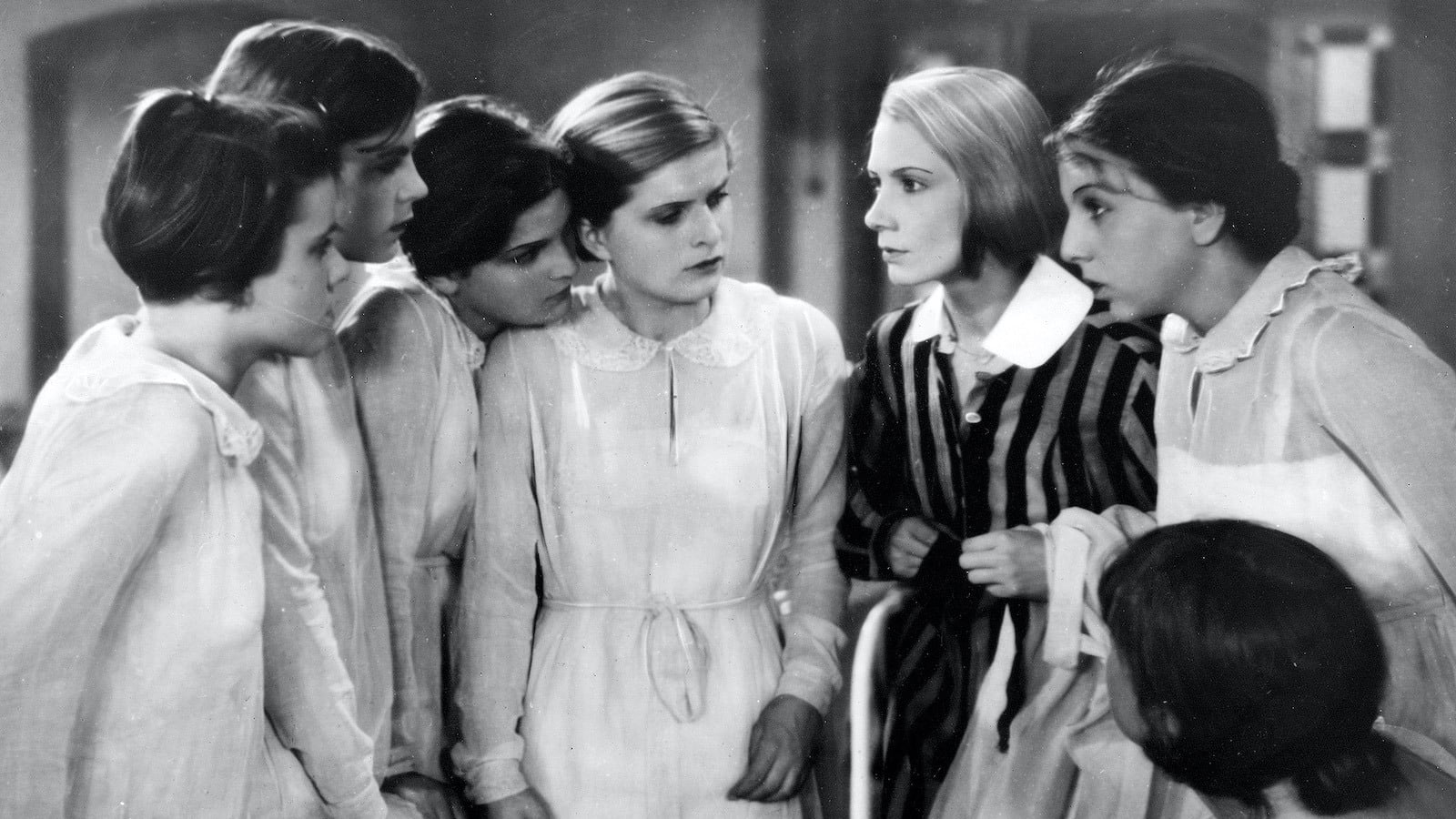
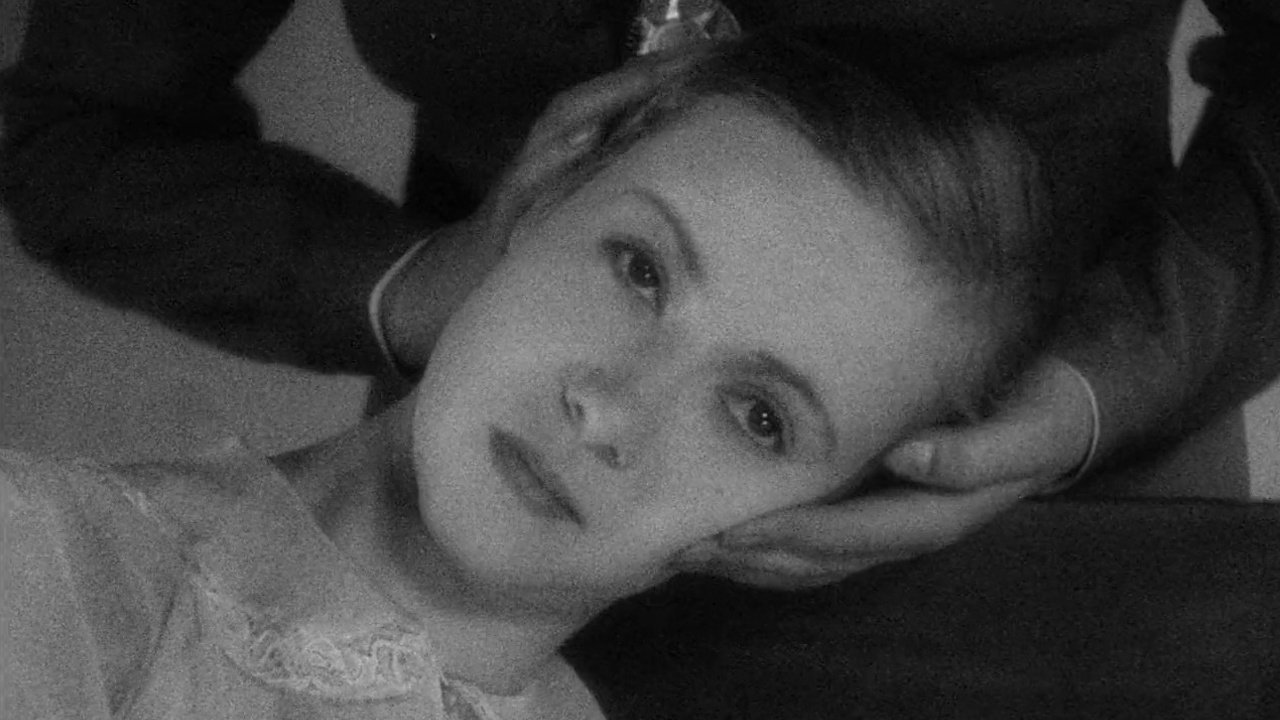
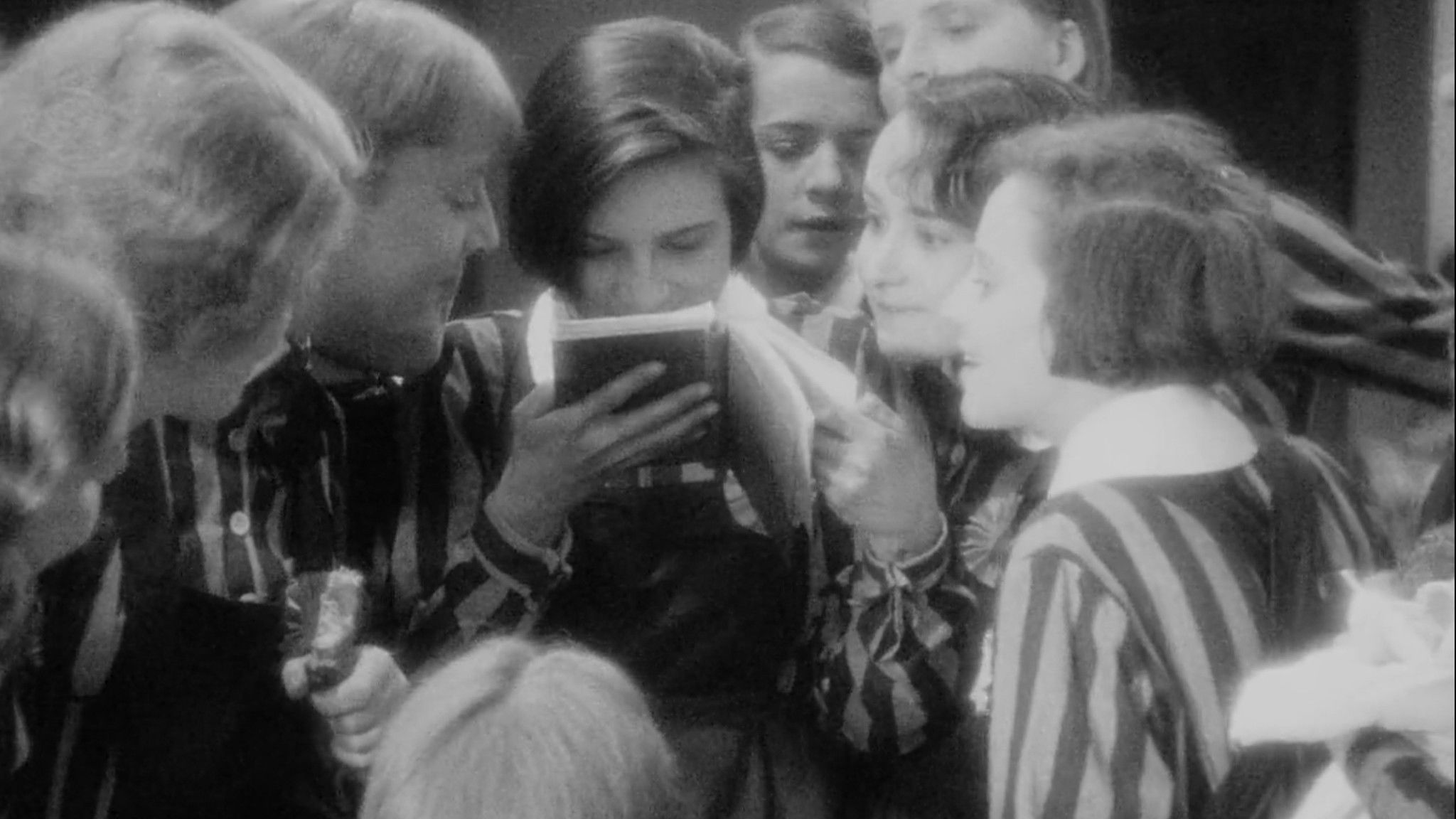
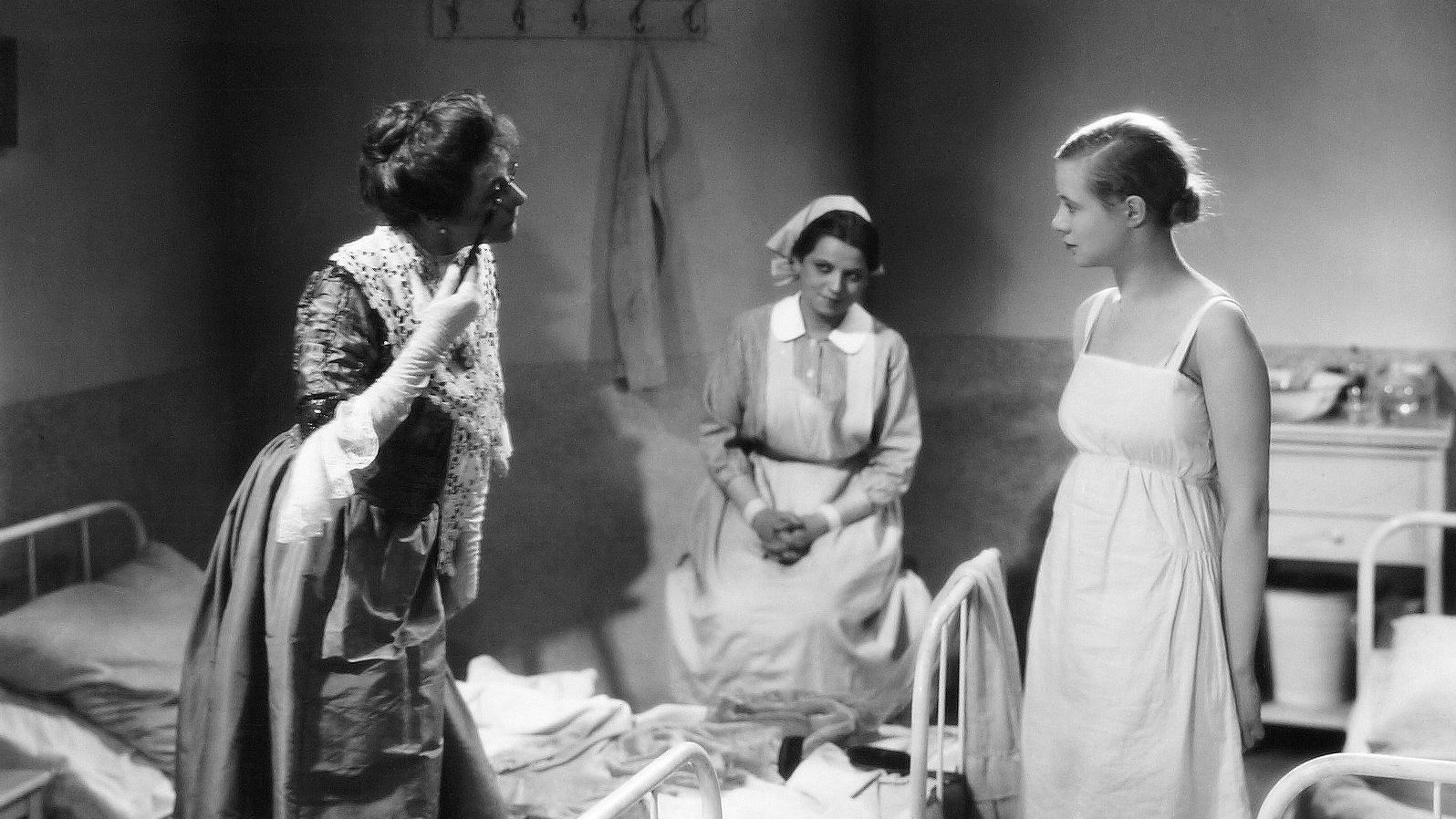
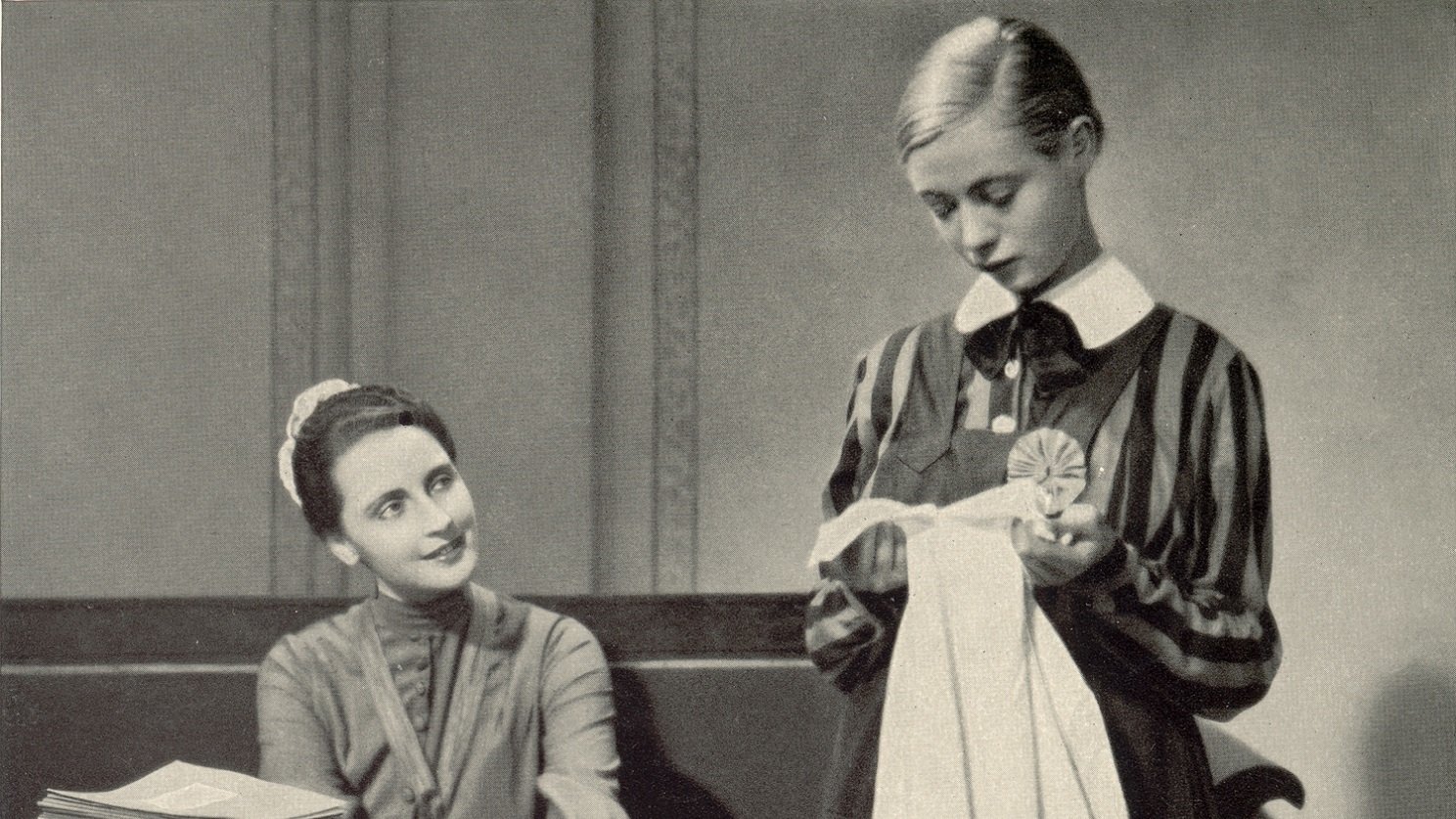
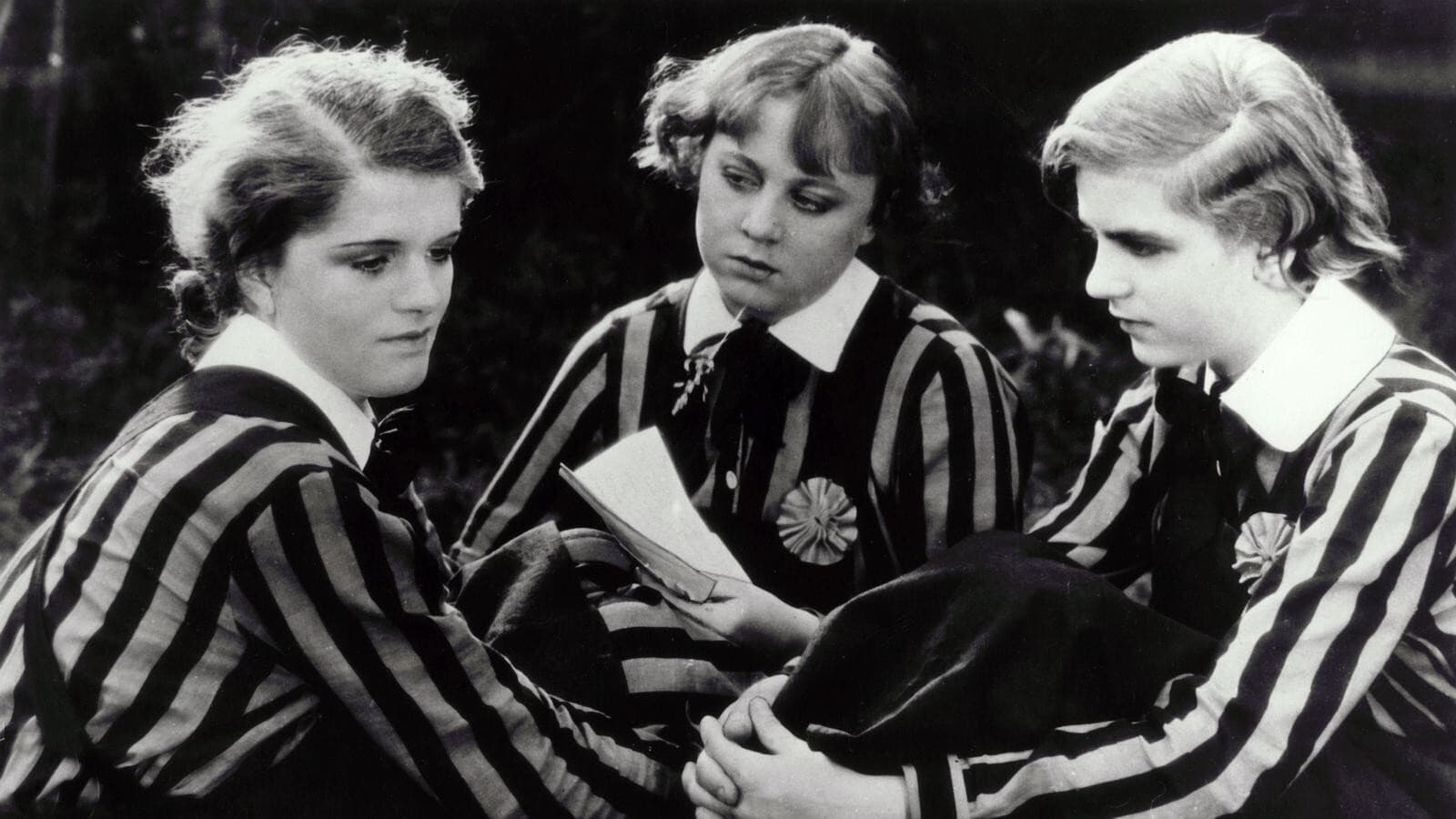
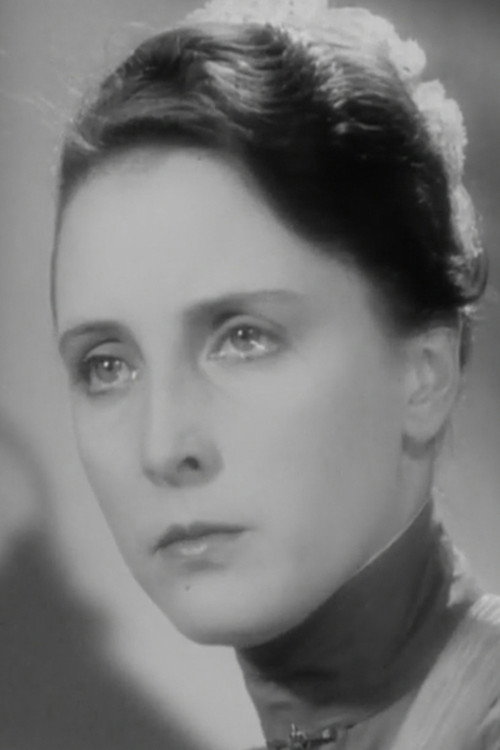
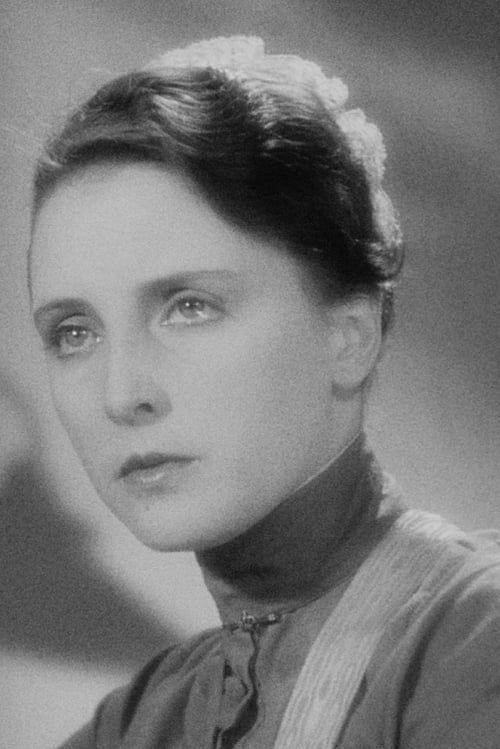
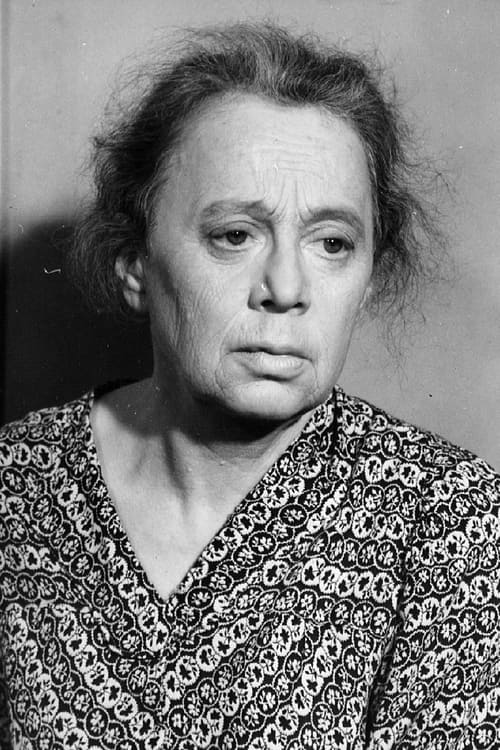
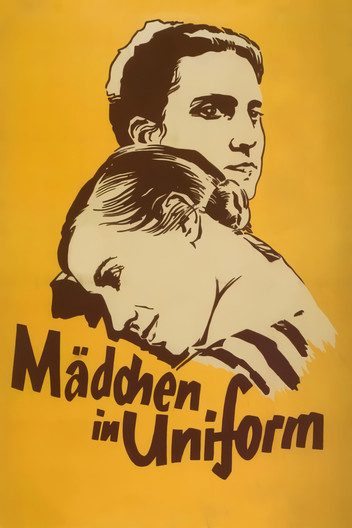
I really enjoyed this movie because I found it so interesting was because the relationship in the film is morally wrong according to the societal norms of the time, but it remains deeply intriguing to watch. Van Burberg’s defense of same-sex attraction to the headmistress, with the quote, “What you call sin, Headmistress, I call the great spirit of love which takes a thousand forms,” clearly alludes to homosexuality and the attitudes surrounding it during that era. Yet, when Van Burberg speaks to Manuela afterward, she suggests that Manuela’s feelings need to be cured, reflecting her attempt to do what she believes is best by echoing the headmistress’s views. What makes the film especially progressive is that it doesn’t vilify the characters who experience same-sex attraction but instead critiques the oppressive system itself. This stance really stands out, especially considering the time period in which the film was made.
I really enjoyed this movie because I found it so interesting was because the relationship in the film is morally wrong according to the societal norms of the time, but it remains deeply intriguing to watch. Van Burberg’s defense of same-sex attraction to the headmistress, with the quote, “What you call sin, Headmistress, I call the great spirit of love which takes a thousand forms,” clearly alludes to homosexuality and the attitudes surrounding it during that era. Yet, when Van Burberg speaks to Manuela afterward, she suggests that Manuela’s feelings need to be cured, reflecting her attempt to do what she believes is best by echoing the headmistress’s views. What makes the film especially progressive is that it doesn’t vilify the characters who experience same-sex attraction but instead critiques the oppressive system itself. This stance really stands out, especially considering the time period in which the film was made.