

2023·War·1h 49m
7.0
★
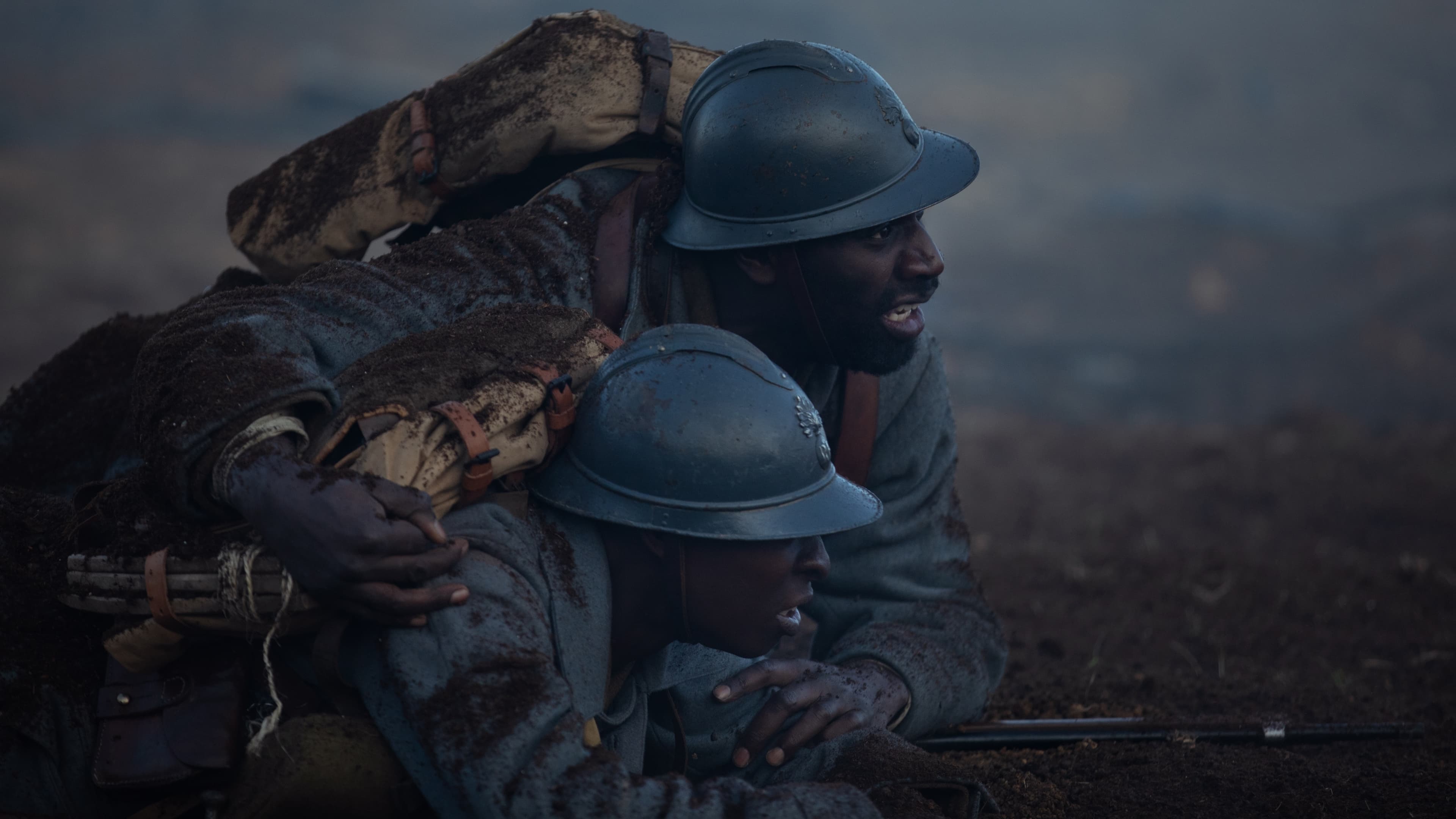

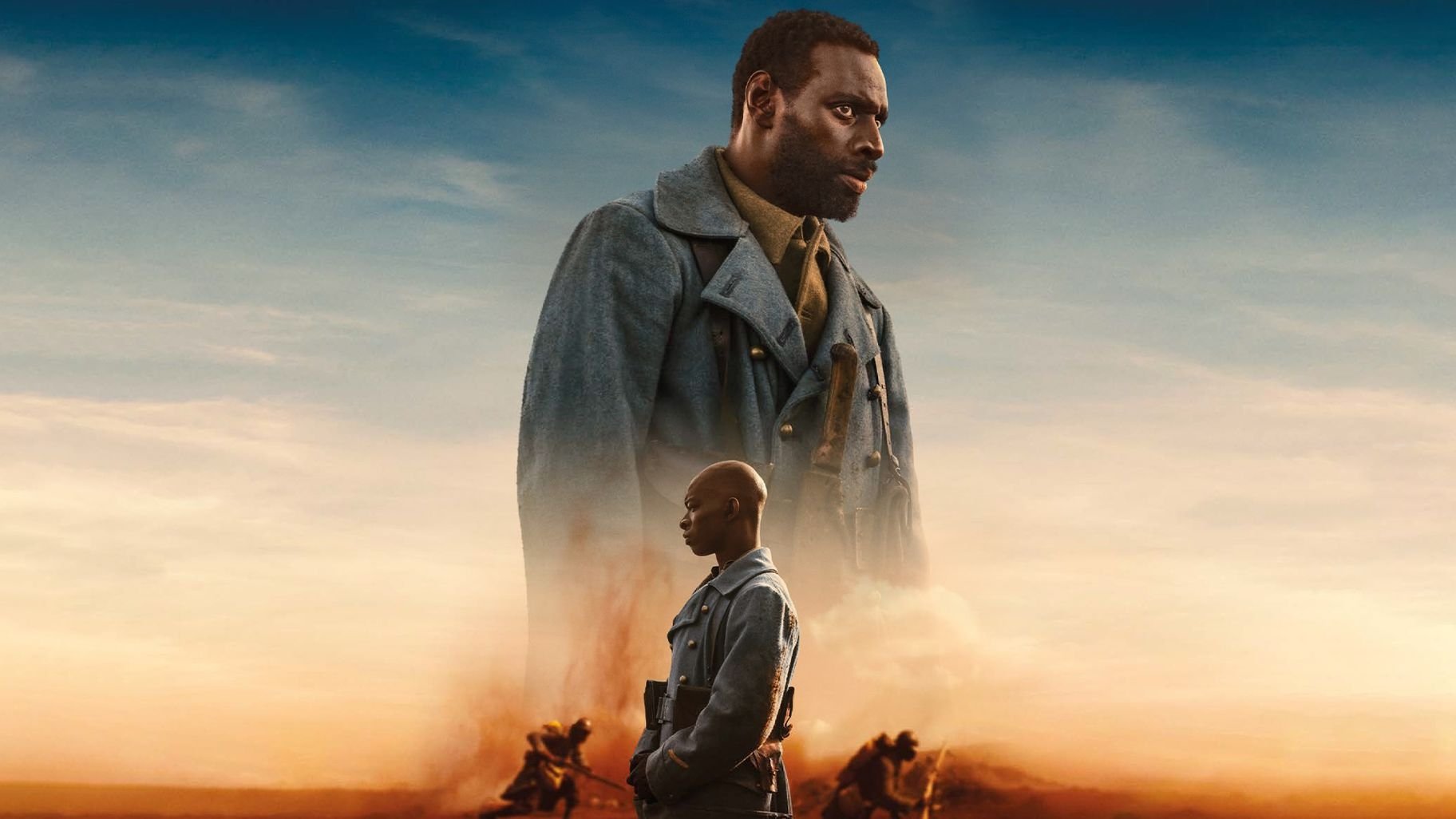
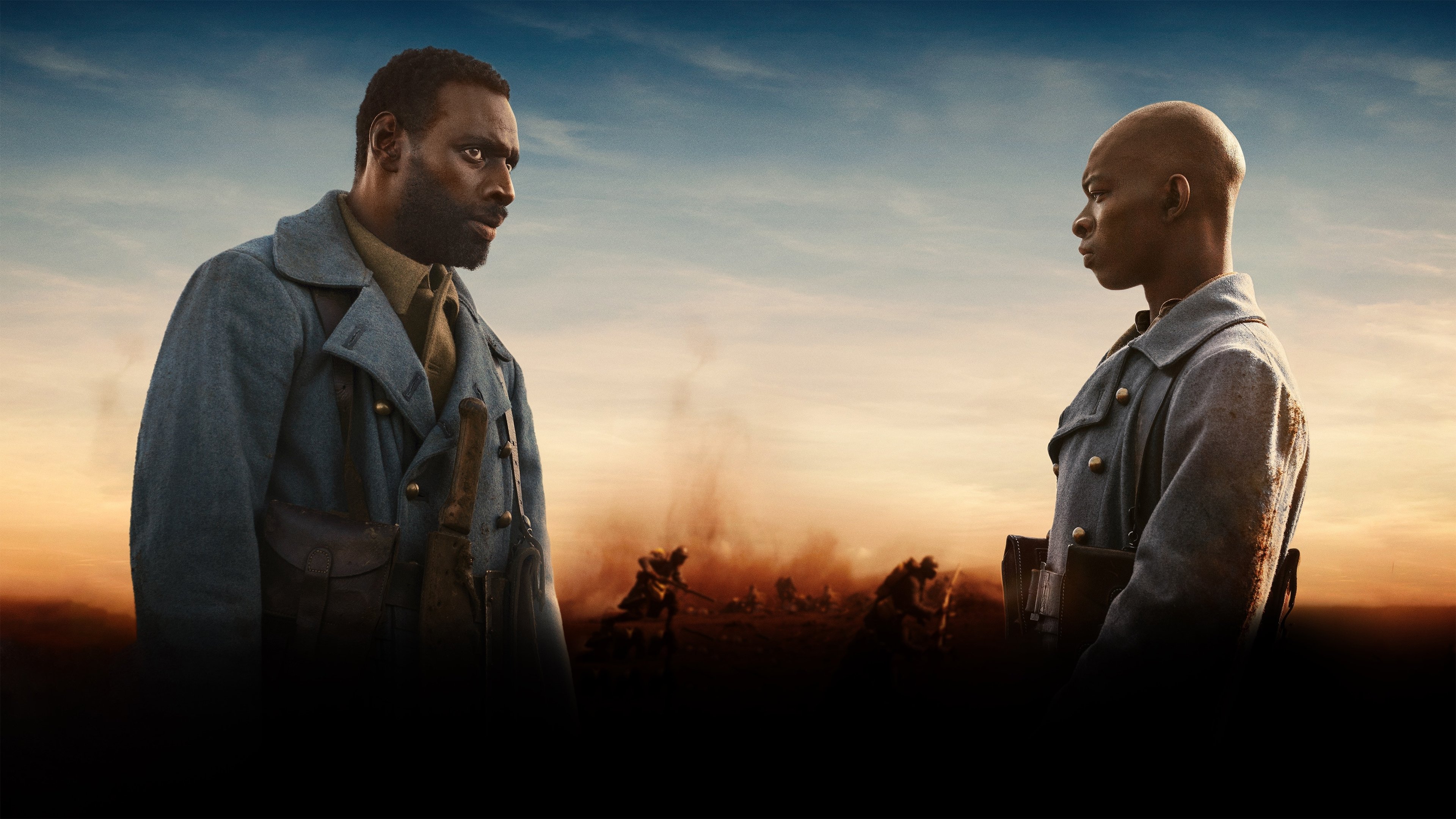
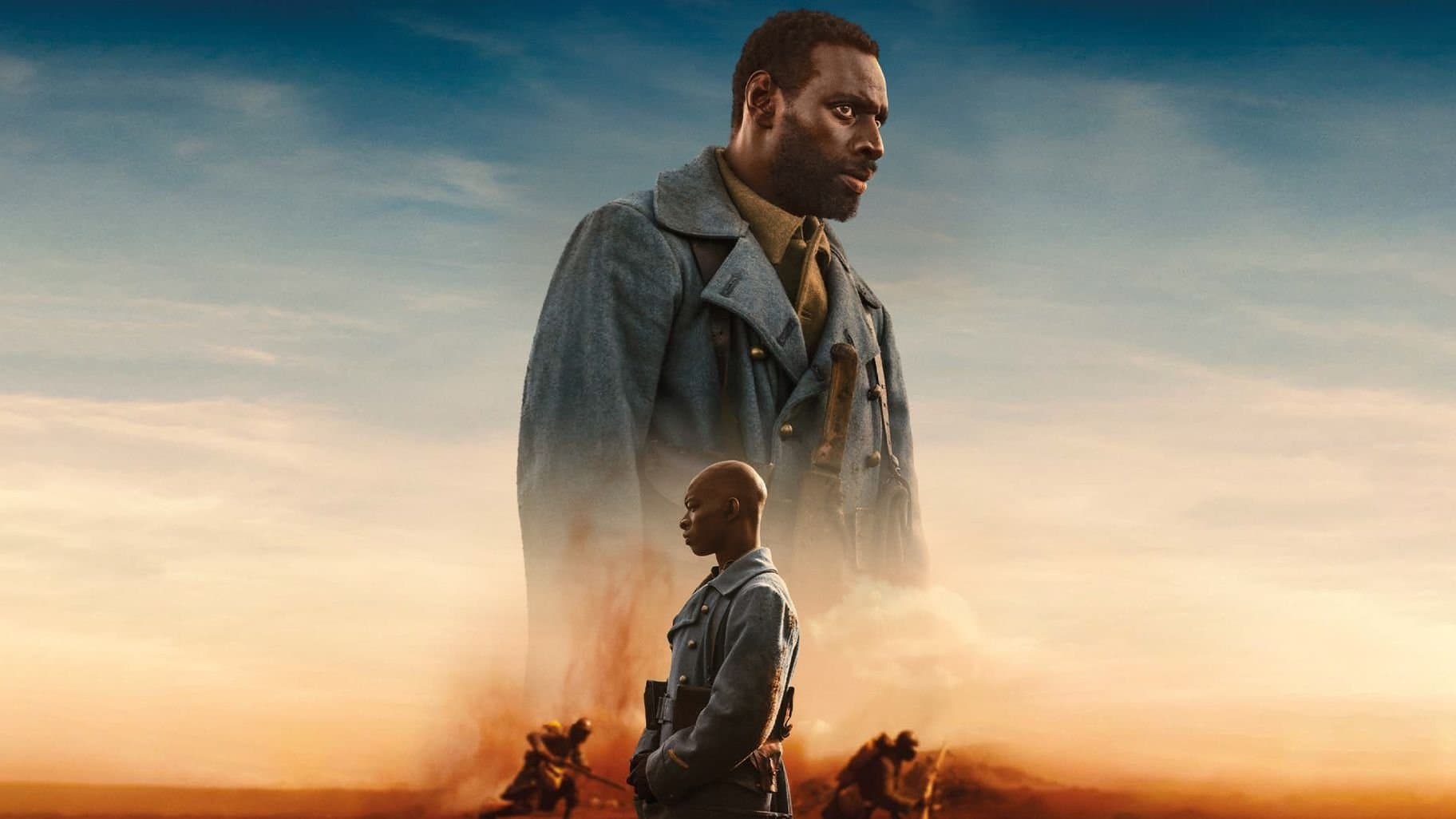
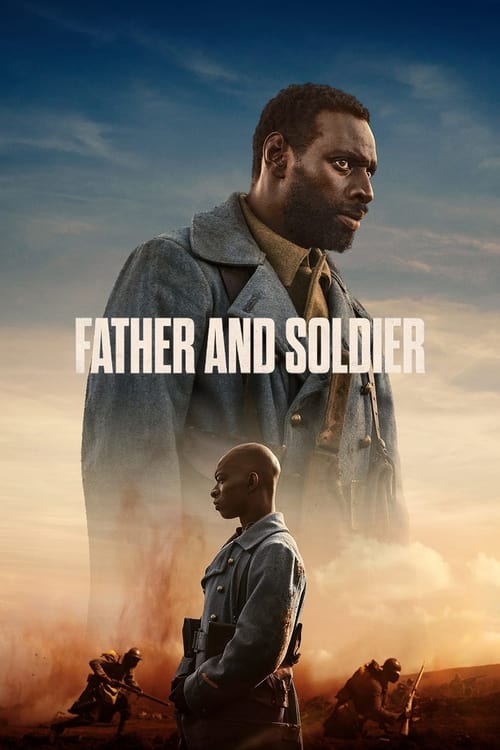
1917. Bakary Diallo enlists in the French army to join his 17-year-old son, Thierno, who has been forcibly recruited. Sent to the front, they will have to face the war together. While Thierno learns to become a man, Bakary will do everything to bring him back safely.
Directed by Mathieu Vadepied

Trailer

IMDB
N/A
Cast
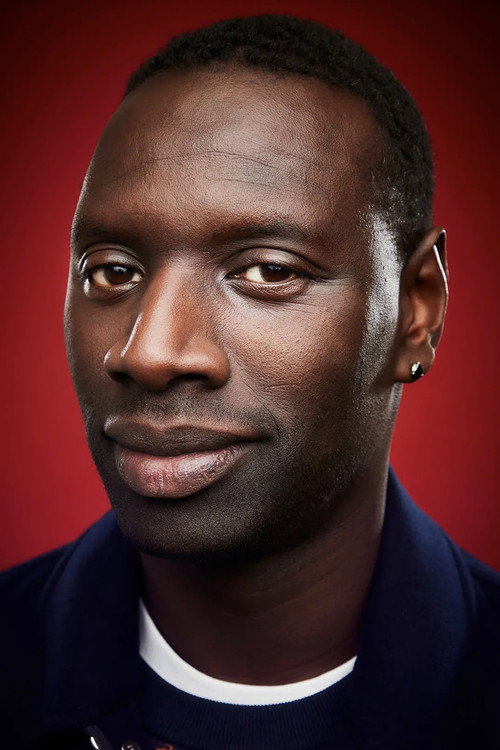
Omar Sy
Bakary Diallo
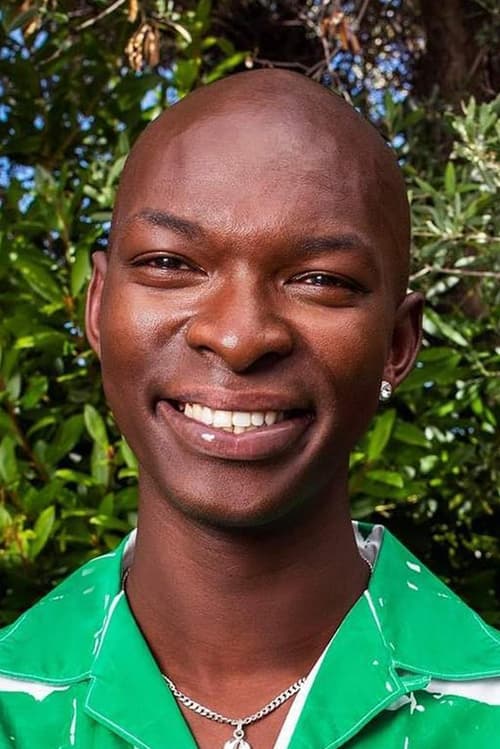
Alassane Diong
Thierno Diallo

Jonas Bloquet
Lieutenant Chambreau
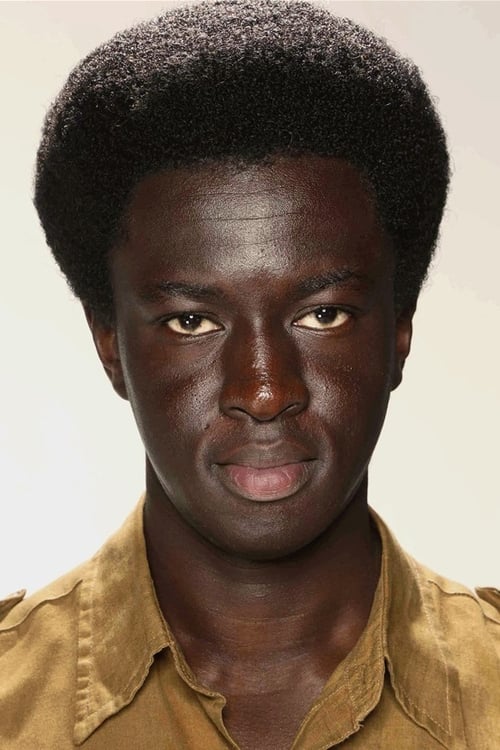
Bamar Kane
Salif
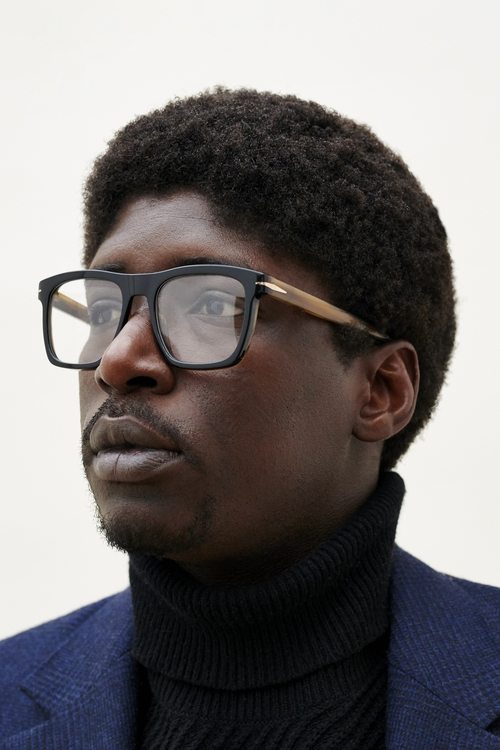
Alassane Sy
Birama
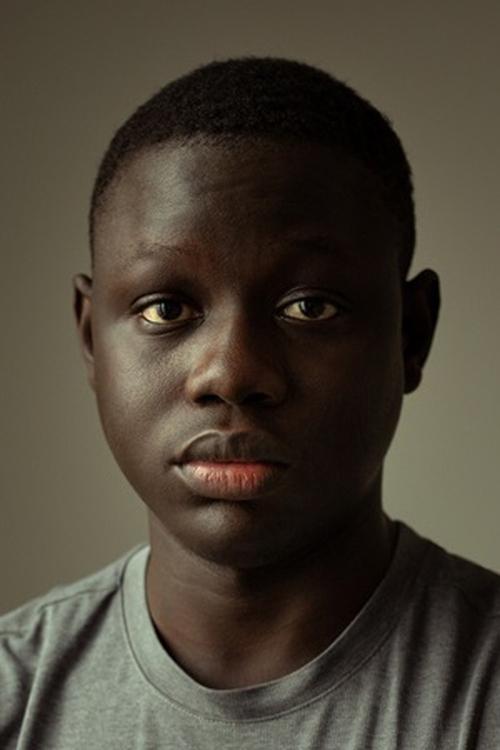
Clément Sambou
Adama

Anthony Martin
Soldat blanc 2 champ ossements

François Chattot
Général Chambreau
Crew

Mathieu Vadepied
Director
Mathieu Vadepied
Screenplay

Olivier Demangel
Screenplay

Alexandre Desplat
Original Music Composer

Xavier Sirven
Editor

Bruno Nahon
Producer
Omar Sy
Producer
Mathieu Vadepied
Co-Producer

Caroline Nataf
Associate Producer
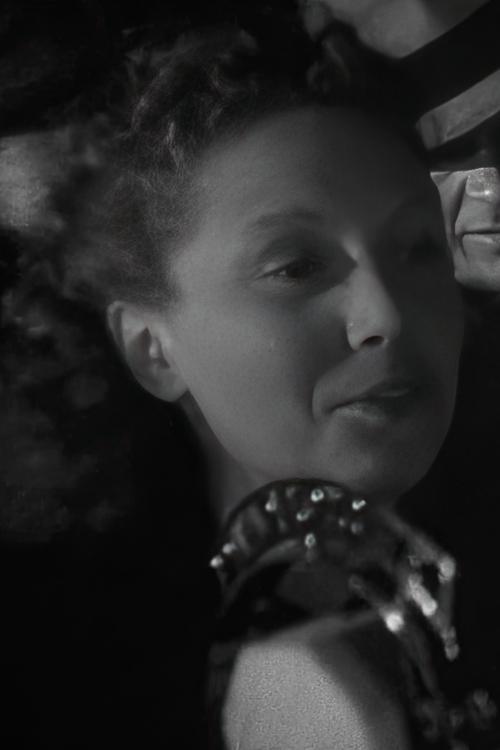
Camille François
Third Assistant Director

Laurens Ehrmann
Visual Effects Supervisor

François Girard
Stunts
Popular Reviews
56 reviews
Markus
3.0★ · 04/28/26
GERMAN VERSION (english below)
Tirailleurs gibt einen neuen Einblick zum den Umfang des Ersten Weltkrieges. Es ist Frankreich im Jahre 1917, neben den französischen Truppen kämpfen auch Afrikaner aus den Kolonien. Sie sind oftmals unfreiwillig eingezogen worden, haben wenig Bezug zu Frankreich selbst, sprechen aber ihre Sprache und haben manchmal auch ihre Schulen in den Kolonien besuchen dürfen. Im Ersten Weltkriege wurden rund 300.000 schwarzafrikanische Soldaten eingesetzt, vor allem aus Westafrika. Die Einheiten des französischen Heeres, die man „Tirailleurs sénégalais“ nannte, waren genau solche; so auch der Namensgeber dieses Films. Hier meldet sich ein Vater freiwillig, um gemeinsam mit seinem zwangseingezogenen Sohn nach Frankreich in den Krieg zu ziehen, wobei er inständig versucht, einen Weg nach Hause zu finden.
Im Großen und Ganzen ist der Film eigentlich nicht ganz so schlecht, er besitzt gute Kostüme und detailreiche Sets mit guten Effekten und überzeugender Belichtung. Das Problem sind leider tatsächlich die Charaktere, die nichts mehr als Möchtegern-tiefgründig sind. Der Vater will seinen Sohn nach Hause bringen und der Sohn ist vom Kriege und den Menschen ganz befangen und möchte kämpfen, das wissen wir im Grunde, doch was die Charaktere wirklich in einzelnen kleinen Szenen machen, was wirklich ihre Motive dort sind, wo sie gerade hingehen, das bleibt stets unklar. Der Film hat keine Übersicht, alles wirkt irgendwie zusammenhangslos. Es wirkt wirklich so, als wolle man nur eine Geschichte erzählen. Die Charaktere leben nicht wirklich, man lässt sie nicht einmal. Einerseits trinkt der Vater kein Alkohol, aufgrund seiner religiösen Überzeugung, macht aber mit, wenn zwei Kameraden von eigenen Leuten abgestochen werden. Was der Sohn macht, ist immerzu ein Rätsel. Sicherlich soll hier eine große Charakterentwicklung vollzogen werden, doch ist sie so undurchsichtig und ungenau, dass man nie weiß, was ihn antreibt, was ihn bewegt. Das er gegen Ende, nach dem Tod seines Vaters, eine Art Affäre mit einer Französin hat, ergibt KEINEN Sinn, es gibt keinen Aufbau zu dieser Szene, es passiert einfach, aber WARUM? WOZU?
Dazu verstehe ich leider nicht, dass unsere Charaktere hier im Jahr 1917 immer noch in der Schlacht von Verdun kämpfen, die eigentlich bereits im Dezember 1916 geschlagen war. Aber gut, ist ja nur das einzige Datum im Film, da hätte man nicht mal schnell nachschauen können.
ENGLISH VERSION***
*********
Tirailleurs provides new insight into the scope of World War I. It is France in 1917, and alongside French troops, Africans from the colonies are also fighting. They were often conscripted against their will, had little connection to France itself, yet spoke their own language and had sometimes been allowed to attend schools in the colonies. During World War I, approximately 300,000 Black African soldiers were deployed, primarily from West Africa. The units of the French army known as the “Tirailleurs sénégalais” were exactly that; the film takes its name from them. Here, a father volunteers to go to war in France alongside his son, who was forcibly conscripted, while desperately trying to find a way home again.
Overall, the film isn’t actually that bad; it features good costumes and detailed sets with solid effects and convincing lighting. The problem, unfortunately, is the characters, who are nothing more than pretentiously profound. The father wants to bring his son home, while the son is completely captivated by the war and the people and wants to fight—we know that much, but what the characters are actually doing in individual small scenes, what their real motives are for where they’re going at any given moment, remains unclear at all times. The film lacks a clear structure; everything feels somewhat disconnected. It really seems as if the filmmakers just wanted to tell a story. The characters don’t really come to life; they aren’t even allowed to. On the one hand, the father doesn’t drink alcohol, due to his religious beliefs, yet he goes along with it when two comrades are stabbed by their own people. What the son does remains a constant mystery. Surely a major character development is supposed to take place here, but it’s so obscure and vague that you never know what drives him, what moves him. The fact that, toward the end, after his father’s death, he has a sort of affair with a French woman makes NO sense; there’s no build-up to this scene—it just happens—but WHY? WHAT FOR?
On top of that, I unfortunately don’t understand why our characters are still fighting in the Battle of Verdun here in 1917, when it actually ended back in December 1916. Anyway, it’s the only date in the whole film, so it’s not like they could have looked it up quickly.
Tirailleurs gibt einen neuen Einblick zum den Umfang des Ersten Weltkrieges. Es ist Frankreich im Jahre 1917, neben den französischen Truppen kämpfen auch Afrikaner aus den Kolonien. Sie sind oftmals unfreiwillig eingezogen worden, haben wenig Bezug zu Frankreich selbst, sprechen aber ihre Sprache und haben manchmal auch ihre Schulen in den Kolonien besuchen dürfen. Im Ersten Weltkriege wurden rund 300.000 schwarzafrikanische Soldaten eingesetzt, vor allem aus Westafrika. Die Einheiten des französischen Heeres, die man „Tirailleurs sénégalais“ nannte, waren genau solche; so auch der Namensgeber dieses Films. Hier meldet sich ein Vater freiwillig, um gemeinsam mit seinem zwangseingezogenen Sohn nach Frankreich in den Krieg zu ziehen, wobei er inständig versucht, einen Weg nach Hause zu finden.
Im Großen und Ganzen ist der Film eigentlich nicht ganz so schlecht, er besitzt gute Kostüme und detailreiche Sets mit guten Effekten und überzeugender Belichtung. Das Problem sind leider tatsächlich die Charaktere, die nichts mehr als Möchtegern-tiefgründig sind. Der Vater will seinen Sohn nach Hause bringen und der Sohn ist vom Kriege und den Menschen ganz befangen und möchte kämpfen, das wissen wir im Grunde, doch was die Charaktere wirklich in einzelnen kleinen Szenen machen, was wirklich ihre Motive dort sind, wo sie gerade hingehen, das bleibt stets unklar. Der Film hat keine Übersicht, alles wirkt irgendwie zusammenhangslos. Es wirkt wirklich so, als wolle man nur eine Geschichte erzählen. Die Charaktere leben nicht wirklich, man lässt sie nicht einmal. Einerseits trinkt der Vater kein Alkohol, aufgrund seiner religiösen Überzeugung, macht aber mit, wenn zwei Kameraden von eigenen Leuten abgestochen werden. Was der Sohn macht, ist immerzu ein Rätsel. Sicherlich soll hier eine große Charakterentwicklung vollzogen werden, doch ist sie so undurchsichtig und ungenau, dass man nie weiß, was ihn antreibt, was ihn bewegt. Das er gegen Ende, nach dem Tod seines Vaters, eine Art Affäre mit einer Französin hat, ergibt KEINEN Sinn, es gibt keinen Aufbau zu dieser Szene, es passiert einfach, aber WARUM? WOZU?
Dazu verstehe ich leider nicht, dass unsere Charaktere hier im Jahr 1917 immer noch in der Schlacht von Verdun kämpfen, die eigentlich bereits im Dezember 1916 geschlagen war. Aber gut, ist ja nur das einzige Datum im Film, da hätte man nicht mal schnell nachschauen können.
ENGLISH VERSION***
*********
Tirailleurs provides new insight into the scope of World War I. It is France in 1917, and alongside French troops, Africans from the colonies are also fighting. They were often conscripted against their will, had little connection to France itself, yet spoke their own language and had sometimes been allowed to attend schools in the colonies. During World War I, approximately 300,000 Black African soldiers were deployed, primarily from West Africa. The units of the French army known as the “Tirailleurs sénégalais” were exactly that; the film takes its name from them. Here, a father volunteers to go to war in France alongside his son, who was forcibly conscripted, while desperately trying to find a way home again.
Overall, the film isn’t actually that bad; it features good costumes and detailed sets with solid effects and convincing lighting. The problem, unfortunately, is the characters, who are nothing more than pretentiously profound. The father wants to bring his son home, while the son is completely captivated by the war and the people and wants to fight—we know that much, but what the characters are actually doing in individual small scenes, what their real motives are for where they’re going at any given moment, remains unclear at all times. The film lacks a clear structure; everything feels somewhat disconnected. It really seems as if the filmmakers just wanted to tell a story. The characters don’t really come to life; they aren’t even allowed to. On the one hand, the father doesn’t drink alcohol, due to his religious beliefs, yet he goes along with it when two comrades are stabbed by their own people. What the son does remains a constant mystery. Surely a major character development is supposed to take place here, but it’s so obscure and vague that you never know what drives him, what moves him. The fact that, toward the end, after his father’s death, he has a sort of affair with a French woman makes NO sense; there’s no build-up to this scene—it just happens—but WHY? WHAT FOR?
On top of that, I unfortunately don’t understand why our characters are still fighting in the Battle of Verdun here in 1917, when it actually ended back in December 1916. Anyway, it’s the only date in the whole film, so it’s not like they could have looked it up quickly.
GERMAN VERSION (english below)
Tirailleurs gibt einen neuen Einblick zum den Umfang des Ersten Weltkrieges. Es ist Frankreich im Jahre 1917, neben den französischen Truppen kämpfen auch Afrikaner aus den Kolonien. Sie sind oftmals unfreiwillig eingezogen worden, haben wenig Bezug zu Frankreich selbst, sprechen aber ihre Sprache und haben manchmal auch ihre Schulen in den Kolonien besuchen dürfen. Im Ersten Weltkriege wurden rund 300.000 schwarzafrikanische Soldaten eingesetzt, vor allem aus Westafrika. Die Einheiten des französischen Heeres, die man „Tirailleurs sénégalais“ nannte, waren genau solche; so auch der Namensgeber dieses Films. Hier meldet sich ein Vater freiwillig, um gemeinsam mit seinem zwangseingezogenen Sohn nach Frankreich in den Krieg zu ziehen, wobei er inständig versucht, einen Weg nach Hause zu finden.
Im Großen und Ganzen ist der Film eigentlich nicht ganz so schlecht, er besitzt gute Kostüme und detailreiche Sets mit guten Effekten und überzeugender Belichtung. Das Problem sind leider tatsächlich die Charaktere, die nichts mehr als Möchtegern-tiefgründig sind. Der Vater will seinen Sohn nach Hause bringen und der Sohn ist vom Kriege und den Menschen ganz befangen und möchte kämpfen, das wissen wir im Grunde, doch was die Charaktere wirklich in einzelnen kleinen Szenen machen, was wirklich ihre Motive dort sind, wo sie gerade hingehen, das bleibt stets unklar. Der Film hat keine Übersicht, alles wirkt irgendwie zusammenhangslos. Es wirkt wirklich so, als wolle man nur eine Geschichte erzählen. Die Charaktere leben nicht wirklich, man lässt sie nicht einmal. Einerseits trinkt der Vater kein Alkohol, aufgrund seiner religiösen Überzeugung, macht aber mit, wenn zwei Kameraden von eigenen Leuten abgestochen werden. Was der Sohn macht, ist immerzu ein Rätsel. Sicherlich soll hier eine große Charakterentwicklung vollzogen werden, doch ist sie so undurchsichtig und ungenau, dass man nie weiß, was ihn antreibt, was ihn bewegt. Das er gegen Ende, nach dem Tod seines Vaters, eine Art Affäre mit einer Französin hat, ergibt KEINEN Sinn, es gibt keinen Aufbau zu dieser Szene, es passiert einfach, aber WARUM? WOZU?
Dazu verstehe ich leider nicht, dass unsere Charaktere hier im Jahr 1917 immer noch in der Schlacht von Verdun kämpfen, die eigentlich bereits im Dezember 1916 geschlagen war. Aber gut, ist ja nur das einzige Datum im Film, da hätte man nicht mal schnell nachschauen können.
ENGLISH VERSION***
*********
Tirailleurs provides new insight into the scope of World War I. It is France in 1917, and alongside French troops, Africans from the colonies are also fighting. They were often conscripted against their will, had little connection to France itself, yet spoke their own language and had sometimes been allowed to attend schools in the colonies. During World War I, approximately 300,000 Black African soldiers were deployed, primarily from West Africa. The units of the French army known as the “Tirailleurs sénégalais” were exactly that; the film takes its name from them. Here, a father volunteers to go to war in France alongside his son, who was forcibly conscripted, while desperately trying to find a way home again.
Overall, the film isn’t actually that bad; it features good costumes and detailed sets with solid effects and convincing lighting. The problem, unfortunately, is the characters, who are nothing more than pretentiously profound. The father wants to bring his son home, while the son is completely captivated by the war and the people and wants to fight—we know that much, but what the characters are actually doing in individual small scenes, what their real motives are for where they’re going at any given moment, remains unclear at all times. The film lacks a clear structure; everything feels somewhat disconnected. It really seems as if the filmmakers just wanted to tell a story. The characters don’t really come to life; they aren’t even allowed to. On the one hand, the father doesn’t drink alcohol, due to his religious beliefs, yet he goes along with it when two comrades are stabbed by their own people. What the son does remains a constant mystery. Surely a major character development is supposed to take place here, but it’s so obscure and vague that you never know what drives him, what moves him. The fact that, toward the end, after his father’s death, he has a sort of affair with a French woman makes NO sense; there’s no build-up to this scene—it just happens—but WHY? WHAT FOR?
On top of that, I unfortunately don’t understand why our characters are still fighting in the Battle of Verdun here in 1917, when it actually ended back in December 1916. Anyway, it’s the only date in the whole film, so it’s not like they could have looked it up quickly.
Tirailleurs gibt einen neuen Einblick zum den Umfang des Ersten Weltkrieges. Es ist Frankreich im Jahre 1917, neben den französischen Truppen kämpfen auch Afrikaner aus den Kolonien. Sie sind oftmals unfreiwillig eingezogen worden, haben wenig Bezug zu Frankreich selbst, sprechen aber ihre Sprache und haben manchmal auch ihre Schulen in den Kolonien besuchen dürfen. Im Ersten Weltkriege wurden rund 300.000 schwarzafrikanische Soldaten eingesetzt, vor allem aus Westafrika. Die Einheiten des französischen Heeres, die man „Tirailleurs sénégalais“ nannte, waren genau solche; so auch der Namensgeber dieses Films. Hier meldet sich ein Vater freiwillig, um gemeinsam mit seinem zwangseingezogenen Sohn nach Frankreich in den Krieg zu ziehen, wobei er inständig versucht, einen Weg nach Hause zu finden.
Im Großen und Ganzen ist der Film eigentlich nicht ganz so schlecht, er besitzt gute Kostüme und detailreiche Sets mit guten Effekten und überzeugender Belichtung. Das Problem sind leider tatsächlich die Charaktere, die nichts mehr als Möchtegern-tiefgründig sind. Der Vater will seinen Sohn nach Hause bringen und der Sohn ist vom Kriege und den Menschen ganz befangen und möchte kämpfen, das wissen wir im Grunde, doch was die Charaktere wirklich in einzelnen kleinen Szenen machen, was wirklich ihre Motive dort sind, wo sie gerade hingehen, das bleibt stets unklar. Der Film hat keine Übersicht, alles wirkt irgendwie zusammenhangslos. Es wirkt wirklich so, als wolle man nur eine Geschichte erzählen. Die Charaktere leben nicht wirklich, man lässt sie nicht einmal. Einerseits trinkt der Vater kein Alkohol, aufgrund seiner religiösen Überzeugung, macht aber mit, wenn zwei Kameraden von eigenen Leuten abgestochen werden. Was der Sohn macht, ist immerzu ein Rätsel. Sicherlich soll hier eine große Charakterentwicklung vollzogen werden, doch ist sie so undurchsichtig und ungenau, dass man nie weiß, was ihn antreibt, was ihn bewegt. Das er gegen Ende, nach dem Tod seines Vaters, eine Art Affäre mit einer Französin hat, ergibt KEINEN Sinn, es gibt keinen Aufbau zu dieser Szene, es passiert einfach, aber WARUM? WOZU?
Dazu verstehe ich leider nicht, dass unsere Charaktere hier im Jahr 1917 immer noch in der Schlacht von Verdun kämpfen, die eigentlich bereits im Dezember 1916 geschlagen war. Aber gut, ist ja nur das einzige Datum im Film, da hätte man nicht mal schnell nachschauen können.
ENGLISH VERSION***
*********
Tirailleurs provides new insight into the scope of World War I. It is France in 1917, and alongside French troops, Africans from the colonies are also fighting. They were often conscripted against their will, had little connection to France itself, yet spoke their own language and had sometimes been allowed to attend schools in the colonies. During World War I, approximately 300,000 Black African soldiers were deployed, primarily from West Africa. The units of the French army known as the “Tirailleurs sénégalais” were exactly that; the film takes its name from them. Here, a father volunteers to go to war in France alongside his son, who was forcibly conscripted, while desperately trying to find a way home again.
Overall, the film isn’t actually that bad; it features good costumes and detailed sets with solid effects and convincing lighting. The problem, unfortunately, is the characters, who are nothing more than pretentiously profound. The father wants to bring his son home, while the son is completely captivated by the war and the people and wants to fight—we know that much, but what the characters are actually doing in individual small scenes, what their real motives are for where they’re going at any given moment, remains unclear at all times. The film lacks a clear structure; everything feels somewhat disconnected. It really seems as if the filmmakers just wanted to tell a story. The characters don’t really come to life; they aren’t even allowed to. On the one hand, the father doesn’t drink alcohol, due to his religious beliefs, yet he goes along with it when two comrades are stabbed by their own people. What the son does remains a constant mystery. Surely a major character development is supposed to take place here, but it’s so obscure and vague that you never know what drives him, what moves him. The fact that, toward the end, after his father’s death, he has a sort of affair with a French woman makes NO sense; there’s no build-up to this scene—it just happens—but WHY? WHAT FOR?
On top of that, I unfortunately don’t understand why our characters are still fighting in the Battle of Verdun here in 1917, when it actually ended back in December 1916. Anyway, it’s the only date in the whole film, so it’s not like they could have looked it up quickly.


Paul Willeke
6.0★ · 09/17/24
The idea is good, but it doesn’t really work.
The idea is good, but it doesn’t really work.
ariane
8.0★ · 01/22/24
Quand on pense que ça va aller mieux ça devient pire
Quand on pense que ça va aller mieux ça devient pire
Old DolioPRO
Vous êtes tous complètement matrixés par les films de guerre, vous pensez être en mesure de parler du côté planplan du film, de ses lacunes émotionnelles, de je sais pas quoi, mais vous vous rendez compte de l'indécence du truc ? "J'adore les films de guerre" mais non mon gars des gens sont morts en fait
Vous êtes tous complètement matrixés par les films de guerre, vous pensez être en mesure de parler du côté planplan du film, de ses lacunes émotionnelles, de je sais pas quoi, mais vous vous rendez compte de l'indécence du truc ? "J'adore les films de guerre" mais non mon gars des gens sont morts en fait
Marius Masson
4.6★ · 01/28/23
Tirailleurs est un film qui m’a permis de mieux connaître l’histoire des tirailleurs venus du continent africain pour combattre en France durant la seconde guerre mondiale. Omar Sy interprète très bien son rôle. Même si le film est constitué de quelques longueurs, la mise en scène était plutôt efficace. L’évolution psychologique du personnage de Thierno est également bien mené. Les scènes d’actions sont plutôt efficaces, même si ce n’est pas le sujet du film.
Bref : un film historique très intéressant, parlant d’un sujet pas assez évoqué, avec une bonne mise en scène malgré quelques longueurs.
Bref : un film historique très intéressant, parlant d’un sujet pas assez évoqué, avec une bonne mise en scène malgré quelques longueurs.
Tirailleurs est un film qui m’a permis de mieux connaître l’histoire des tirailleurs venus du continent africain pour combattre en France durant la seconde guerre mondiale. Omar Sy interprète très bien son rôle. Même si le film est constitué de quelques longueurs, la mise en scène était plutôt efficace. L’évolution psychologique du personnage de Thierno est également bien mené. Les scènes d’actions sont plutôt efficaces, même si ce n’est pas le sujet du film.
Bref : un film historique très intéressant, parlant d’un sujet pas assez évoqué, avec une bonne mise en scène malgré quelques longueurs.
Bref : un film historique très intéressant, parlant d’un sujet pas assez évoqué, avec une bonne mise en scène malgré quelques longueurs.