Kiss me. When I'm being fucked, I like to get kissed a lot.
An unpromising story and a low budget have always been some of the elements that Lumet has struggled with in his films, but he has always come out on top. As he did in 12 Angry Men, he gives himself over to a stifling narrative, shot in a single location for 95% of the film, and which should be a must for anyone who wants to direct a half-decent thriller.
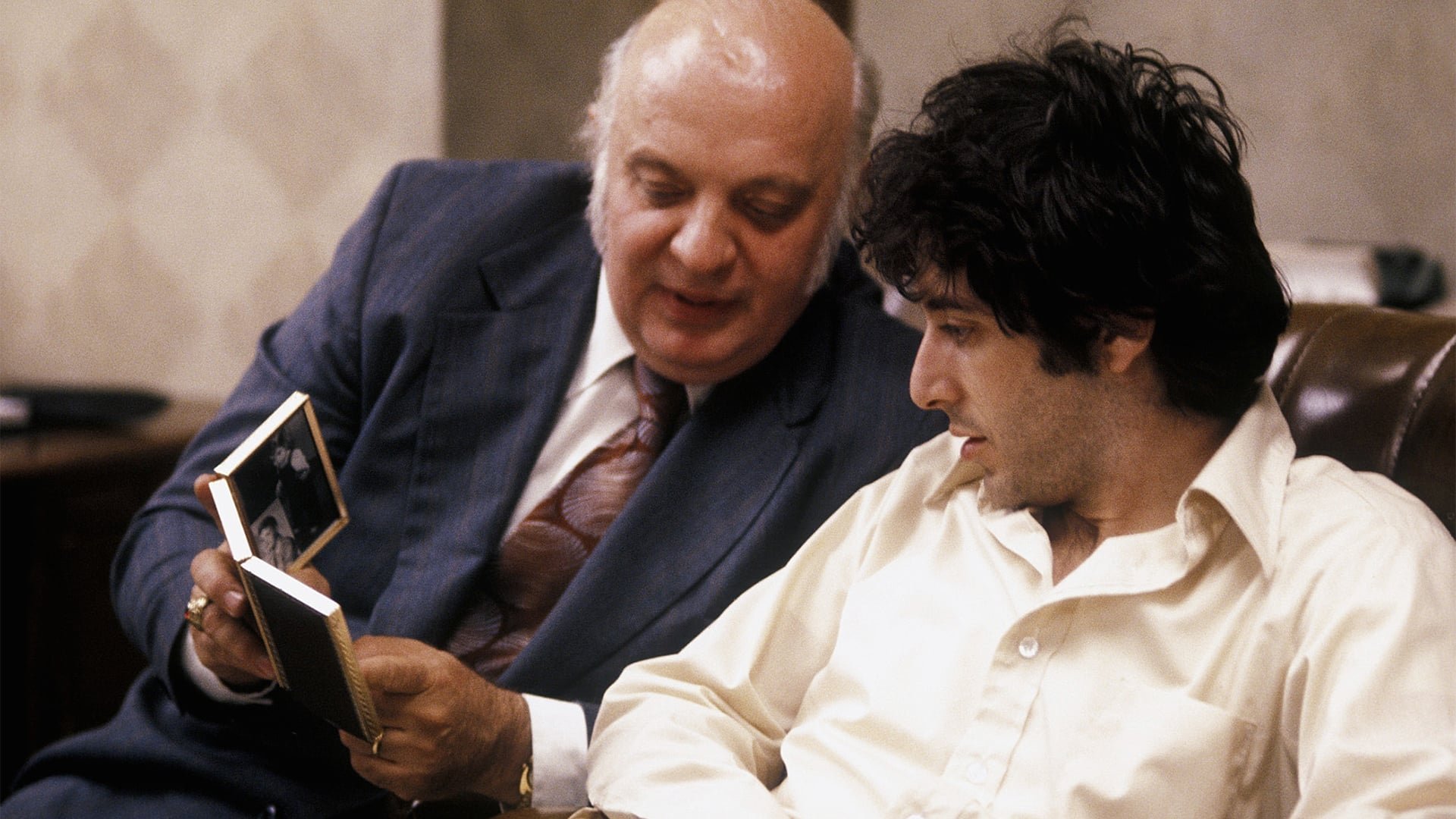
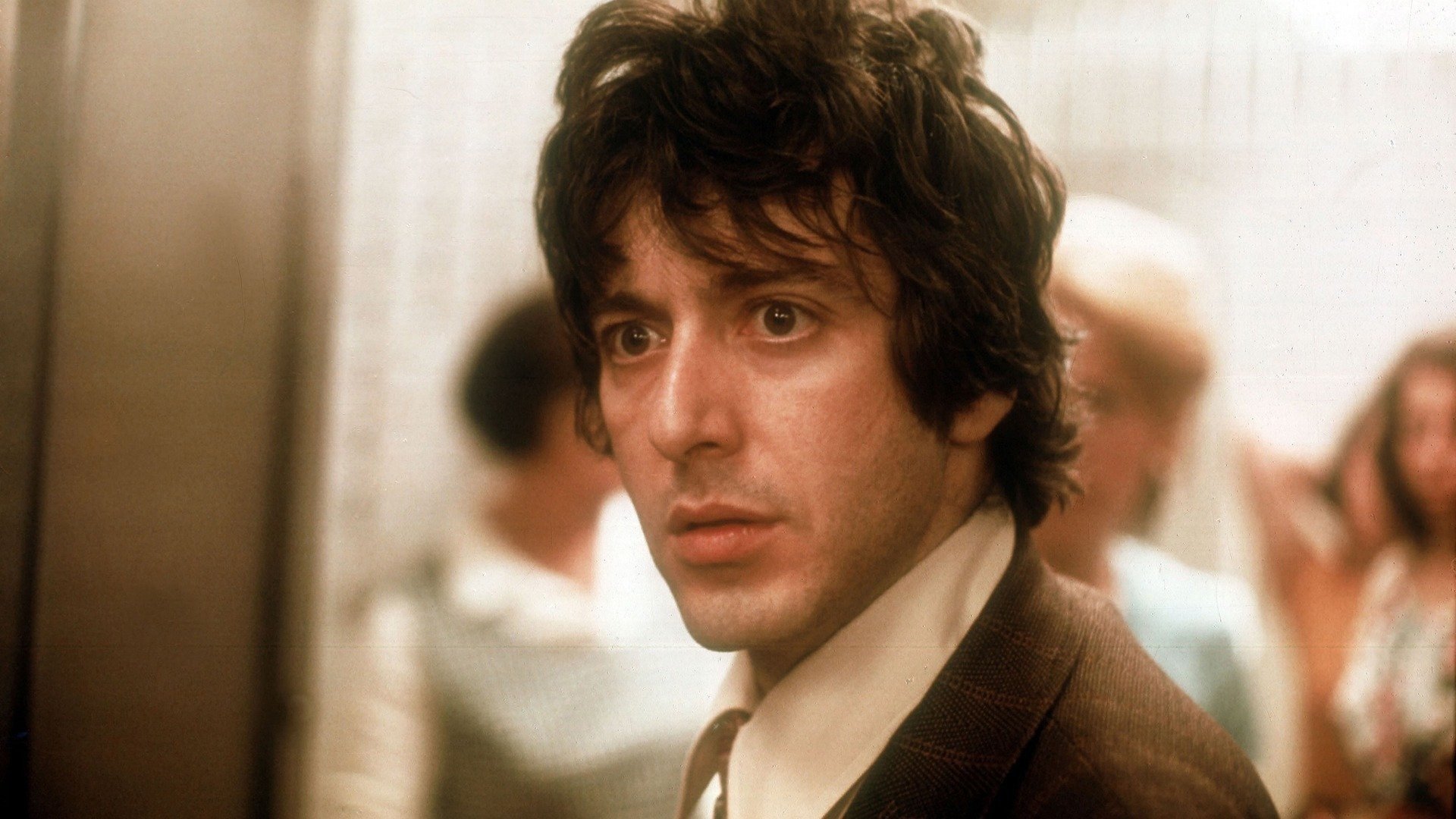
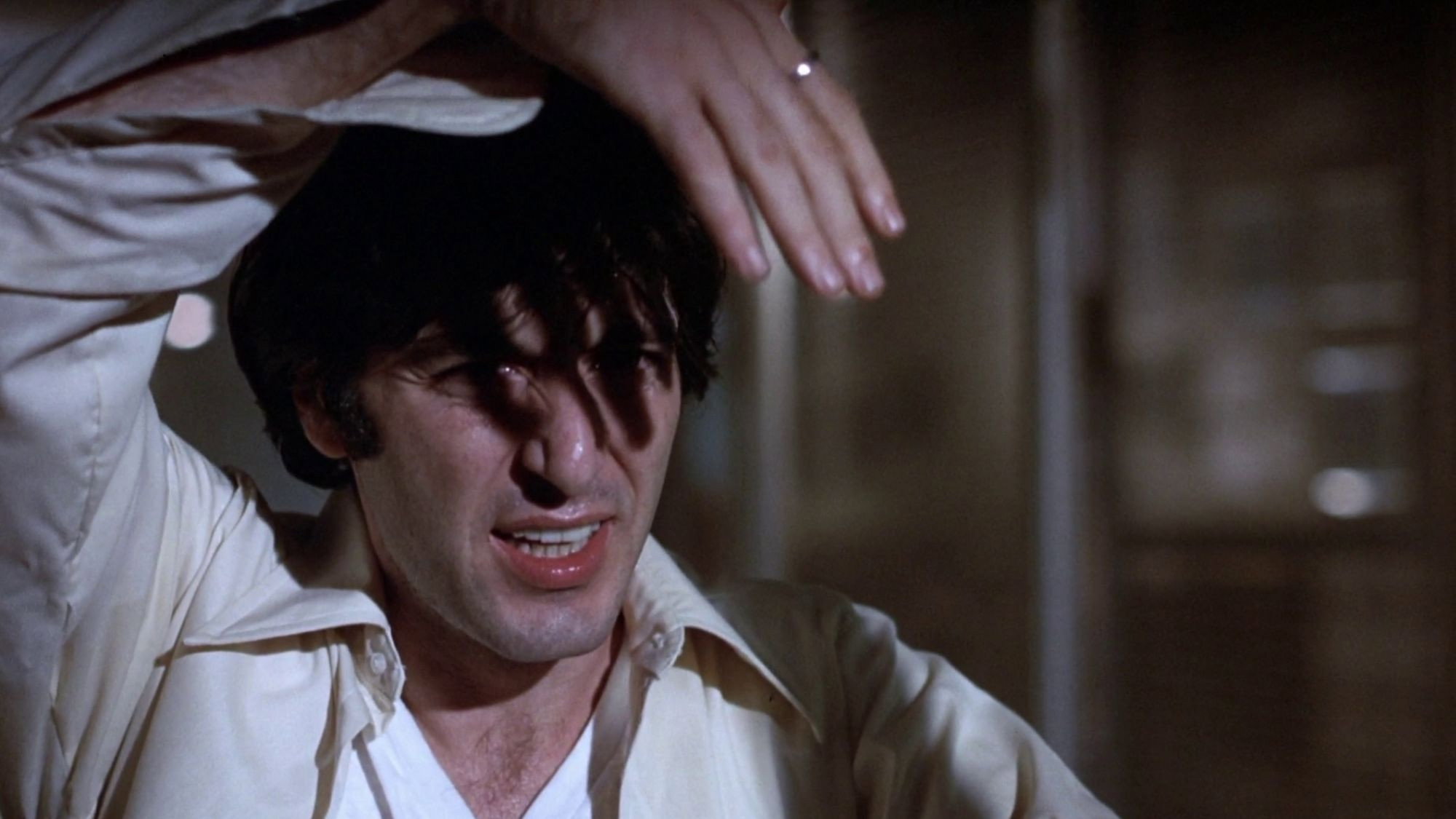
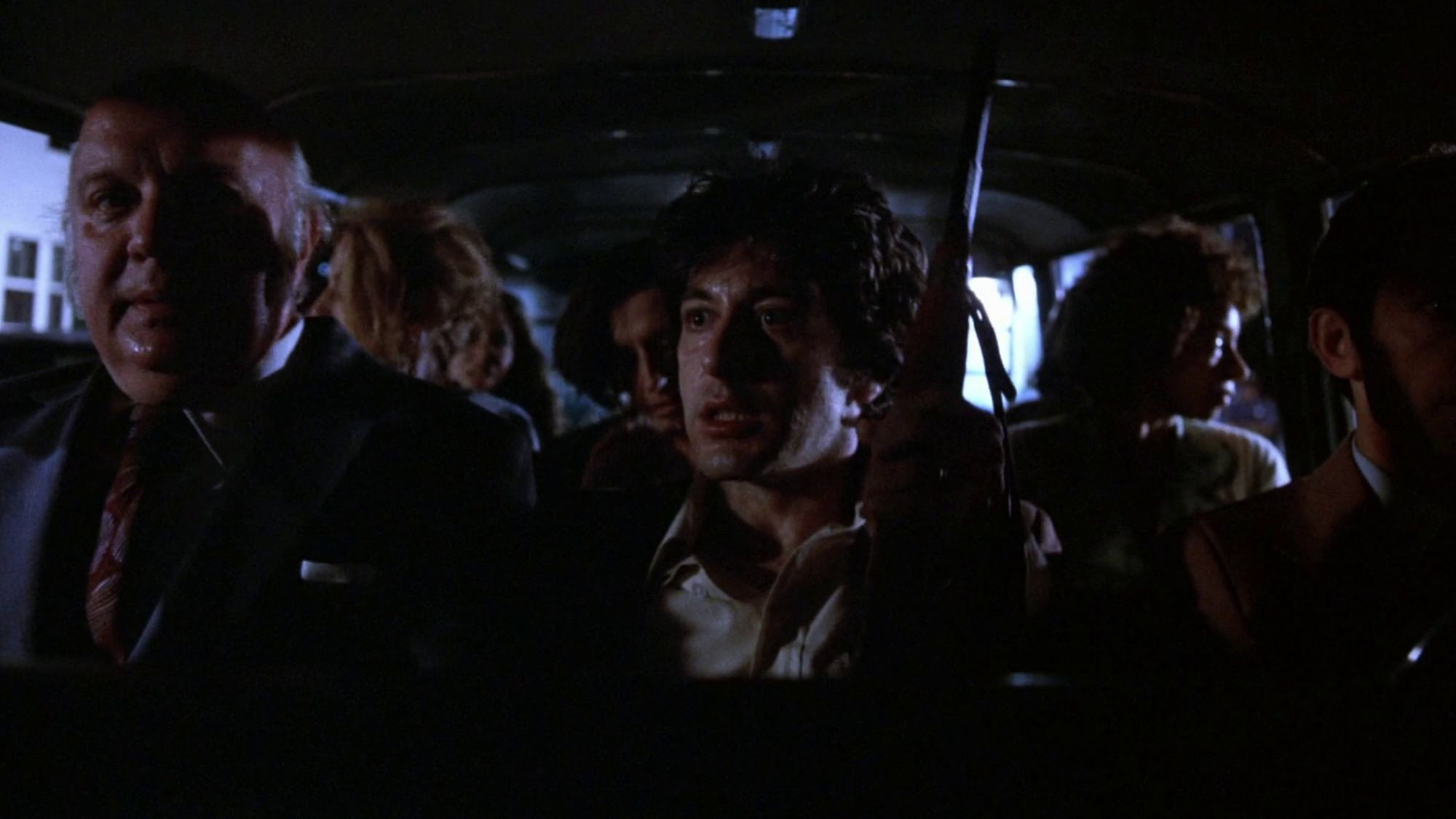
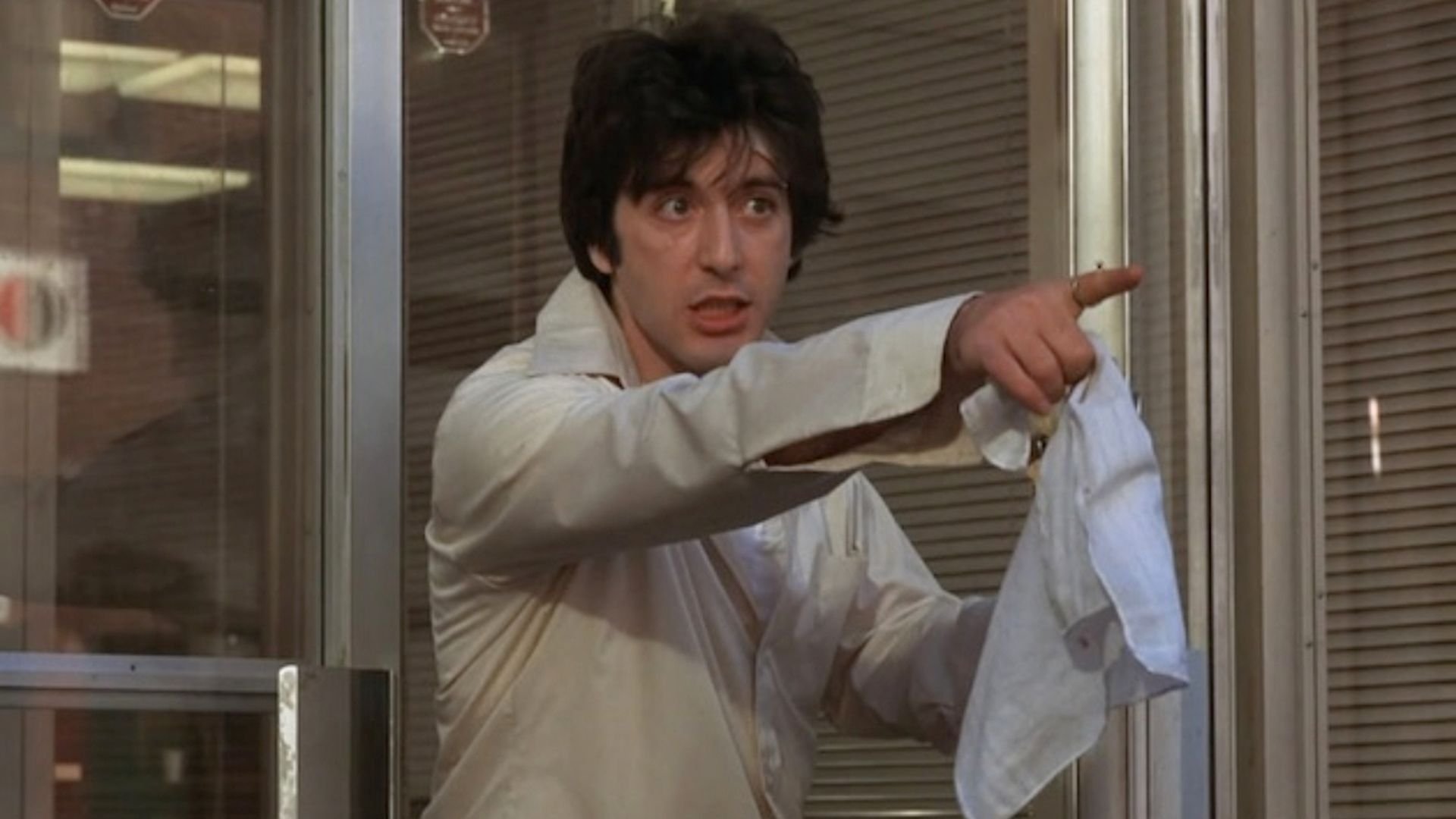
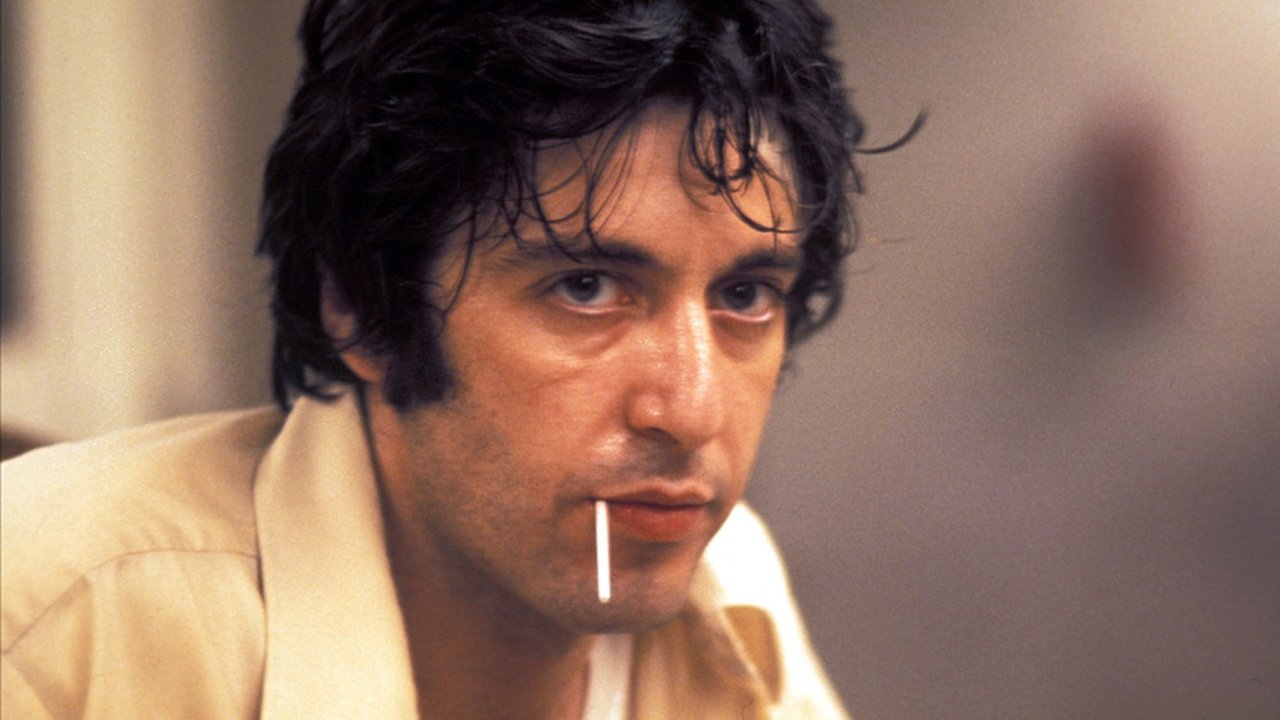
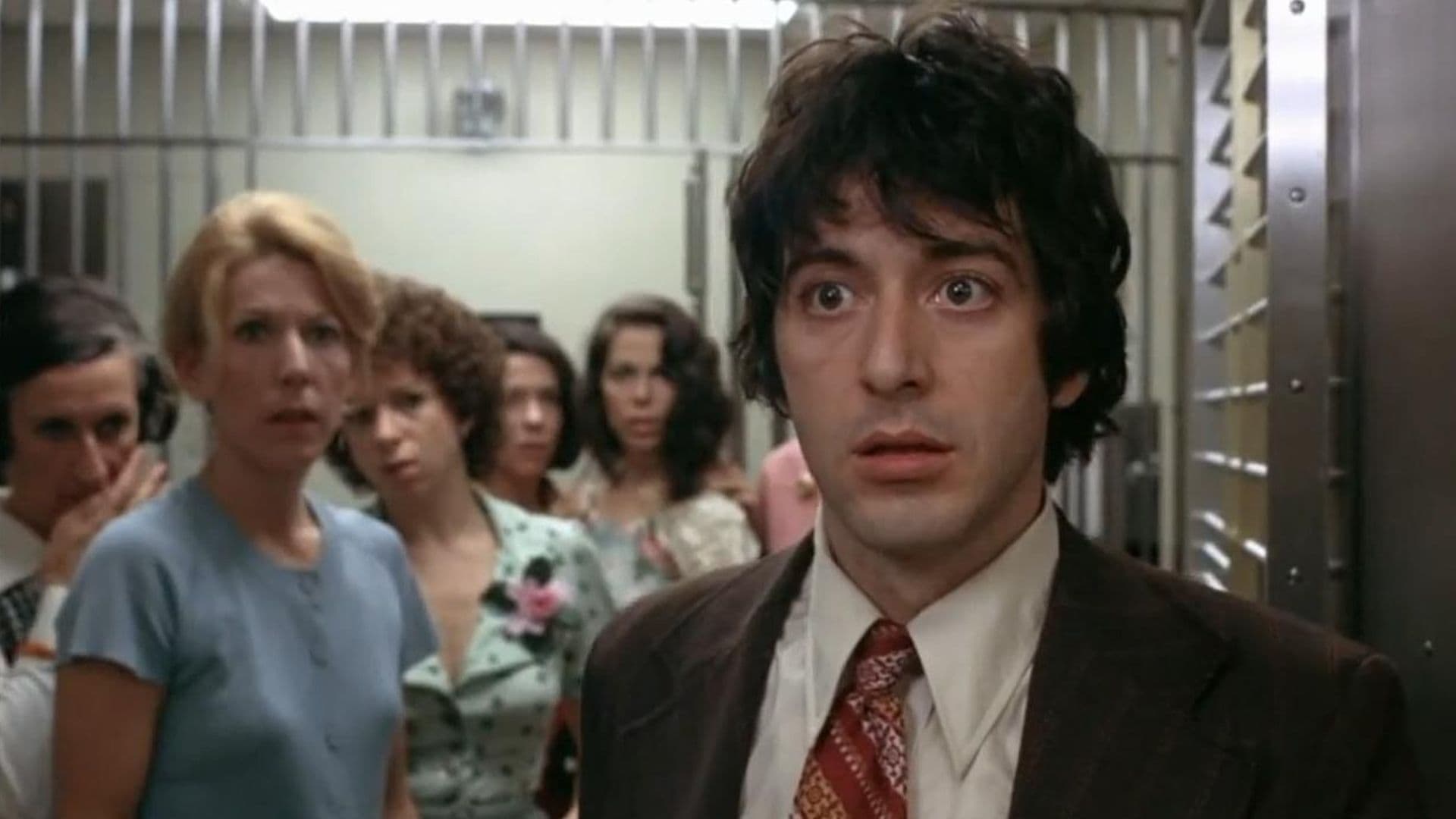
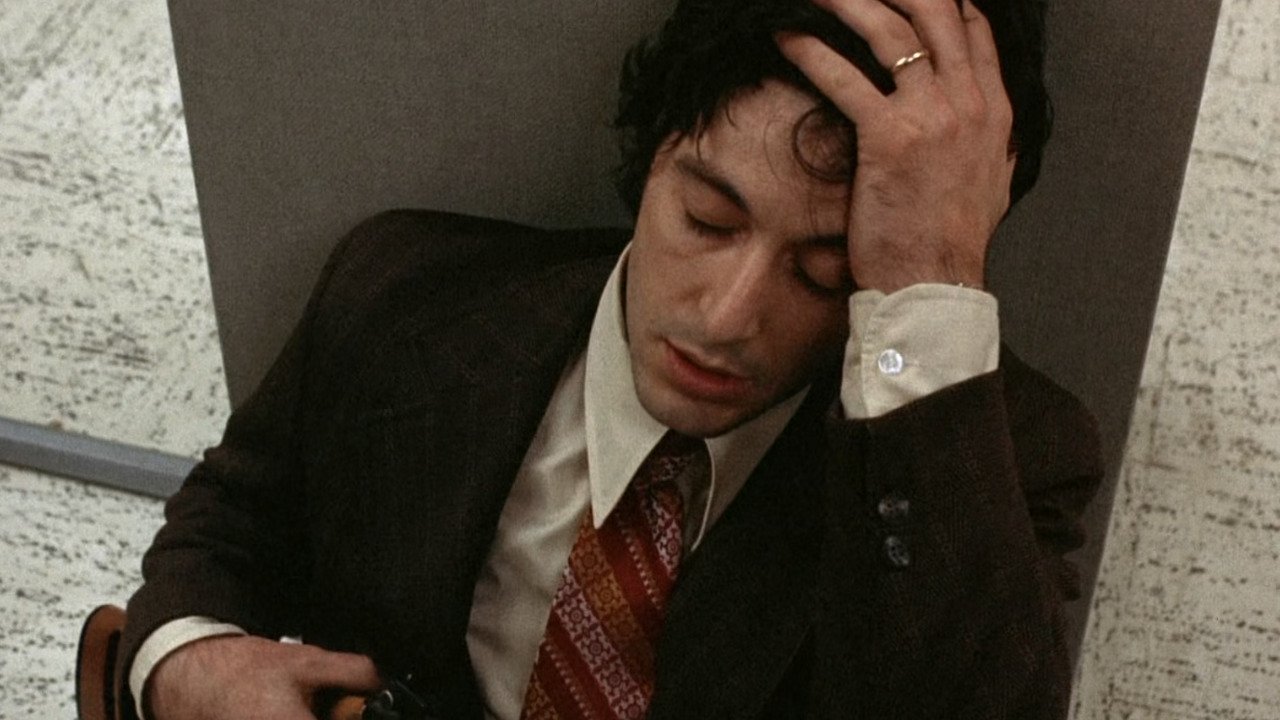
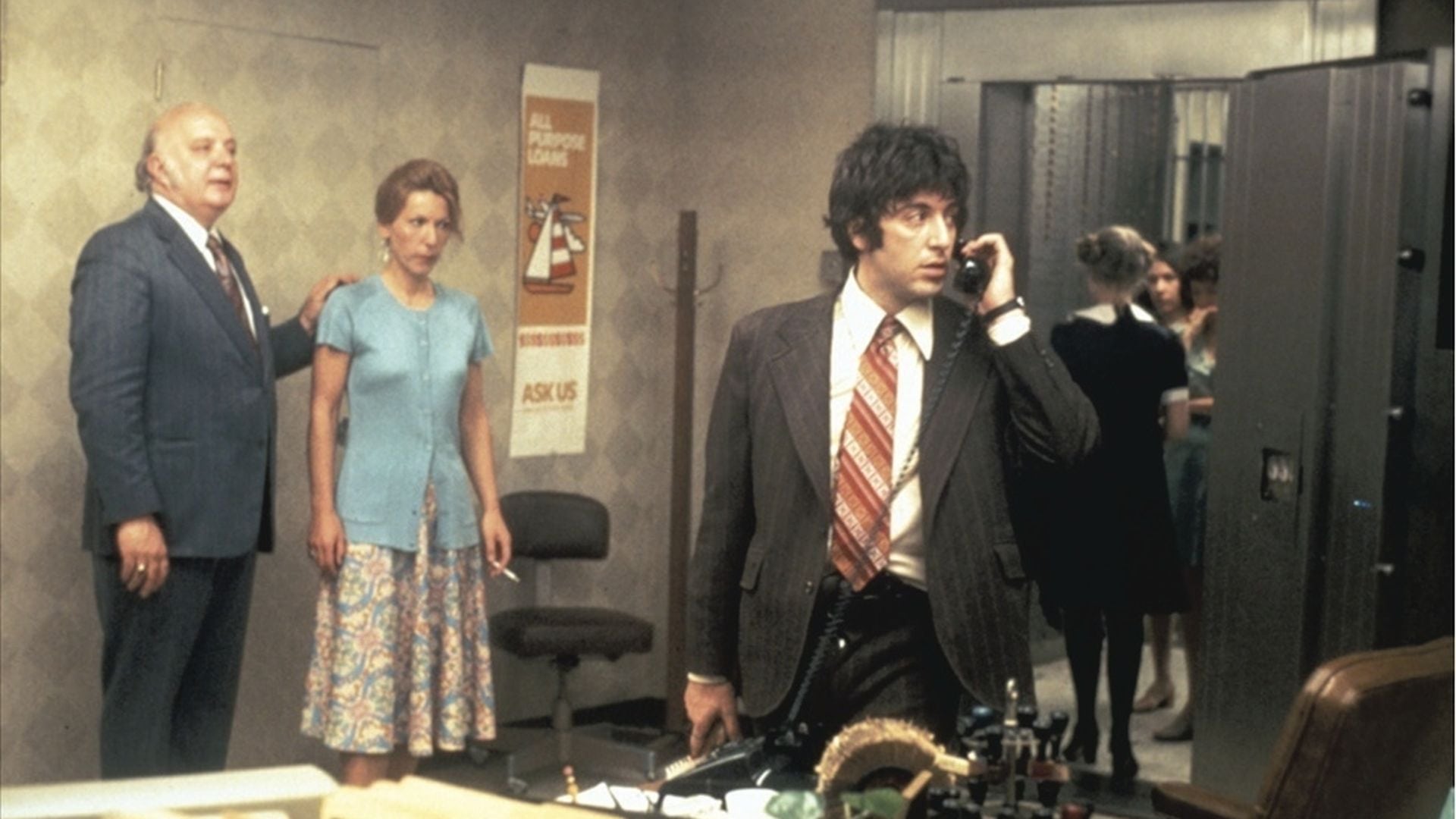
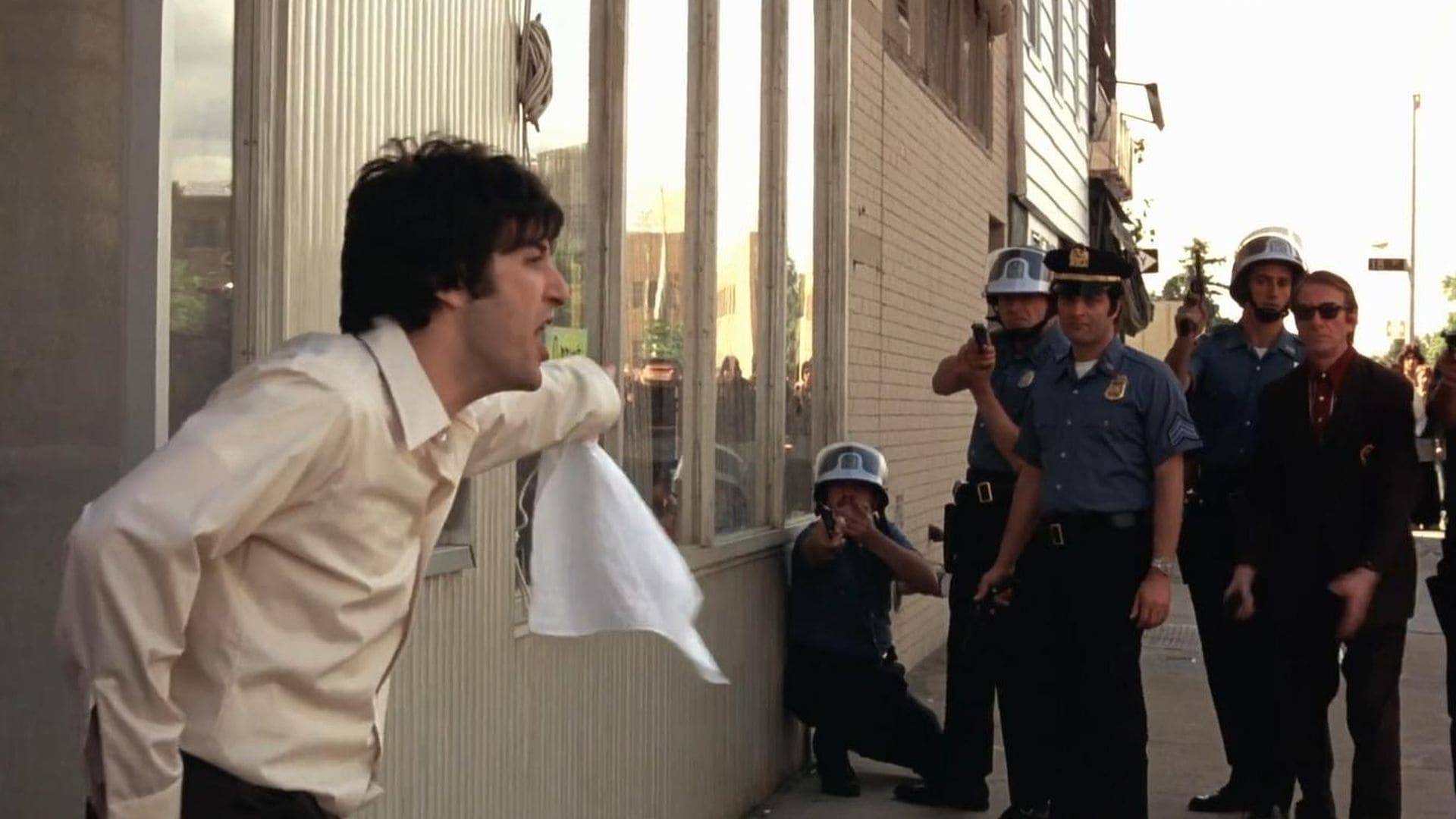
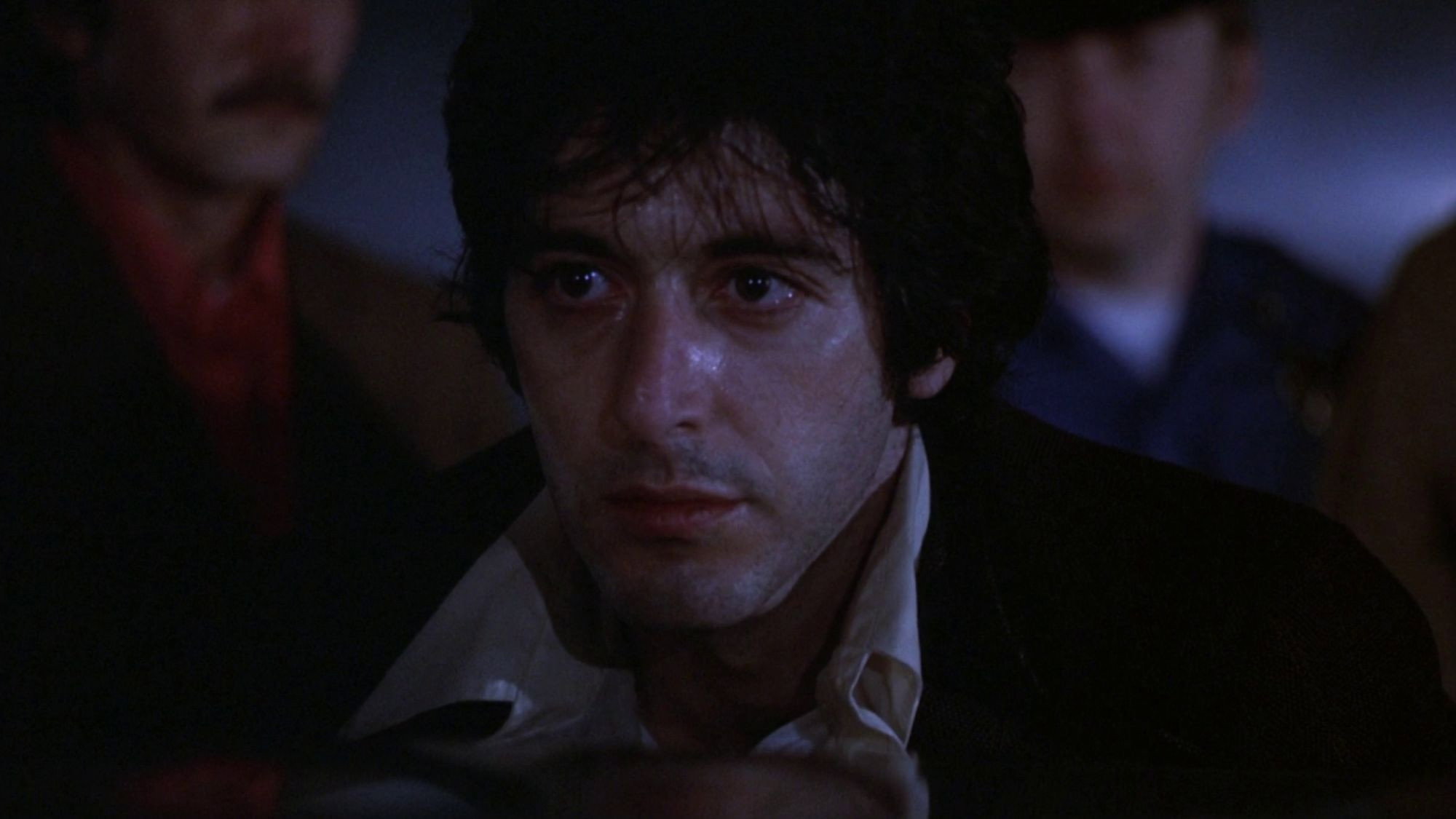
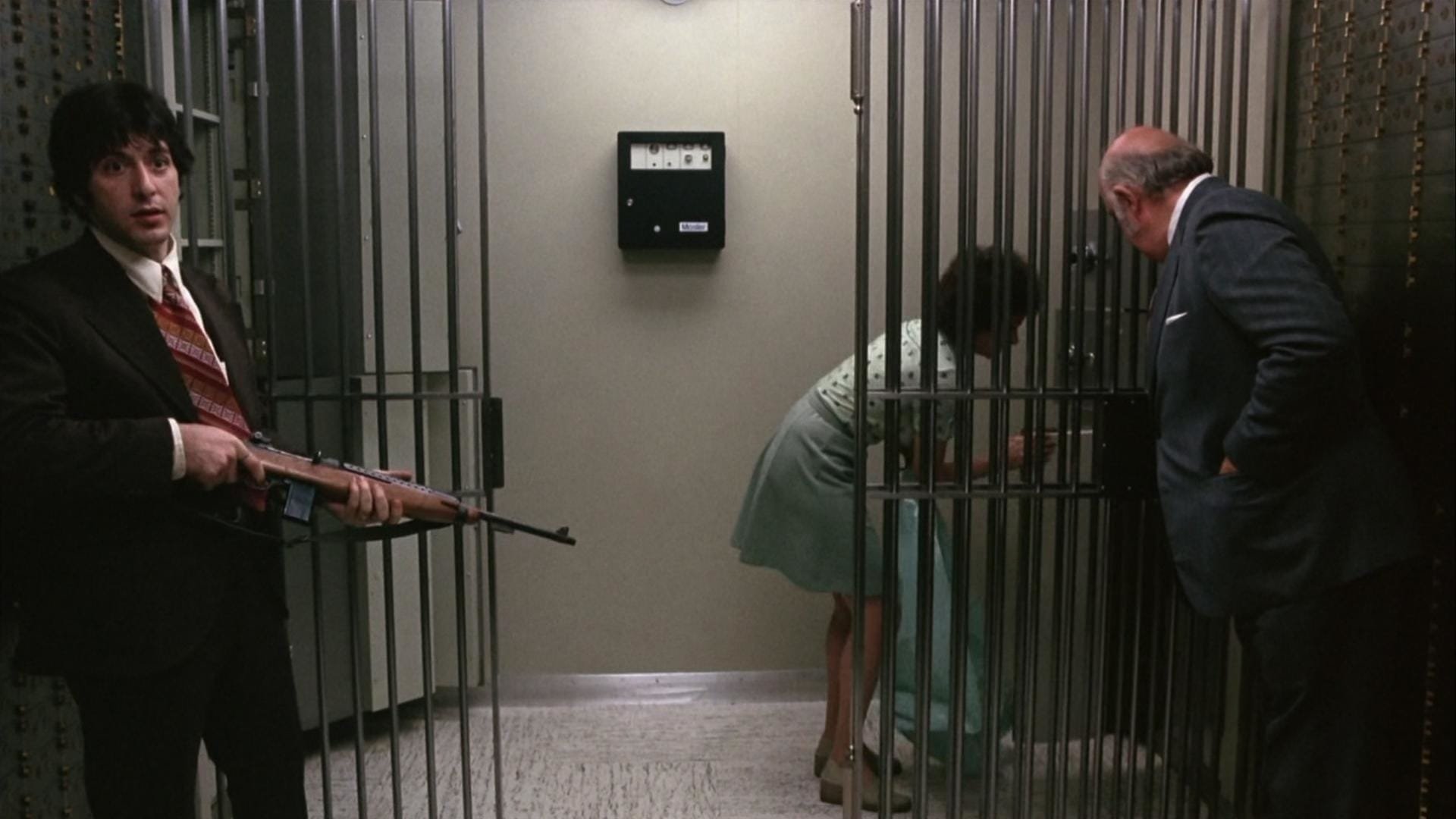
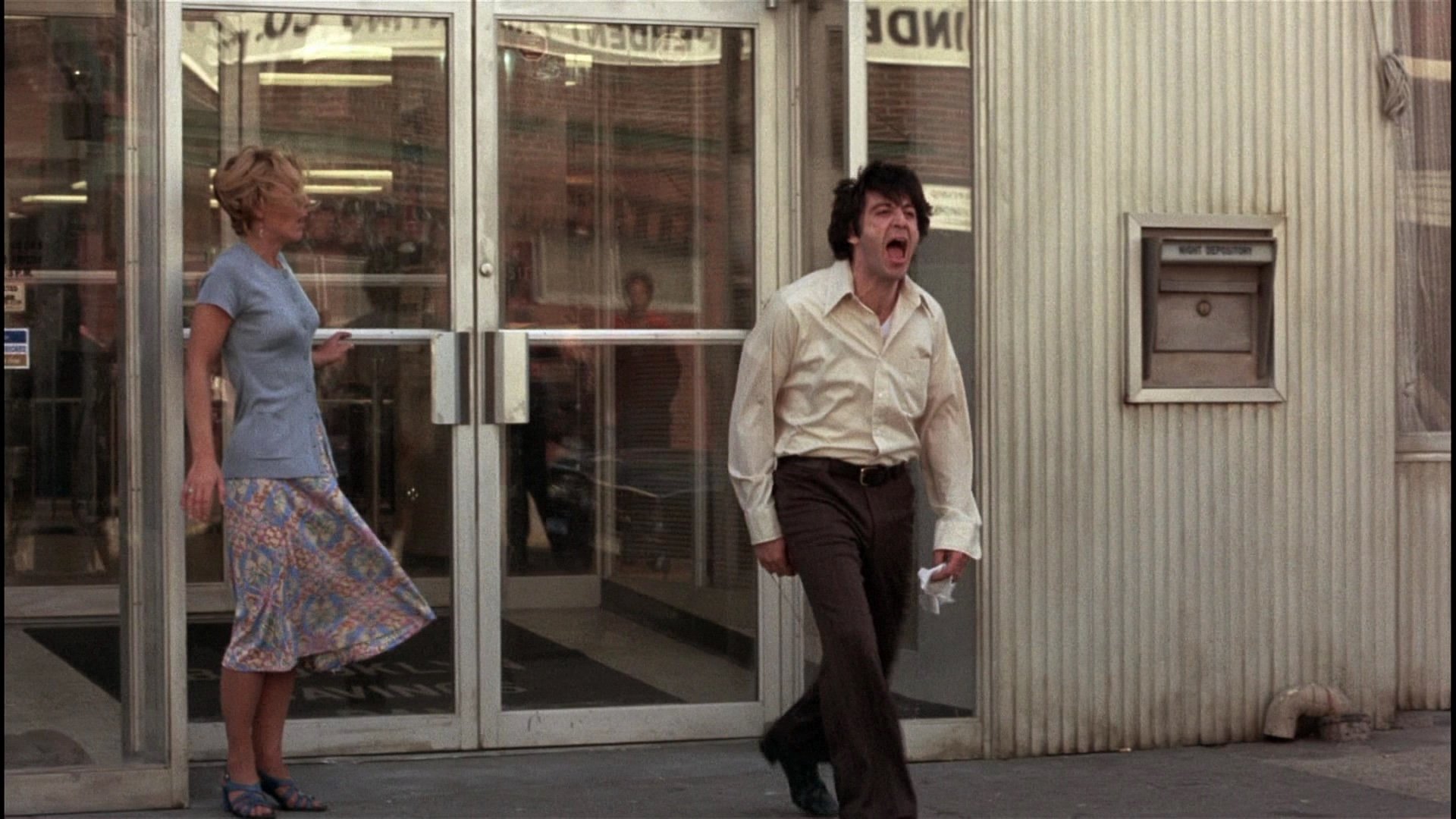
At the beginning of the film it could be classified as a comedy when you see the ineptitude of these thieves who, without any qualms, rob a bank without money, for God's sake, and to think that it was based on a true story. I don't know if what happened really happened, but you can't deny the tragicomic touch that Pacino gives to the story, on the verge of a nervous breakdown. The secondary characters are very well portrayed, the kidnapped people apparently suffer from a collective Stockholm syndrome, which makes us take the side of the protagonist.
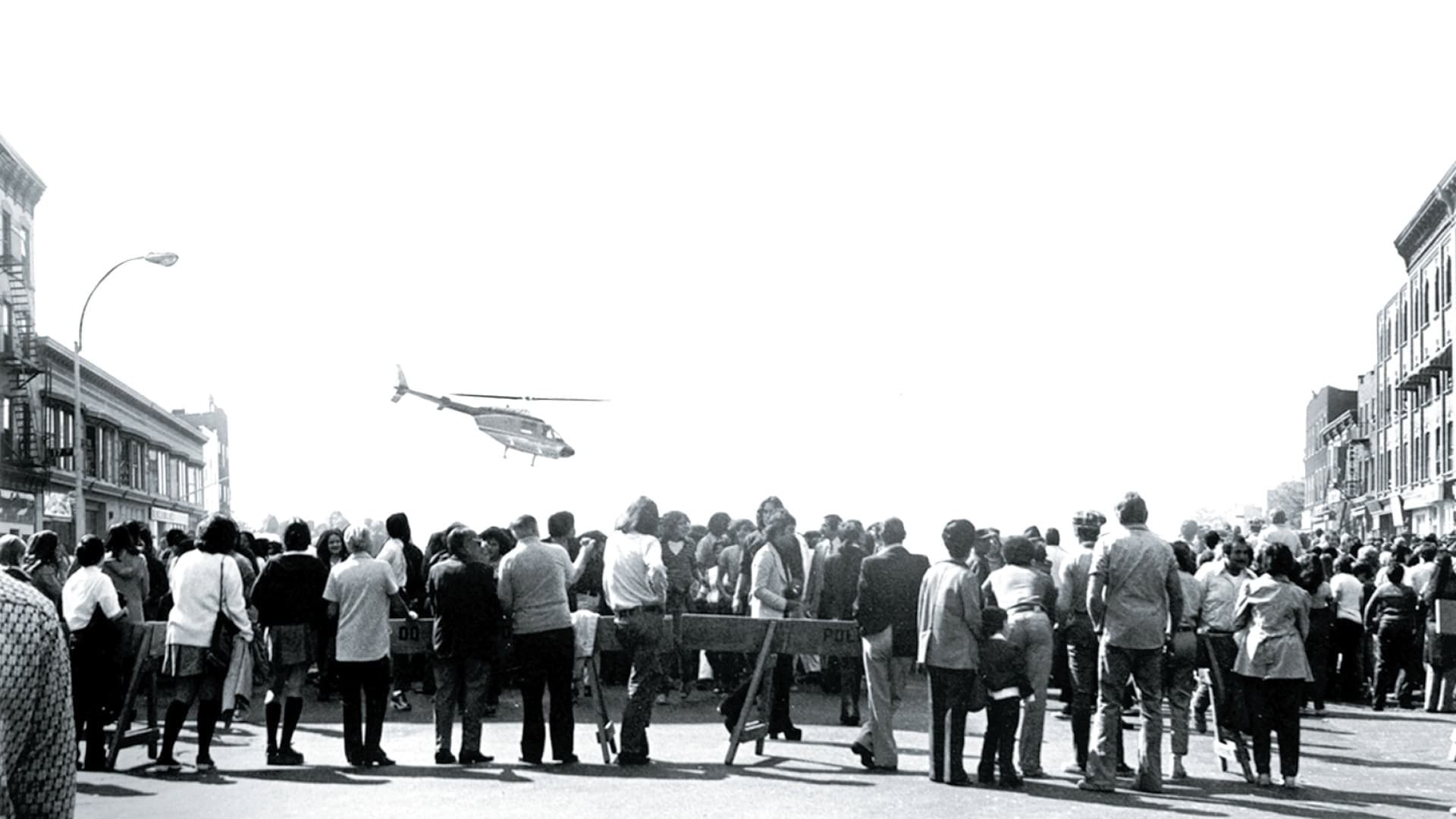
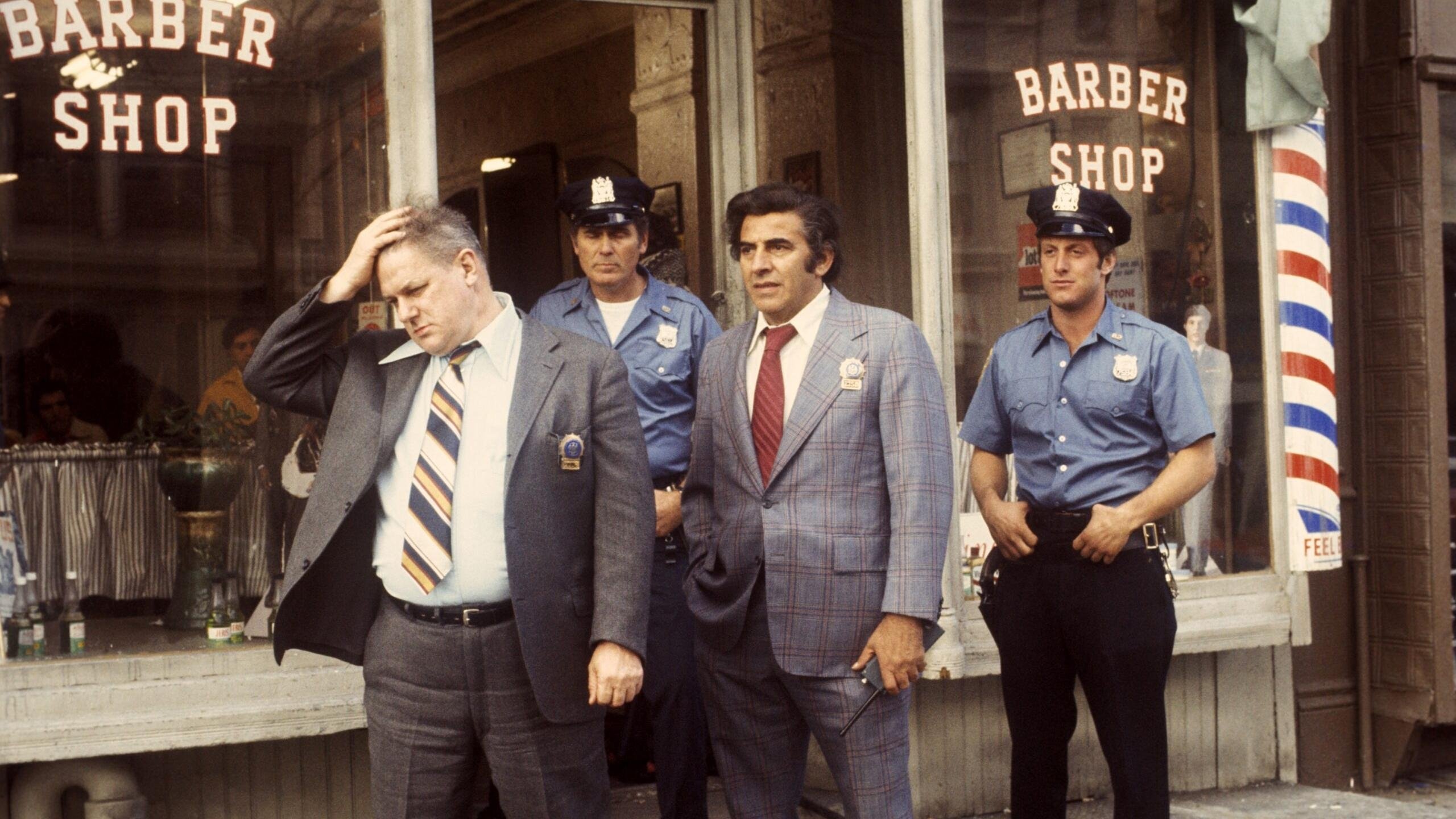
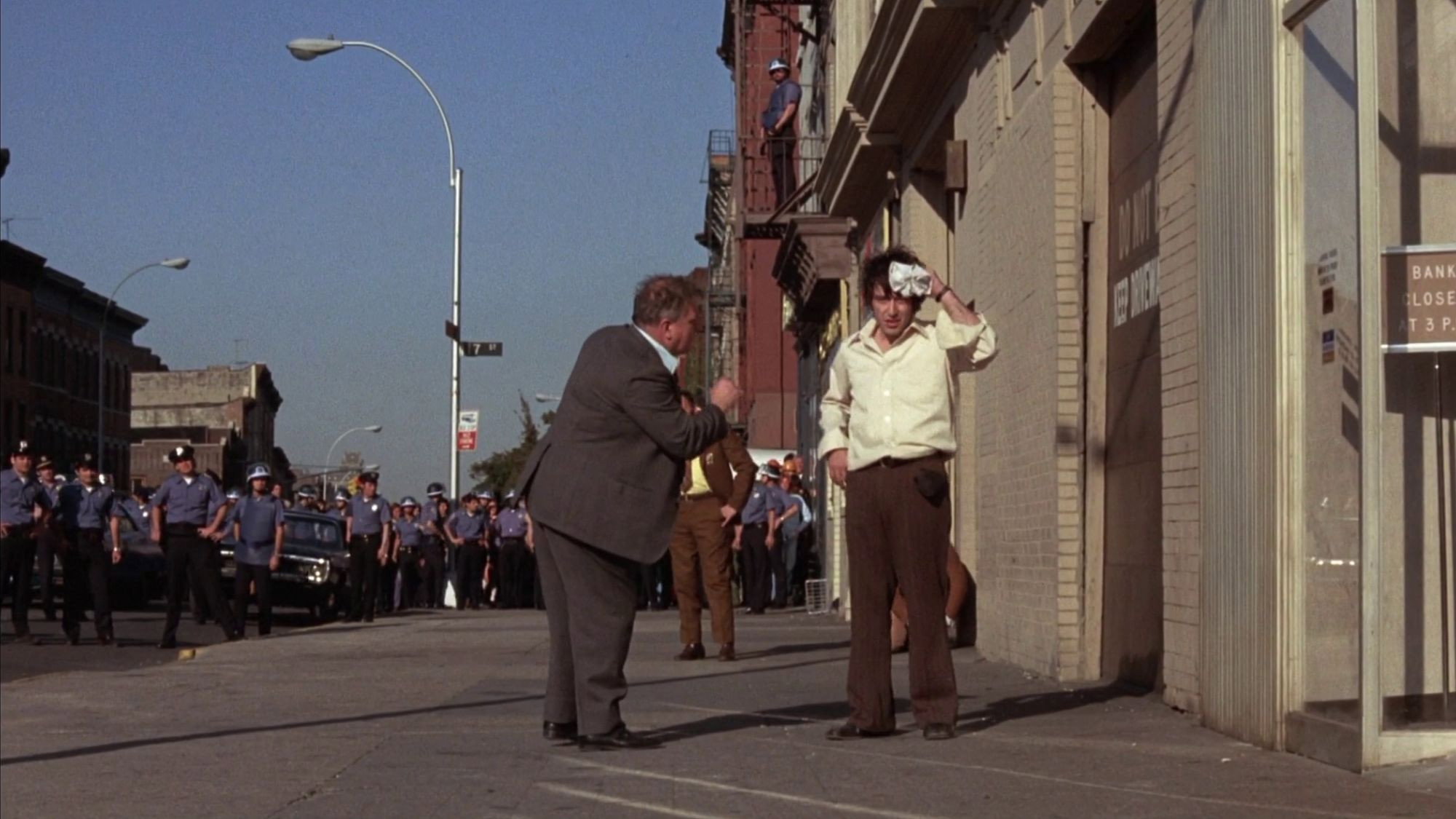
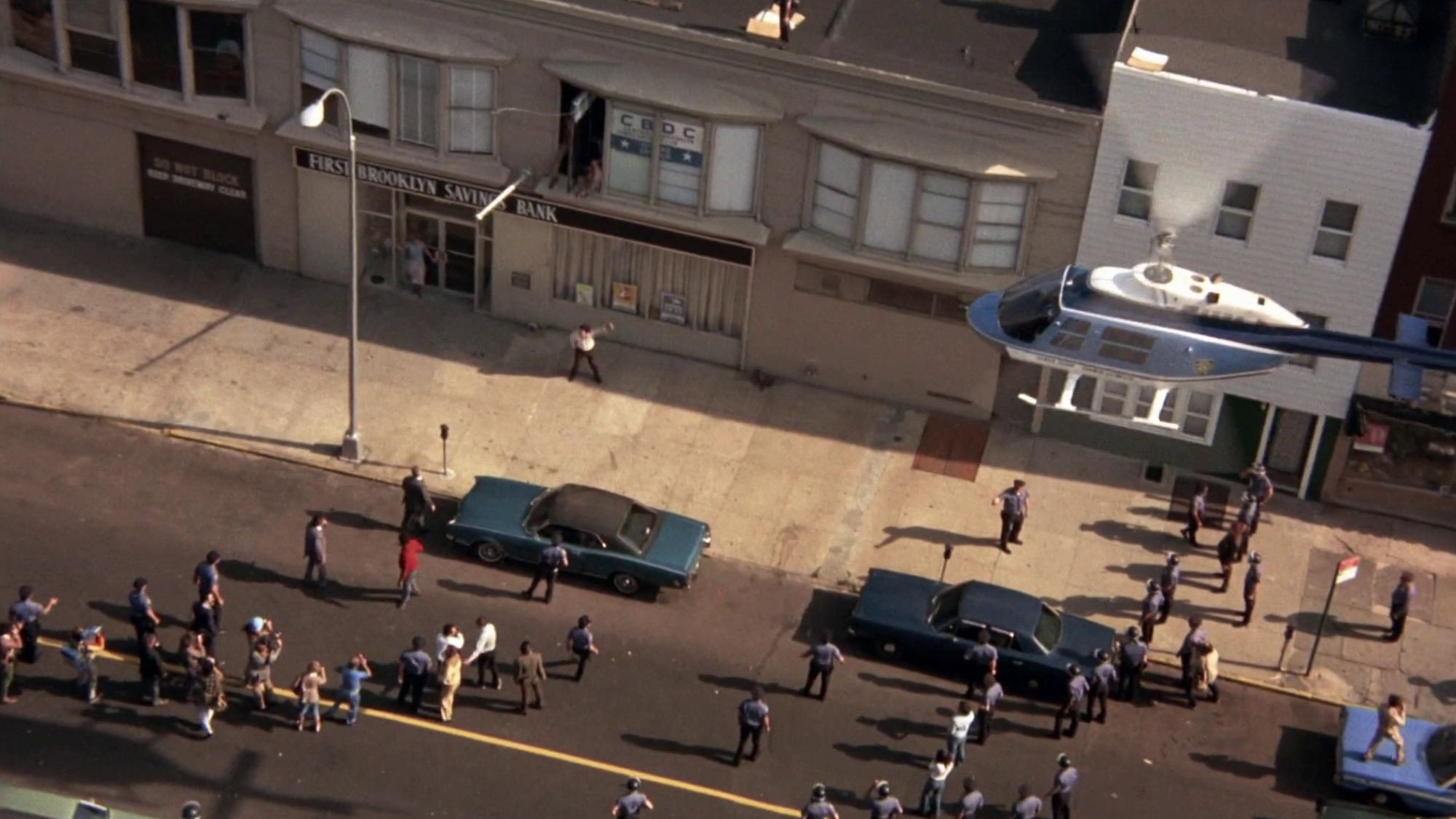
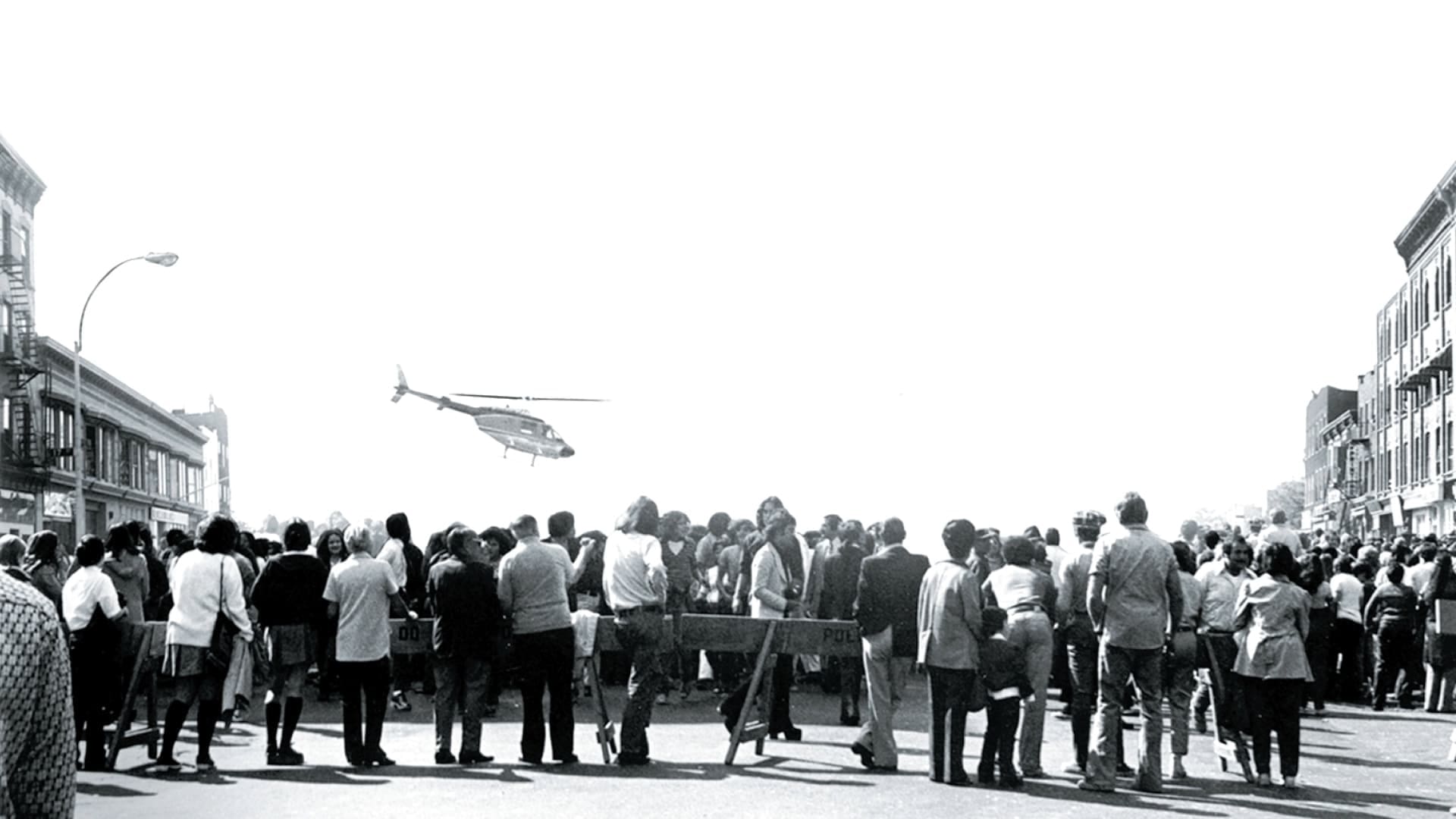
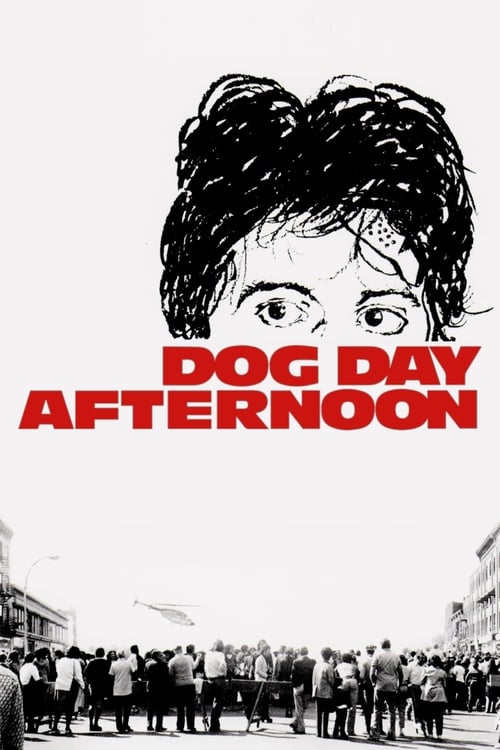
Although it is a film that makes you laugh, in many of these cases those laughs are accompanied by a tragedy, and the fact that it is a kidnapping is a tragedy, but do not be fooled by Dog Day Afternoon, it is not only a story of a failed robbery, it is a criticism of media sensationalism that at the time of this film was not as exaggerated as it is today, sexuality and LGBT is also another topic that it touches on in an interesting way, reflecting a marriage between two men, something that I do not think was talked about in that way in the seventies, and it also shows how inefficient the police forces can be in cases of kidnapping; literally everything in this film.
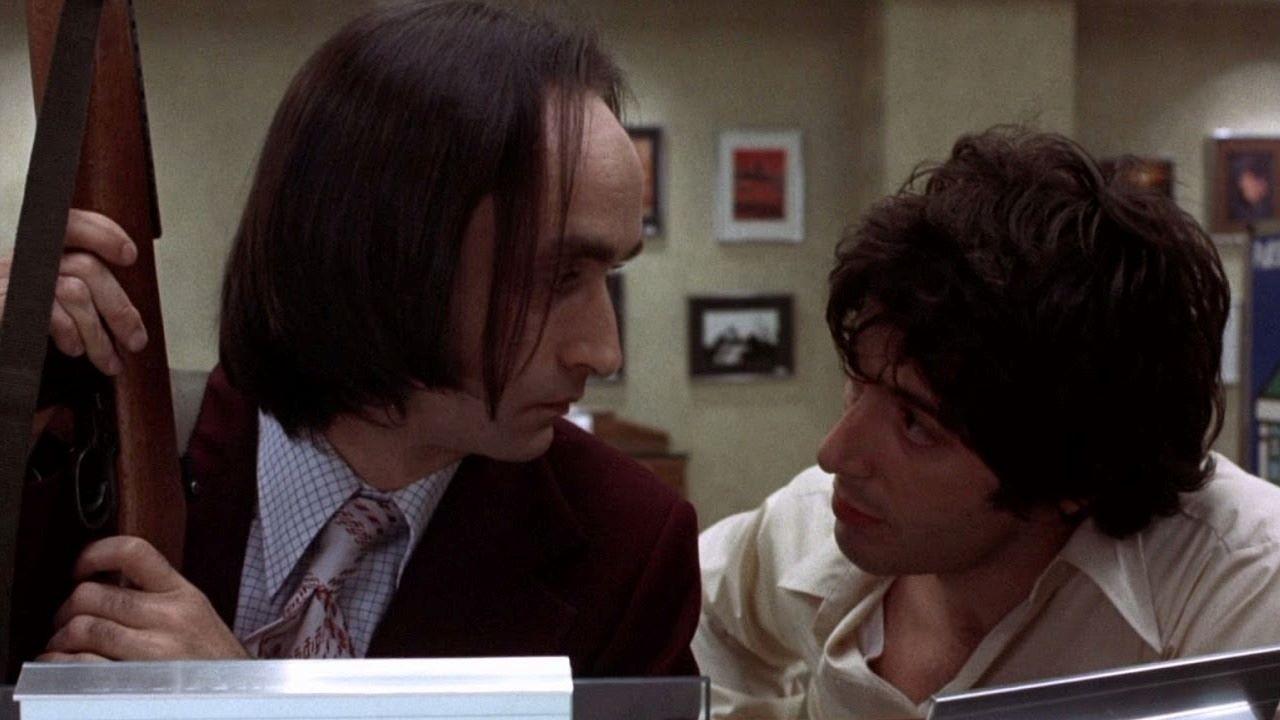
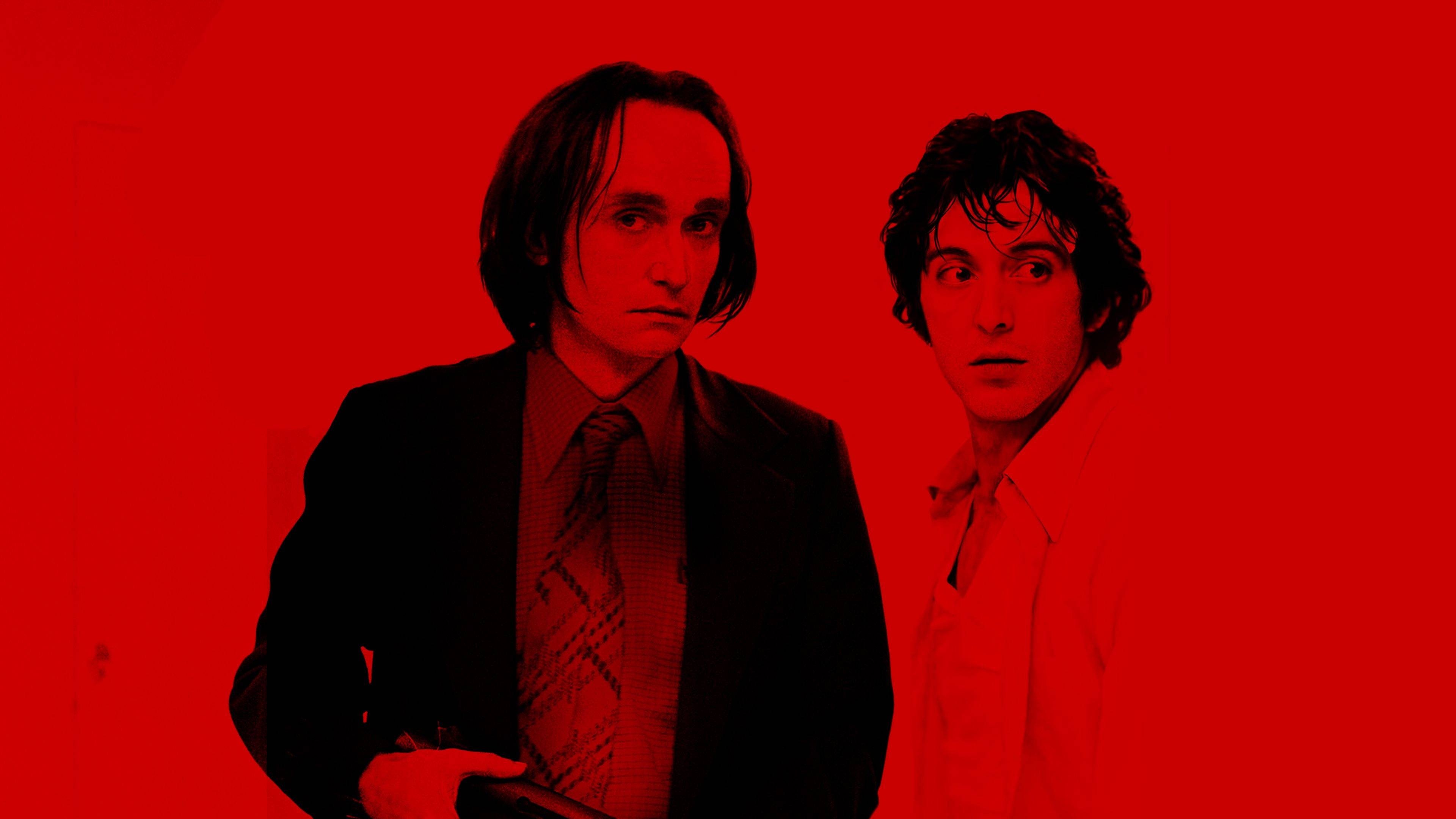
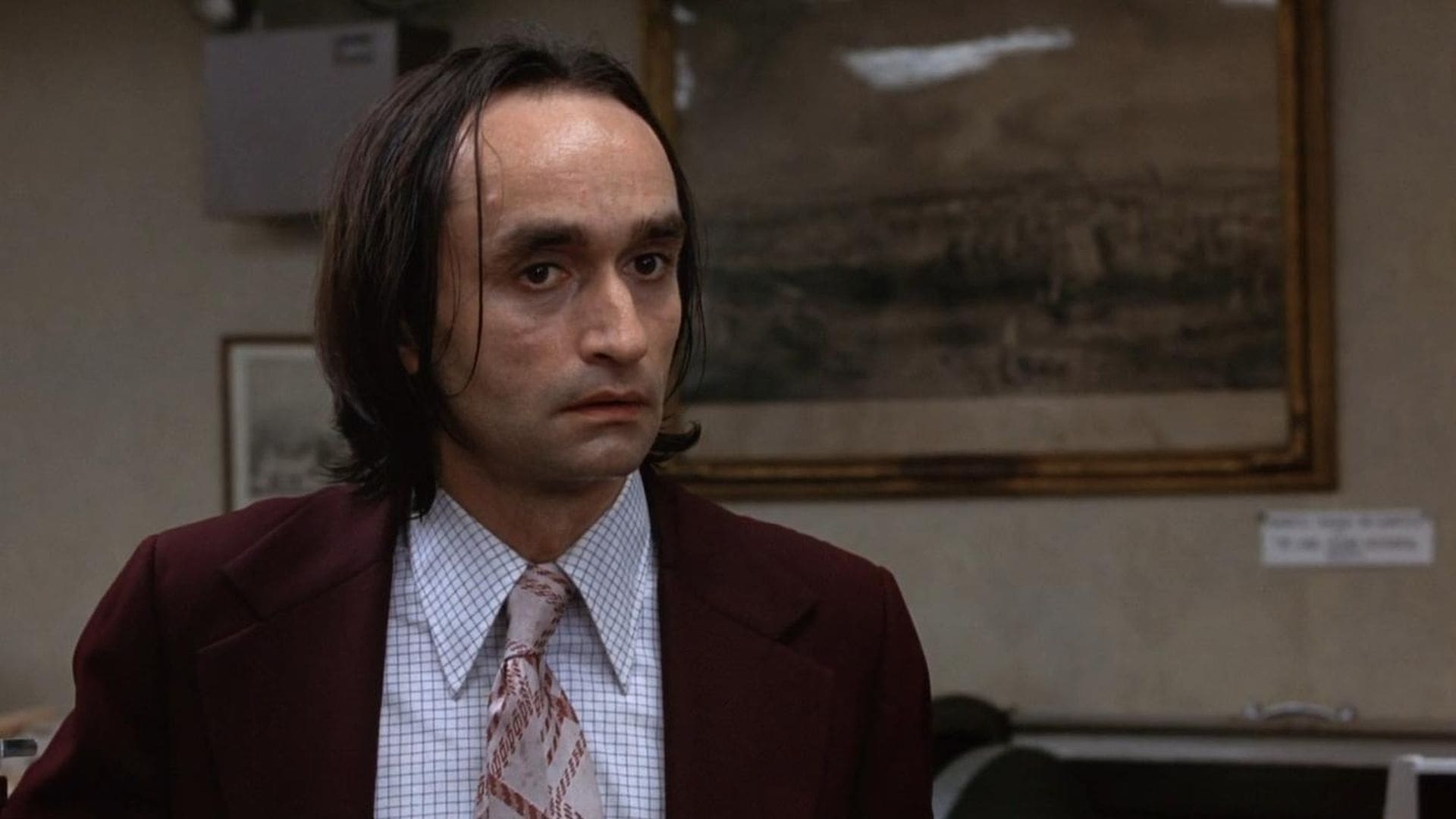
When you see a beginning like this, you think you are going to see a movie of shootings, of pure and hard action. But many people do not count on the skill of Lumet, master of austere direction, who makes a good story out of what appears to be only action. The film then turns into a drama that, in a way, could be called a summary of the social concerns of the time. Here Lumet tells us the concerns of the characters, why they intend to rob the robbery, and their personalities are revealed, especially that of Sonny, with an extraordinary Al Pacino, full of spark, and a superb John Cazale, as in each of his films. But it is here that Lumet also begins to attack society: an overriding importance of the media, which almost gets into the bank, a deep feeling of homophobia on the part of the whole society, including Seal himself, and poverty and unemployment in the slums of the big cities that represent capitalist power.