
Conflagration
1958·Drama·1h 39m
7.1
★
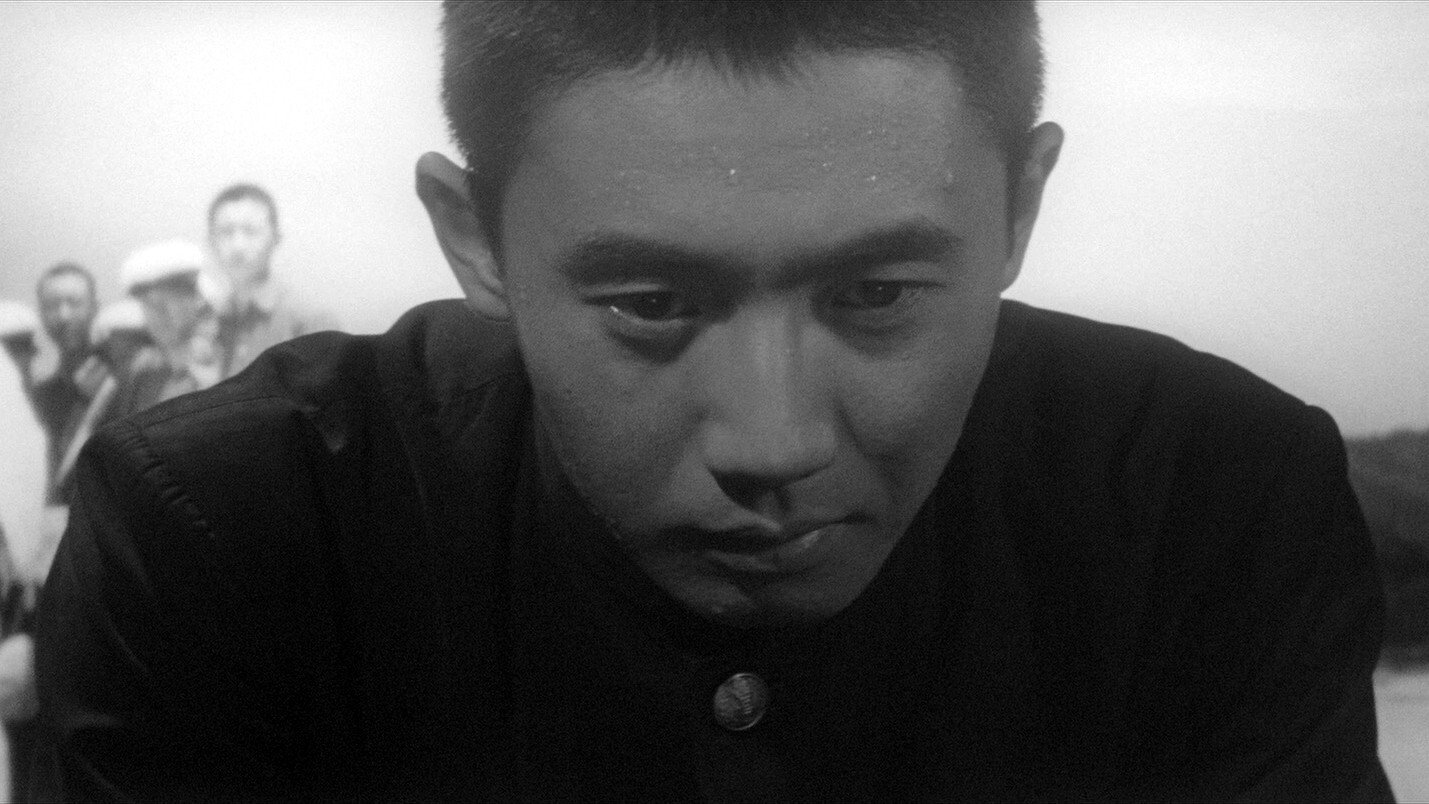
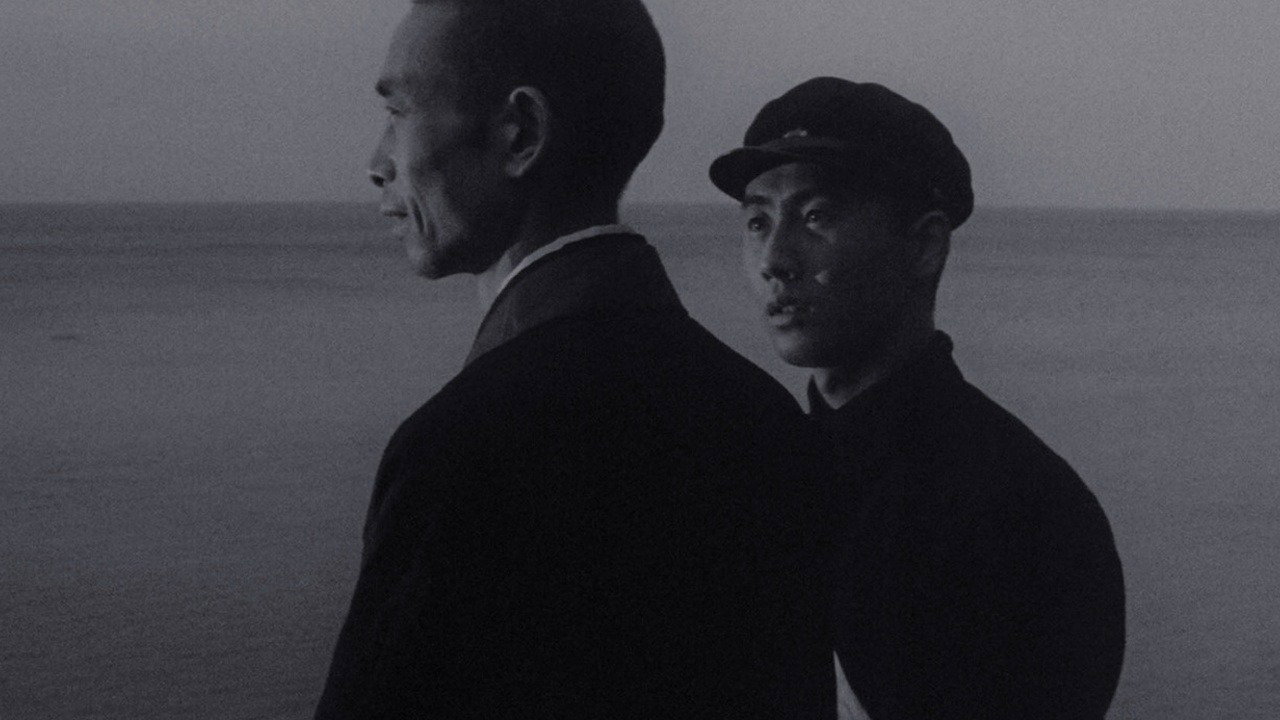
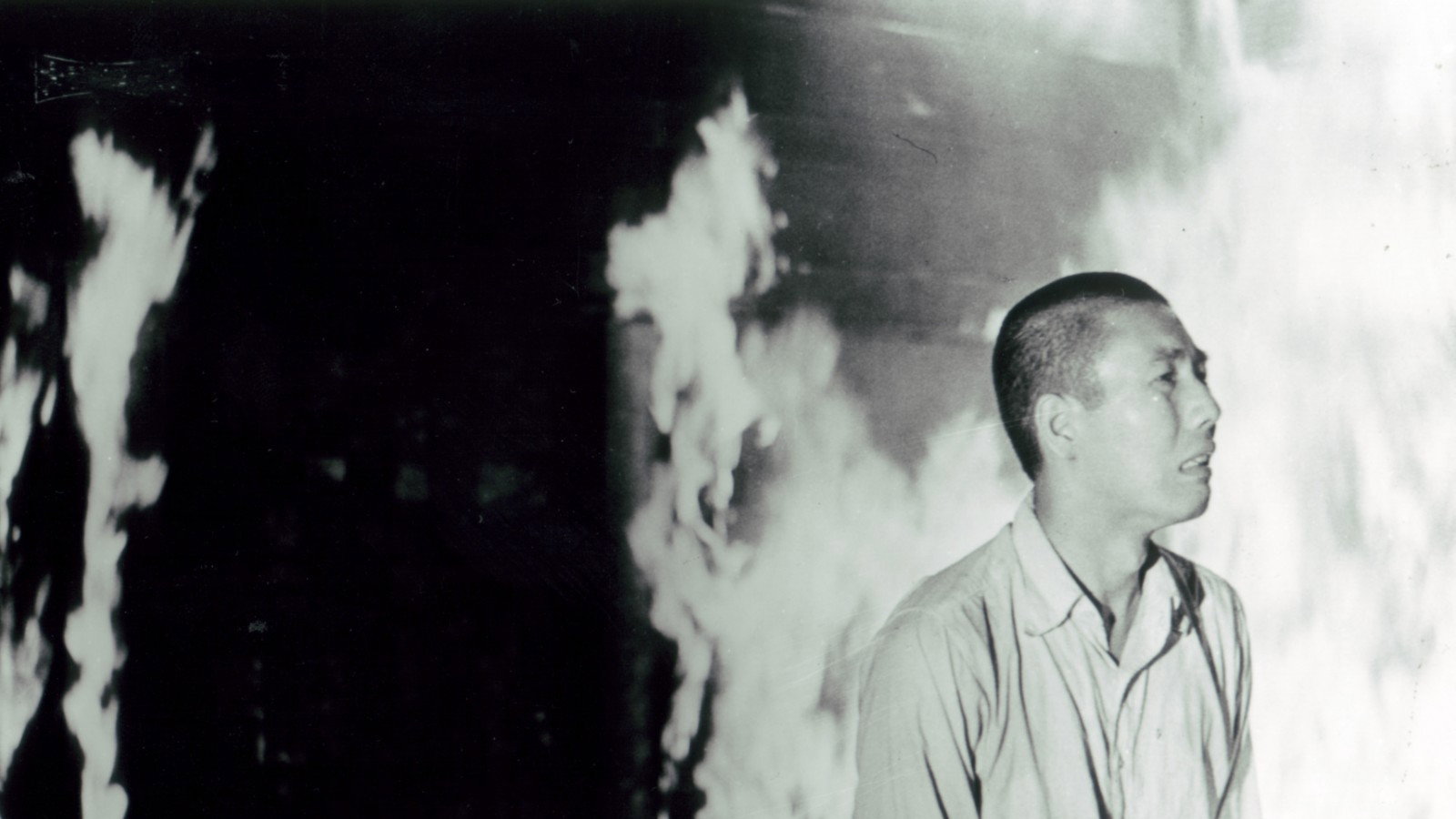
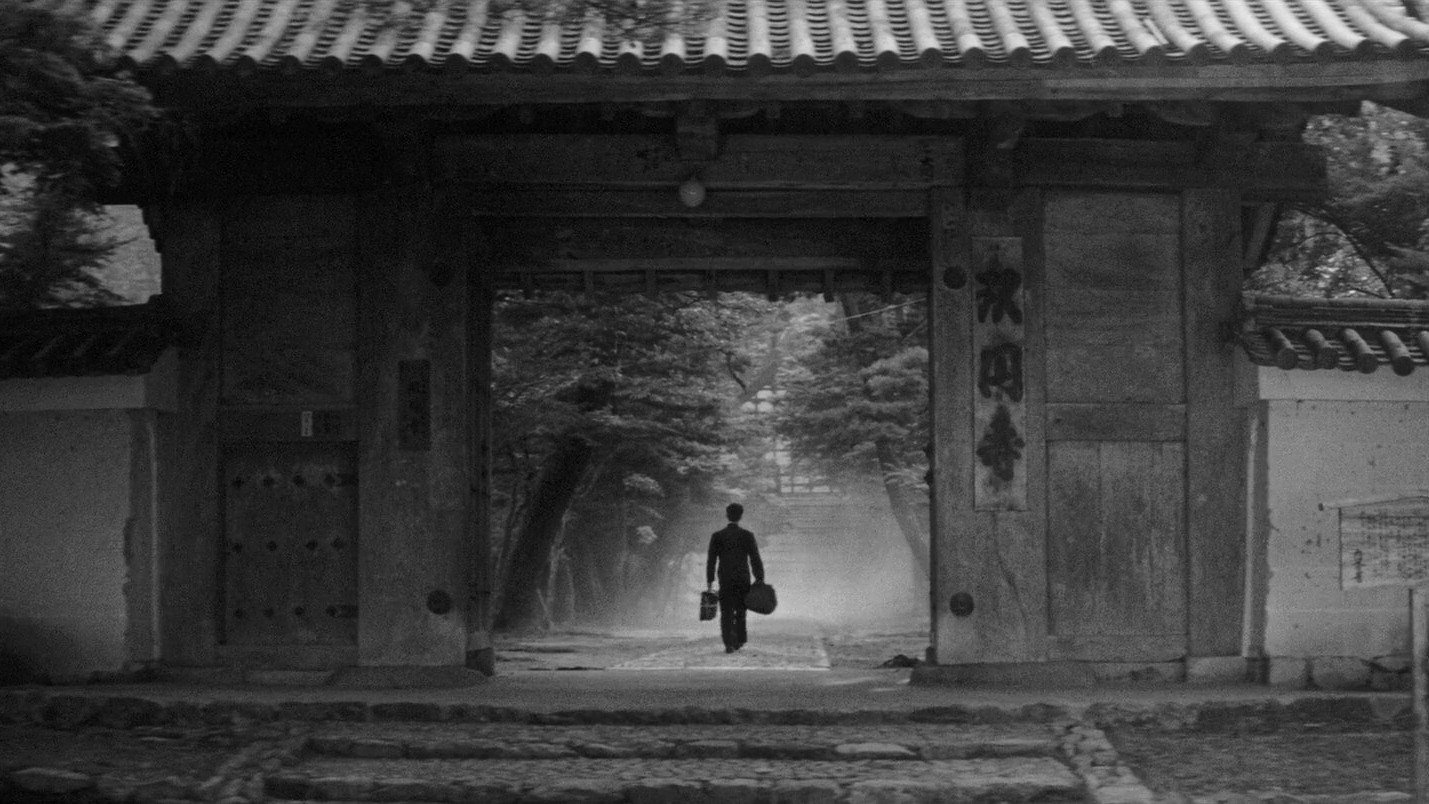
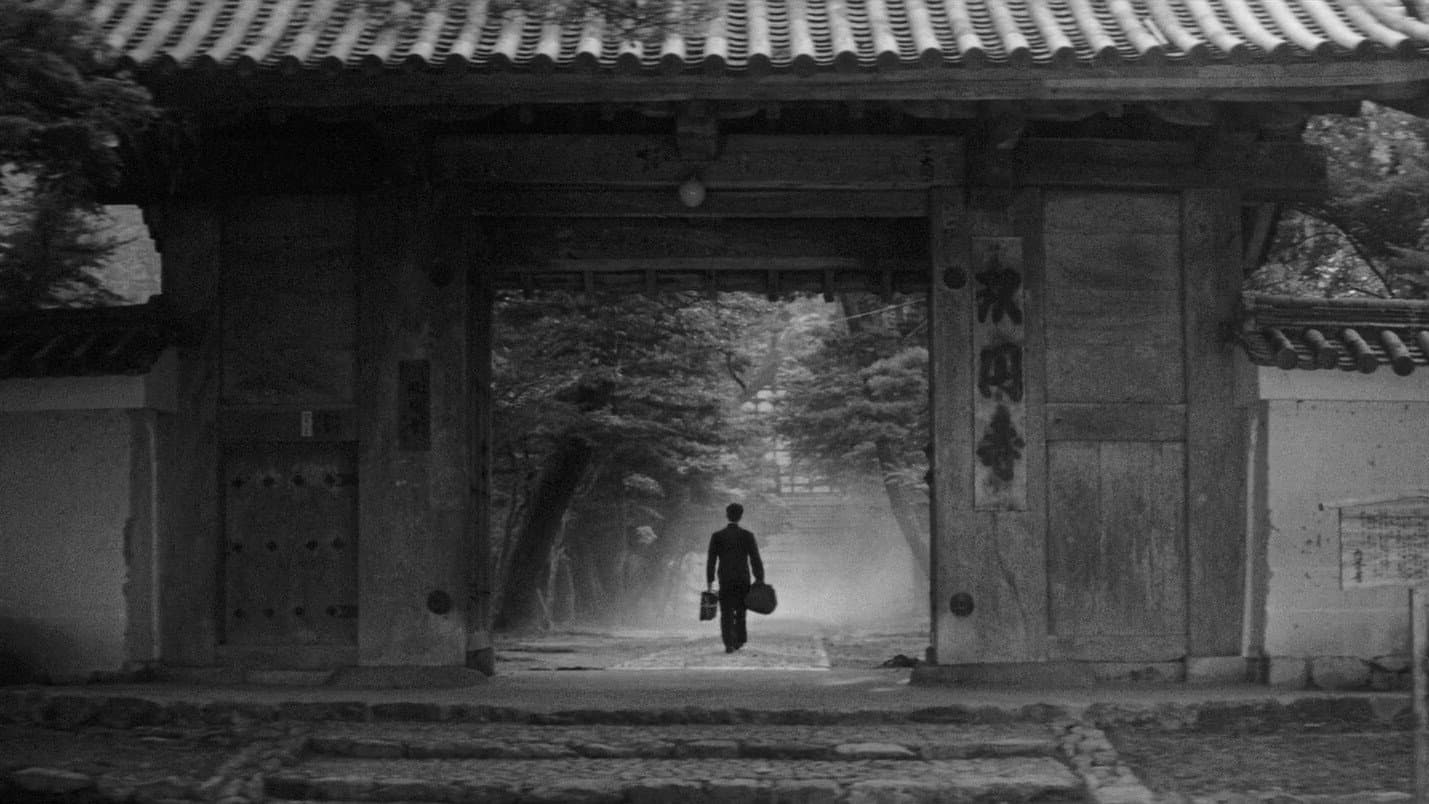
Learning of his family's collapse, acolyte Goichi, sent to study silently at the Temple of the Golden Pavilion, must endure acute psychological distress.
Directed by Kon Ichikawa
based on novel or book
arson
kyoto, japan
post war japan
buddhist temple
stutterer
conflagration
master and student
monks
vengeful student

IMDB
N/A
Cast
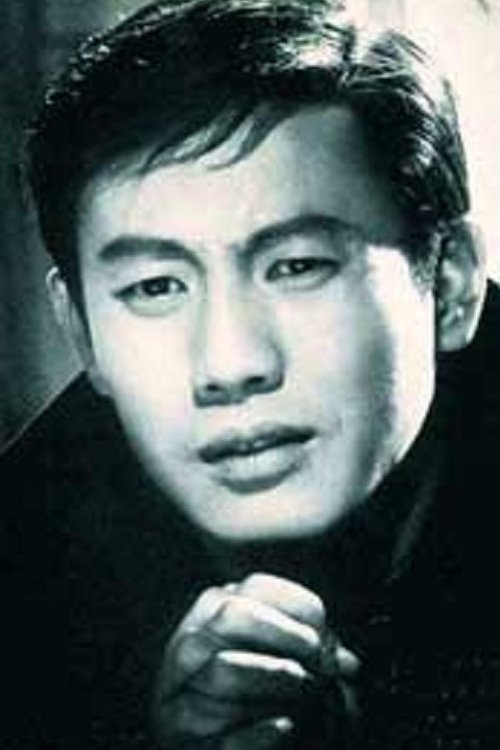
Raizō Ichikawa
Goichi Mizoguchi
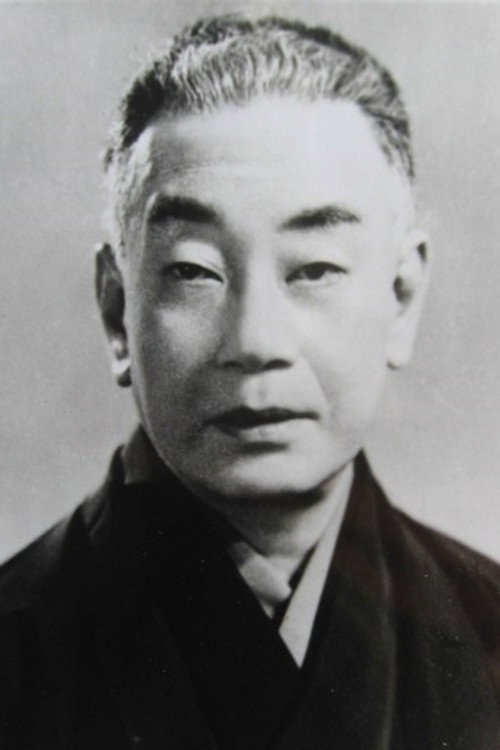
Ganjirō Nakamura II
Tayama Dosen
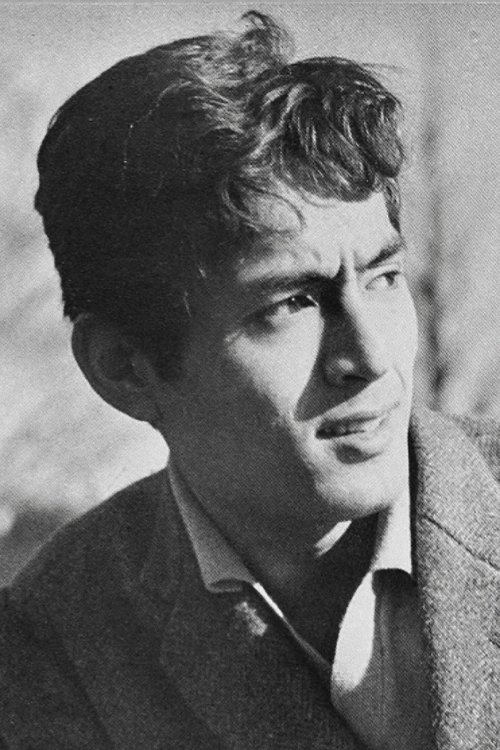
Tatsuya Nakadai
Tokari
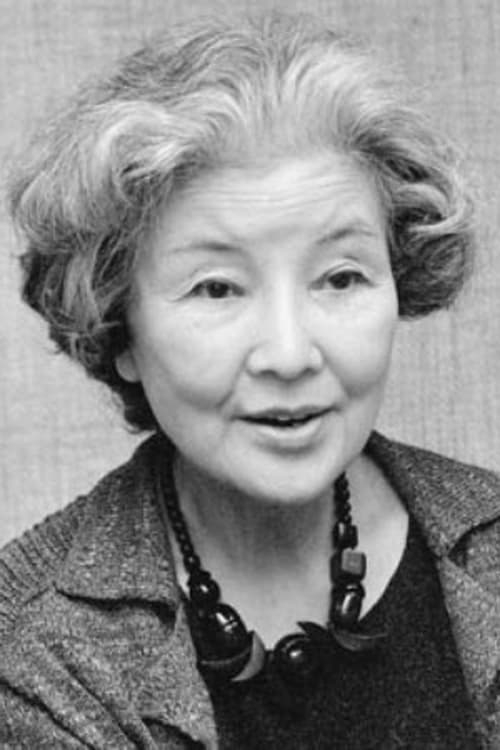
Tanie Kitabayashi
Aki, Goichi's mother
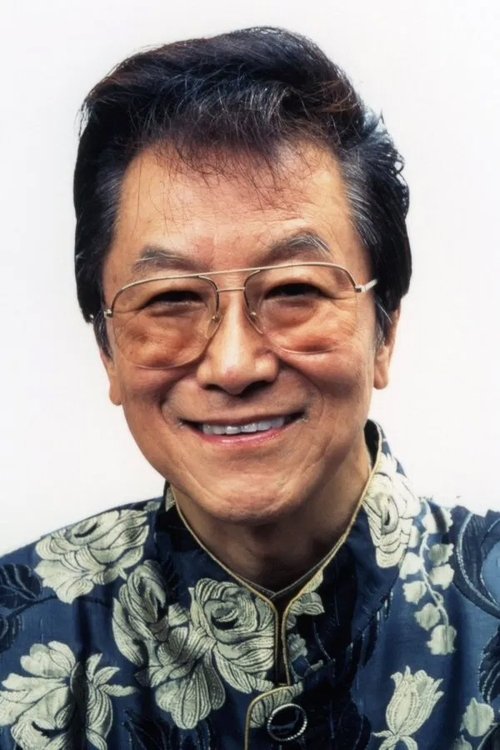
Jun Hamamura
Goichi's Father

Yōko Uraji

Michiyo Aratama
Mistress of the floral art
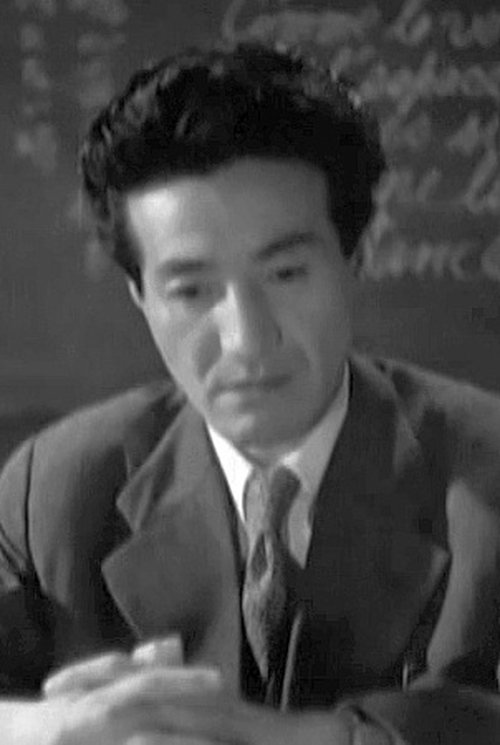
Kinzō Shin

Tamao Nakamura
Woman at Gobancho
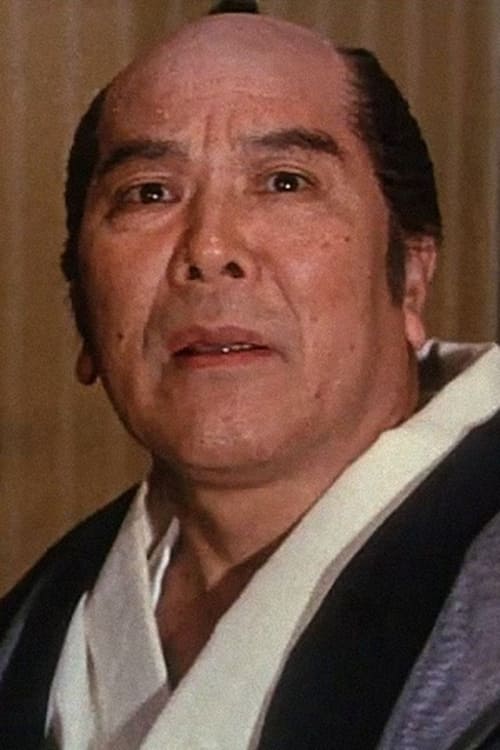
Ryōsuke Kagawa
Priest Zenkai
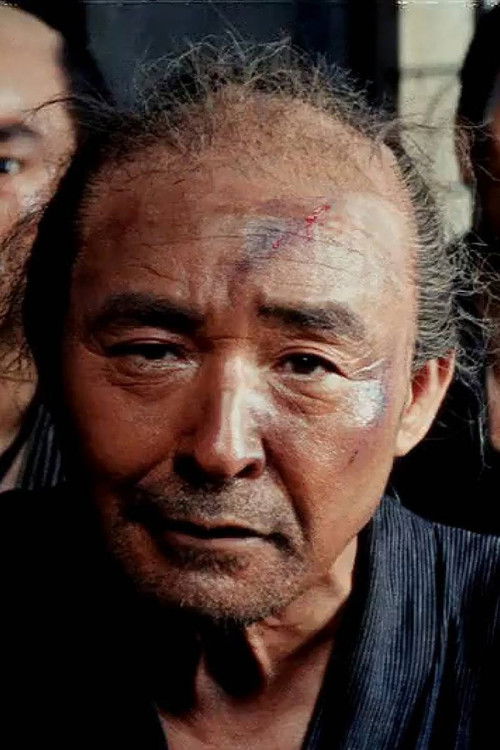
Kōichi Mizuhara
Prosecutor
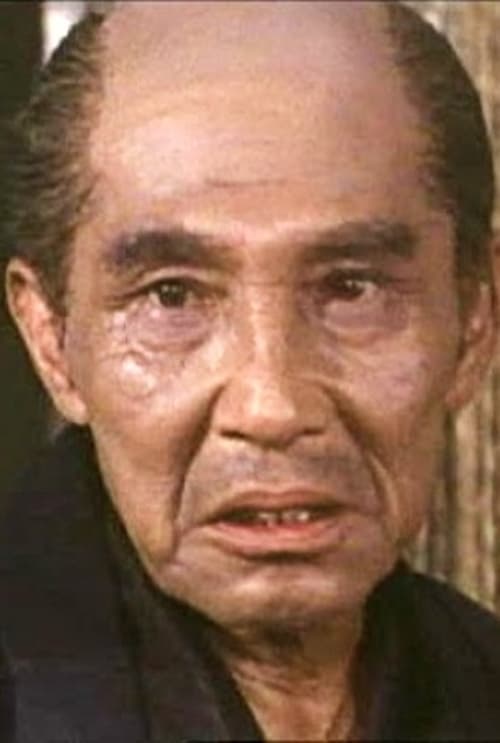
Yūsaku Terashima
Crew
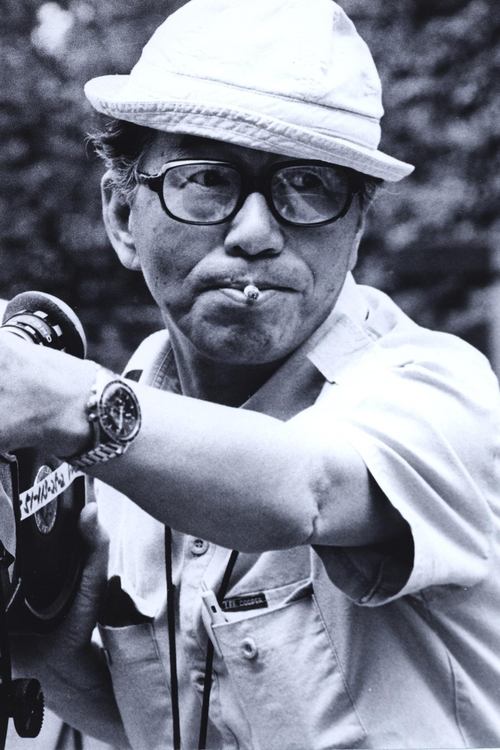
Kon Ichikawa
Director
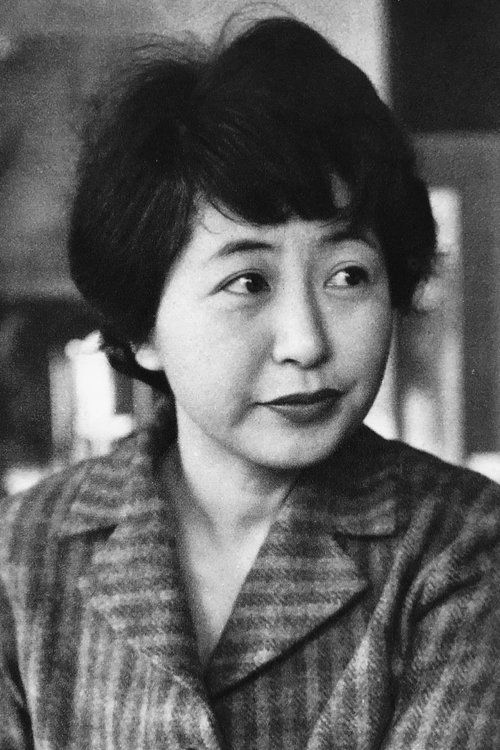
Natto Wada
Screenplay
Kon Ichikawa
Screenplay
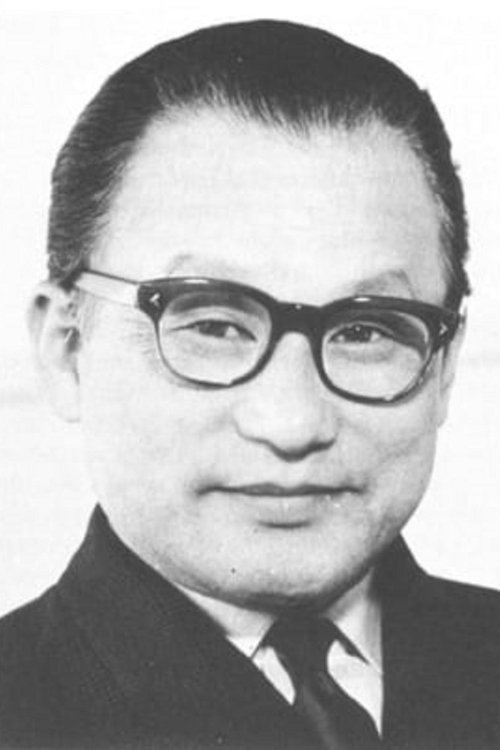
Kazuo Miyagawa
Director of Photography
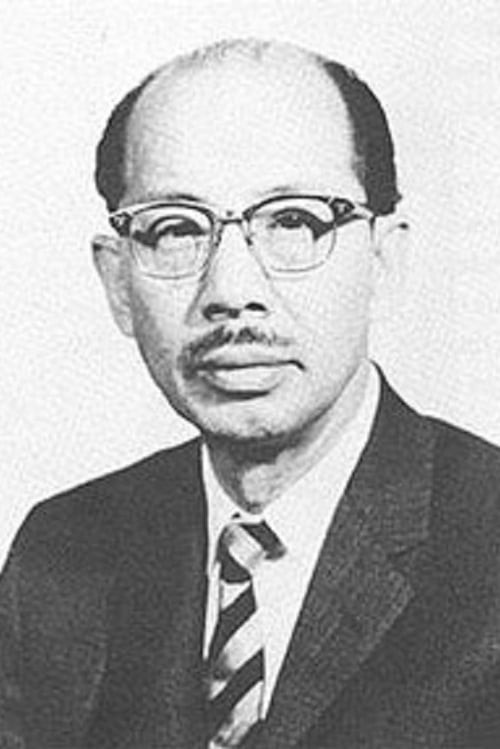
Masaichi Nagata
Producer
Masaichi Nagata
Executive Producer
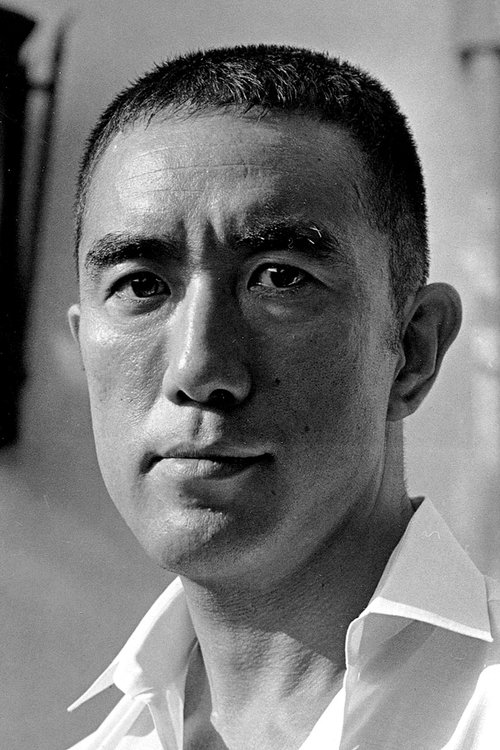
Yukio Mishima
Novel
Yoshinobu Nishioka
Art Direction
Tokuzō Tanaka
Assistant Director
Popular Reviews
9 reviews
endo
10.0★ · 04/22/25
Conflagration, mon premier Ichikawa et je le vois au cinéma, c’était absolument magnifique.
Film inspiré du roman de Mishima de 1956 qui est lui même inspiré d’un fait divers de 1950.
C’est probablement l’une des plus belles histoires que le cinéma japonais est créé, on suit un jeune homme qui veut à tout prix garder le pavillon d’or de visiteur qui y serait impure car pour lui c’est l’incarnation même de la beauté et de la perfection, il passe son temps à le nettoyer bien qu’il soit déjà propre, il en fait une obsession.
Lui est bègue avec un père décédé et une mère qui veut à tout prix le garder près de lui et qui était absente pendant son enfance, il voit donc une perfection dans ce temple que lui ne pourra jamais atteindre. Les gens le voit comme un bègue alors qu’il est bien plus tout comme les gens voient le pavillon d’or comme très beau même sans l’avoir visité, cette comparaison est très bien représenté par cette phrase « A quoi bon connaître si on ne comprend pas ? »
L’arrivée de Tatsuya Nakadai a l’écran au bout de 45 minutes nous dévoile un tout autre monde, celui d’un infirme qui joue de son handicap pour attirer les femmes, qu’il va d’ailleurs jeter après avoir eu ce qu’il voulait. C’est lui qui fait remarquer à Mizoguchi que les gens changent autour de lui et le manipule car « un infirme c’est simple à manipuler, suffit de leurs donner un peu d’attention. » Il parle ici du « supérieur » c’est à dire le propriétaire du temple, qui avec des offrandes change complètement.
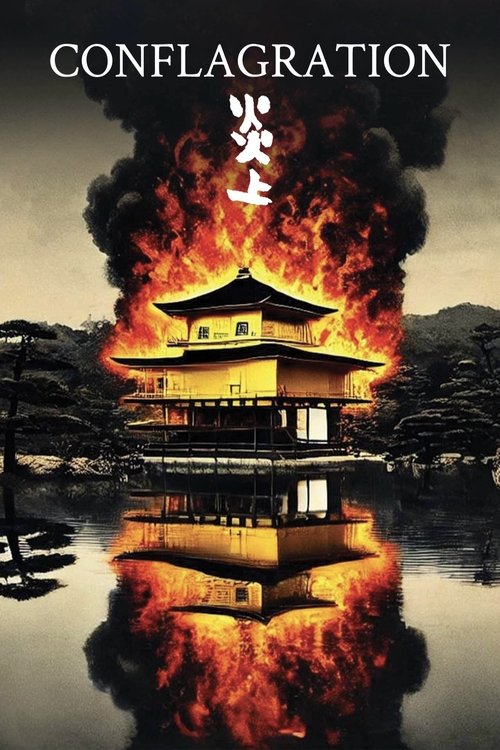
Mizoguchi, n’arrivant pas à atteindre la perfection du pavillon d’or aux yeux du monde finit par le brûler, c’est d’ailleurs un des plans les plus beaux de l’histoire du cinéma. Il voulait se laisser mourir dedans mais n’y est pas parvenu, il atteint son but dans la dernière scène, il est arrêté et emmené en train vers une prison, alors qu’il demande à aller au toilette il se jette du train et réussit enfin ce qu’il voulait faire, il est mort.
Conflagration est probablement le film qui m’a apporté le plus d’émotion et de sensation au cinéma par sa beauté, son histoire, mais également son jeu d’acteur, je pense qu’on a affaire à une des plus belles performances de Nakadai et voir ça au cinema m’a réellement ému.
Film inspiré du roman de Mishima de 1956 qui est lui même inspiré d’un fait divers de 1950.
C’est probablement l’une des plus belles histoires que le cinéma japonais est créé, on suit un jeune homme qui veut à tout prix garder le pavillon d’or de visiteur qui y serait impure car pour lui c’est l’incarnation même de la beauté et de la perfection, il passe son temps à le nettoyer bien qu’il soit déjà propre, il en fait une obsession.
Lui est bègue avec un père décédé et une mère qui veut à tout prix le garder près de lui et qui était absente pendant son enfance, il voit donc une perfection dans ce temple que lui ne pourra jamais atteindre. Les gens le voit comme un bègue alors qu’il est bien plus tout comme les gens voient le pavillon d’or comme très beau même sans l’avoir visité, cette comparaison est très bien représenté par cette phrase « A quoi bon connaître si on ne comprend pas ? »
L’arrivée de Tatsuya Nakadai a l’écran au bout de 45 minutes nous dévoile un tout autre monde, celui d’un infirme qui joue de son handicap pour attirer les femmes, qu’il va d’ailleurs jeter après avoir eu ce qu’il voulait. C’est lui qui fait remarquer à Mizoguchi que les gens changent autour de lui et le manipule car « un infirme c’est simple à manipuler, suffit de leurs donner un peu d’attention. » Il parle ici du « supérieur » c’est à dire le propriétaire du temple, qui avec des offrandes change complètement.
Mizoguchi, n’arrivant pas à atteindre la perfection du pavillon d’or aux yeux du monde finit par le brûler, c’est d’ailleurs un des plans les plus beaux de l’histoire du cinéma. Il voulait se laisser mourir dedans mais n’y est pas parvenu, il atteint son but dans la dernière scène, il est arrêté et emmené en train vers une prison, alors qu’il demande à aller au toilette il se jette du train et réussit enfin ce qu’il voulait faire, il est mort.
Conflagration est probablement le film qui m’a apporté le plus d’émotion et de sensation au cinéma par sa beauté, son histoire, mais également son jeu d’acteur, je pense qu’on a affaire à une des plus belles performances de Nakadai et voir ça au cinema m’a réellement ému.
Conflagration, mon premier Ichikawa et je le vois au cinéma, c’était absolument magnifique.
Film inspiré du roman de Mishima de 1956 qui est lui même inspiré d’un fait divers de 1950.
C’est probablement l’une des plus belles histoires que le cinéma japonais est créé, on suit un jeune homme qui veut à tout prix garder le pavillon d’or de visiteur qui y serait impure car pour lui c’est l’incarnation même de la beauté et de la perfection, il passe son temps à le nettoyer bien qu’il soit déjà propre, il en fait une obsession.
Lui est bègue avec un père décédé et une mère qui veut à tout prix le garder près de lui et qui était absente pendant son enfance, il voit donc une perfection dans ce temple que lui ne pourra jamais atteindre. Les gens le voit comme un bègue alors qu’il est bien plus tout comme les gens voient le pavillon d’or comme très beau même sans l’avoir visité, cette comparaison est très bien représenté par cette phrase « A quoi bon connaître si on ne comprend pas ? »
L’arrivée de Tatsuya Nakadai a l’écran au bout de 45 minutes nous dévoile un tout autre monde, celui d’un infirme qui joue de son handicap pour attirer les femmes, qu’il va d’ailleurs jeter après avoir eu ce qu’il voulait. C’est lui qui fait remarquer à Mizoguchi que les gens changent autour de lui et le manipule car « un infirme c’est simple à manipuler, suffit de leurs donner un peu d’attention. » Il parle ici du « supérieur » c’est à dire le propriétaire du temple, qui avec des offrandes change complètement.
Mizoguchi, n’arrivant pas à atteindre la perfection du pavillon d’or aux yeux du monde finit par le brûler, c’est d’ailleurs un des plans les plus beaux de l’histoire du cinéma. Il voulait se laisser mourir dedans mais n’y est pas parvenu, il atteint son but dans la dernière scène, il est arrêté et emmené en train vers une prison, alors qu’il demande à aller au toilette il se jette du train et réussit enfin ce qu’il voulait faire, il est mort.
Conflagration est probablement le film qui m’a apporté le plus d’émotion et de sensation au cinéma par sa beauté, son histoire, mais également son jeu d’acteur, je pense qu’on a affaire à une des plus belles performances de Nakadai et voir ça au cinema m’a réellement ému.
Film inspiré du roman de Mishima de 1956 qui est lui même inspiré d’un fait divers de 1950.
C’est probablement l’une des plus belles histoires que le cinéma japonais est créé, on suit un jeune homme qui veut à tout prix garder le pavillon d’or de visiteur qui y serait impure car pour lui c’est l’incarnation même de la beauté et de la perfection, il passe son temps à le nettoyer bien qu’il soit déjà propre, il en fait une obsession.
Lui est bègue avec un père décédé et une mère qui veut à tout prix le garder près de lui et qui était absente pendant son enfance, il voit donc une perfection dans ce temple que lui ne pourra jamais atteindre. Les gens le voit comme un bègue alors qu’il est bien plus tout comme les gens voient le pavillon d’or comme très beau même sans l’avoir visité, cette comparaison est très bien représenté par cette phrase « A quoi bon connaître si on ne comprend pas ? »
L’arrivée de Tatsuya Nakadai a l’écran au bout de 45 minutes nous dévoile un tout autre monde, celui d’un infirme qui joue de son handicap pour attirer les femmes, qu’il va d’ailleurs jeter après avoir eu ce qu’il voulait. C’est lui qui fait remarquer à Mizoguchi que les gens changent autour de lui et le manipule car « un infirme c’est simple à manipuler, suffit de leurs donner un peu d’attention. » Il parle ici du « supérieur » c’est à dire le propriétaire du temple, qui avec des offrandes change complètement.
Mizoguchi, n’arrivant pas à atteindre la perfection du pavillon d’or aux yeux du monde finit par le brûler, c’est d’ailleurs un des plans les plus beaux de l’histoire du cinéma. Il voulait se laisser mourir dedans mais n’y est pas parvenu, il atteint son but dans la dernière scène, il est arrêté et emmené en train vers une prison, alors qu’il demande à aller au toilette il se jette du train et réussit enfin ce qu’il voulait faire, il est mort.
Conflagration est probablement le film qui m’a apporté le plus d’émotion et de sensation au cinéma par sa beauté, son histoire, mais également son jeu d’acteur, je pense qu’on a affaire à une des plus belles performances de Nakadai et voir ça au cinema m’a réellement ému.


Yuko ImadaPRO
7.0★ · 10/12/24
A unique book with a unique idea, a film with unique acting, and a beautiful interpretation of the main character’s perspective, along with beautiful cinematography—but the script is quite underdeveloped.
I just finished Yukio Mishima’s book, and I can honestly say it’s my favorite book I’ve ever read. Maybe I’m exaggerating, but it truly made me feel so much, and the characters were explored and developed so deeply.
Now, about the film... There are quite a few misunderstandings that can arise from the film, and if viewers haven’t read Yukio Mishima’s book beforehand, they might get pretty confused. For example: Why does the main character stutter? Why does he react the way he does to the Golden Temple, and what is his deeper connection to the temple? The film barely touches on or emphasizes the main character’s insecurities, which in the book are numerous, I assure you.
Also, his relationship with Tsurokawa. His reaction to his friend’s death wasn’t shown at all, nor was their relationship explored in depth. The timeskips weren’t well-explained or well-executed, and there was no scene where the main character is left alone to watch over the temple during a storm, where he becomes emotional and even has a small breakdown (as it happens in the book). I thought that would have been a beautiful scene for the film, but... I don’t think you can develop such a profound plot in just an hour and thirty-something minutes.
Additionally, Tatsuya Nakadai’s character in the book is far more harsh, and there’s a reason he behaves the way he does. His words are much more philosophical and psychological in the book, whereas in the film, it seems like he’s just talking for the sake of sounding tough and serious.
I can appreciate the film for what it is. I didn’t expect there to be a movie adaptation at all, and the fact that one exists helped me visualize some things quite well. However, the film needed to show more of the main character’s essence and thoughts. In the book, you grow to like him, to sympathize with and understand him, but in the film, you’re just watching a boy who behaves strangely without any clear reason. It’s quite underdeveloped...
Well, I adore the fact that Nakadai plays this character—he portrayed and interpreted him so well, it warmed my heart (even if he was underdeveloped, a good actor is a good actor!). And the main character is truly charming; it breaks my heart to think that some people are ridiculed for disabilities like his.
A pretty solid piece! Now go read the book! >:(
I just finished Yukio Mishima’s book, and I can honestly say it’s my favorite book I’ve ever read. Maybe I’m exaggerating, but it truly made me feel so much, and the characters were explored and developed so deeply.
Now, about the film... There are quite a few misunderstandings that can arise from the film, and if viewers haven’t read Yukio Mishima’s book beforehand, they might get pretty confused. For example: Why does the main character stutter? Why does he react the way he does to the Golden Temple, and what is his deeper connection to the temple? The film barely touches on or emphasizes the main character’s insecurities, which in the book are numerous, I assure you.
Also, his relationship with Tsurokawa. His reaction to his friend’s death wasn’t shown at all, nor was their relationship explored in depth. The timeskips weren’t well-explained or well-executed, and there was no scene where the main character is left alone to watch over the temple during a storm, where he becomes emotional and even has a small breakdown (as it happens in the book). I thought that would have been a beautiful scene for the film, but... I don’t think you can develop such a profound plot in just an hour and thirty-something minutes.
Additionally, Tatsuya Nakadai’s character in the book is far more harsh, and there’s a reason he behaves the way he does. His words are much more philosophical and psychological in the book, whereas in the film, it seems like he’s just talking for the sake of sounding tough and serious.
I can appreciate the film for what it is. I didn’t expect there to be a movie adaptation at all, and the fact that one exists helped me visualize some things quite well. However, the film needed to show more of the main character’s essence and thoughts. In the book, you grow to like him, to sympathize with and understand him, but in the film, you’re just watching a boy who behaves strangely without any clear reason. It’s quite underdeveloped...
Well, I adore the fact that Nakadai plays this character—he portrayed and interpreted him so well, it warmed my heart (even if he was underdeveloped, a good actor is a good actor!). And the main character is truly charming; it breaks my heart to think that some people are ridiculed for disabilities like his.
A pretty solid piece! Now go read the book! >:(
A unique book with a unique idea, a film with unique acting, and a beautiful interpretation of the main character’s perspective, along with beautiful cinematography—but the script is quite underdeveloped.
I just finished Yukio Mishima’s book, and I can honestly say it’s my favorite book I’ve ever read. Maybe I’m exaggerating, but it truly made me feel so much, and the characters were explored and developed so deeply.
Now, about the film... There are quite a few misunderstandings that can arise from the film, and if viewers haven’t read Yukio Mishima’s book beforehand, they might get pretty confused. For example: Why does the main character stutter? Why does he react the way he does to the Golden Temple, and what is his deeper connection to the temple? The film barely touches on or emphasizes the main character’s insecurities, which in the book are numerous, I assure you.
Also, his relationship with Tsurokawa. His reaction to his friend’s death wasn’t shown at all, nor was their relationship explored in depth. The timeskips weren’t well-explained or well-executed, and there was no scene where the main character is left alone to watch over the temple during a storm, where he becomes emotional and even has a small breakdown (as it happens in the book). I thought that would have been a beautiful scene for the film, but... I don’t think you can develop such a profound plot in just an hour and thirty-something minutes.
Additionally, Tatsuya Nakadai’s character in the book is far more harsh, and there’s a reason he behaves the way he does. His words are much more philosophical and psychological in the book, whereas in the film, it seems like he’s just talking for the sake of sounding tough and serious.
I can appreciate the film for what it is. I didn’t expect there to be a movie adaptation at all, and the fact that one exists helped me visualize some things quite well. However, the film needed to show more of the main character’s essence and thoughts. In the book, you grow to like him, to sympathize with and understand him, but in the film, you’re just watching a boy who behaves strangely without any clear reason. It’s quite underdeveloped...
Well, I adore the fact that Nakadai plays this character—he portrayed and interpreted him so well, it warmed my heart (even if he was underdeveloped, a good actor is a good actor!). And the main character is truly charming; it breaks my heart to think that some people are ridiculed for disabilities like his.
A pretty solid piece! Now go read the book! >:(
I just finished Yukio Mishima’s book, and I can honestly say it’s my favorite book I’ve ever read. Maybe I’m exaggerating, but it truly made me feel so much, and the characters were explored and developed so deeply.
Now, about the film... There are quite a few misunderstandings that can arise from the film, and if viewers haven’t read Yukio Mishima’s book beforehand, they might get pretty confused. For example: Why does the main character stutter? Why does he react the way he does to the Golden Temple, and what is his deeper connection to the temple? The film barely touches on or emphasizes the main character’s insecurities, which in the book are numerous, I assure you.
Also, his relationship with Tsurokawa. His reaction to his friend’s death wasn’t shown at all, nor was their relationship explored in depth. The timeskips weren’t well-explained or well-executed, and there was no scene where the main character is left alone to watch over the temple during a storm, where he becomes emotional and even has a small breakdown (as it happens in the book). I thought that would have been a beautiful scene for the film, but... I don’t think you can develop such a profound plot in just an hour and thirty-something minutes.
Additionally, Tatsuya Nakadai’s character in the book is far more harsh, and there’s a reason he behaves the way he does. His words are much more philosophical and psychological in the book, whereas in the film, it seems like he’s just talking for the sake of sounding tough and serious.
I can appreciate the film for what it is. I didn’t expect there to be a movie adaptation at all, and the fact that one exists helped me visualize some things quite well. However, the film needed to show more of the main character’s essence and thoughts. In the book, you grow to like him, to sympathize with and understand him, but in the film, you’re just watching a boy who behaves strangely without any clear reason. It’s quite underdeveloped...
Well, I adore the fact that Nakadai plays this character—he portrayed and interpreted him so well, it warmed my heart (even if he was underdeveloped, a good actor is a good actor!). And the main character is truly charming; it breaks my heart to think that some people are ridiculed for disabilities like his.
A pretty solid piece! Now go read the book! >:(
Riki
8.0★ · 02/10/26
Klim Kitano
5.0★ · 01/08/26
klim kitano
5.0★ · 01/08/26