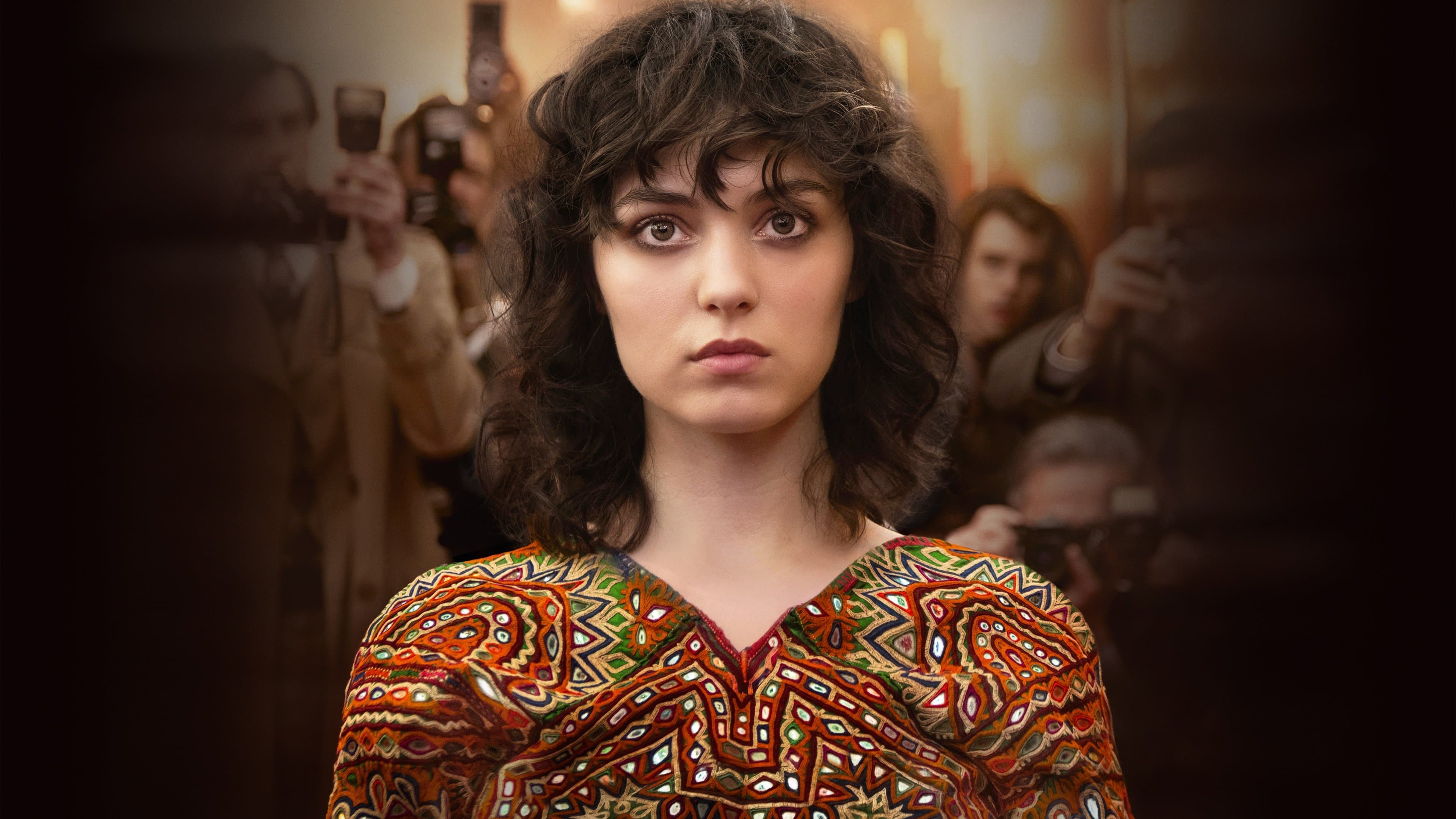
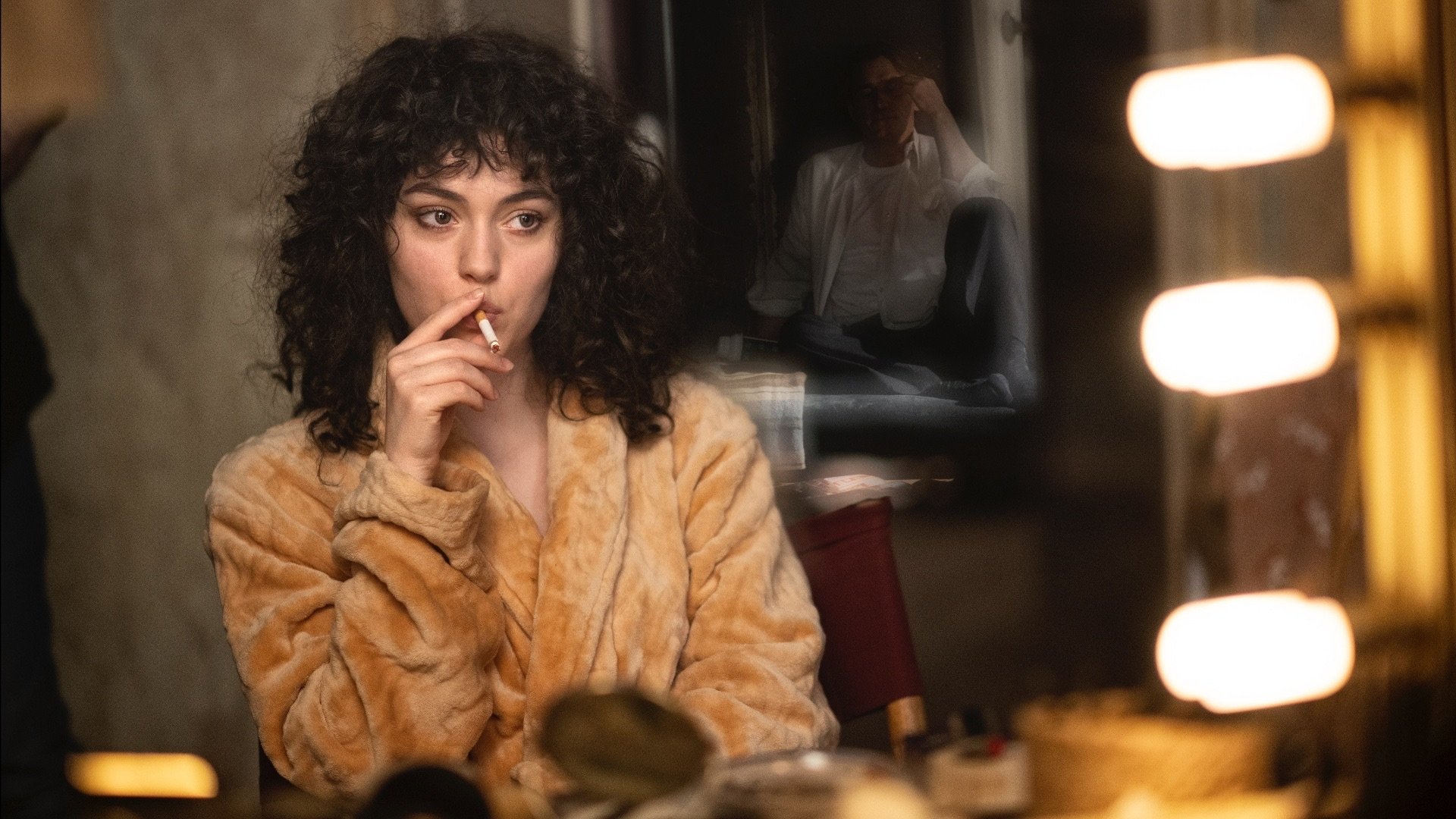
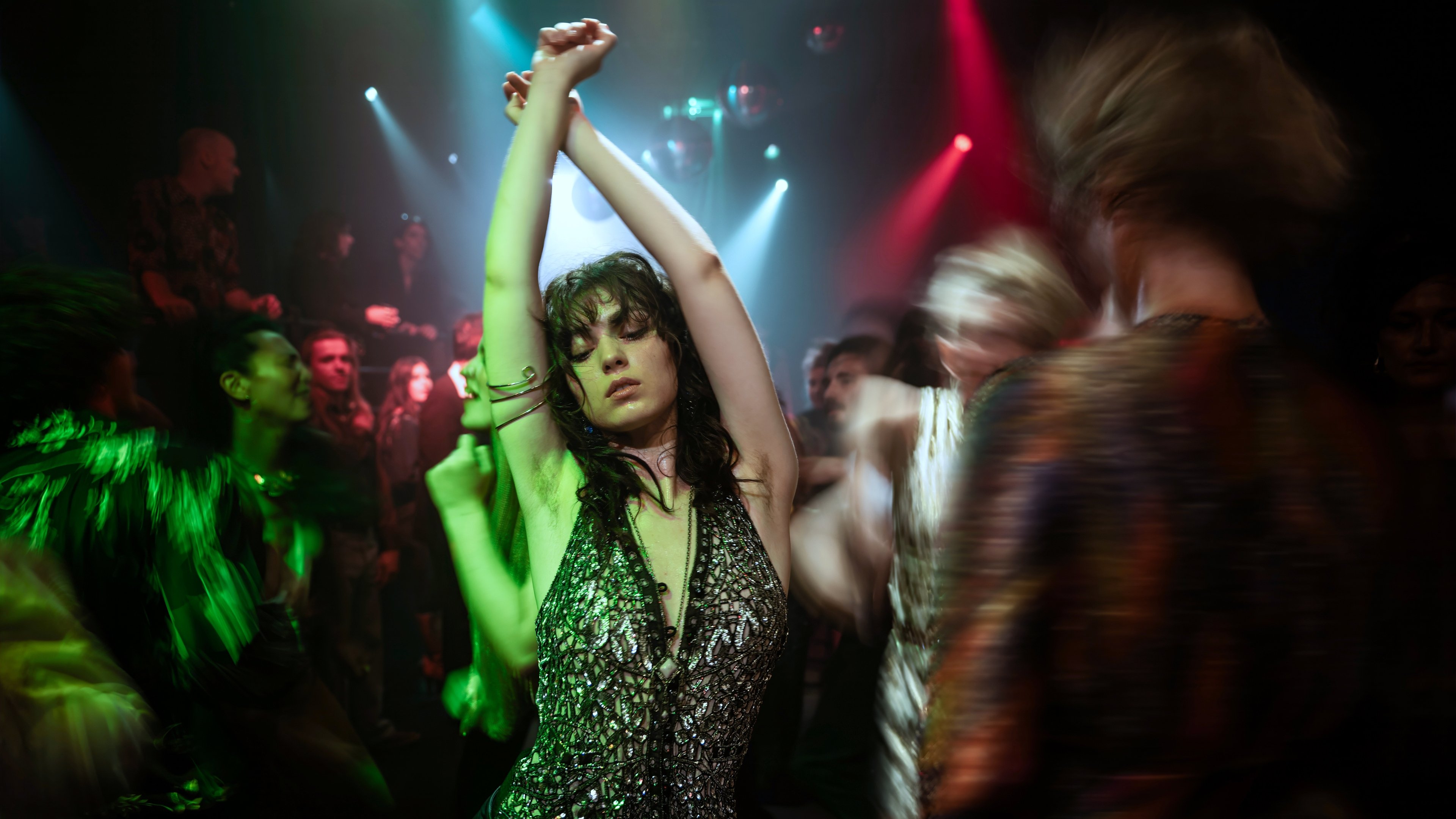
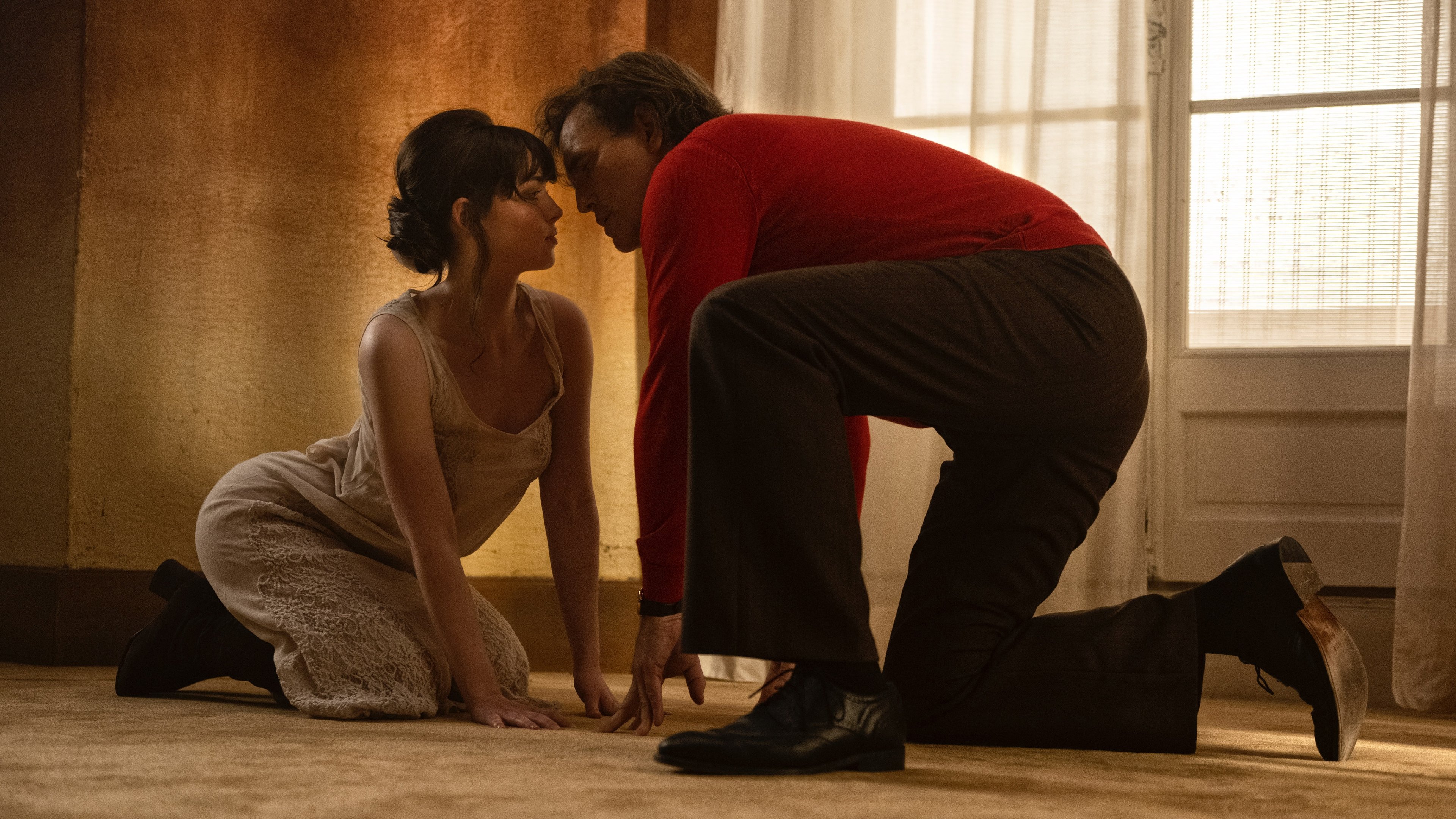
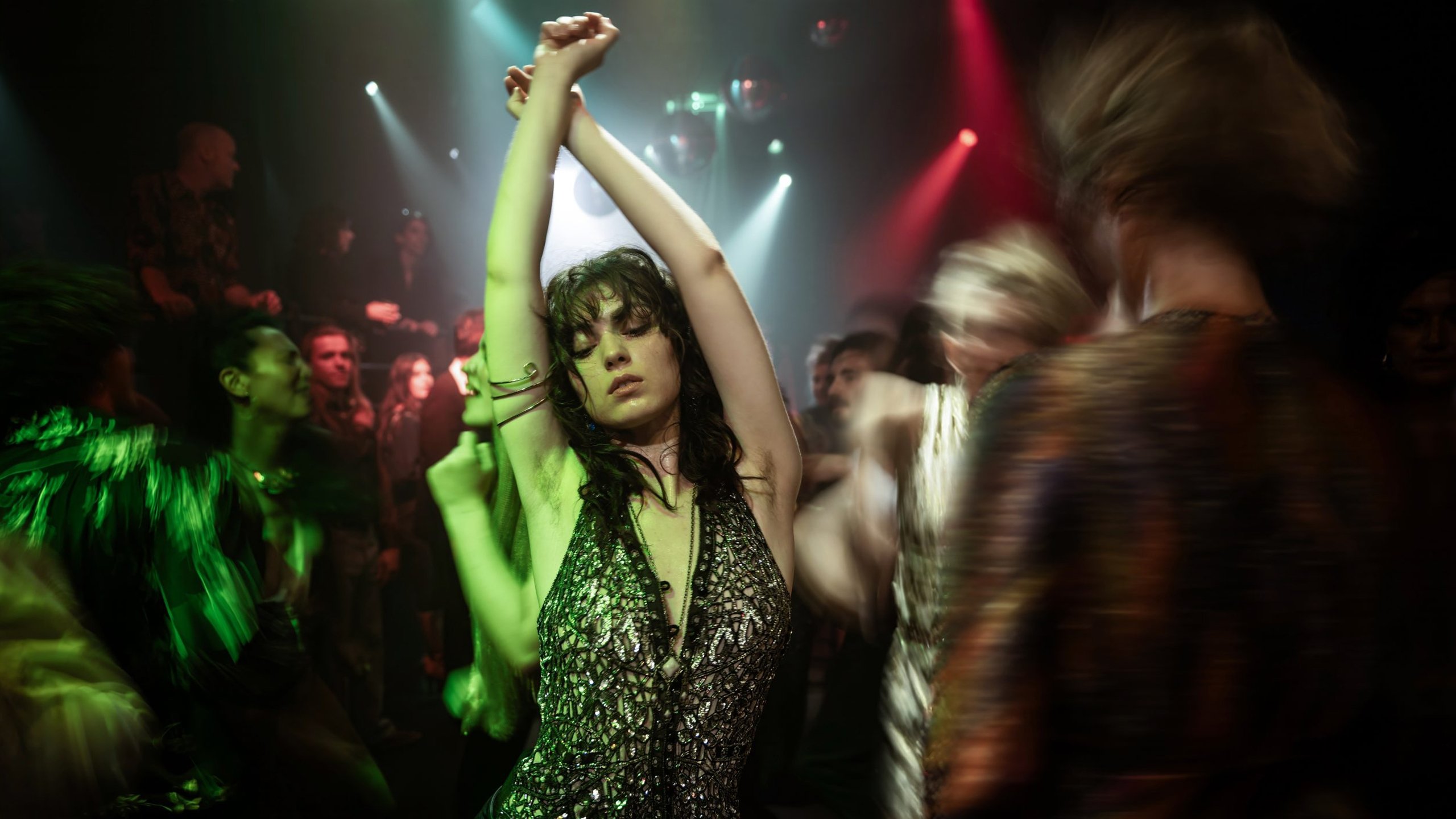
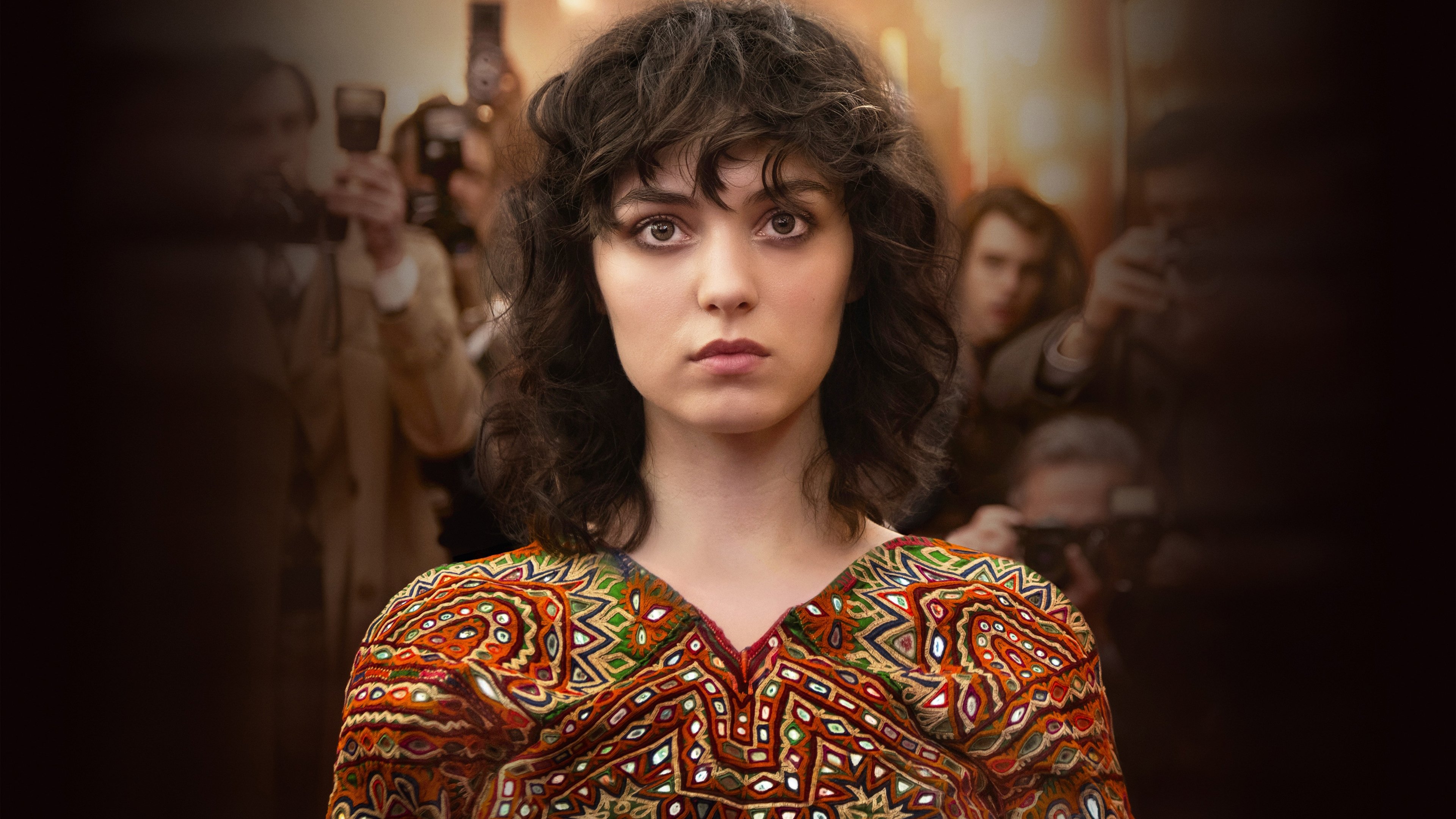
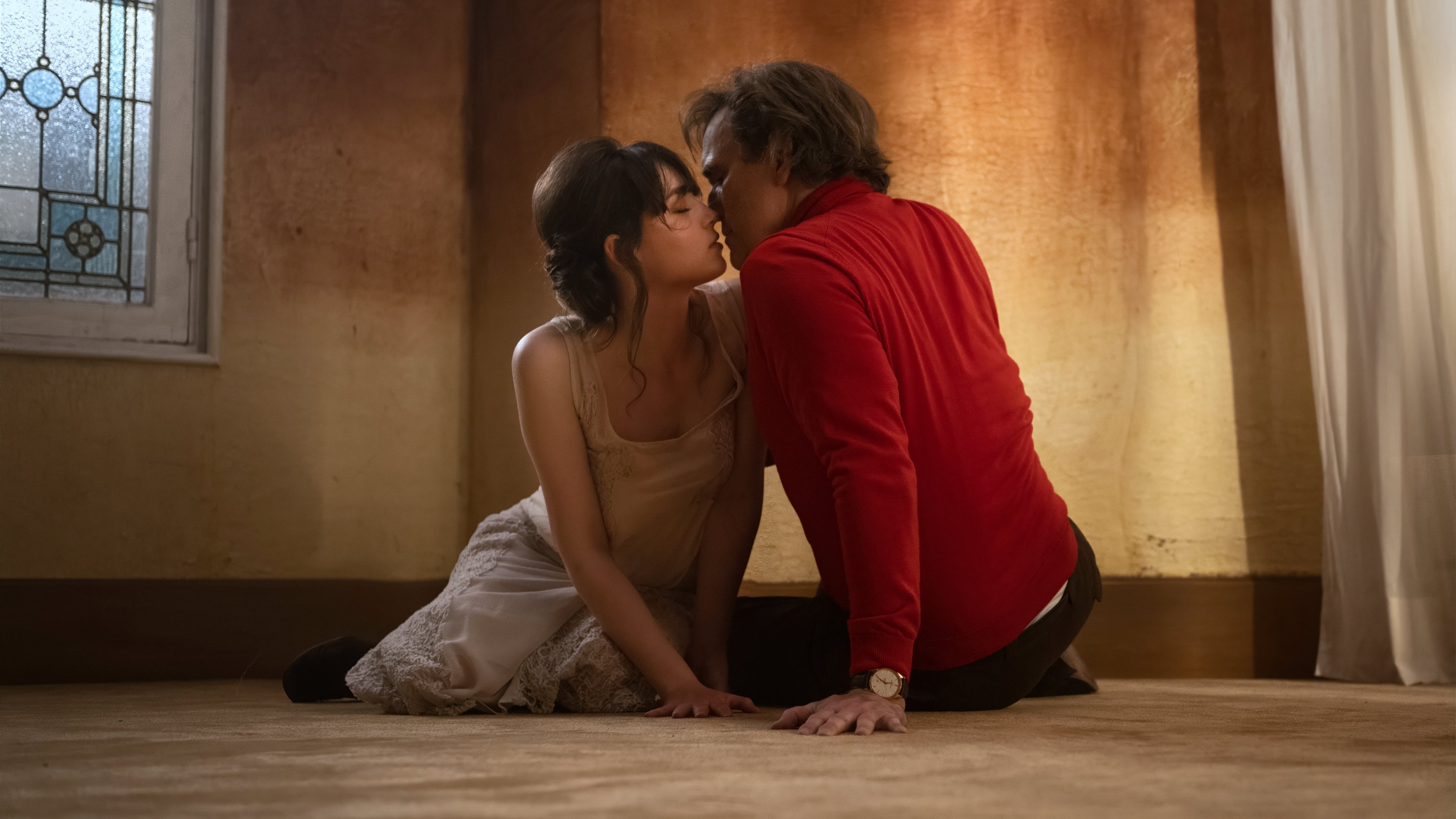
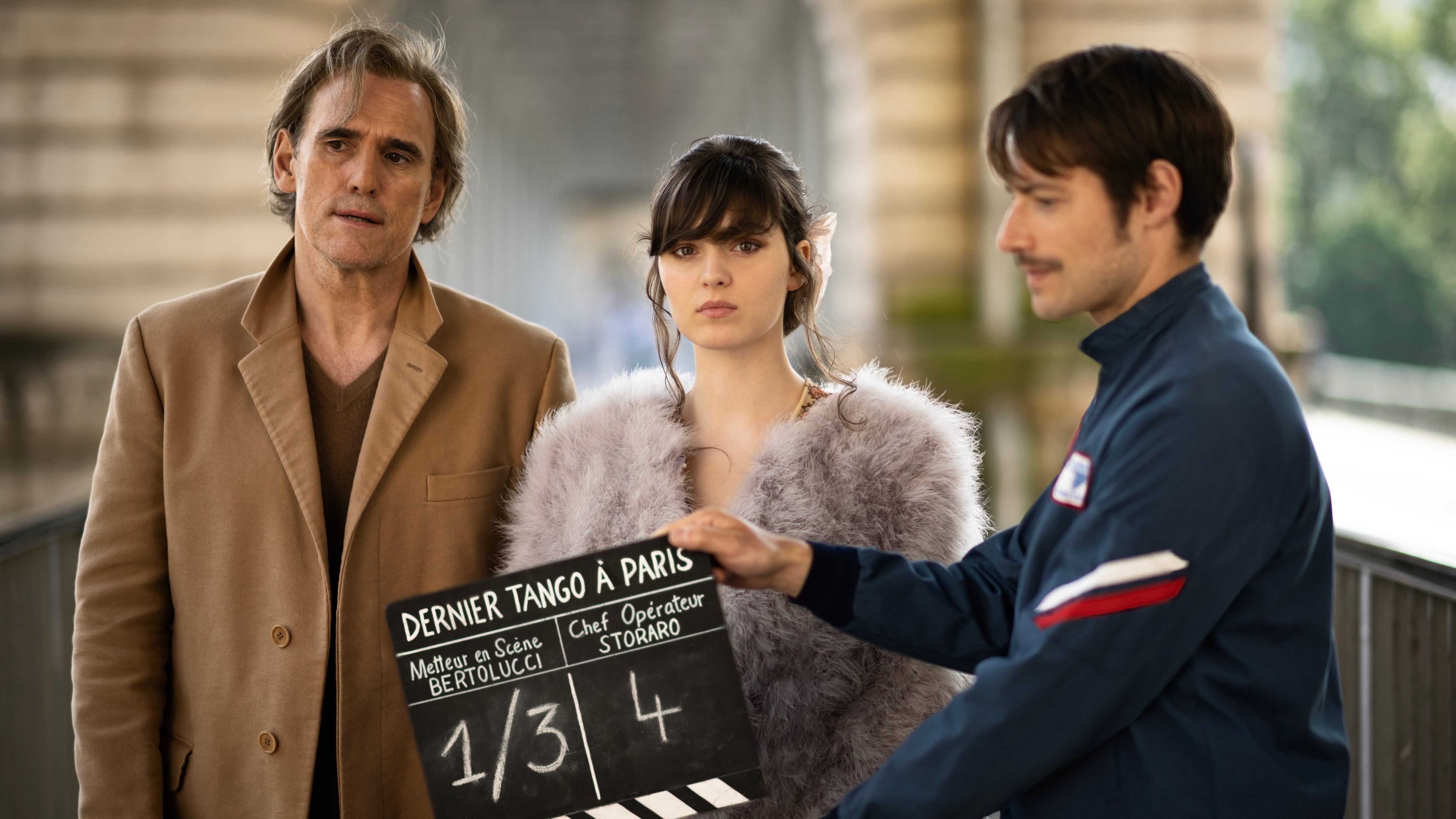
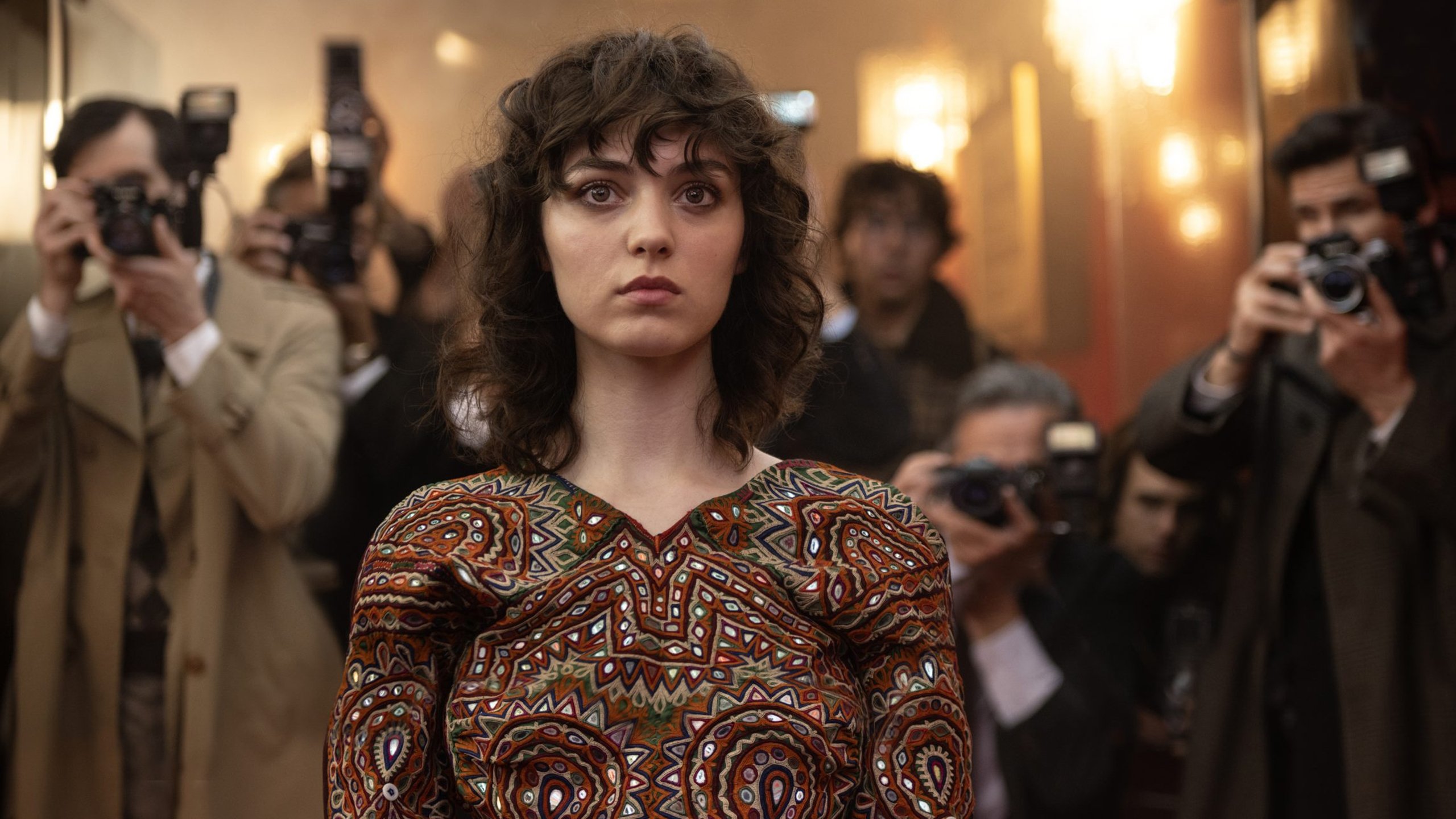
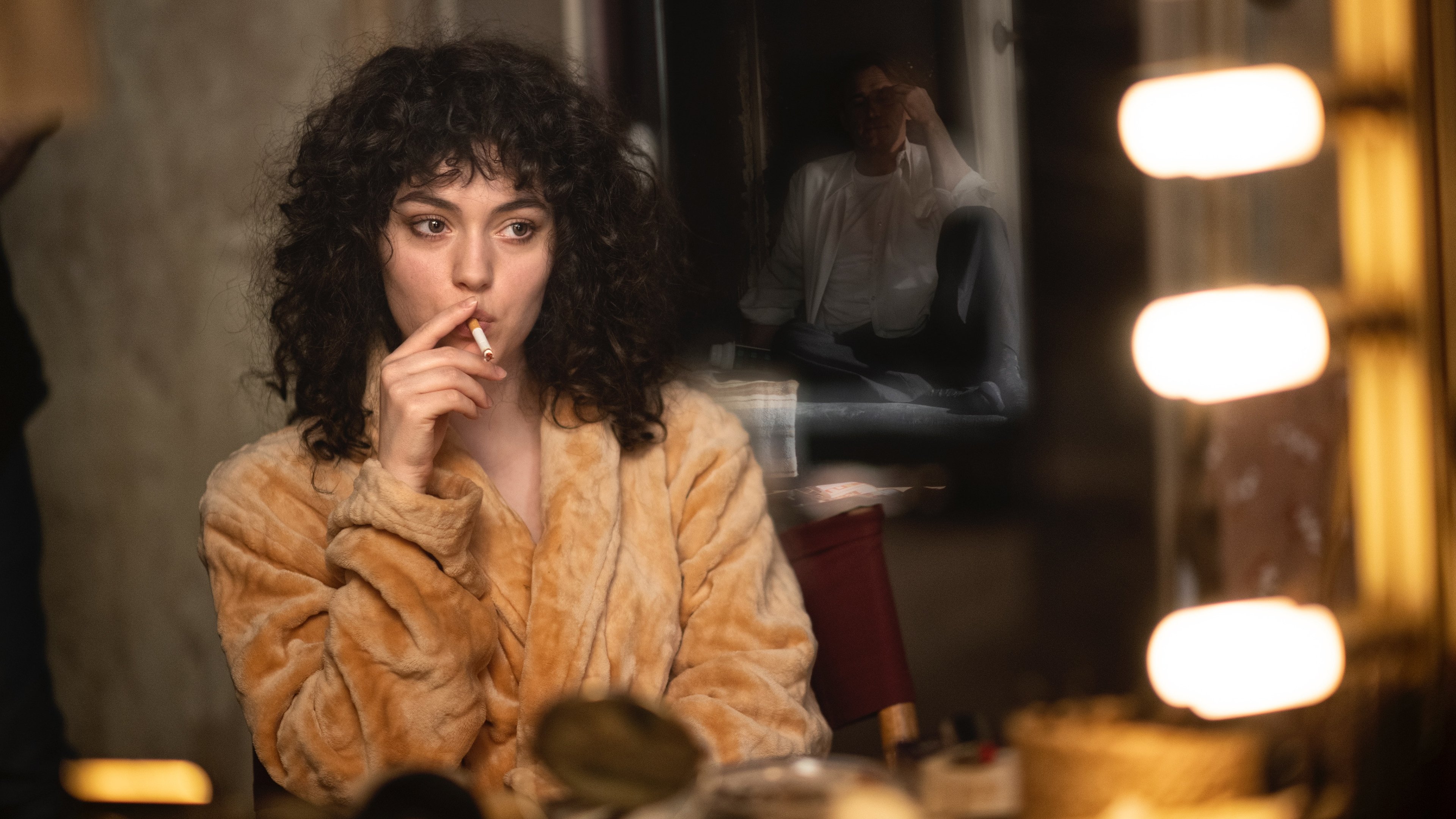
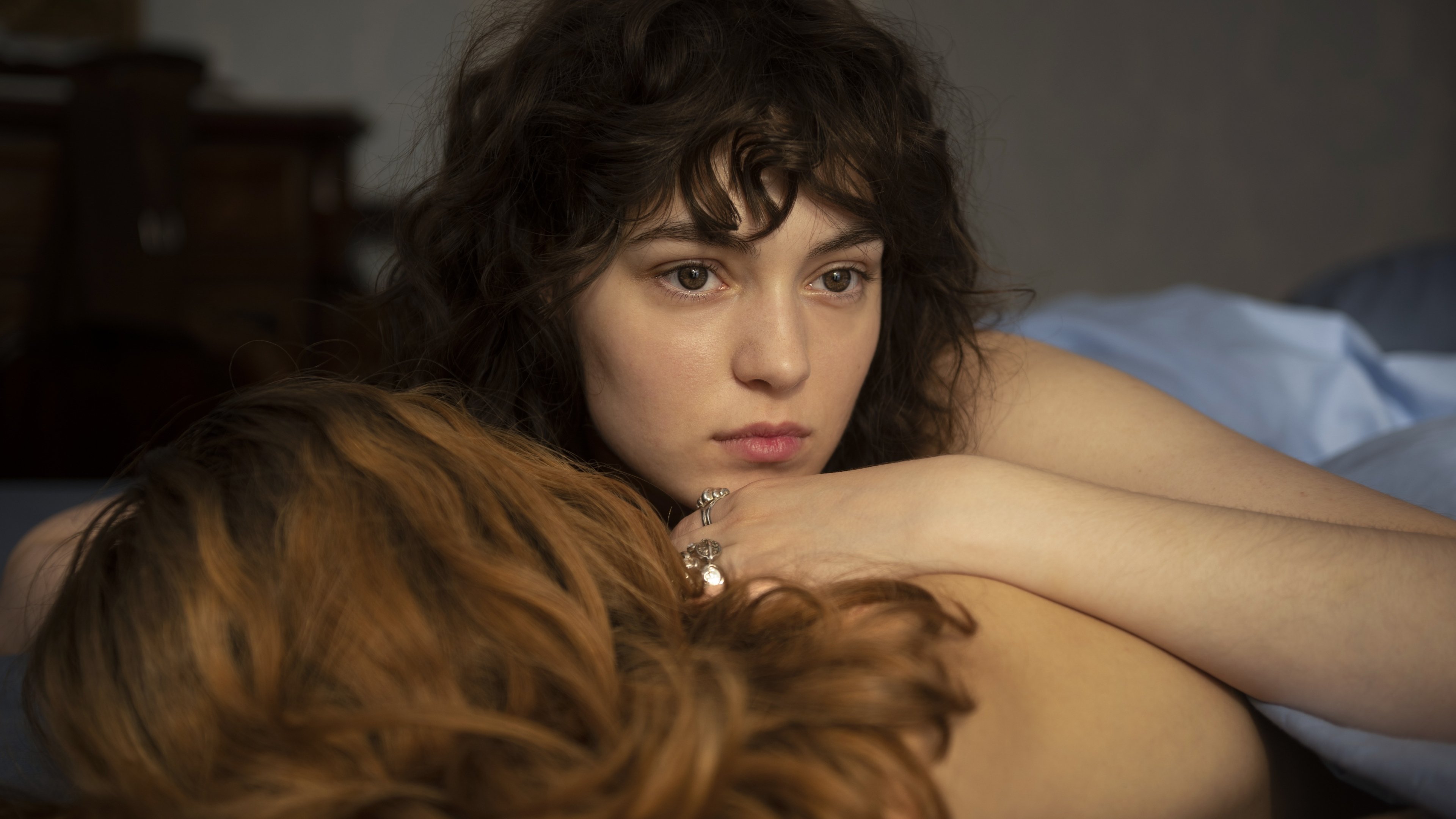
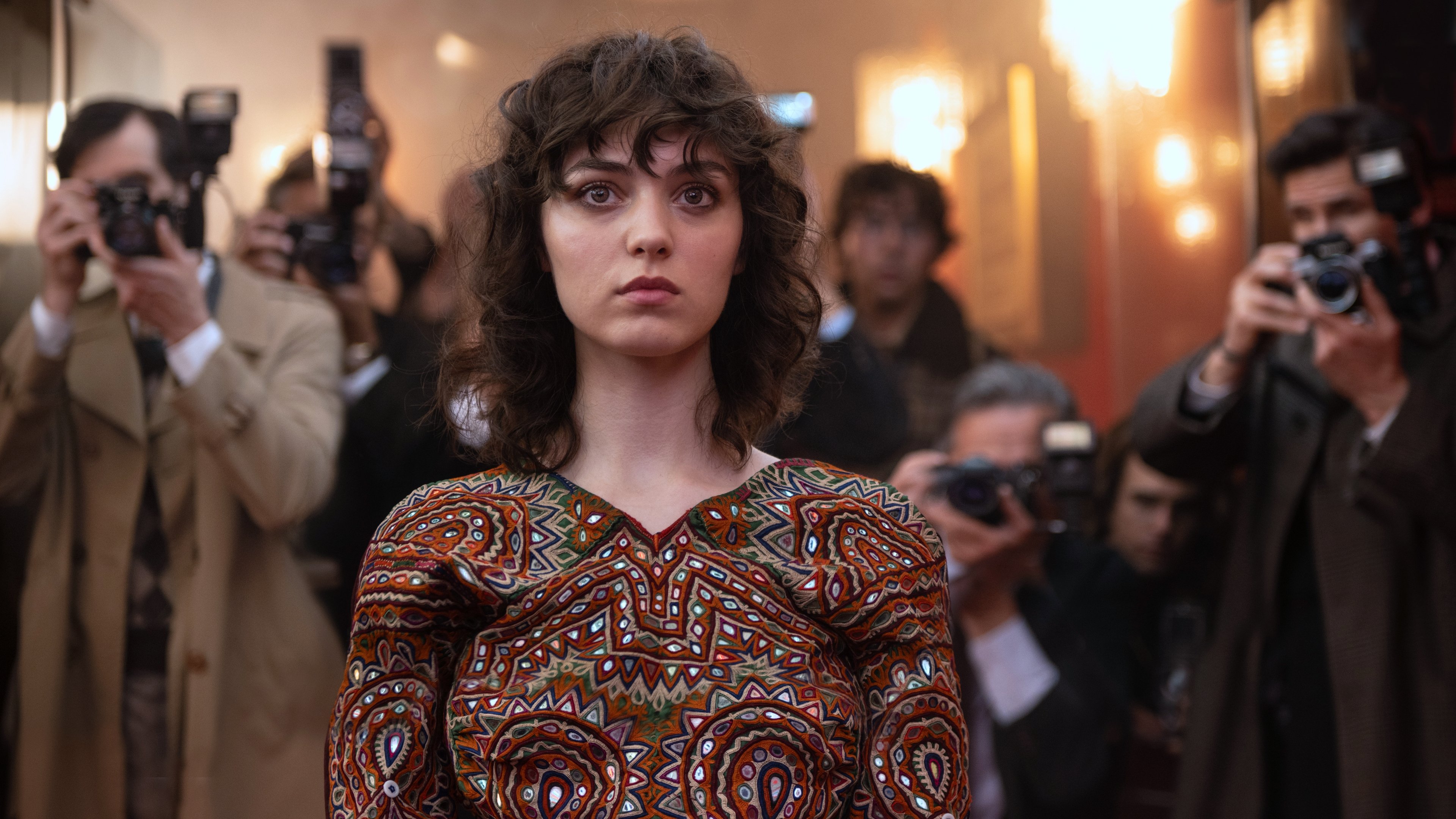
The first 20 minutes and last 30 minutes were really great. A few scenes in particular really stood out: The club scene with the flashing green lights over a close-up of Maria’s unconscious face, the dread-inducing scene of Maria’s head being dunked under water while Bertolucci gives Marlon Brando the feedback to be more violent, the first few scenes of Noor and Maria and the immediate chemistry they have.
The main thing I struggle with in this movie is that scene, which, even if I was to concede that there was a tasteful way to re-enact a scene like that, the gratuity of how it’s handled here certainly wouldn’t meet the criteria. Overall I much preferred the more personal side of this movie, both the strife and the softer more tender moments, the downfall and recovery of a woman abused and humiliated by a system where “films are made by and for men”, over the dramatized re-enactment of infamous events. However, as sympathetic a depiction as it is, it’s hard to ignore the irony of an entire third of Maria Schneider’s bio-pic being an event she clearly didn’t want to mark her career. While this definitely shows her more positively than the previous public perception, it’s strange to me how it just shifts from the common characterization of her as a sexual deviant, to a new one where she’s simply a helpless victim who, even in her attempts to reclaim autonomy, is shown to not really be in control, subordinated to her trauma.
The first 20 minutes and last 30 minutes were really great. A few scenes in particular really stood out: The club scene with the flashing green lights over a close-up of Maria’s unconscious face, the dread-inducing scene of Maria’s head being dunked under water while Bertolucci gives Marlon Brando the feedback to be more violent, the first few scenes of Noor and Maria and the immediate chemistry they have.
The main thing I struggle with in this movie is that scene, which, even if I was to concede that there was a tasteful way to re-enact a scene like that, the gratuity of how it’s handled here certainly wouldn’t meet the criteria. Overall I much preferred the more personal side of this movie, both the strife and the softer more tender moments, the downfall and recovery of a woman abused and humiliated by a system where “films are made by and for men”, over the dramatized re-enactment of infamous events. However, as sympathetic a depiction as it is, it’s hard to ignore the irony of an entire third of Maria Schneider’s bio-pic being an event she clearly didn’t want to mark her career. While this definitely shows her more positively than the previous public perception, it’s strange to me how it just shifts from the common characterization of her as a sexual deviant, to a new one where she’s simply a helpless victim who, even in her attempts to reclaim autonomy, is shown to not really be in control, subordinated to her trauma.