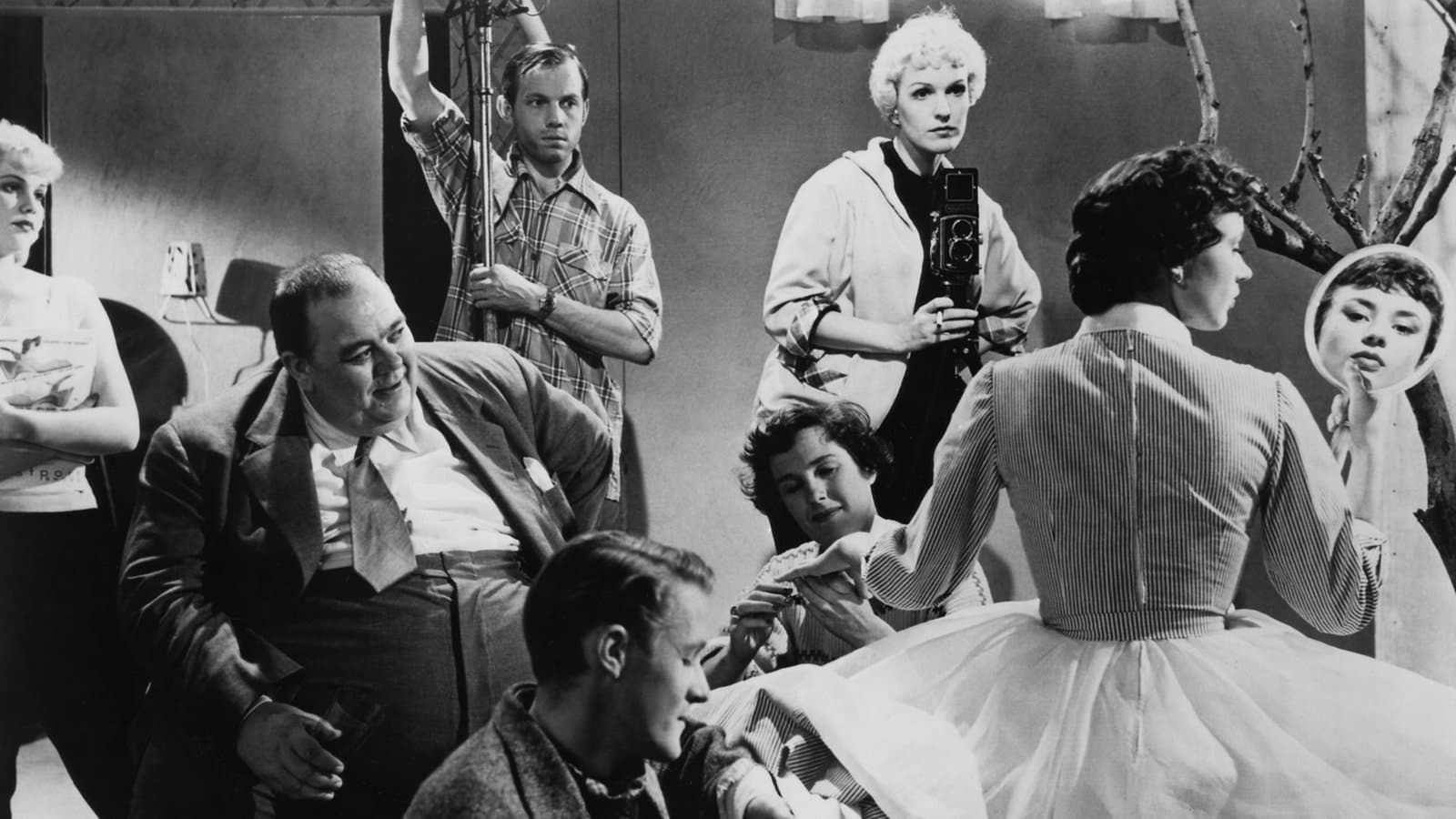
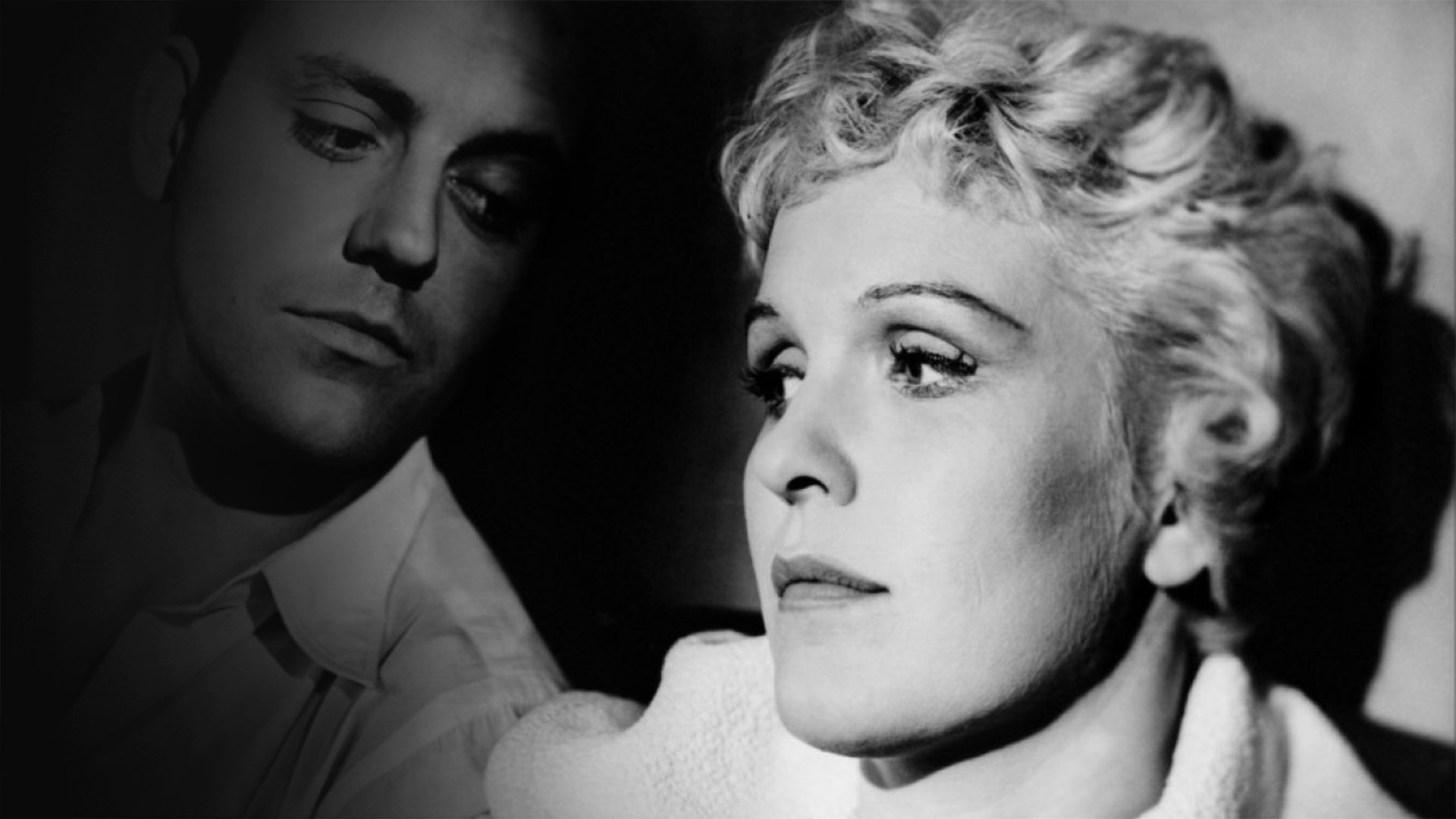
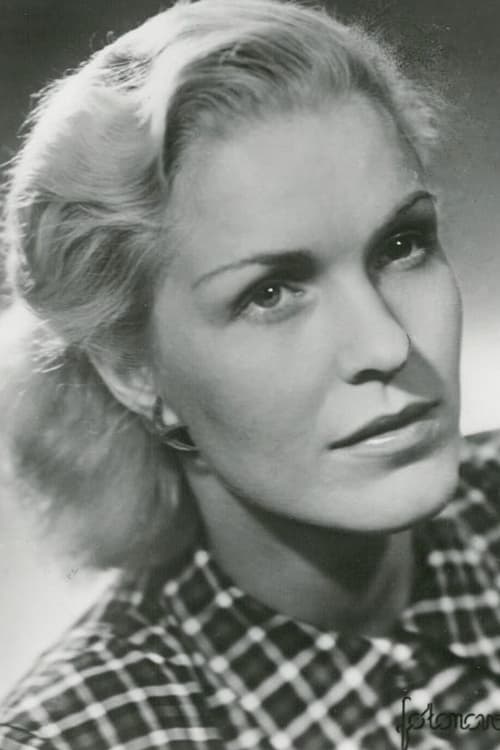
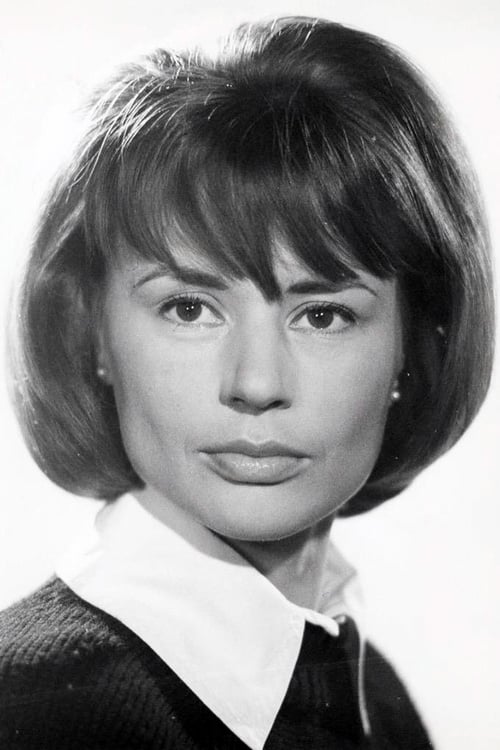
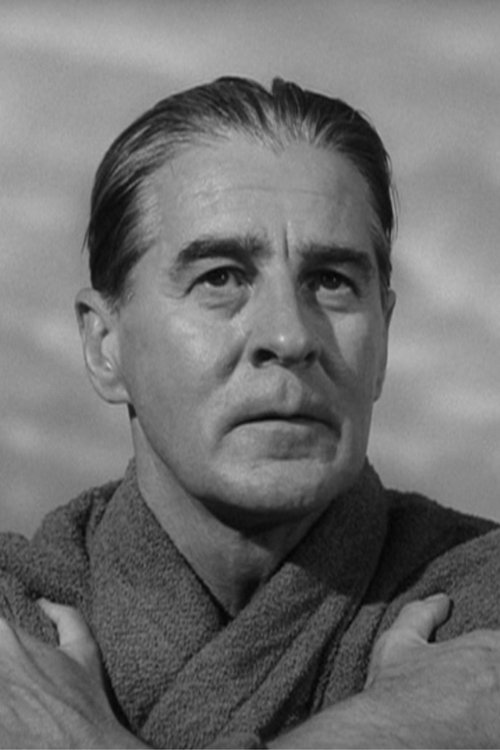
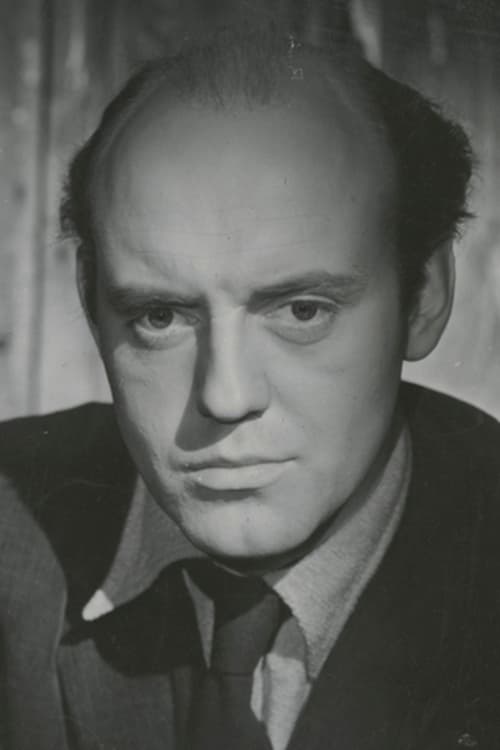
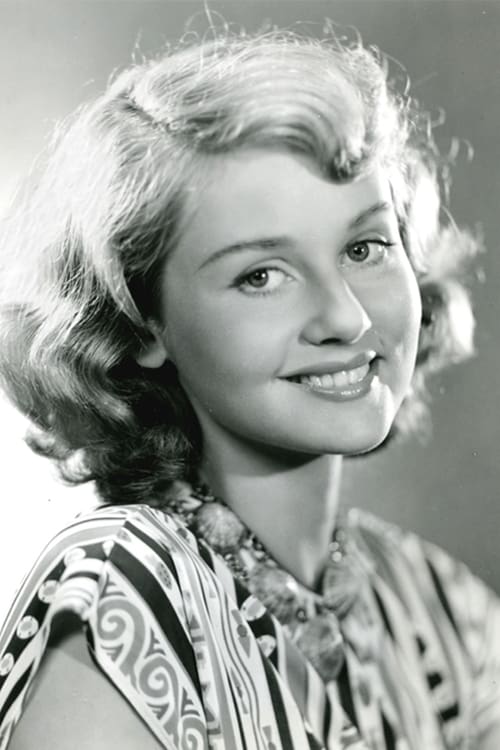
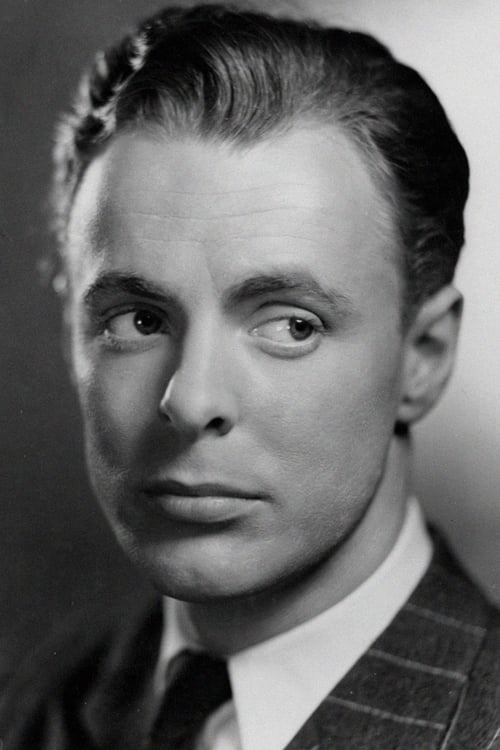
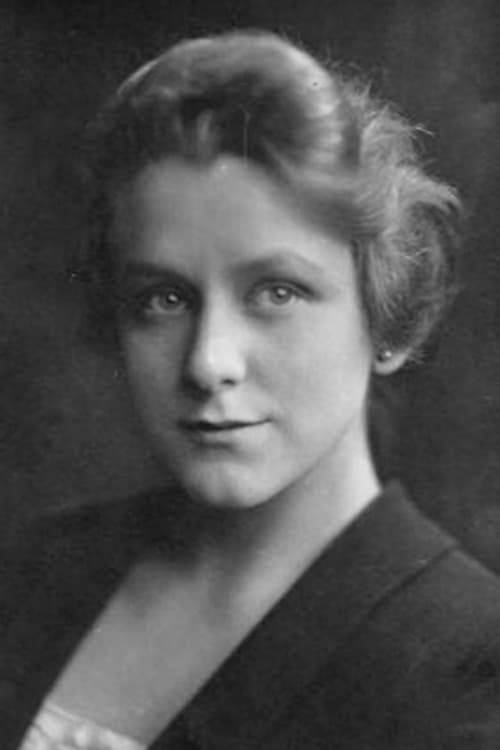
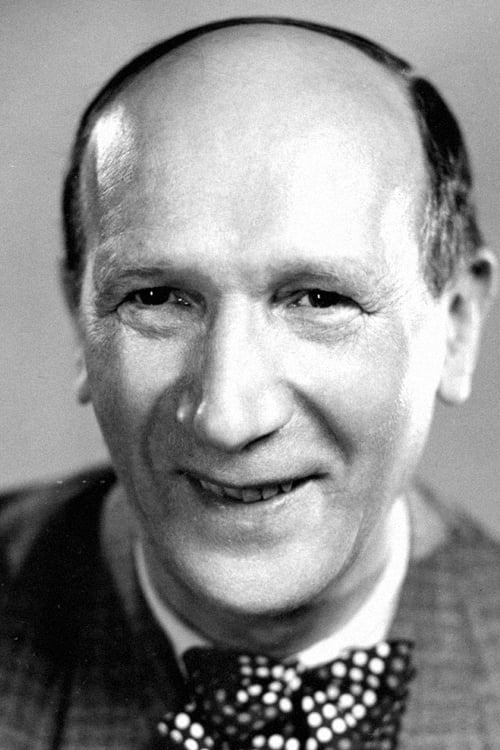
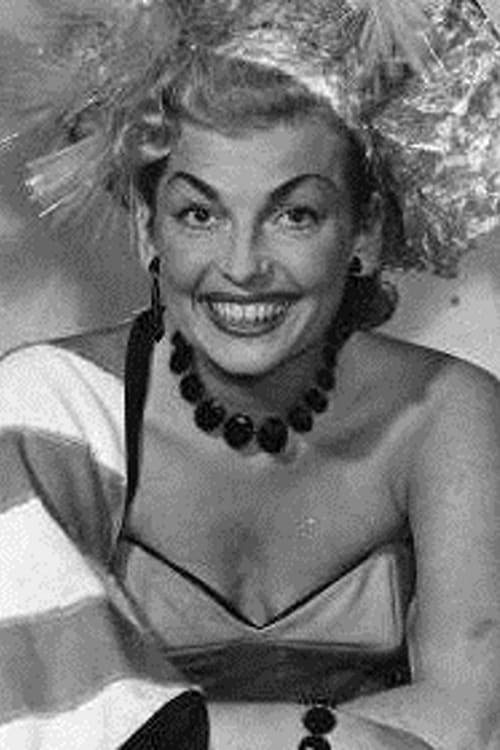
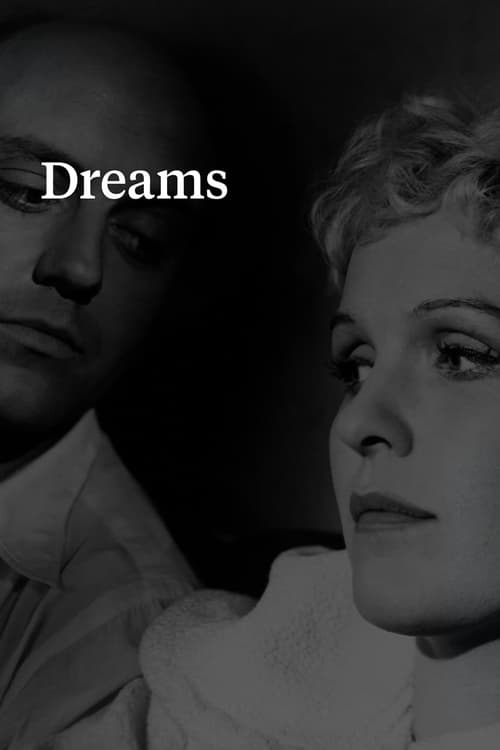
There is an early shot of Eva Dahlbeck opening the window of a train car and getting struck by wind and rain. Recalling the title, Dreams, I thought "all nightmares are dreams, but not all dreams are nightmares." I wondered where the film would go with this concept considering this was Bergman. It would seem we witness two women navigate a proverbial nightmare of male trajectory. Susanne (Dahlbeck) must reconcile with the shadow of a former lover, while Doris (Andersson) must navigate the introduction of a would-be lover.
This feels minor, but unsurprsingly for my favourite director, even minor works yield great joy. Despite a decent runtime, the parallel stories of our two heroines feel compact, maybe because they don't explicitly intersect. The order of events feels inconseqential. We could have seen either woman's story before or after the other and the impact would be the same.
Doris and Otto's (Björnstrand) meeting and union is serendipitous which I never really care for. It takes a moment for them to really hit it off. The best parts of their adventure start with the amusement park. When they go to the horror house, you get the montage of monsters, and then when they exit and Otto falls, I thought about that nightmare scene in Wild Strawberries. When they get back to Otto's house and his daughter appears, we get some great classic Bergman dialogue. I love the story of his institutionalized wife who believes his daughter's head is a wolf's head. Then it pays off when his daughter appears and he says maybe his wife's delusion isn't so far from the truth. At the same time, the whole event of the daughter's appearance, as good as it is, still feels low stakes. Doris is never actually in danger, we don't see anything to indicate Otto is in danger either; it's just rich people domestic issues, kinda innocuous.
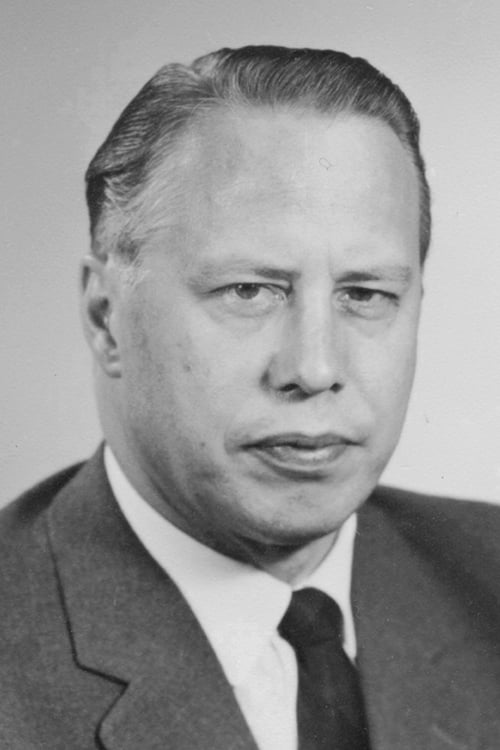
I really like Susanne's arc. Her story feels meaningful, maybe because she's dealing with her past which, despite the truncation, was built up in the beginning with things like the train scene and her spying in the woods outside Henrik's (Palme) house. Their encounter feels short and quickly moves ahead to have Fru (Landgré) confront them. It's quite dramatic; Landgré does a great job being the imposing and immovable force of traditional marital logic, which refutes Susanne's heart. The letter at the end was a nice touch and gave Susanne a rare triumph for a Bergman film.
Overall this is a pretty good story. I liked it quite a bit, but considering the master from which this came, it's hard to triumph it as a more major work. As I said earlier, even minor Bergman works can yeild great effect.
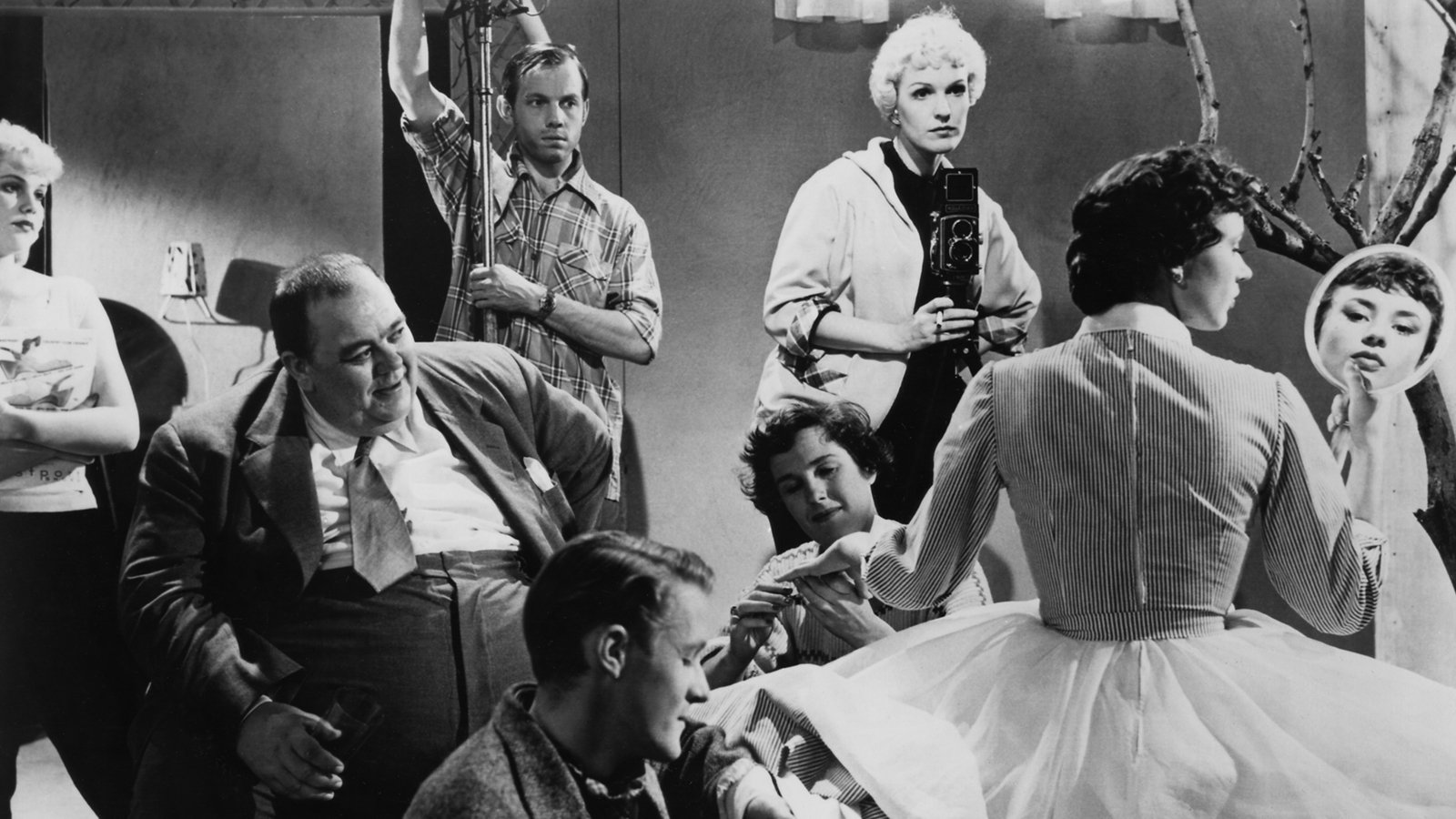
There is an early shot of Eva Dahlbeck opening the window of a train car and getting struck by wind and rain. Recalling the title, Dreams, I thought "all nightmares are dreams, but not all dreams are nightmares." I wondered where the film would go with this concept considering this was Bergman. It would seem we witness two women navigate a proverbial nightmare of male trajectory. Susanne (Dahlbeck) must reconcile with the shadow of a former lover, while Doris (Andersson) must navigate the introduction of a would-be lover.
This feels minor, but unsurprsingly for my favourite director, even minor works yield great joy. Despite a decent runtime, the parallel stories of our two heroines feel compact, maybe because they don't explicitly intersect. The order of events feels inconseqential. We could have seen either woman's story before or after the other and the impact would be the same.
Doris and Otto's (Björnstrand) meeting and union is serendipitous which I never really care for. It takes a moment for them to really hit it off. The best parts of their adventure start with the amusement park. When they go to the horror house, you get the montage of monsters, and then when they exit and Otto falls, I thought about that nightmare scene in Wild Strawberries. When they get back to Otto's house and his daughter appears, we get some great classic Bergman dialogue. I love the story of his institutionalized wife who believes his daughter's head is a wolf's head. Then it pays off when his daughter appears and he says maybe his wife's delusion isn't so far from the truth. At the same time, the whole event of the daughter's appearance, as good as it is, still feels low stakes. Doris is never actually in danger, we don't see anything to indicate Otto is in danger either; it's just rich people domestic issues, kinda innocuous.
I really like Susanne's arc. Her story feels meaningful, maybe because she's dealing with her past which, despite the truncation, was built up in the beginning with things like the train scene and her spying in the woods outside Henrik's (Palme) house. Their encounter feels short and quickly moves ahead to have Fru (Landgré) confront them. It's quite dramatic; Landgré does a great job being the imposing and immovable force of traditional marital logic, which refutes Susanne's heart. The letter at the end was a nice touch and gave Susanne a rare triumph for a Bergman film.
Overall this is a pretty good story. I liked it quite a bit, but considering the master from which this came, it's hard to triumph it as a more major work. As I said earlier, even minor Bergman works can yeild great effect.