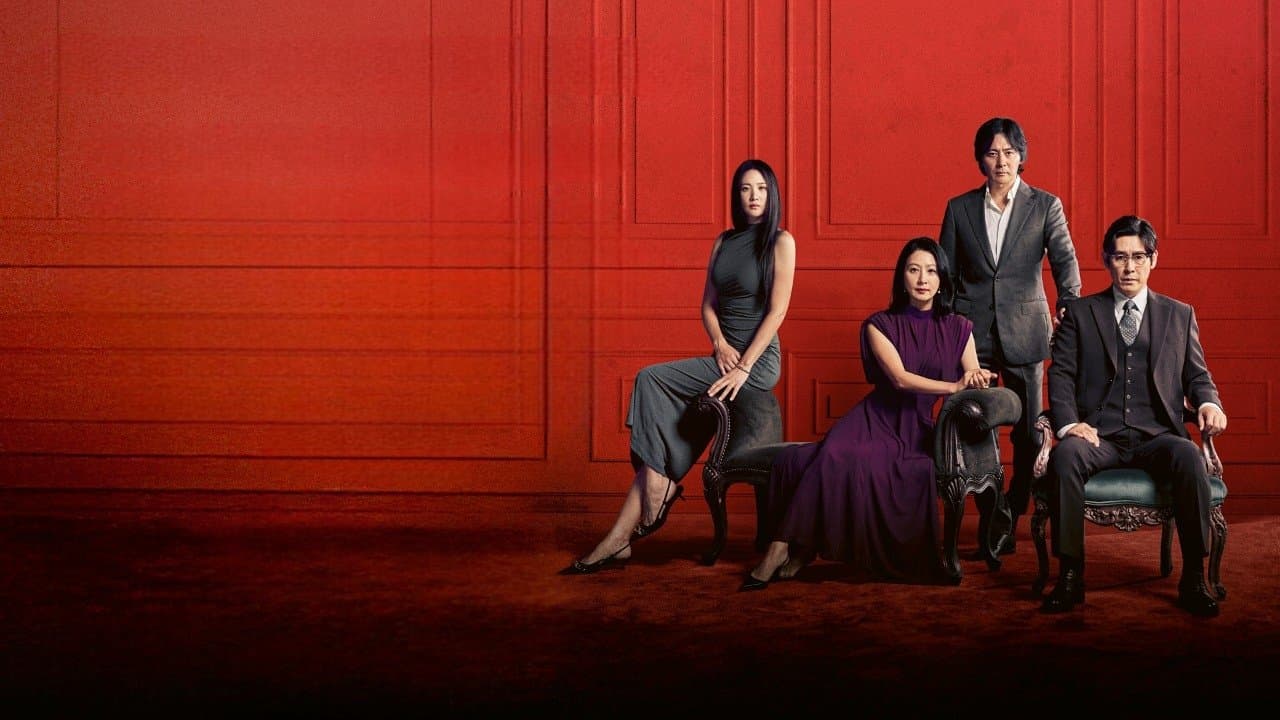
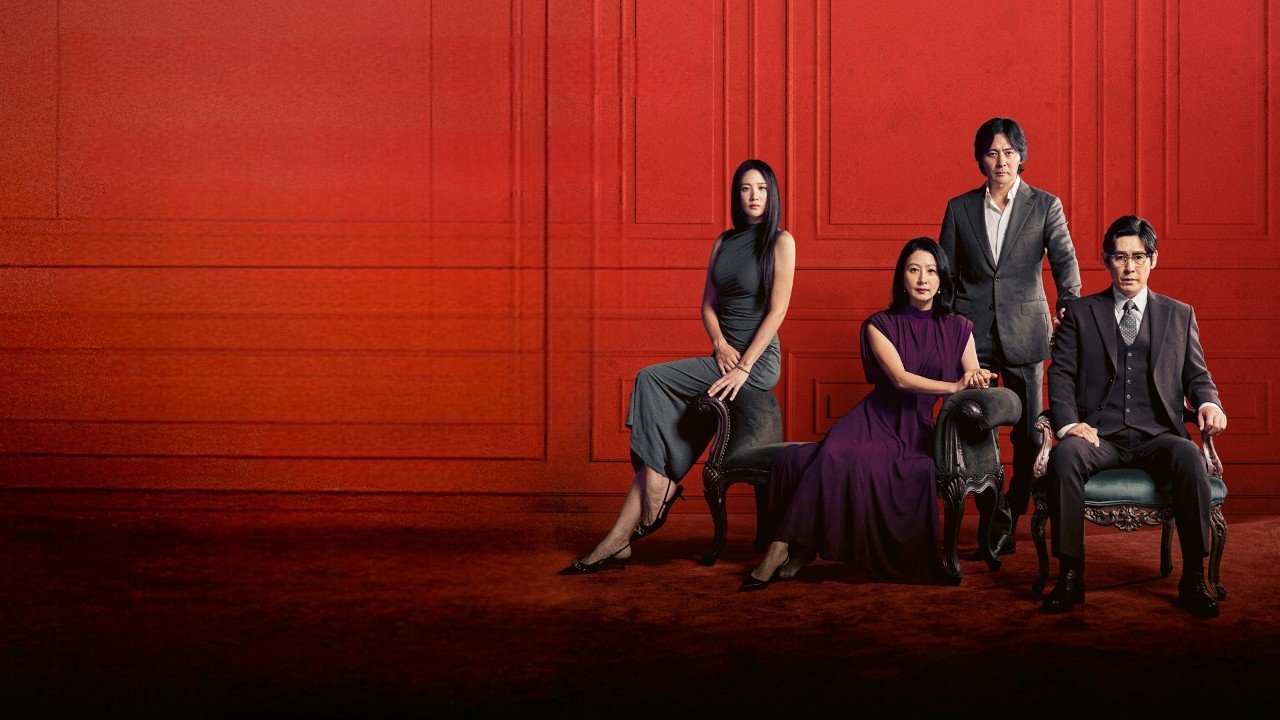
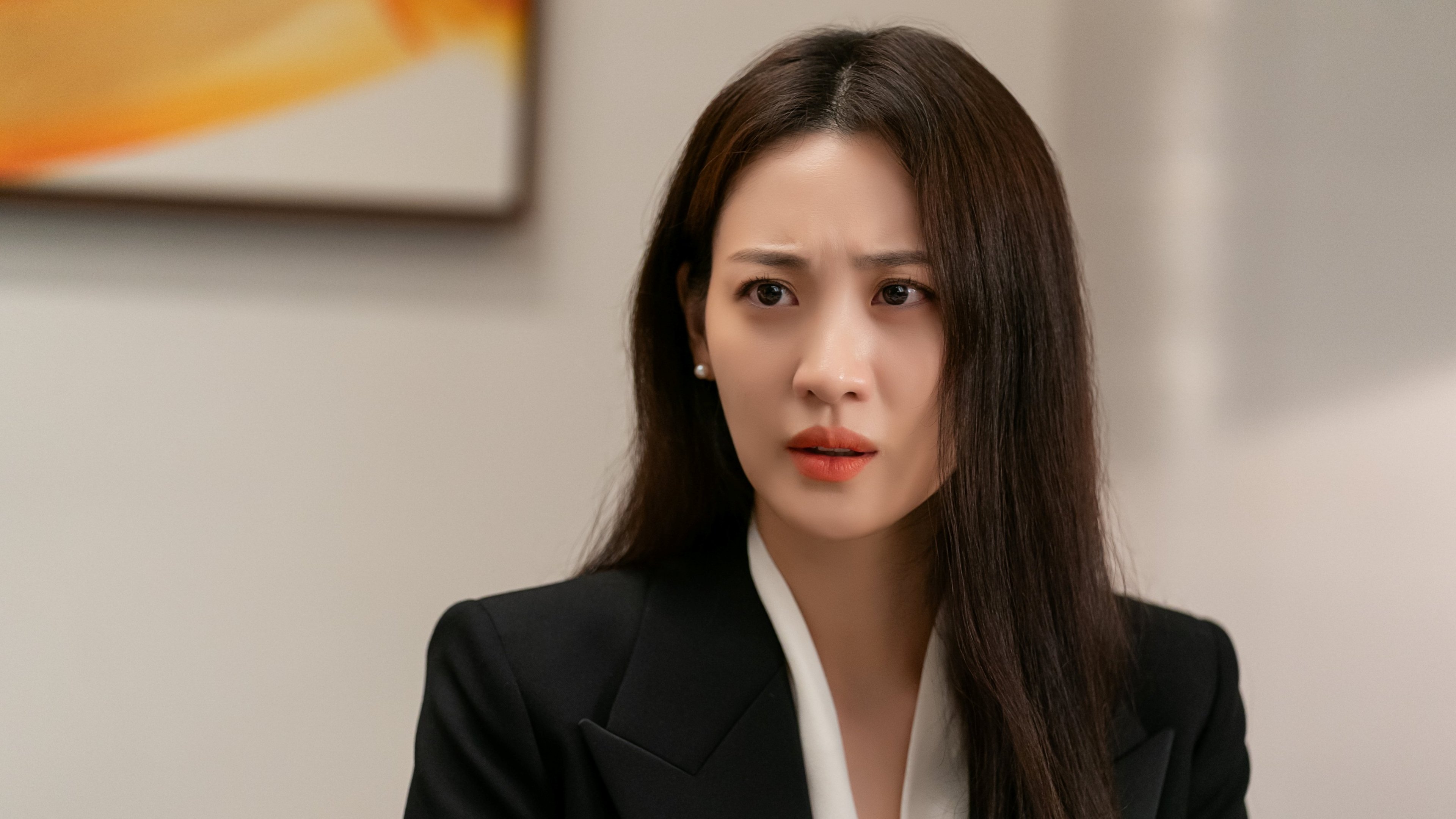
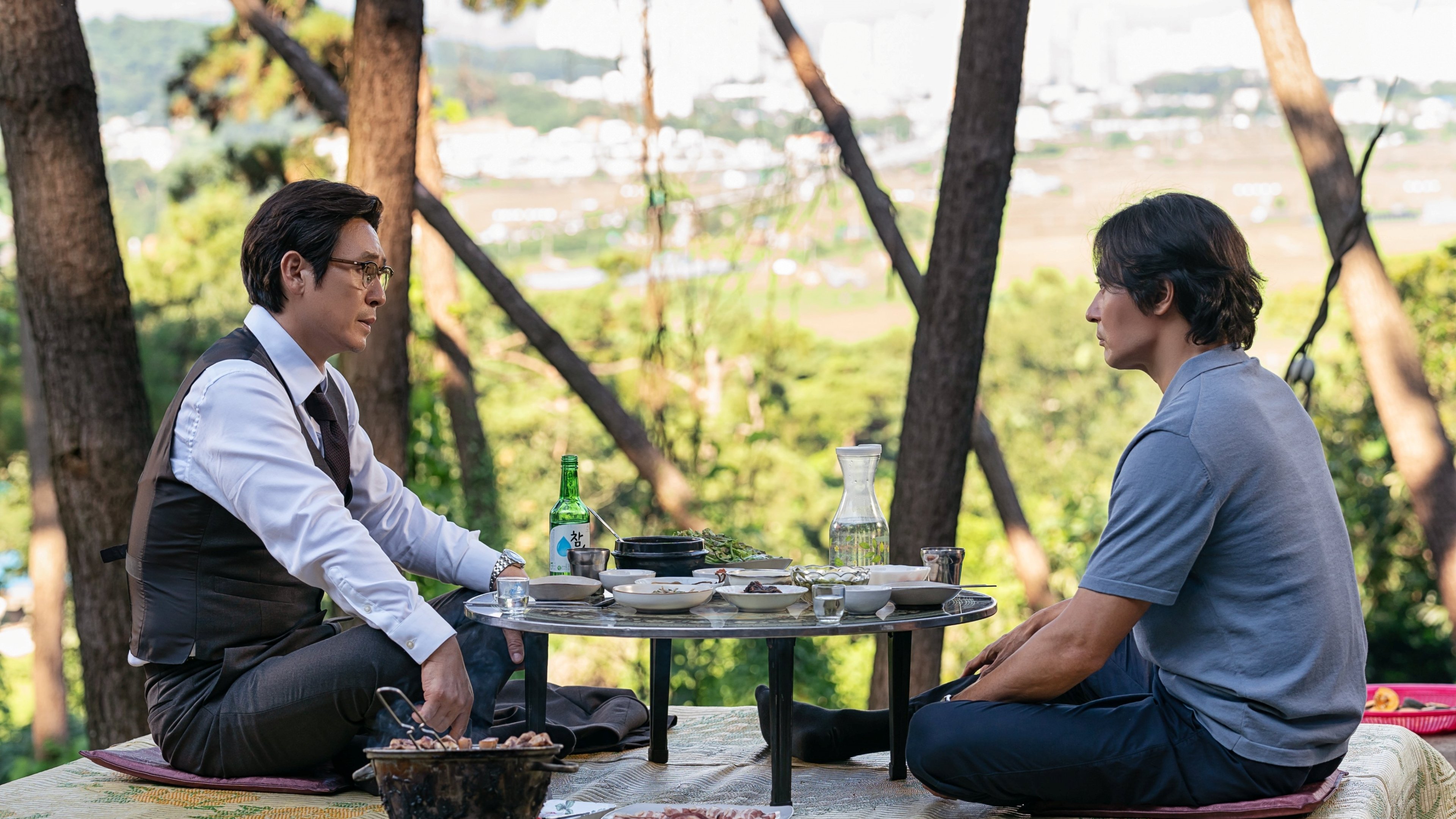
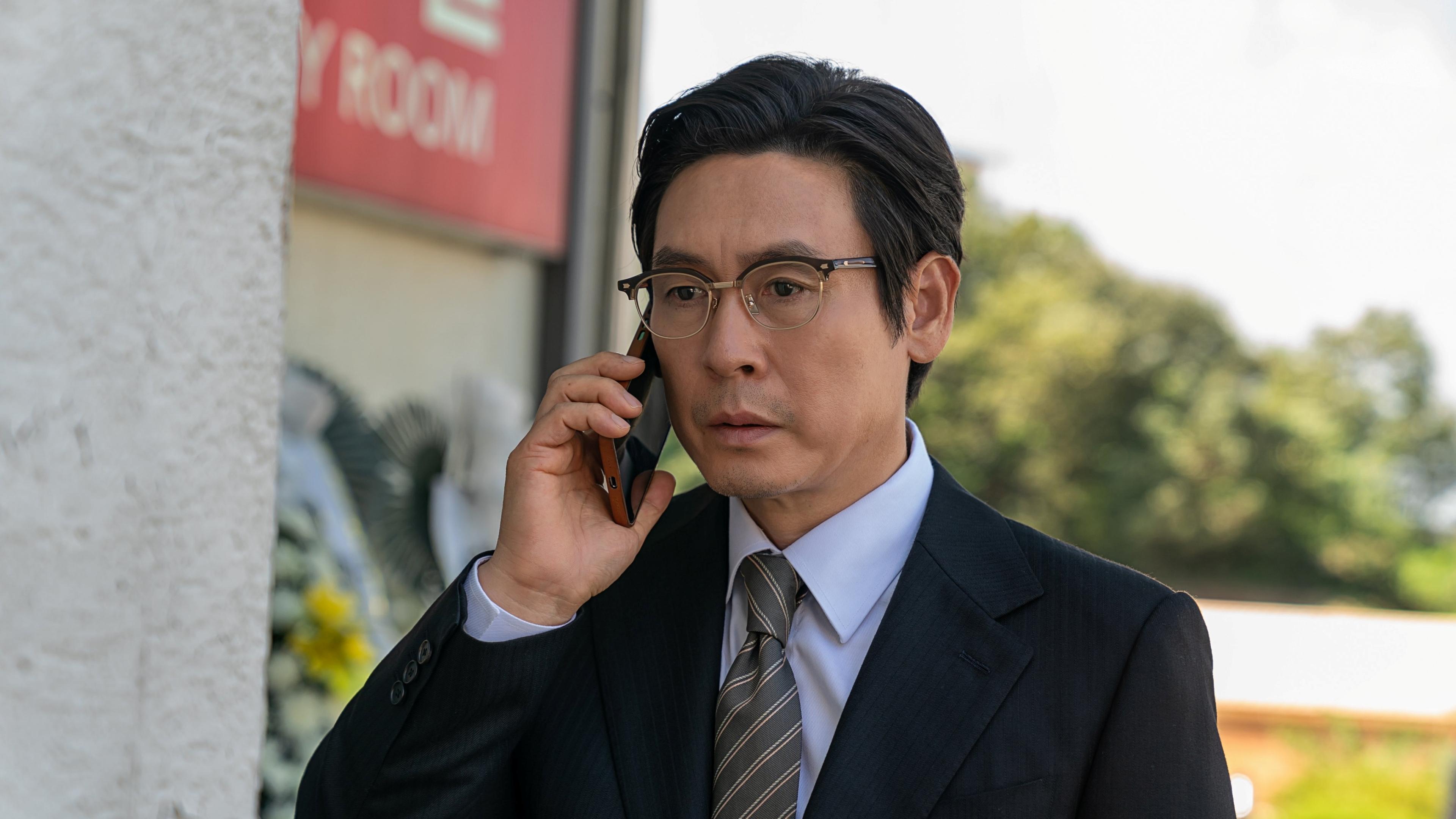
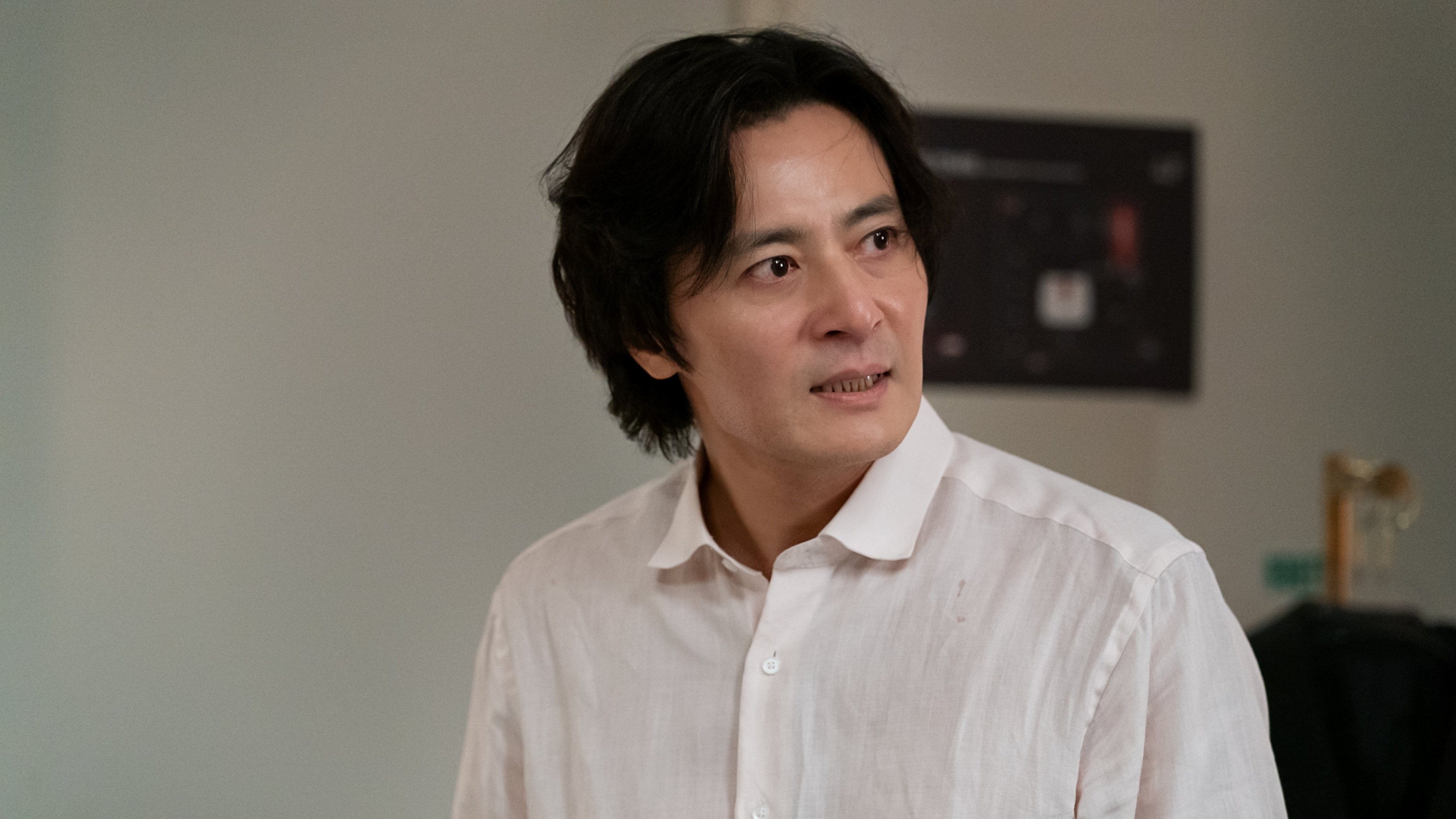
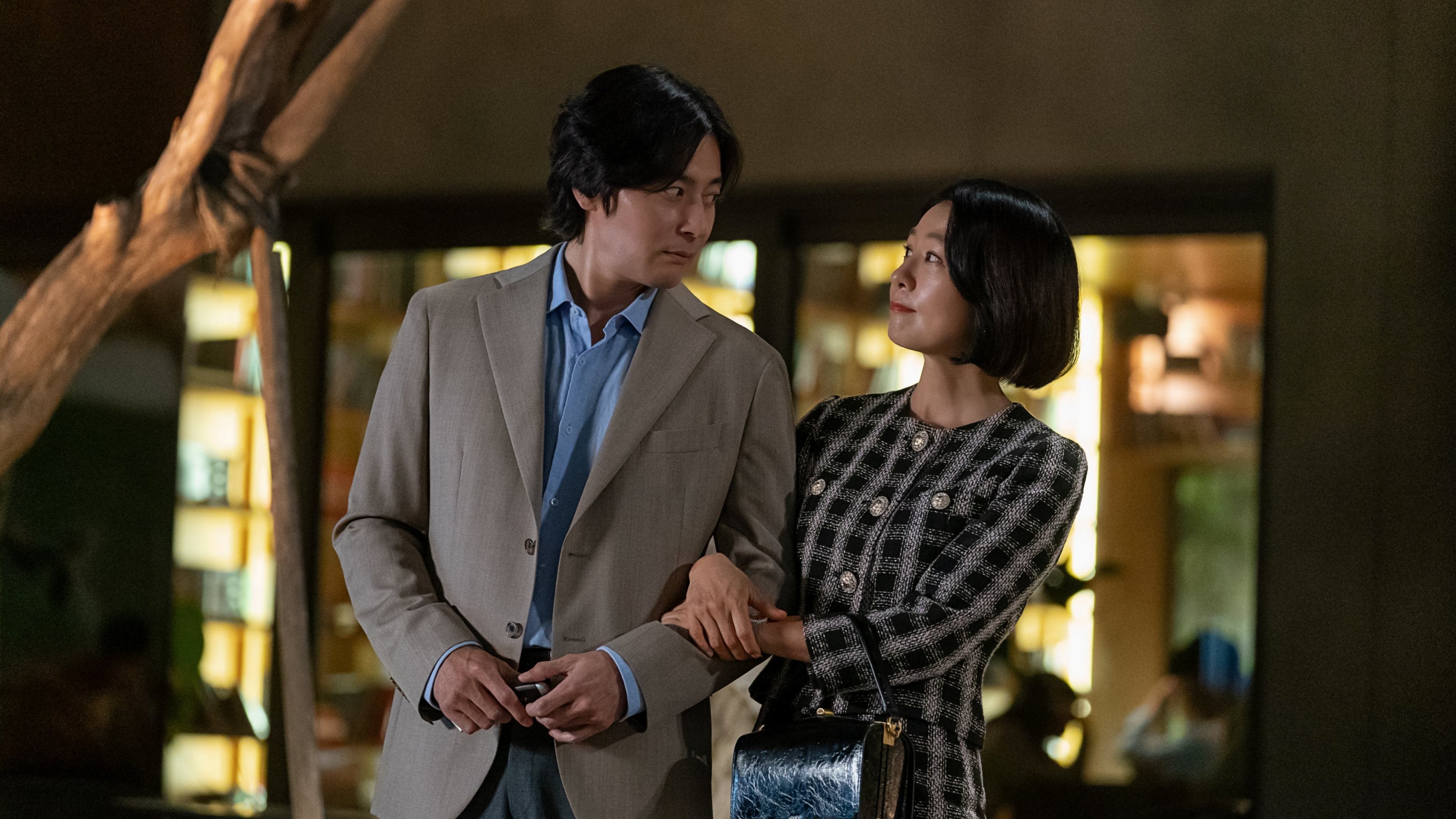
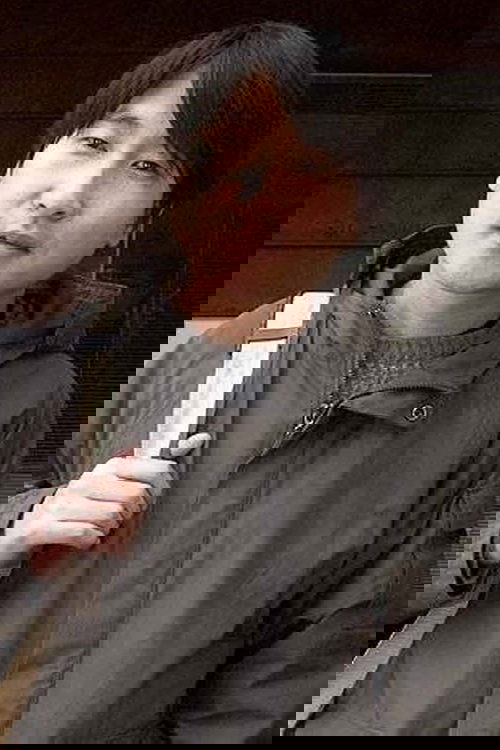
A NORMAL FAMILY est un film sud-coréen sortie en 2023, ce drame est l’adaptation du roman néerlandais LE DINER publié en France en 2011. Ce film conte l’histoire d’une famille « normal » qui se retrouve dans une situation critique après avoir découverts que leurs enfants avaient commis un crime malheureusement médiatisé. Au milieu de toutes ces tensions familiales le film réalise une vraie critique du sens morale de chacun. Jusqu’où sommes-nous prêts à aller pour protégé ceux que l’on aime ? La vertu a-t-elle une limite ? Où se trouve le point de non-retour ?
Le film commence sur un accident de voiture où un jeune homme tue un père et blesse gravement sa fille à la suite d’une violente dispute. Cet évènement a pour but de nous introduire les deux protagonistes et leurs façons de vivre. En effet si l’un des deux frères est un avocat réputer qui va se charger de défendre le responsable de cet incident, qui semble n’éprouver aucun remord. Le second, lui médecin, s’occupera de la santé de la petite fille grandement blesse par l’automobiliste, et aux portes de la mort.
Cette introduction, plutôt brutale, nous fais directement comprendre l’enjeux de cette famille : en conflit jusque dans leur profession. Nous avons ensuite un aperçu de la vie de chacun ; d’abord celle de l’avocat : on découvre un appartement de luxe, une femme très belle et plus jeune que lui qui tient une salle de sport, une domestique et une fille froide qui réclame de l’argent. Ensuite celle du médecin : un appartement plus petit, sa femme qui est à la maison et s’occupe de sa mère trop âgée pour vivre seule et des photos de voyage humanitaire qui tapisse les murs. On a donc un contraste très important entre ce qui s‘apparenterais être la famille « gentille » et « altruiste » et la famille « froide » et « riche ». Pour les enfants on les découvre très amis en train de regardé la vidéo de l’accident mentionner plus tôt ; ils rient et crient à l’homme de tuer le père et sa fille. On comprend donc qu’ils sont insensibilisés à la mort, d’une façon très violente. C’est donc grâce a un seul incident que le réalisateur cerne tous ses personnages.
Au début du film le médecin est écœuré par les pratiques de son frère et le méprise, quand a sa femme elle ne peut supporter la jeune compagne de son beau-frère, uniquement par jalousie, et la prend de haut sous prétexte qu’elle serait plus intelligente. De son coté l’avocat est assez indiffèrent à son frère, il donne l’impression de le trouver ridicule. Et sa femme, pourtant la personne la plus extérieur a cette famille, met son énergie maintenir une bonne entente, évidement en vain.
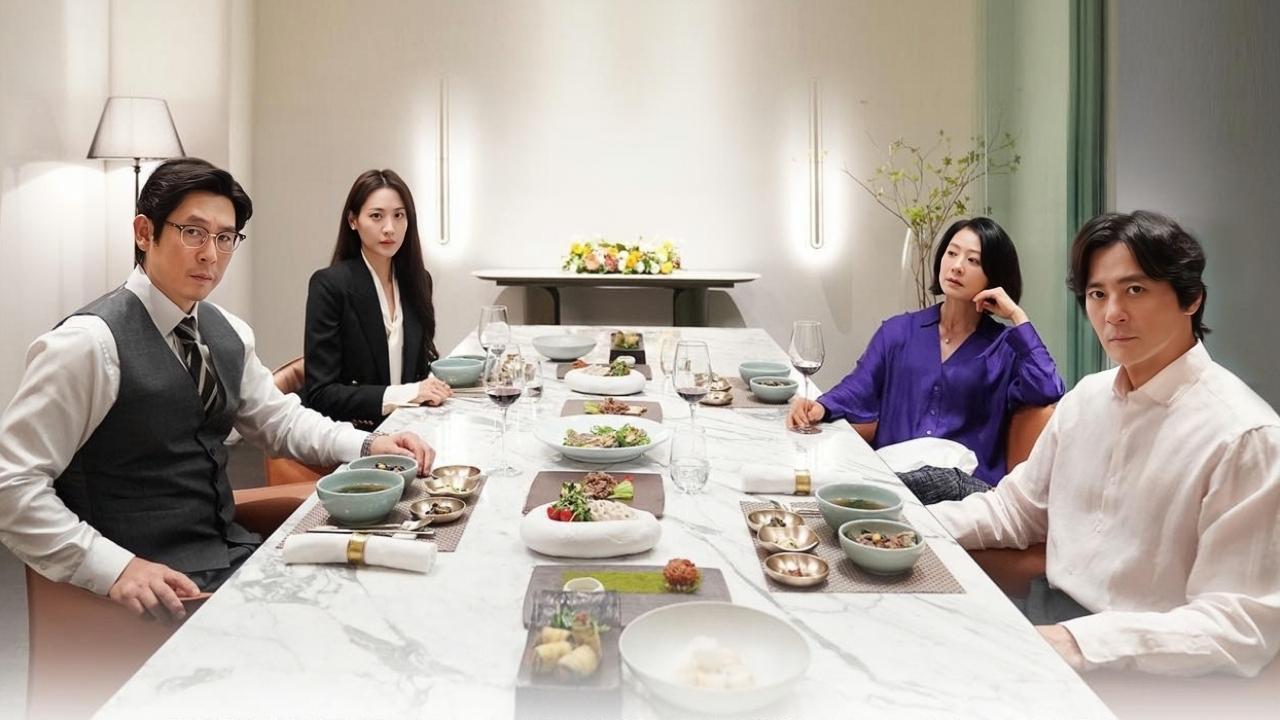
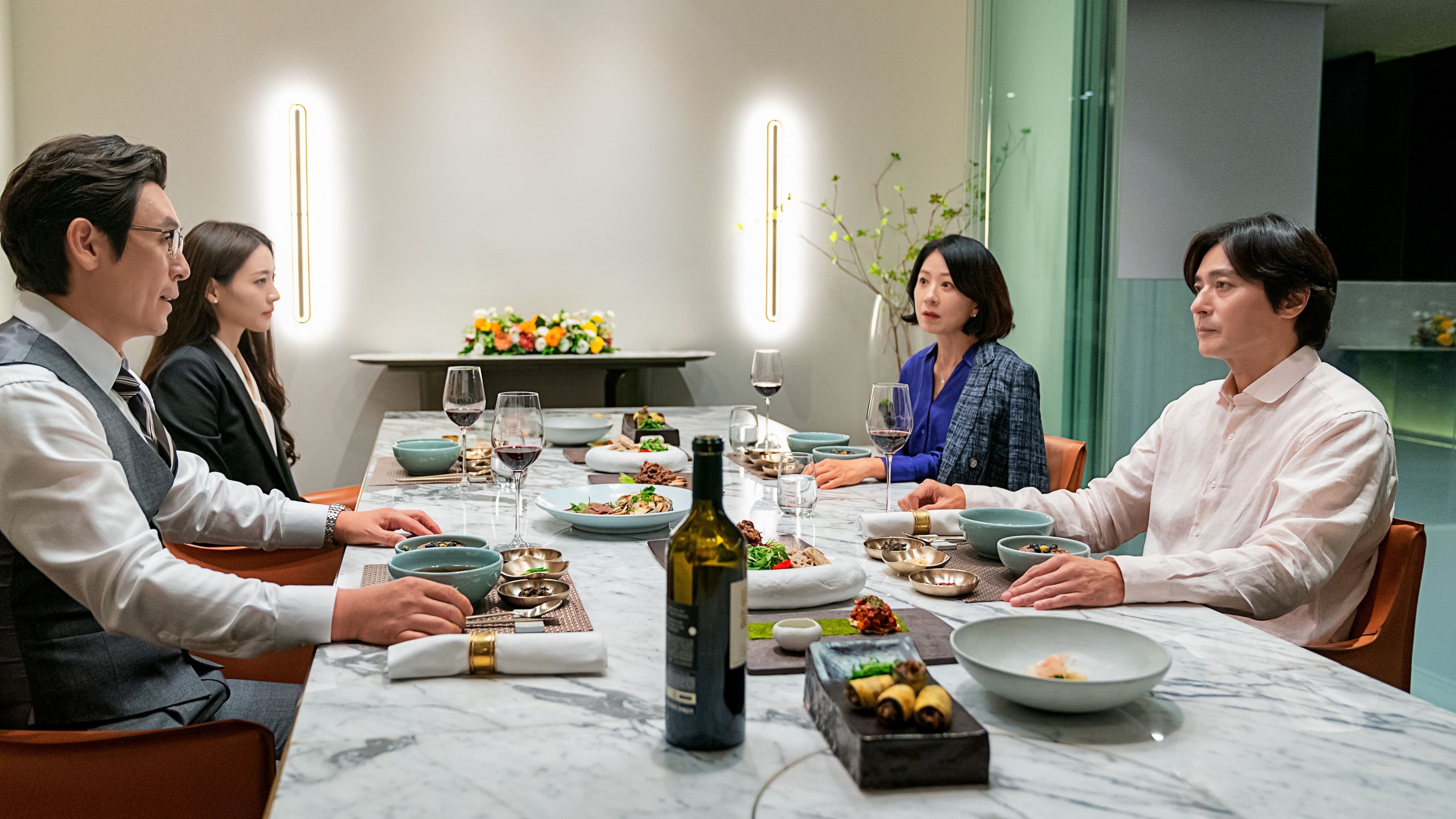
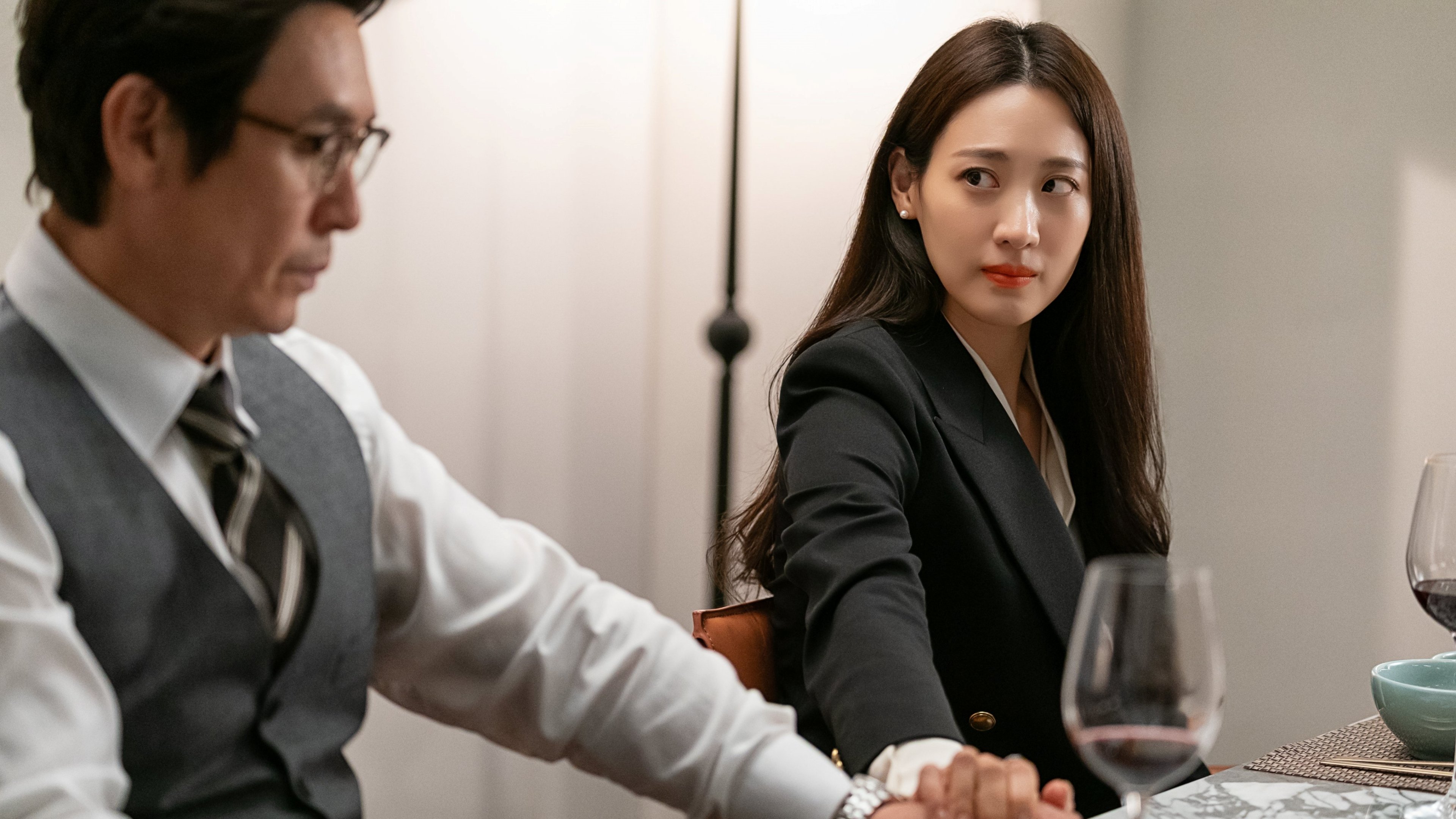
Une fois par mois les deux frères et leurs compagnes vont diner au restaurant dans le but de prendre des nouvelles. Le film va donc s’articuler autour de trois diner : le premier, qui se déroule le soir du crime ; le deuxième au centre de l’histoire ; et le troisième, qui clôture le film de la façon la plus radical possible. Si le repas initial ce déroule bien en apparence, malgré des tensions évidentes. Le suivant, lui, pourtant sensé apaiser le conflit se montre plus animé. Pour finir par un festin chaotique et violent qui tourne à la catastrophe. Lors de ces repas les personnages sont toujours placés de la même façon : les deux frères face à face et leur compagne également en opposition. Ces places indiquent les relations entre les membres de la famille : l’ « adversaire » de chacun se trouve en face d’eux, on ressent la distance entre les protagoniste. Ces trois scènes sont réalisées de sorte à nous plonger dans un lourd suspense et de nous faire ressentir l’atmosphère tendus de cette famille qui se veut « normal ». Le restaurant est entièrement blanc, ils sont dans une salle isolée avec du mobilier minimaliste : cela nous met dans une ambiance froide et inconfortable.
Suite premier accident de voiture au début du film, on retrouvera plusieurs fois cette thématique qui illustre la mort de la conscience et de la morale. Le film y fait référence a quatre reprises. Notamment au moment où le médecin découvre le crime des enfants et qu’il percute un faon : ce qui brisera le parebrise, une métaphore au fait que sa confiance pour son fils est brisée. Mais lorsque le celle-ci est réparé c’est un autre accident qu’il crée, et un accident beaucoup plus conséquent qui a pour but de protégé son enfant. On voie donc que même quelqu’un qui pense avoir des principes peut franchir la limite afin de protéger sa famille.
On voit comment leur mentalité évolue tout au long du film, pour finalement toujours se contredire. On comprend que les deux frères ne pourront jamais trouver un terrain d’entente, surement suite à leur éducation que l’on peut entrevoir à travers les propos de leur mère. C’est donc surement cela qui a conduit les enfants a évolué ainsi. Ce film est donc comme une démonstration de l’inévitable des évènements. Dès le début nous devinons l’issue de cette panique générale. On se rend compte de comment les agissements des parents peuvent influer sur les enfants et la façon donc nos principes et notre intégrité peuvent partir en éclats à l’instant où nous sommes mis dans des situations délicates. Nous recommandons chaudement ce film qui fais superbe critique d’une famille difonctionnel. Les 1h56 passe à toute vitesse et c’est un film très marquant.
A NORMAL FAMILY est un film sud-coréen sortie en 2023, ce drame est l’adaptation du roman néerlandais LE DINER publié en France en 2011. Ce film conte l’histoire d’une famille « normal » qui se retrouve dans une situation critique après avoir découverts que leurs enfants avaient commis un crime malheureusement médiatisé. Au milieu de toutes ces tensions familiales le film réalise une vraie critique du sens morale de chacun. Jusqu’où sommes-nous prêts à aller pour protégé ceux que l’on aime ? La vertu a-t-elle une limite ? Où se trouve le point de non-retour ?
Le film commence sur un accident de voiture où un jeune homme tue un père et blesse gravement sa fille à la suite d’une violente dispute. Cet évènement a pour but de nous introduire les deux protagonistes et leurs façons de vivre. En effet si l’un des deux frères est un avocat réputer qui va se charger de défendre le responsable de cet incident, qui semble n’éprouver aucun remord. Le second, lui médecin, s’occupera de la santé de la petite fille grandement blesse par l’automobiliste, et aux portes de la mort.
Cette introduction, plutôt brutale, nous fais directement comprendre l’enjeux de cette famille : en conflit jusque dans leur profession. Nous avons ensuite un aperçu de la vie de chacun ; d’abord celle de l’avocat : on découvre un appartement de luxe, une femme très belle et plus jeune que lui qui tient une salle de sport, une domestique et une fille froide qui réclame de l’argent. Ensuite celle du médecin : un appartement plus petit, sa femme qui est à la maison et s’occupe de sa mère trop âgée pour vivre seule et des photos de voyage humanitaire qui tapisse les murs. On a donc un contraste très important entre ce qui s‘apparenterais être la famille « gentille » et « altruiste » et la famille « froide » et « riche ». Pour les enfants on les découvre très amis en train de regardé la vidéo de l’accident mentionner plus tôt ; ils rient et crient à l’homme de tuer le père et sa fille. On comprend donc qu’ils sont insensibilisés à la mort, d’une façon très violente. C’est donc grâce a un seul incident que le réalisateur cerne tous ses personnages.
Au début du film le médecin est écœuré par les pratiques de son frère et le méprise, quand a sa femme elle ne peut supporter la jeune compagne de son beau-frère, uniquement par jalousie, et la prend de haut sous prétexte qu’elle serait plus intelligente. De son coté l’avocat est assez indiffèrent à son frère, il donne l’impression de le trouver ridicule. Et sa femme, pourtant la personne la plus extérieur a cette famille, met son énergie maintenir une bonne entente, évidement en vain.
Une fois par mois les deux frères et leurs compagnes vont diner au restaurant dans le but de prendre des nouvelles. Le film va donc s’articuler autour de trois diner : le premier, qui se déroule le soir du crime ; le deuxième au centre de l’histoire ; et le troisième, qui clôture le film de la façon la plus radical possible. Si le repas initial ce déroule bien en apparence, malgré des tensions évidentes. Le suivant, lui, pourtant sensé apaiser le conflit se montre plus animé. Pour finir par un festin chaotique et violent qui tourne à la catastrophe. Lors de ces repas les personnages sont toujours placés de la même façon : les deux frères face à face et leur compagne également en opposition. Ces places indiquent les relations entre les membres de la famille : l’ « adversaire » de chacun se trouve en face d’eux, on ressent la distance entre les protagoniste. Ces trois scènes sont réalisées de sorte à nous plonger dans un lourd suspense et de nous faire ressentir l’atmosphère tendus de cette famille qui se veut « normal ». Le restaurant est entièrement blanc, ils sont dans une salle isolée avec du mobilier minimaliste : cela nous met dans une ambiance froide et inconfortable.
Suite premier accident de voiture au début du film, on retrouvera plusieurs fois cette thématique qui illustre la mort de la conscience et de la morale. Le film y fait référence a quatre reprises. Notamment au moment où le médecin découvre le crime des enfants et qu’il percute un faon : ce qui brisera le parebrise, une métaphore au fait que sa confiance pour son fils est brisée. Mais lorsque le celle-ci est réparé c’est un autre accident qu’il crée, et un accident beaucoup plus conséquent qui a pour but de protégé son enfant. On voie donc que même quelqu’un qui pense avoir des principes peut franchir la limite afin de protéger sa famille.
On voit comment leur mentalité évolue tout au long du film, pour finalement toujours se contredire. On comprend que les deux frères ne pourront jamais trouver un terrain d’entente, surement suite à leur éducation que l’on peut entrevoir à travers les propos de leur mère. C’est donc surement cela qui a conduit les enfants a évolué ainsi. Ce film est donc comme une démonstration de l’inévitable des évènements. Dès le début nous devinons l’issue de cette panique générale. On se rend compte de comment les agissements des parents peuvent influer sur les enfants et la façon donc nos principes et notre intégrité peuvent partir en éclats à l’instant où nous sommes mis dans des situations délicates. Nous recommandons chaudement ce film qui fais superbe critique d’une famille difonctionnel. Les 1h56 passe à toute vitesse et c’est un film très marquant.