My ancestors are probably fuming before and happy after right now, since in almost 26 years of my existence I’ve never watched a Filipino movie in cinemas as a Filipino. I’ve been avoiding them, as if watching one would burn my eyes.
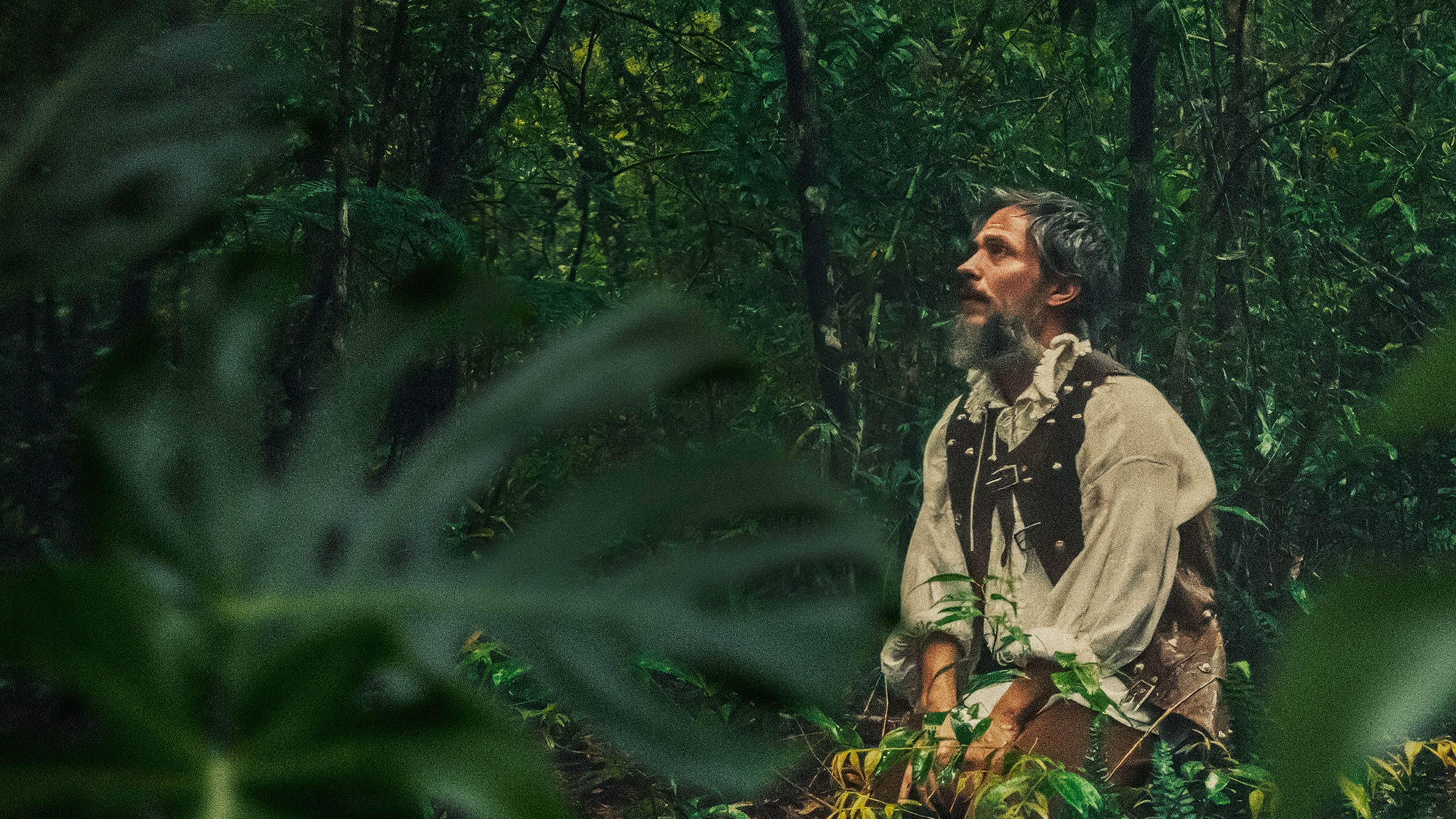
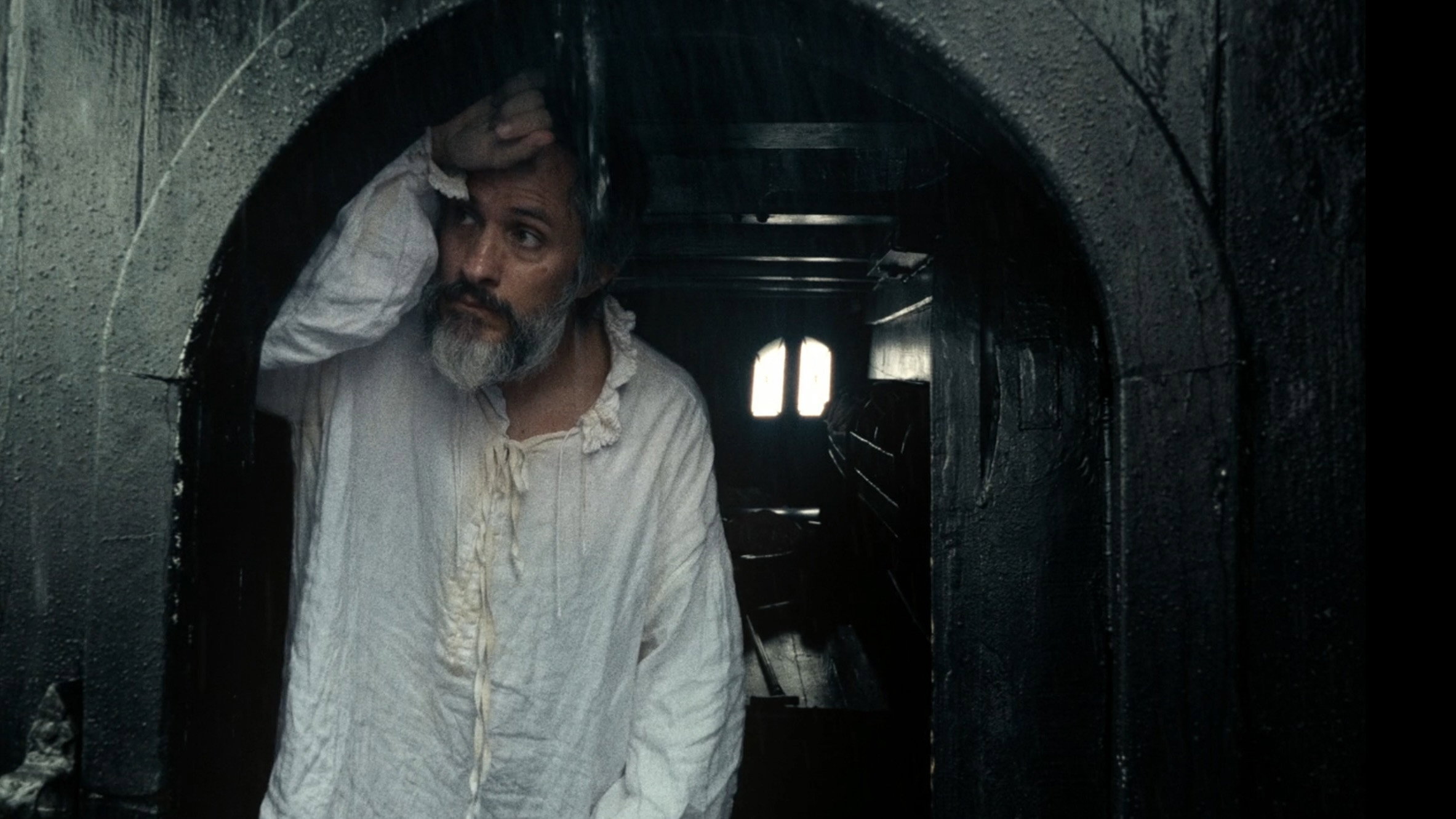
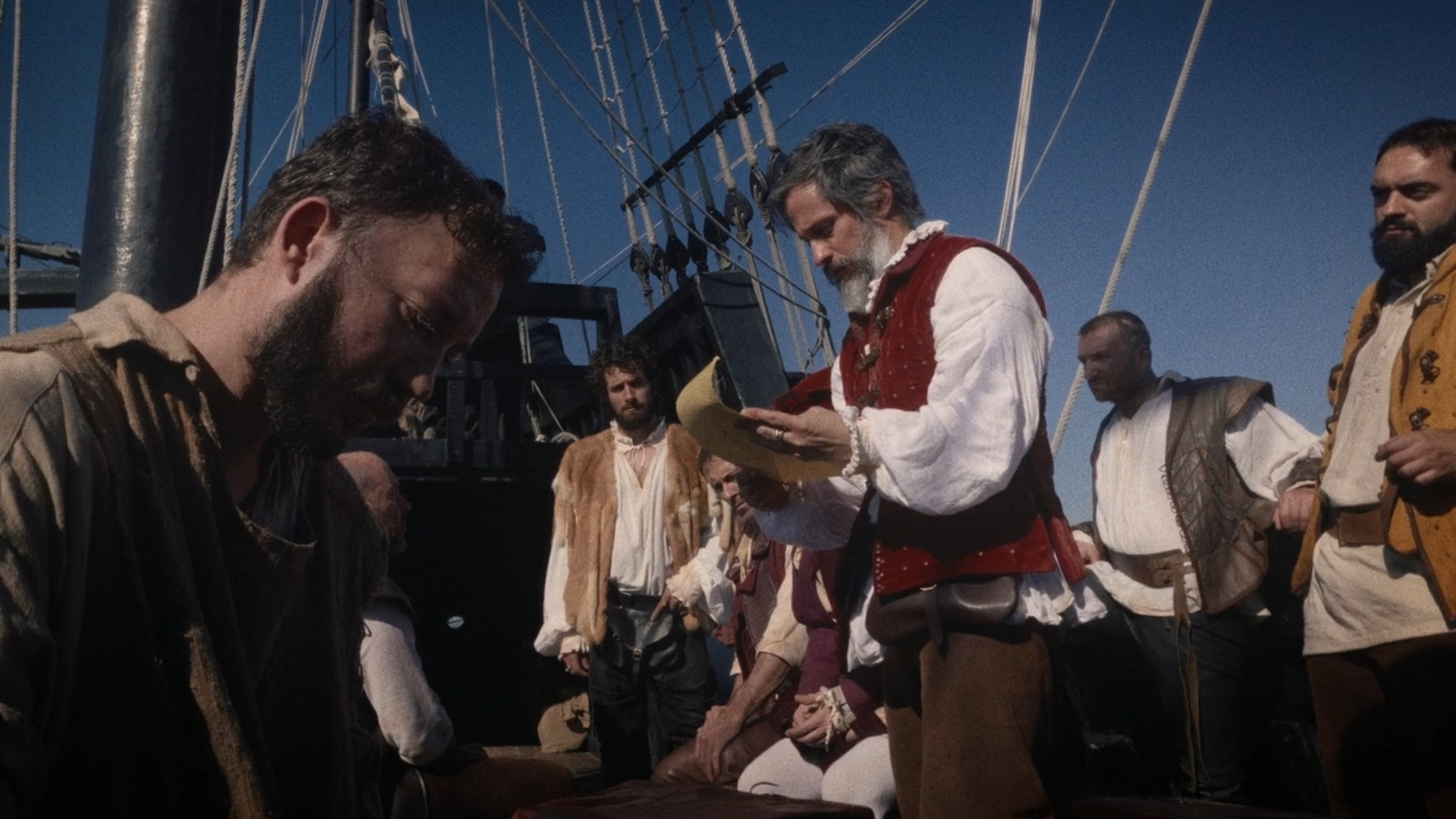
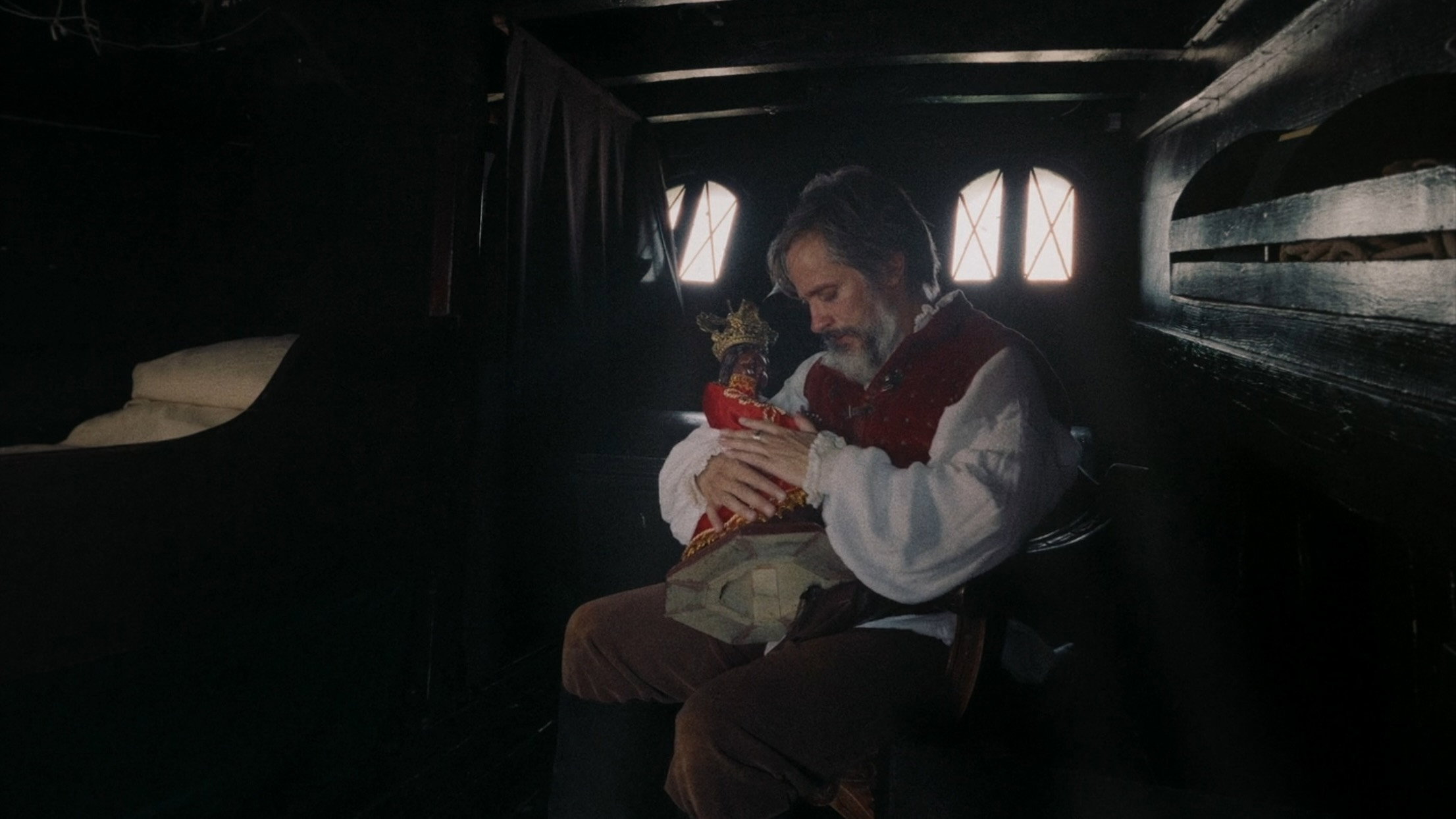
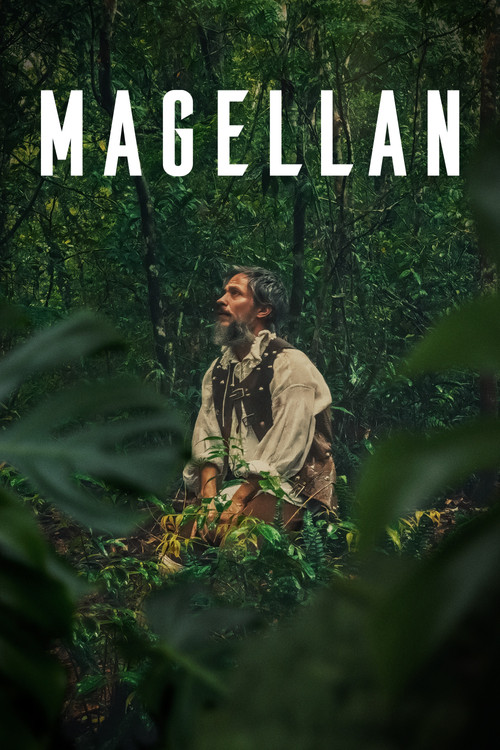
Lav Diaz, a prominent Filipino filmmaker famous for his lengthy films, recently made a “short” film (almost three hours—probably short for him) that garnered buzz both locally and internationally. Because it only had a limited theatrical release here in the Philippines, I had to watch it.
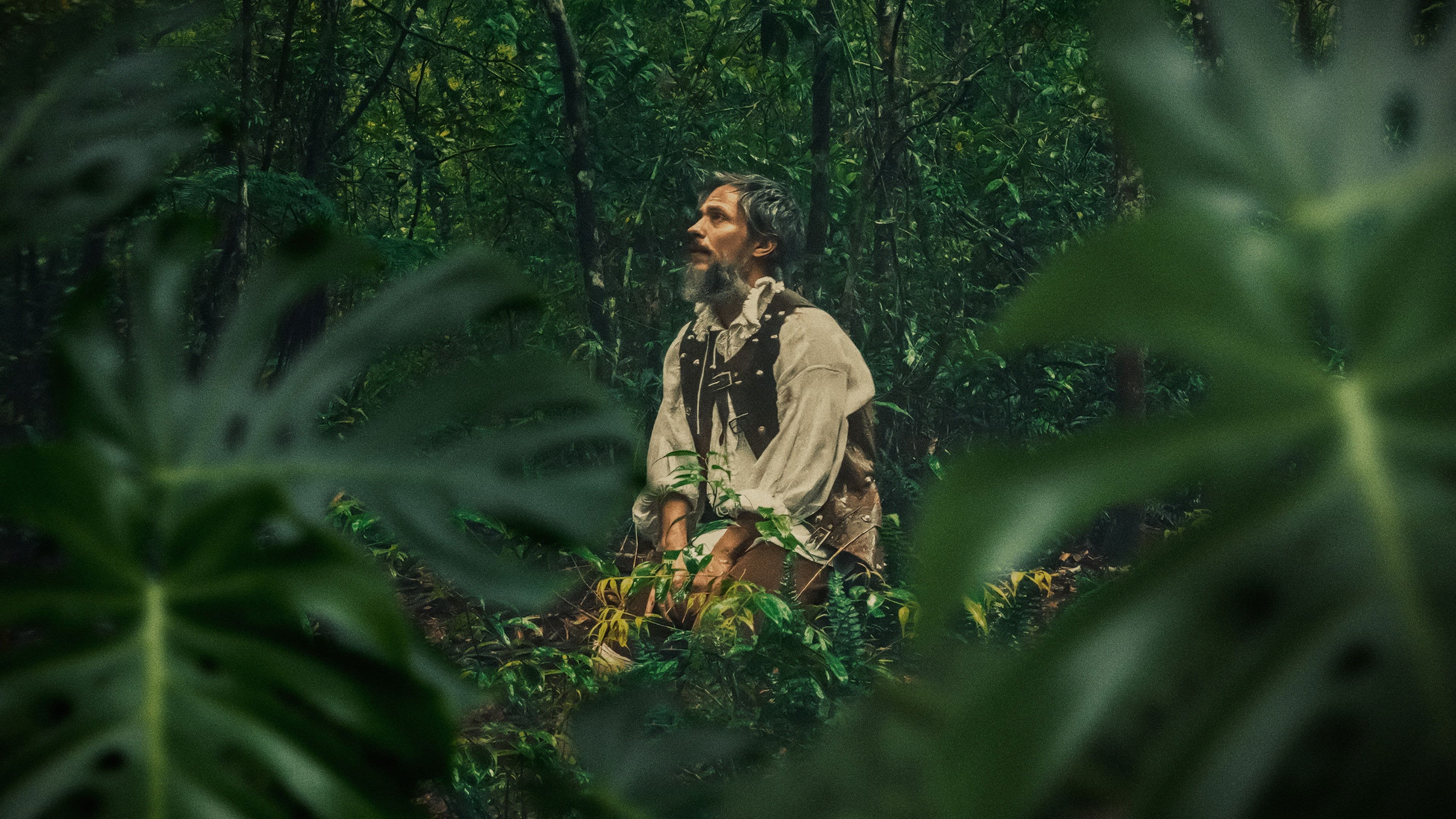
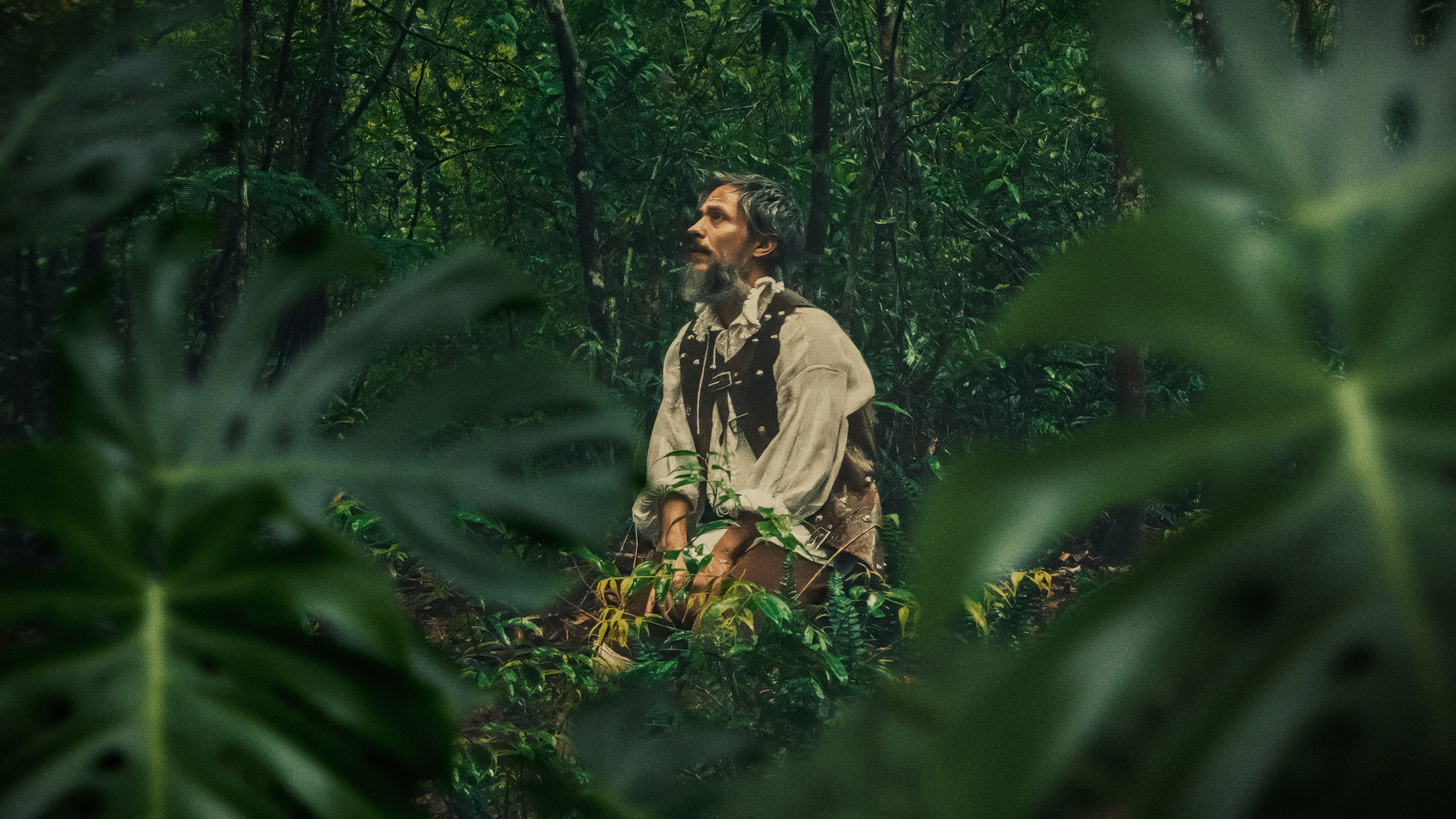
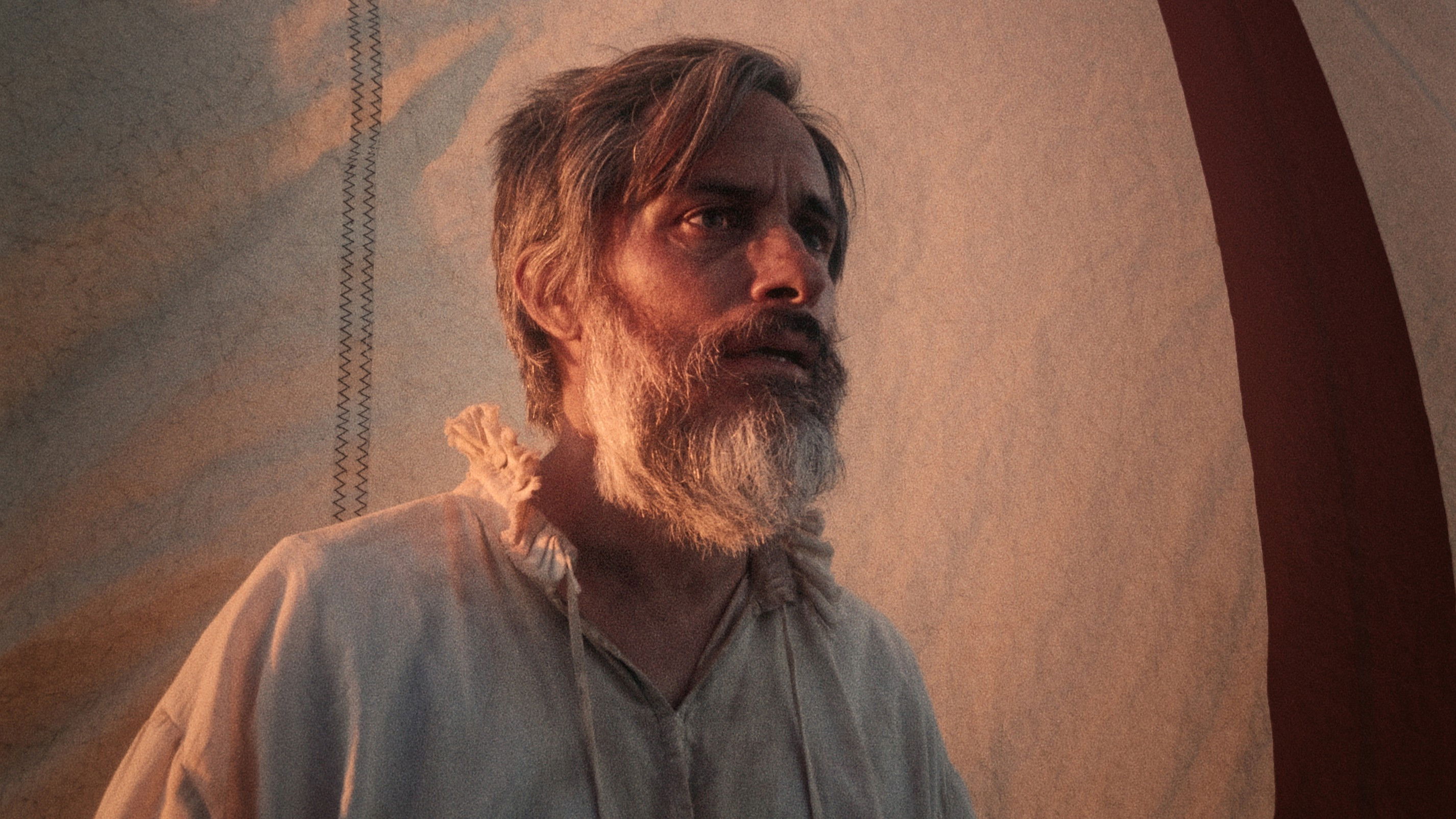
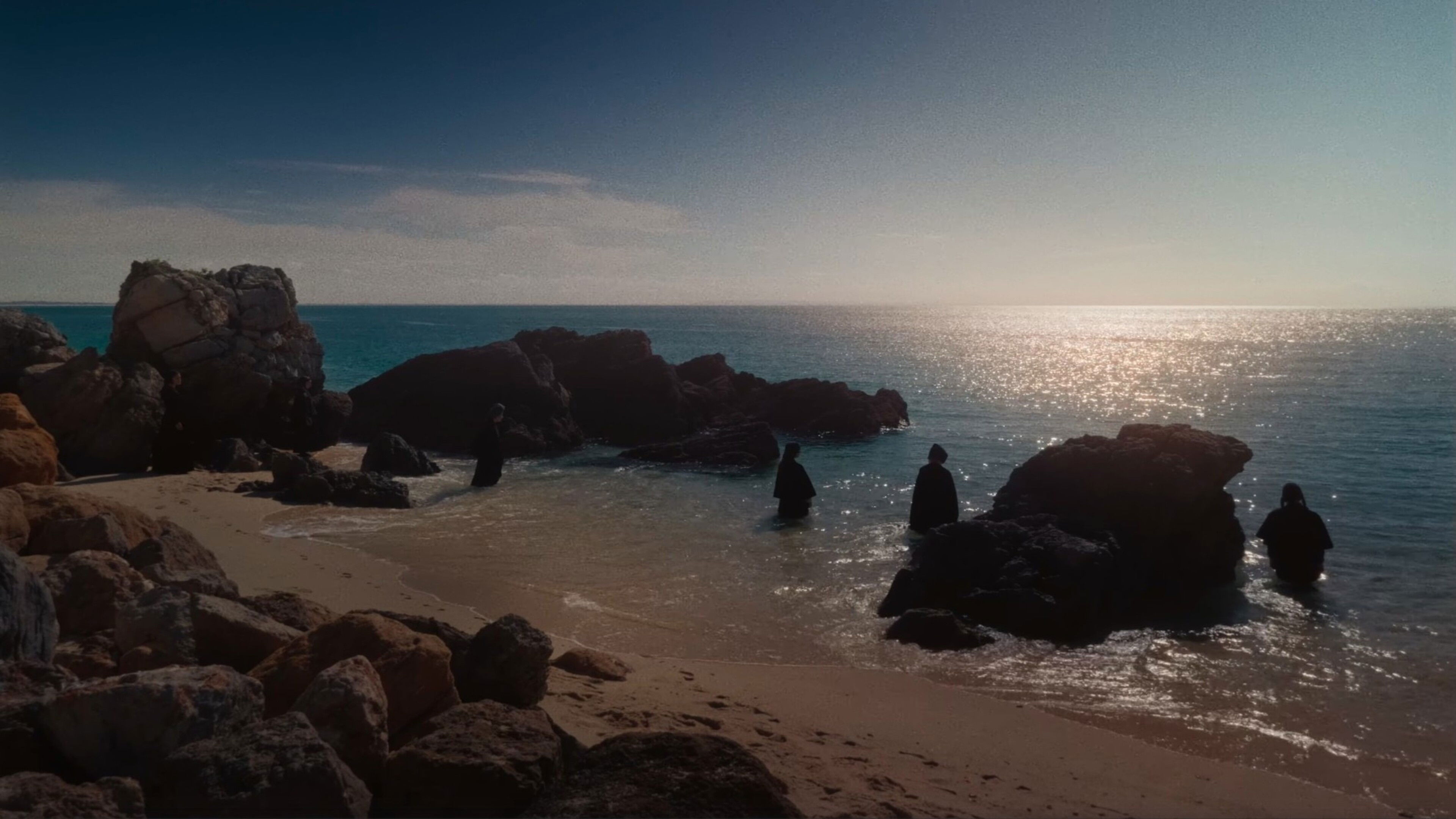
Not gonna lie, I only knew that he shoots long, still takes—and that they make me sleep. Not bored sleep, but trance-like sleep, especially during the first hour of the film, because of the unique way Lav Diaz captures everything.
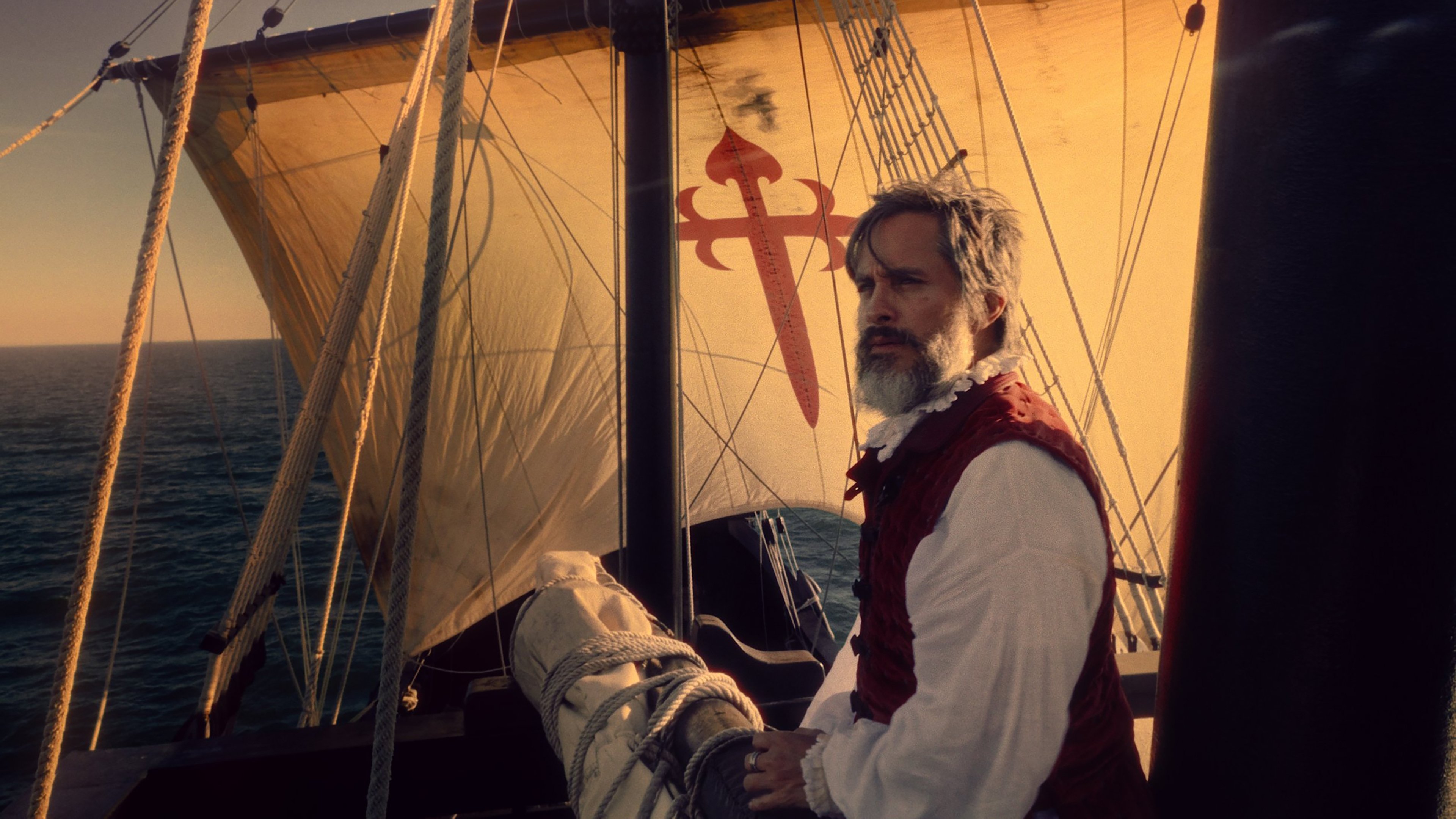
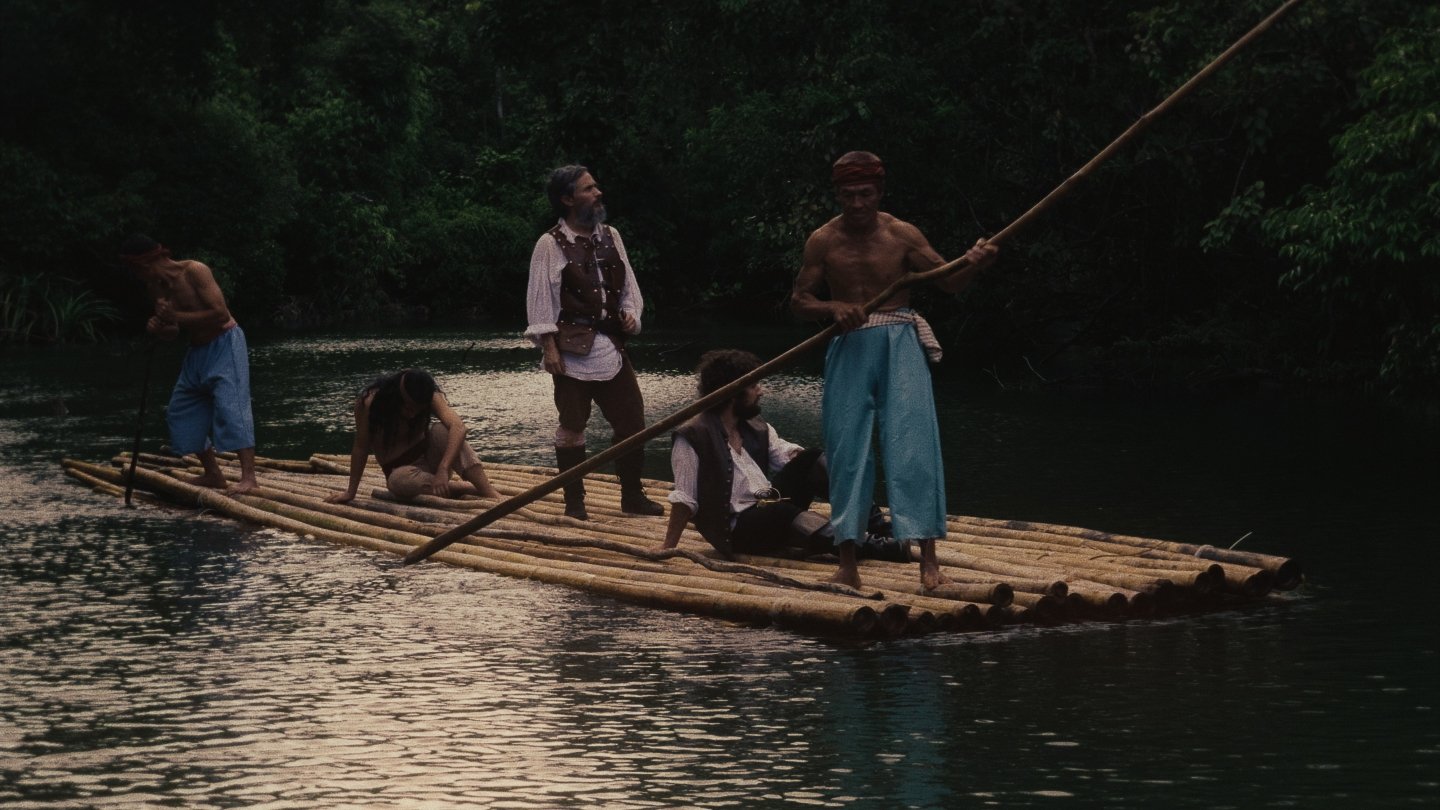
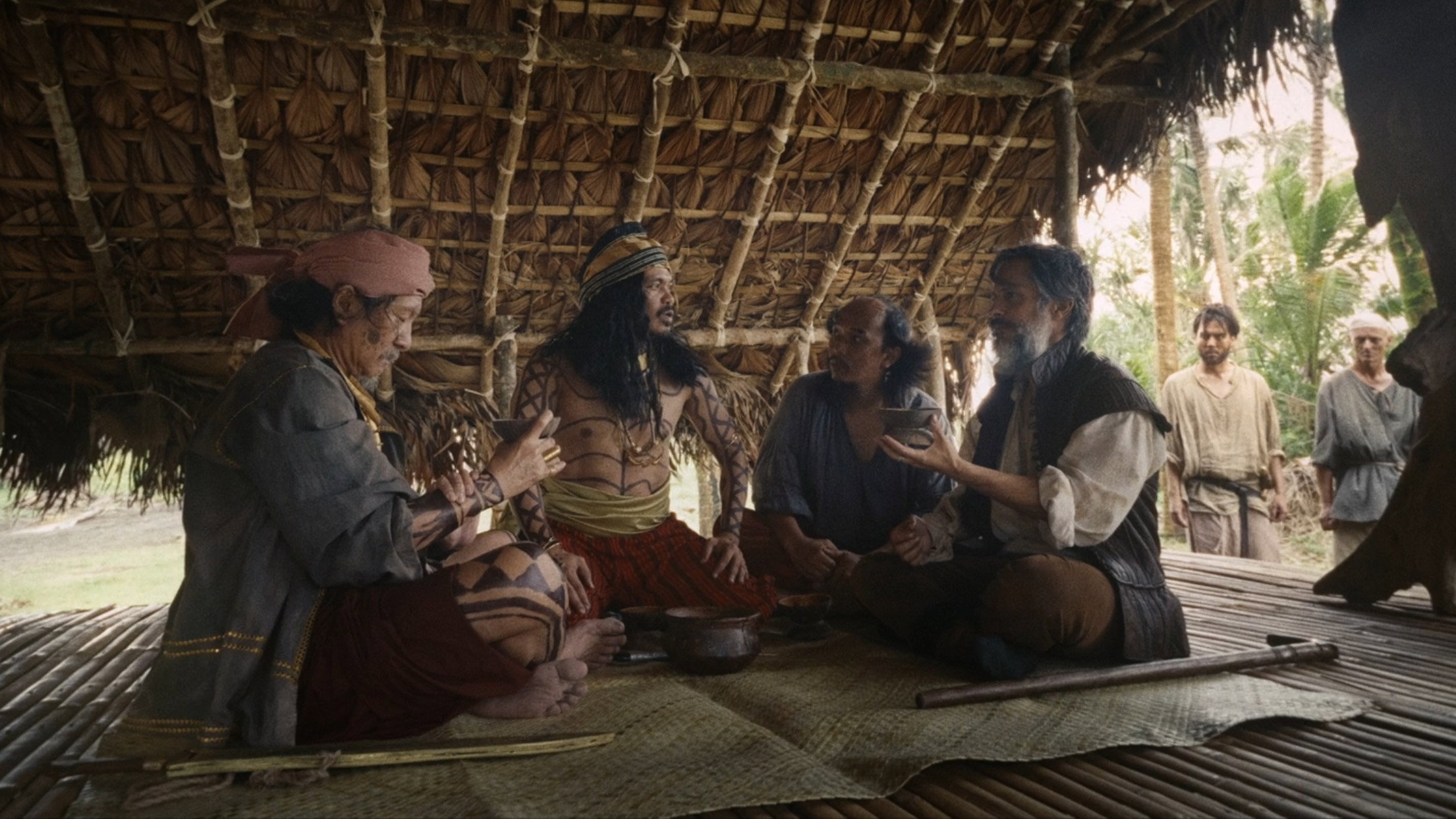
From the voyage up until the death of Magellan, even though this happened almost 500 years ago, it’s funny how the state of the Philippines feels almost the same then and now—from rejecting and fearing what’s new to clinging to outdated traditions (I get that this was the 1500s and their customs belong to their time, but that’s just my interpretation).
Thank you, Lav Diaz, and Philippine cinema. I now truly know that our country can—and will—produce great films, like before.
My ancestors are probably fuming before and happy after right now, since in almost 26 years of my existence I’ve never watched a Filipino movie in cinemas as a Filipino. I’ve been avoiding them, as if watching one would burn my eyes.
Lav Diaz, a prominent Filipino filmmaker famous for his lengthy films, recently made a “short” film (almost three hours—probably short for him) that garnered buzz both locally and internationally. Because it only had a limited theatrical release here in the Philippines, I had to watch it.
Not gonna lie, I only knew that he shoots long, still takes—and that they make me sleep. Not bored sleep, but trance-like sleep, especially during the first hour of the film, because of the unique way Lav Diaz captures everything.
From the voyage up until the death of Magellan, even though this happened almost 500 years ago, it’s funny how the state of the Philippines feels almost the same then and now—from rejecting and fearing what’s new to clinging to outdated traditions (I get that this was the 1500s and their customs belong to their time, but that’s just my interpretation).
Thank you, Lav Diaz, and Philippine cinema. I now truly know that our country can—and will—produce great films, like before.