One of the last stages of coming-of-age is when your dopamine intake becomes a very conscious negotiation. As a child, you are led by your uncultured id: sugar, toys, television. Early adulthood brings high highs and low lows - an incredible night of partying followed by a painful day of regret. Eventually, the seesaw between the two poles becomes tiring, and enlightened individuals like Perfect Days’ protagonist Hirayama stop the spikiness and find a peaceful, slight, but permanently maintainable tilt in the positive direction.
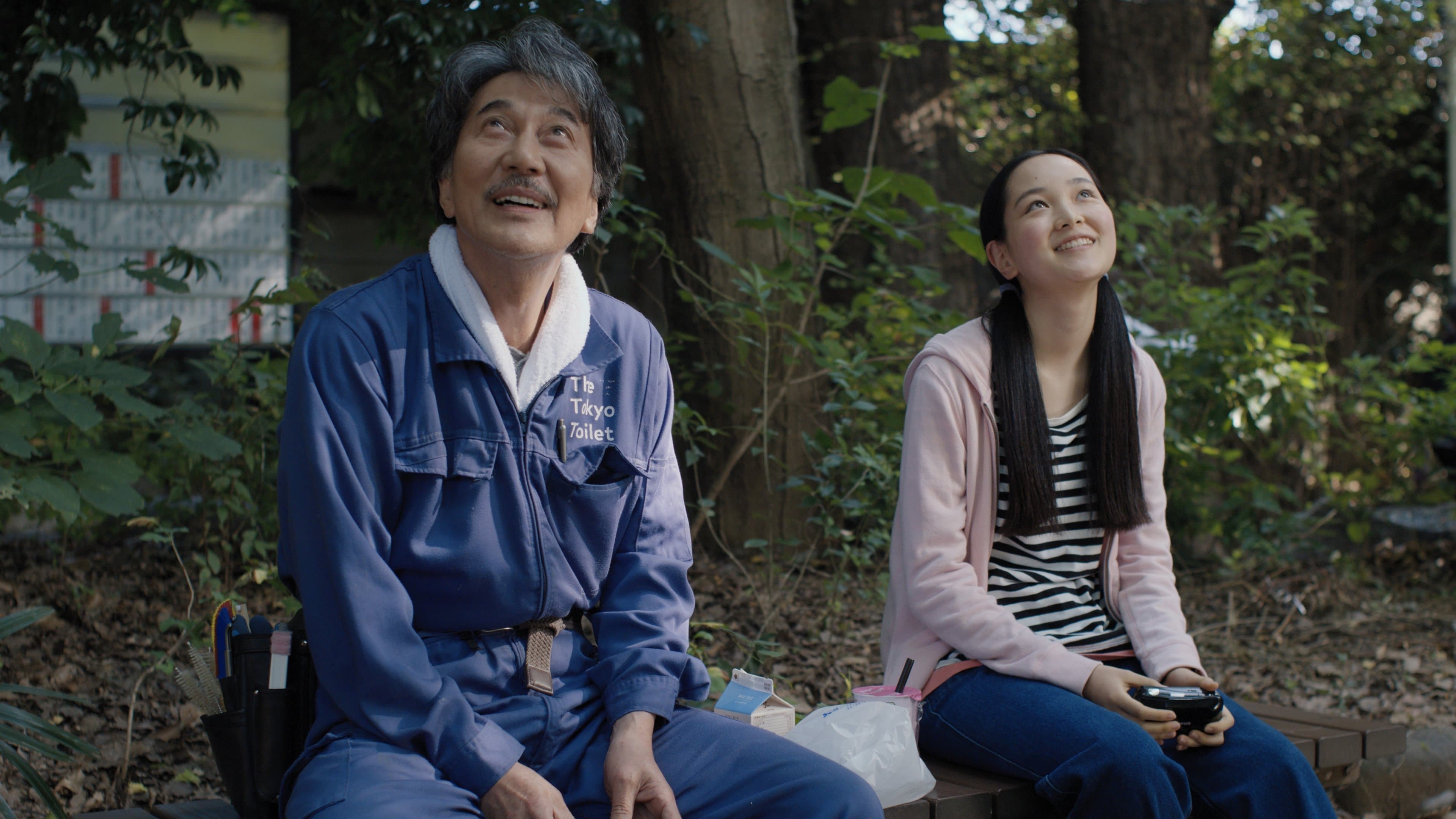
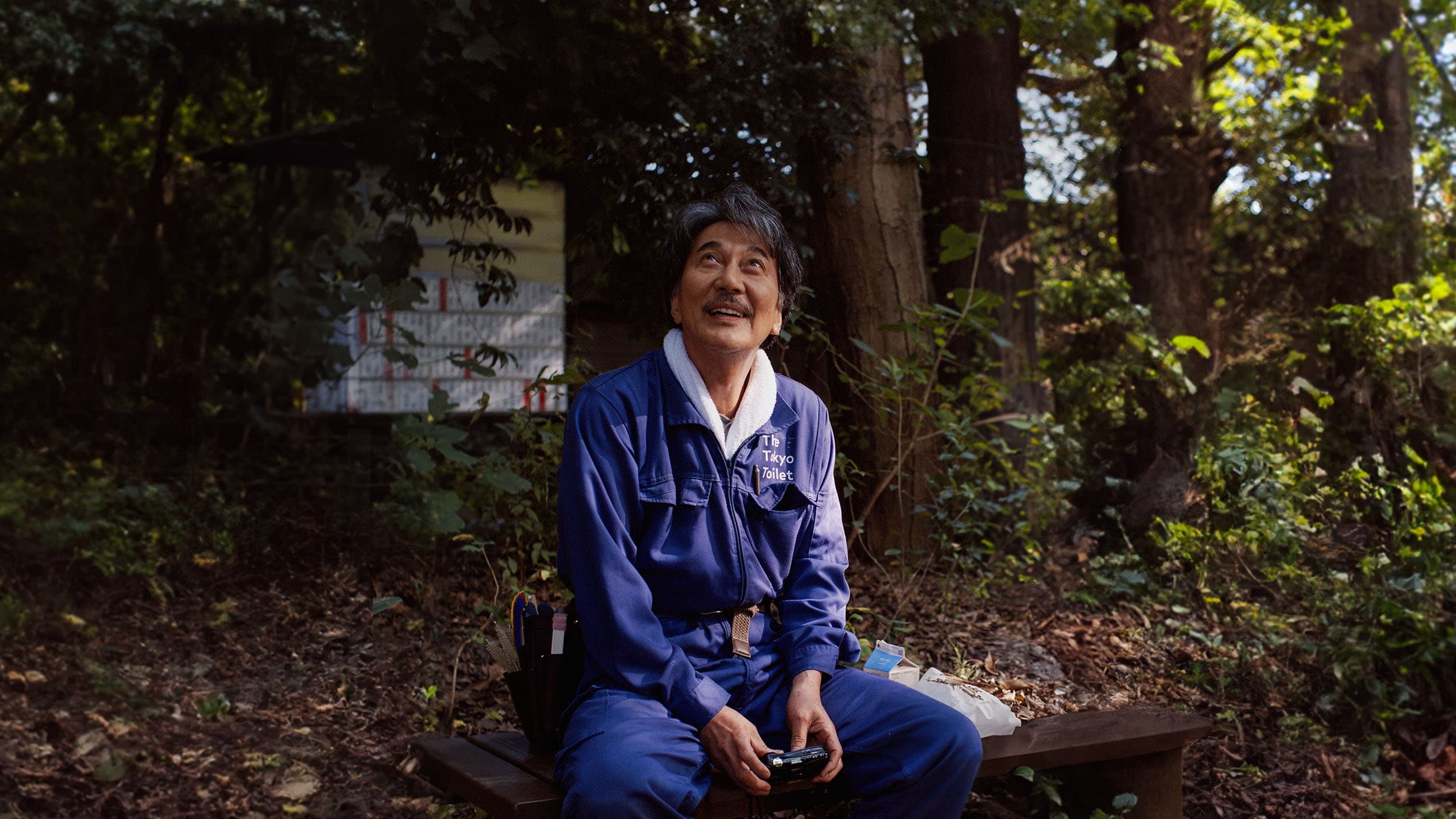
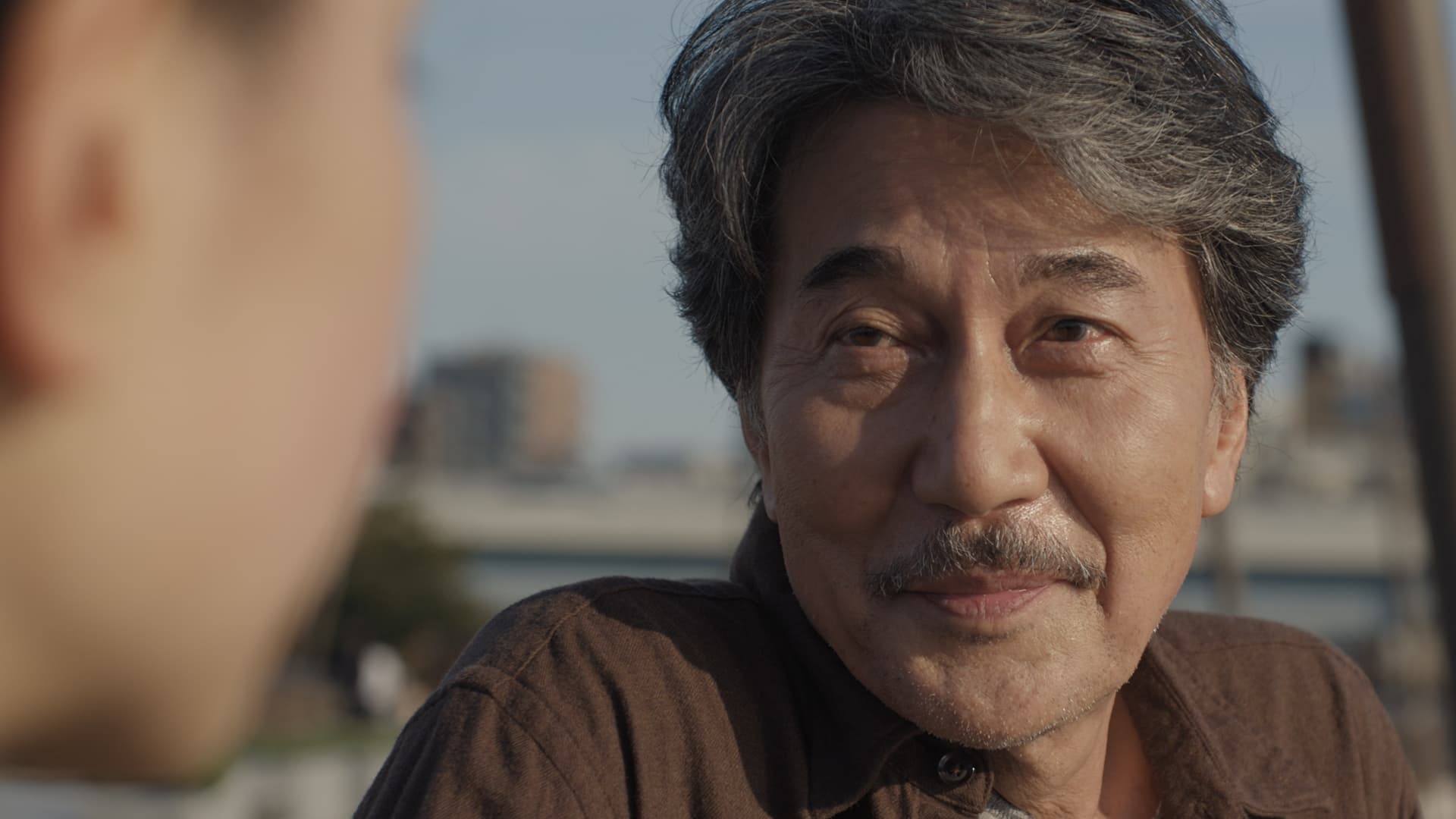
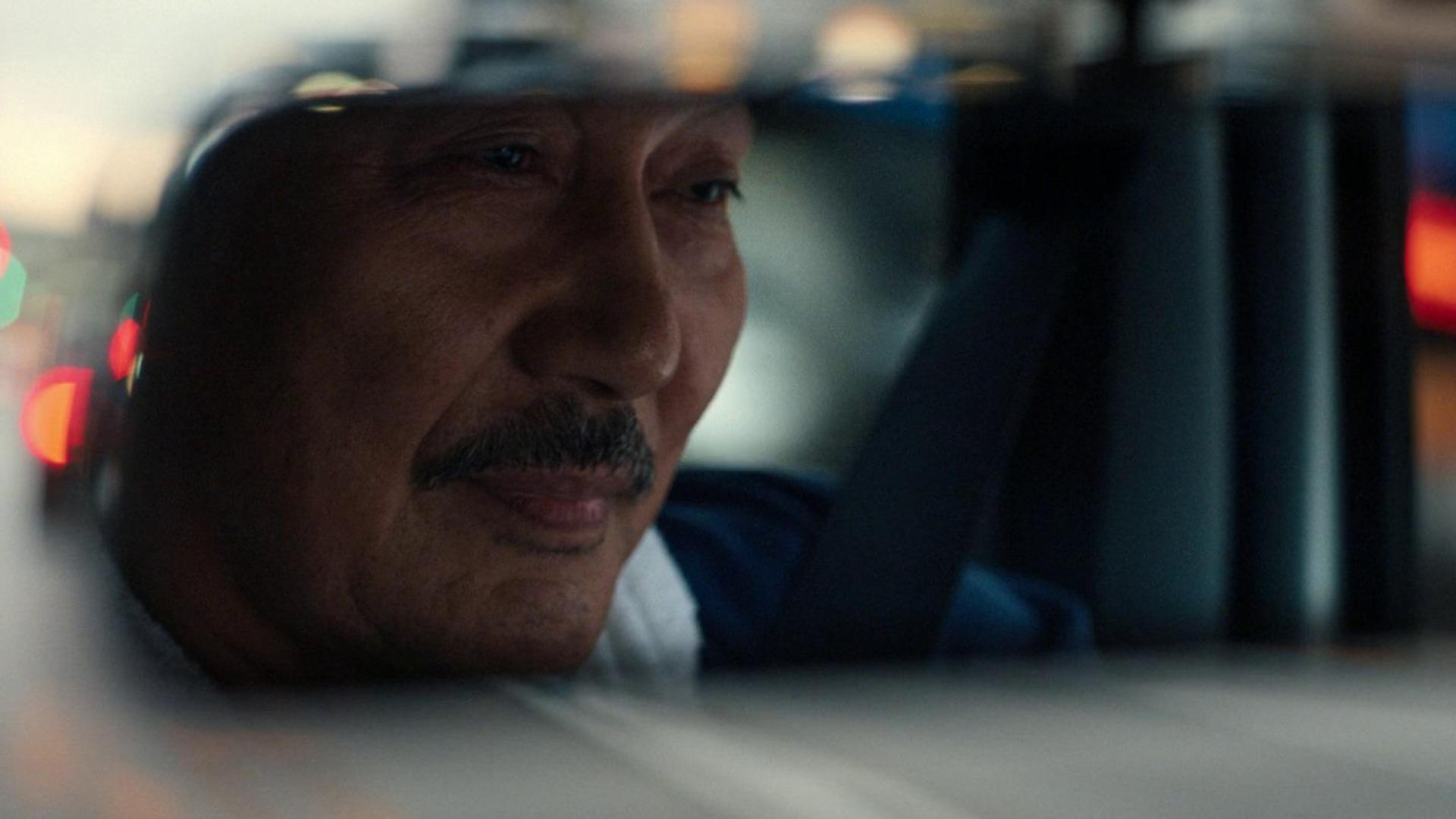
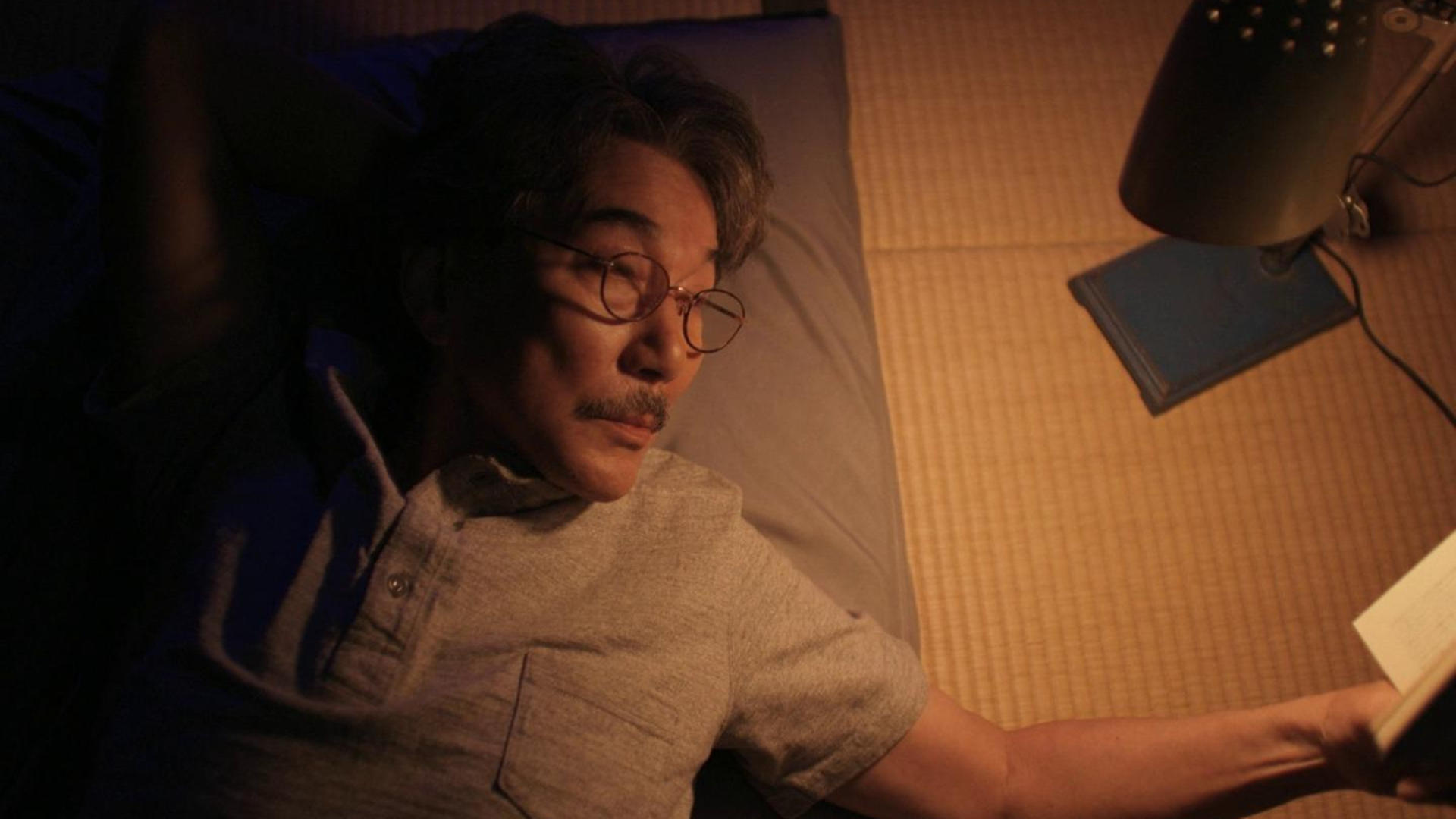
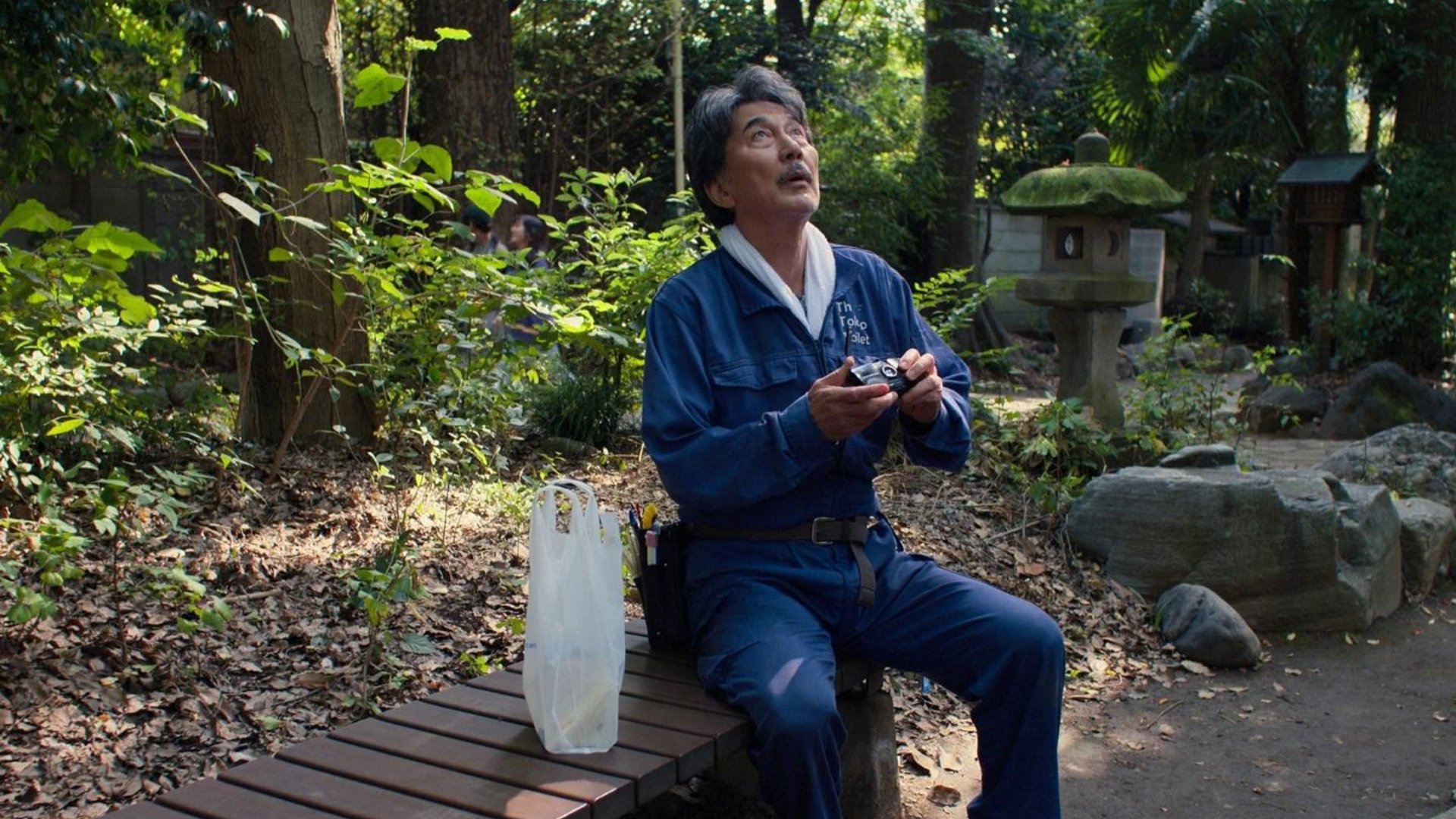
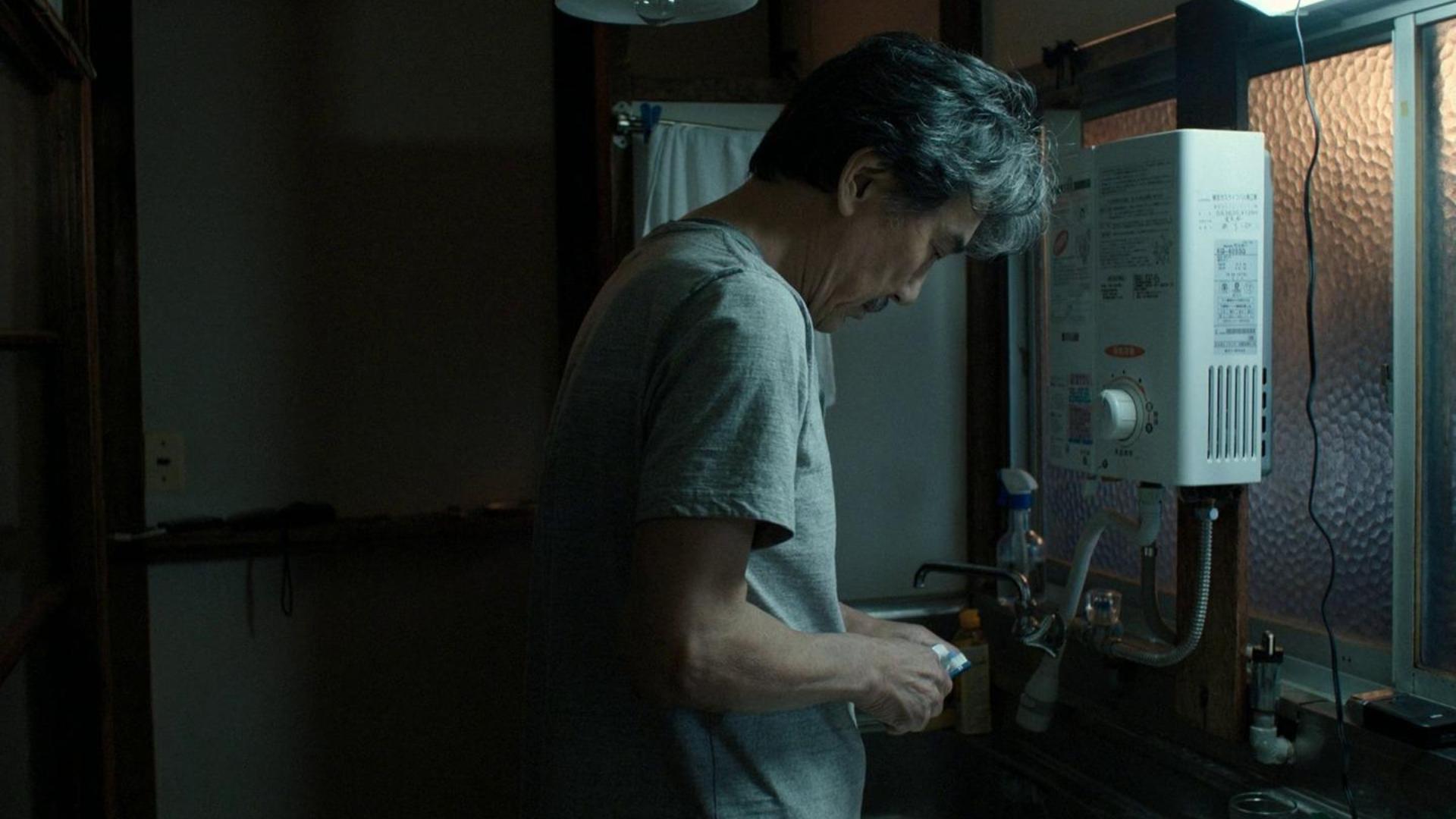
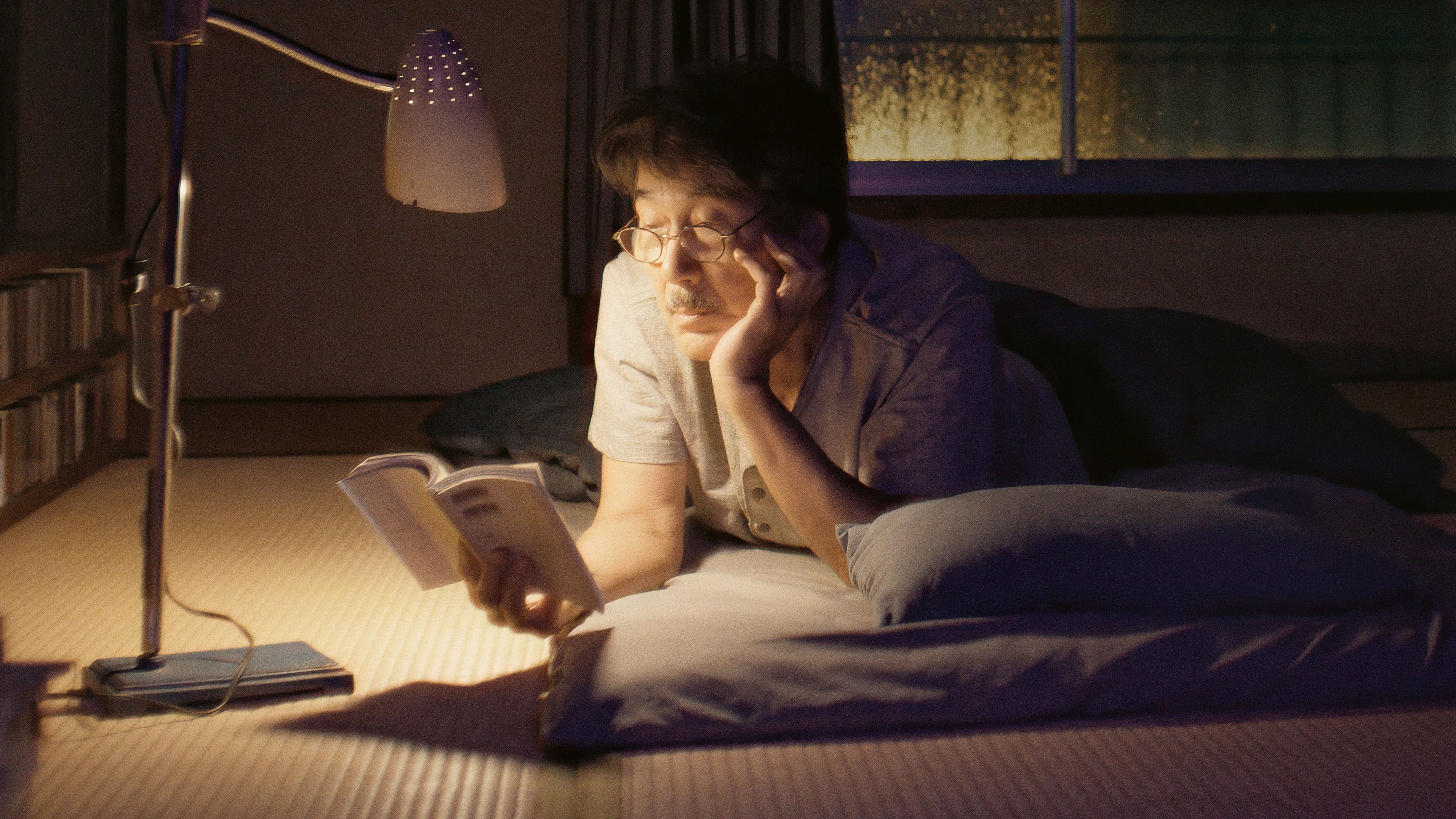
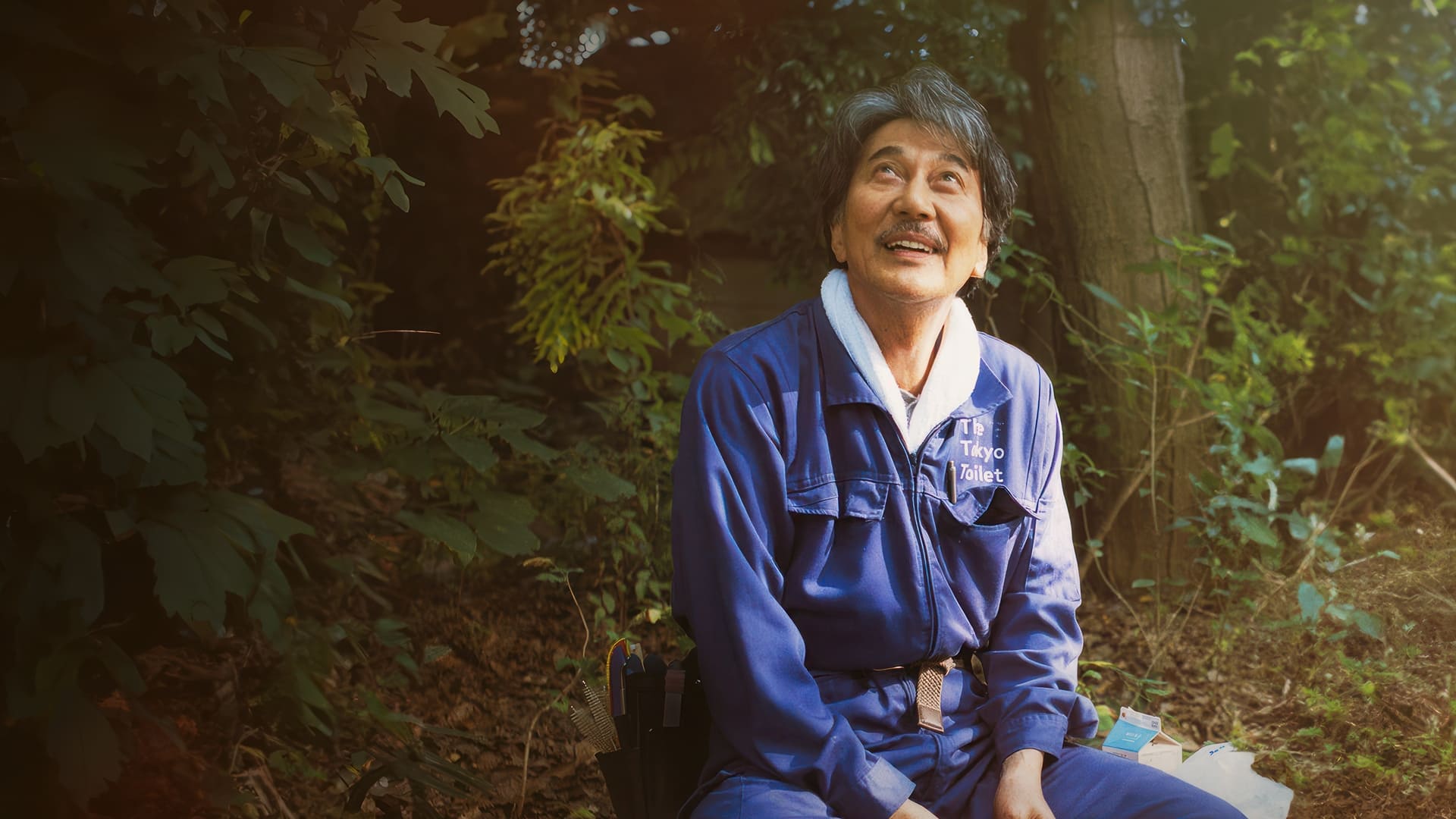
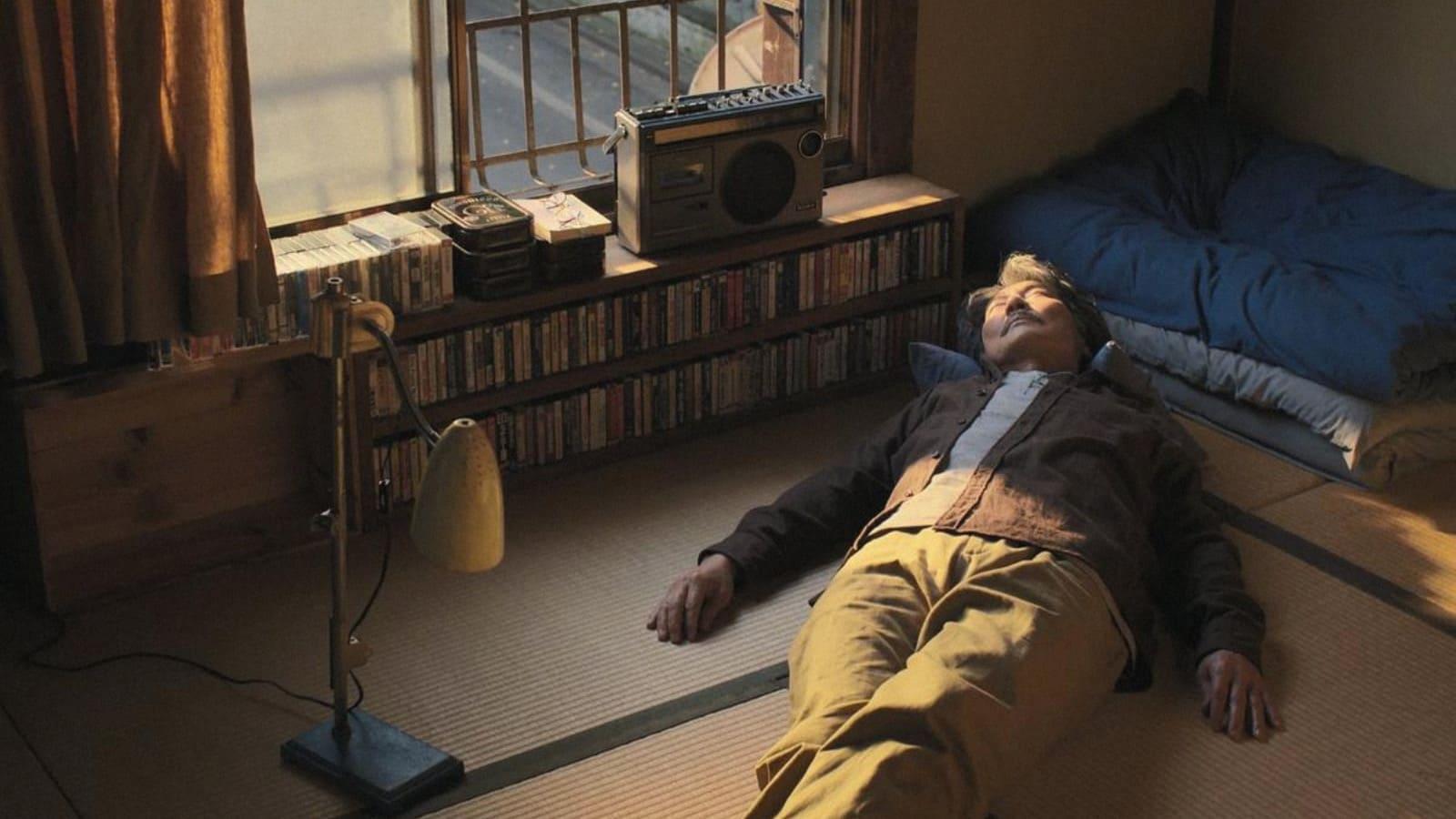
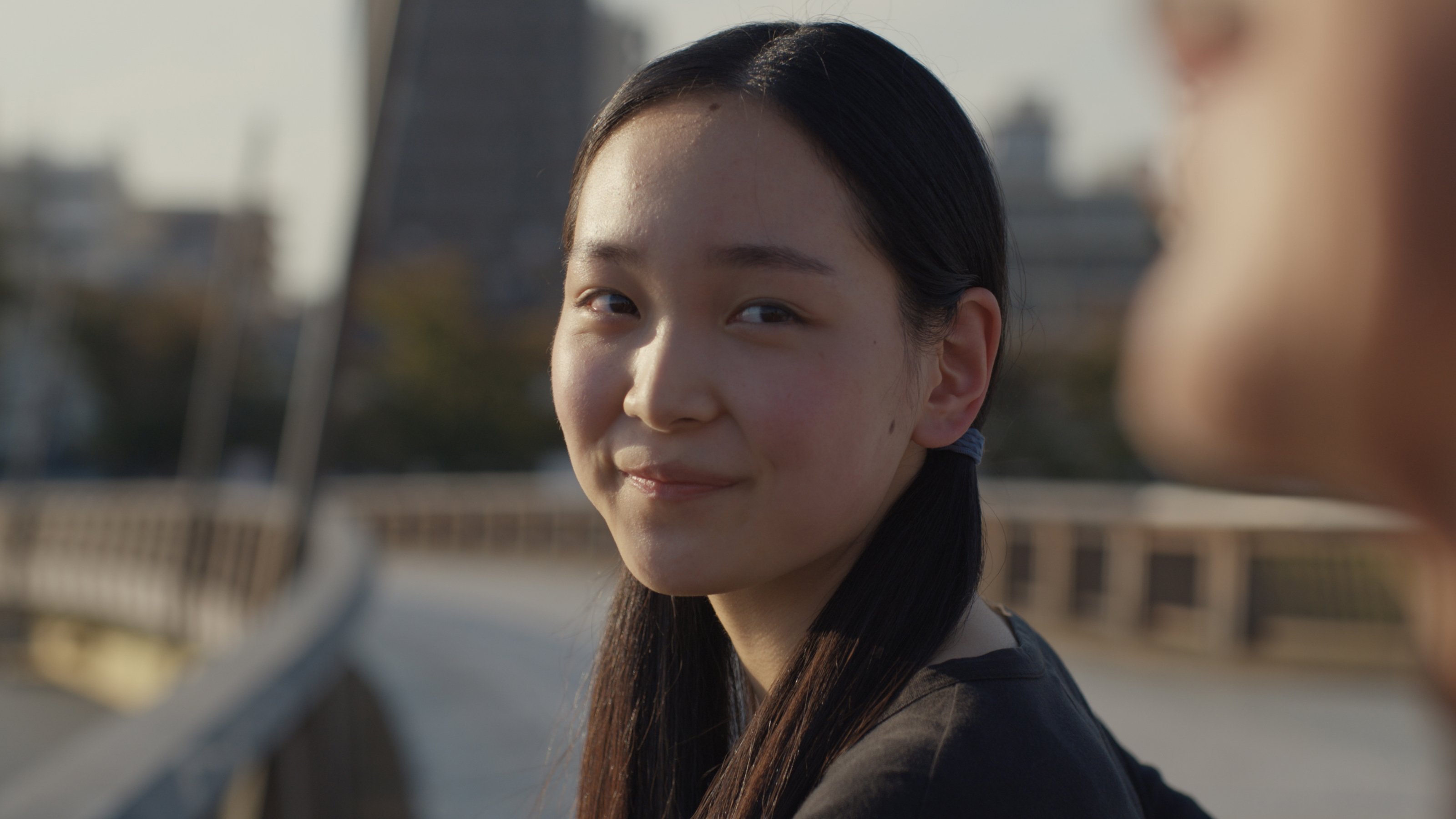
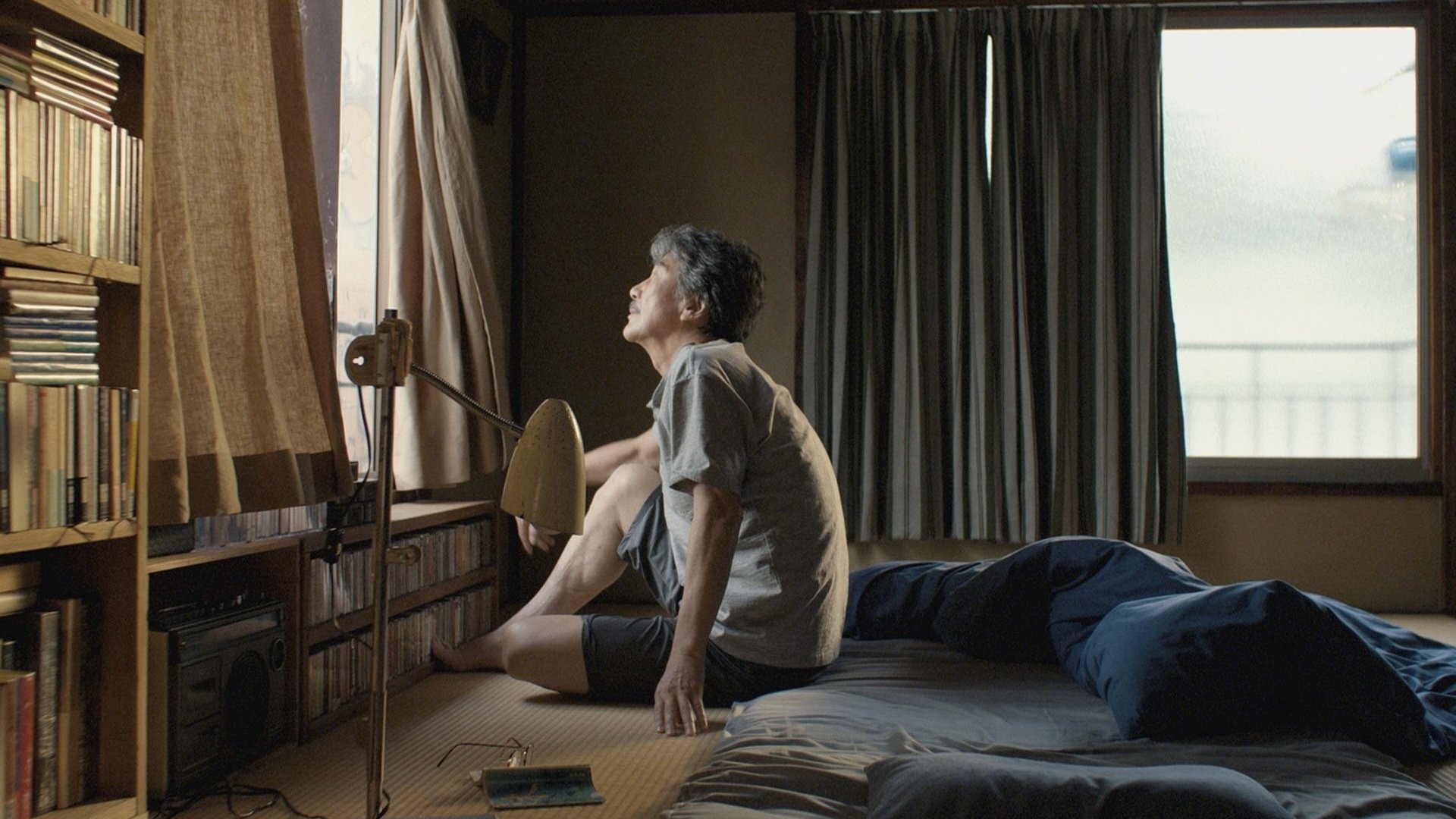
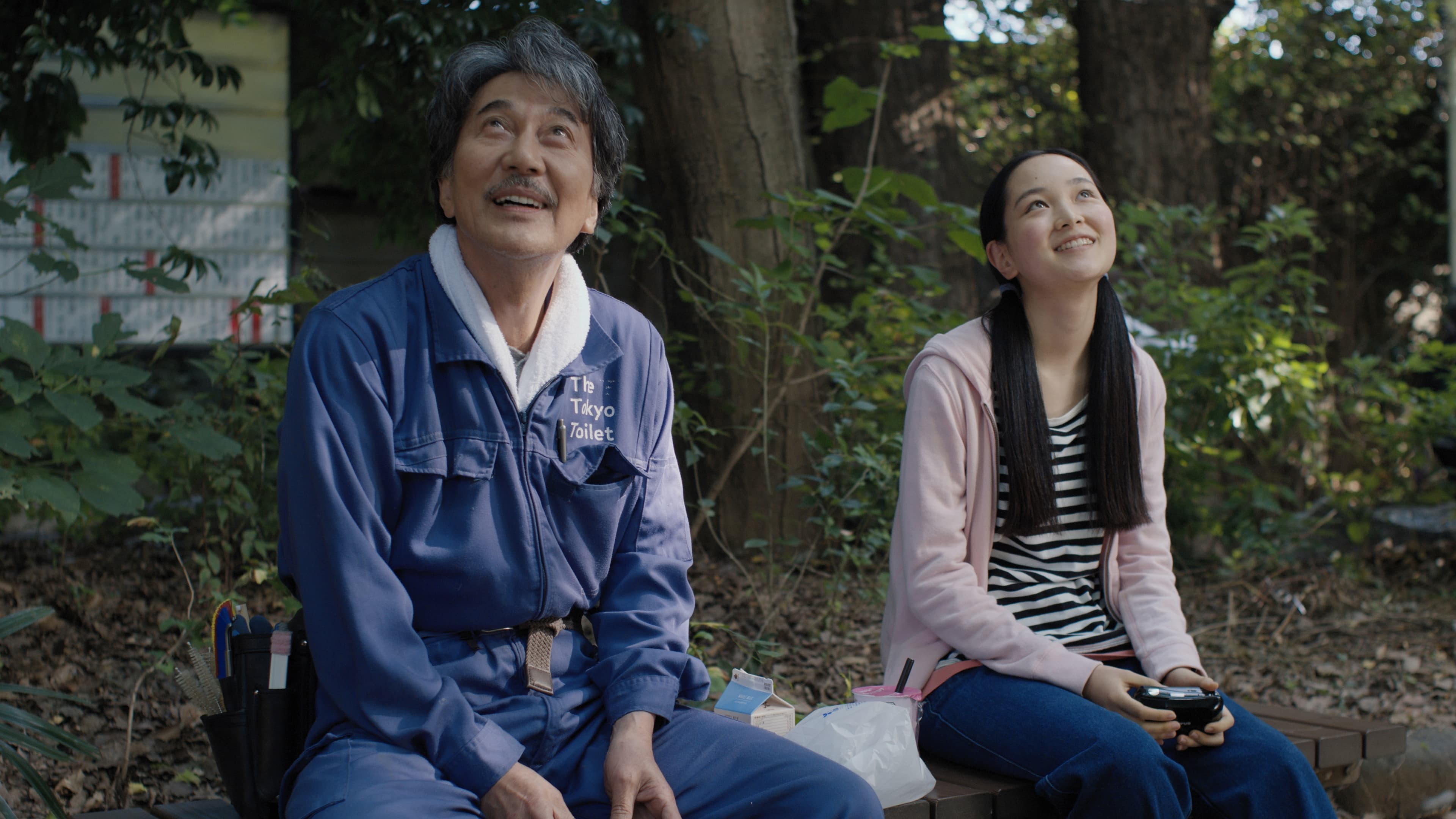
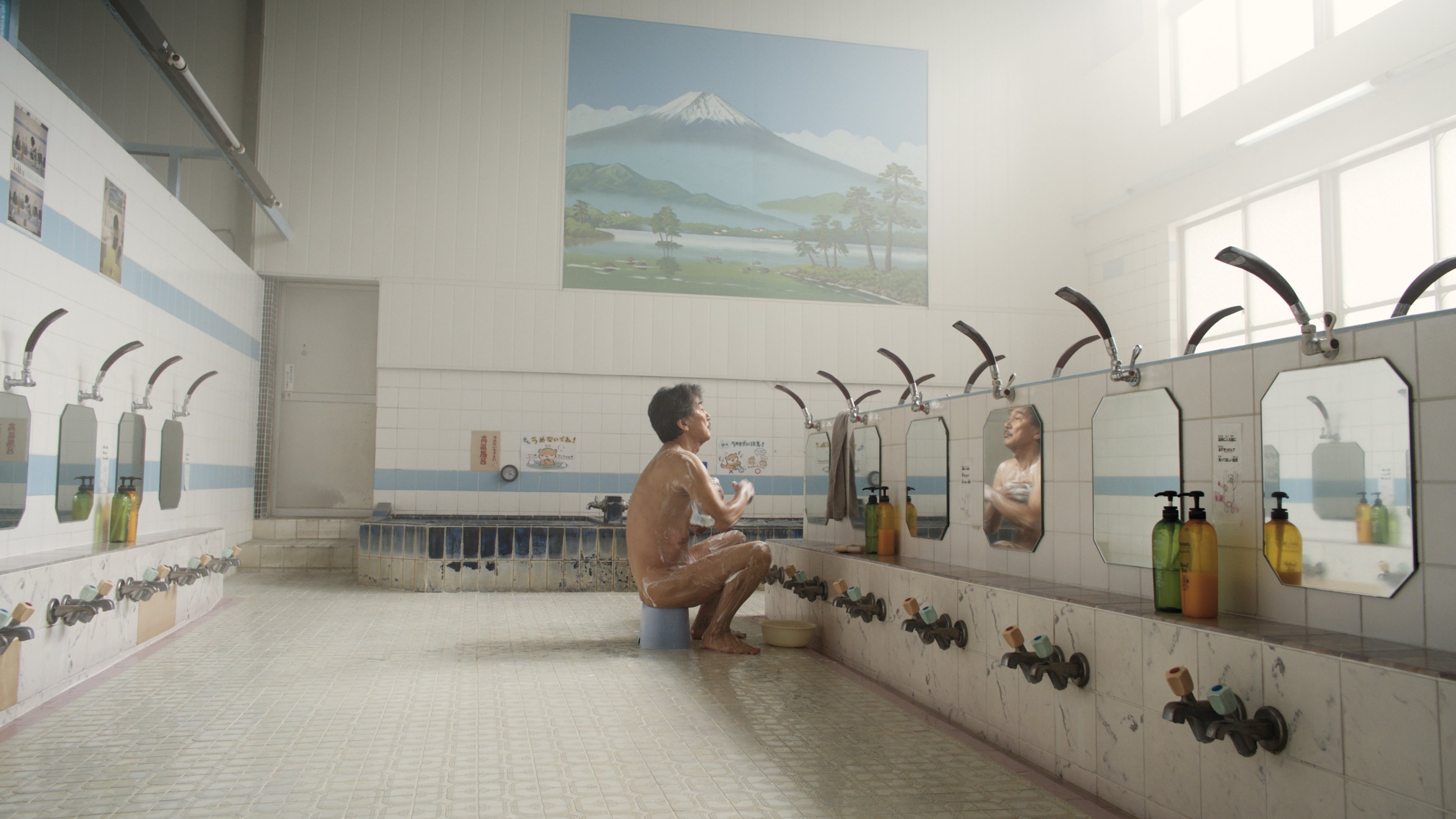
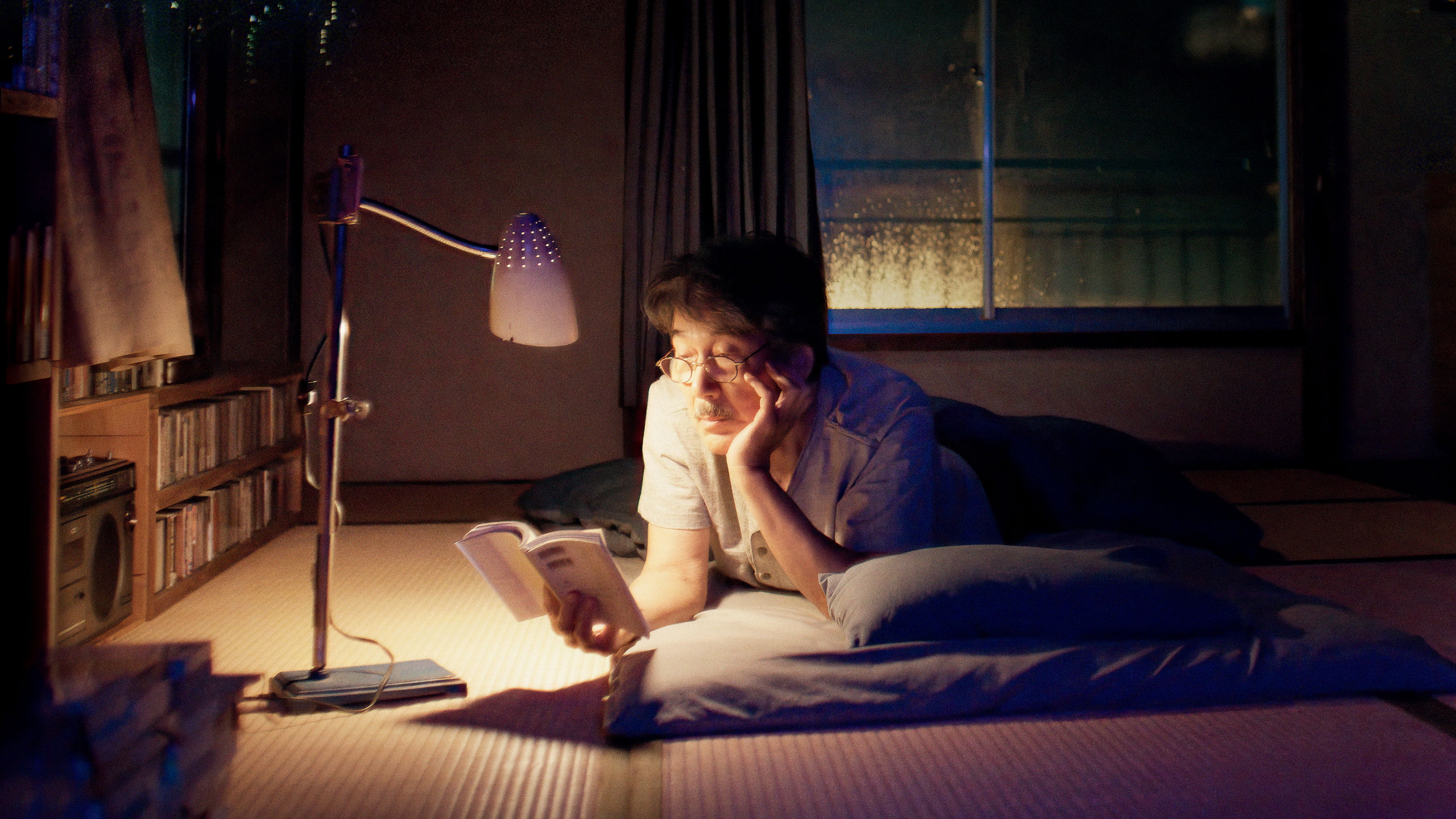
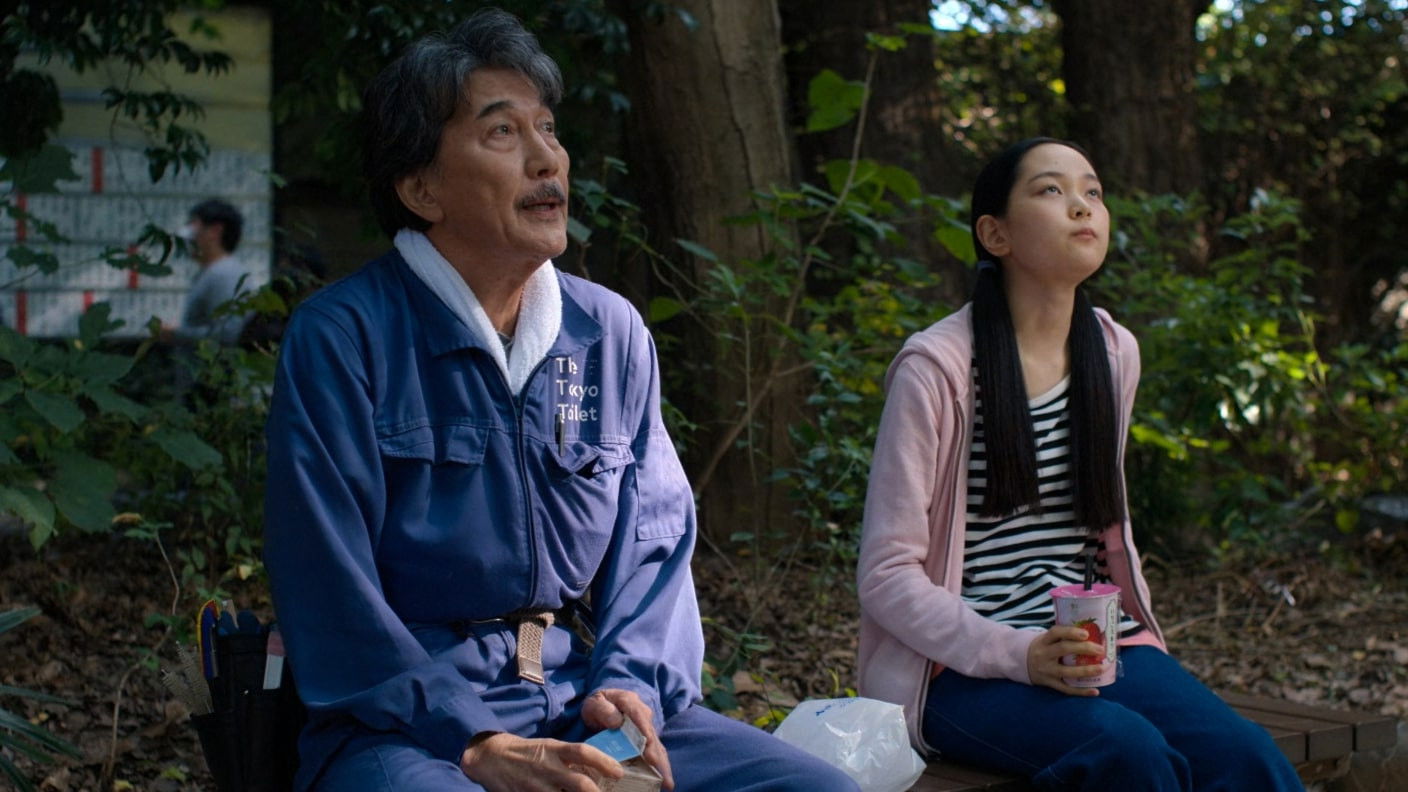
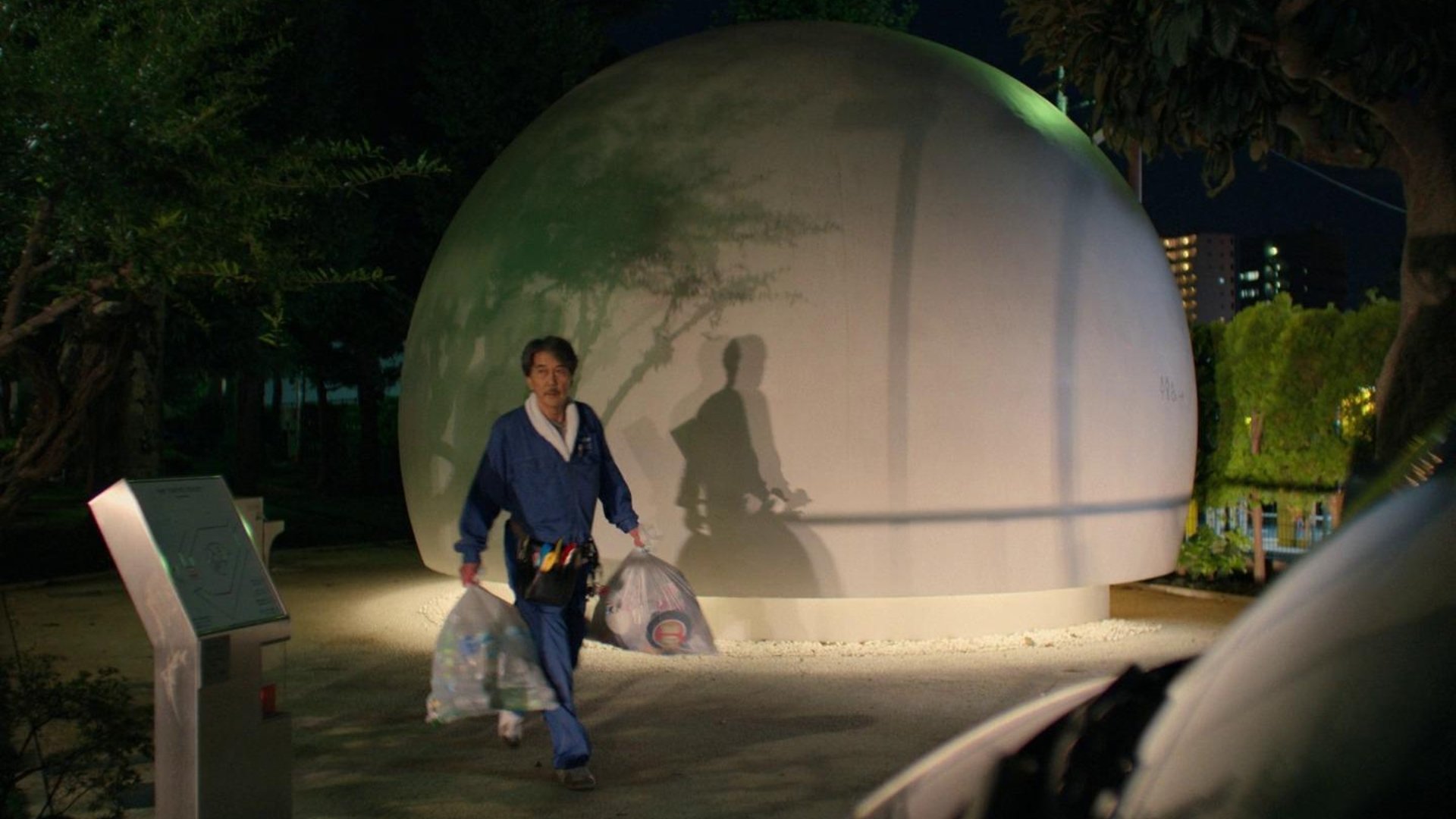
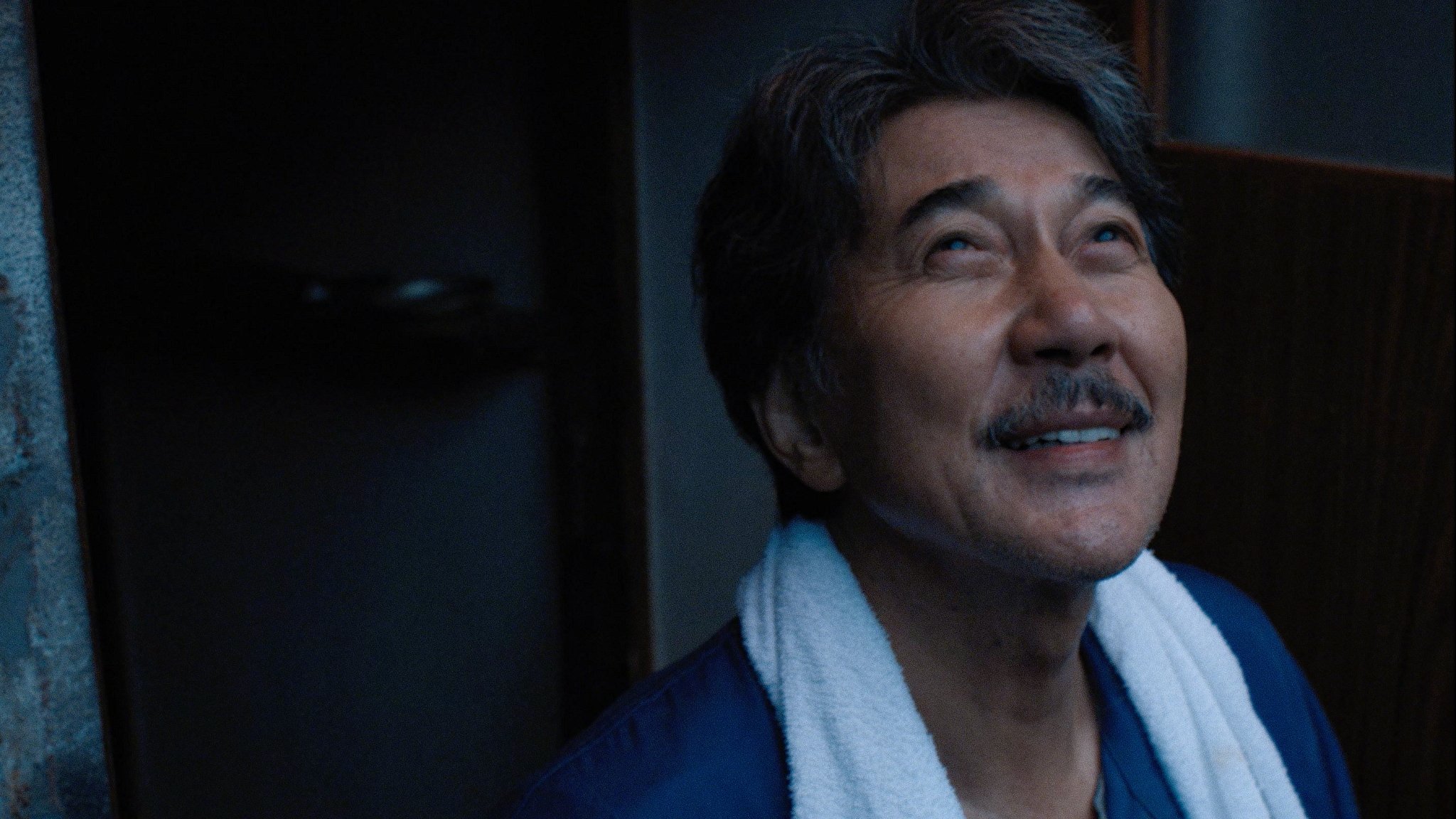
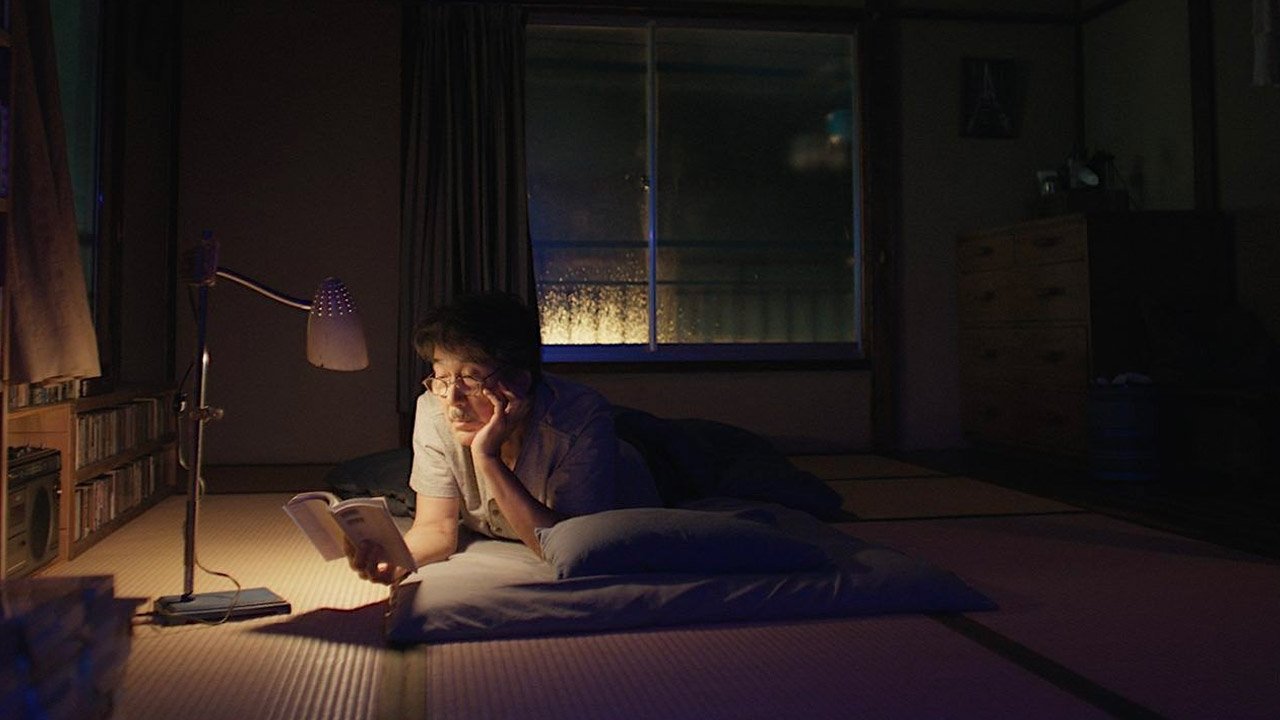
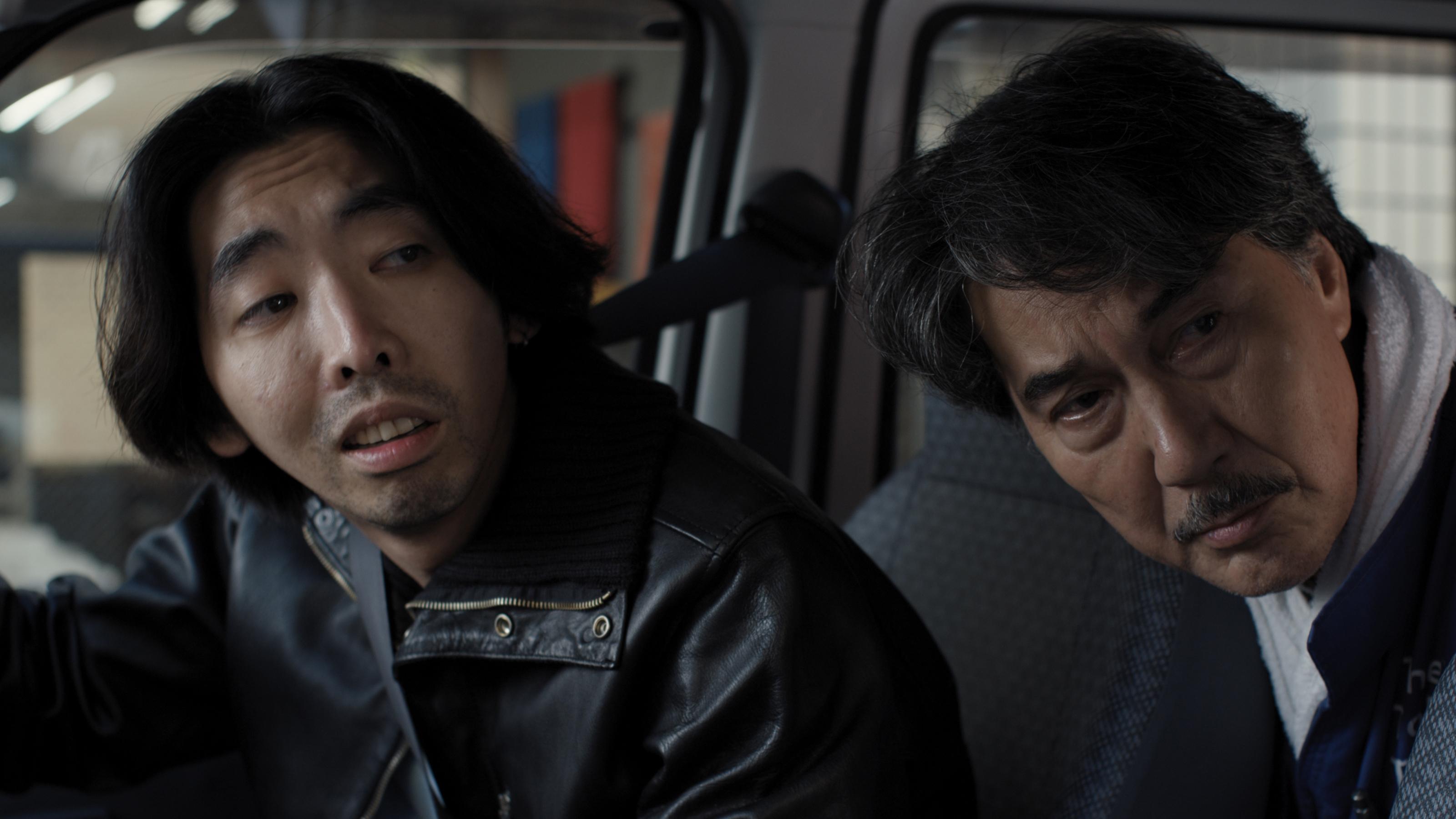
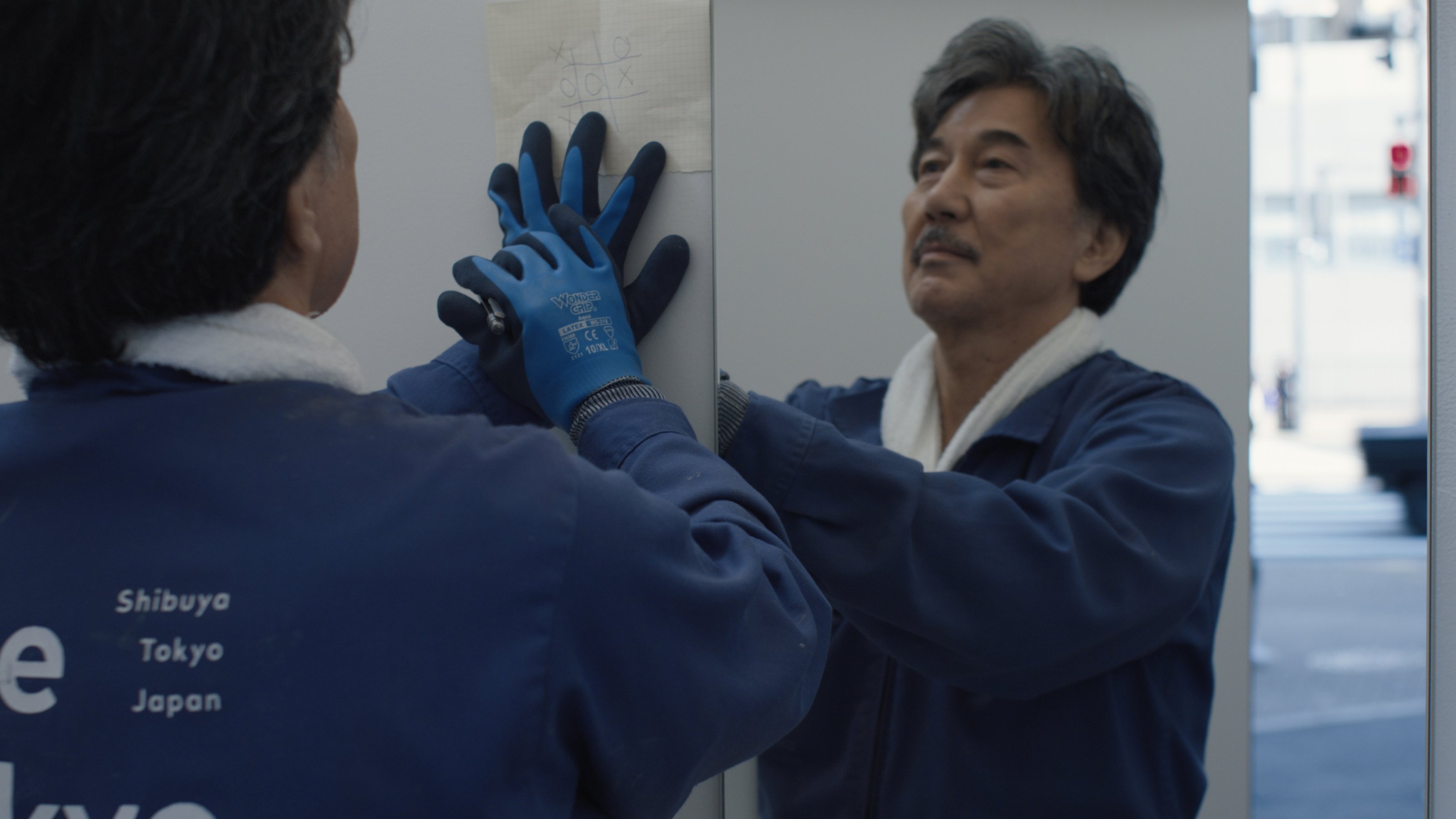
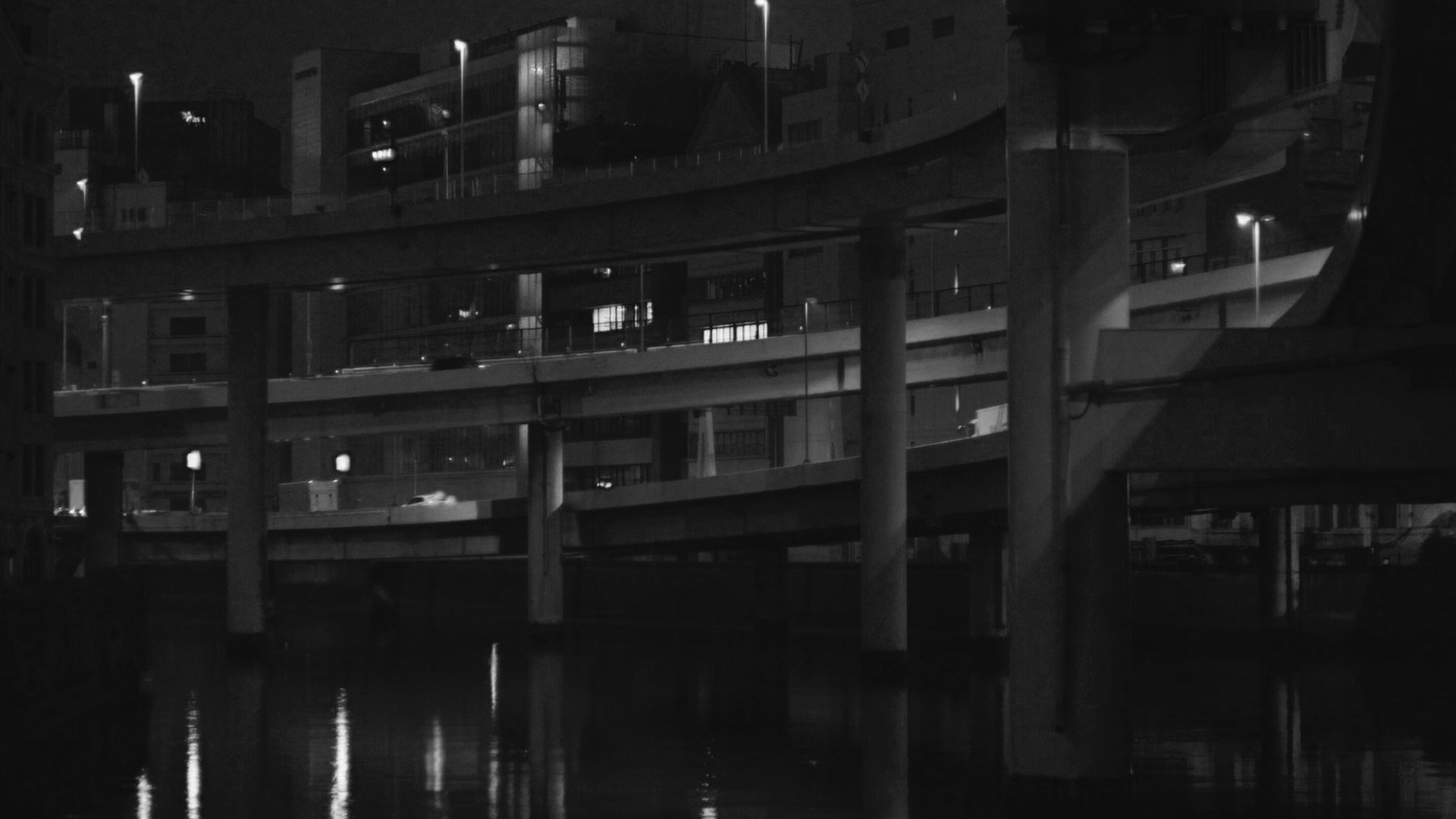
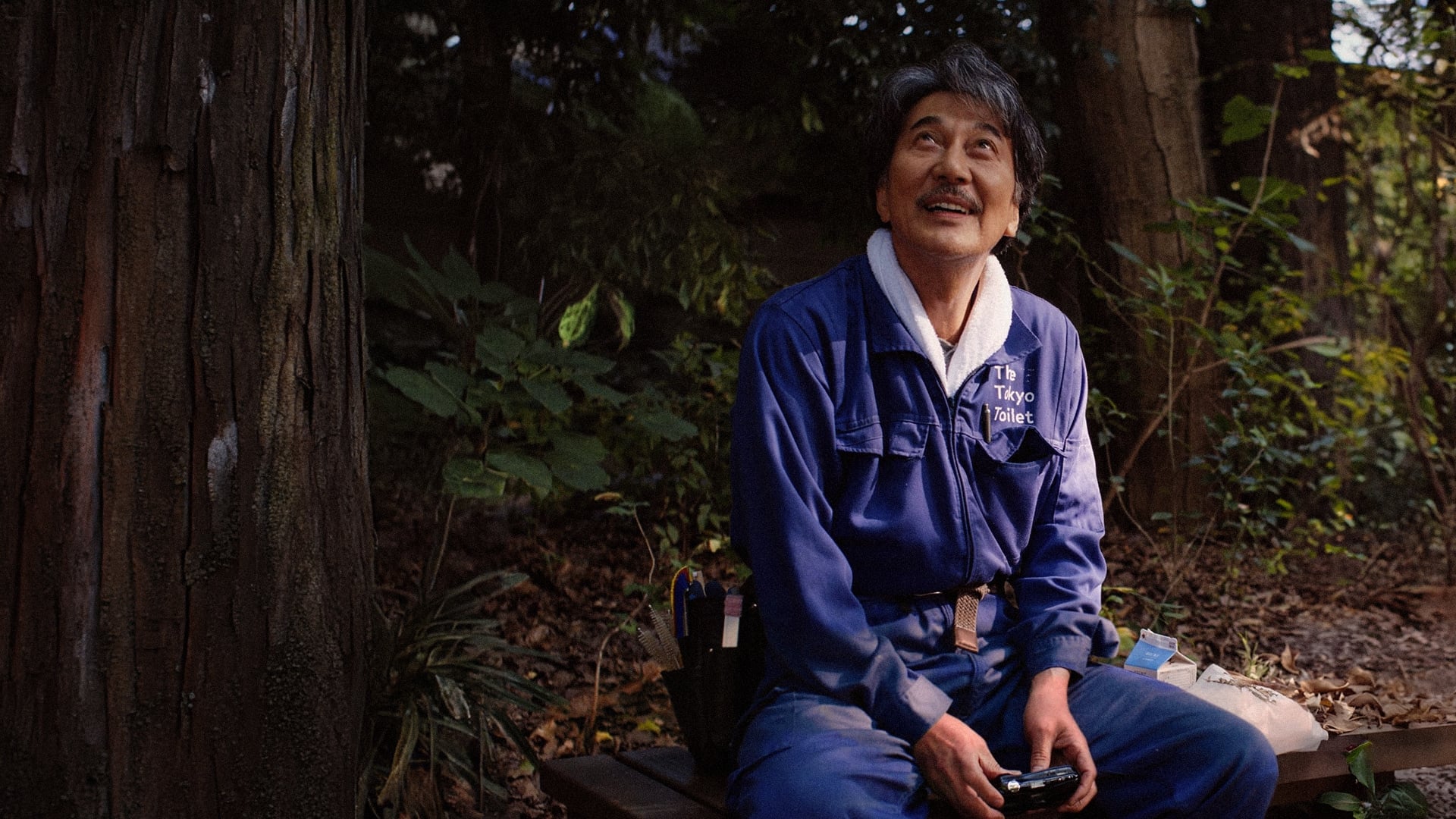
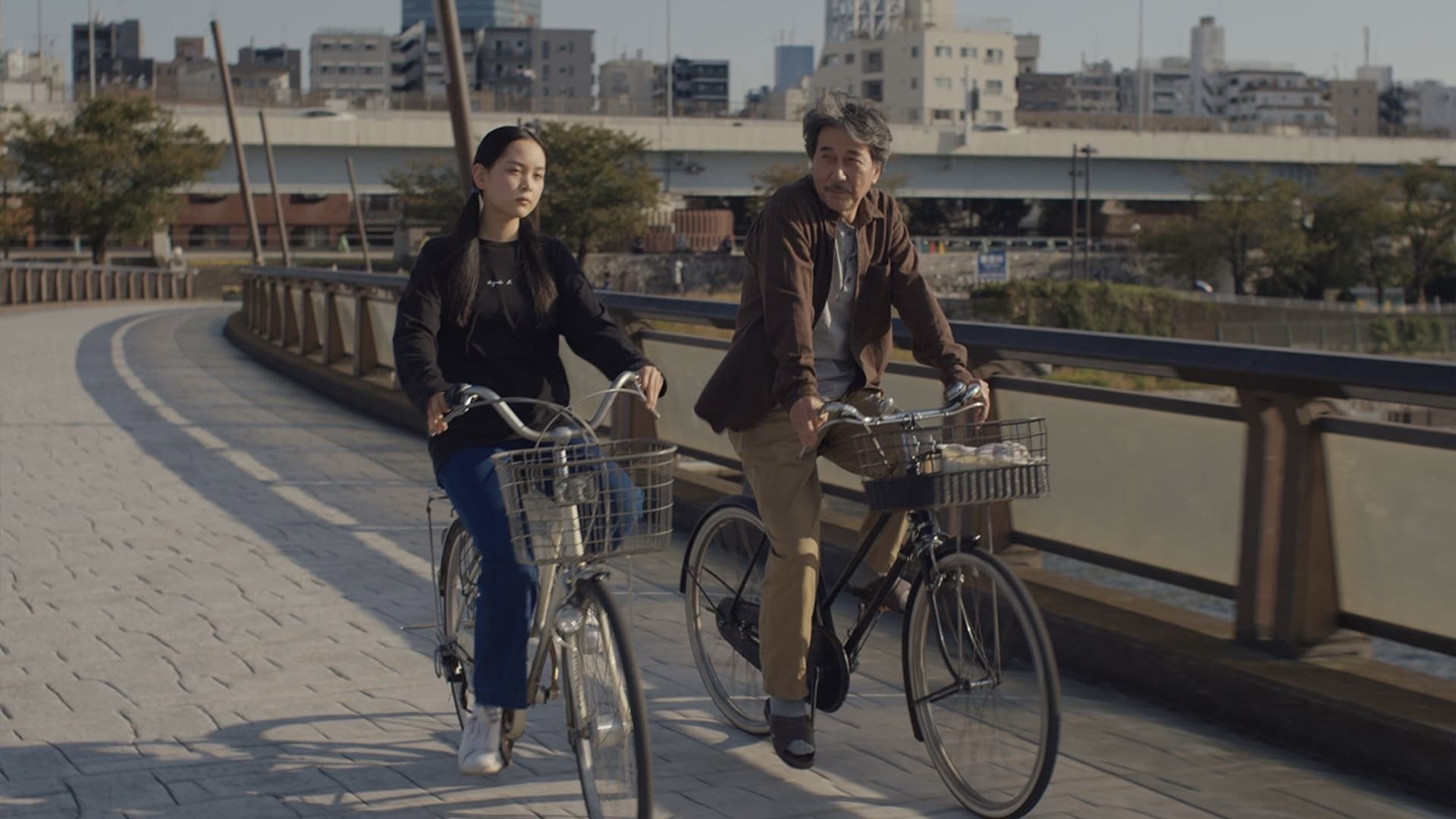
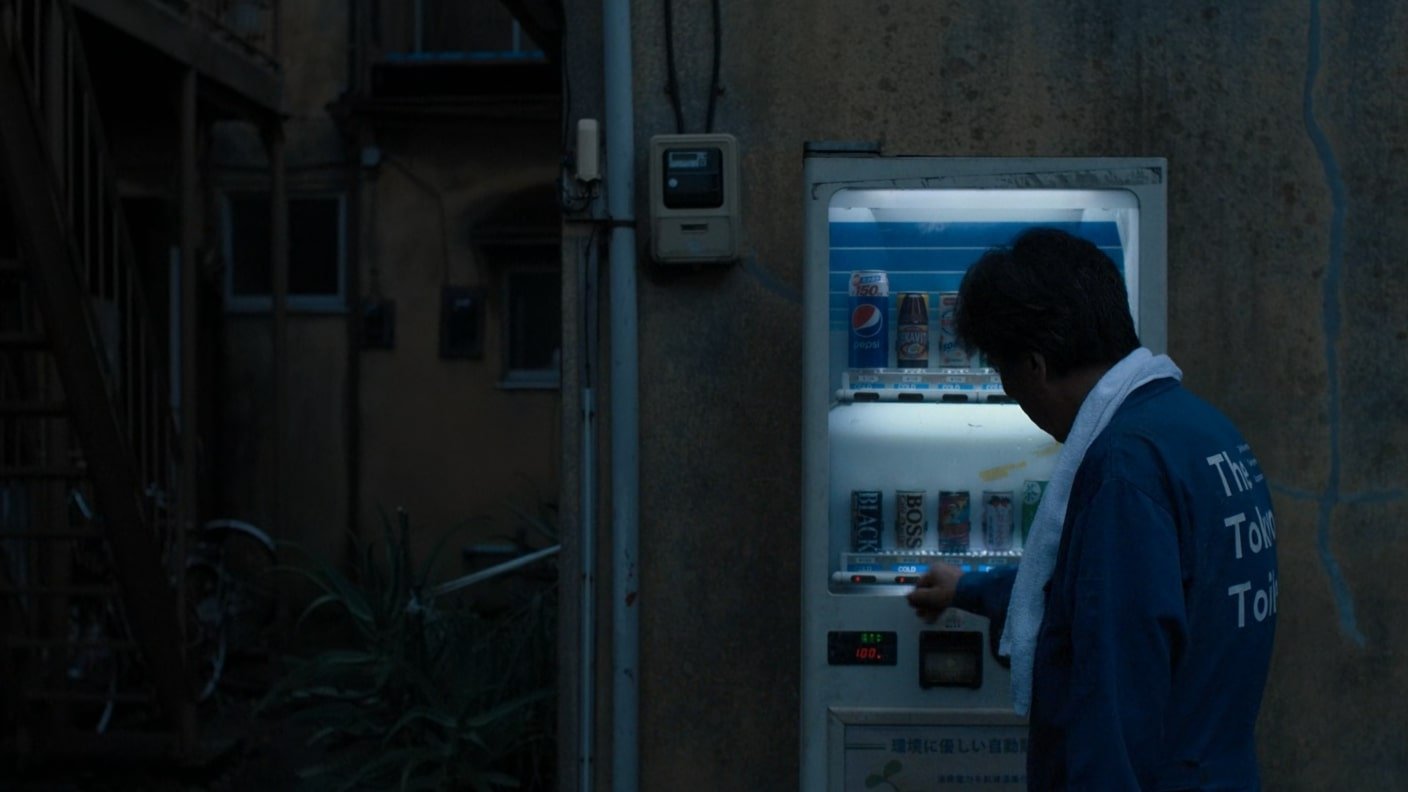
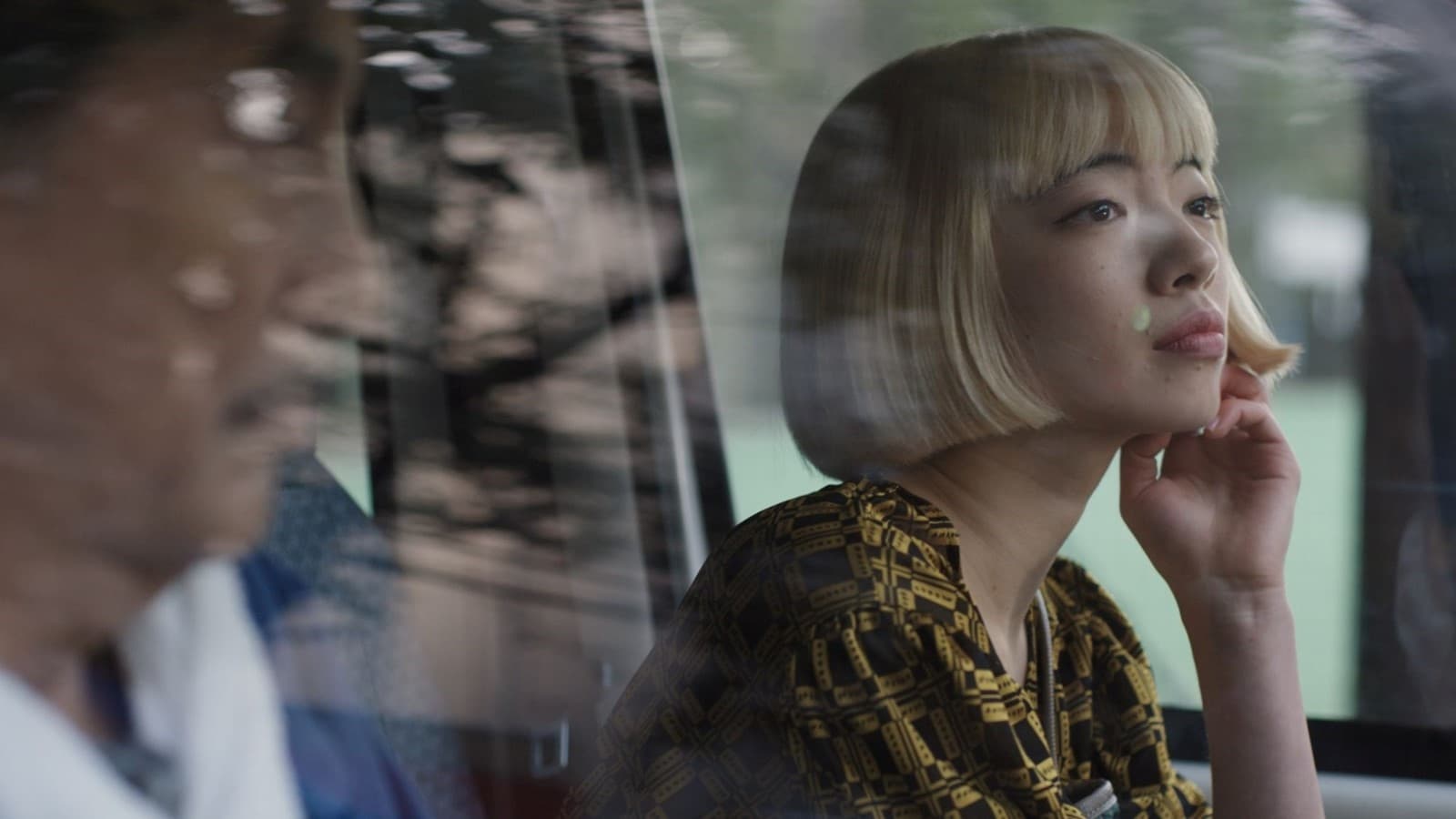
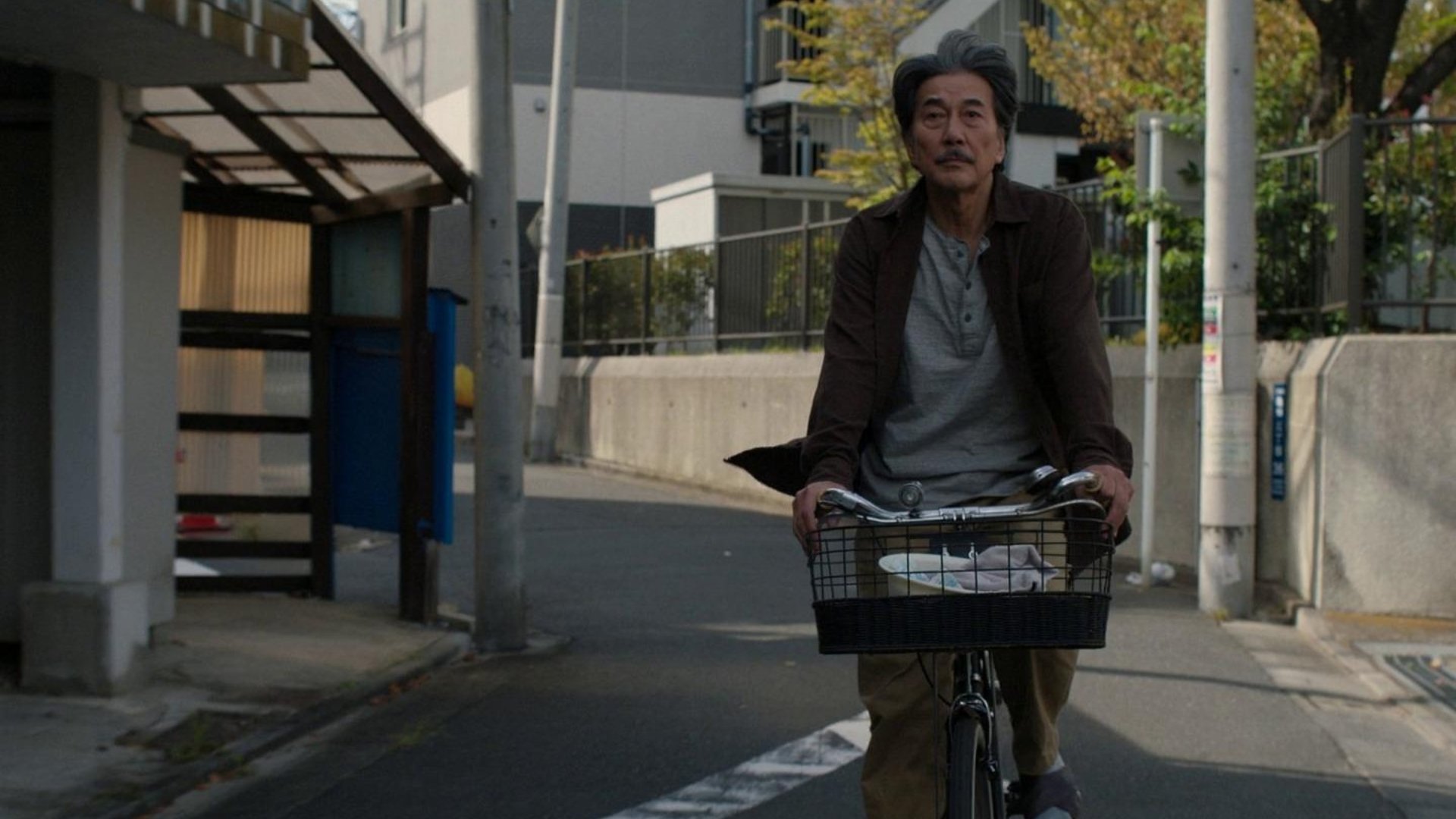
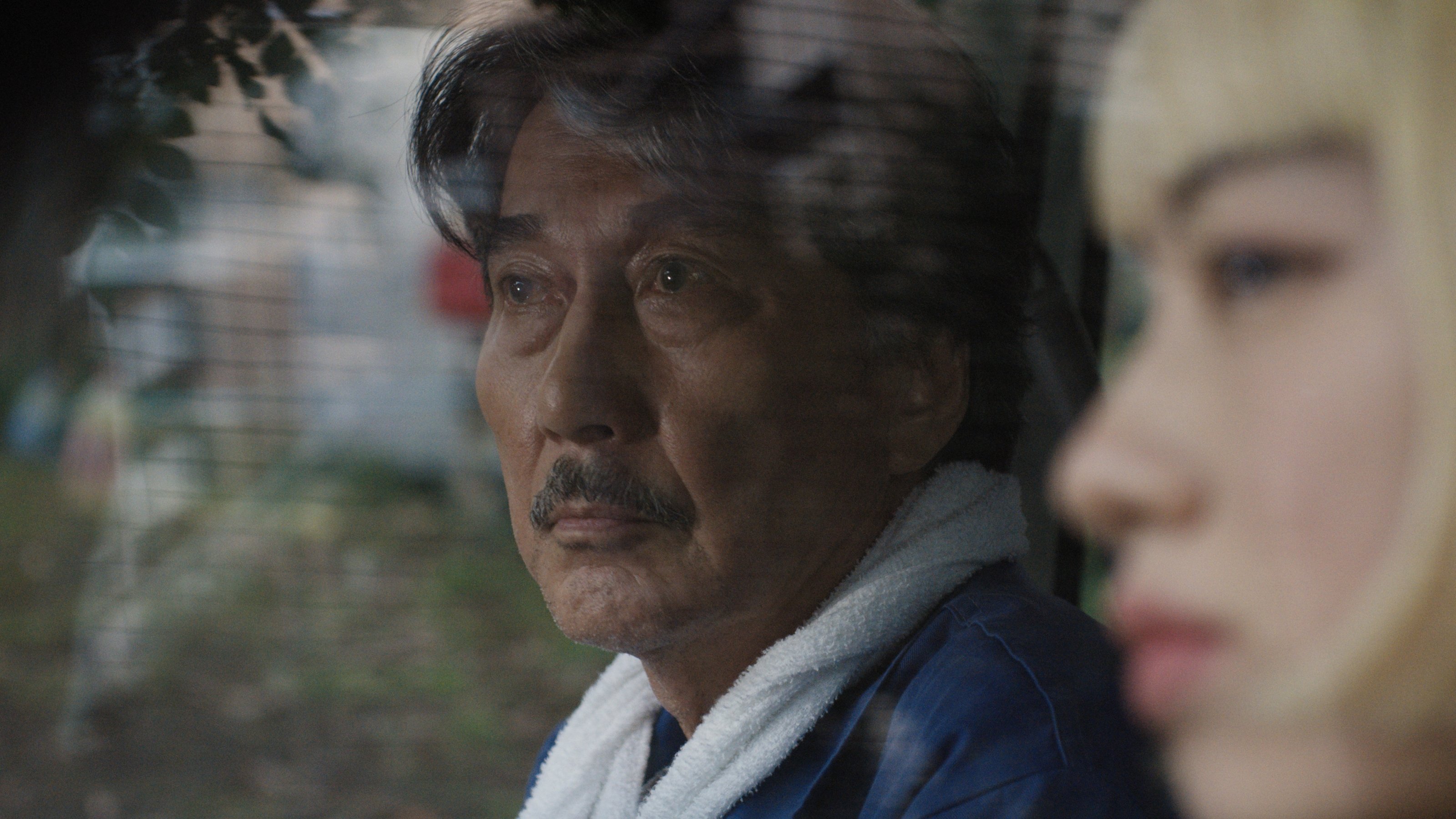
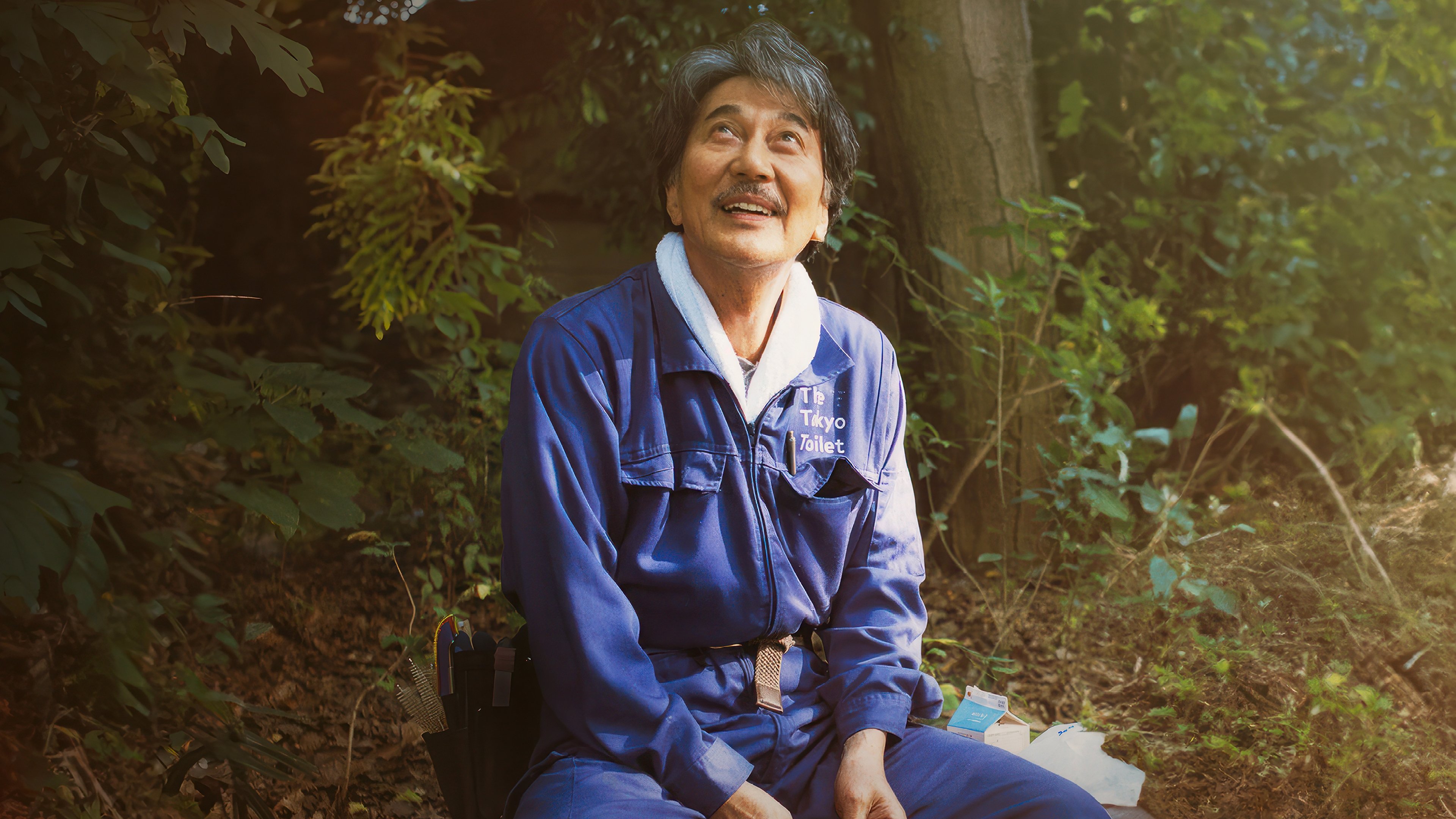
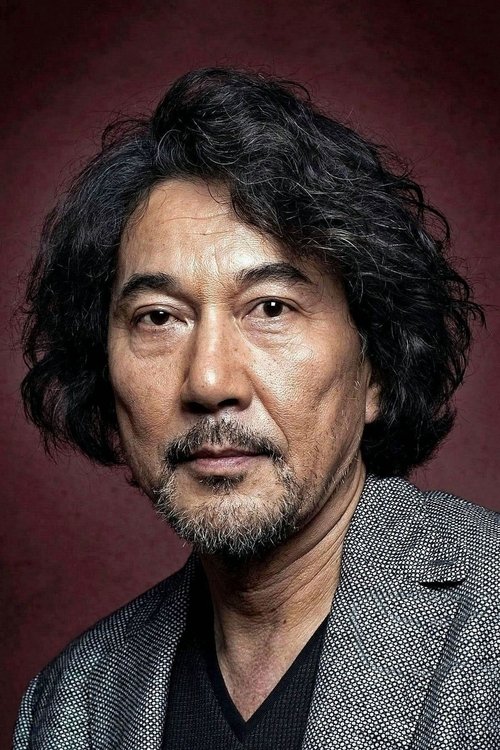
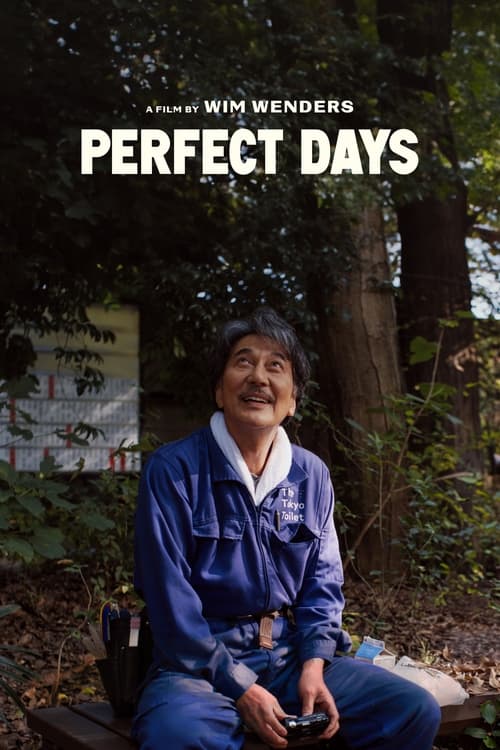
Hirayama, played by Koji Yakusho, is a well-oiled routine machine, starting and ending each day the exact same, and it’s all perfectly…..pleasant. For the most part, his life can be seen as an expression of a sort of eastern-esque nirvana, a complete detachment from the seedier “wants” in the human experience. He cleans public toilets by day, photographs trees during lunch, and reads a book at night. Theoretically, this could make for a pretty boring film, but engagement is lofted by its expert direction and beautiful cinematography.
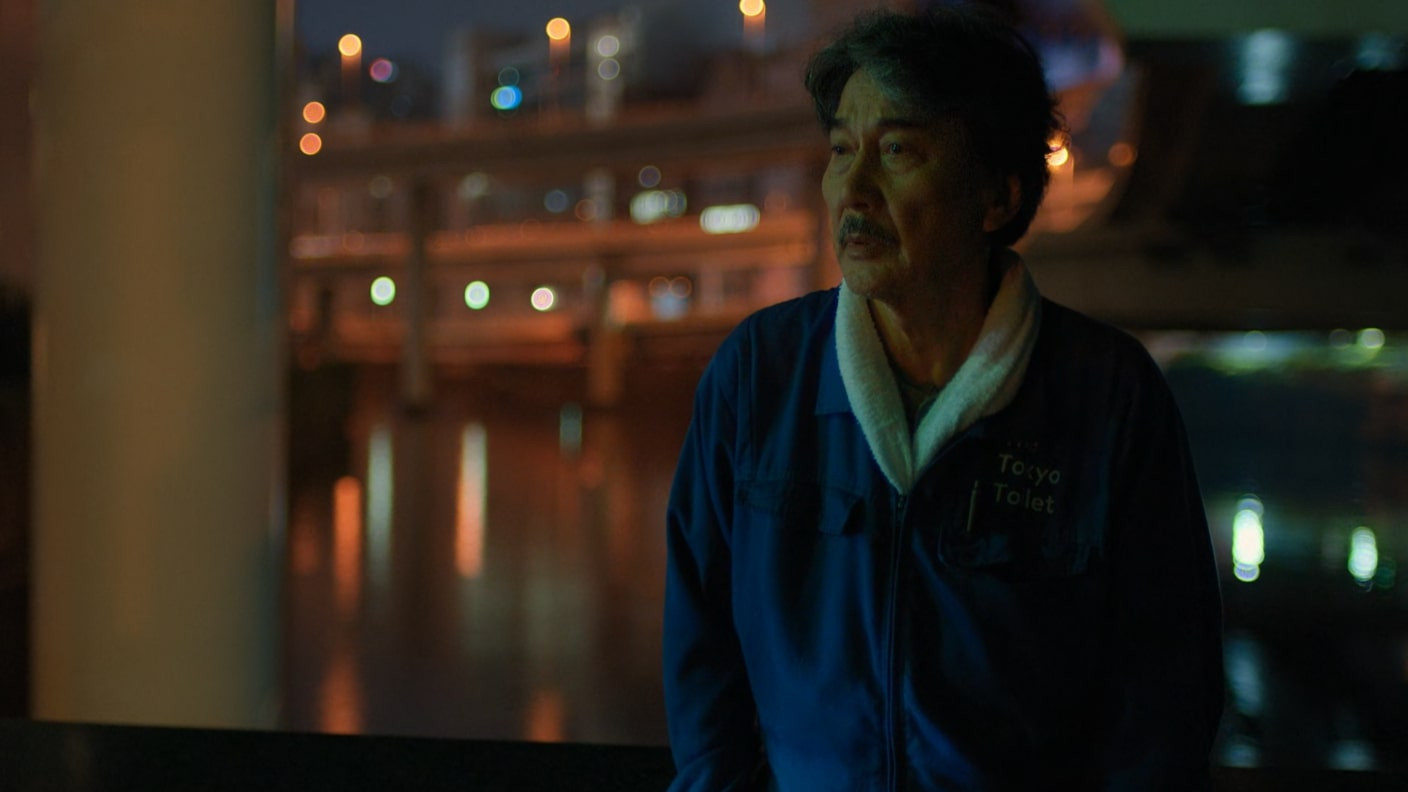
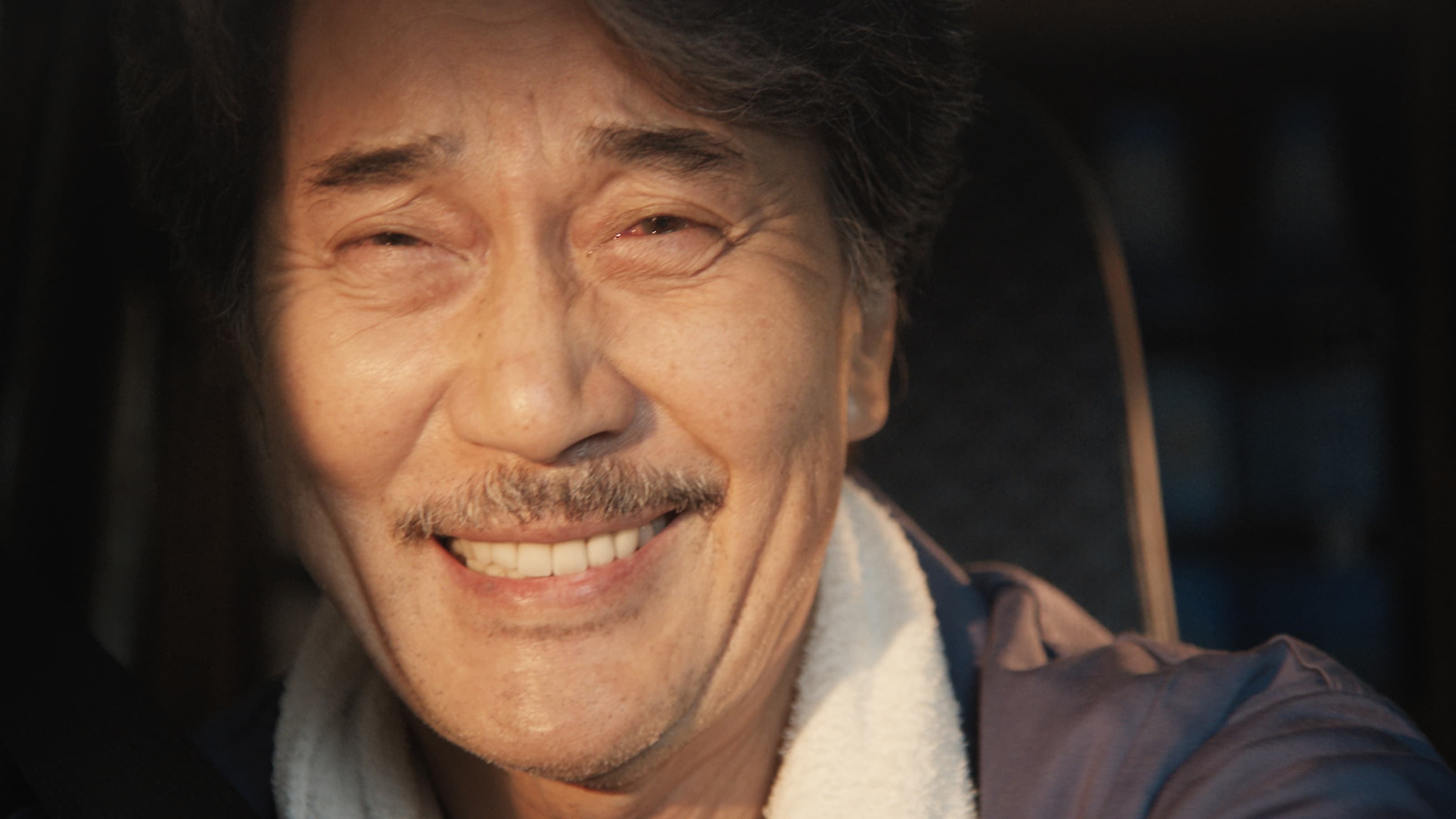
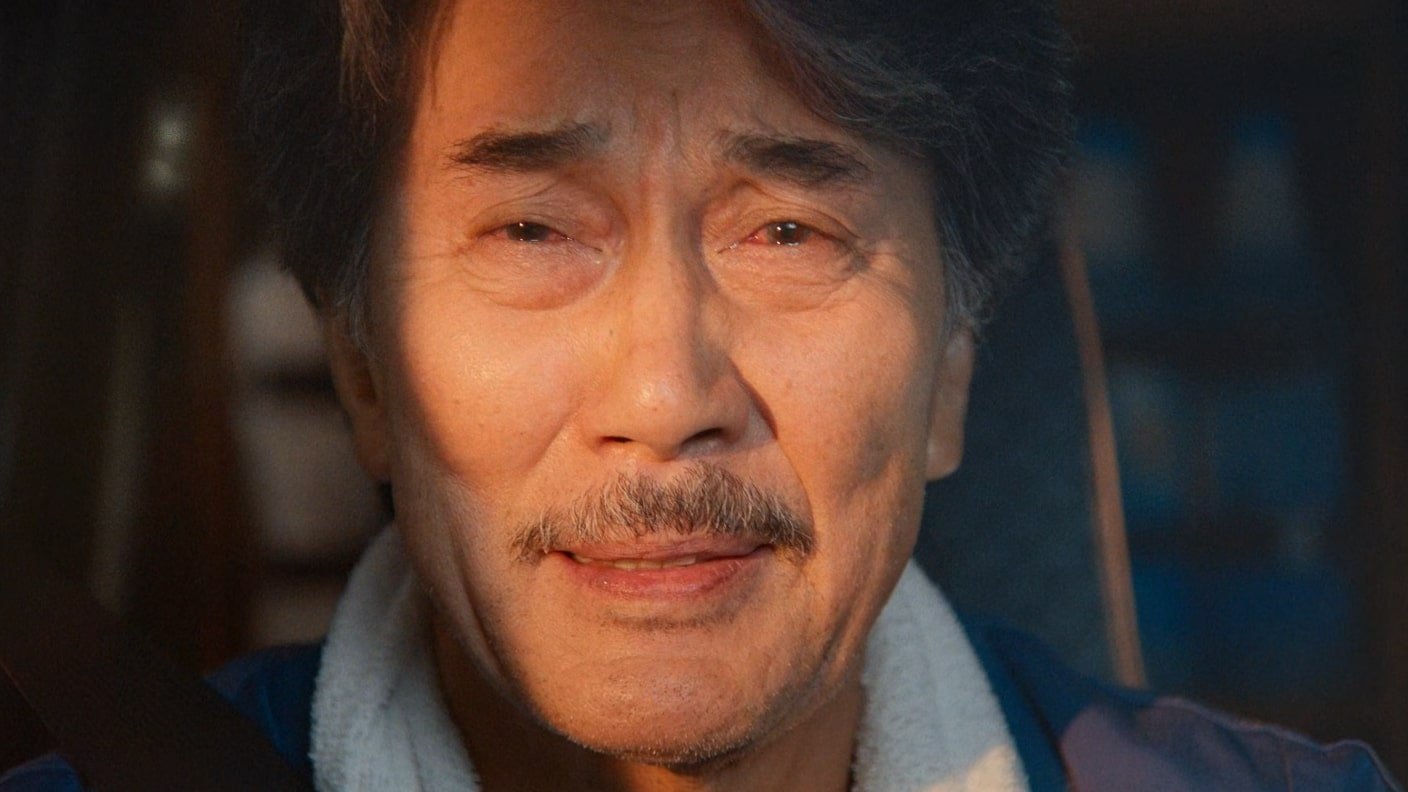
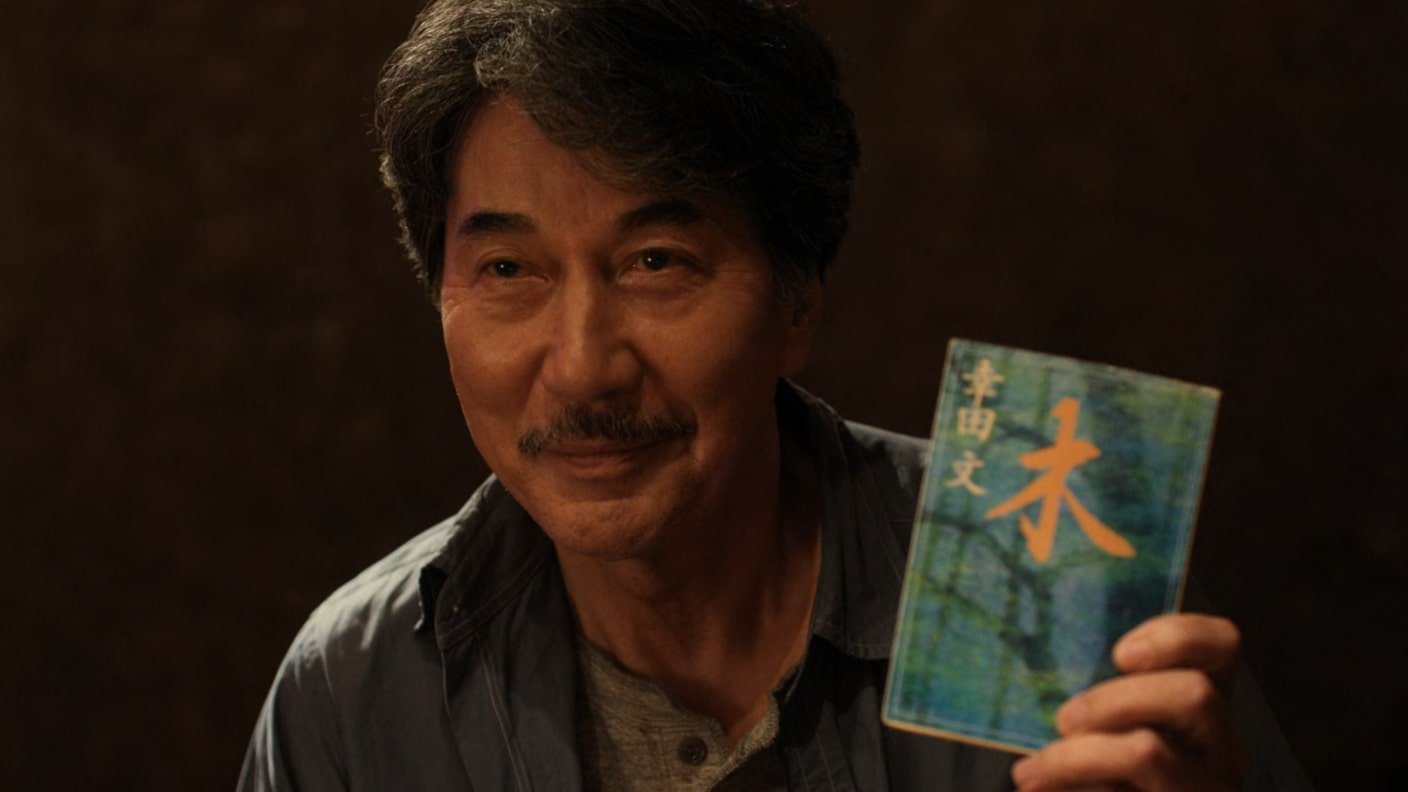
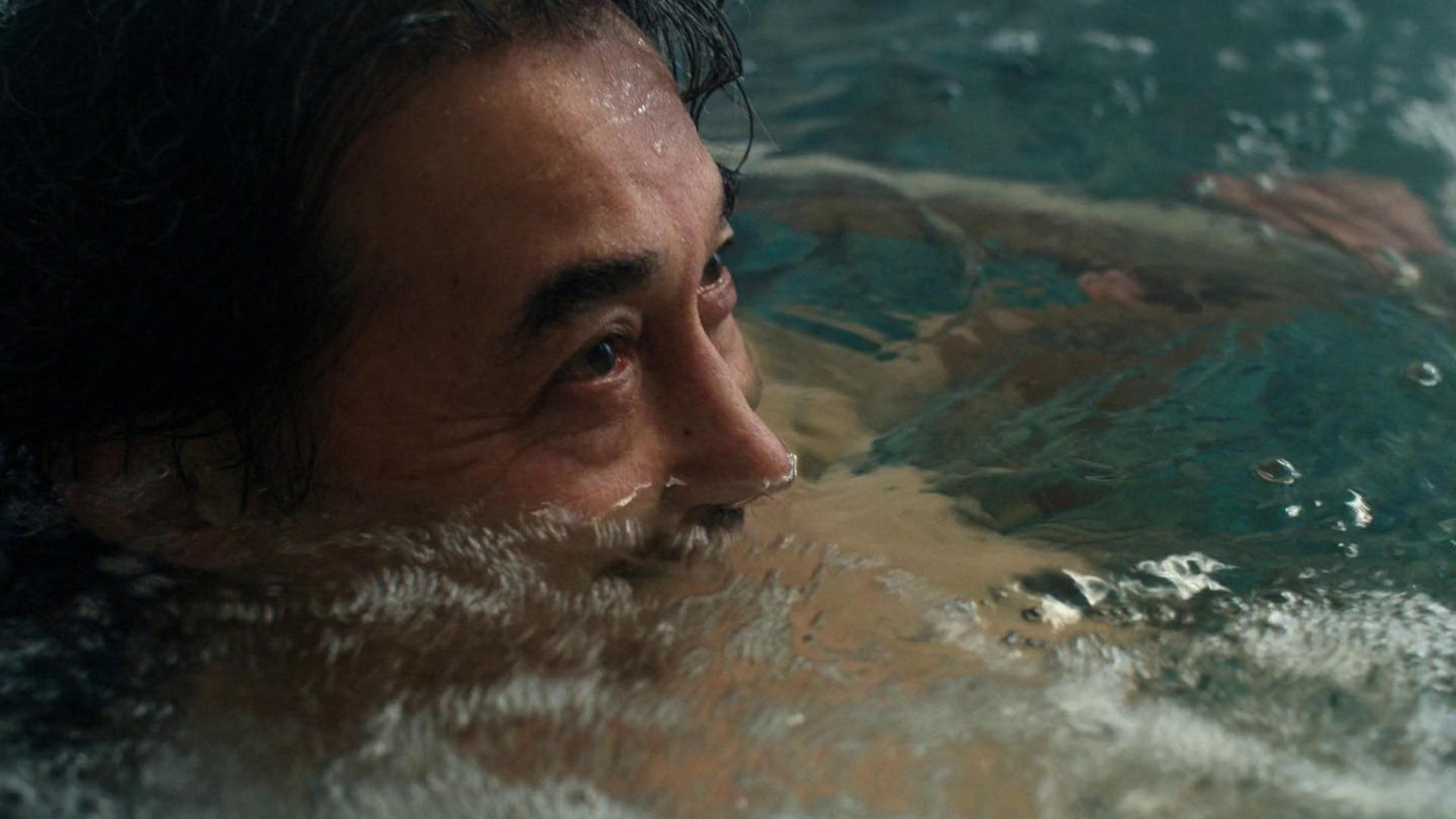
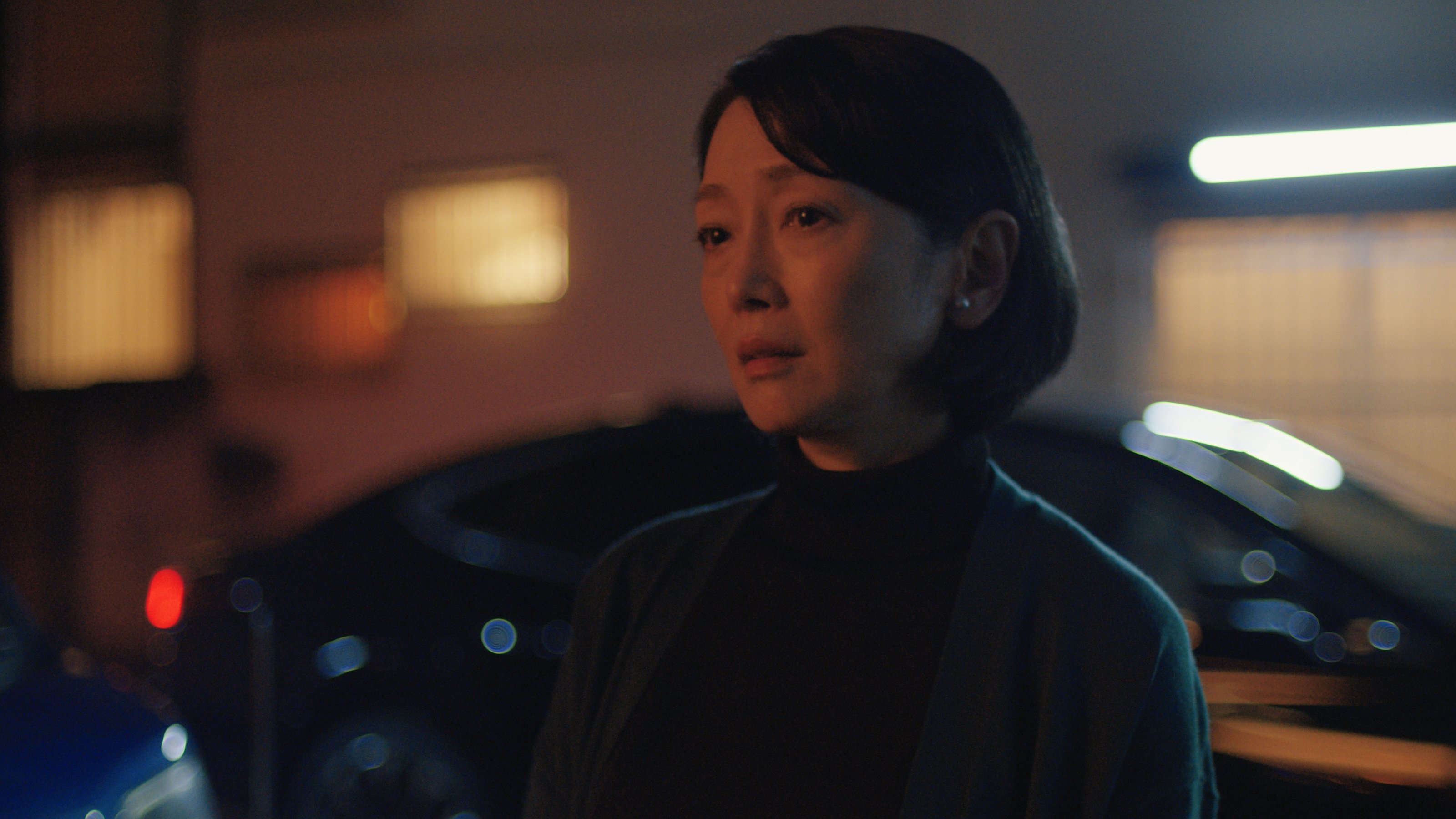
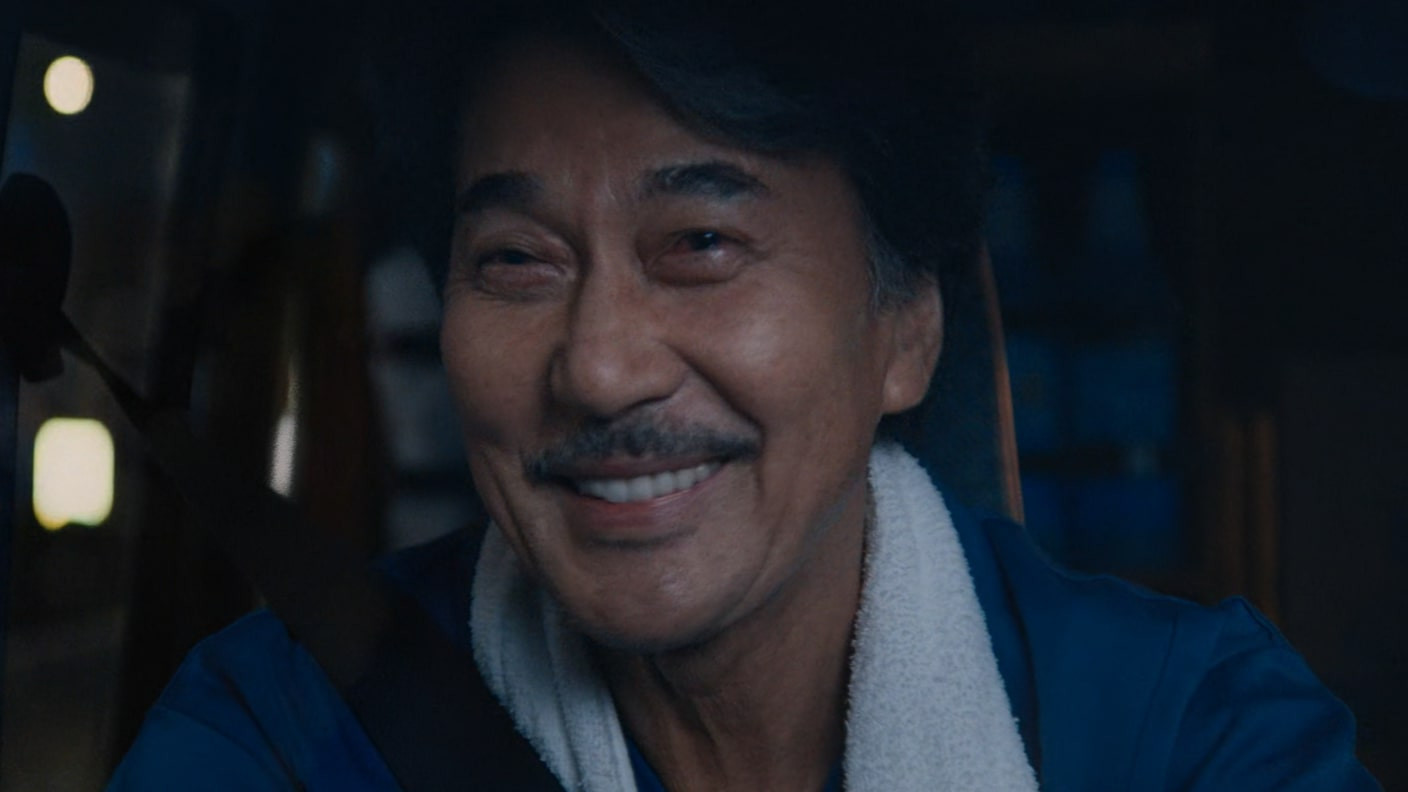
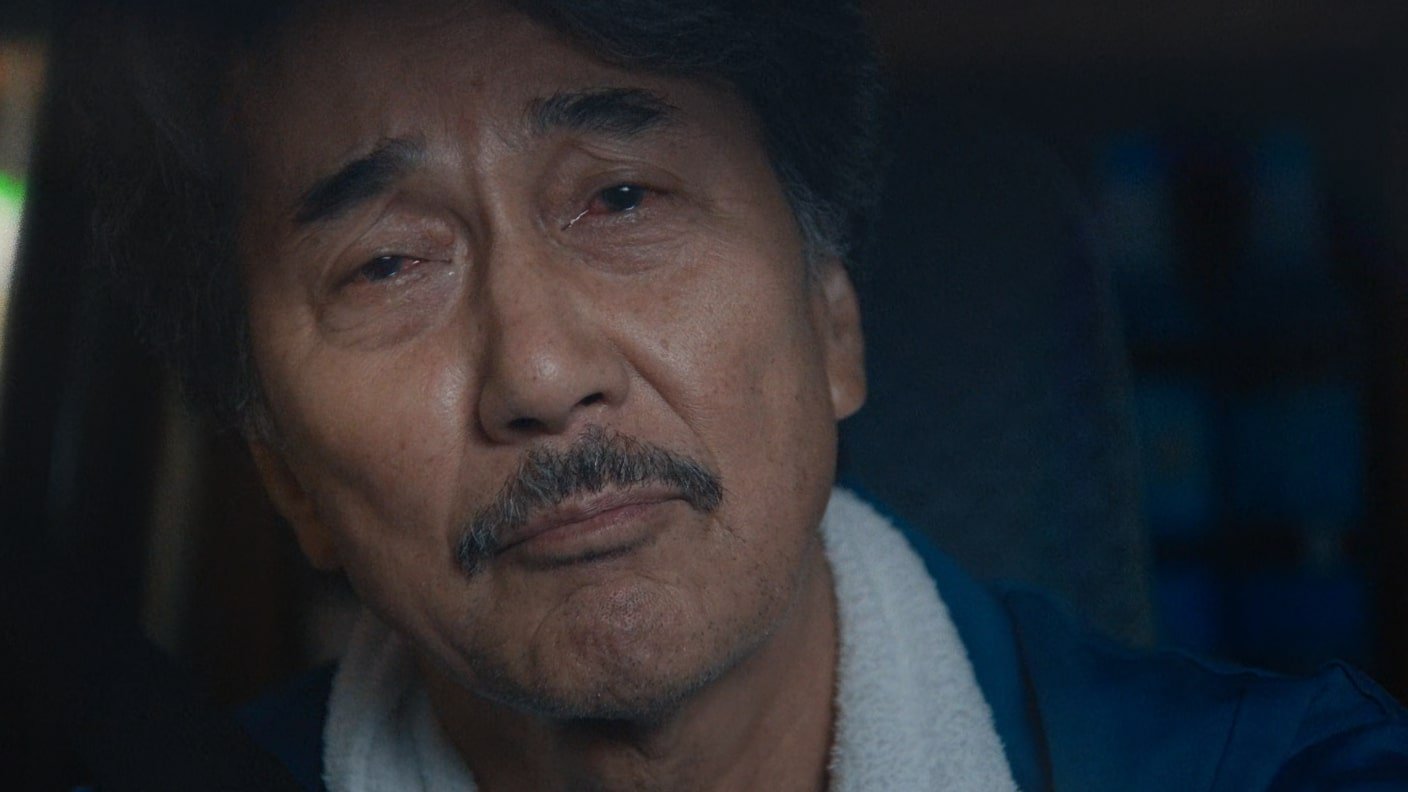
Despite seeming like an advertisement for the ascetic lifestyle for the majority of its runtime, a surprisingly honest question the film broaches is whether or not you can be truly happy if you don’t risk a little sadness. No one moment is too precious for Hirayama, who instead spreads out his joie de vivre perfectly evenly throughout his day. But he also won’t let people past his walls. Perhaps it’s our ambition, our vices, and our frailty that allows us to bond and feel less alone. The film ends by putting a little pressure on Hirayama’s fragile tranquility and testing its resolve, and the final shot is a brilliantly-acted long close-up that guides the viewer in reflecting on the value of this lifestyle. Is he okay?
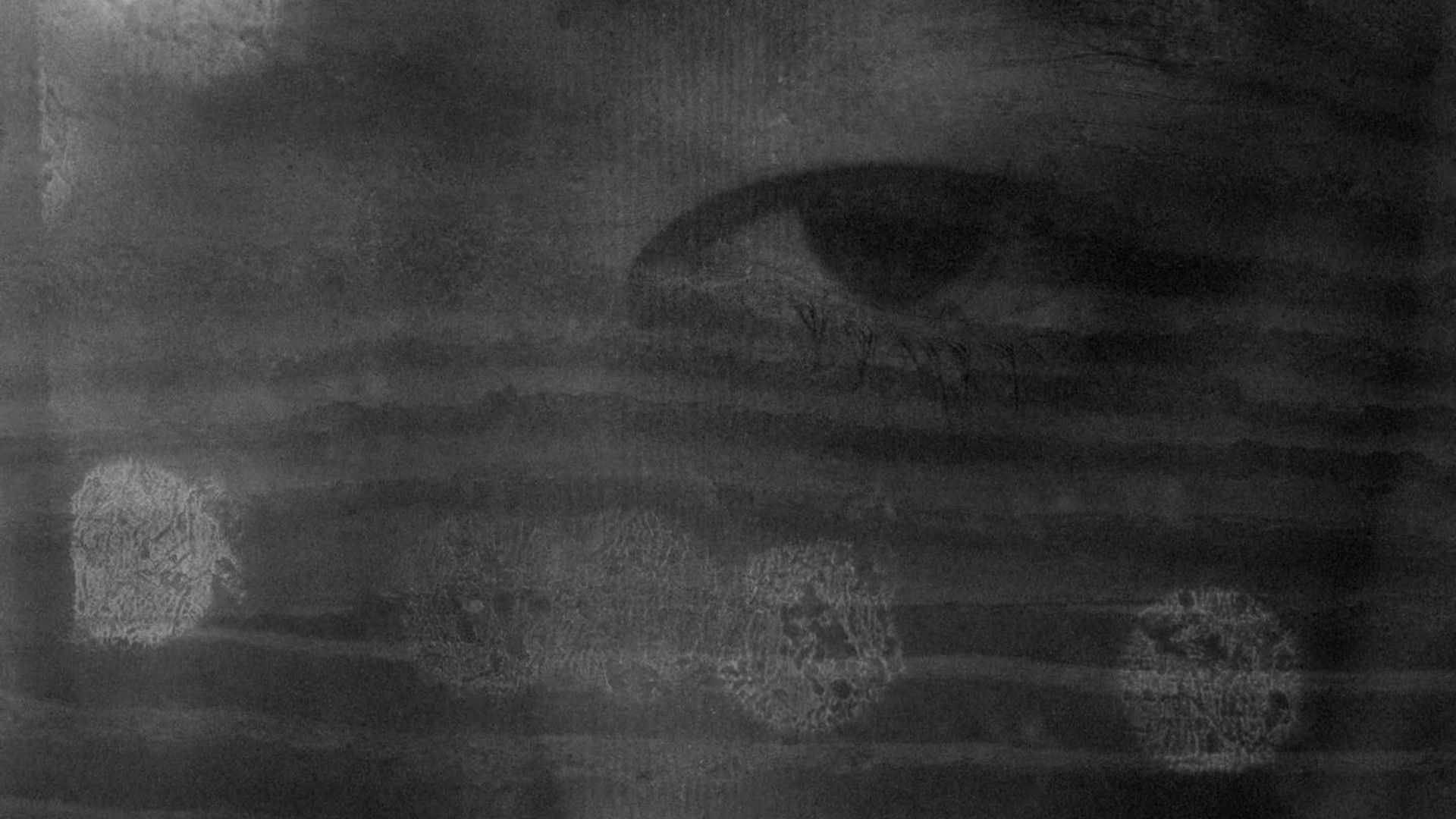
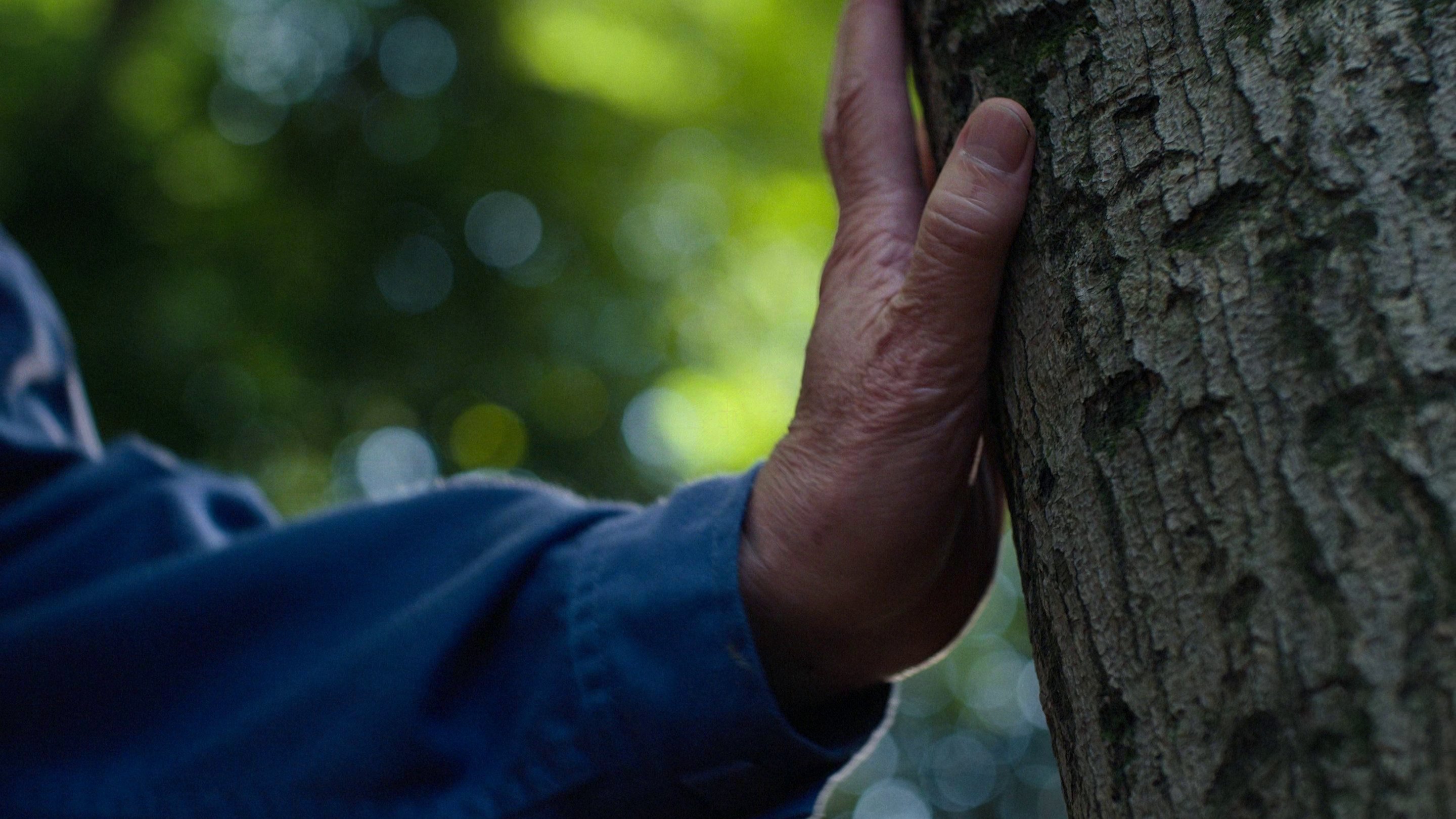
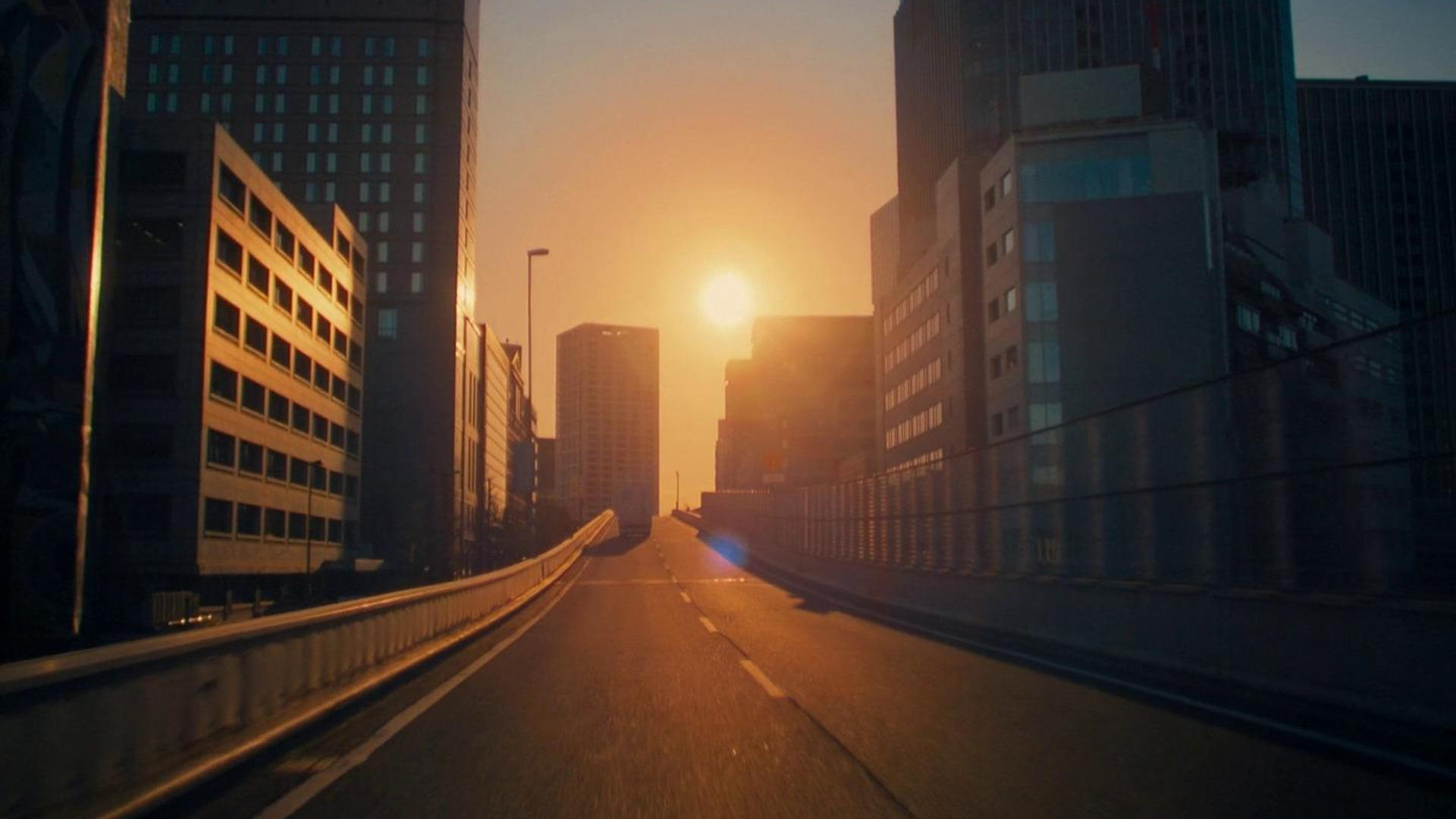
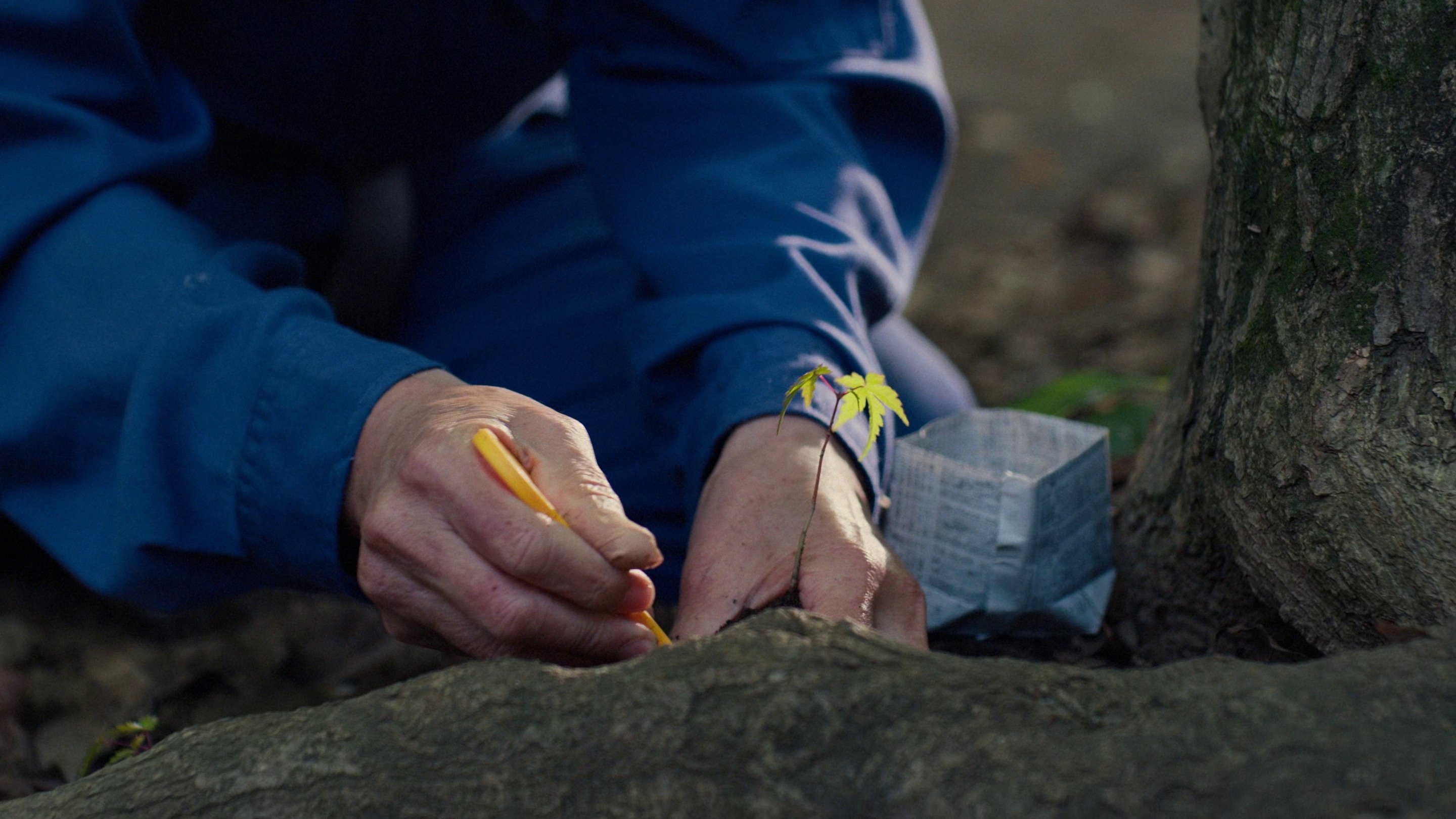
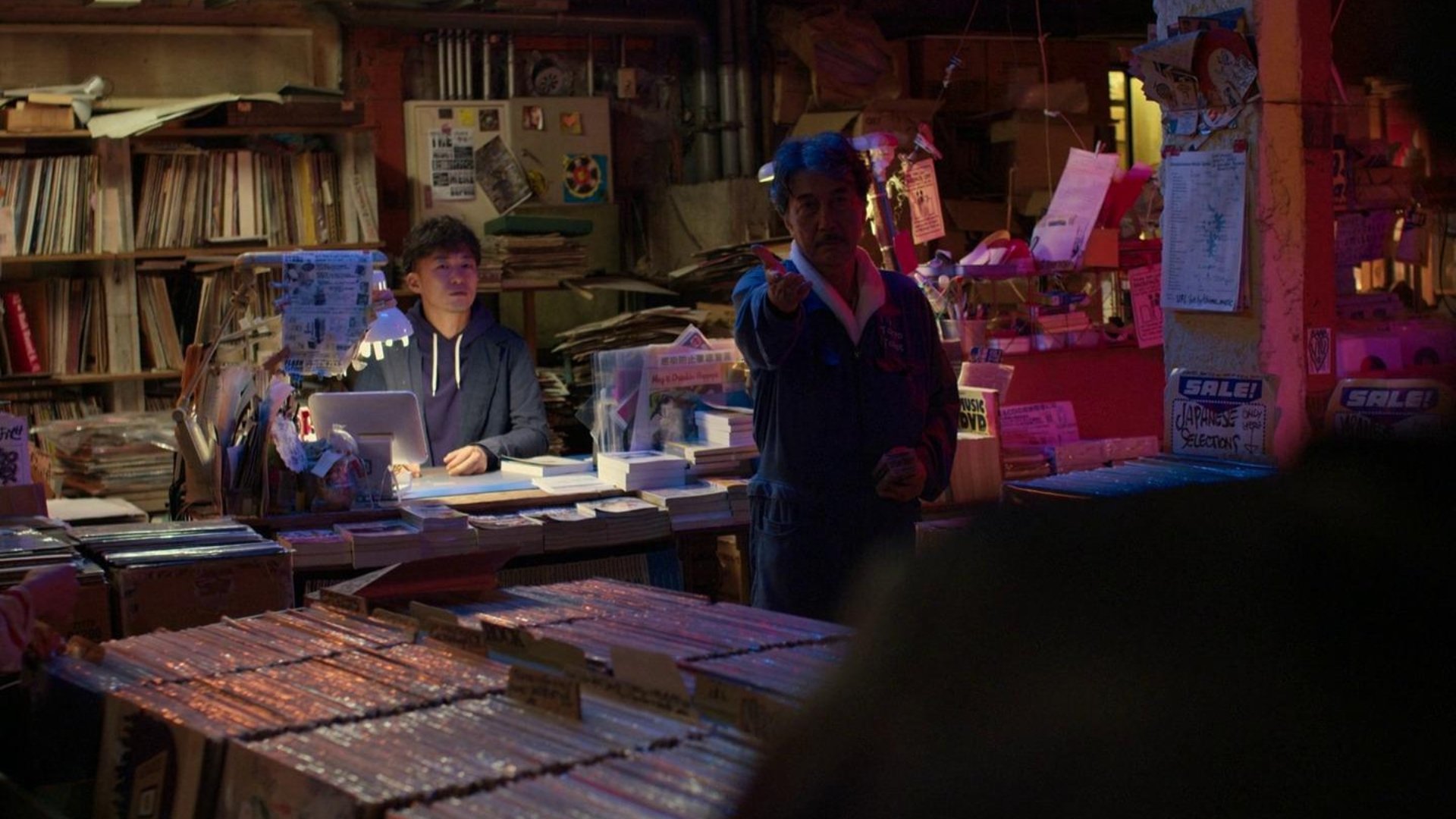
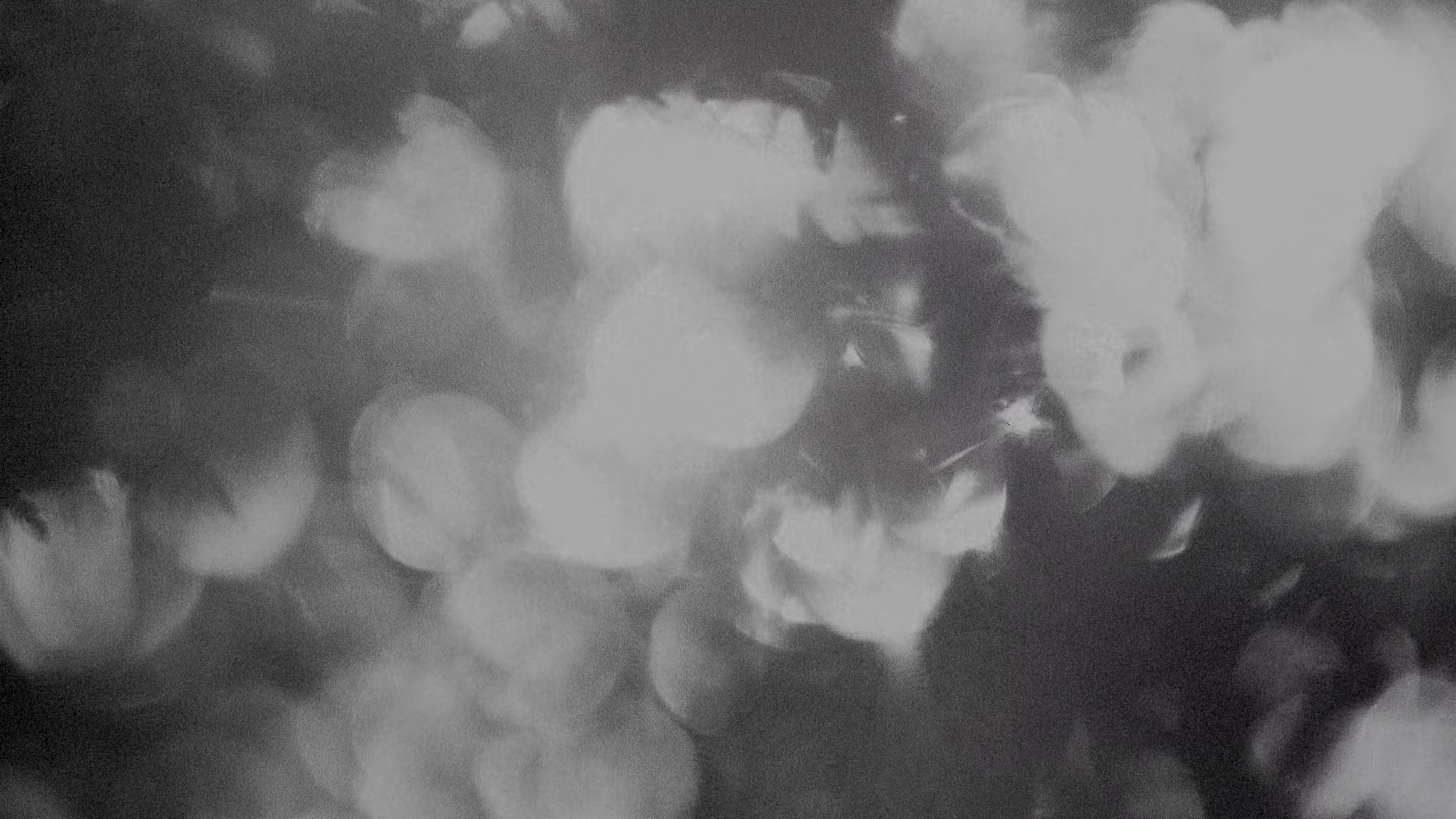
Stylistically, the film is a little Criterion-pilled with its 4:3 aspect ratio, languid pace, and Patti Smith and Lou Reed soundtrack. Nevertheless, it is beautiful to behold and fascinating to ponder. Hirayama photographs “komorebi” on his lunch break, which is the Japanese word for the sunlight filtering through the trees. However, some say that komorebi is more akin to a feeling than it is simple sun rays, and by having Hirayama take the photos without looking through the viewfinder, Perfect Days expresses that feeling more poignantly than the photos themselves.
One of the last stages of coming-of-age is when your dopamine intake becomes a very conscious negotiation. As a child, you are led by your uncultured id: sugar, toys, television. Early adulthood brings high highs and low lows - an incredible night of partying followed by a painful day of regret. Eventually, the seesaw between the two poles becomes tiring, and enlightened individuals like Perfect Days’ protagonist Hirayama stop the spikiness and find a peaceful, slight, but permanently maintainable tilt in the positive direction.
Hirayama, played by Koji Yakusho, is a well-oiled routine machine, starting and ending each day the exact same, and it’s all perfectly…..pleasant. For the most part, his life can be seen as an expression of a sort of eastern-esque nirvana, a complete detachment from the seedier “wants” in the human experience. He cleans public toilets by day, photographs trees during lunch, and reads a book at night. Theoretically, this could make for a pretty boring film, but engagement is lofted by its expert direction and beautiful cinematography.
Despite seeming like an advertisement for the ascetic lifestyle for the majority of its runtime, a surprisingly honest question the film broaches is whether or not you can be truly happy if you don’t risk a little sadness. No one moment is too precious for Hirayama, who instead spreads out his joie de vivre perfectly evenly throughout his day. But he also won’t let people past his walls. Perhaps it’s our ambition, our vices, and our frailty that allows us to bond and feel less alone. The film ends by putting a little pressure on Hirayama’s fragile tranquility and testing its resolve, and the final shot is a brilliantly-acted long close-up that guides the viewer in reflecting on the value of this lifestyle. Is he okay?
Stylistically, the film is a little Criterion-pilled with its 4:3 aspect ratio, languid pace, and Patti Smith and Lou Reed soundtrack. Nevertheless, it is beautiful to behold and fascinating to ponder. Hirayama photographs “komorebi” on his lunch break, which is the Japanese word for the sunlight filtering through the trees. However, some say that komorebi is more akin to a feeling than it is simple sun rays, and by having Hirayama take the photos without looking through the viewfinder, Perfect Days expresses that feeling more poignantly than the photos themselves.






























 11
11