

North Star
2022·Drama·30m
7.1
★
A rural rancher sacrifices everything to care for his dying husband as his sister-in-law and a pair of televangelists peddle in shame, fear, and division.
Directed by P.J. Palmer

IMDB
N/A
Cast
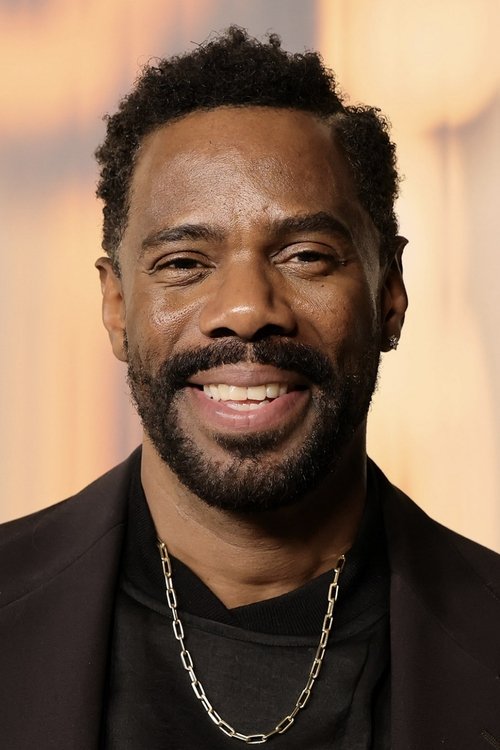
Colman Domingo

Audrey Wasilewski

Chris Sheffield

Laura Innes
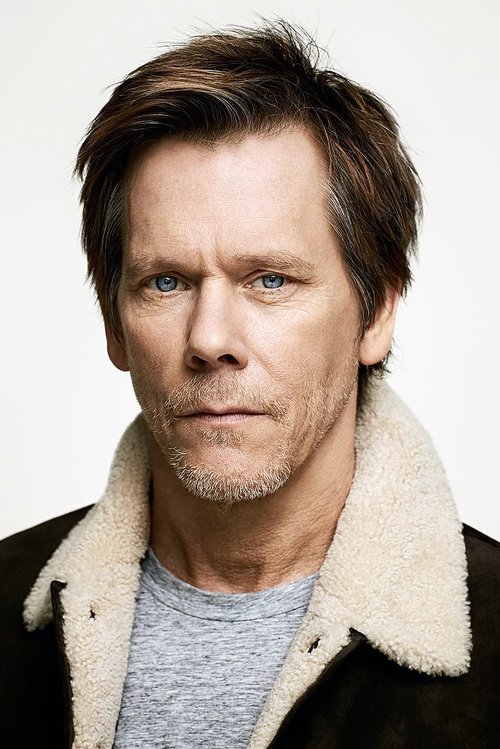
Kevin Bacon

Malcolm Gets
Crew
Colman Domingo
Executive Producer
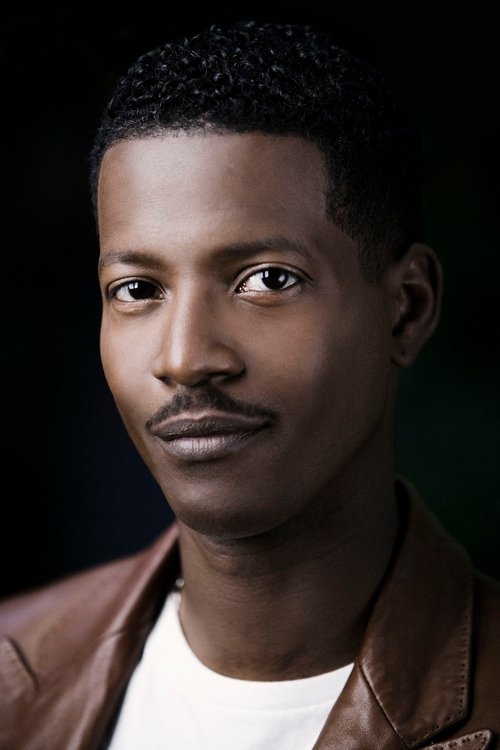
Corey Reynolds
Executive Producer
Popular Reviews
2 reviews
Liv
7.0★ · 01/18/26

No hate like Christian love
No hate like Christian love


Maia
7.0★ · 12/15/25
Contemporary cinema seems to have developed a strange and persistent habit of portraying queer love through pain rather than possibility. Even better if it includes gay “cowboys”, right?
P.J.’s Palmer 2022 short film Northstar is emotionally powerful yet troubling in the way it once again frames queer love as something that must be proven through suffering and loss. The story follows James “Jimmy” (Colman Domingo) and Craig (Malcom Gets), a gay couple living on a rural ranch, as Craig’s terminal illness worsens and Jimmy becomes his primary caregiver.
Shot with restraint and remarkable intimacy that I’ve never experienced before, Northstar is undeniably moving. However, while sincere, it ultimately reinforces the troubling idea that queer happiness must be earned though suffering, faith-based judgment, and tragedy.
The film’s emotional impact stems first and foremost from its refusal to explain or justify its central relationship. It does not need to. For the first eight minutes, the film contains almost no dialogue. Instead, Palmer relies on gestures, glances, and routine movements to establish the bond between Jimmy and Craig. The focus is not on their queerness as an identity, but on their intimacy as a lived reality. Everyday sounds (the ticking of a clock, running water, distant dogs, a radio or a television in the background) create a dense sensory environment that feels profoundly real. Combined with shots of the surrounding nature, horses and the river, these elements mirror the quiet persistence of their relationship. Nothing needs to be said for the viewer to understand that these two men share a deep, unquestioned connection. In this sense, NorthStar trusts its audience, allowing silence to speak louder than words.
This realism becomes especially striking in the portrayal of illness. Craig’s physical decline is shown without any embellishment. Jimmy changes him, feeds him, wipes his saliva, places a towel beneath his weakening body. The camera does not flinch, yet it never exploits Craig’s vulnerability. Accompanied by soft piano and guitar rather that dramatic scoring, these scenes frame caregiving as an act of love rather than martyrdom. Illness is not aestheticized, it is presented as exhausting, intimate, and deeply human. Through this unglamorous honesty, the film suggests that love is not measured in declarations, but in the relentless repetition of care.
However, it is precisely through this suffering that the relationship seems to gain narrative legitimacy. Queer love here is validated because it is tested: by disease, by sacrifice, by loss. This is where the film’s tenderness might begin to feel uneasy. The arrival of Craig’s sister, Erin, introduces another form of violence, one that is not physical but moral. In a key scene, she speaks on the phone about her brother as if he were not truly present, almost infantilizing him while discussing whether “letting them cohabite” is acceptable “in the eyes of the Lord”. Meanwhile, a Christian television program plays in the background, declaring that children are “lost in the homosexual lifestyle”. Craig, unable to respond, is forced to listen.
What makes this moment particularly disturbing is its banality. Erin in not really portrayed as a villain: she claims to love her brother deeply, and she probably does. Yet her repeated statements such as “I’m called upon to love you, but not your sin” or “no matter how much you sacrifice, that’ll never make it right”, reveal a form of conditional love rooted in religious rhetoric. Jimmy’s devotion and care are dismissed as morally insufficient, while Craig’s chosen family is subtly delegitimized. The violence lies precisely in this calm certainty, in the insistence that love can exist only if it remains “morally corrected”.
In this way, NorthStar inscribes itself within a long and weary cinematic tradition. Like Brokeback Mountain or Pedro Almodovar’s “Strange Way of life”, it pairs rural masculinity with repression, pain, and inevitable loss. “Cowboys”, when queer, are rarely allowed futures, only moments of tenderness overshadowed by pain. While Palmer’s film is more restrained and intimate than many of its predecessors, it nonetheless contributes to a pattern of narrative fatigue, where queer characters are granted depth primarily through suffering rather than through sustained joy or possibility.
Despite these reservations, NorthStar remains a deeply affecting film whose sensory realism lingers long after the final frame. The film will resonate strongly with viewers, like me, drawn to quiet, intimate storytelling and emotionally grounded performances. However, it may frustrate those who long to see queer love imagined beyond endurance and loss, beyond the idea that suffering must be the price of visibility. Like its title suggest, NorthStar seeks direction in darkness. But one is left wondering whether queer cinema might someday allow its characters to follow that light toward something other than tragedy.
P.J.’s Palmer 2022 short film Northstar is emotionally powerful yet troubling in the way it once again frames queer love as something that must be proven through suffering and loss. The story follows James “Jimmy” (Colman Domingo) and Craig (Malcom Gets), a gay couple living on a rural ranch, as Craig’s terminal illness worsens and Jimmy becomes his primary caregiver.
Shot with restraint and remarkable intimacy that I’ve never experienced before, Northstar is undeniably moving. However, while sincere, it ultimately reinforces the troubling idea that queer happiness must be earned though suffering, faith-based judgment, and tragedy.
The film’s emotional impact stems first and foremost from its refusal to explain or justify its central relationship. It does not need to. For the first eight minutes, the film contains almost no dialogue. Instead, Palmer relies on gestures, glances, and routine movements to establish the bond between Jimmy and Craig. The focus is not on their queerness as an identity, but on their intimacy as a lived reality. Everyday sounds (the ticking of a clock, running water, distant dogs, a radio or a television in the background) create a dense sensory environment that feels profoundly real. Combined with shots of the surrounding nature, horses and the river, these elements mirror the quiet persistence of their relationship. Nothing needs to be said for the viewer to understand that these two men share a deep, unquestioned connection. In this sense, NorthStar trusts its audience, allowing silence to speak louder than words.
This realism becomes especially striking in the portrayal of illness. Craig’s physical decline is shown without any embellishment. Jimmy changes him, feeds him, wipes his saliva, places a towel beneath his weakening body. The camera does not flinch, yet it never exploits Craig’s vulnerability. Accompanied by soft piano and guitar rather that dramatic scoring, these scenes frame caregiving as an act of love rather than martyrdom. Illness is not aestheticized, it is presented as exhausting, intimate, and deeply human. Through this unglamorous honesty, the film suggests that love is not measured in declarations, but in the relentless repetition of care.
However, it is precisely through this suffering that the relationship seems to gain narrative legitimacy. Queer love here is validated because it is tested: by disease, by sacrifice, by loss. This is where the film’s tenderness might begin to feel uneasy. The arrival of Craig’s sister, Erin, introduces another form of violence, one that is not physical but moral. In a key scene, she speaks on the phone about her brother as if he were not truly present, almost infantilizing him while discussing whether “letting them cohabite” is acceptable “in the eyes of the Lord”. Meanwhile, a Christian television program plays in the background, declaring that children are “lost in the homosexual lifestyle”. Craig, unable to respond, is forced to listen.
What makes this moment particularly disturbing is its banality. Erin in not really portrayed as a villain: she claims to love her brother deeply, and she probably does. Yet her repeated statements such as “I’m called upon to love you, but not your sin” or “no matter how much you sacrifice, that’ll never make it right”, reveal a form of conditional love rooted in religious rhetoric. Jimmy’s devotion and care are dismissed as morally insufficient, while Craig’s chosen family is subtly delegitimized. The violence lies precisely in this calm certainty, in the insistence that love can exist only if it remains “morally corrected”.
In this way, NorthStar inscribes itself within a long and weary cinematic tradition. Like Brokeback Mountain or Pedro Almodovar’s “Strange Way of life”, it pairs rural masculinity with repression, pain, and inevitable loss. “Cowboys”, when queer, are rarely allowed futures, only moments of tenderness overshadowed by pain. While Palmer’s film is more restrained and intimate than many of its predecessors, it nonetheless contributes to a pattern of narrative fatigue, where queer characters are granted depth primarily through suffering rather than through sustained joy or possibility.
Despite these reservations, NorthStar remains a deeply affecting film whose sensory realism lingers long after the final frame. The film will resonate strongly with viewers, like me, drawn to quiet, intimate storytelling and emotionally grounded performances. However, it may frustrate those who long to see queer love imagined beyond endurance and loss, beyond the idea that suffering must be the price of visibility. Like its title suggest, NorthStar seeks direction in darkness. But one is left wondering whether queer cinema might someday allow its characters to follow that light toward something other than tragedy.
Contemporary cinema seems to have developed a strange and persistent habit of portraying queer love through pain rather than possibility. Even better if it includes gay “cowboys”, right?
P.J.’s Palmer 2022 short film Northstar is emotionally powerful yet troubling in the way it once again frames queer love as something that must be proven through suffering and loss. The story follows James “Jimmy” (Colman Domingo) and Craig (Malcom Gets), a gay couple living on a rural ranch, as Craig’s terminal illness worsens and Jimmy becomes his primary caregiver.
Shot with restraint and remarkable intimacy that I’ve never experienced before, Northstar is undeniably moving. However, while sincere, it ultimately reinforces the troubling idea that queer happiness must be earned though suffering, faith-based judgment, and tragedy.
The film’s emotional impact stems first and foremost from its refusal to explain or justify its central relationship. It does not need to. For the first eight minutes, the film contains almost no dialogue. Instead, Palmer relies on gestures, glances, and routine movements to establish the bond between Jimmy and Craig. The focus is not on their queerness as an identity, but on their intimacy as a lived reality. Everyday sounds (the ticking of a clock, running water, distant dogs, a radio or a television in the background) create a dense sensory environment that feels profoundly real. Combined with shots of the surrounding nature, horses and the river, these elements mirror the quiet persistence of their relationship. Nothing needs to be said for the viewer to understand that these two men share a deep, unquestioned connection. In this sense, NorthStar trusts its audience, allowing silence to speak louder than words.
This realism becomes especially striking in the portrayal of illness. Craig’s physical decline is shown without any embellishment. Jimmy changes him, feeds him, wipes his saliva, places a towel beneath his weakening body. The camera does not flinch, yet it never exploits Craig’s vulnerability. Accompanied by soft piano and guitar rather that dramatic scoring, these scenes frame caregiving as an act of love rather than martyrdom. Illness is not aestheticized, it is presented as exhausting, intimate, and deeply human. Through this unglamorous honesty, the film suggests that love is not measured in declarations, but in the relentless repetition of care.
However, it is precisely through this suffering that the relationship seems to gain narrative legitimacy. Queer love here is validated because it is tested: by disease, by sacrifice, by loss. This is where the film’s tenderness might begin to feel uneasy. The arrival of Craig’s sister, Erin, introduces another form of violence, one that is not physical but moral. In a key scene, she speaks on the phone about her brother as if he were not truly present, almost infantilizing him while discussing whether “letting them cohabite” is acceptable “in the eyes of the Lord”. Meanwhile, a Christian television program plays in the background, declaring that children are “lost in the homosexual lifestyle”. Craig, unable to respond, is forced to listen.
What makes this moment particularly disturbing is its banality. Erin in not really portrayed as a villain: she claims to love her brother deeply, and she probably does. Yet her repeated statements such as “I’m called upon to love you, but not your sin” or “no matter how much you sacrifice, that’ll never make it right”, reveal a form of conditional love rooted in religious rhetoric. Jimmy’s devotion and care are dismissed as morally insufficient, while Craig’s chosen family is subtly delegitimized. The violence lies precisely in this calm certainty, in the insistence that love can exist only if it remains “morally corrected”.
In this way, NorthStar inscribes itself within a long and weary cinematic tradition. Like Brokeback Mountain or Pedro Almodovar’s “Strange Way of life”, it pairs rural masculinity with repression, pain, and inevitable loss. “Cowboys”, when queer, are rarely allowed futures, only moments of tenderness overshadowed by pain. While Palmer’s film is more restrained and intimate than many of its predecessors, it nonetheless contributes to a pattern of narrative fatigue, where queer characters are granted depth primarily through suffering rather than through sustained joy or possibility.
Despite these reservations, NorthStar remains a deeply affecting film whose sensory realism lingers long after the final frame. The film will resonate strongly with viewers, like me, drawn to quiet, intimate storytelling and emotionally grounded performances. However, it may frustrate those who long to see queer love imagined beyond endurance and loss, beyond the idea that suffering must be the price of visibility. Like its title suggest, NorthStar seeks direction in darkness. But one is left wondering whether queer cinema might someday allow its characters to follow that light toward something other than tragedy.
P.J.’s Palmer 2022 short film Northstar is emotionally powerful yet troubling in the way it once again frames queer love as something that must be proven through suffering and loss. The story follows James “Jimmy” (Colman Domingo) and Craig (Malcom Gets), a gay couple living on a rural ranch, as Craig’s terminal illness worsens and Jimmy becomes his primary caregiver.
Shot with restraint and remarkable intimacy that I’ve never experienced before, Northstar is undeniably moving. However, while sincere, it ultimately reinforces the troubling idea that queer happiness must be earned though suffering, faith-based judgment, and tragedy.
The film’s emotional impact stems first and foremost from its refusal to explain or justify its central relationship. It does not need to. For the first eight minutes, the film contains almost no dialogue. Instead, Palmer relies on gestures, glances, and routine movements to establish the bond between Jimmy and Craig. The focus is not on their queerness as an identity, but on their intimacy as a lived reality. Everyday sounds (the ticking of a clock, running water, distant dogs, a radio or a television in the background) create a dense sensory environment that feels profoundly real. Combined with shots of the surrounding nature, horses and the river, these elements mirror the quiet persistence of their relationship. Nothing needs to be said for the viewer to understand that these two men share a deep, unquestioned connection. In this sense, NorthStar trusts its audience, allowing silence to speak louder than words.
This realism becomes especially striking in the portrayal of illness. Craig’s physical decline is shown without any embellishment. Jimmy changes him, feeds him, wipes his saliva, places a towel beneath his weakening body. The camera does not flinch, yet it never exploits Craig’s vulnerability. Accompanied by soft piano and guitar rather that dramatic scoring, these scenes frame caregiving as an act of love rather than martyrdom. Illness is not aestheticized, it is presented as exhausting, intimate, and deeply human. Through this unglamorous honesty, the film suggests that love is not measured in declarations, but in the relentless repetition of care.
However, it is precisely through this suffering that the relationship seems to gain narrative legitimacy. Queer love here is validated because it is tested: by disease, by sacrifice, by loss. This is where the film’s tenderness might begin to feel uneasy. The arrival of Craig’s sister, Erin, introduces another form of violence, one that is not physical but moral. In a key scene, she speaks on the phone about her brother as if he were not truly present, almost infantilizing him while discussing whether “letting them cohabite” is acceptable “in the eyes of the Lord”. Meanwhile, a Christian television program plays in the background, declaring that children are “lost in the homosexual lifestyle”. Craig, unable to respond, is forced to listen.
What makes this moment particularly disturbing is its banality. Erin in not really portrayed as a villain: she claims to love her brother deeply, and she probably does. Yet her repeated statements such as “I’m called upon to love you, but not your sin” or “no matter how much you sacrifice, that’ll never make it right”, reveal a form of conditional love rooted in religious rhetoric. Jimmy’s devotion and care are dismissed as morally insufficient, while Craig’s chosen family is subtly delegitimized. The violence lies precisely in this calm certainty, in the insistence that love can exist only if it remains “morally corrected”.
In this way, NorthStar inscribes itself within a long and weary cinematic tradition. Like Brokeback Mountain or Pedro Almodovar’s “Strange Way of life”, it pairs rural masculinity with repression, pain, and inevitable loss. “Cowboys”, when queer, are rarely allowed futures, only moments of tenderness overshadowed by pain. While Palmer’s film is more restrained and intimate than many of its predecessors, it nonetheless contributes to a pattern of narrative fatigue, where queer characters are granted depth primarily through suffering rather than through sustained joy or possibility.
Despite these reservations, NorthStar remains a deeply affecting film whose sensory realism lingers long after the final frame. The film will resonate strongly with viewers, like me, drawn to quiet, intimate storytelling and emotionally grounded performances. However, it may frustrate those who long to see queer love imagined beyond endurance and loss, beyond the idea that suffering must be the price of visibility. Like its title suggest, NorthStar seeks direction in darkness. But one is left wondering whether queer cinema might someday allow its characters to follow that light toward something other than tragedy.
Tucker Clement
Great! My friend’s landlord directed this.
Def thought we were going to have an Amour type ending. Pretty good. The religious element was a bit ham fisted.
Def thought we were going to have an Amour type ending. Pretty good. The religious element was a bit ham fisted.
Great! My friend’s landlord directed this.
Def thought we were going to have an Amour type ending. Pretty good. The religious element was a bit ham fisted.
Def thought we were going to have an Amour type ending. Pretty good. The religious element was a bit ham fisted.