GERMAN VERSION (english below)„Es hat den Anschein, als ob es den anderen nichts ausmacht, hier herumzusitzen, zu warten, zu hoffen und die Zeit totzuschlagen. So viel Zeit zu haben um sich Gedanken über sich selbst zu machen ist nicht gut.“
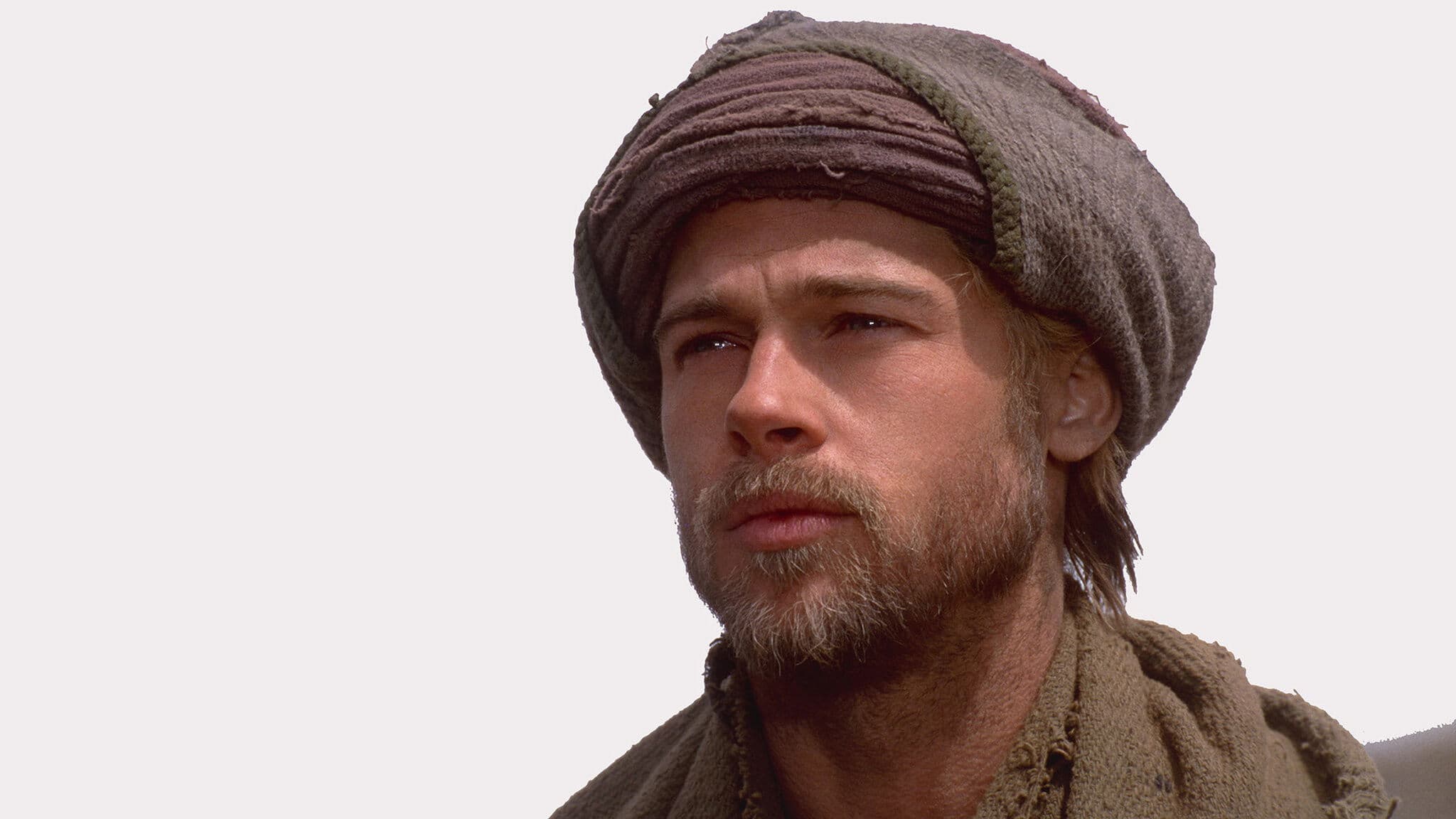
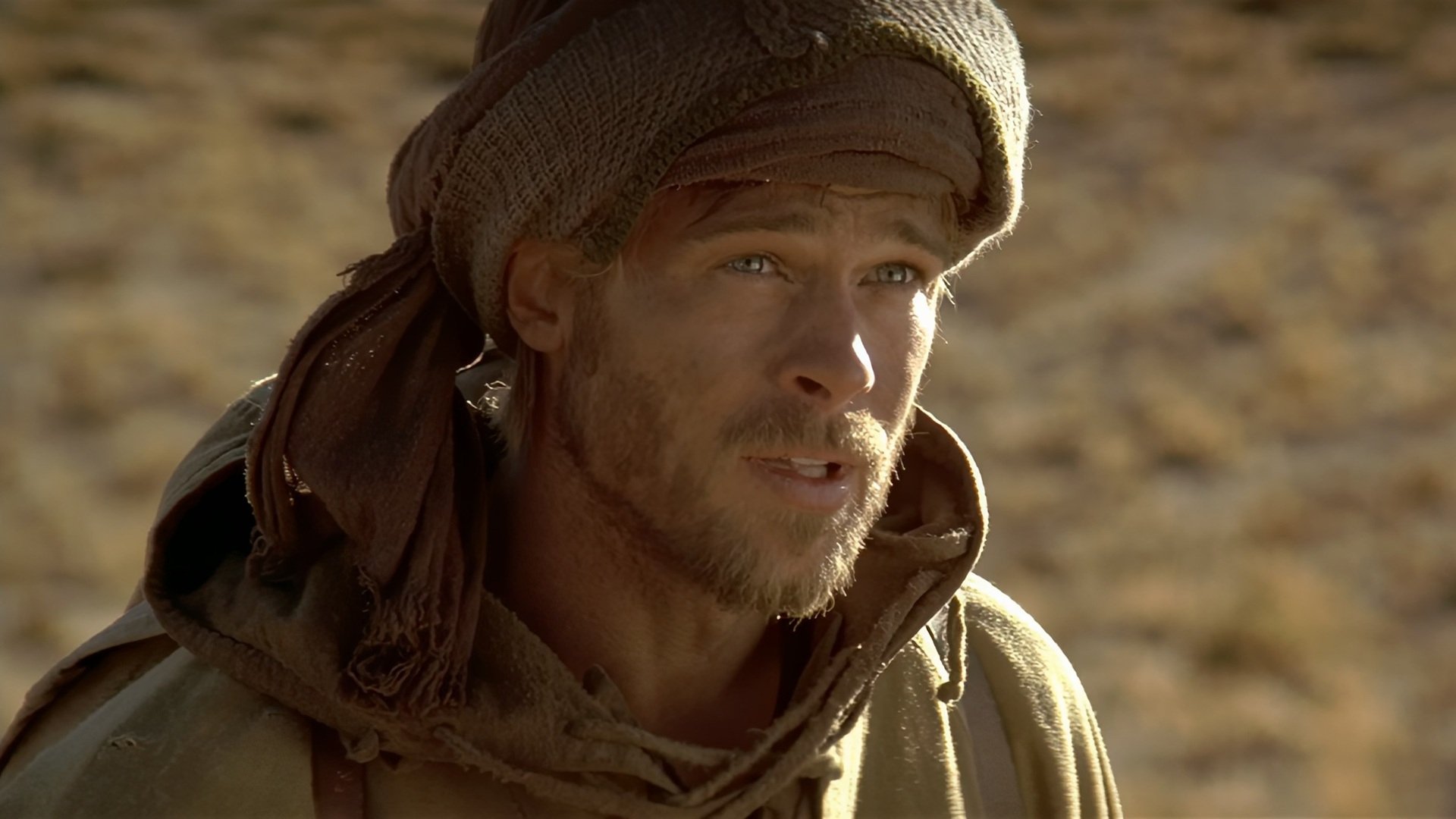
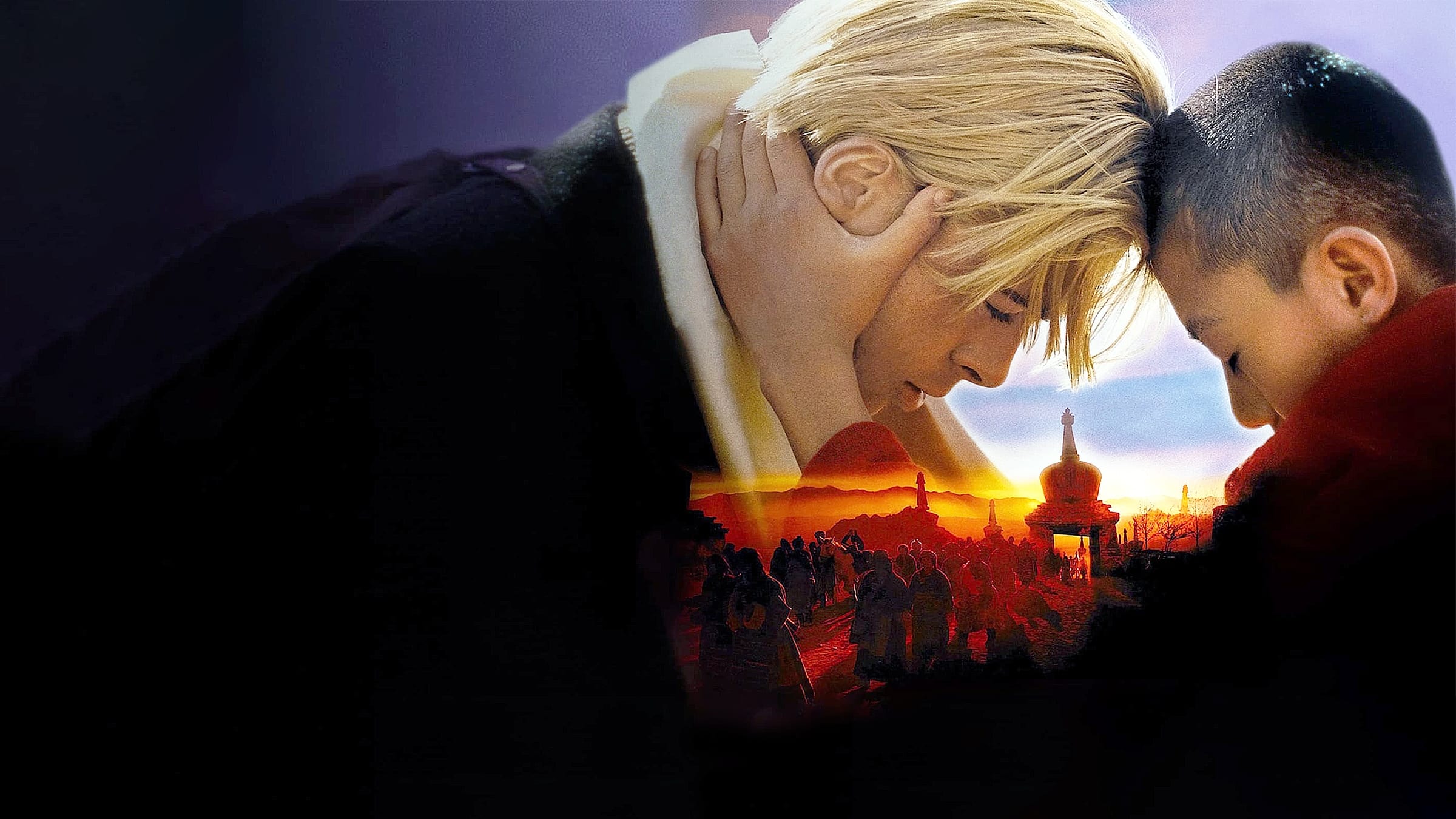
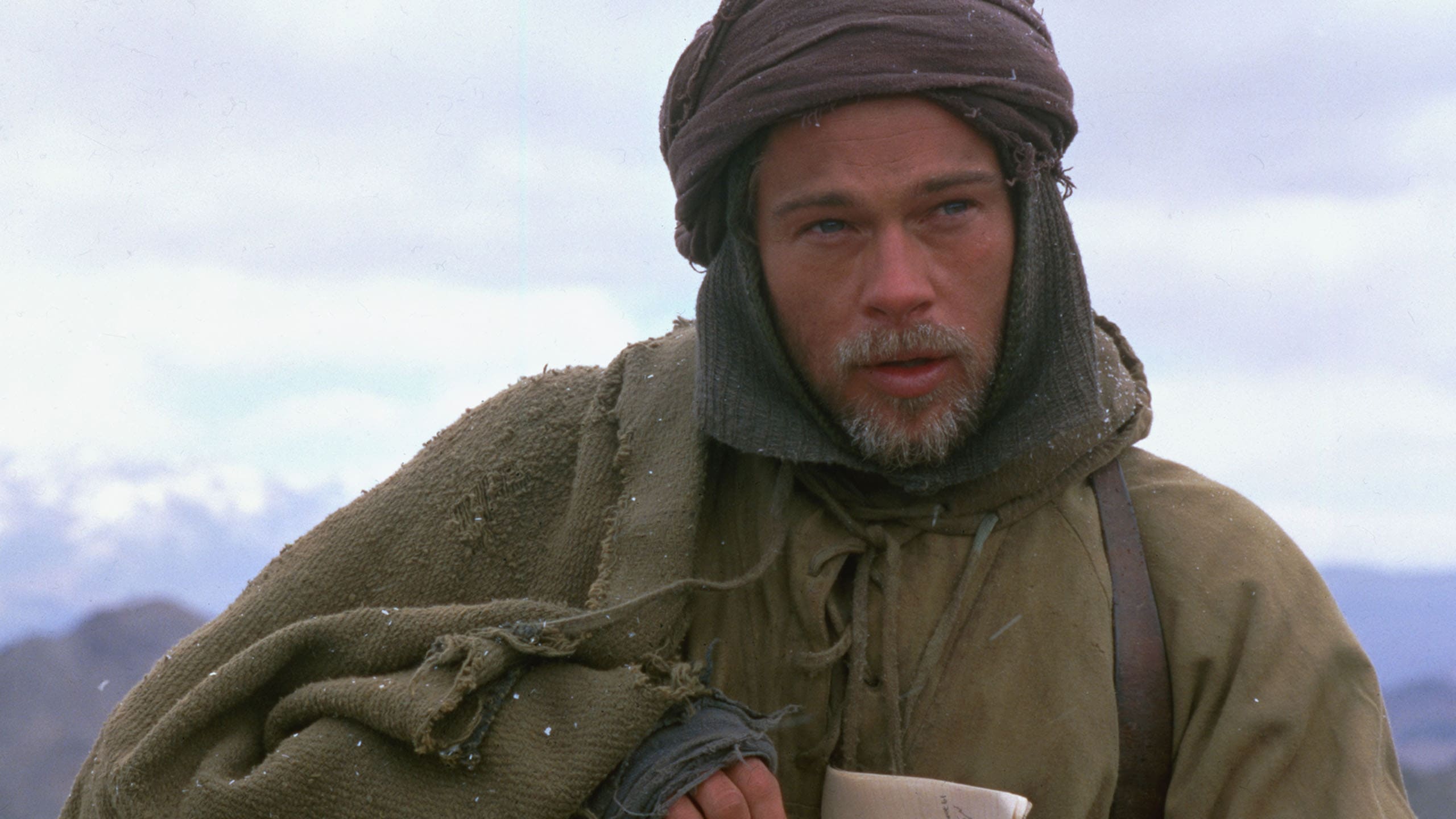
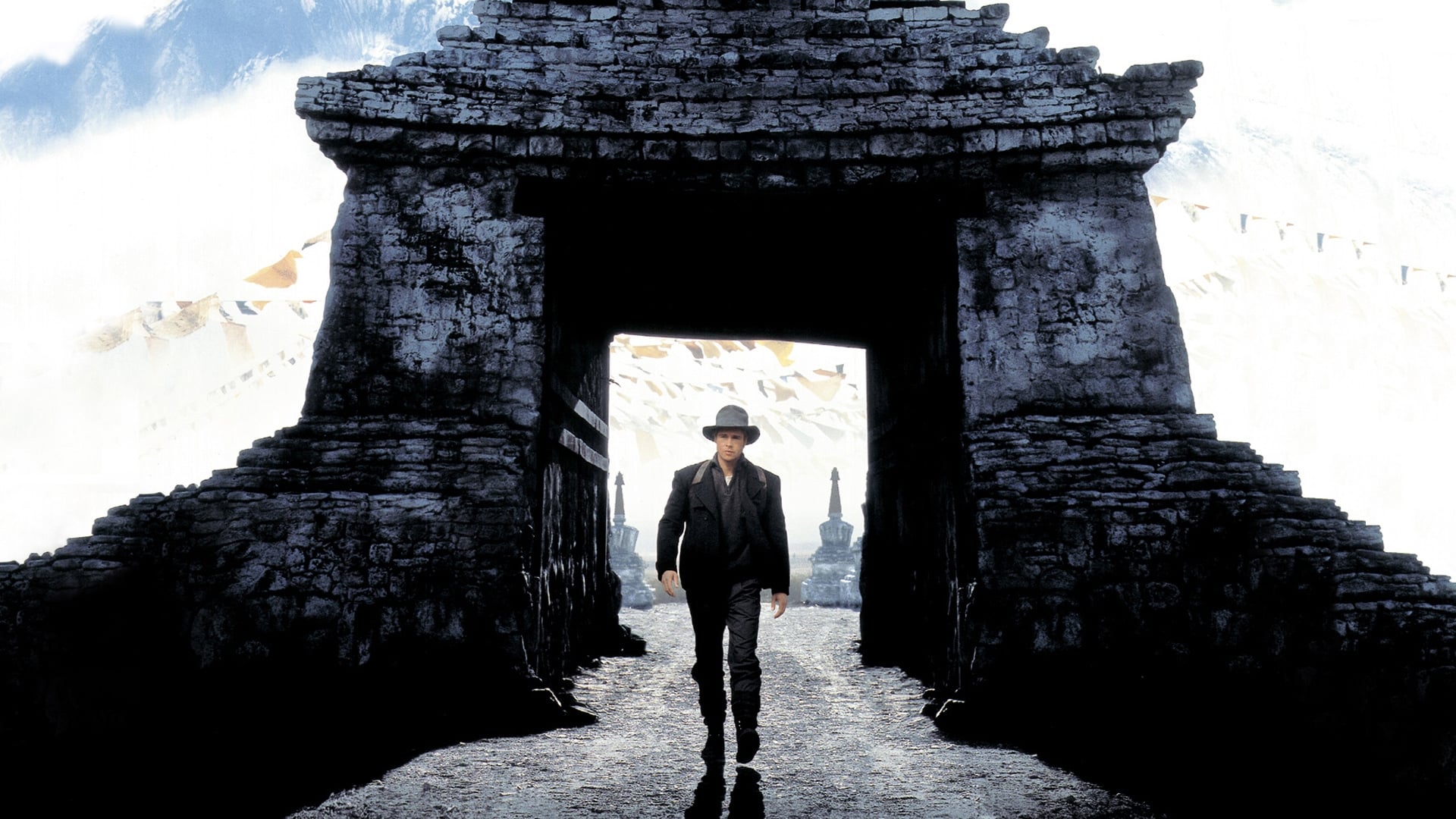
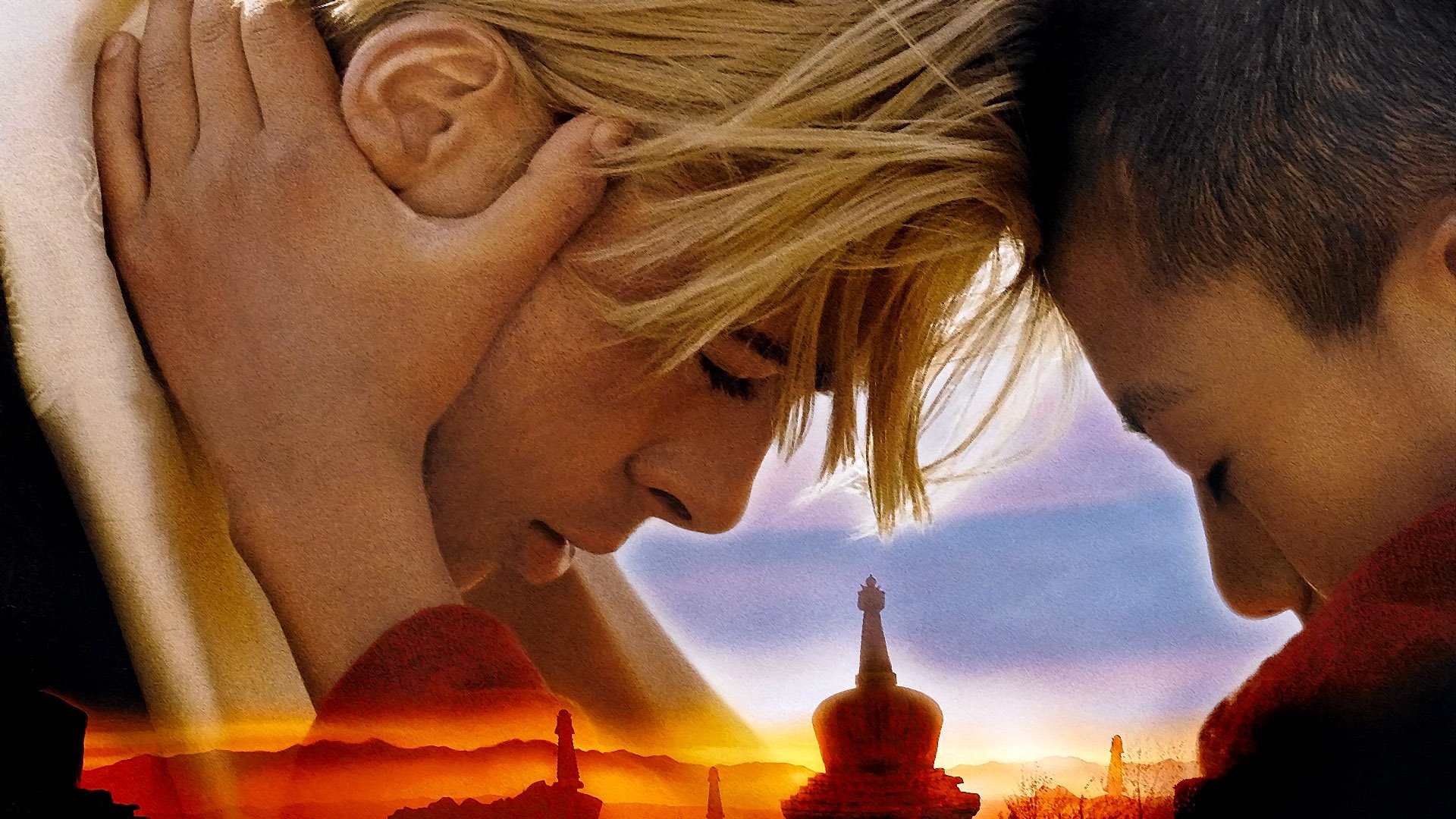
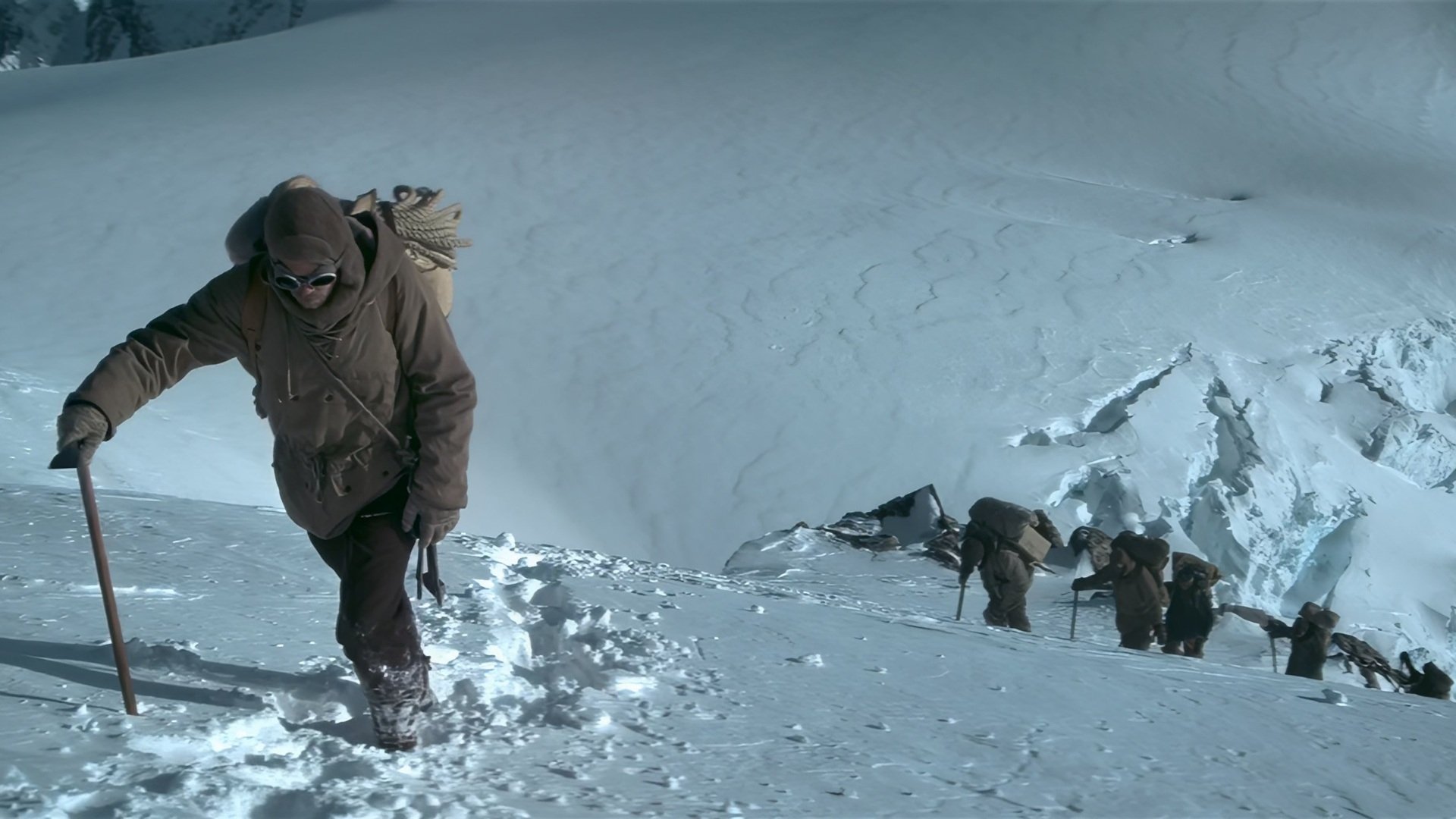
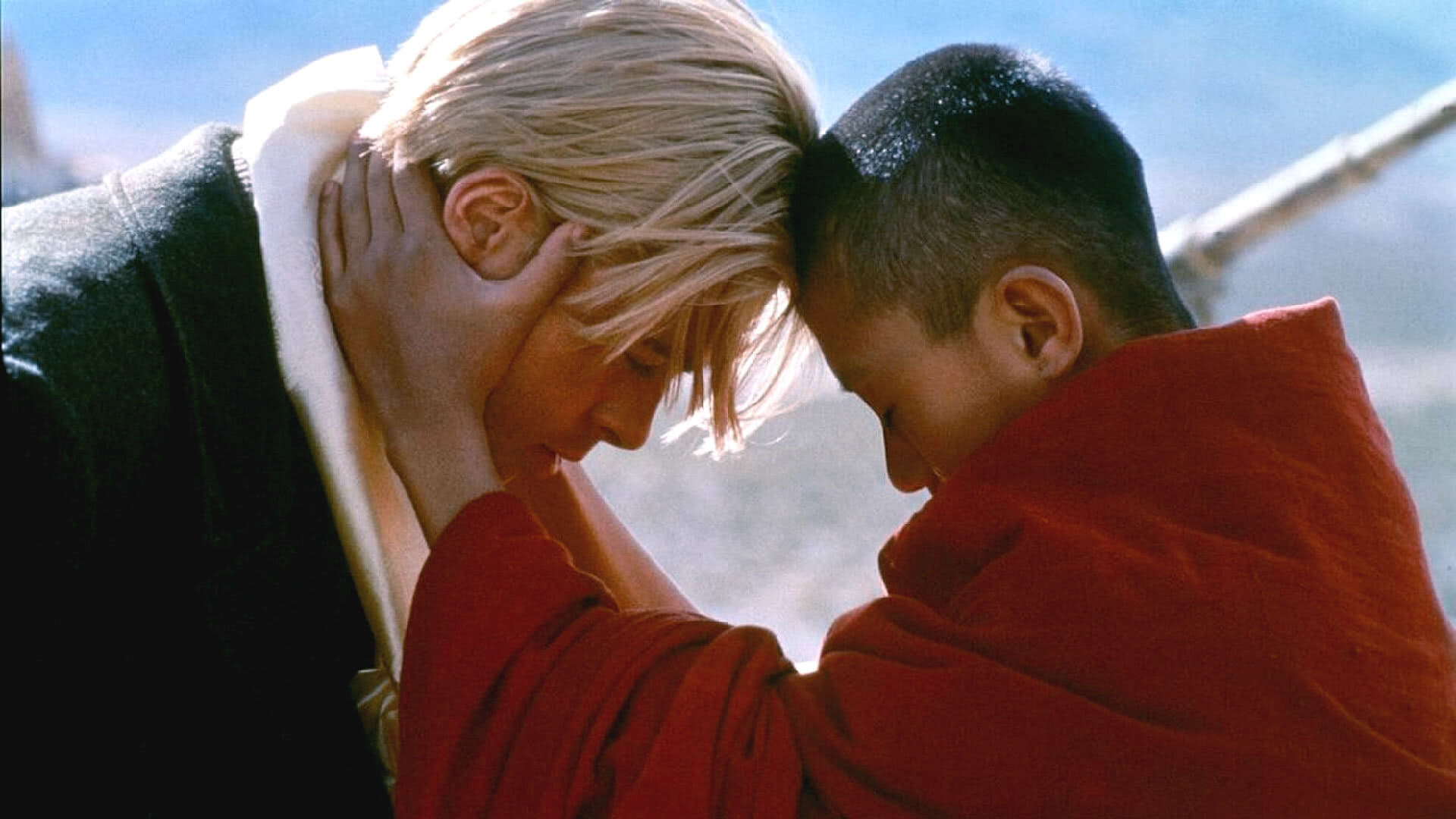
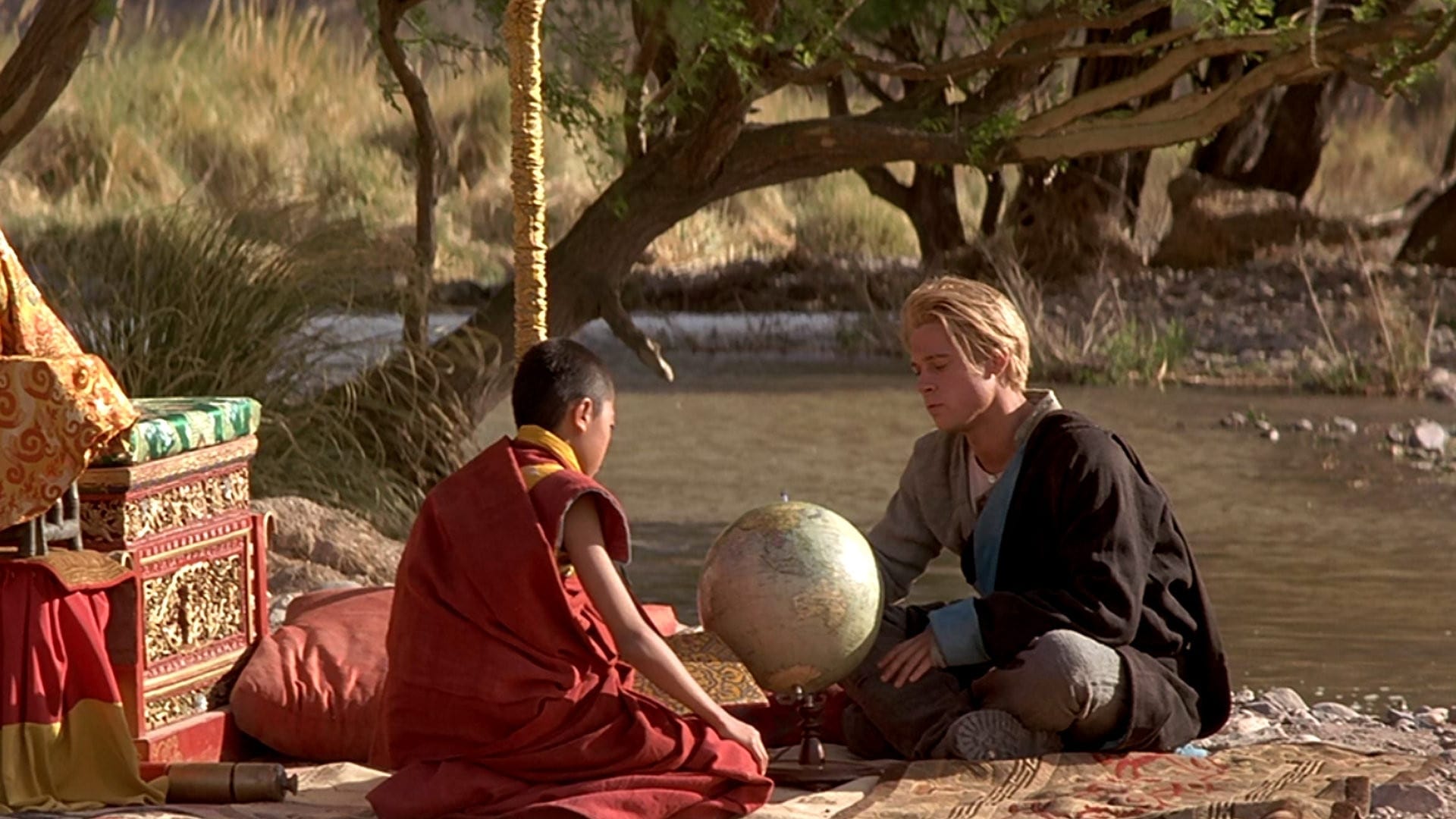
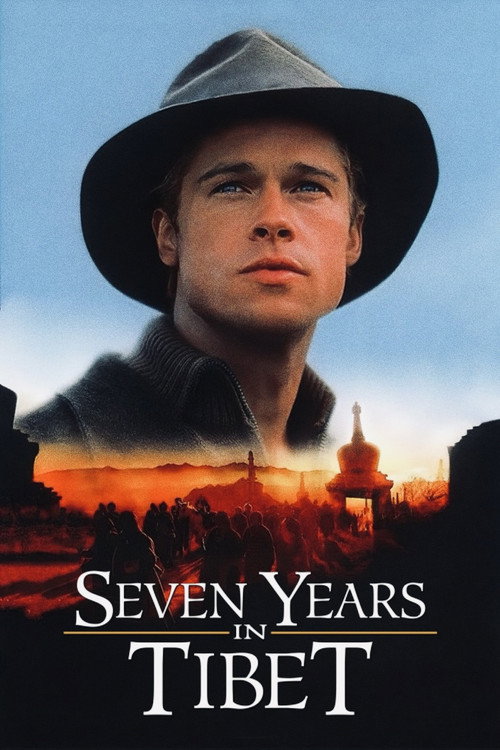
Sieben Jahre in Tibet schwankt zwischen Bestimmung und Unklarheit, zwischen Harmonie und Inkonsistenz. Im ersten Drittel zeigt er wunderschöne Aufnahmen, verkörpert er eine Art Liebesbrief zu den riesigen Weiten des Himalaya-Gebirges. Wundervolle poetische Phrasen erscheinen hier und da, alle gesellschaftlichen und politischen Anliegen sind ohne Belang, es geht einzig und allein um eine große Suche nach sich selbst und seiner Bestimmung, und dies in den unendlichen Gebirgsketten Tibets. Diese scheinbare Unendlichkeit sollte nahezu charakterisierend für den gesamten Film werden, hätte ihn um so viel mehr aufwerten können, hätte der nachfolgende Abschnitt des Films diese gesamte Atmosphäre, diese Schönheit nicht vollkommen torpediert.
„Wenn du dir einen verborgenen Ort vorstellen kannst, der sicher vor der übrigen Welt versteckt liegt, abgeschottet hinter dicken Mauern aus schneebedeckten Bergen, einen Ort, in dem sich all die überwältigende Schönheit sonderbarer nächtlicher Träume widerspiegelt, dann weißt du, wo ich bin.“
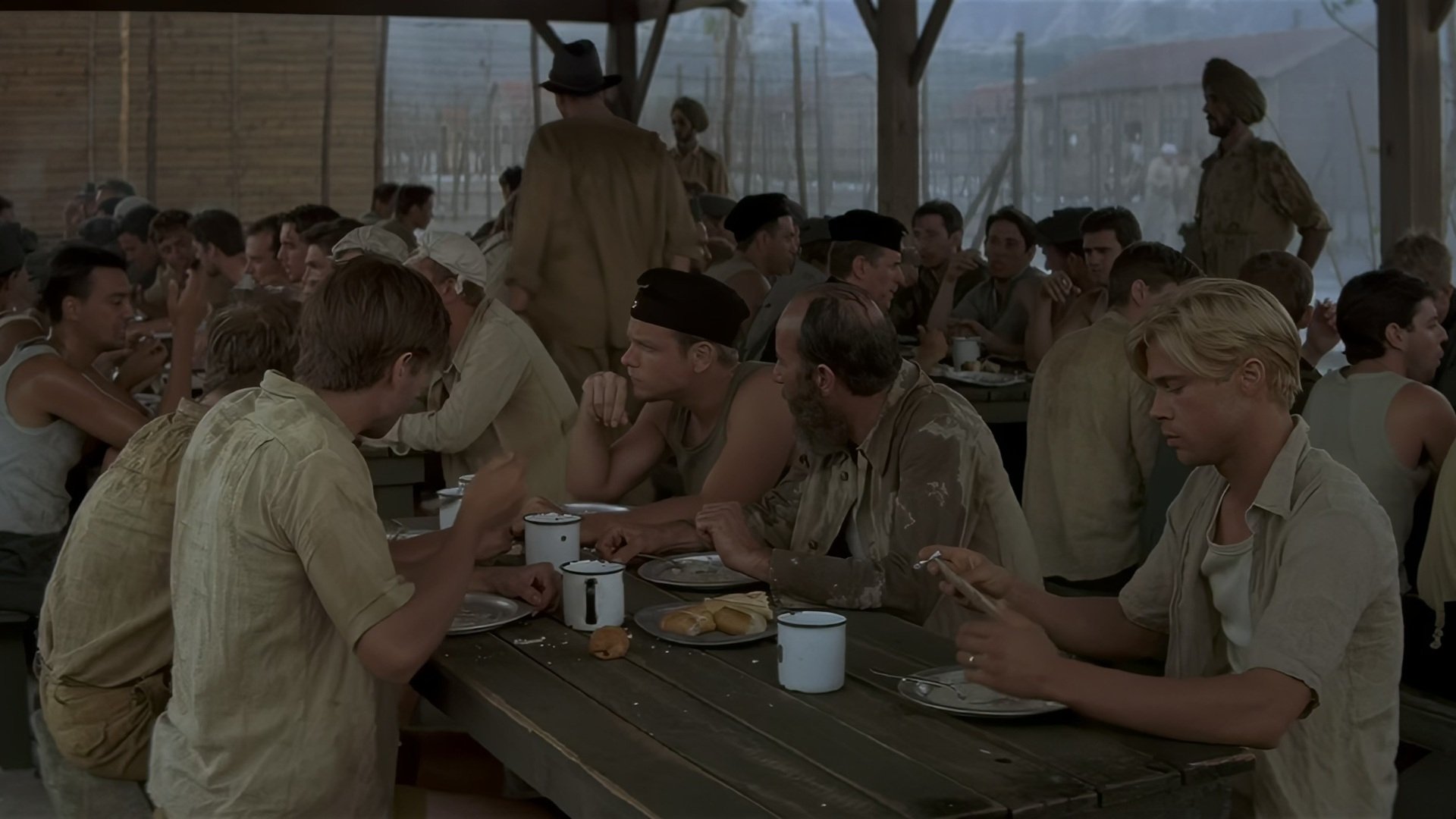
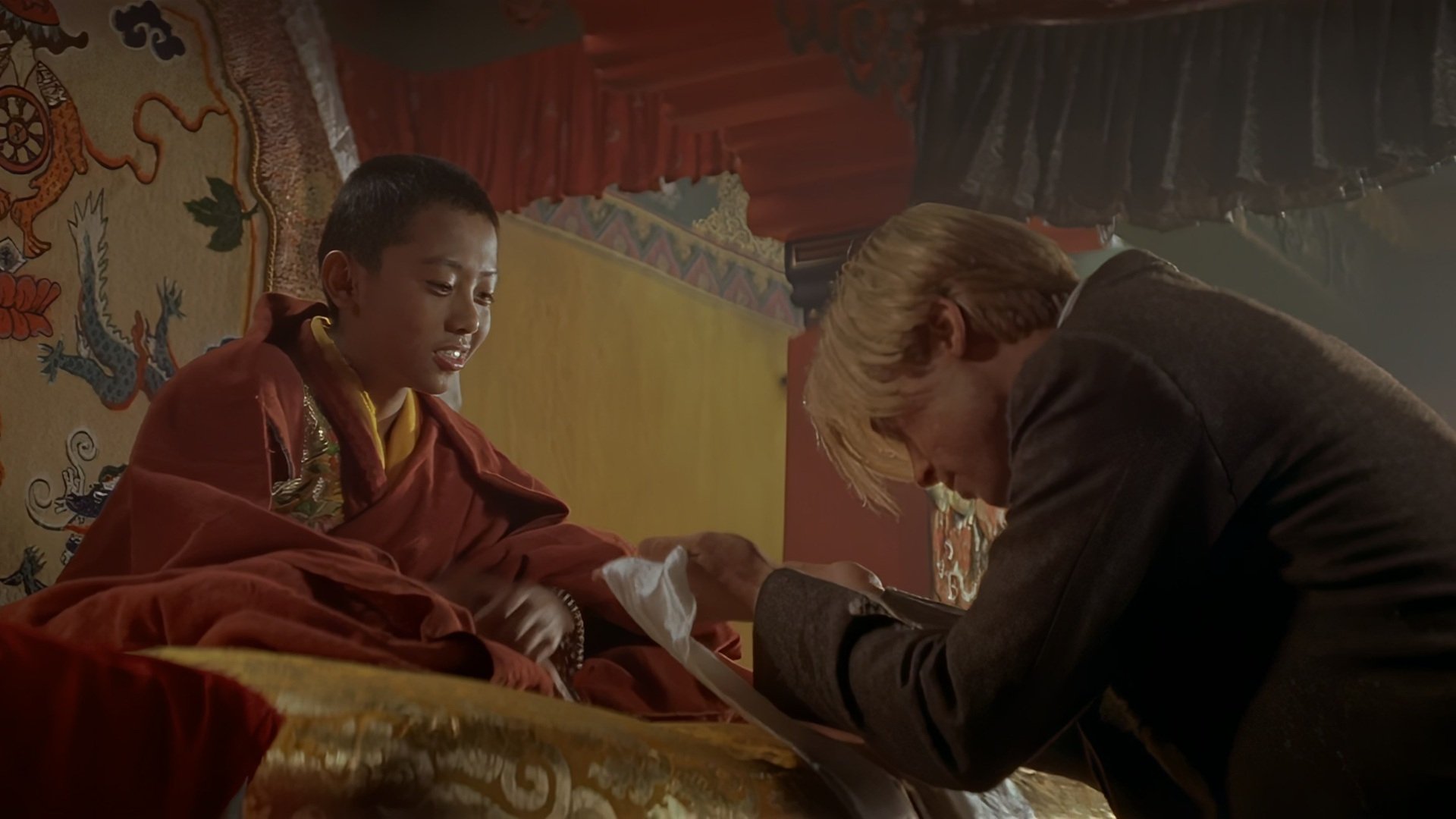
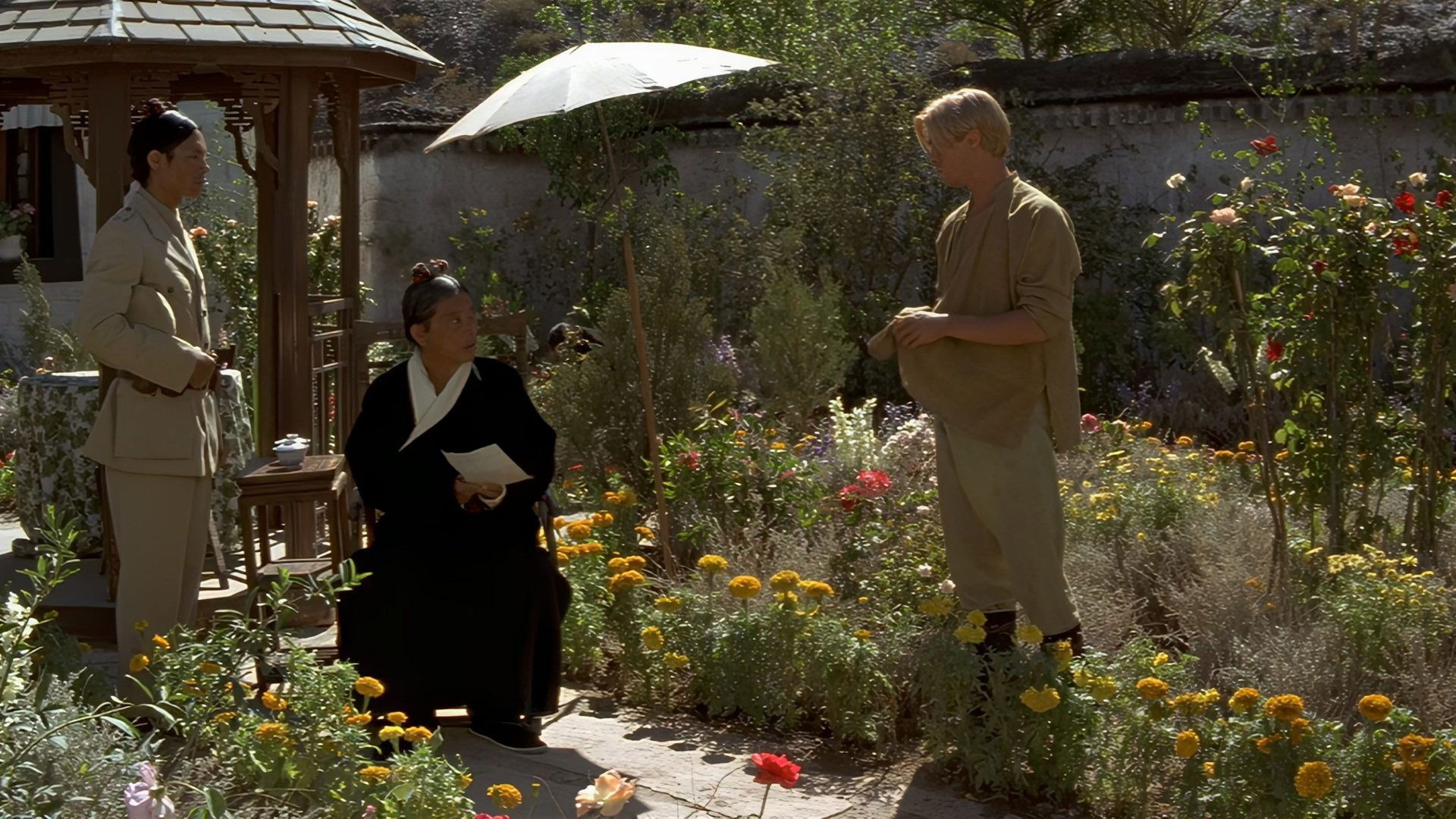
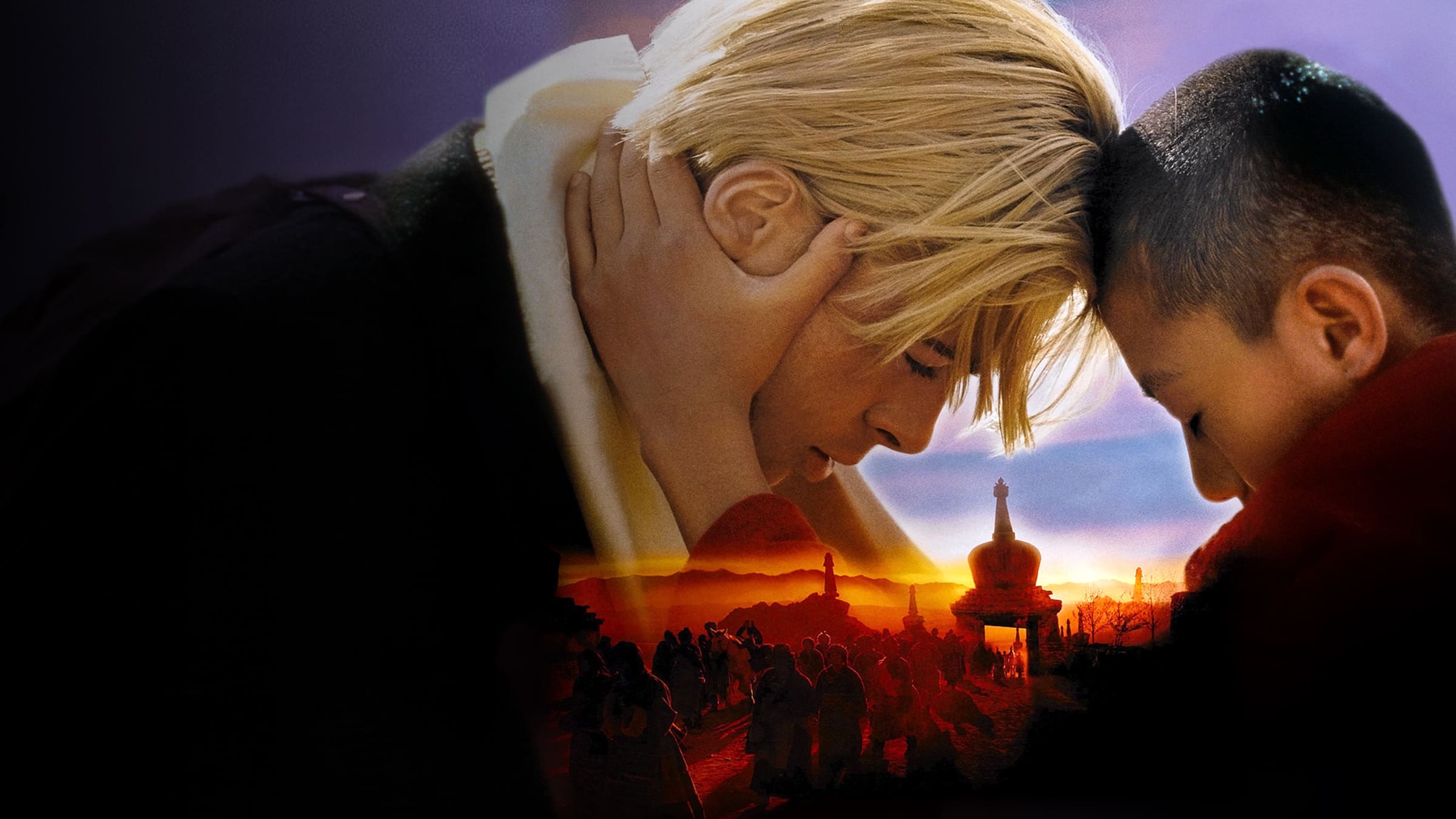
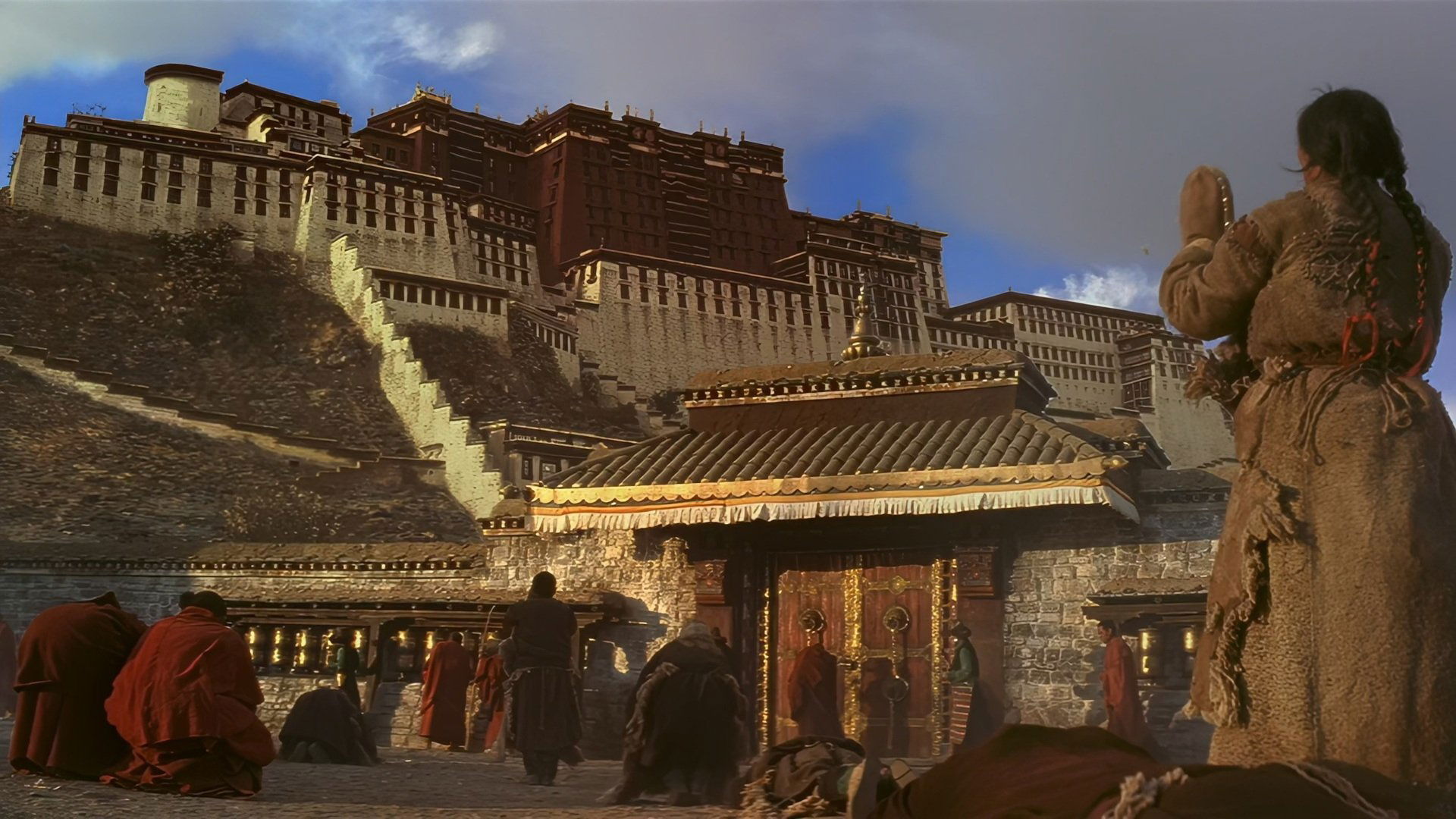
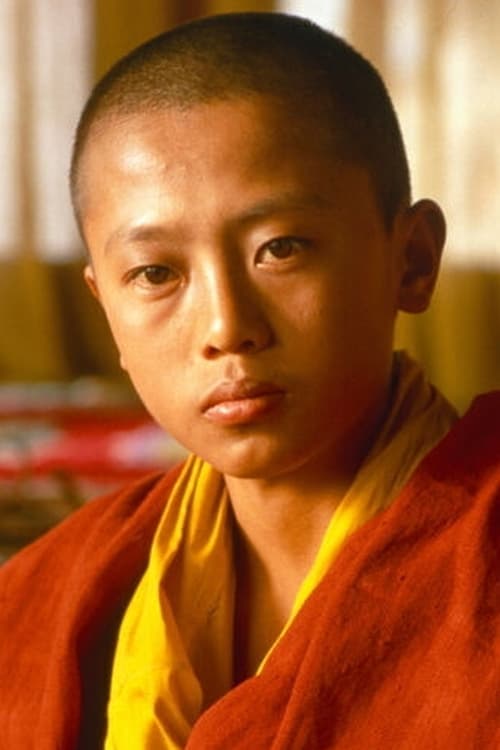
Nach dem ersten Drittel des Films kommen wir nämlich hinaus aus der Schönheit der Wanderschaft. Die majestätischen Gebirgsformationen verschwinden fast völlig aus dem Kamerawinkel und aus dieser einst poetischen Identitätssuche wird ein dramatisierter Historienfilm, welcher sich zudem auf die Darstellung der tibetischen Kultur und Lebensweise fokussiert. Gezeigt ist letztendlich die Invasion Tibets durch Truppen des kommunistischen Chinas, welche die primitiven tibetischen Streitkräfte im Endeffekt vernichtend schlagen und das Land unterwerfen. Im gleiche Zuge sehen wir das tibetische Volk im Vordergrund; es sind Menschen die doch fast abgeschottet vom Rest der Welt leben, Menschen, die tief verwurzelt sind mit ihren Traditionen und ihrer Religion. Diese Menschen, die fest an ihre buddhistischen Riten festhalten, folgen dem Dalai Lama, ihrem spirituellen Oberhaupt und leben im Einklang mit ihrer Umwelt.
All dies ist im Grunde recht überzeugend dargestellt, doch entwickelt sich mit der Zeit eine gewisse Atmosphäre der Ziellosigkeit. Das erste Drittel und auch das letzte Ende ist meines Erachtens wirklich hervorragend dargestellt und der Soundtrack ist ebenfalls von John Williams wundervoll komponiert worden, doch fehlt es dem Film im Endeffekt an Bestimmung. Er vollführt einen bedeutenden Genrewechsel, alle Motive ändern sich nach dem ersten Drittel, doch erscheint dies nicht wie ein intelligenter Wandel, es verdeutlicht nur die Unkenntnis darüber, was der Film eigentlich von sich selbst möchte. Sicher ist dies eine mehr oder weniger wahre Geschichte, doch wie eine solche Geschichte nunmal in einem Film inszeniert werden soll, bietet unzählige kreative Möglichkeiten, die besser erzählt hätten werden können, als es nun der Fall ist.
Sieben Jahre im Tibet springt also förmlich zwischen den Motiven, die er verkörpern möchte. Er weiß nicht, was er sein soll, was er genau erzählen will und welche Moral nun folgen soll am Ende der Geschicht. Für mich persönlich war also wie gesagt das erste Drittel, sowie das Ende herausragend und wunderschön gefilmt. Die Motive der Identitätssuche, auch die Berge und das klettern als seelisch erfüllende Bewältigung sind trotz der Mängel Aspekte, die bewegen und überdauern, den Film aber nicht gänzlich retten können.
„Wenn man klettert ist der Geist völlig klar, frei von allen Verwirrungen, voll konzentriert. Und plötzlich erscheint einem das Licht viel intensiver, die Klänge reicher. Man ist erfüllt von der tiefen und mächtigen Gegenwart des Lebens.“
******
***ENGLISH VERSION
***
“It seems the others don’t mind sitting here waiting, hoping, doing nothing. So much time to question on one‘s self is not good.”
Seven Years in Tibet shifts between determination and uncertainty, between harmony and inconsistency. In the first third, it offers beautiful footage, embodying a kind of love letter to the vast expanses of the Himalayan mountains. Wonderful poetic phrases appear here and there; all social and political concerns are irrelevant—it is solely about a great search for oneself and one’s destiny, set against the backdrop of Tibet’s endless mountain ranges. This apparent infinity was supposed to become almost characteristic of the entire film; it could have enhanced it so much more, had the following section of the film not completely torpedoed this entire atmosphere, this beauty.
“If you can imagine a hidden place, tucked safely away from the world, concealed by walls of high, snow-capped mountains, a place rich with all the strange beauty of your night-time dreams, then you know where I am.”
After the first third of the film, we leave the beauty of the journey behind. The majestic mountain formations almost completely disappear from the camera’s view, and this once-poetic search for identity turns into a dramatized historical film that also focuses on depicting Tibetan culture and lifestyle. Ultimately, what is shown is the invasion of Tibet by troops from Communist China, who ultimately crush the primitive Tibetan forces and subjugate the country. At the same time, we see the Tibetan people in the foreground; they are people who live almost cut off from the rest of the world, people who are deeply rooted in their traditions and their religion. These people, who firmly uphold their Buddhist rites, follow the Dalai Lama, their spiritual leader, and live in harmony with their environment.
All of this is portrayed quite convincingly, but over time a certain atmosphere of aimlessness begins to develop. In my opinion, the first third and the final act are truly superbly executed, and the soundtrack, composed by John Williams, is also wonderful; yet, ultimately, the film lacks a sense of purpose. It undergoes a significant genre shift—all the themes change after the first third—but this does not feel like an intelligent change; it merely highlights the film’s lack of clarity about what it actually wants to be. Sure, this is a more or less true story, but how such a story should be staged in a film offers countless creative possibilities that could have been told better than is currently the case.
Seven Years in Tibet thus literally jumps between the themes it seeks to embody. It doesn’t know what it’s supposed to be, what exactly it wants to tell, or what moral should follow at the end of the story. For me personally, as I said, the first third and the ending were excellent and beautifully filmed. The themes of the search for identity, as well as the mountains and climbing as a spiritually fulfilling achievement, are—despite the film’s shortcomings—aspects that move and endure, though they cannot entirely save the film.
“When you‘re climbing, your mind is clear. Freed of all confusions. You have focus. And suddenly the light becomes sharper, sounds are richer. And you are filled with the deep, powerful presence of life.”