Honor
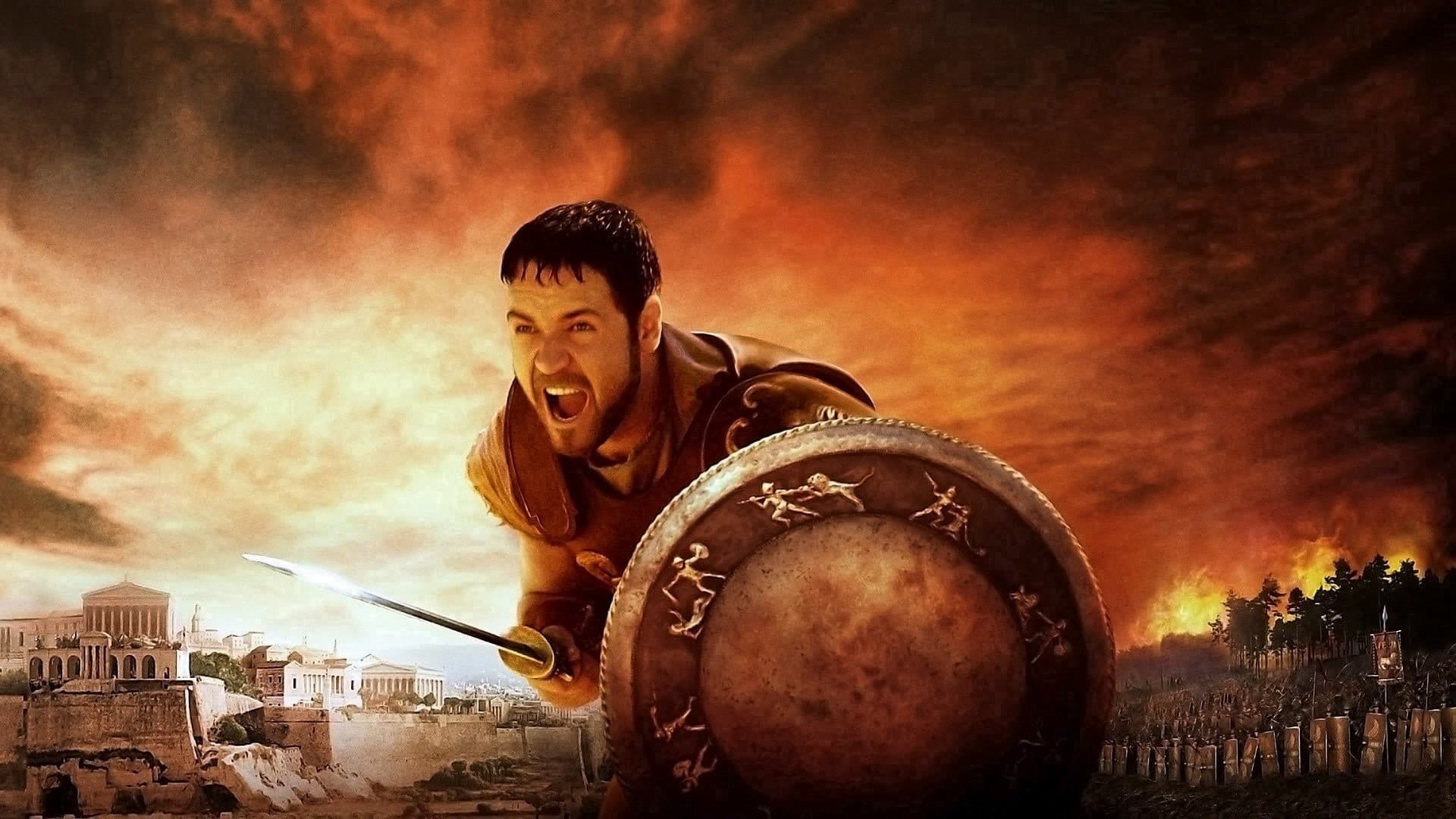
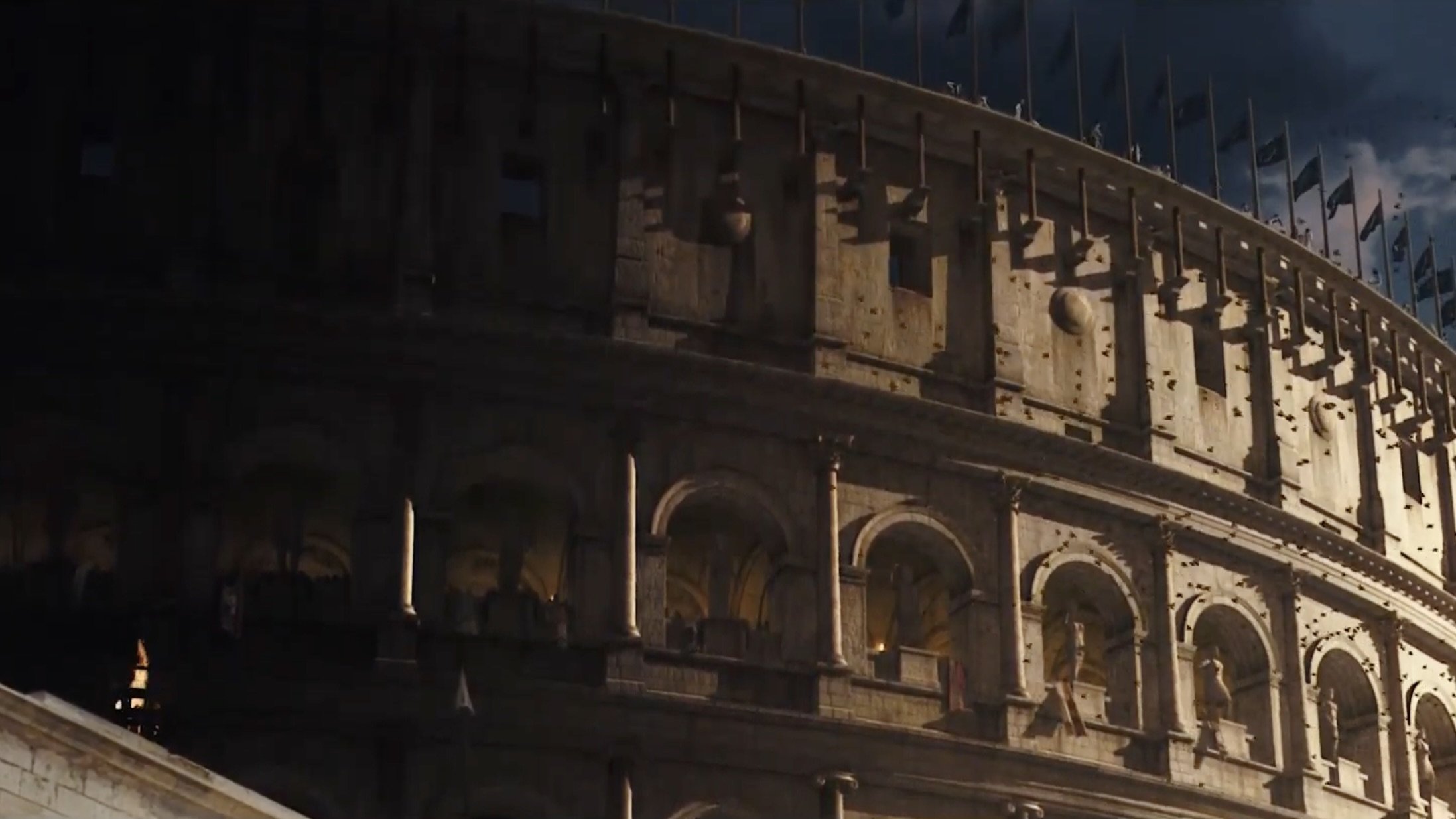
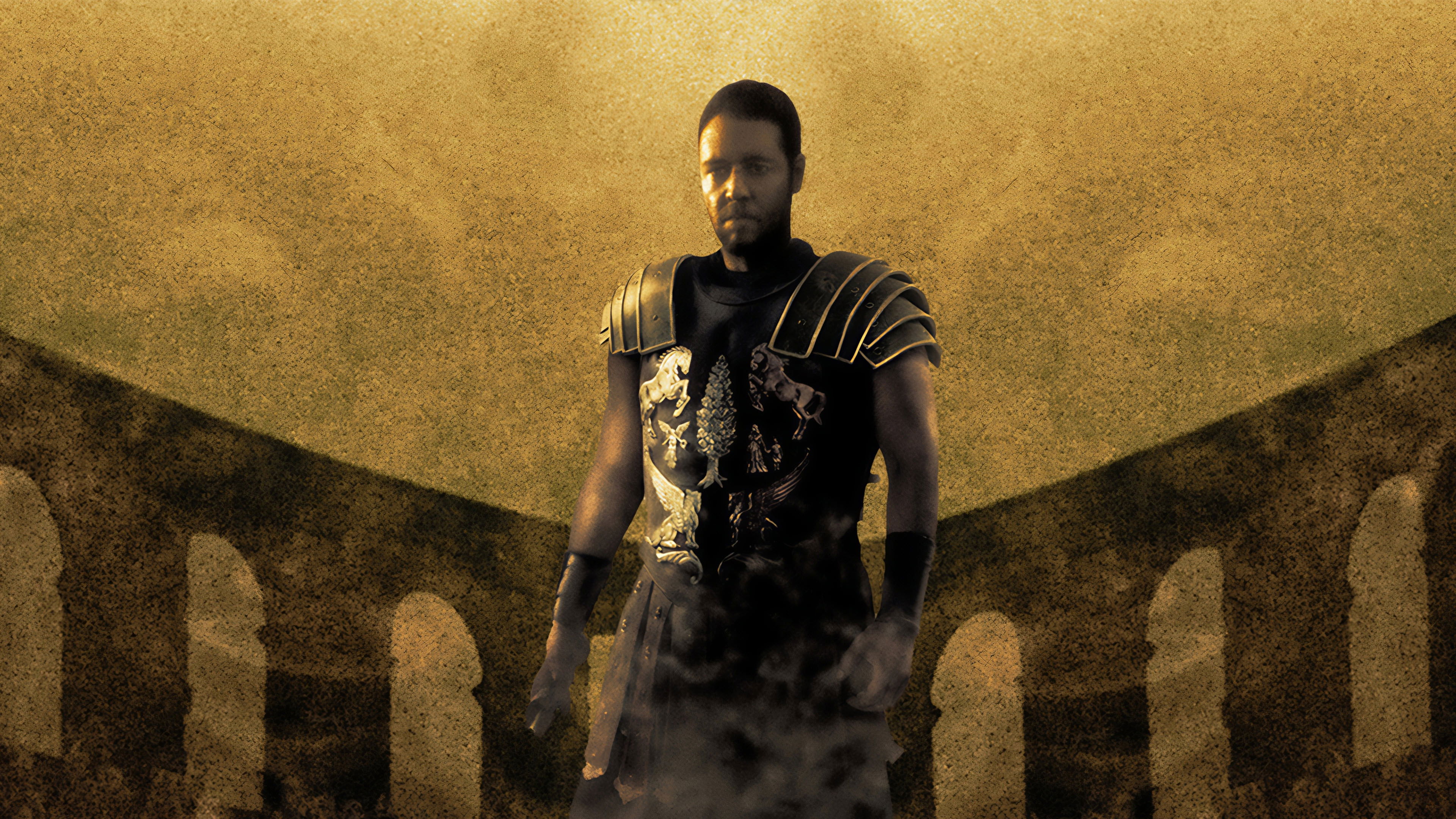
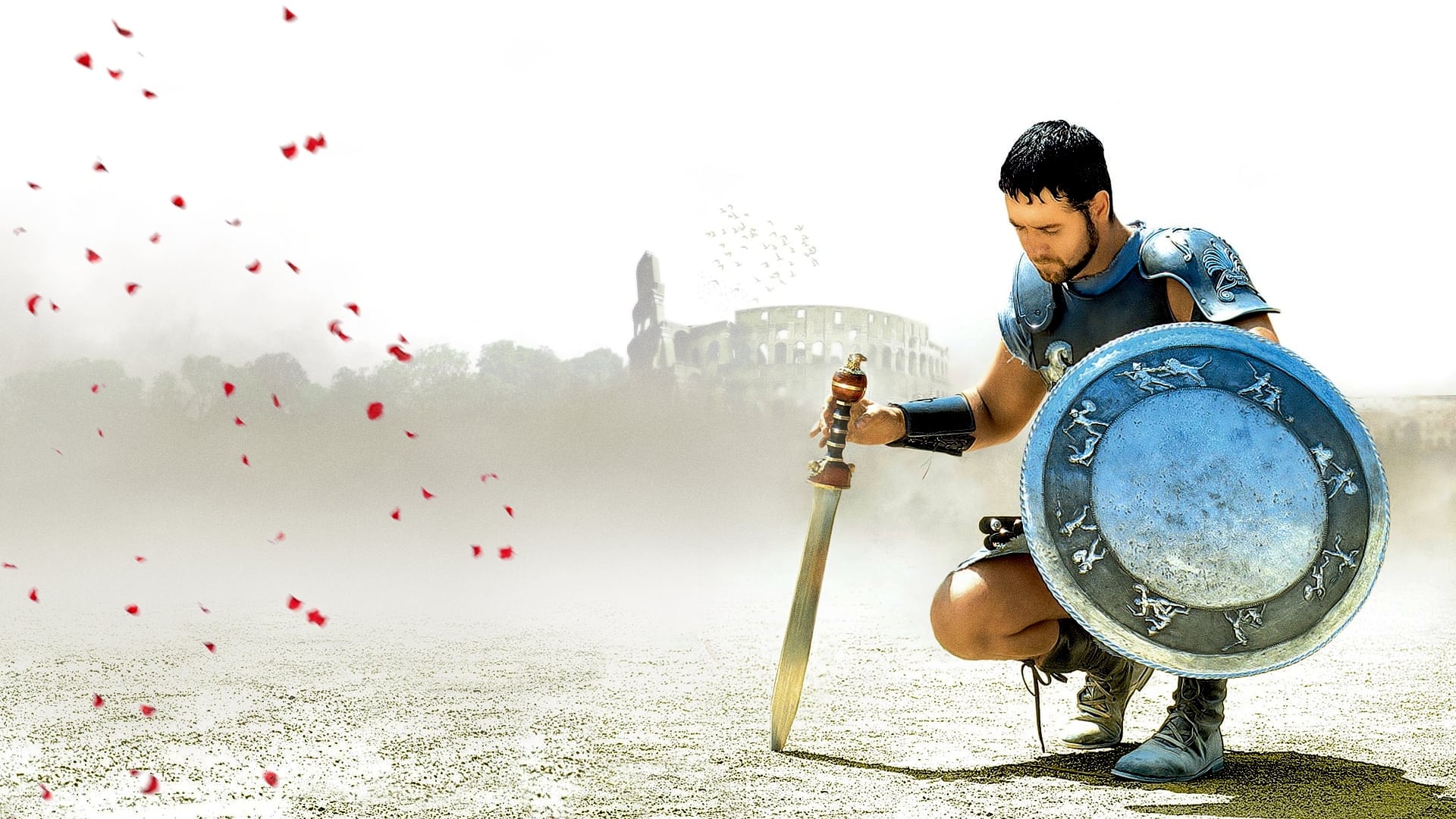
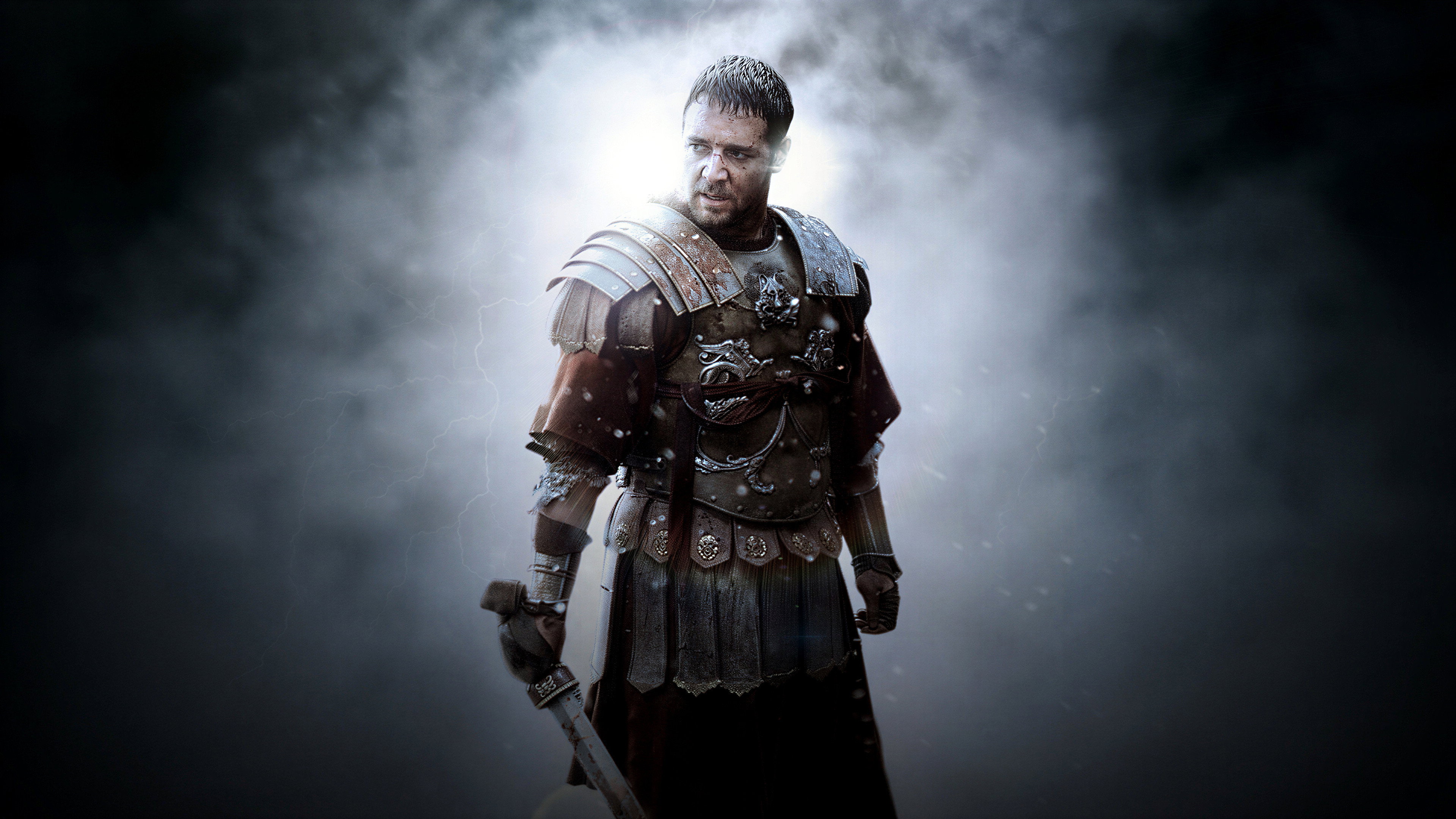
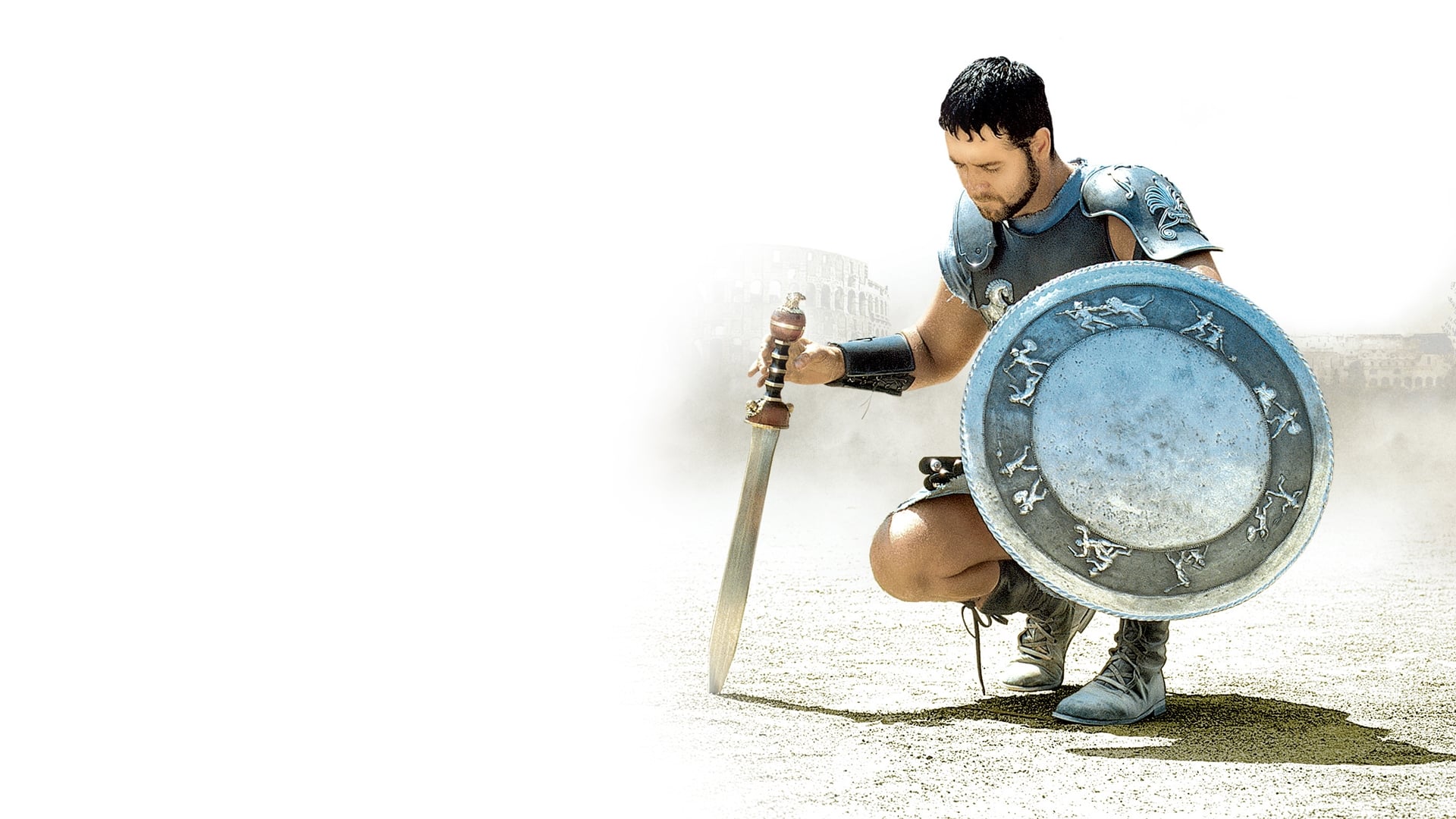
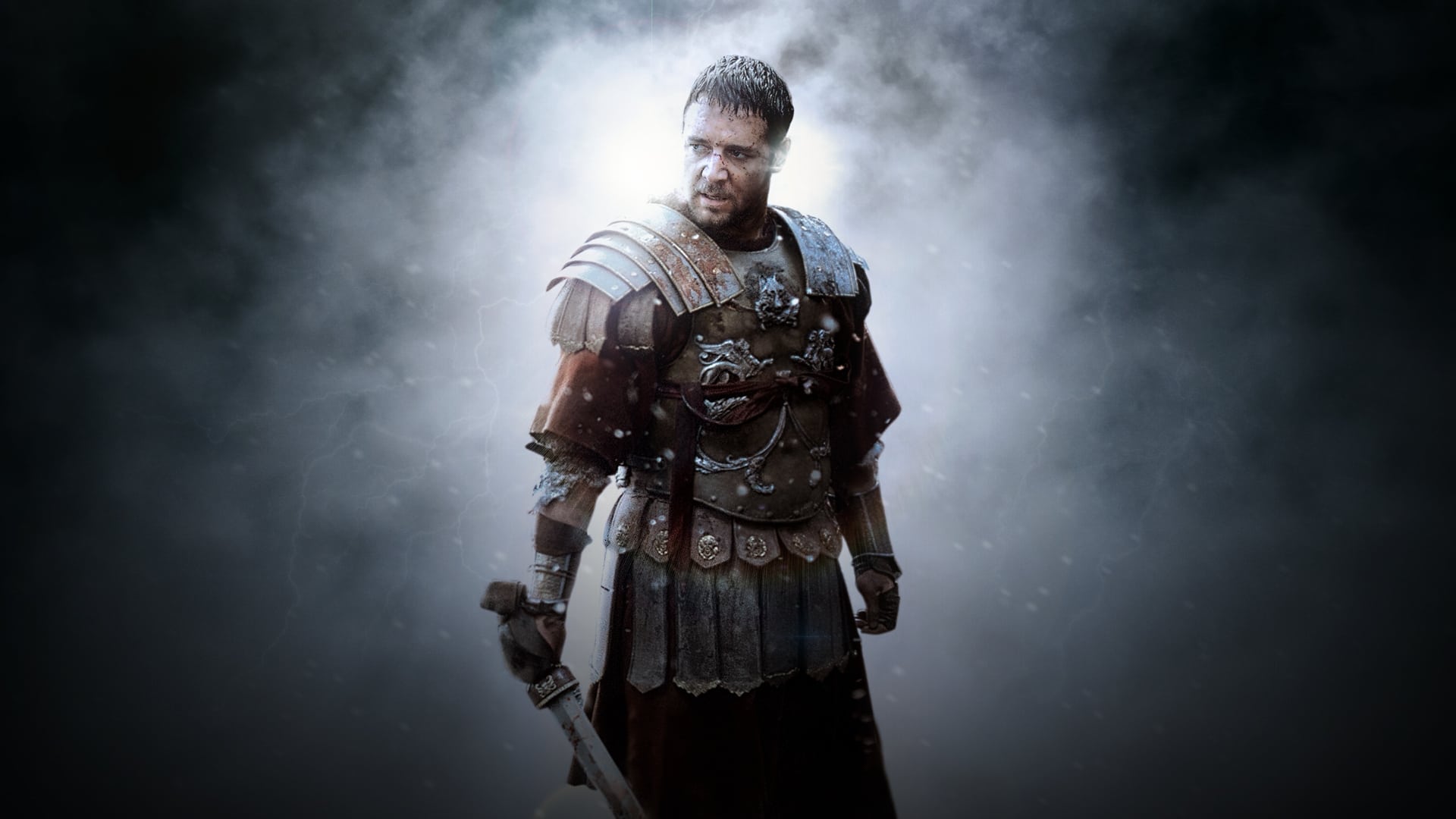
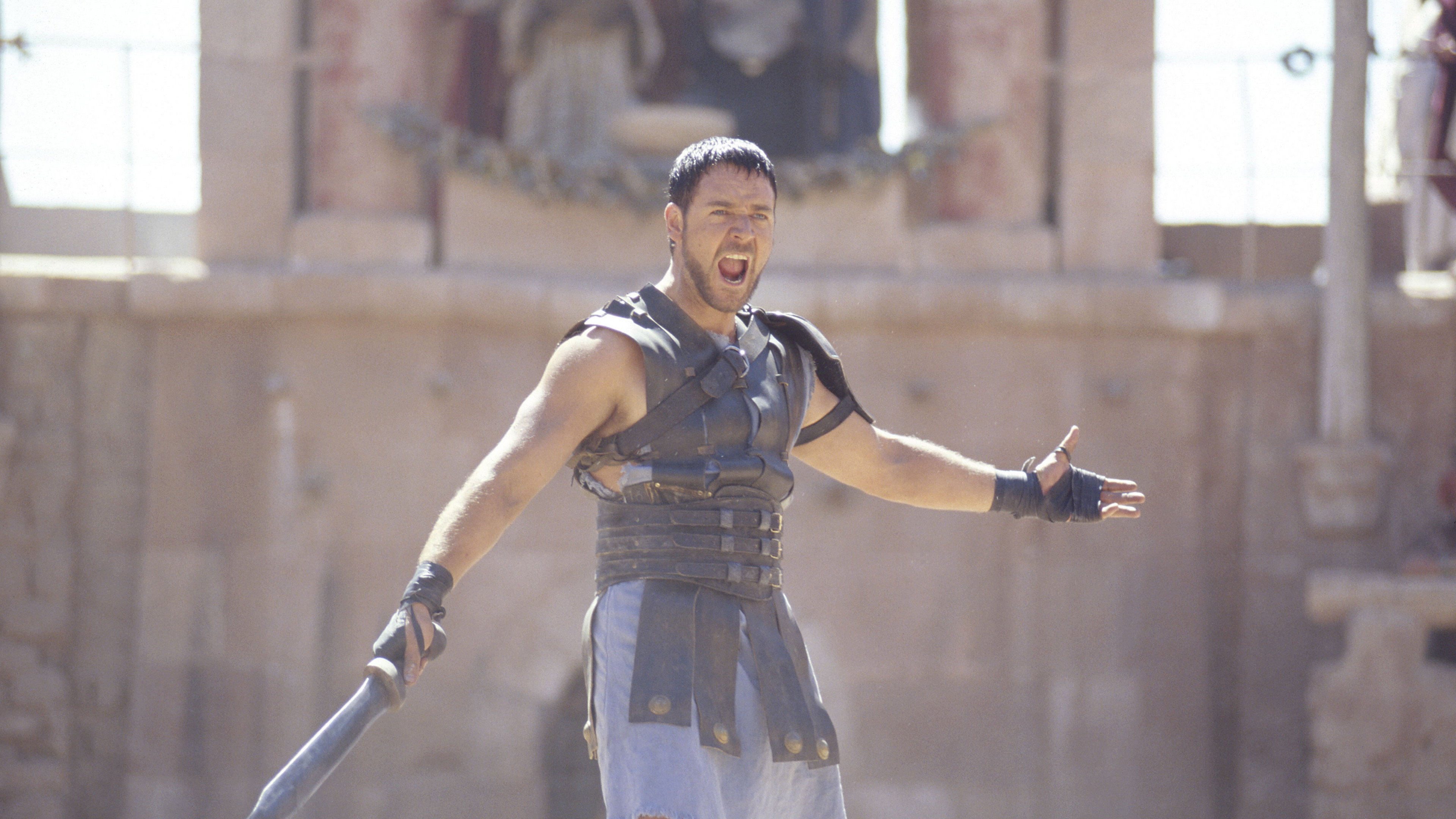
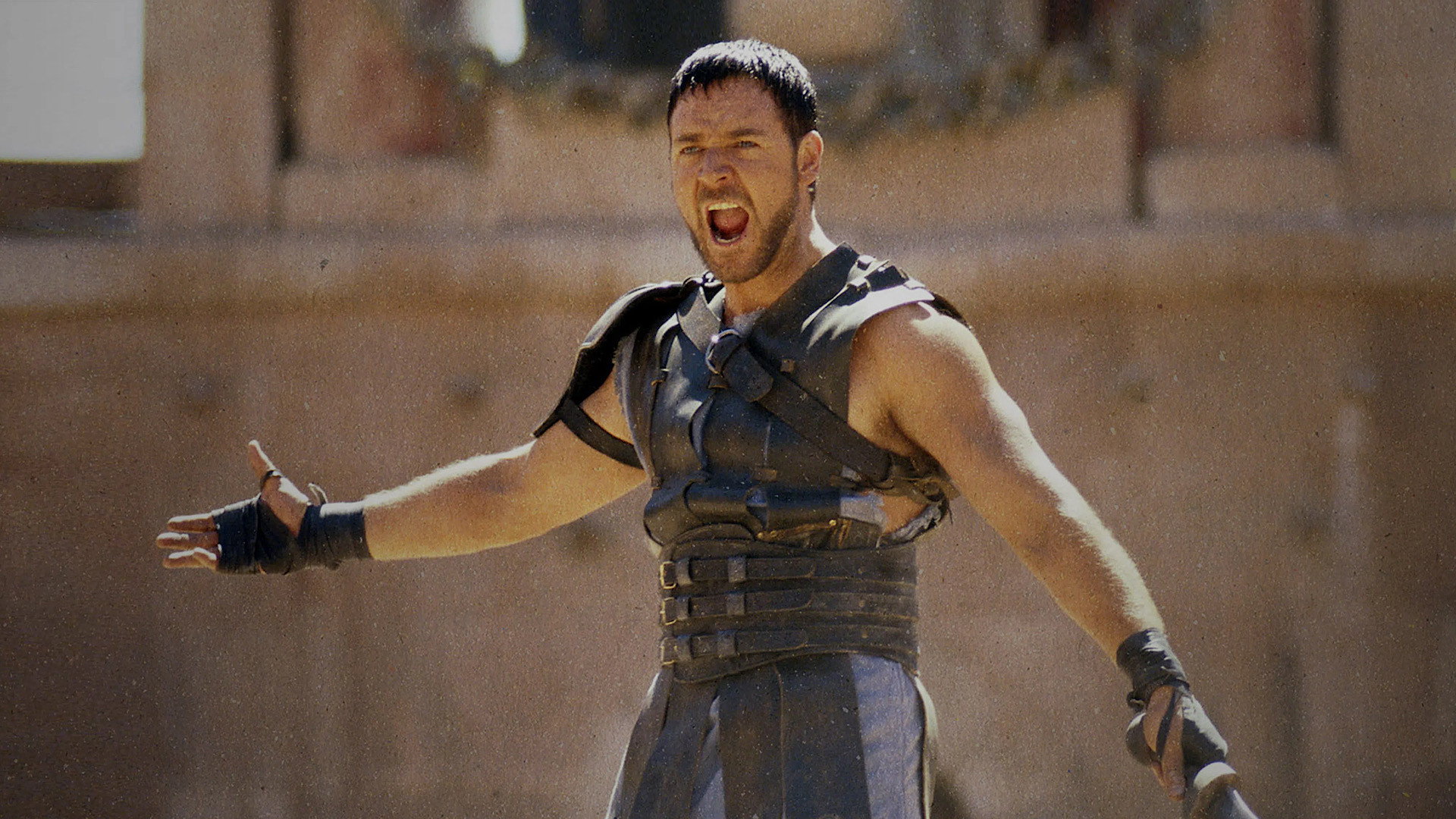
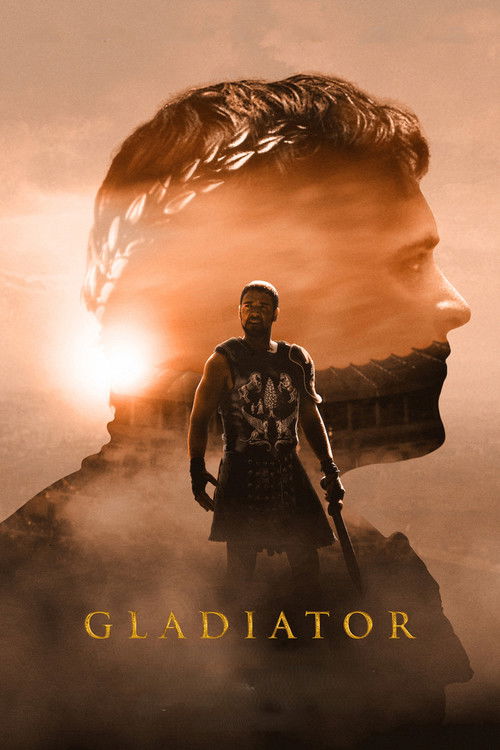
Gladiator is a movie that asks whether it is better to have honor, to be a moral idealist, or whether you should be a ruthless pragmatist. (Spoilers Ahead)
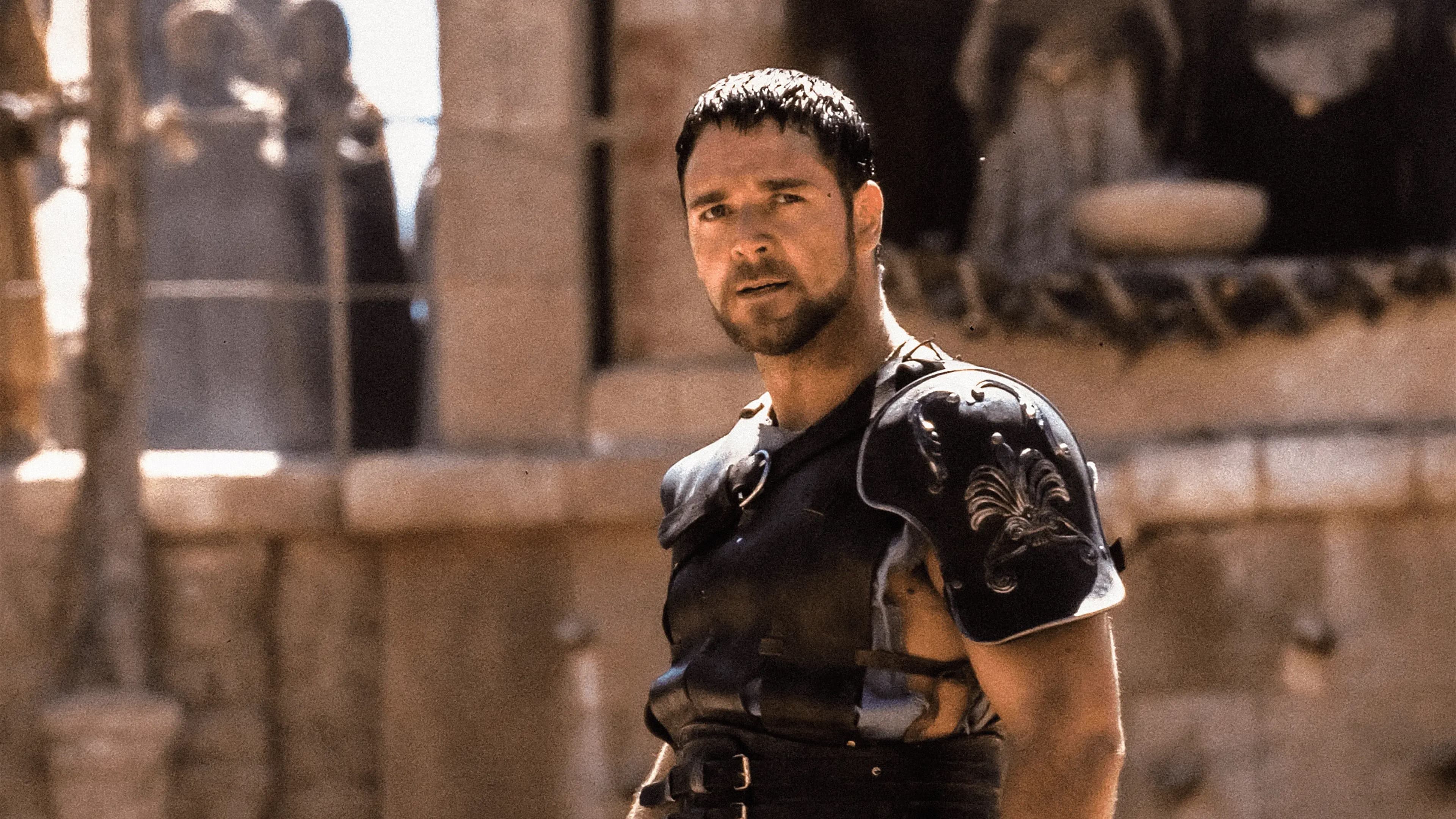
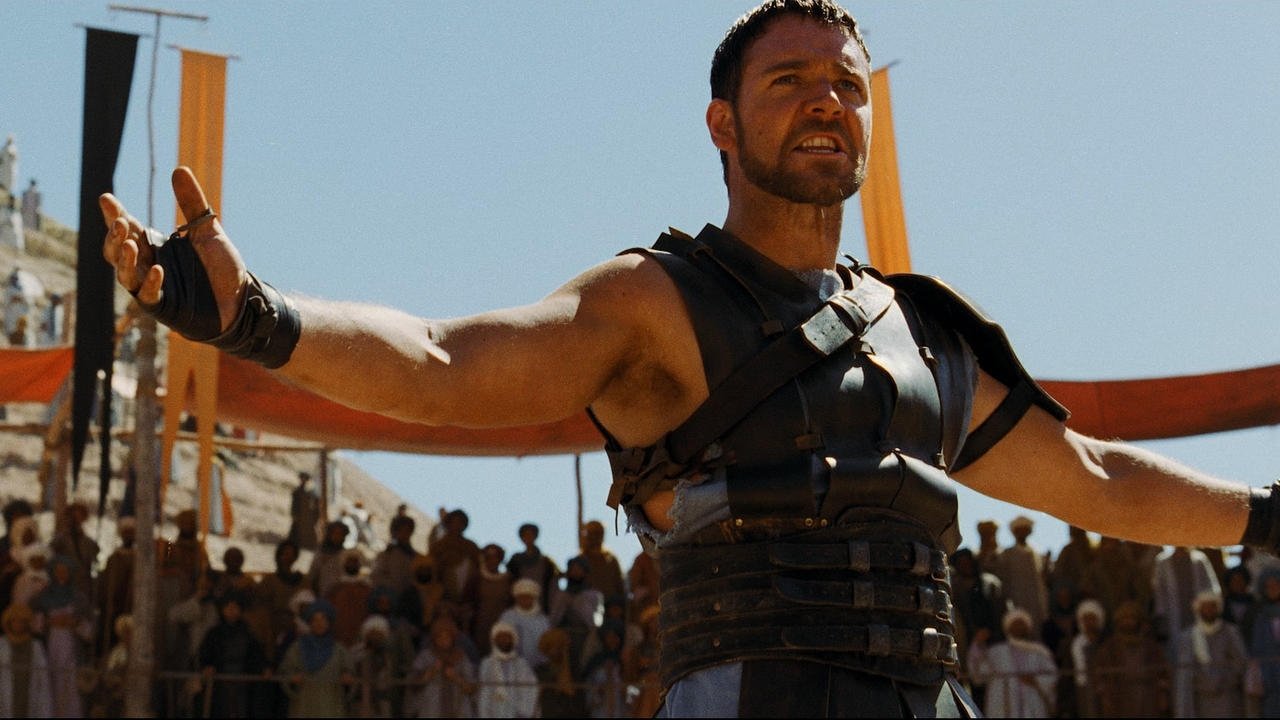
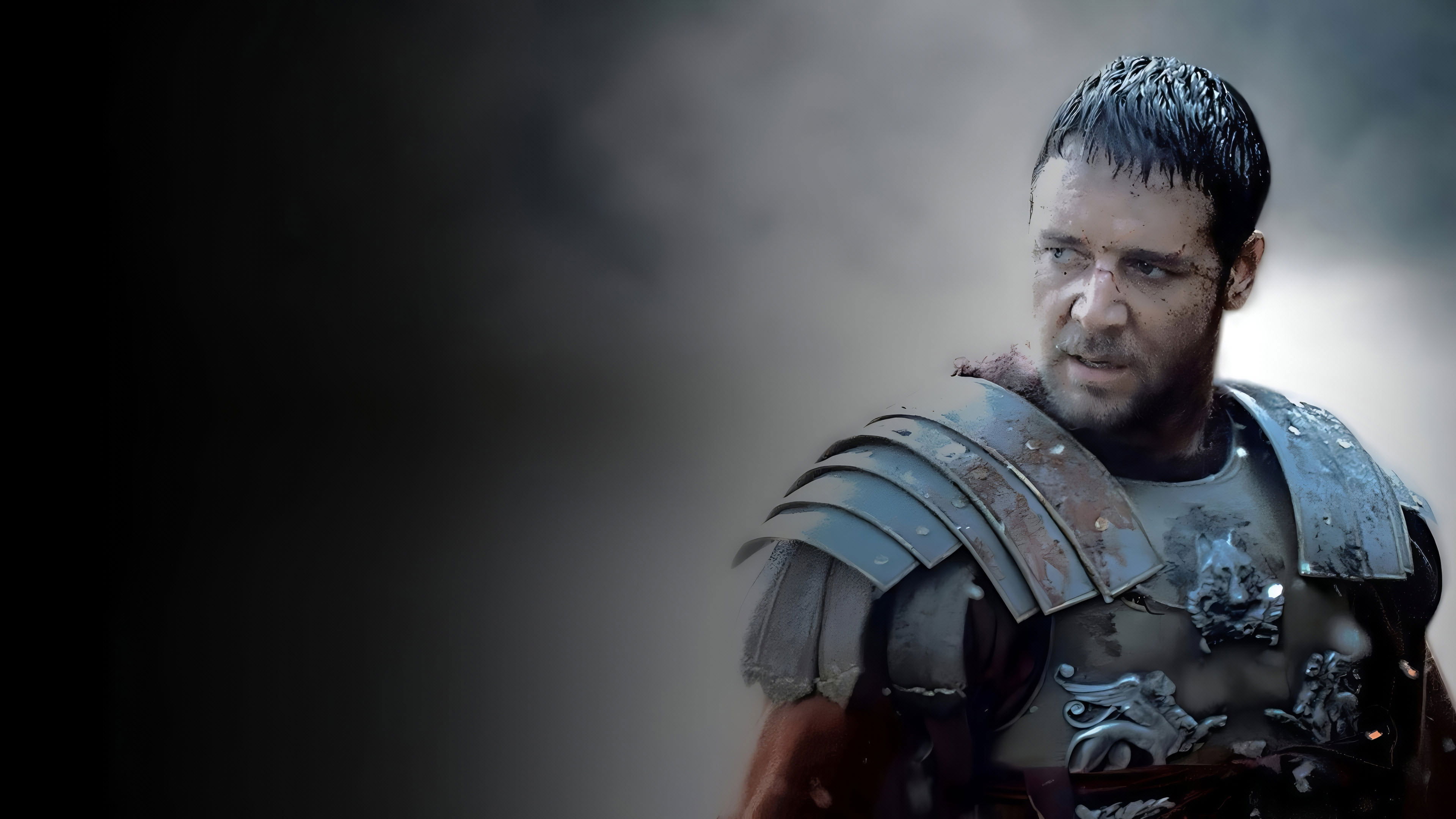
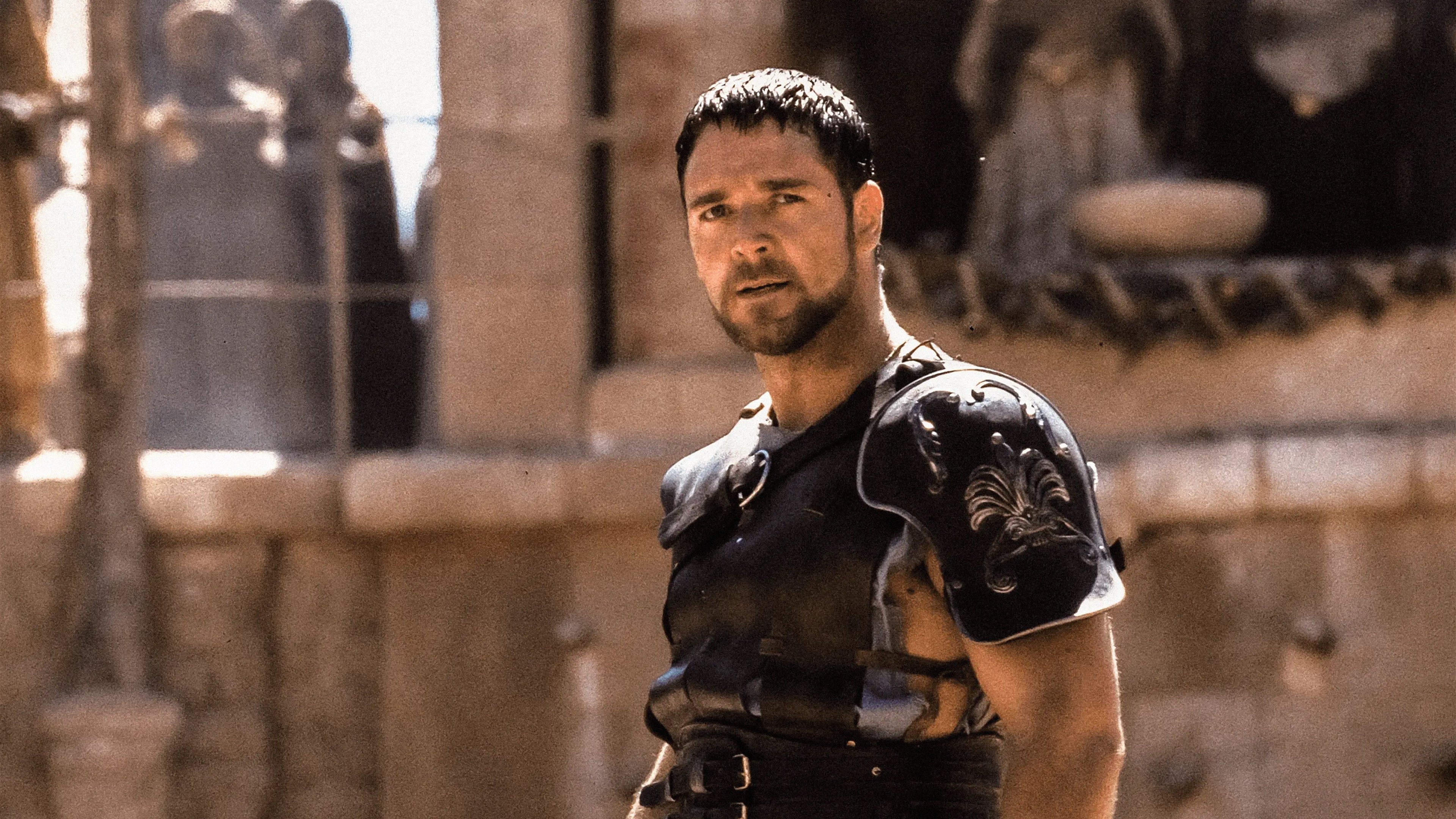
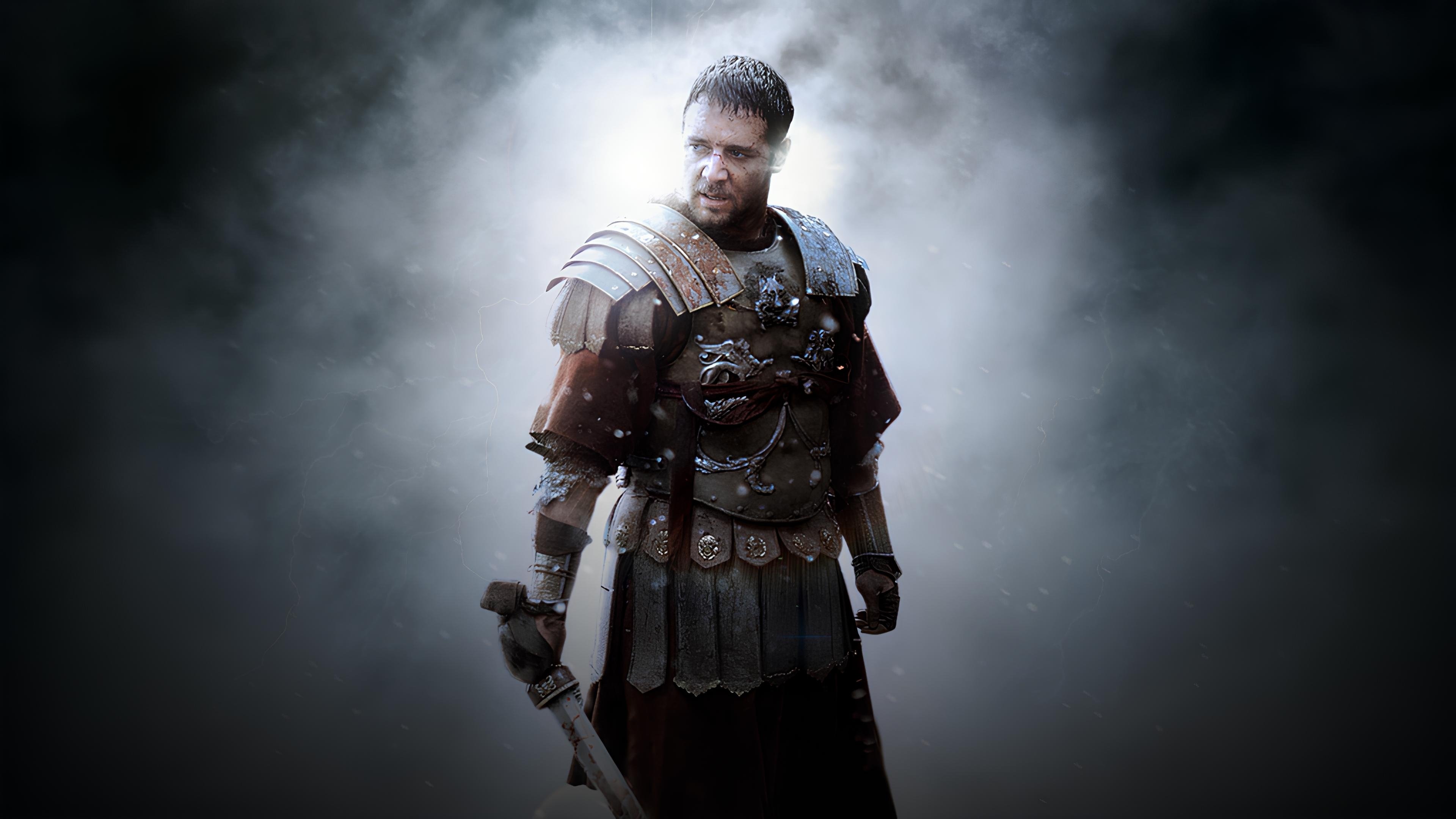
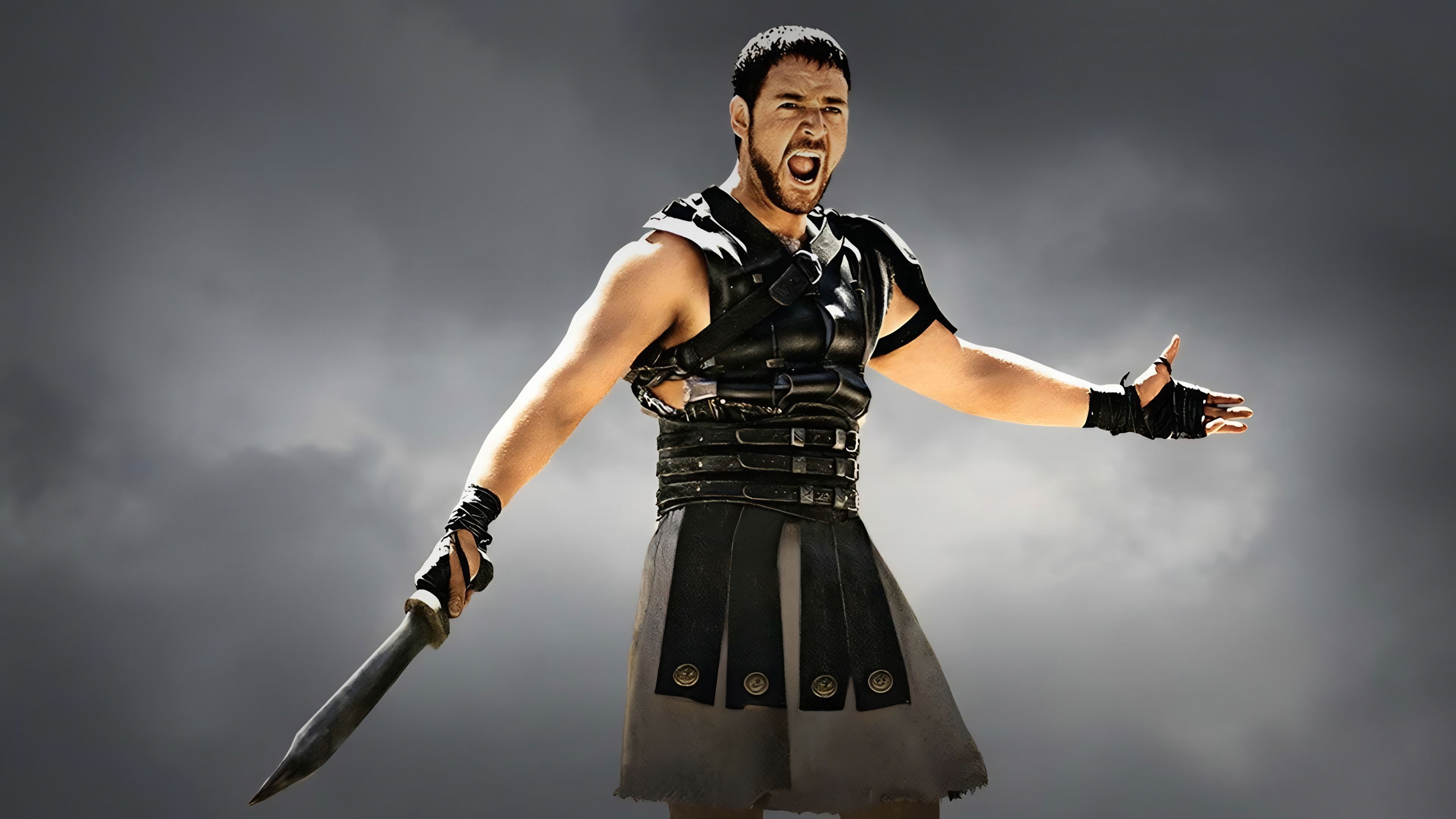
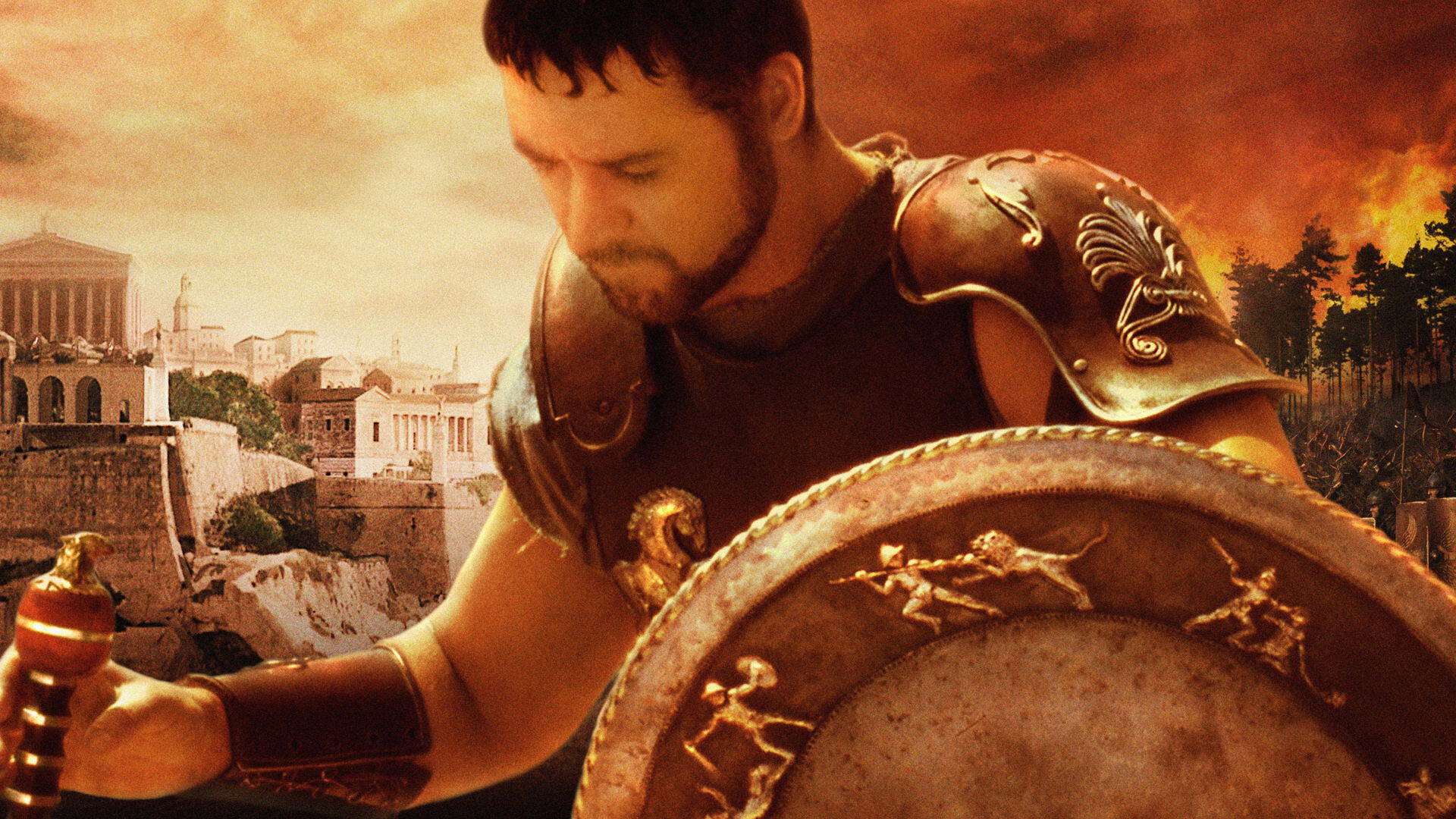
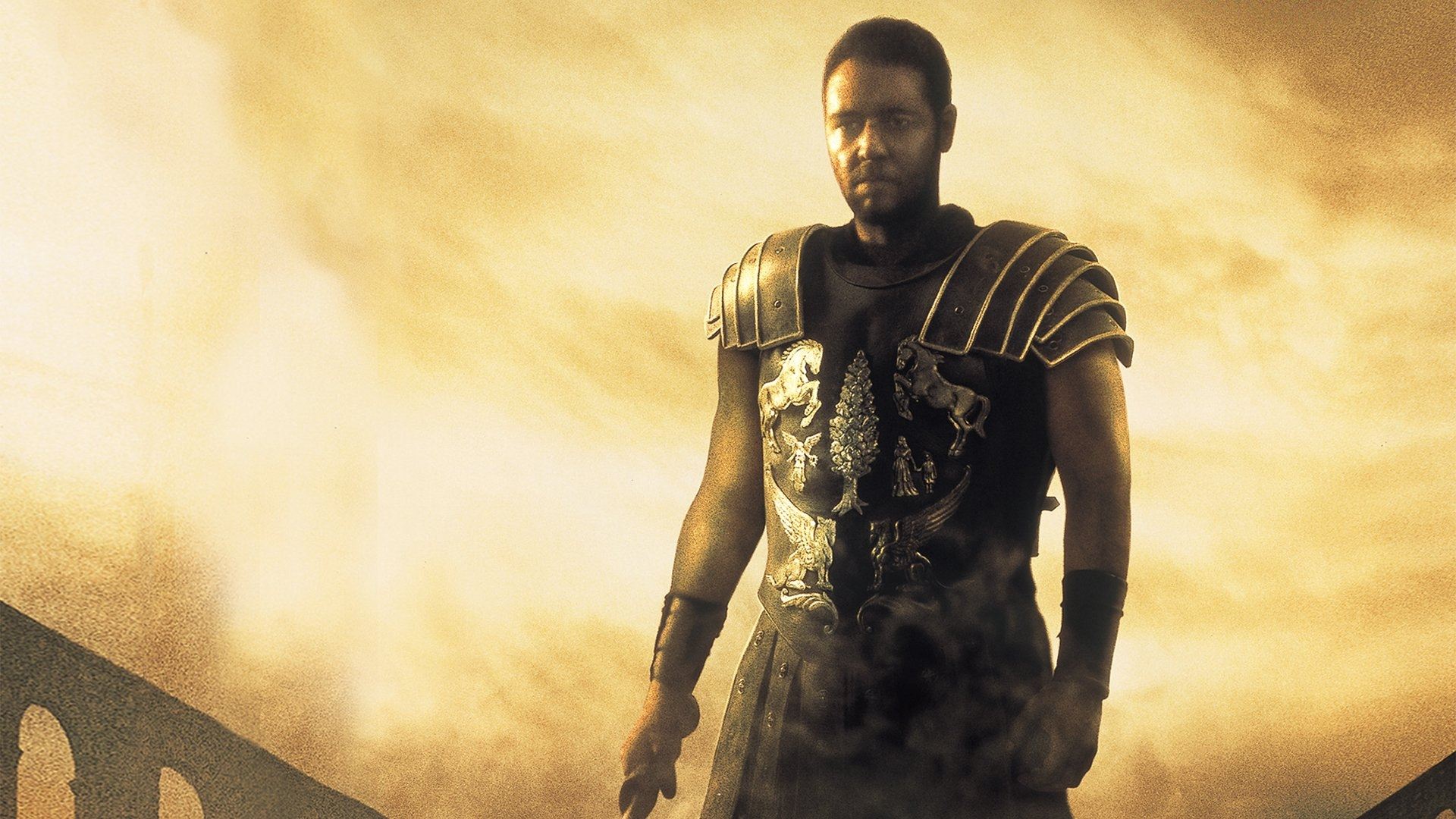
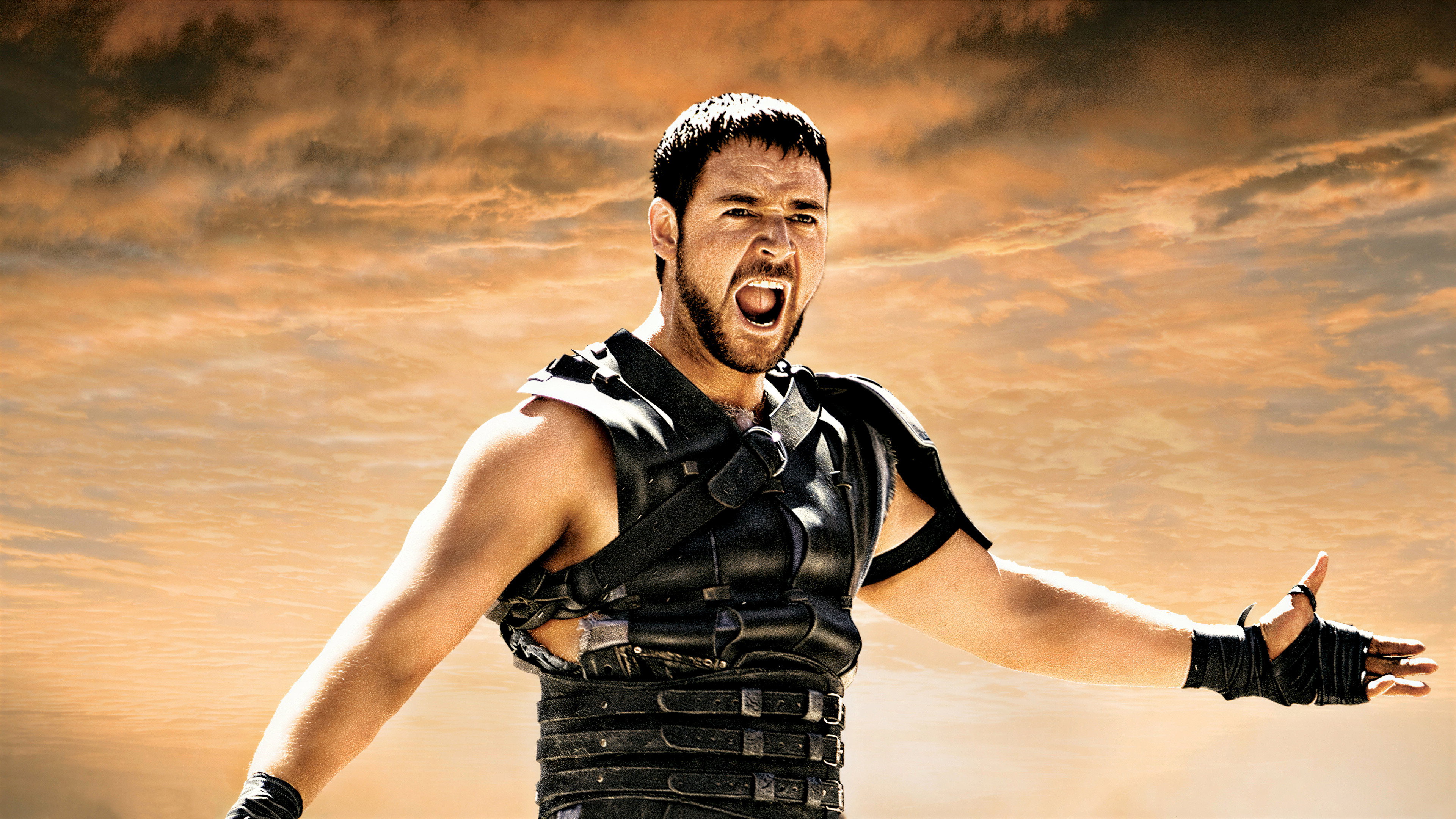
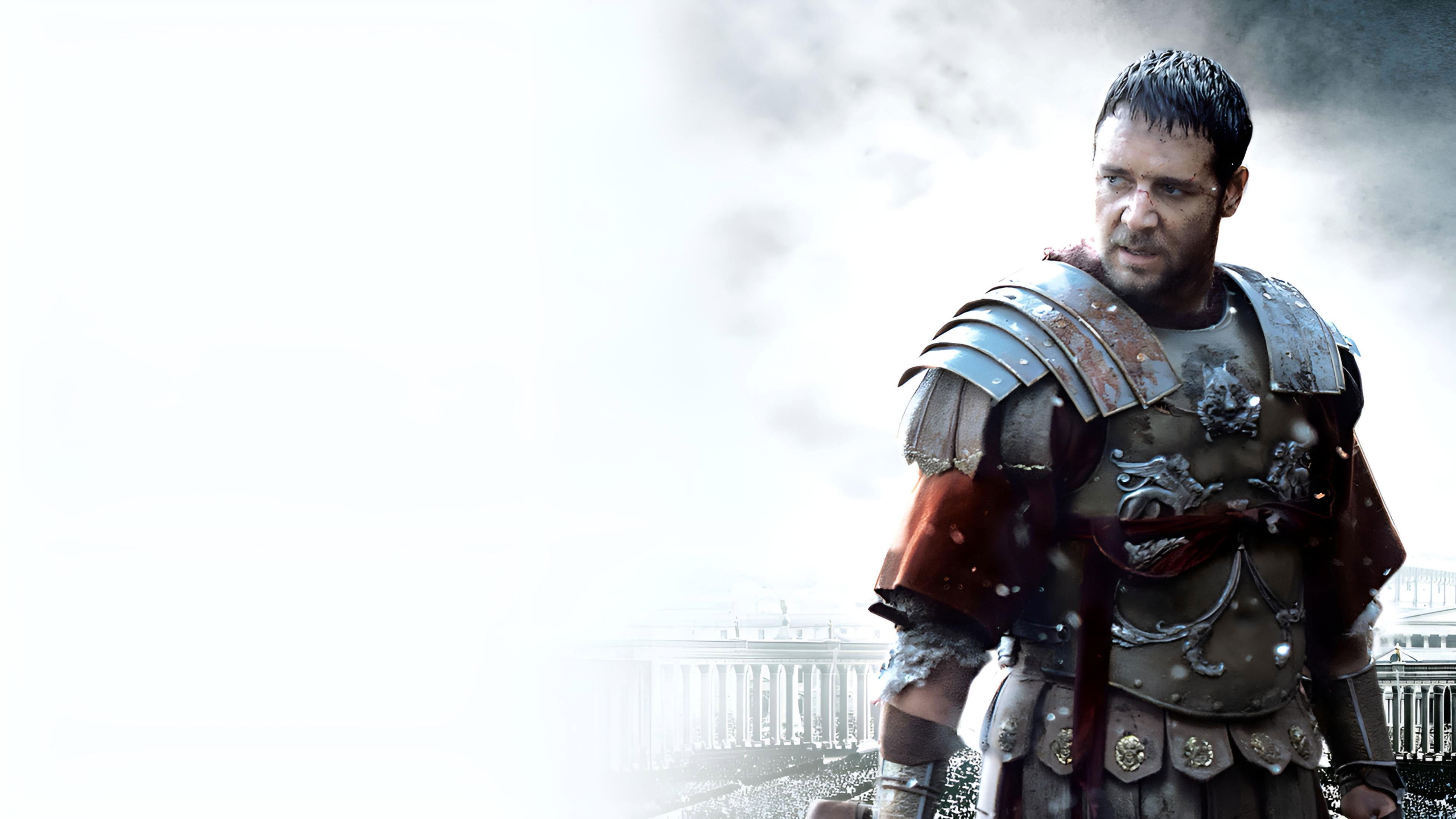
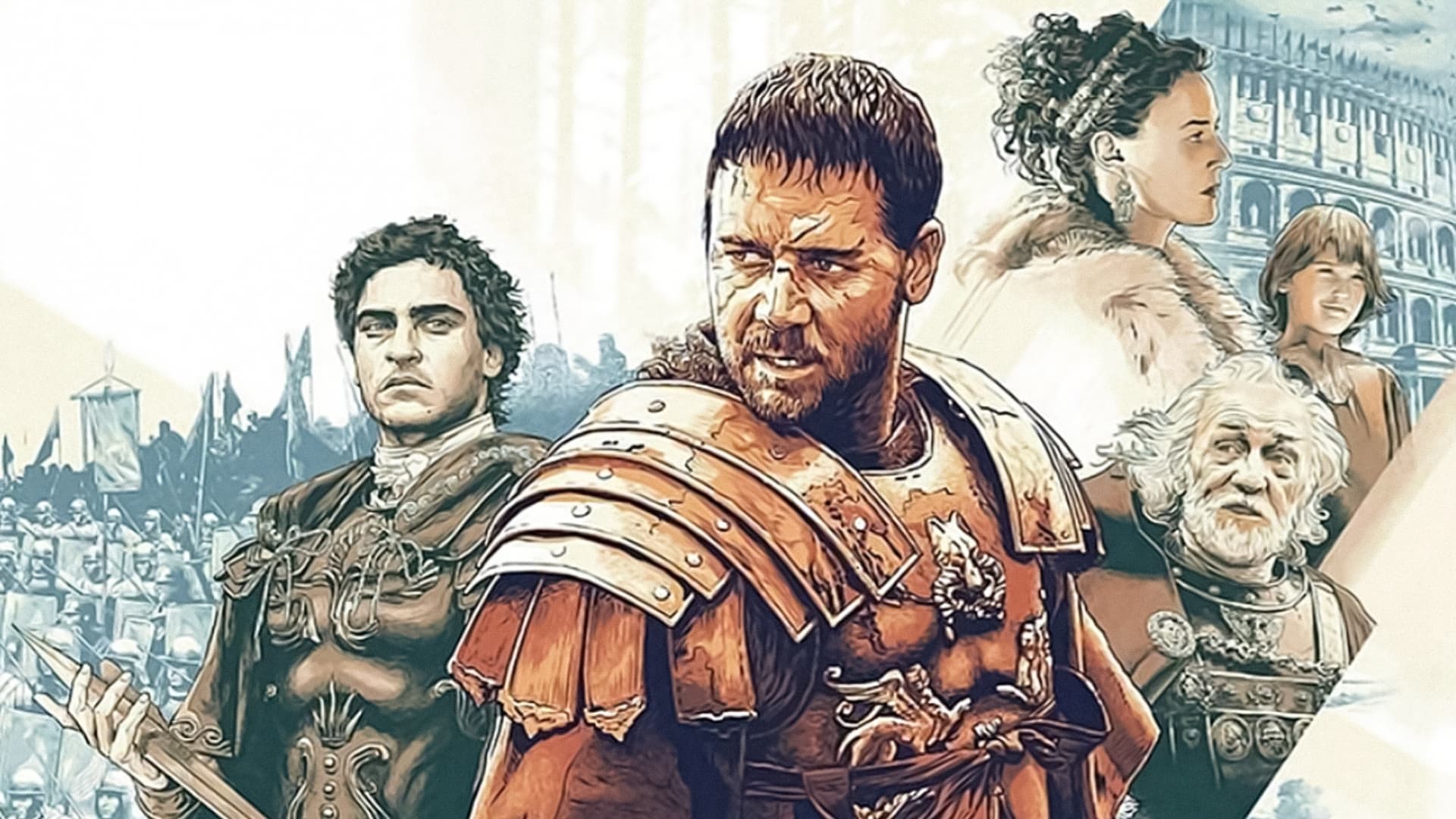
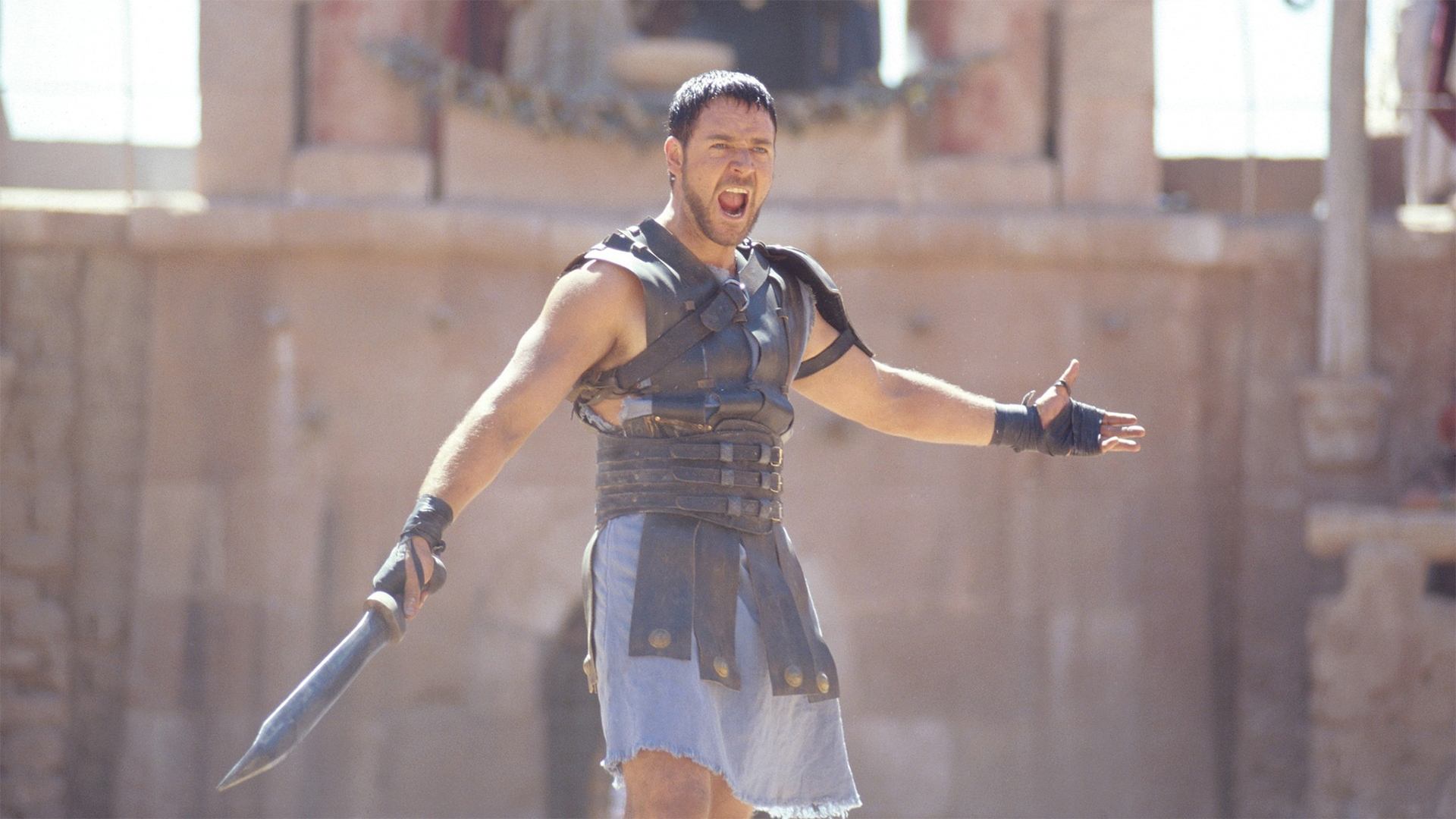
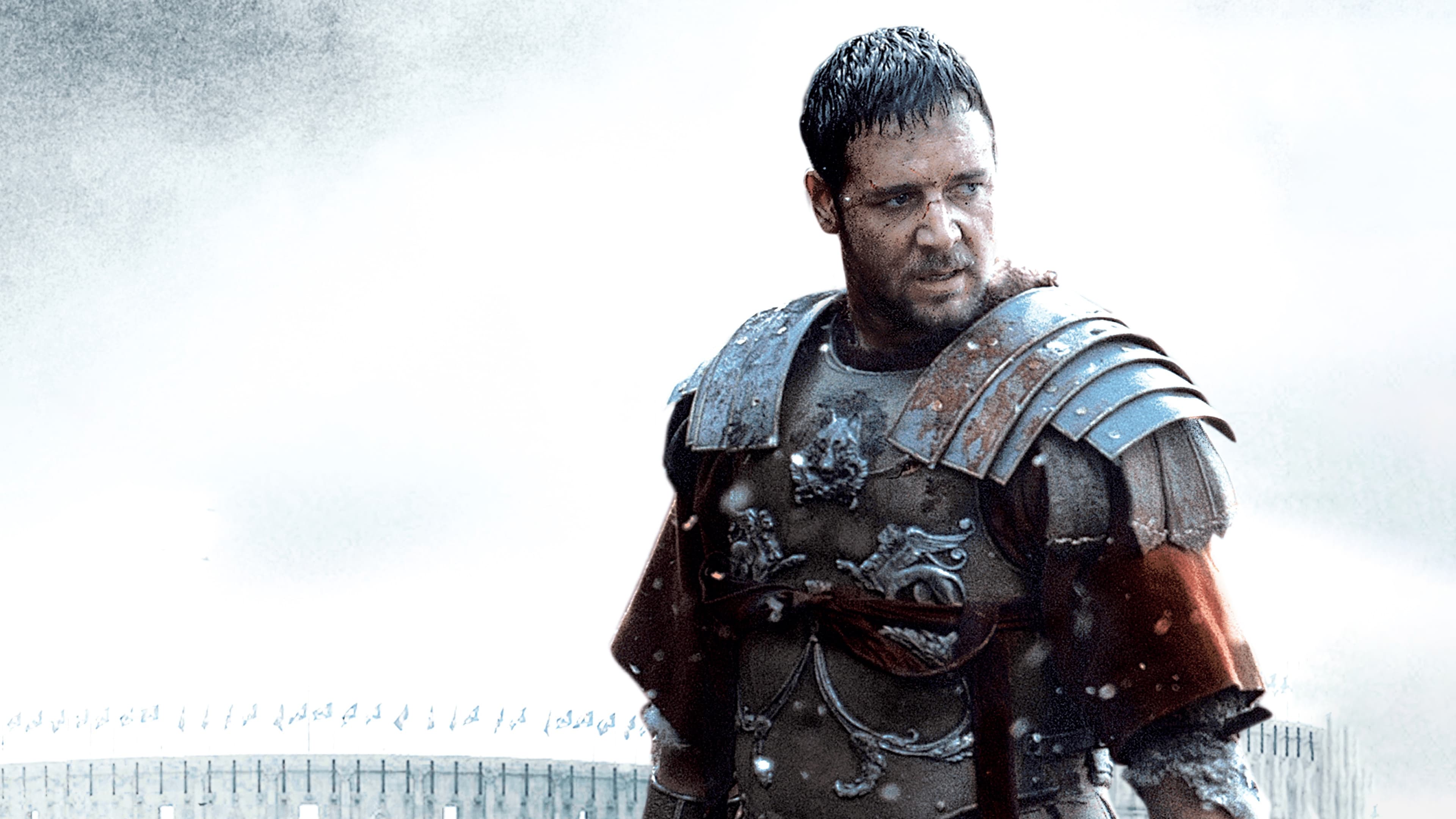
This is a great philosophical conflict which is layed out quite well. Our protagonist Maximus is on the side of Honor from start to finish, and Commodus, the villain, is on the side of pragmatism.
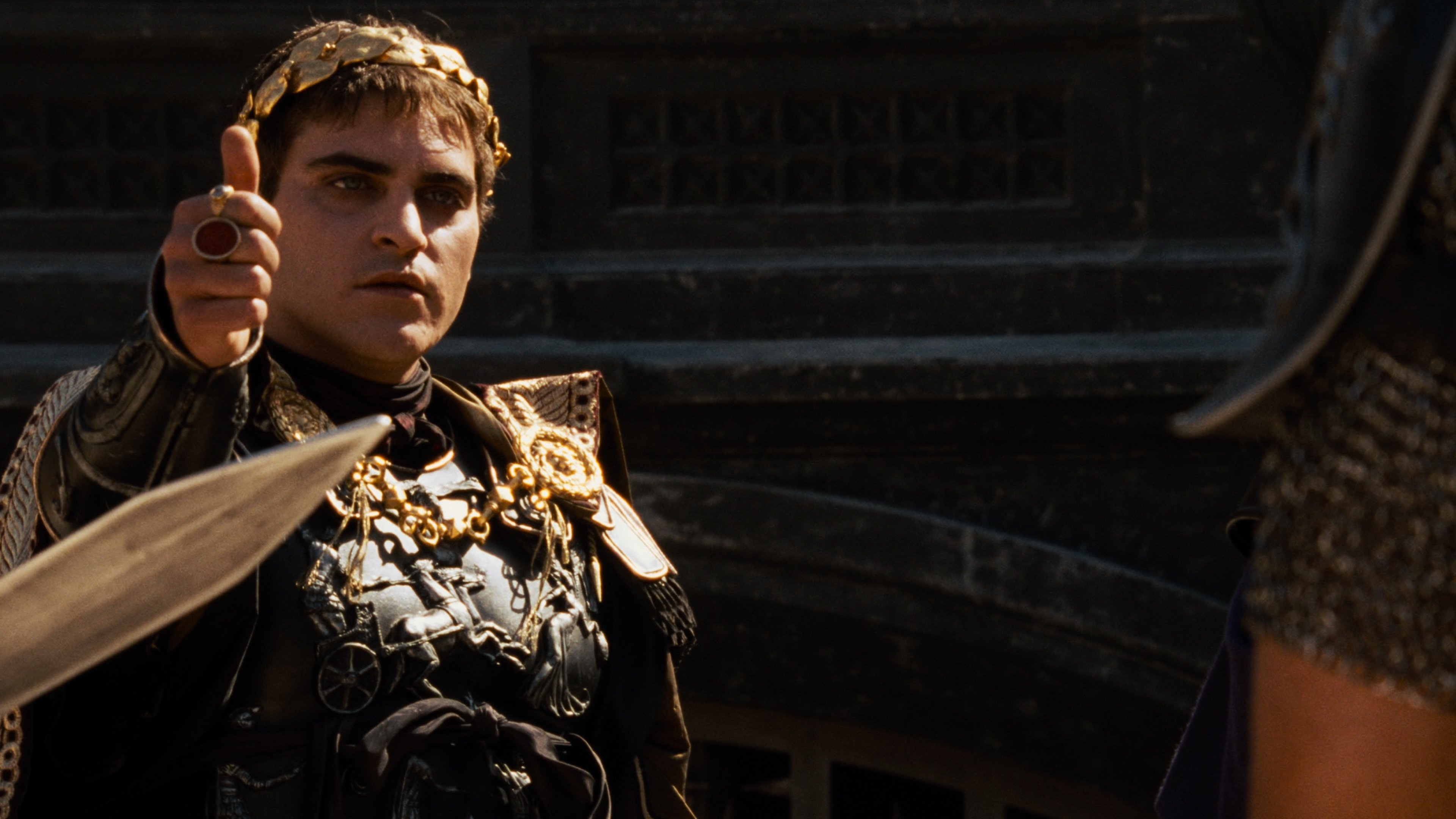
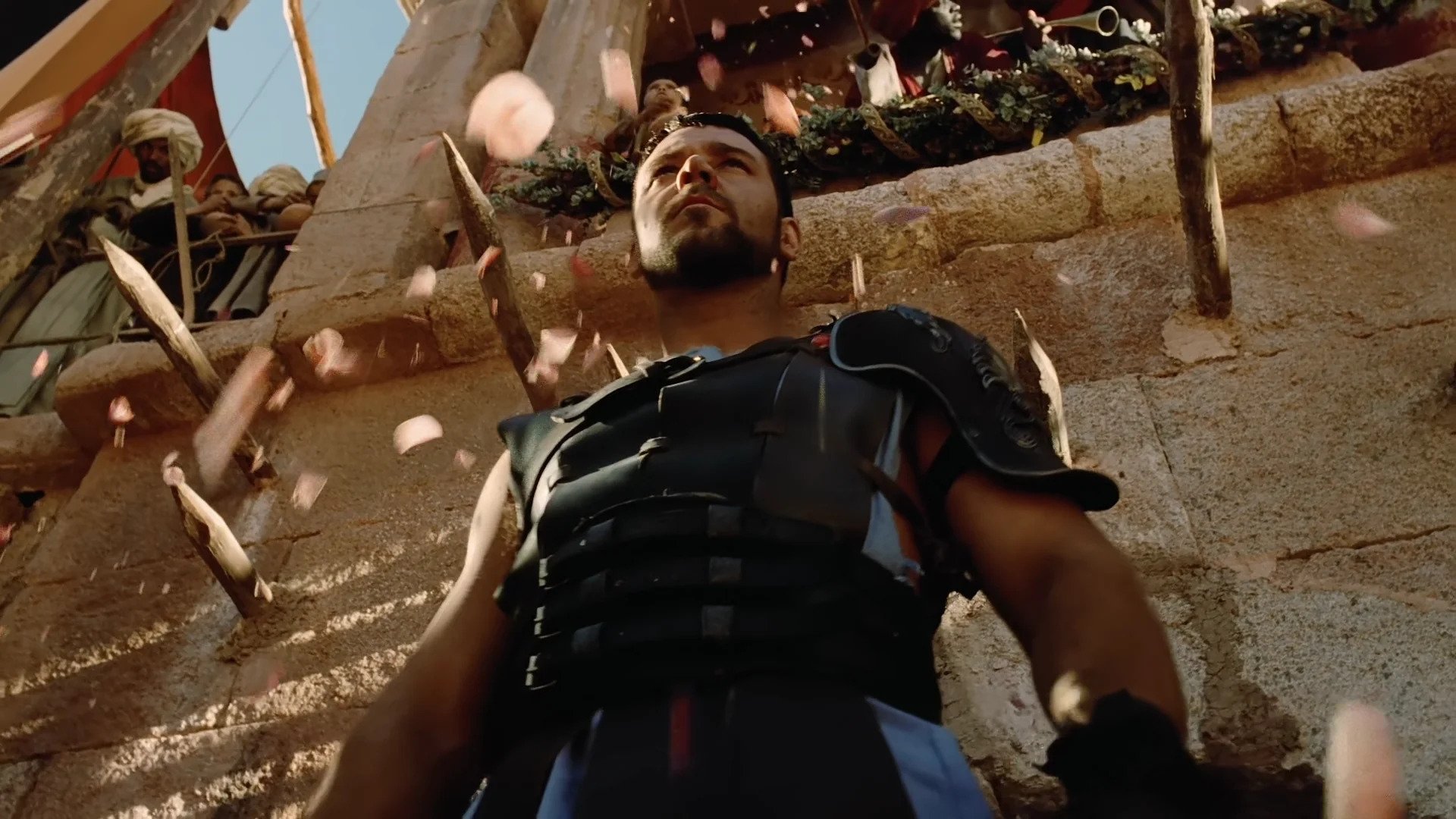
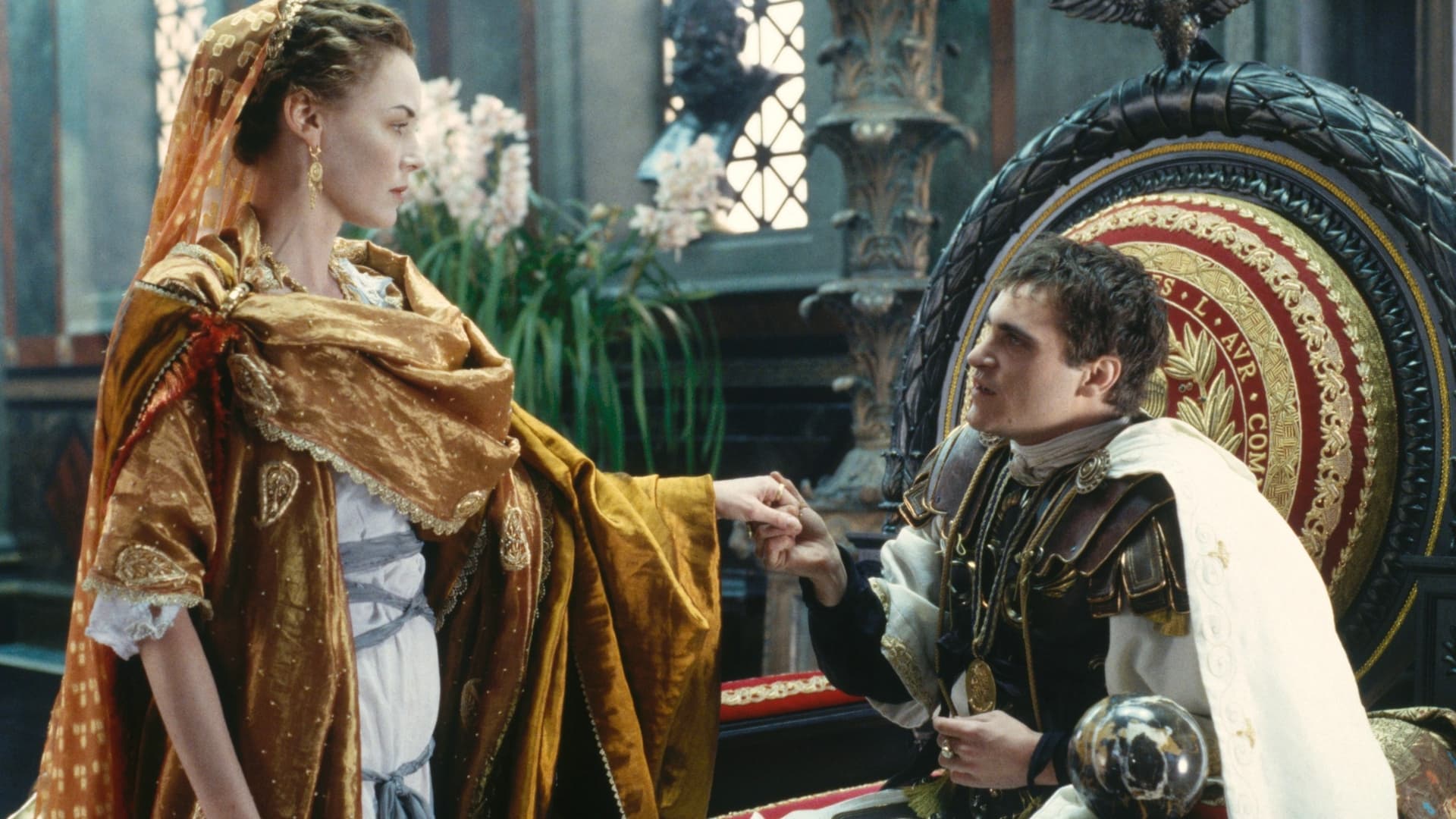
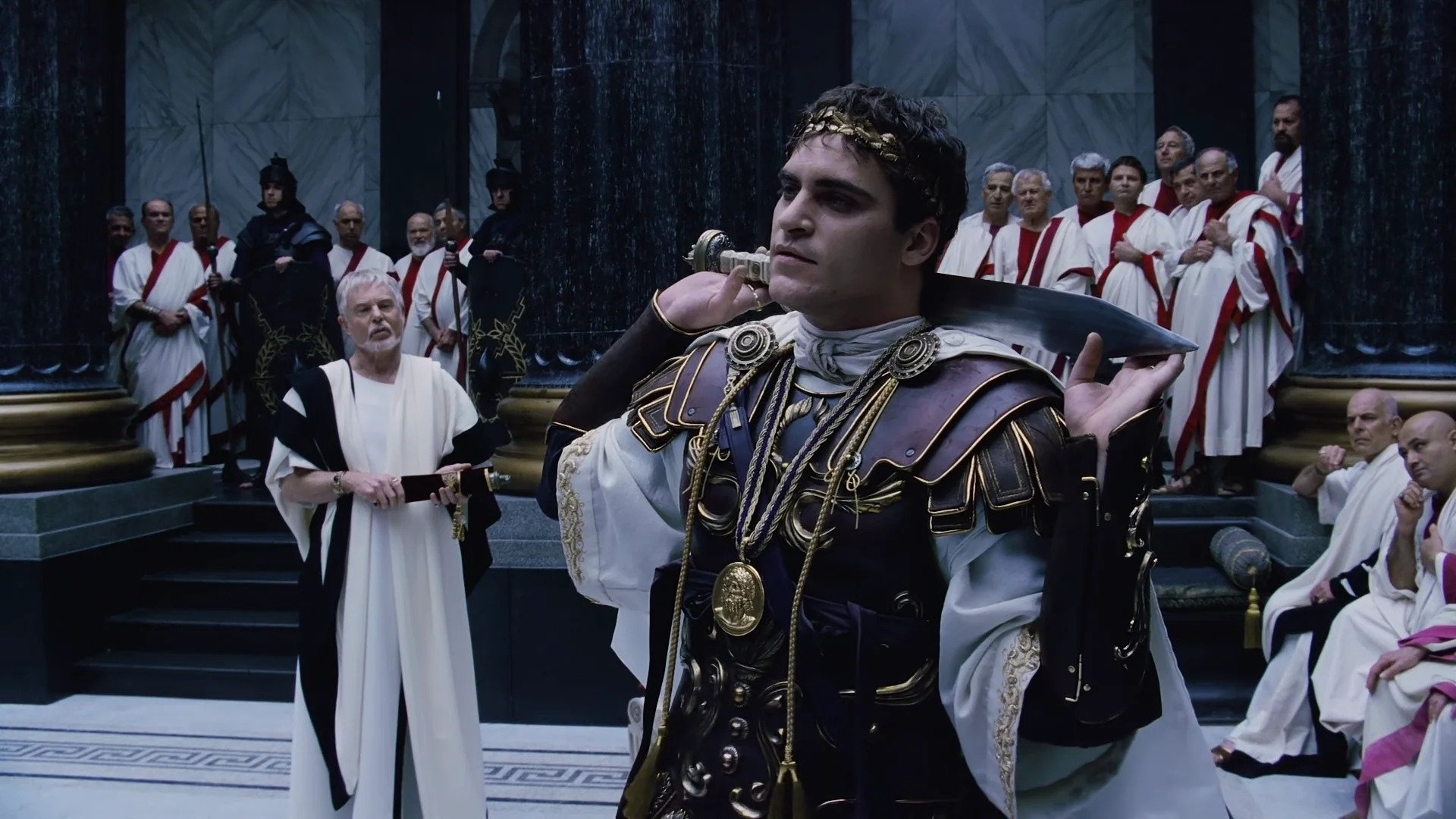
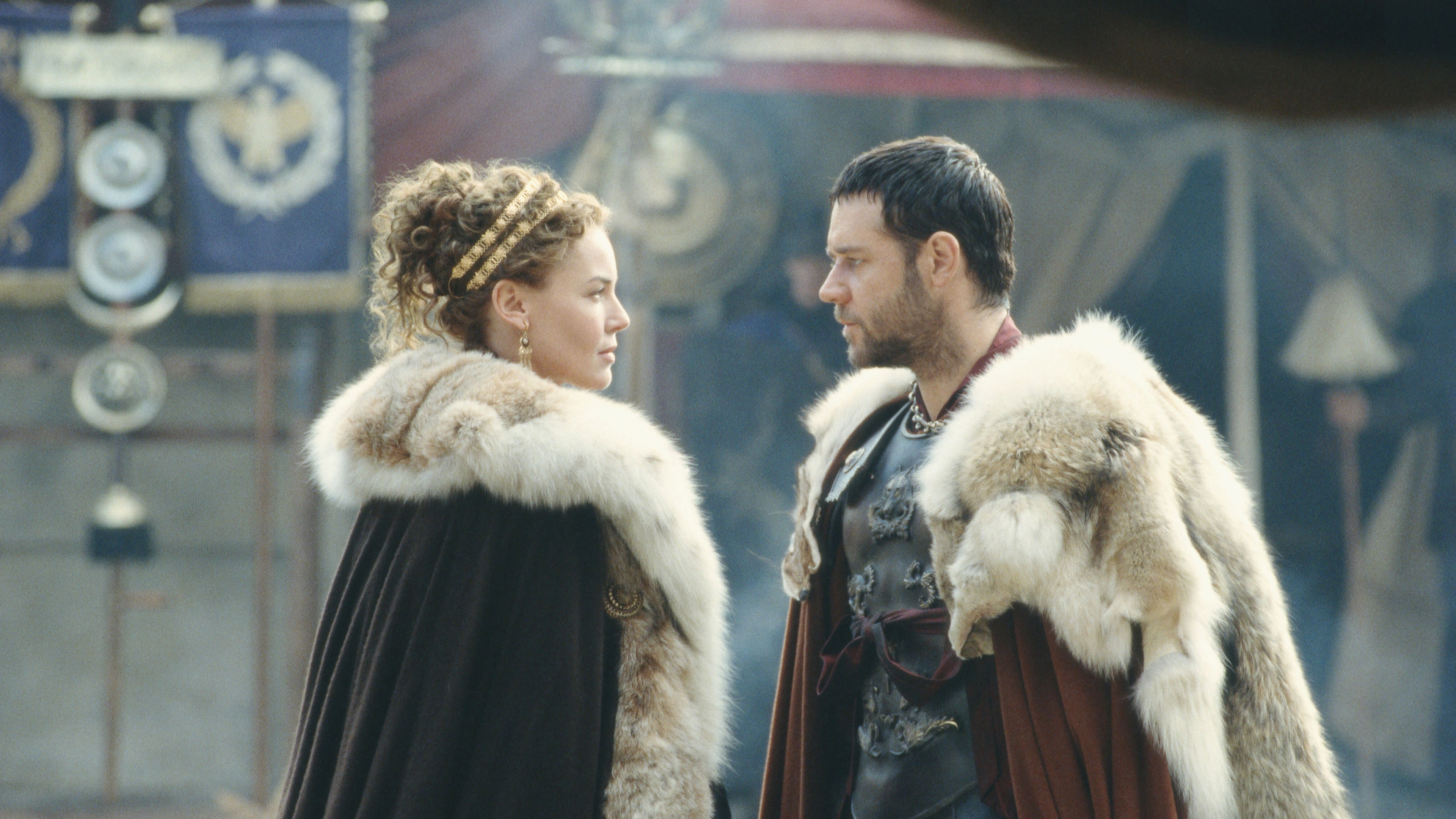
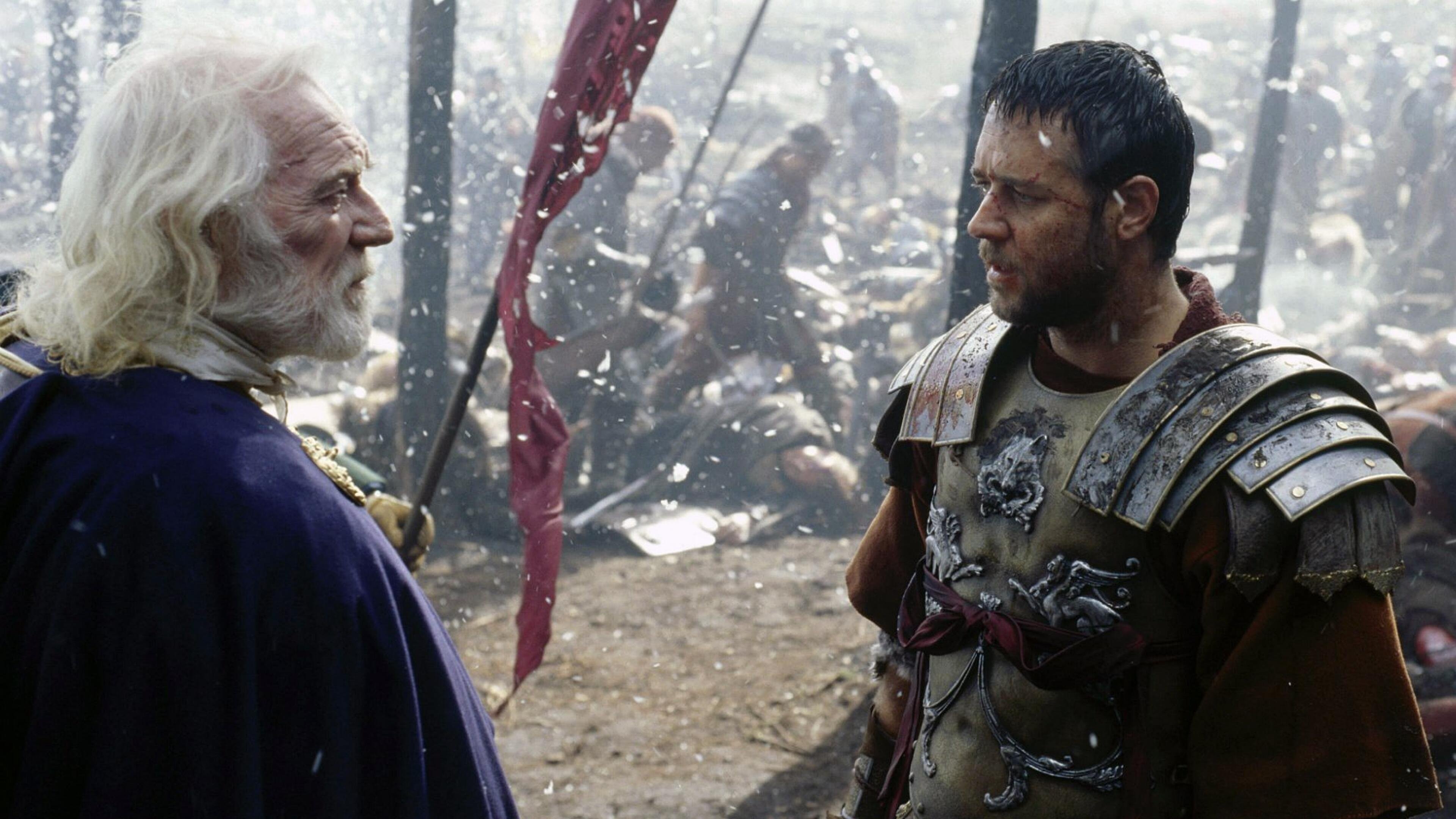
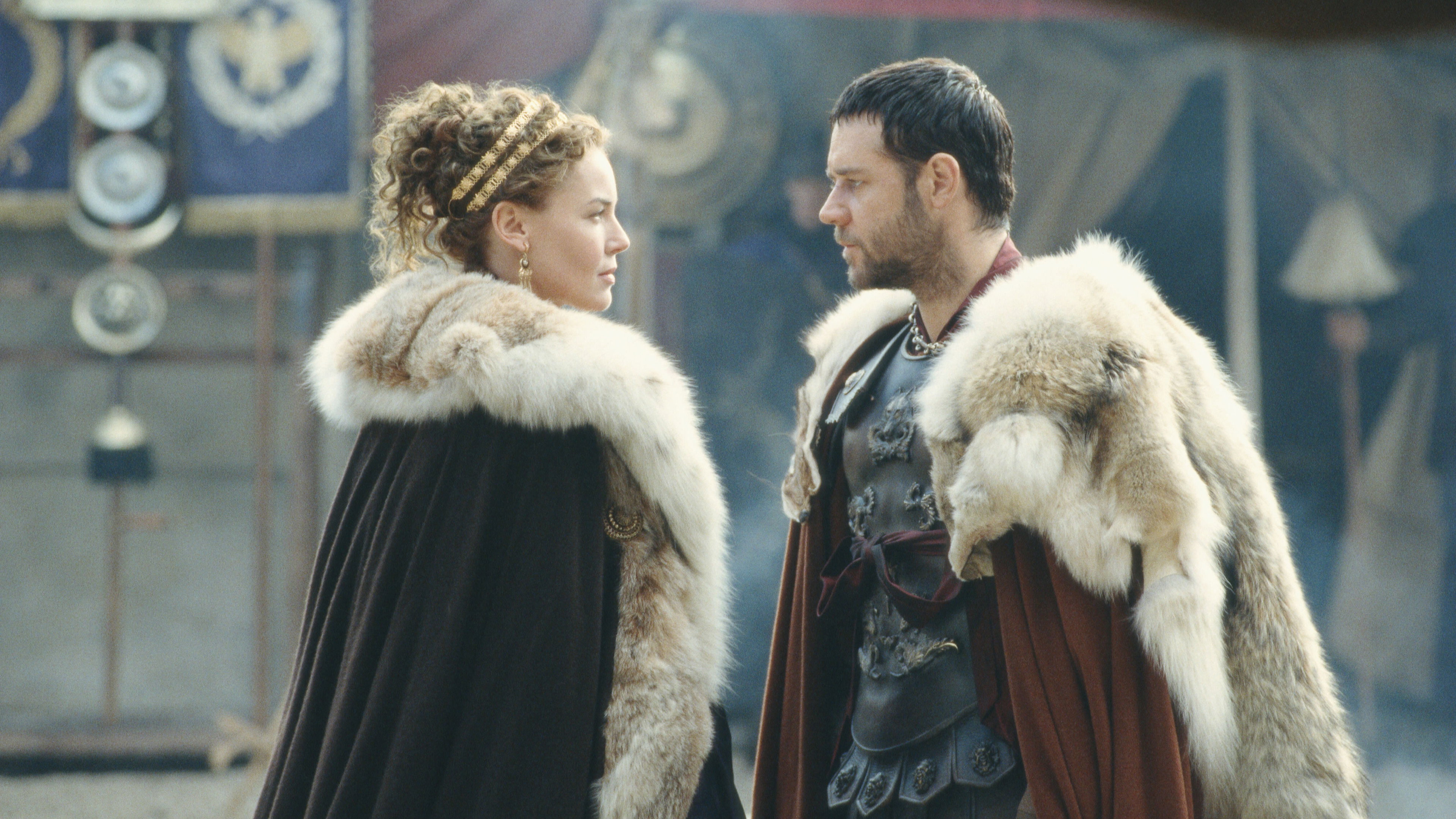
Commodus believes he can force his sister to love her. That he can kill anyone to seize and hold power. And that he can rule as a tyrant without consequences. Maximus refused to yield to Commodus because he wasn’t the right emperor (not his father’s choice), and he was willing to risk his life for what he thought was correct.
There is a bit of a paralel between the philosophical conflict (honor vs pragmatism) and whether the Roman Empire should be run as a Republic or a Tyranny.
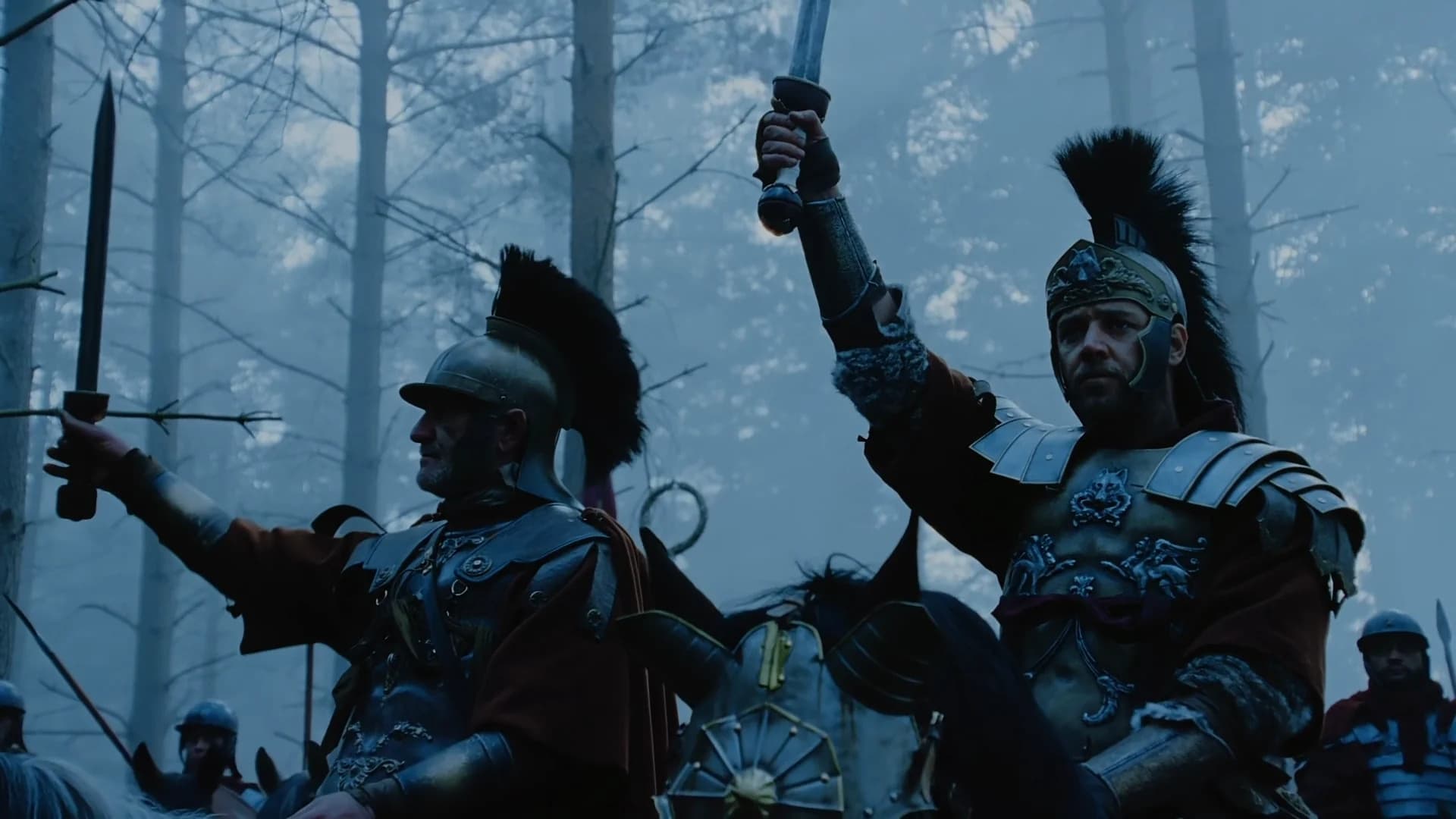
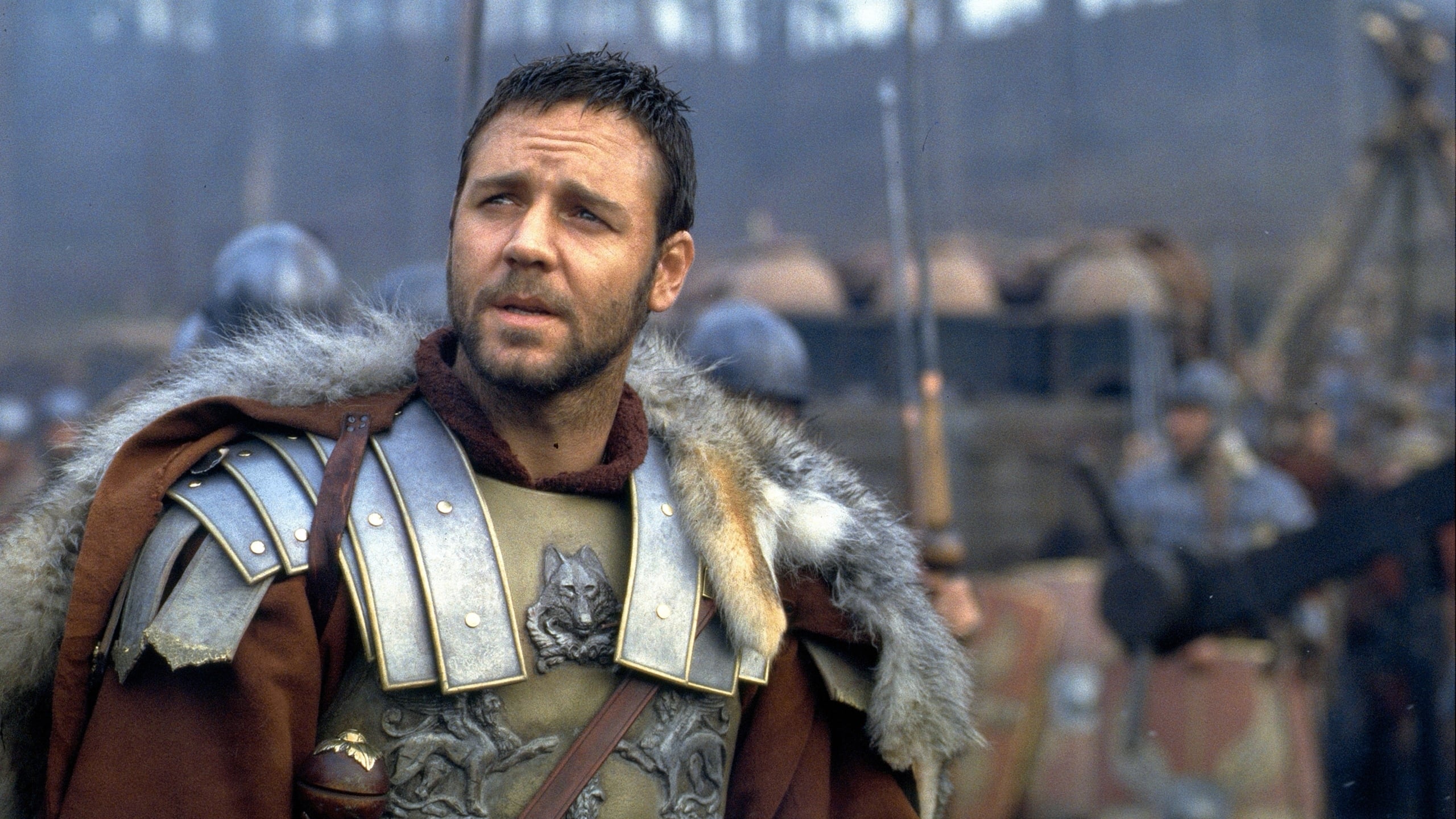
I think the movie has 2 major flaws however. The first is that the protagonist Maximus makes very little important decisions throughout the movie. His beliefs are set up well at the start. He is concerned for the well-being of his soldiers. And he refuses to yield to Commodus. But for the rest of the movie he doesn’t really make an important choice (that’s related to honor/pragmatism).
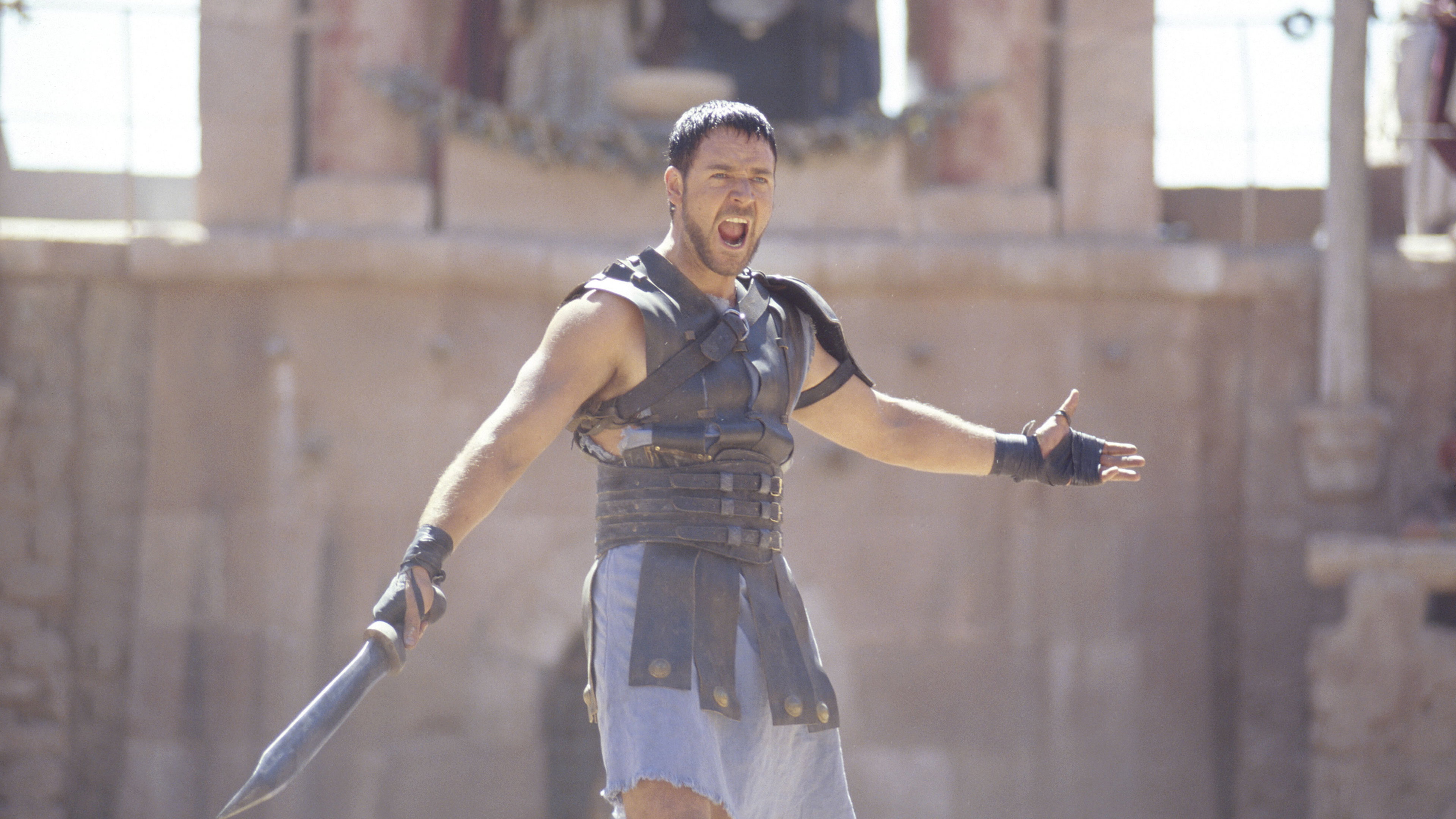
At one point he refuses to kill a man in the gladiator arena, but that wasn’t for honor. Instead it was to undermine the authority of Commodus, because he’s fine killing people in other fights.
Towards the end of the movie, Maximus plots to overthrow Commodus and form a republic. This is the only other choice besides not yielding at the start that I can think of. However, I feel like this choice is largely motivated by him wanting to take revenge for Commodus killing his family. Moreover, it doesn’t feel special as a choice because he already wanted to create a republic at the start of the movie. And it’s not like Rome turned into a republic and things went terribly wrong, so that his climactic choice to still choose for a republic, is actually meaningful. Rome doesn’t turn into a republic. And neither Maximus, nor the audience are ever given any reason to think a republic would be bad.
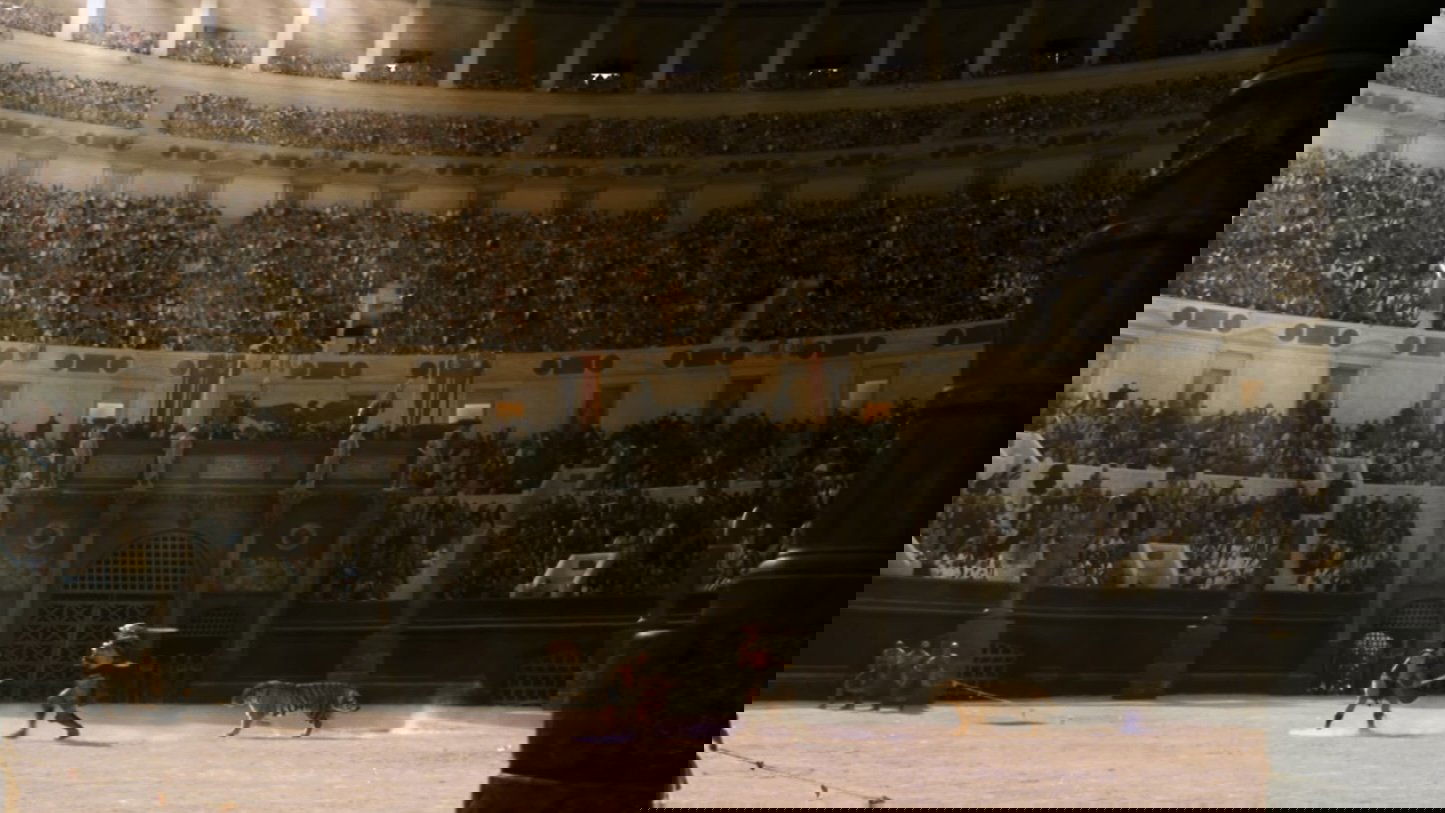
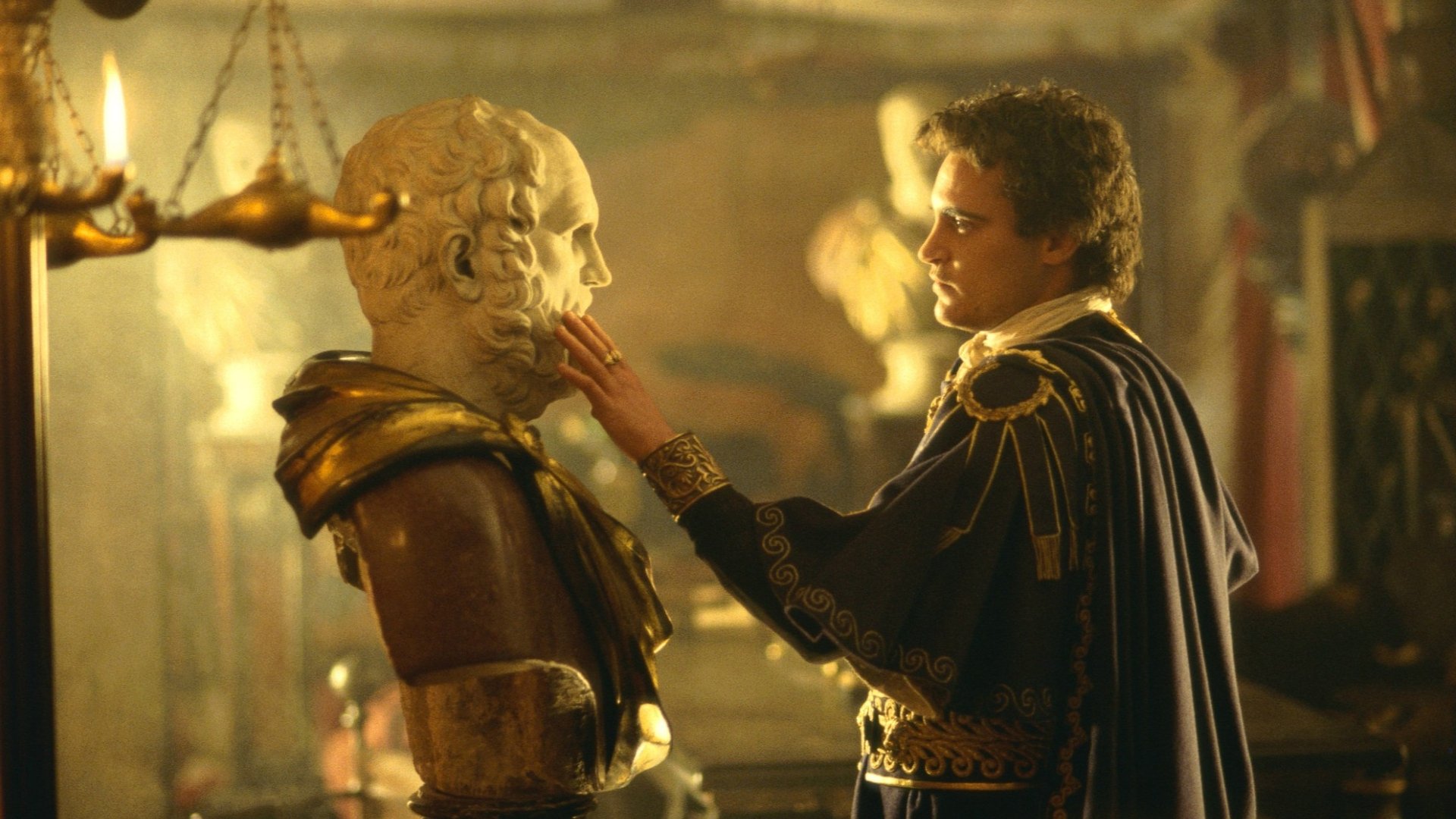
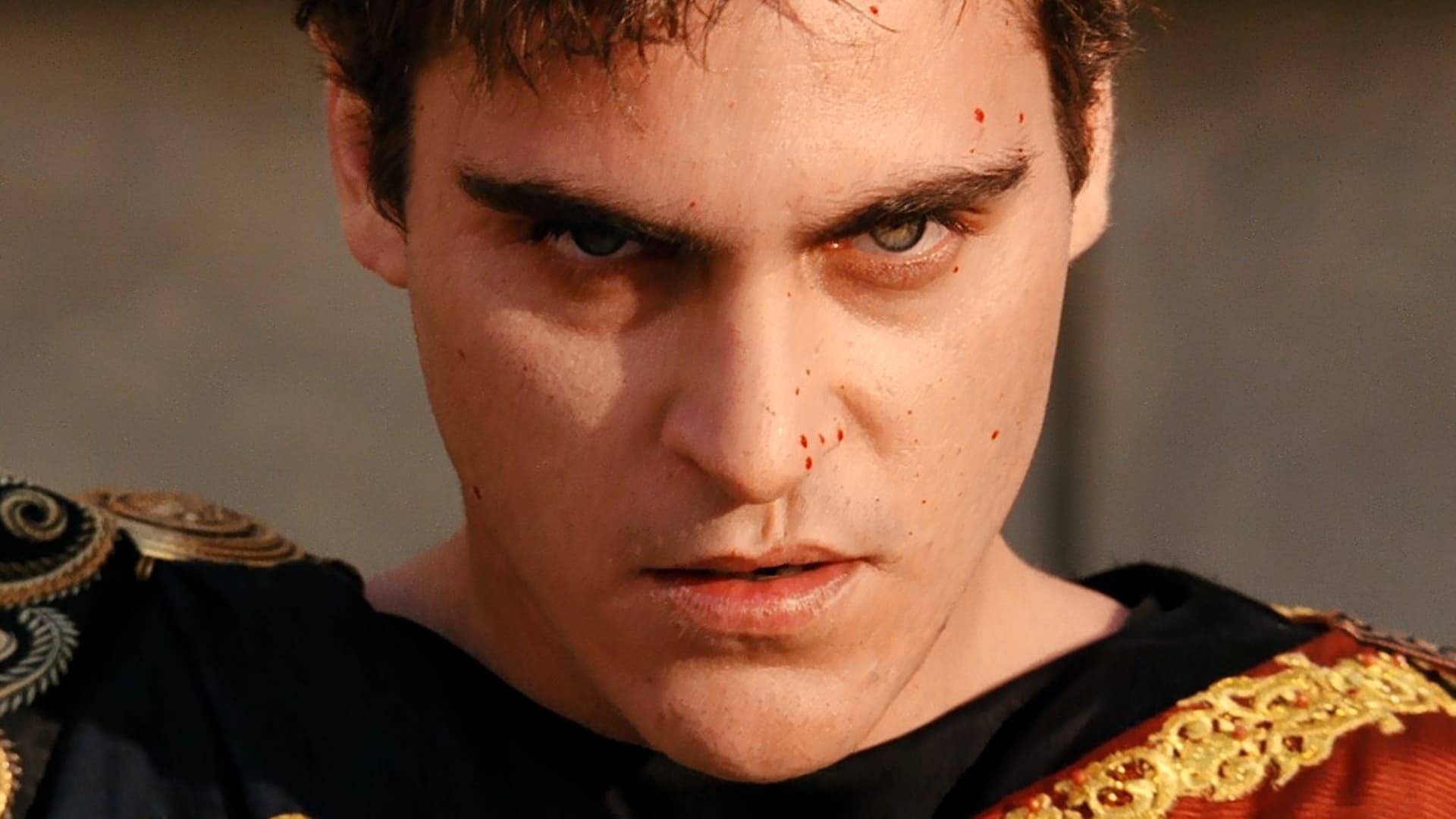
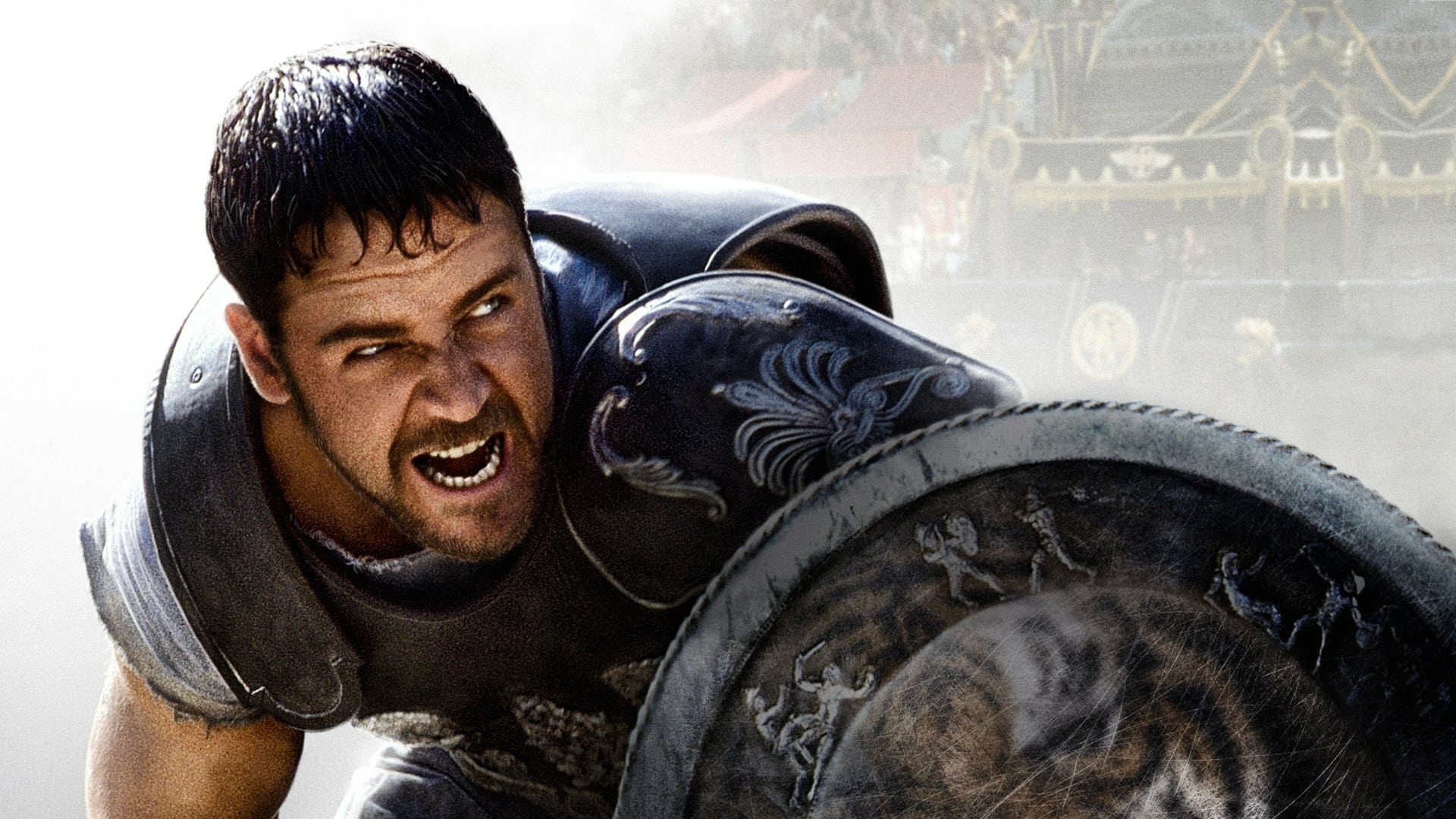
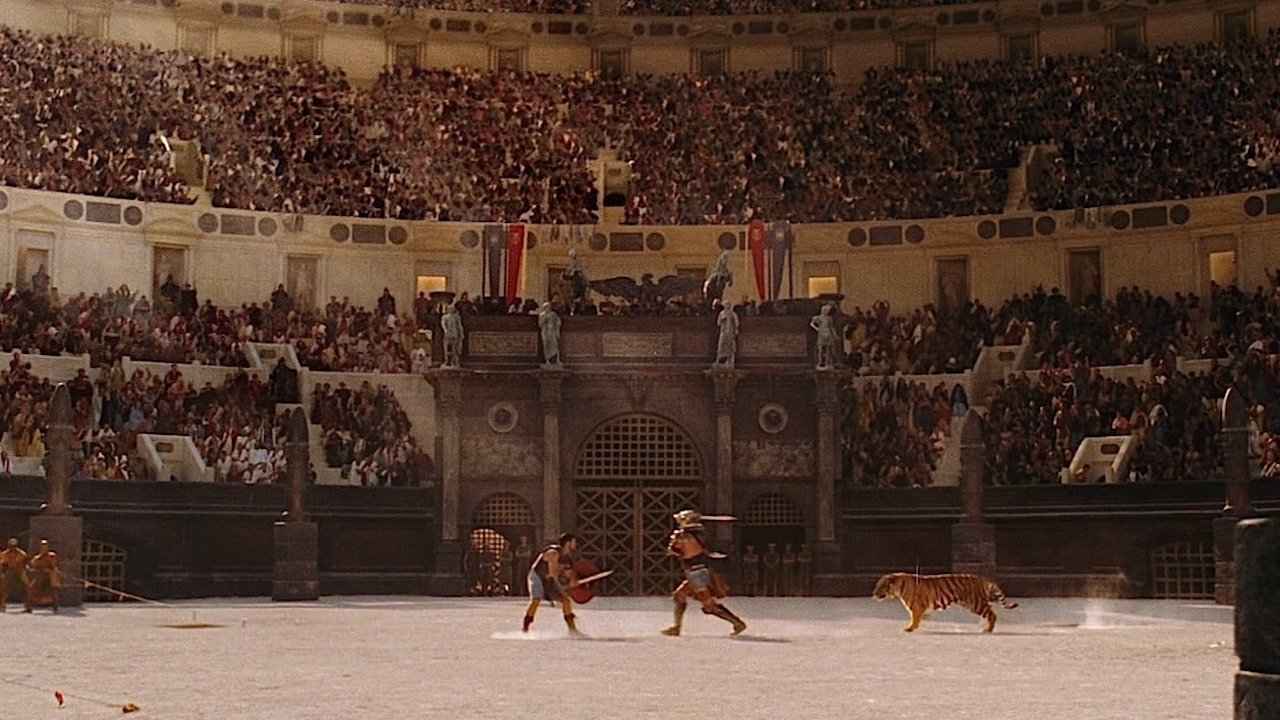
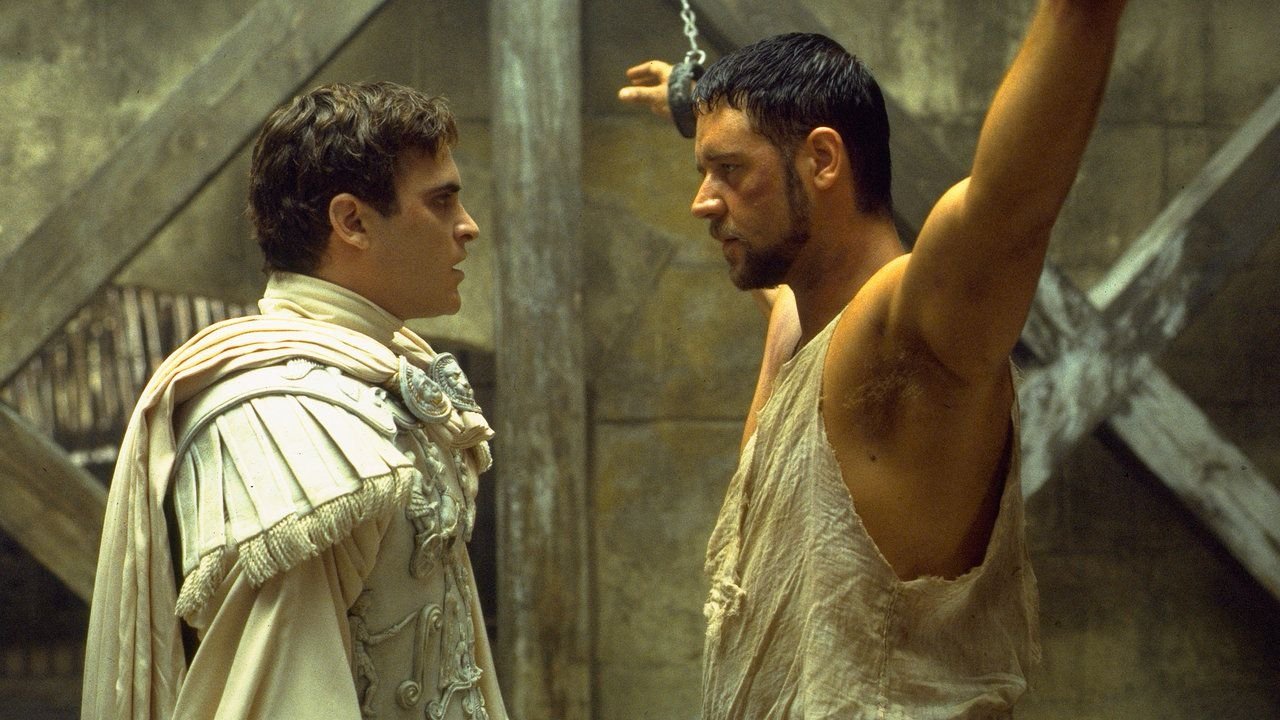
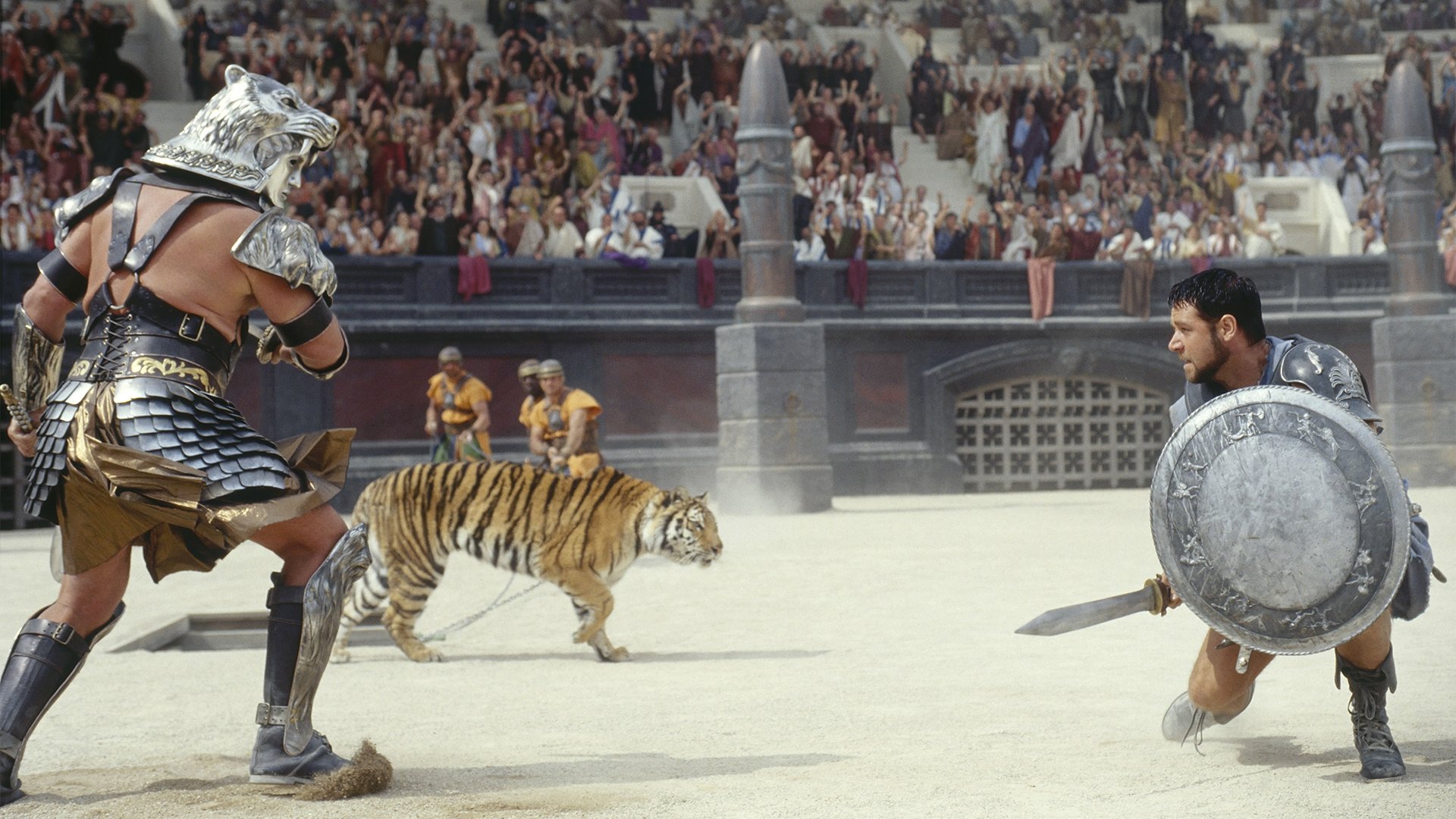
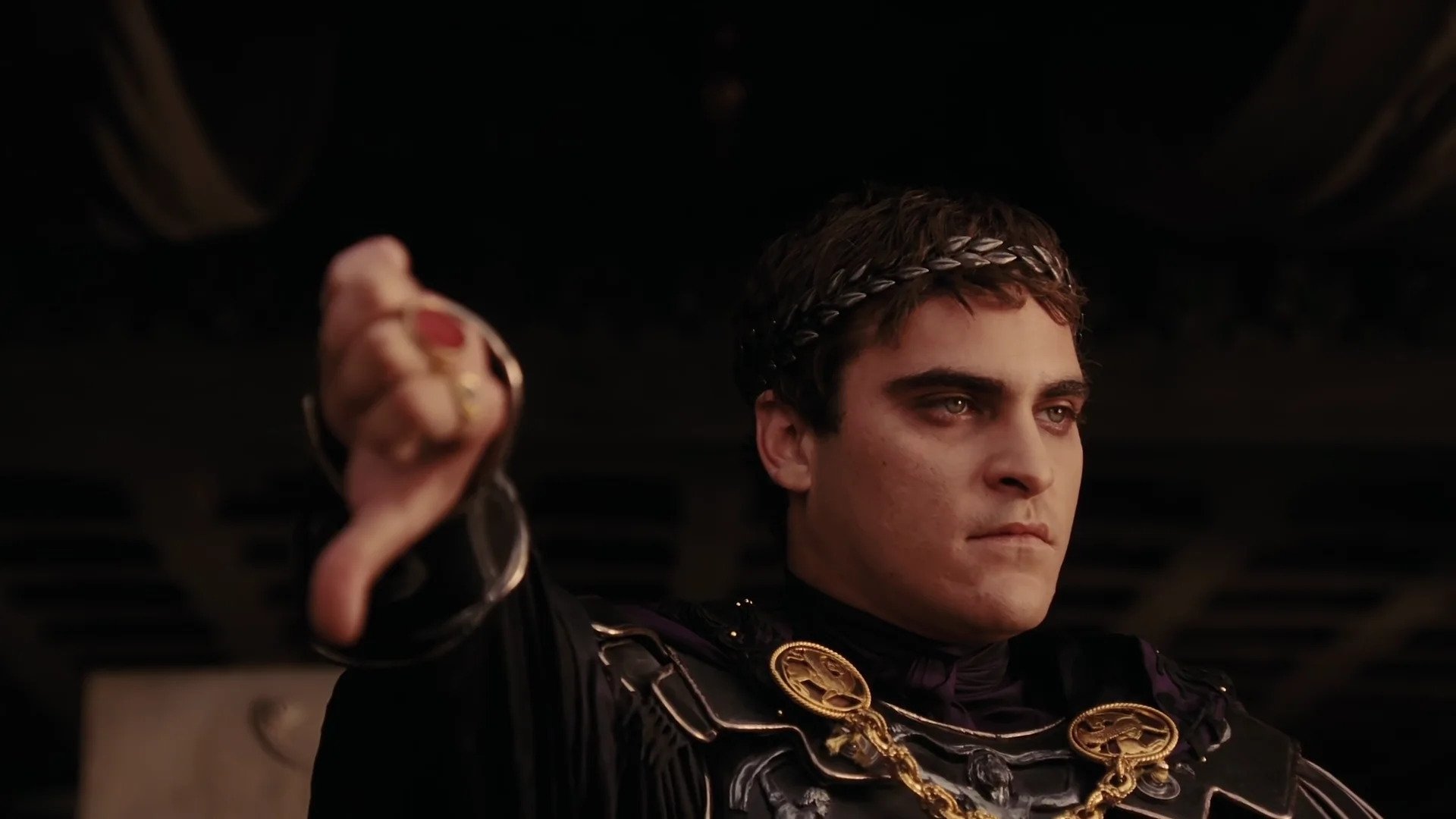
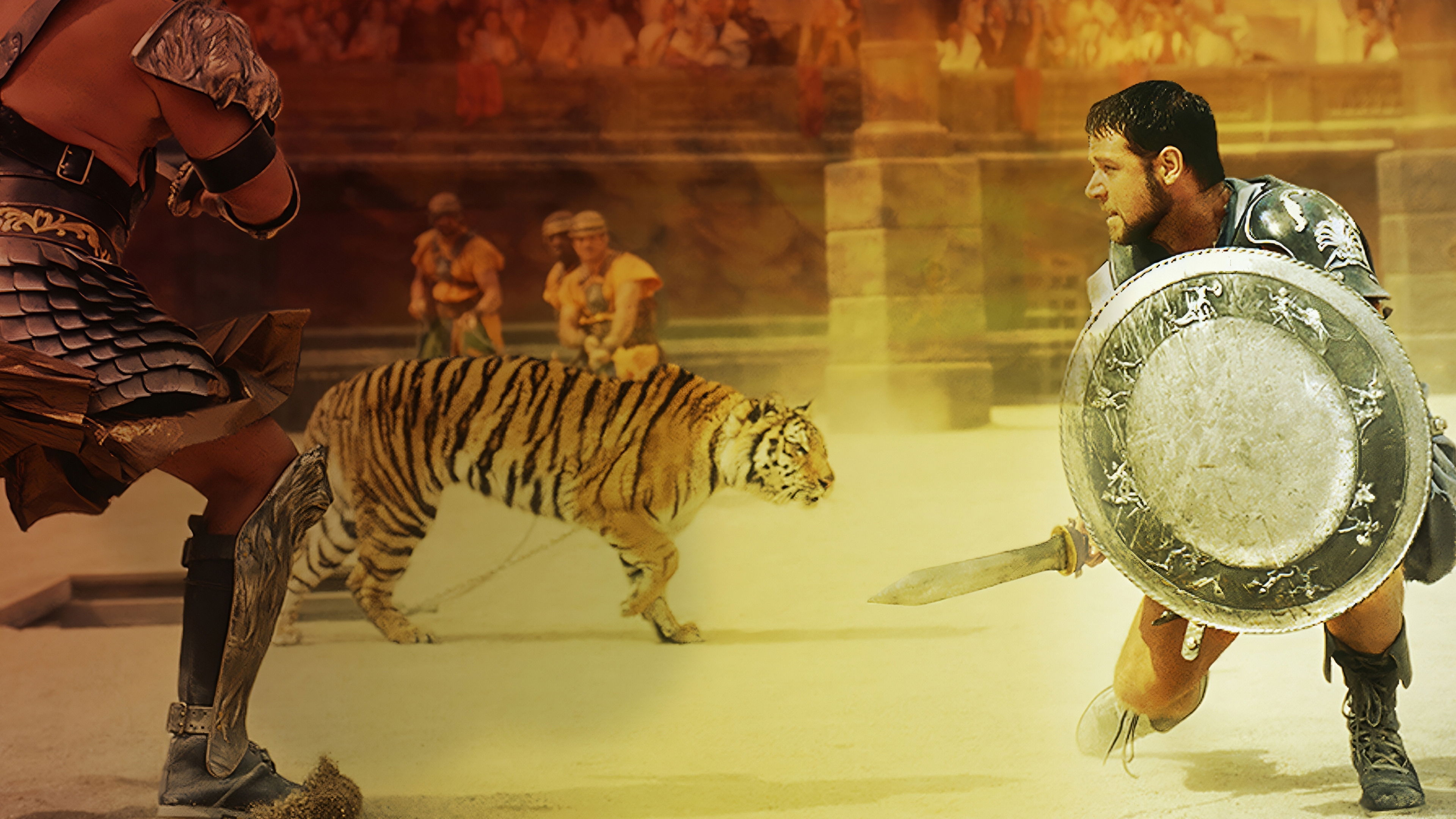
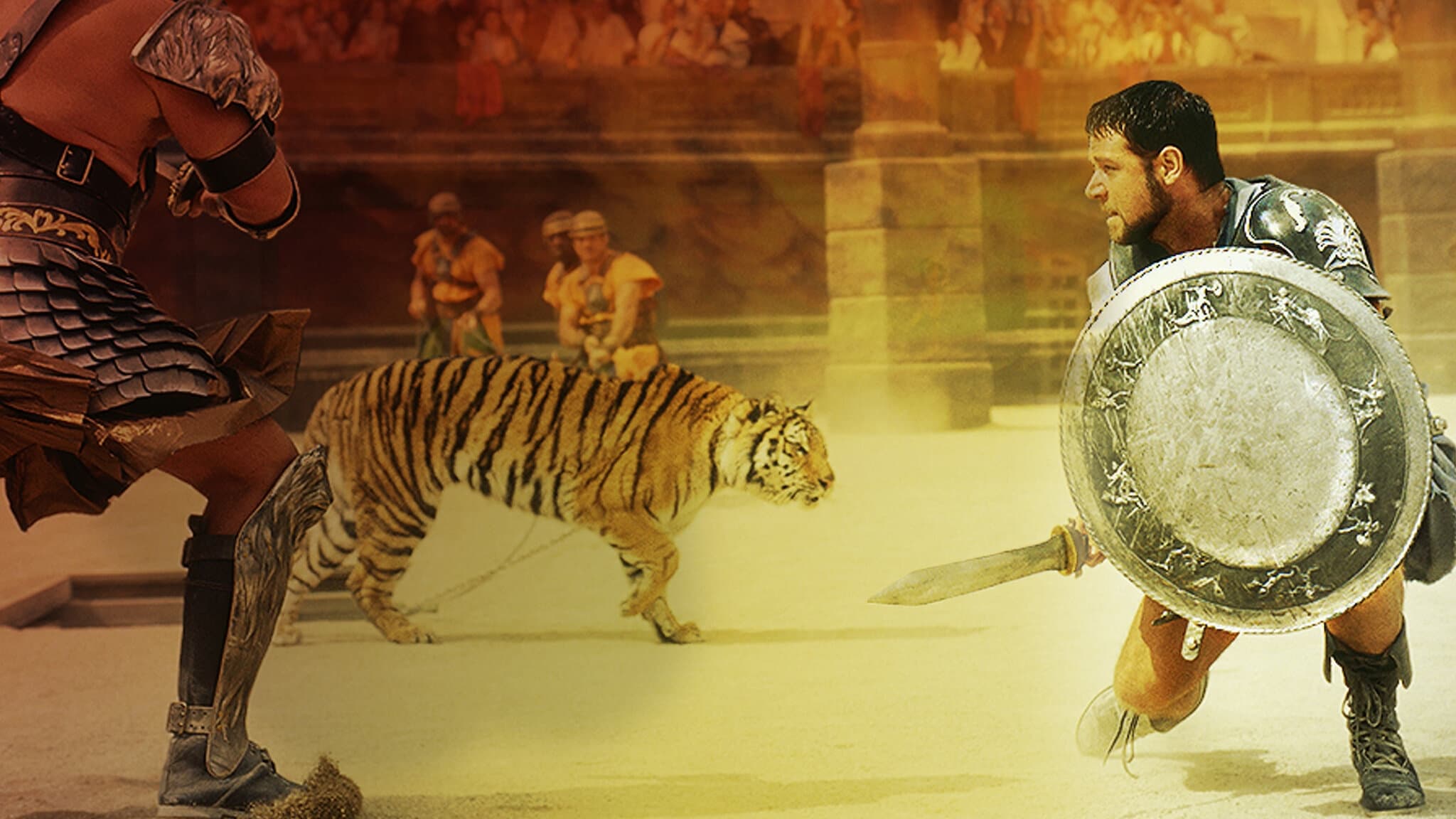
Contrary to Maximus, I think Commodus does make interesting choices throughout the movie. He tries to kill anyone who threatens his power, (his father, Maximus, the senators). Even before killing his father, he wasn’t willing to let Maximus retire, and said he would call upon him very soon. Later he tries to rig a fight with tigers to kill Maximus. And for the climax, he stabs Maximus prior to the start of their fight, and when he gets disarmed he uses a secret hidden knife. All these things show that Commodus chooses pragmatism over and over.
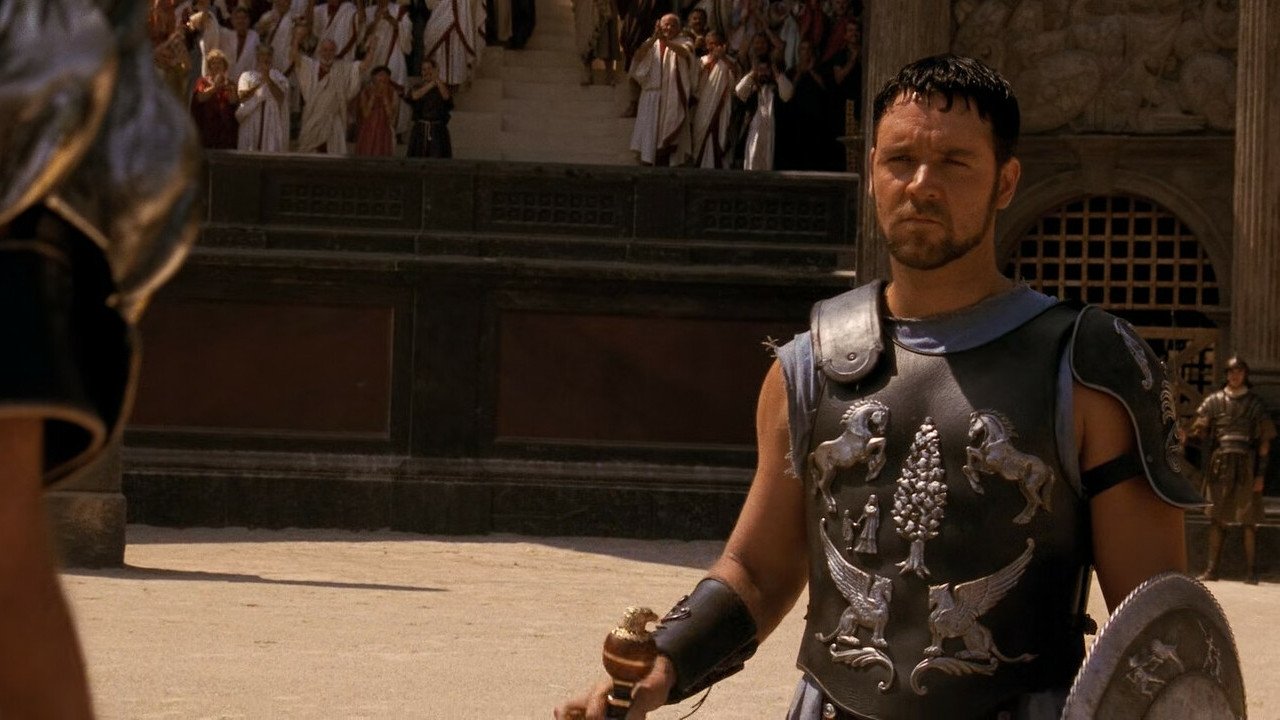
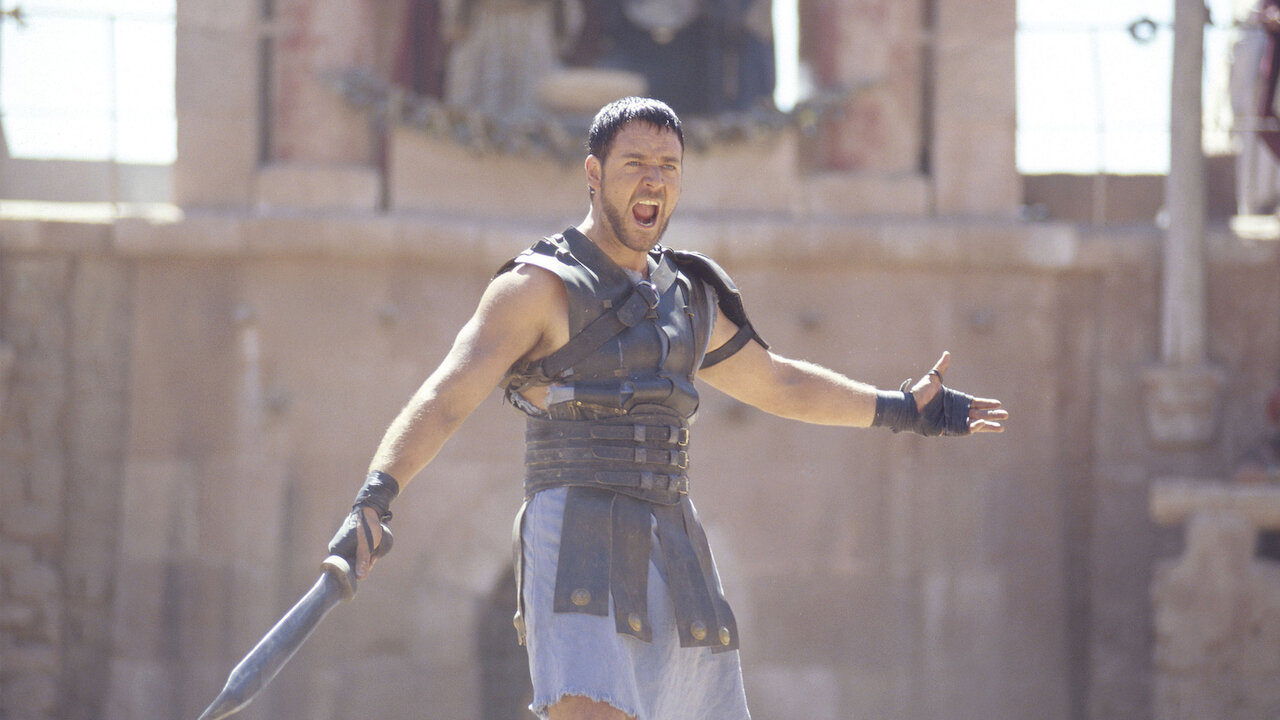
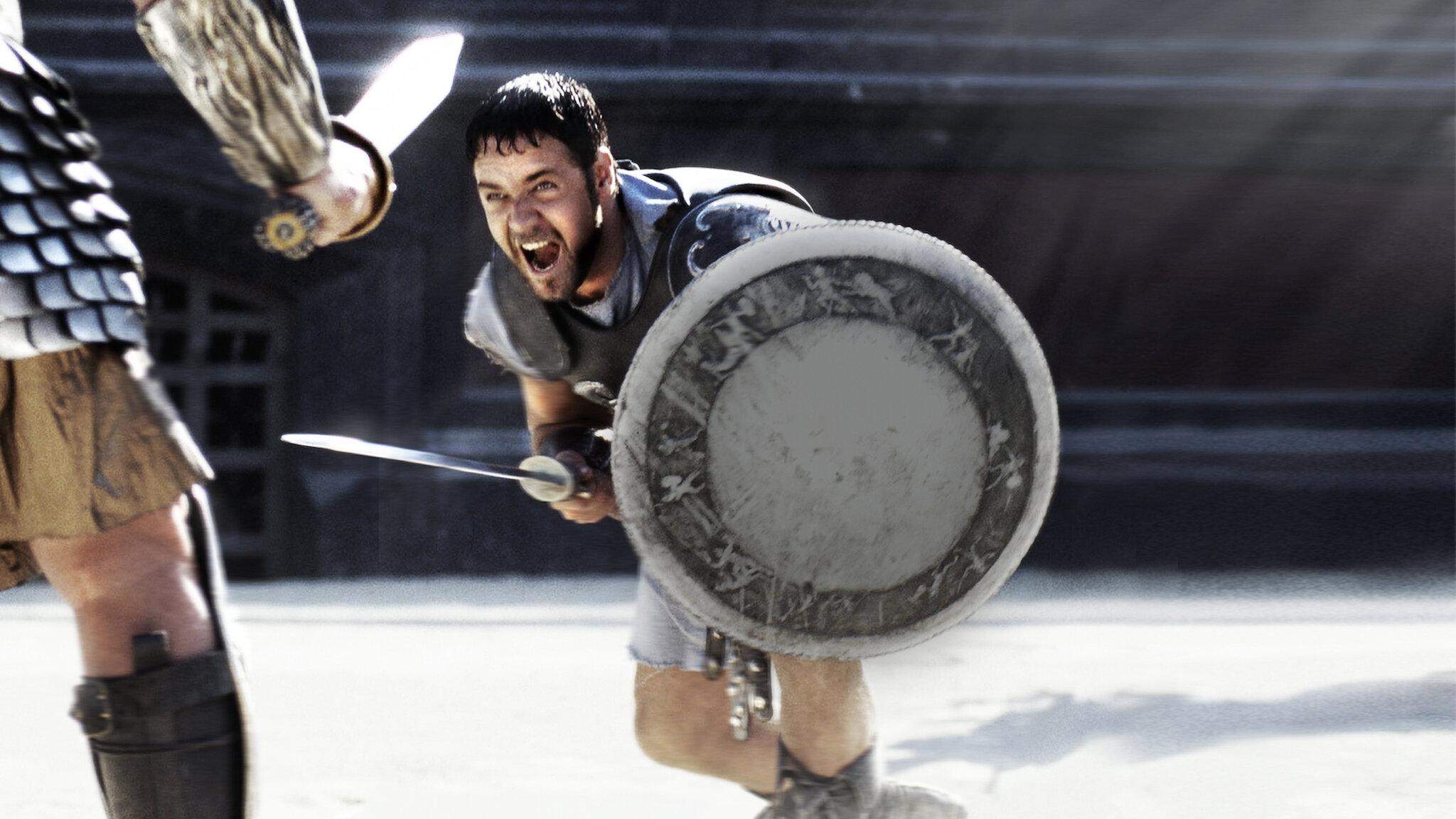
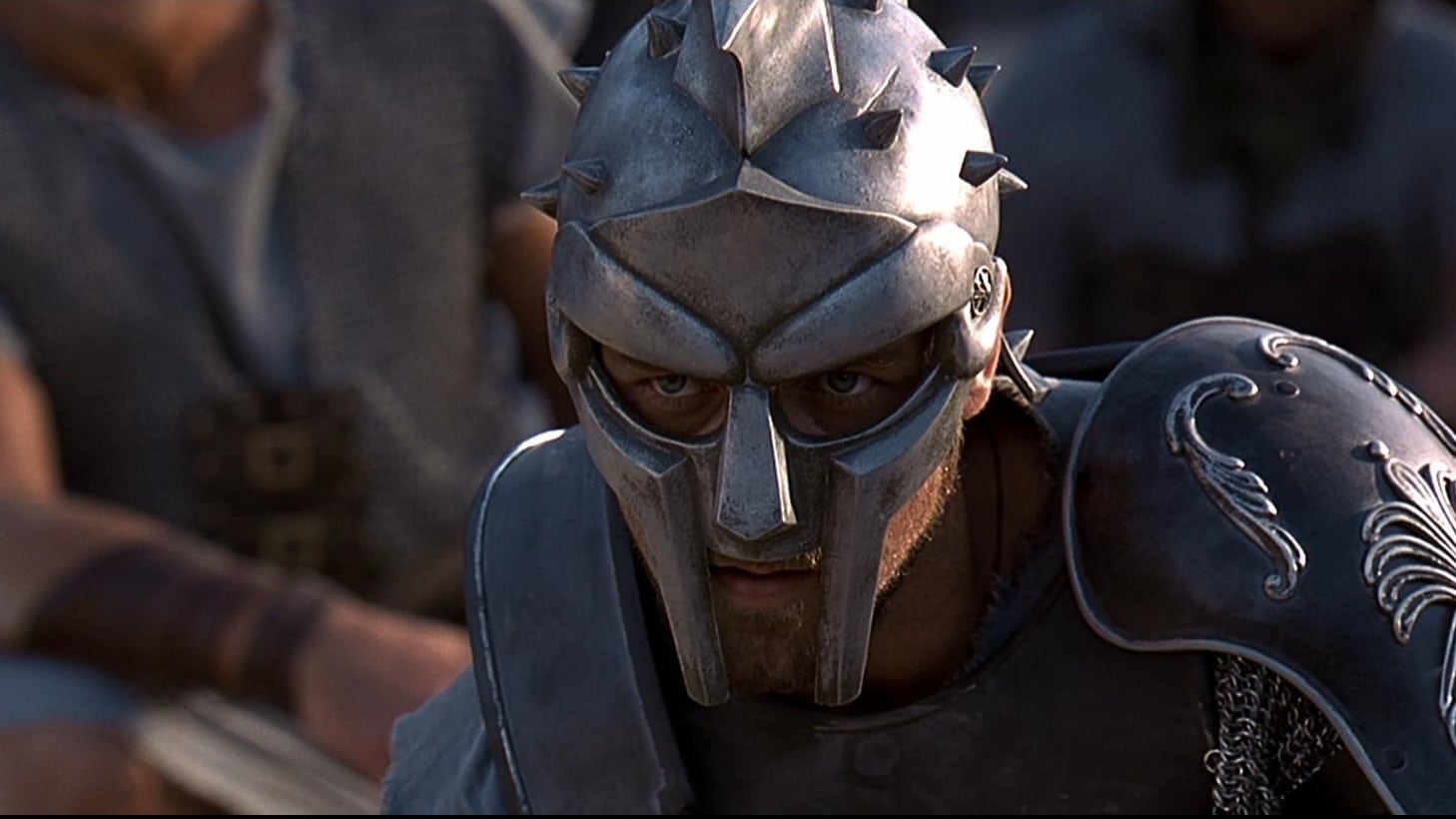
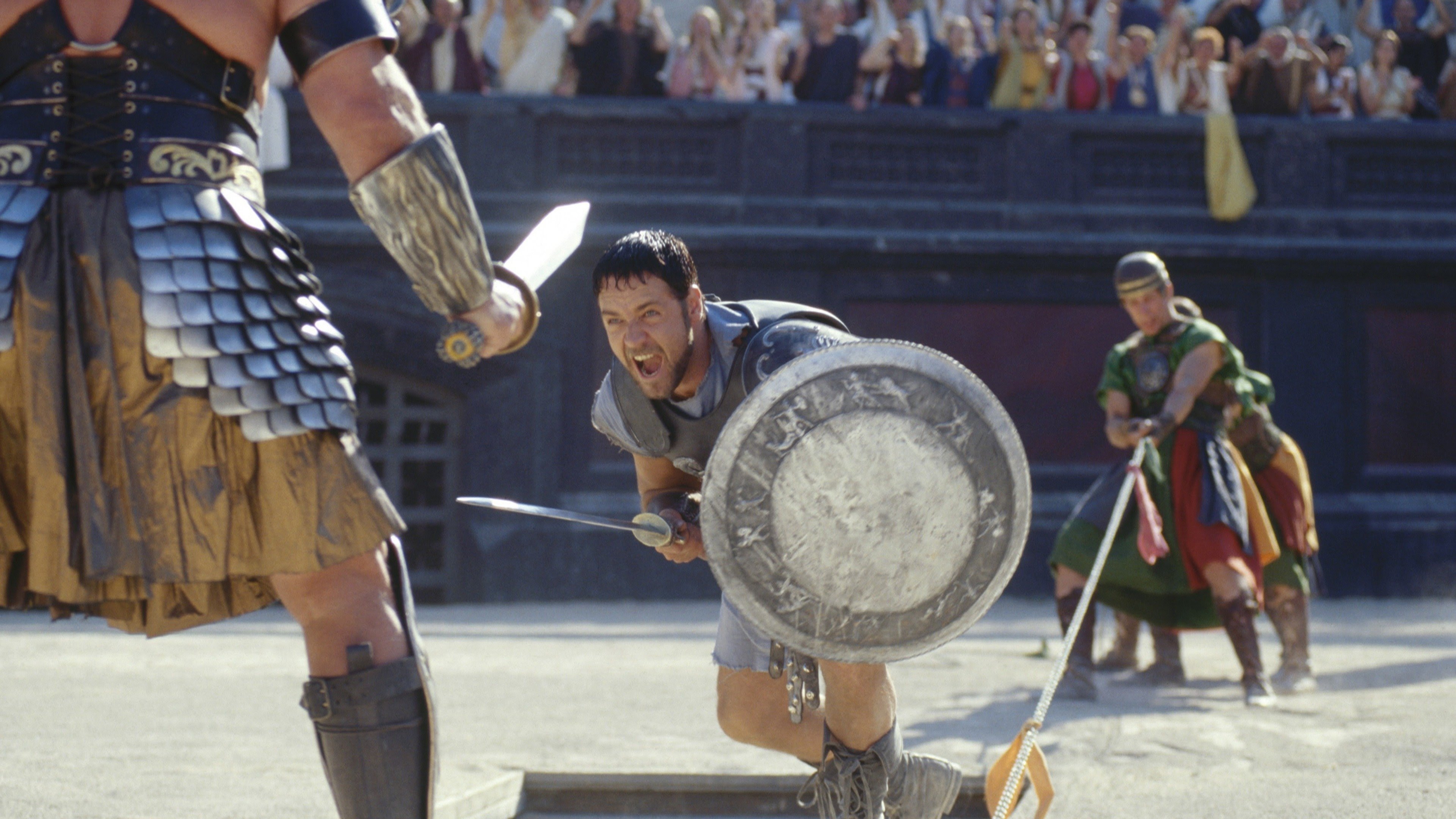
But speaking of the climax, this leads me to the second major flaw of the movie. Maximus doesn’t win because he chooses honor, he wins despite of it. In the final fight, Commodus fights dirty. Maximus doesn’t but he was powerless to fight dirty anyways, so that’s hardly a choice. But the reason he ends up winning the fight, is not because he chose honor, it’s just because he’s the better fighter. No one comes away from that fight thinking that Commodus lost because he fought dirty. Commodus fighting dirty is what almost made him win.
It’s like if at the end of Cars when ‘The King’ crashes and Lightning McQueen goes to help him, he still wins because he was 4 laps ahead already. Then, he would’ve won despite choosing to be altruistic, and not because of it. The choice also would have meant nothing, because he wouldn’t have sacrificed anything.
This is how I feel about the end of Gladiator. Completely philosophically hollow.
Honor
Gladiator is a movie that asks whether it is better to have honor, to be a moral idealist, or whether you should be a ruthless pragmatist. (Spoilers Ahead)
This is a great philosophical conflict which is layed out quite well. Our protagonist Maximus is on the side of Honor from start to finish, and Commodus, the villain, is on the side of pragmatism.
Commodus believes he can force his sister to love her. That he can kill anyone to seize and hold power. And that he can rule as a tyrant without consequences. Maximus refused to yield to Commodus because he wasn’t the right emperor (not his father’s choice), and he was willing to risk his life for what he thought was correct.
There is a bit of a paralel between the philosophical conflict (honor vs pragmatism) and whether the Roman Empire should be run as a Republic or a Tyranny.
I think the movie has 2 major flaws however. The first is that the protagonist Maximus makes very little important decisions throughout the movie. His beliefs are set up well at the start. He is concerned for the well-being of his soldiers. And he refuses to yield to Commodus. But for the rest of the movie he doesn’t really make an important choice (that’s related to honor/pragmatism).
At one point he refuses to kill a man in the gladiator arena, but that wasn’t for honor. Instead it was to undermine the authority of Commodus, because he’s fine killing people in other fights.
Towards the end of the movie, Maximus plots to overthrow Commodus and form a republic. This is the only other choice besides not yielding at the start that I can think of. However, I feel like this choice is largely motivated by him wanting to take revenge for Commodus killing his family. Moreover, it doesn’t feel special as a choice because he already wanted to create a republic at the start of the movie. And it’s not like Rome turned into a republic and things went terribly wrong, so that his climactic choice to still choose for a republic, is actually meaningful. Rome doesn’t turn into a republic. And neither Maximus, nor the audience are ever given any reason to think a republic would be bad.
Contrary to Maximus, I think Commodus does make interesting choices throughout the movie. He tries to kill anyone who threatens his power, (his father, Maximus, the senators). Even before killing his father, he wasn’t willing to let Maximus retire, and said he would call upon him very soon. Later he tries to rig a fight with tigers to kill Maximus. And for the climax, he stabs Maximus prior to the start of their fight, and when he gets disarmed he uses a secret hidden knife. All these things show that Commodus chooses pragmatism over and over.
But speaking of the climax, this leads me to the second major flaw of the movie. Maximus doesn’t win because he chooses honor, he wins despite of it. In the final fight, Commodus fights dirty. Maximus doesn’t but he was powerless to fight dirty anyways, so that’s hardly a choice. But the reason he ends up winning the fight, is not because he chose honor, it’s just because he’s the better fighter. No one comes away from that fight thinking that Commodus lost because he fought dirty. Commodus fighting dirty is what almost made him win.
It’s like if at the end of Cars when ‘The King’ crashes and Lightning McQueen goes to help him, he still wins because he was 4 laps ahead already. Then, he would’ve won despite choosing to be altruistic, and not because of it. The choice also would have meant nothing, because he wouldn’t have sacrificed anything.
This is how I feel about the end of Gladiator. Completely philosophically hollow.





























 2
2