
The White Meadows
2009·Drama·1h 32m
7.1
★

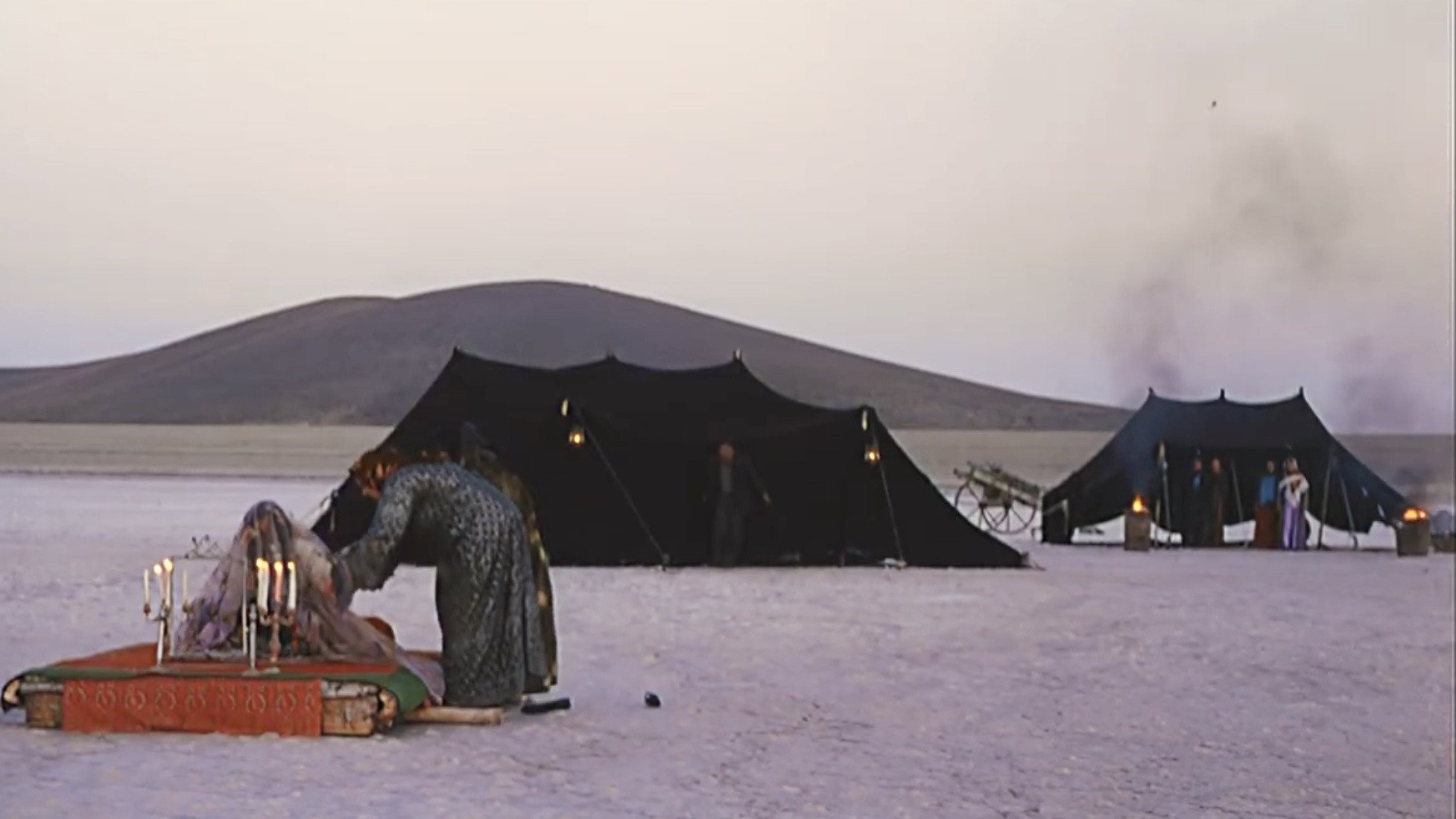
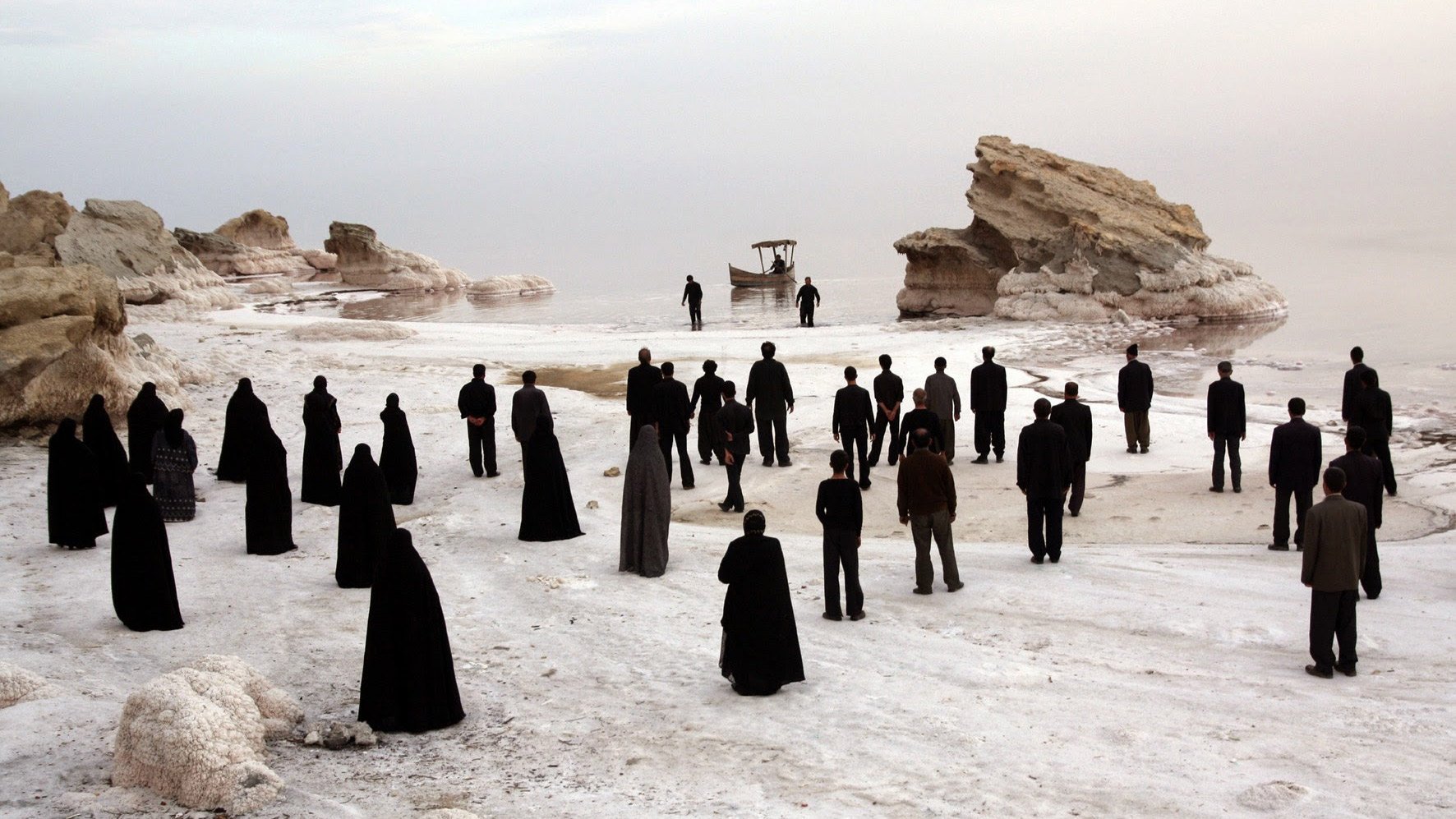
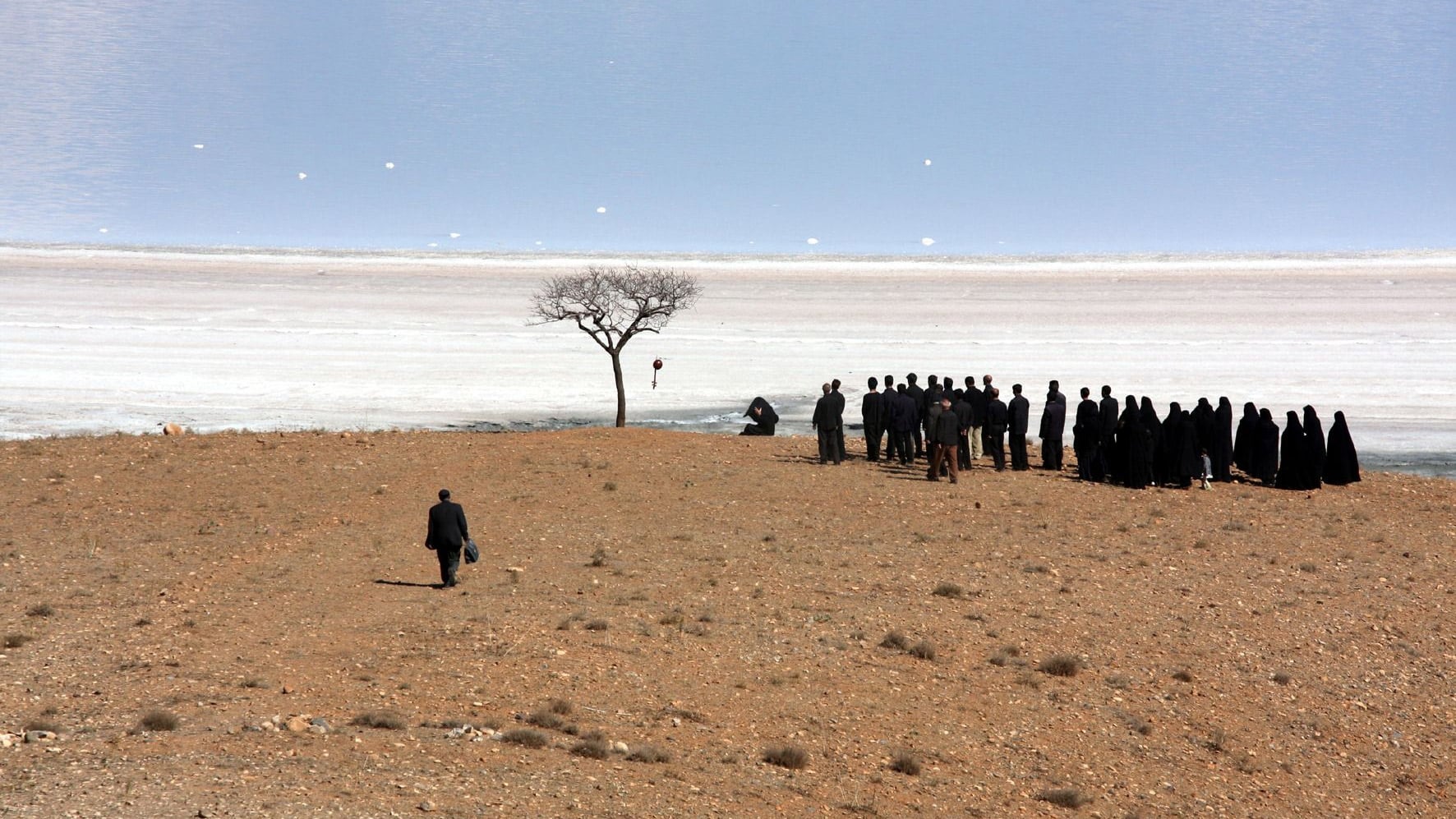
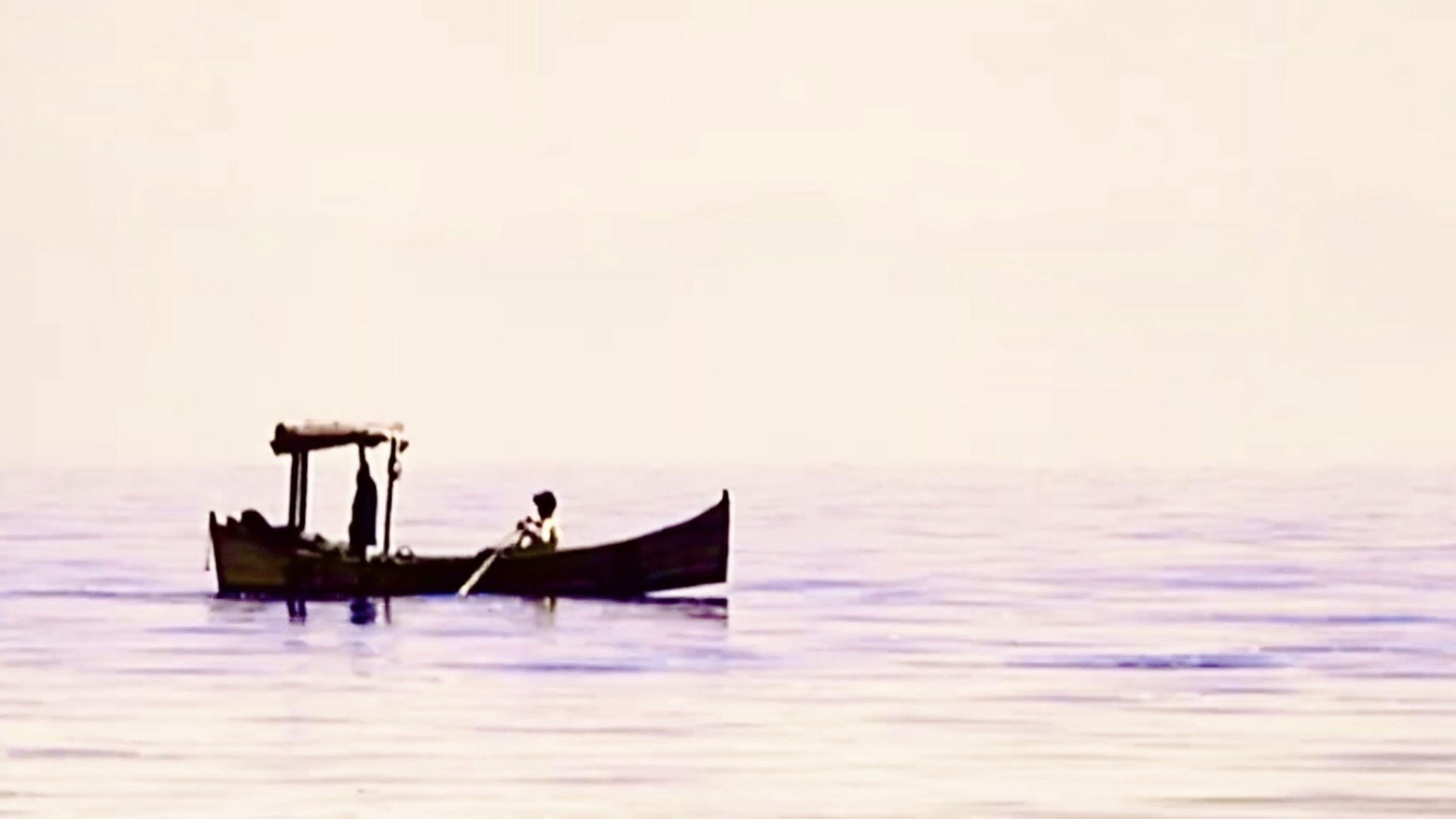
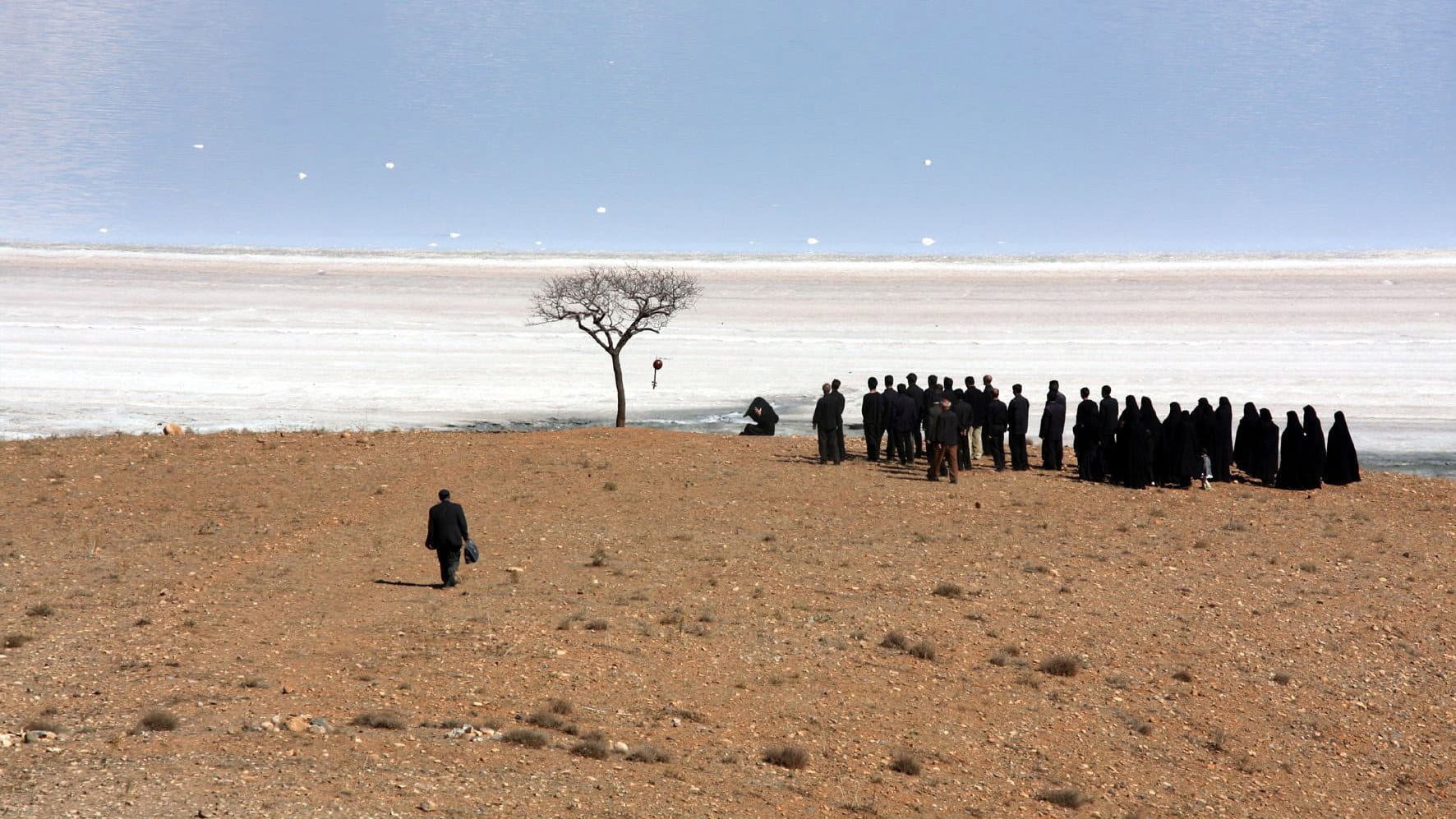
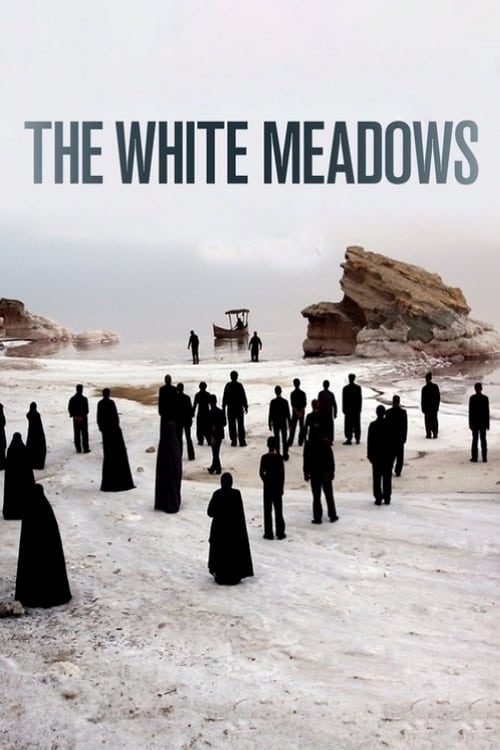
Rahmat travels to a host of islands in a vast salt pan in order to collect the inhabitant's tears for an unknown purpose. He is joined on his mysterious journey by a young boy searching for his father. As their travel nears its end, a potent critique of Iran's political leadership emerges.
Directed by Mohammad Rasoulof
lake
totalitarian regime
sand
iran
stone

IMDB
N/A
Cast
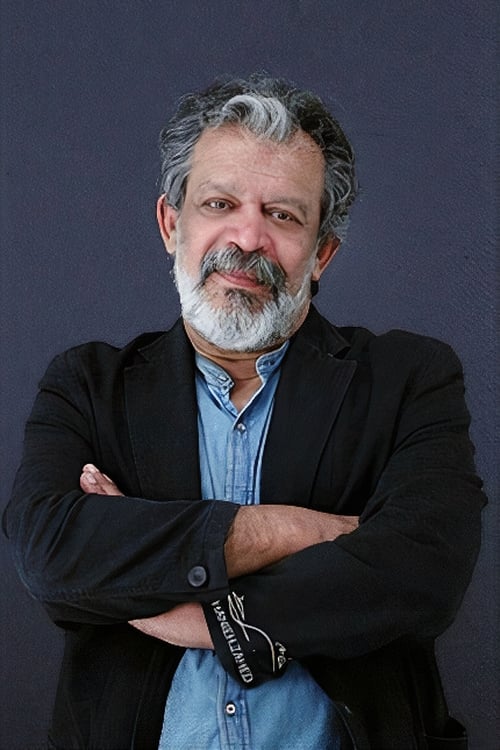
Hassan Pourshirazi
Rahmat
Mohammad Shirvani
Crew

Mohammad Rasoulof
Director
Mohammad Rasoulof
Screenplay
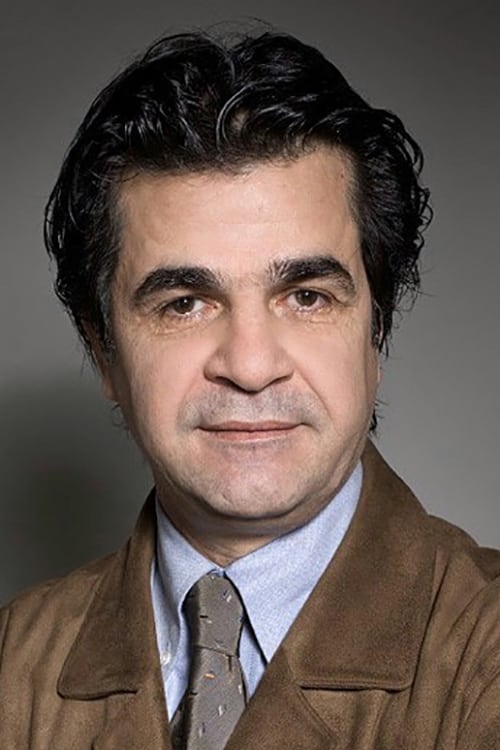
Jafar Panahi
Editor
Mohammad Rasoulof
Producer
Popular Reviews
11 reviews
Sahil
8.0★ · 10/03/19
Good god...what an endless recursive array of questions this film was, most of which are unanswered, and the ones that are answered, the questions for them are missing, and they are nowhere to be found, lost in the salt or married to the sea. The order in this insanity is almost impossible to get a hold of, much less understand and comment on. How am I supposed to judge such willing participation in obscenity, its tough, I can’t do it....but I digress, ohh hell, it basically boils down to what you believe, if you believe in superstitions, they are no longer superstitions for you, and showing them in an unflinching fashion is an important part of artistic expression and should not be inherently criticised. It is crazy the loss of words i’m at, resorting to humour feels like the last hope.
*
*Von trier : My movies are too allegorical
M. Rasoulof : Hold my beer
B. Ghobadi : Gimme the beer, i’ll use it for my horses.
Me : Masterpiece
*
*2009 LIST*
*
*
*Von trier : My movies are too allegorical
M. Rasoulof : Hold my beer
B. Ghobadi : Gimme the beer, i’ll use it for my horses.
Me : Masterpiece
*
*2009 LIST*
*
Good god...what an endless recursive array of questions this film was, most of which are unanswered, and the ones that are answered, the questions for them are missing, and they are nowhere to be found, lost in the salt or married to the sea. The order in this insanity is almost impossible to get a hold of, much less understand and comment on. How am I supposed to judge such willing participation in obscenity, its tough, I can’t do it....but I digress, ohh hell, it basically boils down to what you believe, if you believe in superstitions, they are no longer superstitions for you, and showing them in an unflinching fashion is an important part of artistic expression and should not be inherently criticised. It is crazy the loss of words i’m at, resorting to humour feels like the last hope.
*
*Von trier : My movies are too allegorical
M. Rasoulof : Hold my beer
B. Ghobadi : Gimme the beer, i’ll use it for my horses.
Me : Masterpiece
*
*2009 LIST*
*
*
*Von trier : My movies are too allegorical
M. Rasoulof : Hold my beer
B. Ghobadi : Gimme the beer, i’ll use it for my horses.
Me : Masterpiece
*
*2009 LIST*
*


Profe Loves Movies
7.0★ · 04/04/11
The White Meadows was one of the more beautiful films I watched during the 2011 Wisconsin Film Festival (due primarily to the contrasting color schemes between the whiteness of the salt lake and it’s structures and the blackness of the clothing and dark skin of the characters) - it was also one of the more difficult films to digest and comprehend. Because of this I don’t think I gave it a fair enough judgement early on. The film follows a collector of tears who travels from town to town around a desolate salt lake in Iran. He does his job with great pride and the people trust him - they believe that by taking their tears he is also taking with him part of their sorrows.
As the film progresses, the situations in which he collects tears become more and more unsettling however. From a mother who’s daughter was sacrificed to the sea in order to bring rain. Then from a boy (whom he earlier in the film helped escape from another town in hopes of finding his long lost father) that suffered a stoning for trying to free the girl who was sacrificed to the sea. And later from the eyes of an artist who sees and paints the sea incorrectly (not blue) and as an attempted cure had his eyes washed with the animal urine. Throughout all of this, Rahmet continues to collect these tears - yet he seems to be more and more ambivalent about his task.
It isn’t until the end of the film that you come to understand the context behind this ambivalence. It is in the last ten minutes that it becomes clear to the audience the metaphor being painted by this film is one of anti-regime sentiment. Without spoiling the ending entirely, I will say that Rahmet misrepresented himself and the tears were used to maintain the repressive political/societal structure in place and not to benefit those who shed them. Their tears were not turned into pearls as they believed, but rather quite the opposite - they went to waste. (Unless you are part of the regime that is, represented by the old man in the wheelchair at the end). When you finally witness what the tears are used for, it’s difficult not to cringe and feel disturbed. However, it takes some time to finally process why you feel that way.
As the film progresses, the situations in which he collects tears become more and more unsettling however. From a mother who’s daughter was sacrificed to the sea in order to bring rain. Then from a boy (whom he earlier in the film helped escape from another town in hopes of finding his long lost father) that suffered a stoning for trying to free the girl who was sacrificed to the sea. And later from the eyes of an artist who sees and paints the sea incorrectly (not blue) and as an attempted cure had his eyes washed with the animal urine. Throughout all of this, Rahmet continues to collect these tears - yet he seems to be more and more ambivalent about his task.
It isn’t until the end of the film that you come to understand the context behind this ambivalence. It is in the last ten minutes that it becomes clear to the audience the metaphor being painted by this film is one of anti-regime sentiment. Without spoiling the ending entirely, I will say that Rahmet misrepresented himself and the tears were used to maintain the repressive political/societal structure in place and not to benefit those who shed them. Their tears were not turned into pearls as they believed, but rather quite the opposite - they went to waste. (Unless you are part of the regime that is, represented by the old man in the wheelchair at the end). When you finally witness what the tears are used for, it’s difficult not to cringe and feel disturbed. However, it takes some time to finally process why you feel that way.
The White Meadows was one of the more beautiful films I watched during the 2011 Wisconsin Film Festival (due primarily to the contrasting color schemes between the whiteness of the salt lake and it’s structures and the blackness of the clothing and dark skin of the characters) - it was also one of the more difficult films to digest and comprehend. Because of this I don’t think I gave it a fair enough judgement early on. The film follows a collector of tears who travels from town to town around a desolate salt lake in Iran. He does his job with great pride and the people trust him - they believe that by taking their tears he is also taking with him part of their sorrows.
As the film progresses, the situations in which he collects tears become more and more unsettling however. From a mother who’s daughter was sacrificed to the sea in order to bring rain. Then from a boy (whom he earlier in the film helped escape from another town in hopes of finding his long lost father) that suffered a stoning for trying to free the girl who was sacrificed to the sea. And later from the eyes of an artist who sees and paints the sea incorrectly (not blue) and as an attempted cure had his eyes washed with the animal urine. Throughout all of this, Rahmet continues to collect these tears - yet he seems to be more and more ambivalent about his task.
It isn’t until the end of the film that you come to understand the context behind this ambivalence. It is in the last ten minutes that it becomes clear to the audience the metaphor being painted by this film is one of anti-regime sentiment. Without spoiling the ending entirely, I will say that Rahmet misrepresented himself and the tears were used to maintain the repressive political/societal structure in place and not to benefit those who shed them. Their tears were not turned into pearls as they believed, but rather quite the opposite - they went to waste. (Unless you are part of the regime that is, represented by the old man in the wheelchair at the end). When you finally witness what the tears are used for, it’s difficult not to cringe and feel disturbed. However, it takes some time to finally process why you feel that way.
As the film progresses, the situations in which he collects tears become more and more unsettling however. From a mother who’s daughter was sacrificed to the sea in order to bring rain. Then from a boy (whom he earlier in the film helped escape from another town in hopes of finding his long lost father) that suffered a stoning for trying to free the girl who was sacrificed to the sea. And later from the eyes of an artist who sees and paints the sea incorrectly (not blue) and as an attempted cure had his eyes washed with the animal urine. Throughout all of this, Rahmet continues to collect these tears - yet he seems to be more and more ambivalent about his task.
It isn’t until the end of the film that you come to understand the context behind this ambivalence. It is in the last ten minutes that it becomes clear to the audience the metaphor being painted by this film is one of anti-regime sentiment. Without spoiling the ending entirely, I will say that Rahmet misrepresented himself and the tears were used to maintain the repressive political/societal structure in place and not to benefit those who shed them. Their tears were not turned into pearls as they believed, but rather quite the opposite - they went to waste. (Unless you are part of the regime that is, represented by the old man in the wheelchair at the end). When you finally witness what the tears are used for, it’s difficult not to cringe and feel disturbed. However, it takes some time to finally process why you feel that way.
Eclectic Sorcerer
8.0★ · 04/24/26
Eclectic Sorcerer
8.0★ · 04/24/26
Moreweighttt
8.0★ · 12/18/25