No more parties in LA.
Los Angeles. The city of dreams. For one hundred years, the town has become synonymous with aspiration, fame, and endless possibility. An American Mecca, globally second only to the actual Mecca, Los Angeles is the flame that draws midwestern moths away from their podunk towns, eager to leave behind their former caterpillar lives and “be somebody”. It’s a beautiful sentiment, poetic in how it aligns with every person’s coming-of-age story, however they choose to live it.
In practice, though, you end up with an entire town of one type of person. (I’m about to diagnose LA, but to be fair, I have never lived there. However, this is a sentiment that I’ve heard from many residents firsthand, I’ve gleaned it from watching a shit-ton of reality TV, and I’ve come to see a clear logic to it. Also, let me cook.)
Almost everyone in LA is there with grand aspirations, willing to do whatever it takes to achieve their dream of power and fame. They’ve already made major sacrifices to get there, and they’ll certainly make more. They’ll sacrifice their dignity. They’ll sacrifice their integrity. They’ll sacrifice you. Are you really their friend, or are you just an NPC in their campaign? I know that my words are overly dramatic; in truth, this displeasure is more likely a quiet, persistent drone that exists in the background of daily life in LA, spiking in volume every so often to remind you of the painful truth.
Every interaction is now part-transaction, every social engagement now a ladder to be climbed, and eventually, you’ll start feeling more like a rung than a person. Countless bars of braggadocio rap thinly veil the little insecurities of “Do they really like me for me?” To have that lonely feeling perched on your shoulder for years seems like enough to make anyone terribly paranoid. For some, it’s enough to trigger the most embarrassing (and antisemitic) of public meltdowns. Why did my cousin steal my laptop? Where have my friends gone? What does my marriage mean when my spouse has monetized the very thread of the fabric of our lives? Life is fame, and fame is work, and work is life.
Underneath all of the lights is an entire town of people willing to step over each other to get to the next level, engineered to exist in perpetuity, a hypnotizing bug trap where the average Joes and Janes of America will continue to be zapped into a bucket of soulless husks extorted of their original spark in order to keep lit the sign on the hill that brings in the next eclipse of wide-eyed dreamers.
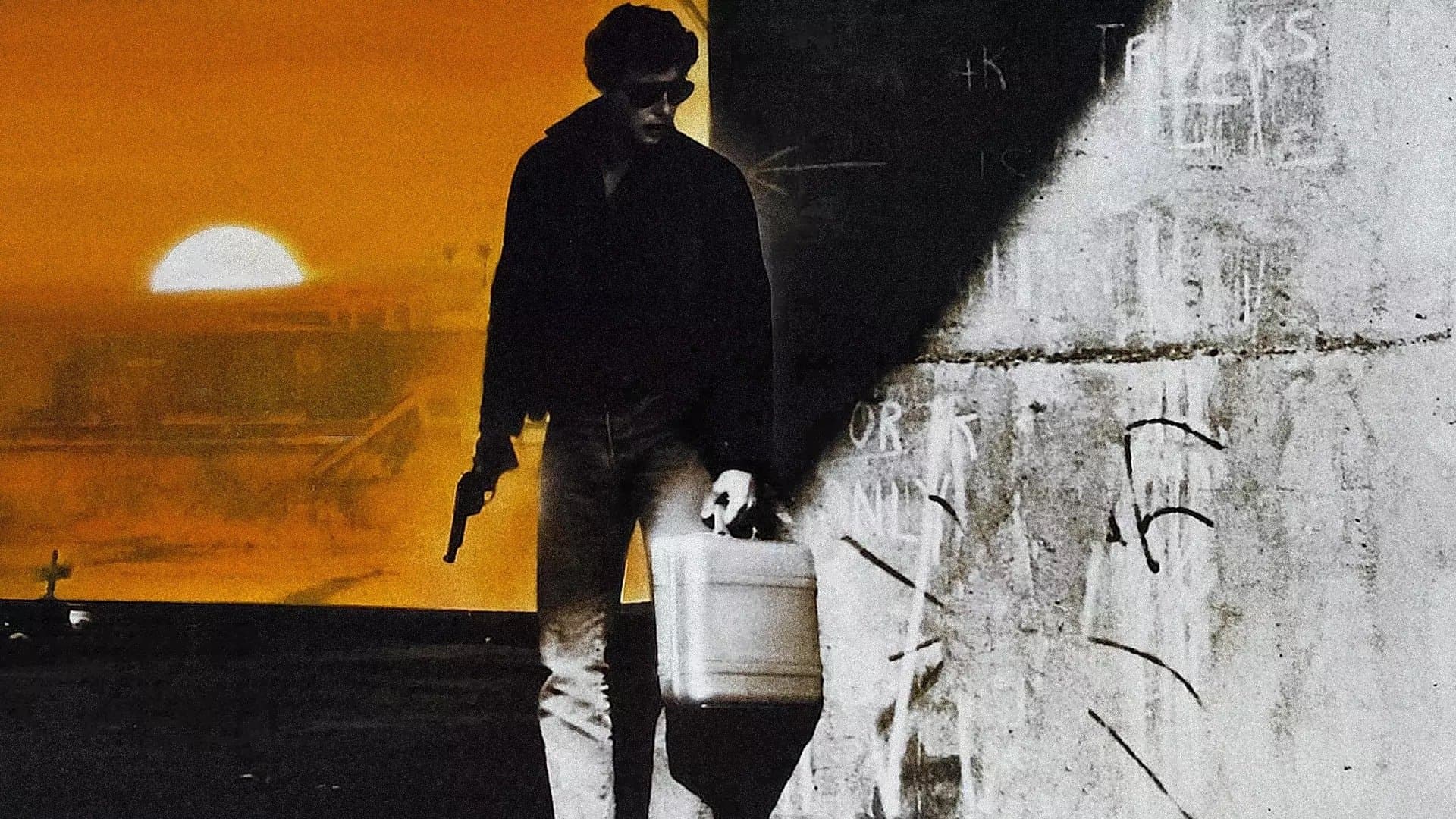
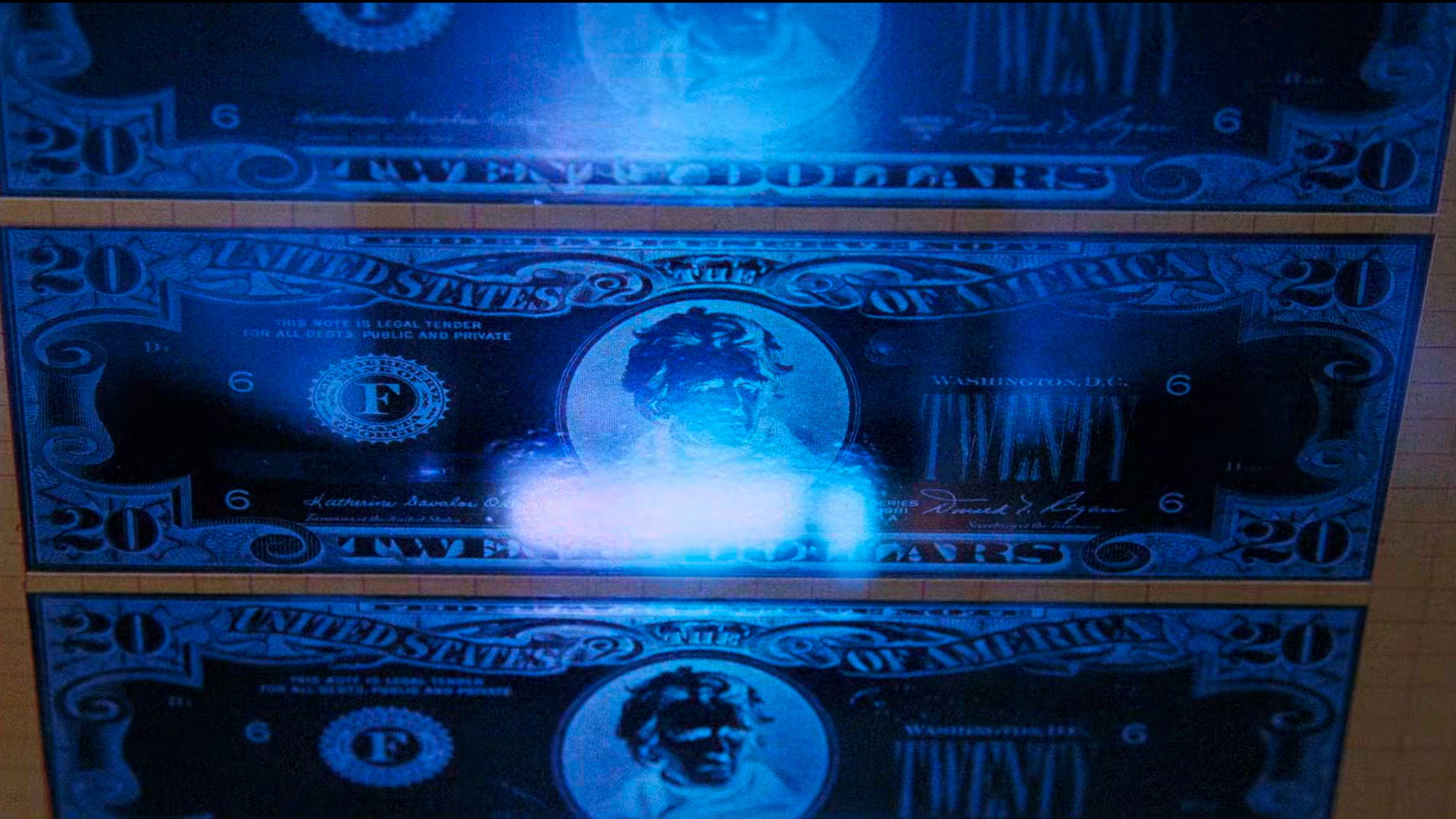
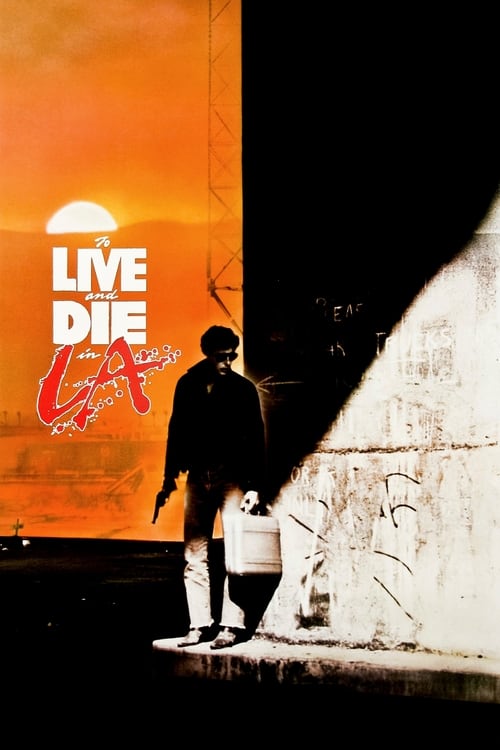
Regardless of the exact truth, that’s what it’s like to live and die in LA according to director William Friedkin, who imbues this thesis in his spiritual sequel to The French Connection, both telling gritty crime stories of bad cops obsessing over self-righteous crusades outside of the law in search of contraband, adrenaline, and meaning for their lives.
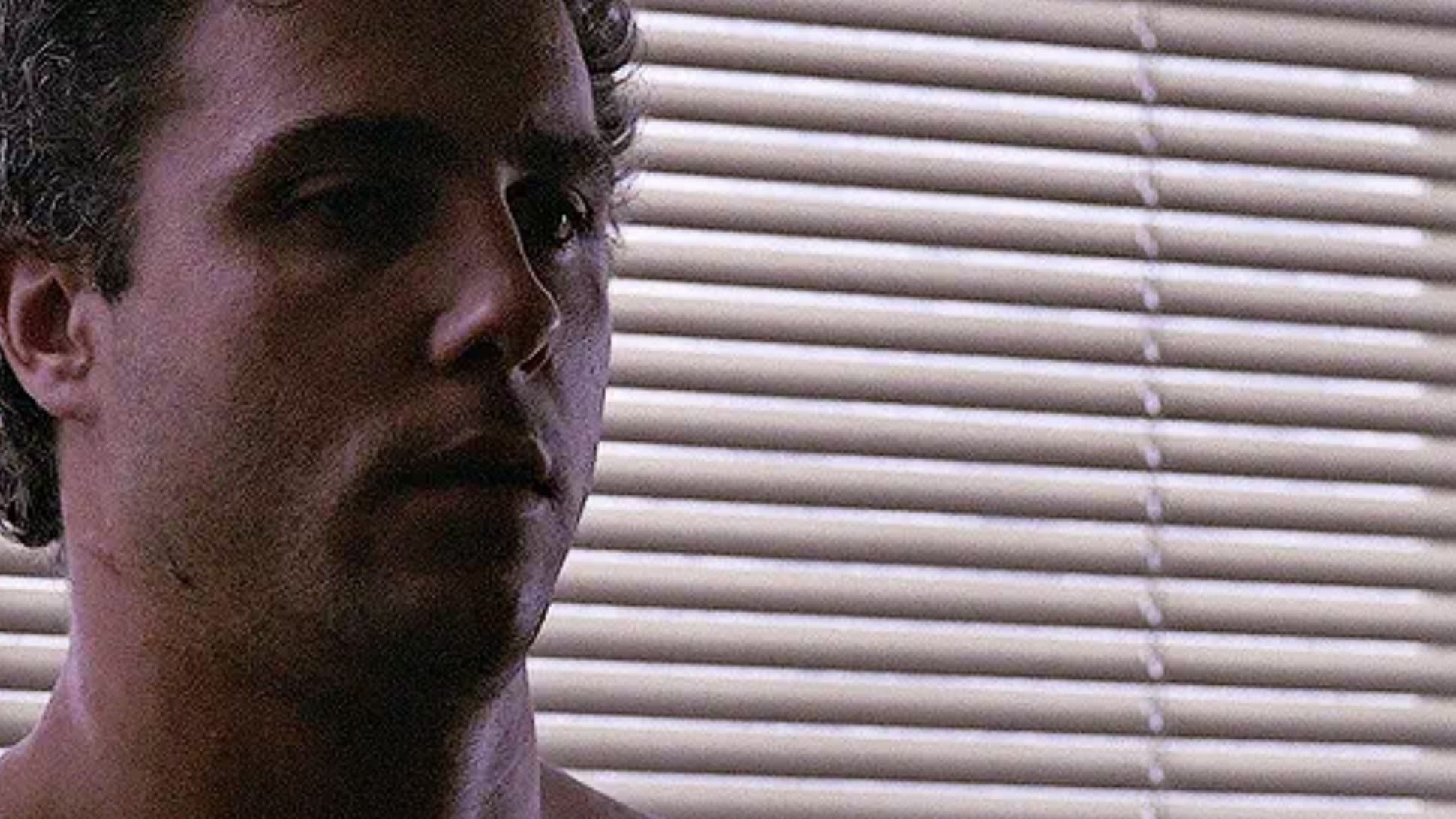
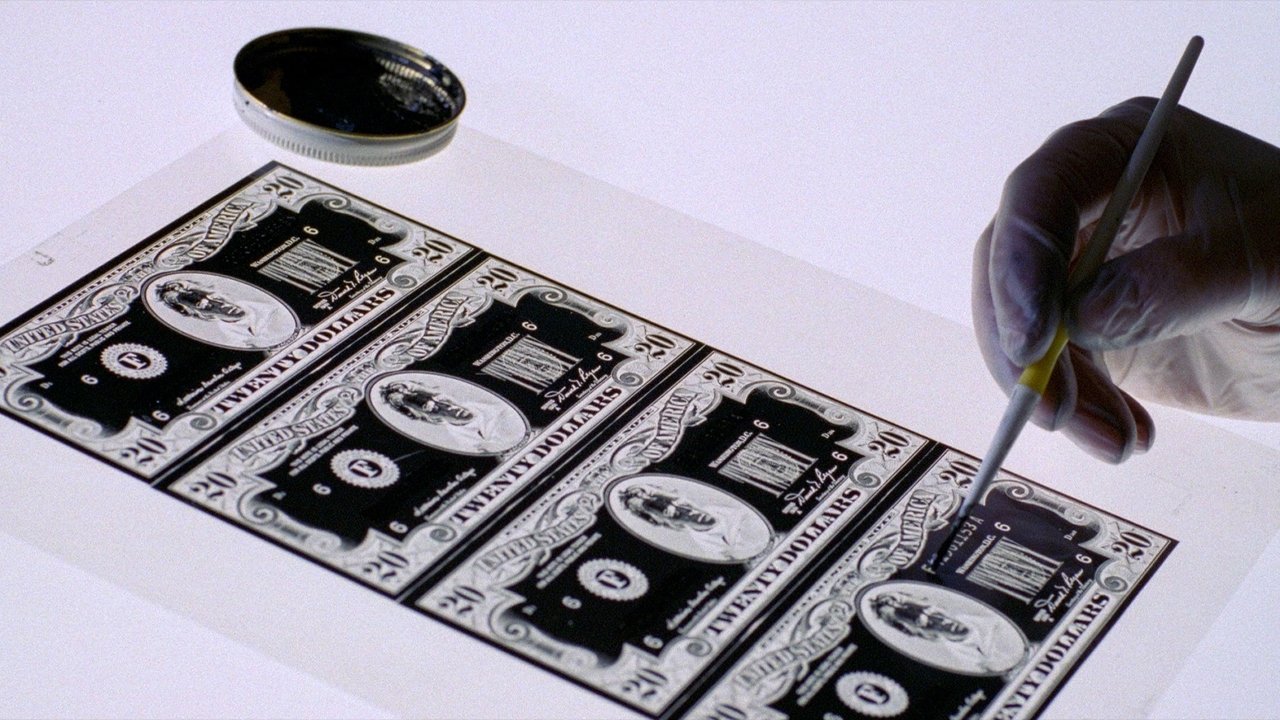
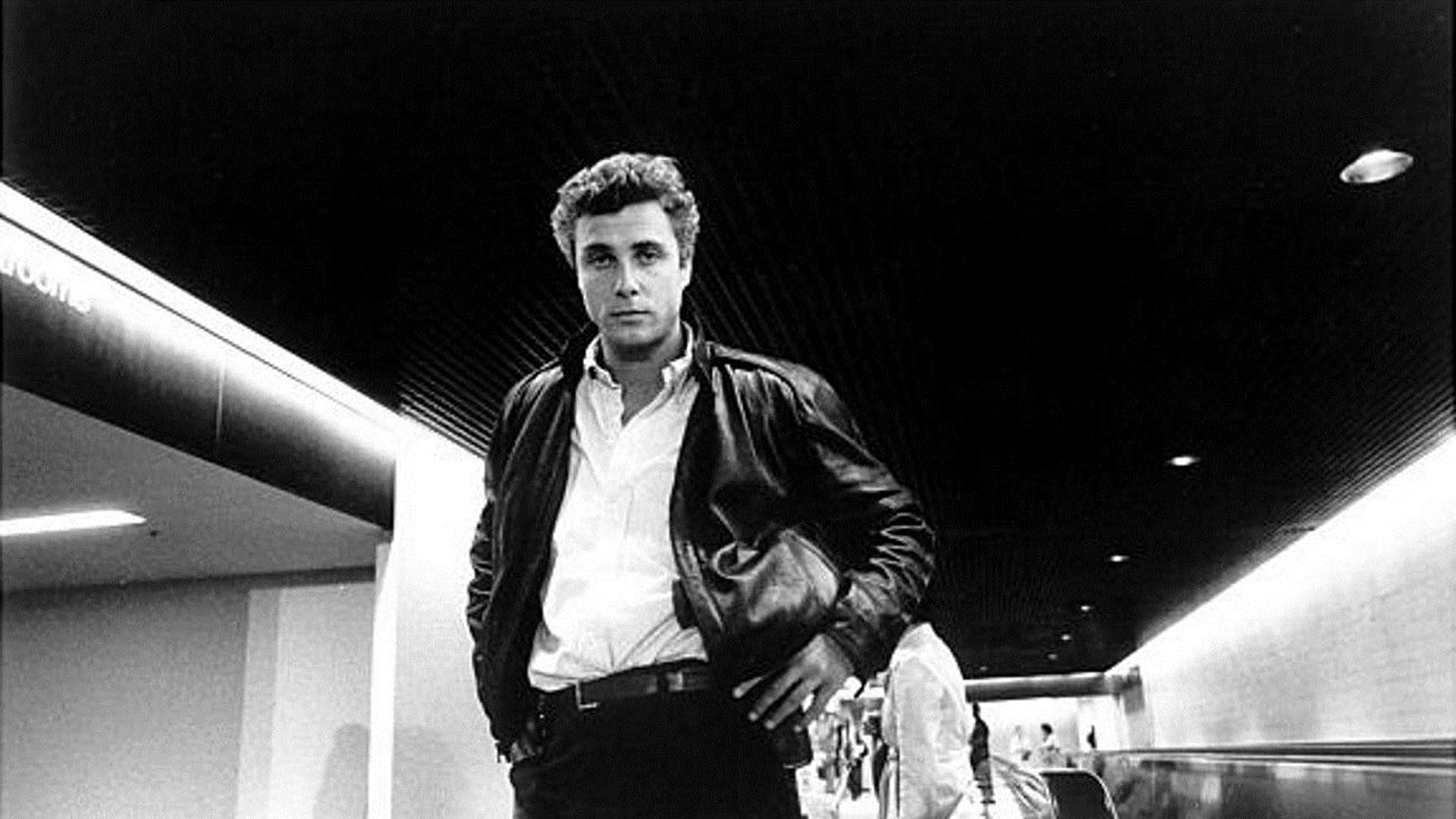
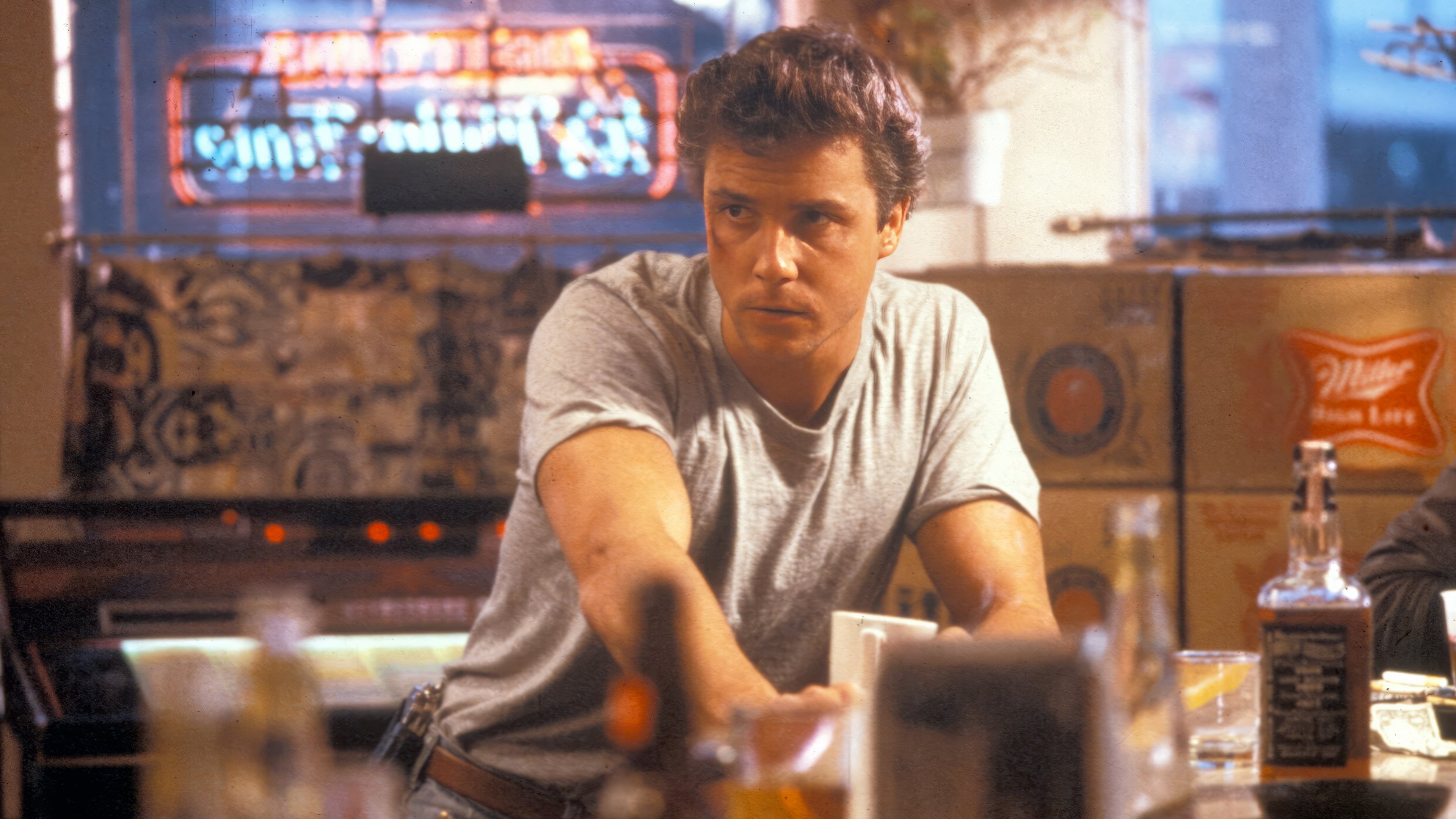
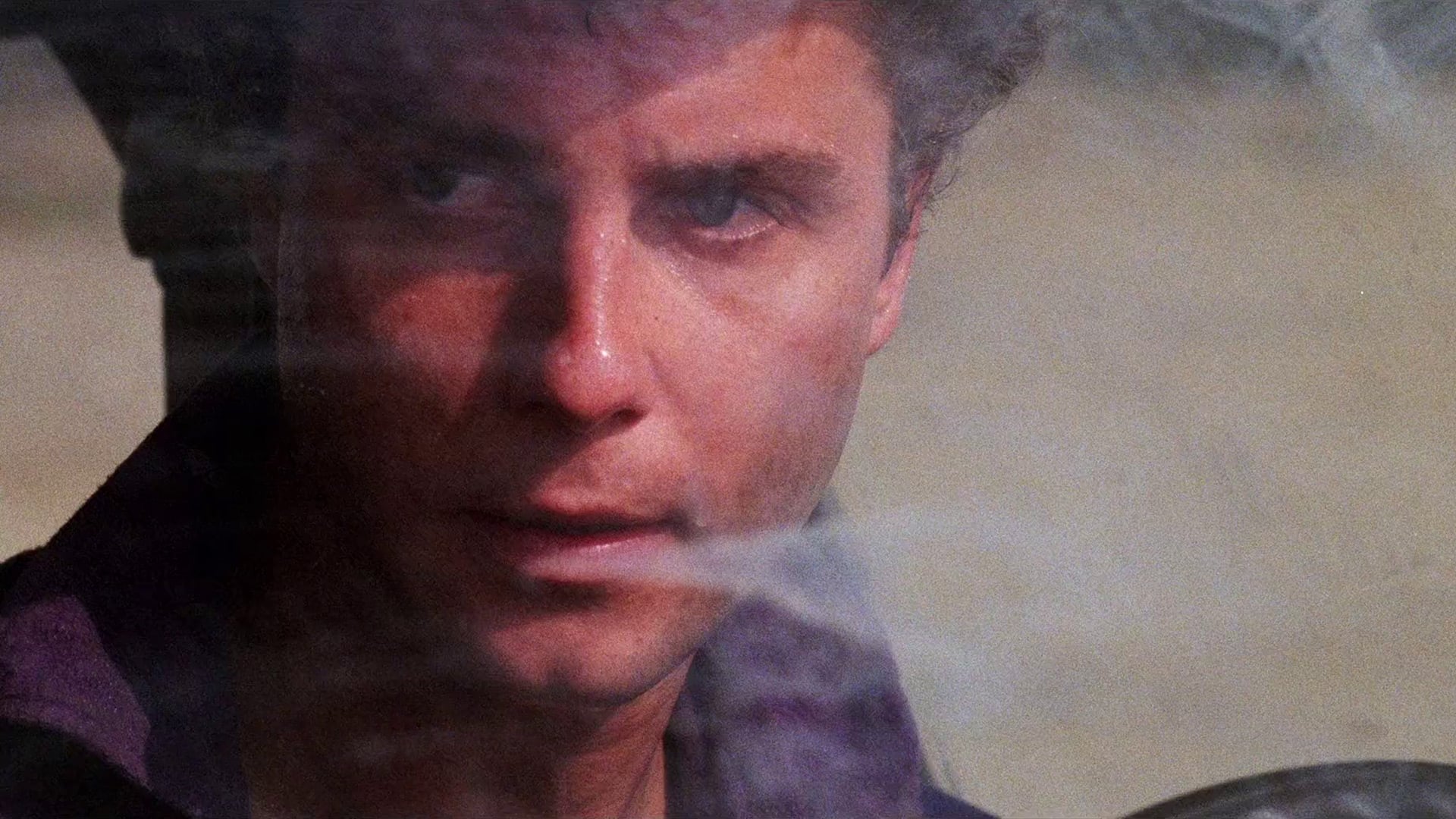
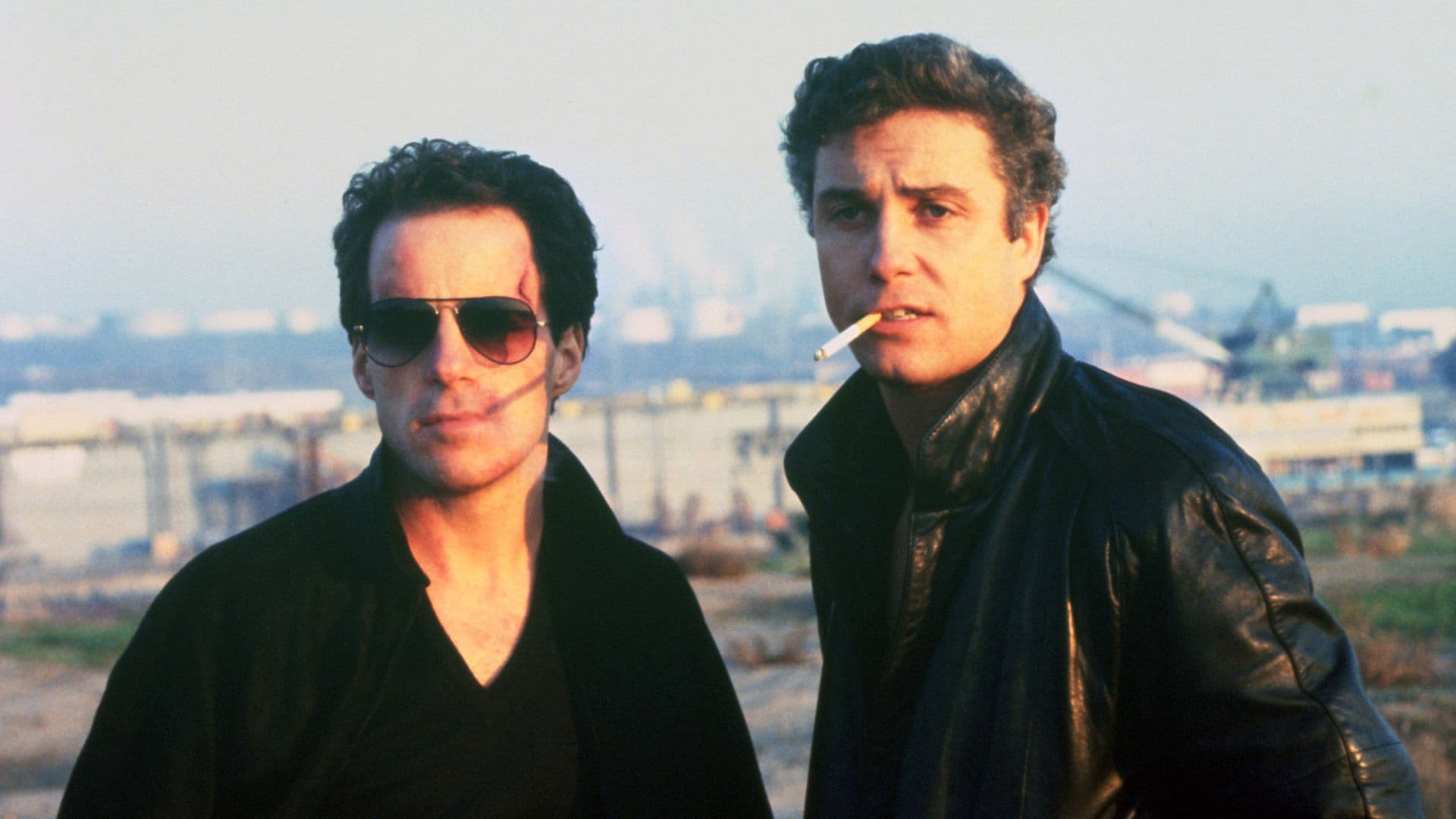
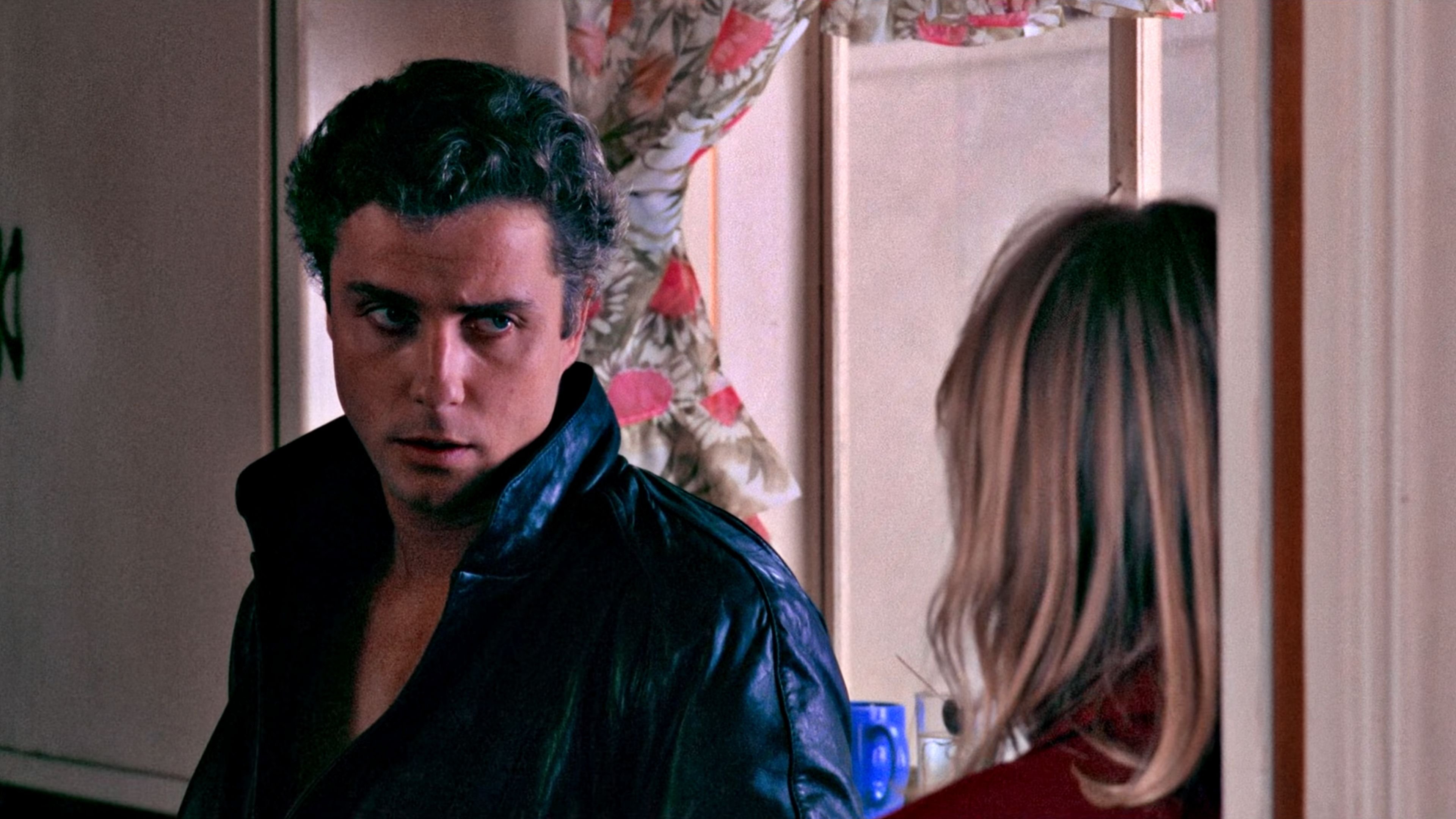
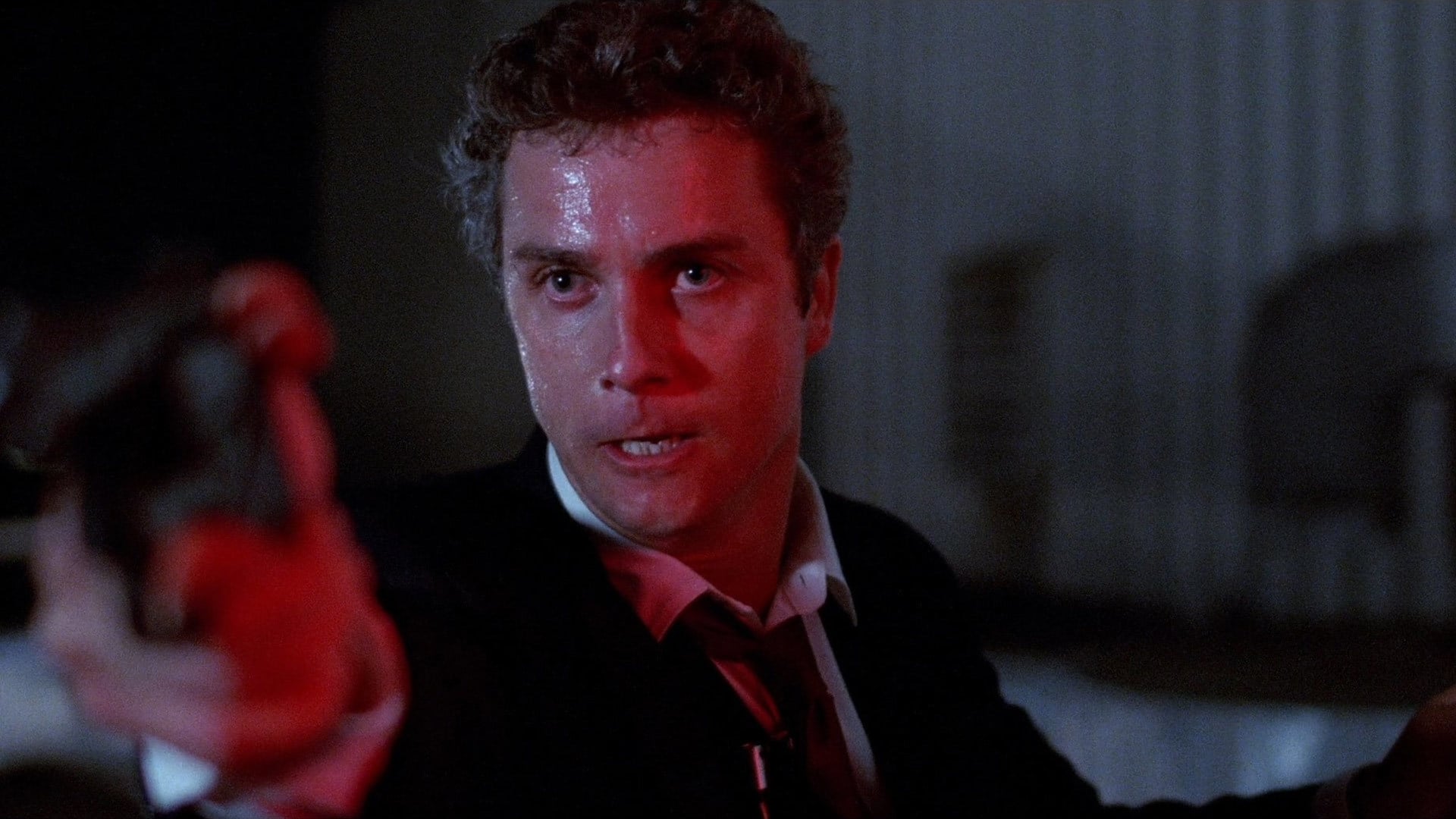
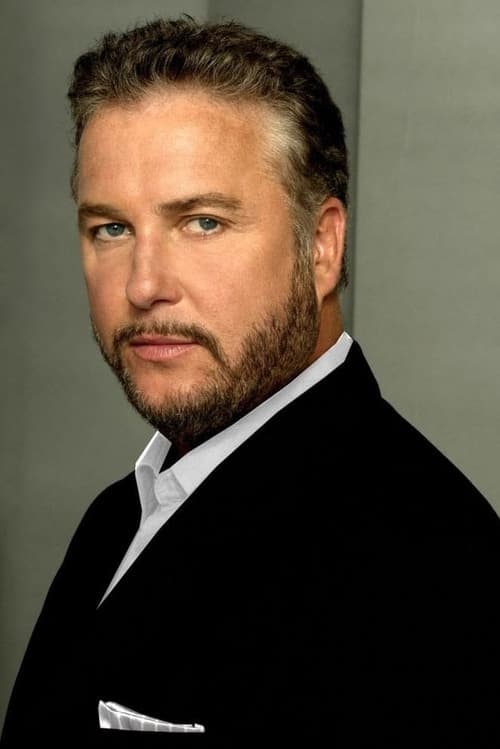
William Petersen plays a Secret Service agent reassigned from Presidential security detail to taking down career counterfeiters. It’s an odd leap, but an interesting angle. Quickly he is hit with personal tragedy, and soon after follows his quest for vengeance, where Petersen devilishly walks the line of “Is this a great performance?” or “Is this fucking terrible?” His thorough commitment to the bit means that I came to love it and all of his silly, sweaty, shouty copping.
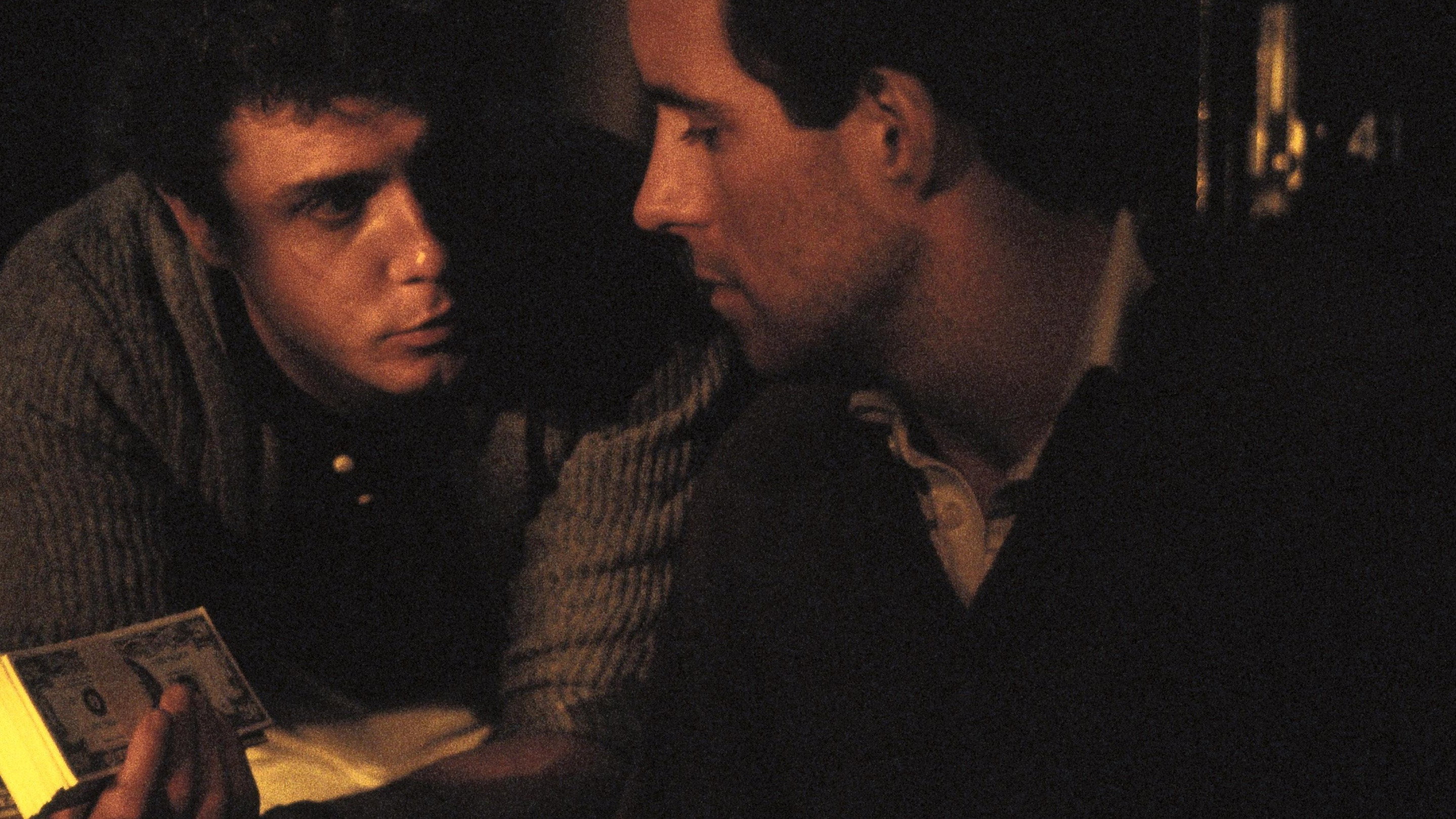
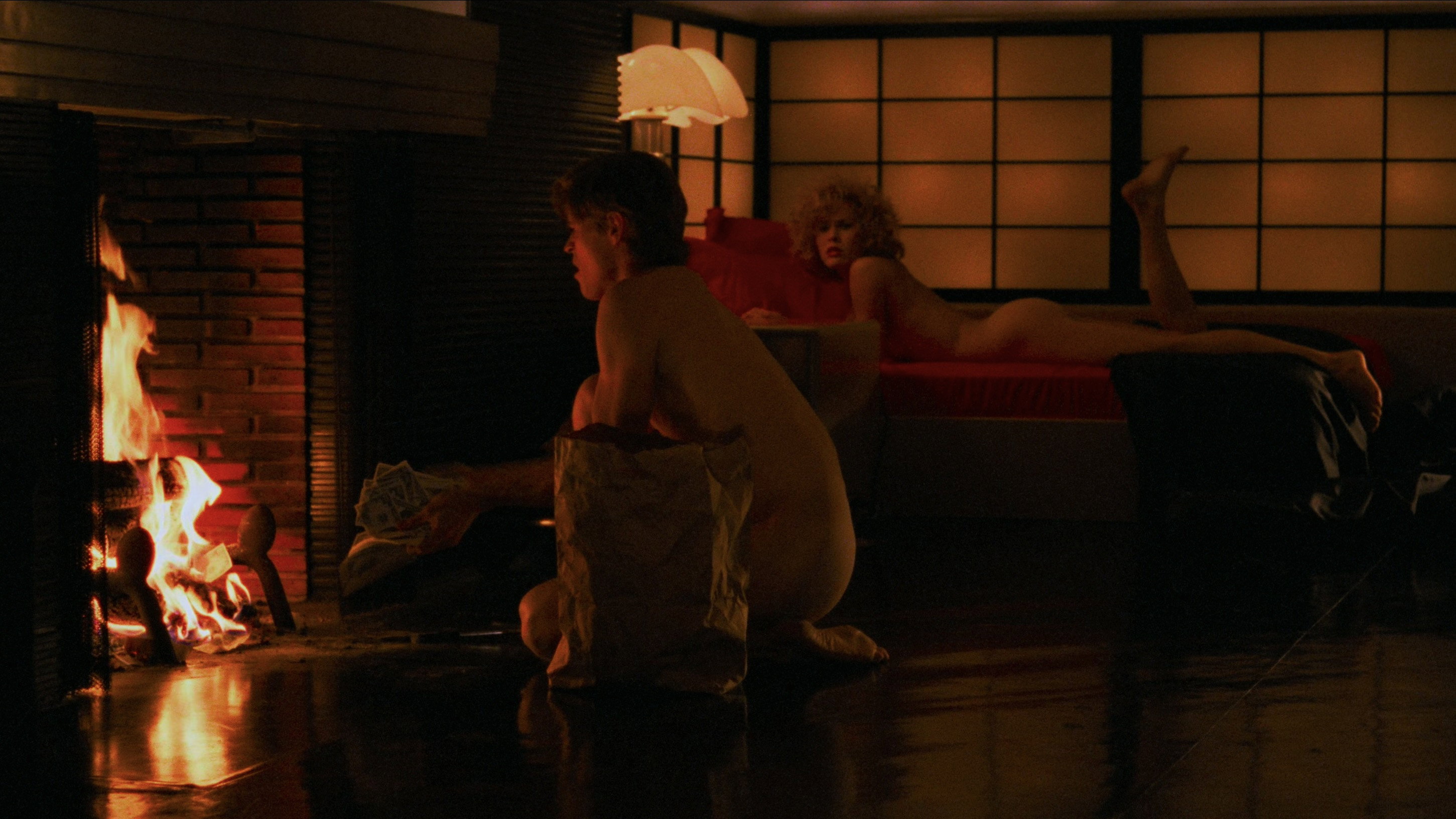
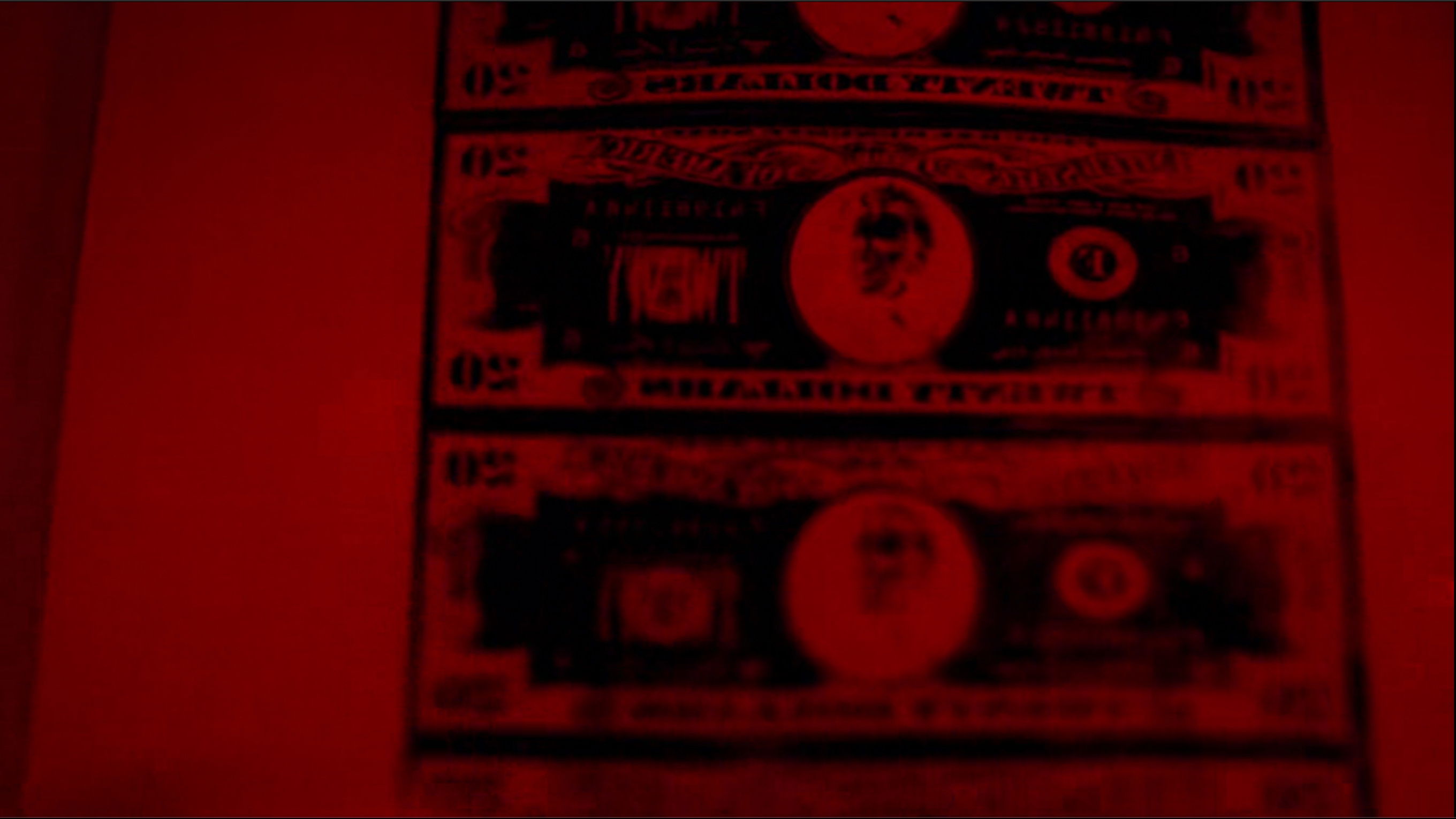
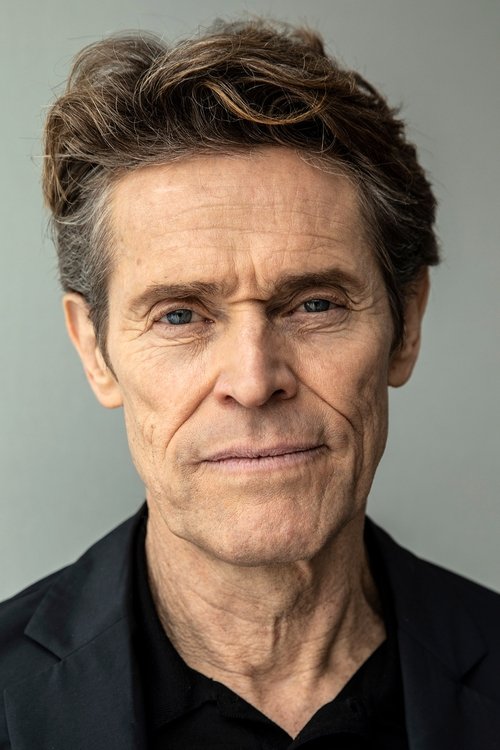
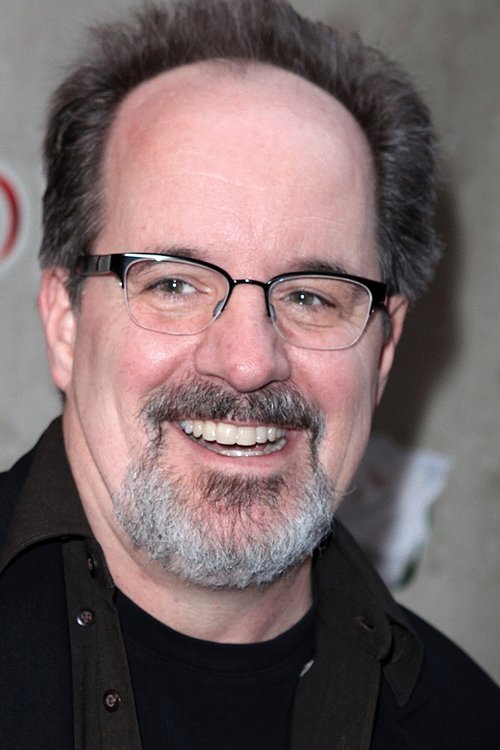
Willem Dafoe plays the foe, menacing despite the babyface. If he’s not killing you, he’s kissing you. If he’s not making counterfeit bills, he’s making love with multiple androgynous dancers at the same time (Pablo Esco-ballet-bar?). And yet, as good as Petersen and Dafoe are, it might be John Turturro that unexpectedly takes the MVP. One of his first significant roles, he plays a fall-guy for Dafoe, and he takes this character mostly in crude service of the plot and milks it for all its worth with a dozen great lines and looks.
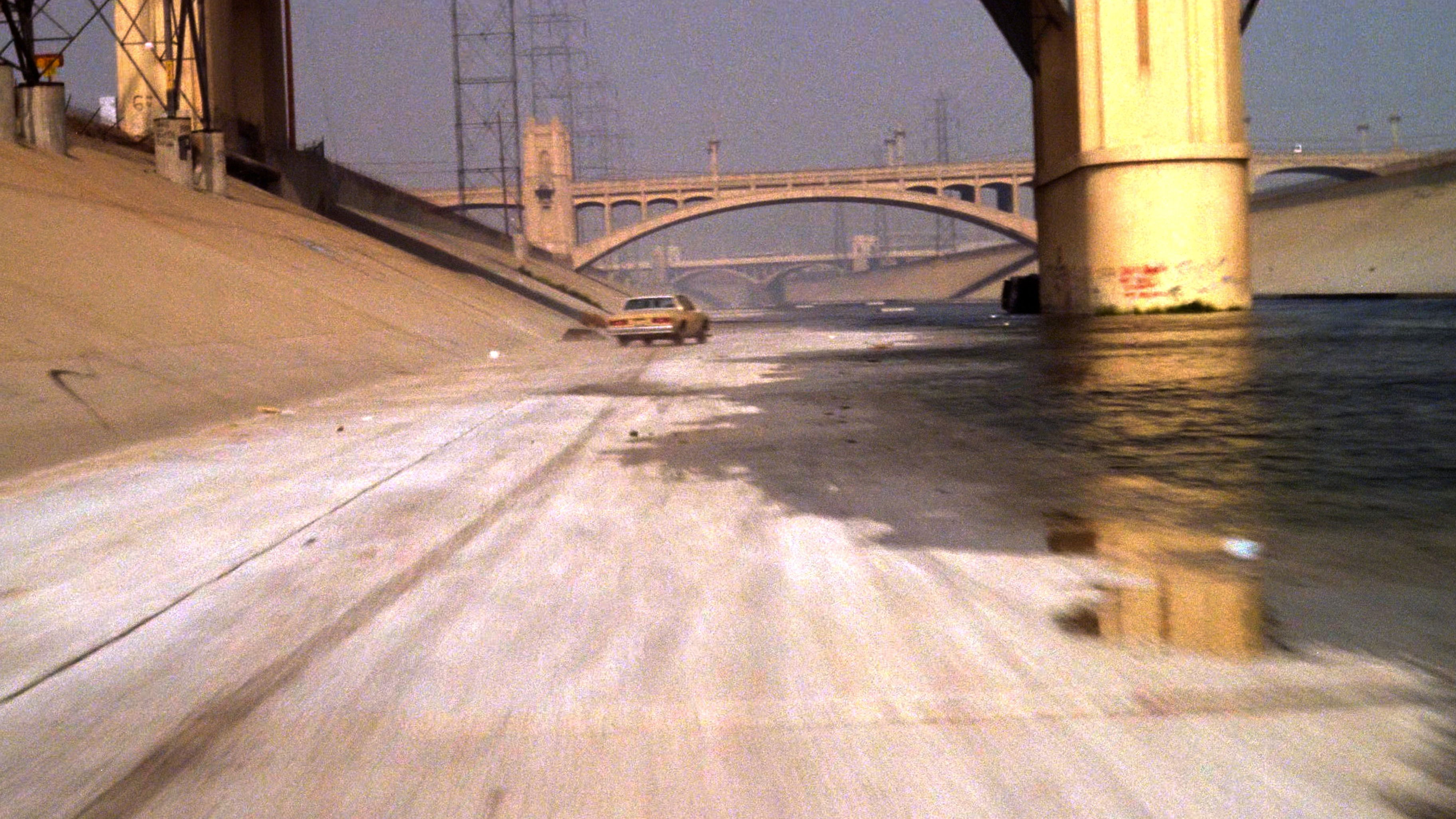
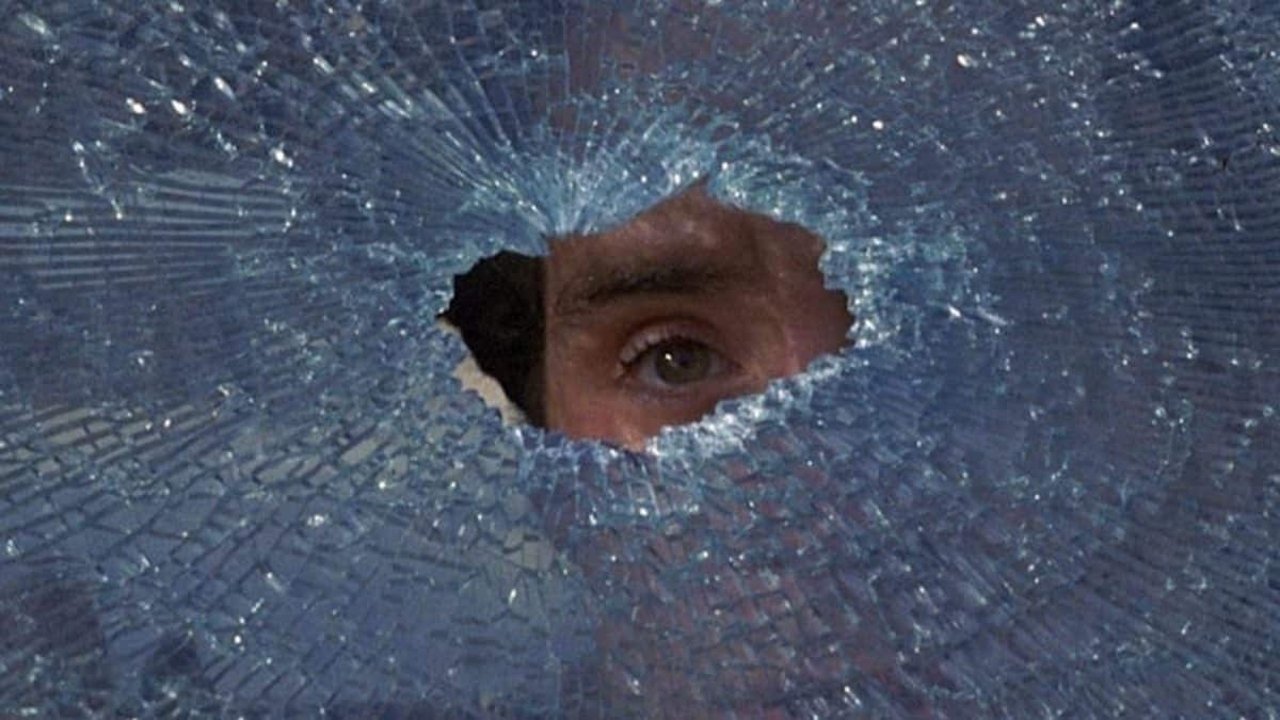
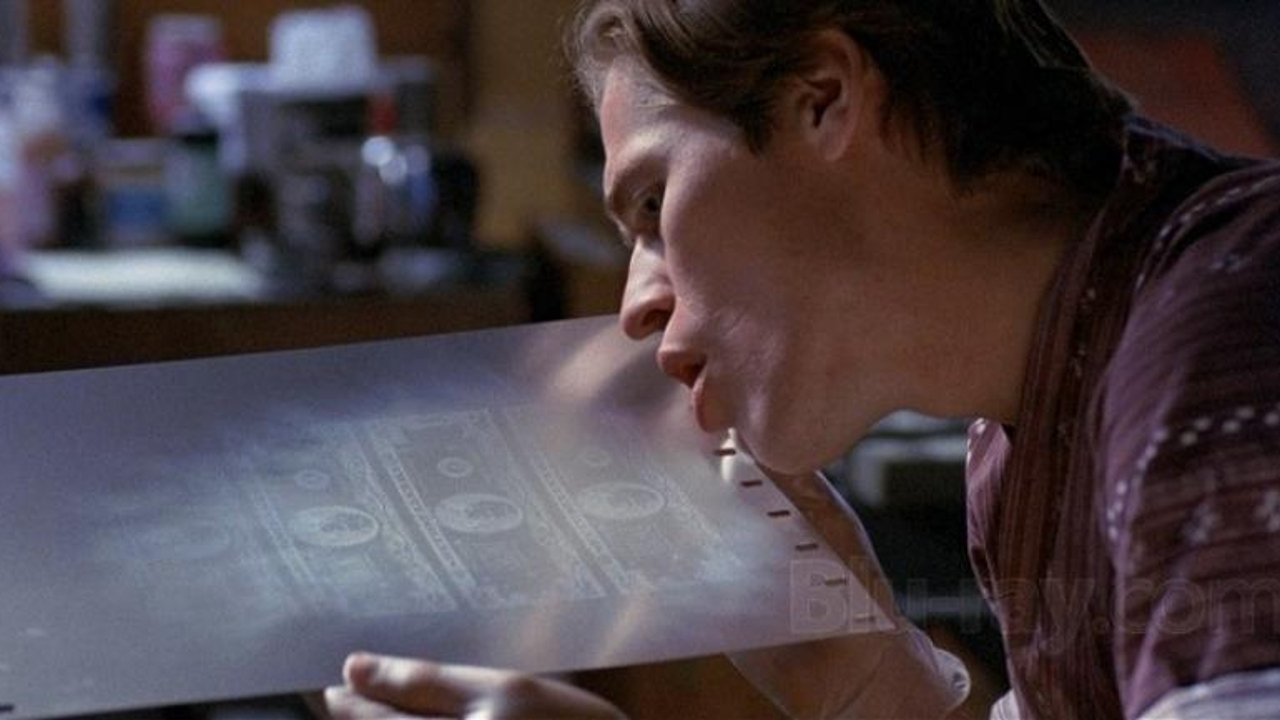
To the surprise of no one, Friedkin directs the fuck out of this. The car and foot chases are unsurprisingly great, but a climactic car chase through the iconic LA aqueducts in particular is surprisingly as good as - maybe even better than his French Connection opus. The thrills are top-tier, and the plot machinations were engaging until they were jaw-dropping, culminating in a grim finale that feels as inevitable as it does astonishing.
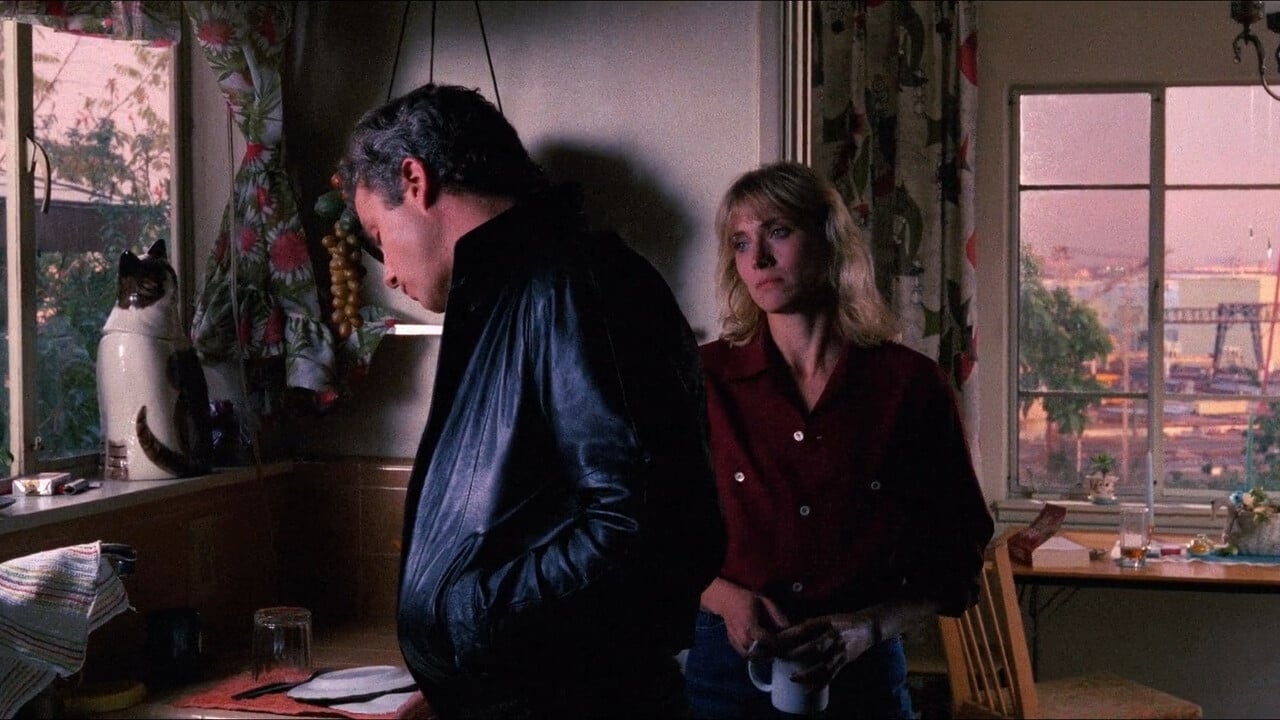
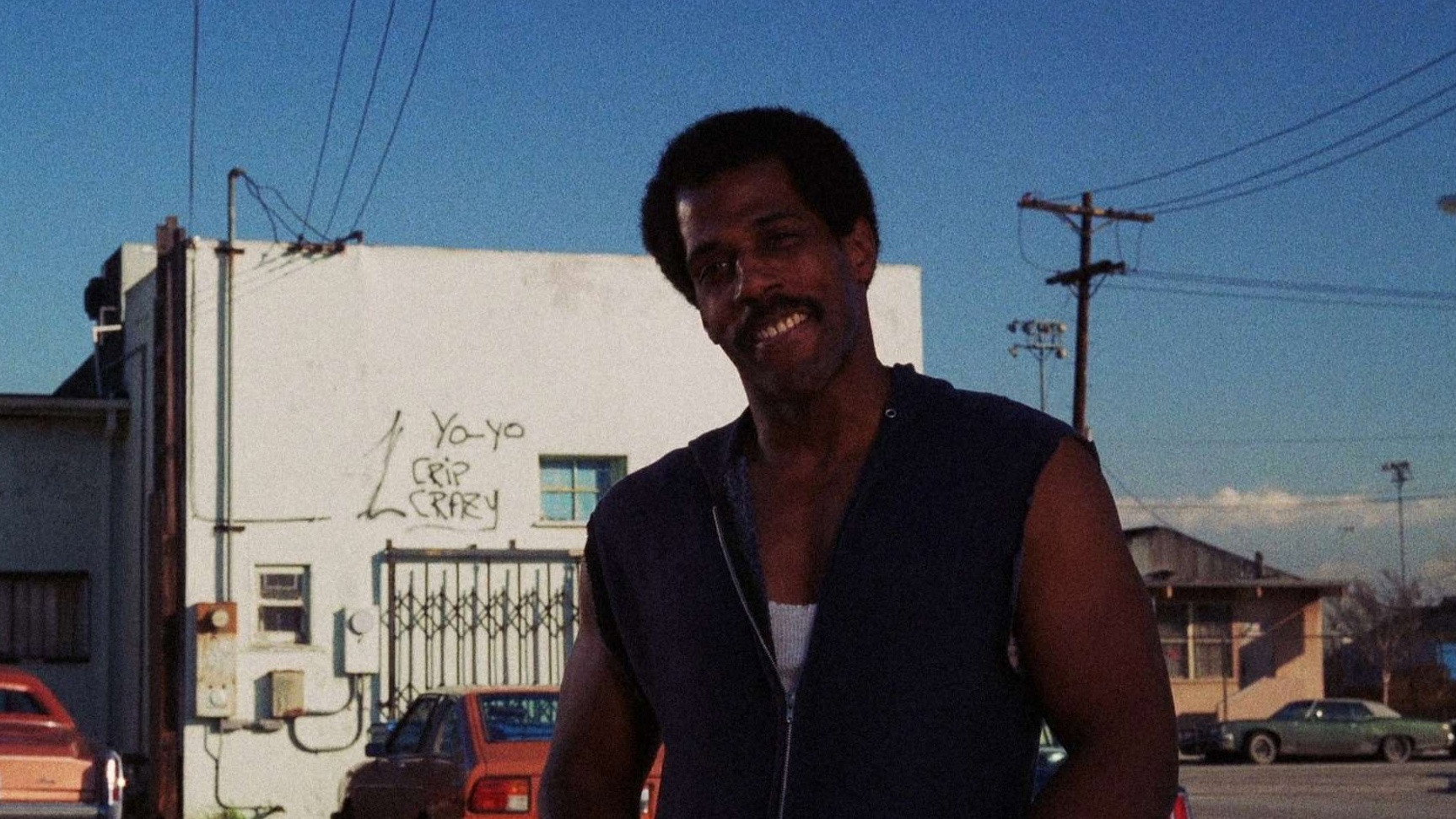
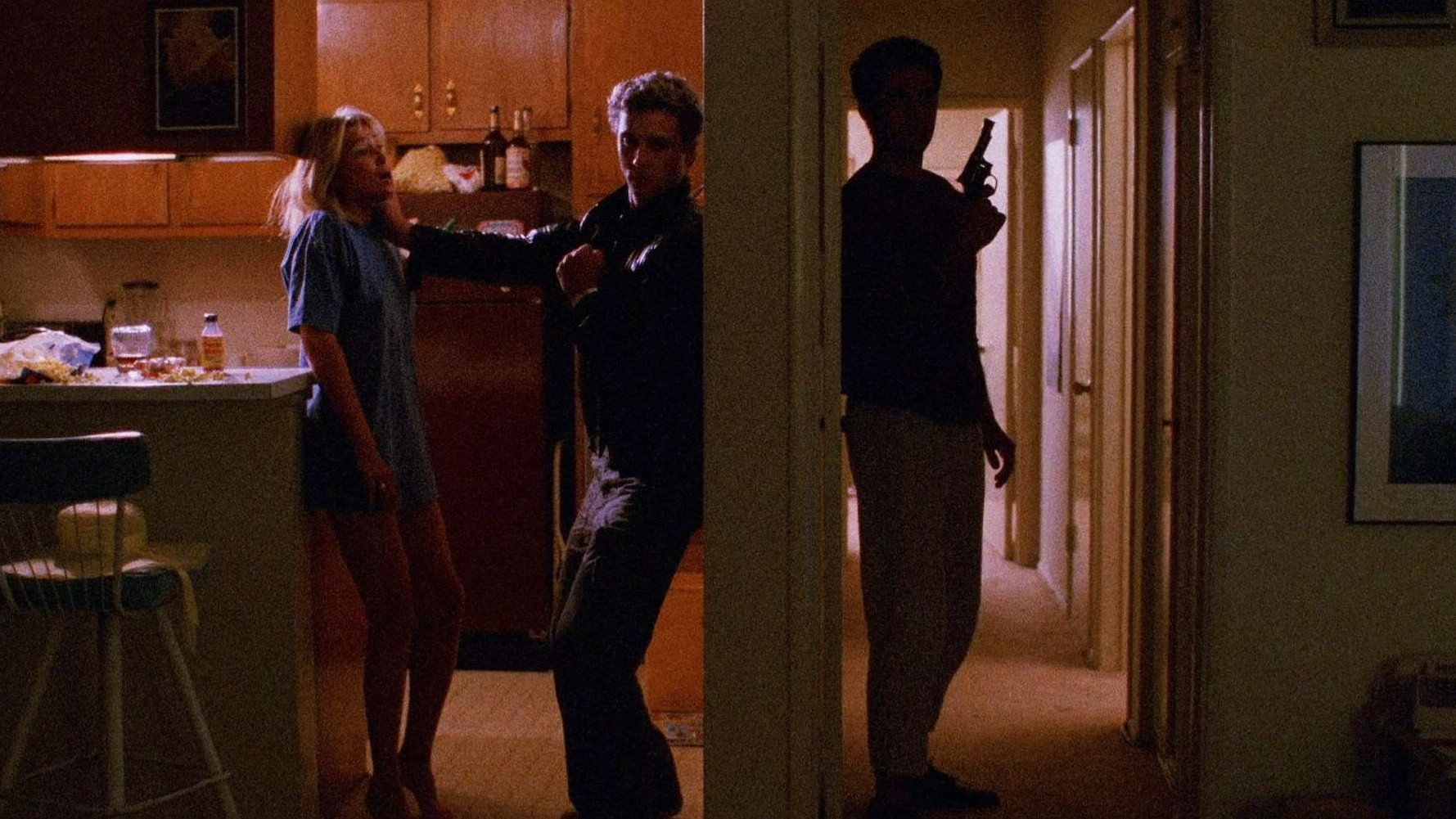
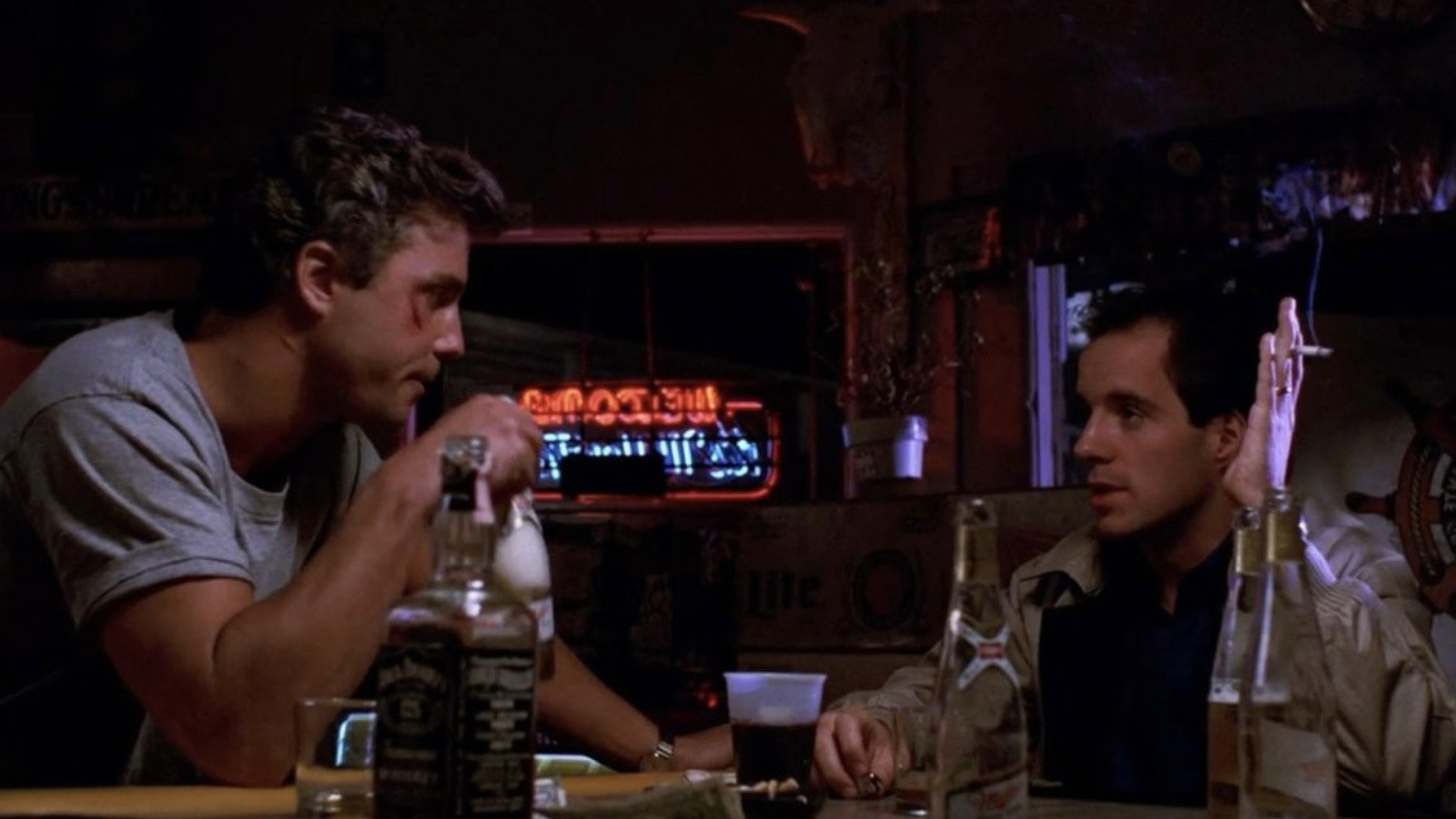
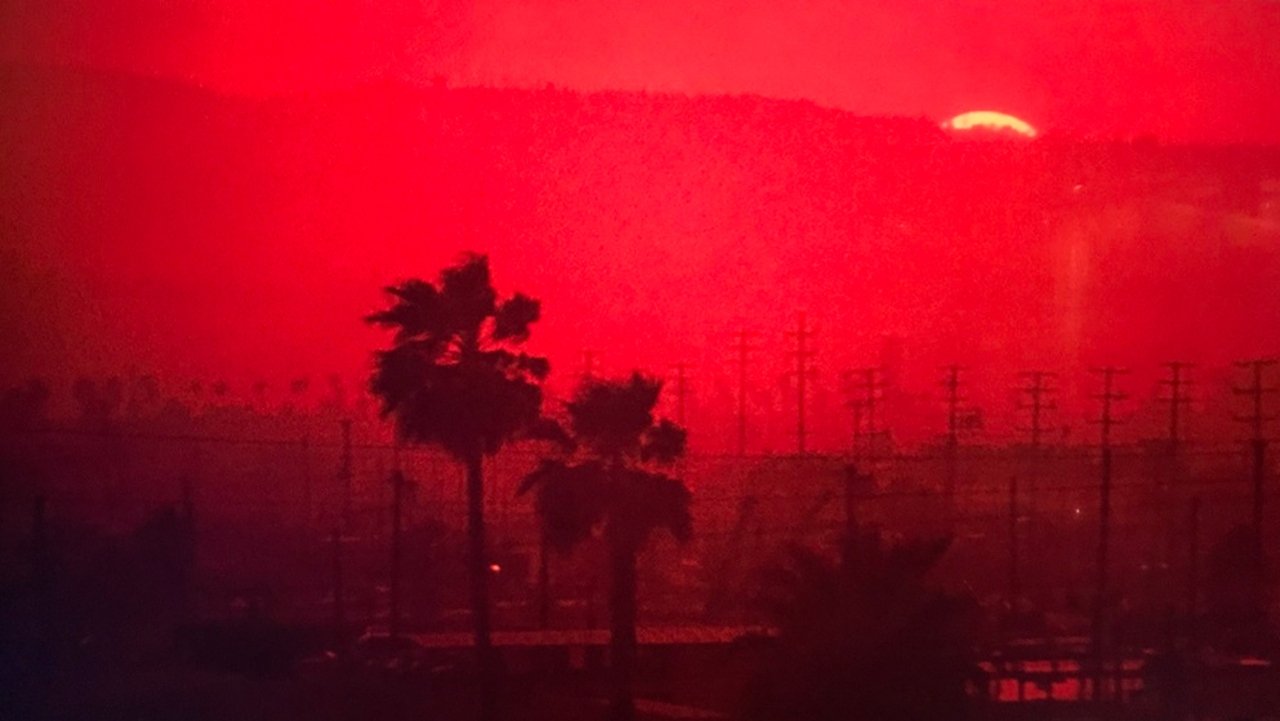
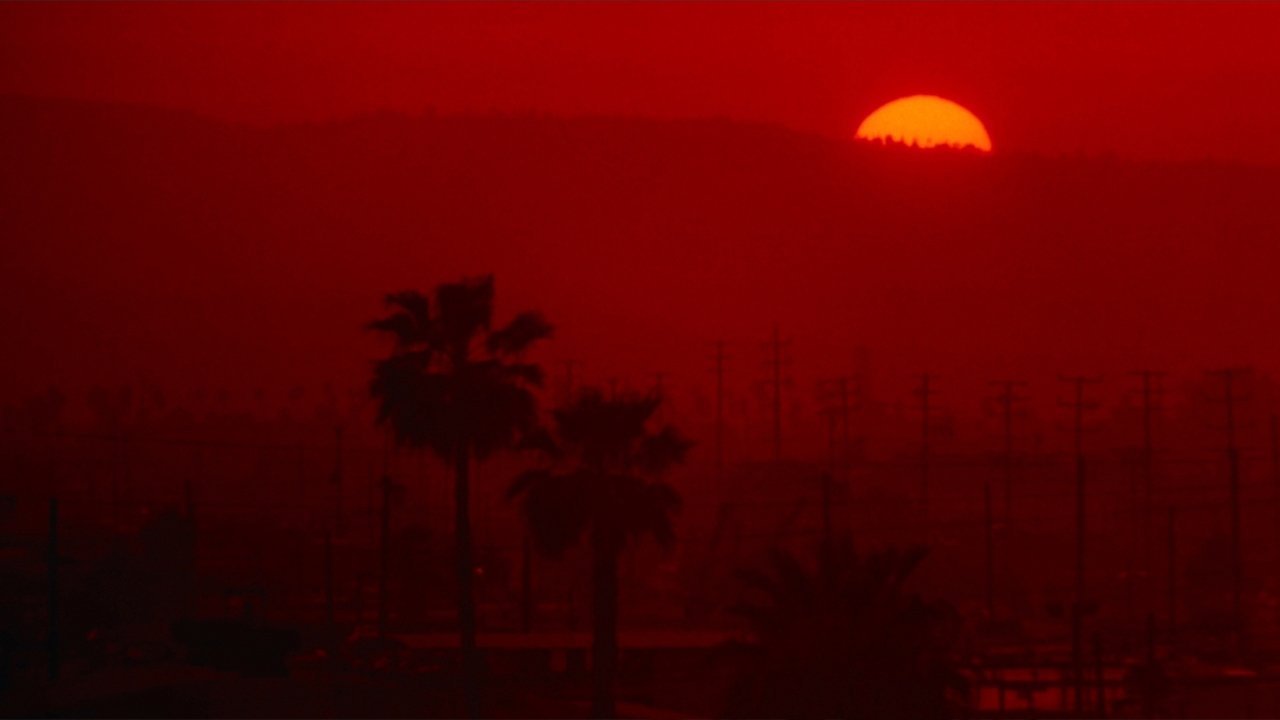
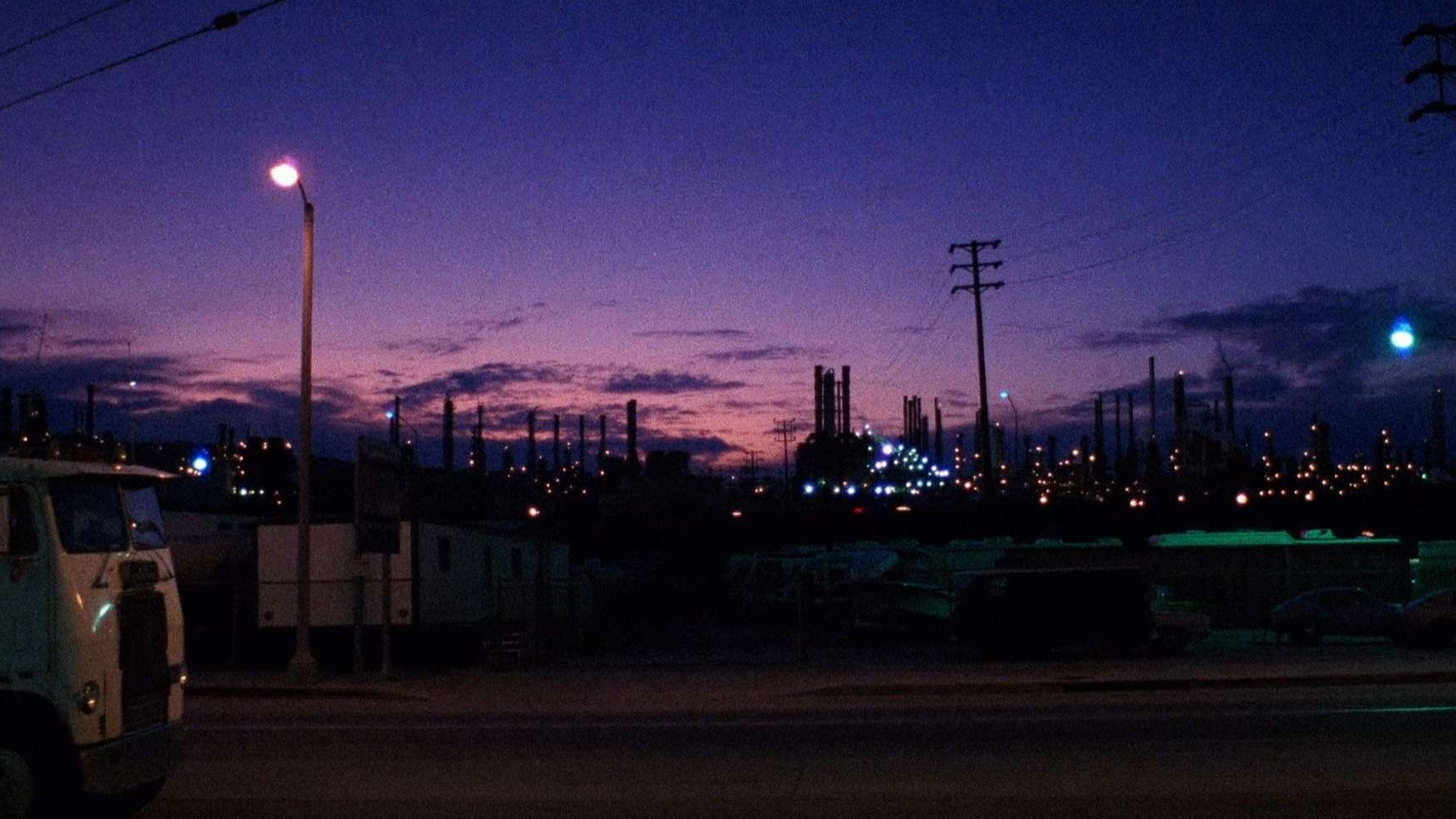
I’ve said of Friedkin’s New Hollywood compatriot Brian De Palma that so many of his movies just feel good on my eyes, and I think this speaks to how much “mood” was prioritized in their era of filmmaking, whereas perhaps “theme” is currently placed too highly on a pedestal. Even if I were to describe to you the minute-by-minute of what was happening on the screen, that wouldn’t capture the riveting nature of how it happens: how the bopping, synthy score sweeps me away; how the lighting is gloriously neon, grainy, shadowed; how it’s all so consummately ‘80s.
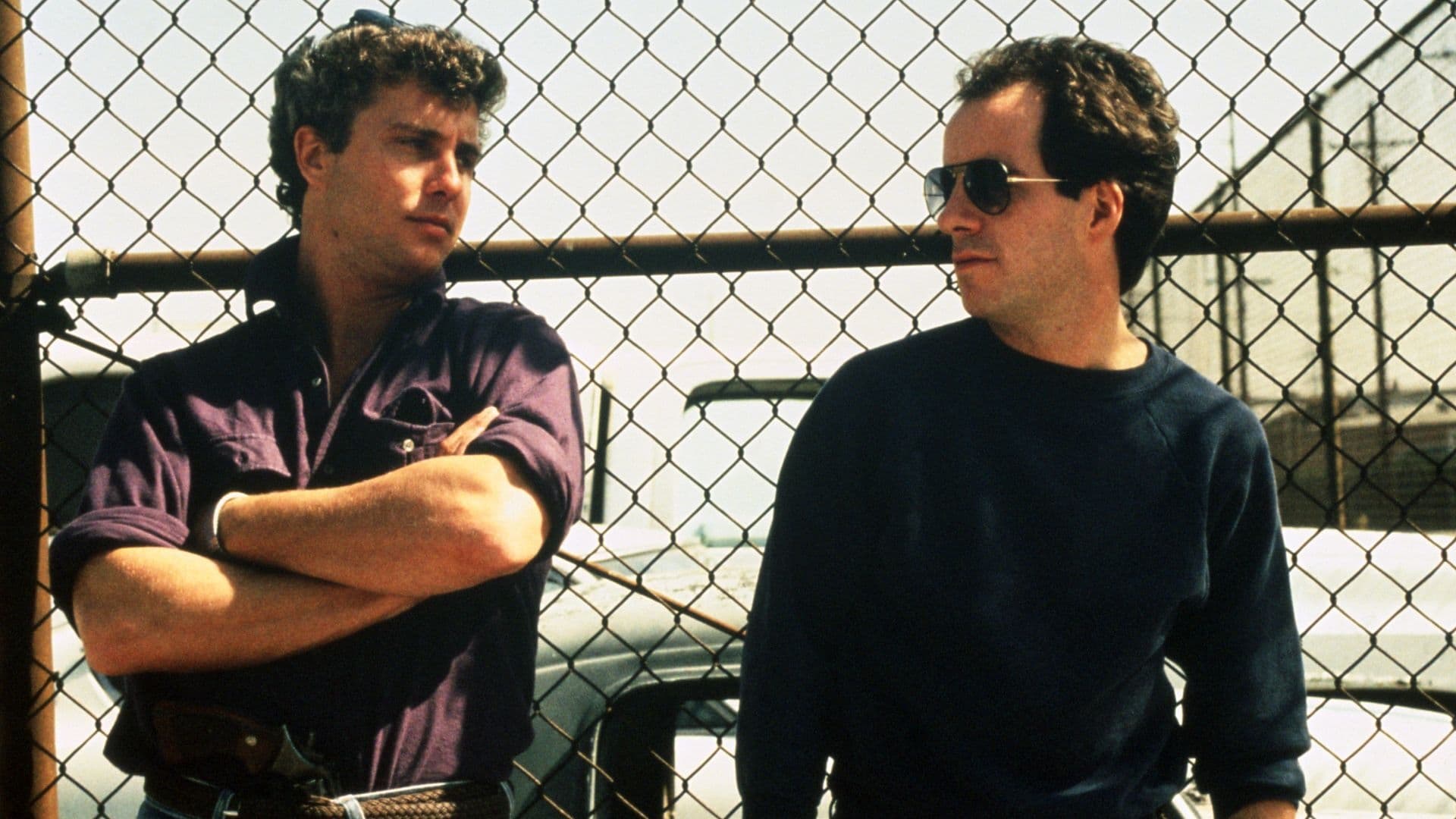
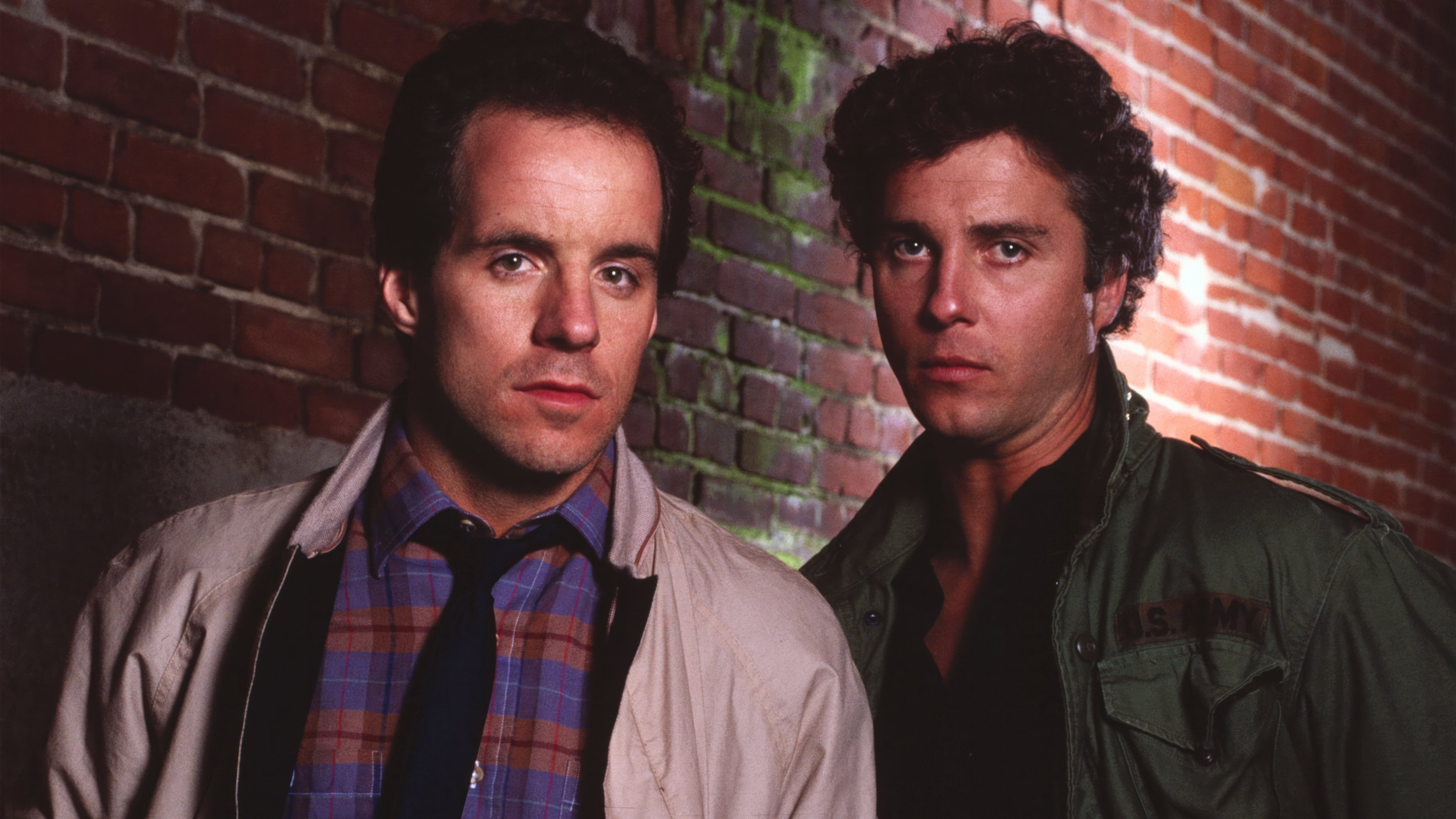
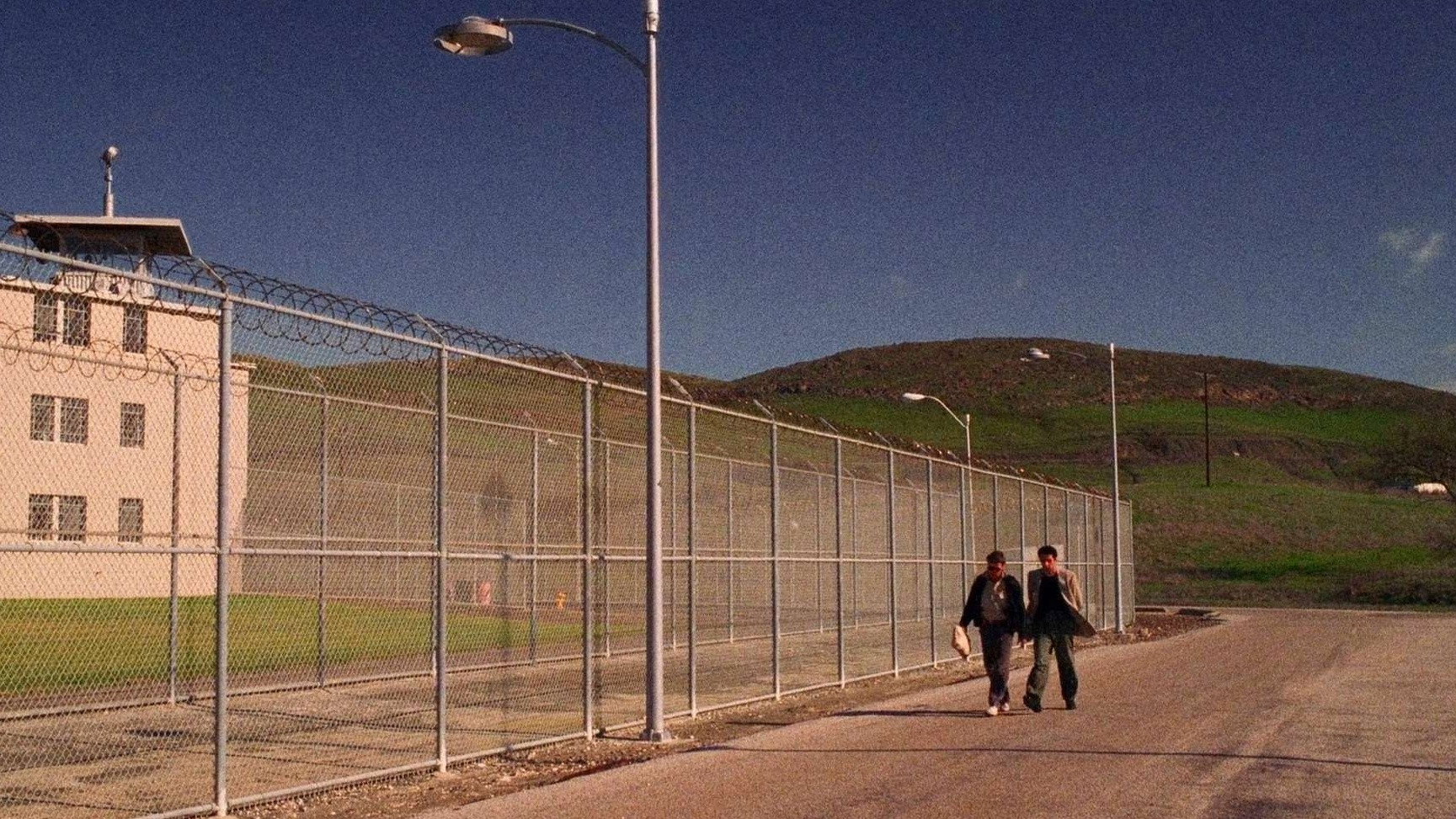
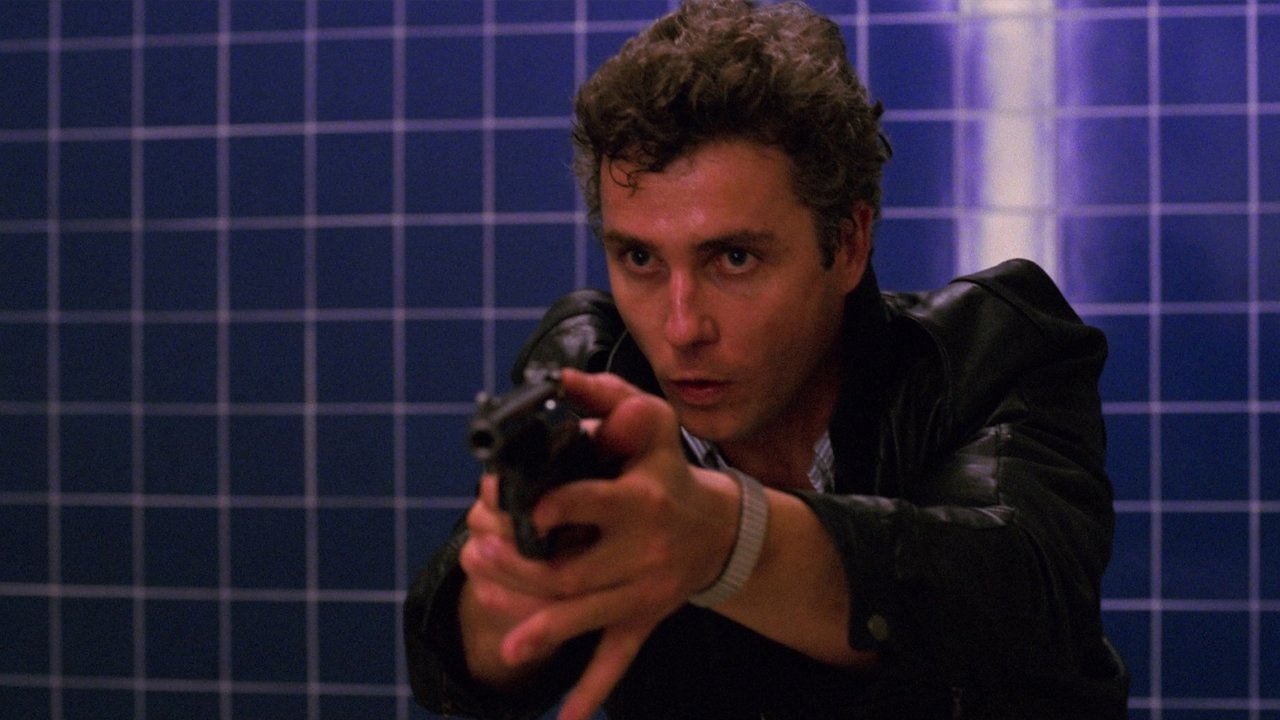
Still, thematically, Friedkin and screenwriter Gerald Petievich dole out cold hard truths about masculinity, the blinding power of ambition, and the value of relationships in LA as two cops track down Dafoe to avenge a friend, clean the streets, and hopefully survive in the process. The two partners of the film, Agents Chance and Hart, eponymously suggest their dispositions.
The buddy cop formula is tried and true at this point. Friedkin nearly invented it himself in 1971, discovered to be a sturdy mold for clashing foil characters against one another as they segue from one thrilling setpiece to the next. 14 years and a couple of masterpieces later, he refined it further with a new decade of aesthetics to play with, a new generation of up-and-comers to set alight, and a new city as his prism: Los Angeles, a money-driven town of counterfeit relationships.
Please baby, no more parties in LA.
No more parties in LA.
Los Angeles. The city of dreams. For one hundred years, the town has become synonymous with aspiration, fame, and endless possibility. An American Mecca, globally second only to the actual Mecca, Los Angeles is the flame that draws midwestern moths away from their podunk towns, eager to leave behind their former caterpillar lives and “be somebody”. It’s a beautiful sentiment, poetic in how it aligns with every person’s coming-of-age story, however they choose to live it.
In practice, though, you end up with an entire town of one type of person. (I’m about to diagnose LA, but to be fair, I have never lived there. However, this is a sentiment that I’ve heard from many residents firsthand, I’ve gleaned it from watching a shit-ton of reality TV, and I’ve come to see a clear logic to it. Also, let me cook.)
Almost everyone in LA is there with grand aspirations, willing to do whatever it takes to achieve their dream of power and fame. They’ve already made major sacrifices to get there, and they’ll certainly make more. They’ll sacrifice their dignity. They’ll sacrifice their integrity. They’ll sacrifice you. Are you really their friend, or are you just an NPC in their campaign? I know that my words are overly dramatic; in truth, this displeasure is more likely a quiet, persistent drone that exists in the background of daily life in LA, spiking in volume every so often to remind you of the painful truth.
Every interaction is now part-transaction, every social engagement now a ladder to be climbed, and eventually, you’ll start feeling more like a rung than a person. Countless bars of braggadocio rap thinly veil the little insecurities of “Do they really like me for me?” To have that lonely feeling perched on your shoulder for years seems like enough to make anyone terribly paranoid. For some, it’s enough to trigger the most embarrassing (and antisemitic) of public meltdowns. Why did my cousin steal my laptop? Where have my friends gone? What does my marriage mean when my spouse has monetized the very thread of the fabric of our lives? Life is fame, and fame is work, and work is life.
Underneath all of the lights is an entire town of people willing to step over each other to get to the next level, engineered to exist in perpetuity, a hypnotizing bug trap where the average Joes and Janes of America will continue to be zapped into a bucket of soulless husks extorted of their original spark in order to keep lit the sign on the hill that brings in the next eclipse of wide-eyed dreamers.
Regardless of the exact truth, that’s what it’s like to live and die in LA according to director William Friedkin, who imbues this thesis in his spiritual sequel to The French Connection, both telling gritty crime stories of bad cops obsessing over self-righteous crusades outside of the law in search of contraband, adrenaline, and meaning for their lives.
William Petersen plays a Secret Service agent reassigned from Presidential security detail to taking down career counterfeiters. It’s an odd leap, but an interesting angle. Quickly he is hit with personal tragedy, and soon after follows his quest for vengeance, where Petersen devilishly walks the line of “Is this a great performance?” or “Is this fucking terrible?” His thorough commitment to the bit means that I came to love it and all of his silly, sweaty, shouty copping.
Willem Dafoe plays the foe, menacing despite the babyface. If he’s not killing you, he’s kissing you. If he’s not making counterfeit bills, he’s making love with multiple androgynous dancers at the same time (Pablo Esco-ballet-bar?). And yet, as good as Petersen and Dafoe are, it might be John Turturro that unexpectedly takes the MVP. One of his first significant roles, he plays a fall-guy for Dafoe, and he takes this character mostly in crude service of the plot and milks it for all its worth with a dozen great lines and looks.
To the surprise of no one, Friedkin directs the fuck out of this. The car and foot chases are unsurprisingly great, but a climactic car chase through the iconic LA aqueducts in particular is surprisingly as good as - maybe even better than his French Connection opus. The thrills are top-tier, and the plot machinations were engaging until they were jaw-dropping, culminating in a grim finale that feels as inevitable as it does astonishing.
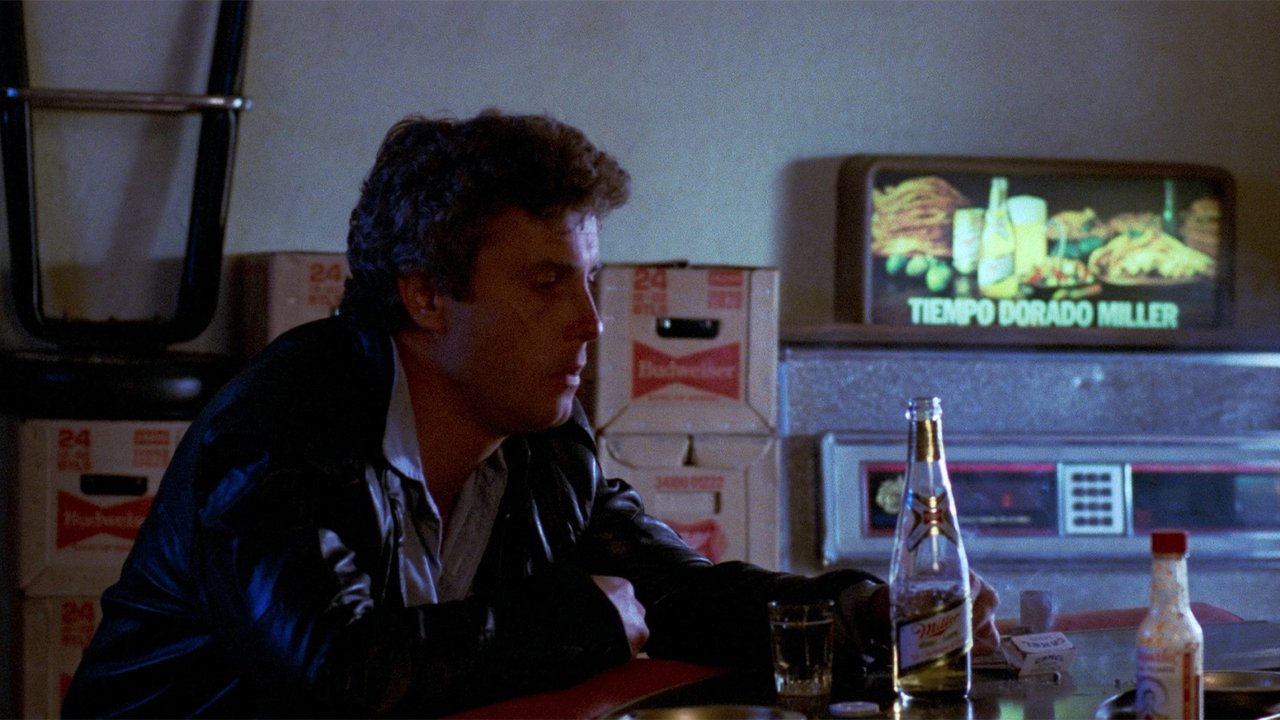
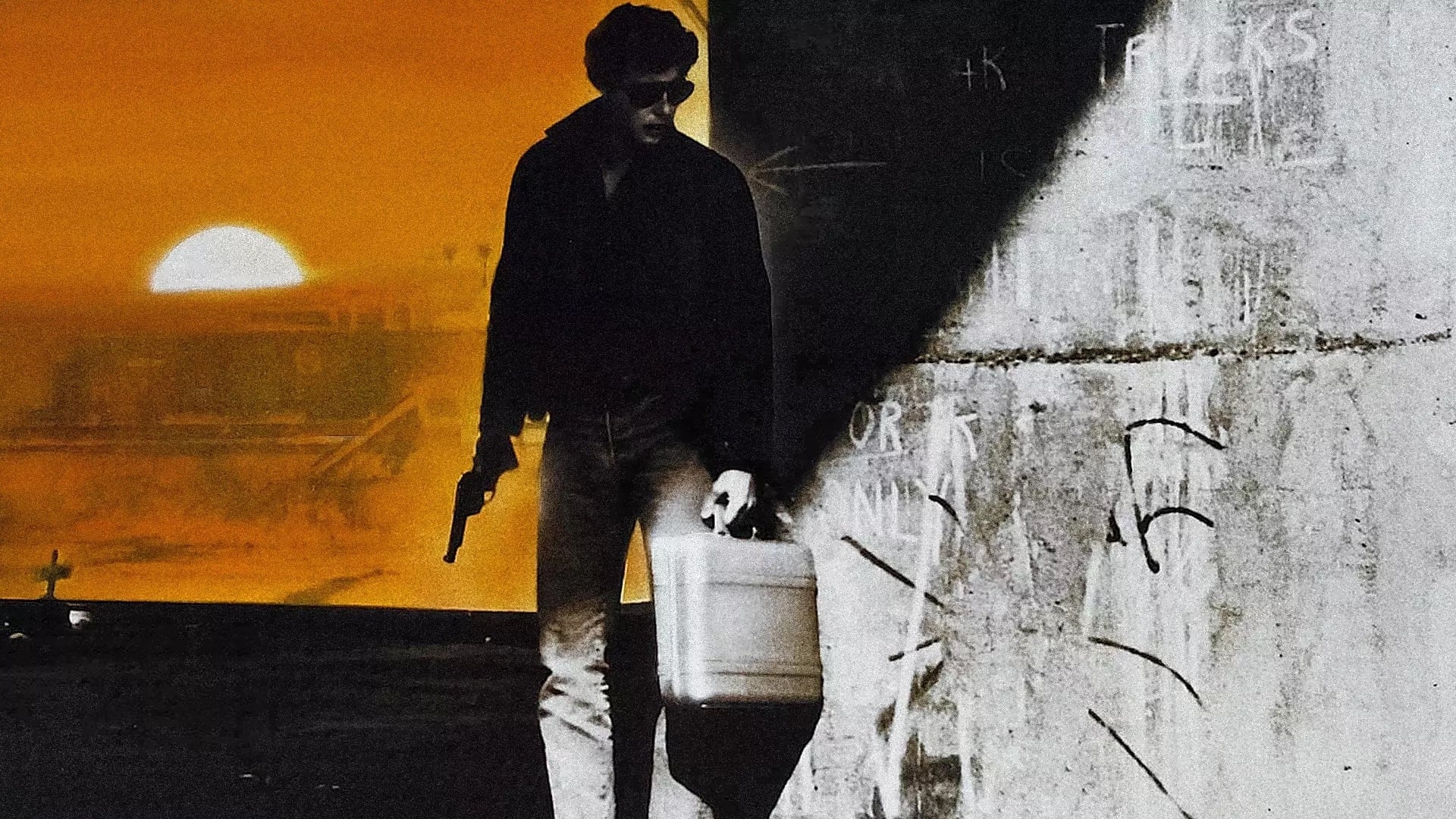
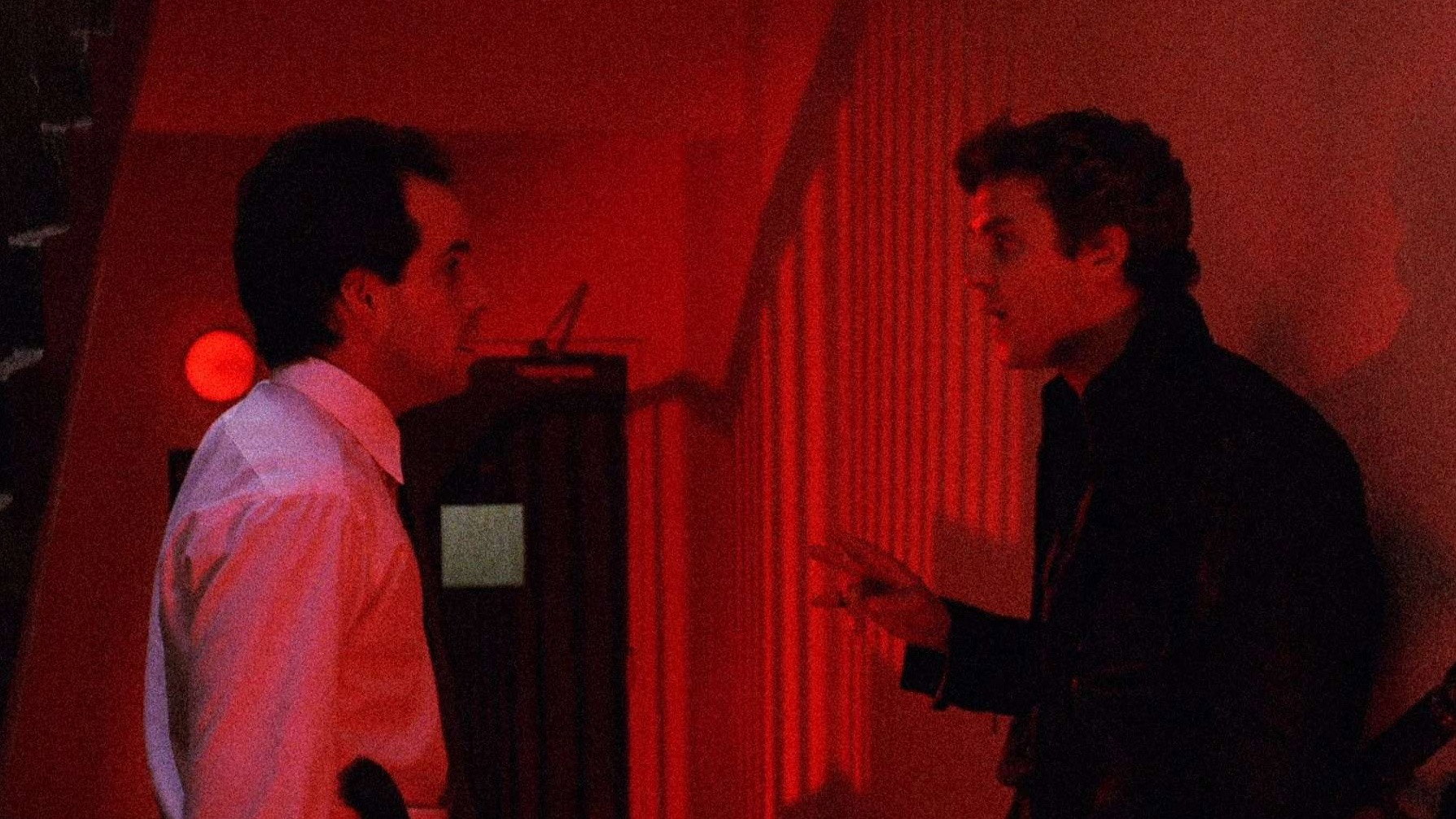
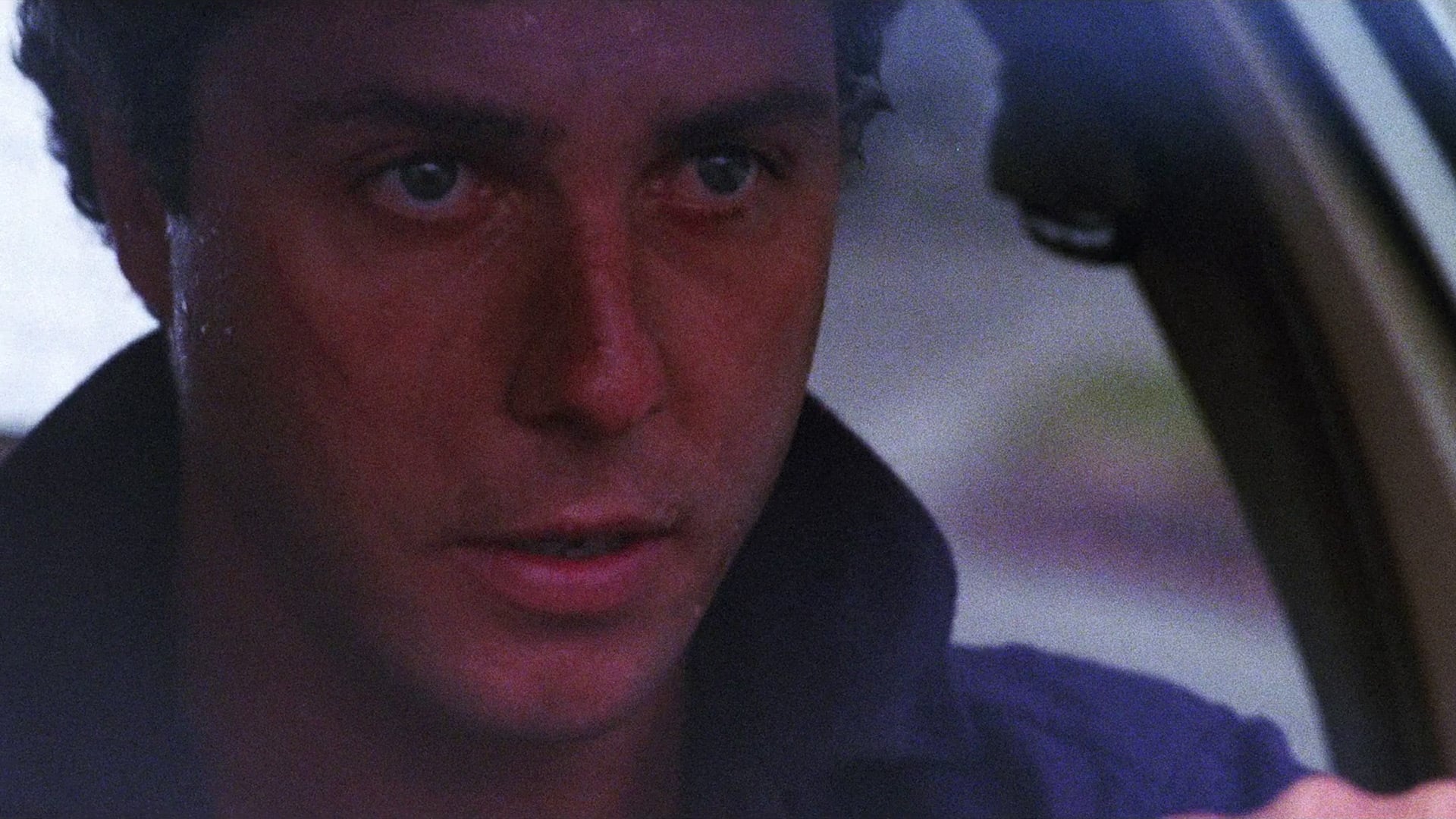
I’ve said of Friedkin’s New Hollywood compatriot Brian De Palma that so many of his movies just feel good on my eyes, and I think this speaks to how much “mood” was prioritized in their era of filmmaking, whereas perhaps “theme” is currently placed too highly on a pedestal. Even if I were to describe to you the minute-by-minute of what was happening on the screen, that wouldn’t capture the riveting nature of how it happens: how the bopping, synthy score sweeps me away; how the lighting is gloriously neon, grainy, shadowed; how it’s all so consummately ‘80s.
Still, thematically, Friedkin and screenwriter Gerald Petievich dole out cold hard truths about masculinity, the blinding power of ambition, and the value of relationships in LA as two cops track down Dafoe to avenge a friend, clean the streets, and hopefully survive in the process. The two partners of the film, Agents Chance and Hart, eponymously suggest their dispositions.
The buddy cop formula is tried and true at this point. Friedkin nearly invented it himself in 1971, discovered to be a sturdy mold for clashing foil characters against one another as they segue from one thrilling setpiece to the next. 14 years and a couple of masterpieces later, he refined it further with a new decade of aesthetics to play with, a new generation of up-and-comers to set alight, and a new city as his prism: Los Angeles, a money-driven town of counterfeit relationships.
Please baby, no more parties in LA.





































 1
1