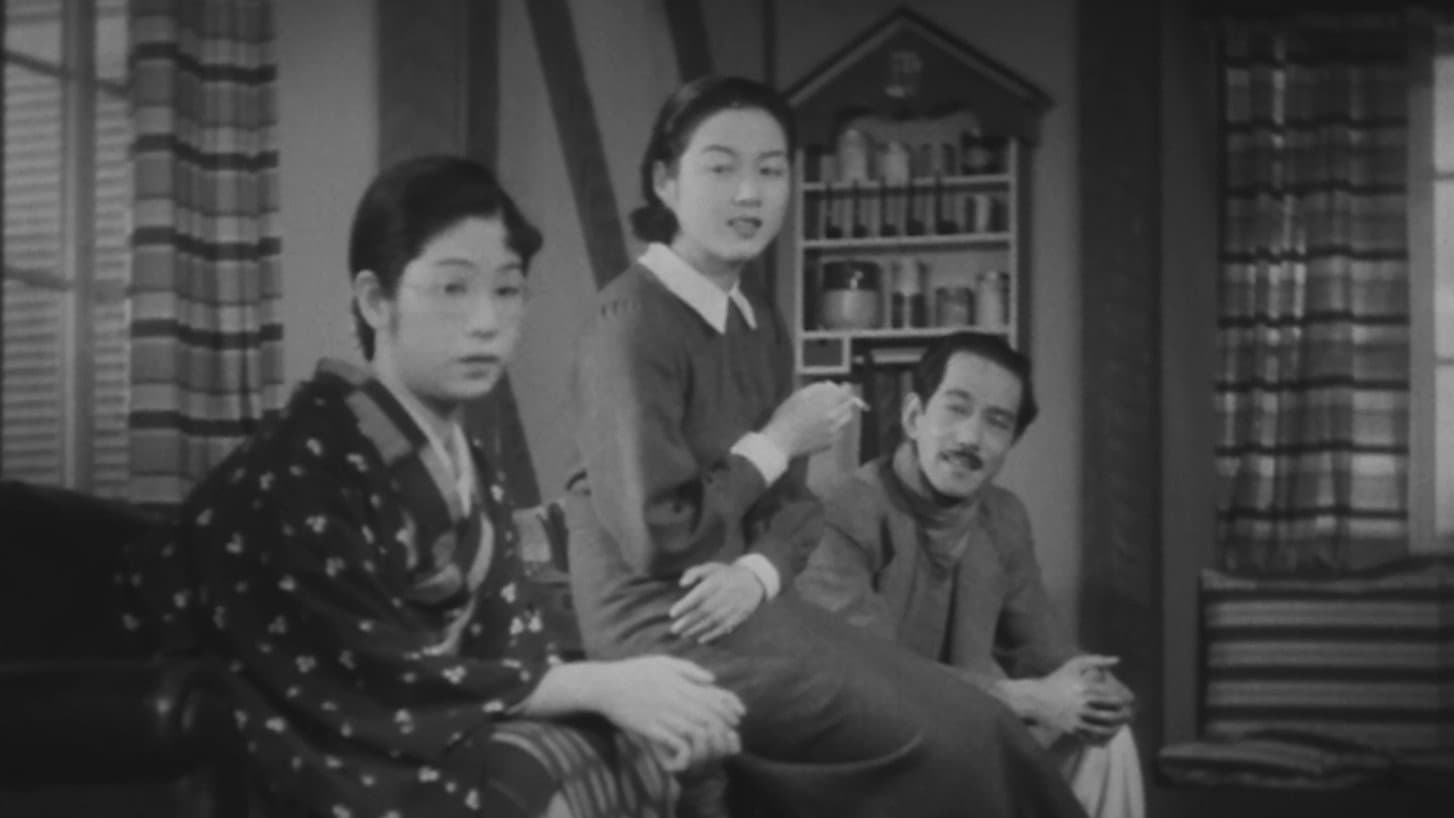
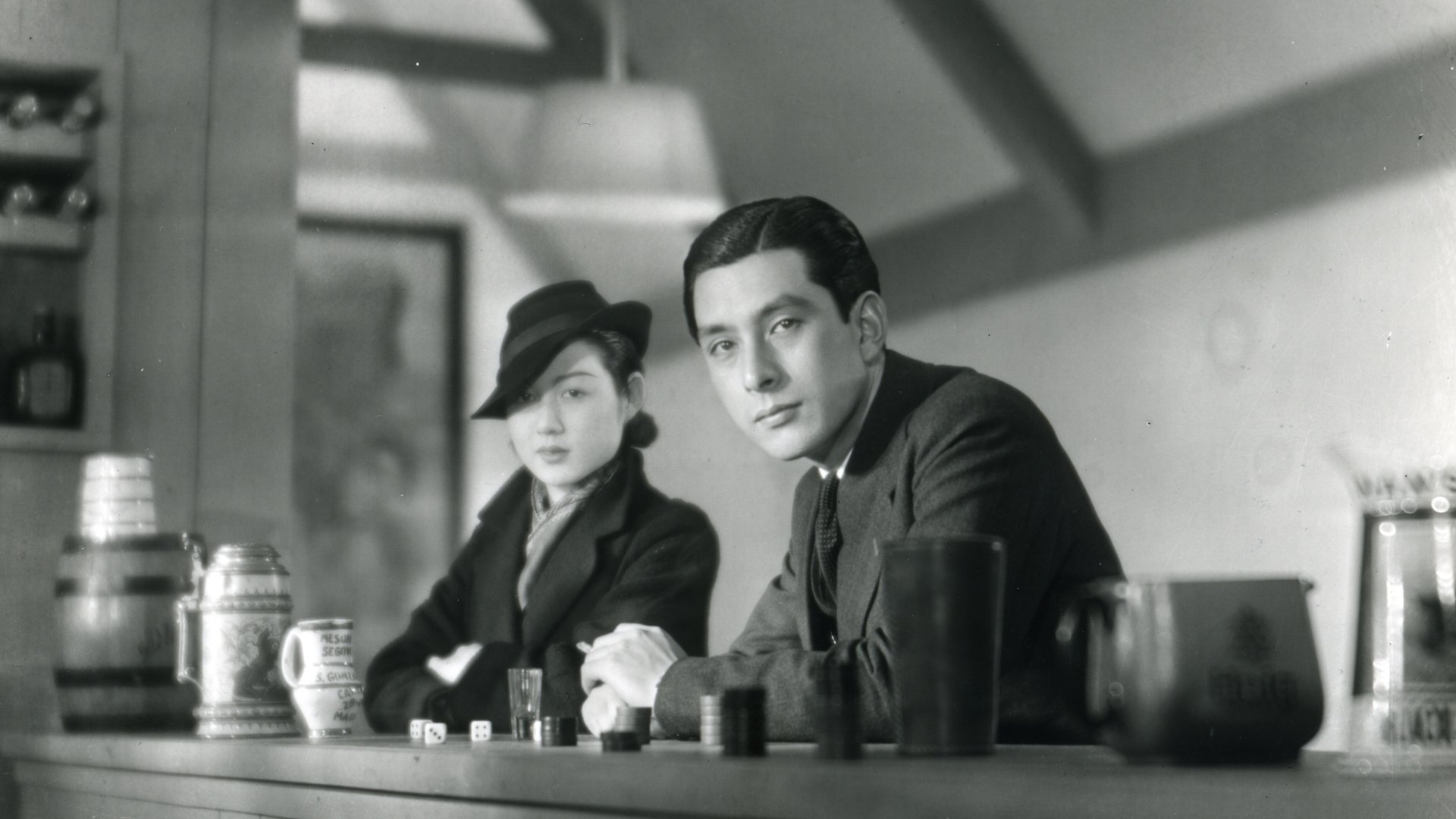
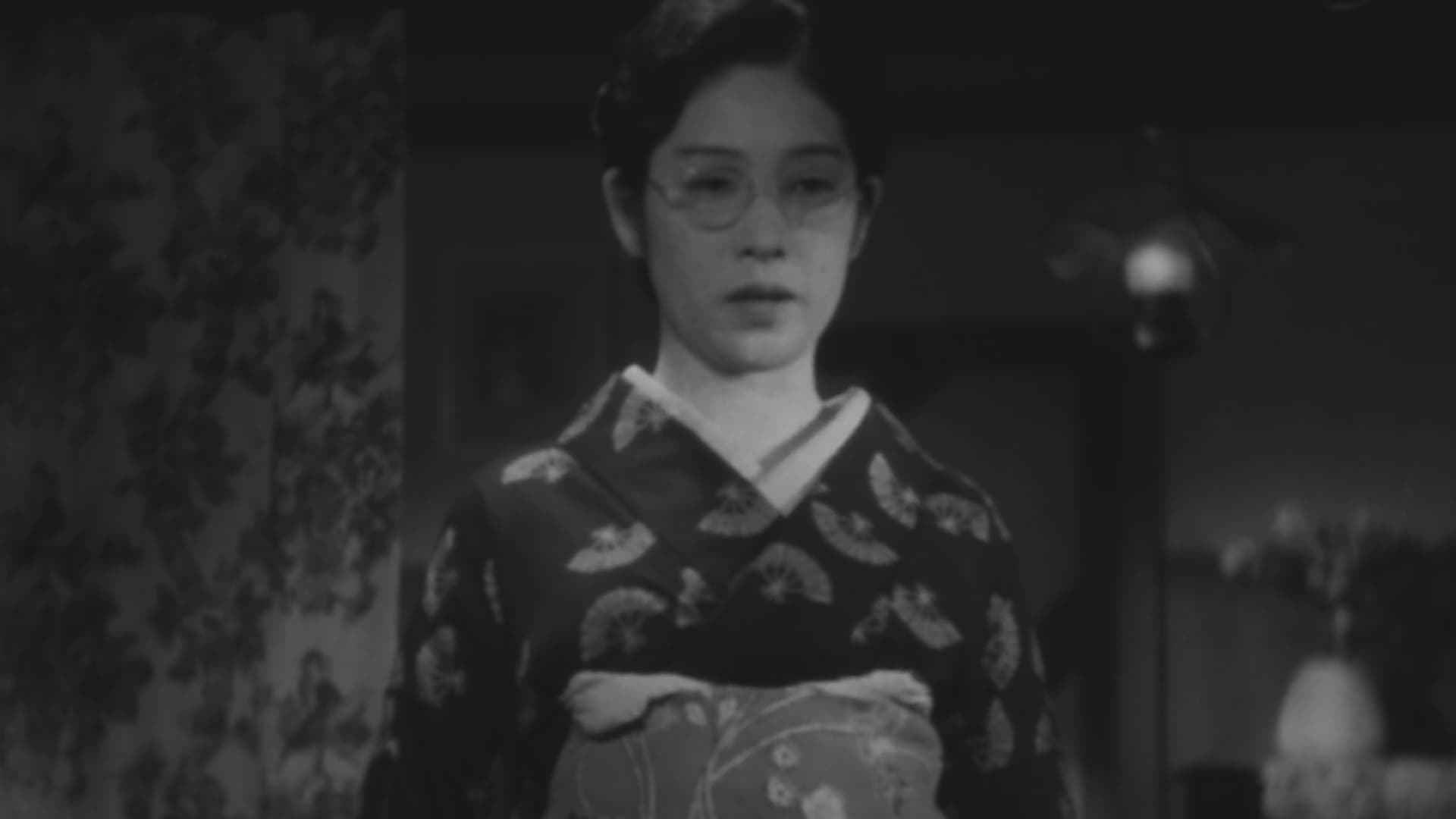
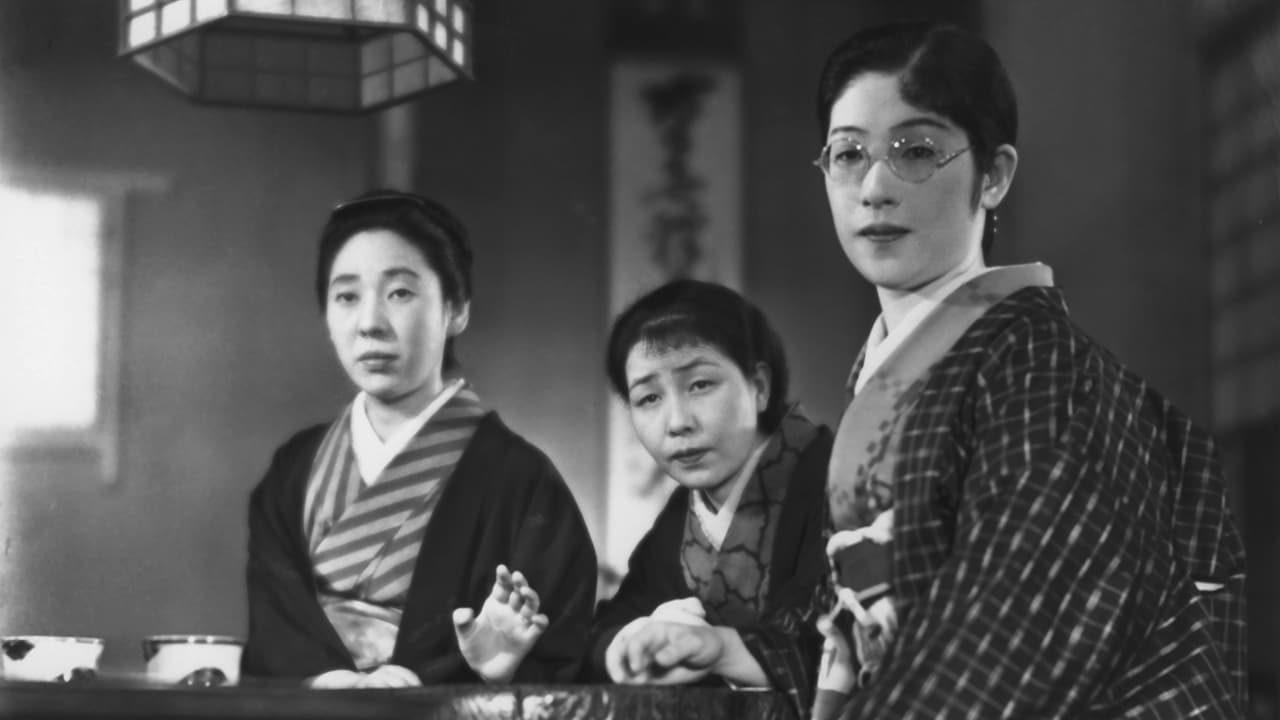
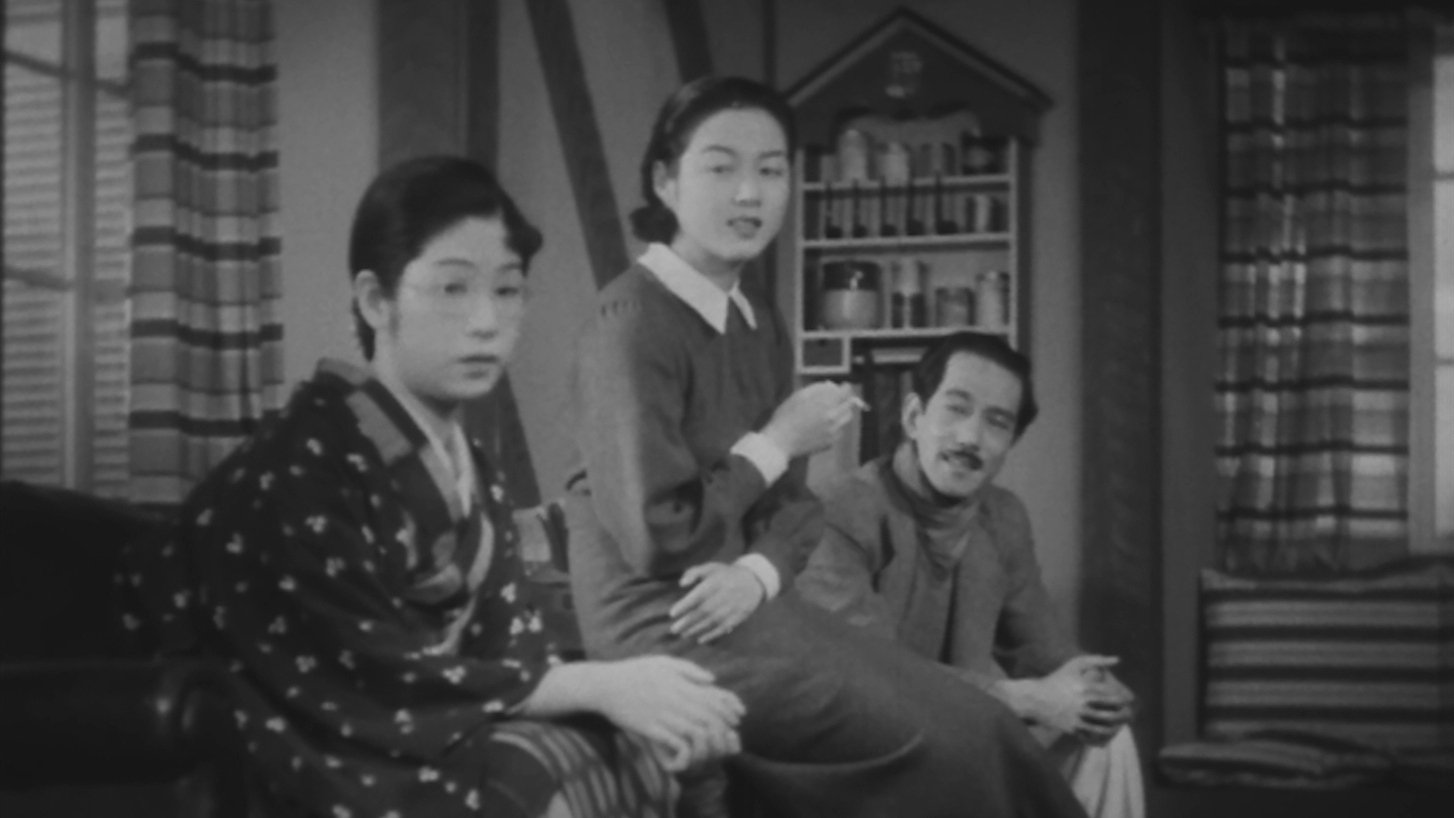
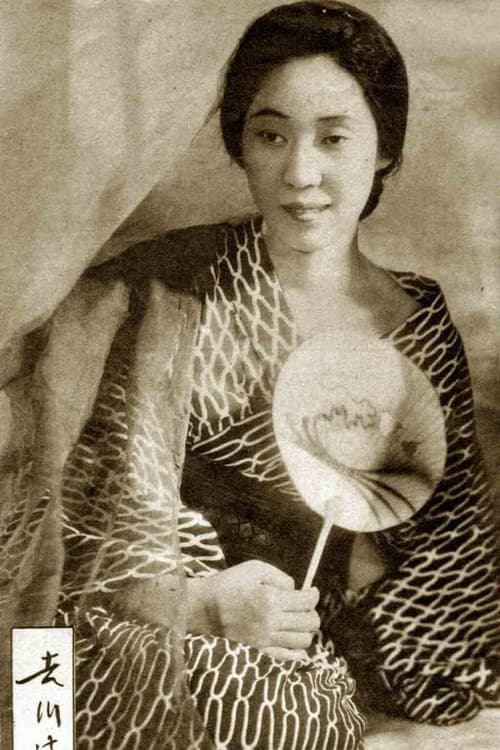
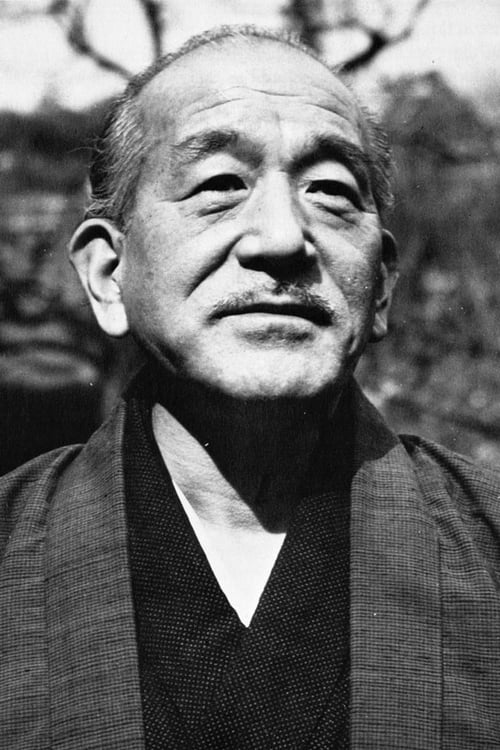
Director- Ozu Yasujiro.This is the second film I have seen of his, the first being Tokyo Story. It's the third counting a short film, The Lion Dance.I decided to watch this, too, after finding it on YouTube and also because I know quite little about classical Japanese Cinema and filmmakers predominantly of the 1940s. Watching the film, I do agree with Ozu on the fact that the lady indeed forgot something, she forgot to make her sister's husband more confident and outspoken. Though his words of giving her sister little victories for major gains do show that he has had character growth and that now he won't be so easily oppressed.Watching this made me think that either Ozu is making a gender swapped story and the wife is more oppressed in Japanese culture, or the 30s was a great era to live in Japan for women.This film, too, features Ozu's themes of family despite individuality and in the end he brings them all together even with their vastly different views to life which then shape their behavior. The sister is of a bygone era and still holds onto her outdated beliefs of how women should behave while the protagonist is the personification of a modern woman who is doing whatever a man can do as she is in no lesser than one.The film also works as a lesson on history over what a person of the 30s used to do as a pastime.The main issue I had with the film is that it lacks conflict and has no stakes. It is by far a slice of life which, though it has more merit at this point as it is a work of history but I cannot see this as having any more if we discount that fact.Overall, this is a good but dated work. Maybe I am too used to the great Japanese films of the fifties and beyond, and am overestimating this generation of films. Hope I like other films of this generation more otherwise this venture will be fruitless.
Director- Ozu Yasujiro.This is the second film I have seen of his, the first being Tokyo Story. It's the third counting a short film, The Lion Dance.I decided to watch this, too, after finding it on YouTube and also because I know quite little about classical Japanese Cinema and filmmakers predominantly of the 1940s. Watching the film, I do agree with Ozu on the fact that the lady indeed forgot something, she forgot to make her sister's husband more confident and outspoken. Though his words of giving her sister little victories for major gains do show that he has had character growth and that now he won't be so easily oppressed.Watching this made me think that either Ozu is making a gender swapped story and the wife is more oppressed in Japanese culture, or the 30s was a great era to live in Japan for women.This film, too, features Ozu's themes of family despite individuality and in the end he brings them all together even with their vastly different views to life which then shape their behavior. The sister is of a bygone era and still holds onto her outdated beliefs of how women should behave while the protagonist is the personification of a modern woman who is doing whatever a man can do as she is in no lesser than one.The film also works as a lesson on history over what a person of the 30s used to do as a pastime.The main issue I had with the film is that it lacks conflict and has no stakes. It is by far a slice of life which, though it has more merit at this point as it is a work of history but I cannot see this as having any more if we discount that fact.Overall, this is a good but dated work. Maybe I am too used to the great Japanese films of the fifties and beyond, and am overestimating this generation of films. Hope I like other films of this generation more otherwise this venture will be fruitless.