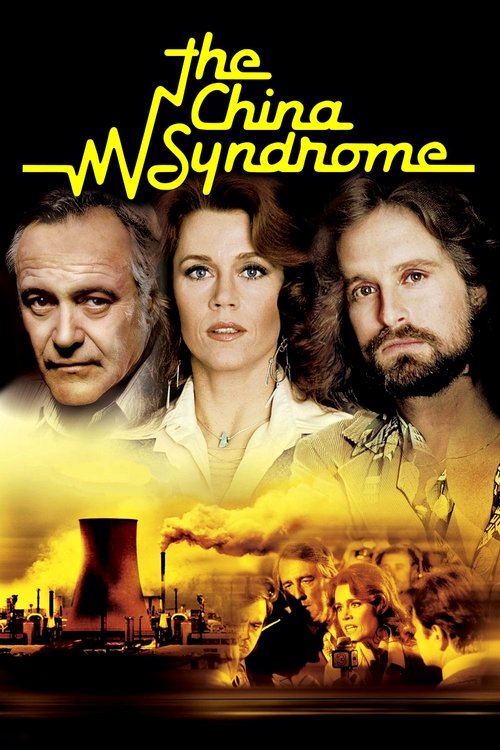
There’s two things happening here, one of which is the nuclear, the other is the diffuse. It’s the latter, confusingly, which is the nuclear. I’m being semantically playful of course but the widescreen Nuclear fears almost play second fiddle to the insular emotional ones.
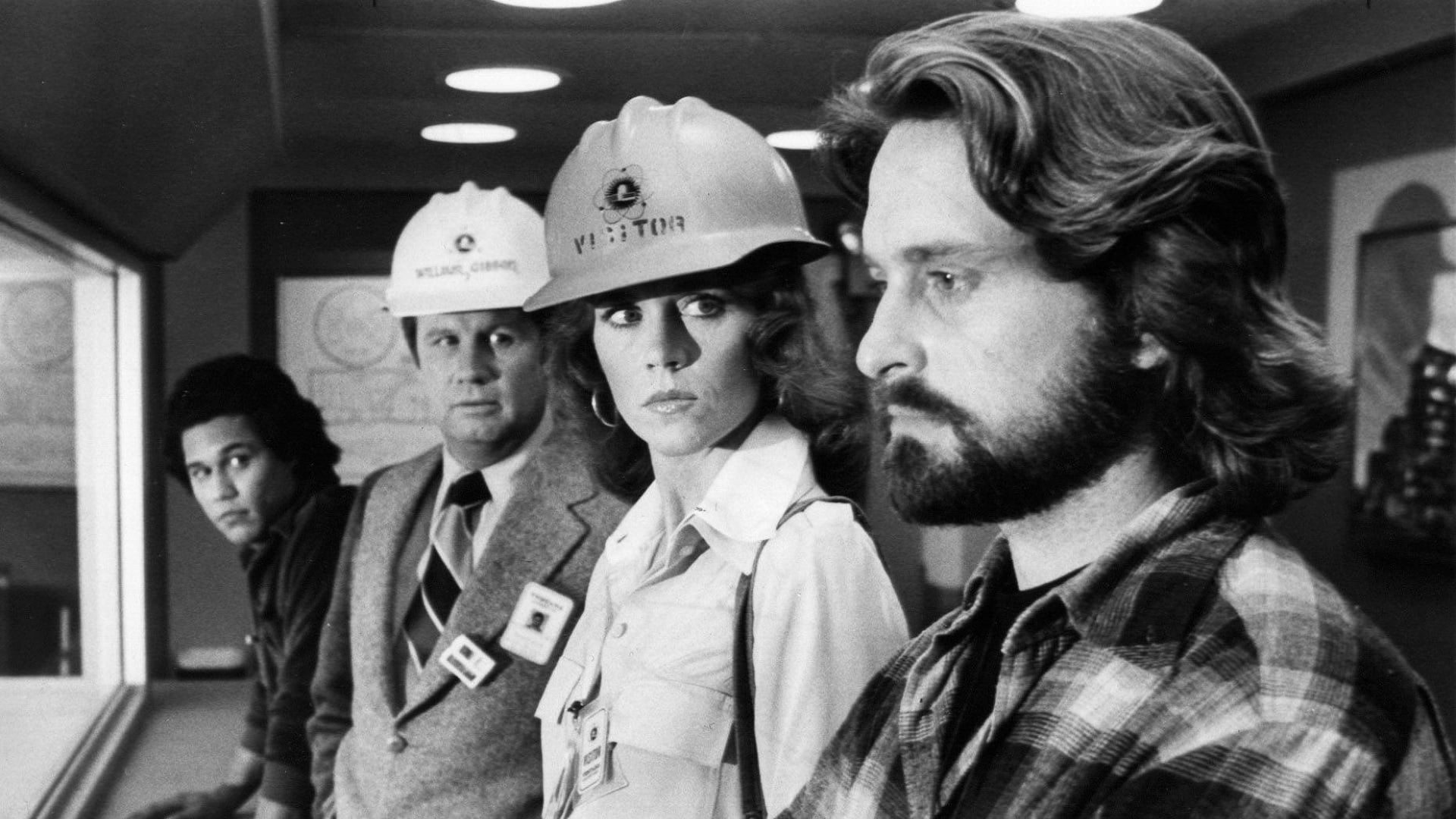
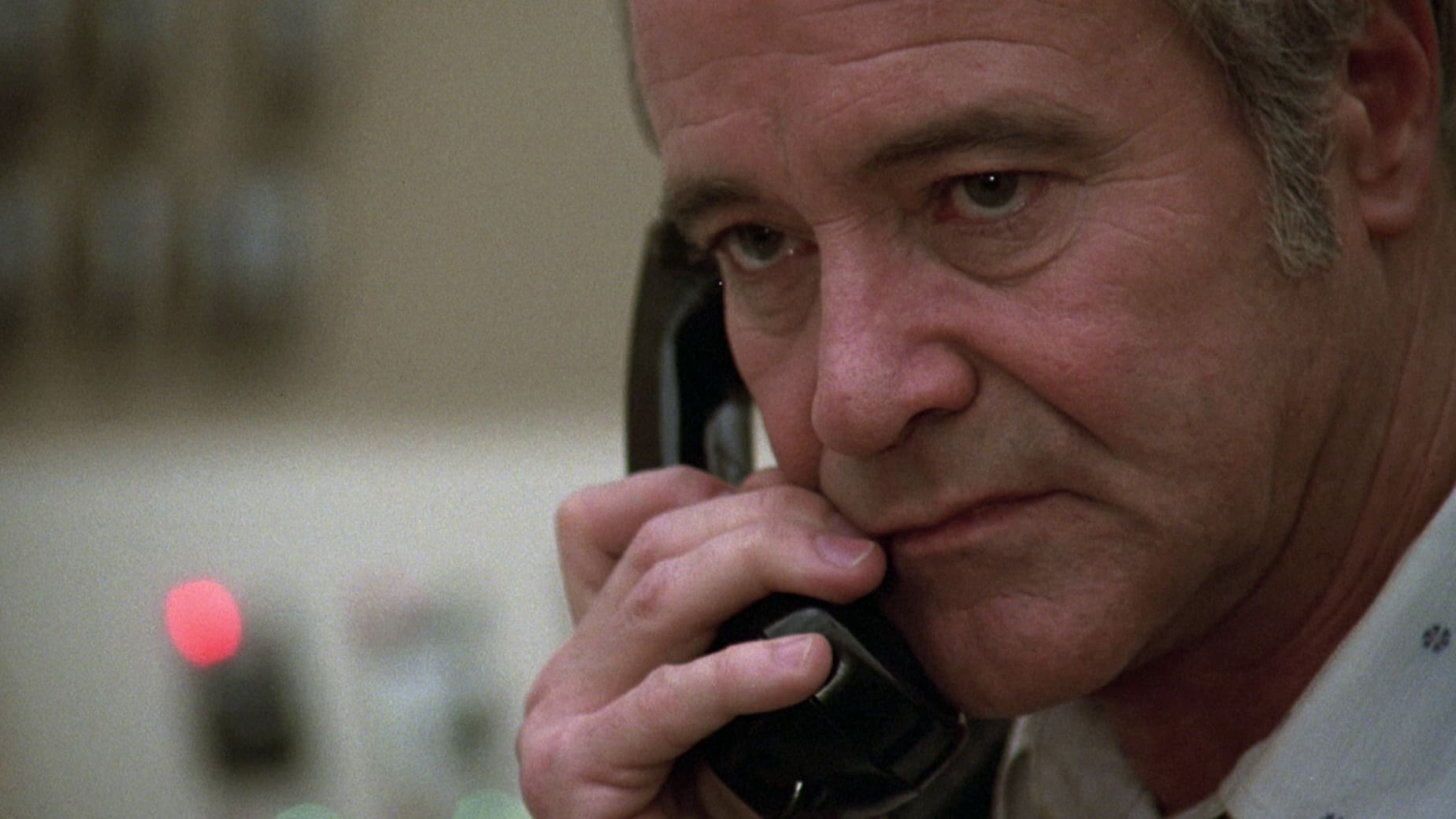
It’s almost a film of three parts. The first act expertly plays on the audience’s fear leading into the heart-in-the-mouth tension of the first shudder. We’re not yet clued into the corporate delineation or the inner workings of the plant but it’s enough to have the ephemeral anxiety associated with the subject as a catalyst for unbearable suspense. The second segues into a corporate espionage thriller to rival our modern examples. Bridges, quite rightly, never gets too lost in the technical jargon but does enough to make Godell’s revelations feel monumental, to make his earlier reluctance towards whistle-blowing crumble. Both acts trundle by in a satisfyingly proper way, maybe not enthralling as much as they could have but servicing nonetheless
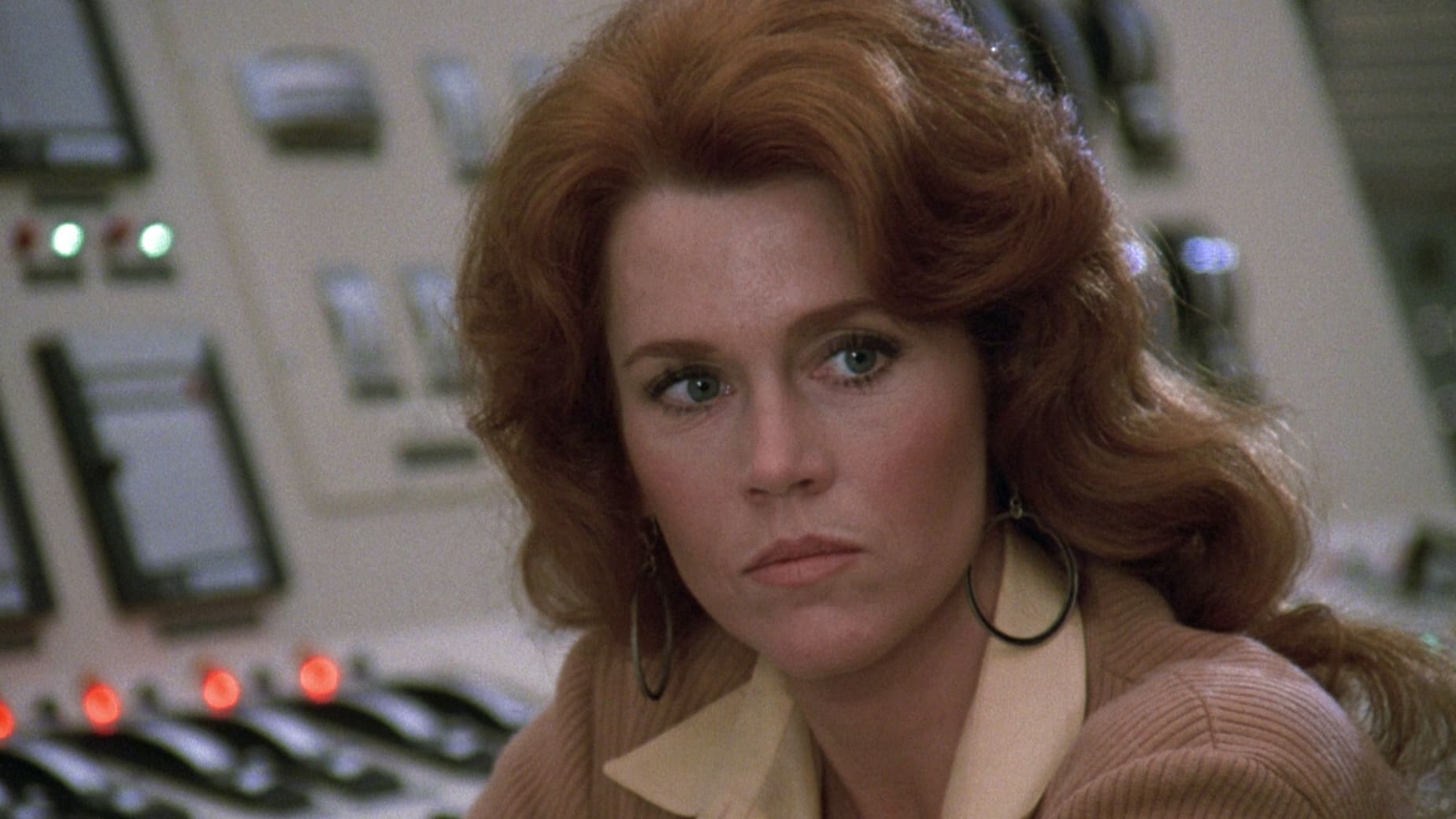
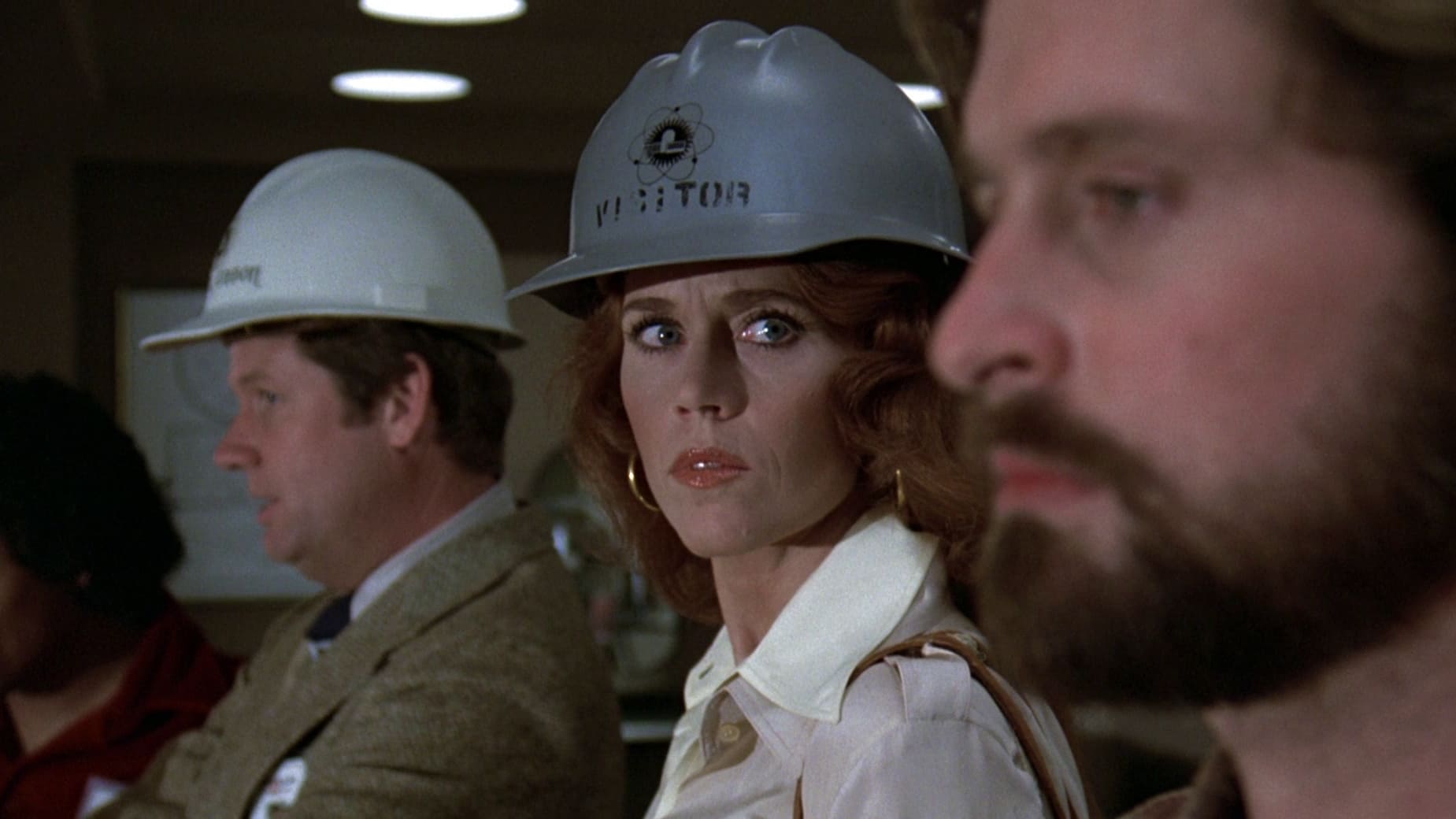
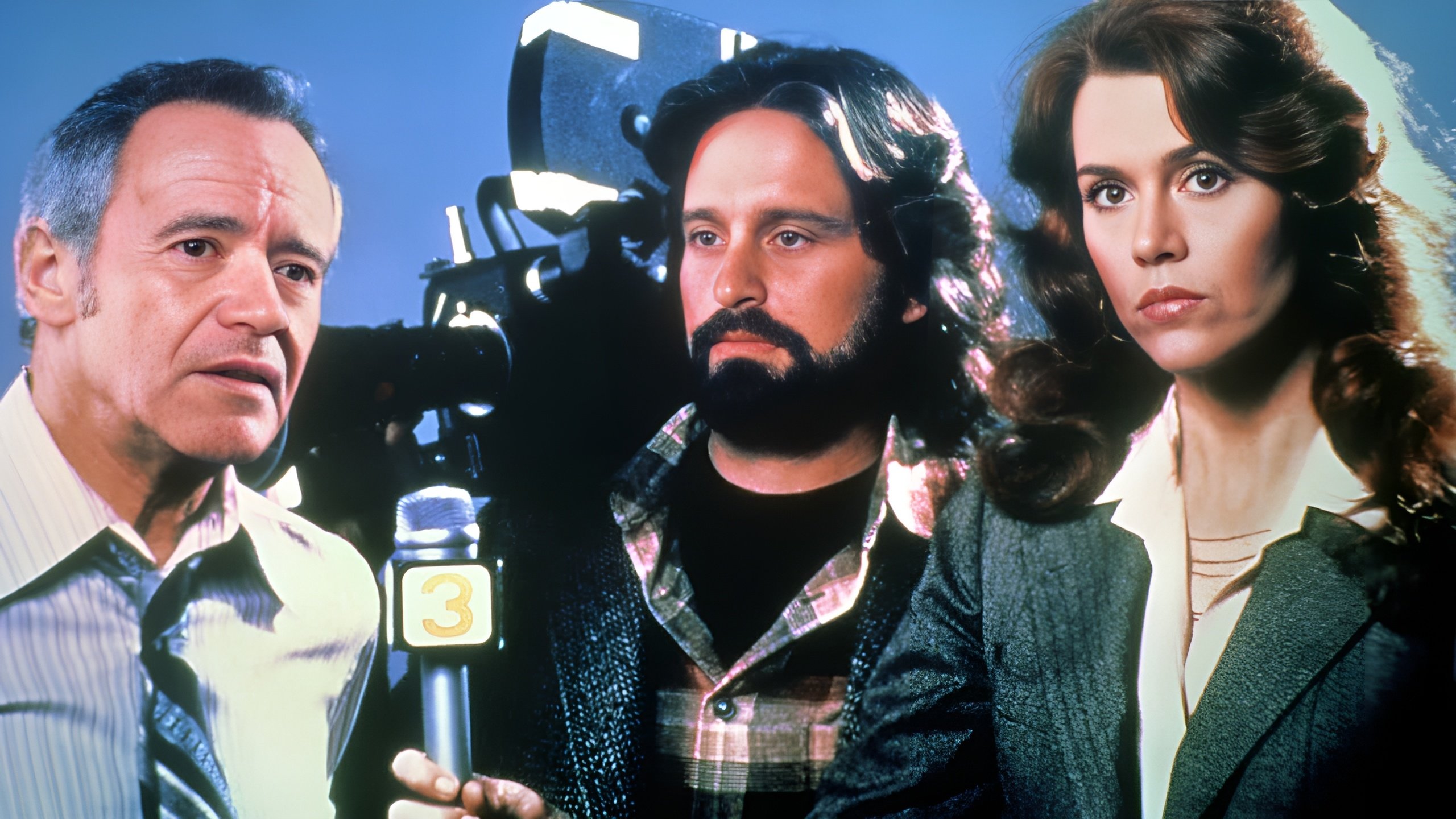
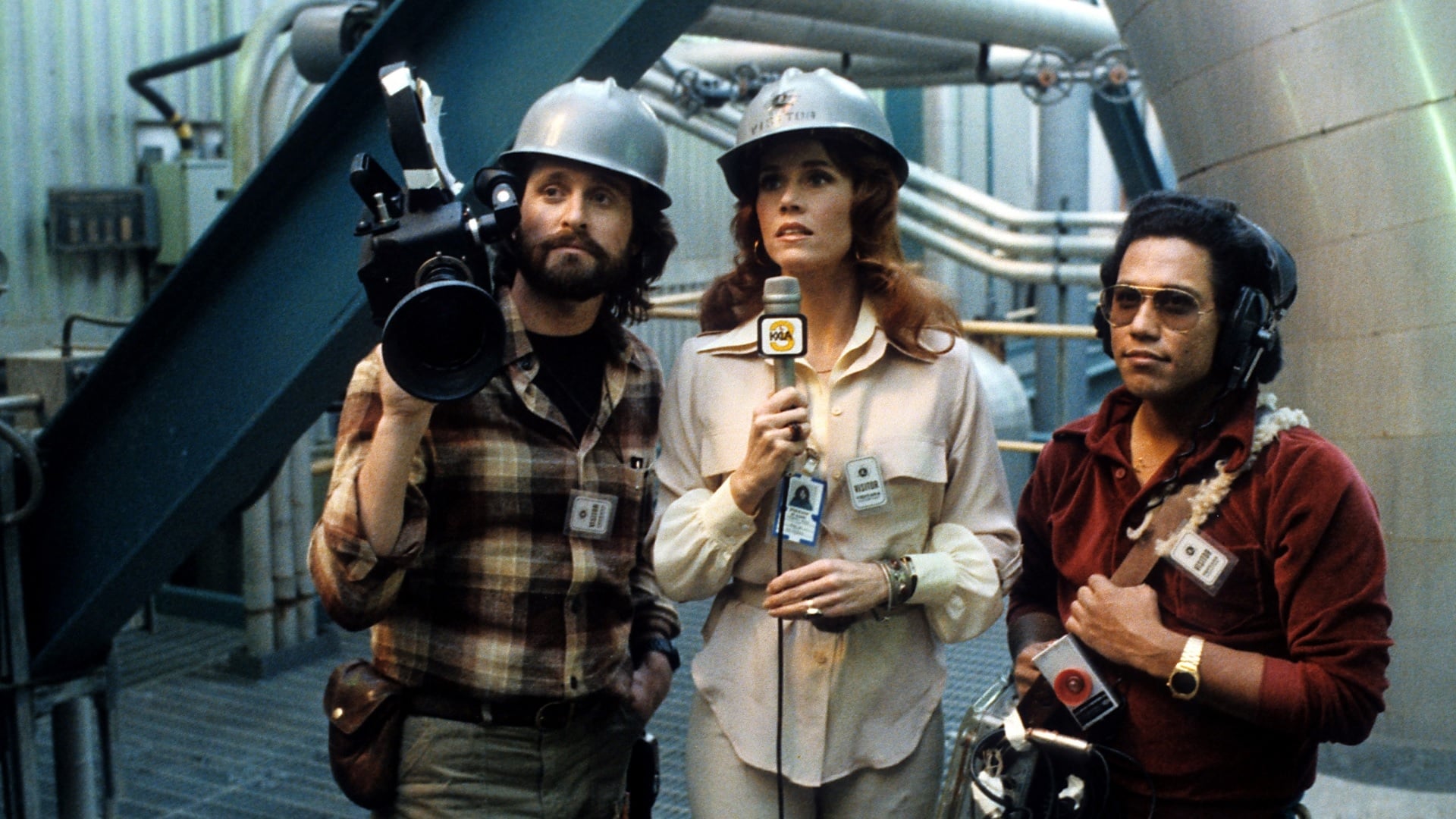
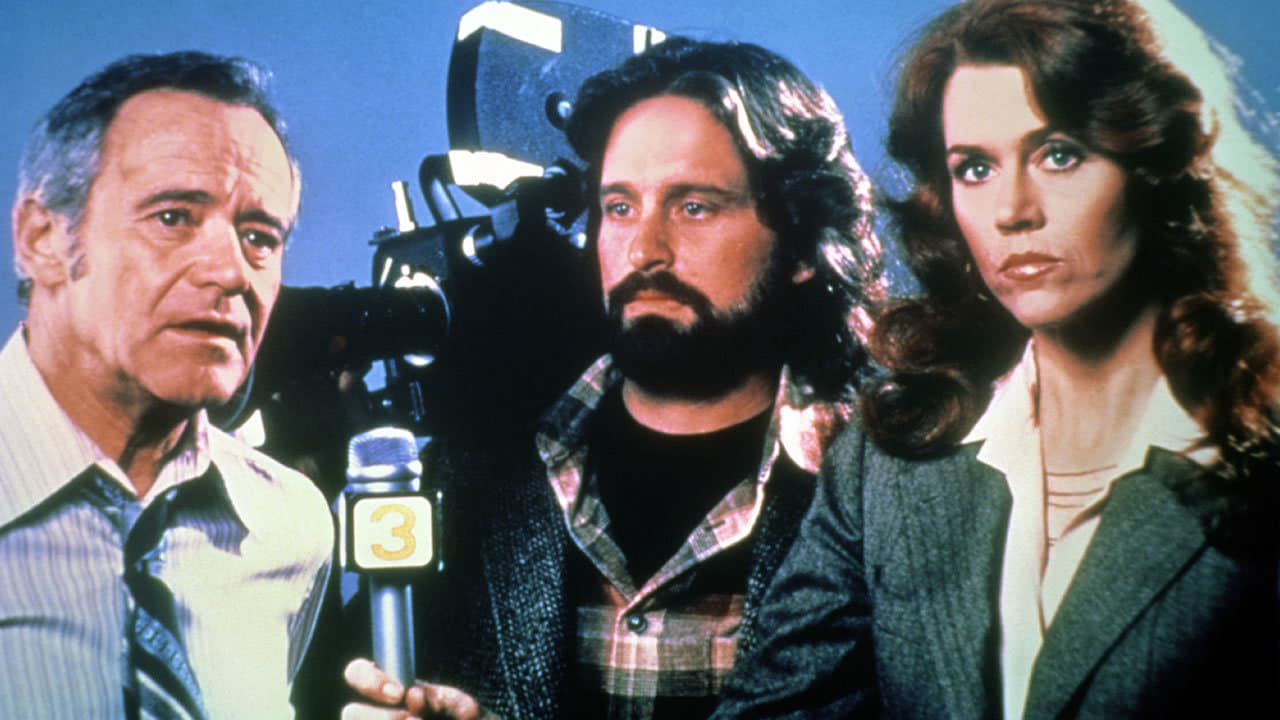
The third act won me over. The film becomes what it’s been straining to be all along, a personal melodrama. Throughout we’ve had a wonderful showcase of the shocking treatment Wells endures at the hands of Jacovich. An early highlight is the scene at his party where Wells discusses her ambition at the station. Fonda is a powerhouse and the begging she has to lower herself to to satisfy the male ego makes your skin crawl, she plays it incredibly. Come the end, when her and Lemmon are given the floor (or the control room, more accurately) you can feel the tension of the moment feeding into her personal journey. A big break that comes out of necessity rather than merit. When she steps outside and grabs her own agency by the throat, ramming the microphone into Spindler’s cowardly face, it’s unbelievably cathartic. “Hold it together, Kimberly” and she does, in a final moment that absolutely floored me.
The three acts are bookended by a wonderful touch. We zoom in on the screen and are consumed by it, only to be spat back out at the end. What we’ve seen isn’t real but the film needs you to know it could be. It’s really lovely stuff.
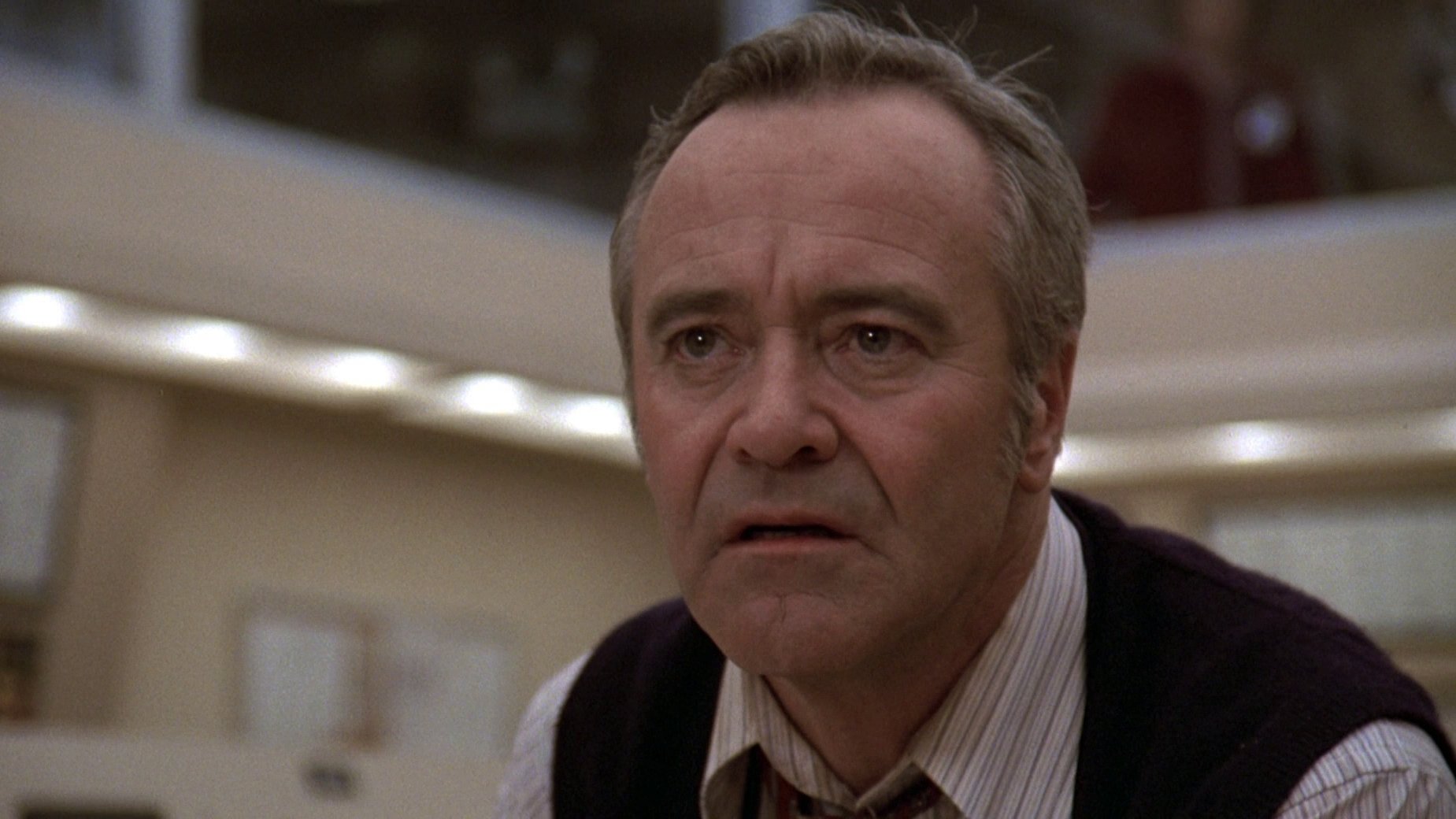
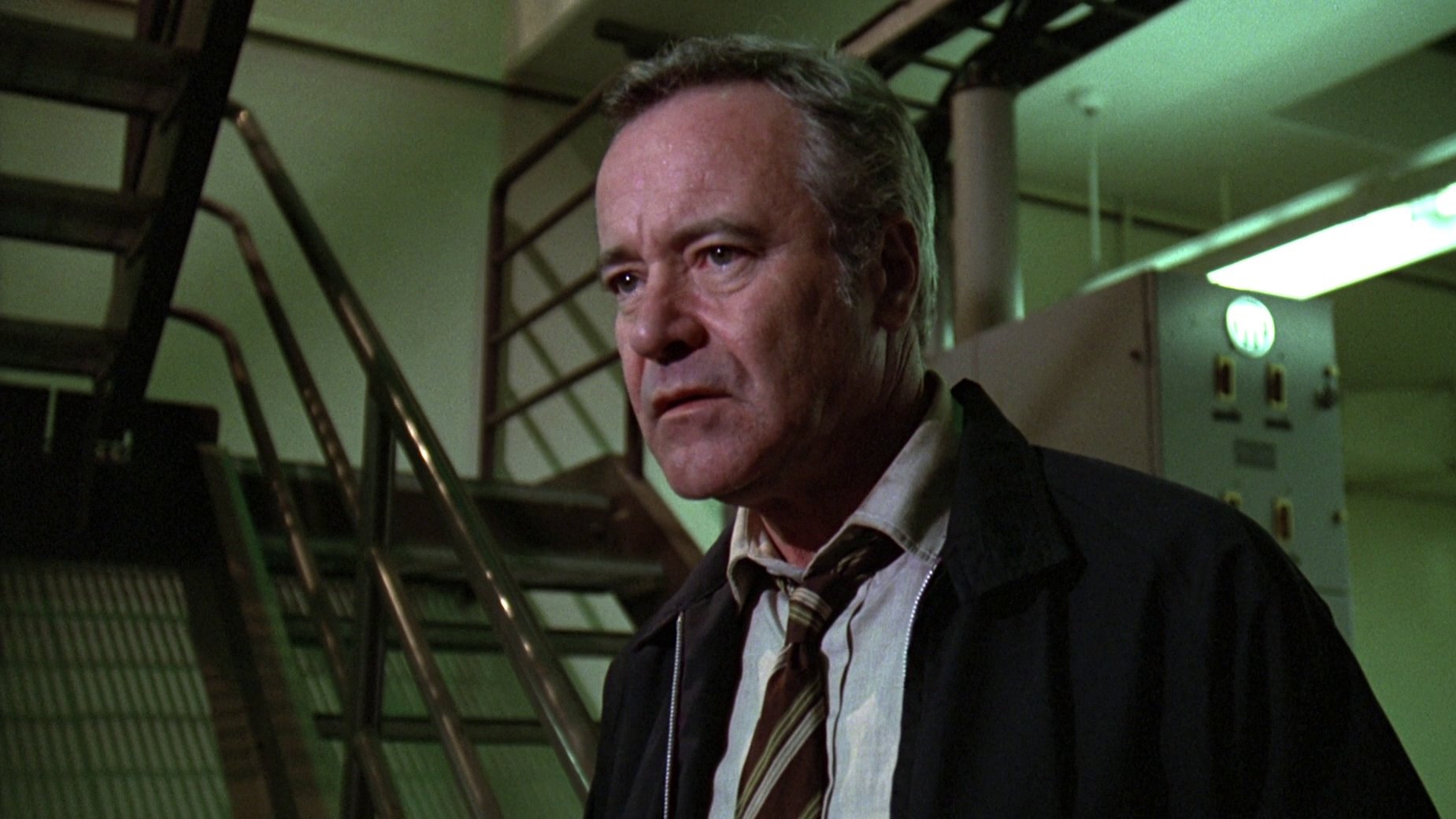
This film is so close to being truly great. It nearly gets there, save from some bland choices aesthetically and a final act that is so good you wish the first two were brought up to its height. Lemmon and Fonda are, naturally, unbelievable and the moments they share on screen are the best the film gets. They make the nuclear nuclear.
More rambling thoughts on little sleep which I’ll refuse to edit, have fun.
There’s two things happening here, one of which is the nuclear, the other is the diffuse. It’s the latter, confusingly, which is the nuclear. I’m being semantically playful of course but the widescreen Nuclear fears almost play second fiddle to the insular emotional ones.
It’s almost a film of three parts. The first act expertly plays on the audience’s fear leading into the heart-in-the-mouth tension of the first shudder. We’re not yet clued into the corporate delineation or the inner workings of the plant but it’s enough to have the ephemeral anxiety associated with the subject as a catalyst for unbearable suspense. The second segues into a corporate espionage thriller to rival our modern examples. Bridges, quite rightly, never gets too lost in the technical jargon but does enough to make Godell’s revelations feel monumental, to make his earlier reluctance towards whistle-blowing crumble. Both acts trundle by in a satisfyingly proper way, maybe not enthralling as much as they could have but servicing nonetheless
The third act won me over. The film becomes what it’s been straining to be all along, a personal melodrama. Throughout we’ve had a wonderful showcase of the shocking treatment Wells endures at the hands of Jacovich. An early highlight is the scene at his party where Wells discusses her ambition at the station. Fonda is a powerhouse and the begging she has to lower herself to to satisfy the male ego makes your skin crawl, she plays it incredibly. Come the end, when her and Lemmon are given the floor (or the control room, more accurately) you can feel the tension of the moment feeding into her personal journey. A big break that comes out of necessity rather than merit. When she steps outside and grabs her own agency by the throat, ramming the microphone into Spindler’s cowardly face, it’s unbelievably cathartic. “Hold it together, Kimberly” and she does, in a final moment that absolutely floored me.
The three acts are bookended by a wonderful touch. We zoom in on the screen and are consumed by it, only to be spat back out at the end. What we’ve seen isn’t real but the film needs you to know it could be. It’s really lovely stuff.
This film is so close to being truly great. It nearly gets there, save from some bland choices aesthetically and a final act that is so good you wish the first two were brought up to its height. Lemmon and Fonda are, naturally, unbelievable and the moments they share on screen are the best the film gets. They make the nuclear nuclear.
More rambling thoughts on little sleep which I’ll refuse to edit, have fun.