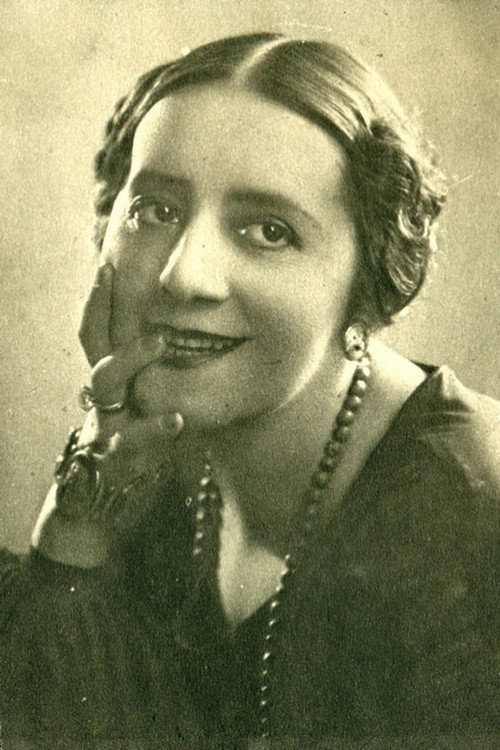
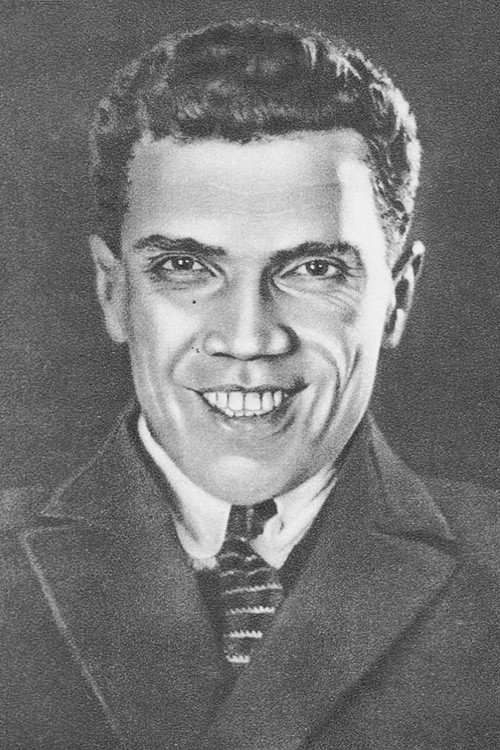
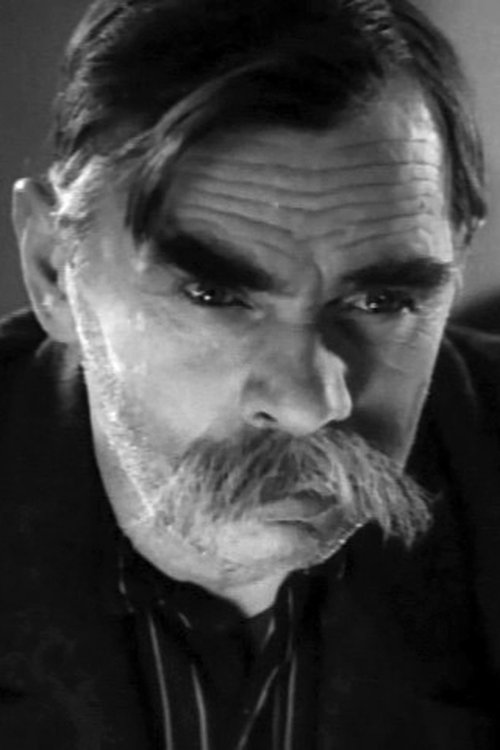
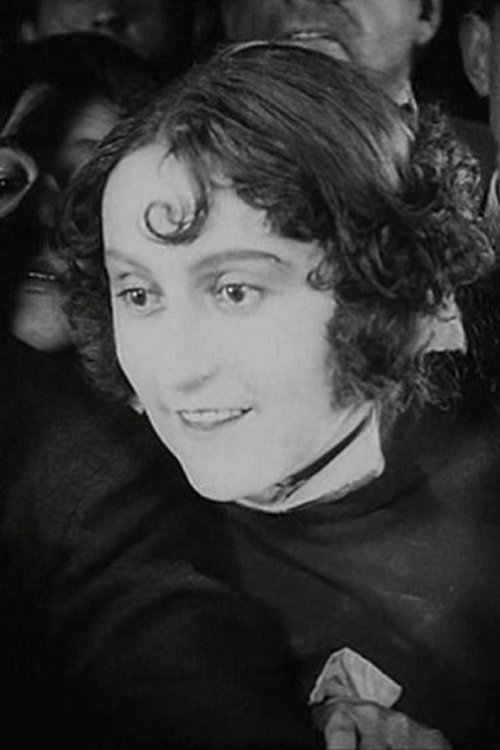
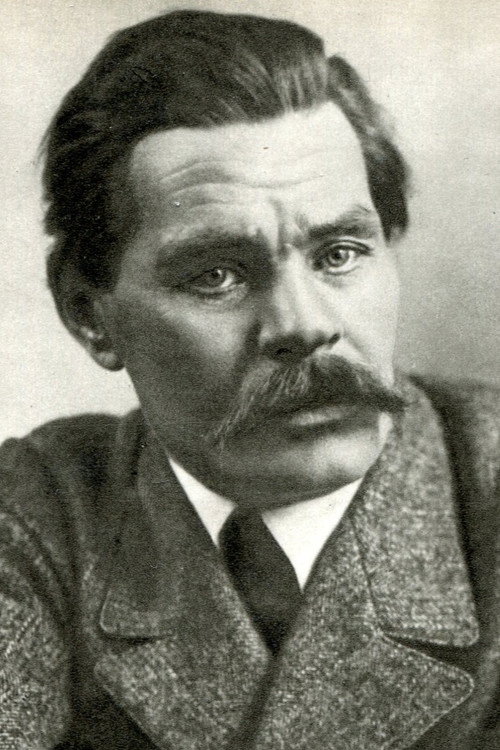
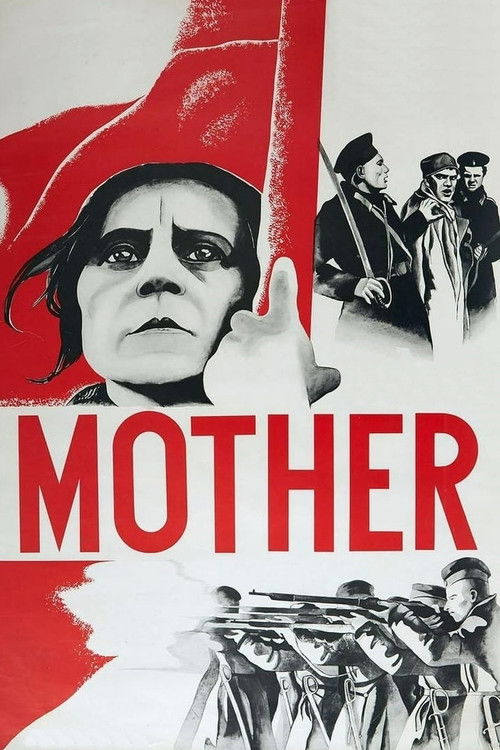
Mother, directed by Vsevolod Pudovkin and adapted from “Mother” by Maxim Gorky, is surely second only to Battleship Potemkin by the brilliant Sergei Eisenstein, the finest work soviet silent cinema has left us. Its greatness lies not only in the conception of its story, but also in its performances and astonishing direction, which demonstrates an absolute mastery of suggestion and emotion through montage.
Published in 1907, Gorky’s novel was conceived as a portrayal of the struggle against oppression, but above all as an allegory of political awakening embodied in the mother of a young worker who, day by day, gradually becomes the Mother (Truth) of all those who fight against injustice. As is often the case in revolutionary soviet cinema, the story centers on the awakening of consciousness, focusing on the humble figure of a mother whose son has been imprisoned for his revolutionary activities after organizing and inciting a workers strike.
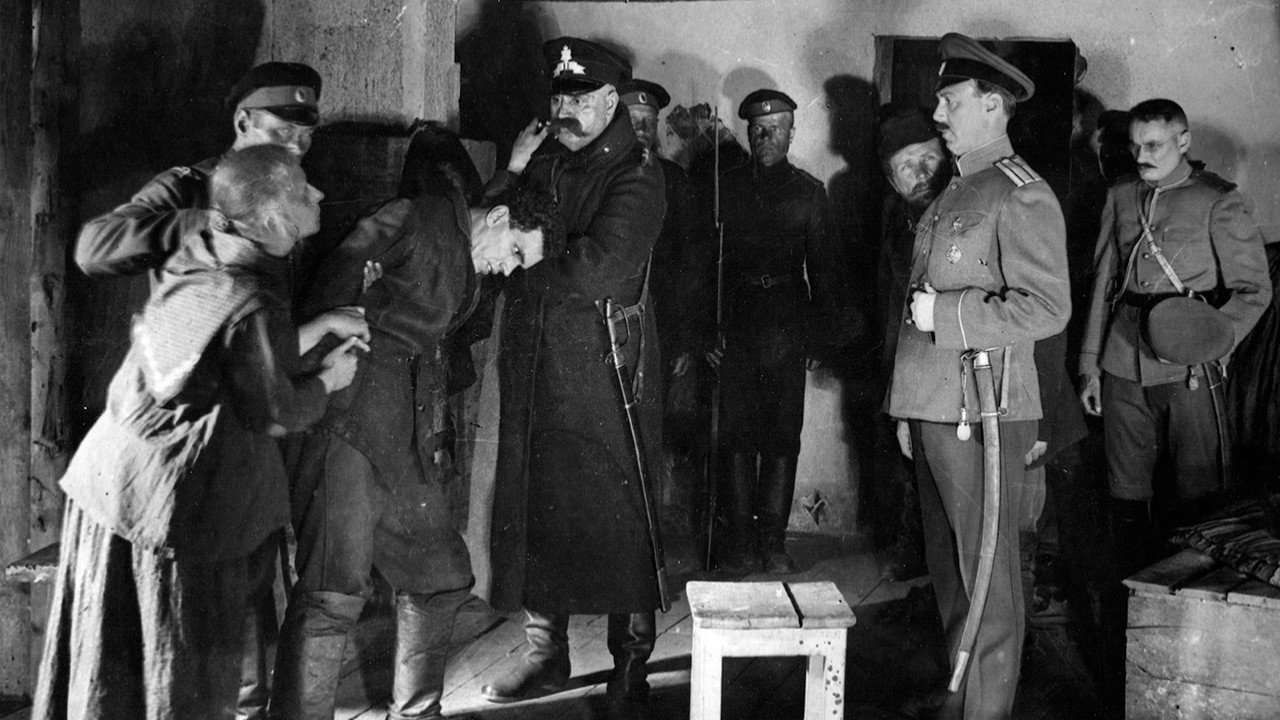
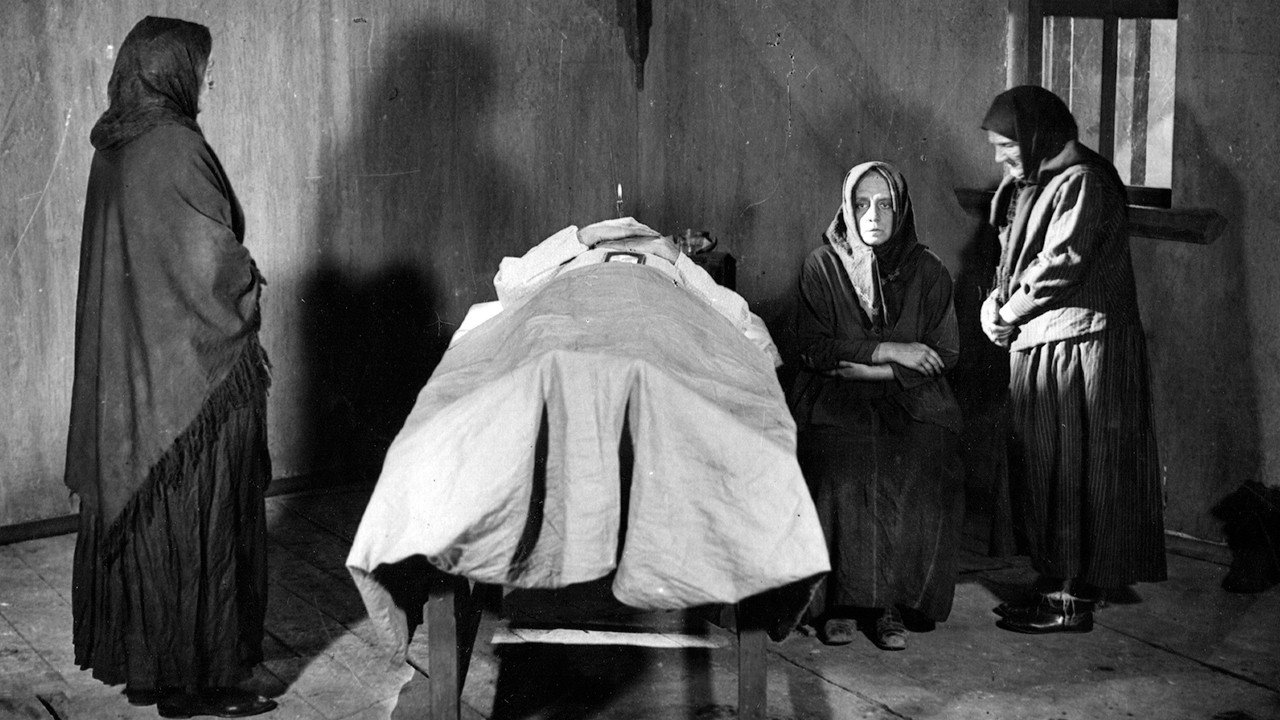
Mrs. Vlasova, abused by her husband until the day he dies, still believes in the justice of the state. She rejects violence and wants her son, Pavel, to become an honest man who obeys the rules. But what happens to the young man from this point onward will reveal to her the other face of a society she had never truly managed to see.
With a screenplay by Nathan Zarkhi, director Vsevolod Pudovkin delivers, in Mother, a free adaptation of Mother, onitting certain characters and introducing several meaningful changes in order to captivate those who had already read Gorky’s work, and in the Soviet Union, there were many people who had! The result is highly fortunate, above all in the way the family is transformed into a sort of microcosmic metaphor for the society endured under the monarchy: the father embodies the oppressive state; the mother, the working class; and the son, the new generation striving to awaken. Even so, the novel digs far more deeply into the mother’s participation in the fight against injustice, while Maxim Gorky’s sociological reflections possess an incalculable clarifying power.
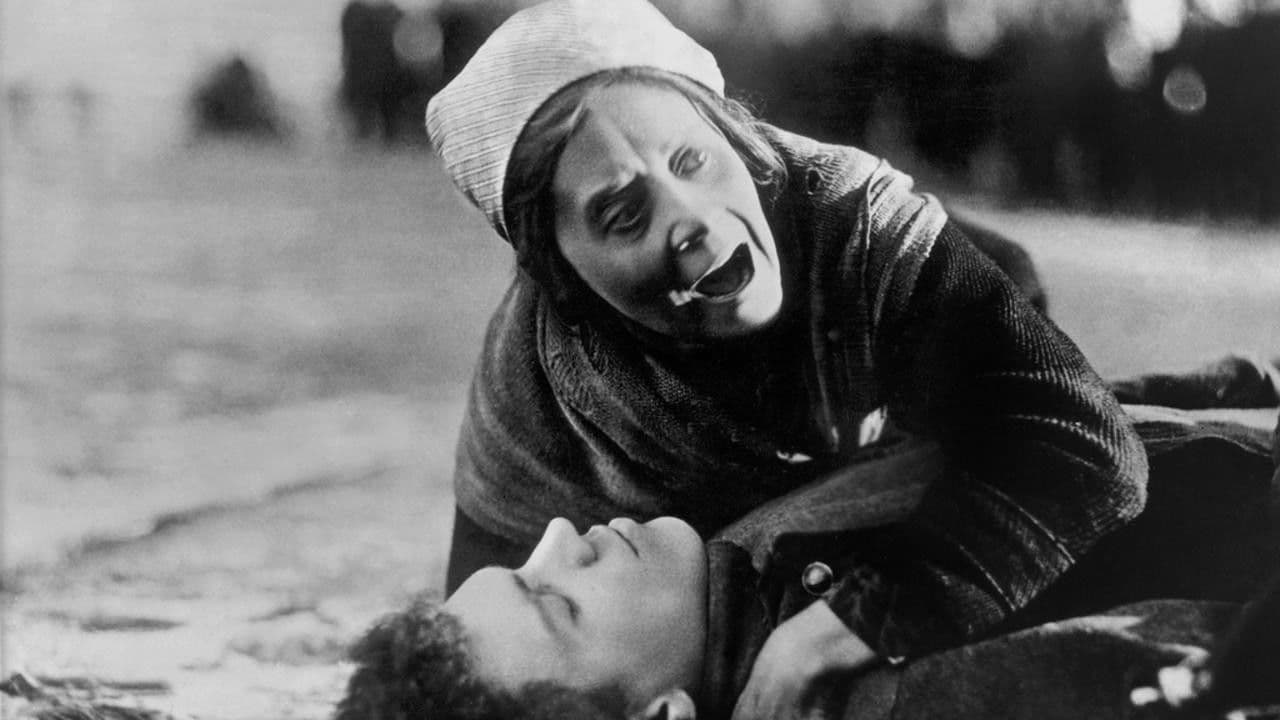
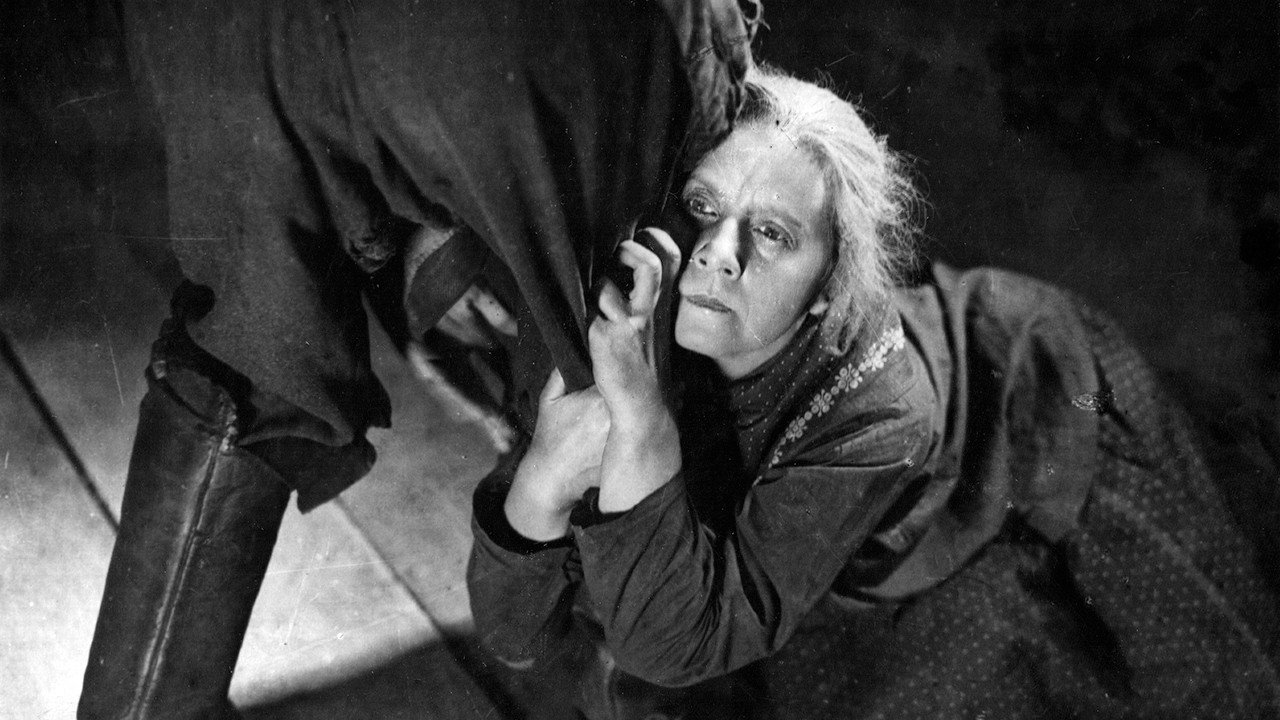
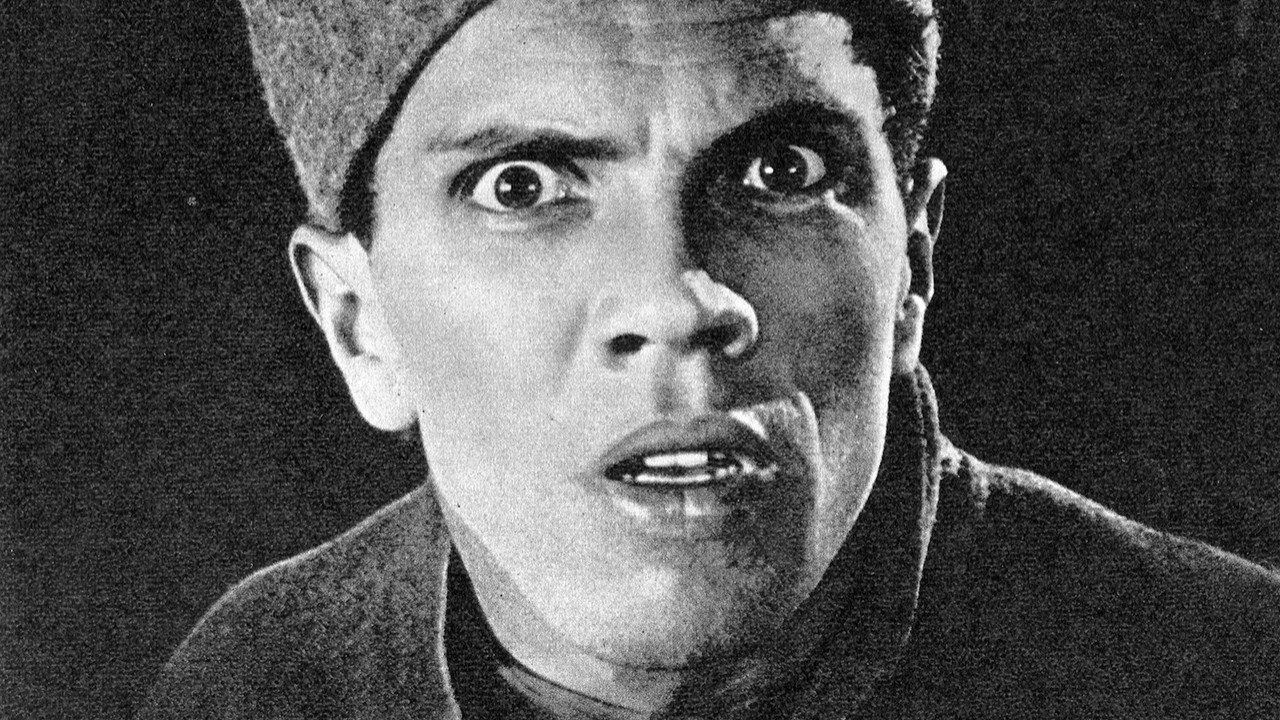
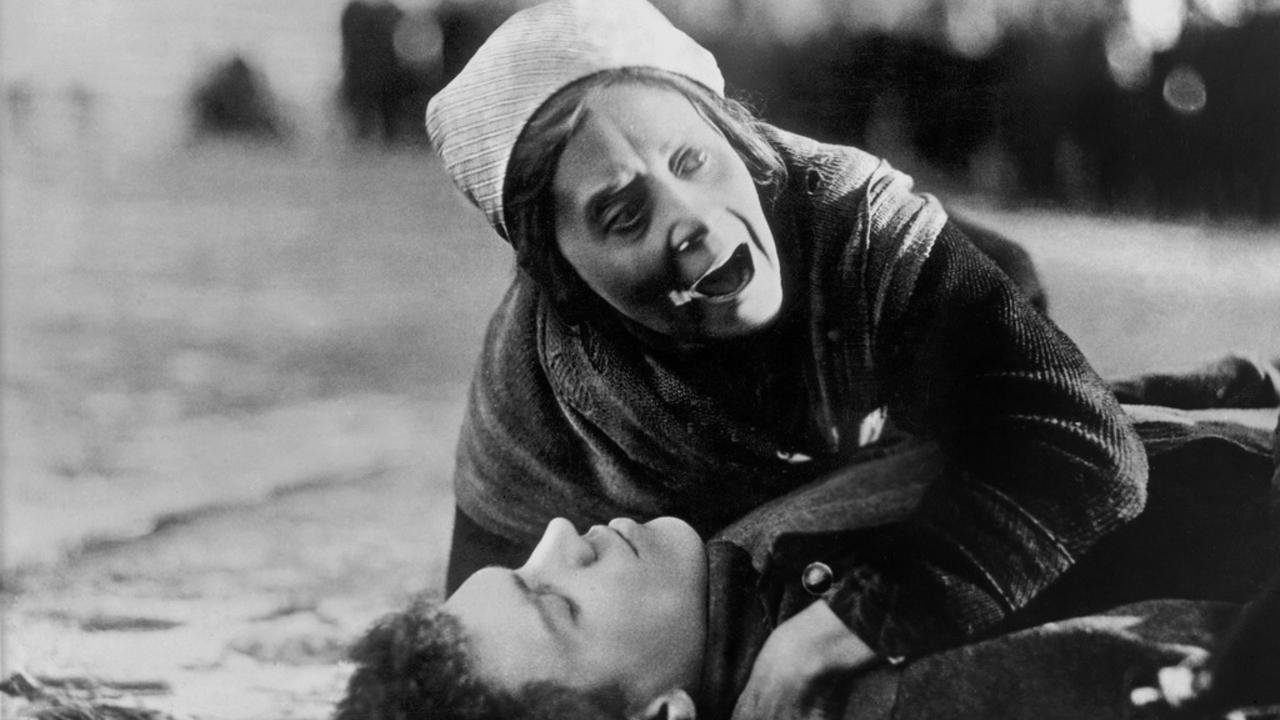
The film’s greatest strength is how brilliantly Pudovkin controls the pace using his own montage theories. In the quieter, more descriptive moments where emotion isn’t the point, the pacing is slow and patient, focused on the characters faces and gestures. But when the action erupts, the editing speeds up, cutting rapidly between close-ups (usually on faces) and wider shots, integrating individual experiences into a collective one.
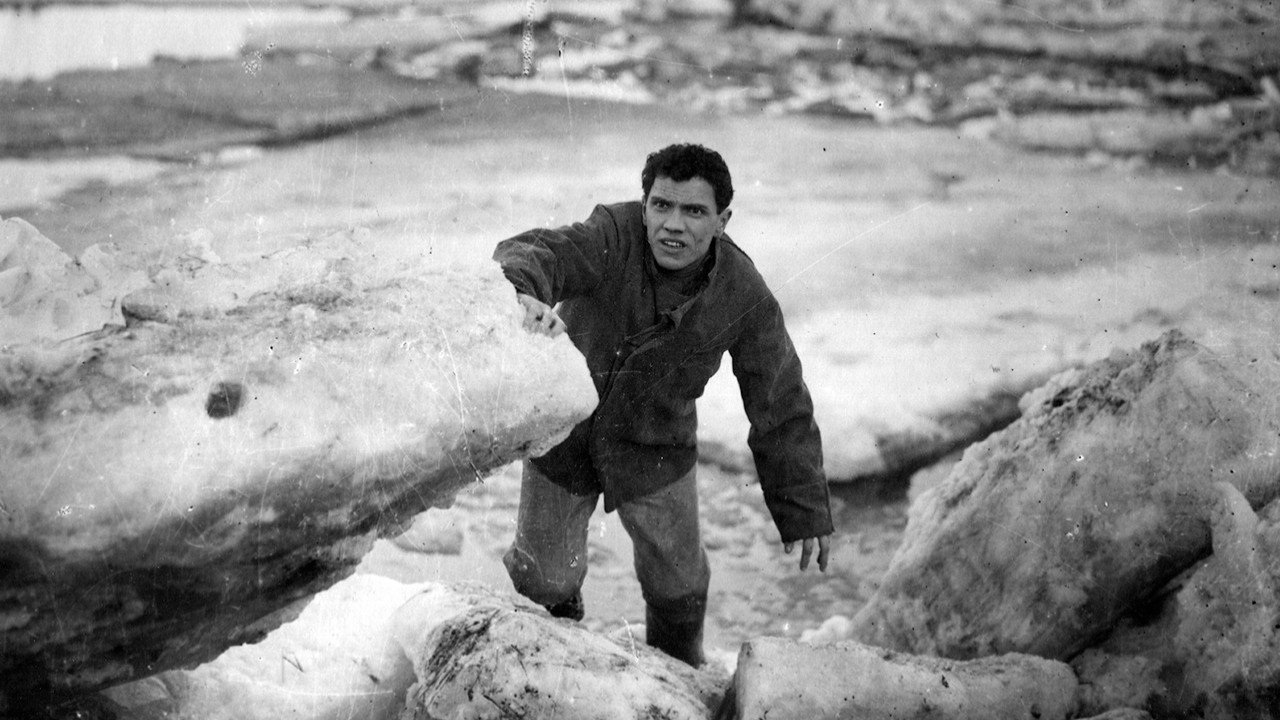
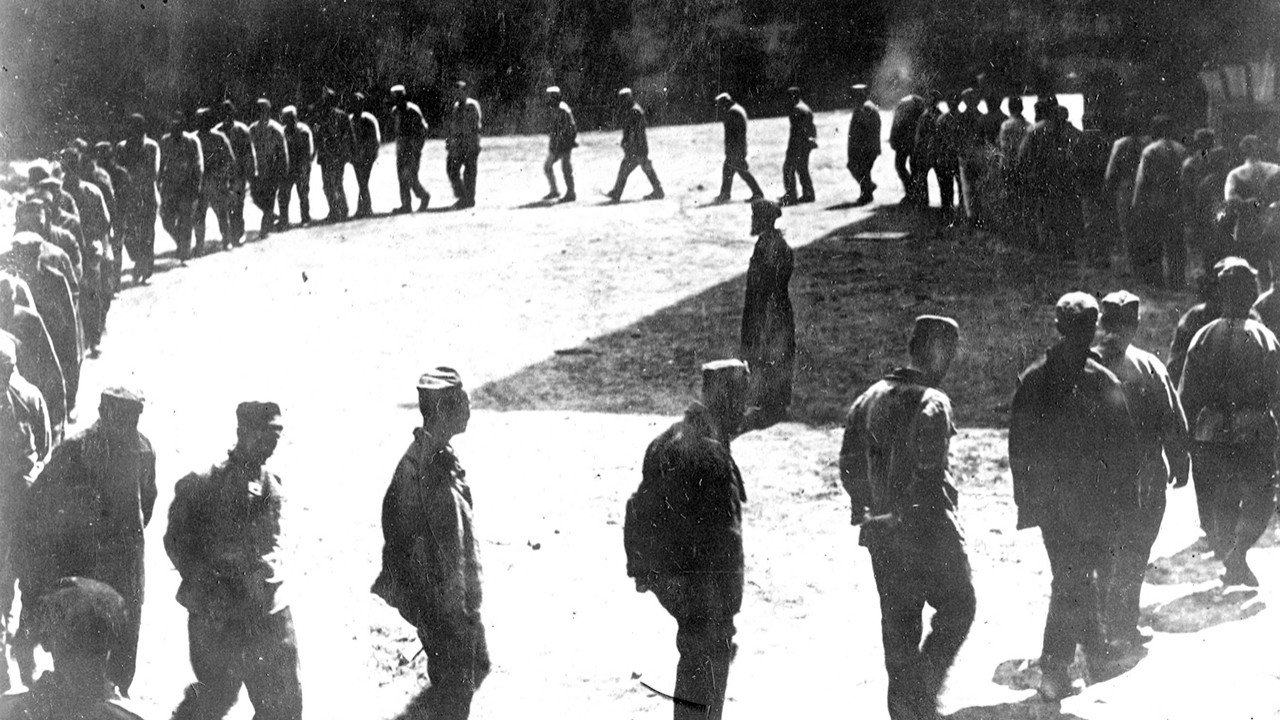
Among all the brilliant sequences in the film, I would highlight three. The trial sequence is wonderfully conceived as a critique of the tsarist courts, embodied in the three judges whose gestures and expressions contradict the virtues attributed to them (an honesty marked by a sly gaze, a justice that dozes, and a mercy that already carries the sentence written in the eyes). The arrival of spring, including the thaw, symbolizes the awakening of the workers consciousness, the birth of a new world (which is, after all, what every spring signifies) whose movement cannot be stopped. Finally, the closing sequences of the film, with the military repression of the demonstration and the mother’s heroic sacrifice, possess an emotional power comparable to the famous Odessa Steps sequence in Battleship Potemkin.
In anticipation of new and better springs, it is worthwhile to dwell on this work, a precious fruit of cinematic art.
Mother, directed by Vsevolod Pudovkin and adapted from “Mother” by Maxim Gorky, is surely second only to Battleship Potemkin by the brilliant Sergei Eisenstein, the finest work soviet silent cinema has left us. Its greatness lies not only in the conception of its story, but also in its performances and astonishing direction, which demonstrates an absolute mastery of suggestion and emotion through montage.
Published in 1907, Gorky’s novel was conceived as a portrayal of the struggle against oppression, but above all as an allegory of political awakening embodied in the mother of a young worker who, day by day, gradually becomes the Mother (Truth) of all those who fight against injustice. As is often the case in revolutionary soviet cinema, the story centers on the awakening of consciousness, focusing on the humble figure of a mother whose son has been imprisoned for his revolutionary activities after organizing and inciting a workers strike.
Mrs. Vlasova, abused by her husband until the day he dies, still believes in the justice of the state. She rejects violence and wants her son, Pavel, to become an honest man who obeys the rules. But what happens to the young man from this point onward will reveal to her the other face of a society she had never truly managed to see.
With a screenplay by Nathan Zarkhi, director Vsevolod Pudovkin delivers, in Mother, a free adaptation of Mother, onitting certain characters and introducing several meaningful changes in order to captivate those who had already read Gorky’s work, and in the Soviet Union, there were many people who had! The result is highly fortunate, above all in the way the family is transformed into a sort of microcosmic metaphor for the society endured under the monarchy: the father embodies the oppressive state; the mother, the working class; and the son, the new generation striving to awaken. Even so, the novel digs far more deeply into the mother’s participation in the fight against injustice, while Maxim Gorky’s sociological reflections possess an incalculable clarifying power.
The film’s greatest strength is how brilliantly Pudovkin controls the pace using his own montage theories. In the quieter, more descriptive moments where emotion isn’t the point, the pacing is slow and patient, focused on the characters faces and gestures. But when the action erupts, the editing speeds up, cutting rapidly between close-ups (usually on faces) and wider shots, integrating individual experiences into a collective one.
Among all the brilliant sequences in the film, I would highlight three. The trial sequence is wonderfully conceived as a critique of the tsarist courts, embodied in the three judges whose gestures and expressions contradict the virtues attributed to them (an honesty marked by a sly gaze, a justice that dozes, and a mercy that already carries the sentence written in the eyes). The arrival of spring, including the thaw, symbolizes the awakening of the workers consciousness, the birth of a new world (which is, after all, what every spring signifies) whose movement cannot be stopped. Finally, the closing sequences of the film, with the military repression of the demonstration and the mother’s heroic sacrifice, possess an emotional power comparable to the famous Odessa Steps sequence in Battleship Potemkin.
In anticipation of new and better springs, it is worthwhile to dwell on this work, a precious fruit of cinematic art.