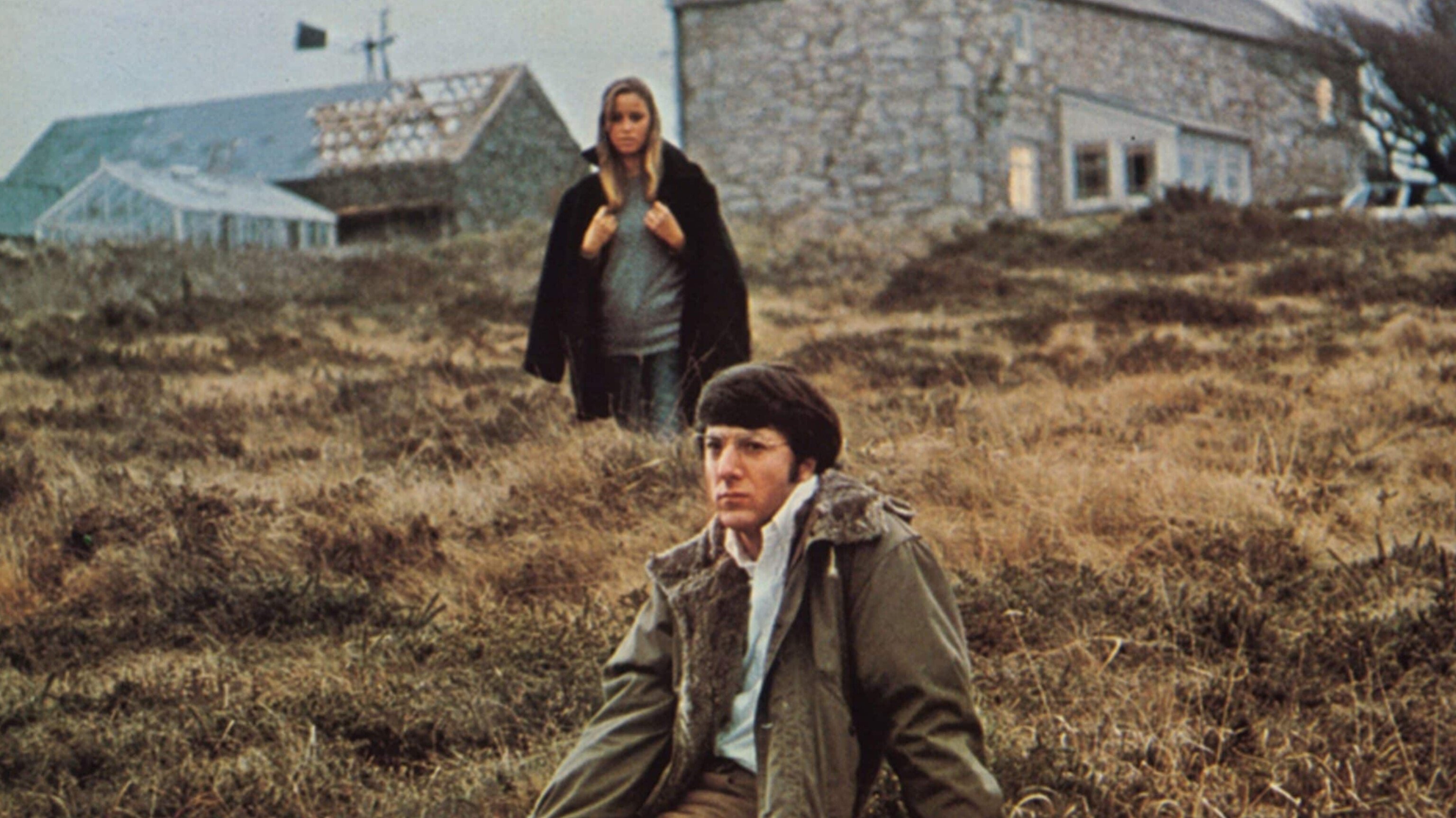
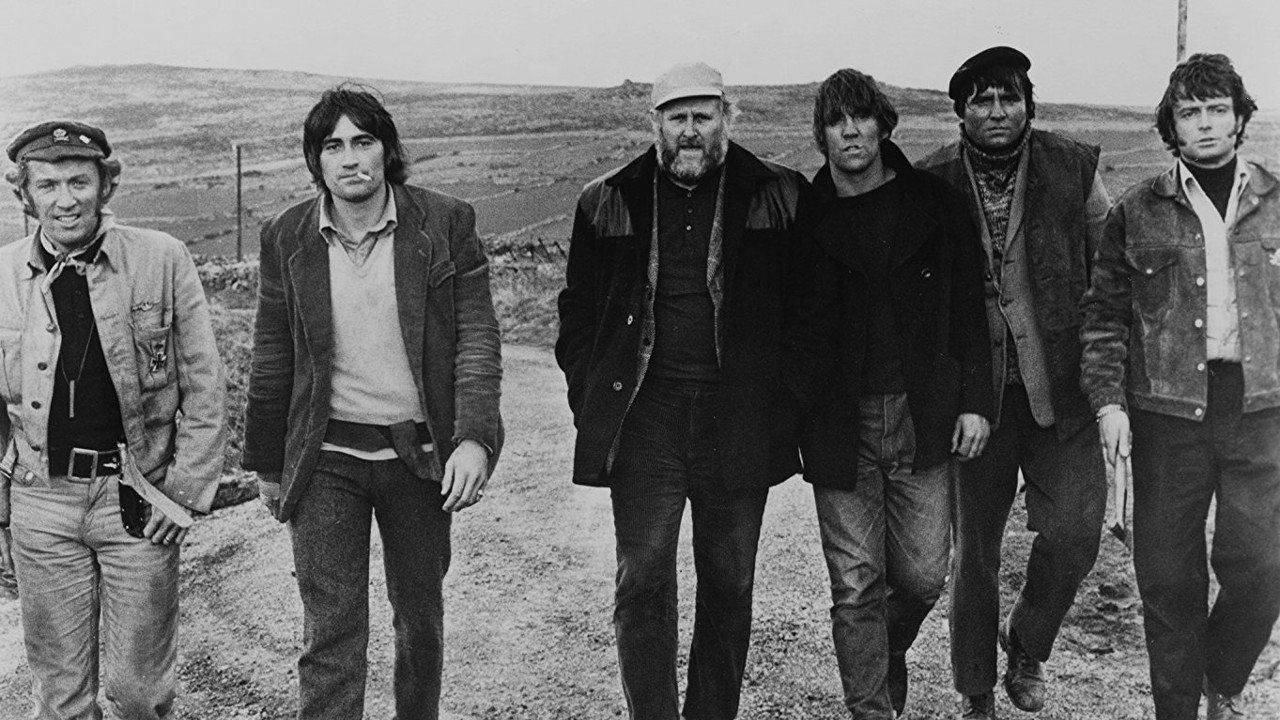
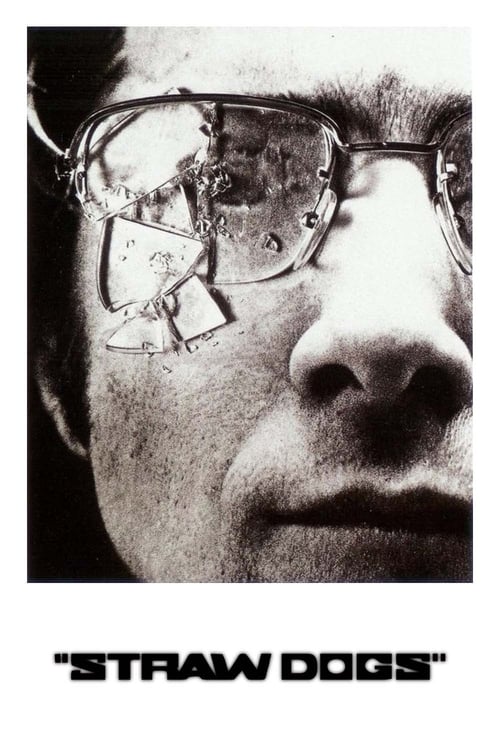
One of the most profoundly misanthropic pieces of media I’ve seen, I don’t think I’ve seen a film get as visceral of a reaction as this one does, either you love it or hate it, and I’m in the camp that absolutely loves it. My interpretation of the film is that it shows men and women at their most animalistic, stereotypical lows. All the men in this film, bar for the sheriff, are either sexual predators, murderers, or violent scumbags, and all of the women here are portrayed as harlots and helpless victims of male violence. Even from what little I’ve seen from Peckinpah, I notice a trend in his movies; all of them have to do with masculinity.
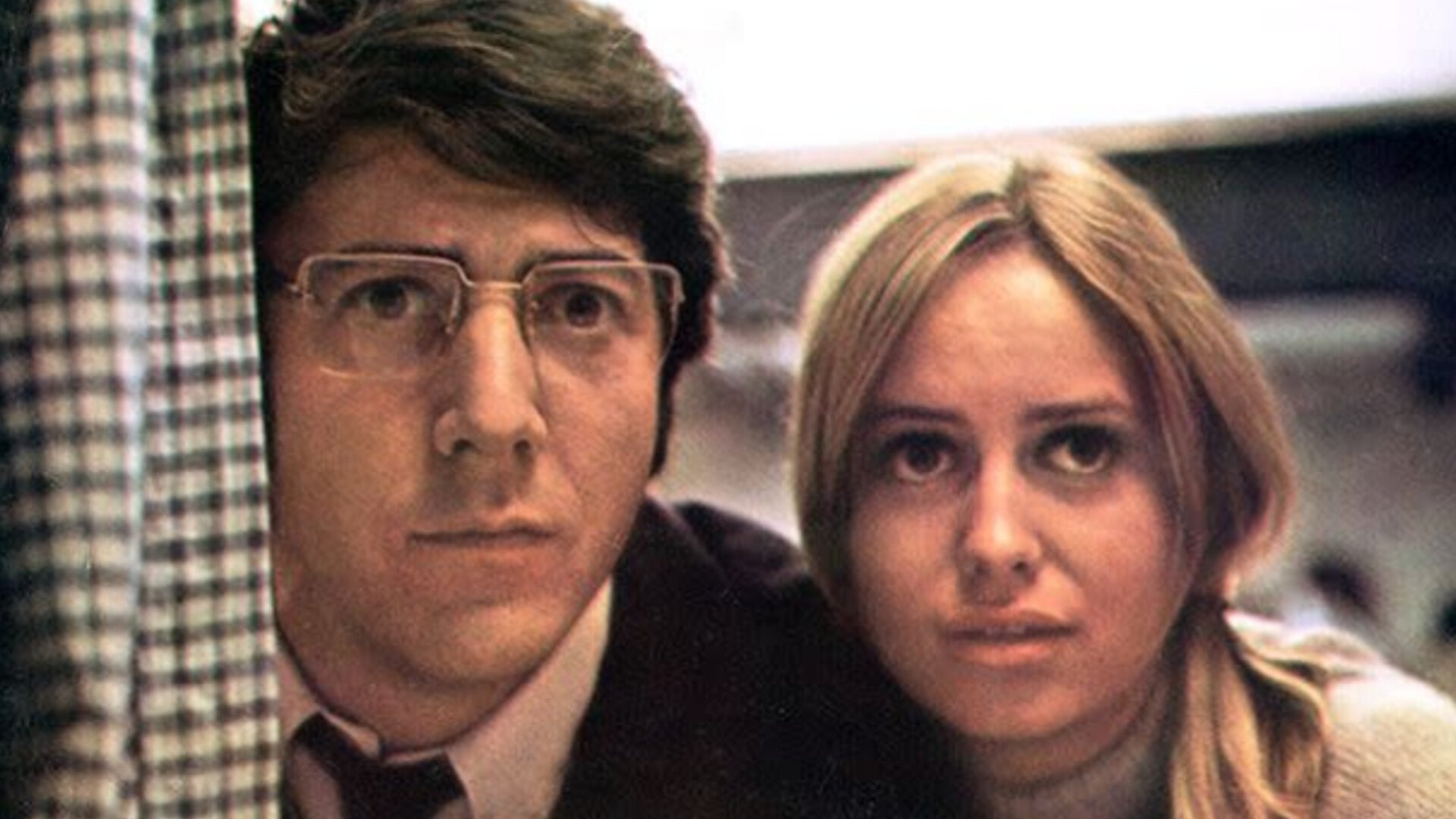
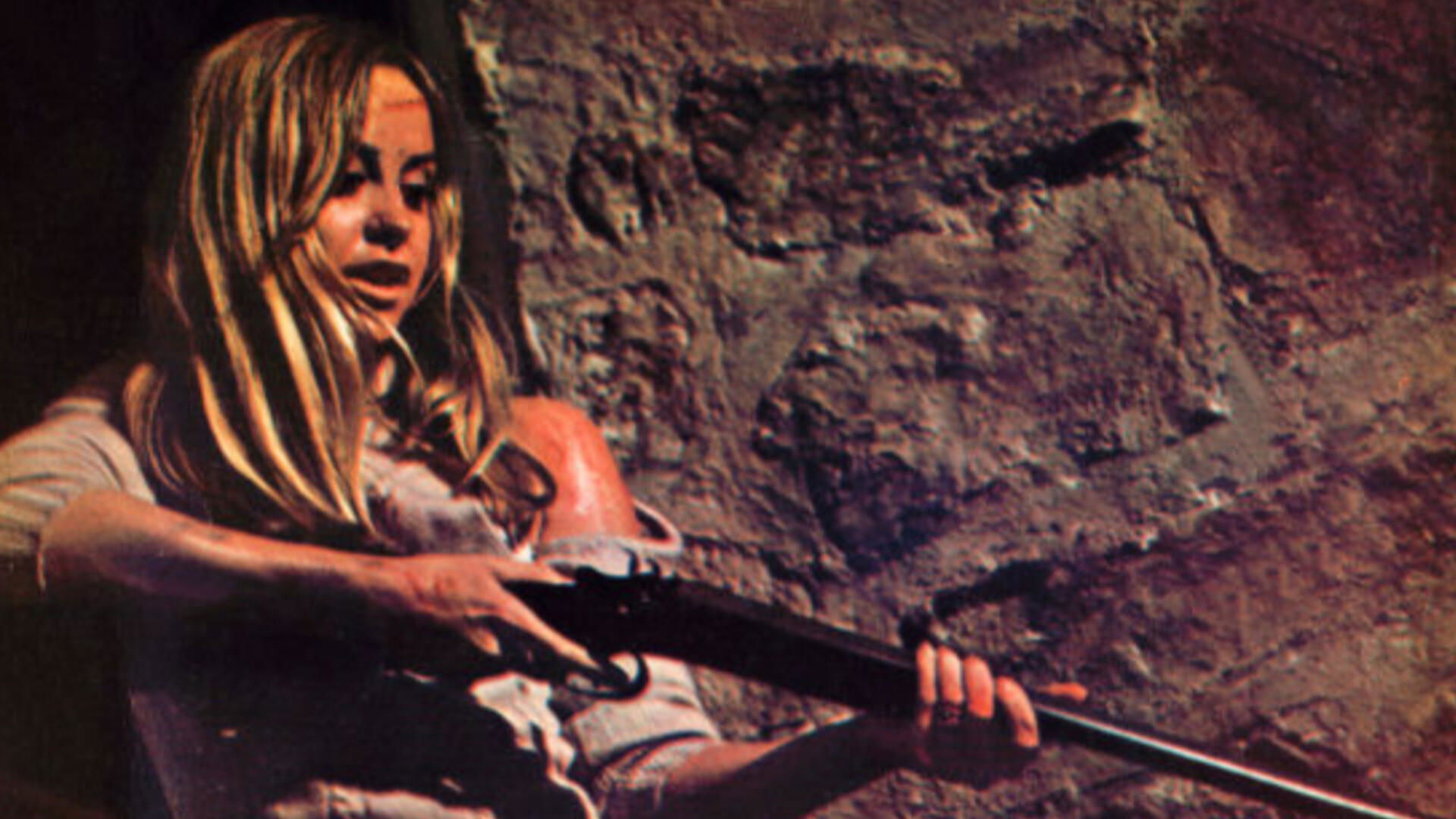
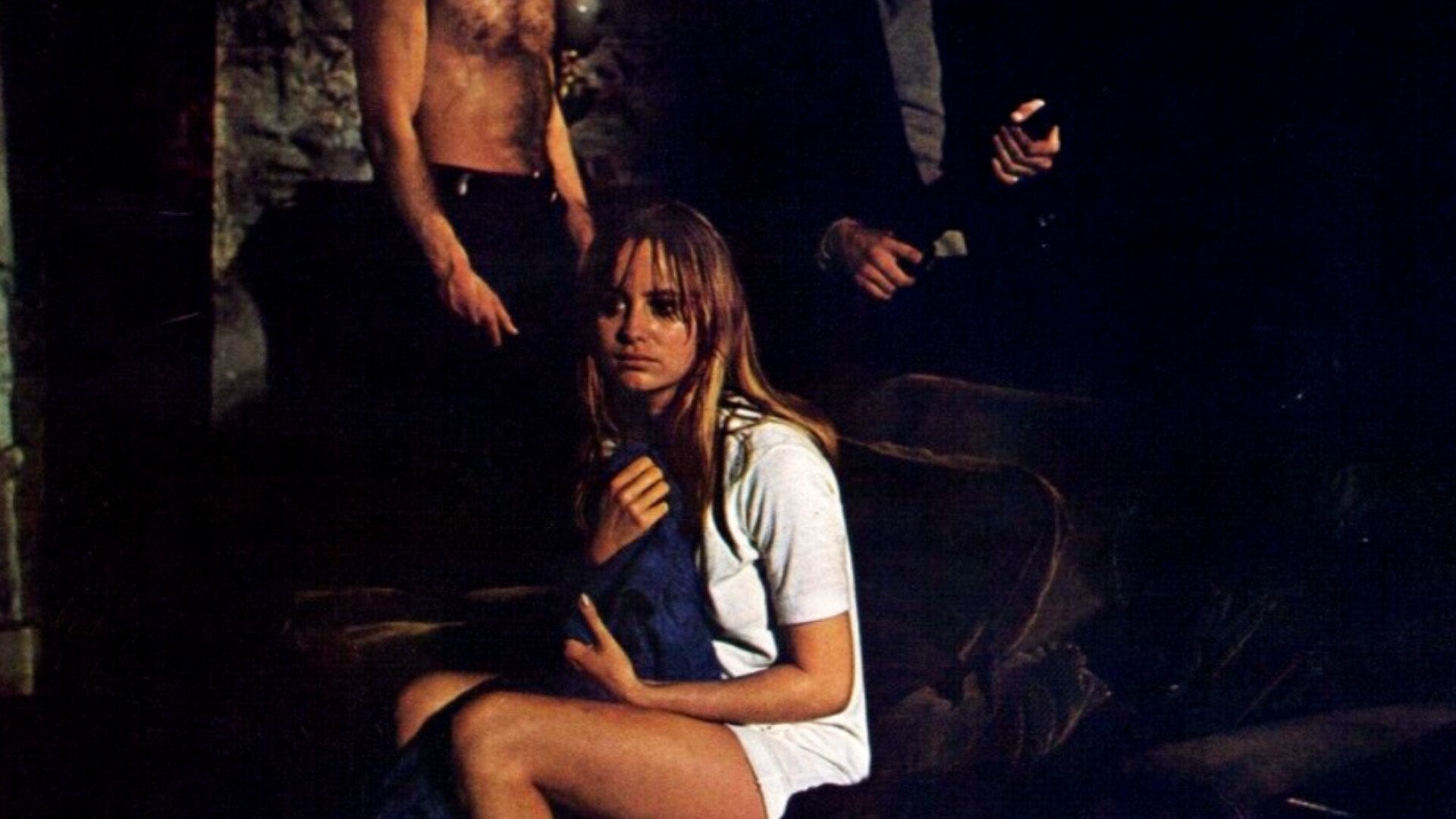
Every other male centric director I’ve seen lionizes men, or turns their leading man into a righteous vigilante, but Peckinpah portrays his leading men as losers and degenerates, it’s arguable that he portrays men worse than women in his movies. What makes Straw Dogs such an interesting watch is its portrayal of “control” as an essential part of masculinity. None of the men view any of the women here as anything more than property. When the townsmen try to siege David’s house to kill the mentally ill Henry Niles, it’s not out of any actual disgust for Henry Niles taking advantage of an underage girl and killing her, it’s because they view it as a challenge of their masculinity. Those same townsmen had no qualms raping David’s wife, Amy, because they were challenging David’s masculinity.
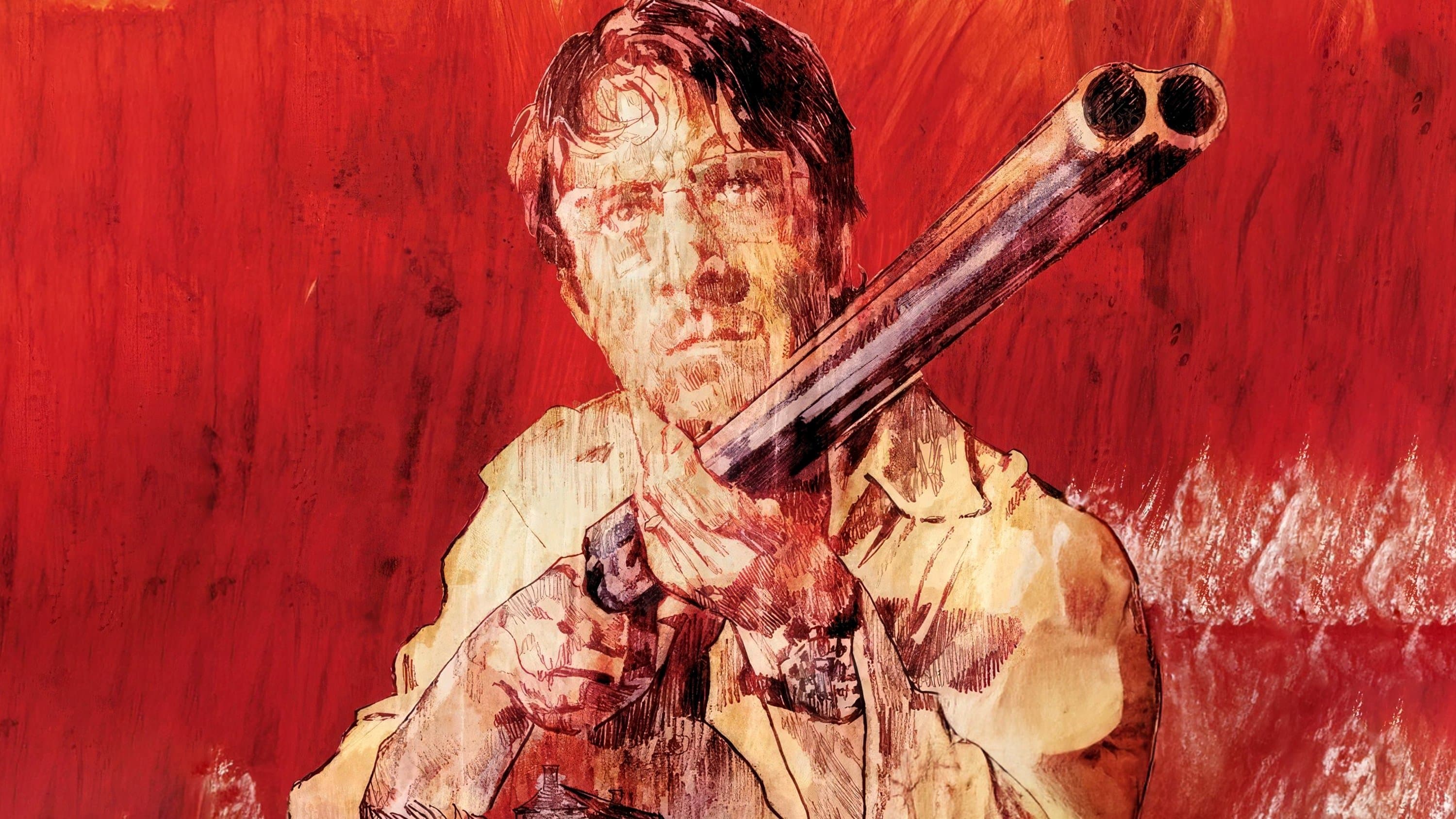
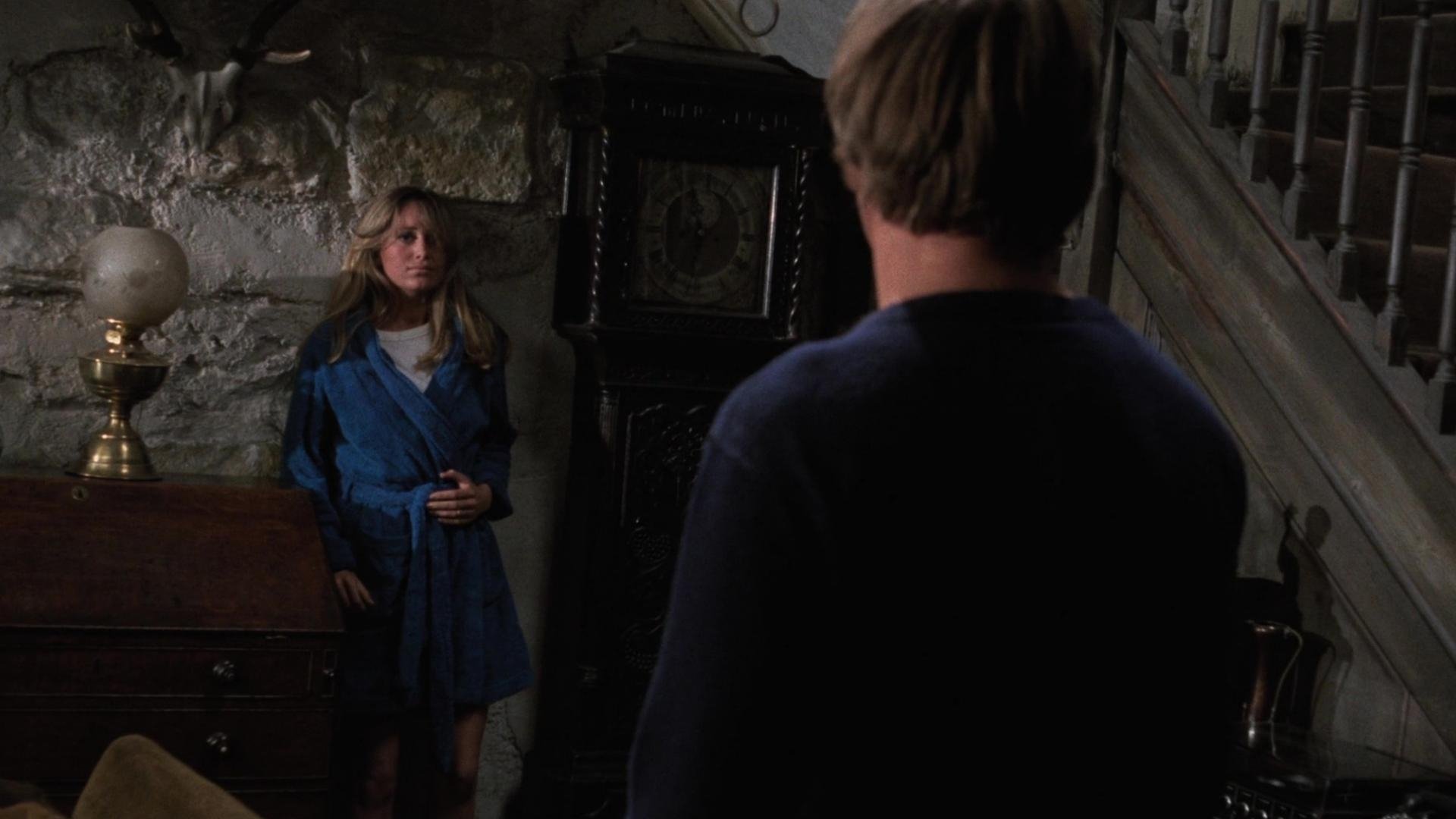
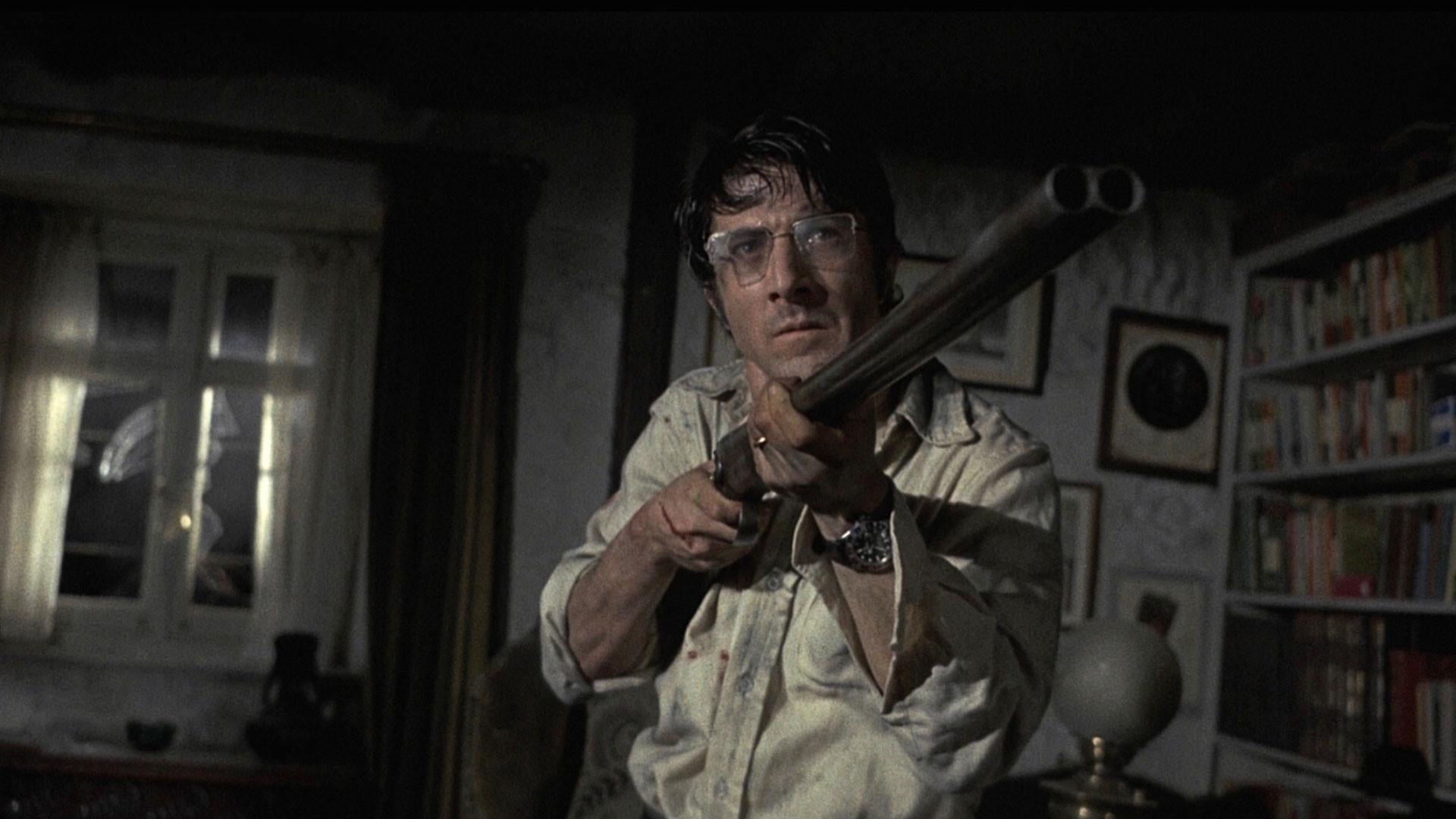
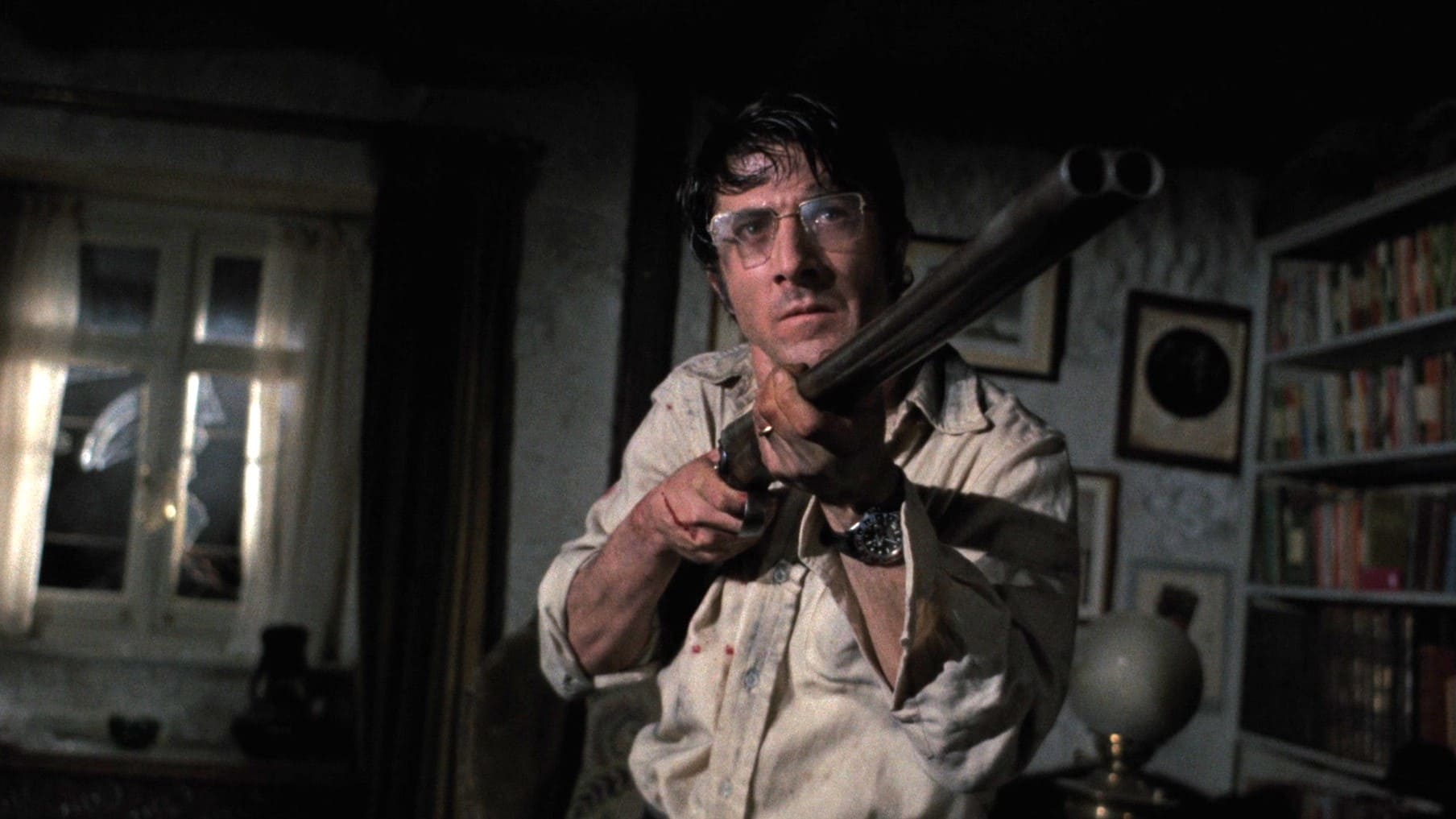
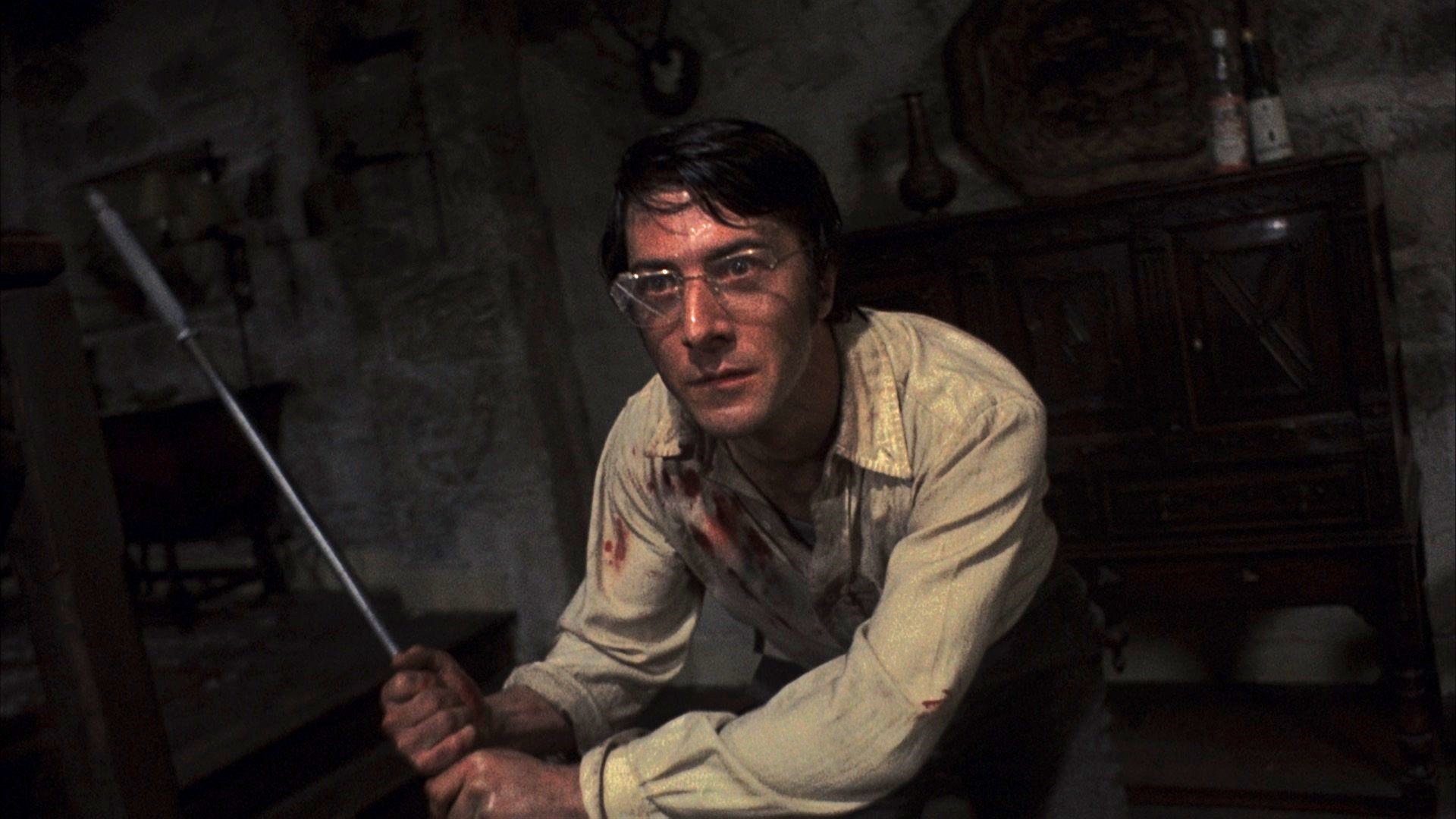
When David finally snaps and threatens to kill Amy, that is him delving headfirst into the masculine urges he tried to avoid the entire film. He doesn’t care about his wife as a person, he considers her an extension of the house; just another object under his control. When he kills all of the men raiding the house, he walks to his wife, and instead of comforting her after everything they’ve experienced, he pets her for 2 seconds and then leaves with Henry Niles, and it’s heavily implied he ditches her completely. This is also one of the only scenes where we see David actually content with what he’s done. Not only does he feel satisfied, but we see him the happiest he’s ever been in the entirety of the film. David managed to find more solace in murdering people than he did in his own mathematics profession.
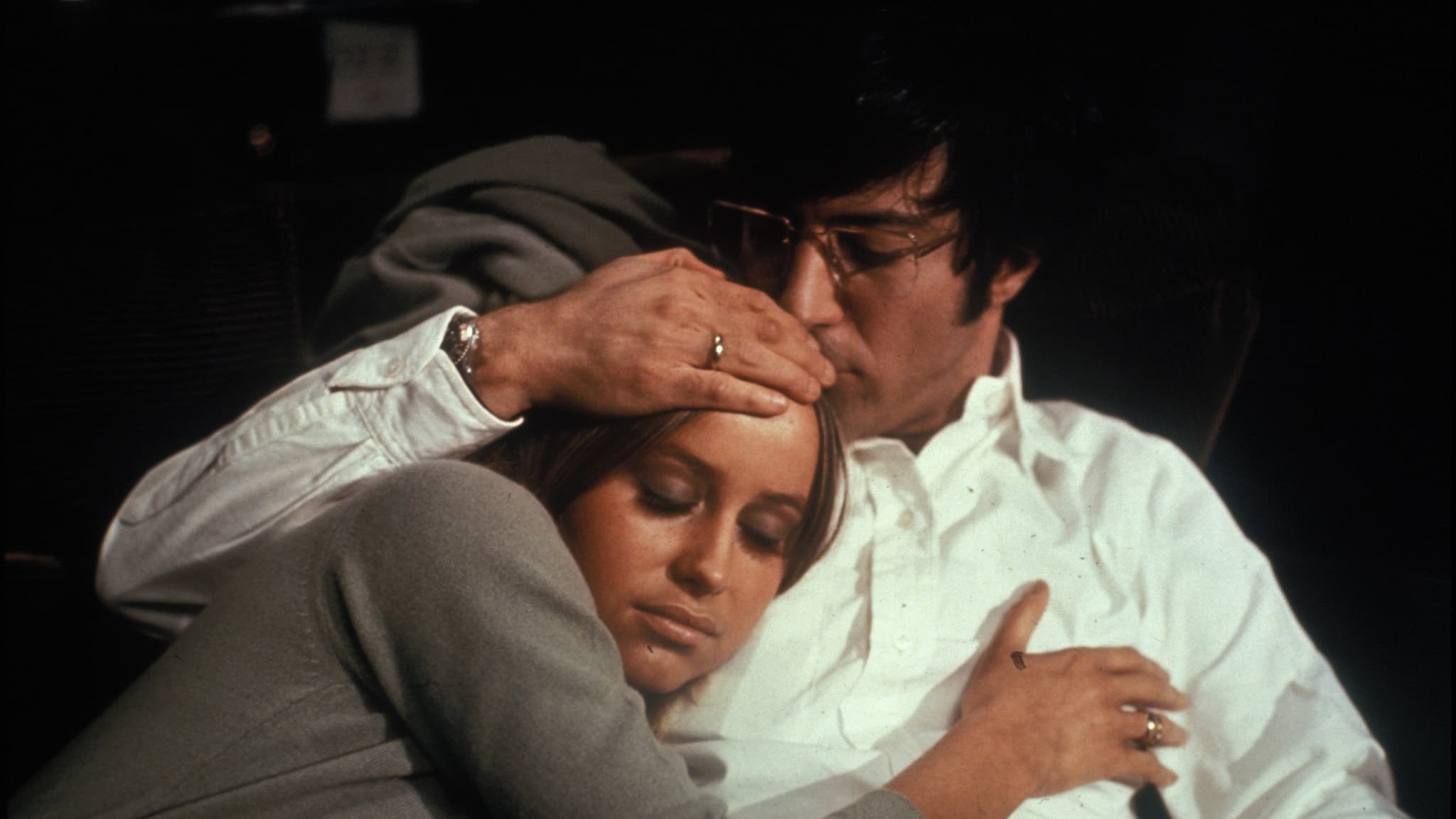
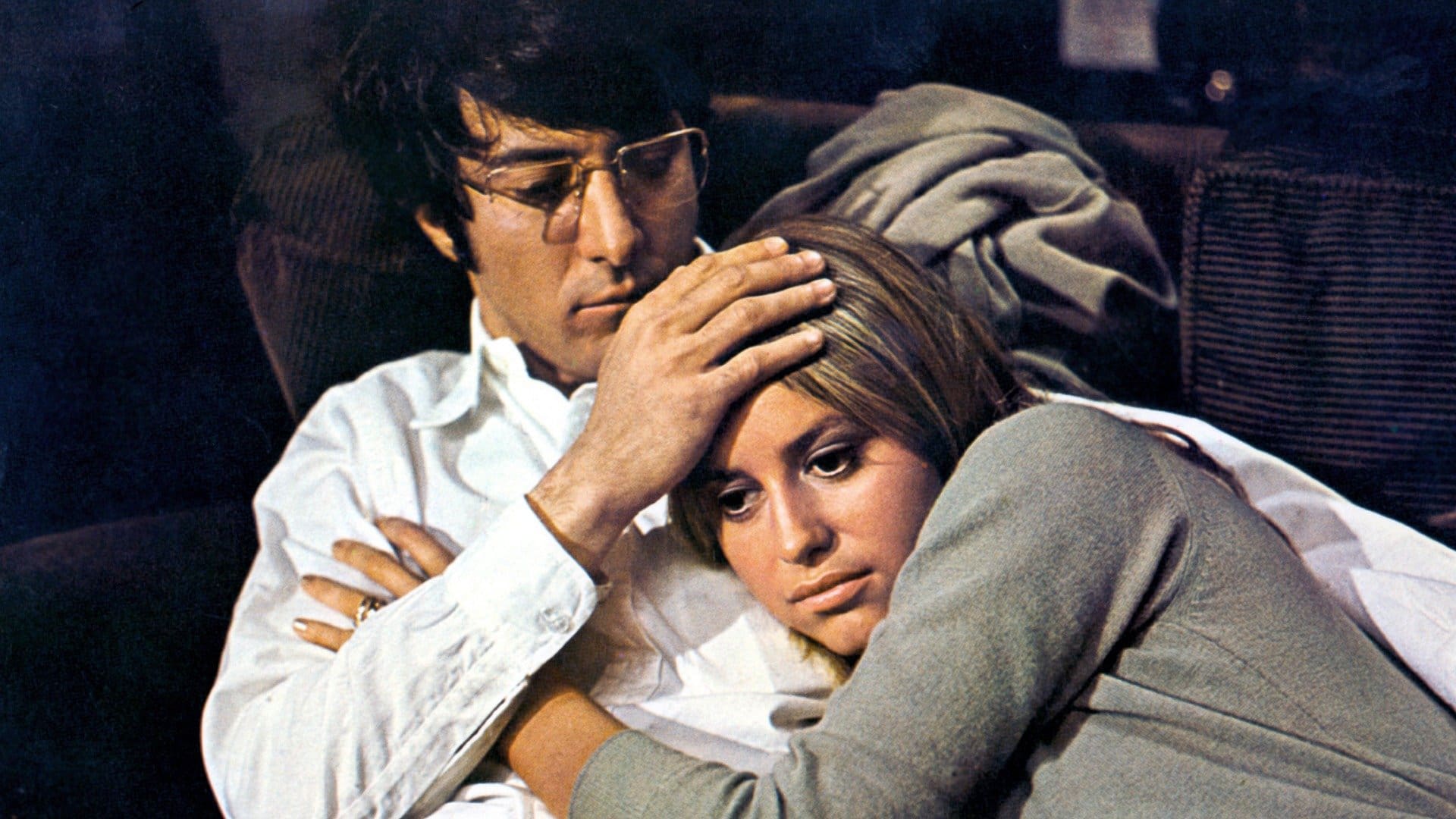
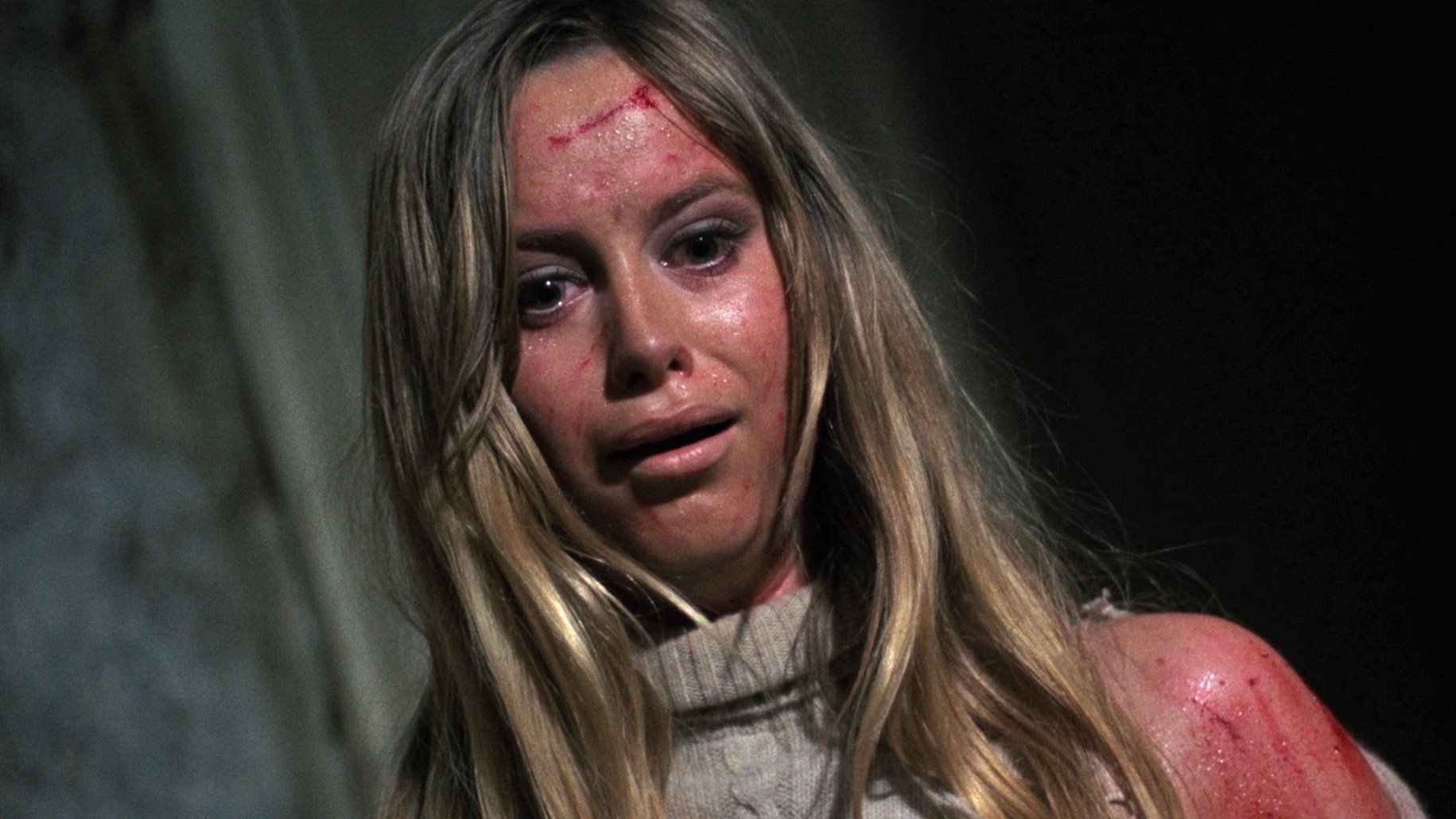
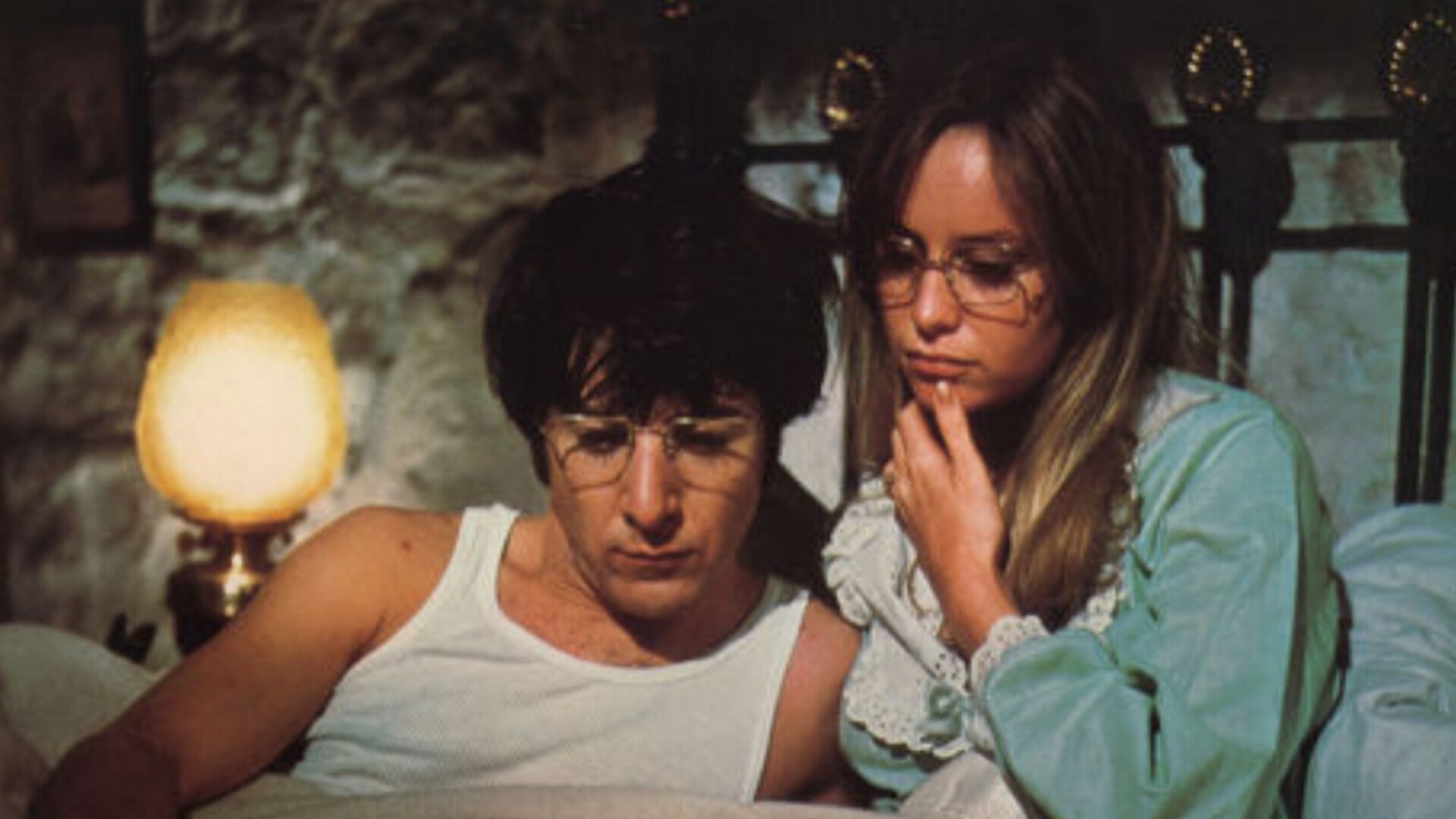
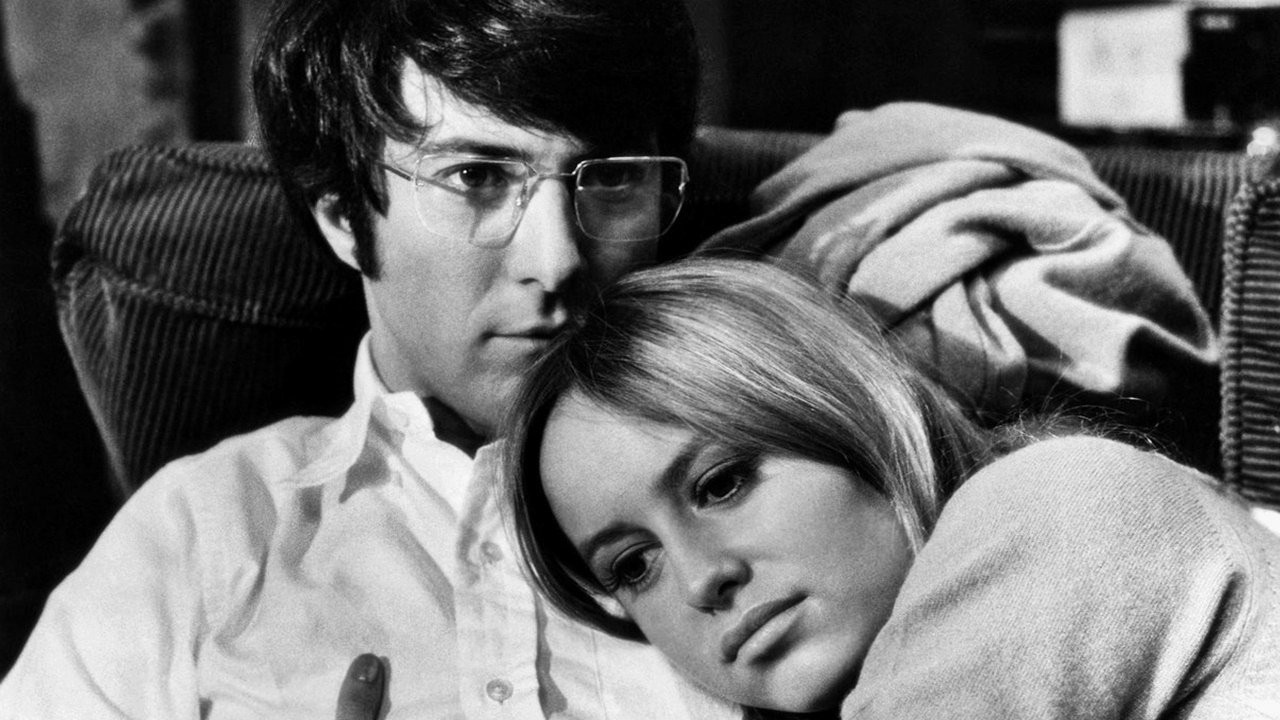
Him not knowing about Amy’s rape is a criticism many people throw at the film, but I think it makes total sense for him not to know. David cares so little for Amy, that he doesn’t even ask her what’s wrong when she starts having a breakdown in public, he just leaves because he doesn’t want to be embarrassed. David COULD have known about Amy’s rape if he actually had any concern for her, but his only focus is reclaiming his masculinity through protecting his home and brutalizing the men damaging it. The men in this film do not care about anything but control, that’s the entire reason why any of the events in the film happen, it’s due to power NEEDING to be reclaimed via violence in the eyes of these men.
Peckinpah stated that the “ambiguity” of the rape scene in this movie was based off of his worst fears, that a man could satisfy his wife better than he could. It’s a gross way of thinking, and it still holds with the theme of the men treating women in this film like objects that either need to be protected from others, or abused.
I can’t lie I still think a lot about this film, it’s one of those films that really never leaves your mind, even if you don’t like it. I mean aside from the movie being well made in general, with fantastic cinematography, a good score, great dialogue, and amazing gore effects, it’s really the theme of this film that intrigues me. Rarely have I ever seen men in media portrayed as so horrible and depraved, yet it’s obvious that Peckinpah understood masculinity and its constant necessity for dominance on a deeper level than most directors could ever dream of.
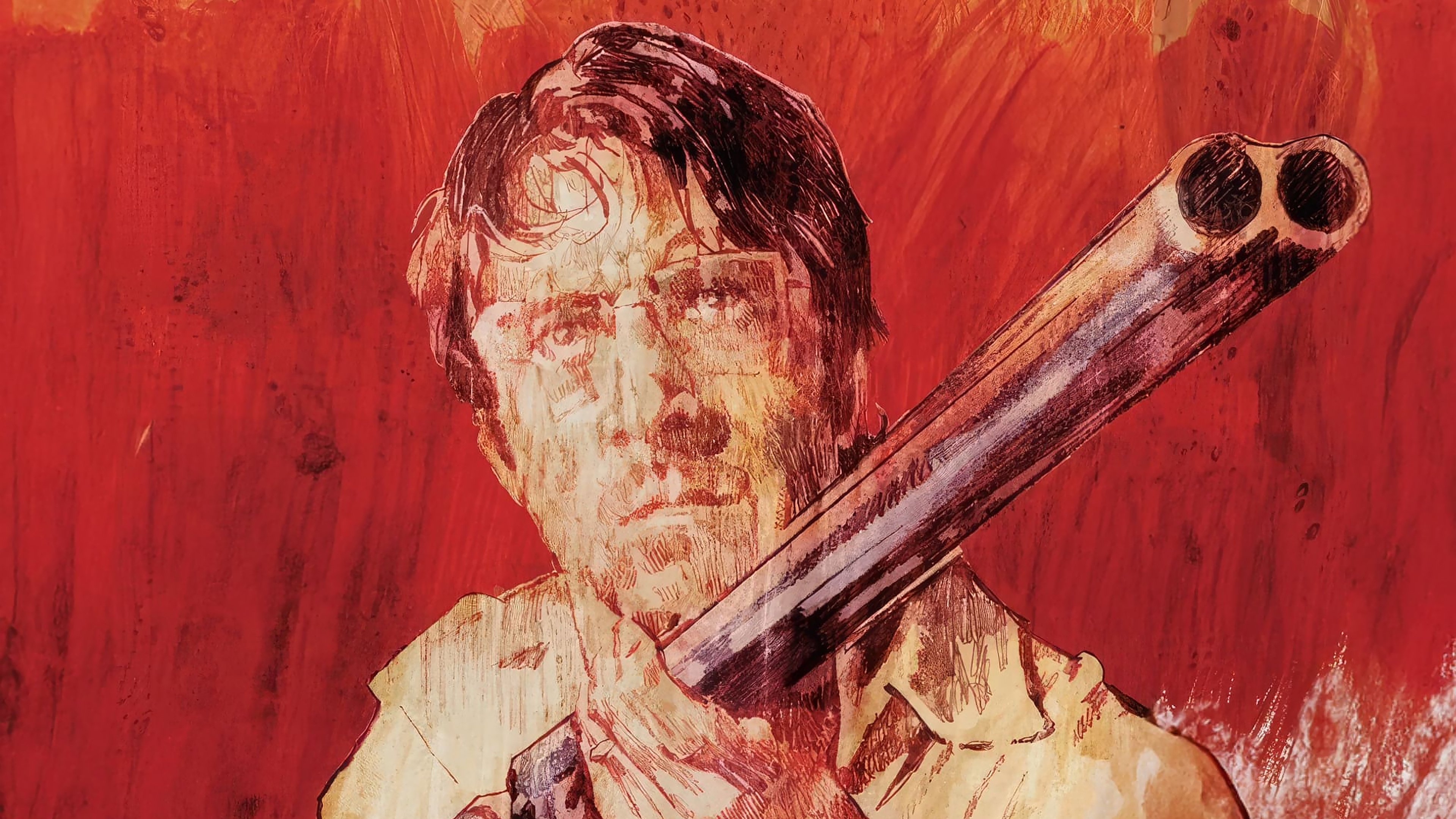
Even if you dislike how hateful this film is, I would still recommend watching it at least once, just to see that explosive ending, which might be one of the best final acts I’ve ever seen in a movie. I genuinely can’t sing this film’s praises enough, it’s a violently grotesque masterpiece.
One of the most profoundly misanthropic pieces of media I’ve seen, I don’t think I’ve seen a film get as visceral of a reaction as this one does, either you love it or hate it, and I’m in the camp that absolutely loves it. My interpretation of the film is that it shows men and women at their most animalistic, stereotypical lows. All the men in this film, bar for the sheriff, are either sexual predators, murderers, or violent scumbags, and all of the women here are portrayed as harlots and helpless victims of male violence. Even from what little I’ve seen from Peckinpah, I notice a trend in his movies; all of them have to do with masculinity.
Every other male centric director I’ve seen lionizes men, or turns their leading man into a righteous vigilante, but Peckinpah portrays his leading men as losers and degenerates, it’s arguable that he portrays men worse than women in his movies. What makes Straw Dogs such an interesting watch is its portrayal of “control” as an essential part of masculinity. None of the men view any of the women here as anything more than property. When the townsmen try to siege David’s house to kill the mentally ill Henry Niles, it’s not out of any actual disgust for Henry Niles taking advantage of an underage girl and killing her, it’s because they view it as a challenge of their masculinity. Those same townsmen had no qualms raping David’s wife, Amy, because they were challenging David’s masculinity.
When David finally snaps and threatens to kill Amy, that is him delving headfirst into the masculine urges he tried to avoid the entire film. He doesn’t care about his wife as a person, he considers her an extension of the house; just another object under his control. When he kills all of the men raiding the house, he walks to his wife, and instead of comforting her after everything they’ve experienced, he pets her for 2 seconds and then leaves with Henry Niles, and it’s heavily implied he ditches her completely. This is also one of the only scenes where we see David actually content with what he’s done. Not only does he feel satisfied, but we see him the happiest he’s ever been in the entirety of the film. David managed to find more solace in murdering people than he did in his own mathematics profession.
Him not knowing about Amy’s rape is a criticism many people throw at the film, but I think it makes total sense for him not to know. David cares so little for Amy, that he doesn’t even ask her what’s wrong when she starts having a breakdown in public, he just leaves because he doesn’t want to be embarrassed. David COULD have known about Amy’s rape if he actually had any concern for her, but his only focus is reclaiming his masculinity through protecting his home and brutalizing the men damaging it. The men in this film do not care about anything but control, that’s the entire reason why any of the events in the film happen, it’s due to power NEEDING to be reclaimed via violence in the eyes of these men.
Peckinpah stated that the “ambiguity” of the rape scene in this movie was based off of his worst fears, that a man could satisfy his wife better than he could. It’s a gross way of thinking, and it still holds with the theme of the men treating women in this film like objects that either need to be protected from others, or abused.
I can’t lie I still think a lot about this film, it’s one of those films that really never leaves your mind, even if you don’t like it. I mean aside from the movie being well made in general, with fantastic cinematography, a good score, great dialogue, and amazing gore effects, it’s really the theme of this film that intrigues me. Rarely have I ever seen men in media portrayed as so horrible and depraved, yet it’s obvious that Peckinpah understood masculinity and its constant necessity for dominance on a deeper level than most directors could ever dream of.
Even if you dislike how hateful this film is, I would still recommend watching it at least once, just to see that explosive ending, which might be one of the best final acts I’ve ever seen in a movie. I genuinely can’t sing this film’s praises enough, it’s a violently grotesque masterpiece.