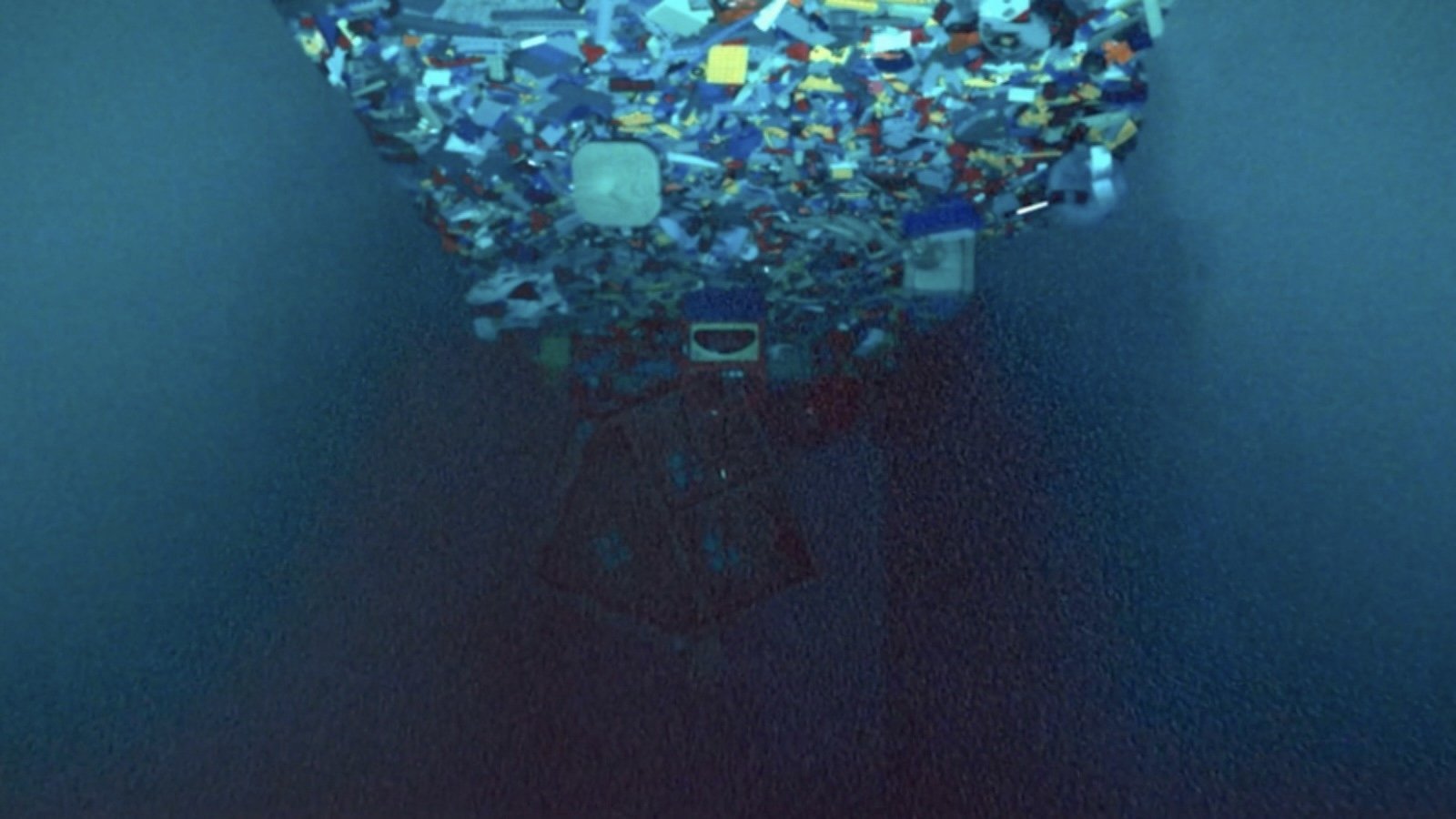
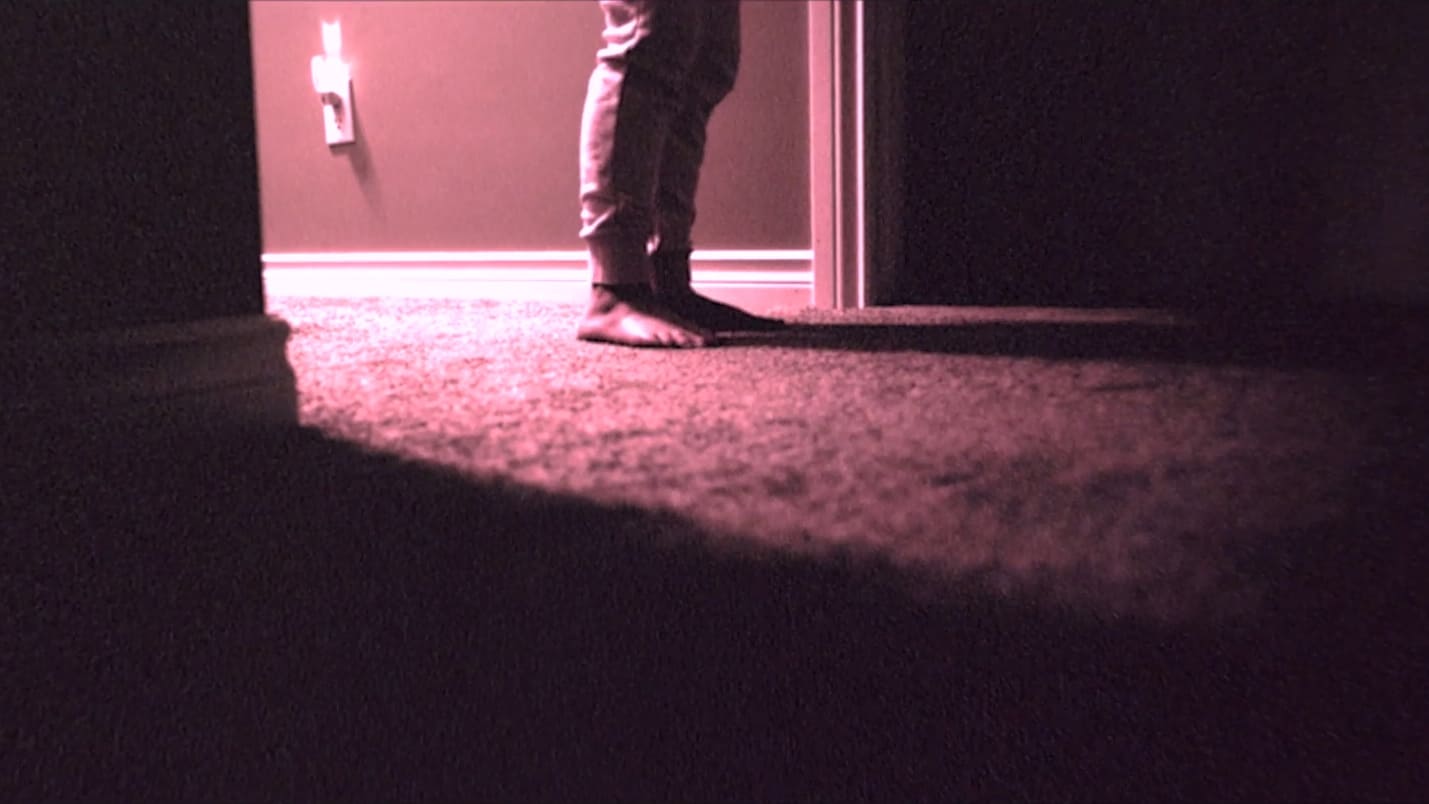
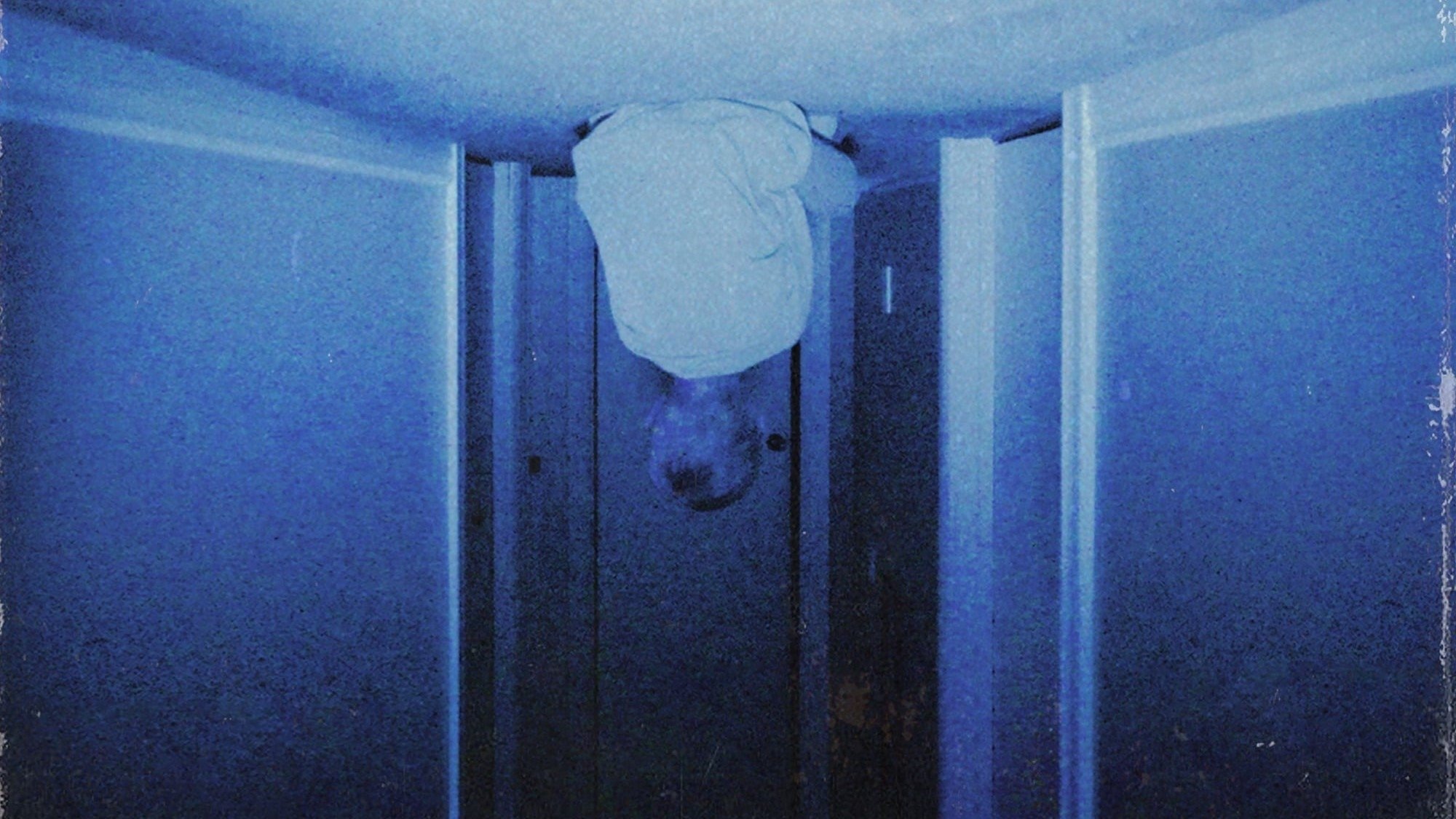
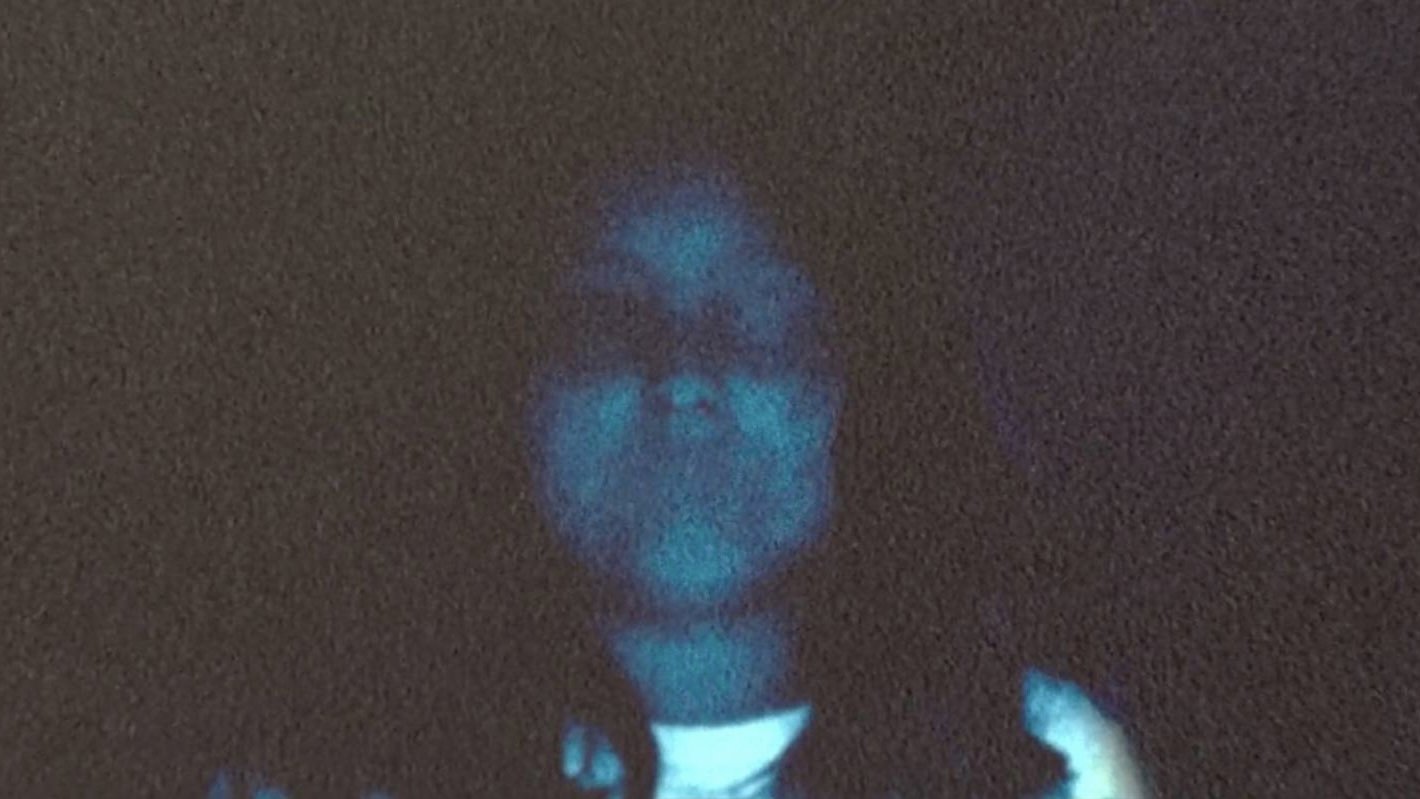
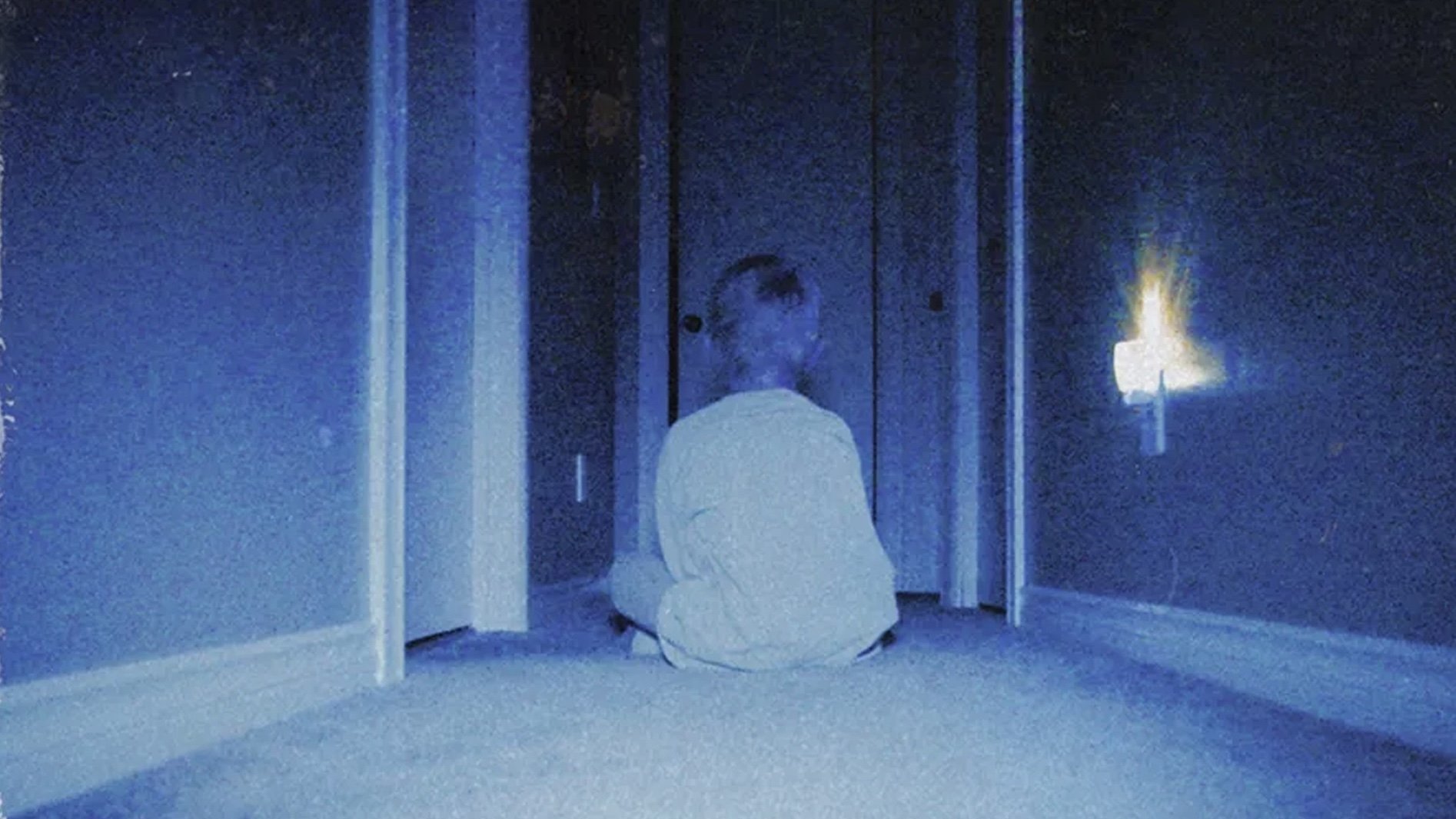
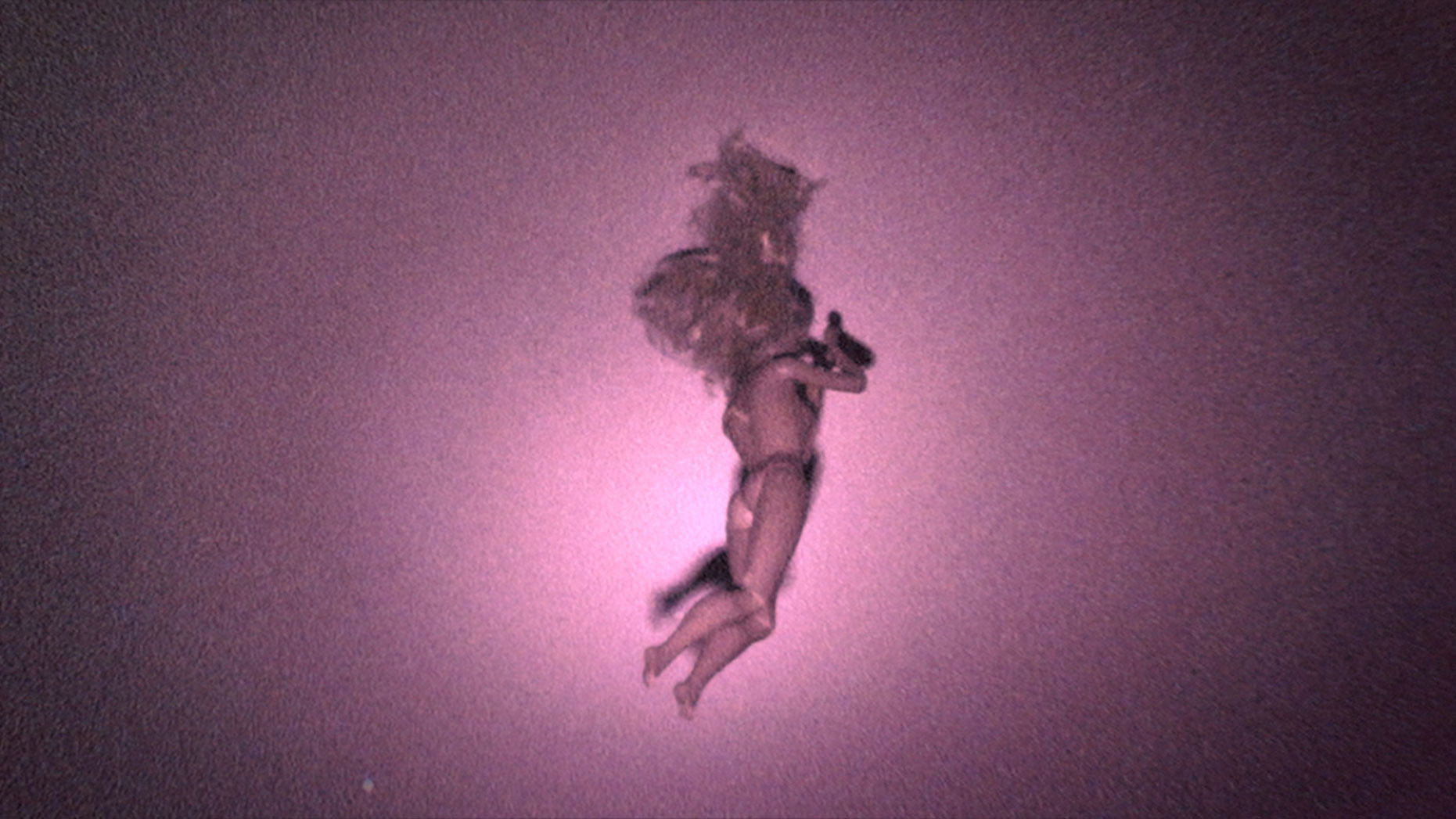
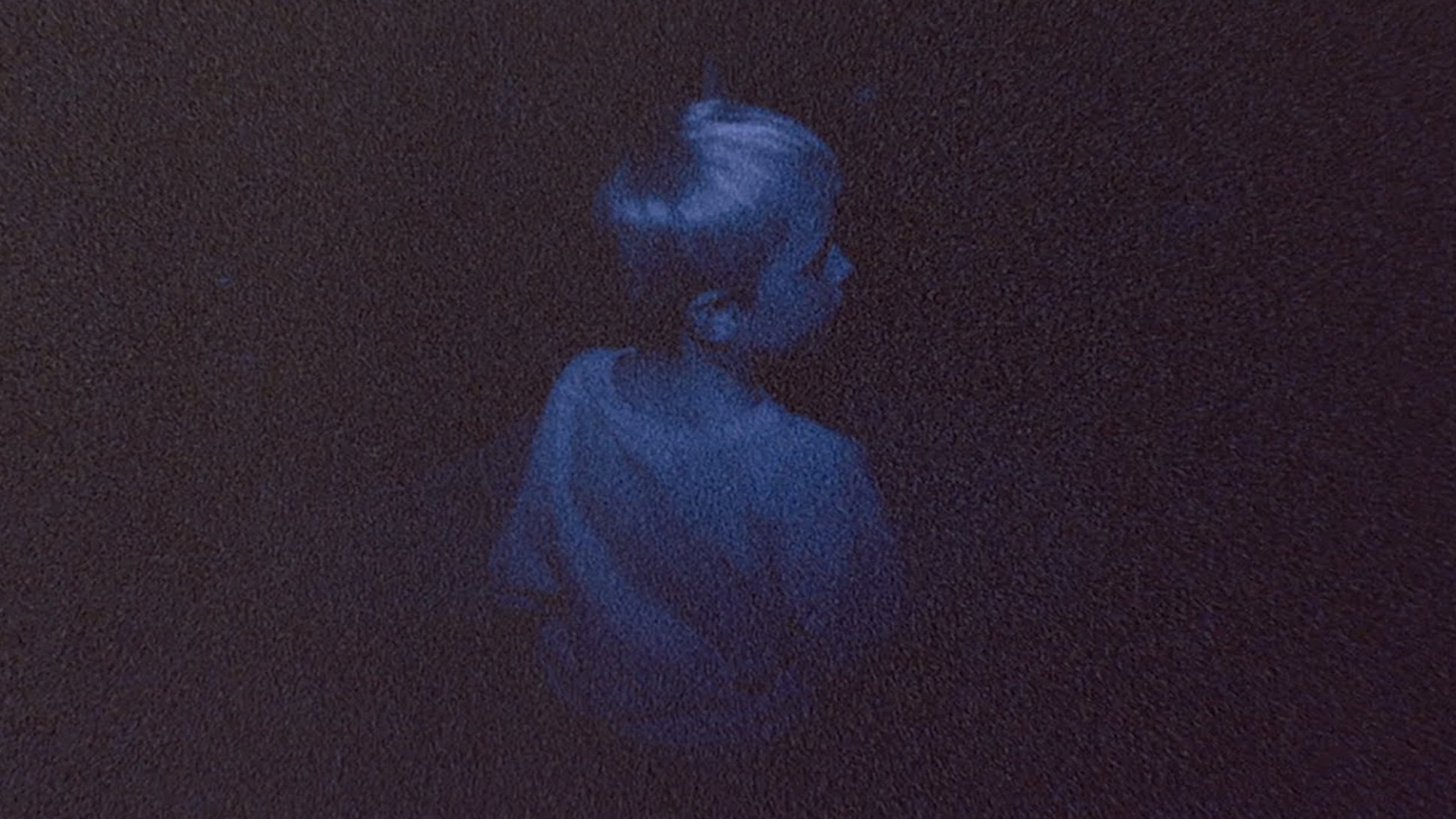
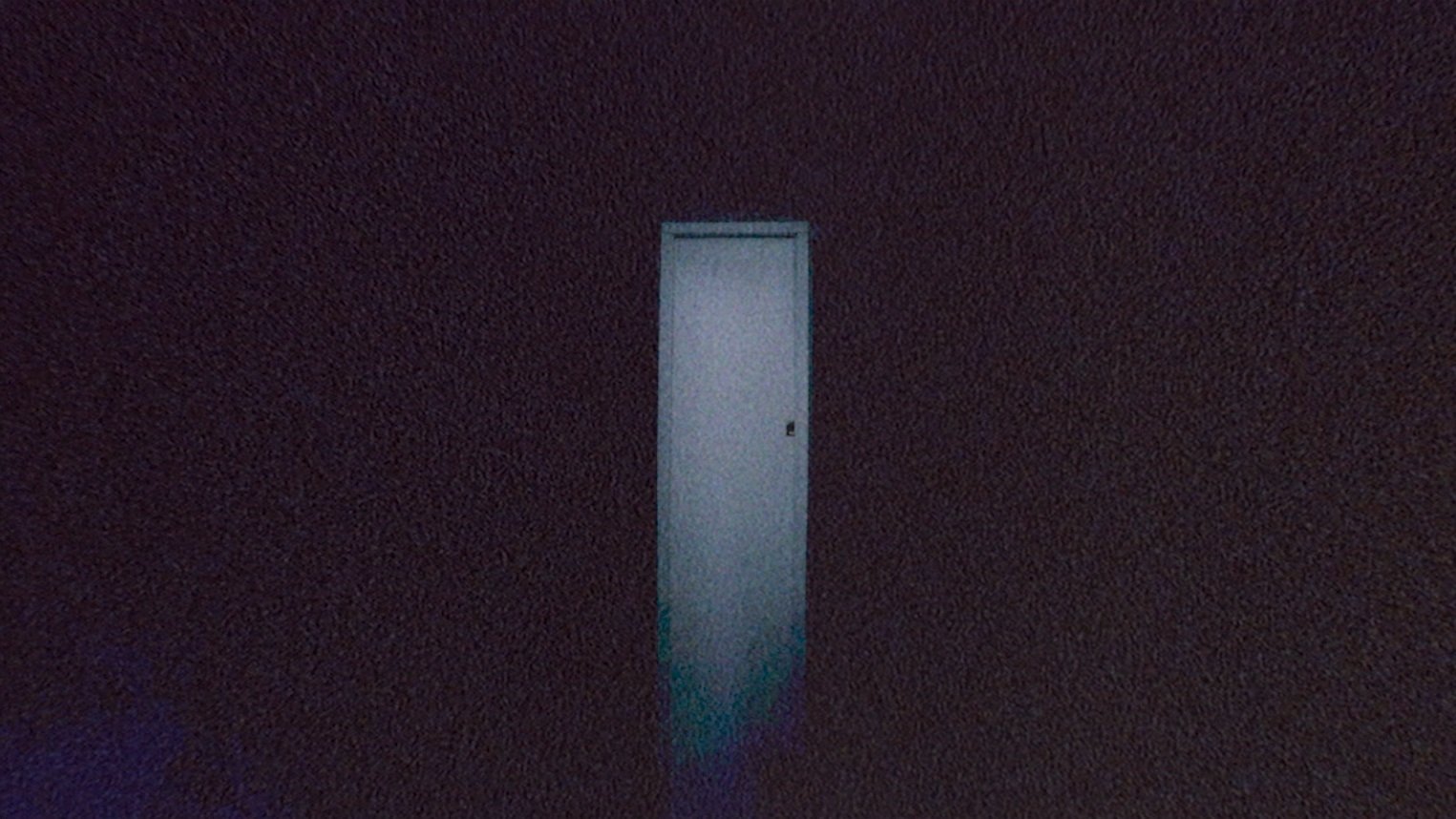
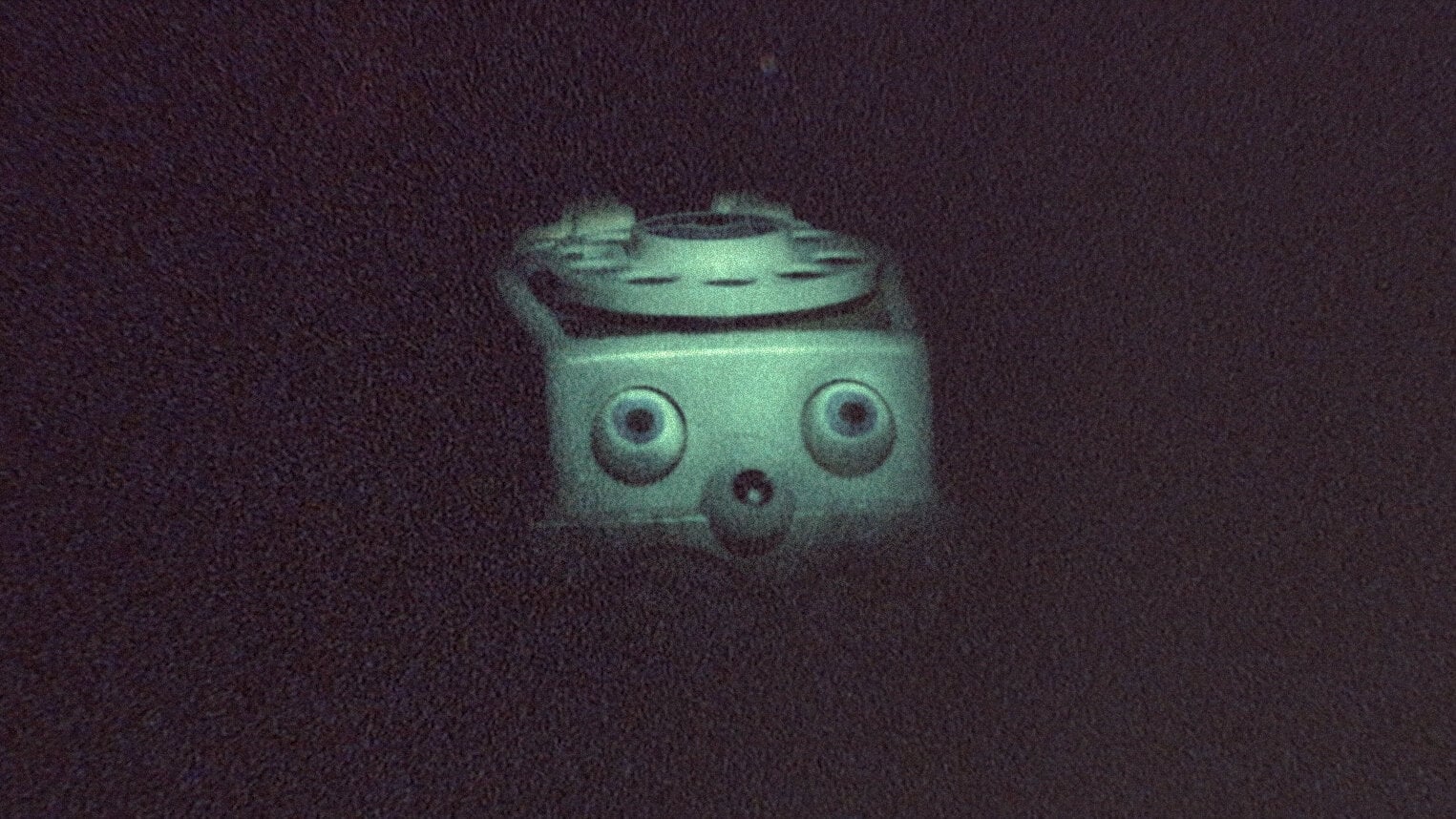
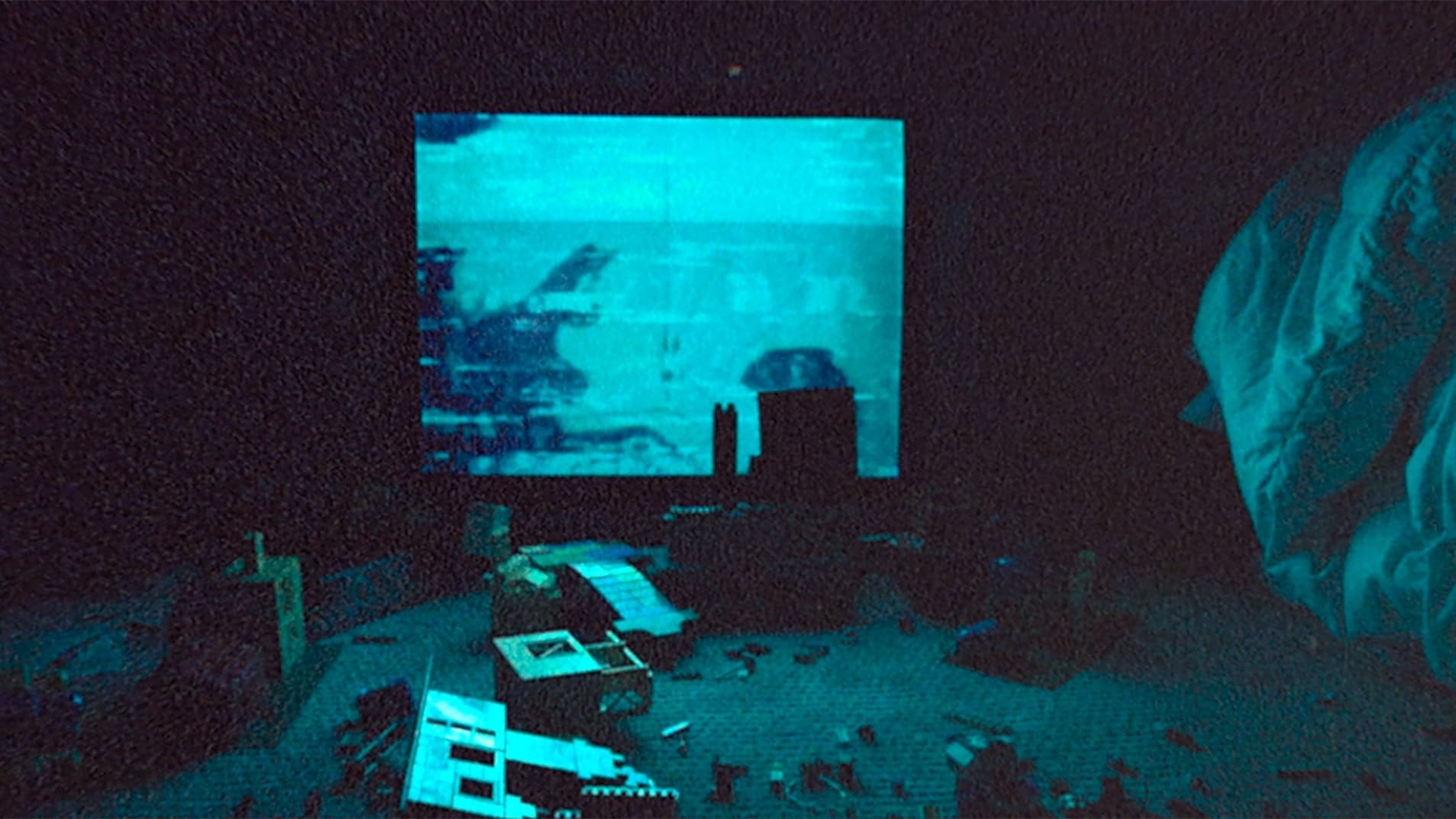
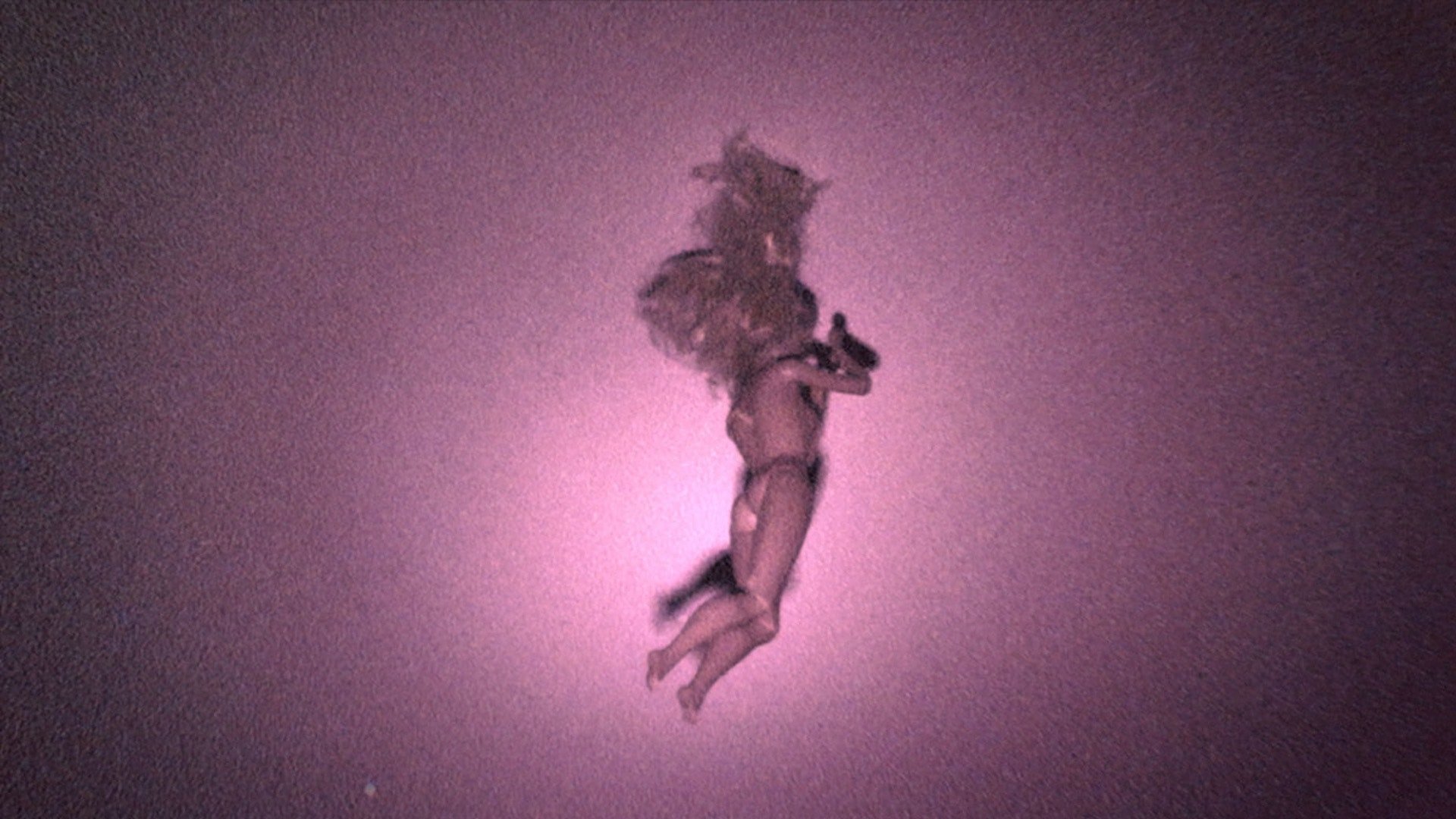
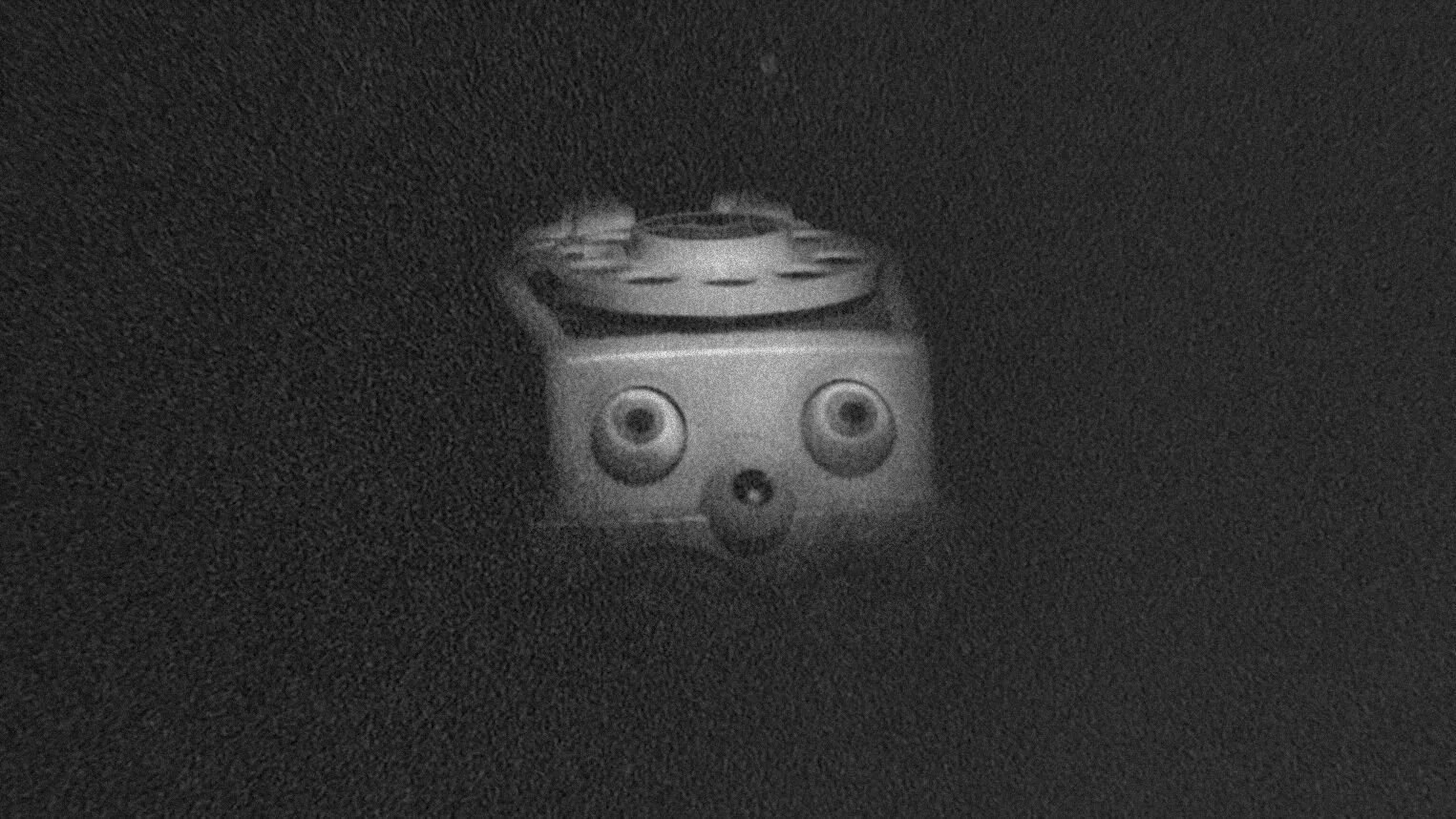
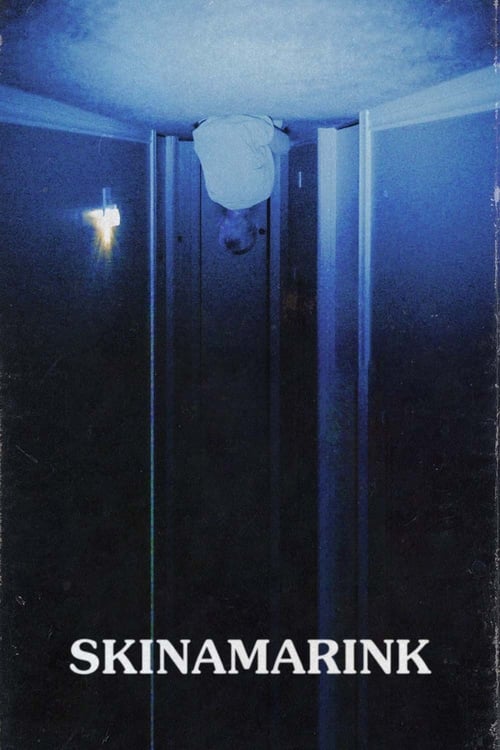
This is not a film, it’s a dare. A dare to sit still for 100 minutes while nothing happens, in the hopes that you’ll convince yourself it meant something afterward. It opens with static shots of door frames, floors, ceilings, and TVs glowing in the dark, and that’s basically where it stays. There are no characters in any real sense, no discernible plot, and no escalation. Just the slow, looping suggestion of dread with zero follow-through. There is absolutely nothing.
Whatever this is attempting could be unnerving, if it were explored with even a hint of psychological structure or visual storytelling. But instead of evoking fear, Skinamarink buries it under layers of grain, darkness, and muffled audio. The camera avoids anything that might deliver anything besides a half visable lamp. Faces are never shown. Rooms are filmed like surveillance footage from the world’s slowest haunted house. It’s not minimalist, it’s stupid. And not in a Lynchian way, where obscurity serves mood or metaphor. Here, the obscurity is the entire idea.
There’s no sense of rhythm or variation. Once you’ve seen the first 10 minutes, you’ve seen all the film has to offer,and yet it drags on for another 90, repeating the same images and ambient sounds until your brain starts to atrophy. Even the horror is inert. There are no peaks, no breaks, no tension. Just an endless, shapeless drift toward nowhere, hoping you’ll fill in the gaps with your own fear. But it doesn’t earn that. It doesn’t guide it. It just leaves you alone in the dark, hoping something will eventually feel like it matters.
People sometimes try to lump Skinamarink in with surrealist cinema, Buñuel, Lynch, Tsukamoto, Maddin, but that’s laughable. Buñuel twisted logic, yes, but he understood it first. His surrealism was surgical, rooted in deliberate image-making, precise absurdity, and sharp ideological critique. Even at his most dreamlike he’s playing with structure, expectation, and subversion.
What’s most frustrating is that buried inside this mess could be a short film, five minutes of eerie, dreamlike disorientation, tightly edited and emotionally resonant. But that isn’t what Skinamarink delivers. Instead, it drapes itself in the language of experimental horror to mask the fact that it has nothing to say and no idea how to say it. It’s the cinematic equivalent of someone whispering a scary story with no punchline, and expecting your silence to mean you were moved.
In truth, Skinamarink is not terrifying. It’s not even haunting. It’s just boring, brutally, terminally boring,and it hides behind aesthetic fog and hype as a shield, and stillness for depth. But there’s no terror here. Just drywall, silence, and the ticking of your own wasted time.
This is not a film, it’s a dare. A dare to sit still for 100 minutes while nothing happens, in the hopes that you’ll convince yourself it meant something afterward. It opens with static shots of door frames, floors, ceilings, and TVs glowing in the dark, and that’s basically where it stays. There are no characters in any real sense, no discernible plot, and no escalation. Just the slow, looping suggestion of dread with zero follow-through. There is absolutely nothing.
Whatever this is attempting could be unnerving, if it were explored with even a hint of psychological structure or visual storytelling. But instead of evoking fear, Skinamarink buries it under layers of grain, darkness, and muffled audio. The camera avoids anything that might deliver anything besides a half visable lamp. Faces are never shown. Rooms are filmed like surveillance footage from the world’s slowest haunted house. It’s not minimalist, it’s stupid. And not in a Lynchian way, where obscurity serves mood or metaphor. Here, the obscurity is the entire idea.
There’s no sense of rhythm or variation. Once you’ve seen the first 10 minutes, you’ve seen all the film has to offer,and yet it drags on for another 90, repeating the same images and ambient sounds until your brain starts to atrophy. Even the horror is inert. There are no peaks, no breaks, no tension. Just an endless, shapeless drift toward nowhere, hoping you’ll fill in the gaps with your own fear. But it doesn’t earn that. It doesn’t guide it. It just leaves you alone in the dark, hoping something will eventually feel like it matters.
People sometimes try to lump Skinamarink in with surrealist cinema, Buñuel, Lynch, Tsukamoto, Maddin, but that’s laughable. Buñuel twisted logic, yes, but he understood it first. His surrealism was surgical, rooted in deliberate image-making, precise absurdity, and sharp ideological critique. Even at his most dreamlike he’s playing with structure, expectation, and subversion.
What’s most frustrating is that buried inside this mess could be a short film, five minutes of eerie, dreamlike disorientation, tightly edited and emotionally resonant. But that isn’t what Skinamarink delivers. Instead, it drapes itself in the language of experimental horror to mask the fact that it has nothing to say and no idea how to say it. It’s the cinematic equivalent of someone whispering a scary story with no punchline, and expecting your silence to mean you were moved.
In truth, Skinamarink is not terrifying. It’s not even haunting. It’s just boring, brutally, terminally boring,and it hides behind aesthetic fog and hype as a shield, and stillness for depth. But there’s no terror here. Just drywall, silence, and the ticking of your own wasted time.