

2006·Thriller·1h 53m
7.0
★
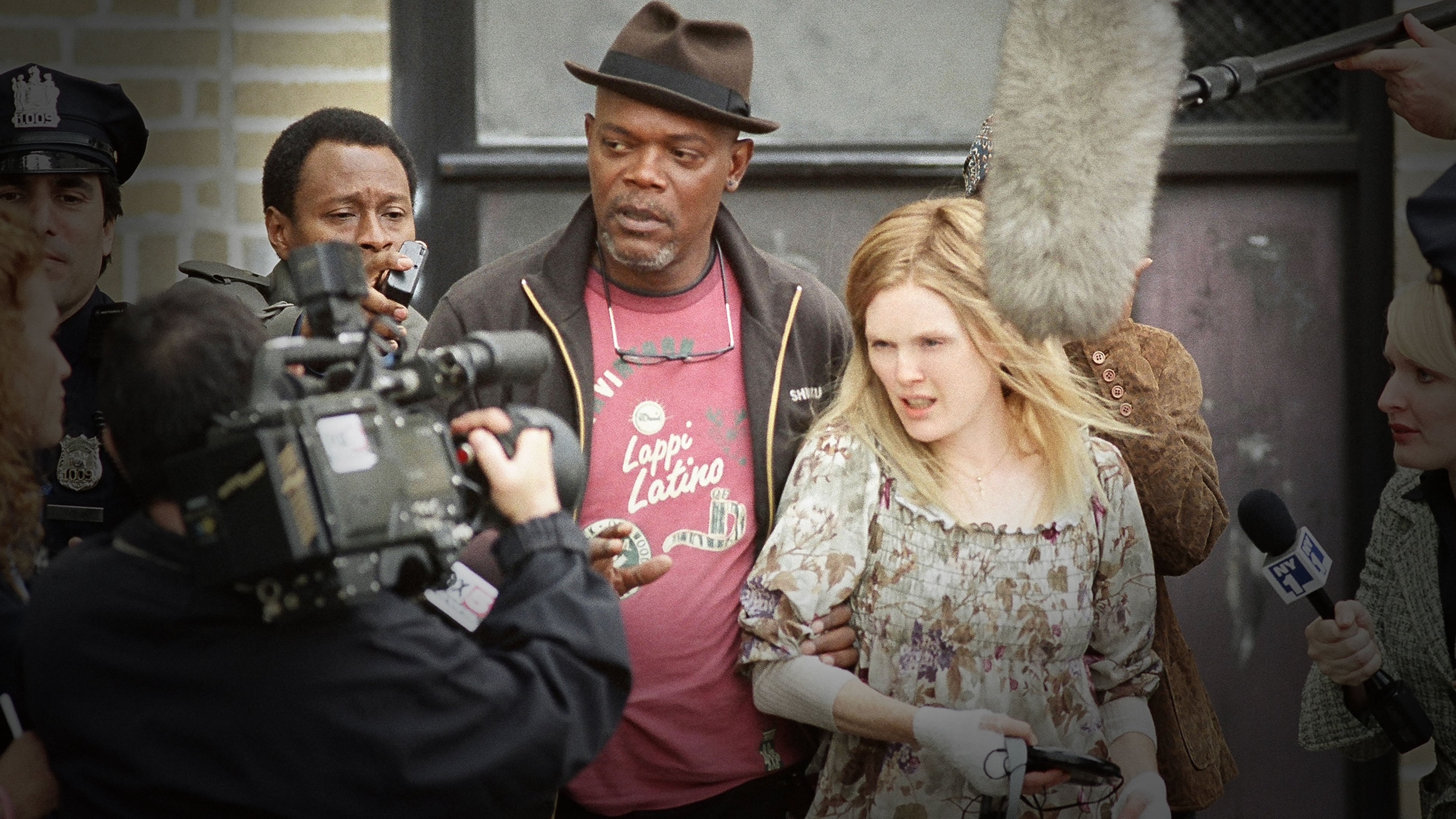
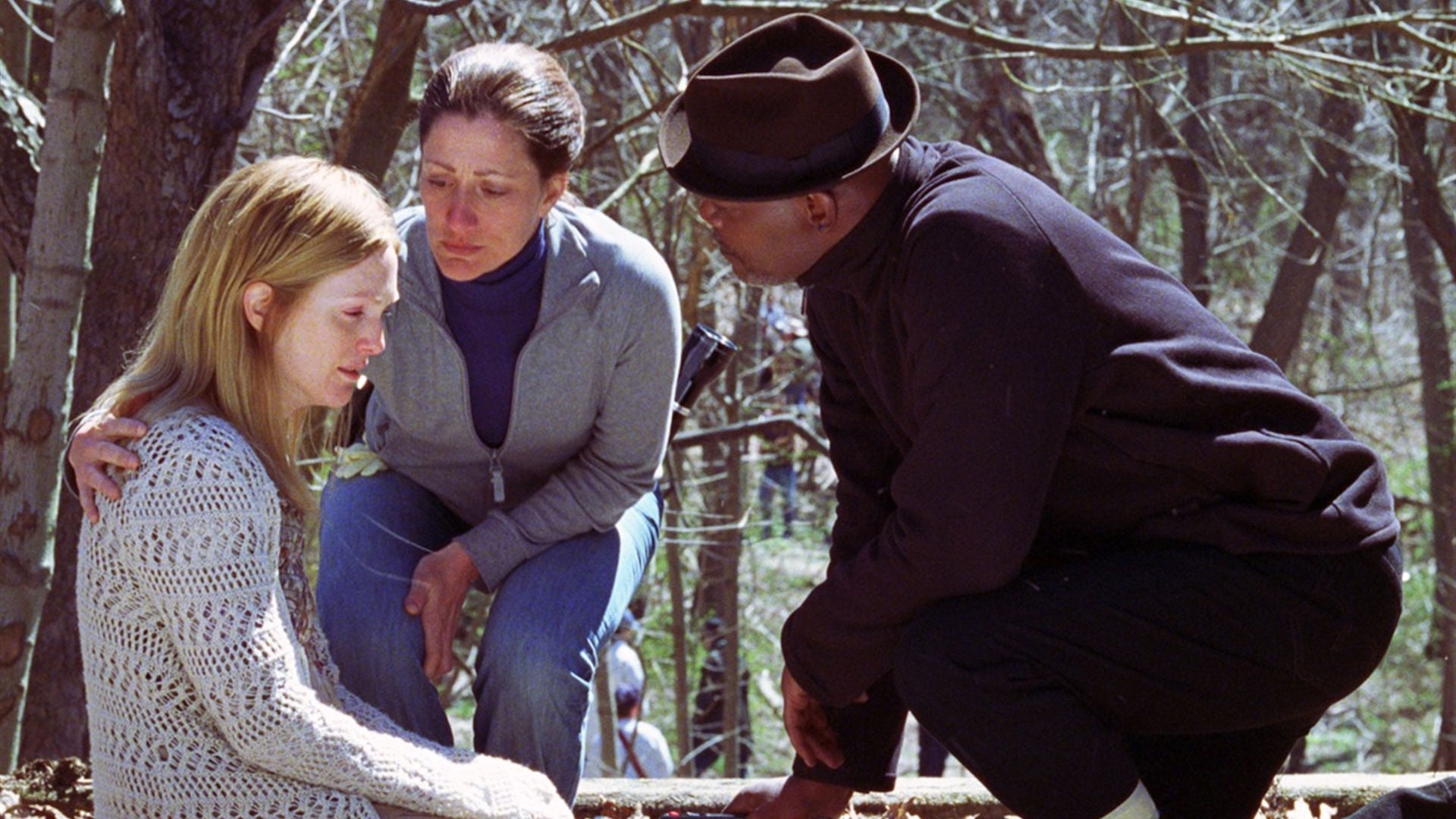
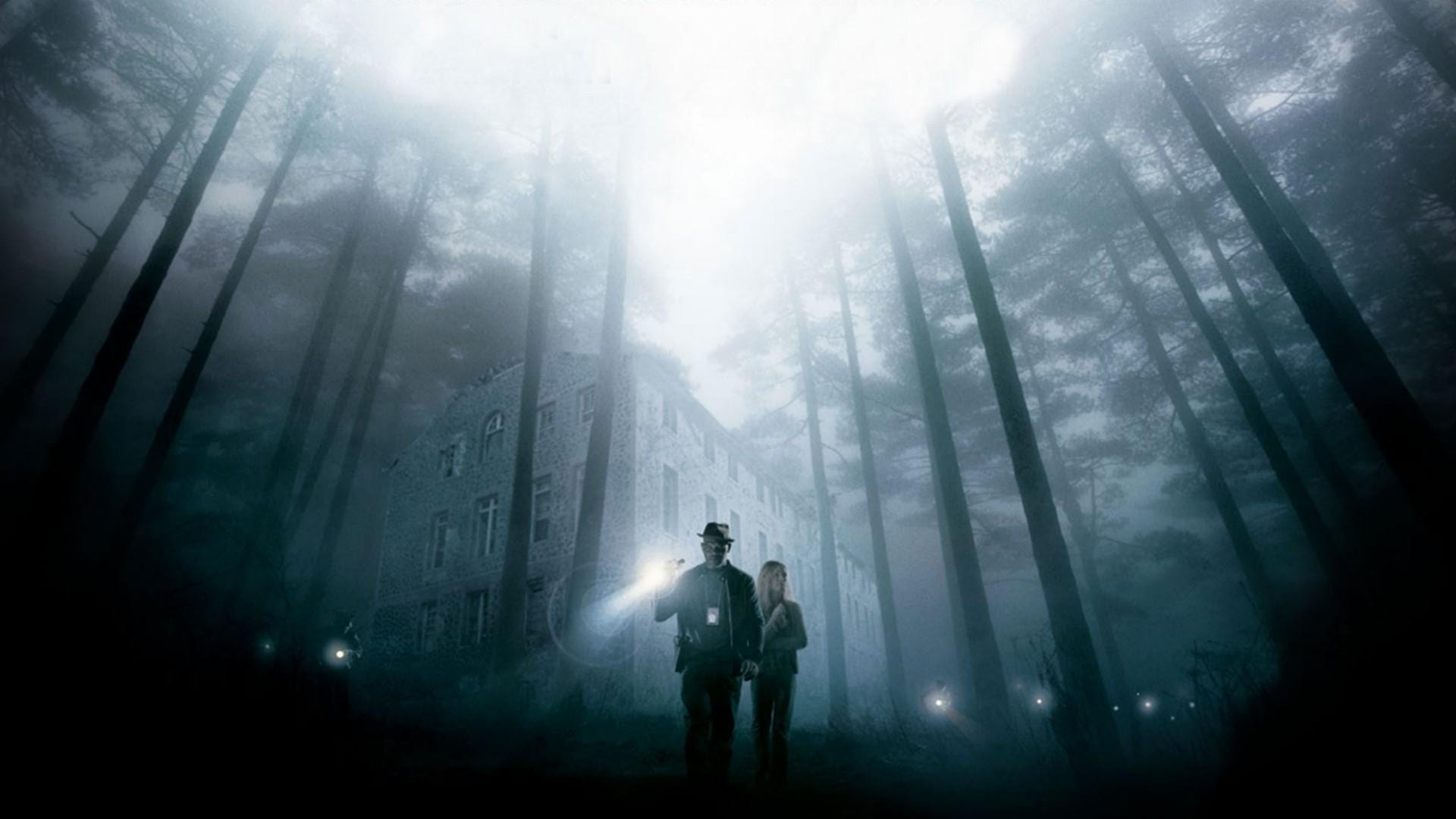
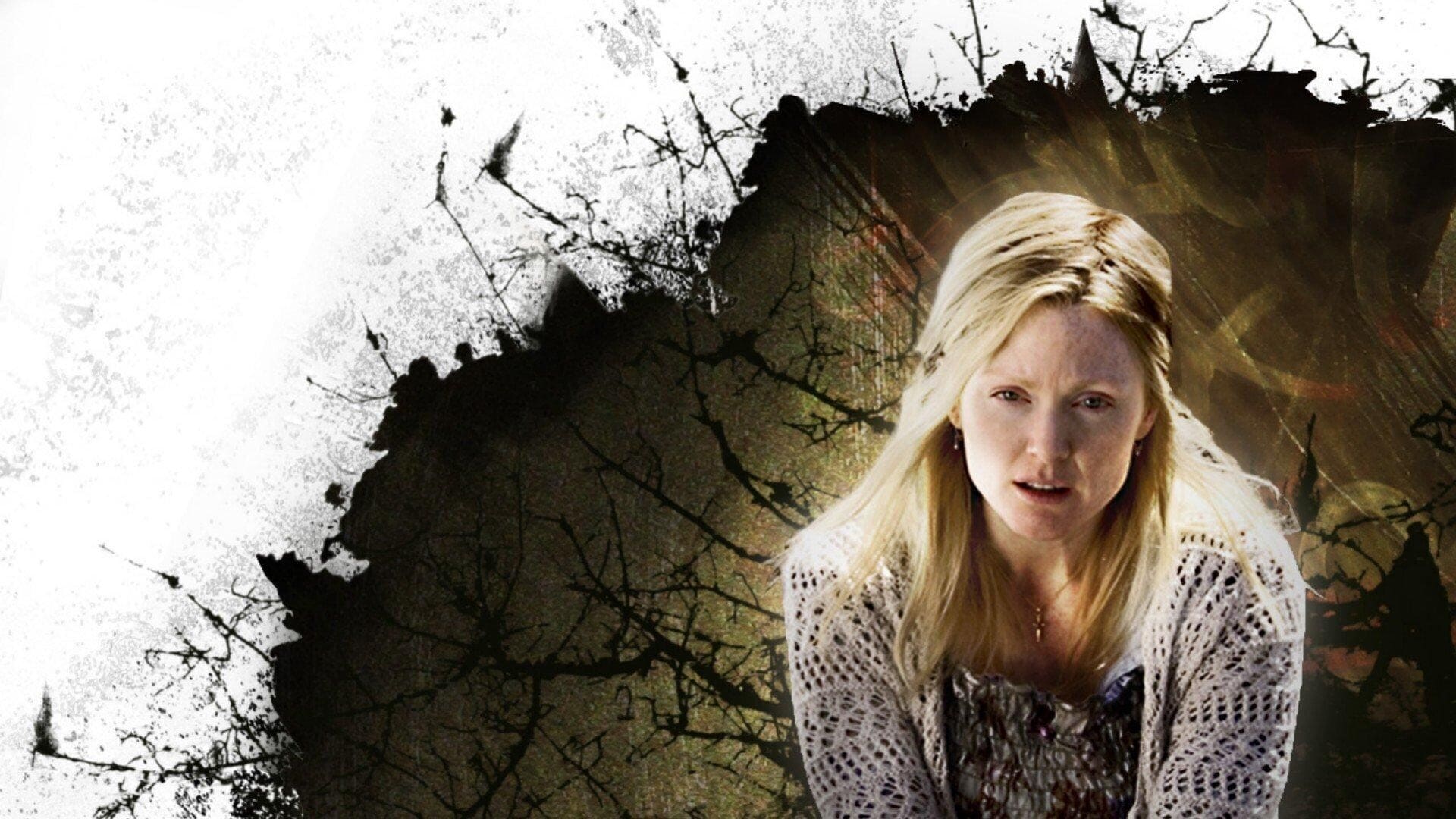
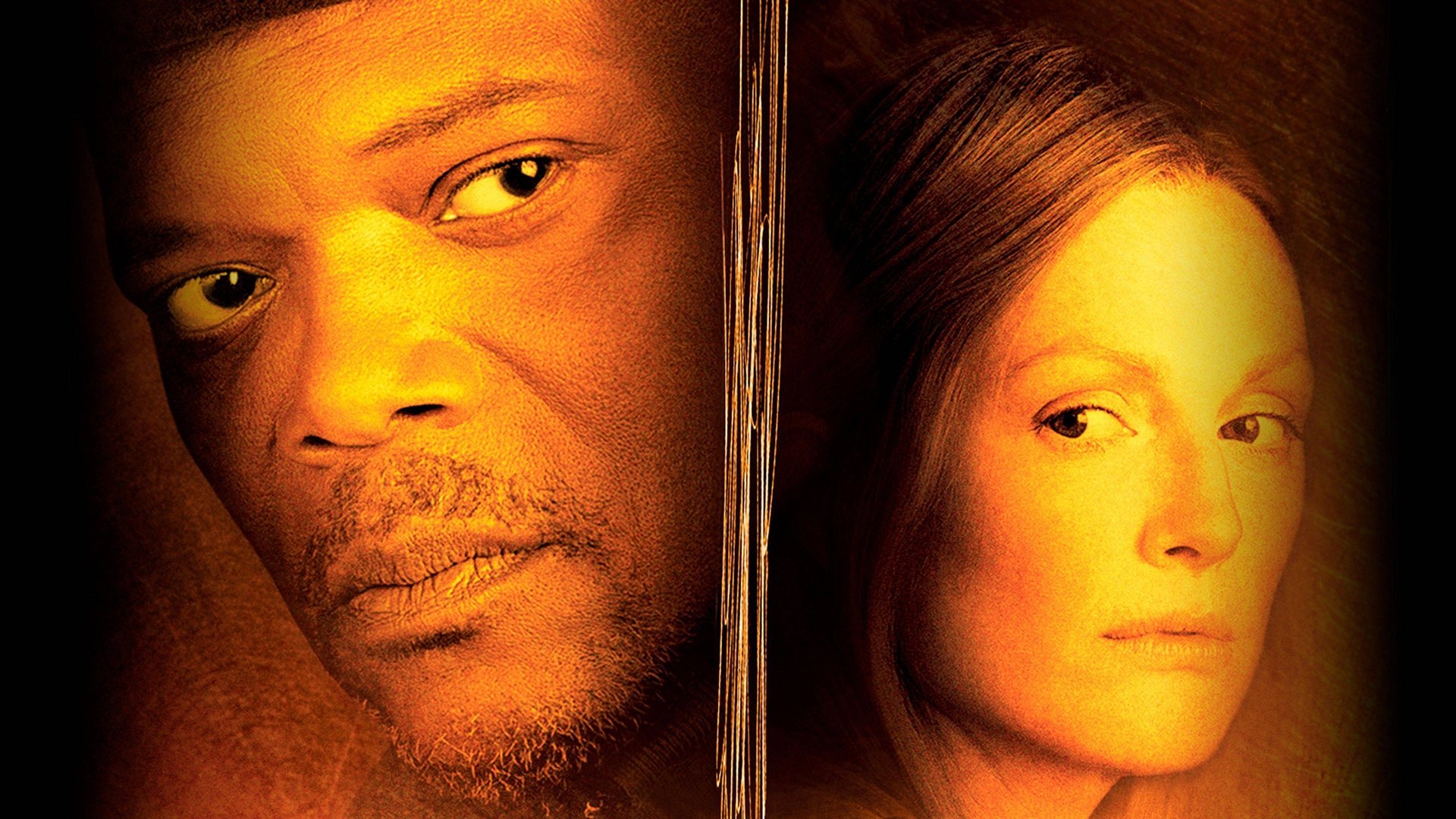
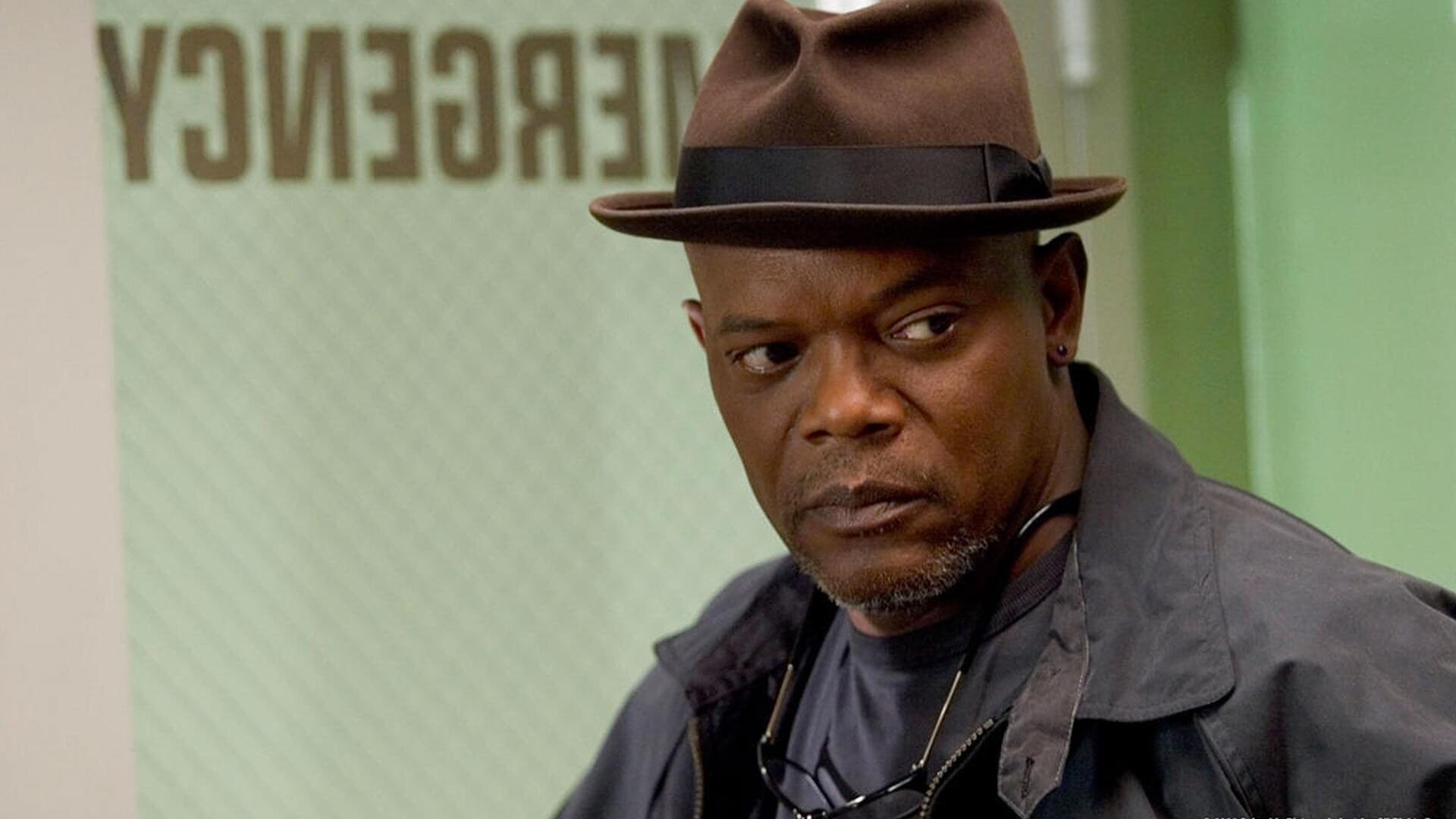
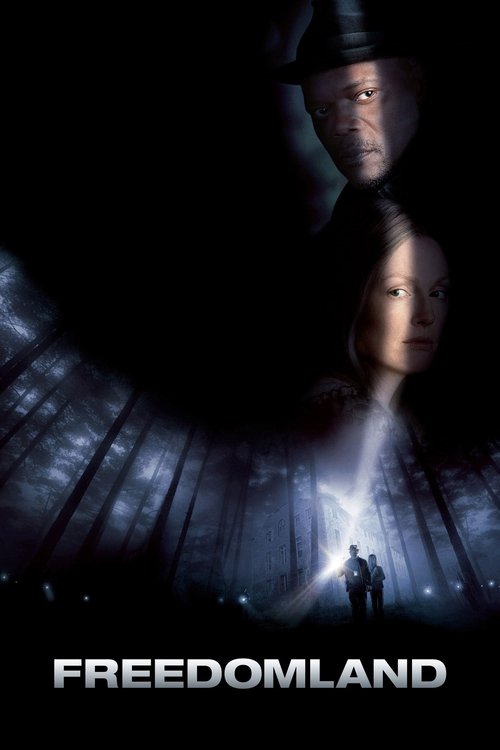
A black police detective must solve a strange case of a kidnapped boy and deal with a big racial protest.
Directed by Joe Roth
new jersey
psychopath
lie
psychological stress
baby-snatching
psychiatric ward
xenophobia
human mystery

Trailer

IMDB
N/A
Where to Watch


Cast
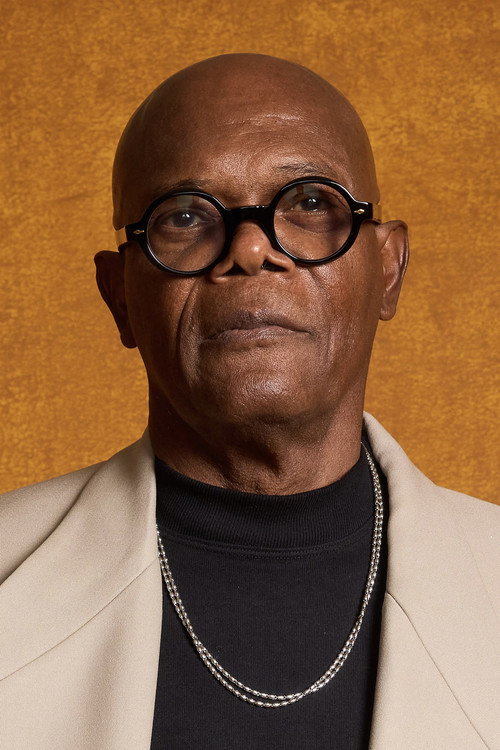
Samuel L. Jackson
Lorenzo Council
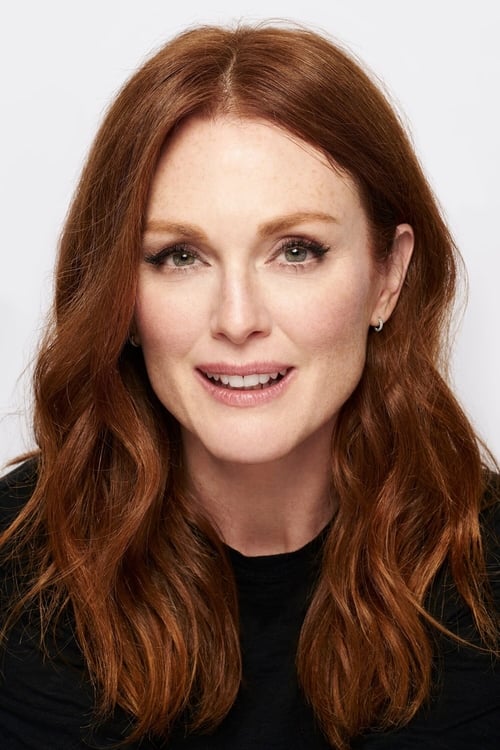
Julianne Moore
Brenda Martin

Edie Falco
Karen Collucci
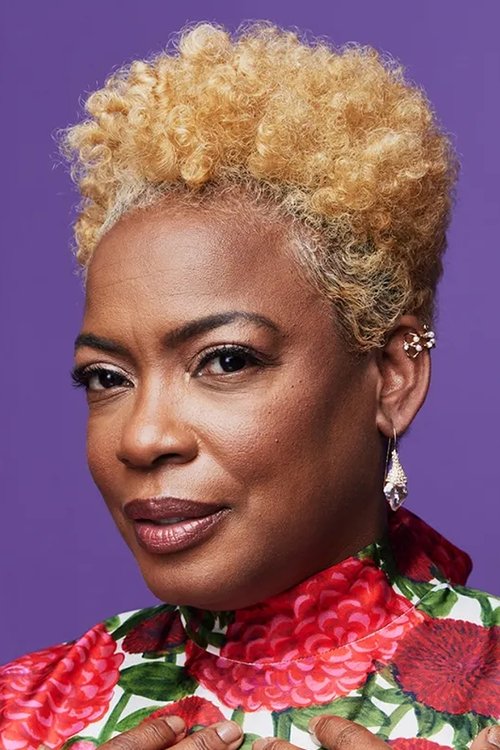
Aunjanue Ellis-Taylor
Felicia

William Forsythe
Boyle
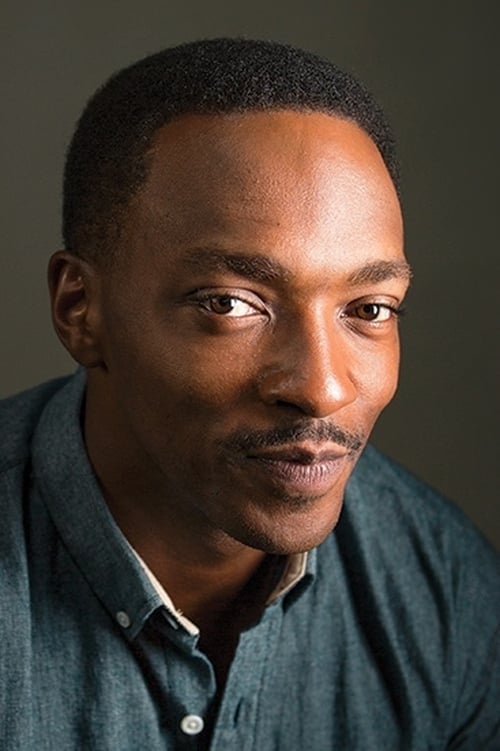
Anthony Mackie
Billy Williams
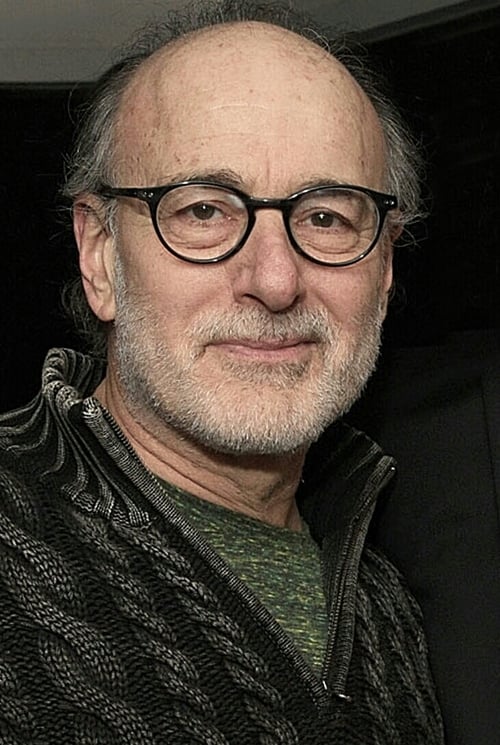
Peter Friedman
Lt. Gold

Domenick Lombardozzi
Leo Sullivan
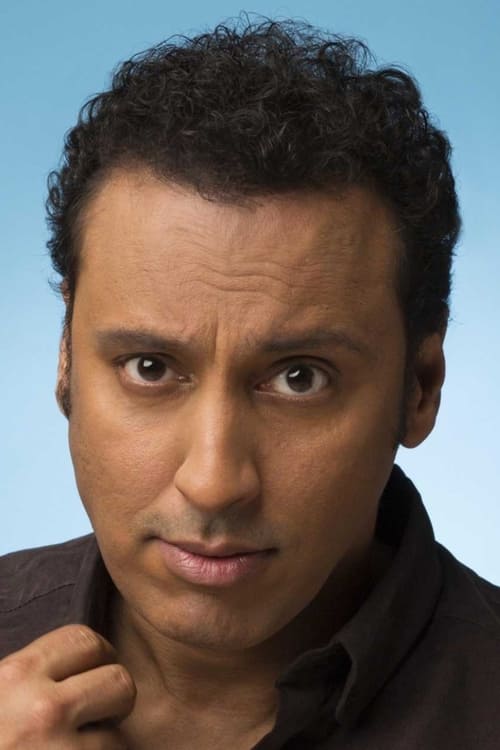
Aasif Mandvi
Dr. Anil Chatterjee
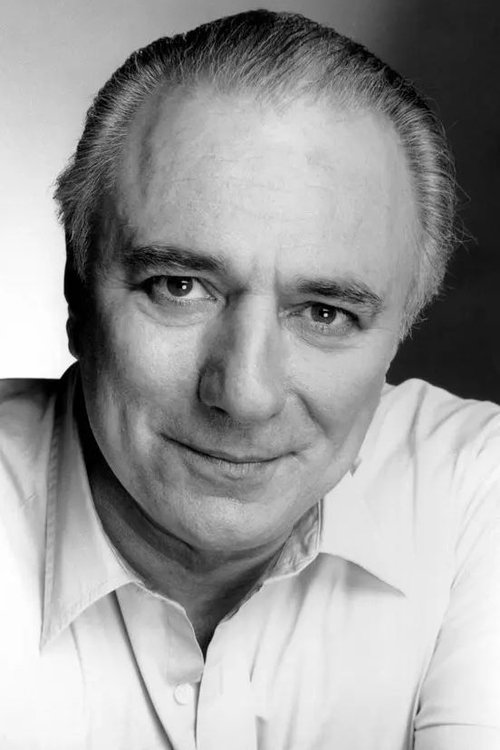
Philip Bosco
Priest
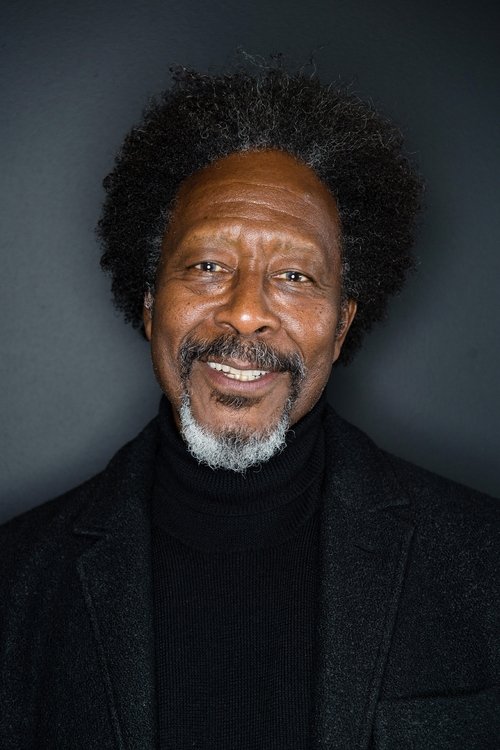
Clarke Peters
Reverend Longway
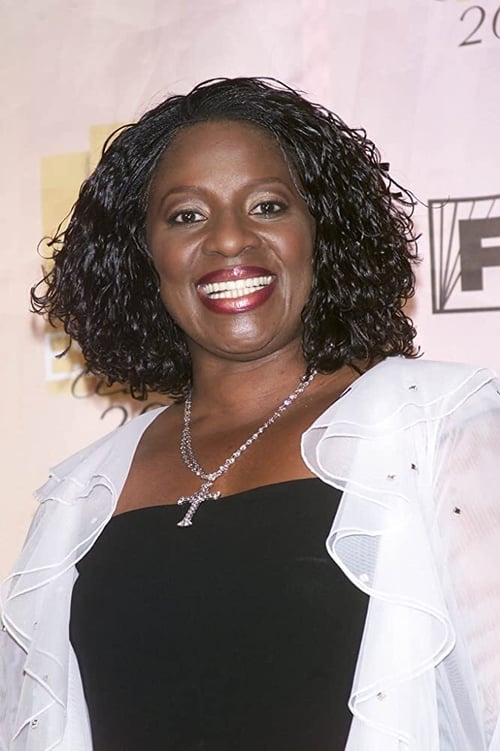
LaTanya Richardson Jackson
Marie
Crew
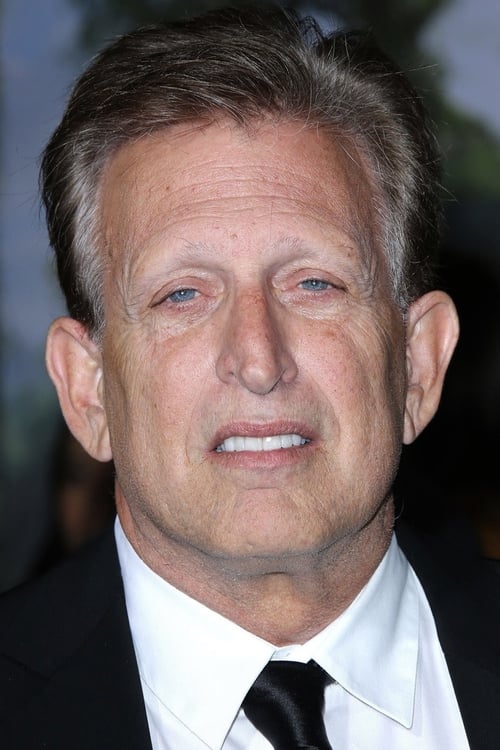
Joe Roth
Director
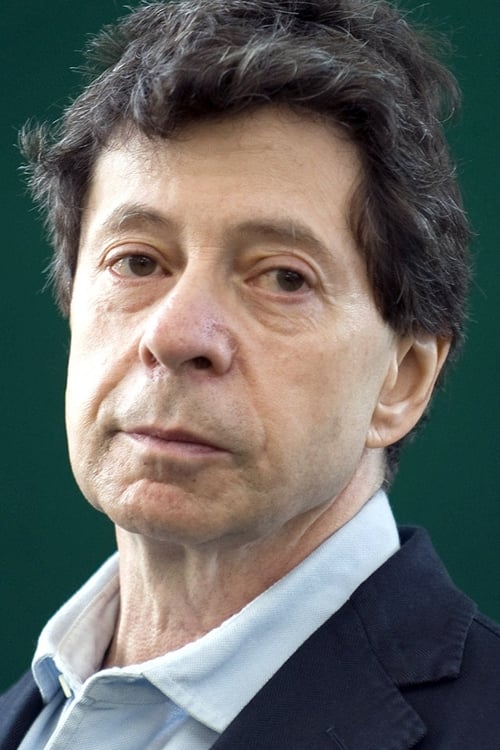
Richard Price
Writer

James Newton Howard
Original Music Composer
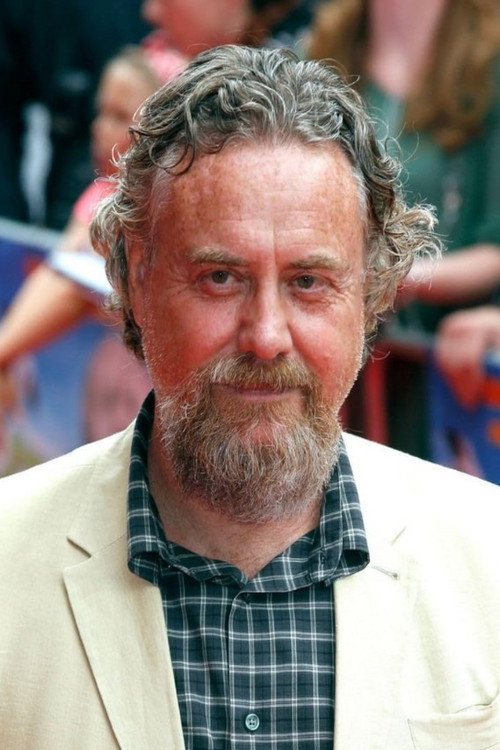
Nick Moore
Editor
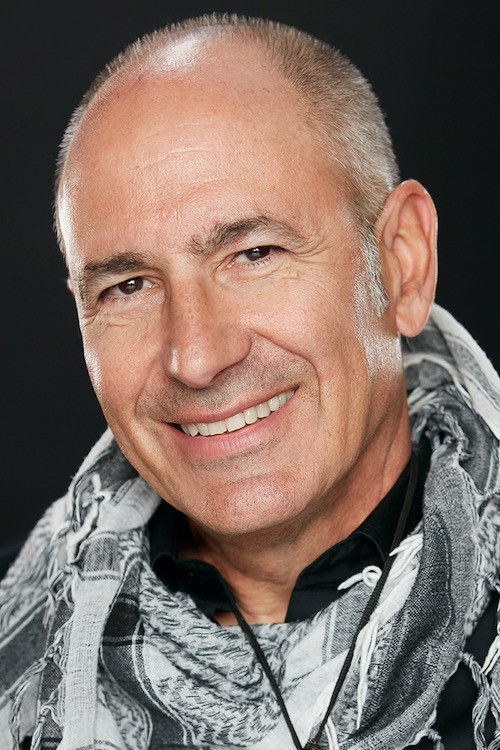
Anastas N. Michos
Director of Photography
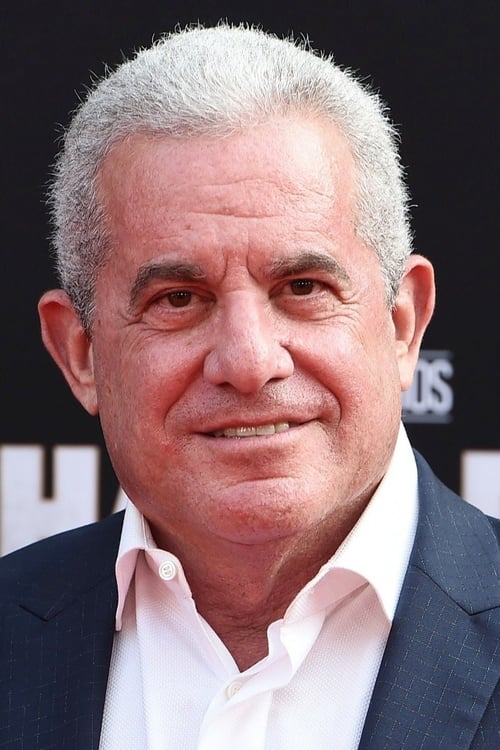
Charles Newirth
Executive Producer
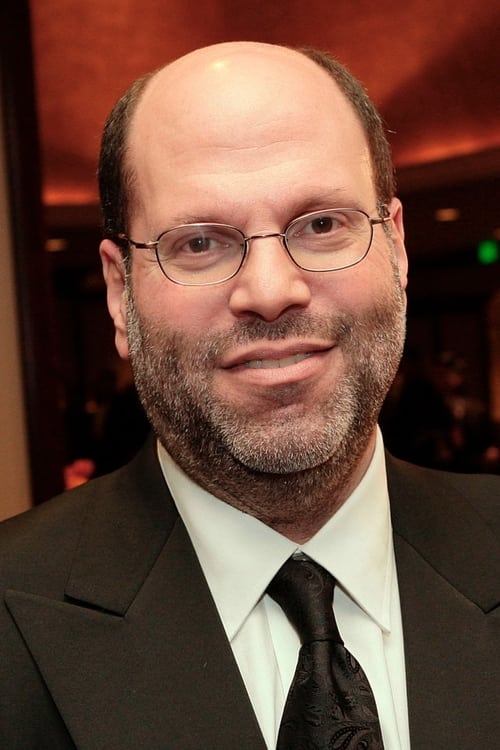
Scott Rudin
Producer
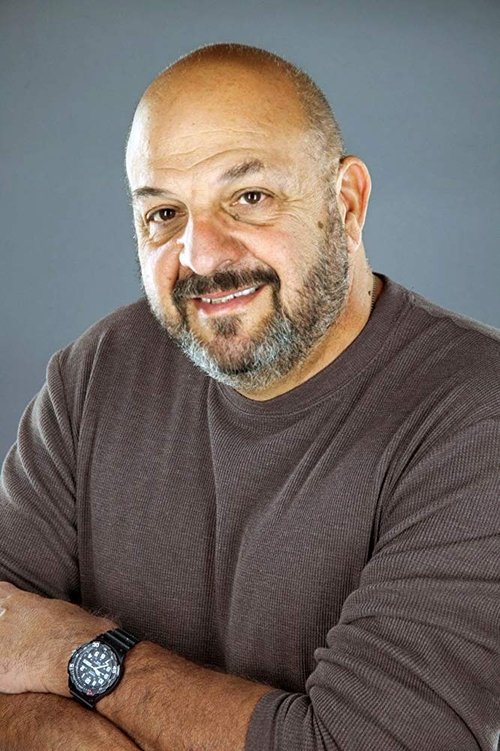
Allan A. Apone
Makeup Artist

David Wasco
Production Design

Margery Simkin
Casting

Sandy Reynolds-Wasco
Set Decoration
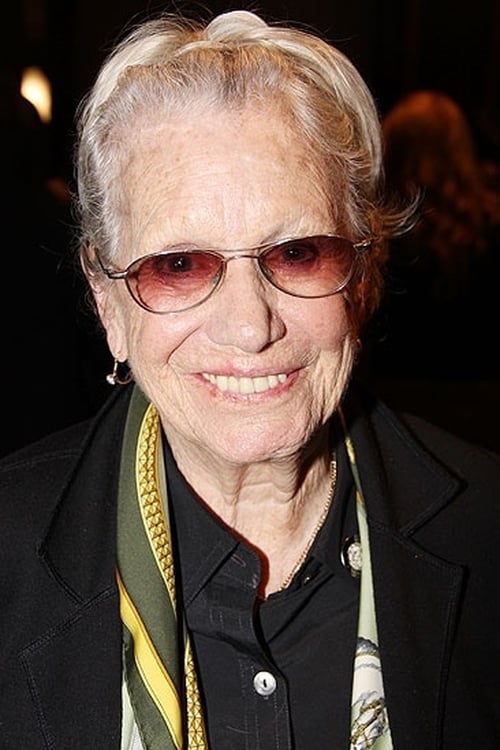
Ann Roth
Costume Design
Popular Reviews
23 reviews
Adam
5.0★ · 07/05/25
Why is this actually called Freedomland? lol
Why is this actually called Freedomland? lol


Jagdish
3.3★ · 06/13/25
Is he dead? Just nod your head.
In one of FREEDOMLAND’s earliest scenes, Samuel L. Jackson’s detective character is so overwhelmed by the mere mention of a kidnapped child that he begins hyperventilating and requires a doctor to inject him with adrenaline. It’s an unintentionally laughable moment that sets the tone for a film that constantly veers into overwrought territory, mistaking melodrama for emotional weight. This reaction, meant to convey deep empathy, instead comes off as bizarrely theatrical—and is emblematic of the film’s fundamental problem: it doesn’t know how to modulate its intensity.
Equally baffling is the title FREEDOMLAND, which refers to a defunct children’s hospital that, according to one character, was once the site of widespread neglect and abuse. It also happens to be where an unstable mother decides to bury her child, turning a place once meant to represent care and hope into a literal graveyard of horror. The film clearly intends this to be rich with tragic irony, but the symbolism lands with a thud. The name “Freedomland” becomes unintentionally silly—a failed attempt at gravitas that underscores the film’s lack of subtlety.
Worst of all (despite Julianne’s decent performance as a manic woman in distress), FREEDOMLAND never decides what kind of film it wants to be—thriller, social commentary, or psychological drama—and as a result, it fails at all three. What should have been a powerful exploration of race, trauma, and truth ends up being a confused and ultimately forgettable misfire.
In one of FREEDOMLAND’s earliest scenes, Samuel L. Jackson’s detective character is so overwhelmed by the mere mention of a kidnapped child that he begins hyperventilating and requires a doctor to inject him with adrenaline. It’s an unintentionally laughable moment that sets the tone for a film that constantly veers into overwrought territory, mistaking melodrama for emotional weight. This reaction, meant to convey deep empathy, instead comes off as bizarrely theatrical—and is emblematic of the film’s fundamental problem: it doesn’t know how to modulate its intensity.
Equally baffling is the title FREEDOMLAND, which refers to a defunct children’s hospital that, according to one character, was once the site of widespread neglect and abuse. It also happens to be where an unstable mother decides to bury her child, turning a place once meant to represent care and hope into a literal graveyard of horror. The film clearly intends this to be rich with tragic irony, but the symbolism lands with a thud. The name “Freedomland” becomes unintentionally silly—a failed attempt at gravitas that underscores the film’s lack of subtlety.
Worst of all (despite Julianne’s decent performance as a manic woman in distress), FREEDOMLAND never decides what kind of film it wants to be—thriller, social commentary, or psychological drama—and as a result, it fails at all three. What should have been a powerful exploration of race, trauma, and truth ends up being a confused and ultimately forgettable misfire.
Is he dead? Just nod your head.
In one of FREEDOMLAND’s earliest scenes, Samuel L. Jackson’s detective character is so overwhelmed by the mere mention of a kidnapped child that he begins hyperventilating and requires a doctor to inject him with adrenaline. It’s an unintentionally laughable moment that sets the tone for a film that constantly veers into overwrought territory, mistaking melodrama for emotional weight. This reaction, meant to convey deep empathy, instead comes off as bizarrely theatrical—and is emblematic of the film’s fundamental problem: it doesn’t know how to modulate its intensity.
Equally baffling is the title FREEDOMLAND, which refers to a defunct children’s hospital that, according to one character, was once the site of widespread neglect and abuse. It also happens to be where an unstable mother decides to bury her child, turning a place once meant to represent care and hope into a literal graveyard of horror. The film clearly intends this to be rich with tragic irony, but the symbolism lands with a thud. The name “Freedomland” becomes unintentionally silly—a failed attempt at gravitas that underscores the film’s lack of subtlety.
Worst of all (despite Julianne’s decent performance as a manic woman in distress), FREEDOMLAND never decides what kind of film it wants to be—thriller, social commentary, or psychological drama—and as a result, it fails at all three. What should have been a powerful exploration of race, trauma, and truth ends up being a confused and ultimately forgettable misfire.
In one of FREEDOMLAND’s earliest scenes, Samuel L. Jackson’s detective character is so overwhelmed by the mere mention of a kidnapped child that he begins hyperventilating and requires a doctor to inject him with adrenaline. It’s an unintentionally laughable moment that sets the tone for a film that constantly veers into overwrought territory, mistaking melodrama for emotional weight. This reaction, meant to convey deep empathy, instead comes off as bizarrely theatrical—and is emblematic of the film’s fundamental problem: it doesn’t know how to modulate its intensity.
Equally baffling is the title FREEDOMLAND, which refers to a defunct children’s hospital that, according to one character, was once the site of widespread neglect and abuse. It also happens to be where an unstable mother decides to bury her child, turning a place once meant to represent care and hope into a literal graveyard of horror. The film clearly intends this to be rich with tragic irony, but the symbolism lands with a thud. The name “Freedomland” becomes unintentionally silly—a failed attempt at gravitas that underscores the film’s lack of subtlety.
Worst of all (despite Julianne’s decent performance as a manic woman in distress), FREEDOMLAND never decides what kind of film it wants to be—thriller, social commentary, or psychological drama—and as a result, it fails at all three. What should have been a powerful exploration of race, trauma, and truth ends up being a confused and ultimately forgettable misfire.
Lisa Rondelli
4.0★ · 01/31/25
Slow,boring and predictable.
Slow,boring and predictable.
chiara
2.0★ · 01/10/25
looks around
looks around
Maxi
6.0★ · 05/16/18
Angeblich wurde die Geschichte nach einer wahren Begebenheit erzählt - hier jedoch wirkt die Rassismus-Debatte aufgezwungen, die beiden Storystränge passen schnell nicht mehr zusammen und lösen sich schließlich in ein sehr vorhersehbares Ende auf. Zu Beginn noch halbwegs spannend, kocht der Film irgendwann nur noch auf Sparflamme. Immerhin überzeugt der Cast, speziell Julianne Moore heult sich äußerst effektiv durch den Streifen.
Angeblich wurde die Geschichte nach einer wahren Begebenheit erzählt - hier jedoch wirkt die Rassismus-Debatte aufgezwungen, die beiden Storystränge passen schnell nicht mehr zusammen und lösen sich schließlich in ein sehr vorhersehbares Ende auf. Zu Beginn noch halbwegs spannend, kocht der Film irgendwann nur noch auf Sparflamme. Immerhin überzeugt der Cast, speziell Julianne Moore heult sich äußerst effektiv durch den Streifen.