

2022·Drama·1h 55m
7.1
★
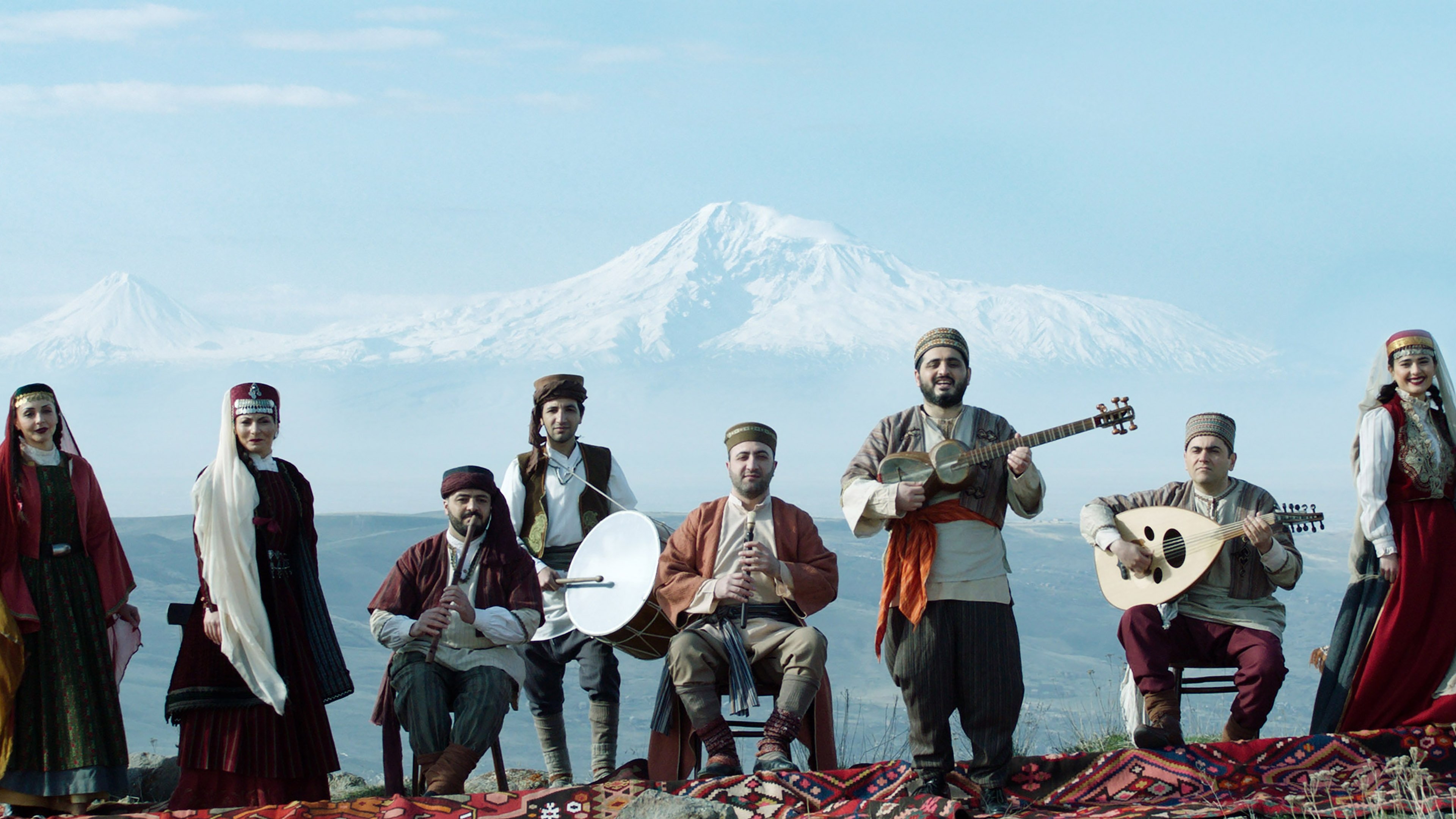
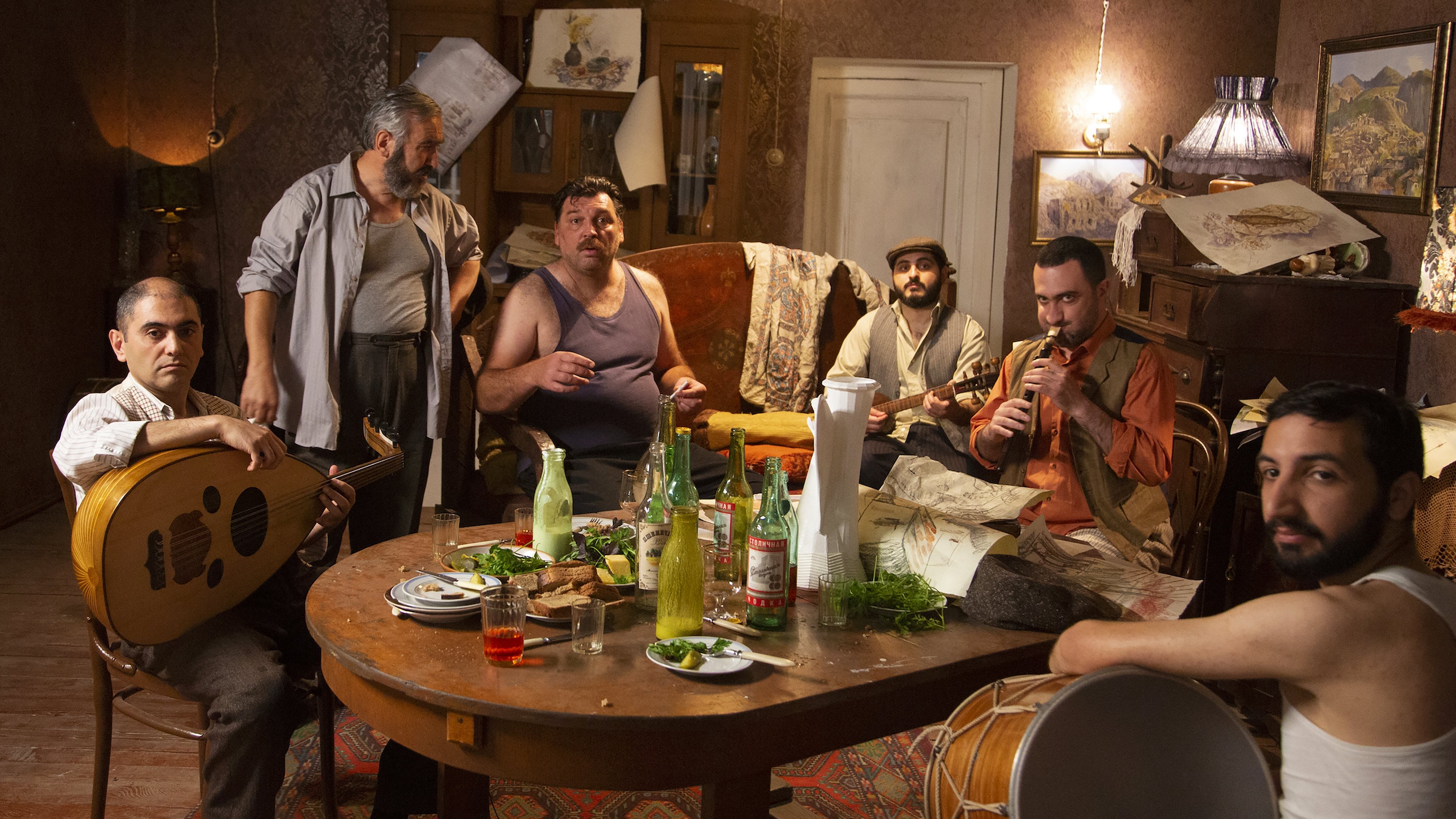
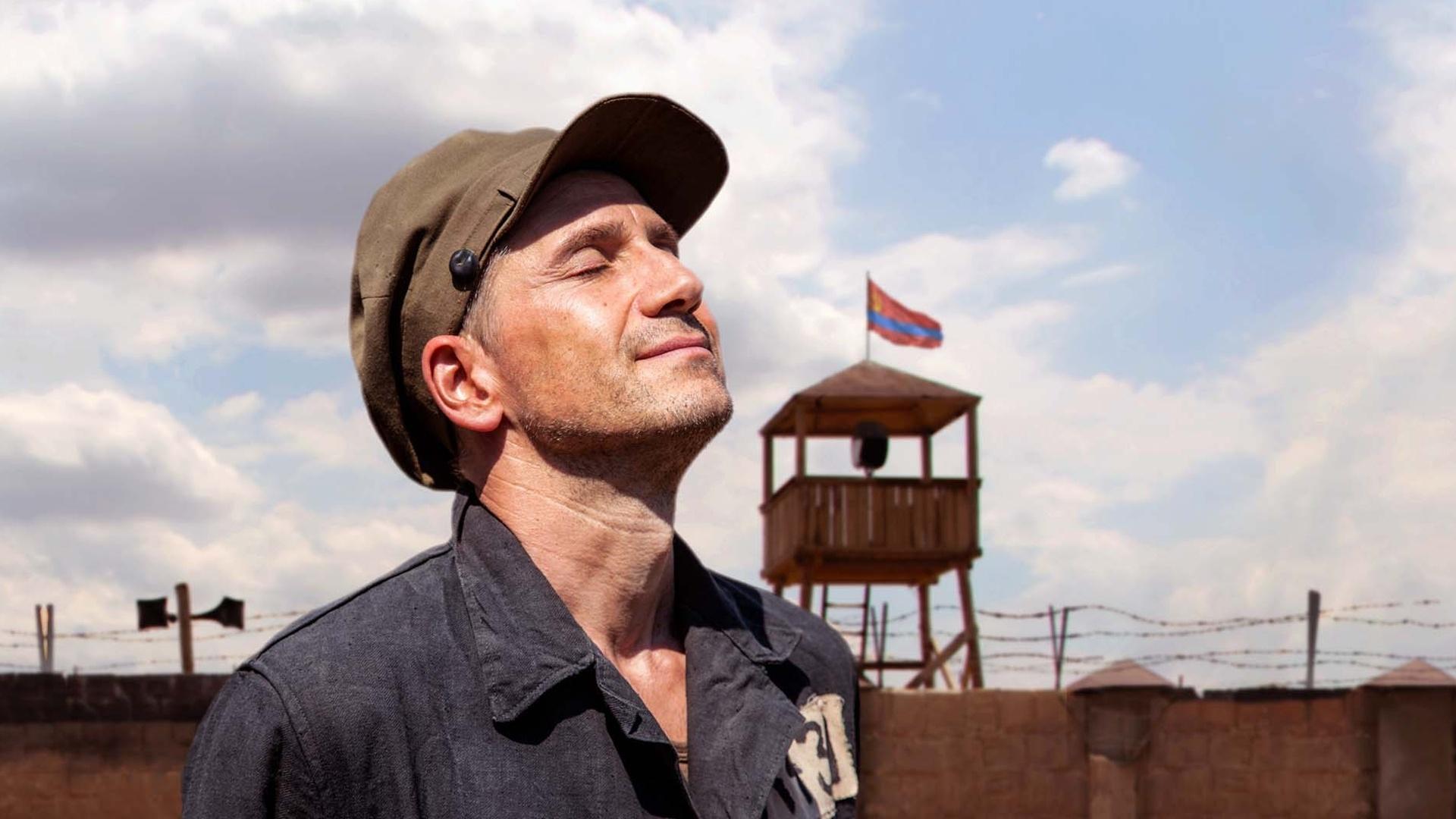
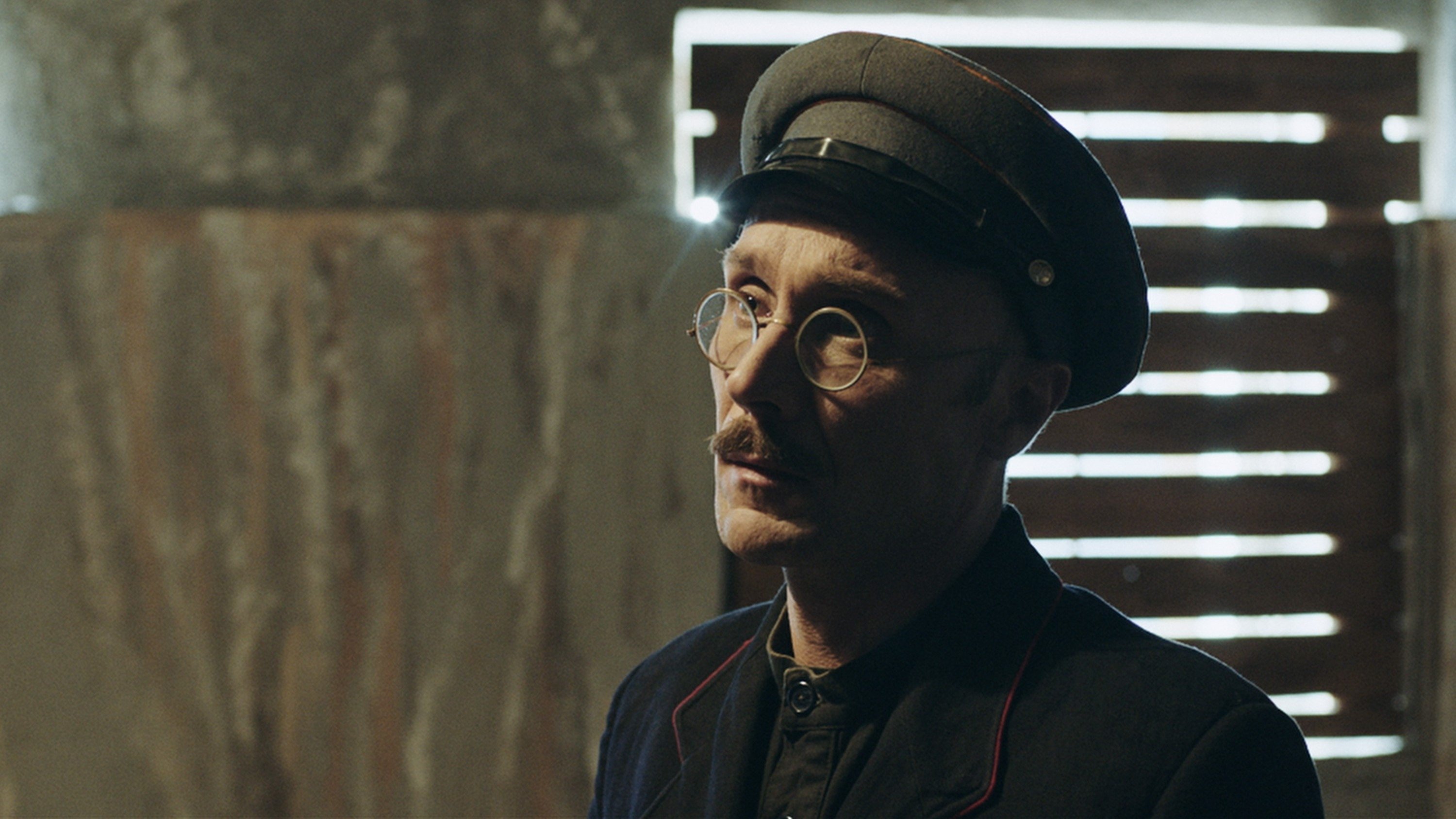
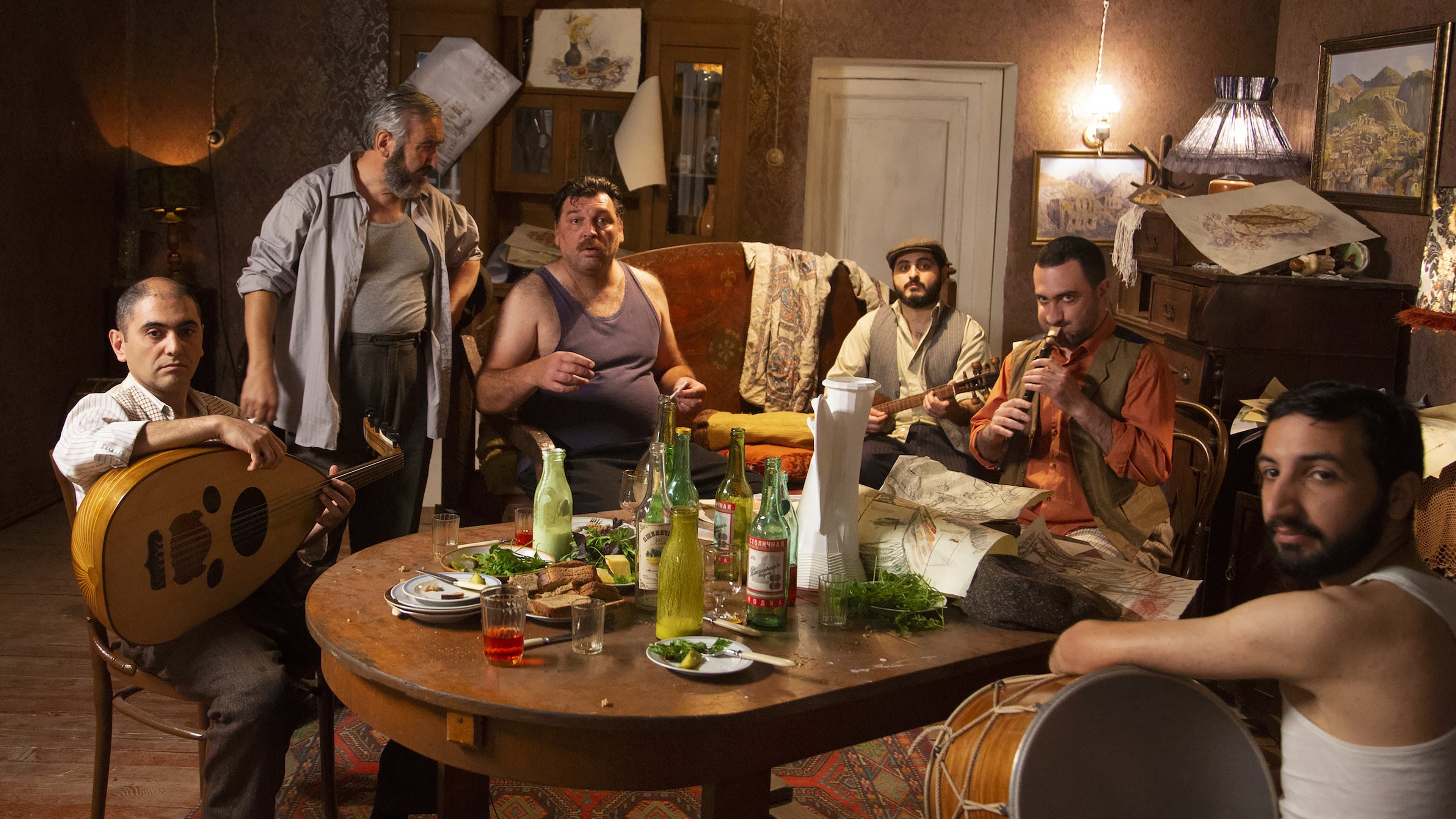
In 1948, decades after fleeing Armenia to the US as a child, Charlie returns in the hopes of finding a connection to his roots, but what he finds instead is a country crushed under Soviet rule. After being unjustly imprisoned, Charlie falls into despair, until he discovers that he can see into a nearby apartment from his cell window - the home of a prison guard.
Directed by Michael A. Goorjian
hope
prison cell
painting
armenia
communist party
1950s
cultural identity
armenian diaspora
josef stalin
soviet

Trailer

IMDB
N/A
Where to Watch


Cast

Michael A. Goorjian
Charlie

Hovik Keuchkerian
Tigran

Mikhail Trukhin
Dmitry

Nelly Uvarova
Sona

Narine Grigoryan
Ruzan

Jean-Pierre Nshanian
Warden Sargisyan

Aram Karakhanyan
Sergeant Melikov

David Hakobyan
Old Stoic Prisoner

Trdat Makaryan
Poghosyan

Mayranush Grigoryan
Charlie's Grandmother

Miqayel Voskanyan
Folk Musician
Crew
Michael A. Goorjian
Director
Michael A. Goorjian
Writer
Michael A. Goorjian
Editor
Michael A. Goorjian
Producer
Serj Tankian
Executive Producer
Serj Tankian
Additional Music
Miqayel Voskanyan
Musician
Miqayel Voskanyan
Music Arranger
Miqayel Voskanyan
Additional Music
Popular Reviews
22 reviews
Nicky
6.0★ · 08/29/25

Carino secondo me si poteva fare di più a livello di trama ma mi é piaciuto comunque
Carino secondo me si poteva fare di più a livello di trama ma mi é piaciuto comunque


lola
6.2★ · 02/04/25
Mais oui chérie c'est juste toi, moi et le prisonnier américain qui nous observe depuis sa cellule
Mais oui chérie c'est juste toi, moi et le prisonnier américain qui nous observe depuis sa cellule
Ilham Hashi
8.0★ · 11/05/24
"Home is not just a place; it’s the stories we carry with us and the memories that shape who we are."
"Home is not just a place; it’s the stories we carry with us and the memories that shape who we are."
Rui
7.1★ · 09/09/24
I was pleasantly surprised. The story is outstanding with a Count of Monte Cristo-style Persian Lessons, from a "Rear Window" perspective.
In terms of expression, it offers a more profound humanistic concern beyond the political confrontations often seen in Cold War films. The film explores how Armenians, alienated under a totalitarian regime, and expatriates returning to Armenia, reconnect through nothing but their love for art and life. In such a unique era, these personal expressions and subtle emotions, often seen as threats to collectivism or solidarity, are more effective at binding together the "true" Armenian identity than collective ideological indoctrination.
In terms of expression, it offers a more profound humanistic concern beyond the political confrontations often seen in Cold War films. The film explores how Armenians, alienated under a totalitarian regime, and expatriates returning to Armenia, reconnect through nothing but their love for art and life. In such a unique era, these personal expressions and subtle emotions, often seen as threats to collectivism or solidarity, are more effective at binding together the "true" Armenian identity than collective ideological indoctrination.
I was pleasantly surprised. The story is outstanding with a Count of Monte Cristo-style Persian Lessons, from a "Rear Window" perspective.
In terms of expression, it offers a more profound humanistic concern beyond the political confrontations often seen in Cold War films. The film explores how Armenians, alienated under a totalitarian regime, and expatriates returning to Armenia, reconnect through nothing but their love for art and life. In such a unique era, these personal expressions and subtle emotions, often seen as threats to collectivism or solidarity, are more effective at binding together the "true" Armenian identity than collective ideological indoctrination.
In terms of expression, it offers a more profound humanistic concern beyond the political confrontations often seen in Cold War films. The film explores how Armenians, alienated under a totalitarian regime, and expatriates returning to Armenia, reconnect through nothing but their love for art and life. In such a unique era, these personal expressions and subtle emotions, often seen as threats to collectivism or solidarity, are more effective at binding together the "true" Armenian identity than collective ideological indoctrination.
Jack J
2.8★ · 01/09/24
I found it, the sneak! There's always one stinker in the shortlist, and this is certainly this years. Like an unholy combination of Life is Beautiful and The Lives of Others where every line is enunciated with the subtlety of a radio play
I found it, the sneak! There's always one stinker in the shortlist, and this is certainly this years. Like an unholy combination of Life is Beautiful and The Lives of Others where every line is enunciated with the subtlety of a radio play