

2021·Documentary·6 episodes
7.8
★
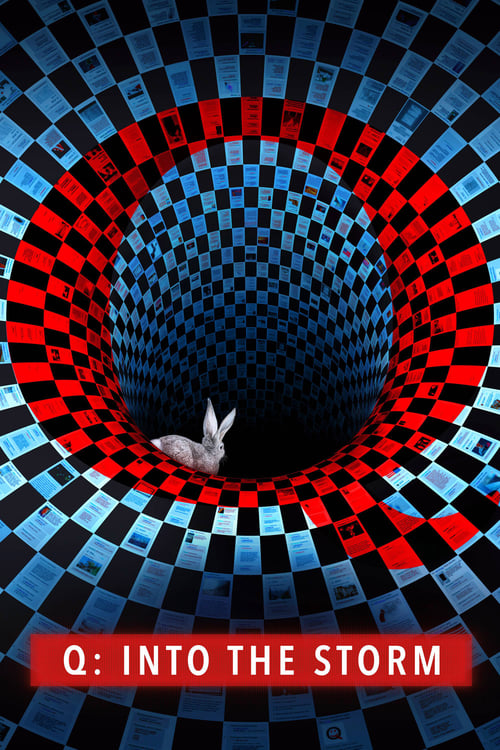
A three-year investigation chronicles the evolution of “Q” in real time, with access to key players, along with an examination of how the anonymous character uses conspiracy theories and information warfare to influence politics.
Created by Adam McKay and Lisa Heller
conspiracy theory
gamergate
qanon
8chan

Trailer

IMDB
N/A
Where to Watch



Seasons
Cast
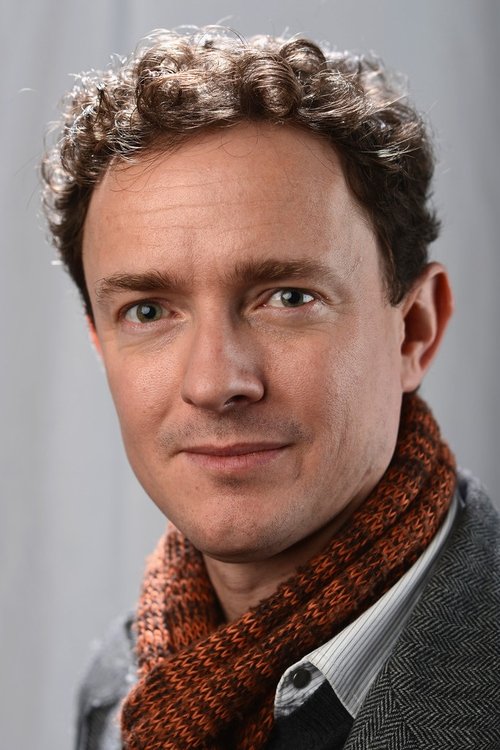
Cullen Hoback
Self – Filmmaker
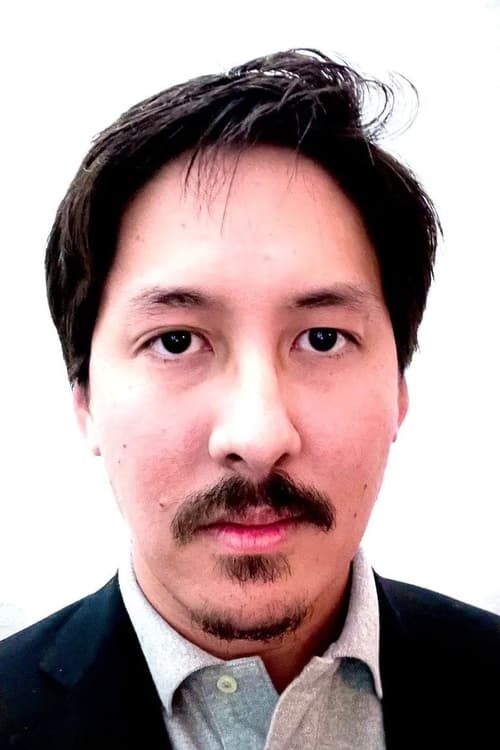
Ron Watkins
Self – 8chan Admin
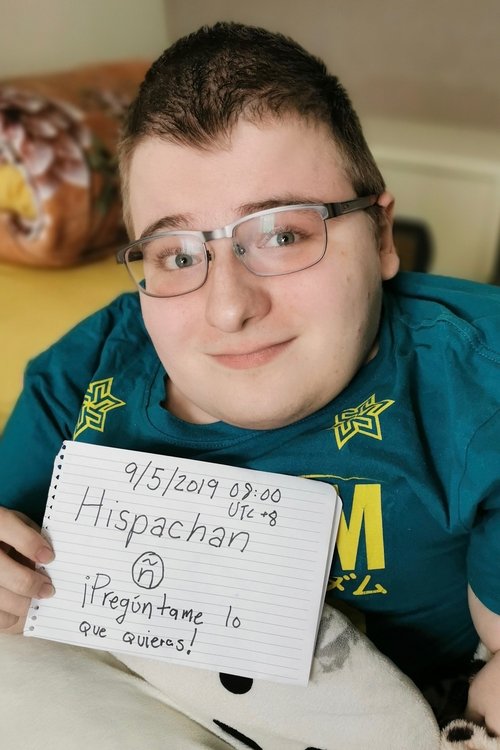
Fredrick Brennan
Self – 8chan Creator
Crew
Cullen Hoback
Editor
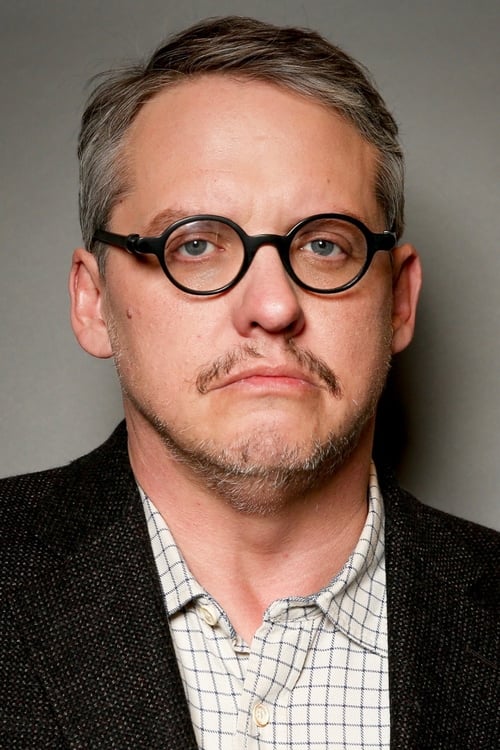
Adam McKay
Executive Producer
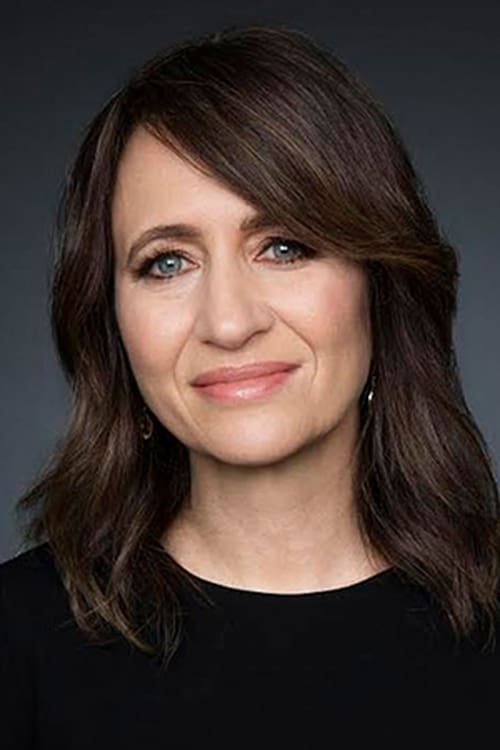
Lisa Heller
Executive Producer
Nancy Abraham
Executive Producer
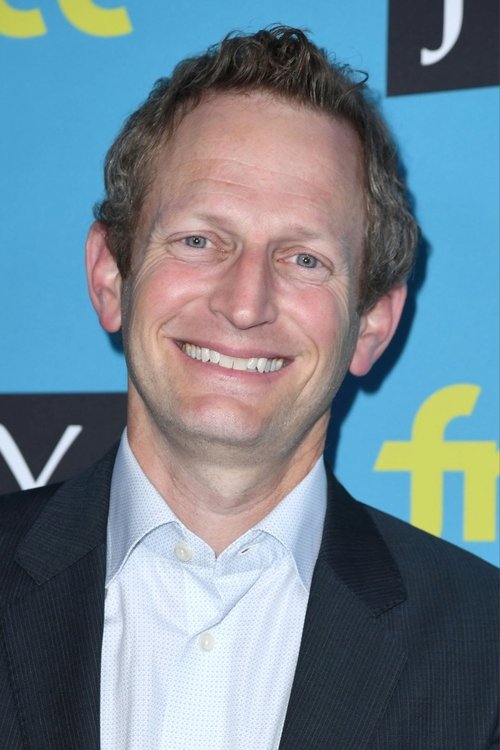
Todd Schulman
Executive Producer
Cullen Hoback
Producer
Cullen Hoback
Cinematography
Popular Reviews
19 reviews
LeonDeon
9.0★ · 05/10/21
QAnon is what we imagine the world to be in the lowest conceptions of truth.
Conspiracy theories as a way of life are self-destructive. To constantly live under the threat that a Big-Brother figure is lurking in the shadows, ready to take your life at any given notice, is insalubrious to mental security. Still, with QAnon, it is a whole other beast. When we strip away everything away from it, we find that this a political movement bound to gnash at the heels of a commonwealth. Q: Into the Storm is a documentary of the best kind. A doc of this nature doesn’t live comfortably with presenting the information recorded but sets to confront its subjects. I appreciate documentaries with a voice beyond the narrator. While every film has some meaning behind it, a kernel for a creative spark, this one actively sought to find the truth beyond what QAnon is to a normie. Before the normie became aware of what QAnon was with the successes of political candidates like Marjorie Taylor Greene and Lauren Boebert winning seats in Congress. The rabbit hole is no longer just a shade of the looking glass; it is now a reality we live with. Its as common as any routine developed because the accessibility of misinformation is easier than truth, or in this case, reality. The issue of reality manufactured hits the average person more now than ever before in recorded history.
Cullen Hoback does an impeccable job asking disarming questions to questionable people like Ron and Jim Watkins, who both run and moderate the infamous site 8chan. There is something incredibly pernicious about Ron Watkins himself. The central figure of the doc. He claims he doesn’t involve himself in politics but believes in free speech and just as curious about who Q is as anyone else is. Jim has a peculiar interest in fountain pens and watches. Something like Q also happens to have consistency with when posting images containing pens and watches. Ron does the same roundabout way of answering questions concerning Q and what it means to 8chan as a whole. Ron deflects, deflects, and deflects, never letting in on anything, constantly changing the story whenever convenient. Both men live a double life posting as Q changing the world molding as they see fit.
On the flip side of things, you have people like Fredrick Brennan, who originally coded and ran 8chan until stepping down in a partnership position with Jim Watkins. That is until their friendship turned sour, with multiple mass shootings linked to 8chan and the inaction from Ron and Jim Watkins. The mass shootings connected to 8chan cause Fredrick to be on an existential path in his life and where he wants it to go. He could continue to ignore what is happening with QAnon, or he could do what he sought fit - fight this misinformation. It sends his life down a bitter warpath to take down 8chan, going as far as to stop Jim’s nationalization in Thailand. It then warps the series of events into a desperate attempt to flee the country. It’s because there is a law in Thailand that holds you liable for posting misinformation about a person or their character, Something Fred had been doing, tweeting about how Jim had lost his mind and couldn’t run the site anymore.
Speaking more about the epistemological lens Q brings into reality shows how it can wear down someone’s very thought processes. How is it that someone can trust something they have never seen? What about Q compels someone to detach from the very notion of fact and fiction?
Q itself presents easy answers to complicated issues. The root of its evil is in its banality. Anyone could hop on to do web and find something of questionable rigor yet because it can change the narrative whenever it feels. If something didn’t come true, it’s not a big deal. The storm can arrive at any time if Trump loses an election because the Democratic Cabal is stealing the election. If Trump cannot be Q, then someone else can be. If Trump is Q, then he is dropping hints on television broadcasts on his retweets of Q. The power of QAnon is its pliability. It speaks to a broader sense of how we wish to control the intangible things of life. We alone cannot alter the course of a political machine; it takes organized plans of attack to make any meaningful mark on the world. It takes an adamant belief that sacrificing everything will be worth it if the world changes. Q is the means that a grand idea like this could materialize.
It now puts America in a precarious position. Where do Americans land in the world of misinformation. Can America even be reformed from corrupting banal evil like QAnon? The optimist’s answer is yes, though belligerent attempts to fight obscurantism America can regain a semblance of normalcy. Yet the cynic’s answer is America was on this course for a long time. With presidencies like George W. Bush and Obama creating the narrative that we need to be interfering with the Middle East, we need to sanction Southern America. We must give up our privacy in the name of safety; this was a vision of America decades in the making. Through every non-answer, these men and their cabinets provided another layer of distrust in the government. How are we to trust what our leaders are to tell us when they pathologically lie to us. It produces dissident for the commonwealth as their anger brews and suppurates. It leaves America with an alarming blemish wherein clickbait articles, and integral journalism becomes blurred lines.
The concerning thing about this doc’s reception from’s published critics who infantilize the audience, assuming they couldn’t understand the abhorrence that QAnon stands for. So they publish puff pieces detailing that it is morally wrong to highlight such recesses of the internet because it might create a pipeline for normies to delve in. There is unattractive paternalization these critics take on taking on the role of an educator with morally questionable material, never trusting the audience to decide on their own. The issue with this arises if you cannot trust your audience; how are they to trust you. What confidence does it instill in the reader when they get a patronizing review explaining all the world’s evils from a didactic pulpit? It speaks to the superiority complex critics as this develops. They presume that it is their job to lead the blind in acceptable ways because significant publications print their work. It worries me about how we are to be critics when we cannot understand that our audiences can make distinctions between what is right and wrong. It shows that fear one resides in when watching a documentary made for a liberal audience on a liberal platform like HBO Max.
Q: Into the Storm is a drawn-out inspection of what makes a rabbit hole so inviting to dive down in. We may believe that we are immune to propaganda, but the answer lies within the programming. The advertising is on the walls; it’s on the clothes we wear; it is how we decide to express ourselves. Why couldn’t some fifty-year-old man and his son create one of the most dangerous political movements to the notion of democracy?
Conspiracy theories as a way of life are self-destructive. To constantly live under the threat that a Big-Brother figure is lurking in the shadows, ready to take your life at any given notice, is insalubrious to mental security. Still, with QAnon, it is a whole other beast. When we strip away everything away from it, we find that this a political movement bound to gnash at the heels of a commonwealth. Q: Into the Storm is a documentary of the best kind. A doc of this nature doesn’t live comfortably with presenting the information recorded but sets to confront its subjects. I appreciate documentaries with a voice beyond the narrator. While every film has some meaning behind it, a kernel for a creative spark, this one actively sought to find the truth beyond what QAnon is to a normie. Before the normie became aware of what QAnon was with the successes of political candidates like Marjorie Taylor Greene and Lauren Boebert winning seats in Congress. The rabbit hole is no longer just a shade of the looking glass; it is now a reality we live with. Its as common as any routine developed because the accessibility of misinformation is easier than truth, or in this case, reality. The issue of reality manufactured hits the average person more now than ever before in recorded history.
Cullen Hoback does an impeccable job asking disarming questions to questionable people like Ron and Jim Watkins, who both run and moderate the infamous site 8chan. There is something incredibly pernicious about Ron Watkins himself. The central figure of the doc. He claims he doesn’t involve himself in politics but believes in free speech and just as curious about who Q is as anyone else is. Jim has a peculiar interest in fountain pens and watches. Something like Q also happens to have consistency with when posting images containing pens and watches. Ron does the same roundabout way of answering questions concerning Q and what it means to 8chan as a whole. Ron deflects, deflects, and deflects, never letting in on anything, constantly changing the story whenever convenient. Both men live a double life posting as Q changing the world molding as they see fit.
On the flip side of things, you have people like Fredrick Brennan, who originally coded and ran 8chan until stepping down in a partnership position with Jim Watkins. That is until their friendship turned sour, with multiple mass shootings linked to 8chan and the inaction from Ron and Jim Watkins. The mass shootings connected to 8chan cause Fredrick to be on an existential path in his life and where he wants it to go. He could continue to ignore what is happening with QAnon, or he could do what he sought fit - fight this misinformation. It sends his life down a bitter warpath to take down 8chan, going as far as to stop Jim’s nationalization in Thailand. It then warps the series of events into a desperate attempt to flee the country. It’s because there is a law in Thailand that holds you liable for posting misinformation about a person or their character, Something Fred had been doing, tweeting about how Jim had lost his mind and couldn’t run the site anymore.
Speaking more about the epistemological lens Q brings into reality shows how it can wear down someone’s very thought processes. How is it that someone can trust something they have never seen? What about Q compels someone to detach from the very notion of fact and fiction?
Q itself presents easy answers to complicated issues. The root of its evil is in its banality. Anyone could hop on to do web and find something of questionable rigor yet because it can change the narrative whenever it feels. If something didn’t come true, it’s not a big deal. The storm can arrive at any time if Trump loses an election because the Democratic Cabal is stealing the election. If Trump cannot be Q, then someone else can be. If Trump is Q, then he is dropping hints on television broadcasts on his retweets of Q. The power of QAnon is its pliability. It speaks to a broader sense of how we wish to control the intangible things of life. We alone cannot alter the course of a political machine; it takes organized plans of attack to make any meaningful mark on the world. It takes an adamant belief that sacrificing everything will be worth it if the world changes. Q is the means that a grand idea like this could materialize.
It now puts America in a precarious position. Where do Americans land in the world of misinformation. Can America even be reformed from corrupting banal evil like QAnon? The optimist’s answer is yes, though belligerent attempts to fight obscurantism America can regain a semblance of normalcy. Yet the cynic’s answer is America was on this course for a long time. With presidencies like George W. Bush and Obama creating the narrative that we need to be interfering with the Middle East, we need to sanction Southern America. We must give up our privacy in the name of safety; this was a vision of America decades in the making. Through every non-answer, these men and their cabinets provided another layer of distrust in the government. How are we to trust what our leaders are to tell us when they pathologically lie to us. It produces dissident for the commonwealth as their anger brews and suppurates. It leaves America with an alarming blemish wherein clickbait articles, and integral journalism becomes blurred lines.
The concerning thing about this doc’s reception from’s published critics who infantilize the audience, assuming they couldn’t understand the abhorrence that QAnon stands for. So they publish puff pieces detailing that it is morally wrong to highlight such recesses of the internet because it might create a pipeline for normies to delve in. There is unattractive paternalization these critics take on taking on the role of an educator with morally questionable material, never trusting the audience to decide on their own. The issue with this arises if you cannot trust your audience; how are they to trust you. What confidence does it instill in the reader when they get a patronizing review explaining all the world’s evils from a didactic pulpit? It speaks to the superiority complex critics as this develops. They presume that it is their job to lead the blind in acceptable ways because significant publications print their work. It worries me about how we are to be critics when we cannot understand that our audiences can make distinctions between what is right and wrong. It shows that fear one resides in when watching a documentary made for a liberal audience on a liberal platform like HBO Max.
Q: Into the Storm is a drawn-out inspection of what makes a rabbit hole so inviting to dive down in. We may believe that we are immune to propaganda, but the answer lies within the programming. The advertising is on the walls; it’s on the clothes we wear; it is how we decide to express ourselves. Why couldn’t some fifty-year-old man and his son create one of the most dangerous political movements to the notion of democracy?
QAnon is what we imagine the world to be in the lowest conceptions of truth.
Conspiracy theories as a way of life are self-destructive. To constantly live under the threat that a Big-Brother figure is lurking in the shadows, ready to take your life at any given notice, is insalubrious to mental security. Still, with QAnon, it is a whole other beast. When we strip away everything away from it, we find that this a political movement bound to gnash at the heels of a commonwealth. Q: Into the Storm is a documentary of the best kind. A doc of this nature doesn’t live comfortably with presenting the information recorded but sets to confront its subjects. I appreciate documentaries with a voice beyond the narrator. While every film has some meaning behind it, a kernel for a creative spark, this one actively sought to find the truth beyond what QAnon is to a normie. Before the normie became aware of what QAnon was with the successes of political candidates like Marjorie Taylor Greene and Lauren Boebert winning seats in Congress. The rabbit hole is no longer just a shade of the looking glass; it is now a reality we live with. Its as common as any routine developed because the accessibility of misinformation is easier than truth, or in this case, reality. The issue of reality manufactured hits the average person more now than ever before in recorded history.
Cullen Hoback does an impeccable job asking disarming questions to questionable people like Ron and Jim Watkins, who both run and moderate the infamous site 8chan. There is something incredibly pernicious about Ron Watkins himself. The central figure of the doc. He claims he doesn’t involve himself in politics but believes in free speech and just as curious about who Q is as anyone else is. Jim has a peculiar interest in fountain pens and watches. Something like Q also happens to have consistency with when posting images containing pens and watches. Ron does the same roundabout way of answering questions concerning Q and what it means to 8chan as a whole. Ron deflects, deflects, and deflects, never letting in on anything, constantly changing the story whenever convenient. Both men live a double life posting as Q changing the world molding as they see fit.
On the flip side of things, you have people like Fredrick Brennan, who originally coded and ran 8chan until stepping down in a partnership position with Jim Watkins. That is until their friendship turned sour, with multiple mass shootings linked to 8chan and the inaction from Ron and Jim Watkins. The mass shootings connected to 8chan cause Fredrick to be on an existential path in his life and where he wants it to go. He could continue to ignore what is happening with QAnon, or he could do what he sought fit - fight this misinformation. It sends his life down a bitter warpath to take down 8chan, going as far as to stop Jim’s nationalization in Thailand. It then warps the series of events into a desperate attempt to flee the country. It’s because there is a law in Thailand that holds you liable for posting misinformation about a person or their character, Something Fred had been doing, tweeting about how Jim had lost his mind and couldn’t run the site anymore.
Speaking more about the epistemological lens Q brings into reality shows how it can wear down someone’s very thought processes. How is it that someone can trust something they have never seen? What about Q compels someone to detach from the very notion of fact and fiction?
Q itself presents easy answers to complicated issues. The root of its evil is in its banality. Anyone could hop on to do web and find something of questionable rigor yet because it can change the narrative whenever it feels. If something didn’t come true, it’s not a big deal. The storm can arrive at any time if Trump loses an election because the Democratic Cabal is stealing the election. If Trump cannot be Q, then someone else can be. If Trump is Q, then he is dropping hints on television broadcasts on his retweets of Q. The power of QAnon is its pliability. It speaks to a broader sense of how we wish to control the intangible things of life. We alone cannot alter the course of a political machine; it takes organized plans of attack to make any meaningful mark on the world. It takes an adamant belief that sacrificing everything will be worth it if the world changes. Q is the means that a grand idea like this could materialize.
It now puts America in a precarious position. Where do Americans land in the world of misinformation. Can America even be reformed from corrupting banal evil like QAnon? The optimist’s answer is yes, though belligerent attempts to fight obscurantism America can regain a semblance of normalcy. Yet the cynic’s answer is America was on this course for a long time. With presidencies like George W. Bush and Obama creating the narrative that we need to be interfering with the Middle East, we need to sanction Southern America. We must give up our privacy in the name of safety; this was a vision of America decades in the making. Through every non-answer, these men and their cabinets provided another layer of distrust in the government. How are we to trust what our leaders are to tell us when they pathologically lie to us. It produces dissident for the commonwealth as their anger brews and suppurates. It leaves America with an alarming blemish wherein clickbait articles, and integral journalism becomes blurred lines.
The concerning thing about this doc’s reception from’s published critics who infantilize the audience, assuming they couldn’t understand the abhorrence that QAnon stands for. So they publish puff pieces detailing that it is morally wrong to highlight such recesses of the internet because it might create a pipeline for normies to delve in. There is unattractive paternalization these critics take on taking on the role of an educator with morally questionable material, never trusting the audience to decide on their own. The issue with this arises if you cannot trust your audience; how are they to trust you. What confidence does it instill in the reader when they get a patronizing review explaining all the world’s evils from a didactic pulpit? It speaks to the superiority complex critics as this develops. They presume that it is their job to lead the blind in acceptable ways because significant publications print their work. It worries me about how we are to be critics when we cannot understand that our audiences can make distinctions between what is right and wrong. It shows that fear one resides in when watching a documentary made for a liberal audience on a liberal platform like HBO Max.
Q: Into the Storm is a drawn-out inspection of what makes a rabbit hole so inviting to dive down in. We may believe that we are immune to propaganda, but the answer lies within the programming. The advertising is on the walls; it’s on the clothes we wear; it is how we decide to express ourselves. Why couldn’t some fifty-year-old man and his son create one of the most dangerous political movements to the notion of democracy?
Conspiracy theories as a way of life are self-destructive. To constantly live under the threat that a Big-Brother figure is lurking in the shadows, ready to take your life at any given notice, is insalubrious to mental security. Still, with QAnon, it is a whole other beast. When we strip away everything away from it, we find that this a political movement bound to gnash at the heels of a commonwealth. Q: Into the Storm is a documentary of the best kind. A doc of this nature doesn’t live comfortably with presenting the information recorded but sets to confront its subjects. I appreciate documentaries with a voice beyond the narrator. While every film has some meaning behind it, a kernel for a creative spark, this one actively sought to find the truth beyond what QAnon is to a normie. Before the normie became aware of what QAnon was with the successes of political candidates like Marjorie Taylor Greene and Lauren Boebert winning seats in Congress. The rabbit hole is no longer just a shade of the looking glass; it is now a reality we live with. Its as common as any routine developed because the accessibility of misinformation is easier than truth, or in this case, reality. The issue of reality manufactured hits the average person more now than ever before in recorded history.
Cullen Hoback does an impeccable job asking disarming questions to questionable people like Ron and Jim Watkins, who both run and moderate the infamous site 8chan. There is something incredibly pernicious about Ron Watkins himself. The central figure of the doc. He claims he doesn’t involve himself in politics but believes in free speech and just as curious about who Q is as anyone else is. Jim has a peculiar interest in fountain pens and watches. Something like Q also happens to have consistency with when posting images containing pens and watches. Ron does the same roundabout way of answering questions concerning Q and what it means to 8chan as a whole. Ron deflects, deflects, and deflects, never letting in on anything, constantly changing the story whenever convenient. Both men live a double life posting as Q changing the world molding as they see fit.
On the flip side of things, you have people like Fredrick Brennan, who originally coded and ran 8chan until stepping down in a partnership position with Jim Watkins. That is until their friendship turned sour, with multiple mass shootings linked to 8chan and the inaction from Ron and Jim Watkins. The mass shootings connected to 8chan cause Fredrick to be on an existential path in his life and where he wants it to go. He could continue to ignore what is happening with QAnon, or he could do what he sought fit - fight this misinformation. It sends his life down a bitter warpath to take down 8chan, going as far as to stop Jim’s nationalization in Thailand. It then warps the series of events into a desperate attempt to flee the country. It’s because there is a law in Thailand that holds you liable for posting misinformation about a person or their character, Something Fred had been doing, tweeting about how Jim had lost his mind and couldn’t run the site anymore.
Speaking more about the epistemological lens Q brings into reality shows how it can wear down someone’s very thought processes. How is it that someone can trust something they have never seen? What about Q compels someone to detach from the very notion of fact and fiction?
Q itself presents easy answers to complicated issues. The root of its evil is in its banality. Anyone could hop on to do web and find something of questionable rigor yet because it can change the narrative whenever it feels. If something didn’t come true, it’s not a big deal. The storm can arrive at any time if Trump loses an election because the Democratic Cabal is stealing the election. If Trump cannot be Q, then someone else can be. If Trump is Q, then he is dropping hints on television broadcasts on his retweets of Q. The power of QAnon is its pliability. It speaks to a broader sense of how we wish to control the intangible things of life. We alone cannot alter the course of a political machine; it takes organized plans of attack to make any meaningful mark on the world. It takes an adamant belief that sacrificing everything will be worth it if the world changes. Q is the means that a grand idea like this could materialize.
It now puts America in a precarious position. Where do Americans land in the world of misinformation. Can America even be reformed from corrupting banal evil like QAnon? The optimist’s answer is yes, though belligerent attempts to fight obscurantism America can regain a semblance of normalcy. Yet the cynic’s answer is America was on this course for a long time. With presidencies like George W. Bush and Obama creating the narrative that we need to be interfering with the Middle East, we need to sanction Southern America. We must give up our privacy in the name of safety; this was a vision of America decades in the making. Through every non-answer, these men and their cabinets provided another layer of distrust in the government. How are we to trust what our leaders are to tell us when they pathologically lie to us. It produces dissident for the commonwealth as their anger brews and suppurates. It leaves America with an alarming blemish wherein clickbait articles, and integral journalism becomes blurred lines.
The concerning thing about this doc’s reception from’s published critics who infantilize the audience, assuming they couldn’t understand the abhorrence that QAnon stands for. So they publish puff pieces detailing that it is morally wrong to highlight such recesses of the internet because it might create a pipeline for normies to delve in. There is unattractive paternalization these critics take on taking on the role of an educator with morally questionable material, never trusting the audience to decide on their own. The issue with this arises if you cannot trust your audience; how are they to trust you. What confidence does it instill in the reader when they get a patronizing review explaining all the world’s evils from a didactic pulpit? It speaks to the superiority complex critics as this develops. They presume that it is their job to lead the blind in acceptable ways because significant publications print their work. It worries me about how we are to be critics when we cannot understand that our audiences can make distinctions between what is right and wrong. It shows that fear one resides in when watching a documentary made for a liberal audience on a liberal platform like HBO Max.
Q: Into the Storm is a drawn-out inspection of what makes a rabbit hole so inviting to dive down in. We may believe that we are immune to propaganda, but the answer lies within the programming. The advertising is on the walls; it’s on the clothes we wear; it is how we decide to express ourselves. Why couldn’t some fifty-year-old man and his son create one of the most dangerous political movements to the notion of democracy?


Sid Bennett
misandry my beloved
misandry my beloved
Ringophillips
9.0★ · 04/04/21
Absolutely insane documentary series that (I believe) shows you pretty clearly how America descended into this age of disinformation. I’ve always had an interest as to how people end up believing wild conspiracy theories and this scratches that itch. If you have any interest in Qanon definitely watch this.
Ron and Jim Watkins are certified crazy people and I hope Cullen is okay after hanging out with them so much.
Ron and Jim Watkins are certified crazy people and I hope Cullen is okay after hanging out with them so much.
Absolutely insane documentary series that (I believe) shows you pretty clearly how America descended into this age of disinformation. I’ve always had an interest as to how people end up believing wild conspiracy theories and this scratches that itch. If you have any interest in Qanon definitely watch this.
Ron and Jim Watkins are certified crazy people and I hope Cullen is okay after hanging out with them so much.
Ron and Jim Watkins are certified crazy people and I hope Cullen is okay after hanging out with them so much.
Rocket Streich
9.0★ · 03/11/26
Brooke
6.0★ · 03/30/24