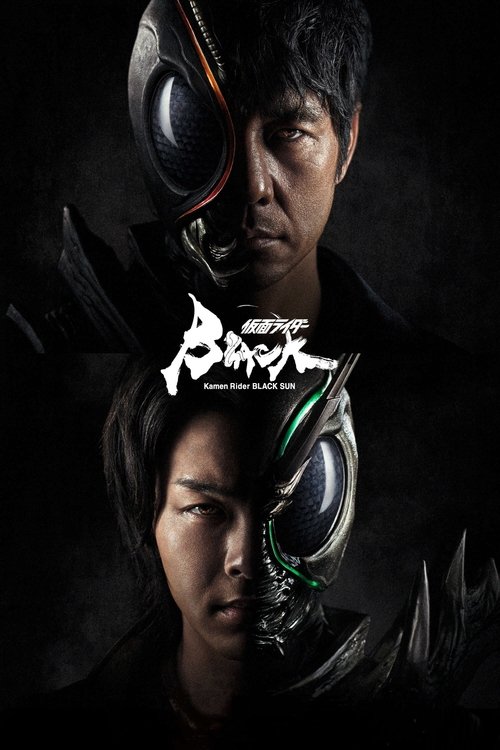
This is Kamen Rider's Andor.
"SOYLENT BLUE IS PEOPLE!?"
This series is quite the fascinating one. It is Kamen Rider's second Heisei Era venture into mature territory after Amazons in 2016 and the first of the final trilogy of the Showa era, Shin Kamen Rider in 1992. A film which funnily enough followed the original Kamen Rider Black series and this new series takes some visual influence from in its creature design.
I have been a massive fan of these attempts at an R-Rated Rider in the past but until now they never quite felt as mature in their themes and storytelling as they were in their violence and content. That's not to say that they didn't have great character moments or that this new series is flawless, however the production value and the performance paired with the incredibly political and dense story gives Black Sun an aura of prestige unlike any other previous Rider has. That is until the inevitable masterpiece Hideaki Anno has in store for us next year.
Starting with the script, this is not a subtle one, but it's not trying to be. There is even a moment where a character barrels the lens and in English says "How are you sitting there watching. Why aren't you furious?" The show also manages to deal with incredibly current political conflicts that not only are being faced in Japan but parallel in an almost frightening level to the United States as well. For something so rooted in Japanese Culture it was refreshing to see something so politically scathing given such care. This isn't so say that it's perfectly woven in. There are some horrifyingly impactful moments that the show depicts, showing lynchings and fascism plaguing the not so subtly named kaijin (a portmanteau of gaijin and kaiju) communities that starts to enter a territory of irresponsibility in its final moments. But overall the series does a very effective job of weaving its themselves through the story which is in large part due to it's performances and visual style.
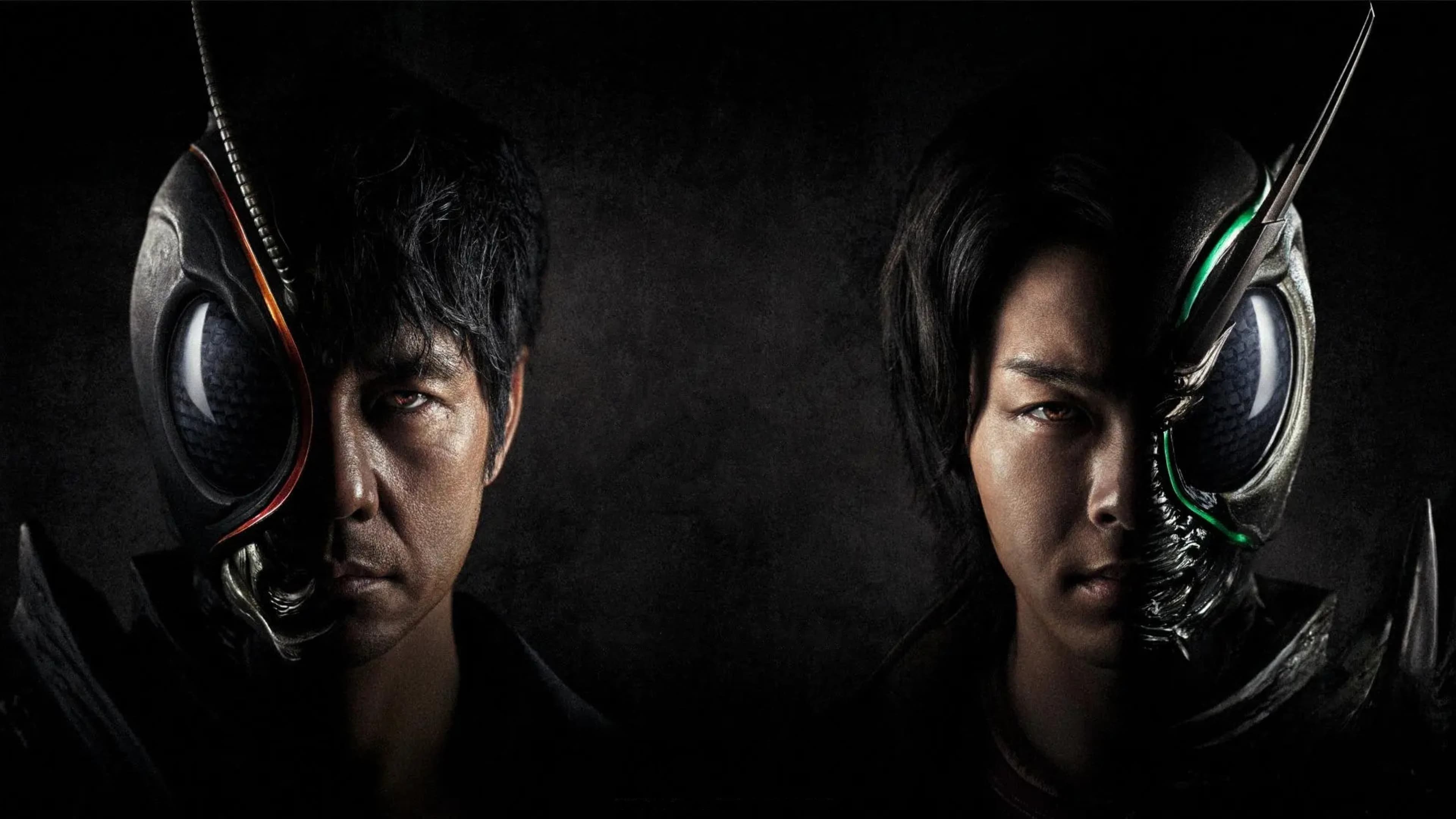
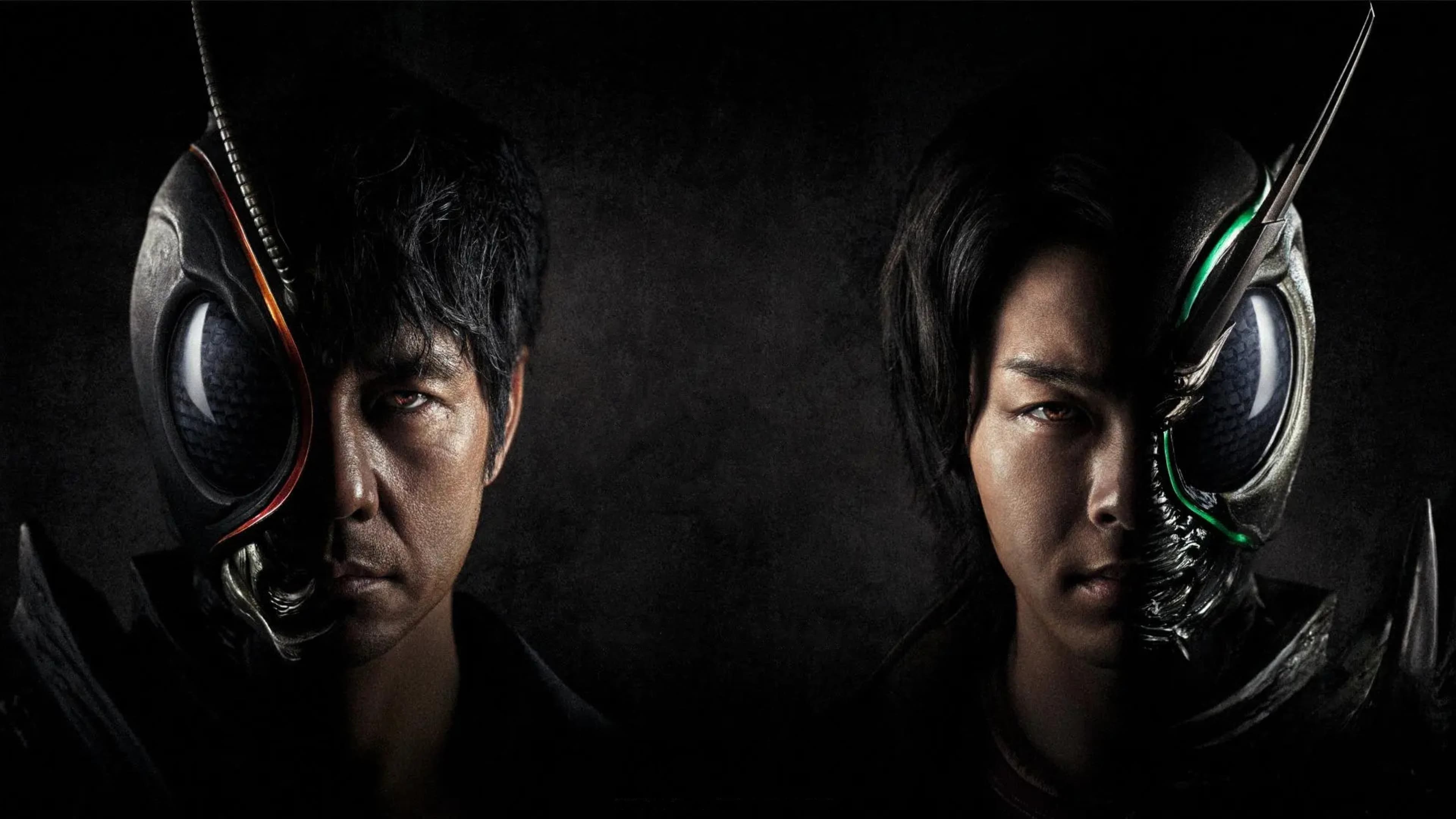
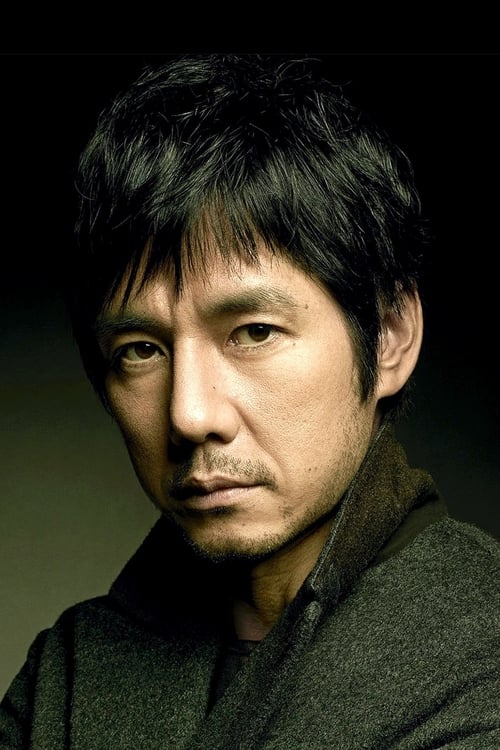
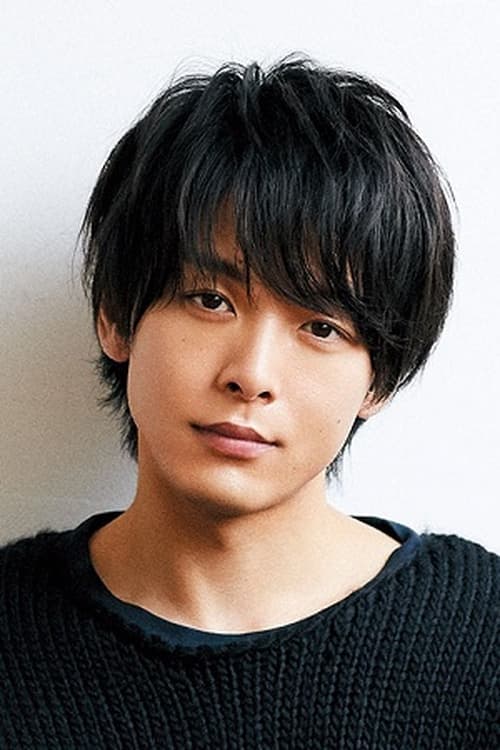
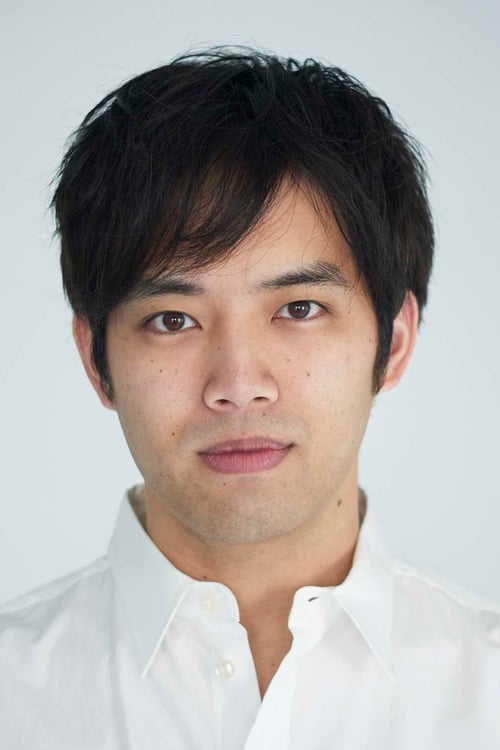
The second Hidetoshi Nishijima appears on screen, he brings with him such a level of prestige and talent that it elevates a lot of what is around him and in this series he is a very welcome presence and my only criticism is that I wanted so much more of him. And an actor who I'm not sure I've ever seen before, Tomoya Nakamura, plays his foil, Shadow Moon, and Nakamura himself brings such a commanding presence whenever he is on screen that I was spell bound. The level of gravitas this show presents Shadow Moon and Black Sun is amazing and it's almost due to their lack of up front presence in the show that makes when they are there all the more intense.
This is the second time Nishijima has appeared in a major Tokusatsu series. With Kamen Rider and Ultraman under his belt, the man just needs to be in a gritty Godzilla to achieve his Tokusatsu hat trick.
The show also manages to create really fascinating and layered looks at its entire supporting cast, something that makes it really satisfying or really devastating to watch as their character arcs play out over the course of the season. A season whose mystery is spun really well through a dual narrative running simultaneously in the present day and in the 70s when the original Kamen Rider series began, a very interesting way to visualize in homage to the original series for its anniversary and to show the parallels politically in where we are now to the early 70s as well as echo some of the original Kamen Rider's similarly Anti-Fascist themes that lined its core.
I love how the flashback sequences are done visually and the performances are great throughout. The way this whole series visually harkens back to the Showa Era and old film stocks is so lovely and its heavy use of practical effects which is what made me love Kamen Rider in the first place. I love that 70s schlock shit, that's art, and to see it modernized and brought to a much more mature setting is so fun. There are no punches pulled on the blood or violence in the show either, which made for a very tense and uncomfortable viewing experience in many scenes, because I never knew what could happen to the characters, especially when there are such deeply mature character moments with all of them.
I mean for Christ's sake this is a show where a child murdering Racist mob leader gets his fucking head smashed in public by the bare hands of a character once featured in a kids show. And I love it.
That's not to say it's all positives. I think the show would've benefited from a slightly shorter runtime or episode count. It felt at times like the show was spinning its wheels a bit in between major character moments and whole episodes would go by with very little if any action. Though it does go to show that it was able to hold its own so well with Kamen Rider not actually being in it as much. But still, more of this iteration of Kamen Rider being on screen and kicking ass would've made the ending of the show and his relationship with Aoi feel more present and impactful. I also personally don't think the series handled some of its real life parallels to hate crimes as well as it could've. I know the show had a message that it wears very proudly on its sleeve but a particular scene in the final moments of the final episode rubbed me the wrong way, if you've seen it, you likely know what I mean.
This brings me to the ending as a whole. For the most part I loved the final episode, it got me emotional, it was exciting, the opening recreation of the original OP was fucking awesome and the end of Kotaro's story arc was touching. But... those last few minutes... it's conflicting.
On the one hand I see it as a call to arms, literally, and shows us that Aoi's battle is far from over, but it really paints our heroes in a really really dark and non heroic light. Beheading politicians in an alleyway to help put figurehead leaders in place, training child soldiers to build bombs and kill people, flying a flag that looks ominously like an Isis flag... it doesn't feel appropriately in line with what the themes of the series were, especially after showing us how Shadow Moon failed when he recruited children to make a terrorist army of his own, and it makes me question if the writers even realize how it makes the characters who are supposed to be carrying on Kotaro's legacy appear. But nonetheless the sentiment and call to action to stand up to hate and that justice sometimes means dirtying you hands is there, I just think they did a very careless and poor job at depicting it in the final moments of the series and that left me on a weird note.
All in all this series was a phenomenal and unsurprisingly surprisingly prestigious and mature series that does an incredible job at being a love letter to Showa Rider as well as modernizing and putting intense themes and mature characters at the forefront of a series like this. From the visuals to the writing to the performances to the music, this series pushed the envelope. I had an awesome time and clearly a whole lot to say about it, but I think its something that any Rider fan should check out and even some new fans as well!
This is Kamen Rider's Andor.
"SOYLENT BLUE IS PEOPLE!?"
This series is quite the fascinating one. It is Kamen Rider's second Heisei Era venture into mature territory after Amazons in 2016 and the first of the final trilogy of the Showa era, Shin Kamen Rider in 1992. A film which funnily enough followed the original Kamen Rider Black series and this new series takes some visual influence from in its creature design.
I have been a massive fan of these attempts at an R-Rated Rider in the past but until now they never quite felt as mature in their themes and storytelling as they were in their violence and content. That's not to say that they didn't have great character moments or that this new series is flawless, however the production value and the performance paired with the incredibly political and dense story gives Black Sun an aura of prestige unlike any other previous Rider has. That is until the inevitable masterpiece Hideaki Anno has in store for us next year.
Starting with the script, this is not a subtle one, but it's not trying to be. There is even a moment where a character barrels the lens and in English says "How are you sitting there watching. Why aren't you furious?" The show also manages to deal with incredibly current political conflicts that not only are being faced in Japan but parallel in an almost frightening level to the United States as well. For something so rooted in Japanese Culture it was refreshing to see something so politically scathing given such care. This isn't so say that it's perfectly woven in. There are some horrifyingly impactful moments that the show depicts, showing lynchings and fascism plaguing the not so subtly named kaijin (a portmanteau of gaijin and kaiju) communities that starts to enter a territory of irresponsibility in its final moments. But overall the series does a very effective job of weaving its themselves through the story which is in large part due to it's performances and visual style.
The second Hidetoshi Nishijima appears on screen, he brings with him such a level of prestige and talent that it elevates a lot of what is around him and in this series he is a very welcome presence and my only criticism is that I wanted so much more of him. And an actor who I'm not sure I've ever seen before, Tomoya Nakamura, plays his foil, Shadow Moon, and Nakamura himself brings such a commanding presence whenever he is on screen that I was spell bound. The level of gravitas this show presents Shadow Moon and Black Sun is amazing and it's almost due to their lack of up front presence in the show that makes when they are there all the more intense.
This is the second time Nishijima has appeared in a major Tokusatsu series. With Kamen Rider and Ultraman under his belt, the man just needs to be in a gritty Godzilla to achieve his Tokusatsu hat trick.
The show also manages to create really fascinating and layered looks at its entire supporting cast, something that makes it really satisfying or really devastating to watch as their character arcs play out over the course of the season. A season whose mystery is spun really well through a dual narrative running simultaneously in the present day and in the 70s when the original Kamen Rider series began, a very interesting way to visualize in homage to the original series for its anniversary and to show the parallels politically in where we are now to the early 70s as well as echo some of the original Kamen Rider's similarly Anti-Fascist themes that lined its core.
I love how the flashback sequences are done visually and the performances are great throughout. The way this whole series visually harkens back to the Showa Era and old film stocks is so lovely and its heavy use of practical effects which is what made me love Kamen Rider in the first place. I love that 70s schlock shit, that's art, and to see it modernized and brought to a much more mature setting is so fun. There are no punches pulled on the blood or violence in the show either, which made for a very tense and uncomfortable viewing experience in many scenes, because I never knew what could happen to the characters, especially when there are such deeply mature character moments with all of them.
I mean for Christ's sake this is a show where a child murdering Racist mob leader gets his fucking head smashed in public by the bare hands of a character once featured in a kids show. And I love it.
That's not to say it's all positives. I think the show would've benefited from a slightly shorter runtime or episode count. It felt at times like the show was spinning its wheels a bit in between major character moments and whole episodes would go by with very little if any action. Though it does go to show that it was able to hold its own so well with Kamen Rider not actually being in it as much. But still, more of this iteration of Kamen Rider being on screen and kicking ass would've made the ending of the show and his relationship with Aoi feel more present and impactful. I also personally don't think the series handled some of its real life parallels to hate crimes as well as it could've. I know the show had a message that it wears very proudly on its sleeve but a particular scene in the final moments of the final episode rubbed me the wrong way, if you've seen it, you likely know what I mean.
This brings me to the ending as a whole. For the most part I loved the final episode, it got me emotional, it was exciting, the opening recreation of the original OP was fucking awesome and the end of Kotaro's story arc was touching. But... those last few minutes... it's conflicting.
On the one hand I see it as a call to arms, literally, and shows us that Aoi's battle is far from over, but it really paints our heroes in a really really dark and non heroic light. Beheading politicians in an alleyway to help put figurehead leaders in place, training child soldiers to build bombs and kill people, flying a flag that looks ominously like an Isis flag... it doesn't feel appropriately in line with what the themes of the series were, especially after showing us how Shadow Moon failed when he recruited children to make a terrorist army of his own, and it makes me question if the writers even realize how it makes the characters who are supposed to be carrying on Kotaro's legacy appear. But nonetheless the sentiment and call to action to stand up to hate and that justice sometimes means dirtying you hands is there, I just think they did a very careless and poor job at depicting it in the final moments of the series and that left me on a weird note.
All in all this series was a phenomenal and unsurprisingly surprisingly prestigious and mature series that does an incredible job at being a love letter to Showa Rider as well as modernizing and putting intense themes and mature characters at the forefront of a series like this. From the visuals to the writing to the performances to the music, this series pushed the envelope. I had an awesome time and clearly a whole lot to say about it, but I think its something that any Rider fan should check out and even some new fans as well!