


2023·Documentary·6 episodes
7.6
★
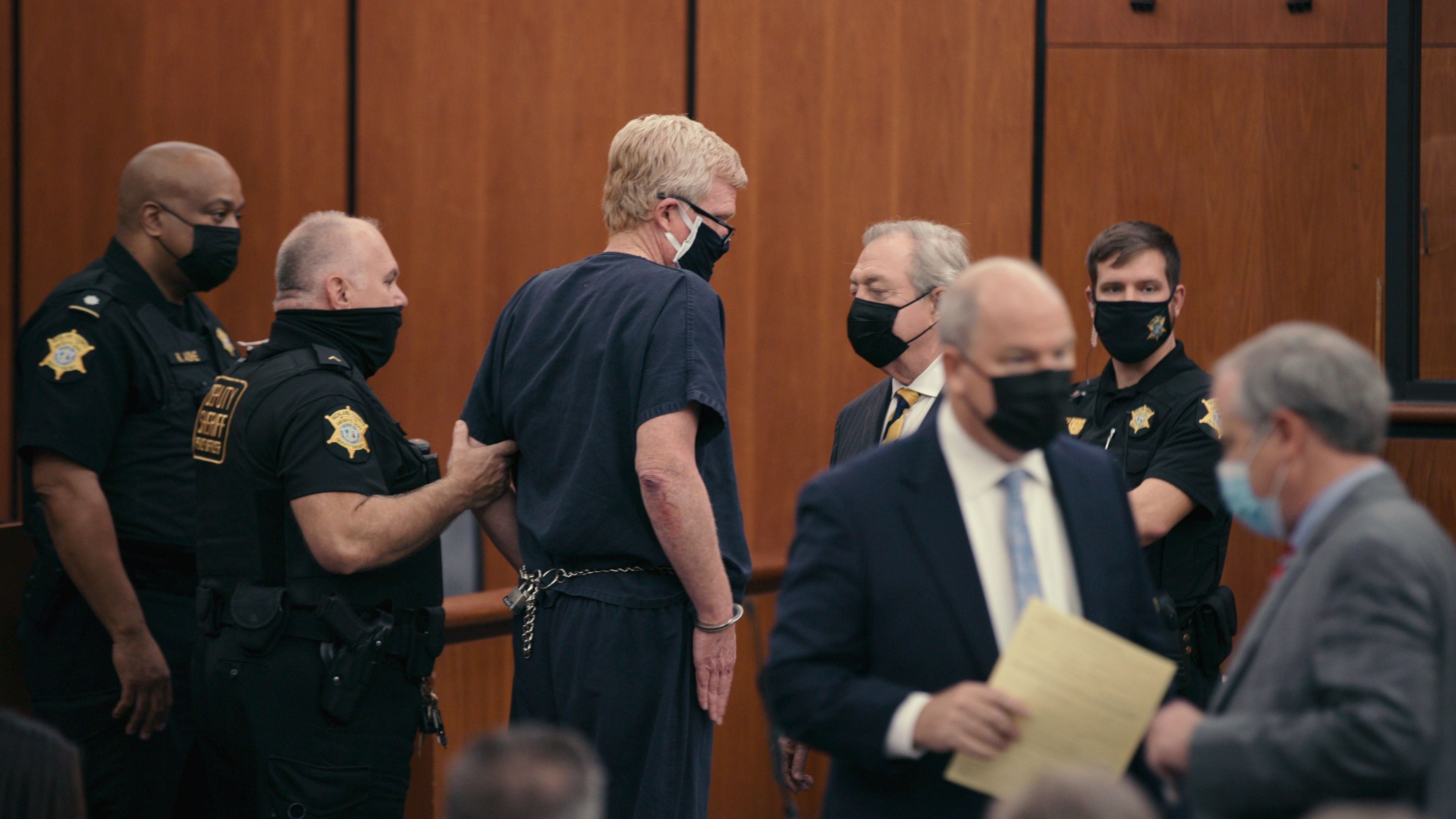
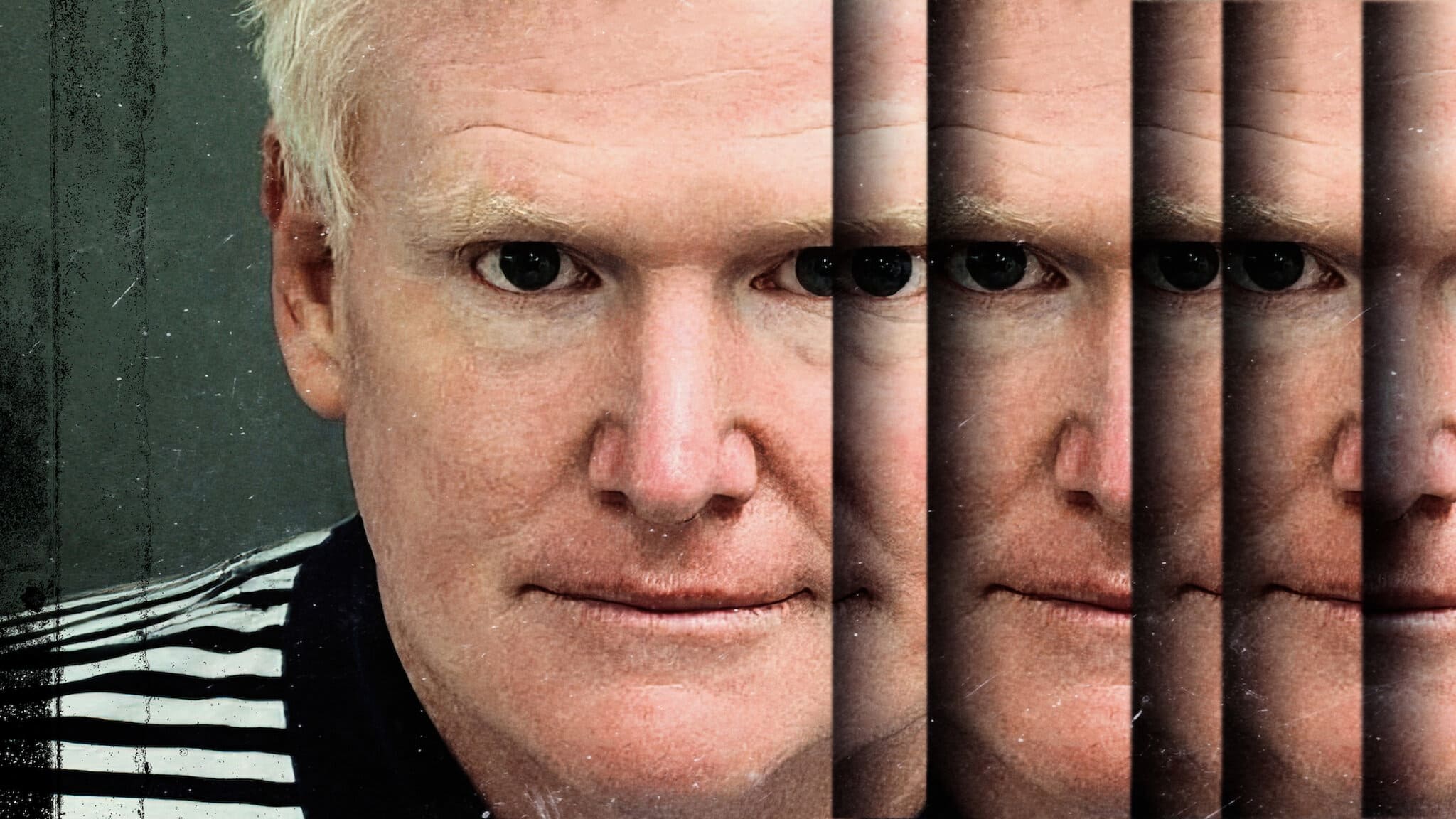
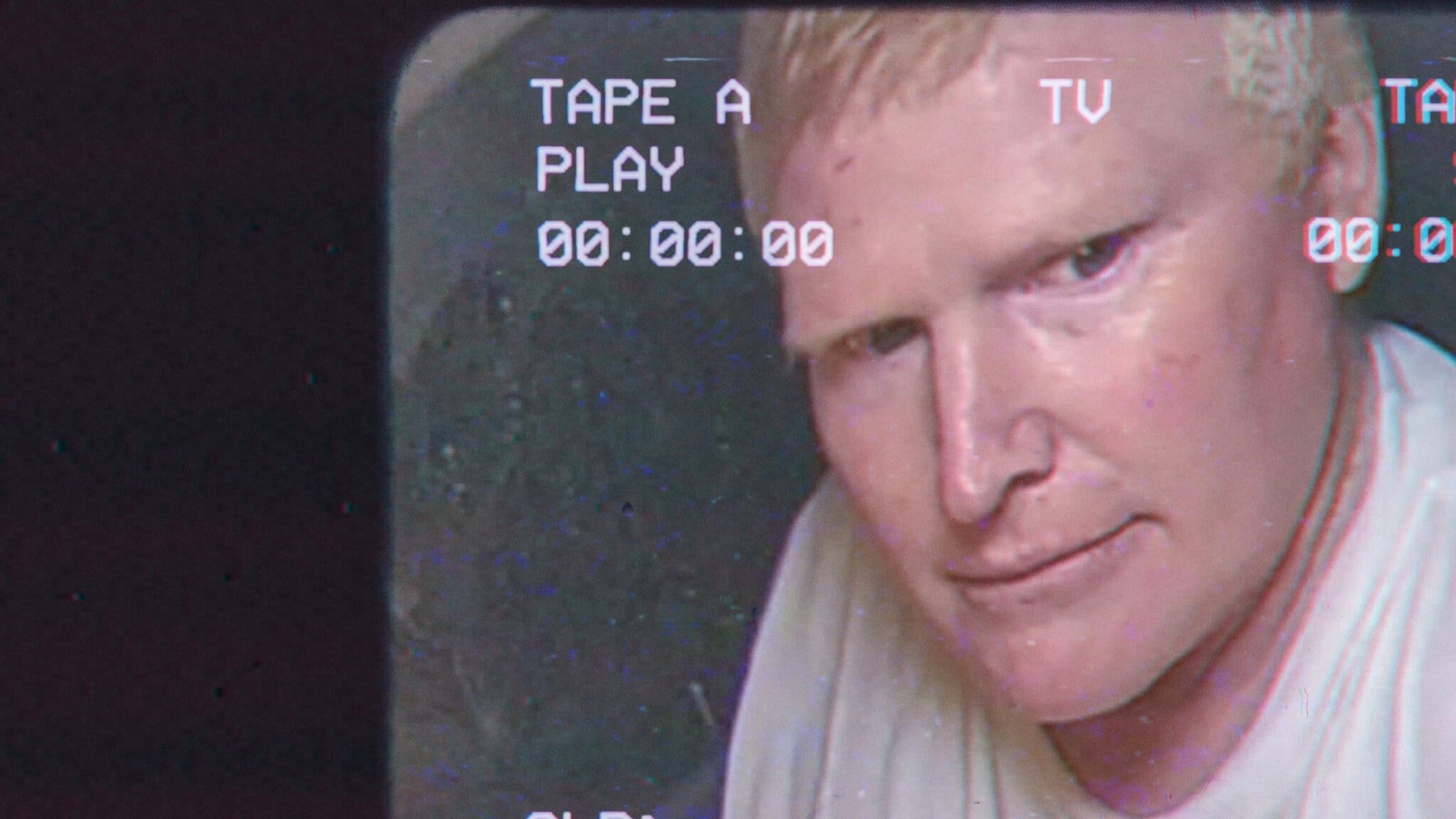

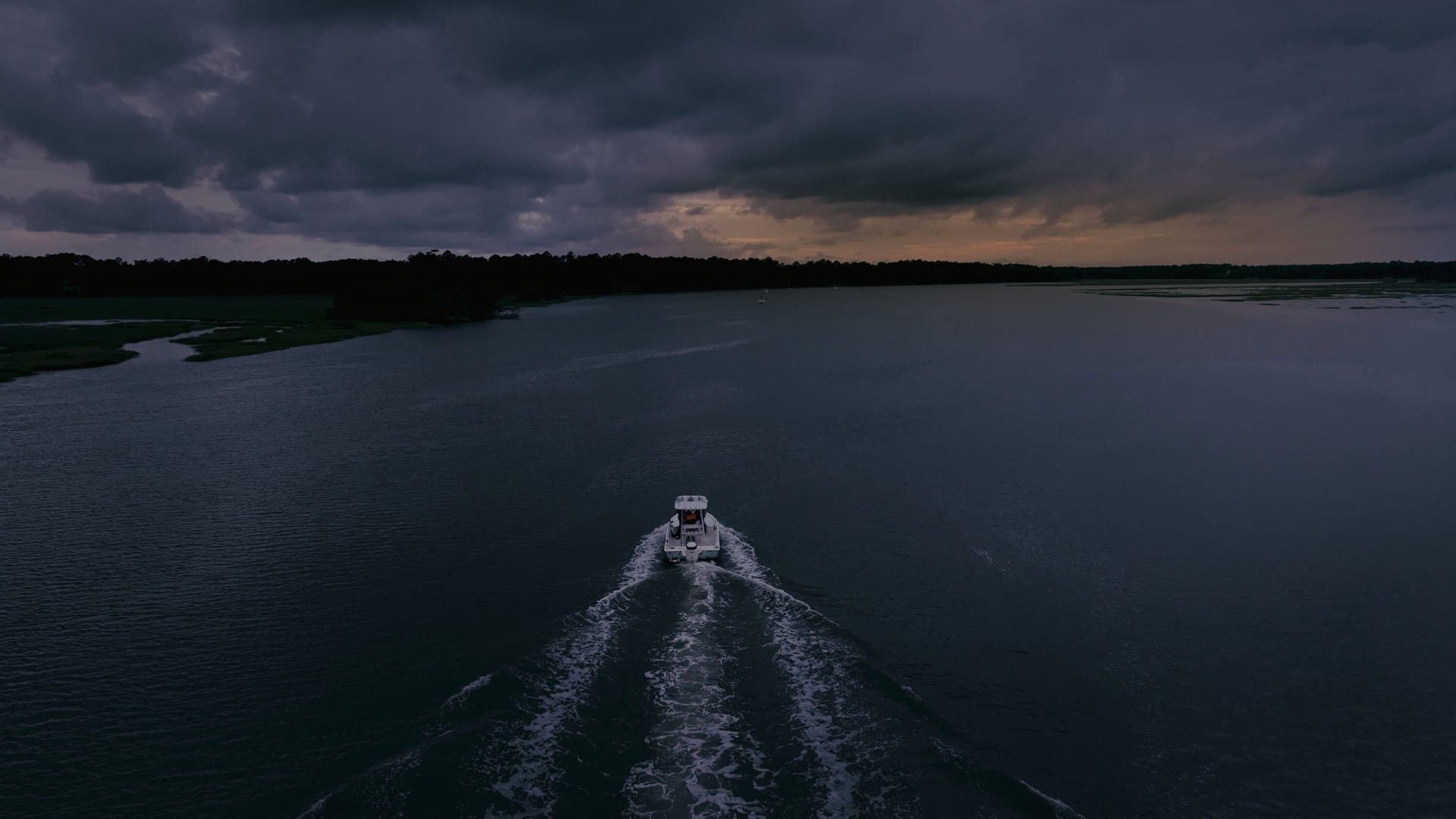
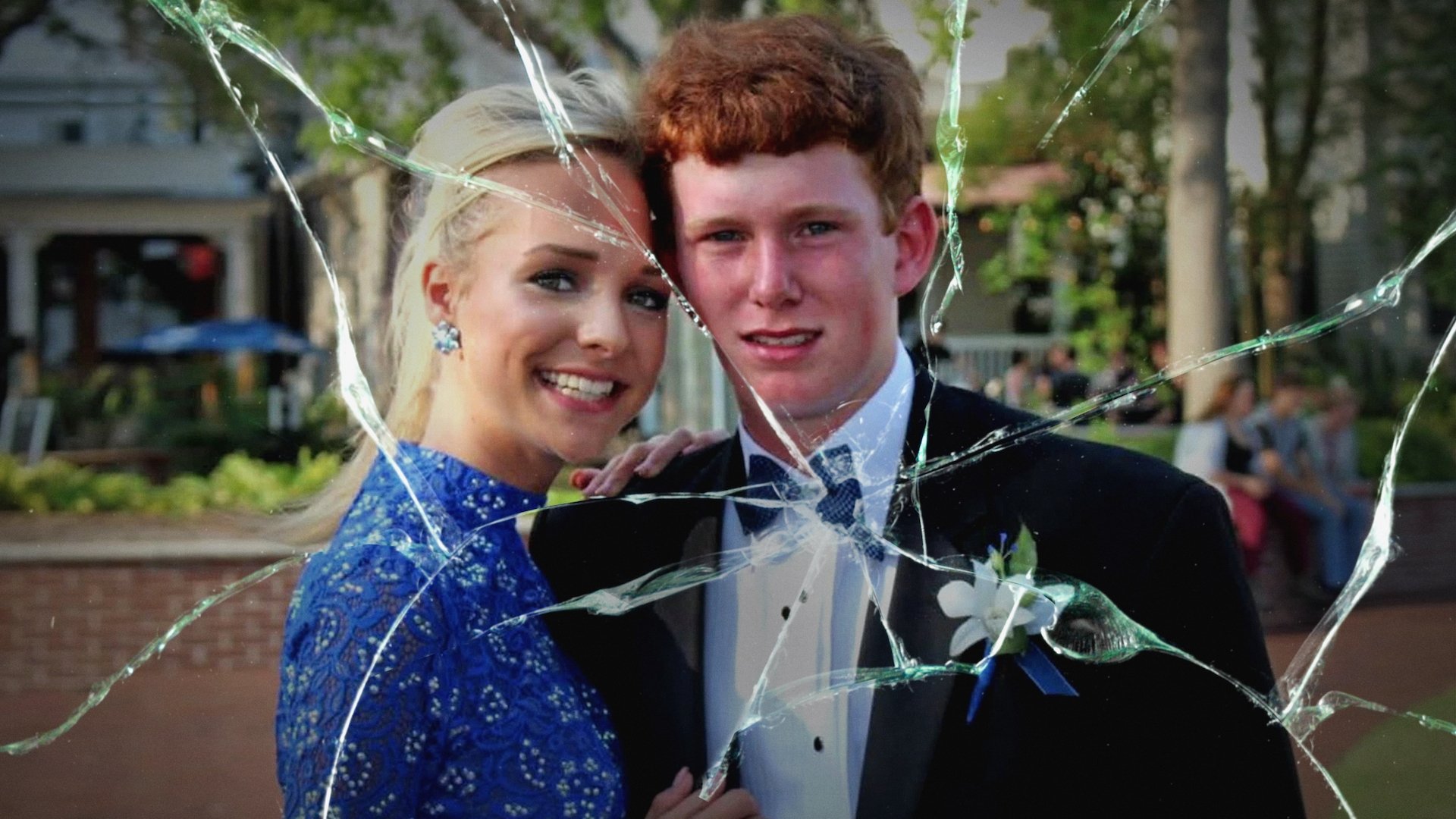
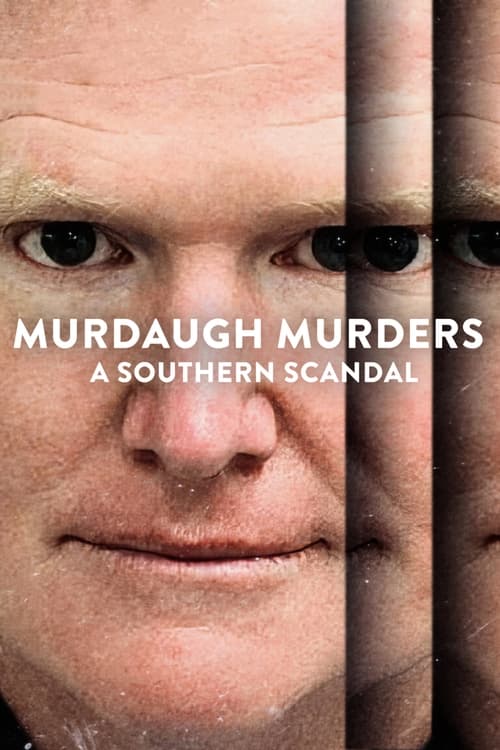
Shocking tragedies shatter a tight-knit South Carolina community and expose the horrifying secrets of its most powerful family.
Created by Julia Willoughby Nason and Michael Gasparro
scandal
south carolina
family
power

Trailer

IMDB
N/A
Where to Watch

Crew

Julia Willoughby Nason
Executive Producer
Popular Reviews
65 reviews
Amavi
8.0★ · 08/20/25
Good documentary
Good documentary


Julia
still not over that woman who spent god knows how much on a camera with all of the murdaugh’s vacation pictures on it?????
still not over that woman who spent god knows how much on a camera with all of the murdaugh’s vacation pictures on it?????
sydney
damn family is never safe when generational greed comes around.
damn family is never safe when generational greed comes around.
LeonDeon
5.0★ · 02/12/24
Murdaugh Murders: A Southern Scandal is what I expect now with anything Netflix makes concerning real people.
Netflix has devolved from a legitimate place where people would talk about their documentaries fervently like I've never seen for the genre. When Making a Murderer came out, it captured public interest with the crime that showcased the corruption of the police and the family embroiled in the middle of it. This could easily be conjecture, but that documentary changed Netflix in how they go about making these documentaries. It felt like overnight, every documentary became elongated to cover every detail of the subject. True crime is a subject teeming with stories that could work in this format if handled appropriately, without the concern of making entertainment, but to cover the events taking place accurately. One of the first instances that I can think of where the format was inappropriately used was Crime Scene: The Vanishing at the Cecil Hotel, which delved into conspiracy theories, which I felt to be grossly inappropriate considering a real woman was found dead in that hotel. It became less and less about Elisa Lam and more about the hotel and the parasocial relationships that developed with the Lam case as more details about her death were released. It dehumanized her; it never felt like the intention was to capture this poor woman's story and to bring some context to a case that has become synonymous with the paranormal; instead, it is a bloated docu-series without focus.
Murdaugh Murders: A Southern Scandal feels like that same issue. This time, we have two seasons. Season one covers the death of Mallory Beach, who died in a boating accident. A boating accident was caused by Paul Murdaugh, who was drunk at the time of the accident, and the driver that caused said accident. Julia Willoughby Nason introduces us to this case and gradually brings us into the world of the Murdaughs. The Murdaughs are the typical rich southern family, who, with their close connections to the police and other city officials, were able to abuse their privilege to their advantage, especially when it came to their son Paul's drunk boating accident that resulted in the death of Mallory Beach. The documentary details how much the family got away with, mostly with Alex Murdaugh taking money from his clients and laundering it through a friend. He could get away with it for as long as he did because of who he was in his community and what it could imply if he were guilty of doing what he was eventually convicted of.
Season two spends the season covering the murders of Paul and Maggie Murdaugh. Alex definitely killed his family, and the documentary lays out in detail how and why Alex did what he did that night. Did it need to be three episodes to get to that destination? No. That is the main issue with this documentary — the length. It did not need to be two seasons but rather one with maybe three to four episodes. This doc has a nasty little habit of covering every single perspective possible. That does not need to happen with this. It could very easily be a gripping documentary about the "Good ole' boy" system operating in the South and the grizzly crime committed by Alex Murdaugh. Rather we have a documentary that fills a quota of padding to elongate the watch numbers for shareholders to cheer about when they see that the documentary is number one on the Netflix charts.
Sometimes things don't need to be hours and hours and hours long. Sometimes something focused will produce a project that is more meaningful because of what it decides to keep and cut out.
Netflix has devolved from a legitimate place where people would talk about their documentaries fervently like I've never seen for the genre. When Making a Murderer came out, it captured public interest with the crime that showcased the corruption of the police and the family embroiled in the middle of it. This could easily be conjecture, but that documentary changed Netflix in how they go about making these documentaries. It felt like overnight, every documentary became elongated to cover every detail of the subject. True crime is a subject teeming with stories that could work in this format if handled appropriately, without the concern of making entertainment, but to cover the events taking place accurately. One of the first instances that I can think of where the format was inappropriately used was Crime Scene: The Vanishing at the Cecil Hotel, which delved into conspiracy theories, which I felt to be grossly inappropriate considering a real woman was found dead in that hotel. It became less and less about Elisa Lam and more about the hotel and the parasocial relationships that developed with the Lam case as more details about her death were released. It dehumanized her; it never felt like the intention was to capture this poor woman's story and to bring some context to a case that has become synonymous with the paranormal; instead, it is a bloated docu-series without focus.
Murdaugh Murders: A Southern Scandal feels like that same issue. This time, we have two seasons. Season one covers the death of Mallory Beach, who died in a boating accident. A boating accident was caused by Paul Murdaugh, who was drunk at the time of the accident, and the driver that caused said accident. Julia Willoughby Nason introduces us to this case and gradually brings us into the world of the Murdaughs. The Murdaughs are the typical rich southern family, who, with their close connections to the police and other city officials, were able to abuse their privilege to their advantage, especially when it came to their son Paul's drunk boating accident that resulted in the death of Mallory Beach. The documentary details how much the family got away with, mostly with Alex Murdaugh taking money from his clients and laundering it through a friend. He could get away with it for as long as he did because of who he was in his community and what it could imply if he were guilty of doing what he was eventually convicted of.
Season two spends the season covering the murders of Paul and Maggie Murdaugh. Alex definitely killed his family, and the documentary lays out in detail how and why Alex did what he did that night. Did it need to be three episodes to get to that destination? No. That is the main issue with this documentary — the length. It did not need to be two seasons but rather one with maybe three to four episodes. This doc has a nasty little habit of covering every single perspective possible. That does not need to happen with this. It could very easily be a gripping documentary about the "Good ole' boy" system operating in the South and the grizzly crime committed by Alex Murdaugh. Rather we have a documentary that fills a quota of padding to elongate the watch numbers for shareholders to cheer about when they see that the documentary is number one on the Netflix charts.
Sometimes things don't need to be hours and hours and hours long. Sometimes something focused will produce a project that is more meaningful because of what it decides to keep and cut out.
Murdaugh Murders: A Southern Scandal is what I expect now with anything Netflix makes concerning real people.
Netflix has devolved from a legitimate place where people would talk about their documentaries fervently like I've never seen for the genre. When Making a Murderer came out, it captured public interest with the crime that showcased the corruption of the police and the family embroiled in the middle of it. This could easily be conjecture, but that documentary changed Netflix in how they go about making these documentaries. It felt like overnight, every documentary became elongated to cover every detail of the subject. True crime is a subject teeming with stories that could work in this format if handled appropriately, without the concern of making entertainment, but to cover the events taking place accurately. One of the first instances that I can think of where the format was inappropriately used was Crime Scene: The Vanishing at the Cecil Hotel, which delved into conspiracy theories, which I felt to be grossly inappropriate considering a real woman was found dead in that hotel. It became less and less about Elisa Lam and more about the hotel and the parasocial relationships that developed with the Lam case as more details about her death were released. It dehumanized her; it never felt like the intention was to capture this poor woman's story and to bring some context to a case that has become synonymous with the paranormal; instead, it is a bloated docu-series without focus.
Murdaugh Murders: A Southern Scandal feels like that same issue. This time, we have two seasons. Season one covers the death of Mallory Beach, who died in a boating accident. A boating accident was caused by Paul Murdaugh, who was drunk at the time of the accident, and the driver that caused said accident. Julia Willoughby Nason introduces us to this case and gradually brings us into the world of the Murdaughs. The Murdaughs are the typical rich southern family, who, with their close connections to the police and other city officials, were able to abuse their privilege to their advantage, especially when it came to their son Paul's drunk boating accident that resulted in the death of Mallory Beach. The documentary details how much the family got away with, mostly with Alex Murdaugh taking money from his clients and laundering it through a friend. He could get away with it for as long as he did because of who he was in his community and what it could imply if he were guilty of doing what he was eventually convicted of.
Season two spends the season covering the murders of Paul and Maggie Murdaugh. Alex definitely killed his family, and the documentary lays out in detail how and why Alex did what he did that night. Did it need to be three episodes to get to that destination? No. That is the main issue with this documentary — the length. It did not need to be two seasons but rather one with maybe three to four episodes. This doc has a nasty little habit of covering every single perspective possible. That does not need to happen with this. It could very easily be a gripping documentary about the "Good ole' boy" system operating in the South and the grizzly crime committed by Alex Murdaugh. Rather we have a documentary that fills a quota of padding to elongate the watch numbers for shareholders to cheer about when they see that the documentary is number one on the Netflix charts.
Sometimes things don't need to be hours and hours and hours long. Sometimes something focused will produce a project that is more meaningful because of what it decides to keep and cut out.
Netflix has devolved from a legitimate place where people would talk about their documentaries fervently like I've never seen for the genre. When Making a Murderer came out, it captured public interest with the crime that showcased the corruption of the police and the family embroiled in the middle of it. This could easily be conjecture, but that documentary changed Netflix in how they go about making these documentaries. It felt like overnight, every documentary became elongated to cover every detail of the subject. True crime is a subject teeming with stories that could work in this format if handled appropriately, without the concern of making entertainment, but to cover the events taking place accurately. One of the first instances that I can think of where the format was inappropriately used was Crime Scene: The Vanishing at the Cecil Hotel, which delved into conspiracy theories, which I felt to be grossly inappropriate considering a real woman was found dead in that hotel. It became less and less about Elisa Lam and more about the hotel and the parasocial relationships that developed with the Lam case as more details about her death were released. It dehumanized her; it never felt like the intention was to capture this poor woman's story and to bring some context to a case that has become synonymous with the paranormal; instead, it is a bloated docu-series without focus.
Murdaugh Murders: A Southern Scandal feels like that same issue. This time, we have two seasons. Season one covers the death of Mallory Beach, who died in a boating accident. A boating accident was caused by Paul Murdaugh, who was drunk at the time of the accident, and the driver that caused said accident. Julia Willoughby Nason introduces us to this case and gradually brings us into the world of the Murdaughs. The Murdaughs are the typical rich southern family, who, with their close connections to the police and other city officials, were able to abuse their privilege to their advantage, especially when it came to their son Paul's drunk boating accident that resulted in the death of Mallory Beach. The documentary details how much the family got away with, mostly with Alex Murdaugh taking money from his clients and laundering it through a friend. He could get away with it for as long as he did because of who he was in his community and what it could imply if he were guilty of doing what he was eventually convicted of.
Season two spends the season covering the murders of Paul and Maggie Murdaugh. Alex definitely killed his family, and the documentary lays out in detail how and why Alex did what he did that night. Did it need to be three episodes to get to that destination? No. That is the main issue with this documentary — the length. It did not need to be two seasons but rather one with maybe three to four episodes. This doc has a nasty little habit of covering every single perspective possible. That does not need to happen with this. It could very easily be a gripping documentary about the "Good ole' boy" system operating in the South and the grizzly crime committed by Alex Murdaugh. Rather we have a documentary that fills a quota of padding to elongate the watch numbers for shareholders to cheer about when they see that the documentary is number one on the Netflix charts.
Sometimes things don't need to be hours and hours and hours long. Sometimes something focused will produce a project that is more meaningful because of what it decides to keep and cut out.
John Ezenagu
7.0★ · 11/05/23
Season 2
Season 2